
Andorra

Andorra travel guide: Everything you need to know before visiting Andorra
Andorra covers just 468 km², and every bit of it sits in the Pyrenees. Its capital, Andorra la Vella, stands at 1,023 m, higher than any other capital in Europe, and the lowest point in the country is 840 m. Squeezed into that space are Grandvalira, the biggest ski area in the Pyrenees, a UNESCO-listed valley of shepherds' huts and stone paths, small Romanesque churches and a thermal spa under a glass pyramid. It has two co-princes, and you pay in euros without being in the EU.
What sets it apart from the French and Spanish Pyrenees on either side is the mix. A short drive takes you from a duty-free shopping street to a trailhead, and about 8 million people visit each year, many of them only for the shops. We think that's the wrong way to see it. Andorra suits skiers (beginners especially), summer hikers, families and road-trippers driving between Barcelona and Toulouse. If you want a big historic city or a beach, look elsewhere. This guide covers where to go, how many days to give it, what things cost and the border rules to know before you cross.
5 reasons to visit Andorra
Skiing gets most of the attention, but we'd argue summer is just as good a reason to come.
- Ski 210 km of runs at Grandvalira, the biggest ski area in the Pyrenees.
- Walk through the Madriu-Perafita-Claror Valley, Andorra's UNESCO World Heritage cultural landscape.
- Soak in Caldea's thermal water, which comes out of the ground at 68 °C.
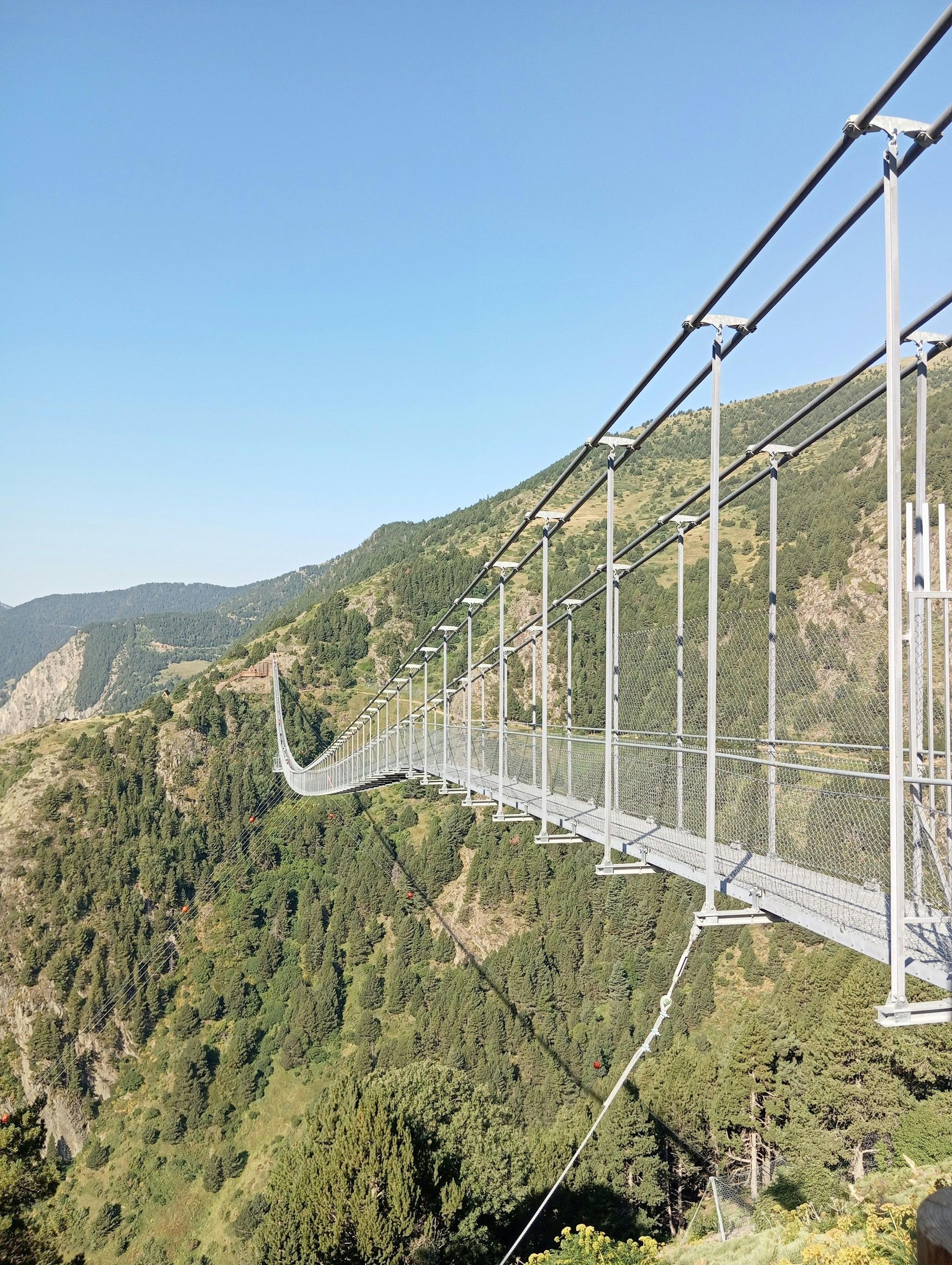
- Cross the 603-metre Tibetan bridge in Canillo, up to 158 m above the valley floor.
- Find small Romanesque churches like Santa Coloma, the oldest in the country.
Where to visit in Andorra?
How do you choose in a country this small? Pick by season. The capital and its spa work all year. The high valleys are for summer, the ski villages for winter.
Andorra la Vella and the Barri Antic
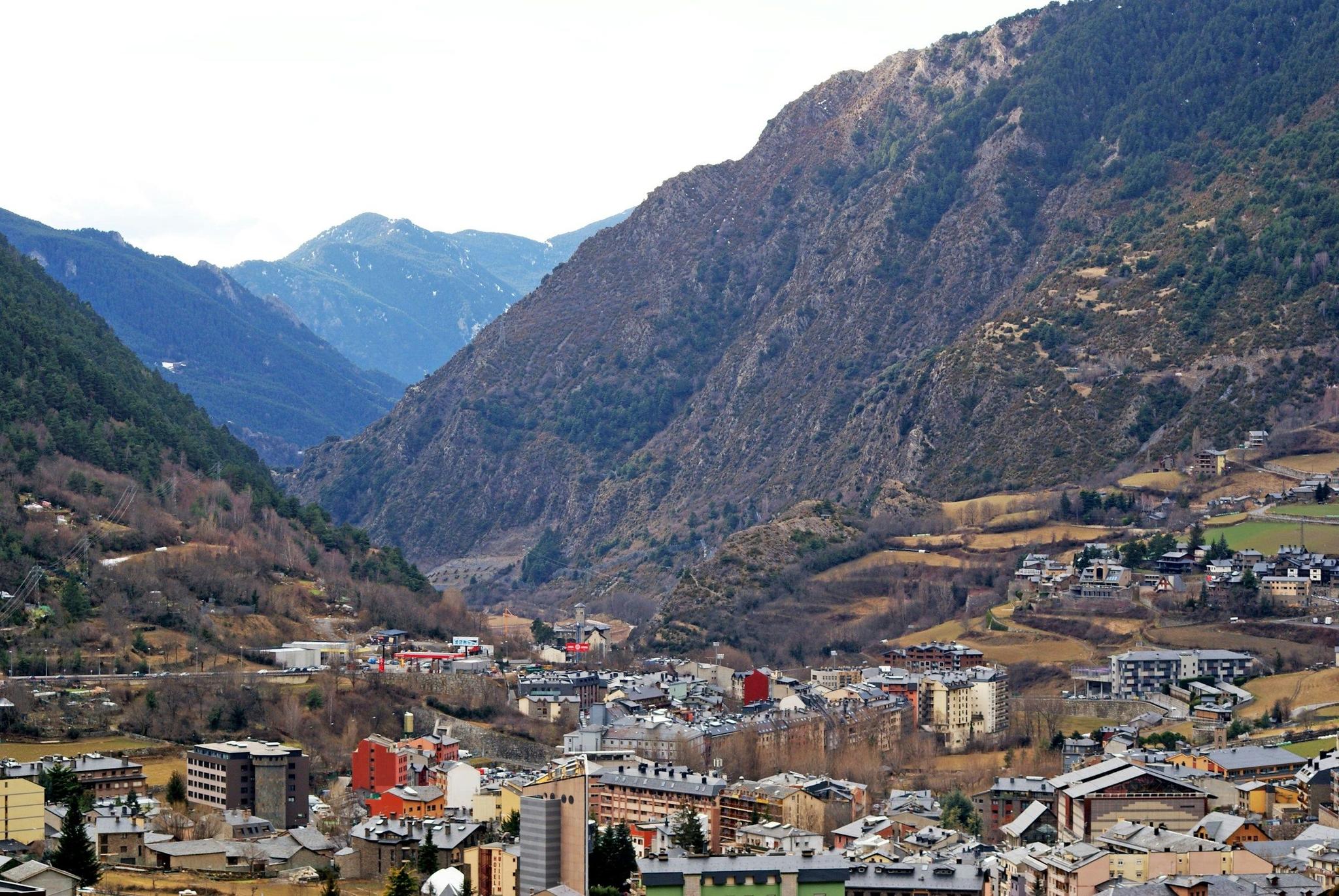
Andorra la Vella is the largest town in the country, home to about 23,000 people, and half a day here is plenty. Skip the shops on Avinguda Meritxell and head for the Barri Antic, the old quarter of cobbled lanes and stone houses. Its centrepiece is the Casa de la Vall, a 16th-century house that was the seat of the General Council from 1702 until 2011. The council was founded in 1419 and is often called the second-oldest parliament in Europe. Inside is the Room of the Seven Locks, with one key for each parish. Entry costs €5 and it's closed on Mondays, so book ahead. The 12th-century church of Sant Esteve is also in the old town, though much of it was rebuilt in the 20th century.
Santa Coloma
Look at an Andorran euro coin and you'll see Santa Coloma, the oldest church in the country and the one to visit if you only have time for one. Its nave dates from the 8th or 9th century and its bell tower from the 12th. The church's painted murals, by an artist known only as the Master of Santa Coloma, were removed in 1933 and kept in Berlin until 2007. They're now on show in the government exhibition hall. The Espai Columba interpretation centre costs €7.
Escaldes-Engordany and Caldea
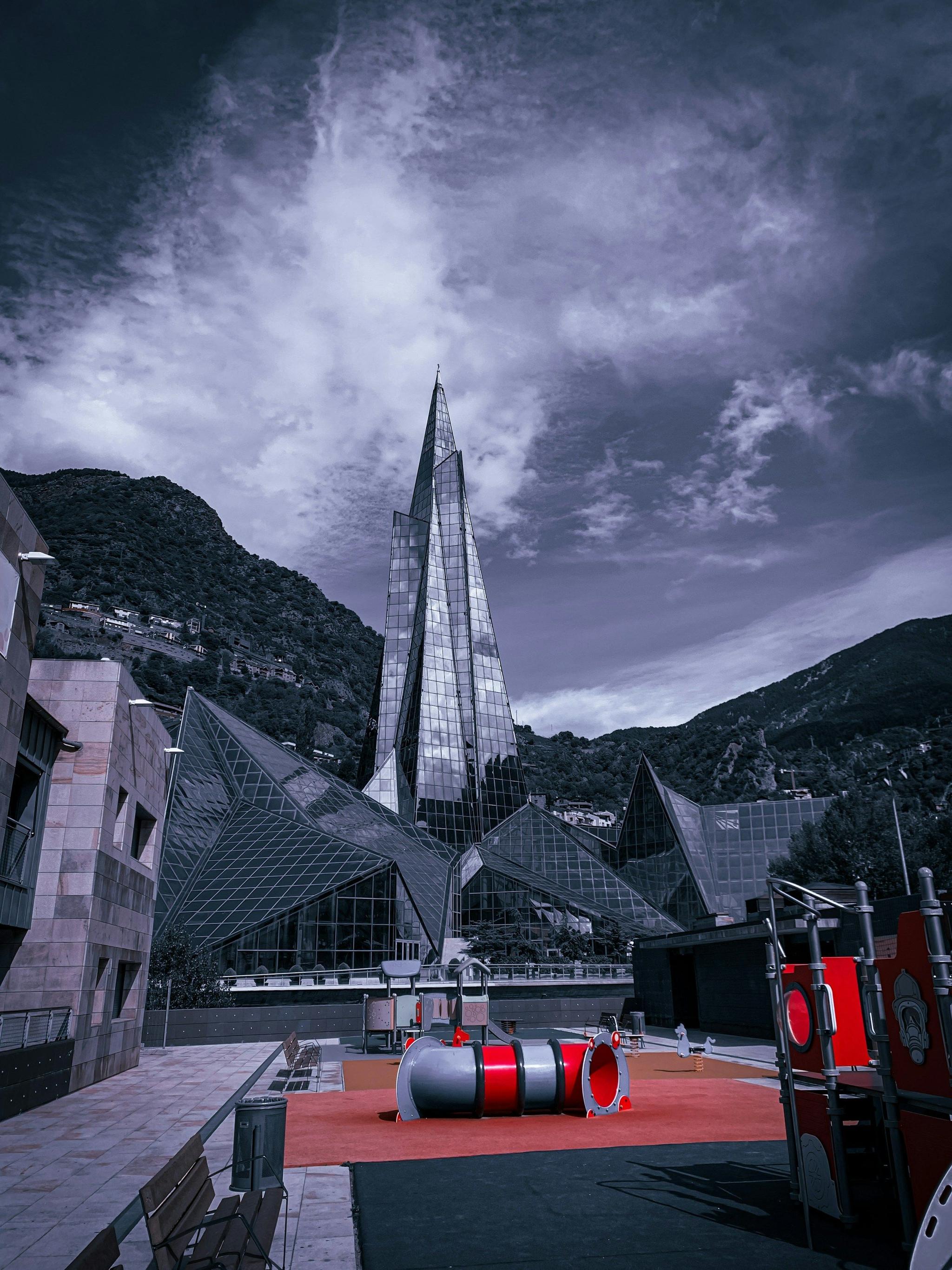
Escaldes runs straight on from the capital, a 10 to 15 minute walk, and it's home to Caldea. French architect Jean-Michel Ruols designed the spa, which opened in 1994 under a pointed glass tower. The thermal water comes out of the ground at 68 °C and is cooled to around 32 to 36 °C for bathing, with 6,000 m² of thermal water in all. Caldea calls itself the largest thermal spa in southern Europe, and it's certainly one of the biggest. A 3-hour entry costs about €37. We'd save it for a rainy afternoon or the evening after a ski day. Escaldes is also the starting point for Engolasters Lake and the Madriu valley.
Madriu-Perafita-Claror Valley
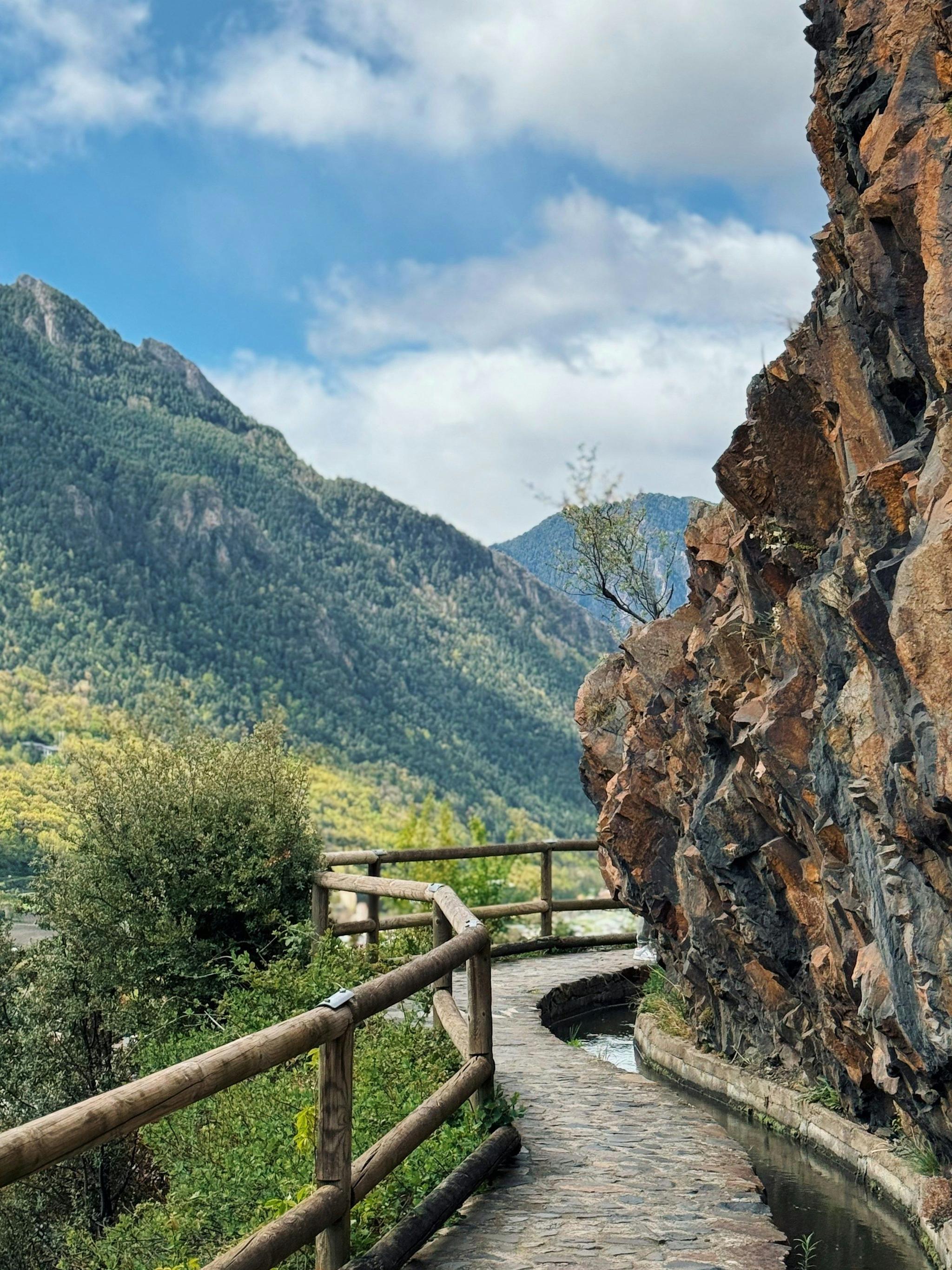
If you only do one walk in Andorra, make it this one. The Madriu-Perafita-Claror Valley became Andorra's only UNESCO World Heritage Site in 2004, listed as a cultural landscape rather than a wilderness. It covers 4,247 ha, about a tenth of the country, and runs 12 km with a height difference of 1,855 m, topping out at Pic de la Portelleta (2,905 m). Along the way you pass restored shepherds' huts and walled fields. The stone-paved path forms part of the GR7 and GR11 long-distance routes, and the popular entrance is on the Engolasters road above Escaldes. Five refuges let you stay overnight in summer, and late June to late September is the time for anything above 1,700 m.
Engolasters Lake
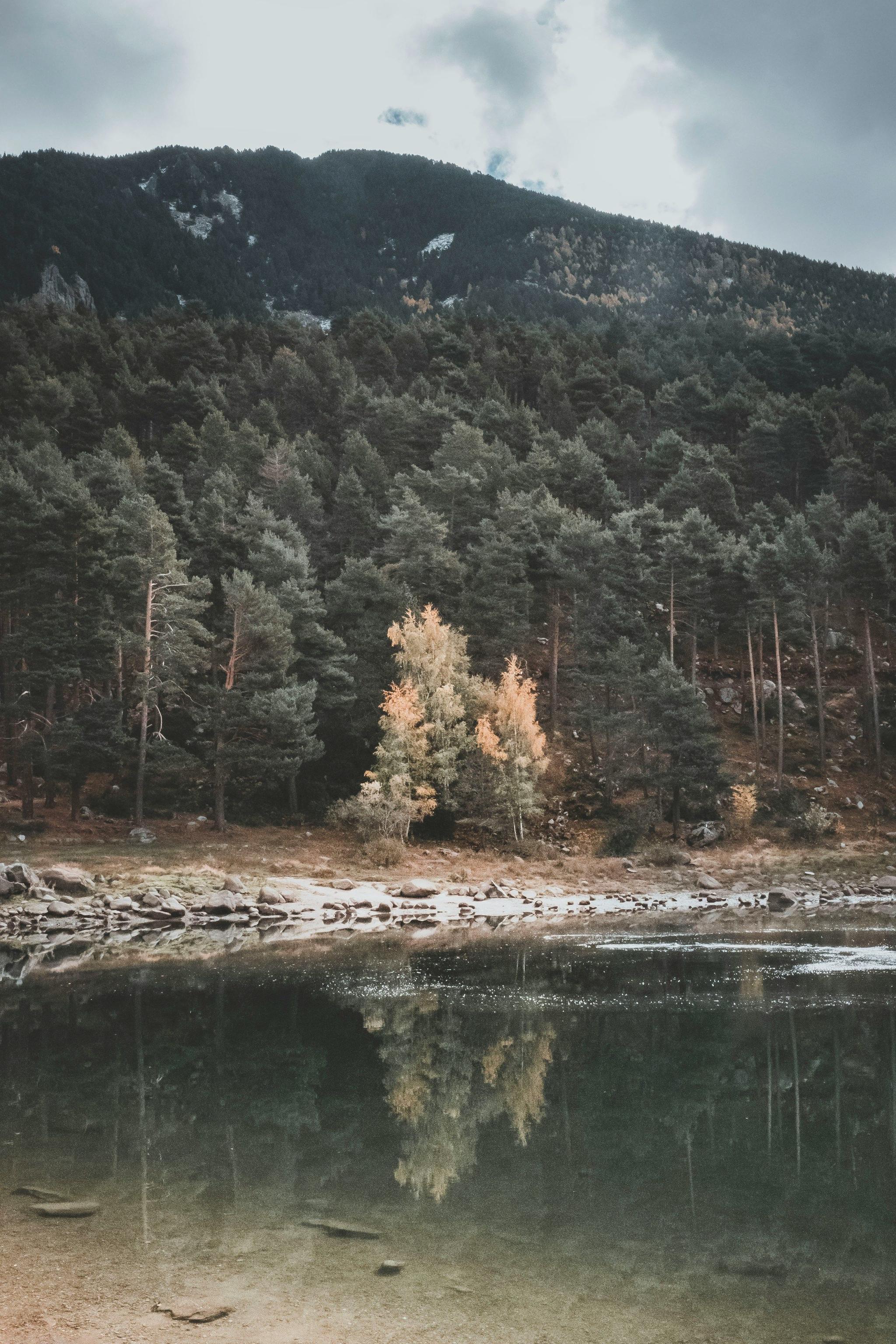
A flat 3.5 km path, the Camí de les Pardines, runs from the Cortals road in Encamp to Engolasters Lake, in the forest above Escaldes and Encamp. It's the easiest walk on this list, so it works for small children and for anyone short of time. The lake has two restaurants and an adventure park. Look out for the Aixopluc de les Bruixes, a shelter that honours women accused of witchcraft in Encamp parish. The Romanesque church of Sant Miquel d'Engolasters stands nearby.
Canillo
At 121 km², Canillo is the largest parish in Andorra, and it's our pick for a first summer visit. Start at the Meritxell Sanctuary, the shrine of Our Lady of Meritxell, Andorra's patron saint. The old chapel burned on 8 September 1972, destroying its Romanesque statue, and the sanctuary was rebuilt by Ricardo Bofill in the 1970s. Sant Joan de Caselles, a late-11th-century church, has a 12th-century mural with a stucco Christ in Majesty. Then go up to the Mirador Roc del Quer walkway (€6, open all year) and the Tibetan bridge, 603 m long and up to 158 m above the ground. Bridge tickets cost €17 to €19, bought online, and a shuttle bus plus a walk of about 1 km gets you there. It opens from spring to autumn.
Soldeu, El Tarter and Grandvalira
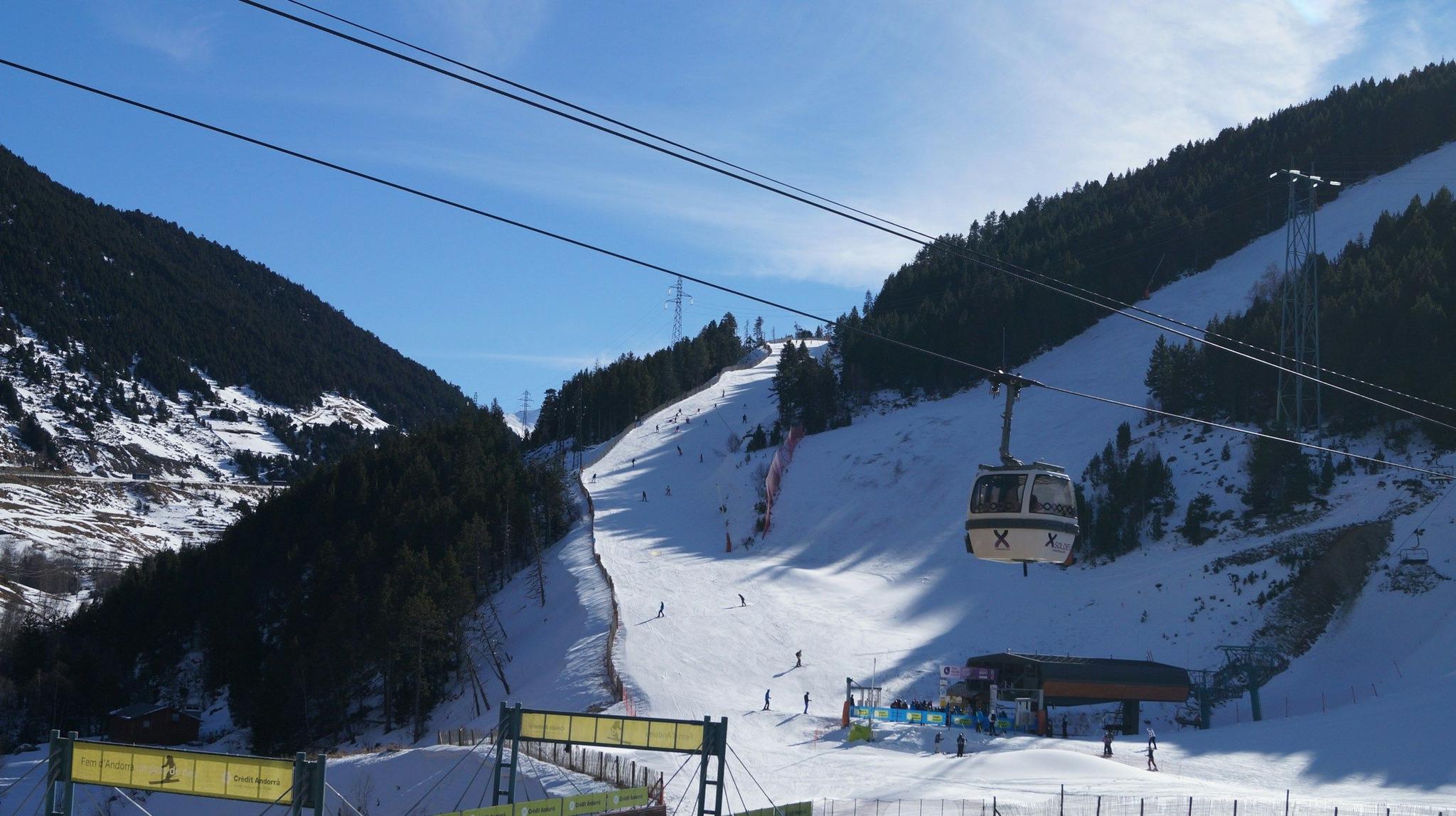
Grandvalira is the biggest ski area in the Pyrenees, with about 210 km of runs spread over six sectors from Pas de la Casa to Encamp and a top lift at 2,640 m. The 2026/27 season runs from 5 December 2026 to 4 April 2027, and day passes cost about €56 to €67 depending on the date. Soldeu and El Tarter hosted the World Cup finals in March 2019, and the ski school in Soldeu has a good reputation with beginners. Pas de la Casa, on the French border, is the only Andorran town on the Atlantic side of the watershed. It's a ski base and a shopping stop rather than a pretty village, so we'd sleep in Soldeu instead.
Ordino and the Sorteny Valley
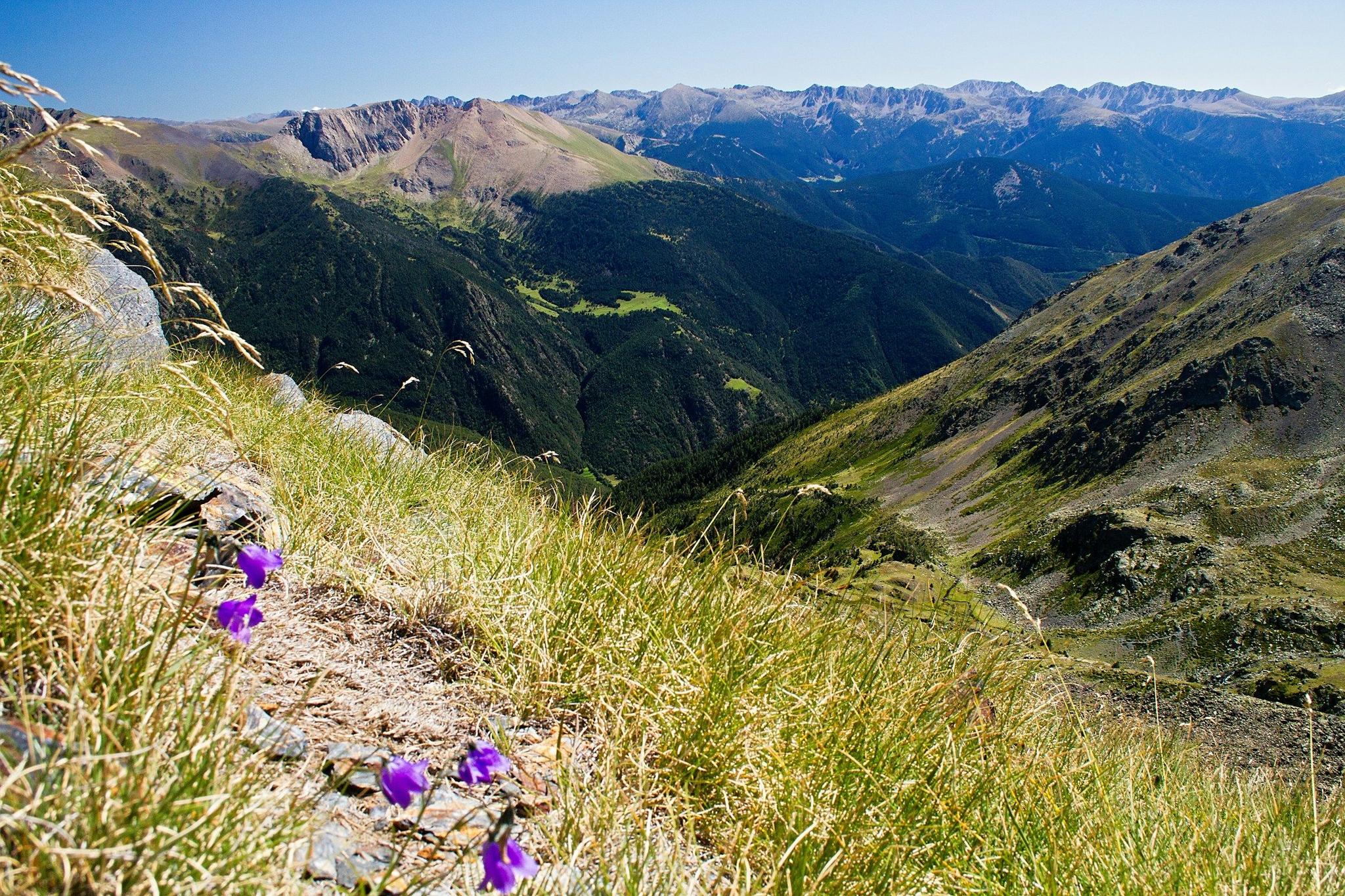
Ordino's church of Sant Corneli i Sant Cebrià was first mentioned in 839. The village sits at about 1,300 m around a large medieval core, and we think it's the prettiest in Andorra and the best summer base if you're here to hike. Casa d'Areny-Plandolit, the manor house of an ironworks family, has been a museum since the state bought it in 1972. Further up the valley, Sorteny Valley Natural Park has been protected since 1999 and holds more than 800 plant species across over 1,000 ha. A staffed refuge and restaurant at 1,970 m is a 30-minute walk from the car park, and a summer bus runs there in July and August. From Llorts, the Iron Route follows the trail of old mines.
Ordino Arcalís and the Tristaina lakes
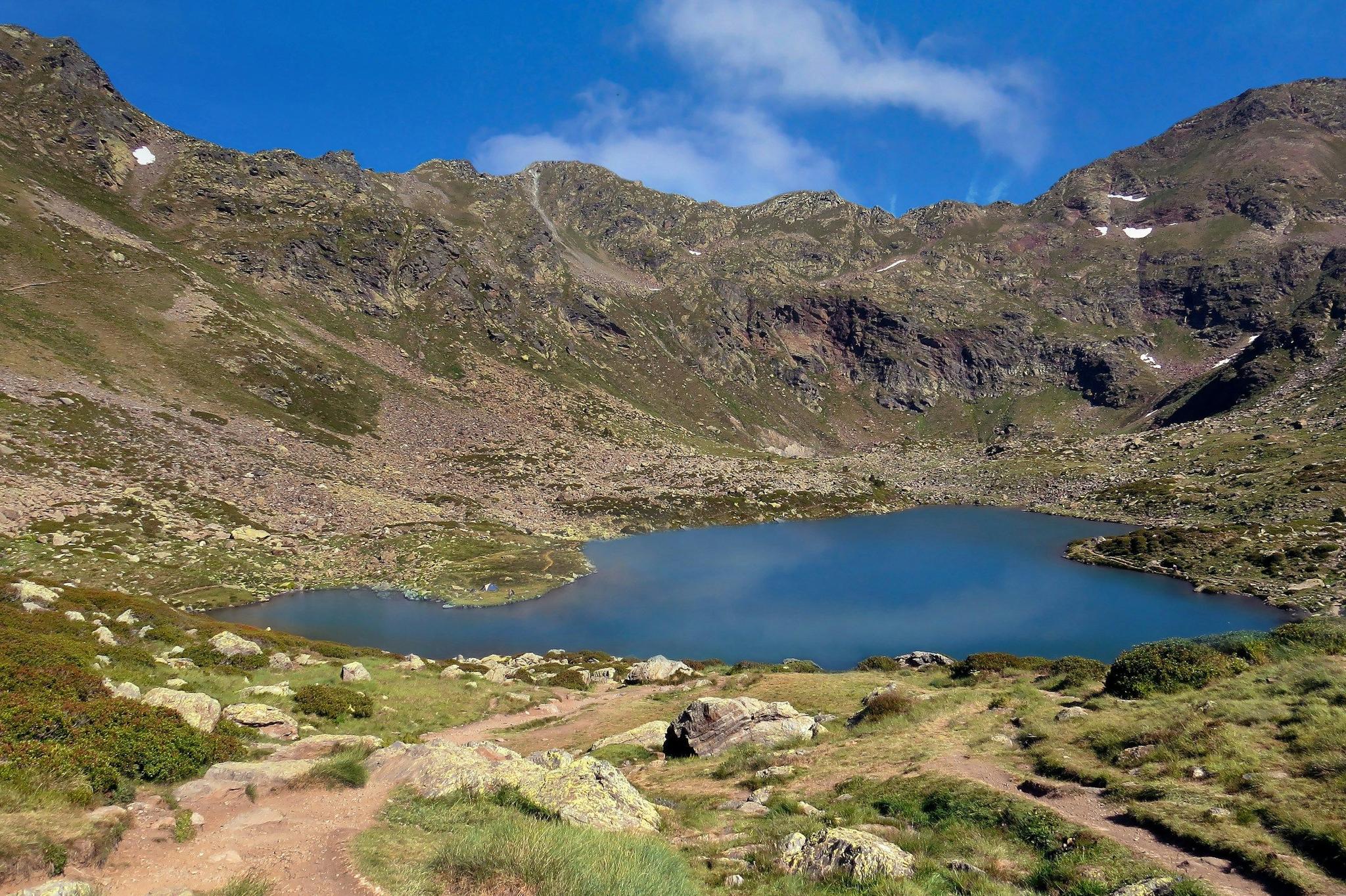
A 4.4 km loop from the Coma car park takes in all three Tristaina lakes, the Primer, del Mig and de Més Amunt. It climbs about 210 m and takes about three hours at a moderate pace, and swimming is allowed in the highest lake, Més Amunt, in summer. The car park belongs to Ordino Arcalís, a ski area at the top of the Ordino valley with peaks up to 2,625 m, a reputation for good snow and a bike park in summer. Summer is when we'd come. Go between late June and late September, when the snow has gone from the path.
La Massana, Arinsal and Coma Pedrosa
La Massana parish does two things well, a long lunch and a big climb. In winter, Pal Arinsal has 63 km of slopes, with forest runs for beginners and intermediates at Pal and a snow park at Arinsal. In summer, fit hikers can climb Coma Pedrosa, at 2,942 m the highest point in Andorra. The route starts at Prats Sobirans above Arinsal and is about 14 km there and back with about 1,400 m of climbing, passing the Comapedrosa refuge (2,265 m) and the lake of Estany Negre (2,628 m). Expect some scrambling near the top, and only go between July and September. Afterwards, eat in a borda like Borda Raubert or Borda Molí dels Fanals.
Sant Julià de Lòria and Naturland
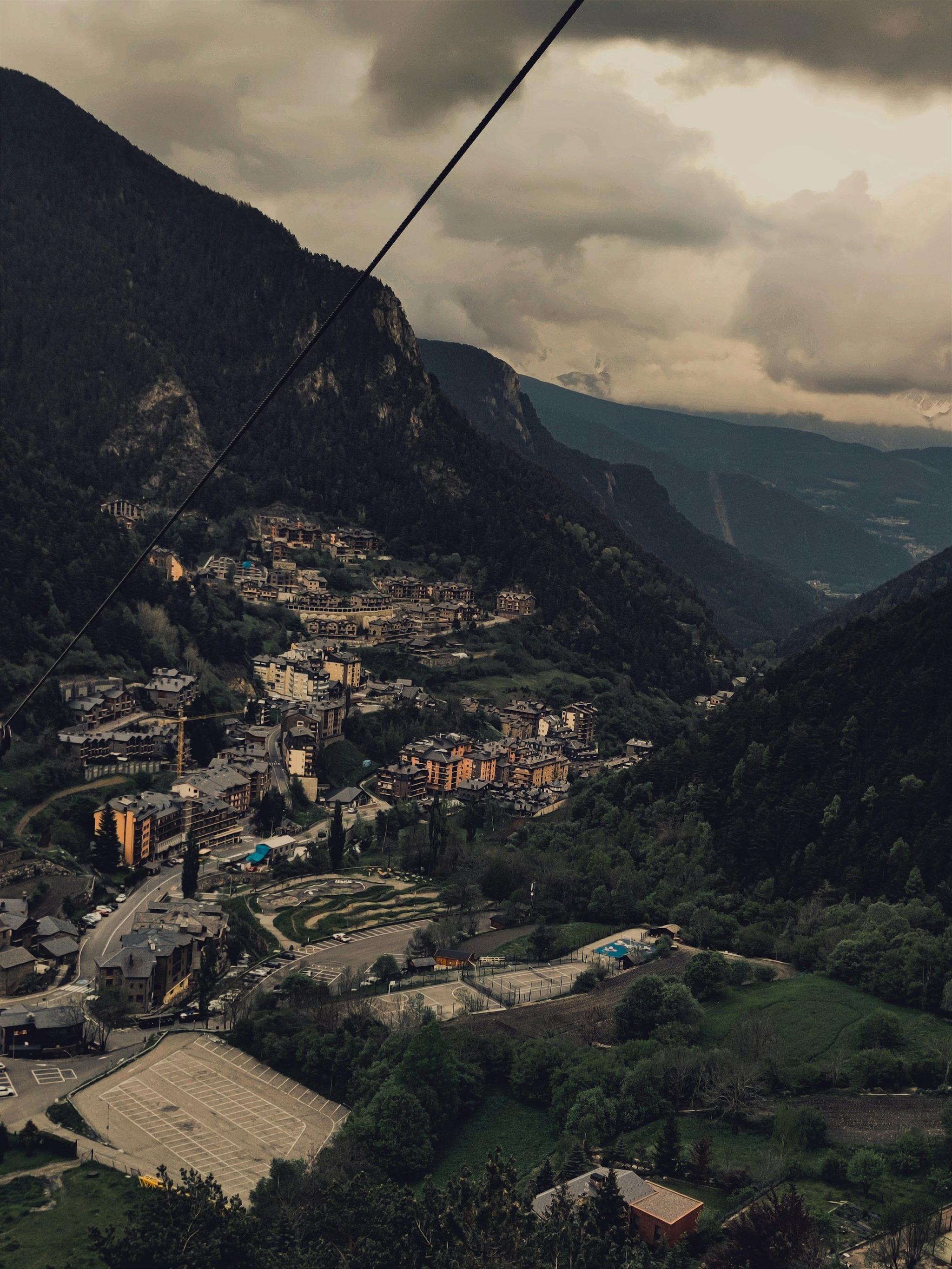
Travelling with children? Head for Sant Julià de Lòria, the southernmost parish, on the Spanish border. Naturland, an adventure park in the La Rabassa forest with sections at 1,600 m and 2,000 m, is best known for the Tobotronc alpine toboggan run. The town's grill restaurants are a good reason to stop for lunch. Visit Andorra also lists two high-altitude wineries in the area, Casa Auvinyà and Borda Sabaté.
Andorra itinerary ideas for your trip
Three or four days cover the highlights, but we'd give Andorra a week in summer if you're here to hike, and treat anything longer as a chance to add Barcelona or southern France. The country is small enough that two bases cover everything. The 5 to 7 day route below is a summer plan. For a ski week, spend Day 2-5 at Grandvalira and Day 6-7 at Pal Arinsal or Ordino Arcalís instead.
5 to 7 day Andorra itinerary
- Day 1: Arrive from Barcelona or Toulouse, then the Barri Antic and the Casa de la Vall in Andorra la Vella.
- Day 2: Engolasters Lake and a walk into the Madriu valley, with Caldea in the evening.
- Day 3: Canillo, with the Meritxell Sanctuary, Sant Joan de Caselles, Roc del Quer and the Tibetan bridge.
- Day 4: Ordino village and the Sorteny Valley.
- Day 5: The Tristaina lakes at Ordino Arcalís.
- Day 6-7: Coma Pedrosa from Arinsal if you're fit, or Naturland and a borda lunch in Sant Julià de Lòria, then leave.
10 to 14 day Andorra itinerary
- Day 1-2: Barcelona, then the bus or a hire car north.
- Day 3-4: Andorra la Vella and Escaldes, with an evening at Caldea.
- Day 5-6: The Madriu valley with a night in a refuge, then Engolasters.
- Day 7: Canillo and the Tibetan bridge.
- Day 8-9: Ordino and the Sorteny Valley, then a day at the Tristaina lakes.
- Day 10: Coma Pedrosa or Naturland.
- Day 11-12: Over the Envalira pass to Pas de la Casa and on to Toulouse.
- Day 13-14: Toulouse and southern France before you fly home.
Take either route as it is, or move the days around and save your own version in the Guided trip planner.
Fun things to do in Andorra
Andorra has three ski areas and a midsummer fire festival on UNESCO's list. These five are the ones we'd plan a trip around.
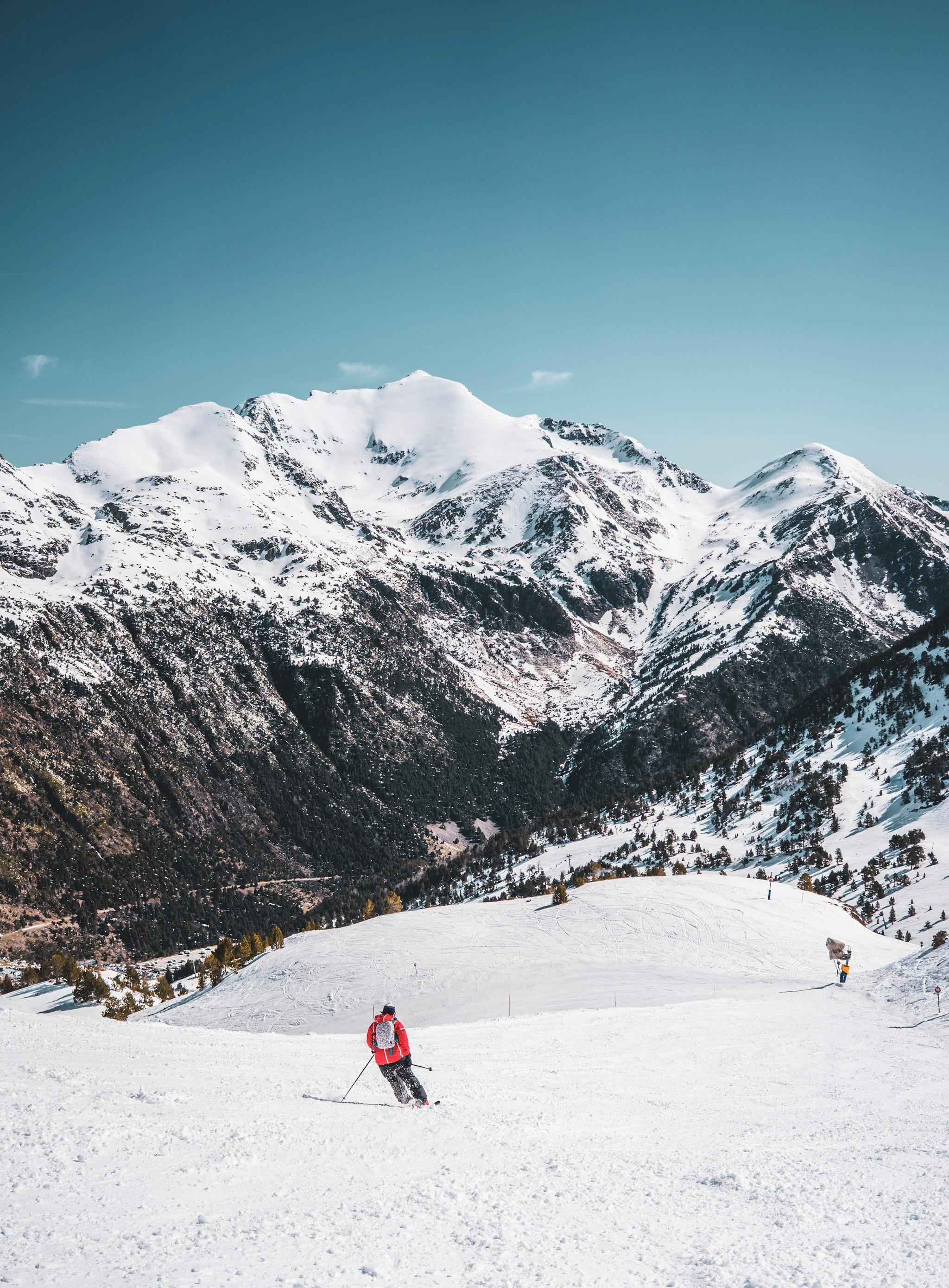
Ski or snowboard at Grandvalira, Pal Arinsal or Ordino Arcalís
The season runs from early December to early April, and January and February usually have the best snow. Grandvalira is the obvious choice for its size, while Pal's forest runs suit nervous beginners. Budget about €20 to €30 a day for a full rental set and €50 to €60 a day for a group lesson, on top of your pass. Check avalanche advice before you go off-piste.
Hike from refuge to refuge
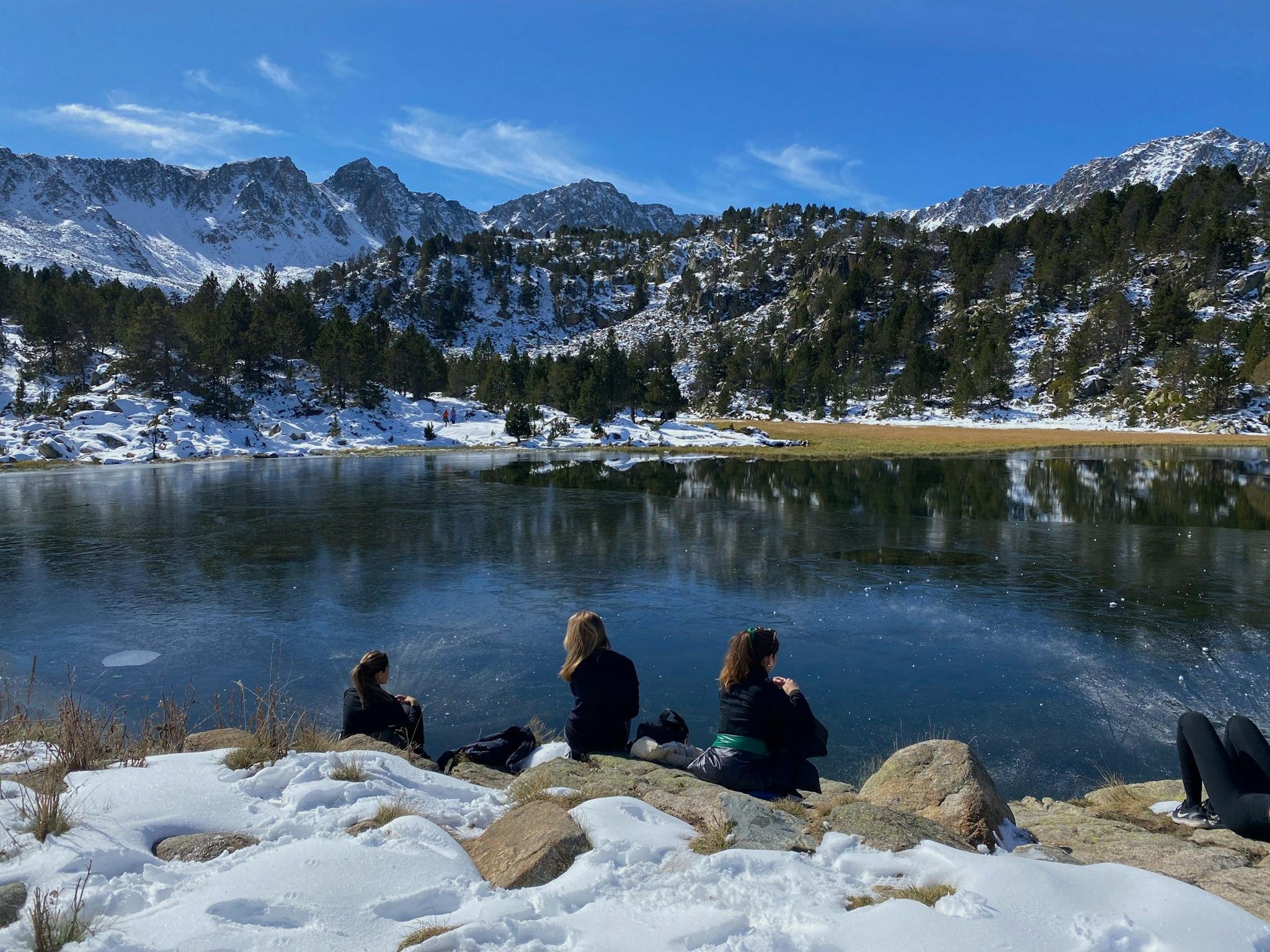
The Coronallacs trail is about 90 km with four refuges and takes about five days from Escaldes. A single night in a refuge in the Madriu valley gives you a taste of it. Afternoon thunderstorms are common in July and August, so start early.
Watch the falles at midsummer
On the night of 23 June, Sant Joan, young fallaires whirl burning torches through the streets of Andorra la Vella, Encamp, Sant Julià de Lòria, Escaldes, Canillo and La Massana. Ordino holds its own on 28 June, for Sant Pere. The tradition was revived in Andorra la Vella in 1987, and since 2015 it has been part of UNESCO's listing for the summer solstice fire festivals in the Pyrenees. We think it's the best night of the year to be in the country.
Ride the Tobotronc at Naturland
The Tobotronc runs for 5.3 km through the forest above Sant Julià de Lòria, and the ride lasts about 20 minutes. It's included in Naturland entry and opens all year in good weather.
Spend an evening at Caldea
Go after 5 pm, when the 3-hour entry drops to about €32. After a day on the slopes or the trails, warm thermal water under the glass tower is the best way we know to finish it.
When to go to Andorra?
Go in winter to ski and from late June to September to hike. Those are the two good windows. In Andorra la Vella, January averages -4 to 4 °C and July 13 to 25 °C, while ski slopes can drop to -15 °C. Spring and early summer are the wettest time of year, with May the rainiest month, and July and August afternoons often bring thunderstorms between about 3 and 6 pm. Prices peak in the ski season and in August, and May and October are the quietest months.
- Spring (March to May): snow lingers into April for late-season skiing, and May is wet and quiet in the valleys.
- Summer (June to August): the hiking season, with the falles on 23 and 28 June and afternoon thunderstorms common in July and August.
- Autumn (September to November): clear and quiet in September, quieter still in October, with National Day on 8 September and the first snow in November.
- Winter (December to February): ski season from 5 December 2026 at Grandvalira, snowy valleys and Caldea at its best.
New to skiing? Read our blog on how to plan your first ski trip without wasting money before you book a winter week.

Did you know you can create your own itinerary?
Now that you know what to see in Andorra and where to stay, you can start creating your own trip. Do you want a ski week at Grandvalira with an evening at Caldea, or summer days walking between lakes and refuges in Ordino and the Madriu valley? It's all up to you. You can easily create your own trip in the Guided app for free, or use trips shared by others.
Where to stay in Andorra?
Should you stay in the capital or up in the mountains? That depends on the season. In Andorra la Vella, a 3-star hotel costs about €70 to €120 a night and a 4-star about €120 to €180, with higher prices from January to March and in August. The country has very few hostels, so budget travellers have few options.
Andorra la Vella or Escaldes
This is where most hotels are, with buses to every parish and Caldea on the doorstep. It's our pick for a mixed trip or one where you're worried about the weather.
Soldeu or El Tarter
For a ski week at Grandvalira, stay here and ski from the door.
Ordino
Ordino is quiet and close to both the Sorteny Valley and the Tristaina lakes. For a summer of hiking we'd choose it over anywhere else.
Canillo
Canillo is central for both Grandvalira and summer sights like the Tibetan bridge and Meritxell, which makes it a good middle ground if your trip mixes the two.
Arinsal or La Massana
These villages are the base for Pal Arinsal in winter and the Coma Pedrosa trailhead in summer.
Getting around when visiting Andorra
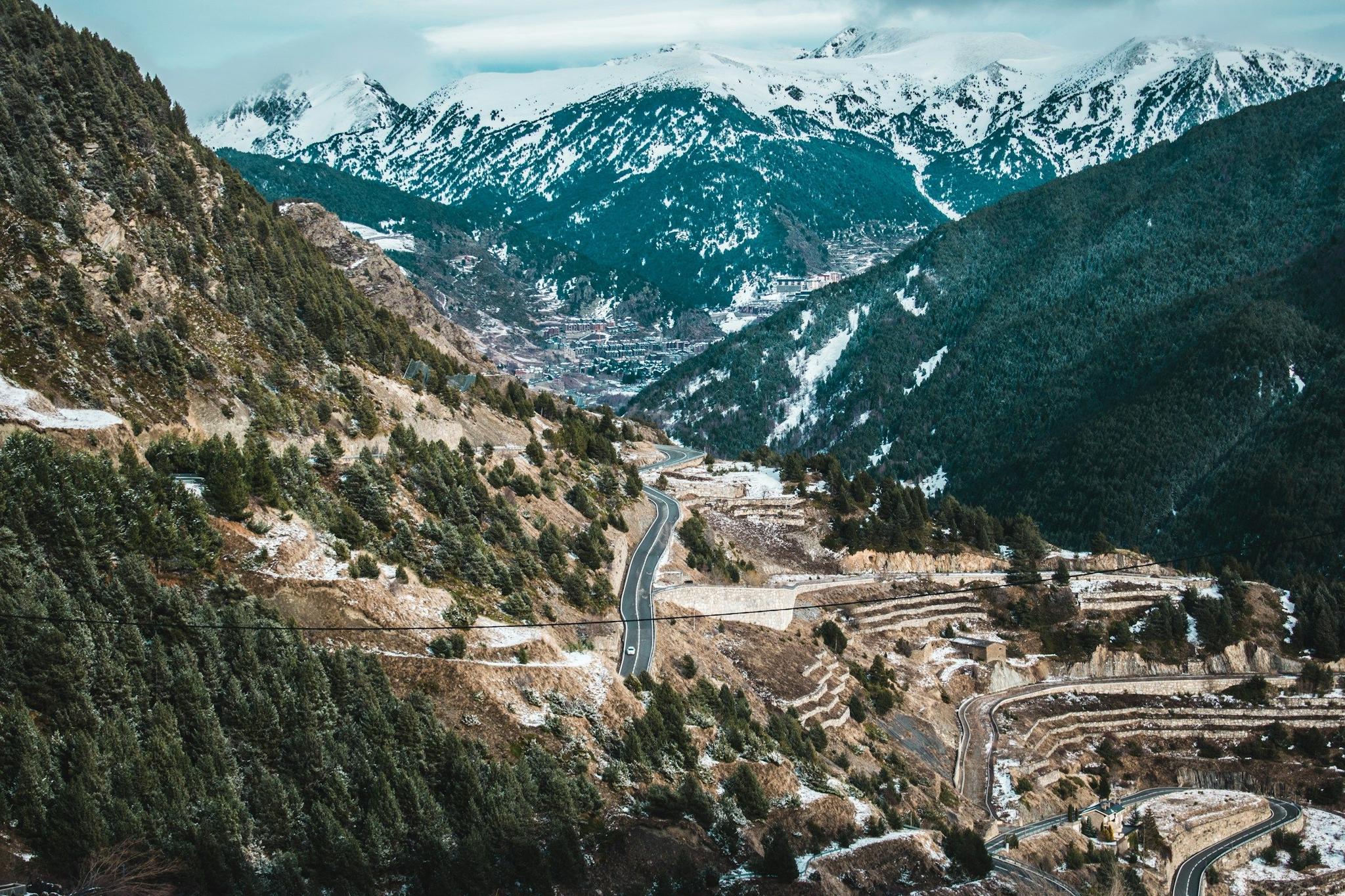
Andorra has no railway and no airport of its own, so almost everyone arrives by road. Barcelona-El Prat is about three hours away and Toulouse-Blagnac about two to two and a half. The small Andorra-La Seu d'Urgell airport, just over the Spanish border, has Air Nostrum flights to Madrid and Palma twice a week. Once you're inside the country, the CG-1 and CG-2 main roads keep drives short.
Buses from Barcelona and Toulouse
Directbus runs several times a day from Barcelona's Estació del Nord and the airport, taking 3 to 3.5 hours for about €20 to €35 one way. From Toulouse, Flixbus and Andbus take about 2 to 2.5 hours for €15 to €20. The nearest train station is L'Hospitalet-près-l'Andorre in France, on the TER line from Toulouse, and from there you need a bus or taxi.
National buses
Coopalsa runs the northern lines to Encamp, Canillo and Grandvalira, and Nadal runs the southern ones to Sant Julià de Lòria. Lines are numbered from L1 and a ride costs visitors about €1.90. The Bus Nit night service runs at weekends, and in July and August a summer bus goes up to the Sorteny Valley.
Hire car
A car is the easiest way to reach trailheads. Rent in Barcelona or Toulouse and check that your contract allows you to drive into Andorra. A small car costs about €30 to €45 a day and a 4x4 about €60 to €90. You drive on the right. Speed limits are 40 km/h in towns and 90 km/h outside them, and the drink-drive limit is 0.5 g/l, stricter than in England and Wales, with fines of up to €600. Winter tyres or chains are compulsory from 1 November to 15 May. The only toll in the country is the Envalira tunnel.
Taxis
Taxis start at about €2.70 and charge about €3 per km, so they add up quickly on longer valley trips.
Food and drinks you should try when visiting Andorra
Mountain food is the thing to eat here, and the best place to eat it is a borda. Weekday lunch menus (menú del día) cost from about €10 for two courses with bread and dessert or coffee, usually served from about 1 pm to 3.30 pm. Look out too for embotits, cured sausages like bull negre and llonganissa, and coca, a sweet or savoury flatbread.
Trinxat
Trinxat is a mountain dish of winter cabbage and potato with garlic and bacon. It's the dish we'd order first.
Escudella
A winter hotpot of meat, vegetables, legumes and pasta, escudella is the thing to order on a cold day after skiing.
Grilled meat in a borda
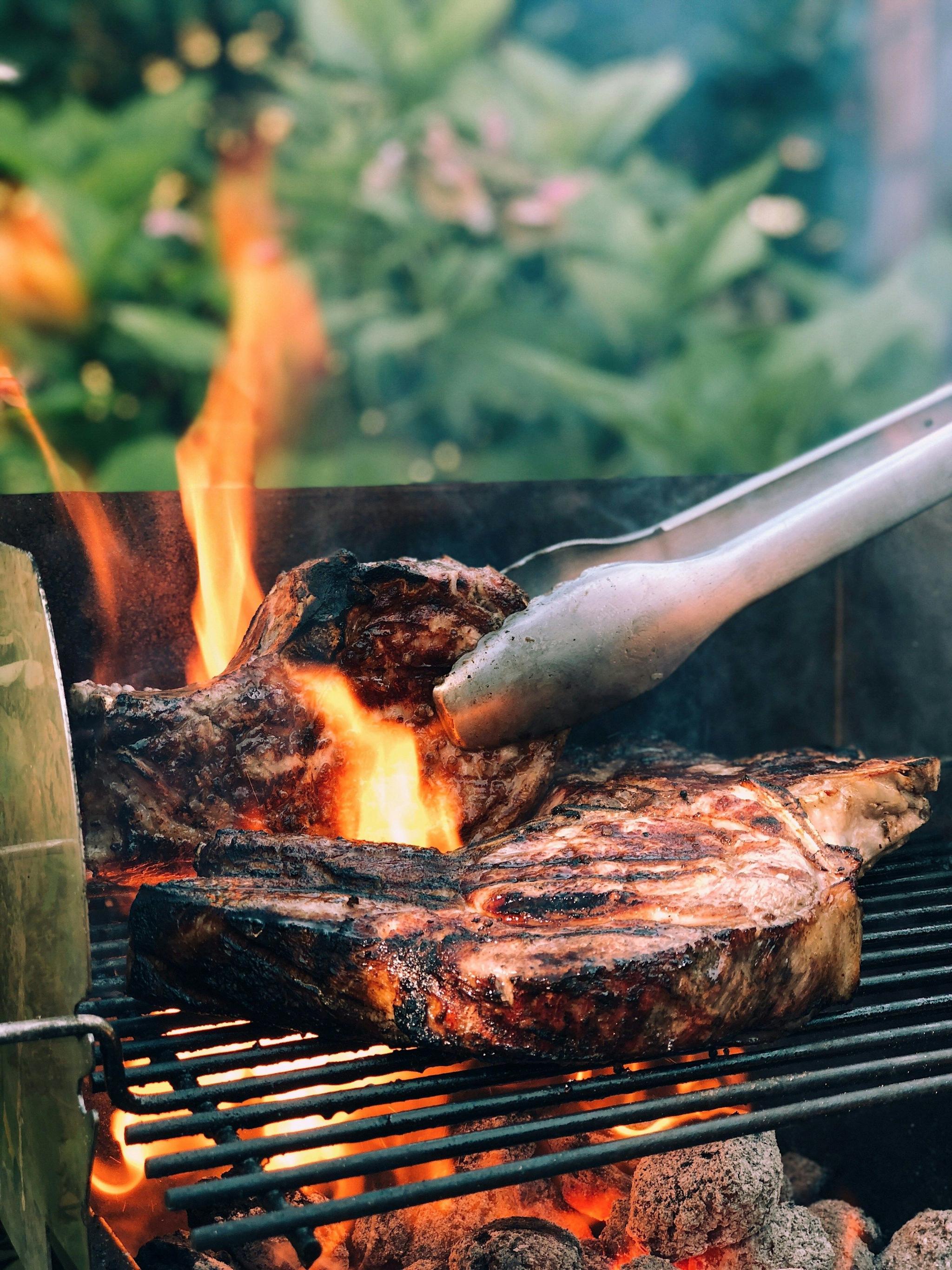
Bordes were old stone farm buildings, some dating from about the 16th century, where families kept livestock and tools. Many are now restaurants that specialise in carn a la brasa, meat grilled over embers, and lamb (xai) is the classic order.
Cargols a la llauna
These snails are cooked on a metal tray and turn up on many borda menus.
Ratafia and mountain wine
Ratafia is a liqueur, and La Ratassia de la Carmeta is one Andorran brand to look for. Casa Auvinyà and Borda Sabaté are two high-altitude wineries listed by Visit Andorra. If you'd rather not drink, try one of the mountain herbal teas.
Culture and local habits you'll notice when visiting Andorra
Andorra has been a co-principality since the paréage of 1278, and it approved its own constitution by referendum on 14 March 1993. About 90,000 people live across its seven parishes. If you can, plan a late-summer trip around 8 September, which is both National Day and Meritxell Day, the feast of the patron saint. We'd pick it over any shopping weekend.
Catalan is the official language. Most people also speak Spanish, and staff often reply in it, while French and Portuguese are common too. A "bon dia" (good morning) and a "gràcies" (thank you) are still worth using, even when the answer comes back in Spanish. Drinking alcohol in the street is illegal, so keep the duty-free bottles in the bag.
Looking for more unique places, trips and activities?
Subscribe to our Guided Newsletter for more travel inspiration.
Costs of a holiday to Andorra
Is Andorra cheaper than its neighbours? Partly. Day-to-day prices for groceries and leisure are close to those in Spain, while fuel, alcohol, tobacco and electronics are cheaper than in Spain or France. The big costs are hotels in ski season and lift passes, with a Grandvalira day pass at about €56 to €67. Hotels also add a small tourist tax of a few euros a night. Andorra uses the euro.
Food & Drink

Coffee
€1.50 – €3.50
Lunch
€12 – €20
Beer
€2.50 – €4
Accommodation
Hotels
€70 – €180
Airbnb
€100 – €250
Hostel dorm
€15 – €45
Transport

Intercity bus
€15 – €35
Public Transport
€1.90
Car Rental
€30 – €90
Attractions

Museums
€5 – €9
Big Attractions
€17 – €37
Cinema
€8 – €13
Practical tips for visiting Andorra
The border is what catches people out. Andorra itself is easy, but you have to cross France or Spain to reach it, and both directions have rules.
✔ Check entry rules for France and Spain too
Many nationalities, including the UK, EU and US, don't need a visa for Andorra. Andorra isn't in the Schengen area, but every route in passes through France or Spain, so Schengen passport rules apply. Your passport must have been issued within the last 10 years and be valid for at least 3 months after you leave the Schengen area. The EU's Entry/Exit System registers non-EU travellers at the Schengen border, and ETIAS is due to start soon, so check the EU's official ETIAS site before you travel. Stays of more than 3 months need a residence permit. For the full rules, read the UK government's Andorra entry requirements.
✔ Buy travel insurance that covers the mountains
The UK GHIC and the European EHIC are not valid in Andorra, so you need full travel and medical insurance. Check that your policy covers skiing and hiking, including mountain rescue. Altitude sickness can also affect people in the high areas.
✔ Know the customs limits before you shop
Duty-free prices are tempting, but customs checks are common on the way out. Each adult (17 and over) leaving for France can take 300 cigarettes, 1.5 litres of spirits, 5 litres of still wine, 75 ml of perfume and other goods up to €900. France and Spain impound excess tobacco and can even take the vehicle.
✔ Prepare for winter roads
Winter tyres or chains are compulsory from 1 November to 15 May. If you're renting a car in Spain or France, ask for winter equipment when you book.
✔ Know the mountain and safety basics
Crime is low and street crime is rare, and the main risks here are natural ones. Check avalanche advice before skiing off-piste and start summer hikes early to beat the afternoon storms. In bars, keep an eye on your drink. In an emergency, call 110 for the police, 116 for an ambulance, 118 for the fire service and 112 for mountain rescue.
Fun facts about Andorra
Andorra la Vella is the highest capital in Europe. Here are six more facts about the country.
- Andorra has two heads of state, the Bishop of Urgell in Spain and the president of France.
- The country has no army and no airport.
- Andorra is the only country where Catalan is the sole official language.
- In 2010 Andorra became the first country to give every home and business a direct fibre-optic connection.
- In 1934 an adventurer called Boris Skossyreff declared himself "Boris I, King of Andorra" and was arrested within weeks.
- Andorra joined the United Nations in 1993, the same year its constitution was approved.
Most of Andorra is mountain, so spend your days up in the valleys rather than on Avinguda Meritxell.
Ready to map out your trip to Andorra?
We hope this Andorra travel guide has given you a clear picture of what to see and when to go. Stay tuned for more inspiration, itineraries and practical tips to help you shape your perfect holiday to Andorra. And don't forget to check out our Guided travel planning app, where you can create your own trip or use trips shared by other travellers for free.
FAQS about visiting Andorra
How many days do you need in Andorra?
Three or four days cover the highlights in summer, and five to seven suit a ski week or a proper hiking trip. With 10 to 14 days, combine Andorra with Barcelona or Toulouse. Inside the Guided app, you can create your own trip route and find out how many places you can fit into your trip.
What is the best part of Andorra to visit?
In summer we'd pick Canillo and Ordino, for the Tibetan bridge, Meritxell, the Sorteny Valley and the Tristaina lakes. For skiing, Soldeu and El Tarter put you on Grandvalira's slopes. Andorra la Vella is worth a short stop for the Barri Antic and the Casa de la Vall.
What is Andorra known for?
Skiing and duty-free shopping, mostly. It's also known for its two co-princes and for the Caldea spa in Escaldes.
Can you get around Andorra without a car?
Yes. Buses run from Barcelona and Toulouse, and national bus lines connect the parishes for about €1.90 a ride. A car helps for reaching trailheads, especially in the high valleys.
Is Andorra expensive?
Day-to-day prices are close to Spain's, and fuel and shopping are cheaper. Hotels in ski season and lift passes are the big costs.
Is Andorra safe to visit?
Yes. Crime is very low, and the UK Foreign Office doesn't advise against travel to any part of Andorra. At the time of writing, the US State Department rates it Level 1, Exercise normal precautions. The bigger risks are mountain weather, avalanches and winter roads, and because the GHIC and EHIC aren't valid, travel insurance is essential.
Do you need a passport or visa for Andorra?
Many nationalities, including the UK, EU and US, don't need a visa. You still need your passport, because you enter through France or Spain, where Schengen rules and the Entry/Exit System apply. Check official sources such as GOV.UK and the EU's ETIAS site before you travel.
When is the best time to visit Andorra?
December to March is best for skiing, and late June to September for hiking. May and October are the quietest months.
Plan your trip to Andorra in Guided.
Save the places you find, then let Guided lay out the days, the map and the details.
More in Europe
All destinations AlbaniaAlbania pairs a turquoise Ionian coast with Ottoman stone towns and wild mountains.
 AustriaAustria is a beautiful alpine country known for its mountains, music, and imperial charm.
 BelgiumBelgium is known for medieval canal cities, beer, chocolate and the forested Ardennes.
 Bosnia and HerzegovinaBosnia and Herzegovina is known for Sarajevo's bazaar, Mostar's Old Bridge and emerald rivers.