

Sweden
Sweden trip guide: where to go and what to know
With over 267,000 islands, thousands of lakes and more open space per person than almost anywhere else in Europe, a trip to Sweden is perfect if you like having plenty of nature mixed into your travels. Island-hopping around Stockholm's archipelago, standing under a green sky near the Arctic Circle, or swimming in a quiet forest lake in the middle of summer. At the same time, cities like Stockholm, Gothenburg and Malmö bring colourful neighbourhoods, cosy cafés and plenty to do between all those outdoor adventures. So where should you go, when should you visit and how much should you budget? Our Sweden travel guide covers everything you need to start planning your route.
5 reasons to visit Sweden
Fancy a day on the water? Stockholm’s archipelago has thousands of islands you can hop between by boat.
Seeing the northern lights is one of those bucket list moments, and Swedish Lapland is a pretty incredible place to do it.
Medieval streets and a beach holiday somehow go together on Gotland, where Visby sits just a short trip from the coast.
You’ll probably fall in love with fika pretty quickly. Coffee, a cinnamon bun and absolutely no reason to rush anywhere.
One of the best things about Sweden is how easy it is to get outdoors. The right to roam gives you loads of freedom to hike, camp and explore.
Best places to visit on a Sweden trip
Not sure where to start when you're mapping out a Sweden trip? You honestly can't go too wrong, but a handful of places make the cut for good reason, particularly if you're travelling on your own. Public transport connects most of them without much hassle.
Stockholm
You'll want to start in Gamla Stan, where cobbled lanes and pastel buildings make walking here worth it even without a plan. If museums are your thing, don't skip the Vasa Museum, home to a 17th-century warship pulled almost fully intact from the harbour. For a view over the whole city, climb up to Skinnarviksberget in Södermalm around sunset, locals go there for exactly that reason. On your own, Stockholm tends to work well too, compact enough to cover on foot and easygoing enough for an evening walk.
If it's your first trip and time is tight, base yourself in Stockholm for three nights and add one more region, Gotland in summer or Åre in winter, rather than trying to fit in everything at once.
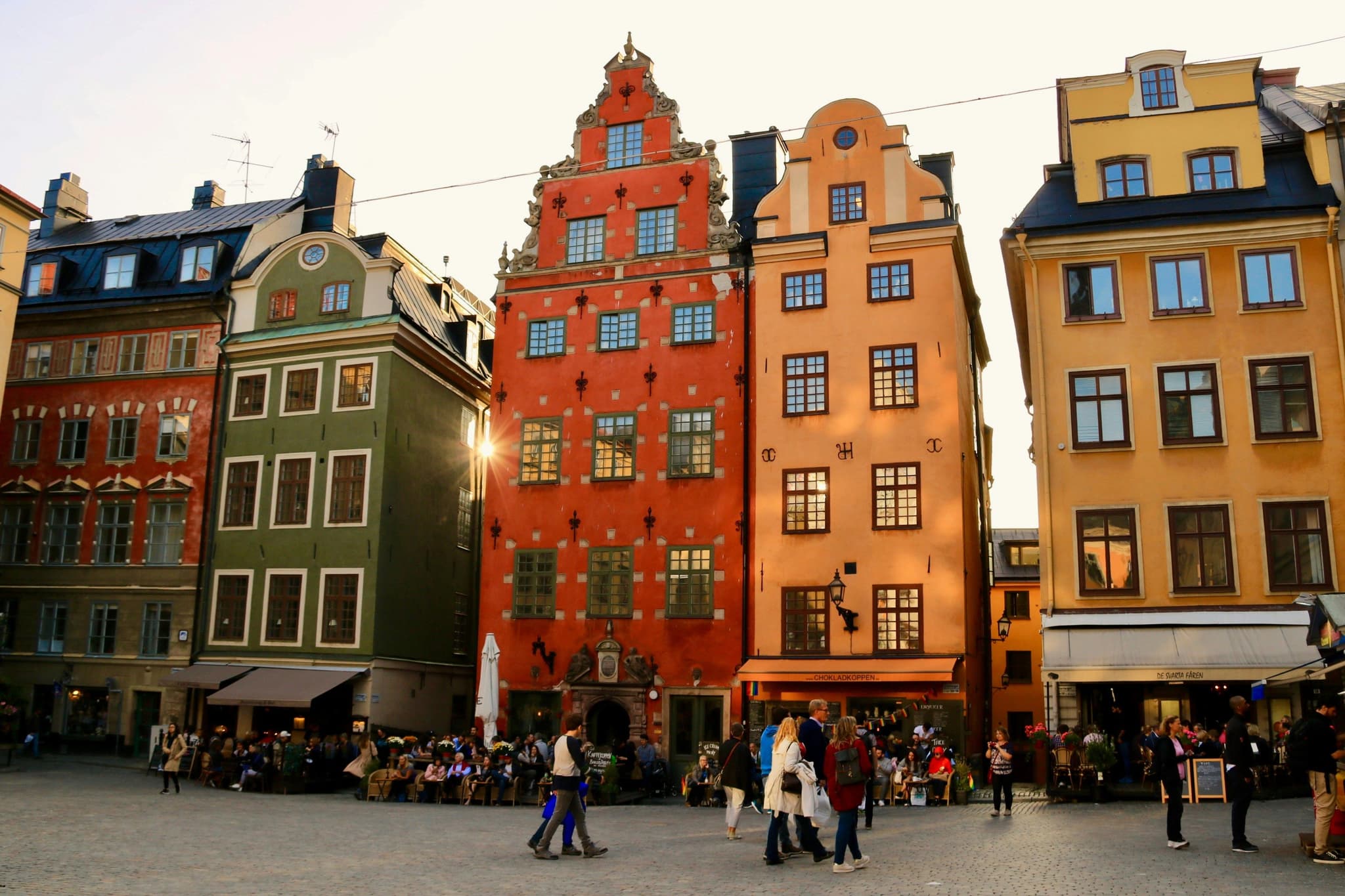
Gothenburg
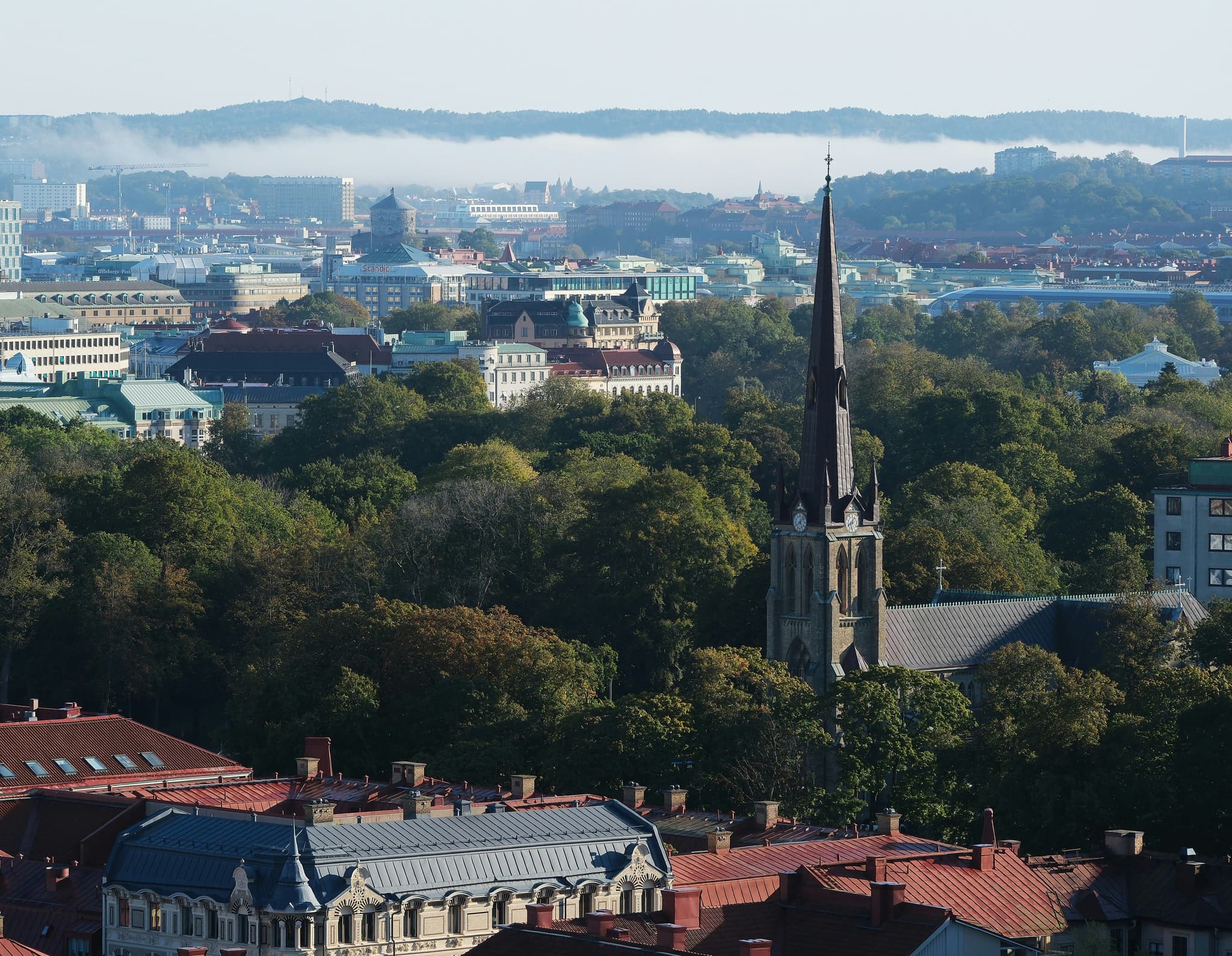
Next to Stockholm, Gothenburg comes across like a different country entirely, laid-back canals, gabled houses and far fewer people around. You'll want to walk through Haga first, cobblestone streets lined with cafés serving cinnamon buns the size of your hand. If you like rollercoasters, Liseberg amusement park is worth an afternoon, and it's an easy walk from the centre. For anyone travelling solo, hostels cluster conveniently near the central station.
Malmö
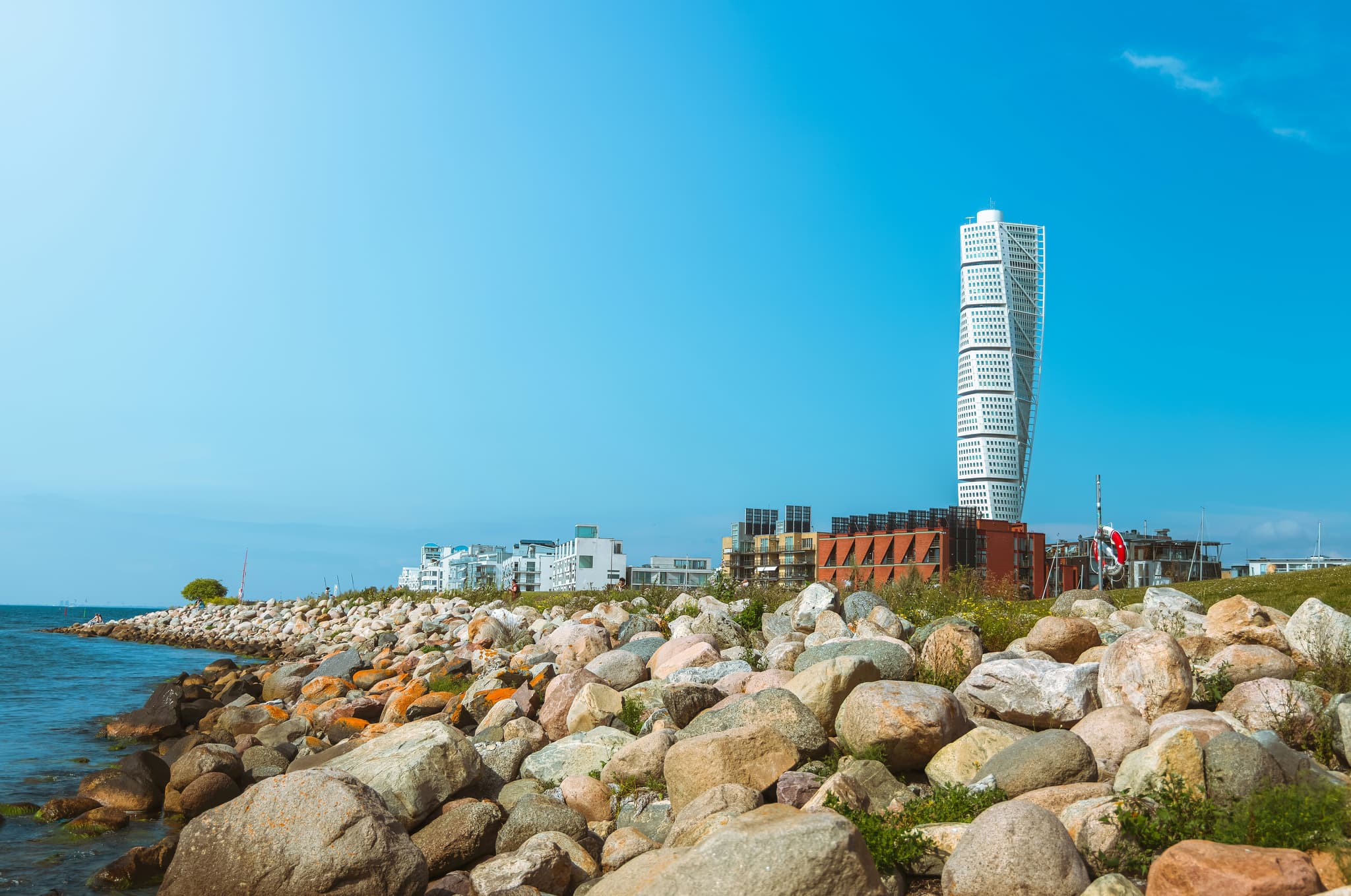
A short train ride connects Malmö to Copenhagen, making it an easy add-on if Denmark is already part of your route. Down by Ribersborg, you can swim right in the city, with the twisting Turning Torso skyscraper as your backdrop. For cheap, multicultural food, head to Möllevången, think Middle Eastern, Balkan and Vietnamese stalls all on the same street.
Swedish Lapland
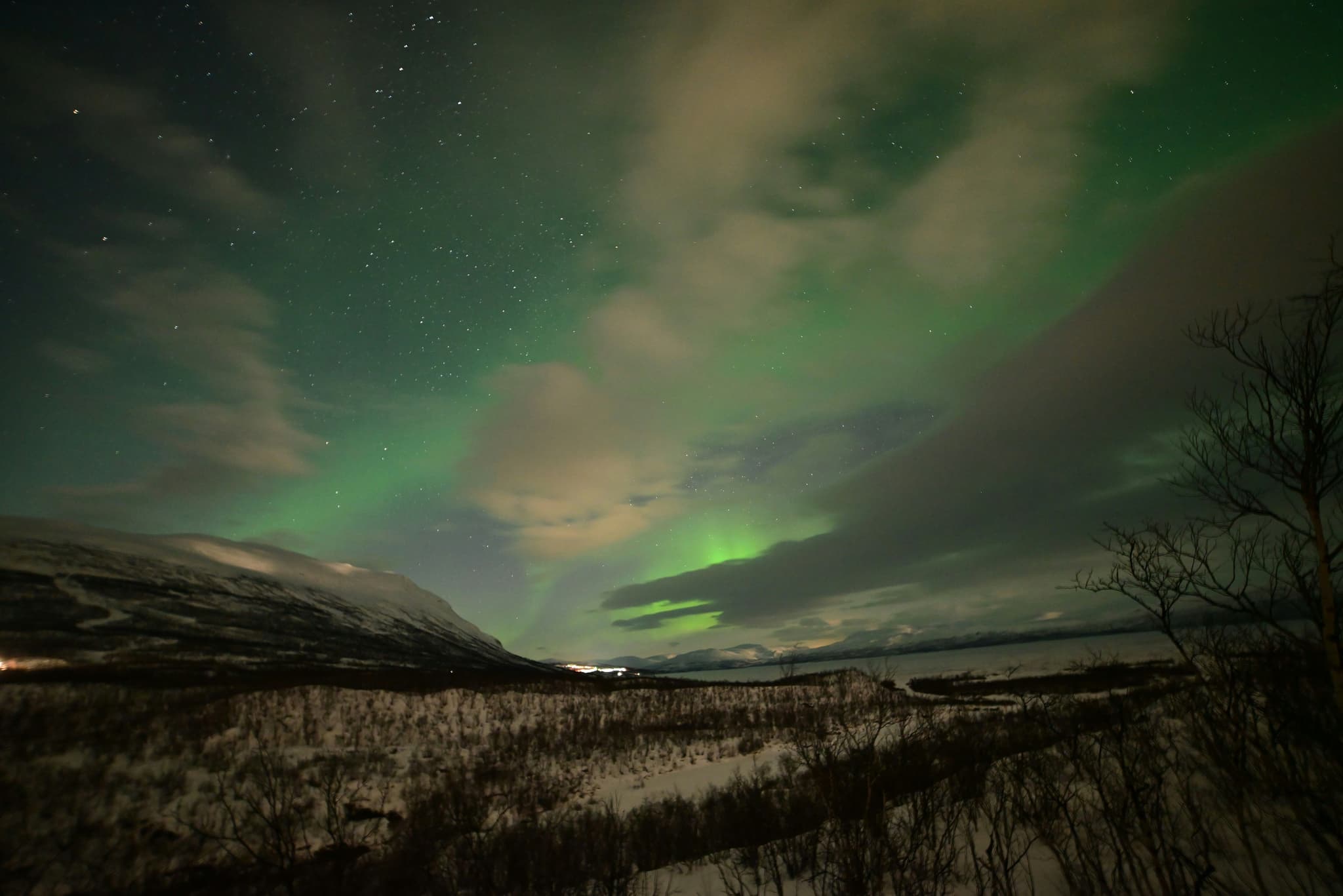
Because of a rare dry microclimate, Abisko keeps clearer skies than almost anywhere else in the Arctic, making it one of the best spots on the planet to catch the northern lights. You'll want at least three nights here if the lights are the whole point of your trip, since cloud cover can easily wipe out one or two evenings. Through the winter season, a chairlift runs up Mount Nuolja, and the platform at the top gives you one of the widest views in Lapland for spotting activity. We recommend joining a small guided aurora tour out of Abisko is worth the cost, since guides know exactly where the cloud gaps tend to open up.
Visby, Gotland
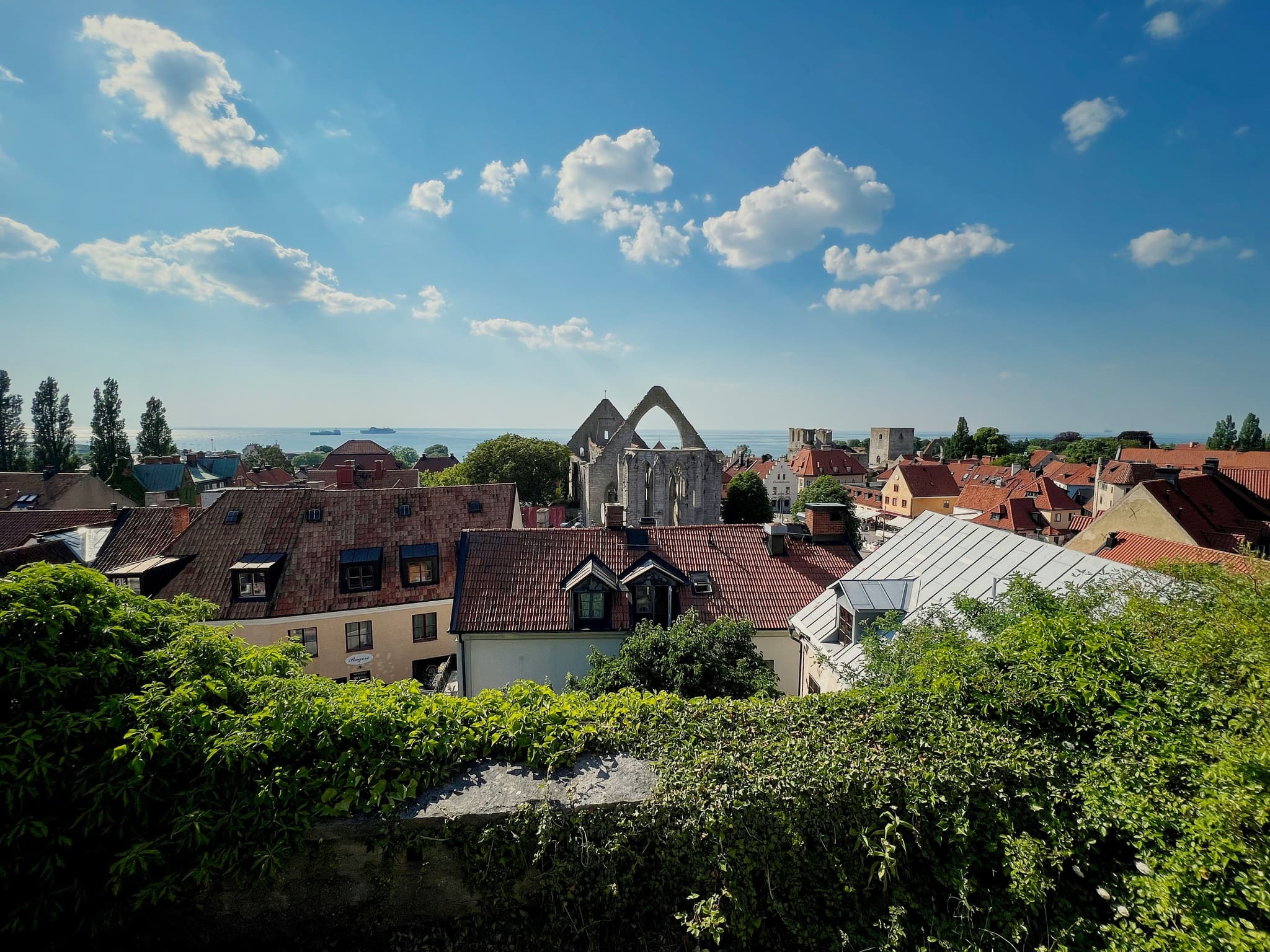
Nowhere else in Sweden comes close to Visby, a walled medieval town so intact that UNESCO listed the whole thing. Around an hour is all it takes to walk the full loop of Ringmuren, the medieval wall that still circles most of the old town. In June or early July, Gotland hits its warmest weather and draws the most visitors, rewarding you with long evenings on the beach at Tofta. From Nynäshamn, ferries run several times a day, and getting around is easy since Visby's old town is small enough to navigate without much planning.
Åre
Åre is worth a visit in pretty much any season. You can ski when the snow's down and hike as soon as it clears. Even beginners do fine here, since the easy slopes lie right next to the village and lift passes cover the whole resort. By train, Stockholm to Åre takes about six hours, or you can fly into Östersund and catch a bus the rest of the way.
Sweden itinerary ideas for your trip
Because some of these places lie hours apart, a little route planning saves you from losing entire days to trains and transfers. We have created two Sweden itinerary ideas that connect the best regions without overloading your schedule.
7 days: Stockholm to Gothenburg
Day 1-2: Stockholm, Gamla Stan, the Vasa Museum, sunset at Skinnarviksberget
Day 3: Train to Uppsala for the day, cathedral and university town, back to Stockholm by evening
Day 4-5: Train to Gothenburg, Haga district, Liseberg
Day 6: Day trip to the Bohuslän coast for seafood and island hopping
Day 7: Fly home from Gothenburg, or train back to Stockholm
10 days: Stockholm and Swedish Lapland
Day 1-3: Stockholm, with an archipelago boat trip included
Day 4: Fly to Kiruna, transfer to Abisko
Day 5-7: Abisko, northern lights, a Kungsleden day hike, an Icehotel day trip
Day 8: Fly back to Stockholm
Day 9-10: Ferry to Gotland from Nynäshamn, Visby old town
Want more inspiration? Check out the following trips:


What to do when you travel to Sweden? Fun experiences
Sweden is one of those places where being outdoors just becomes part of your day. If you travel to Sweden for the nature, you’ll have plenty to do, from hiking and kayaking to swimming in lakes, skiing and exploring the islands. Alternatively, you can stay in one of Sweden’s cities and mix museums, cafés and neighbourhoods with easy day trips into nature.
Chase the northern lights in Abisko
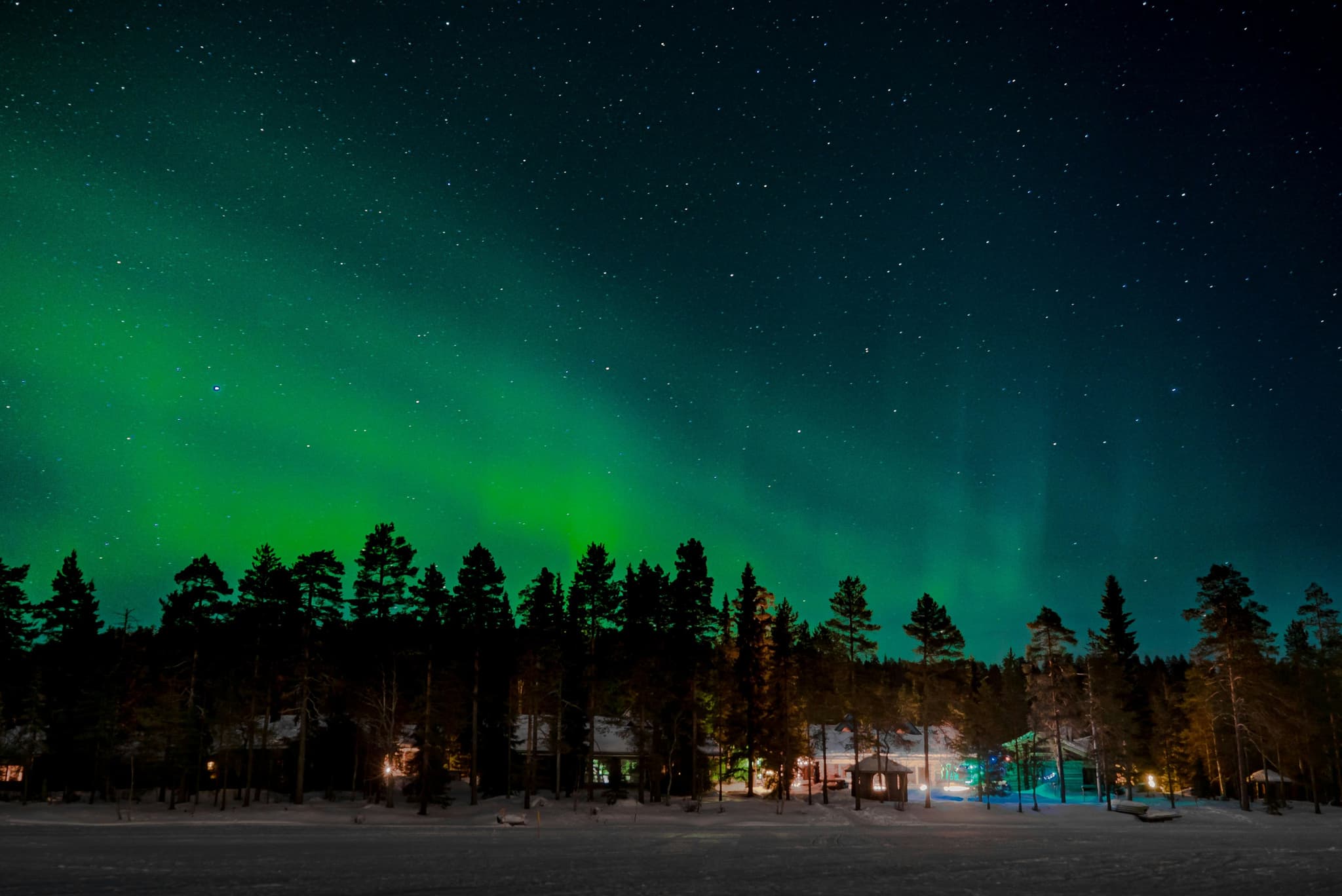
From late September through March, the sky above Abisko puts on a show most nights, provided the clouds cooperate. After dark, guided tours pick you up and drive out to spots away from town lights, worth booking if it's your first time chasing them.
Hike a stretch of the Kungsleden trail
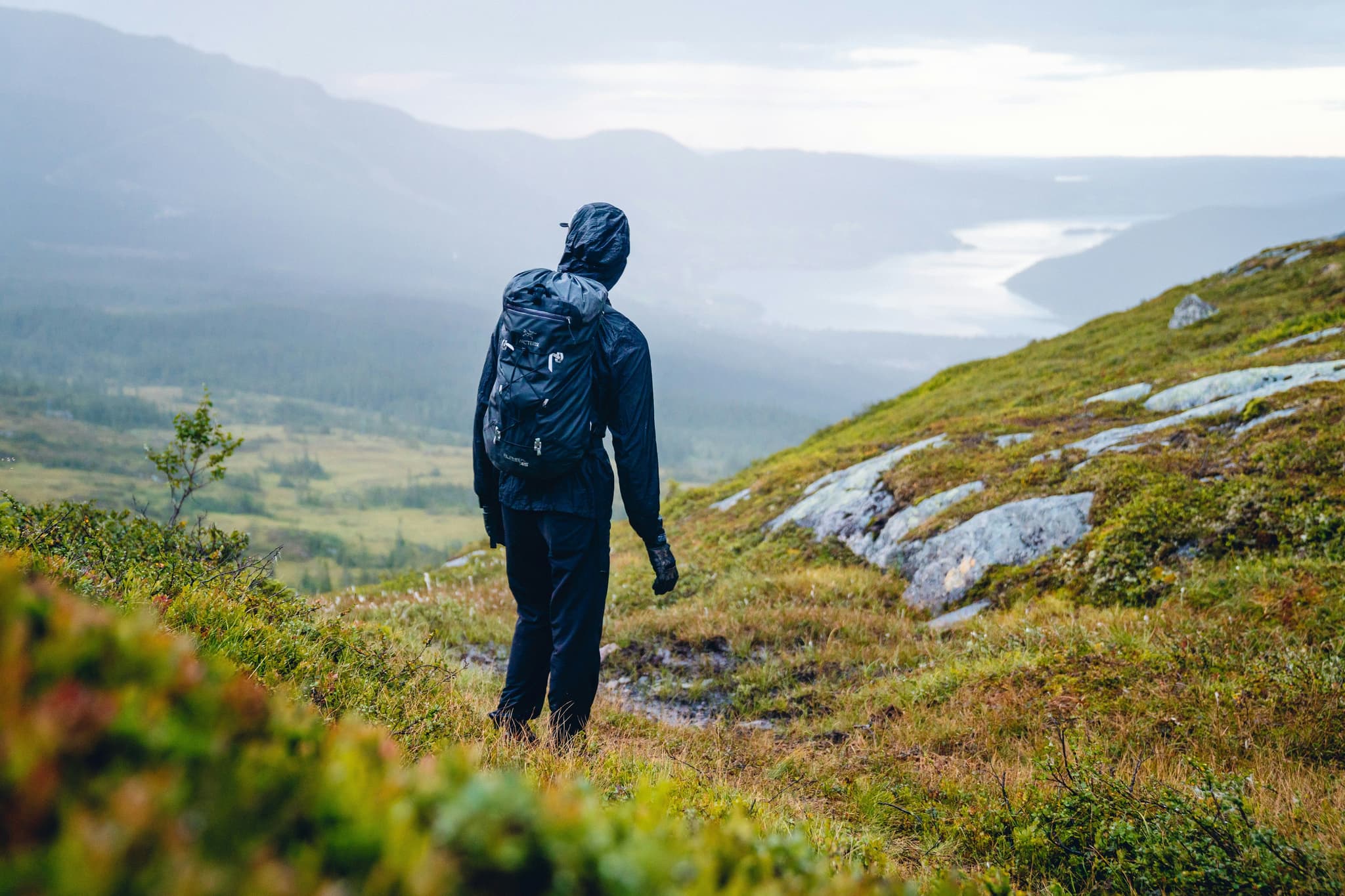
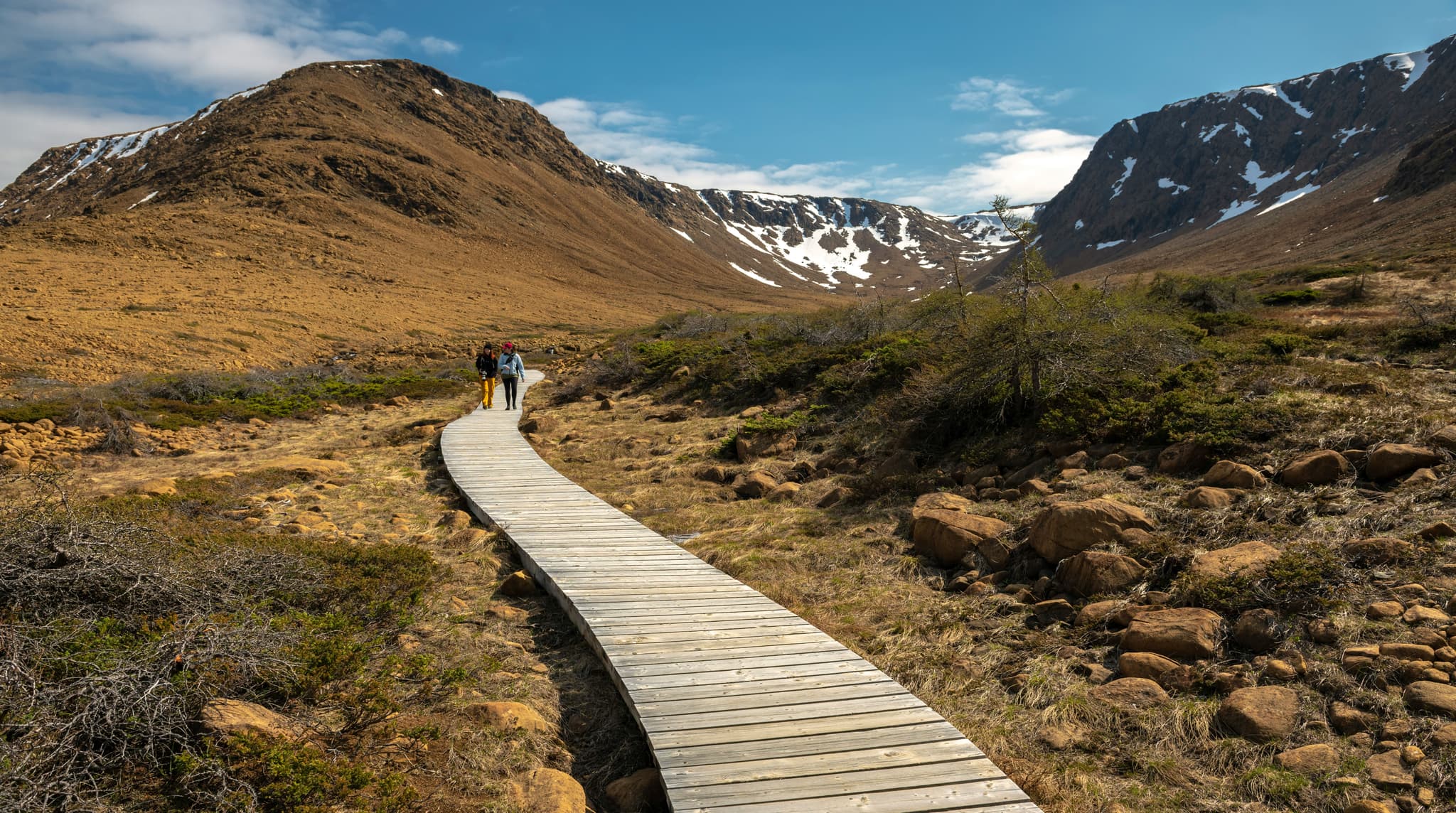
Roughly 440 kilometres long, the Kungsleden trail cuts through some of the most remote terrain in the country, and you don't need to walk the whole thing to get the payoff. Near Abisko, day sections give you a taste without committing to a multi-week trek, and huts along the way mean you don't need to carry a tent. The Svenska Turistföreningen (STF) runs most of the huts and publishes route maps worth checking before you set out.
Sleep in the Icehotel
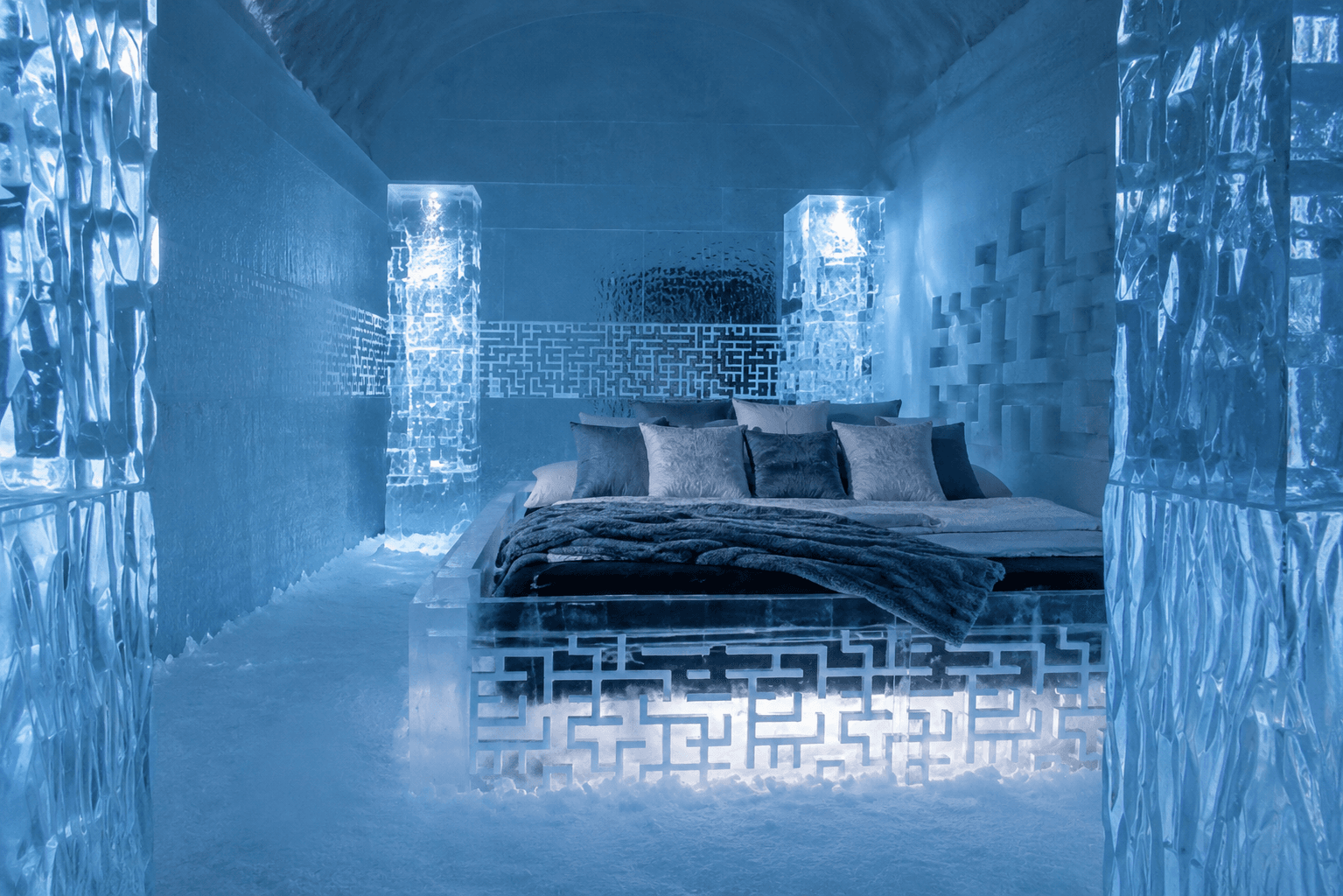
In Jukkasjärvi, a hotel gets rebuilt entirely out of ice and snow every winter, and no two seasons look quite the same. A night in one of the ice rooms costs a fair bit, so plenty of people just book the day pass instead and tour the sculptures without committing to sleeping at minus five.
Take a boat tour of the Stockholm archipelago
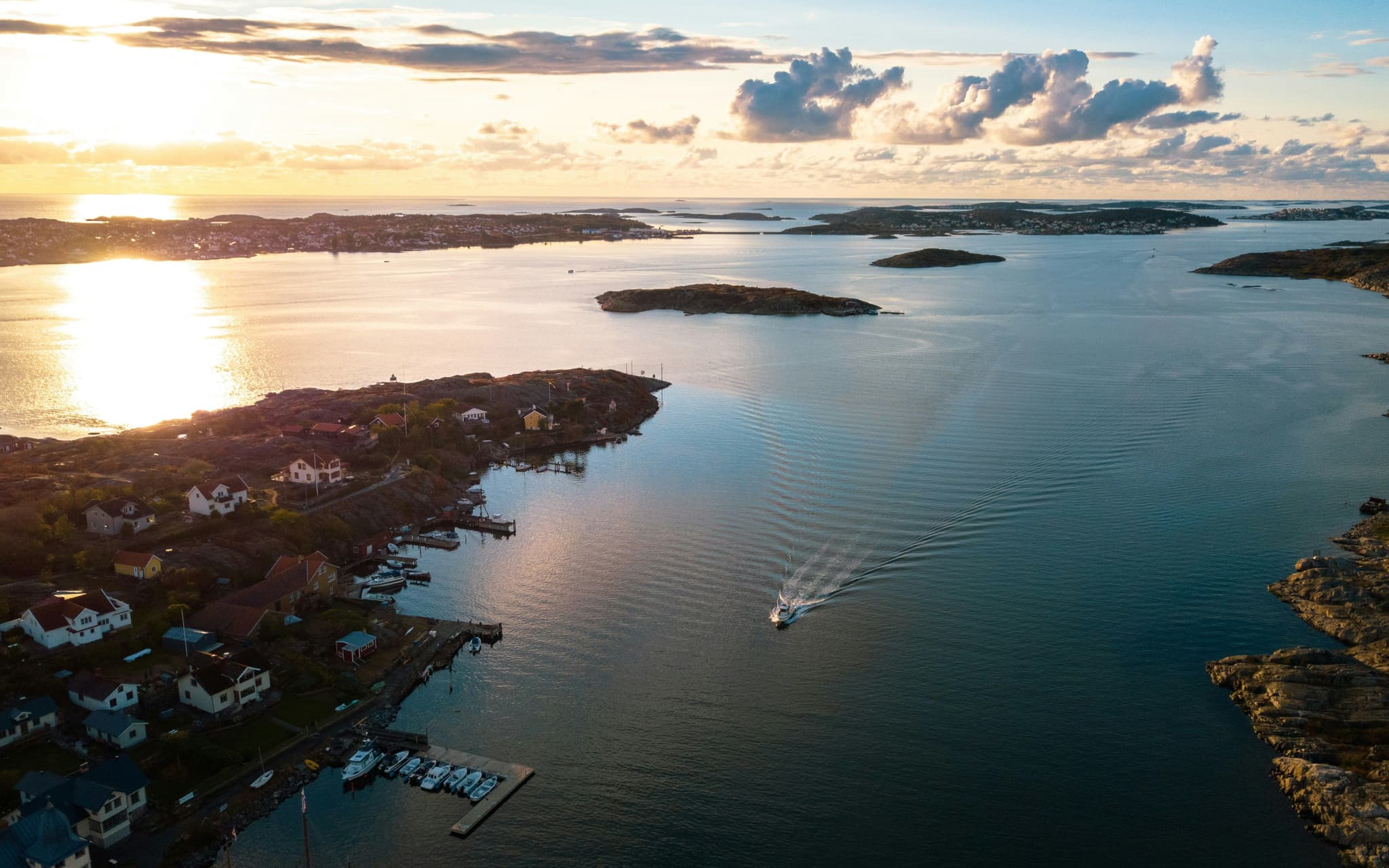
Right from Stockholm's harbour, thousands of islands spread out, and a single afternoon boat trip barely scratches the surface. For an easy half-day trip, catch a ferry to Vaxholm or Fjäderholmarna, both reachable without committing to an overnight stay.
Celebrate Midsummer with locals
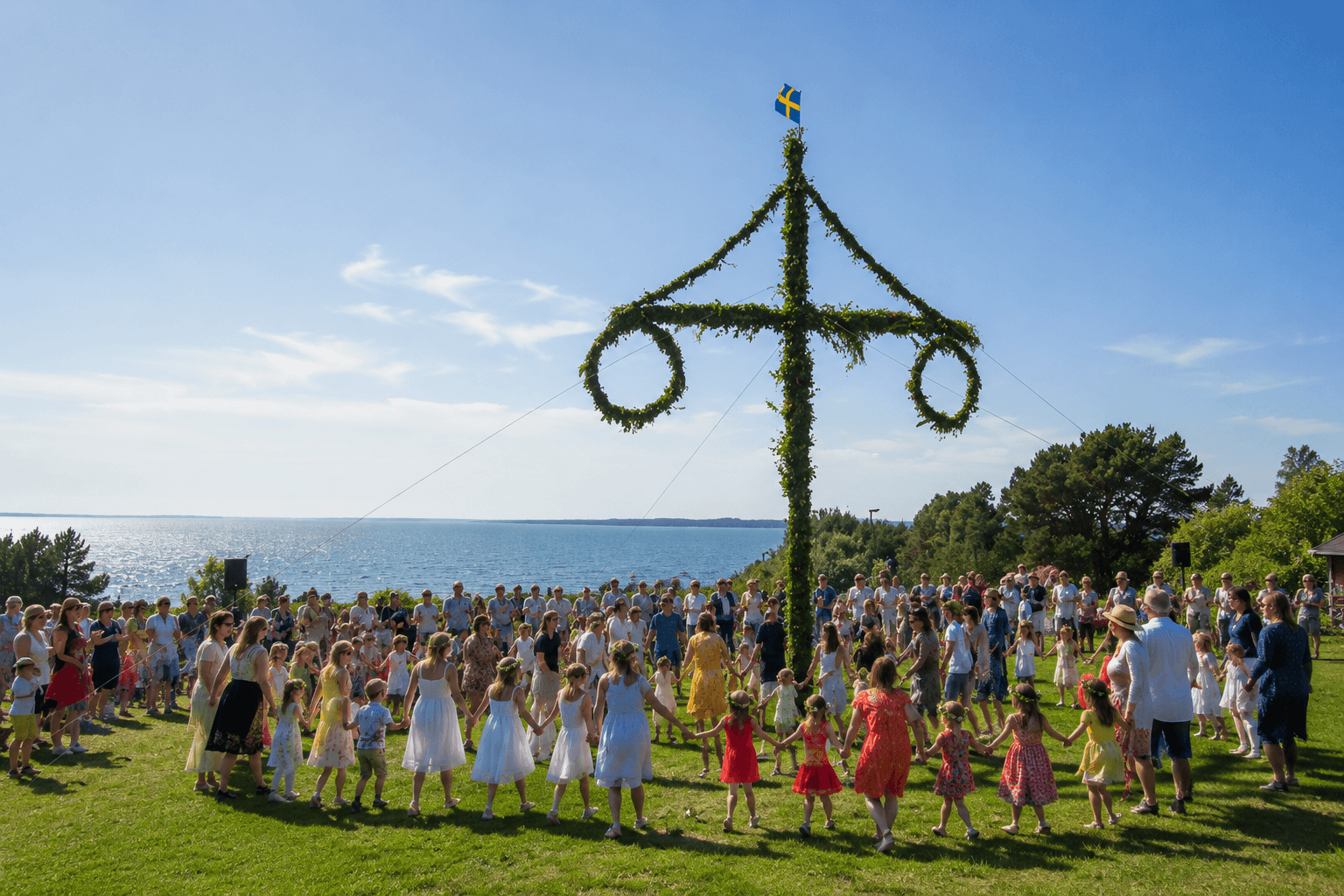
Around the summer solstice, Midsummer counts as one of the biggest dates on the Swedish calendar, and most of the country empties out to the countryside for it. If you're spending it on your own, smaller towns tend to welcome outsiders into their public events, dancing around the maypole included.
Ski in Åre
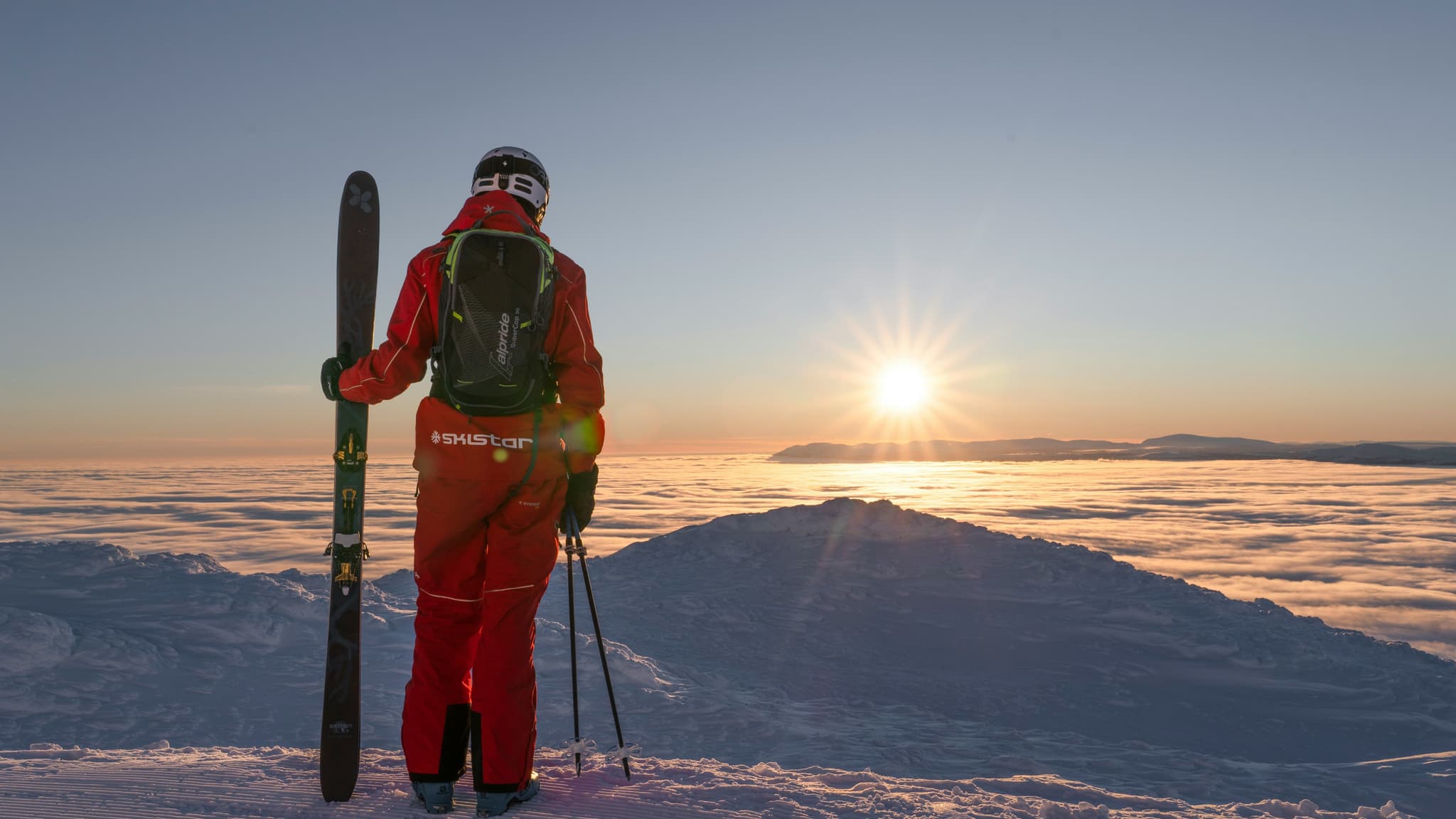
In Åre, beginners and experts share the same resort, with runs graded clearly enough that you won't end up somewhere over your head by accident. Right at the base of the mountain, equipment rental shops make packing your own gear from home unnecessary.
Explore Uppsala's university town
Just a short train ride from Stockholm, Uppsala makes an easy day trip, home to the country's oldest university and a cathedral you can spot from almost anywhere in town. For a view over the whole town, climb the cathedral towers, then wind down afterward in the botanical gardens nearby.
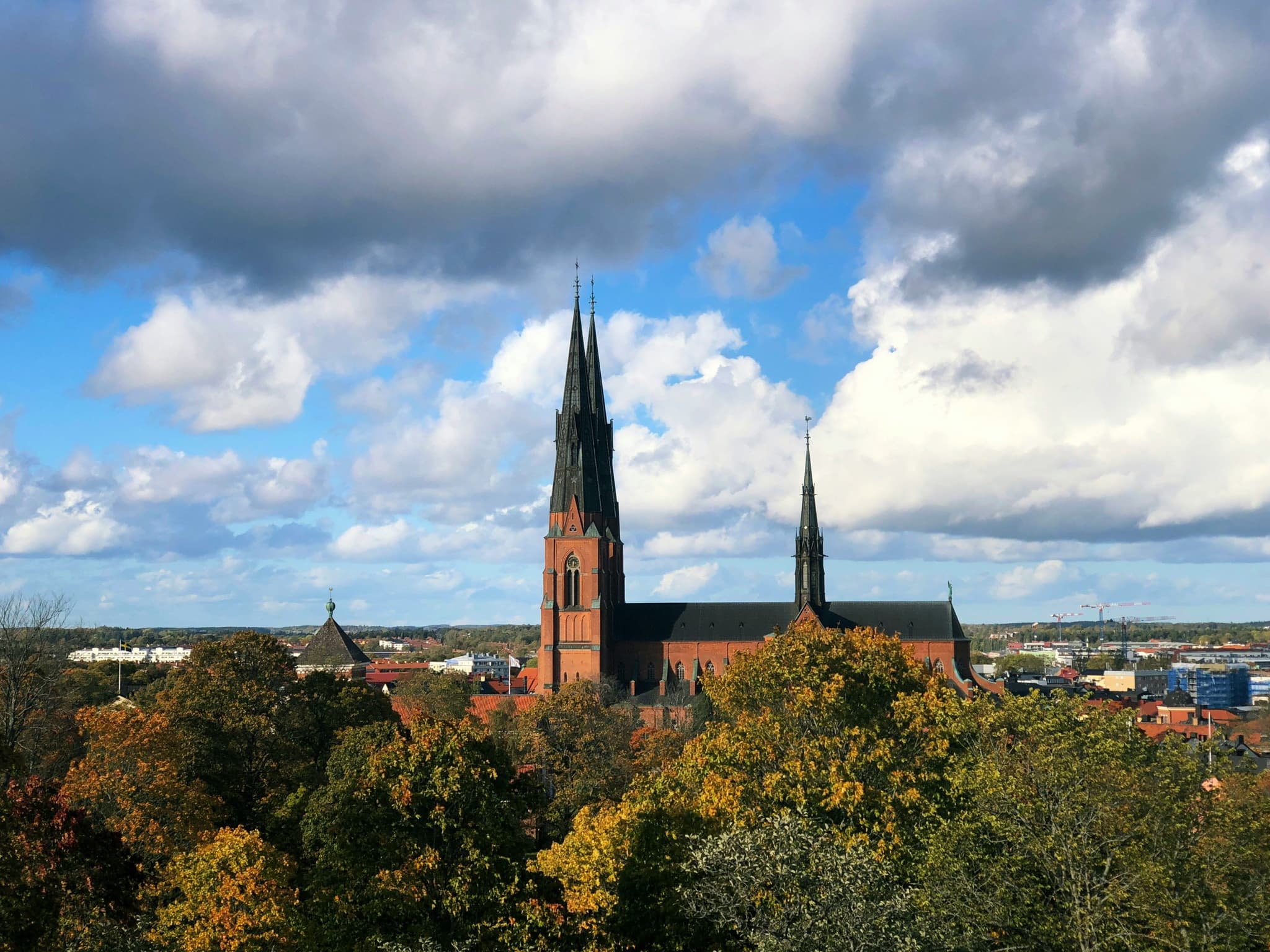
Go wild camping under allemansrätten
Fancy waking up beside a quiet lake or somewhere deep in the Swedish forest? Thanks to allemansrätten, Sweden’s right to roam, you can pitch your tent in many places out in nature and spend the night without booking a campsite. Just keep your distance from homes, respect farmland and leave the place exactly as you found it. The Naturvårdsverket, Sweden's environmental protection agency, publishes the exact rules online, worth a quick read before your first night out.
July gives you the longest daylight for hiking and outdoor activities, but if the northern lights come first for you, aim for a visit between November and February instead.
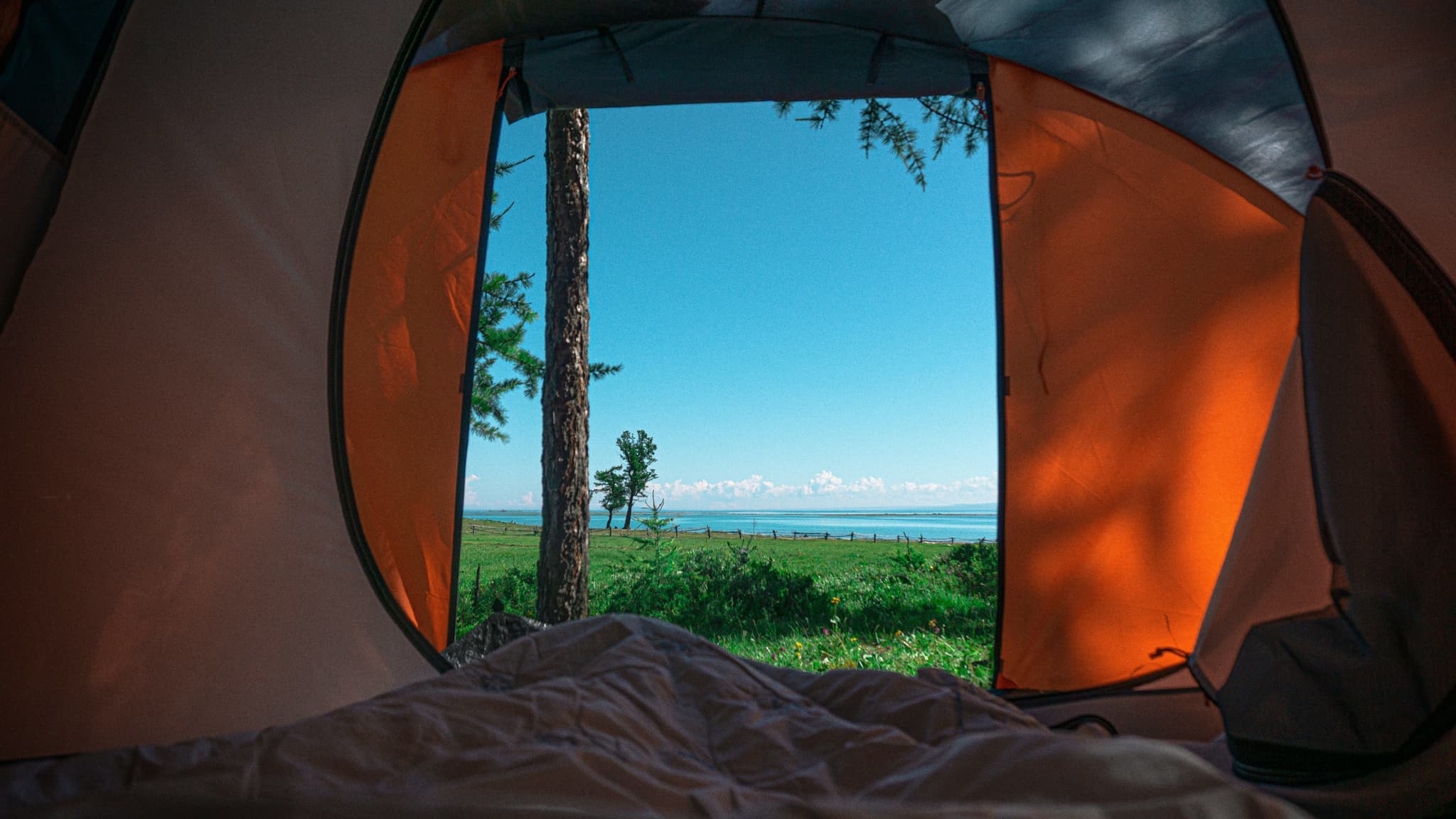
The best months for a Sweden trip
Sweden has a cool northern climate, but there’s quite a difference between the south and the far north. Down south, summers are mild and winters relatively manageable, while Swedish Lapland has short summers and long, cold winters with plenty of snow. The seasons also change quickly here, so the best months for your Sweden trip really depend on which part of the country you want to explore. Here’s what you can roughly expect throughout the year:
June to August: warmest weather, longest days, Midsummer falls in late June
September to March: the best window for the northern lights up north
December to February: peak ski season in Åre and around
May and September: fewer people around, milder prices, a solid middle ground for a Sweden trip
Guided tip: booking accommodation early pays off, since the short summer season fills up fast across the whole country.
Where to stay in Sweden? The best areas for your trip
Most people start their Sweden trip in Stockholm, but staying in the capital only gives you a small taste of the country. If you have the time, we’d split your stay between a city and somewhere surrounded by nature, so you get a bit of both sides of Sweden. Let's see which area fits your travel style best:
Base yourself in Gamla Stan if you want every major sight within walking distance
Right outside your door, cobblestone streets and pastel buildings surround you, with most of Stockholm's biggest sights within a fifteen-minute walk. In this part of the city, prices run higher than elsewhere, so booking early pays off if you want to stay right in the old town rather than nearby.
Stay in Södermalm if you'd rather see a younger, more local side of the city
Here, vintage shops, indie cafés, and some of the city’s best viewpoints fill the district, and prices are a bit friendlier than in Gamla Stan, too. If you're travelling on your own, Södermalm tends to suit you well, with good nightlife and an easy metro connection back into the centre.
Choose Haga in Gothenburg if cinnamon buns and cosy streets sound like your kind of morning
old wooden houses, little independent shops and cafés make it very easy to slow down for a while. This is the kind of neighbourhood where you head out for breakfast and somehow spend half the morning wandering around with a coffee in your hand. Make sure you try a Hagabulle while you’re here, the famously huge cinnamon buns Haga is known for. You’re still close enough to central Gothenburg to walk or take a tram to the main sights, so it’s a great base if you want city life without staying right in the busiest part.
Pick central Malmö if hopping over to Copenhagen for the day is part of the plan
A short train ride puts Copenhagen within easy reach, so staying central in Malmö works well if your route includes both cities. A short walk from the centre gets you to Möllevången too, handy if you want cheap food close to wherever you're sleeping.
Settle into Kiruna or Abisko if the northern lights or the Kungsleden trail are the whole point of your trip
Overall, Kiruna gives you more restaurant and hotel choice, whereas Abisko puts you closer to the darkest skies and the trailheads themselves. For anyone heading north solo, Abisko usually makes the better base for northern lights tours, since most operators pick guests up right from the village.
Guided tip: Look beyond hotels when you head into the countryside. Cabins and cottages are everywhere in Sweden and can be one of the nicest ways to stay near lakes, forests and hiking trails.
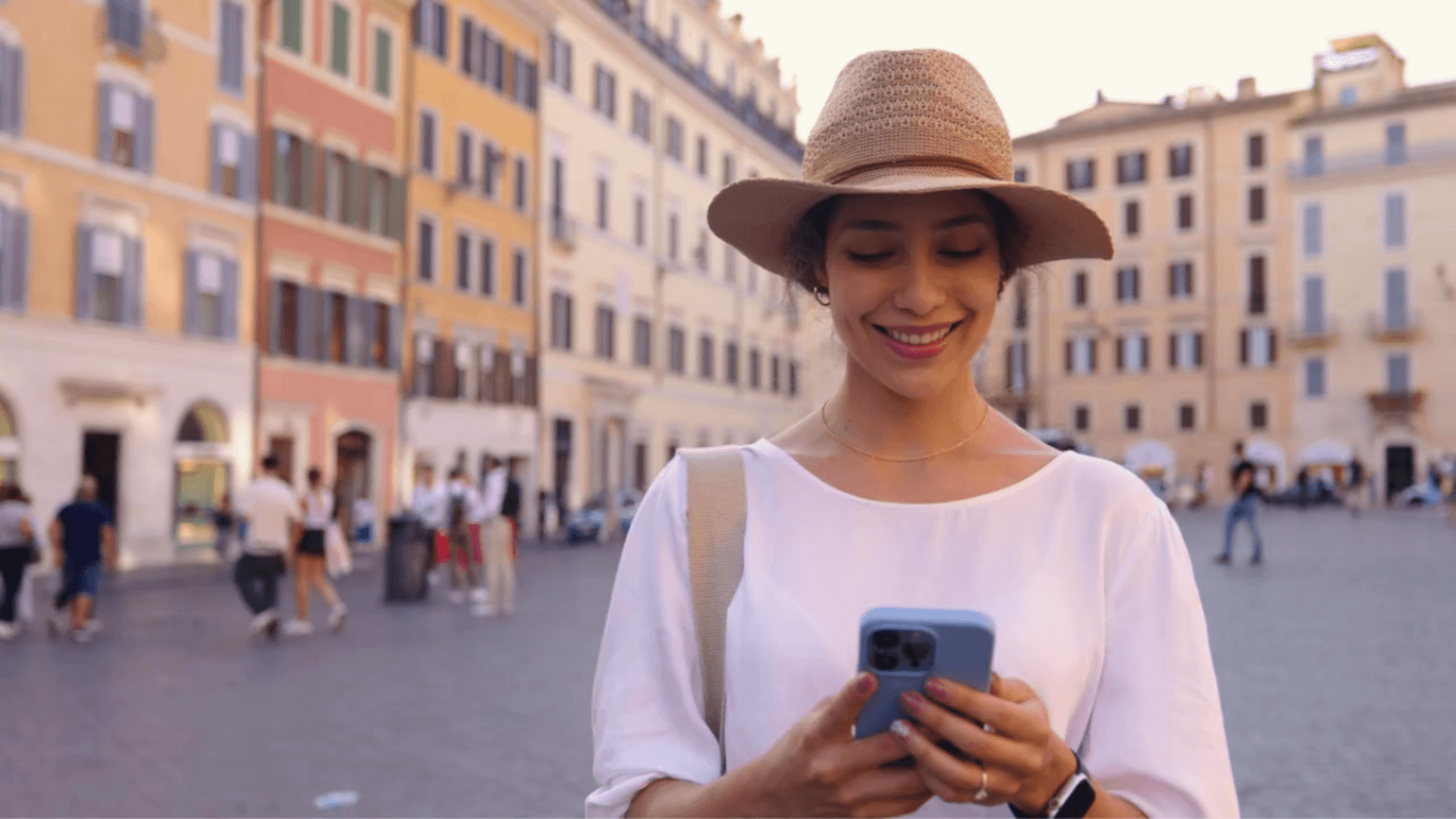
Did you know you can create your own itinerary?
Now that you have a better idea of the places to see in Sweden and things to do there, you can start creating your own trip. Do you want a city trip filled with cafés, museums and neighbourhoods, or would you rather head into the forests, lakes and islands and see Sweden’s wilder side? It’s all up to you. You can easily create your own trip in the Guided app for free, or use trips shared by others.
Transport tips for getting around on a trip to Sweden
Across a trip to Sweden, you'll likely mix trains, buses, domestic flights and the odd ferry, and each option suits a different kind of journey. Below, here's how we'd choose between them depending on where you're headed.
Take the train if you want the easy, comfortable way between the big cities
For longer distances, trains are usually the easiest way to get around Sweden without a car. Stockholm to Gothenburg takes around three hours, while Stockholm to Malmö takes roughly four and a half, so you can comfortably travel between cities without losing your entire day. Booking ahead through SJ keeps the price reasonable.
Heading much further north? Overnight trains run towards places like Kiruna and Abisko, which saves you a hotel night and lets you wake up in Swedish Lapland instead of spending the whole day travelling.
Choose the bus if your budget matters more than your travel time
If train prices are starting to hurt your Sweden trip budget, have a look at the buses instead. FlixBus connects Stockholm with cities like Gothenburg and Malmö, and tickets can be noticeably cheaper if you’re flexible with your departure time. You’ll spend longer on the road, but for shorter routes or days when you’re not in a rush, the savings can easily be worth the extra time. Buses are also handy for smaller towns that aren’t as easy to reach by train.
Fly if Lapland is part of the plan and you'd rather not lose a full day getting there
If you’re heading all the way up to Swedish Lapland, flying can save you a huge amount of time. Stockholm to Kiruna takes under two hours by plane, while the overnight train takes roughly seventeen hours. Got a short Sweden trip? We’d probably fly north and save that extra day for Lapland itself. If you have more time, though, the night train can be part of the adventure, and you’ll wake up surrounded by a completely different side of Sweden.
Rent a car if lakes, forests and small towns off the rail line are calling you
Once you start heading beyond Sweden’s bigger cities, having a car gives you much more freedom to stop at lakes, hiking trails and little towns along the way. It’s especially handy for a countryside road trip where public transport becomes less frequent. Most rental cars come with manual transmission, so request an automatic in advance if that’s what you prefer.
Guided tip: Don’t bother renting a car for Stockholm itself, pick it up when you’re ready to leave the city and save yourself the parking costs.
Cross the border if you want to turn your Sweden trip into a Scandinavian adventure
Got a little more time? Sweden is really easy to combine with its neighbours, and some of the journeys are fun enough to become part of the trip themselves.
Take the train to Denmark
From Malmö, you can be in Copenhagen in around 35 minutes by train across the Öresund Bridge. It’s such an easy border crossing that you could even visit Copenhagen for the day, although we’d definitely stay a little longer if your schedule allows it. Wondering where to go after Copenhagen? Our Denmark travel guide has plenty of ideas for continuing your route.
Continue west to Norway
From Stockholm, you can take the train straight to Oslo and suddenly turn your Sweden trip into a two country adventure. Give yourself a few extra days and you can continue towards the mountains and fjords afterwards. Wondering what’s worth adding? Our Norway destination guide will help you plan the Norwegian side.
Take the overnight ferry to Finland
For something completely different, hop on an overnight ferry from Stockholm towards Helsinki or Turku. You’ll leave Sweden in the evening, spend the night crossing the Baltic Sea and wake up in Finland the next morning, so getting there feels like part of the adventure. Wondering where to go next? Our Finland travel guide is a good place to start.
Food and drinks to try in Sweden
Swedish food makes a lot more sense once you look at the country around you. Long winters, huge forests, thousands of lakes and a very long coastline mean you’ll see plenty of fish, potatoes, berries, mushrooms and preserved foods on the menu. If you're in Sweden, make sure to try at least a few of these dishes.
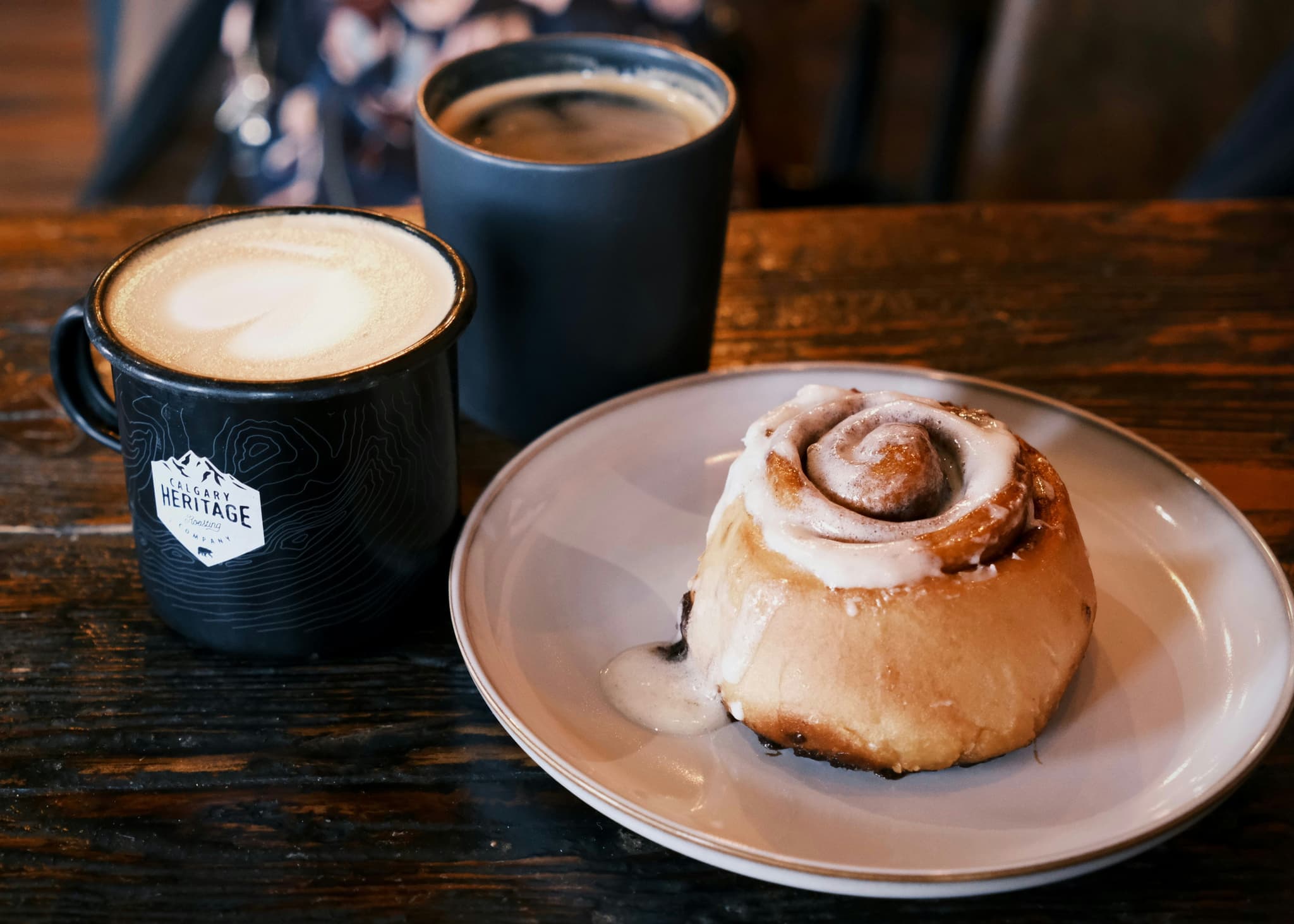
Fika and kanelbullar
Rather than a five-minute coffee break, fika treats the pairing of coffee and a cinnamon bun as a proper part of the day, something locals build their whole afternoon around. Across every town, bakeries sell kanelbullar fresh, and the best ones sell out by early afternoon.
Swedish meatballs (köttbullar)
Alongside köttbullar, lingonberry sauce and mashed potatoes come standard, and IKEA's cafeteria version has genuinely converted plenty of skeptics. At a proper sit-down restaurant, köttbullar taste nothing like the frozen supermarket version, so it's worth seeking one out for the real thing.

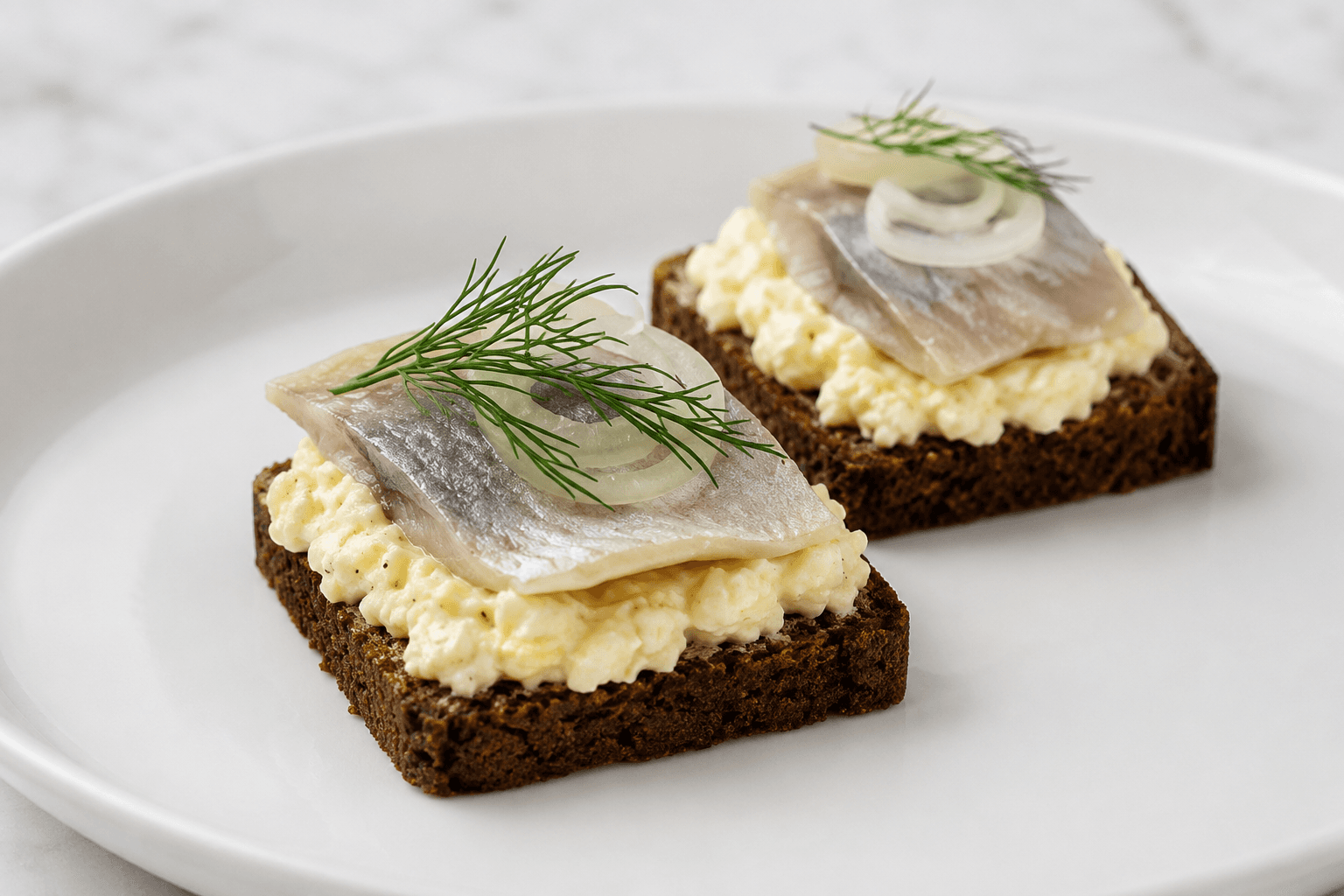
Pickled herring (sill)
On nearly every smörgåsbord you'll come across, sill shows up with rye bread, dill and thin slices of onion. For your first taste, stick with the mustard sauce or a simple vinegar marinade, since some of the stronger pickled varieties take getting used to.
Crayfish parties (kräftskiva)
Across the country every August, tables fill up with paper lanterns, funny hats and piles of bright red crayfish for kräftskiva season. With snaps and a fair bit of singing between courses, the traditional version becomes a proper night out, so joining a local gathering beats eating alone at a restaurant if you get the chance.

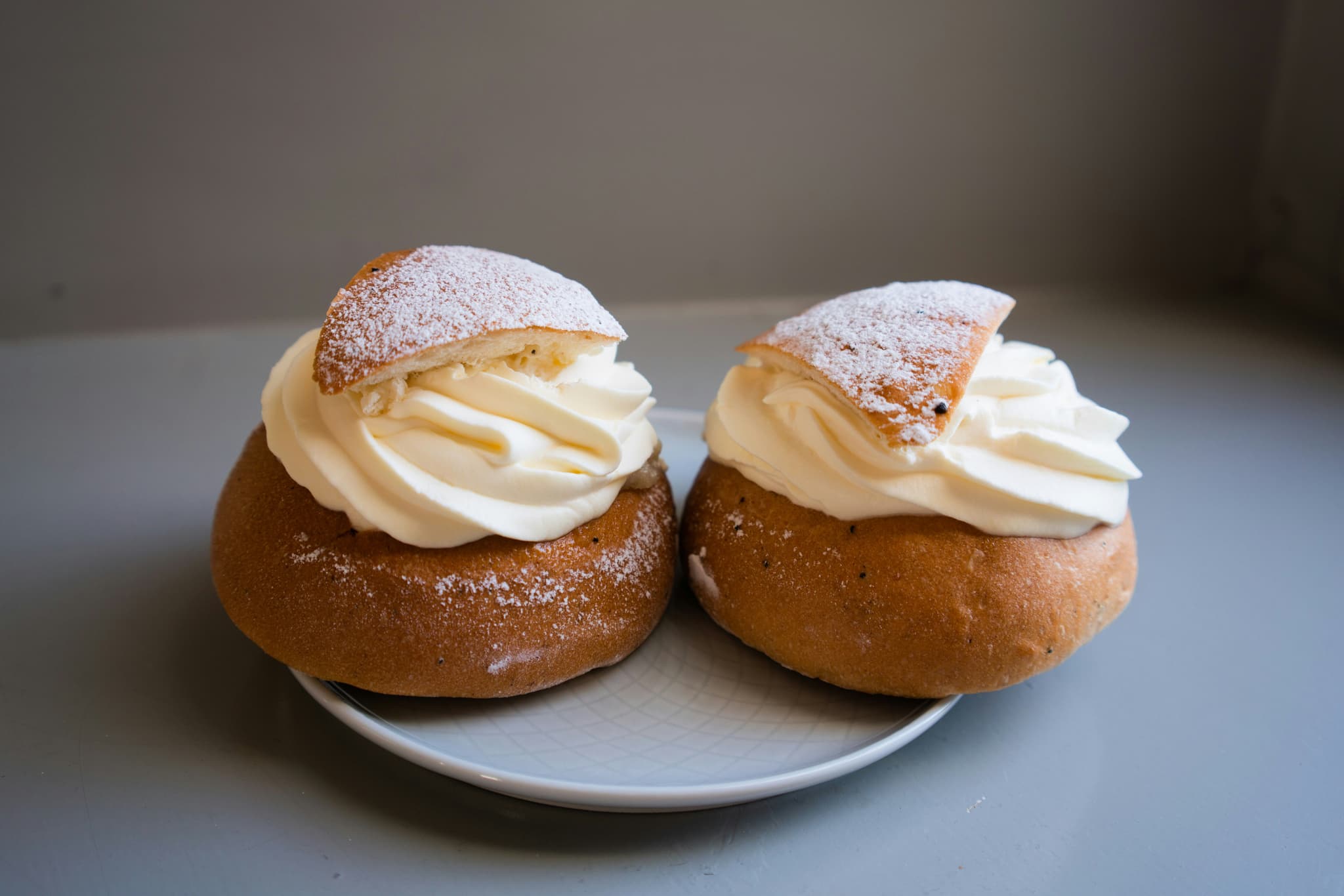
Semla buns
Traditionally eaten in the weeks leading up to Lent, semla buns come stuffed with cream and almond paste, cardamom bread wrapped around both. As early as January, bakeries start selling them, so you don't need to plan your trip around Lent itself to try one.
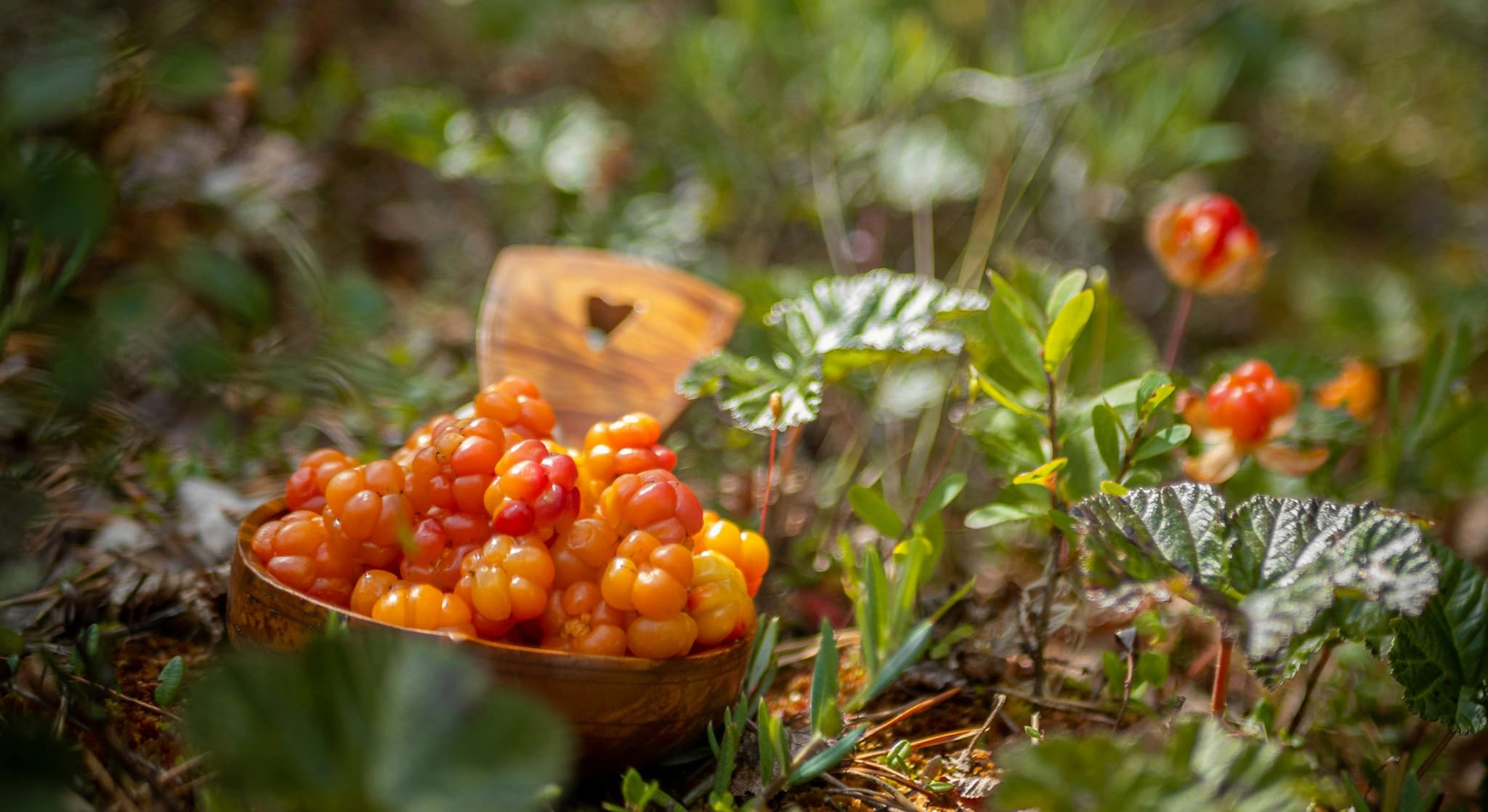
Cloudberries
Across the north, cloudberries grow wild, golden and slightly tart, and they rarely make it into shops given how short the picking season runs. For the best shot at finding them fresh, aim for August, though jam versions turn up in most grocery stores year-round if you miss the window.
Culture and daily life you’ll notice when you travel to Sweden
Long before Sweden became the peaceful, modern country you see today, Vikings were setting sail from these coastlines on journeys that stretched far beyond Scandinavia. Some travelled west towards Britain, while others followed rivers east through Russia and all the way to Constantinople, trading goods and bringing new influences home with them. You can still find traces of that Viking past across Sweden today, especially in the runestones scattered through the countryside. Over the centuries, Viking beliefs slowly gave way to Christianity, kingdoms became more organised and, in 1523, Gustav Vasa became king and helped shape Sweden into the country it would eventually become. It’s quite a history to have sitting behind all those peaceful forests and colourful wooden houses.
As you travel around Sweden, you’ll notice that old and new still mix together pretty much everywhere. One minute you’re in a super modern neighbourhood in Stockholm, the next you’re celebrating Midsummer around a flower-covered pole or stopping for fika in a little wooden café. You’ll probably come across the Swedish idea of lagom while you’re here. It’s basically a way of approaching life with balance: having enough without going overboard. You can see it in everything from simple interiors and portion sizes to the way Swedes balance work, free time and being outdoors.
Looking for more unique places, trips and activities?
Subscribe to our Guided Newsletter for more travel inspiration.
What a Sweden travel budget looks like
Compared with the rest of Scandinavia, Sweden isn’t actually the worst place for your wallet. Norway will often cost you more, especially once you start eating and drinking out, although Stockholm and summer hotspots like Gotland can still get pretty pricey. Travel a little outside the busiest areas or skip July and August, and you’ll usually find much friendlier accommodation prices.
To keep your Sweden travel budget down, have your bigger meal at lunchtime, grab the occasional dinner from a supermarket and book long distance trains as early as you can. Around Stockholm, you can also stay a few metro stops outside the centre and still get everywhere easily. Best of all, hiking, lake swimming and days out in nature can cost you absolutely nothing, so not every day needs to be an expensive one.
This is what you can roughly expect to pay:
Food & Drink
Coffee
SEK 35 – 60
Lunch
SEK 110 – 200
Beer
SEK 60 – 100
Accommodation
Hotels
SEK 900 – 2k
Airbnb
SEK 700 – 1.8k
Hostel dorm
SEK 250 – 600
Transport
Train ticket
SEK 150 – 700
Bus ticket
SEK 30 – 45
Car Rental
SEK 450 – 900
Attractions

Museums
SEK 100 – 250
Big Attractions
SEK 150 – 300
Theatre
SEK 250 – 800
Travel tips for visiting Sweden
A few things work slightly differently in Sweden, and knowing them before you arrive can make your trip a lot easier. We recommend getting familiar with a few local habits and practical basics before you go, especially when it comes to payments, transport and exploring the outdoors. Here are the Sweden travel tips worth knowing:
✔ Skip carrying much cash
Almost everywhere you go, card payments work fine, down to street food stalls and public toilets, so carrying more than a little cash is rarely necessary.
✔ Book the Icehotel and northern lights tours early
Well in advance of your trip, popular dates fill up, particularly around Christmas, New Year and school holiday weeks, so locking in your spot early matters if these experiences are the whole reason for your visit.
✔ Pack layers even in summer
From morning to evening, temperatures swing more than you'd think, even in July, so a light jacket earns its place in your bag regardless of season.
✔ Download the SJ and city transit apps before you land
Ahead of arrival, set up the SJ app and your city's transit app, since both cover booking and payment and save you fumbling at a machine with a queue behind you.
✔ Plan around Sundays in smaller places.
Shops, cafés and attractions can have shorter hours outside the bigger cities, particularly once you travel outside peak summer season.
✔ Bring something for the mosquitoes up north.
Swedish Lapland is incredible in summer, but mosquitoes can be very enthusiastic about joining your hiking trip.
Fun facts about Sweden
Sweden has plenty of little quirks you probably won’t know about before you go, and some of them are pretty fun to spot while you’re travelling. Here are a few fun facts to know before your trip:
Swedes have a word for travelling somewhere without flying: Tågskryt
Sweden has more islands (267,000) than any other country in Europe.
Saturday has traditionally been sweet day. Lördagsgodis means Saturday sweets
Midnight sun keeps parts of northern Sweden lit around the clock for weeks each summer.
The Icehotel gets entirely rebuilt from scratch every winter, using ice from a nearby river.
Fika happens at least twice a day in most Swedish workplaces
The Sami people have lived across northern Sweden for thousands of years
By now, you’ve probably realised that a Sweden trip can look completely different depending on where you go. You could spend your days hopping between Stockholm’s islands, road tripping past lakes and little red cottages, hiking under the midnight sun or heading north and hoping the northern lights decide to show up. Add fika breaks, cosy cities and more nature than you could possibly fit into one trip, and Sweden is pretty hard not to get excited about.
So pick the part of Sweden that sounds most like you, give yourself enough time to actually enjoy it and don’t plan every hour before you arrive. Some of the best days here might simply start with a lake, a trail or a ferry and seeing where you end up.
Ready to map out your Sweden trip?
We hope this Sweden travel guide has given you a clear starting point for your trip. Stay tuned for more inspiration, itineraries and practical tips to help you shape your own trip to Sweden. And don’t forget to check out our Guided app, where you can create your own trip or use trips shared by other travellers for free.
Frequently asked questions about travelling to Sweden
- What is Sweden known for?
Beyond design, nature and a handful of major exports, Sweden built its global reputation on names like ABBA, IKEA, Volvo and Spotify. Outside of pop culture, the country's known just as much for the northern lights, thousands of lakes and a laid-back social system that consistently ranks among the happiest nations anywhere. For you, it's really the mix that stands out, cities, wilderness and islands all reachable within the same short trip.
- How many days do you need in Sweden?
A week gives you enough time to cover Stockholm properly and add one more region, Gotland in summer or a shorter Lapland trip in winter. With ten to fourteen days, you can pair the cities with the Arctic north without running out of time at either end. Even on a shorter trip, narrowing your focus to one region works better than trying to see the whole country at once.
- Is Sweden expensive to visit?
Across most of Europe, Sweden lands on the pricier end, particularly for alcohol, restaurants and anything in central Stockholm. By booking trains ahead, cooking some of your own meals and sticking to hostels or Airbnb, you can keep daily costs down considerably. In shoulder season, May or September, your budget goes noticeably further than it would during a July visit.
- Do you need a visa to travel to Sweden?
As part of the Schengen Area, Sweden lets most nationalities enter visa-free for stays of up to ninety days within a 180-day period. Beyond visa rules, passport validity requirements apply too, so it's worth double-checking the current rules for your specific nationality before you book anything. Since requirements shift occasionally, checking an official government source close to your travel dates beats relying on older blog posts, including this one.
- Is Stockholm or Gothenburg better to visit?
For more sights, museums and easy island-hopping packed into one base, Stockholm wins out. If calmer streets, fewer people around and an easy run out to the Bohuslän coast sound more appealing, Gothenburg suits you better. A direct train connects both cities in around three hours anyway, so plenty of Sweden itineraries include them together.
- What is Midsummer in Sweden?
Around the summer solstice in late June, Midsummer marks one of the biggest dates on the Swedish calendar. Throughout the day, maypole dancing, pickled herring, new potatoes and plenty of snaps take over, and most of the country heads to the countryside to celebrate. For a genuinely local experience, plan a visit around Midsummer, though it's worth knowing that many shops and restaurants close for the holiday itself.