
Barbados

Barbados travel guide: Everything you need to know before visiting Barbados
On Friday nights the fish fry at Oistins Bay Garden is at its busiest. Vendors start grilling mahi-mahi and barracuda from about 6pm and keep going until close to midnight. The island is small, about 34 km by 23 km, and evenings like this, along with its rum shops and cricket, are a big part of its appeal.
It also has two quite different coasts. The Caribbean side, in the west and south, is calm enough for swimming and snorkelling, while the Atlantic hits the east coast at Bathsheba hard enough to draw surfers all year. Barbados is a fairly flat coral-limestone island lying east of the main Lesser Antilles chain, and its highest point, Mount Hillaby, reaches only 340 m. There's real history too, from a UNESCO-listed capital to a rum distillery dating from 1703. We think it suits beach-and-food travellers, couples, cricket fans and surfers best, and it's an easy island to see without a car. This guide covers where to go, how to get around, what things cost and when to visit.
5 reasons to visit Barbados
We'd come for the first two alone.
- Snorkel with turtles over shipwrecks in Carlisle Bay.
- Eat grilled fish at the Oistins Friday fish fry.
- Watch the surf roll into the Soup Bowl at Bathsheba.
- Taste rum at Mount Gay, distilling since 1703, and at St Nicholas Abbey.
- Walk UNESCO-listed Bridgetown, then catch a match at Kensington Oval.
Where to visit in Barbados?
Where should a first trip start? On the south and west coasts, where the sea is calm and a BBD $3.50 bus fare gets you around, then with at least one day on the wild east side. Prices on the island are in Barbados dollars, written here as BBD $, and the currency is pegged at BBD $2 to USD $1.
Bridgetown and the Garrison
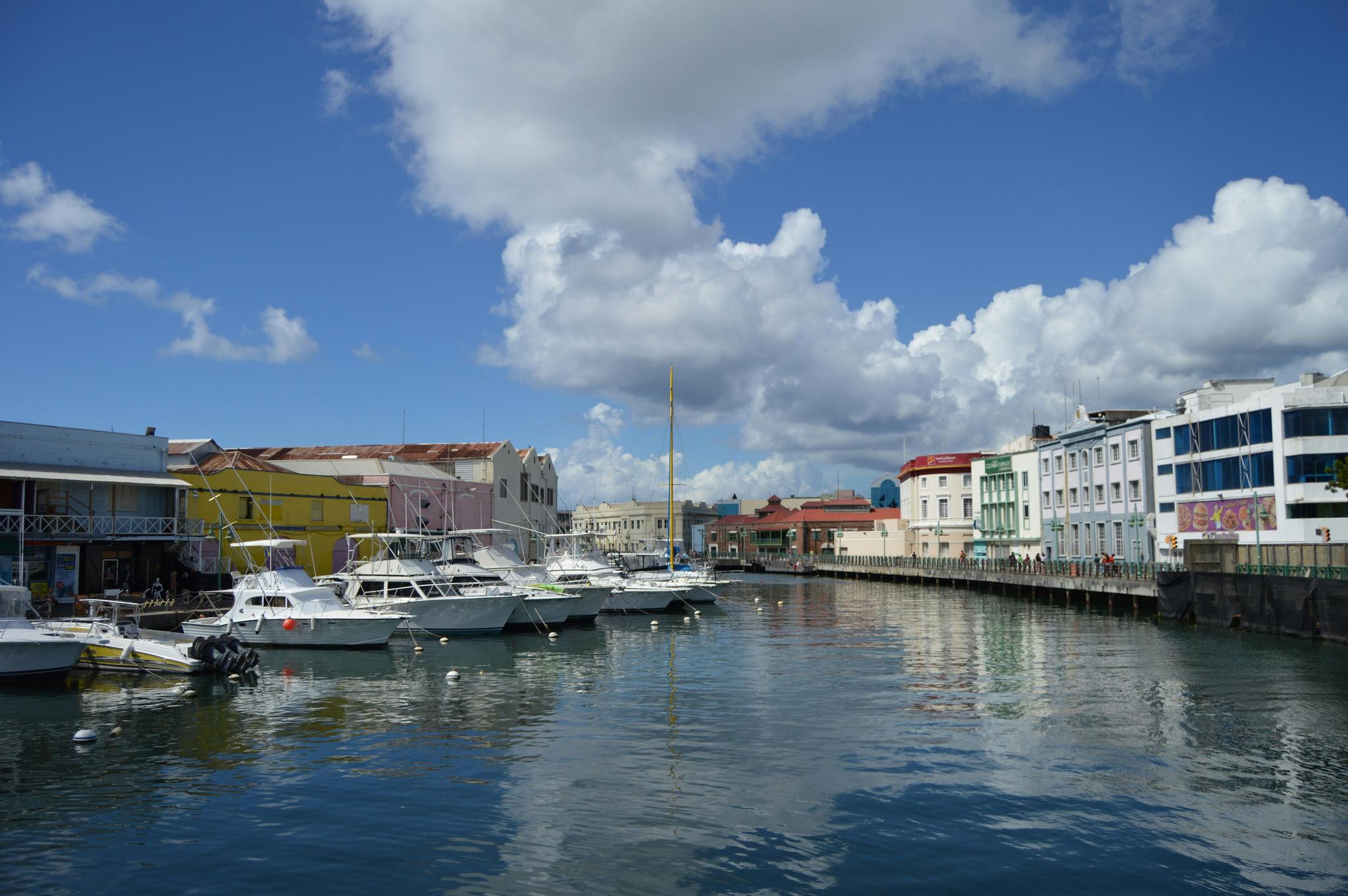
Historic Bridgetown and its Garrison have been a UNESCO World Heritage Site since 2011, and we'd give them a full day rather than squeezing them in between beaches. In the Garrison, George Washington House marks what is usually described as Washington's only trip abroad. He came in 1751, aged 19, and is said to have caught smallpox during his stay. The Barbados Museum is self-guided and costs BBD $20 for an adult visitor. Kensington Oval, the island's cricket ground, is close by, and Carlisle Bay sits right on the edge of town, so a swim can finish the day. A taxi from the airport to Bridgetown costs BBD $74.
Carlisle Bay
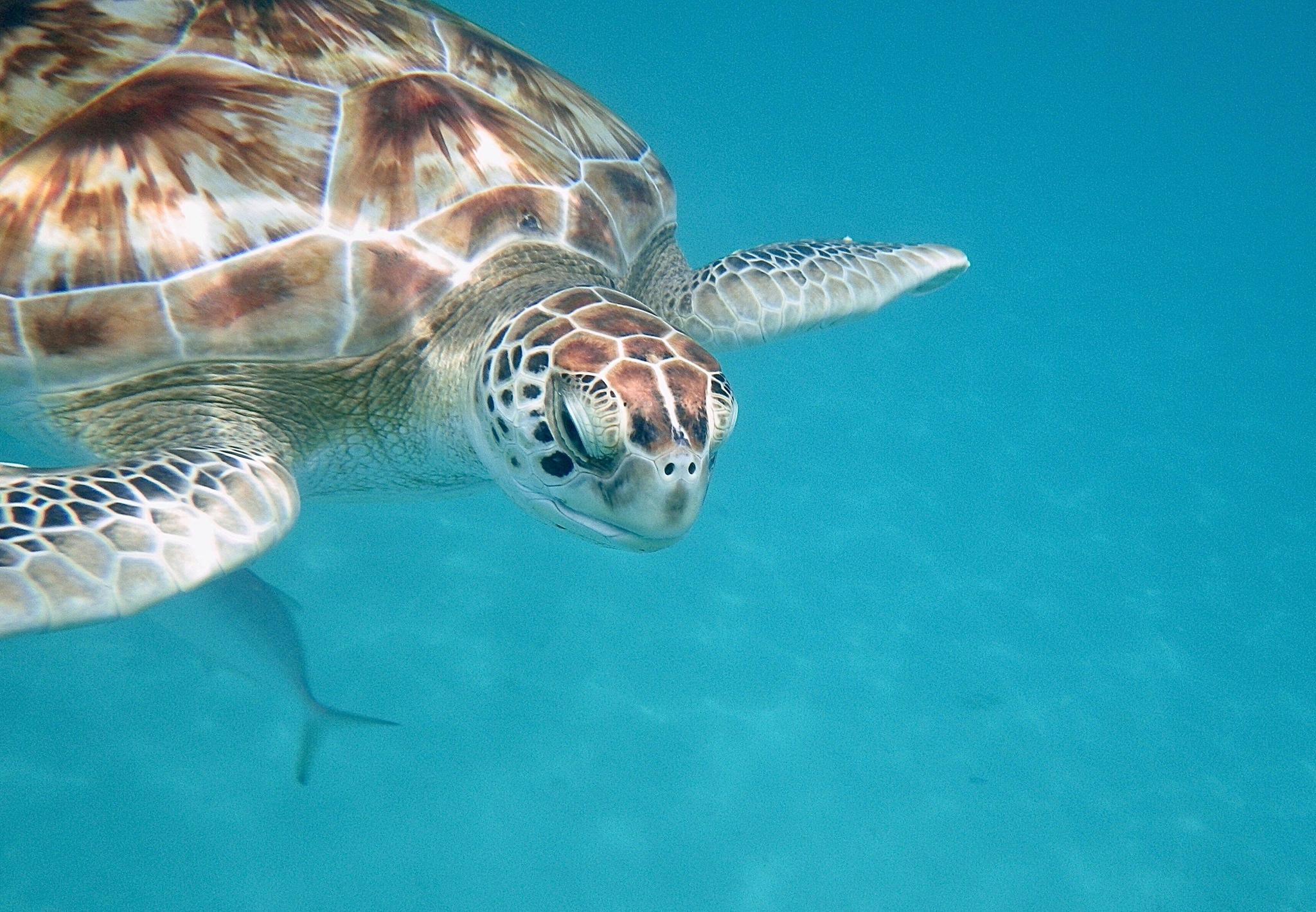
Carlisle Bay is a marine park right beside Bridgetown, so it pairs easily with a day at the Garrison. About six wrecks lie on the seabed here at depths of 12 to 55 ft, and turtles and rays are often seen around them. Most people come out by catamaran. A shared cruise with lunch, snorkelling and transfers costs about USD $139 (BBD $278), and the snorkel stop is over the wrecks. If you only want to swim, the beach itself is right there and costs nothing.
Oistins
Oistins is a fishing town in Christ Church parish, and its Bay Garden fish fry is the one evening out we'd tell everyone not to miss. Vendors work from about 6pm to near midnight, grilling mahi-mahi and snapper, and sometimes lobster. Friday is the busiest night. If you'd rather have a table to yourself, go another evening. The town also hosts the Oistins Fish Festival over the Easter weekend. Oistins is the closest of the main resort areas to the airport, BBD $39 by taxi, which makes it easy to fit into a first or last night.
Holetown and the west coast
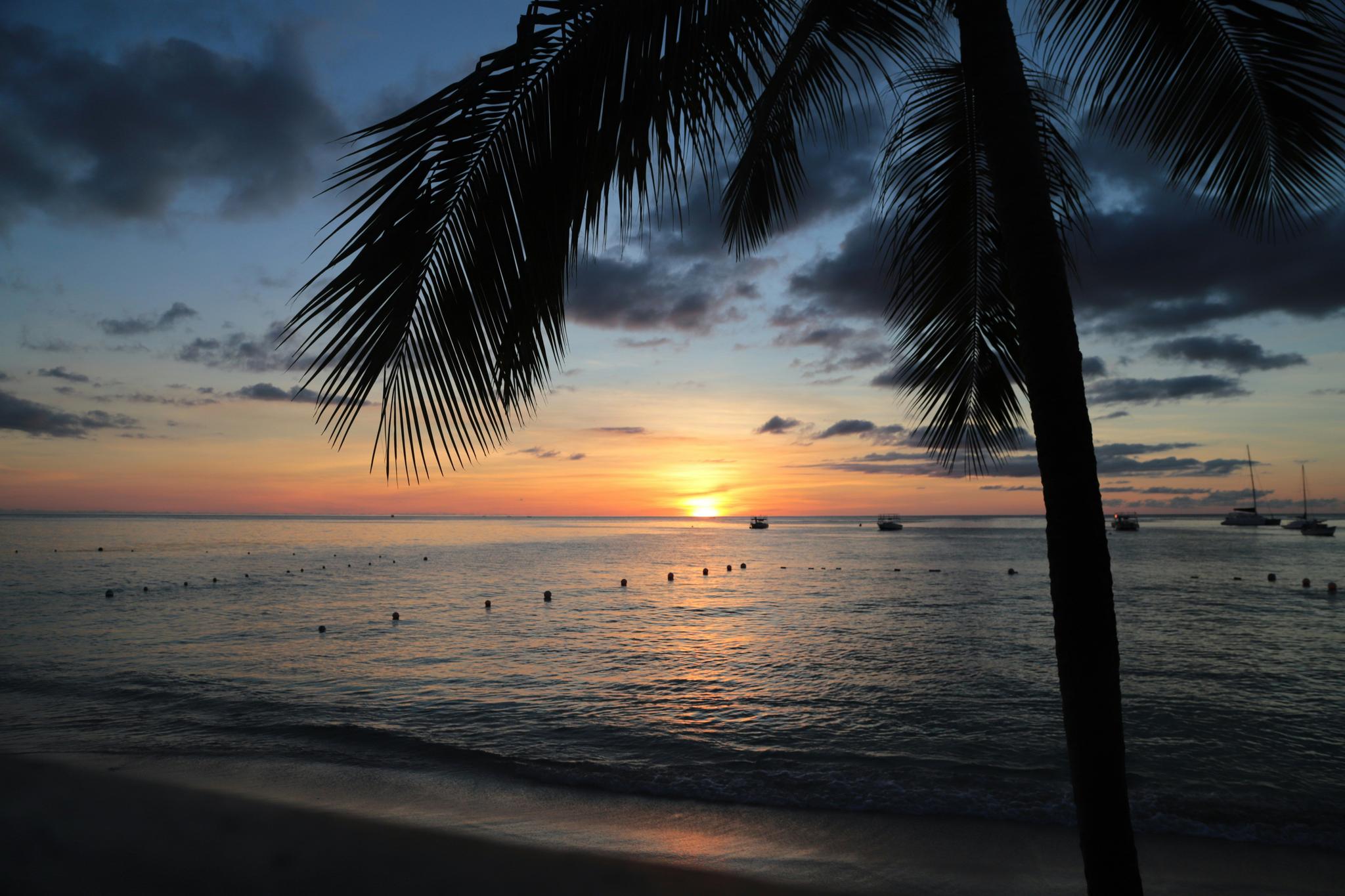
The English landed at Holetown on 17 February 1627, and it was first named Jamestown. That makes it the oldest English settlement on the island, and the Holetown Festival marks the anniversary each February. St James Parish Church is worth a look, and although the current building dates from 1875, its bell is older, from 1696. Today the west coast is the calm, expensive side of Barbados, with gentle water and luxury hotels along the shore. Limegrove, the shopping centre, is here too. A taxi from the airport to Holetown costs BBD $122.
Speightstown
Speightstown was nicknamed "Little Bristol" for its trade with the English port, and it has an older, quieter feel than Holetown. The place to start is Arlington House Museum, a merchant's house from about 1750 set over three floors, which tells the story of the town's trading past. Speightstown is the furthest of the west coast towns from the airport, and at BBD $144 its taxi fare is the highest of the set airport fares. From a south coast base, it's a long ride, so pair it with Holetown on the same day.
Bathsheba and the Soup Bowl
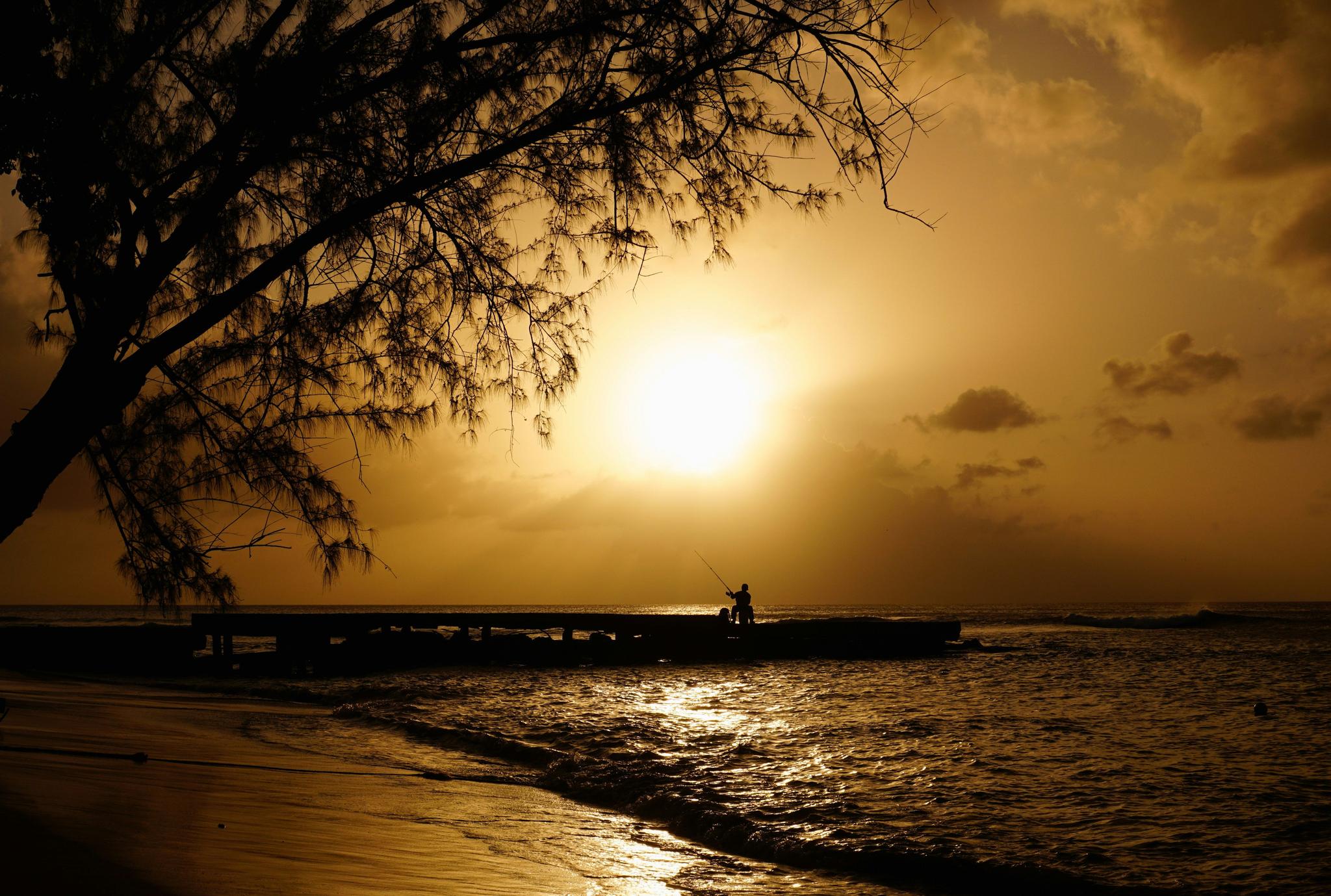
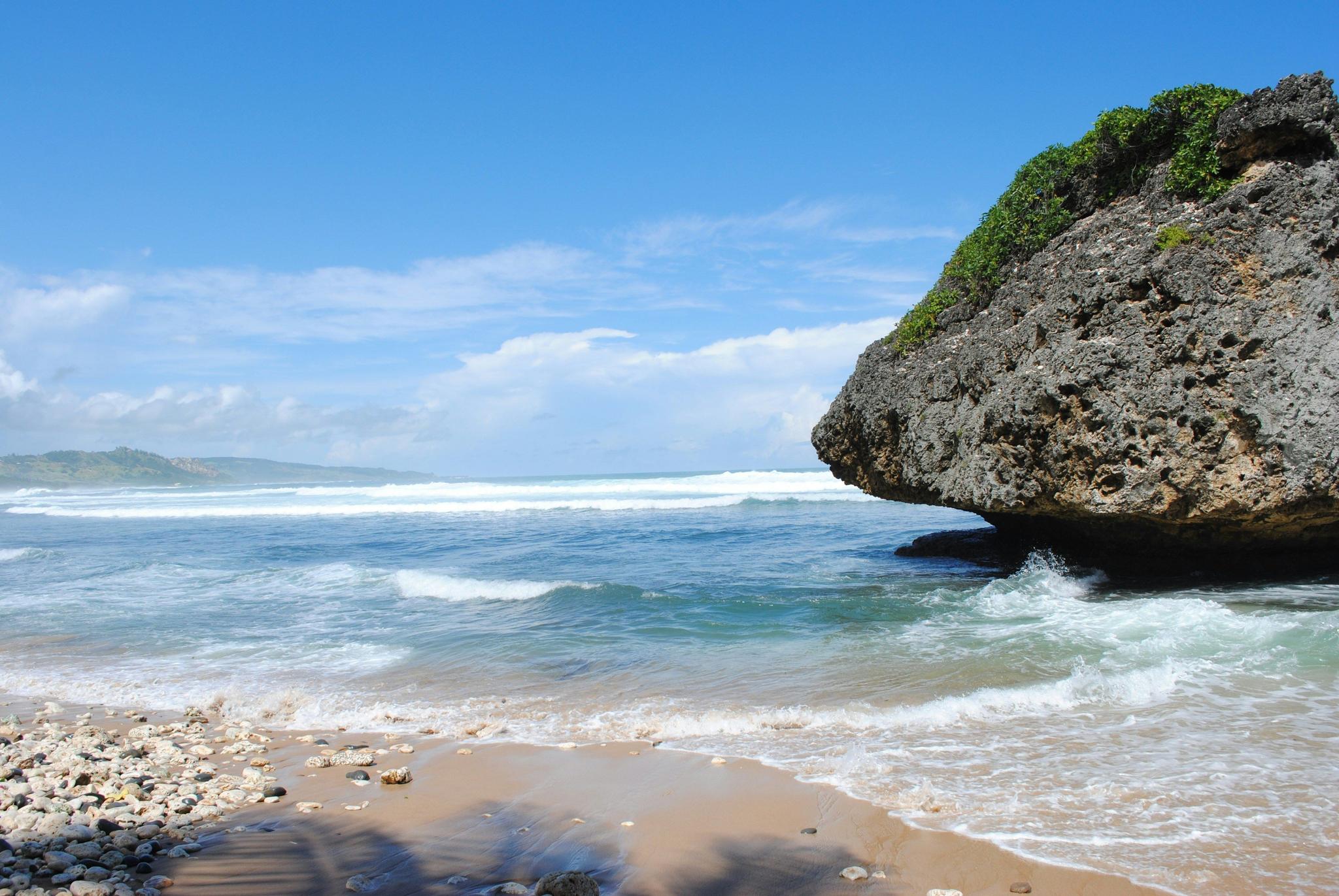
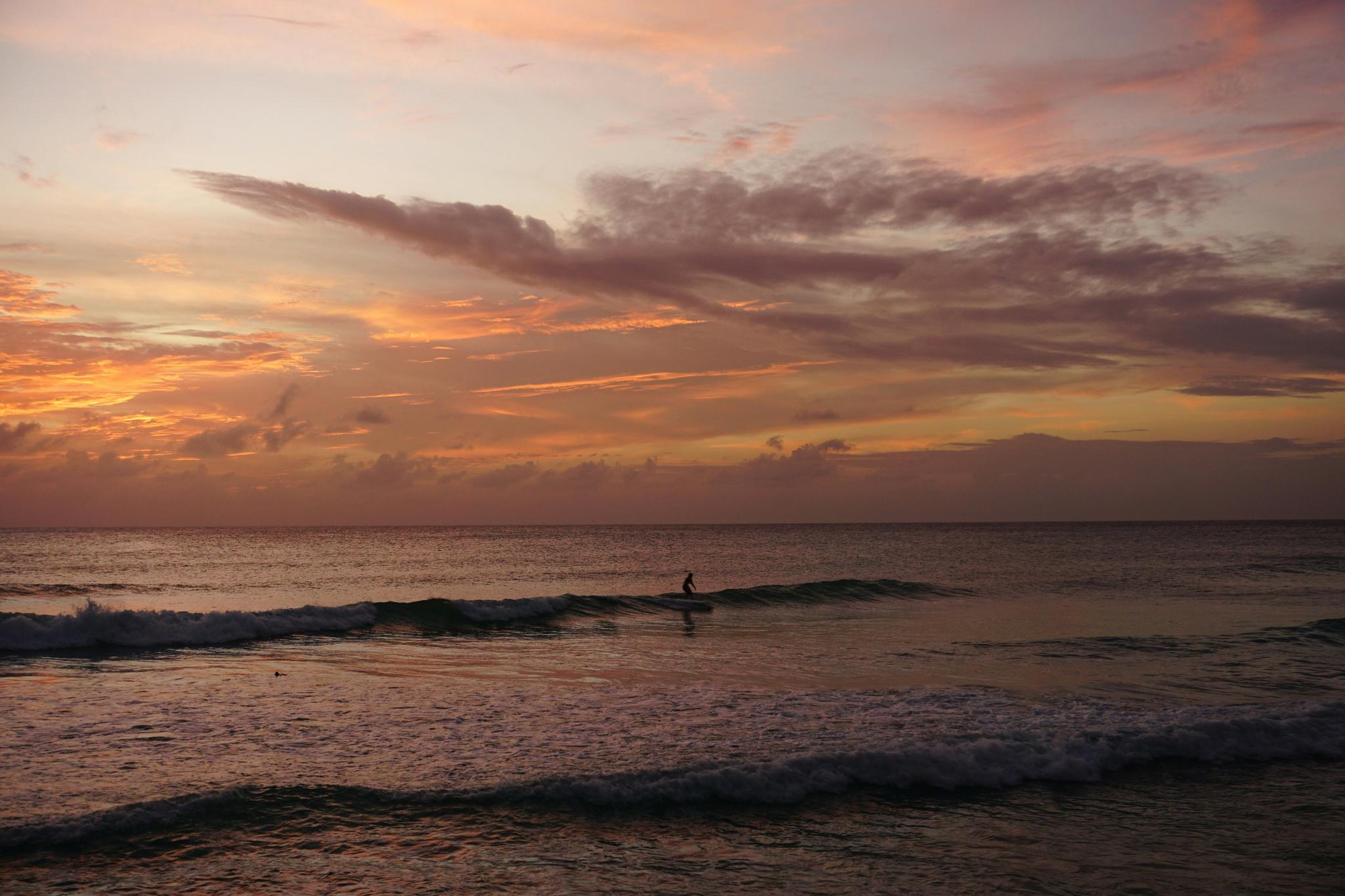
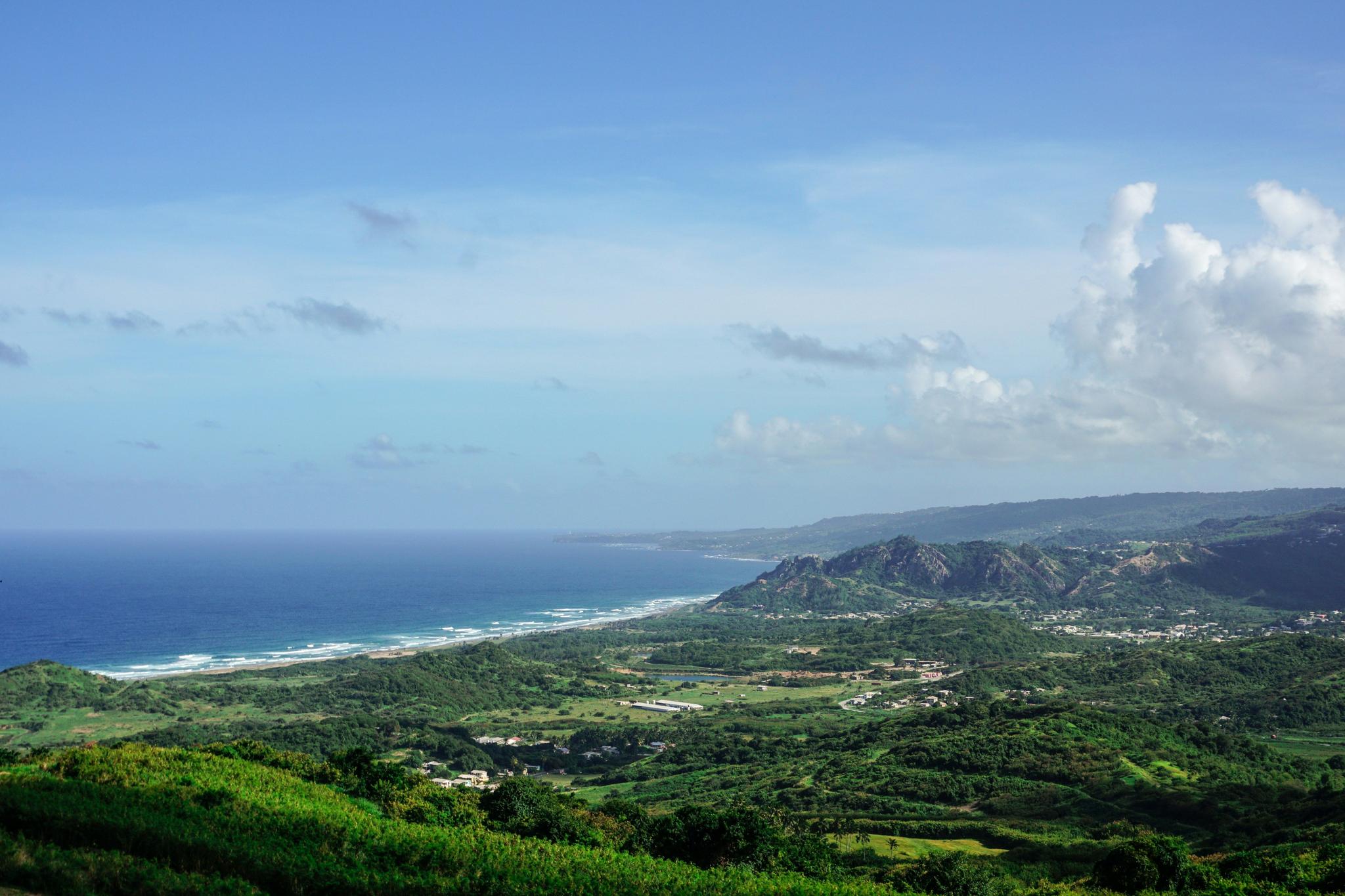
The Atlantic coast is a different island. Bathsheba sits in St Joseph, in the Scotland District, and the Soup Bowl here has surf about 360 days a year. Waves are smallest in July and August and biggest from November to April. The water is powerful and isn't for swimming, so treat the beach as somewhere to watch and walk. Close by are Andromeda Botanic Gardens, reportedly started in 1954 by Iris Bannochie and run by the Barbados National Trust since 1988. For us, this stretch of coast is the most beautiful part of Barbados.
Hunte's Gardens
Hunte's Gardens are set in a former sinkhole at Castle Grant, also in St Joseph, so they're easy to pair with Bathsheba and Andromeda on the same day. Entry costs BBD $40, or USD $20, and it's cash only, so bring notes rather than relying on a card. The gardens open daily from 10am to 4pm. Without a car, the simplest way in is a taxi from Bathsheba. Agree the fare before you set off, as taxis on the island have no meters.
Harrison's Cave
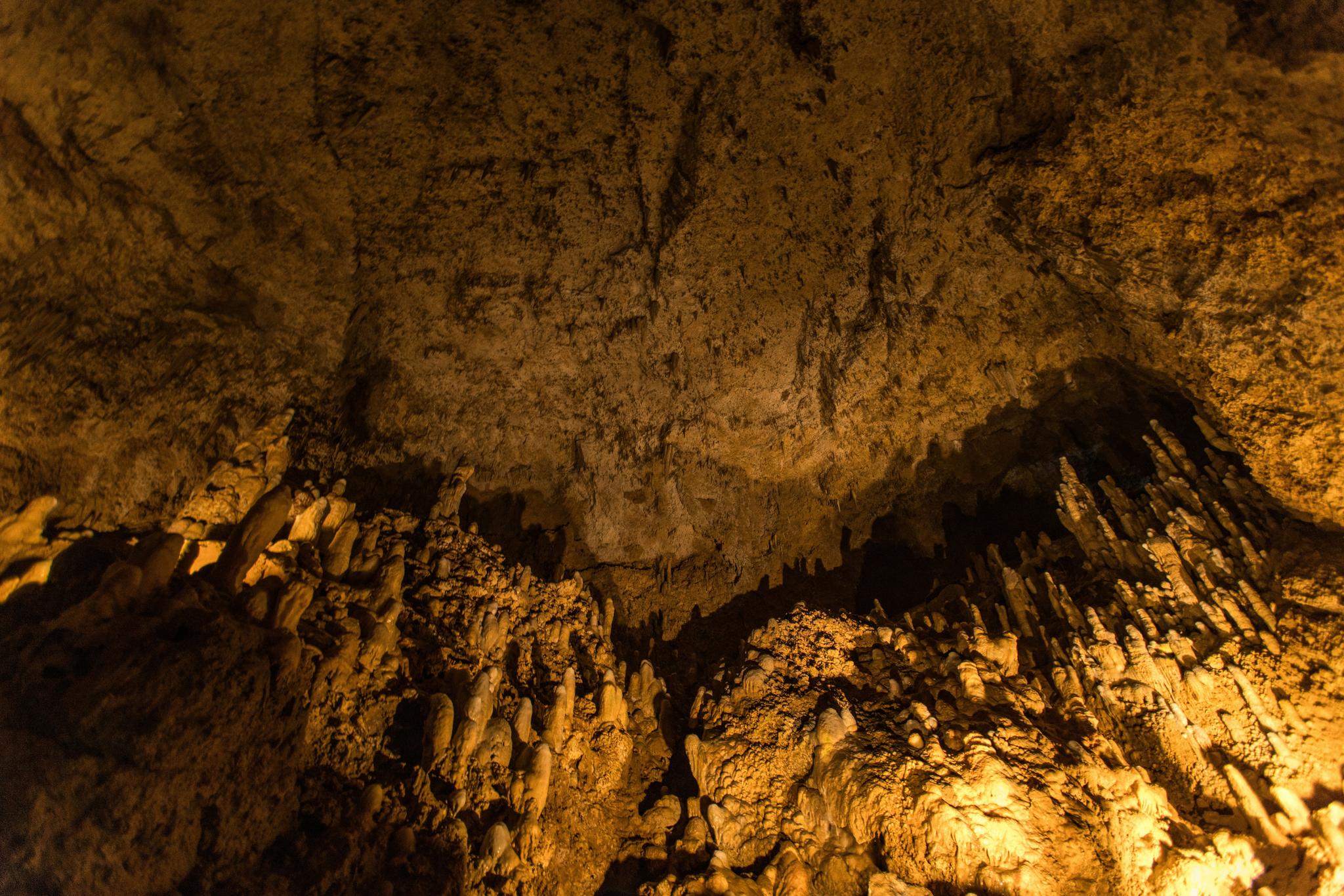
Harrison's Cave lies in the central uplands, and it reopened to the public in 1981. You ride through it on a tram, and the Great Hall is said to rise more than 50 ft above you. The Signature Tram Tour starts from USD $69 (BBD $138), and transport to the cave isn't included, so plan a taxi or combine it with a hire-car day. It's one of the pricier stops on the island. If the weather turns on a beach day, though, this is the place to go.
St Nicholas Abbey
St Nicholas Abbey is a Jacobean great house built in 1658, and it's one of only three Jacobean mansions in the Western Hemisphere. The estate also makes single-cask rum, and you can book a distillery tour and tasting. A heritage steam railway is also said to run on the grounds, so ask when you book. A mahogany avenue reportedly leads from the estate up to Cherry Tree Hill. The Abbey is in St Peter, in the north of the island, so it combines well with Animal Flower Cave. Check current prices when you book the tour.
Animal Flower Cave and North Point
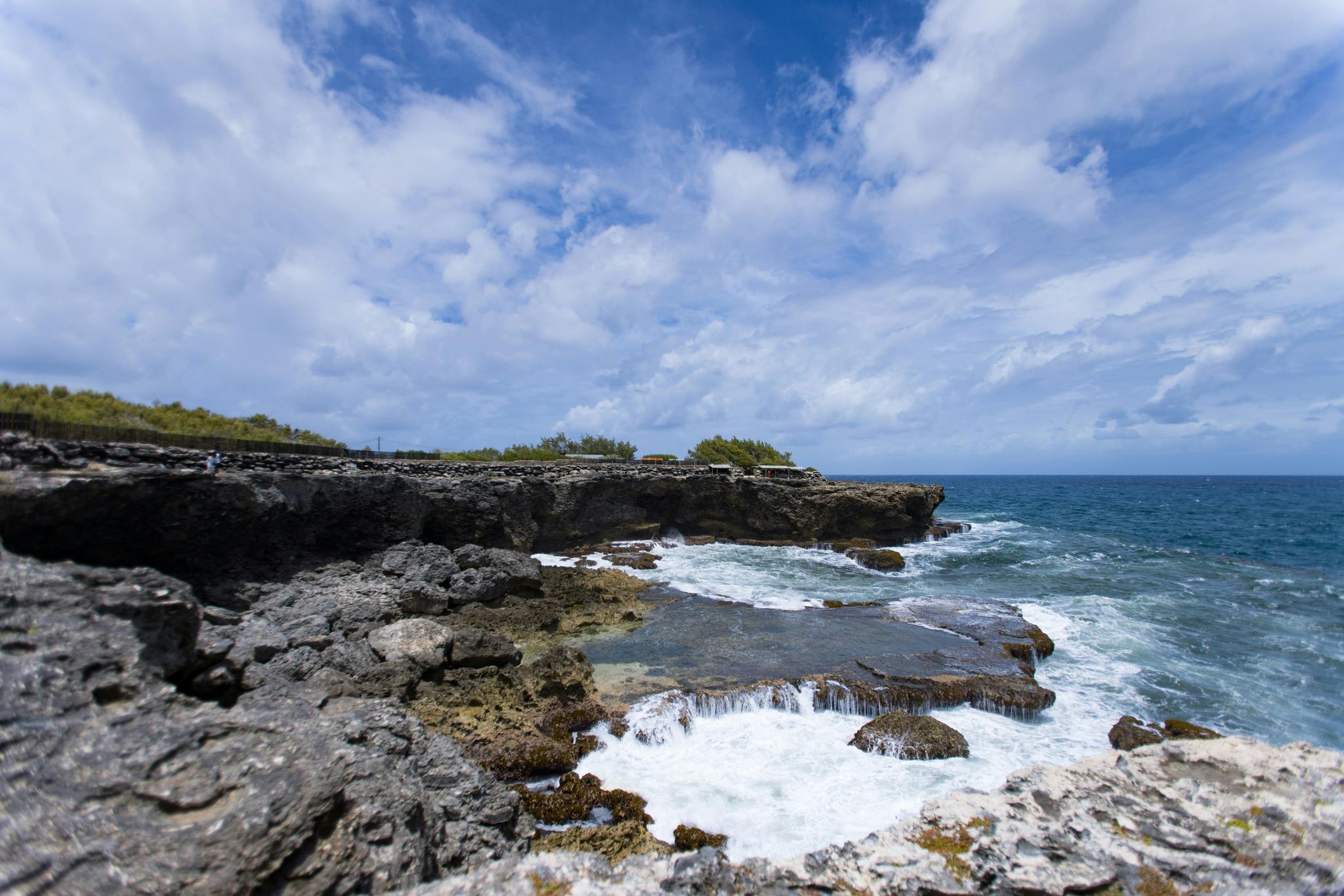
Animal Flower Cave is at North Point in St Lucy, the northern tip of Barbados, and it's the island's only accessible sea cave. On calm days you can swim in a rock pool inside the cave. On rough days the sea makes that impossible, so check conditions before you set your heart on it. It opens daily from 9am to 4.30pm. Without a car it's a long way from the south coast, so it works best on a hire-car day in the north, combined with St Nicholas Abbey.
Crane Beach
Crane Beach in St Philip has sand often described as pink-tinged, below cliffs, and a reef offshore is said to temper the swell. There's still an undertow, though, so swim with care. The Crane, which overlooks the beach, is described as the island's first hotel, opened in the late 19th century. Public access is from the car park at the south end. Sargassum seaweed washes up here in some seasons, so the sand isn't always at its best. When it's clear, we think this is the prettiest beach on the island.
Barbados itinerary ideas for your trip
Barbados is small enough that a single base works for most trips, and these routes assume you stay on the south coast and make day trips.
5 to 7 day Barbados itinerary
- Day 1-2: Bridgetown and the Garrison, with a snorkel trip to Carlisle Bay.
- Day 3: South coast beaches, then the Oistins fish fry in the evening.
- Day 4: The east coast, with Bathsheba, Andromeda Botanic Gardens and Hunte's Gardens.
- Day 5: Harrison's Cave in the morning and Mount Gay in the afternoon.
- Day 6-7: Holetown and Speightstown on the west coast, with a catamaran cruise.
10 to 14 day Barbados itinerary
- Day 1-3: South coast beaches and the Oistins fish fry, ideally on a Friday.
- Day 4-5: Bridgetown, the Garrison, the Barbados Museum and Carlisle Bay.
- Day 6-7: Bathsheba and the east coast, with Andromeda and Hunte's Gardens.
- Day 8: Harrison's Cave and a Mount Gay tasting.
- Day 9-10: The north, with St Nicholas Abbey, Cherry Tree Hill and Animal Flower Cave.
- Day 11-13: The west coast, with Holetown, Speightstown and a catamaran day.
- Day 14: A last morning at Crane Beach before you fly home.
Swap the days around to match your pace and the fish fry night, then build your own version of the route in the Guided trip planner.
Fun things to do in Barbados
If you only book one paid trip on the island, make it the Carlisle Bay snorkel. Two of the others, the Hike Barbados walks and watching the surf at Bathsheba, cost nothing at all.
Snorkel with turtles in Carlisle Bay
The usual way to see the turtles and wrecks is on a catamaran. A shared cruise with lunch, snorkelling and transfers costs about USD $139 (BBD $278), with the snorkel stop over the wrecks, where turtles and rays are often seen.
Taste rum at Mount Gay
Mount Gay has been distilling since 1703 and calls itself the oldest rum brand in the world. Tastings at the visitor centre start from about BBD $40 and lunch tours from about BBD $124. For something longer, the two-and-a-half-hour blend-your-own session costs USD $125. Book ahead for all of them.
Surf the Soup Bowl, or learn on the south coast
Experienced surfers head to the Soup Bowl at Bathsheba, where the waves are biggest from November to April and the water is powerful. If you're new to surfing, book a lesson on the south coast instead.
Watch cricket at Kensington Oval
Kensington Oval in Bridgetown is usually said to have hosted its first Test match in 1930, and its big occasions since include the 2007 Cricket World Cup final and the T20 World Cup finals of 2010 and 2024. Try to catch a match day if you're in town for one.
Walk with Hike Barbados
The Barbados National Trust runs Hike Barbados, a programme of free early-morning walks of 5 to 14 miles through the countryside, with donations welcome. There are afternoon and moonlight walks as well. If you can face an early start, we'd choose one of these over a paid island tour for seeing the interior.
When to go to Barbados?
When is the best time to visit? Mid-December to mid-April, if you want the driest weather and can live with high-season prices. The Oistins Fish Festival falls over the Easter weekend, and the wetter months bring Crop Over, which runs from July to early August and ends with Grand Kadooment on the first Monday of August. If we had to pick one month, it would be April, after the busiest weeks and before the rains.
- Dry season: mid-December to mid-April, the high season, with the biggest surf at Bathsheba and the Holetown Festival in mid-February
- Spring shoulder: mid-April to June, after the busy season, with Gospelfest in May
- Wet season: June or July to November, inside the hurricane season (1 June to 30 November), though most storms pass to the north of Barbados; Crop Over fills July and early August, and the Food & Rum Festival is usually in October
- November: a shoulder month at the end of the wet season, with Independence Day on 30 November

Did you know you can create your own itinerary?
Now that you know what to see in Barbados and where to stay, you can start creating your own trip. Will you stay put on the south coast and ride the buses, or split your nights between the west coast and Bathsheba? It's all up to you. You can easily create your own trip in the Guided app for free, or use trips shared by others.
Where to stay in Barbados?
We'd base ourselves on the south coast. It has the best value and the shortest ride from the airport, and the bus reaches most of the sights.
The south coast (St Lawrence Gap, Worthing and Oistins)
Mid-range hotels and apartments line this stretch, with bars and nightlife in St Lawrence Gap and the fish fry at Oistins. A taxi from the airport to St Lawrence Gap costs BBD $53.
The west coast (Holetown and Speightstown)
Choose the west coast for calm water and a quieter stay. This is where the luxury hotels are, and prices follow.
Bridgetown
Staying in the capital puts the Garrison, Carlisle Bay and Kensington Oval close by, which suits a heritage or cricket trip.
The east coast (Bathsheba)
Small guesthouses look out over the Atlantic here, and surfers make up much of the crowd. The coast is dramatic, but the sea isn't for swimming, so we'd treat it as a second base for a night or two rather than your only one.
Getting around when visiting Barbados
Government buses, minibuses and ZR vans all charge BBD $3.50, which keeps getting around cheap. Taxis and hire cars fill the gaps, mainly in the north and east.
Transport Board buses
The blue buses are run by the Barbados Transport Board. The flat fare is BBD $3.50, and you'll need the exact amount in cash, as drivers don't give change.
Minibuses and ZR vans
Yellow private minibuses and white ZR vans with a maroon stripe charge the same BBD $3.50 in cash. They often accept US dollars at the 2 to 1 rate and give change in Barbados dollars. ZRs are fast but crowded and loud.
Taxis
Taxis are regulated but have no meters, so agree the fare, in Barbados dollars, before you get in. From the airport, set fares run from BBD $39 to Oistins up to BBD $144 to Speightstown, with Bridgetown at BBD $74 and Holetown at BBD $122.
Car hire
Traffic drives on the left, and hire costs about BBD $45 to BBD $120 a day. A car rental levy of BBD $5 a day, up to BBD $35 per rental, is added on top. Take roundabouts slowly, as Canada's travel advice warns of collisions involving visitors on them. We'd hire one for a day or two to see the north and east, rather than for the whole trip.
Food and drinks you should try when visiting Barbados
What should you eat first? Cou-cou and flying fish, the national dish. After that, work through the island's snacks and Saturday specials, and finish at a rum shop.
Cou-cou and flying fish
Cou-cou is a cornmeal and okra mixture, served with flying fish as the national dish of Barbados. Order it at least once, ideally at a local lunch spot rather than a hotel restaurant.
Macaroni pie
Macaroni pie is a Bajan side dish to order with fried or grilled fish.
Fish cakes and cutters
Fish cakes are often eaten as "bread and two", a pair of fish cakes in a bread roll. Cutters are sandwiches made on salt bread. Both make a cheap lunch, and they're our pick for a quick snack between beaches.
Pudding and souse
Pudding and souse is a Saturday dish and features on Visit Barbados's top ten tastes, so plan to try it at the end of the week.
Rum shops
There are around 1,500 rum shops on the island, and they're where much of everyday Bajan social life happens. The custom is to buy a bottle of rum with mixers and ice, and share it at the table. Cutters and fried pork are the usual snacks, and Banks is the local beer name most visitors get to know.
Culture and local habits you'll notice when visiting Barbados
Barbados became a republic on 30 November 2021, exactly 55 years after it gained independence in 1966. Cricket and the rum shop sit at the centre of social life.
Dress matters more than you might expect on a beach island. Keep beachwear for the beach, expect signs saying "no shoes, no shirt, no service" in some shops, and dress elegant-casual for fine dining. Camouflage clothing is illegal for everyone, children included, so leave it at home.
Looking for more unique places, trips and activities?
Subscribe to our Guided Newsletter for more travel inspiration.
Costs of a holiday to Barbados
Barbados isn't a budget island, and it's best to accept that before you book. It's generally one of the pricier destinations in the Caribbean, cheaper than the Bahamas but dearer than Jamaica or the Dominican Republic, and Numbeo's city data puts restaurant prices about a third higher than on neighbouring Saint Lucia. Rooms are the biggest cost, while a bus ride is BBD $3.50 and a night at the fish fry costs less than a restaurant lunch.
Food & Drink

Coffee
BBD $8 – BBD $12
Lunch
BBD $25 – BBD $45
Beer
BBD $5 – BBD $8
Accommodation
Hotels
BBD $400 – BBD $900
Airbnb
BBD $250 – BBD $600
Guesthouse
BBD $150 – BBD $300
Transport
Airport taxi
BBD $39 – BBD $144
Public Transport
BBD $3.50
Car Rental
BBD $45 – BBD $120
Attractions
Museums
BBD $20 – BBD $40
Big Attractions
BBD $40 – BBD $140
Catamaran cruise
BBD $250 – BBD $300
Practical tips for visiting Barbados
Every visitor to Barbados has to fill in an online form before landing, so that's where these six tips start.
✔ Fill in the travel form before you fly
Many nationalities, including the UK, EU and US, don't need a visa for a holiday in Barbados. Your passport must be valid for the length of your stay, and you may be asked for proof of onward travel. Everyone has to complete the immigration and customs form online before arrival, on the official Barbados travel form site. Departure taxes are included in your air fare. For the full rules for UK passports, see the UK government's entry requirements for Barbados, or the official advice for your own passport.
✔ Use Barbados dollars, and check the bill
The Barbados dollar is pegged at BBD $2 to USD $1. US dollars are accepted widely, but change comes back in Barbados dollars, and ATMs only give out local currency. Cards work in most places. VAT is 17.5%, or 10% on hotel rooms, and hotels also charge a room rate levy of about BBD $8.75 to BBD $35 per room per night, depending on the type of stay. Restaurants and hotels often add a 10% service charge. If they don't, tip 10 to 15%.
✔ Agree taxi fares before you set off
Taxis have no meters, so settle the price in Barbados dollars first and use licensed taxis only. On the buses, carry the exact BBD $3.50 in cash.
✔ Take normal precautions, especially after dark
Several governments, including the UK, US and Canada, rate Barbados as a normal-precautions destination but note gang-related gun crime. The US State Department describes most crime against tourists as petty and opportunistic, though UK advice also lists armed robbery and carjackings. Avoid isolated beaches and areas after dark. At street and beach parties, keep an eye on your drink. Dengue is present too, so bring insect repellent.
✔ Swim where the locals swim
Some beaches on the south and west coasts have strong currents, and many beaches on the east coast aren't safe for swimming at all. Look for red flags and follow them.
✔ Leave the camouflage at home
Camouflage clothing is illegal in Barbados for everyone, including children. Drug penalties are strict, and attitudes to LGBT+ travellers are conservative. Cover up when you leave the beach.
Fun facts about Barbados
Six quick facts, starting with breakfast.
- The grapefruit probably first arose in Barbados, where it was described in 1750 as the "forbidden fruit".
- Mount Gay, distilling since 1703, claims to be the oldest rum brand in the world.
- George Washington's visit to Barbados in 1751 is usually described as his only trip abroad.
- The name probably comes from the Portuguese or Spanish for "the bearded ones", perhaps after the island's bearded fig trees.
- Rihanna was named a National Hero of Barbados in 2021.
- St Nicholas Abbey is one of only three Jacobean mansions in the Western Hemisphere.
For the widest view, head to Gun Hill Signal Station, built in about 1818, with views in every direction.
Ready to map out your trip to Barbados?
We hope this Barbados travel guide has given you a clear starting point for your trip. Stay tuned for more inspiration, itineraries and practical tips to help you shape your perfect holiday to Barbados. And don't forget to check out our Guided app, where you can create your own trip or use trips shared by other travellers for free.
FAQS about visiting Barbados
How many days do you need in Barbados?
Five to seven days covers Bridgetown, Carlisle Bay, the east coast and the west coast at an easy pace. With 10 to 14 days you can add the north, with St Nicholas Abbey and Animal Flower Cave, and leave more time for the beach. Inside the Guided app, you can create your own trip route and see how many places fit into your trip.
What is the best part of Barbados to stay in?
The south coast, for most people. It has the best value and the shortest ride from the airport, with the Oistins fish fry close by. Choose the west coast if you want calm water and a quieter, more upmarket stay.
What is Barbados known for?
Rum, above all, with Mount Gay distilling since 1703 and around 1,500 rum shops. The island is also known for cricket at Kensington Oval and the turtles of Carlisle Bay.
Can you travel around Barbados without a car?
Yes. Public buses, minibuses and ZR vans all charge a flat BBD $3.50, and a south coast base puts most sights within reach.
Is Barbados expensive?
Yes, compared with much of the Caribbean, though it's generally cheaper than the Bahamas. Hotels are the biggest cost. Buses and street food keep daily spending down.
Is Barbados safe to visit?
Several governments, including the UK, US and Canada, rate Barbados as a normal-precautions destination but note gang-related gun crime. Avoid isolated beaches after dark, and agree taxi fares before you get in.
When is the best time to visit Barbados?
Mid-December to mid-April is the dry season and the busiest time. Mid-April to June and November come after the busy season, and July to early August is Crop Over. Hurricane season runs from June to November, though most storms pass north of the island.
Do you need a visa or travel form for Barbados?
Many nationalities, including the UK, EU and US, can visit without a visa. Every visitor must fill in the online immigration and customs form at travelform.gov.bb before arrival.
Plan your trip to Barbados in Guided.
Save the places you find, then let Guided lay out the days, the map and the details.
More in North America
All destinations BahamasThe Bahamas is a chain of Atlantic islands known for turquoise water and pink-sand beaches.
 CanadaCanada is known for vast national parks, epic road trips and lively, welcoming cities.
 Costa RicaCosta Rica is a small country of volcanoes, cloud forest and two warm coasts.
 CubaCuba is the Caribbean's largest island, known for Havana's streets, tobacco valleys and live music.