
Costa Rica

Costa Rica travel guide: Everything you need to know before visiting Costa Rica
Costa Rica covers about 0.03% of the Earth's surface and holds about 5-6% of the world's biodiversity. On the ground that means sloths, monkeys, toucans and nesting turtles, with rainforest, cloud forest, smoking volcanoes and two warm coasts all within a few hours of each other. About a quarter of the land is protected, and certified guides and shared shuttles make it easy to see.
That polish has a price. Costa Rica is the most expensive country in Central America, and it has fewer colonial cities and ruins than Mexico or Guatemala. It suits wildlife lovers, families, surfers and first-timers in Latin America far better than budget ruin-hunters, and we think it's the easiest first trip to the region you can take. This guide covers 12 places, two itineraries, the seasons, where to stay, getting around, food, prices and the rules to know before you land.
5 reasons to visit Costa Rica
Most of the best moments here happen at dawn or after dark, and these five are the ones we'd plan a trip around.
- Walk the Monteverde cloud forest at 7am, when the reserve opens.
- Soak in volcano-heated hot springs below Arenal after a day on the trails.
- Watch a green turtle nest on Tortuguero's beach on a July night.
- Spot both sloth species and three kinds of monkey in one morning at Manuel Antonio.
- Surf, or learn to, on two different coasts in the same trip.
Where to visit in Costa Rica?
Where should a first trip start? Arenal and Monteverde, then a coast and as many of the wilder places as time allows. San José, where most flights land, works better as an overnight stop than a destination, so it appears in the itineraries instead. Park fees below are for foreign adults, and most add 13% tax.
Arenal and La Fortuna
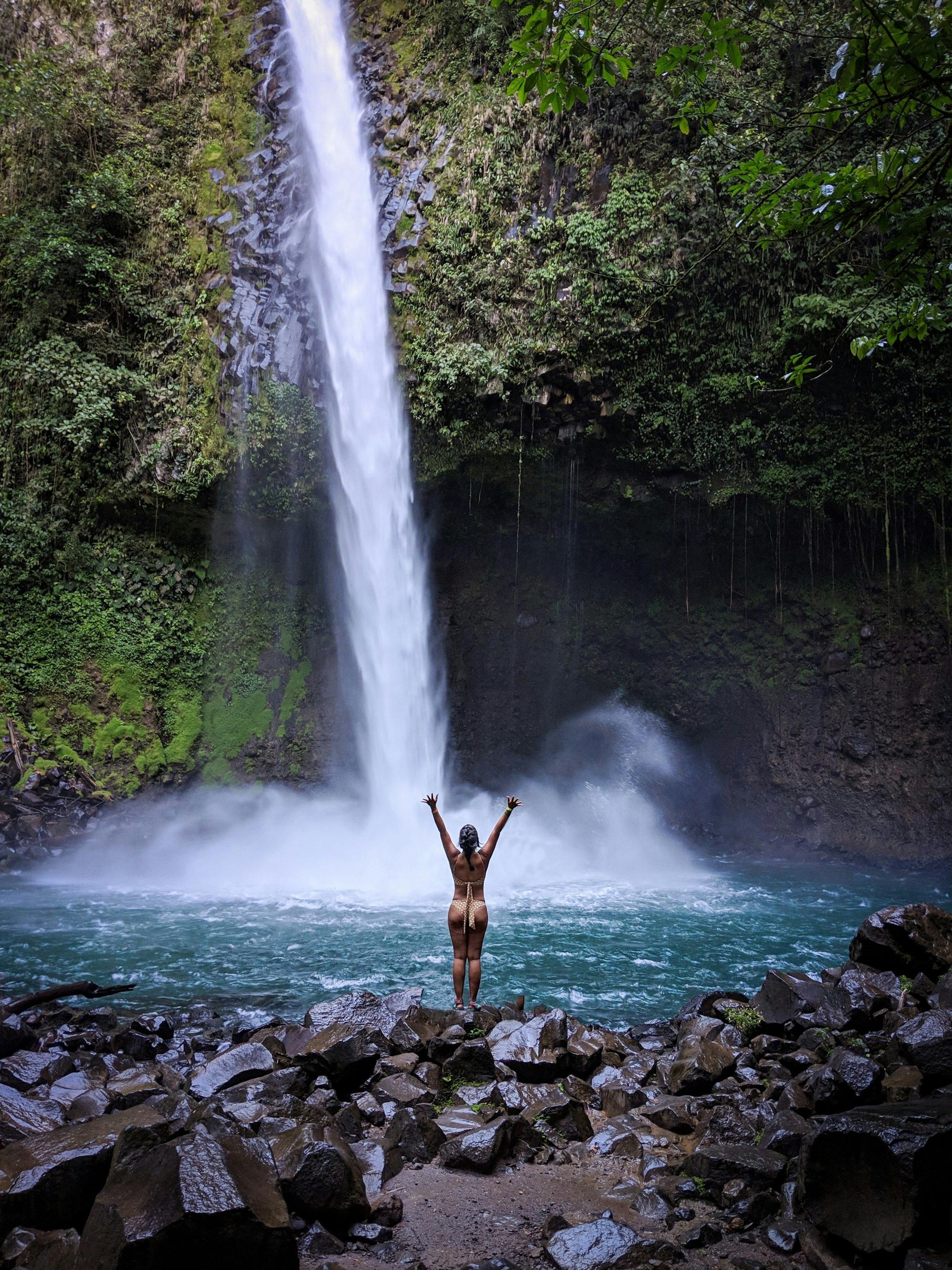
Arenal's cone is often wrapped in cloud, and mornings are the clearest, so be at the national park gates when they open at 8am (entry $15 plus tax, card only). La Fortuna, the town at its foot, is about 2.5 to 3 hours from San José. Its waterfall costs about $18 to $20 and sits at the bottom of about 530 steps each way, with swimming in the lifeguarded areas. Evenings belong to the hot springs, which run from the free river at El Choyín (ignore the unofficial "parking attendants") up to Tabacón at $90 to $125.
Monteverde
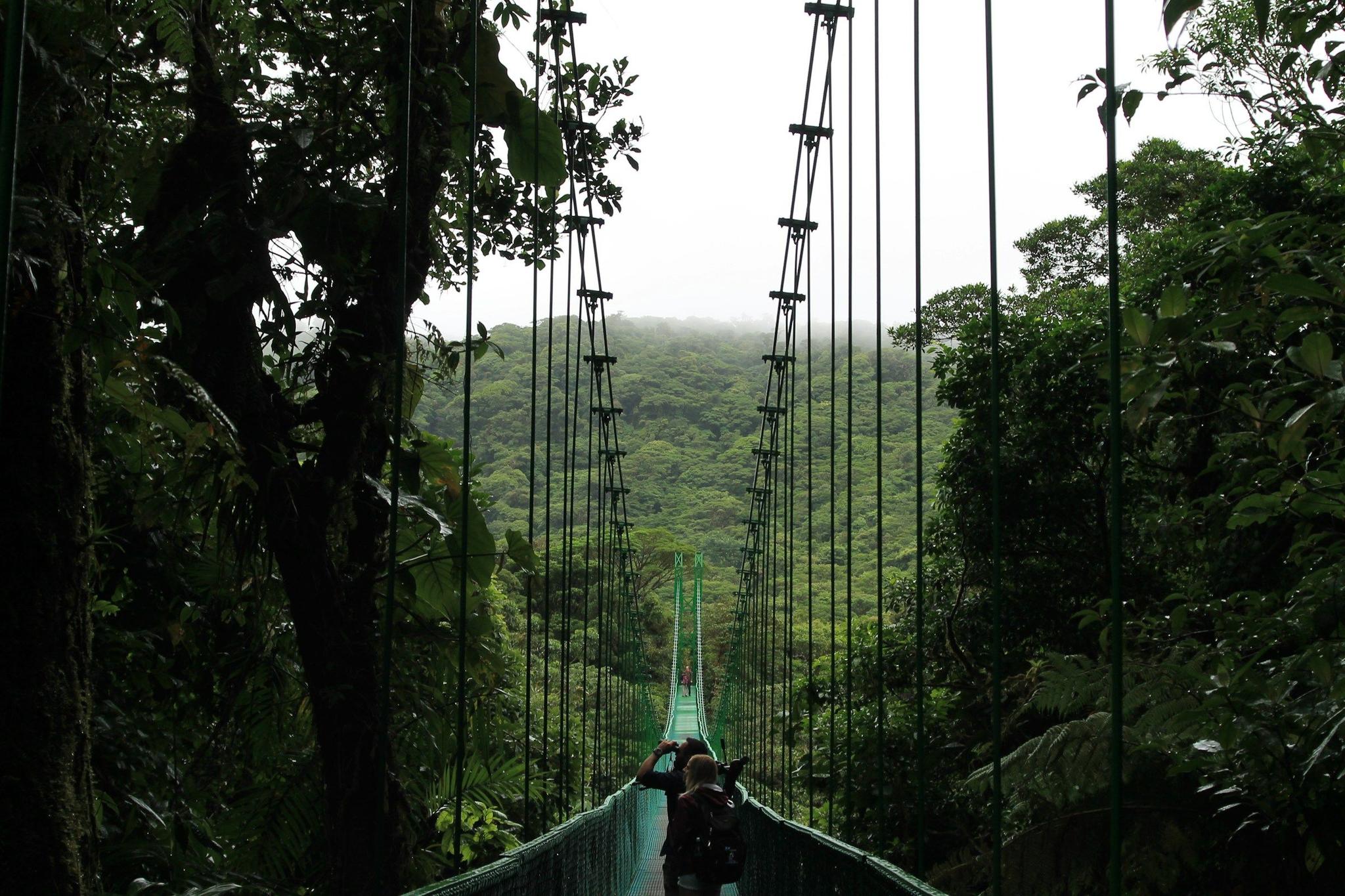
Pack a fleece. Monteverde runs at about 16 to 24 °C, well below the coast. The Monteverde Cloud Forest Reserve opens at 7am daily and charges $25 for adults ($12 for students and children), and that first hour is the one to get. Next door, the Children's Eternal Rainforest (Bosque Eterno de los Niños) runs its Bajo del Tigre trails for $18 self-guided, plus a guided night walk, which we'd do here rather than in Arenal. From La Fortuna, skip the 4-hour drive and take the jeep-boat-jeep across Lake Arenal in about 3 hours.
Manuel Antonio
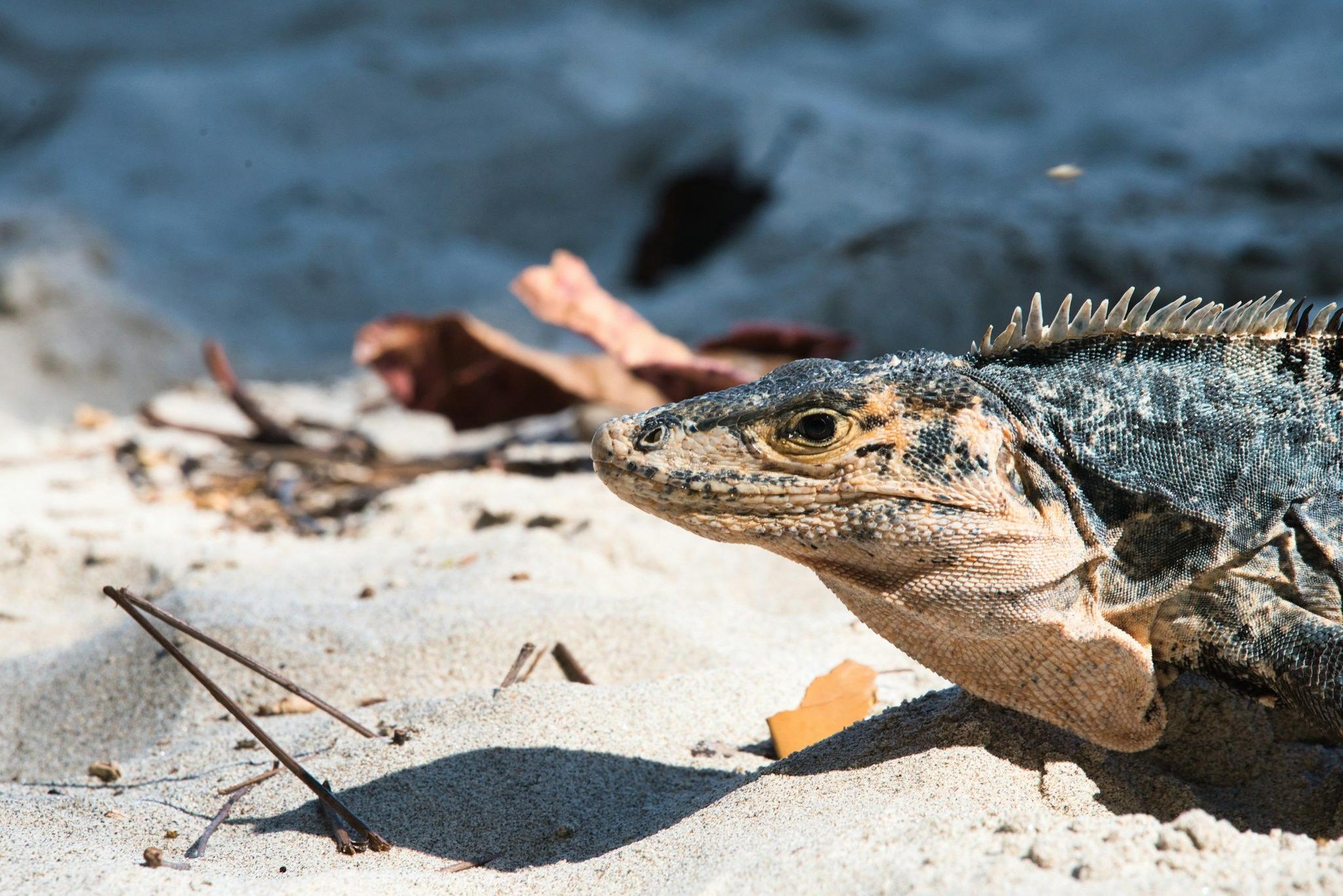
Manuel Antonio was the most-visited park in the country in 2025, with more than 563,000 visits, and it has 109 mammal species, including both sloths and three kinds of monkey. The rules are strict. It's closed on Tuesdays (and when a holiday falls on a Tuesday), opens 7am to 4pm, and sells tickets only online through SINAC, tied to your ID. There are no gate sales. Entry is about $18 with tax, and no food may be brought in. Take the 7am weekday slot and hire a guide with a scope. You'll spot far more than on your own.
Tortuguero
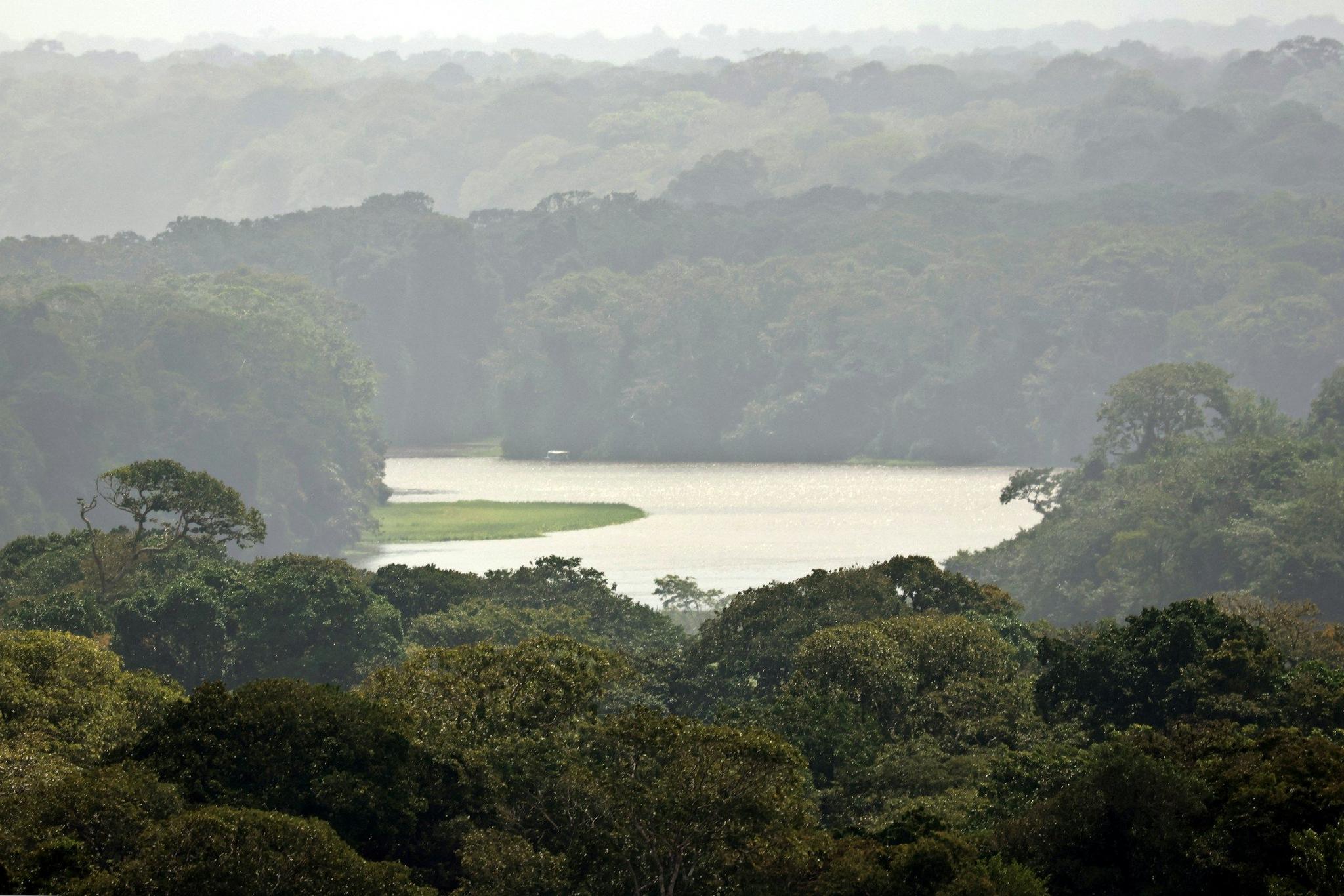
There's no road to Tortuguero. You drive or bus about 3 hours to La Pavona (via Cariari by public bus), then take a public boat for about 1.5 hours for ₡4,000 plus ₡1,000 per bag. Route 32 landslides have closed the road repeatedly in 2026, so allow buffer time. The park costs about $17, and swimming at the beach is banned because of dangerous currents. Leatherbacks nest from March to May and green turtles from July to October. Night tours start at about $30, with a certified guide only and no cameras or torches. Stay two nights at least, ideally between July and September.
Corcovado and the Osa Peninsula
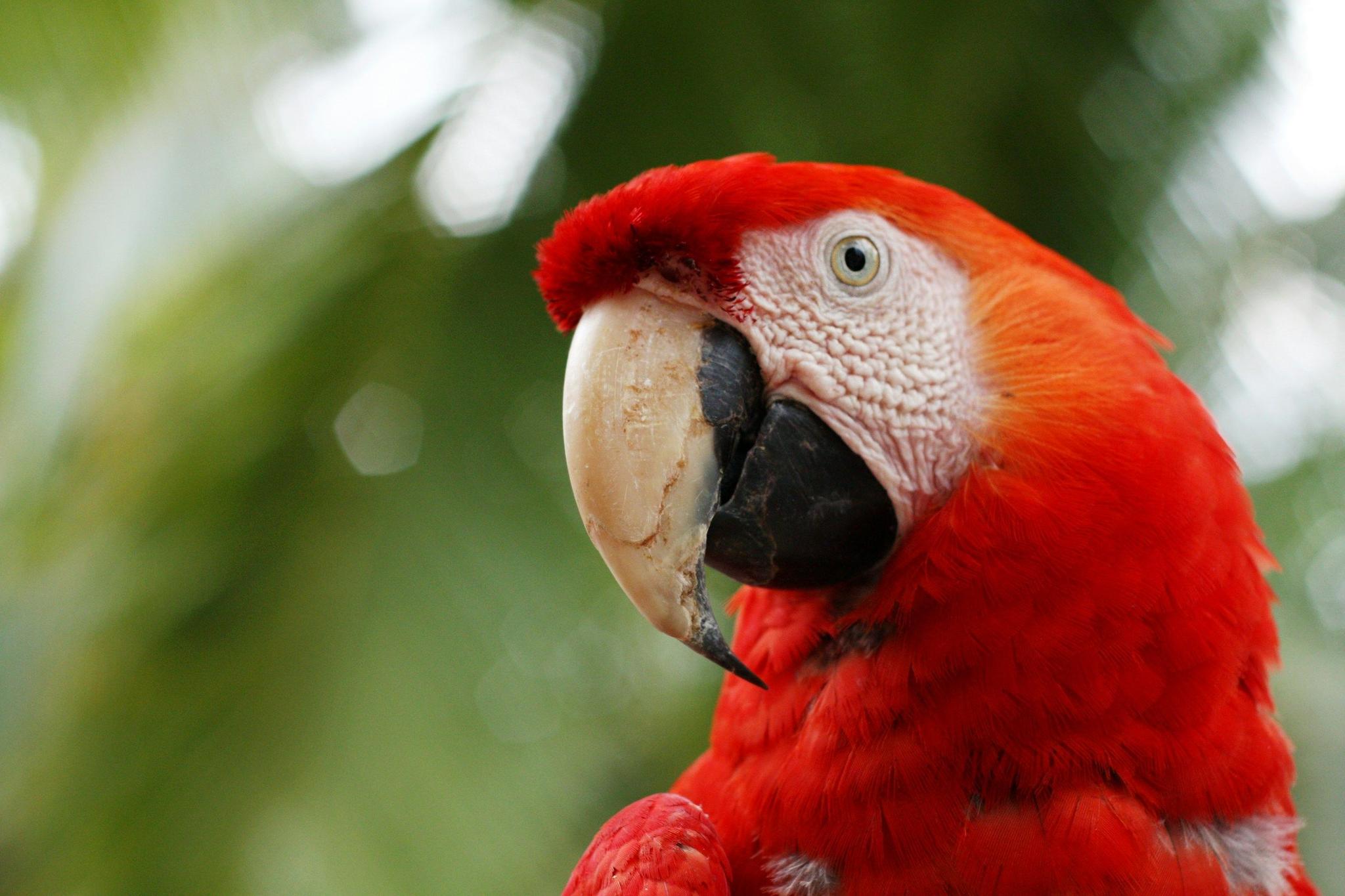
Corcovado is the wildest park in Costa Rica and the hardest to do cheaply. Since February 2014 you can only enter with a certified guide, and the Sirena sector closes every October. Day trips cost $110 to $180 per person, while a night at Sirena runs about $350 to $500 per person. Drake Bay, about an hour from Sirena by boat, is reached by road to Sierpe and a boat, or by domestic flight. The payoff is tapir and scarlet macaws, plus all four of the country's monkey species. Day trips spend much of their time on the boat, so the overnight at Sirena is worth the money. Book 2-3 months ahead for the dry season.
Puerto Viejo and Cahuita
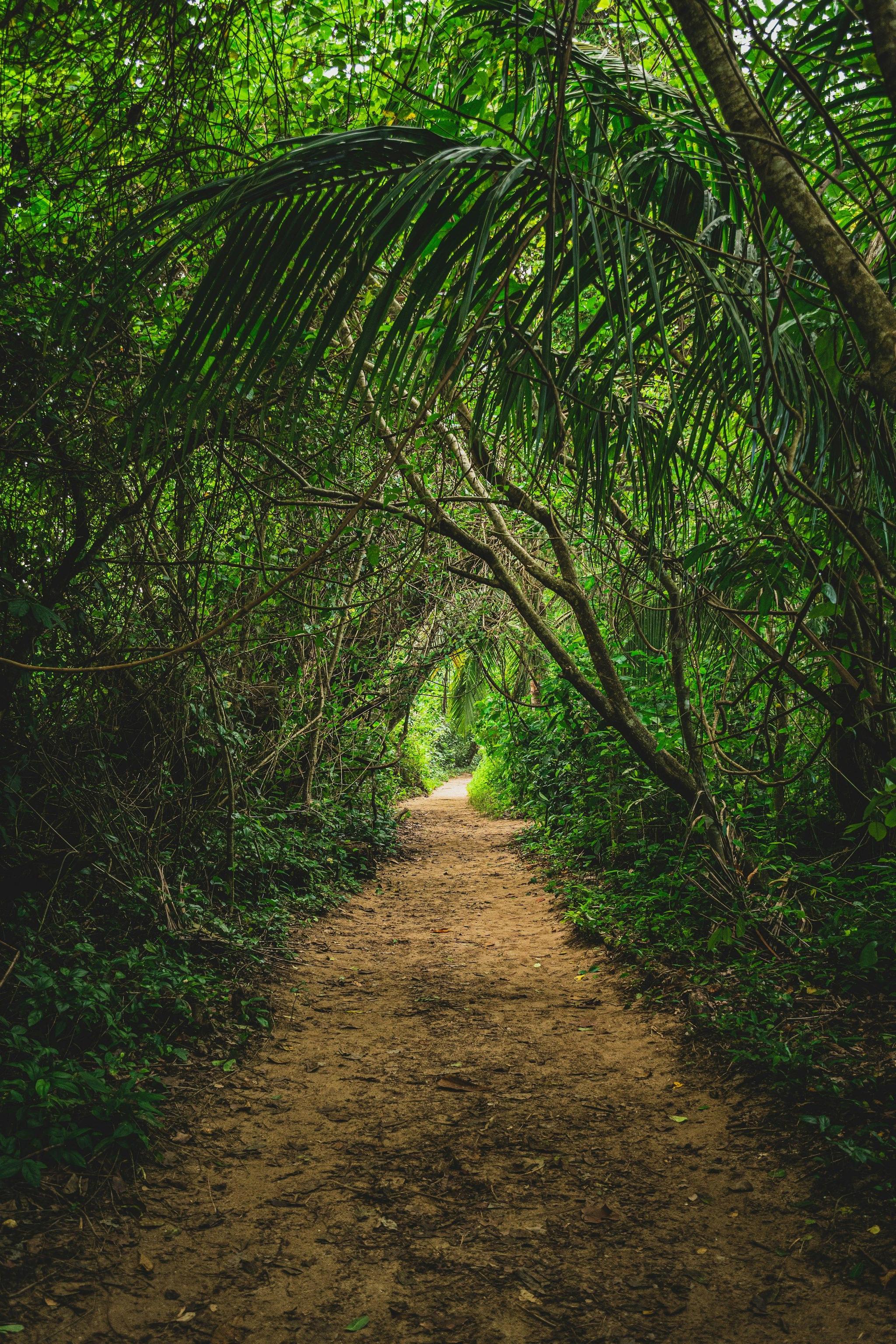
Come to the south Caribbean in September or October, when the Pacific is at its wettest and this coast is usually at its driest. Its Afro-Caribbean culture sets it apart, right down to rice and beans cooked in coconut milk. Cahuita National Park has a coastal trail of about 9 km and a reef of about 240 hectares offshore. Entry at Kelly Creek is by donation (about ₡1,000), against $10 at Puerto Vargas. You can walk it for sloths without paying a guide. The drive from San José takes about 4 to 4.5 hours on Route 32.
Nicoya Peninsula
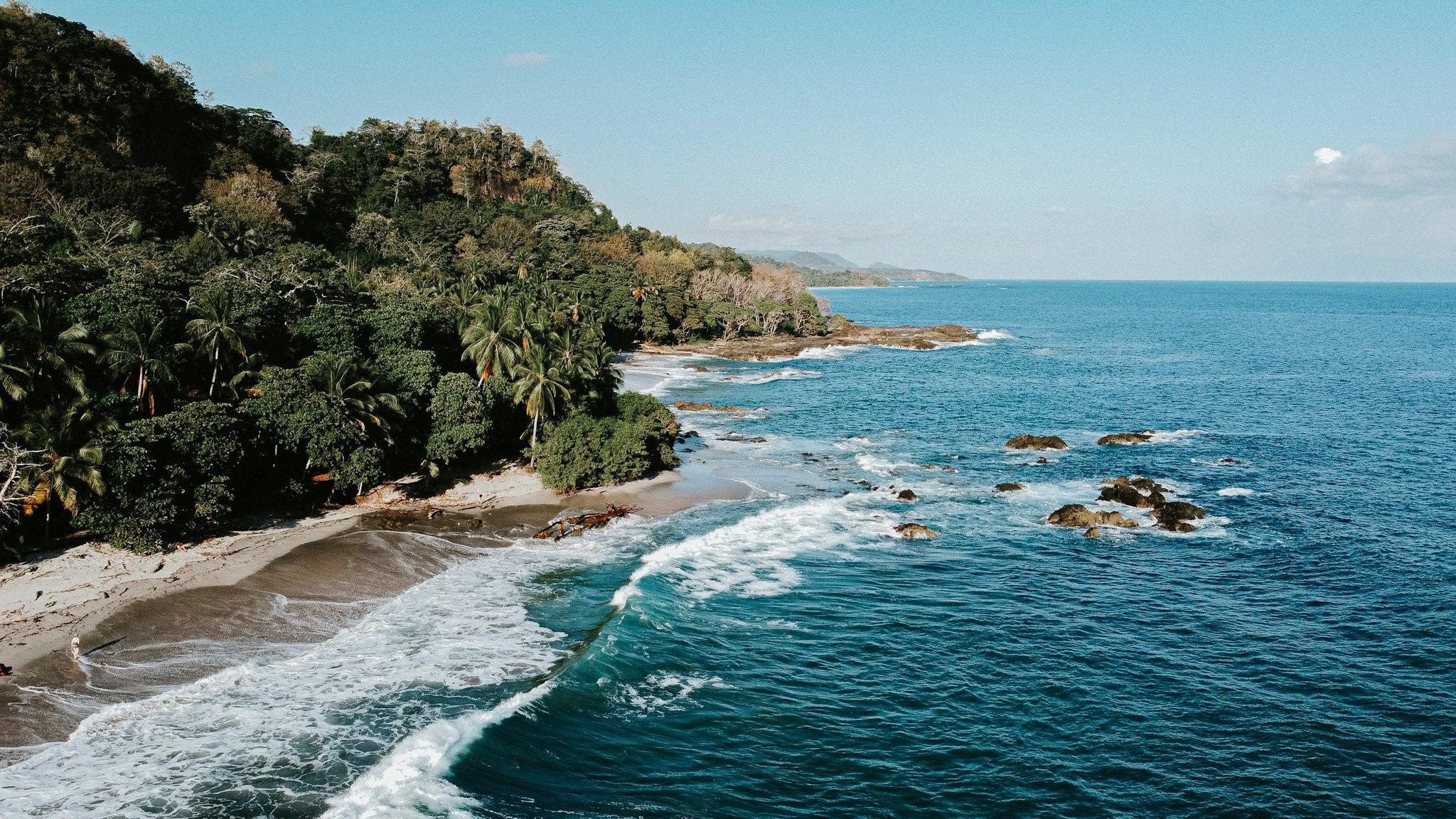
Santa Teresa and Montezuma sit at the far end of a long journey. The Puntarenas to Paquera ferry takes about 70 to 80 minutes and costs ₡12,882 for a car with driver or ₡810 on foot. Book online and arrive 30 minutes early. Puntarenas to Santa Teresa is about 4.5 hours in total, and flights to Tambor or Nosara save the drive. Nicoya is one of the world's five Blue Zones, and at Ostional olive ridley turtles nest in mass arrivals from July to December, most often September to November. These surf towns deserve three nights, not a day trip.
Guanacaste beaches and Tamarindo
Guanacaste is the driest region in the country, so Tamarindo is a safe bet in the dry season and a decent one from May to August too. It's about an hour from Liberia airport and about 4.5 hours from San José, which is why we'd fly into Liberia and skip San José entirely. Tamarindo is a good place to learn to surf, with a 2-hour group lesson from $68.50 or a private one from $90. Nearby Playa Grande, in Las Baulas National Park, is a leatherback nesting beach.
Rincón de la Vieja
Rincón de la Vieja has been at alert level 3 of 4 since July 2026, after dozens of small eruptions, and its summit trail has been closed for years. The park itself is open ($15, tickets online through SINAC). The Las Pailas sector usually opens 7am to 3pm and closes on Mondays, and its loop of about 3 km passes mud pots and fumaroles. Sectors can close the same morning, so check SINAC the evening before. Our pick is a park morning, then an afternoon at one of the private hot-spring ranches nearby, which run under their own rules.
Río Celeste and Tenorio
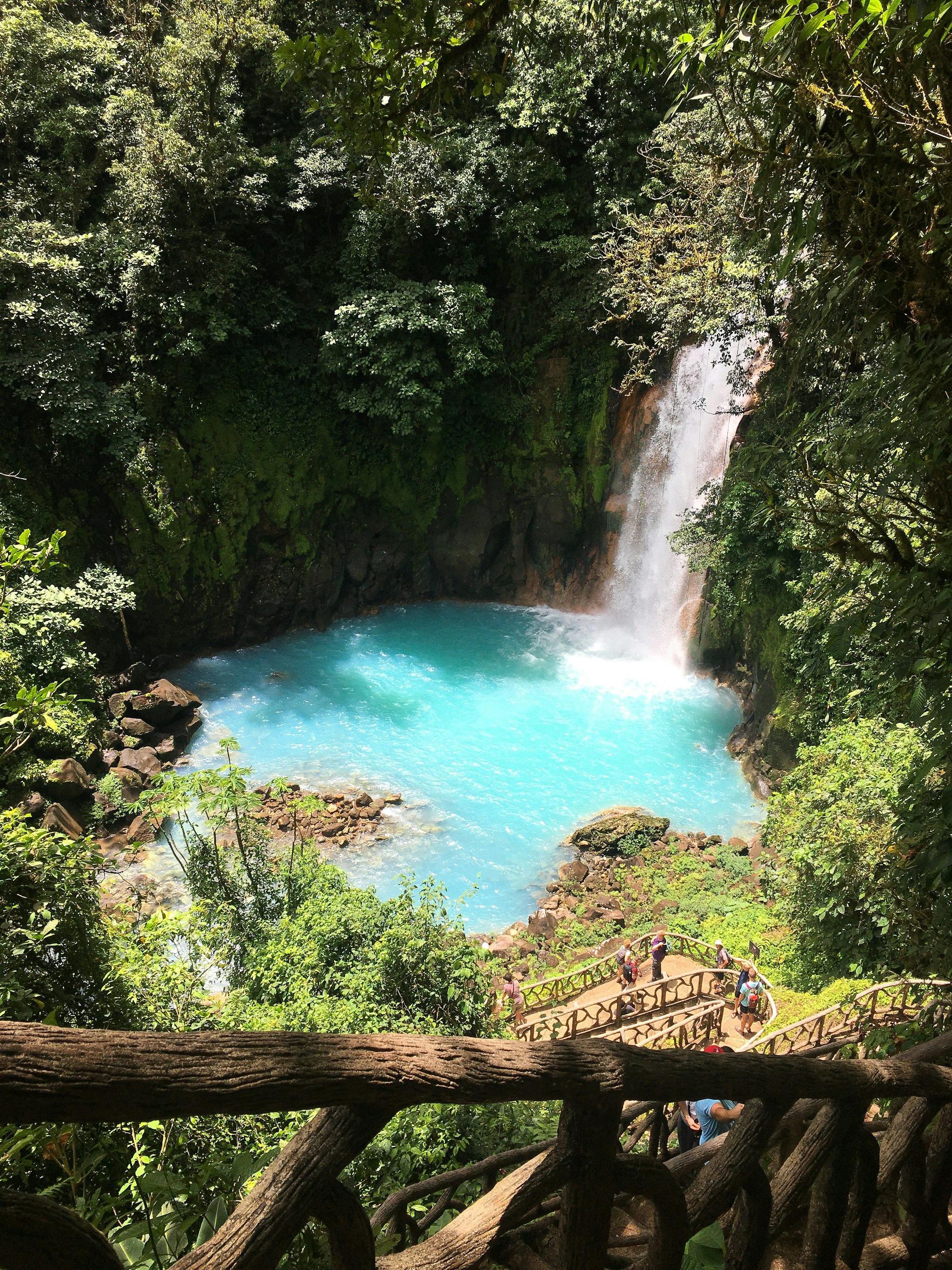
Río Celeste really is that blue, though heavy rain can turn it grey for a day or two. Entry to Tenorio Volcano National Park is $12 for adults and $5 for children, plus tax, booked online through SINAC in 40-minute slots through the morning and early afternoon. The trail is about 7 km return, with about 253 steps each way down to the waterfall, and the lowest viewing platform was partly closed by a landslide in early 2026. We'd book a mid-morning slot as a day trip from La Fortuna, about 1.5 hours away.
Irazú and Poás volcanoes
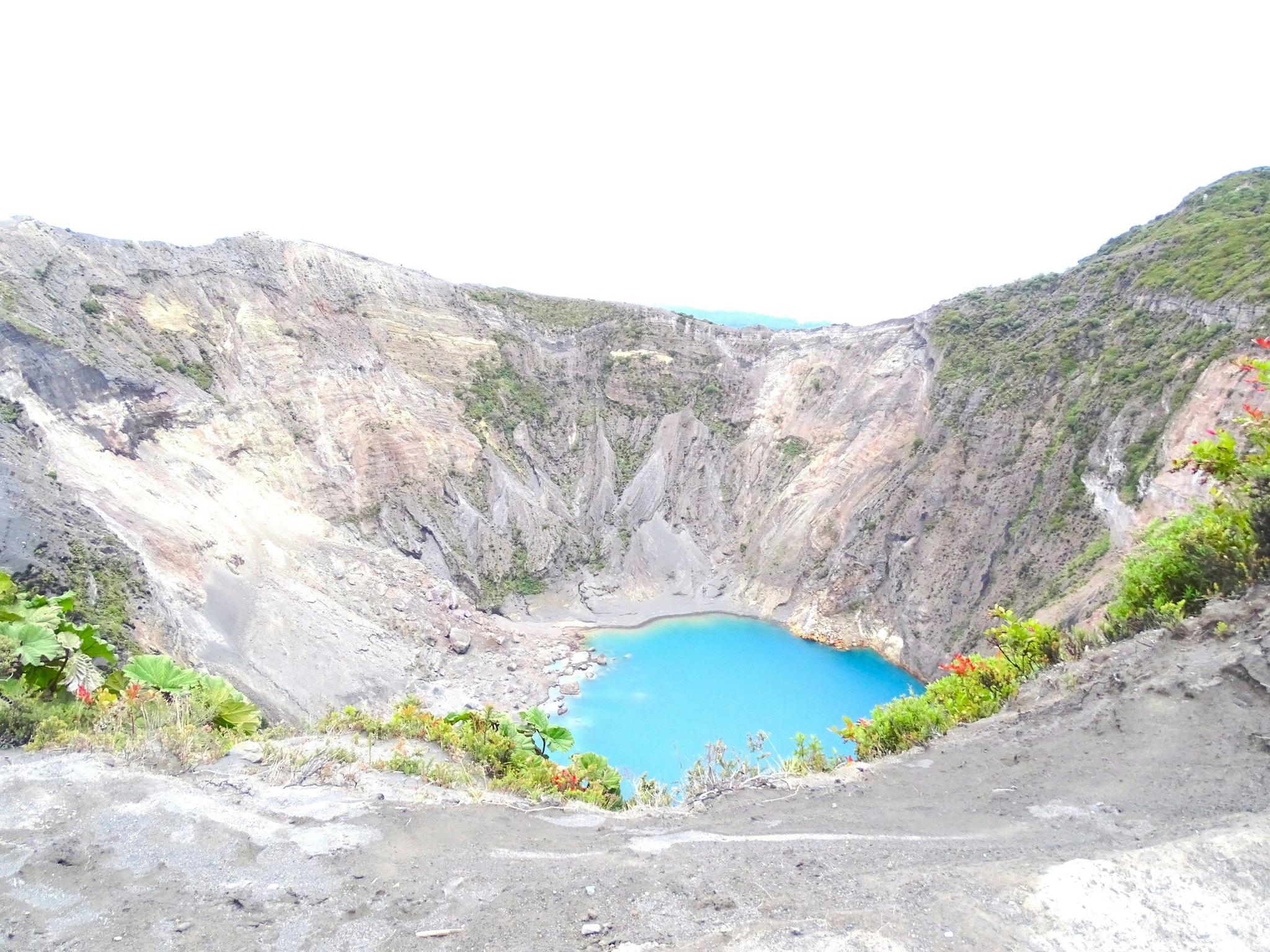
Irazú is the reliable one. At 3,432 m it's the highest volcano in the country, about 1.5 hours from San José, and open 8am to 3.30pm for $15 (card only). Clouds usually roll in by late morning, and a landslide partly blocked Route 219 from Cartago in September 2026, so check the road first. Poás is open with limits after its August 2026 eruption. Helmets are compulsory and the daily cap has been halved. Tickets are timed online slots only, at $15 plus tax, so book on SINAC and check the day before. At either volcano, take the first slot or expect cloud.
Uvita and Marino Ballena
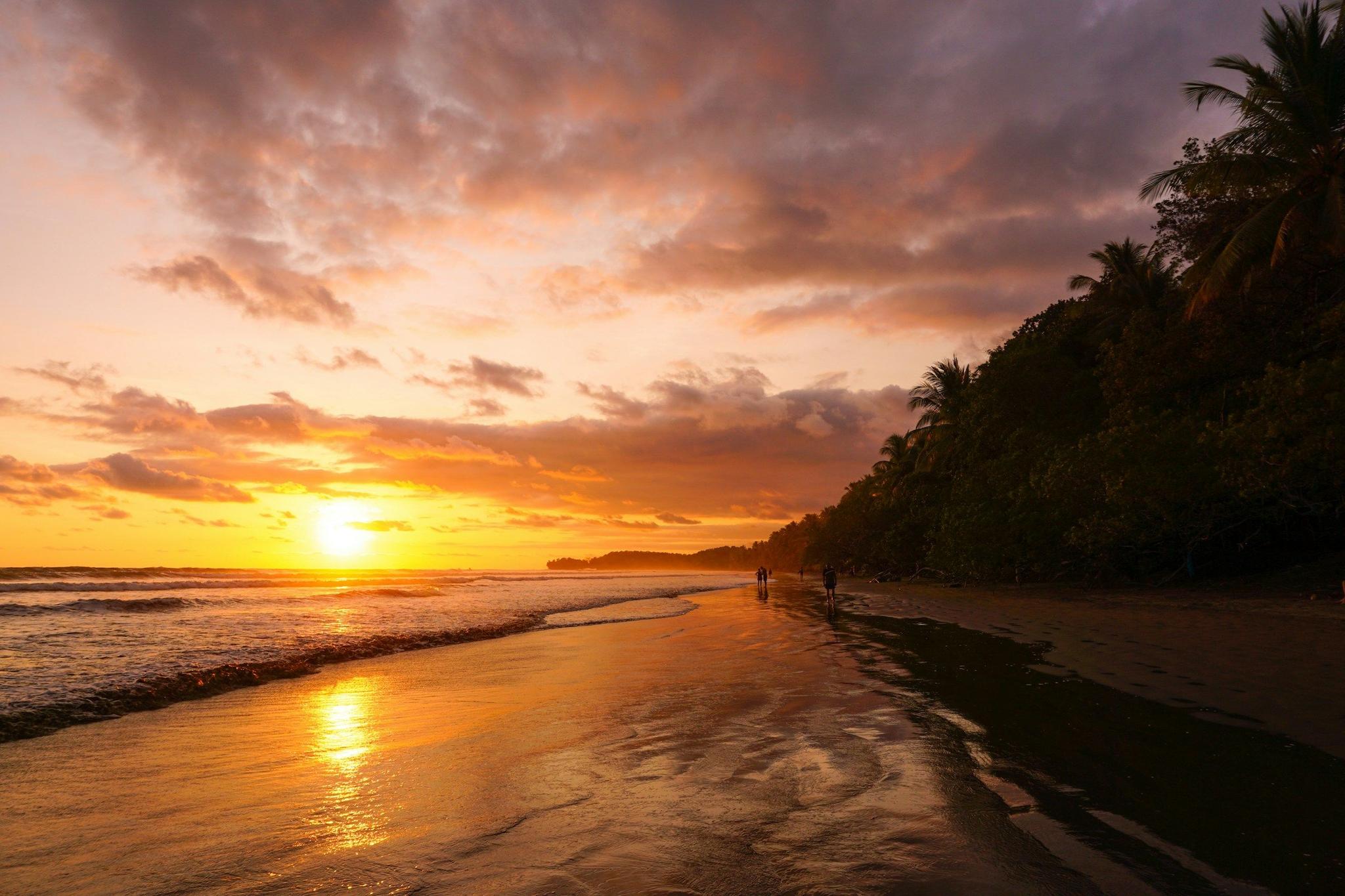
Uvita is where we'd go for whales. Humpbacks visit twice a year, the Southern Hemisphere population from July to November (peaking August to October) and the Northern one from December to April, and boat tours cost $75 to $120. The Whale and Dolphin Festival fills the town in early September, the wettest stretch on the Pacific side, so expect afternoon rain with your whales. In Marino Ballena National Park, the sandbar known as the whale's tail can only be walked at low tide.
Costa Rica itinerary ideas for your trip
Visitors who flew in stayed an average of 10.3 nights in 2025, which is about right for seeing both coasts. Both routes start and end at San José. On the shorter one, keep the drives short rather than squeeze in a fourth region.
5 to 7 day Costa Rica itinerary
- Day 1: San José to La Fortuna, about 2.5 to 3 hours.
- Day 2-3: Arenal's park trails and waterfall, hot springs in the evening, and an optional day trip to Río Celeste.
- Day 4: Jeep-boat-jeep across Lake Arenal to Monteverde, about 3 hours.
- Day 5: The cloud forest reserve at 7am, then a zip-line in the afternoon and a night walk after dark.
- Day 6: Monteverde to Manuel Antonio, about 3.5 hours.
- Day 7: Manuel Antonio at 7am (not on a Tuesday), then back to San José, about 3 hours.
With only five days, drop Manuel Antonio.
10 to 14 day Costa Rica itinerary
- Day 1-2: Tortuguero via La Pavona, about 3 hours by road plus 1.5 hours by boat (leave a buffer for Route 32).
- Day 3-4: Puerto Viejo and Cahuita, via Route 32 or Siquirres (check closures).
- Day 5-7: Arenal and La Fortuna.
- Day 8-9: Monteverde.
- Day 10-11: Manuel Antonio.
- Day 12-13: Uvita for whales, or Drake Bay via Sierpe for Corcovado.
- Day 14: Back to San José, about 5 hours from Uvita, or take a domestic flight.
In the dry season, a Liberia version works well too, from Rincón de la Vieja and Río Celeste to Arenal and Monteverde, finishing in Tamarindo or on the Nicoya Peninsula. You can build either route, or swap in your own stops, in the Guided travel planning app.
Fun things to do in Costa Rica
Pick one adrenaline activity and one slow one per region rather than stacking zip-lines and rafting into the same two days.
Zip-lining in Monteverde
Selvatura runs 13 cables through the Monteverde canopy, and the last one is about 1 km long. The tour takes about 2 hours and costs $83 plus tax for adults (about $94) from 16 December 2026. Arenal has its own lines, but the cloud forest is where we'd do it.
Rafting the Pacuare River
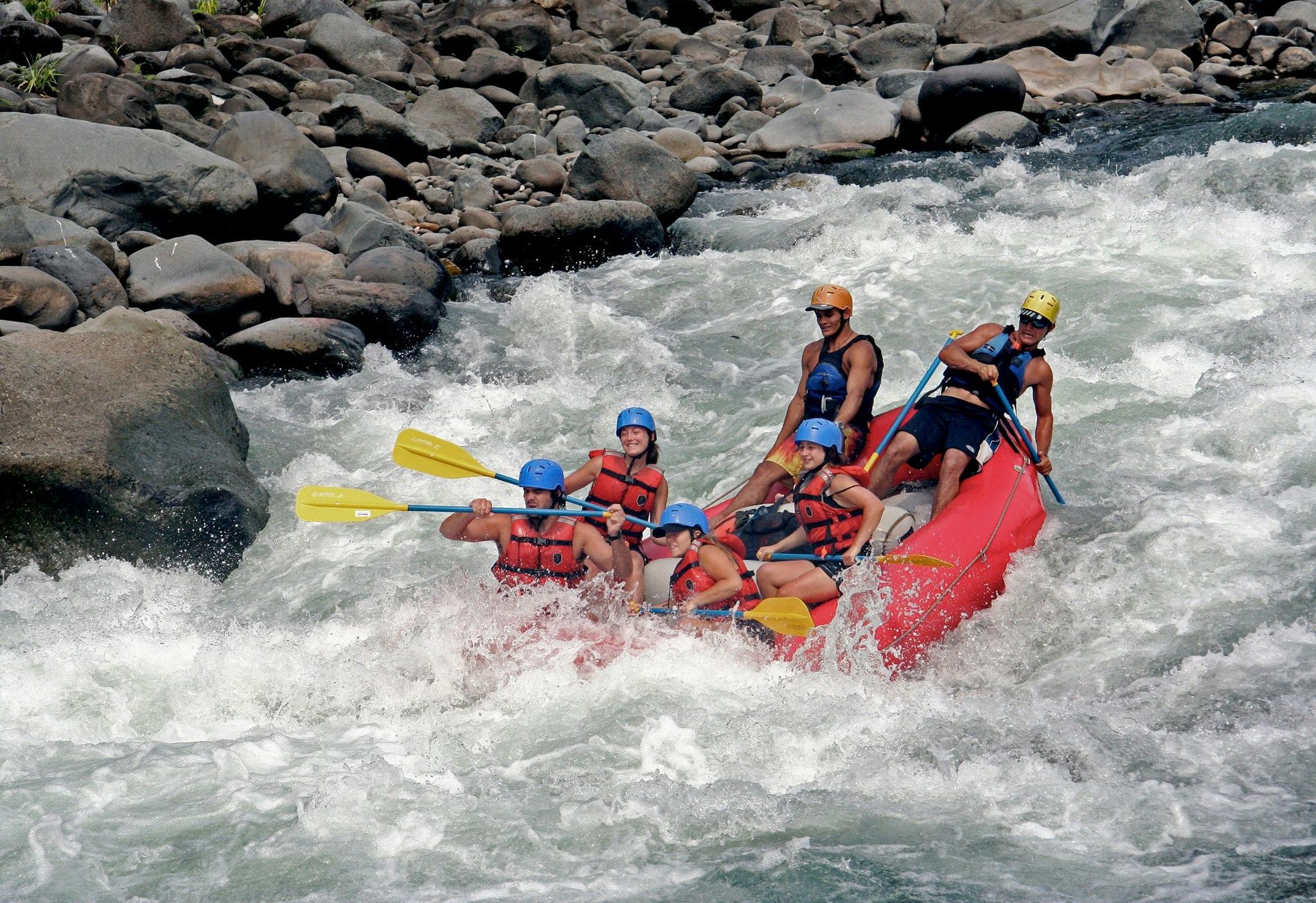
The Pacuare is class III-IV white water through rainforest. Day trips from San José start at $139 and take about 11 hours in total, with a minimum age of 12. Route 32 closures can affect the drive, so keep a spare day in the plan.
Hot springs at Arenal
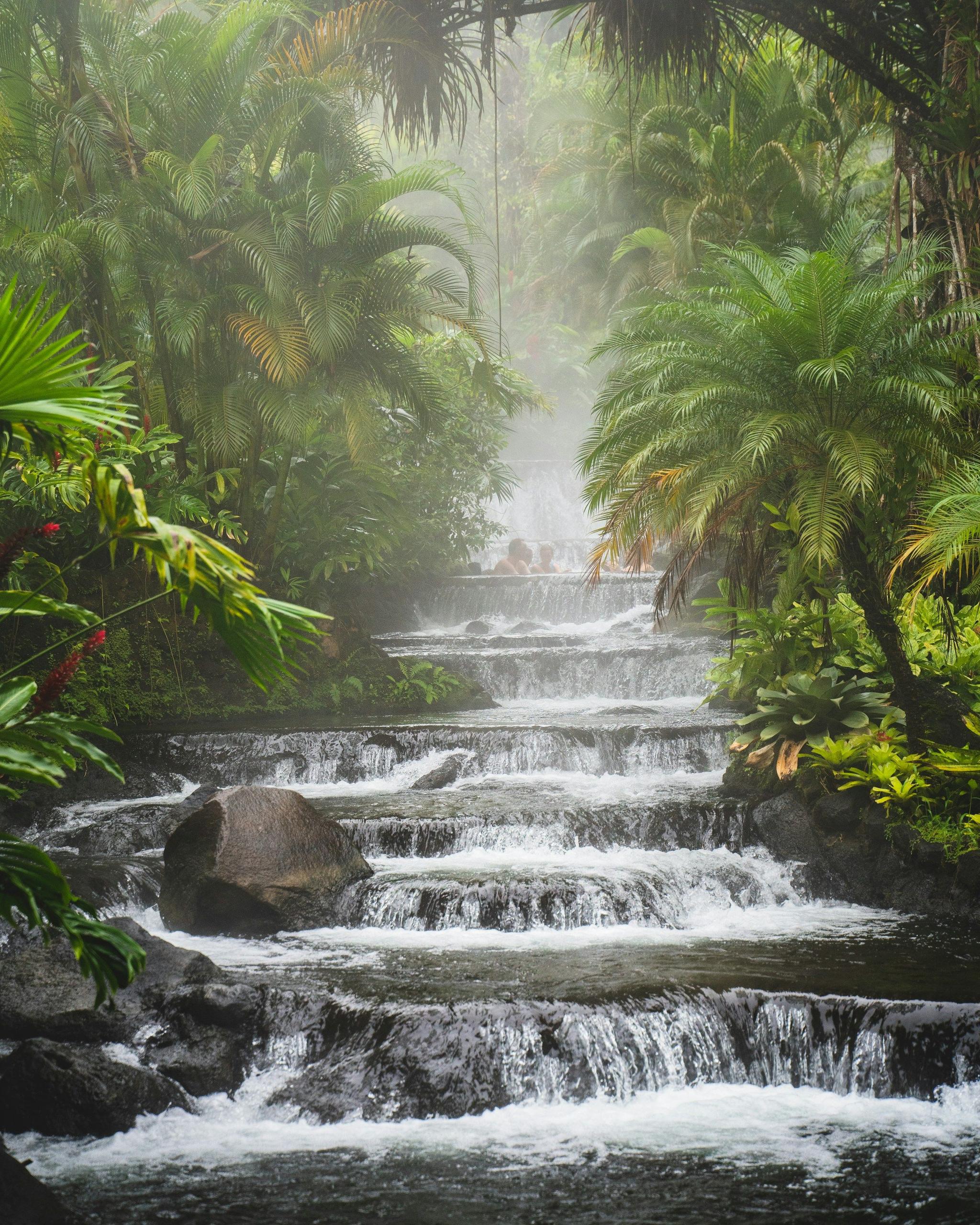
The free option is El Choyín, a free river with a paid section at about $25. The resorts run from Paradise at about $47 and EcoTermales at $49 to $65 (book ahead) up to Tabacón at $90 to $125. The resort prices are before tax.
A guided night walk
After dark the forest belongs to a different cast. The Children's Eternal Rainforest in Monteverde charges $30, plus $8 for a hotel pickup, and you'll look for frogs and tarantulas, with the occasional sloth.

Surf lessons
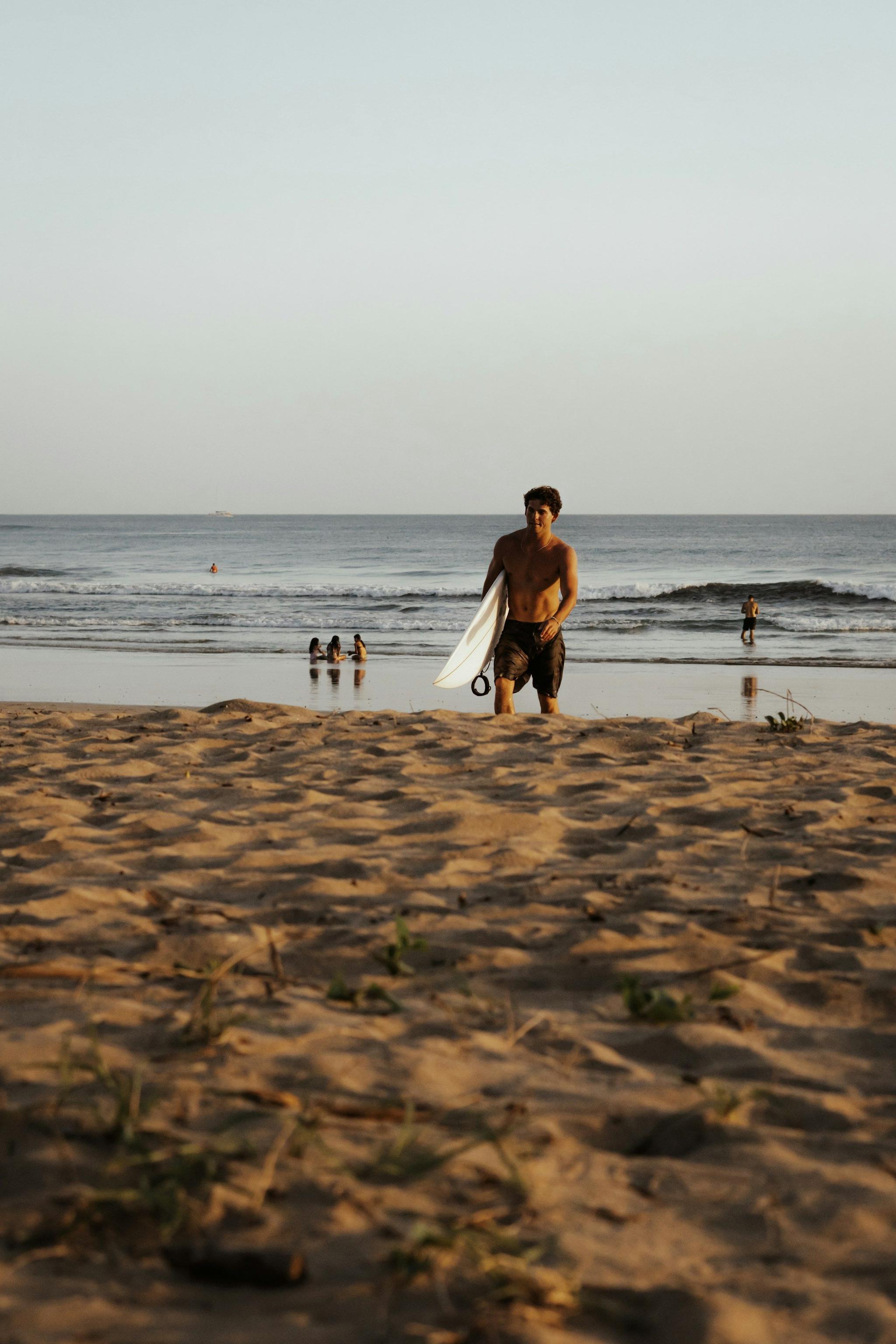
Tamarindo is the easiest place to start, with a 2-hour group lesson from $68.50. Santa Teresa and Nosara are good alternatives on the Nicoya Peninsula. Learn in Tamarindo and save Santa Teresa for when you can stand up.
When to go to Costa Rica?
Is there a bad time to visit Costa Rica? Not really, but there are wet ones. The dry season runs from December to April, with the best volcano views and peak prices around Christmas and Easter. The green season, from May to November, usually brings sunny mornings and afternoon showers, plus hotel discounts of up to about 30%. The Caribbean is usually best in September and October, exactly when the Pacific side is at its wettest. If we could pick one window, it would be February to mid-March, when the Pacific is dry and the Christmas prices have passed.
- Winter (December to February): Dry season with clear volcano views. Christmas and January are the busiest and dearest weeks.
- Spring (March to May): Dry until late April. Semana Santa (21-28 March 2027) brings sold-out beaches and closed businesses, and leatherbacks nest at Tortuguero. The rains start in May.
- Summer (June to August): Green season, with a short dry spell in mid-July called the veranillo. Green turtles arrive at Tortuguero and humpbacks are off Uvita.
- Autumn (September to November): The Pacific side is at its wettest in September and October, and Sirena in Corcovado closes in October, but the Caribbean has its best weather then. Rain eases through November.

Did you know you can create your own itinerary?
Now that you know what to see in Costa Rica and when to go, you can start creating your own trip. Do you want more early mornings on volcano and cloud-forest trails, or are you thinking more about surf lessons and turtle beaches on the coast? It's all up to you. You can easily create your own trip in the Guided app for free, or use trips shared by others.
Where to stay in Costa Rica?
We'd split a Costa Rica trip between two or three lodges in different regions rather than one beach resort, because the wildlife changes so much between them. Mid-range rooms run about $150 to $300 a night, with up to about 30% off in the green season. Many rates are quoted before the 13% IVA, so look for "i.v.i." (taxes included).
La Fortuna
This is the hot-springs base, with resorts such as Tabacón and The Springs plus plenty of mid-range lodges in town. Arenal Observatory Lodge sits inside the protected area, and it's our pick for early starts on the trails.
Monteverde and Santa Elena
Cloud-forest lodges like Hotel Belmar and Senda are the draw here, while Santa Elena village has the B&Bs.
Manuel Antonio and Quepos
Hillside hotels line the road from Quepos to the park, and several, such as La Mariposa, run free shuttles to the entrance. If those rates are too steep, look in Quepos.
Santa Teresa and Nosara
Surf hotels and villas dominate here. Whole-unit rentals in the Santa Teresa area average about ₡140,425 (about $312) a night, well above the national range, peaking in January and at their quietest in September.
Getting around when visiting Costa Rica
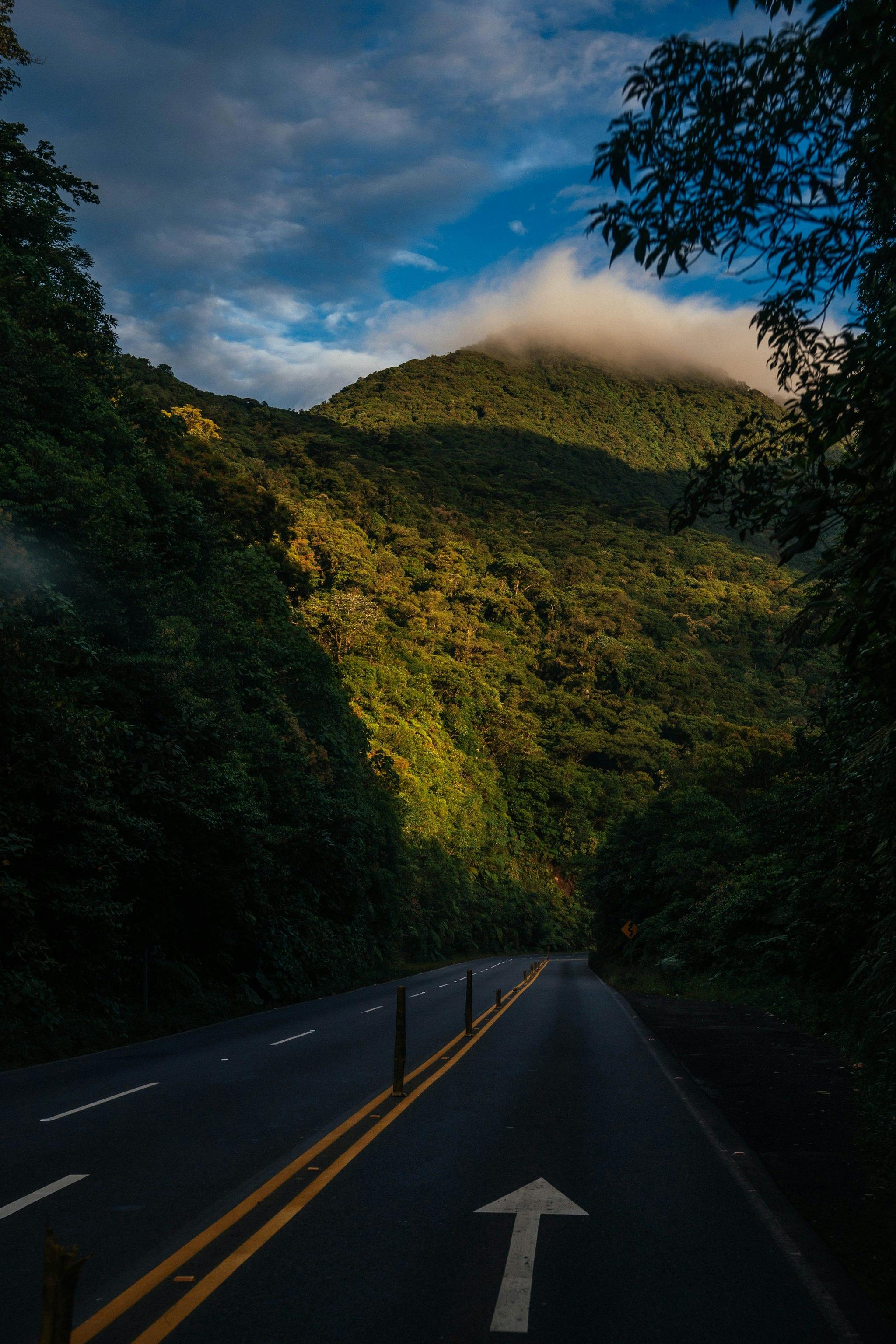
Costa Rica has two international airports, Juan Santamaría (SJO) near San José and Liberia (LIR) in Guanacaste. Works at SJO's departures level run into the second half of 2027, so arrive early for your flight home. In towns, red taxis run on the meter, and at SJO the orange airport taxis are the official choice. Uber and DiDi work in cities but aren't fully legal. For a first trip we'd use shared shuttles and save a hire car for Osa or southern Nicoya.
Shared shuttles
Interbus and Easy Ride link the main tourist towns, with Caribe Shuttle on the Caribbean side. A shared seat costs about $55 from SJO to La Fortuna, $60 to Manuel Antonio and $65 to Puerto Viejo.
Public buses
Buses are cheap but take planning, and Friday and Sunday afternoons sell out. From San José's Terminal Atlántico Norte, Mibus goes to La Fortuna (about ₡4,300), Transmonteverde to Monteverde (₡3,900, about 4 hours) and MEPE to Puerto Viejo (₡6,975). Tracopa covers Quepos and Manuel Antonio (₡4,300 to ₡5,600).
Car hire
The compulsory third-party liability insurance is left out of most online quotes and adds about $15 to $30 a day, so a $60 car really costs about $75 to $90. You don't need a 4x4 on the main routes, but you will on steep dirt roads and river crossings in Osa and southern Nicoya, especially in the rainy season. Never leave luggage in a parked car, even in the boot.
Domestic flights
Sansa and Green Airways fly to about 11 airstrips, including Tambor, Nosara, Puerto Jiménez and Drake Bay, for about $40 to $180 one way. Bags are limited, and passengers may be weighed.
Food and drinks you should try when visiting Costa Rica
What do Costa Ricans actually eat day to day? Mostly rice and beans, served at a soda, the small family-run eateries where a plate costs $5 to $10 against $15 to $25 at tourist restaurants. We'd eat at sodas for most lunches. Restaurant bills add 13% IVA plus a 10% legal service charge, so check whether the menu price includes them.
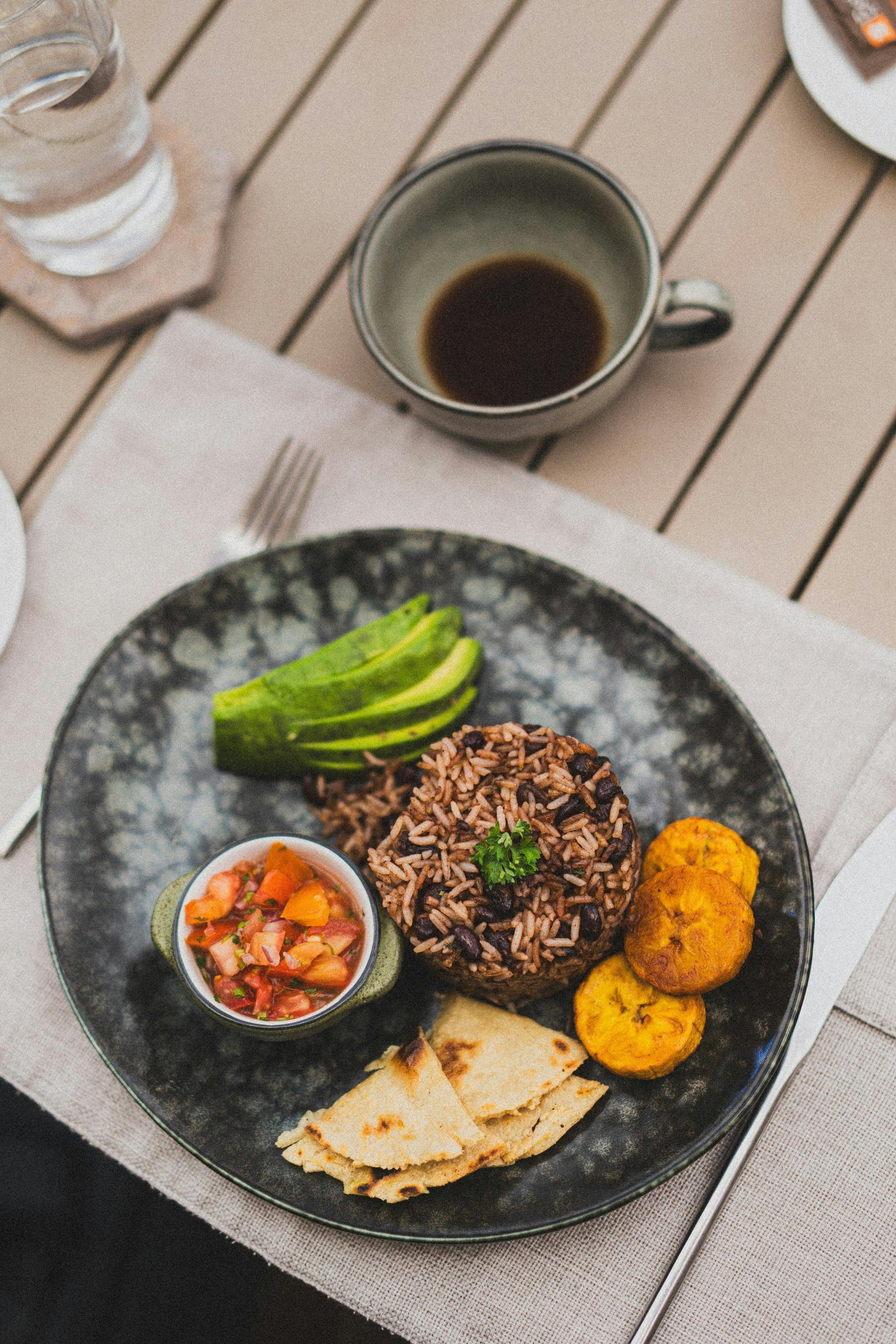
Gallo pinto
Rice and beans fried together, eaten at breakfast with eggs and natilla or cheese. It's the national dish, though Nicaragua claims it too.
Casado
The name means "married man", and it's the standard soda lunch of rice and beans with a protein and fried plantain, for about $6 to $11. Shake on some Salsa Lizano, the brown sauce that dates from 1920 and sits on every soda table.
Chifrijo
A bar snack since the 1990s, with chicharrón and beans layered over rice, topped with pico de gallo and served with tortilla chips. Order it with a cold Imperial, at about ₡1,500 a pint.
Caribbean rice and beans
On the Limón coast, rice and beans are cooked in coconut milk. This is the dish to order first in Puerto Viejo or Cahuita.
Coffee from a chorreador
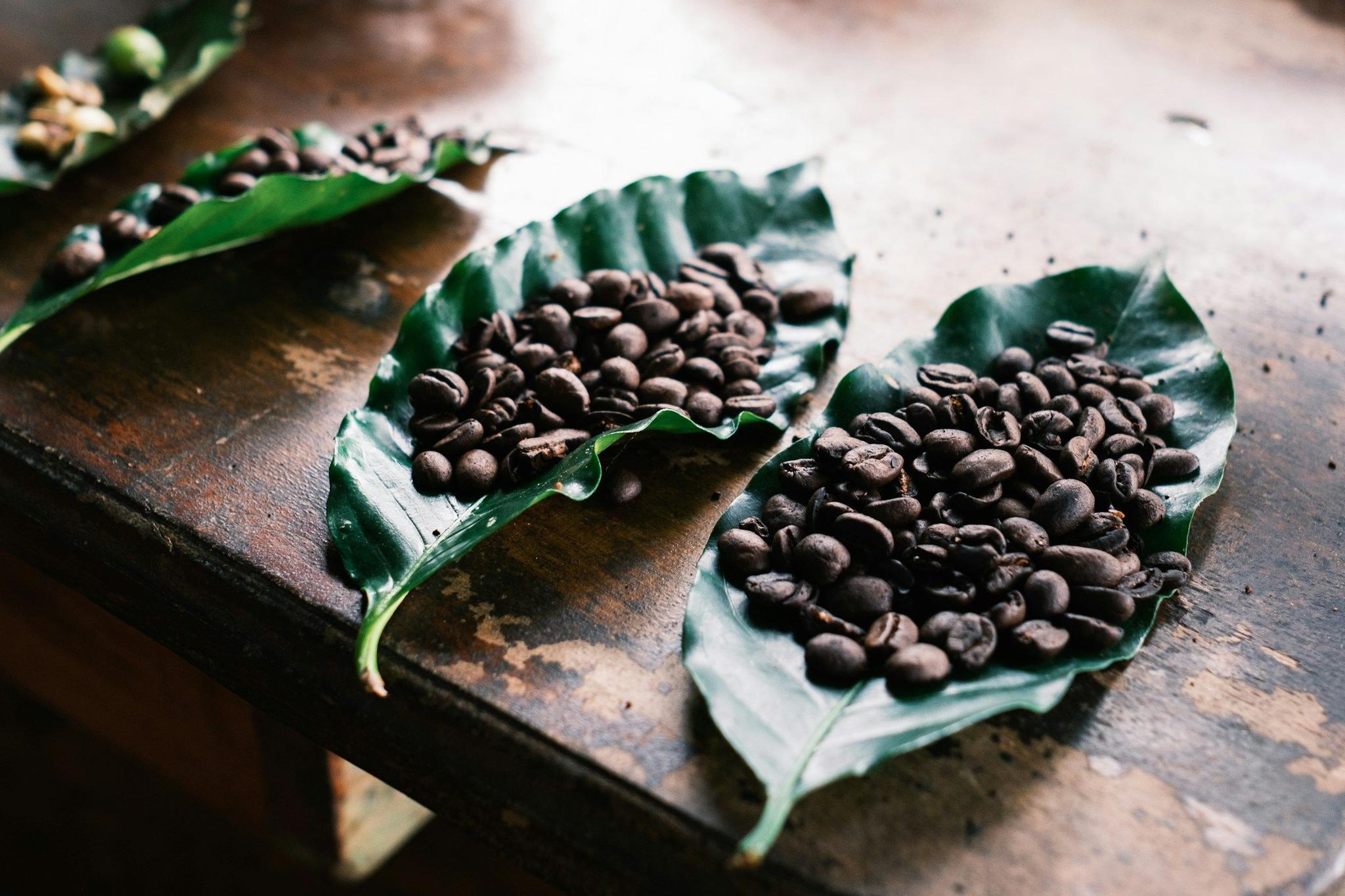
Coffee became a national symbol in 2020, and the traditional way to brew it is through a cloth sock hung on a wooden stand called a chorreador. A cappuccino averages about ₡2,053, and soda coffee costs less.
Culture and local habits you'll notice when visiting Costa Rica
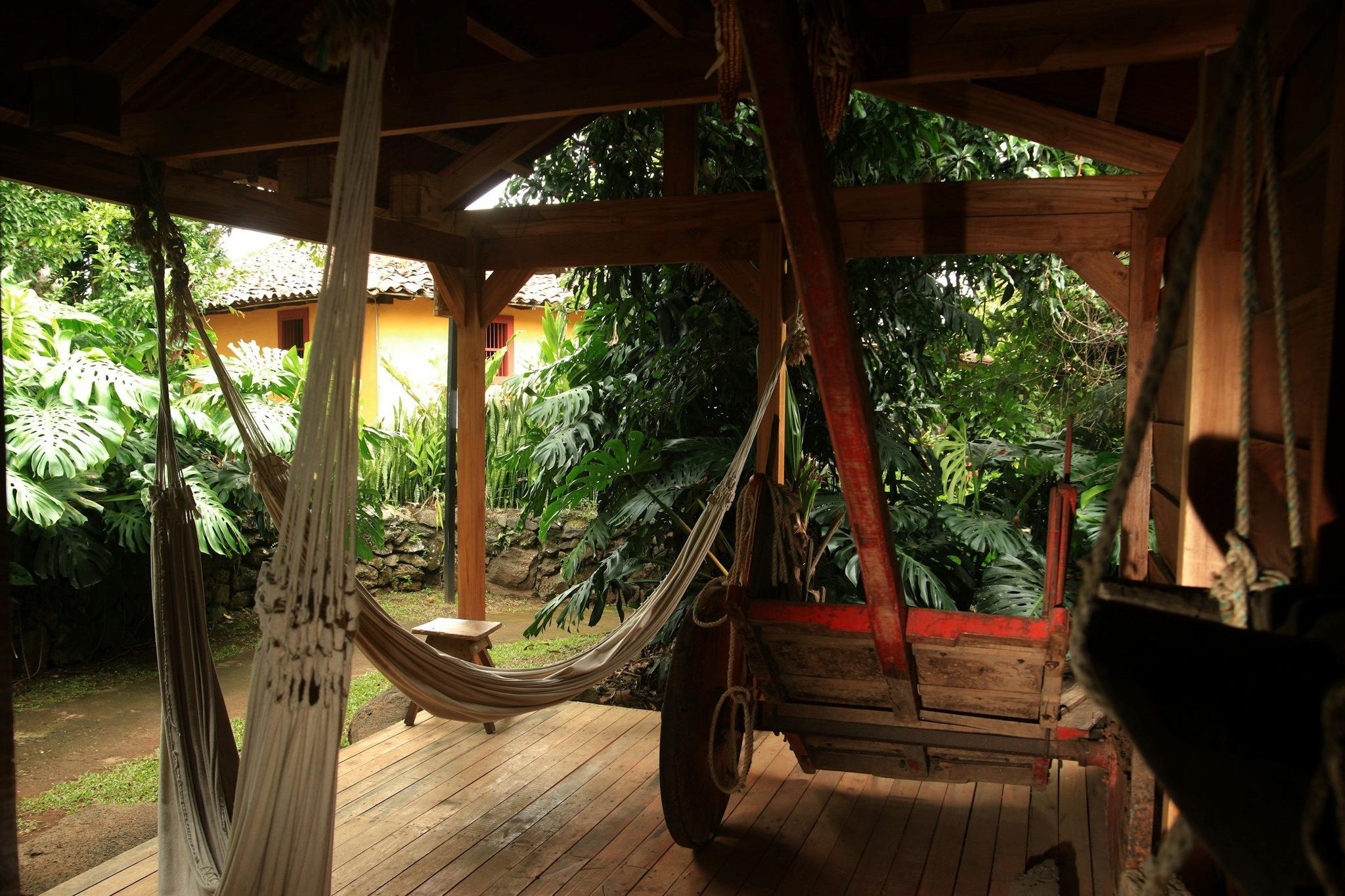
Costa Rica abolished its army on 1 December 1948, and Article 12 of the 1949 Constitution keeps it that way. Costa Ricans call themselves Ticos and Ticas, and the phrase you'll hear most is pura vida. The painted oxcart, or carreta, has been a national symbol since 1988, and UNESCO lists the country's oxcart traditions as intangible heritage, with Sarchí as the centre of the craft.
Manners are relaxed but polite. Use "usted" with strangers, and expect social plans to run on Tico time, though buses and tours leave on schedule. Cover up for churches. These are the phrases worth learning first.
- Pura vida: hello, goodbye, thanks, all good
- Mae: mate, dude
- Con mucho gusto: you're welcome
- Tuanis: cool
Looking for more unique places, trips and activities?
Subscribe to our Guided Newsletter for more travel inspiration.
Costs of a holiday to Costa Rica
Don't come to Costa Rica expecting Central American prices. On Numbeo's 2026 cost of living index it scores 56.8, above Panama (46.5), Guatemala (45.4), Mexico (44.4) and Colombia (35.6), though still below the US (69.7) and the UK (68.2). The Tico Times puts the average spend at about $138 per person per day, against $94 in Panama. With the colón at about ₡450 to the dollar in 2026, dollar prices bite harder. Backpackers can manage on about $50 to $70 a day including a dorm bed, while a mid-range trip runs about $150 to $200.
Food & Drink

Coffee
₡1,000 – ₡2,500
Lunch
₡3,000 – ₡5,500
Beer
₡1,200 – ₡2,500
Accommodation

Hotels
₡45,000 – ₡90,000
Airbnb
₡35,000 – ₡90,000
Hostel dorm
₡5,500 – ₡11,500
Transport

Intercity bus
₡3,900 – ₡7,000
Public Transport
₡300 – ₡500
Car Rental
₡27,000 – ₡45,000
Attractions

Museums
₡3,500 – ₡8,500
Big Attractions
₡7,000 – ₡42,000
Theatre
₡3,500 – ₡25,000
Practical tips for visiting Costa Rica
Most of these come down to booking ahead and taking the sea and the roads seriously.
✔ Check entry rules before you fly
Many nationalities, including the UK, EU, US and Canada, can currently visit without a visa for up to 180 days, but the officer on arrival sets your exact stay and it can't be extended. US travellers need a return or onward ticket, which airlines often check, and GOV.UK says your passport must be valid for at least one day beyond your departure. Insurance isn't required for entry, but get a policy that covers zip-lining and rafting. Check GOV.UK's Costa Rica entry requirements and Costa Rica's immigration office at migracion.go.cr before you book.
✔ Use colones for sodas and buses
US dollars are widely accepted in tourist areas, so carry small notes and expect change in colones. Pay in colones at sodas and on buses. Use ATMs inside banks or malls rather than on the street.
✔ Book national parks online and stay on the trails
Manuel Antonio, Poás, Río Celeste and several other parks don't sell tickets at the gate, so book on SINAC's online ticket site before you go. Since 30 April 2026, walking into a restricted area costs ₡1,386,600 (about US$3,000), so stick to marked trails. Ask before flying a drone in a park.
✔ Plan drives around daylight and Route 32
We'd finish every drive before dark at about 6pm. Car break-ins are common, including the slashed-tyre "helper" scam. Route 32 to the Caribbean has closed repeatedly in 2026, so leave buffer time on any Caribbean or Tortuguero transfer and check the road status first.
✔ Take the sea more seriously than the crime headlines
The UK government doesn't advise against travel to any part of Costa Rica, and the US rates it Level 2. Violent crime has risen but is mostly gang-related, and for visitors, theft from cars and bags is the main risk, along with drink spiking. Rip currents are the bigger killer. Most beaches have no lifeguards, so swim only where locals do and never alone. The FCDO also warns of methanol in cheap local spirits, so stick to branded bottles. Dengue cases rose in 2026, so use repellent, and drink filtered or bottled water in rural and beach areas. The emergency number is 911.
✔ Tip your guide and leave the wildlife alone
The 10% service charge is already on restaurant bills, so extra is optional there, but guides usually get $5 to $10 per person for a half day. Feeding wild animals is illegal, and so is keeping or giving away a wild animal.
Fun facts about Costa Rica
Six facts to take home with you.
- Óscar Arias won the 1987 Nobel Peace Prize for the Central American peace plan.
- The Diquís stone spheres became a UNESCO World Heritage Site in 2014.
- 98.6% of its electricity came from renewable sources in 2025.
- The national bird is the plain brown clay-coloured thrush, or yigüirro, chosen for its song.
- Sloths became an official national symbol in 2021.
- The Nicoya Peninsula is one of the world's five Blue Zones.
The yigüirro is our favourite. Locals link its song to the start of the rains.
Ready to map out your trip to Costa Rica?
We hope this Costa Rica travel guide has given you a clear starting point for your trip. Stay tuned for more inspiration, itineraries and practical tips to help you shape your perfect holiday to Costa Rica. And don't forget to check out our Guided app, where you can create your own trip or use trips shared by other travellers for free.
FAQS about visiting Costa Rica
How many days do you need in Costa Rica?
A week covers Arenal and Monteverde plus one coast, while 10 to 14 days lets you go coast to coast. Inside the Guided app, you can create your own trip route and find out how many places you can fit into your trip.
What is the best part of Costa Rica to visit?
For a first trip, Arenal for the volcano and hot springs and Monteverde for cloud forest. Manuel Antonio is the easiest place to see wildlife next to a beach, and Corcovado on the Osa Peninsula is the wildest.
What is Costa Rica known for?
Wildlife above all, from sloths to nesting turtles, along with ecotourism and coffee. Surfers know it for two coasts of breaks, and Costa Ricans for the phrase pura vida.
Can you travel around Costa Rica without a car?
Yes. Shared shuttles cost about $55 to $65 between the main towns, public buses are cheap if slower, and domestic flights reach Osa and Nicoya. Boats take you the last stretch to Tortuguero and Drake Bay.
Is Costa Rica expensive?
Yes, for the region. It's the priciest country in Central America, at about $138 per person per day, with hotels, tours, park fees and car insurance as the big costs.
Is Costa Rica safe to visit?
The UK government doesn't advise against travel to any part of the country, and the US rates it Level 2. The main risks for visitors are theft (especially from cars), rip currents and driving after dark. Violent crime is mostly gang-related and has been falling in 2026.
When is the best time to visit Costa Rica?
December to April is the dry season for the Pacific side and the centre, while September and October are best on the Caribbean coast. The green season, from May to November, is cheaper.
Do you need a 4x4 in Costa Rica?
Not for the main routes, and not for Monteverde, where the road is paved. You'll want one for Osa and southern Nicoya, especially on dirt roads in the rainy season.
Plan your trip to Costa Rica in Guided.
Save the places you find, then let Guided lay out the days, the map and the details.
More in North America
All destinations BahamasThe Bahamas is a chain of Atlantic islands known for turquoise water and pink-sand beaches.
 BarbadosBarbados pairs calm Caribbean beaches and rum shops with wild Atlantic surf and colonial history.
 CanadaCanada is known for vast national parks, epic road trips and lively, welcoming cities.
 CubaCuba is the Caribbean's largest island, known for Havana's streets, tobacco valleys and live music.