
Jamaica

Jamaica travel guide: Everything you need to know before visiting Jamaica
Ian Fleming bought an estate at Oracabessa on Jamaica's north coast in 1946 and wrote every one of his James Bond novels at his house there, GoldenEye, starting with Casino Royale in 1952. GoldenEye is a hotel now, on the same stretch of coast as a waterfall you climb from the bottom up. The island covers 10,991 km², yet it rises to 2,256 m at Blue Mountain Peak, with rivers you drift down on bamboo rafts and the long sweep of Negril's Seven Mile Beach on the far west coast. Its Indigenous name, Xaymaca, is usually translated as "land of wood and water".
What sets Jamaica apart from the Dominican Republic or Mexico's Caribbean coast is that the reasons to go reach well past the resort strip. It's English-speaking, it has a music and food culture people fly in for, and its interior is mountains and rivers. It suits music fans and hikers best, and anyone happy to trade a sunbed for a day on the road. Hurricane Melissa hit the west hard in October 2025. Tourism reopened that December and most hotels and attractions are running again, though some large Montego Bay resorts are not due back until early 2027. We've flagged where places are still rebuilding. This Jamaica travel guide covers where to go, itineraries, food, costs and the practical tips worth knowing before you go.
5 reasons to visit Jamaica
We'd put Jamaica above any other English-speaking Caribbean island for variety, and these five are why.
- Climb the terraced cascades of Dunn's River Falls near Ocho Rios.
- Hear reggae where it started, from Bob Marley's old home on Hope Road to a Kingston sound system.
- Eat jerk chicken cooked over pimento wood, and ackee and saltfish for breakfast.
- Hike Blue Mountain Peak at night for sunrise, then drink coffee grown on its slopes.
- Watch the sun drop into the sea from Negril's West End cliffs.
Where to visit in Jamaica?
Which coast should you pick? It's easy to land in Montego Bay and never leave the north shore, and we think that misses the best of the island in the east and south. These places cover the whole island, with notes on hurricane recovery.
Kingston, for music and museums
Kingston escaped major damage from Hurricane Melissa and is fully up and running. It's where reggae grew up, so if music is part of why you're coming, give it a night. The Bob Marley Museum at 56 Hope Road is Marley's former home and the site of his Tuff Gong studio, with hourly guided tours from Monday to Saturday and adult tickets at about US$25. Devon House, a 19th-century mansion, runs tours most days, and its ice cream shop alone justifies the stop. Downtown, the National Gallery of Jamaica holds work by Edna Manley and Kapo and now opens on Sundays too. Base yourself in New Kingston, get around by licensed taxi or Uber, and see downtown with a guide.
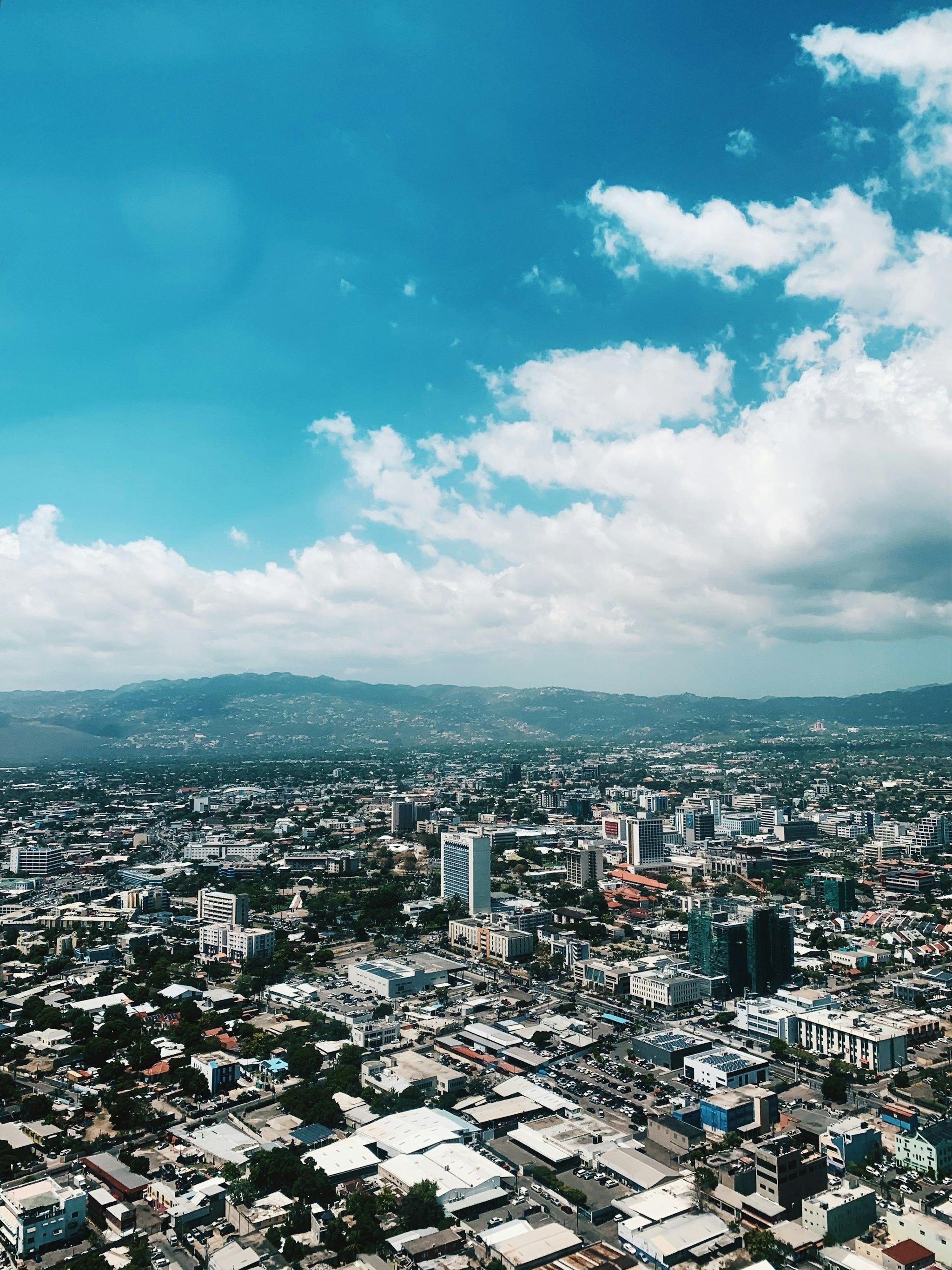
The Blue Mountains
The Blue and John Crow Mountains became a UNESCO World Heritage Site in 2015, listed for both nature and culture. The forests hold about 1,357 species of flowering plants, around 294 of them found nowhere else, and the Nanny Town Heritage Route follows the history of the Windward Maroons. Holywell, a recreation area more than 900 m up, is about an hour's drive from New Kingston. Coffee farms here grow true Blue Mountain coffee, and tours start from about US$90. The air is far cooler than on the coast, and that alone is the reason we'd stay a night rather than day-trip. Strawberry Hill hotel is open, but check trail and road conditions before you go.
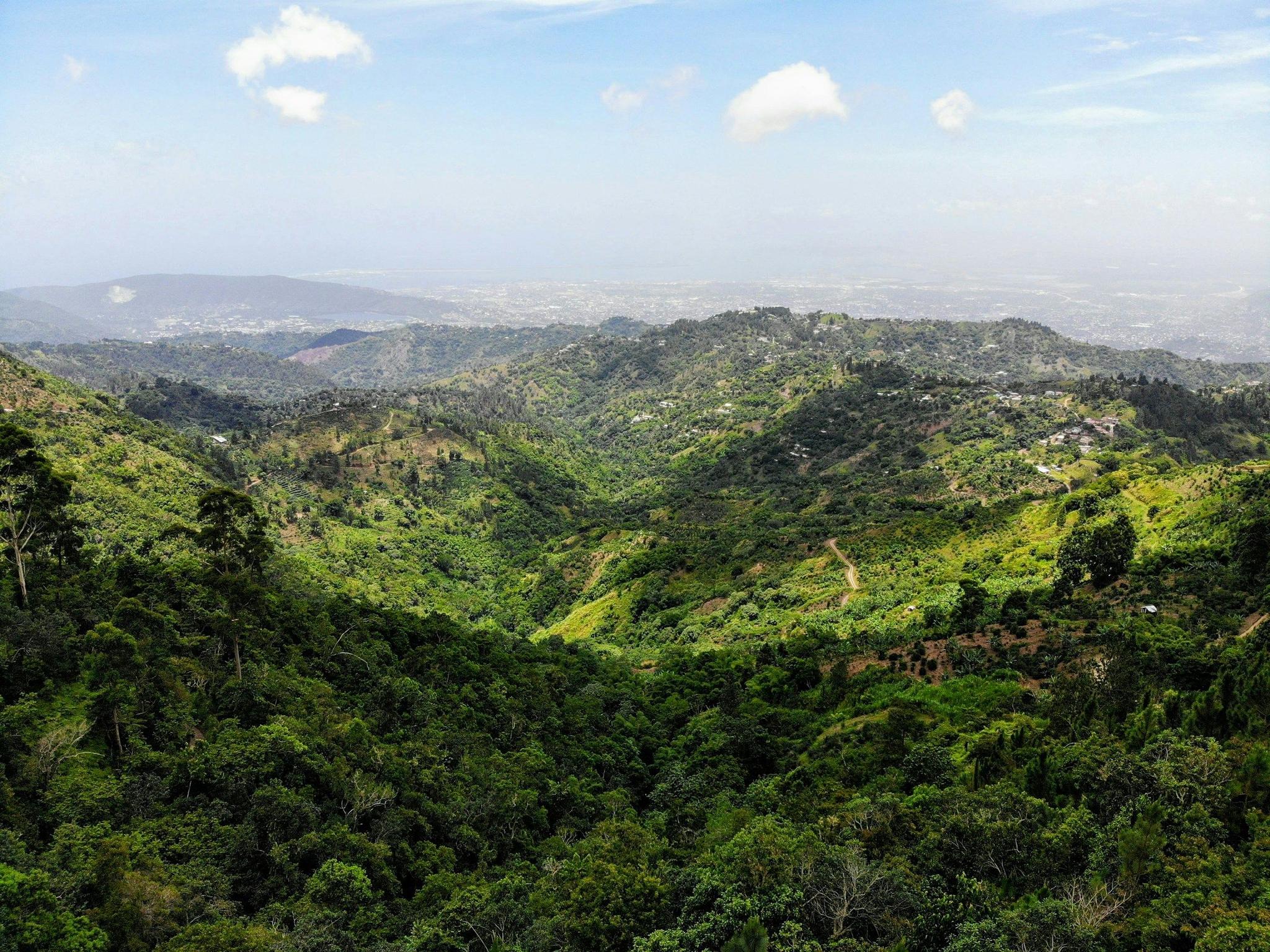
Port Antonio and Portland
For nature over resorts, Port Antonio is the best part of Jamaica, and it came through Hurricane Melissa largely unscathed. The east coast is wetter and greener than the north, with few big hotels and a slower pace. Frenchman's Cove is open daily from 9am to 5pm, with a day pass of JMD $2,500 by card or JMD $2,750 in cash and no outside food, drink or speakers allowed. Lonely Planet lists the Blue Lagoon nearby among the island's top sights. Further along the coast, Boston Bay calls itself the birthplace of jerk, and its roadside jerk stands are a good reason to time lunch around it.
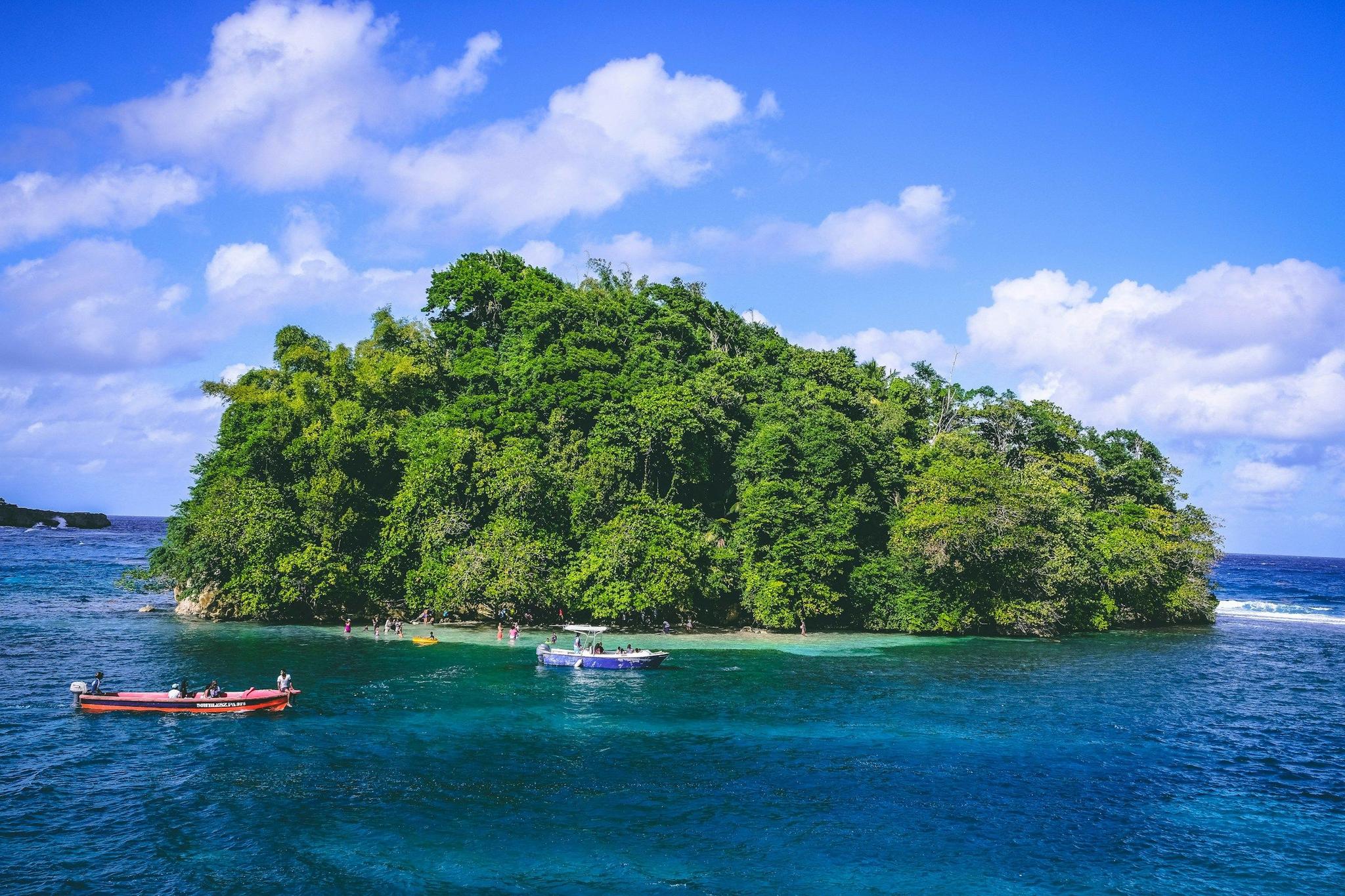
Reach Falls
Reach Falls sits in the hills east of Port Antonio and is far quieter than Dunn's River. It was running again within weeks of the hurricane. The appeal here is different too. Instead of climbing in a chain of people, you wade, swim and sit in clear pools under the cascades, with rainforest closing in on both sides. It opens Wednesday to Sunday, and entry for non-residents is US$10 for adults and US$5 for children. If you only have time for one waterfall in Portland, make it this one.
Ocho Rios and Dunn's River Falls
Ocho Rios is one of Jamaica's main cruise ports, and that shapes your day here. Dunn's River Falls reopened on 11 November 2025 and is open daily, with tickets at US$25 for adults and US$17 for children aged 4 to 12. You climb the terraces from the bottom up. Go early or on a day when no big ship is in port, because the steps get crowded. Mystic Mountain is open again too, with a chairlift up through the rainforest and a bobsled ride back down. Oracabessa and Fleming's GoldenEye are along the coast, and the North-South Highway gets you to Kingston in under an hour.
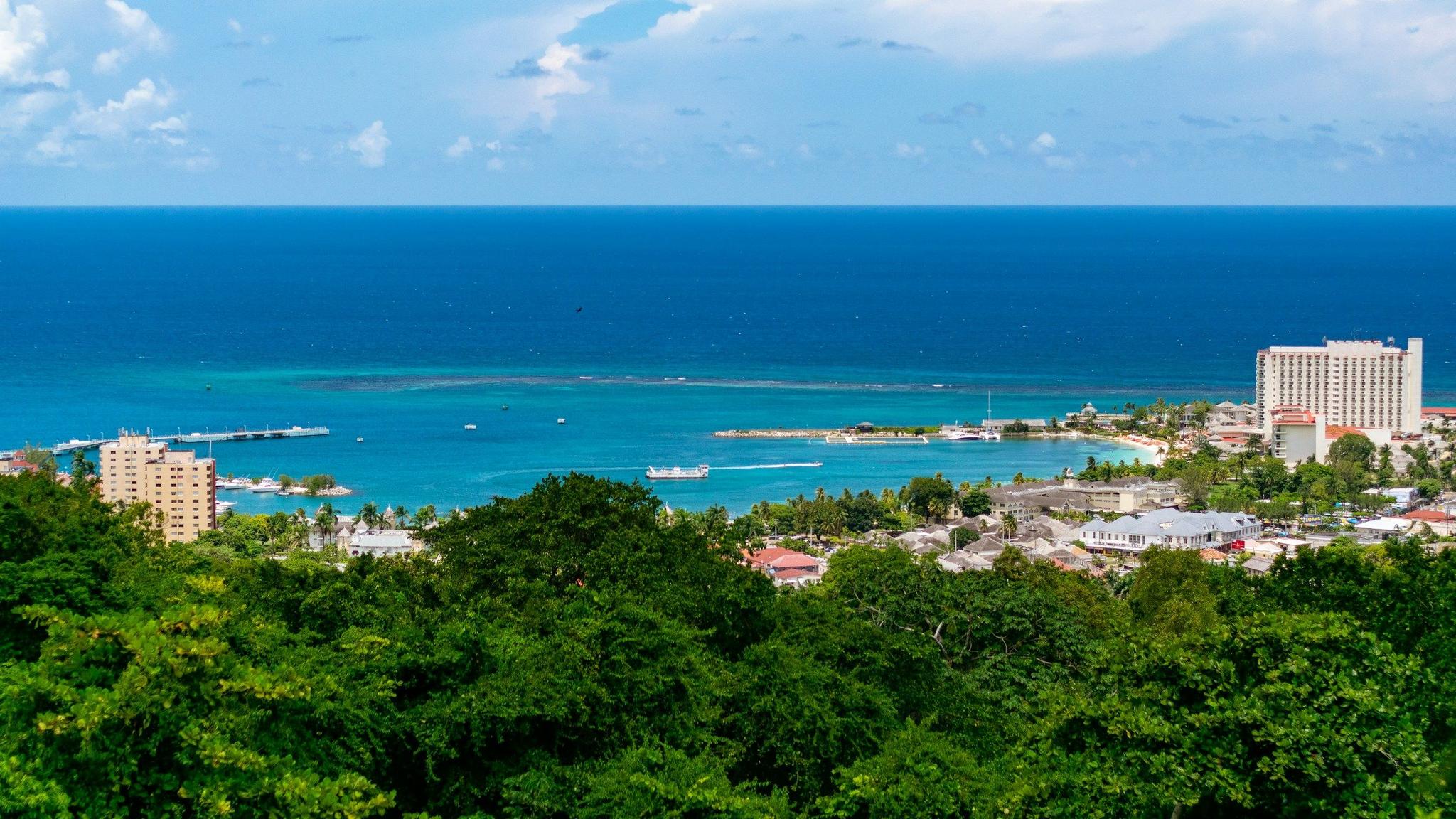
Montego Bay
Montego Bay is where most international flights land, at Sangster International, and it's home to the biggest resort strip on the island around Rose Hall. It was hit hard by the hurricane and is recovering slowest, with several large resorts not due back until early 2027. Harmony Beach Park reopened in November 2025 and is free, with the beach itself open Wednesday to Sunday. Rose Hall Great House normally runs day tours from Monday to Saturday and a "haunted" night tour later in the week, so check it's open before you plan around it. For now, treat MoBay as your arrival point rather than your main base.
Falmouth and the Martha Brae
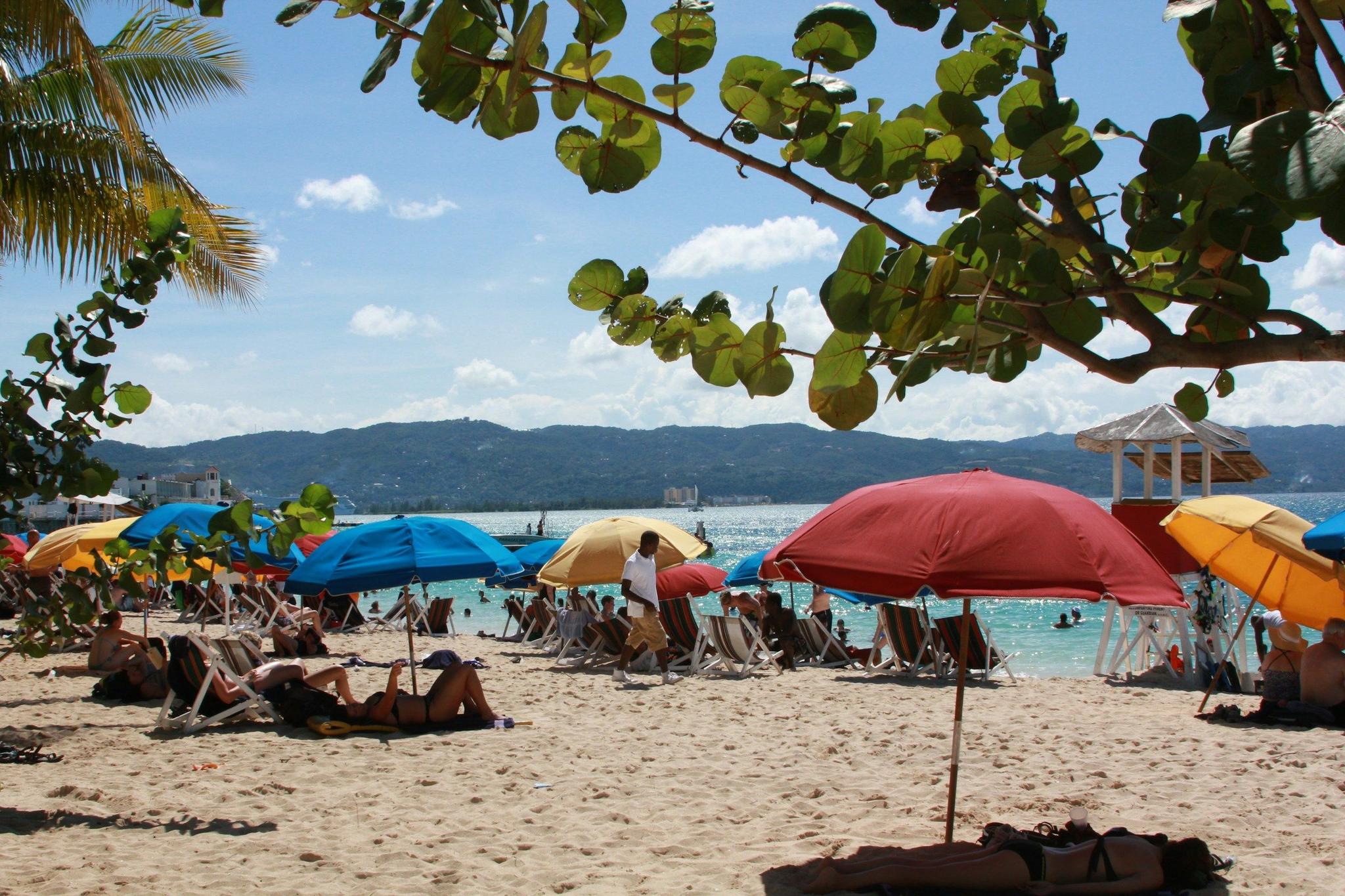
Falmouth is a Georgian town on the north coast between Montego Bay and Ocho Rios, and its cruise port reopened in late November 2025. The bigger draw is the Martha Brae River just inland, where rafting on long bamboo rafts was running again by April 2026. It's a gentle, unhurried trip and a good half-day if you're staying on the north coast. Where the river meets the sea between Rock and Falmouth, the Luminous Lagoon glows at night because of tiny organisms in the water. Tours may not all be running, so check before booking.
Negril
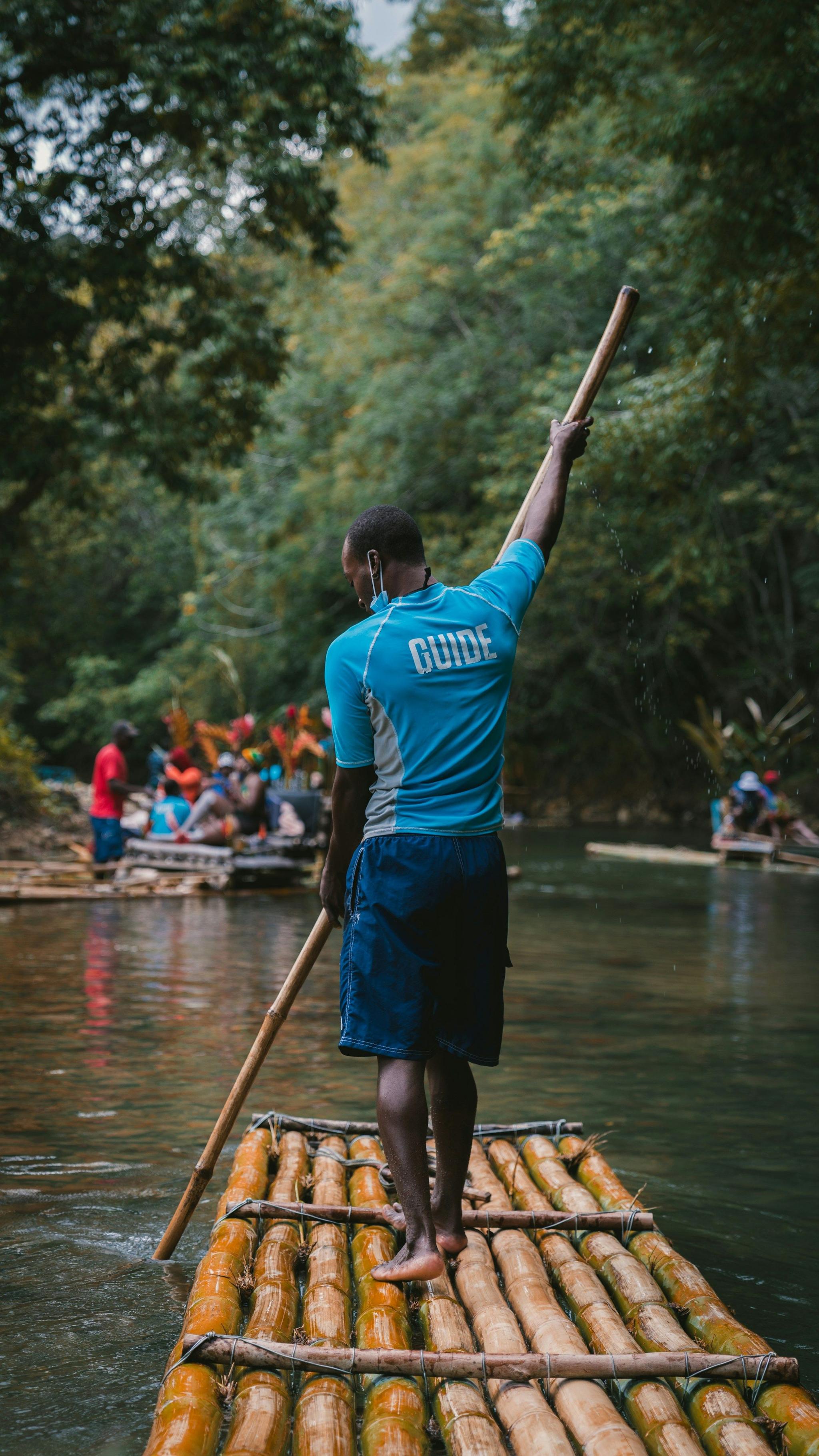
Westmoreland took the full force of Hurricane Melissa's landfall, yet Negril is fully operational again and has the island's largest cluster of small, mostly Jamaican-run hotels. Seven Mile Beach runs along the bay. The West End is the other Negril. Here the sand gives way to low cliffs, and Rick's Café, open since 1974, is known for cliff jumping and its sunset crowds. It has been destroyed by hurricanes twice and rebuilt both times, and it reopened by mid-December 2025. Pick the cliffs over the beach end if you'd rather swim off a ladder than lie on sand.
Treasure Beach and the south coast
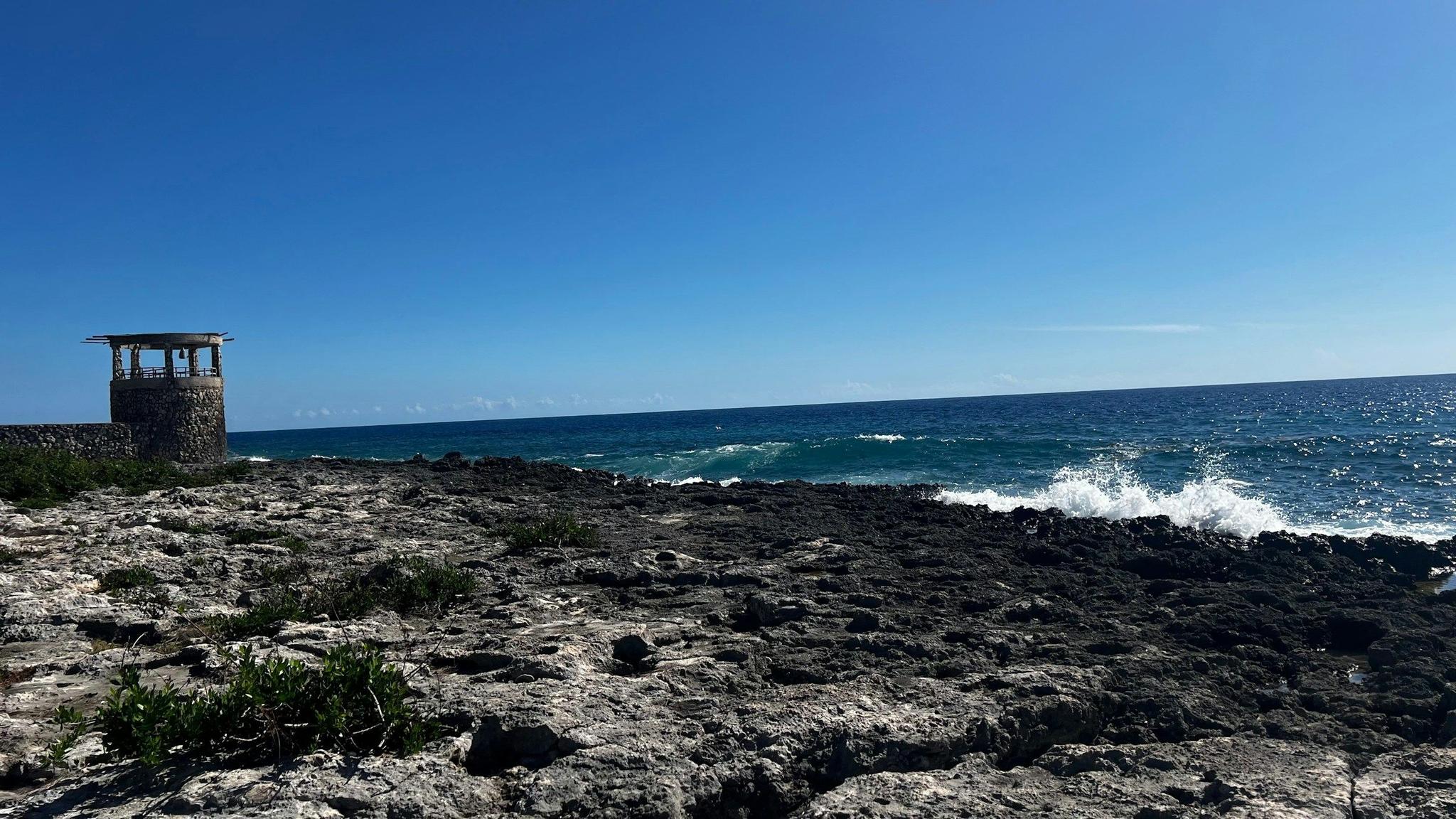
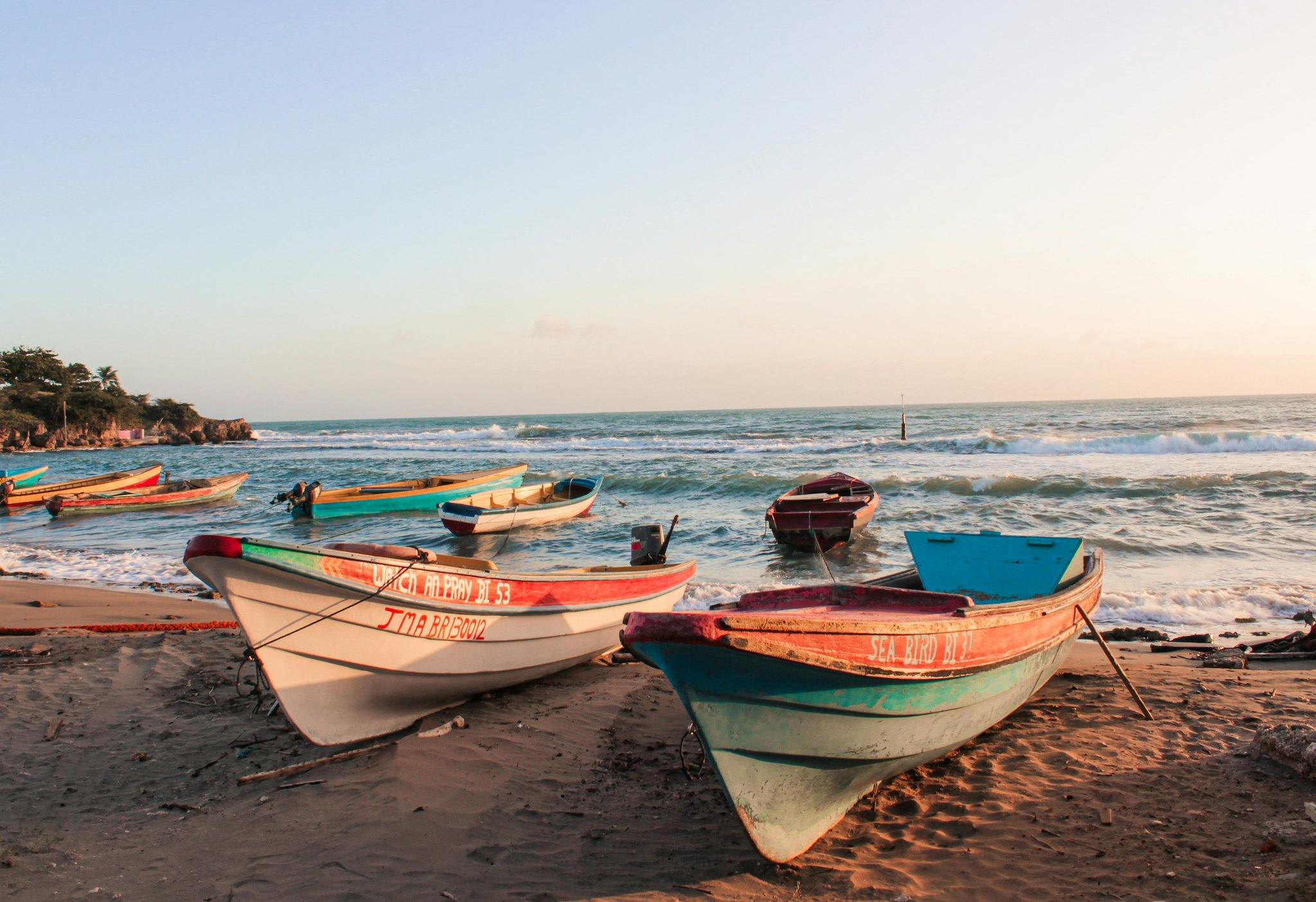
Treasure Beach is the antidote to the north coast, a string of fishing villages in St Elizabeth with small guesthouses and no big resorts. It has been largely restored after the hurricane, and Jakes and Lashings are both open again, though some roads in the area still need repair. Pelican Bar, a wooden bar built on a sandbar offshore and reached by boat from Parottee, was rebuilt with help from Red Stripe and reopened in February 2026. Give it three nights, not one. The whole point is slowing down, and it makes a good base for YS Falls and Appleton Estate.
YS Falls
YS Falls drops 36 m over seven cascades in St Elizabeth, and Lonely Planet calls it among the most beautiful falls in Jamaica. It reopened on 24 January 2026 with the pools and waterfall open, though the greenery around them is still growing back. You can swim in the pools, there's a zip line, and entry is about US$20 for adults. Pair it with Appleton Estate on the same day, as both sit inland from the south coast.
Jamaica itinerary ideas for your trip
Montego Bay to Ocho Rios takes about an hour and a half, and Kingston to Port Antonio about two hours, so distances that look short on a map fill most of a morning. Flying into Montego Bay and out of Kingston saves a long drive back. If you'd rather keep a short trip to the beach, split the week between Negril and Treasure Beach instead.
5 to 7 day Jamaica itinerary
- Day 1: Fly into Montego Bay and drive to Ocho Rios.
- Day 2: Dunn's River Falls early, then Mystic Mountain or a look at GoldenEye in Oracabessa.
- Day 3-4: Port Antonio, Frenchman's Cove, the Blue Lagoon, Reach Falls and a bamboo raft on the Rio Grande.
- Day 5-6: The Blue Mountains, a coffee farm, Holywell and an optional night hike to the peak (check trail conditions first).
- Day 7: Kingston, the Bob Marley Museum and Devon House, then fly home.
10 to 14 day Jamaica itinerary
- Day 1-3: Negril, Seven Mile Beach and sunset at Rick's Café.
- Day 4-6: Treasure Beach and the south coast, YS Falls, Appleton Estate and a boat to Pelican Bar.
- Day 7-8: Ocho Rios via Falmouth, with a raft on the Martha Brae on the way.
- Day 9-11: Port Antonio, Reach Falls and the Rio Grande.
- Day 12-13: The Blue Mountains (check trail conditions first).
- Day 14: Kingston, then fly home from Norman Manley International.
You can build either route, or move the days around to suit you, in the Guided app.
Fun things to do in Jamaica
The best days in Jamaica happen on rivers and mountains, not on a sunbed, and these are the ones we'd plan around.
Raft down the Rio Grande on bamboo
The Rio Grande in Portland is the classic Jamaican river trip, and it was running again by November 2025. A rafter poles you downstream on a long bamboo raft while you sit back and watch the rainforest go by. Rates set in 2023 were about JMD $10,000 for the short trip and JMD $12,000 for the long one, paid at Rafter's Rest or Berrydale. On the north coast, the Martha Brae near Falmouth is the easier one to fit in.
Hike Blue Mountain Peak for sunrise
At 2,256 m, Blue Mountain Peak is the highest point in Jamaica, and hikers often start in the dark to reach the top for sunrise. The trail is 9.3 km and takes about four hours. It's steep, and the last 5.6 km from Portland Gap, where there are rustic huts, takes two to three hours on its own. Check trail conditions with the Jamaica Conservation and Development Trust before you go.
Take a rum tour at Appleton Estate
Appleton Estate sits in the Nassau Valley in St Elizabeth, on the edge of Cockpit Country, and dates itself back to 1670, with rum recorded there from 1749. Joy Spence became the industry's first female master blender at Appleton. The Appleton Estate Rum Experience resumed by April 2026. Jamaica Rum has had protected status since 2016, which means it must be made, distilled and aged on the island. Of the island's rum tours, this is the one to book.
Follow the reggae trail
Reggae music of Jamaica was added to UNESCO's intangible heritage list in 2018. It grew mainly out of West Kingston, from ska and rocksteady, and Kingston is still the place to hear it. Start at the Bob Marley Museum, where a separate "Making of the Music" tour covers the Tuff Gong studio. Nine Mile, Marley's birthplace and resting place in the hills of St Ann, is a popular trip from Ocho Rios, though check it's open before you go. For festivals, Reggae Sumfest usually runs in July and Rebel Salute usually takes place in mid-January in St Ann.
Go out on the water
Catamaran and powerboat trips in Negril and Ocho Rios restarted in December 2025, and a sunset sail along the Negril cliffs is one of the easiest good evenings on the island. On the south coast, the boat ride from Parottee out to Pelican Bar is worth more than the drink at the end of it.
When to go to Jamaica?
Jamaica's dry season runs from about December to April, when Kingston gets as little as 9 mm of rain in a month and daytime highs sit around 30 °C. Rain peaks twice, in May and again from September to November, and hurricane season officially runs from 1 June to 30 November, though storms can form outside it. High season runs from about mid-December to mid-April. Our pick is late April, after high season ends and before the May rains.
- Winter, December to February. Driest and busiest, highs about 30 °C and top prices. The Accompong Maroon celebration falls on 6 January.
- Spring, March to May. Mostly dry until May, with Jamaica Carnival in Kingston around Easter and good shoulder-season value in April.
- Summer, June to August. The hottest months, with highs about 33 °C. Reggae Sumfest is usually in July, Independence Day is on 6 August and hurricane season begins.
- Autumn, September to November. The wettest months and the highest storm risk, but also the lowest prices.

Did you know you can create your own itinerary?
Now that you know what to see in Jamaica and where to stay, you can start creating your own trip. Do you want more time on rivers and waterfalls in Portland, or are you thinking more about Negril sunsets and slow days on the south coast? It's all up to you. You can easily create your own trip in the Guided app for free, or use trips shared by others.
Where to stay in Jamaica?
Is an all-inclusive the right way to see Jamaica? For a lazy week it can be, and the north coast is dominated by big resorts, many of them around Montego Bay and still reopening into early 2027. If you want to see more of the island, a smaller base works better. Hostel beds run from about US$17 in Port Antonio to US$24 in Montego Bay, and an average Airbnb costs about US$106 a night in Negril and US$140 in Ocho Rios.
Negril, for beach or cliffs
Negril gives you two choices in one town. Seven Mile Beach is the place for sand and swimming straight from your hotel, while the West End cliffs have smaller boutique hotels with ladders down into the sea. It's fully back after the hurricane and full of small, mostly Jamaican-run places.
Ocho Rios, for the north coast sights
Ocho Rios is the most central base on the north coast, close to Dunn's River Falls and Mystic Mountain, with GoldenEye just along the coast. Kingston is under an hour away on the toll road. Expect busier days when cruise ships are in.
Port Antonio, for green and quiet
Port Antonio has few big resorts and plenty of villas and guesthouses, and it came through the hurricane largely unscathed. It's our pick for a second base after the north coast.
Treasure Beach, for the south coast
Small guesthouses such as Jakes, fishing boats on the beach and nothing much to do in the evening. That's the appeal. It's well placed for YS Falls and Appleton.
Kingston, for a night or two of music
New Kingston has most of the city's hotels and works best for short stays built around the museums and live music. Add a night up at Strawberry Hill or another Blue Mountains lodge if you want cool air.
Getting around when visiting Jamaica
Jamaica has no regular passenger trains, so everything moves by road. You'll most likely arrive at Sangster International in Montego Bay, though Norman Manley International in Kingston and the smaller Ian Fleming International near Ocho Rios also take international flights.
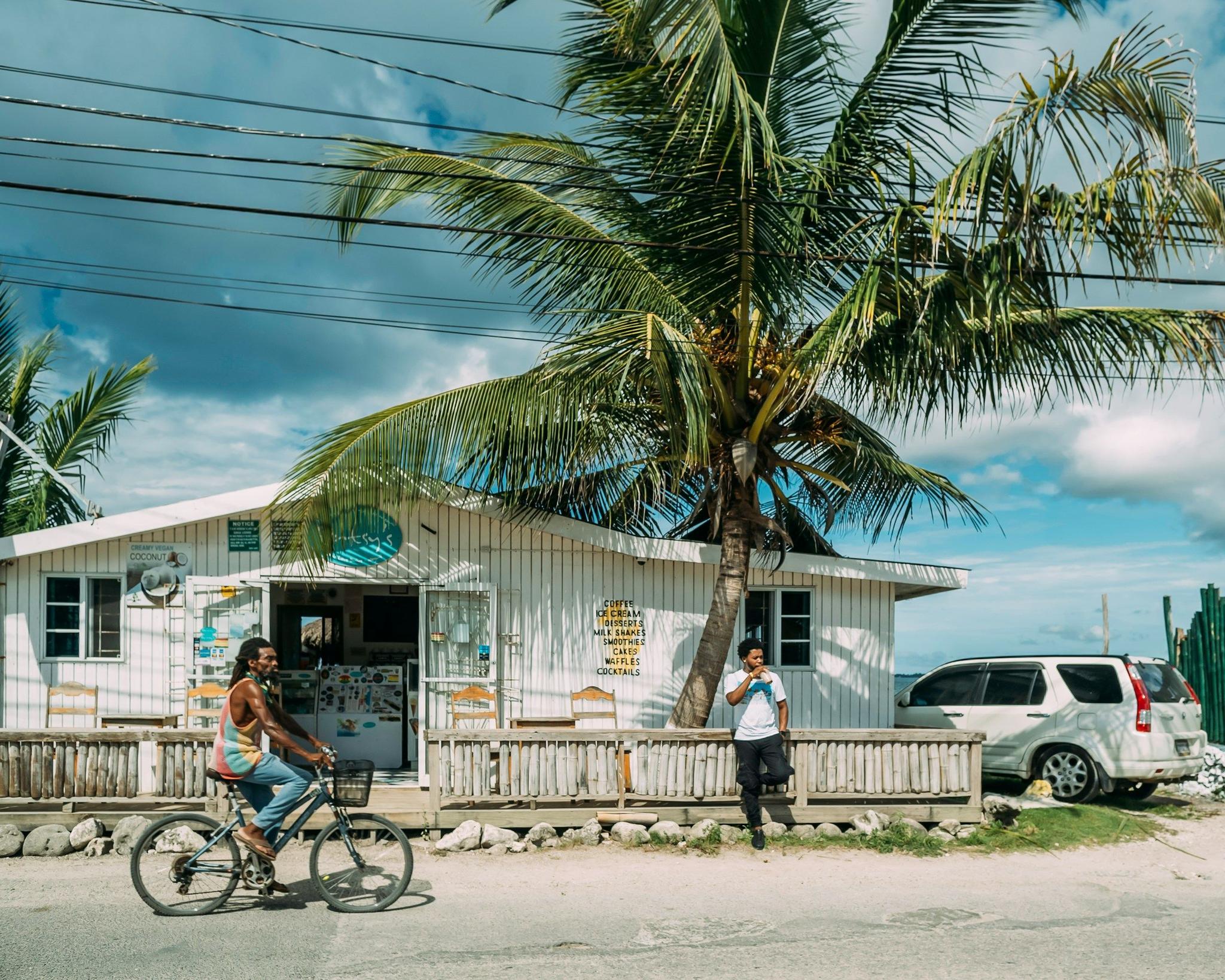
Knutsford Express coaches between towns
Knutsford Express runs air-conditioned coaches between its stations in the main towns and is the easiest way to travel independently. One-way adult fares in October 2026 included JMD $2,500 from Montego Bay to Negril, JMD $2,900 to Ocho Rios and JMD $4,400 to Kingston. Booking online at knutsfordexpress.com or in Knutsford's own app is a little cheaper than at the station, and tickets stay valid for six months. Montego Bay to Kingston takes about four hours.
Licensed taxis and Uber
For door-to-door trips, use taxis approved by the Jamaica Tourist Board. Licensed hotel drivers carry photo ID and a blue JTB sticker, and JUTA and MAXI are licensed tourist transport operators. Agree the fare before you set off. Uber works in Kingston and Montego Bay, and inDrive operates too.
Route taxis and JUTC buses
Route taxis and minibuses called coasters are how most Jamaicans get around. Licensed ones have red PP number plates and the route painted on the door, they take cash only, and the base fare has been JMD $132 since July 2026. In and around Kingston, JUTC buses cost JMD $100 in cash or JMD $50 with a smart card. Avoid buses at night.
Hiring a car
Driving gives you the most freedom, but it's not relaxing. Jamaica drives on the left, and rural roads are often narrow, poorly signposted and unlit at night. Car hire firms often set the minimum age at 25. UK visitors can drive on a photocard licence for up to six months, and North American licences are valid for up to three months.
Food and drinks you should try when visiting Jamaica
Jamaican food is the best reason to leave your resort at least once, and the best of it comes from roadside stands and cookshops rather than hotel kitchens.
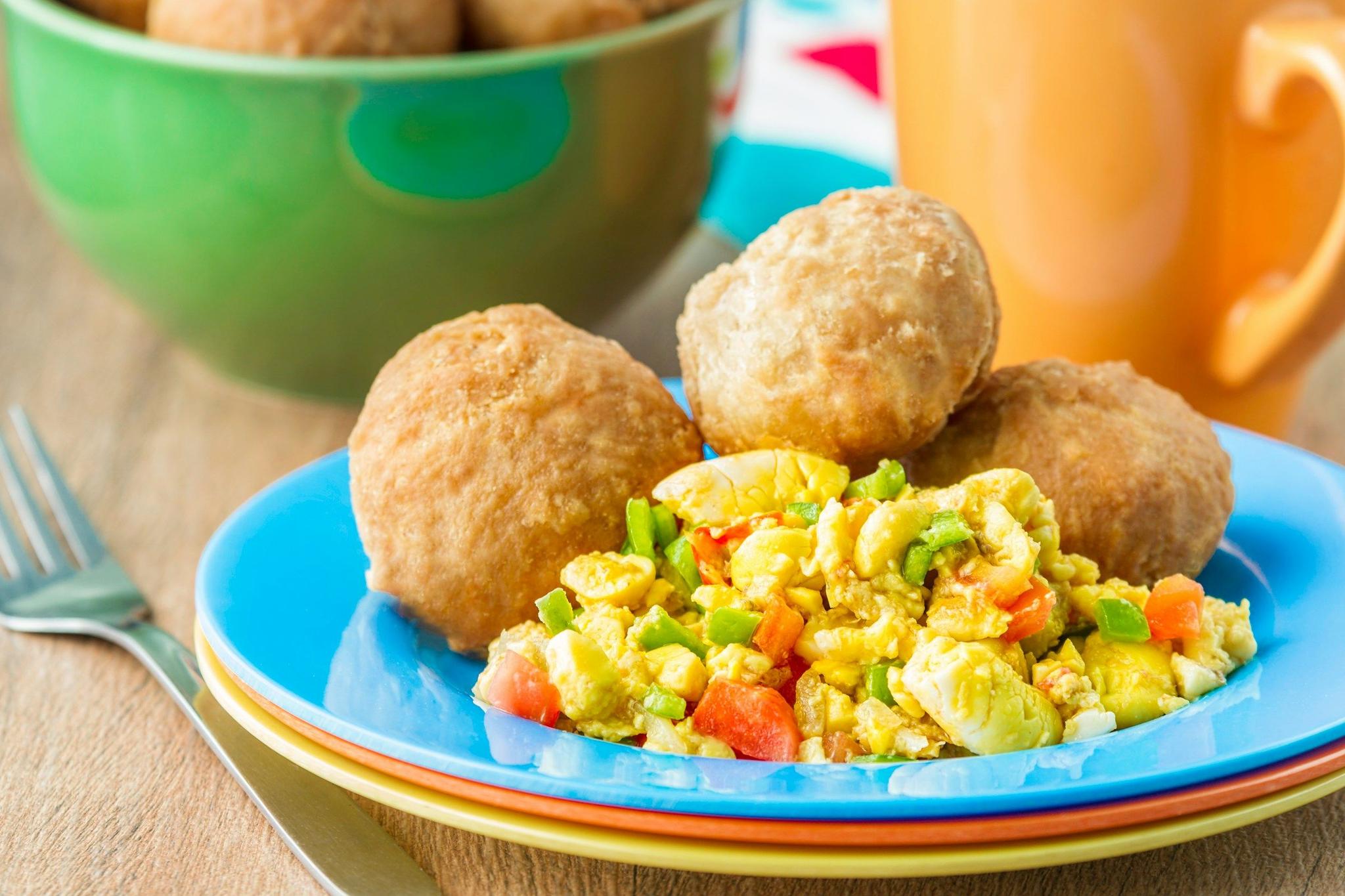
Ackee and saltfish
Ackee and saltfish is widely regarded as the national dish and is usually eaten at breakfast. Ackee arrived from West Africa before 1725, and it's only safe once the pod opens on its own, as unripe fruit is toxic. Captain Bligh didn't bring it to Jamaica, despite the story. He took it to Kew in 1793, which is why its Latin name is Blighia sapida.
Jerk chicken and pork
Jerk is meat seasoned with Scotch bonnet pepper and pimento, also called allspice, then cooked slowly over pimento wood. The technique came from the Taíno and was adopted by the Maroons. A jerk plate with festival, a sweet fried dumpling, costs about JMD $900 to JMD $1,600 from a roadside stand.
Patties
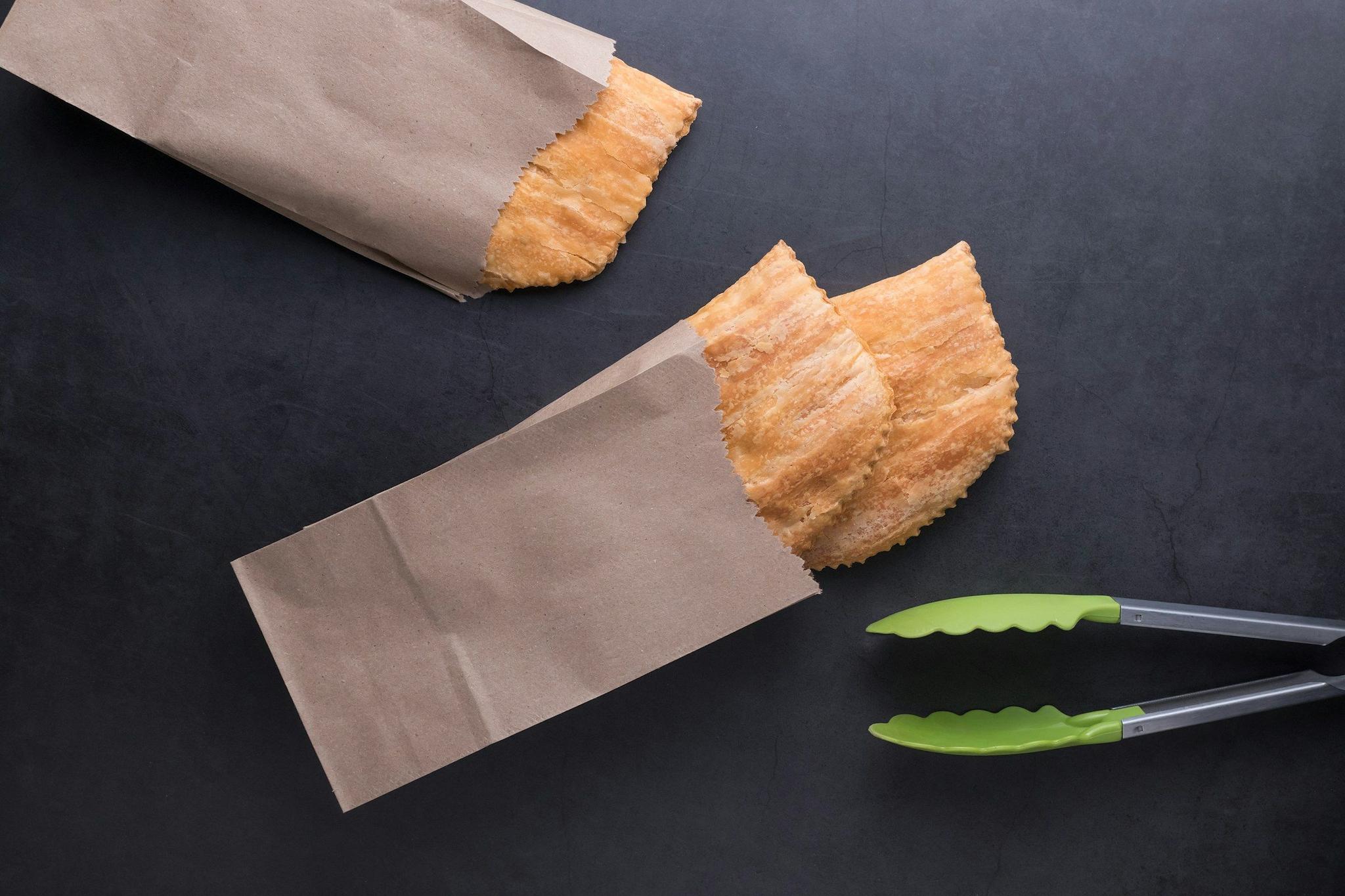
The flaky Jamaican patty, most often filled with beef, is the island's everyday snack and costs about JMD $320 to JMD $640. For a sit-down cookshop meal, curry goat plates start from about JMD $1,600.
Blue Mountain coffee
Only certified coffee grown in the Blue Mountains of St Andrew, St Thomas, Portland and St Mary can carry the Blue Mountain name. Coffee arrived in Jamaica in 1728, and the hurricane caused heavy crop losses in 2025, so buy it where it's grown if you can.
Red Stripe and rum
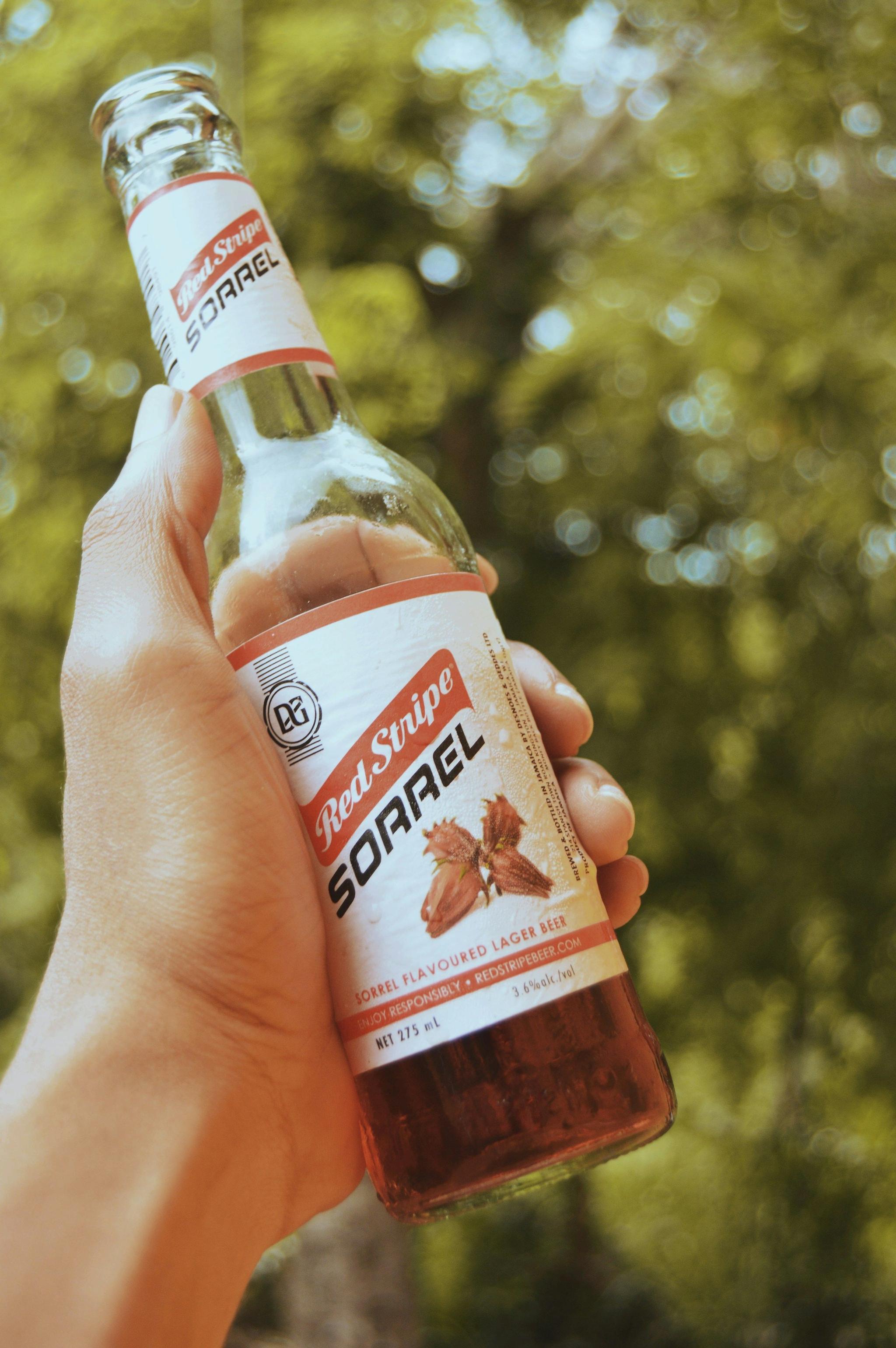
Red Stripe has been brewed in Kingston since 1928, and a bottle in a bar costs about US$3 to US$5. For something stronger, Wray & Nephew White Overproof comes in at 63% ABV, so go easy.
Culture and local habits you'll notice when visiting Jamaica
English is the official language, but Jamaican Patois, also written Patwa, is what you'll hear on the street. A few phrases go a long way, and "respect" is the one to learn first, as it works as both a greeting and a thank you.
- Wah gwaan: what's going on, or hello
- Irie: good, at ease
- Respect: a greeting or a thank you
- Likkle more: see you later
- Soon come: it will happen, eventually
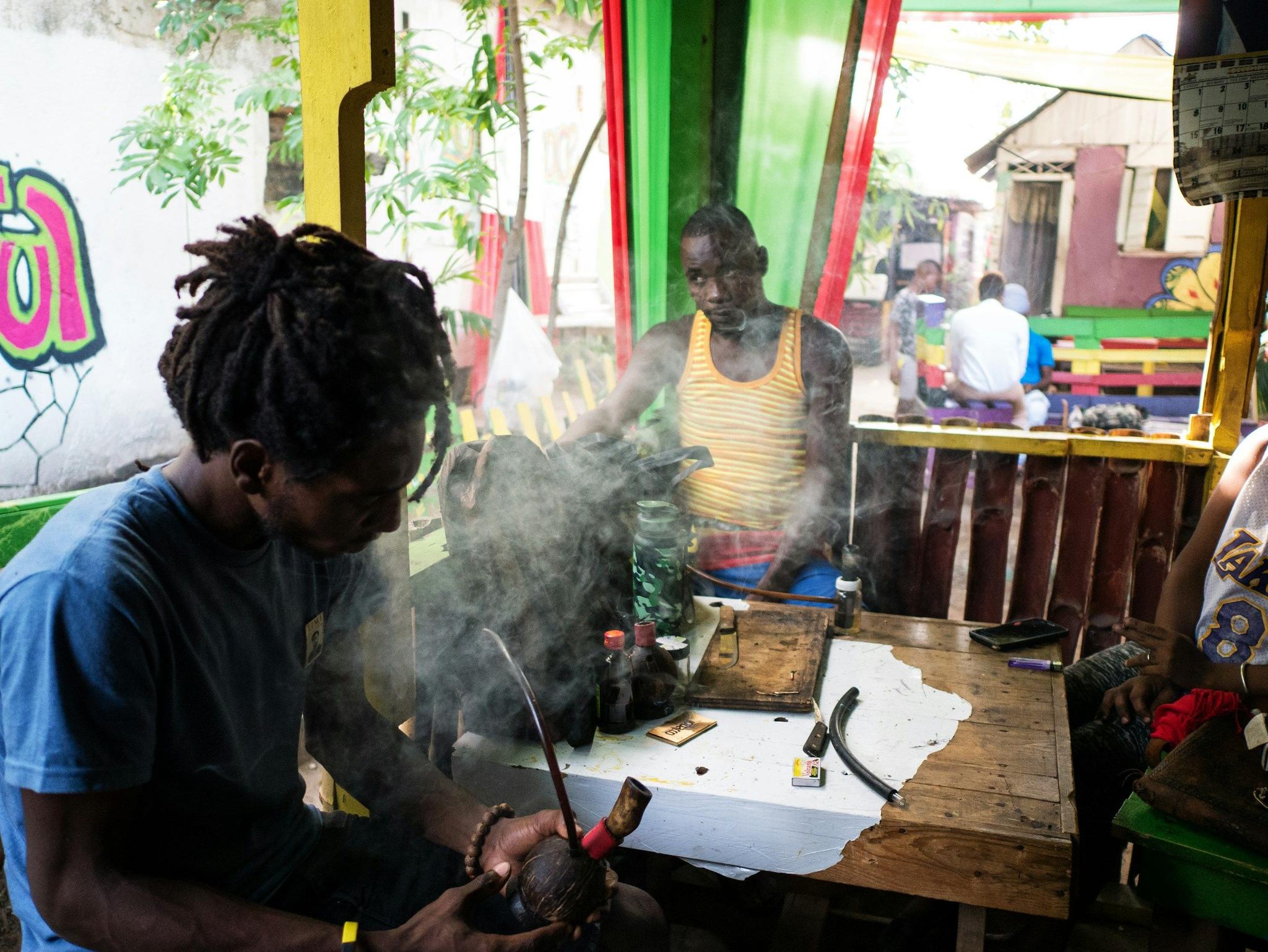
Jamaica became independent from the UK on 6 August 1962, and its motto is "Out of Many, One People". Most people are Christian and about 1% are Rastafari, though its influence on the music is far bigger than that. In resort areas you'll be offered tours, ganja and souvenirs, sometimes repeatedly. A firm, friendly "no thanks" works, and Tourism Courtesy Corps officers patrol resort areas to cut down on harassment. Tip 10 to 20% in restaurants if the bill has no service charge.
Looking for more unique places, trips and activities?
Subscribe to our Guided Newsletter for more travel inspiration.
Costs of a holiday to Jamaica
Is Jamaica expensive? For the Caribbean, it sits in the middle. Numbeo's 2026 cost of living index puts Jamaica at 54.5, above the Dominican Republic at 38.2 and Mexico at 42.6 but at a little over half the Bahamas' 98.8. The bigger gap is inside the country, where attractions quote US dollars and restaurants often add 15% tax plus 10% service, while a cookshop lunch starts from about JMD $1,000.
Food & Drink

Coffee
JMD $450 – JMD $700
Lunch
JMD $1,000 – JMD $2,000
Beer
JMD $300 – JMD $800
Accommodation
Hotels
JMD $16,000 – JMD $40,000
Airbnb
JMD $17,000 – JMD $22,500
Hostel dorm
JMD $2,700 – JMD $4,000
Transport

Intercity bus
JMD $1,500 – JMD $5,100
Public Transport
JMD $100 – JMD $200
Car Rental
JMD $5,800 – JMD $11,000
Attractions

Museums
JMD $400 – JMD $4,000
Big Attractions
JMD $1,600 – JMD $4,800
Concert ticket
JMD $9,500 – JMD $17,500
Practical tips for visiting Jamaica
Most of what trips people up in Jamaica is sorted before you land, and the rest comes down to transport choices after dark.
✔ Fill in the free C5 form before you fly
Many nationalities, including the UK and US, don't need a visa for a short visit, and UK visitors are usually admitted for up to 90 days. Your passport should be valid for your whole stay with two blank pages. Every arrival must complete the C5 immigration and customs form online, which is free on the official site, enterjamaica.com. Lookalike sites charge a fee. Check the rules for your passport with PICA, Jamaica's immigration agency.
✔ Carry small Jamaican dollar notes
US dollars are widely accepted in tourist areas and at attractions, and cards work in hotels and on Knutsford Express. Route taxis, patty shops and jerk stands want Jamaican dollars in small notes. Use ATMs in daylight.
✔ Check how your area fared after Hurricane Melissa
The western parishes took the worst damage in October 2025, and the FCDO says some communities there are still without power or piped water. Healthcare is limited in the hardest-hit areas, and standing water has raised the risk of water-borne and mosquito-borne illness, so drink bottled or filtered water there. Kingston, Ocho Rios, Port Antonio and Negril are open and running. Before booking in the west, check that your hotel's repairs are finished.
✔ Know where to take extra care
The US rates Jamaica at Level 2, "exercise increased caution", and the UK Foreign Office doesn't advise against travel to any part of it. Crime is high, but gang violence is mostly in inner-city areas away from tourists. The FCDO asks visitors to take particular care in Kingston, Spanish Town, Savanna-la-Mar and parts of Montego Bay, and the US lists neighbourhoods its own staff may not visit, so check both lists against your route. Don't walk at night, and avoid deserted beaches even by day. Sexual assault has been reported in tourist areas, so don't share your room number with people you've just met. Male same-sex activity is illegal and attitudes can be hostile, so LGBT+ travellers should read the FCDO advice. Call 119 for police and 110 for ambulance or fire, and get insurance, as hospitals often expect payment up front.
✔ Ganja is decriminalised, not legal
Since 2015, possessing up to two ounces is a petty offence with a JMD $500 fine rather than a crime, but the FCDO says smoking it is still illegal. Taking any in or out of the country can bring trafficking charges.
✔ Pack repellent and a plug adapter
Dengue, chikungunya and Zika are all present, so bring a strong insect repellent, and check the pregnancy advice if it applies to you. Sockets are US-style at 110 V, so UK and EU visitors need an adapter.
Fun facts about Jamaica
Bob Marley is the name most people know, but the island has plenty more trivia than that.
- Jamaica's bobsleigh team made its Winter Olympics debut at Calgary in 1988, inspired the film Cool Runnings and competed again at Milan-Cortina in 2026.
- Usain Bolt's 100 m record of 9.58 seconds and 200 m record of 19.19 seconds, both set in 2009, still stand.
- Shelly-Ann Fraser-Pryce won Olympic 100 m gold in 2008 and again in 2012.
- The national bird is the doctor bird, also known as the red-billed streamertail.
- An earthquake destroyed much of Port Royal, near Kingston, in 1692.
- Every 6 January, the Maroon town of Accompong celebrates Cudjoe and the 1738 Maroon treaty.
A week here can take you from a cool mountain morning to a hot afternoon on a bamboo raft, with jerk from a roadside stand somewhere in between.
Ready to map out your trip to Jamaica?
Pick your bases, add the waterfalls and beaches you don't want to miss, and put the whole route together before you go with the Guided trip planner.
FAQS about visiting Jamaica
How many days do you need in Jamaica?
Five to seven days gives you time for two bases, such as the north coast and Port Antonio, or Negril and Treasure Beach. With 10 to 14 days you can loop from Negril along the south coast and up to Kingston. You can plan the route in the Guided app.
What is the best part of Jamaica to visit?
Negril is best for beaches and sunsets, Port Antonio and the Blue Mountains for nature, Ocho Rios for waterfalls and Kingston for music. Treasure Beach is our pick for a quiet south coast.
What is Jamaica known for?
Jamaica is best known for reggae and Bob Marley, jerk cooking, Blue Mountain coffee and rum. It's also famous for sprinters such as Usain Bolt.
Can you travel around Jamaica without a car?
Yes. Knutsford Express coaches link the main towns, licensed tourist taxis cover door-to-door trips and Uber works in Kingston and Montego Bay. Route taxis are the cheapest option, though avoid buses at night.
Is Jamaica expensive?
Jamaica is mid-range for the Caribbean, dearer than the Dominican Republic and Mexico but much cheaper than the Bahamas. Local food is cheap, but hotels and attractions charge in US dollars.
Is Jamaica safe to visit?
The US rates Jamaica at Level 2, "exercise increased caution", and the UK doesn't advise against travel to any part of it. Crime is concentrated in inner-city areas, and resort areas are usually spared. Use licensed taxis and avoid walking at night.
Is Jamaica open after Hurricane Melissa?
Yes. Tourism reopened on 15 December 2025 and all three international airports are operating. Negril, Ocho Rios, Kingston and Port Antonio are open and running, while some large Montego Bay resorts are due back by early 2027 and parts of the west are still rebuilding.
Do I need to fill in a form before flying to Jamaica?
Yes. Every visitor must complete the C5 immigration and customs form online before arrival. It's free on enterjamaica.com, so avoid lookalike sites that charge.
Plan your trip to Jamaica in Guided.
Save the places you find, then let Guided lay out the days, the map and the details.
More in North America
All destinations BahamasThe Bahamas is a chain of Atlantic islands known for turquoise water and pink-sand beaches.
 CanadaCanada is known for vast national parks, epic road trips and lively, welcoming cities.
 CubaCuba is the Caribbean's largest island, known for Havana's streets, tobacco valleys and live music.
 Dominican RepublicThe Dominican Republic pairs Caribbean beaches and whale season with Santo Domingo's colonial streets.