
North Portugal travel guide: how to plan your trip and decide where to go
By Eva Alkemade
Aug 20, 2026
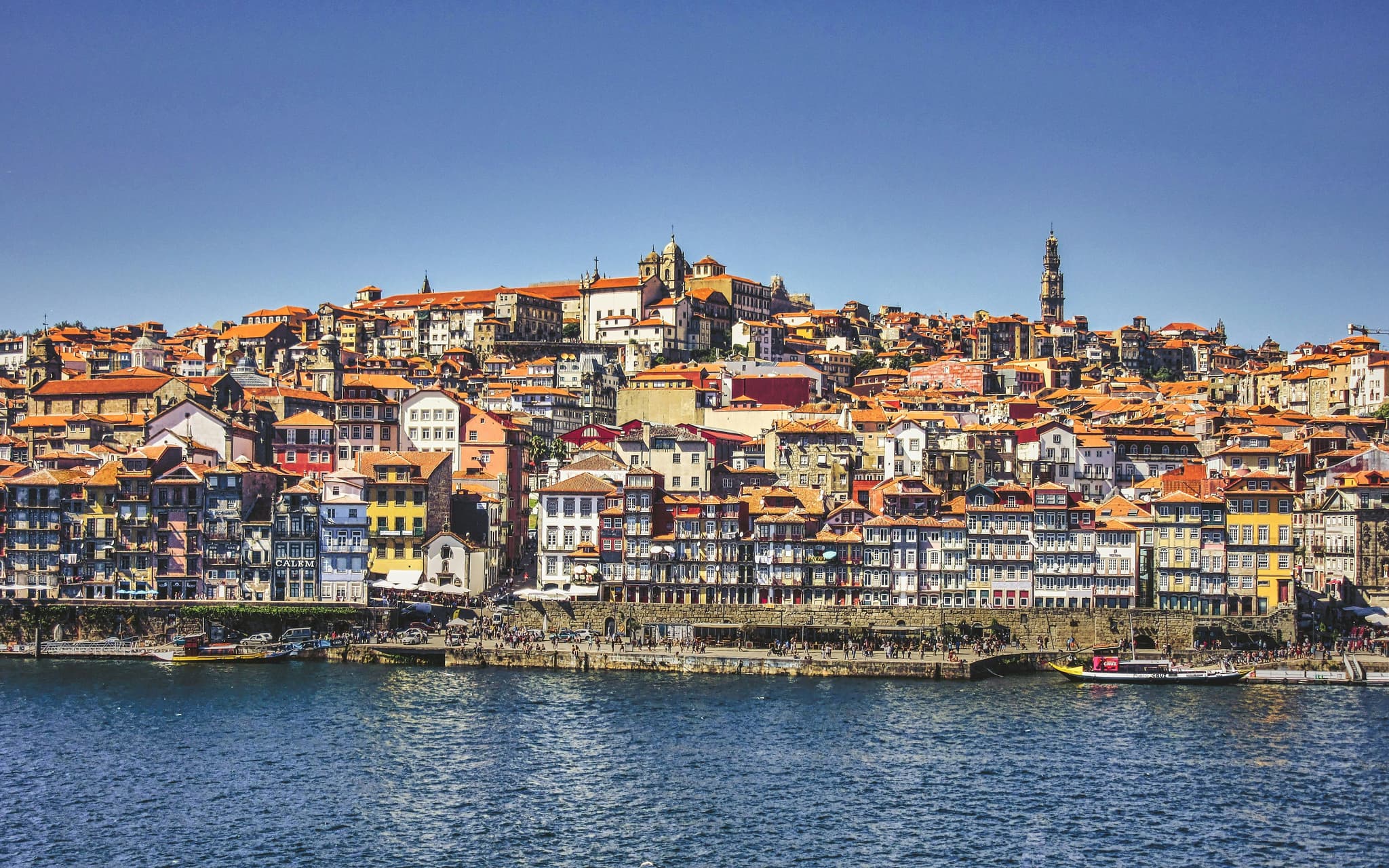
Portugal gets a completely different feel once you head north. In Porto, you can spend one day wandering through vineyards in the Douro Valley and the next hiking between granite peaks in Peneda Gerês, stopping in medieval towns and quiet villages along the way. Head towards the Atlantic, and you’ll find long beaches that somehow still feel surprisingly empty, even in summer. So if you’re looking for a side of Portugal with more nature, fewer crowds and plenty of good food and wine along the way, this north Portugal travel guide will help you figure out where to go, what to see and how to plan your route.
A quick breakdown of northern Portugal before you plan anything
North Portugal, the Norte region, is greener, cooler and quieter than the south
Porto, the Douro Valley, Braga, Guimarães and Viana do Castelo all connect by train.
Peneda-Gerês, Portugal's only national park, is where you'll find hiking trails
April to June or September to October give you the best weather without the heat.
You’ll need 5 to 7 days for northern Portugal holidays; 10+ days lets you add the coast and the national park.
North Portugal vs south Portugal, what's actually different
If you've only heard about the Algarve or Lisbon, north Portugal is going to seem like a different country. Summers stay milder up here, rain shows up more across the year, and hills replace the flat, sun-baked plains you'll find further south. Prices tend to run lower too, mainly outside Porto itself, and you'll share the roads and viewpoints with a lot fewer people than you would in the Algarve in August.
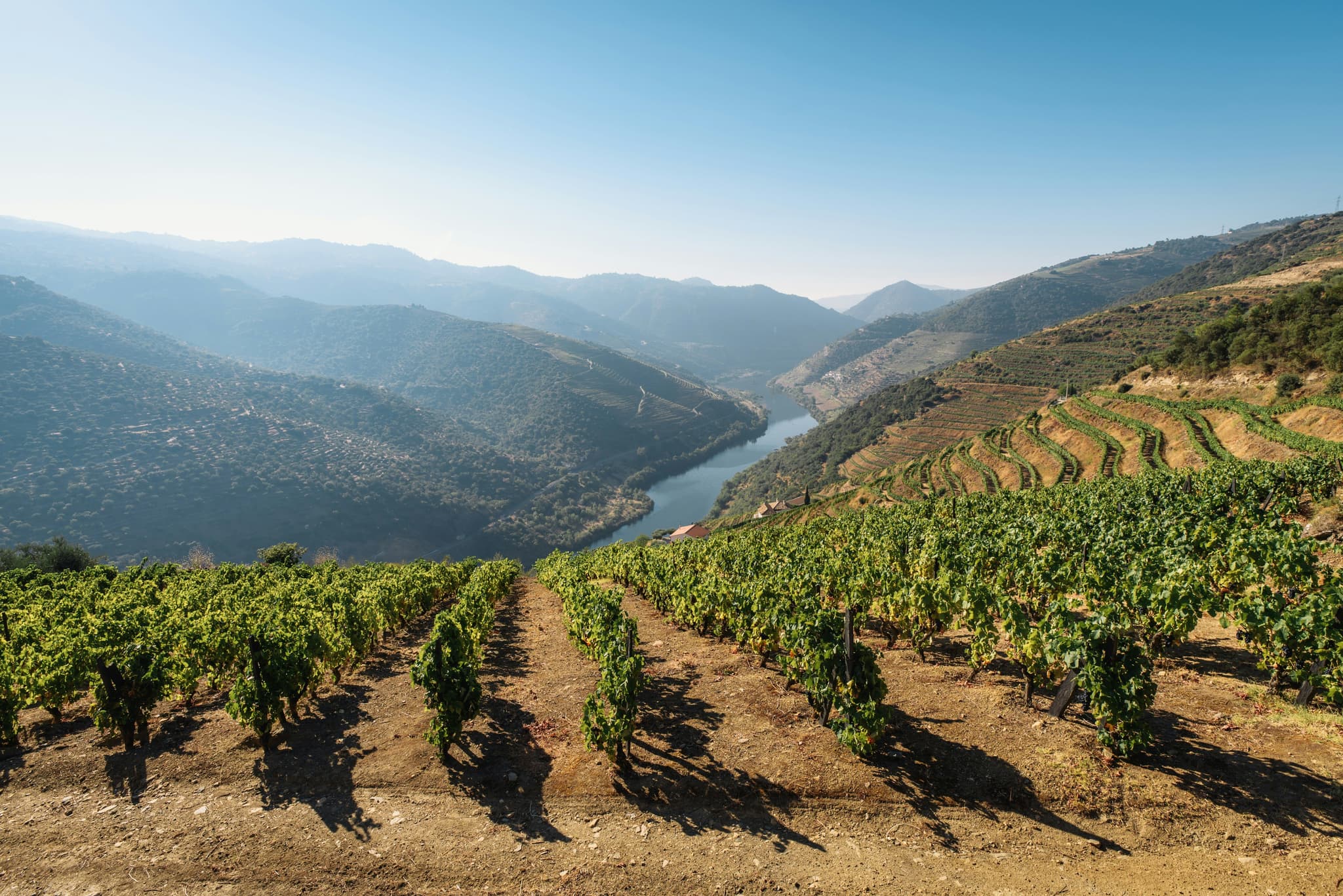
Portuguese food changes just as much as the weather. Southern Portugal leans toward grilled fish and citrus, while local cuisine up north means hearty stews, cured meats and vinho verde instead of rosé on a beach terrace. If beach days, heat and nightlife are what you're after, the south still wins that fight. If you'd rather hike a mountain, taste wine where it's actually grown and walk through historic towns most people skip, north Portugal is where you want to be.
New to the whole country and still deciding between regions? Our guide to the best places to visit in Portugal walks you through Lisbon, the Algarve, the Alentejo and more, so you can see how north Portugal fits into the bigger picture.
Northern Portugal map: get to know the region
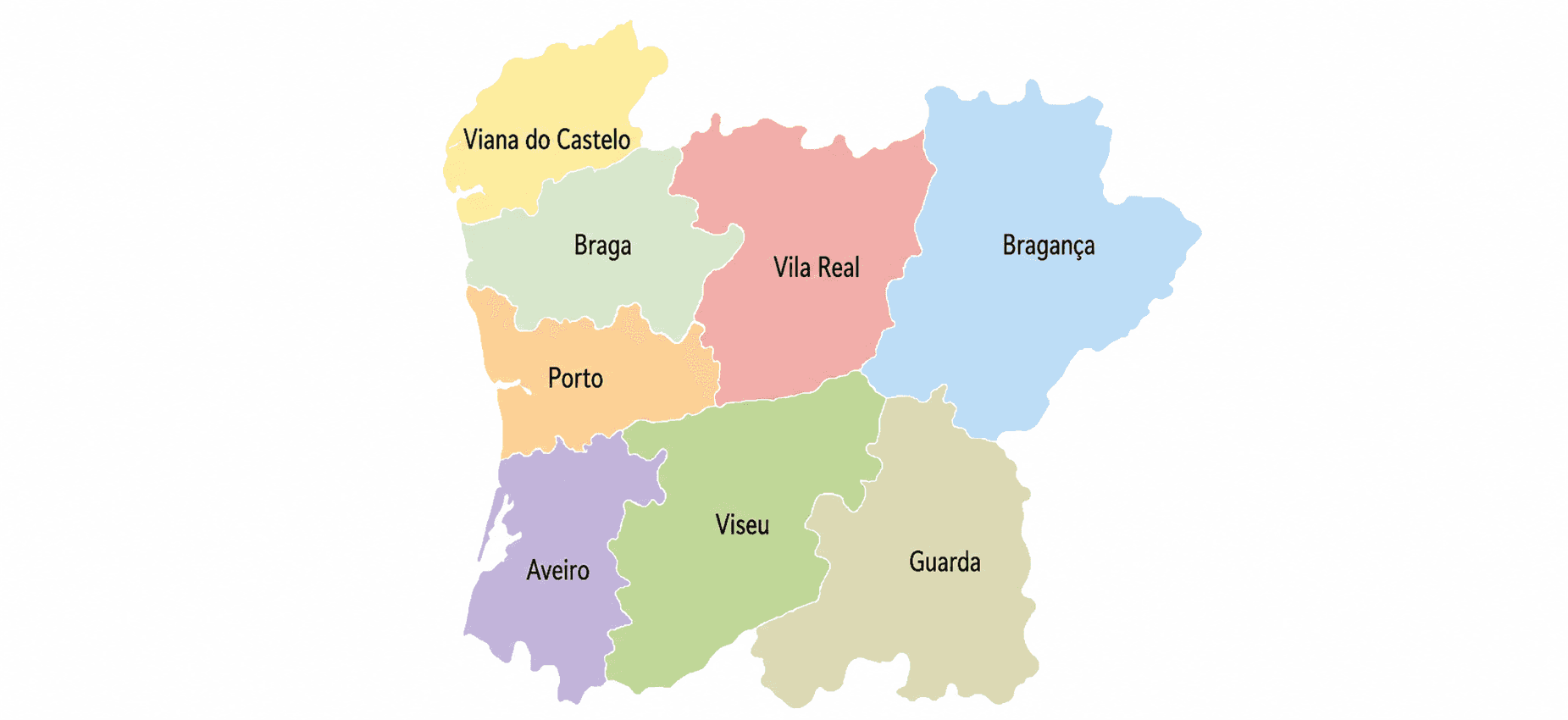
You’ll find Porto on the coast, Braga and Viana do Castelo further north, the Douro Valley heading east and Peneda Gerês tucked up near the Spanish border. That’s also what makes this part of Portugal so easy to travel around: you can go from city to vineyards, mountains or the Atlantic coast without covering huge distances.
Use our north Portugal map below to get a feel for where everything is, then start picking the places that make sense for your route.
How to decide where to go in north Portugal?
With cities, wine valleys, beaches and mountains all relatively close together, you don’t necessarily need to choose just one part of north Portugal. Still, knowing what you’re most excited about makes planning your route much easier, especially if you only have a few days.
Wine and city energy: base yourself in Porto and add a day trip into the Douro Valley. Curious what a short stay looks like? Our Porto in 3 days itinerary walks you through it hour by hour.
History and old towns: Braga and Guimarães both work well as day trips from Porto, with medieval villages and historic towns nearby, some carrying UNESCO status.
Coast and beaches: Viana do Castelo and the towns around it give you a completely different side of north Portugal, with proper Atlantic surf beaches most visitors never make it to.
Nature and hiking: Peneda-Gerês National Park is the one to build your route around, particularly if hiking trails and waterfalls matter more to you than museums.
The best nature in north Portugal
Nature is honestly where north Portugal pulls ahead of the rest of the country. Once you leave Porto behind, the landscape changes pretty quickly, with green mountain ranges, river valleys, waterfalls and a much wilder Atlantic coastline. You can hike through Portugal’s only national park, follow trails between tiny mountain villages or spend the afternoon on a beach with barely anyone around. If getting outside is a big part of why you travel, you’ll have plenty to work into your route here.
Peneda-Gerês National Park
Portugal has exactly one national park, and it's up here. Peneda-Gerês covers granite mountains, river valleys and traditional villages along the Spanish border, with hiking trails ranging from an easy walk to the Arado Waterfall to the longer loop around the Seven Lagoons, a set of pools carved into the Cabril River.
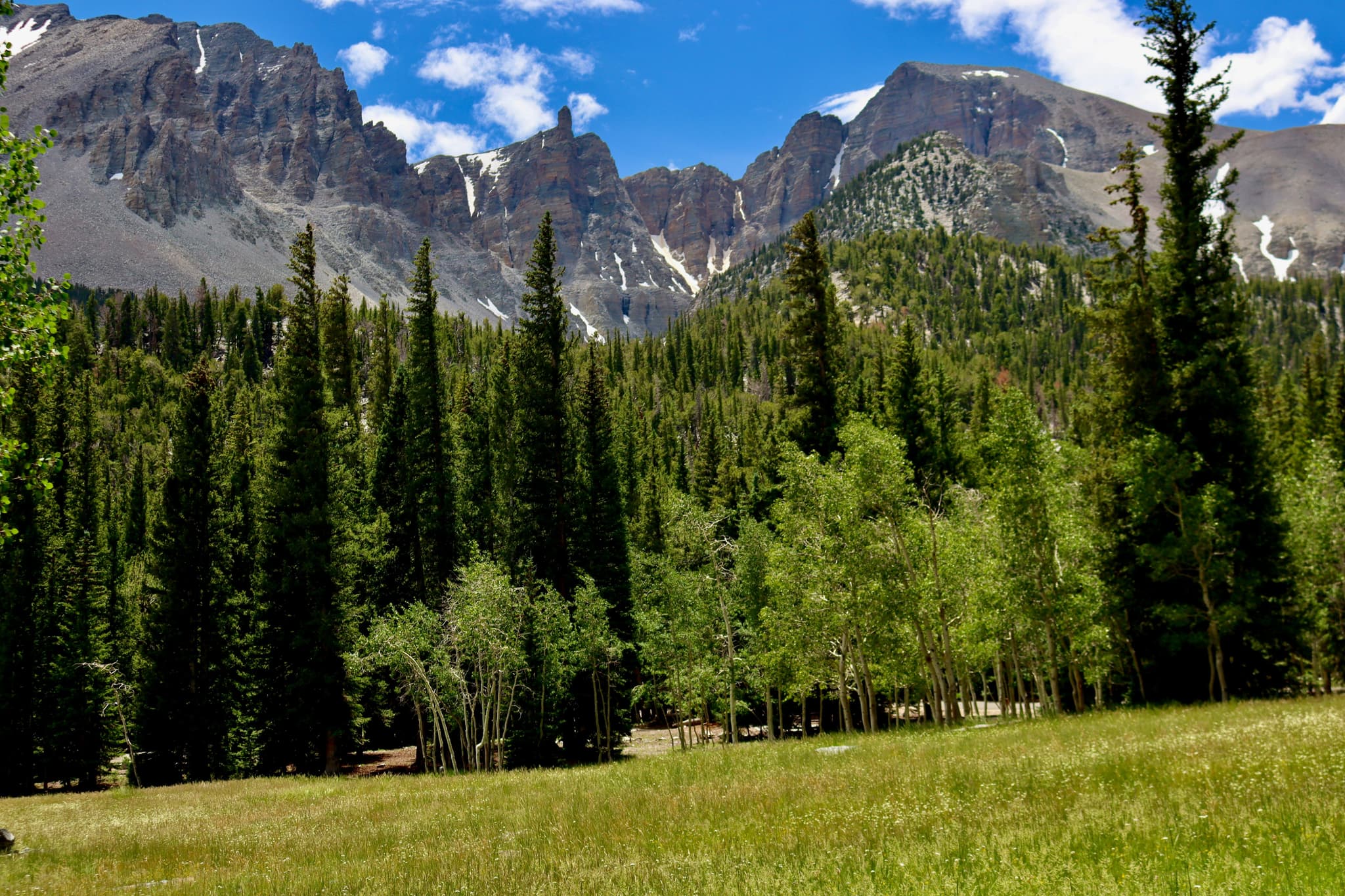
The ICNF, Portugal's official nature conservation authority, publishes trail conditions and opening information for the park directly on their site, worth a check before you set out.
Wild horses, Barrosã cattle and even wolves still roam parts of the park, so keep your camera within reach on the drive in.
The Douro Valley by boat and viewpoint
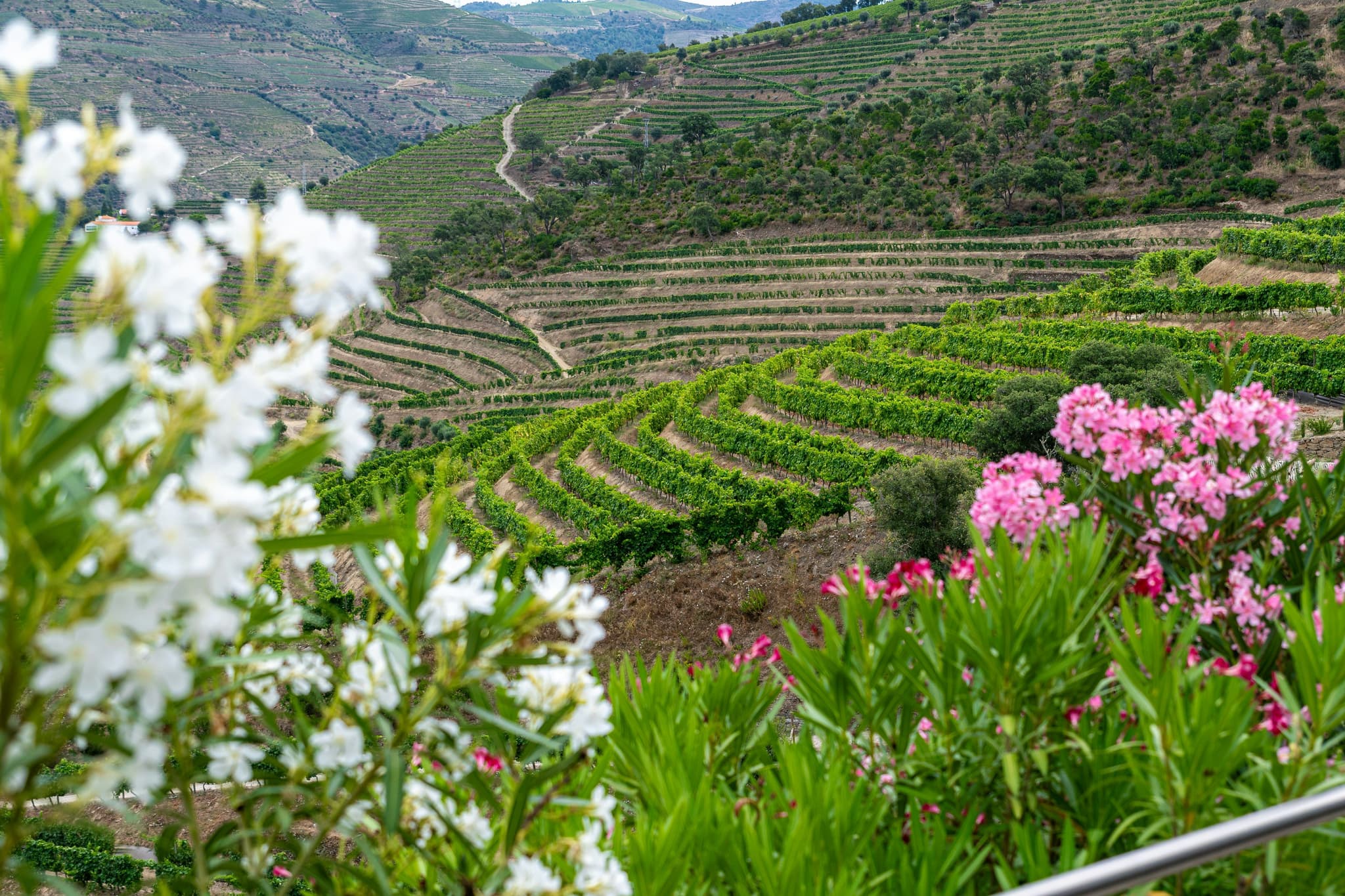
Beyond the wine, the Douro River valley is worth visiting for the view alone. Miradouro de São Leonardo da Galafura and the viewpoint above Casal de Loivos both look out over terraced vineyards stacked on both banks of one of the oldest wine regions on the continent, and a river cruise from Porto or Peso da Régua gets you onto the water itself.
From Porto, you can easily take the train to Peso da Régua, which takes around 2 hours. A car gives you a bit more freedom though, especially if you want to stop at viewpoints and smaller wineries along the way.
Curious how Porto and Braga compare to cities elsewhere in the country? We’ve rounded up the best cities in Portugal and what makes each one worth visiting.
The north Portugal coast and beaches
West of Braga, the Atlantic takes over, and this stretch gets skipped by a lot of people heading straight from Porto to the Douro Valley. Beaches like Afife and Cabedelo near Viana do Castelo have proper surf, dune trails and a fraction of the visitors you'd find on an Algarve beach in summer.
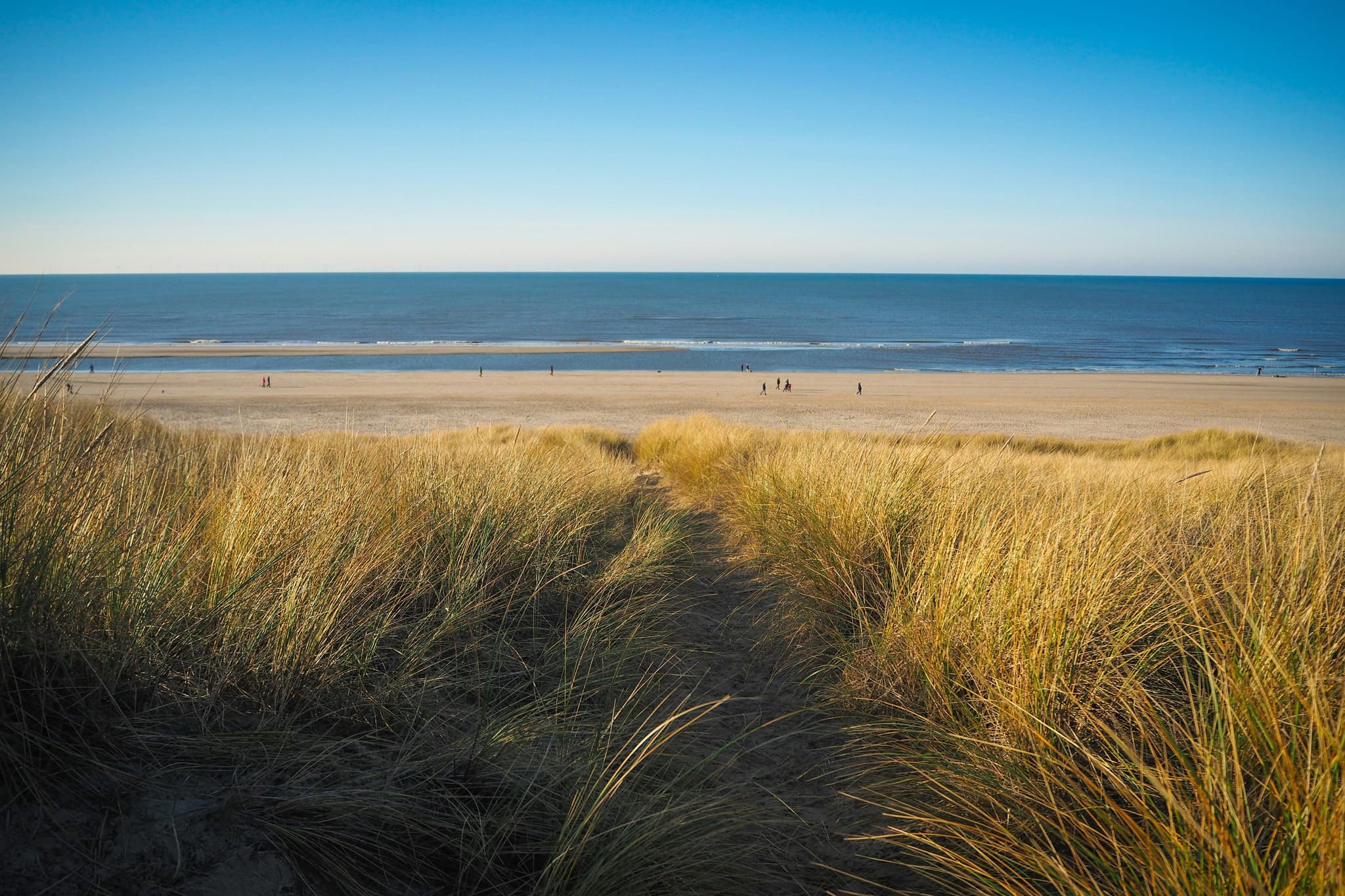
Cabedelo is the easy pick if you want to combine the beach with Viana do Castelo and try surfing or kitesurfing, while Afife feels wilder and works better for a quieter beach day with dunes and a long stretch of sand. A little further north, Vila Praia de Âncora is better if you like having cafés, restaurants and a small seaside town right behind the beach.
Want to see how this coast compares to the rest of the country? Our guide to the best beaches in Portugal covers the Algarve, Comporta and more, so you can decide which coastline suits your trip.
Things to do in north Portugal
You could easily spend a week up here and have every day look completely different. One morning you’re wandering through an old town, the next you’re tasting wine beside the Douro, hiking through the mountains or ending the day somewhere along the Atlantic coast. Here are a few things we’d definitely consider to include in your north Portugal holidays:
Hike a section of Peneda-Gerês, from an easy waterfall walk to a full day loop around the Seven Lagoons.
Take a Douro river cruise or ride the train along the Linha do Douro for some of the best views in the country.
Taste port wine at a lodge in Vila Nova de Gaia, or a Douro red straight from the quinta it was made on.
Walk a stretch of the Camino Portugués, the pilgrim route to Santiago de Compostela that runs through Porto and up the coast.
Swim or surf at one of the Minho coast's beaches, most of which stay properly empty outside July and August.
Time your trip around a festival, like Porto's São João in June or Viana do Castelo's Romaria d'Agonia in August.
Fun fact: The Camino Portugués has been walked for over a thousand years, and the coastal route through Viana do Castelo is considered one of the prettiest sections in the entire country.
Getting around north Portugal: train travel and road trip routes
Trains connect the main stops well. Comboios de Portugal, the national rail operator, runs regular services between Porto, Braga, Guimarães and Viana do Castelo, and the Douro line follows the river out to Pinhão and Pocinho a few times a day. That covers most of your public transport needs if you're sticking to the cities.
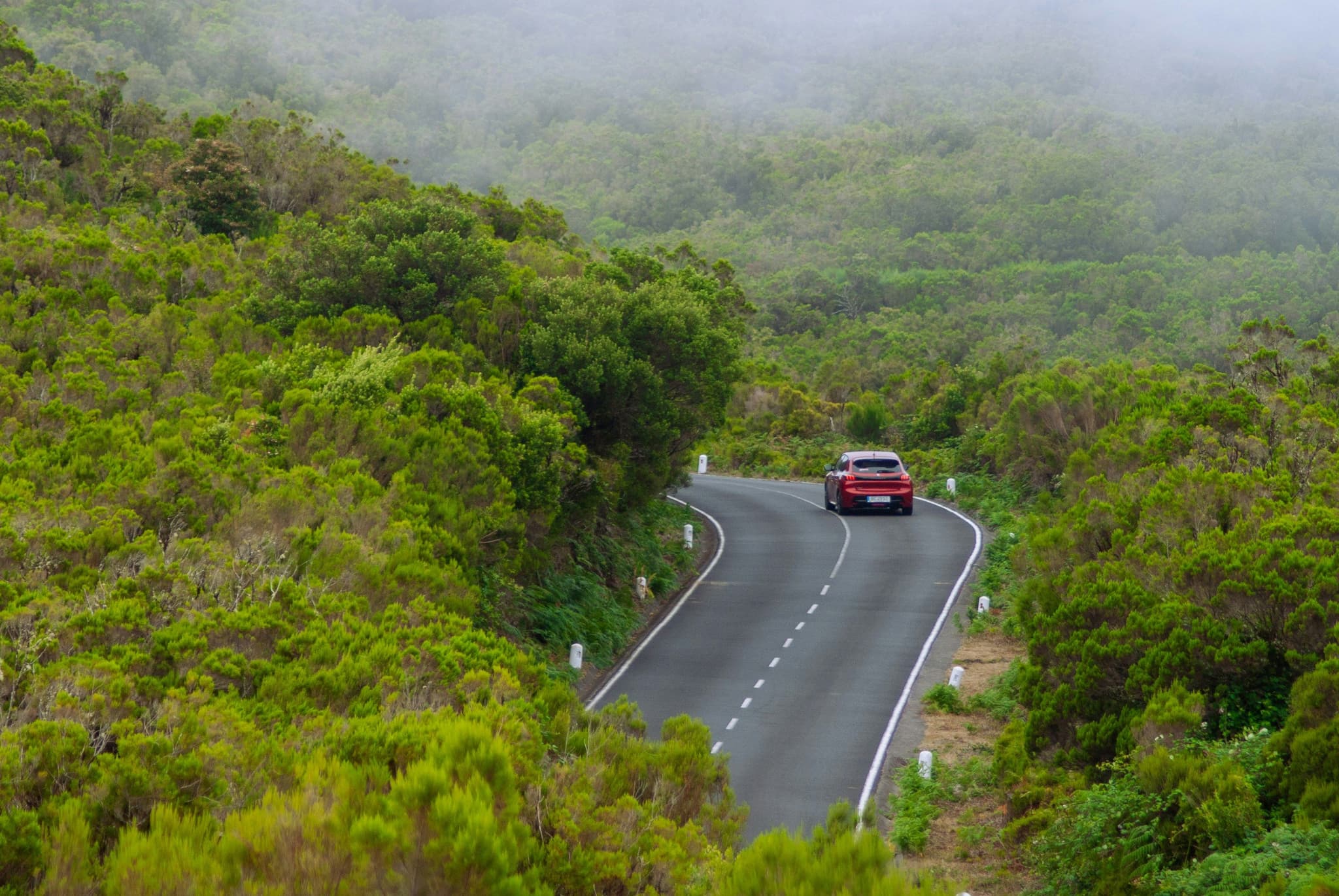
A car opens things up considerably further, though. Peneda-Gerês, the Minho coast villages and the smaller Douro towns all get a lot easier with your own wheels, and a north Portugal road trip lets you link several regions into one loop instead of backtracking to Porto between every stop.
First trip to Portugal and wondering how it all works logistically, from tap water to getting around after dark? Our Portugal safety guide covers the practical stuff worth knowing before you land.
How many days do you need, and how to combine them
With everything relatively close together, you can see quite a lot of north Portugal without spending half your trip getting from A to B.
3 to 4 days: Porto, plus a day trip into the Douro Valley. Enough for a proper taste without needing to move fast.
5 to 7 days: add Braga and Guimarães, or swap them for two days on the coast around Viana do Castelo.
10 to 14 days: cover it all, Porto, the Douro Valley, Braga, Guimarães, the coast and Peneda-Gerês, with time to actually slow down between stops.
Routes that work particularly well:
First trip, short on time: Porto and the Douro Valley only, linked by train or a short drive.
History and old towns: Porto, Braga and Guimarães make a good three to four day loop.
Nature and coast: pair Peneda-Gerês with a couple of nights in Viana do Castelo for mountains and beaches in one trip.
Pairing north and south: fly into Porto, spend a week up north, then take the train down to Lisbon for a few final days.
Guided tip: Accommodation prices also drop the further you get from Porto, so smaller towns are worth considering if you're travelling on a budget.
Best time to visit north Portugal
Weather changes the north more than it does the south, so timing your trip actually matters here. Spring, from April to June, gives you green hills and mild days before the summer heat sets in, while autumn, particularly September and October, is harvest season in the Douro Valley and comes with fewer people around.
Summer means warmer days and festivals, though the coast and cities both get busy. Winter runs quieter and wetter, though Porto, Braga and Guimarães all still work well with a rain jacket packed.
Our guide to the best time to visit Portugal breaks down what to expect season by season.
How to start planning your trip to north Portugal?
Once you start saving places in north Portugal, the list can get pretty long, pretty quickly. Porto, the Douro Valley, Braga, Peneda Gerês, a few beaches along the coast, suddenly you’re trying to work out what actually fits into one trip. We usually find it much easier to see everything on a map first. Add the places you like to the Guided app, map out your stops and play around with the order until the route makes sense. You can also browse trips made by other Guided travellers if you’re still looking for ideas or want to see how someone else combined the region.
We hope this north Portugal travel guide helped you get started, and if you're still deciding how it all fits with the rest of the country, our Portugal travel guide covers regions, food and itinerary ideas for every corner of it.
Enjoyed This Blog? Continue Reading!
There is more travel inspiration waiting for you on our blog. You can take a look below and start mapping out your next travel adventure!


