
How to plan Hokkaido in winter around the Sapporo Snow Festival
By Sandra Romano
Oct 5, 2026
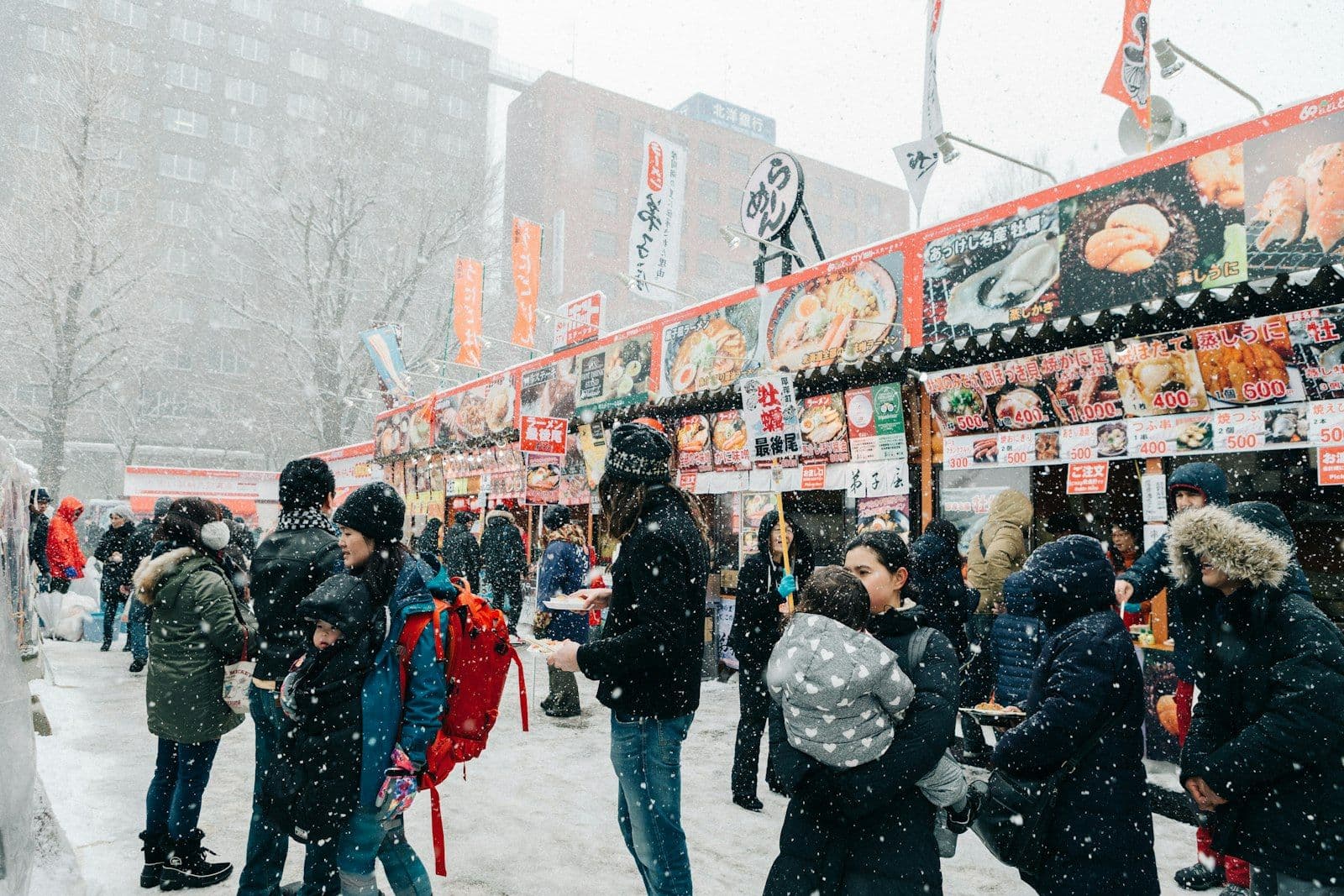
At 10pm the lights go off over the snow sculptures in Odori Park. An hour later, the ice sculptures along Susukino's Ekimae-dori go dark too. For eight days in February 2027, those two times shape every evening in Sapporo, and the rest of a trip to Hokkaido in winter fits around them.
This guide plans a February week around the 77th Sapporo Snow Festival, from 4 to 11 February 2027. It adds a day in Otaru, a few days of snow in Niseko or Furano, and at least one night in an onsen town. It also covers the three cost changes that arrive in 2026, which change what a winter trip to Japan costs before you've skied a single run.
The Sapporo Snow Festival in 2027
The festival runs for eight days, 4 to 11 February 2027, across three sites in the city. All three are free to enter.
Odori (Odori Park, Nishi 1-chome to Nishi 11-chome). The main sculpture site, lit until 10pm.
Susukino (Ekimae-dori, Minami 4-jo to Minami 6-jo). Ice sculptures, lit until 11pm.
Tsudome (Sapporo Community Dome). Hands-on snow activities, open in the daytime only, 10am to 4pm.
Odori is the site most people come for, and we'd see it twice. Walk it once in daylight to take in the sculptures, then go back after dark while the lighting is on. Susukino stays lit an hour later than Odori, so it makes a natural last stop of the evening. Tsudome is the one to plan for if you're travelling with children, and since it closes at 4pm it belongs in a morning or early afternoon.
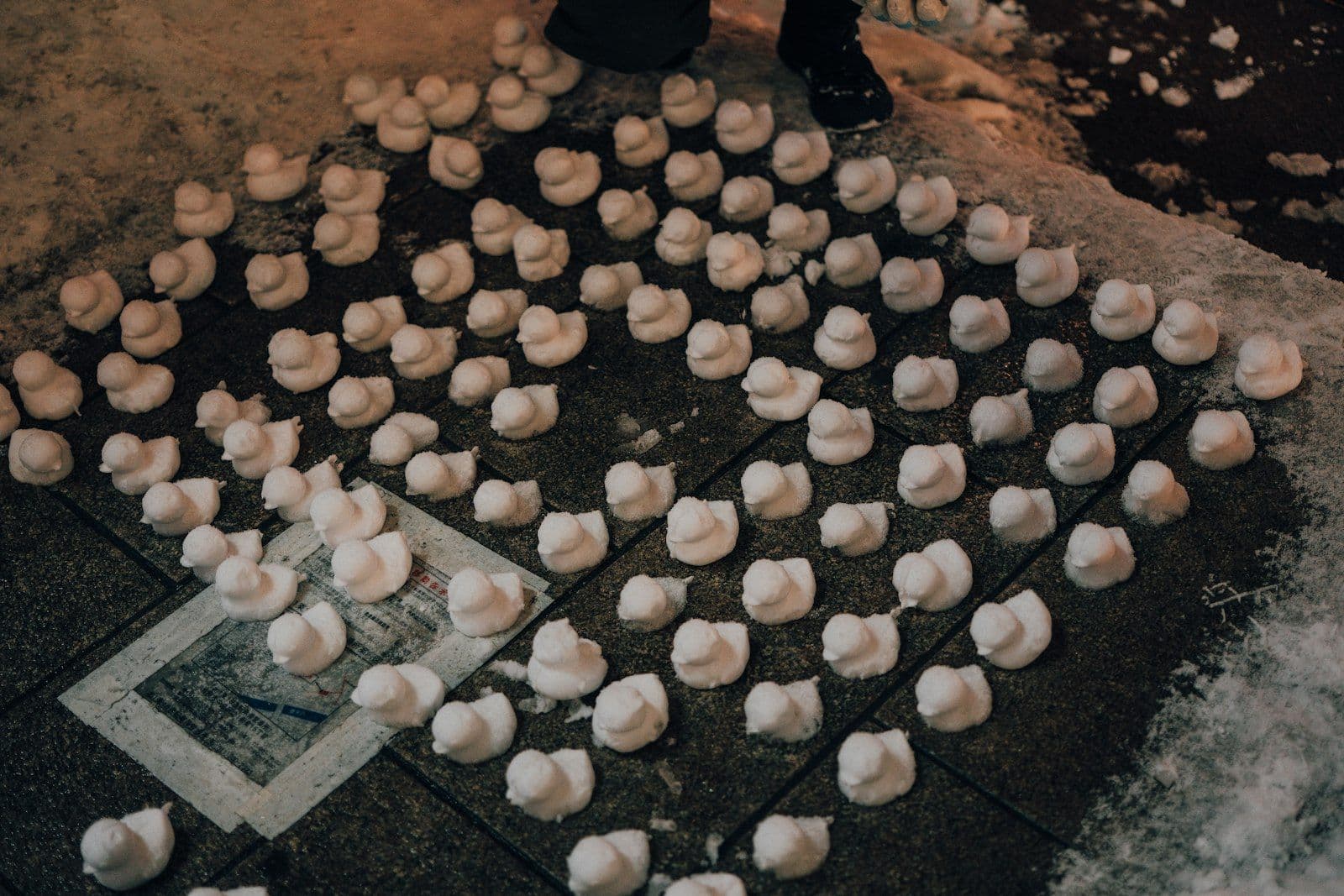
The 2027 sculpture themes and Tsudome's ride prices haven't been published yet. Both are due from mid-December 2026.
The harder part is the room. Early February is the busiest week of the whole Japanese winter, and Sapporo hotel rates climb with it.
Guided tip: Fix your Snow Festival dates first and book a Sapporo hotel with free cancellation straight away, before you plan anything else. You can shape the rest of the trip around the room, but it doesn't work the other way round.
Getting to Hokkaido and getting around
Base yourself in Sapporo and treat everything else as a spoke. New Chitose Airport is the main gateway to Hokkaido, and Sapporo is the hub that most winter routes run through, whether that's a JR train, a city bus out to the hot springs or a ski bus into the mountains.
The airport also has some direct connections of its own. Ski buses run from New Chitose straight to Niseko, and Noboribetsu's hot springs are about an hour from the airport by bus. That lets you put either one at the very start or end of the trip without going through Sapporo twice.
Here's how far each stop in this guide is from Sapporo in winter.
Otaru. 30 to 35 minutes by JR rapid train, about ¥800.
Jozankei onsen. About 1 hour by bus.
Noboribetsu onsen. About 1 hour 40 minutes by bus.
Niseko. 2 hours to 2 hours 20 minutes by train to Kutchan (about ¥2,100), or 2.5 hours by direct ski bus.
Furano. 2 hours 40 minutes to 3 hours by train, changing at Asahikawa.
Otaru as a day trip from Sapporo
Is Otaru worth a day out of festival week? Yes. It's also the easiest day trip in this guide. A JR rapid train gets you there in 30 to 35 minutes for about ¥800, and the canal and festival area is a 10-minute walk from Otaru Station.
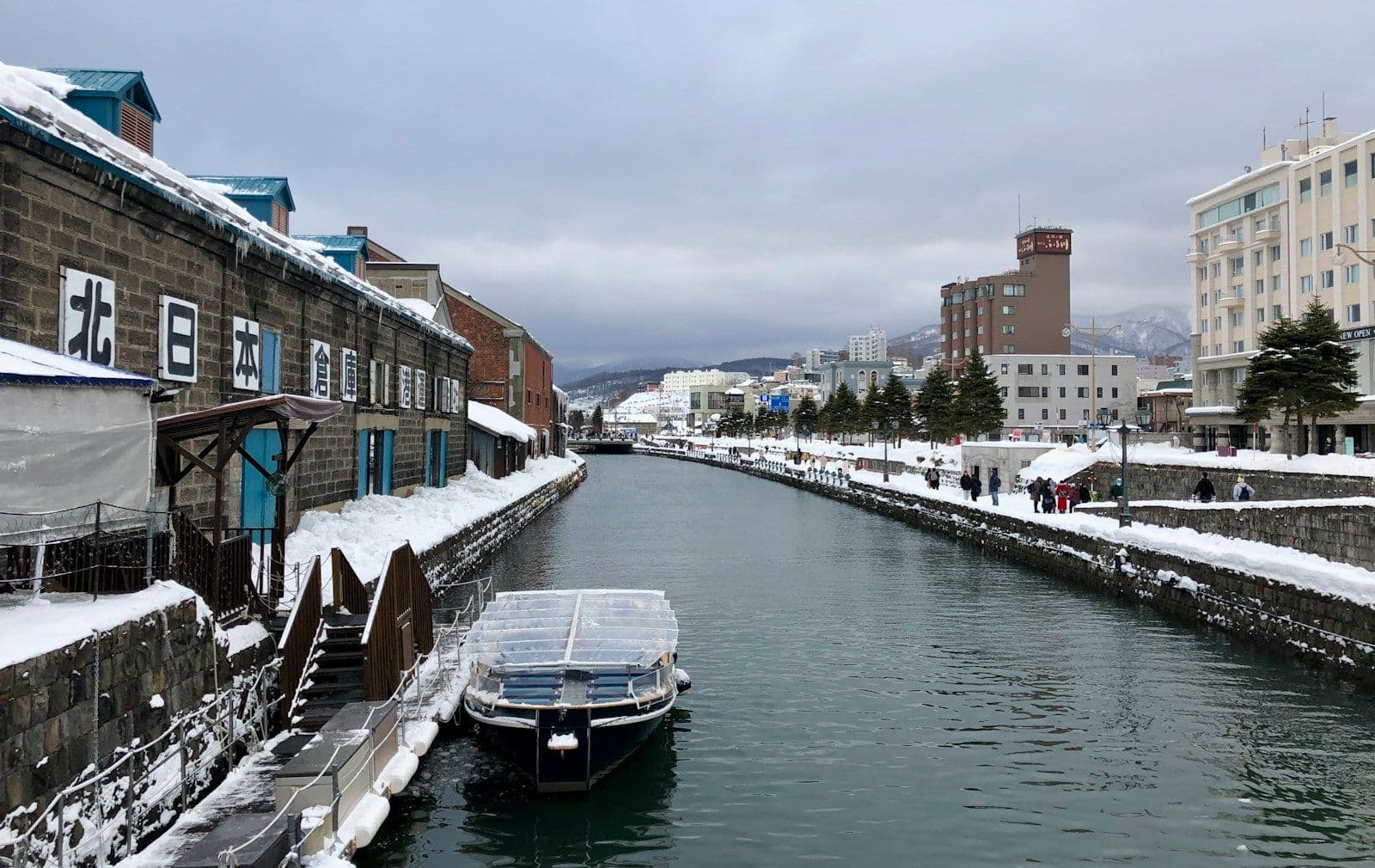
Otaru also has a winter festival of its own. The 29th Otaru Snow Light Path Festival is provisionally dated 6 to 13 February 2027, with the main venues lit from 5pm to 9pm each evening. That's attributed to the Otaru Snow Light Path Executive Committee and the Otaru Tourism Association, but the dates still need confirming, so check them before you build a day around them. If they hold, the two festivals overlap for six of their eight days, 6 to 11 February.
Our plan for Otaru would be an afternoon train, then the canal as the lights come on at 5pm. That still leaves time to get back to Sapporo for Susukino's ice sculptures, which stay lit until 11pm.
Niseko powder season, and why Furano is a different trip
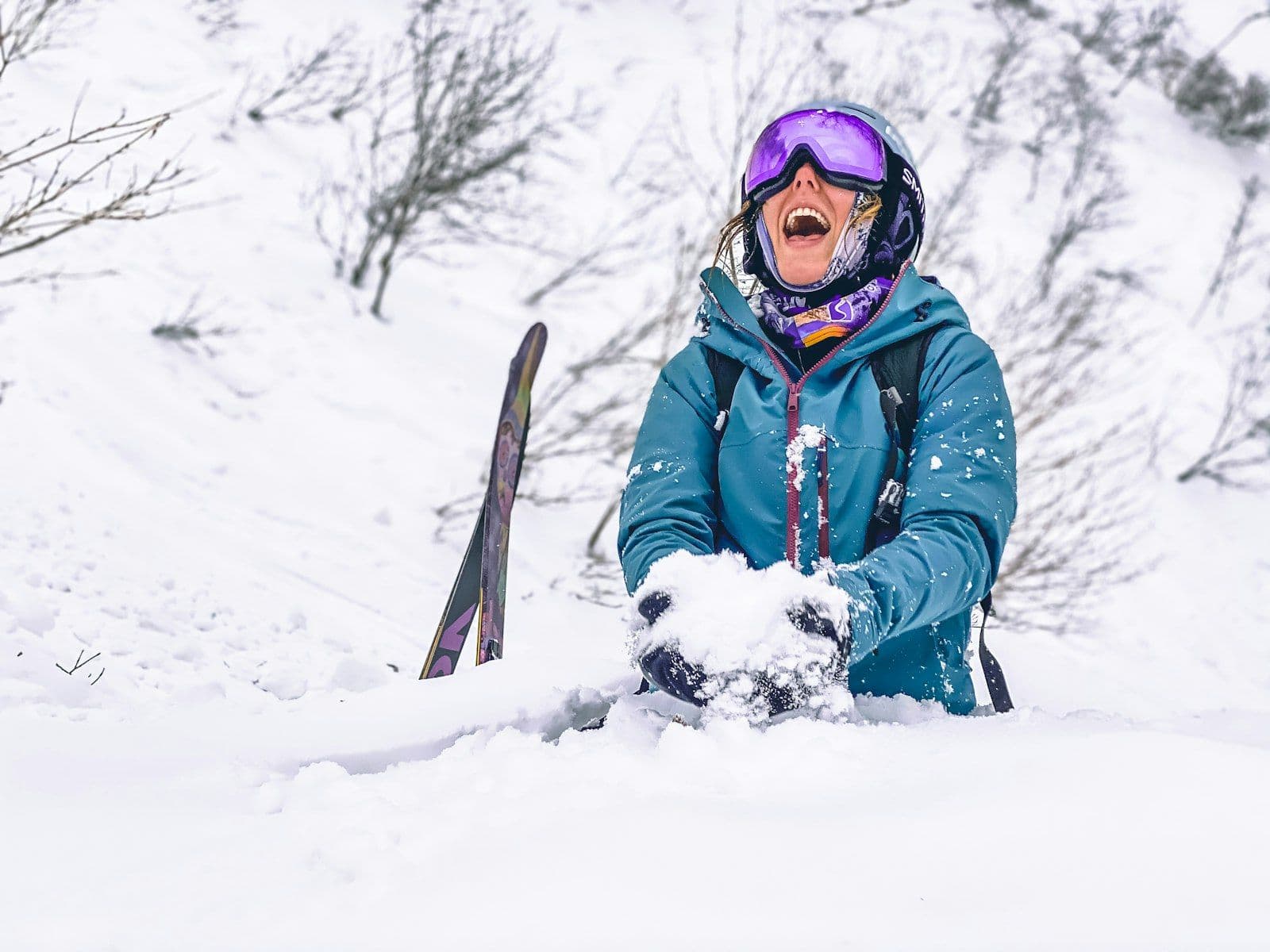
Niseko's best powder comes in January and February. January brings a few metres of very light powder snow over the month, which makes it the best time for serious powder skiers. By February the snowpack is deep and stable. Taken together, late December to early February is Niseko's prime season, so festival week falls just inside it.
Furano is a different kind of trip, and the two aren't interchangeable. We'd book Niseko over Furano if deep powder is the point of the trip.
Niseko
Train or ski bus to Niseko? Either works, but the choice decides which way in is easier once you arrive. The train runs to JR Kutchan Station in 2 hours to 2 hours 20 minutes for about ¥2,100. The direct ski buses take 2.5 hours from Sapporo or New Chitose Airport, run by White Liner Ski Bus and Hokkaido Resort Liner. Both operators recommend booking ahead in winter.
Most Niseko accommodation will pick you up, from Kutchan Station if you came by train or from the Hirafu Welcome Center if you came by bus. Ask about this when you book, because it decides which way in is easier.
Guided tip: If Niseko comes after the festival, take the ski bus from Sapporo and then the one from Niseko to New Chitose for your flight home. That way you never have to bring ski bags back into the city.
Furano
Furano is the gentler choice. It's family-friendly, its runs are reliably groomed, and it suits skiers who want a comfortable day on the slopes more than waist-deep snow. Ski guides list it among Hokkaido's best resorts for families, not among its powder resorts. Those lists name Asahidake, Kiroro, Kurodake, Sapporo Teine and Tomamu instead, with Niseko usually covered separately.
Getting there takes some planning. There's no fast direct train from Sapporo in winter. The route we found takes a limited express to Asahikawa (1 hour 25 minutes), then a train to Biei (34 minutes), then on to Furano (44 minutes). That's about 2 hours 43 minutes before any waiting between trains. The return can go via Takikawa in about 2 hours 21 minutes. There is a direct Furano Lavender Express, but it's a seasonal service built around the summer lavender, so don't count on it in February.
For a family with younger skiers, Furano works well as a two or three night stay. It doesn't work as a day trip from Sapporo.
Onsen near Sapporo
Jozankei is the onsen we'd fit into a Sapporo week. Noboribetsu is the one we'd put at the start or end of the trip.
Jozankei
Jozankei is about an hour from Sapporo by bus, and winter is its best season. Expect deep snow and streets lined with icicles. It's close enough to combine with a day in Sapporo, so you can soak in the afternoon and still be back in the city for Odori's lights.
Noboribetsu
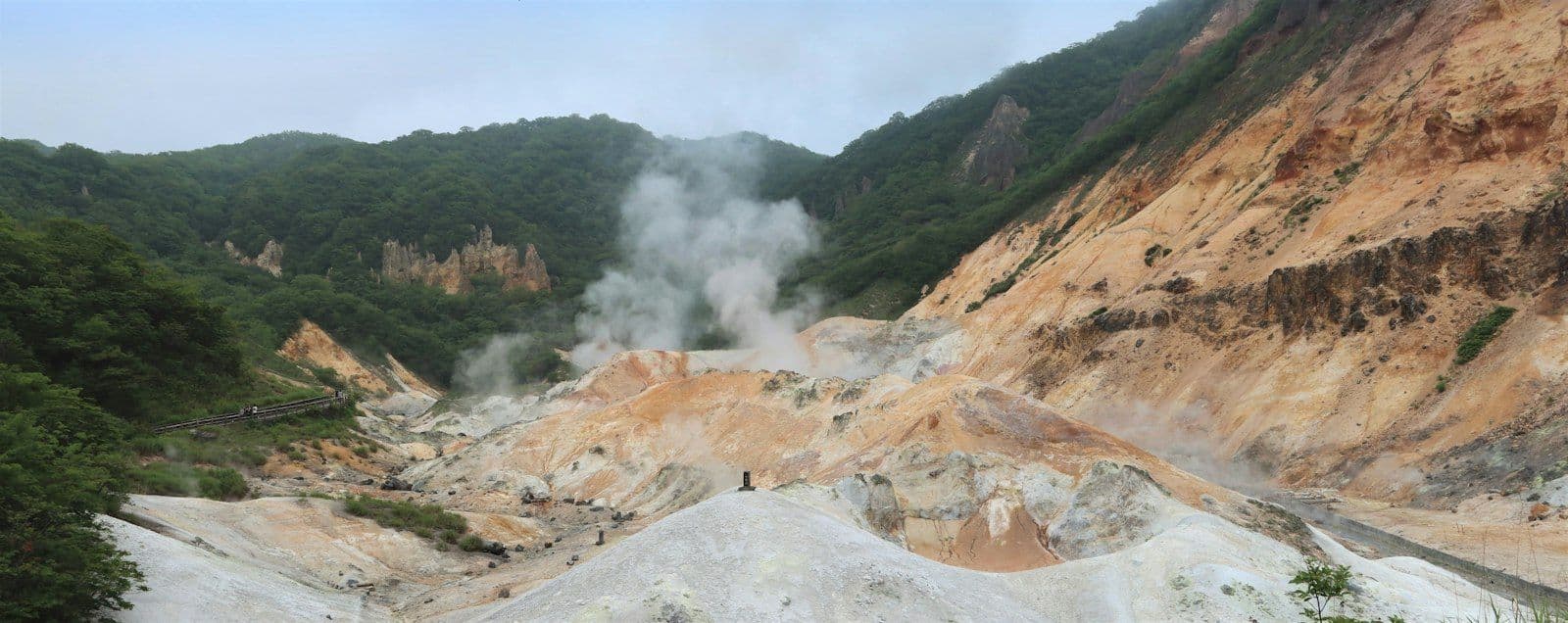
Noboribetsu has a wider choice of baths than Jozankei, plus Jigokudani (Hell Valley) and a bear park, enough to fill a full day on its own. It's about 1 hour 40 minutes from Sapporo by bus, or about an hour from New Chitose Airport, and because it's so close to the airport, a night here works well on your first or last evening in Hokkaido.
What changes in 2026, and what it costs
Three changes in 2026 raise the price of a winter trip to Japan. None of them is large on its own, but all three apply to this trip.
Japan's departure tax has tripled. From 1 July 2026, the International Tourist Tax (often called the "sayonara tax") went up from ¥1,000 to ¥3,000 per person. It's the first change since the tax started on 7 January 2019. Airlines and ferry operators include it in the ticket price, so you won't normally see it as a separate charge. For a family of four, for example, that's ¥8,000 more than before.
Hokkaido has a new accommodation tax. From 1 April 2026, every hotel stay in the prefecture carries a tax per person per night. The amount depends on the room rate, not counting meals and consumption tax.
Under ¥20,000: ¥100
¥20,000 to under ¥50,000: ¥200
¥50,000 and above: ¥500
Two people staying six nights in a room under ¥20,000 a night would pay ¥1,200 in total.
Sapporo itself is less clear. Some Sapporo hotels already quote a higher combined total of ¥300, ¥400 or ¥1,000 per person per night, which would add a possible city surcharge on top of the Hokkaido rate if Sapporo finalises one. Another source says only the prefecture-wide tax applies so far and that Sapporo is still considering its own. Until that's settled, confirm the figure with your hotel before you budget for it.
The Japan Rail Pass costs more. From 1 October 2026, the 7-day ordinary adult pass rises from ¥50,000 to ¥53,000, and the 7-day child pass (ages 6 to 11) from ¥25,000 to ¥27,000. The new price depends on when you buy, not when you travel. For a trip that stays in Hokkaido, we wouldn't buy the nationwide pass at either price. A return train to Otaru is about ¥1,600 and a return to Kutchan about ¥4,200, which comes nowhere near ¥53,000.
Is February the best time to visit Hokkaido?
For this trip, yes. The Snow Festival happens only in early February, and those dates also fall inside Niseko's prime powder season, so one week covers both.
If powder matters more to you than sculptures, January is the stronger month in Niseko, with the lightest snow of the season. You'd also avoid festival-week hotel prices in Sapporo.
Things to know before going
Book in this order. Sapporo hotel first, then your Niseko or Furano stay and the ski bus, then everything else. The festival sites are free, so the only reason to plan hard is the rooms and transport around them.
A few more points are worth keeping in mind.
Odori is lit until 10pm and Susukino until 11pm. Tsudome is open from 10am to 4pm only.
The 2027 sculpture themes and Tsudome ride prices will be announced from mid-December 2026.
Otaru's Snow Light Path Festival dates are provisional, so check them before you commit to a day.
Both Niseko ski bus operators recommend booking ahead in winter.
In Sapporo, ask your hotel which accommodation tax rate it's charging.
The departure tax is the only one of the three new charges you won't need to plan for separately, since it's already in your airfare.
How to plan your Hokkaido winter trip
Eight festival days gives you time to see all three sites and still spend a few days outside Sapporo. Here's the shape we'd use. Fly into New Chitose and spend the first night in Noboribetsu. Then move to Sapporo for three or four nights, with a day trip to Otaru and an afternoon in Jozankei. Finish with three nights in Niseko, and take the ski bus from the resort straight back to the airport. Families who'd rather ski groomed runs can swap Niseko for Furano, as long as they allow for the change at Asahikawa.
The Guided trip planner is where we'd plan the remaining days, building the itinerary around the Sapporo hotel you've already booked and adding the Snow Light Path once Otaru confirms its dates.
Enjoyed This Blog? Continue Reading!
There is plenty more where this came from, so keep scrolling for our other Japan guides and trip-planning posts.


