
Luxembourg

Luxembourg travel guide: Everything you need to know before visiting Luxembourg
In 963 Count Siegfried built a castle on the Bock, a rock spur above the Alzette, and the city around it grew into a fortress later nicknamed the "Gibraltar of the North". You can still walk inside it. The Bock Casemates once ran for 23 km through the rock, and about 17 km survive under a capital whose old quarters have been on the UNESCO World Heritage List since 1994. From the Chemin de la Corniche, the Grund looks like a separate village at the bottom of the gorge.
The rest of the country covers just 2,586 km², so you can stay in one place and day-trip almost everywhere, and since 1 March 2020 second-class trains, trams and buses inside Luxembourg have been free for everyone (first class and most cross-border trips are still paid). Within an hour of the capital you reach the sandstone gorges of the Mullerthal or the castles of the Éislek. Almost half of residents are foreign nationals and daily life switches between Luxembourgish, French and German, so it feels unlike any of its neighbours. It suits city-breakers, hikers, wine lovers and rail travellers, though tight budgets will feel the hotel prices. This guide covers the best places to visit, two itineraries, food, costs and the practical rules worth knowing before you go.
5 reasons to visit Luxembourg
We'd put Luxembourg on any Western Europe rail trip, even for three days, and here's why.
- Walk a UNESCO-listed fortress city and the tunnels carved into its rock.
- Ride the country's trains and buses for free in second class.
- Hike the sandstone gorges of the Mullerthal, nicknamed "Little Switzerland".
- Taste Crémant in the Moselle wine villages.
- Climb up to storybook castles at Vianden and Bourscheid.
Where to visit in Luxembourg?
How much of Luxembourg can you see from one base? Nearly all of it. Most trips on this list take 45 minutes to 1 h 10 by public transport, and Bourscheid is easiest by car. Give the capital two days, then pick from the rest.
Luxembourg City Old Town and the fortifications
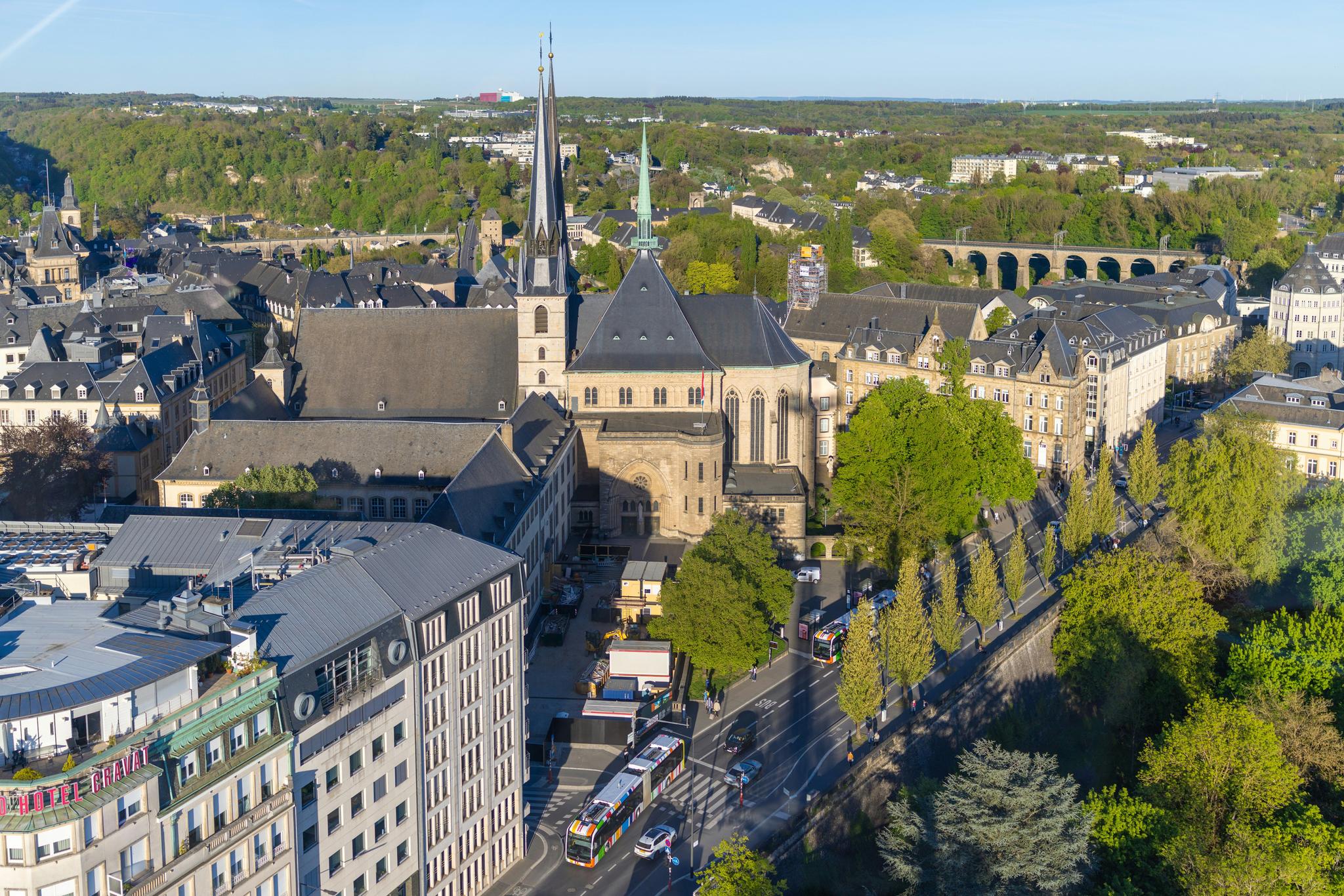
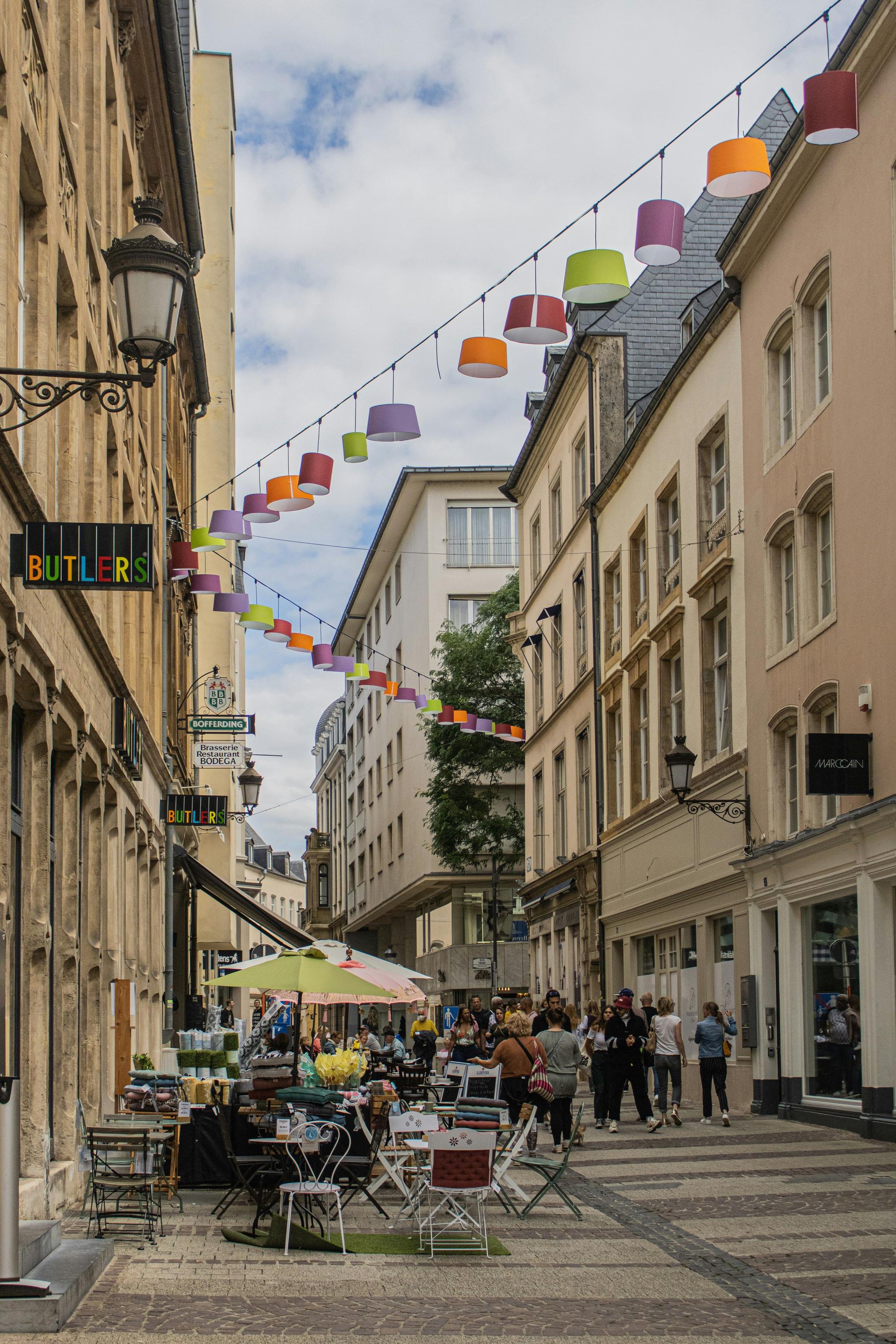
The Ville Haute is the reason most people come, and you can cover it on foot in a day. The fortress was dismantled after the 1867 Treaty of London made Luxembourg neutral, so only about 10% of the fortifications can still be visited. Start at the tourist office on Place Guillaume II for the Wenzel Circular Walk, a steep, self-guided loop of about 3 hours past the Bock and along the 14th-century Wenceslas wall. From mid-July to late August you can tour the Grand Ducal Palace (adults €18 in 2026), but check dates and book early. Walk the Corniche at dusk, then take the free Saint-Esprit lift down to the Grund.
Bock Casemates and Pétrusse Casemates
If you only do one, make it the Bock. The Spanish began cutting these tunnels in 1644, and Vauban extended them in the 1680s. They sheltered up to 35,000 people during the Second World War and have been open to visitors since 1933. More than 200,000 people went through in 2025, a record, so go at opening time or late in the day. Adults pay €11, and winter hours are short. The Pétrusse Casemates were restored between 2017 and 2022 and offer a self-guided light-and-sound route of about 45 minutes. They're far quieter, but check current prices first.
Grund, Clausen and Pfaffenthal
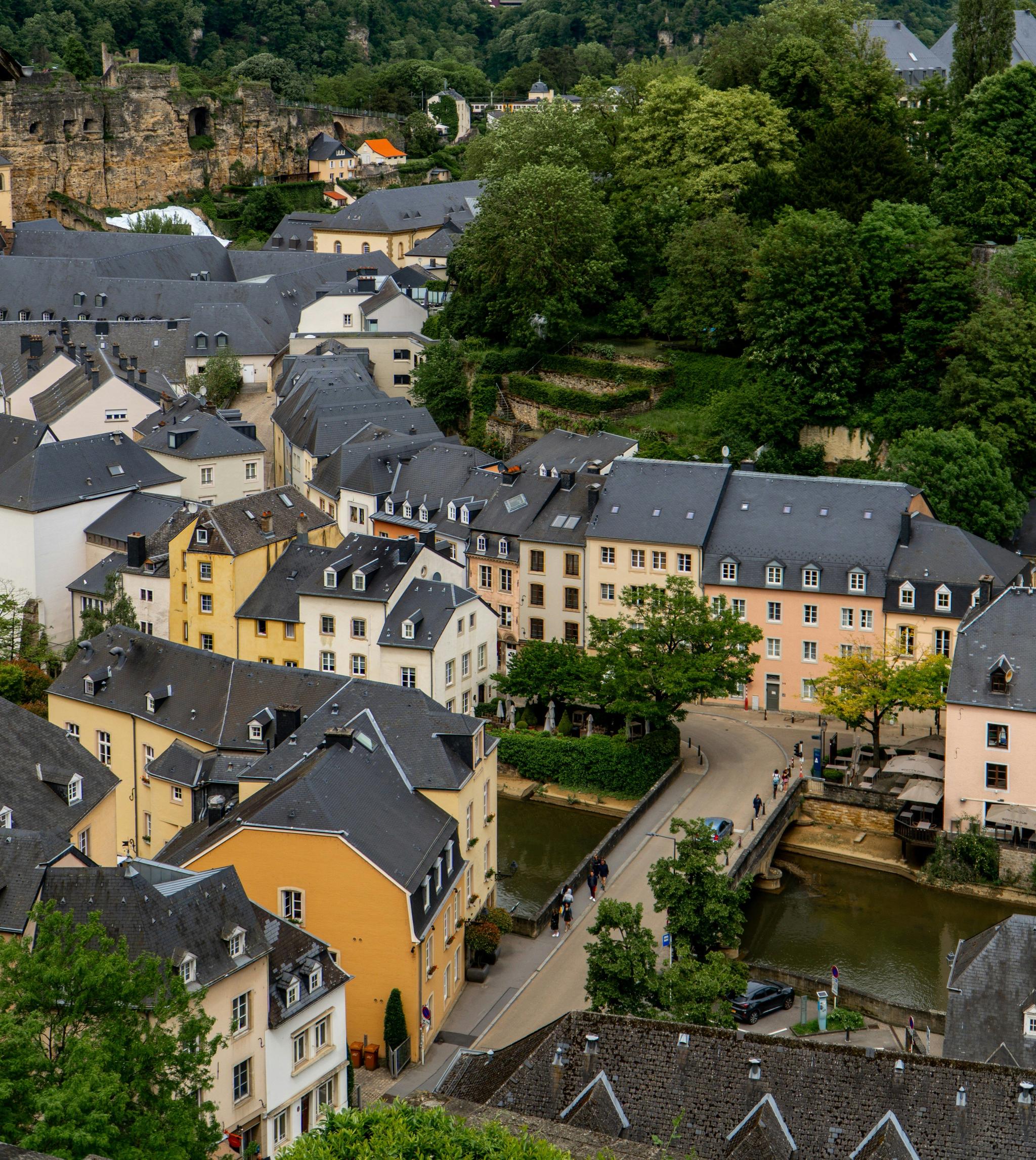
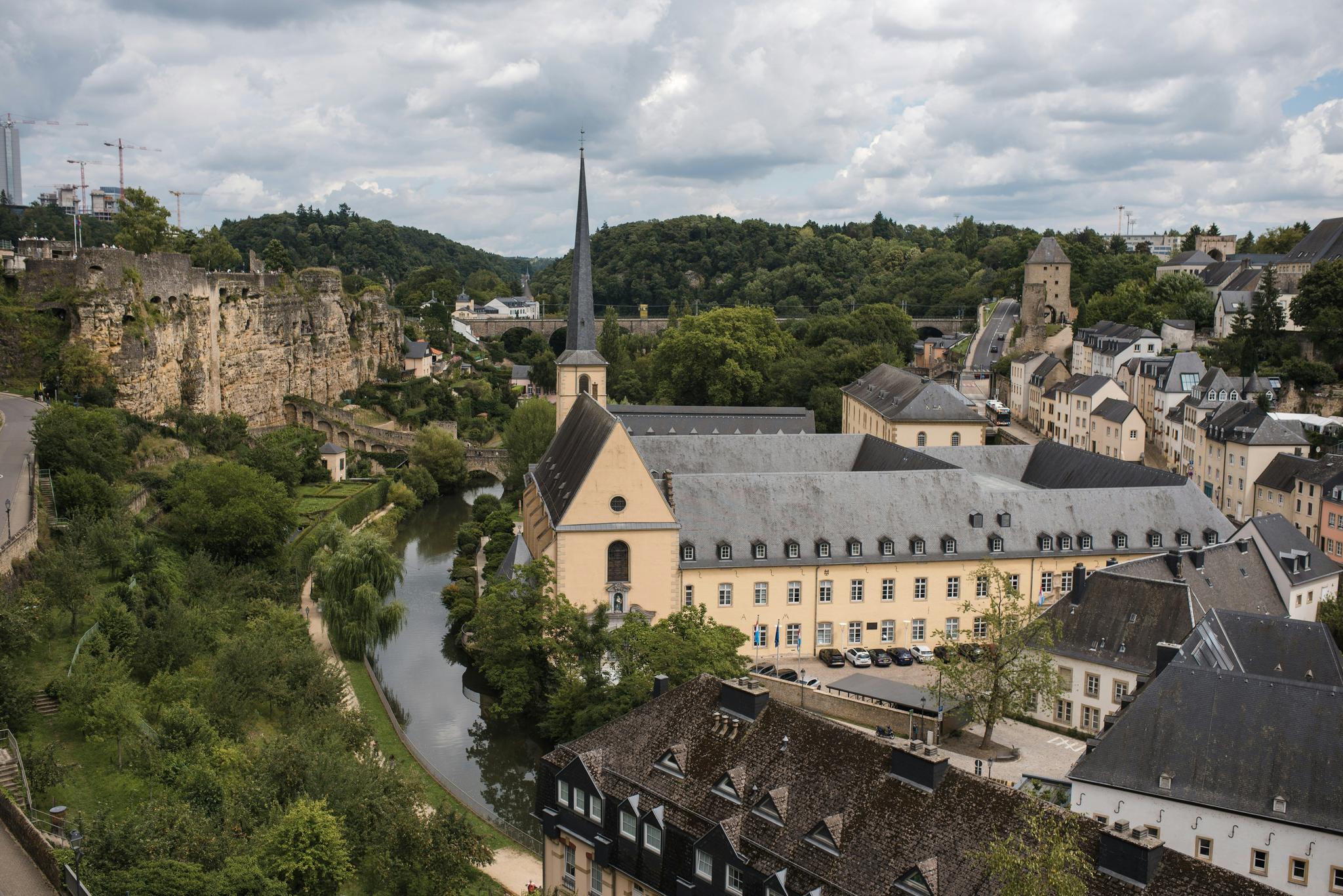
The lower town follows the Alzette below the Corniche, and it's where the city relaxes. Neimënster, a former abbey, now runs as a cultural centre, and Grund and Clausen are where the pubs are. Getting down costs nothing. The Saint-Esprit lift drops you into the Grund, and the 71 m Pfaffenthal panoramic lift links Pescatore park in the Ville Haute with Pfaffenthal (it closes for maintenance on the first Monday of each month). One Saturday in July, the free Blues'n Jazz Rallye fills Grund, Clausen and Pfaffenthal with live music. Stay for a drink by the river once the day-trippers have gone.
Kirchberg, Mudam and the Philharmonie
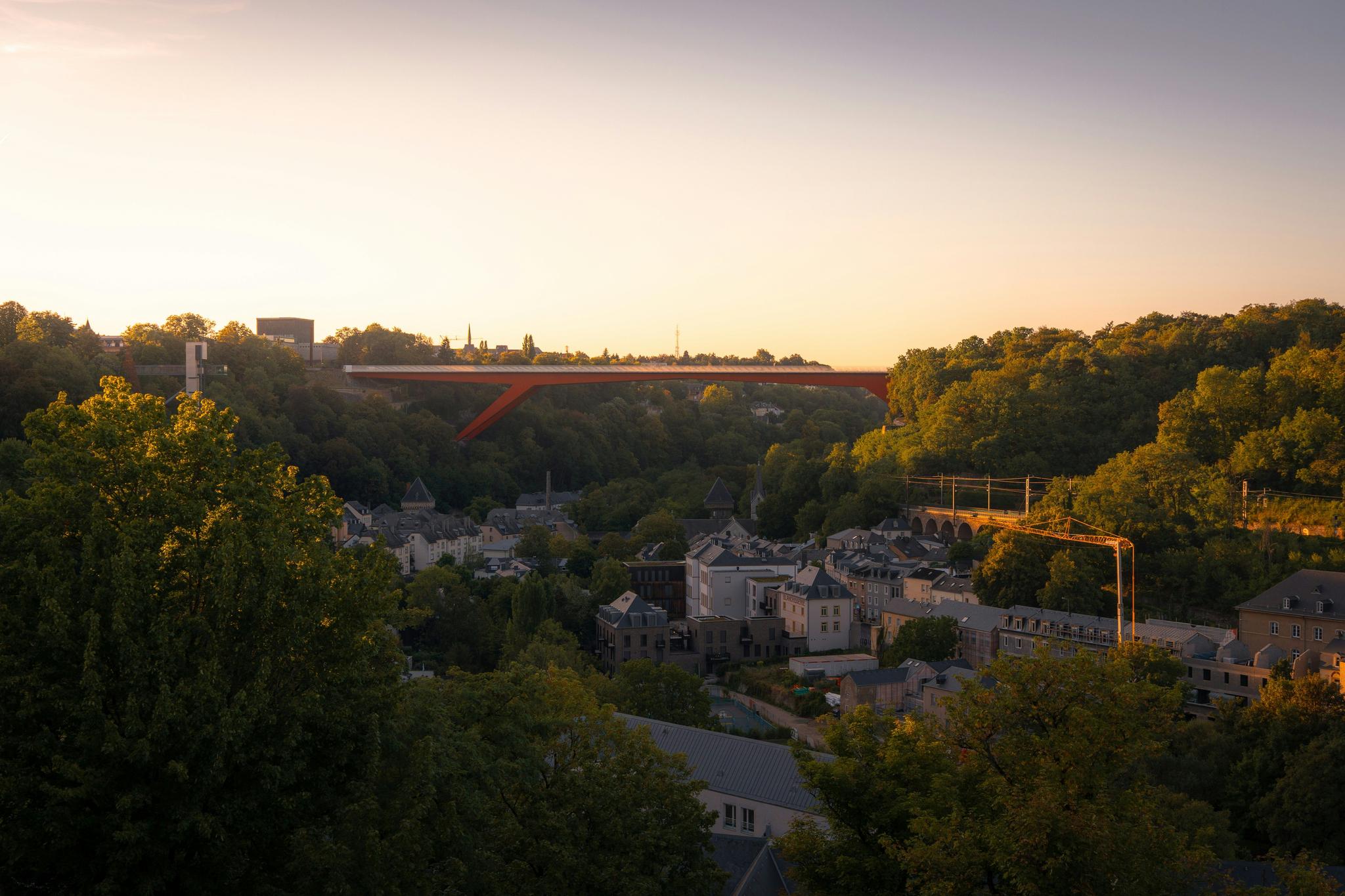
Kirchberg is the glass-and-steel plateau where Luxembourg does its EU business, and for us it's where the country's modern art is at its best. Mudam, designed by I. M. Pei, opened in 2006. Adults pay €10, under-21s and students go free, and everyone gets in free on Wednesdays from 6pm to 9pm (it's closed on Mondays). The Philharmonie sells concert tickets from about €25 to €100, with 40% off for under-30s. Our pick is a Wednesday evening, with free Mudam first and a concert after. From Pfaffenthal's station, the funicular climbs to Kirchberg in 63 seconds.
Vianden
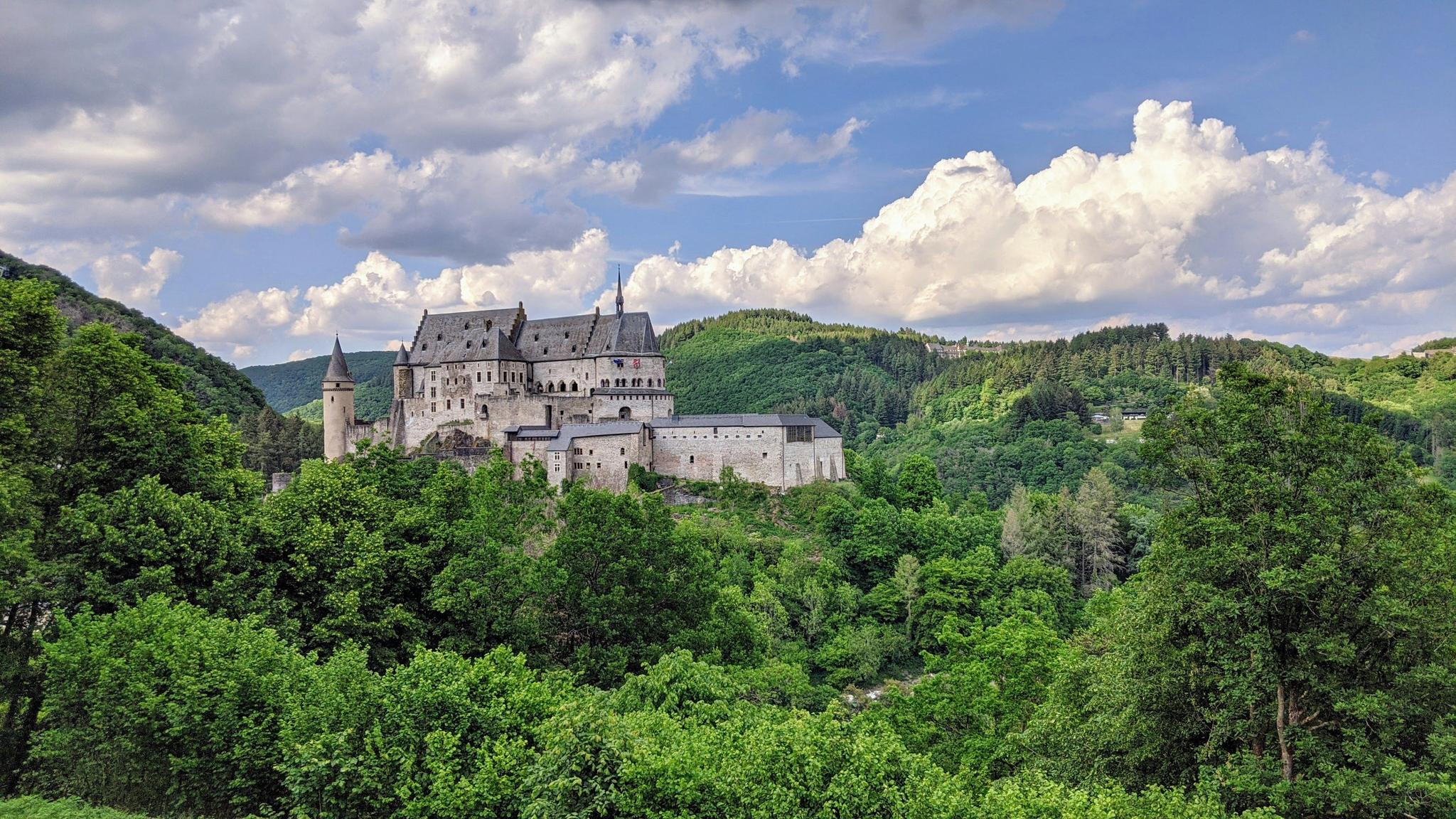
Vianden Castle was built between the 11th and 14th centuries on Roman and Carolingian foundations and has belonged to the state since 1977. Adults pay €13 to go in. Our advice is to spend more time looking at it than inside it. The country's only chairlift, which runs seasonally, climbs to 440 m above the Our valley (€9.50 return for adults), and the view back across to the castle is the best in town. Victor Hugo spent time here in exile, and his former house is now a small museum (€6). By public transport, allow about 1 h 10 each way via Ettelbruck.
Mullerthal, "Little Switzerland"
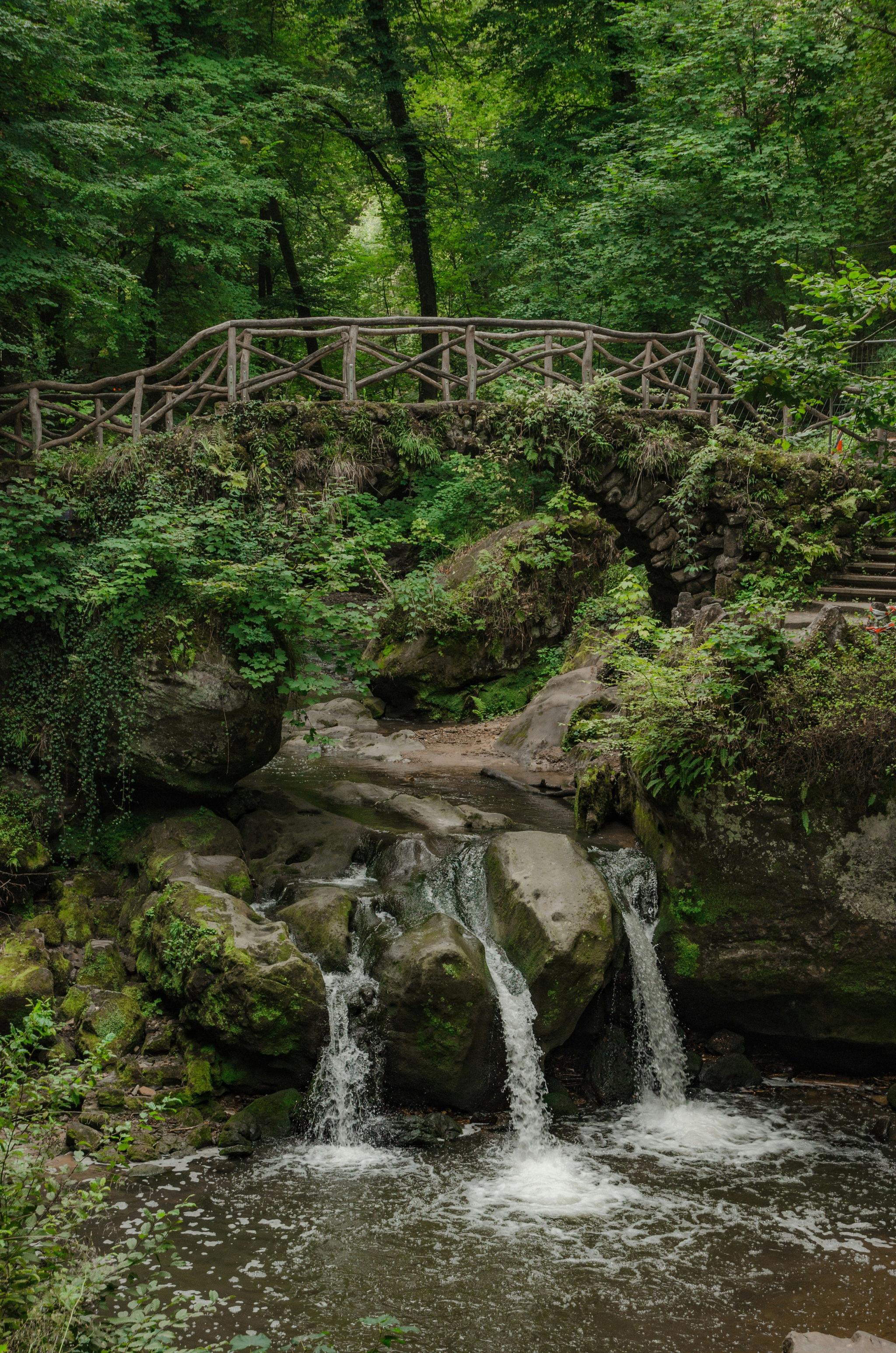
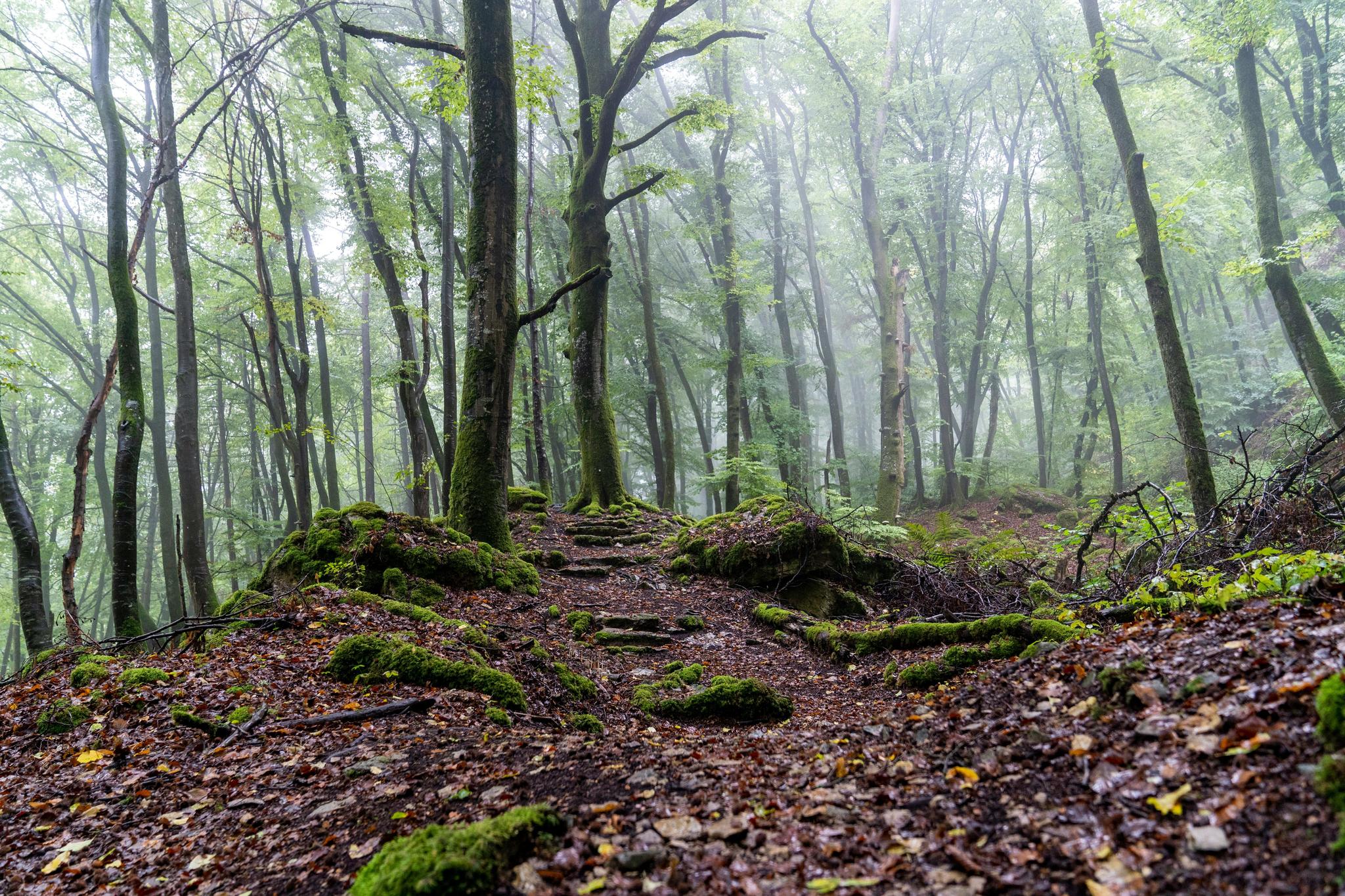
Moss-covered sandstone and narrow gorges under beech trees make the Mullerthal the best walking country in Luxembourg, and the region is a UNESCO Global Geopark. Its best-known spot is the Schiessentümpel, a small waterfall on the Black Ernz crossed by a stone footbridge built in 1879. It's only 500 m from the parking area and bus stop, so summer weekends get crowded. Go on a weekday. Buses leave every 30 minutes from Luxexpo in Kirchberg, and the rock formations around Berdorf make a good second stop.
Echternach
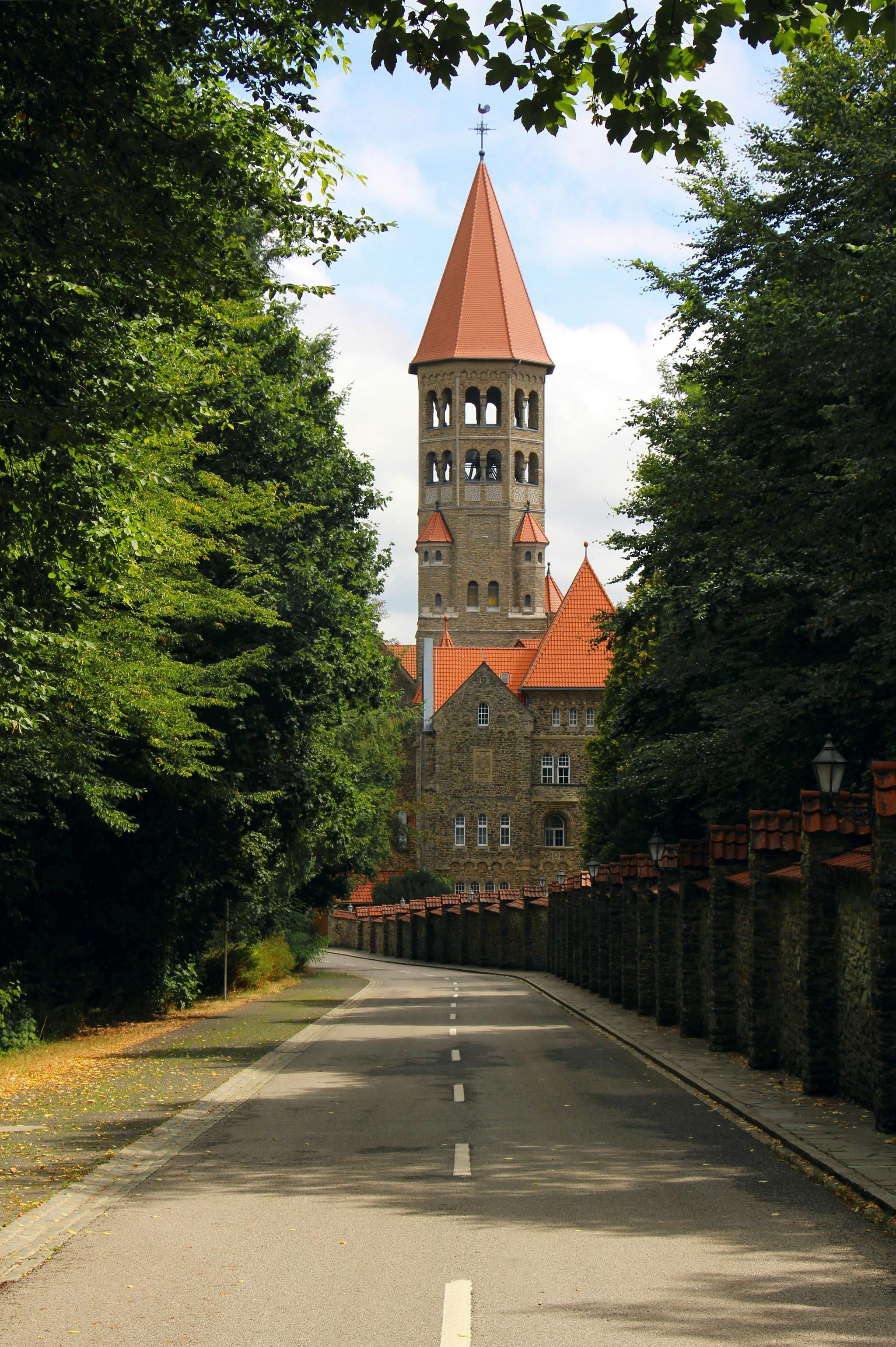
St Willibrord founded an abbey here in 698, and his tomb lies in the crypt of the basilica. Echternach is best known for its dancing procession, which hops through the streets every Whit Tuesday. It was first recorded in 1497 and joined UNESCO's intangible heritage list in 2010. In 2027 it falls on 18 May. The town is also where Mullerthal Trail Routes 1 and 2 begin, so pair a morning here with a hike. Bus 201 from the capital takes about 45 minutes, and Germany is just across the Sûre, with Trier a short hop beyond.
Clervaux and The Family of Man
This is the most moving museum in the country. Edward Steichen's exhibition The Family of Man was first shown at MoMA in New York in 1955, with 503 photos by 273 photographers from 68 countries, and it has hung in Clervaux Castle since 1994. The 2026 season runs from 18 March to 31 December, Wednesday to Sunday from noon to 6pm, with entry at €6 (free for under-21s). Hourly trains from the capital take about an hour.
Moselle valley, Remich and Schengen
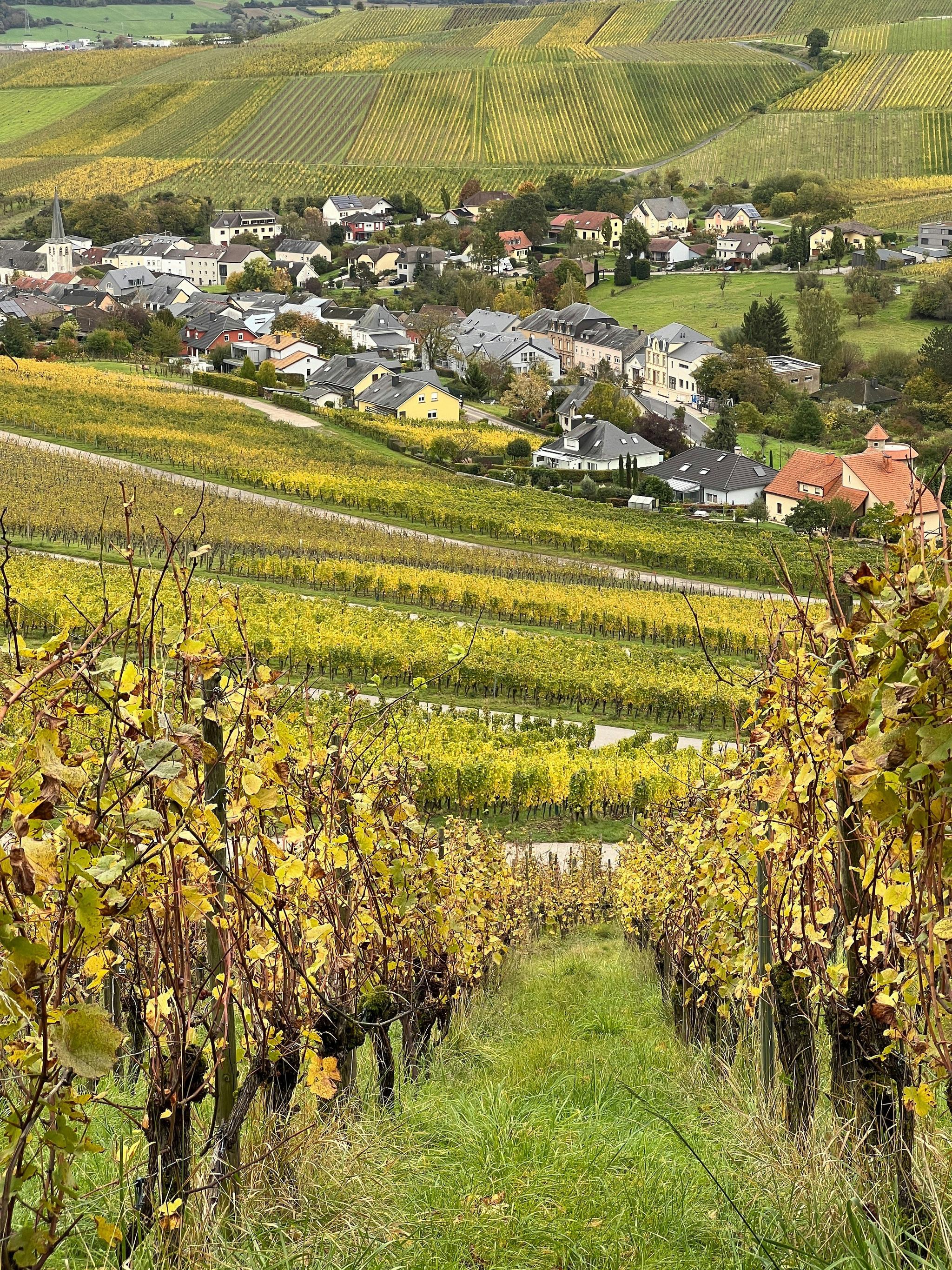
The Moselle wine valley runs 42 km along the border from Schengen to Wasserbillig. Remich has a riverside promenade, and Grevenmacher and Wellenstein are where the Crémant cellars are. At the southern end, Schengen is where Luxembourg meets France and Germany. The Schengen Agreement was signed on 14 June 1985 aboard the Princesse Marie-Astrid on the Moselle. The European Museum Schengen and the restored ship are worth a look, but check opening times before you go. Bus 413 reaches Remich in about 41 minutes. Go in September, when the harvest and wine festivals are on.
Esch-sur-Alzette, Belval and the Minett
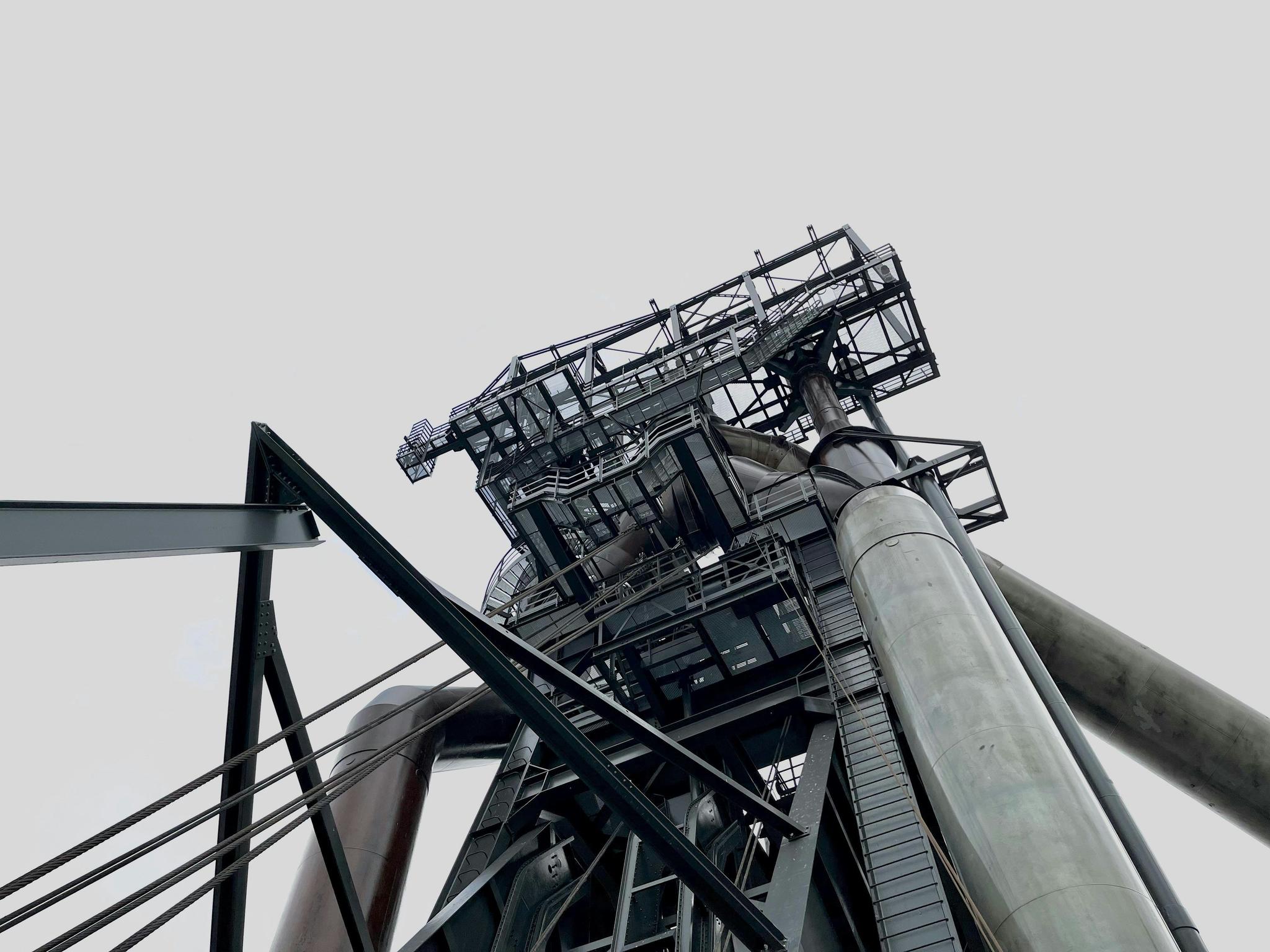
The south is iron-and-steel country, the least postcard side of Luxembourg, and that's exactly why industrial-heritage fans should come. The Minett, 11 municipalities along the French border, became a UNESCO Biosphere Reserve in 2020. In Belval, a university district has grown up around the old blast furnaces, and you can visit one for €5 (closed on Tuesdays). The train from the capital to Esch-sur-Alzette takes about 25 minutes, and on a summer Sunday you can add the Train 1900 at Fond-de-Gras.
Upper Sûre lake and Esch-sur-Sûre
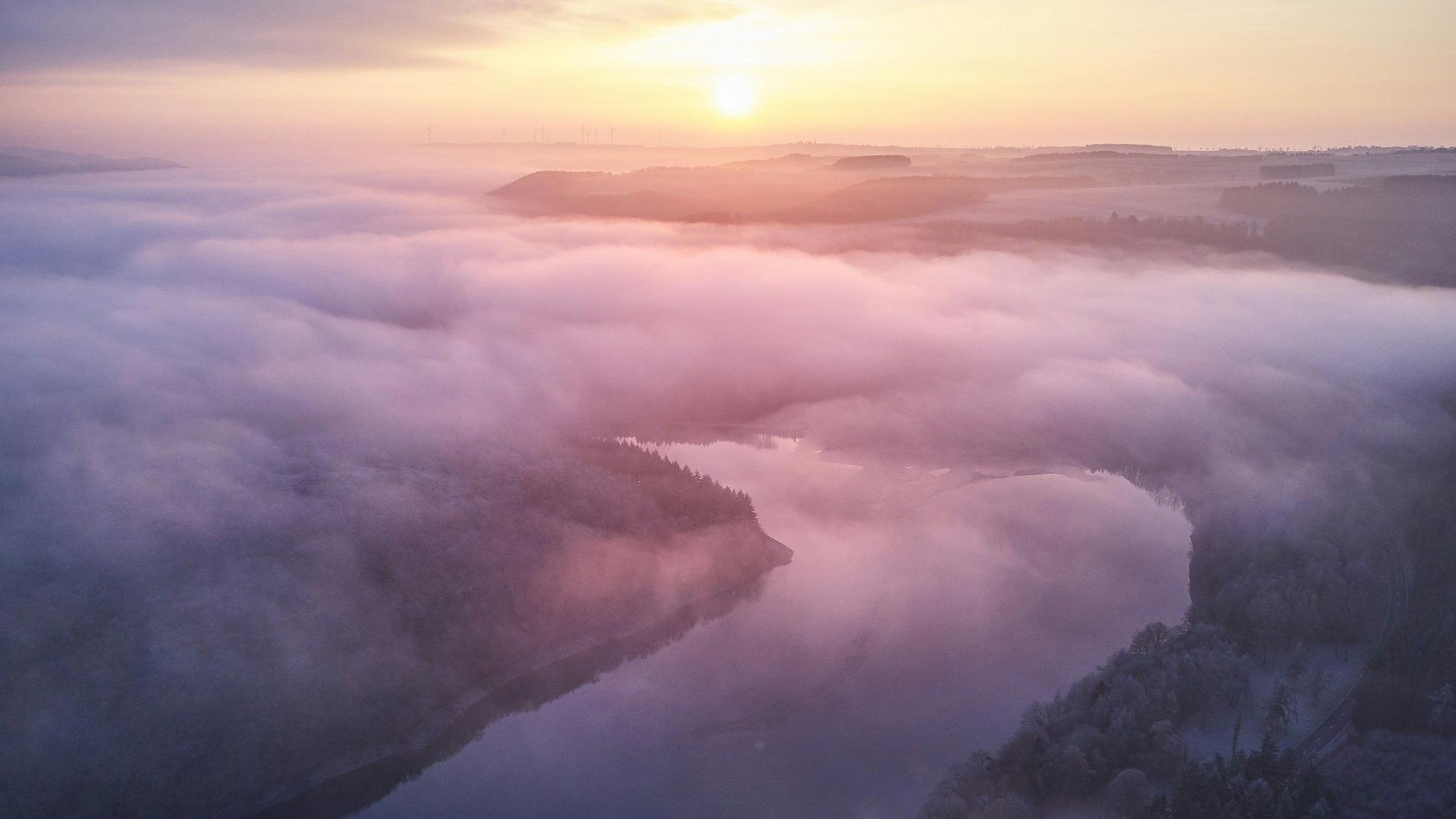
Esch-sur-Sûre, first recorded in 774, sits inside a tight loop of the river below castle ruins that are open all year. Upstream, the Upper Sûre lake covers 380 ha behind a dam built in 1961. It's a drinking-water reservoir, so motorboats are banned, but you can swim, canoe, sail and dive. A solar-powered boat makes a trip of about 2 hours from Insenborn (adults €10), and at Lultzhausen a kayak or SUP costs €22 for 3 hours. This is the best summer swim in the country. By train and bus, allow about 1 h 10 from the capital.
Bourscheid Castle
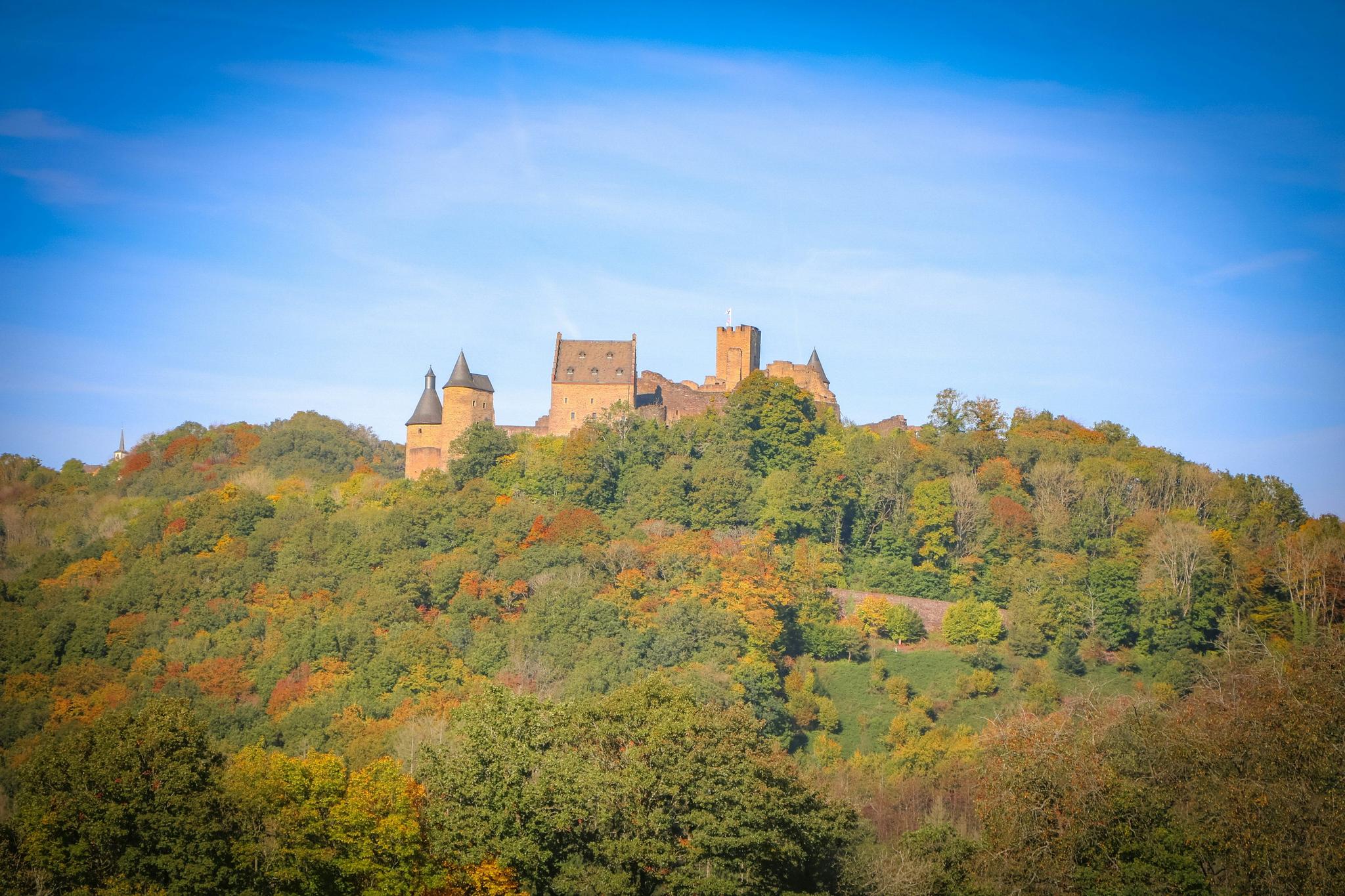
Bourscheid is the largest castle in Luxembourg, standing about 150 m above the Sûre. It probably dates from the 10th century and was extended in the 14th and 15th, and an audio guide in seven languages walks you through the ruins. Adults pay €7 and children €4. From the walls you look straight down into the Sûre valley, which is the real reason to come. We'd come by car, since it's best combined with Esch-sur-Sûre or Vianden on the same day.
Luxembourg itinerary ideas for your trip
Both routes start from a single base in Luxembourg City. The first needs no car at all, and the second adds one for the castle days plus two trips over the border.
5 to 7 day Luxembourg itinerary
- Day 1: Ville Haute, the Corniche and the Bock Casemates, then an evening in the Grund.
- Day 2: Pfaffenthal lift and funicular up to Kirchberg for Mudam (free on Wednesday evenings), then the Pétrusse Casemates or a concert.
- Day 3: Echternach basilica and the Mullerthal, either a stretch of Route 2 via Berdorf or the bus to the Schiessentümpel.
- Day 4: Vianden Castle and the chairlift, by train to Ettelbruck and then bus.
- Day 5: Clervaux for The Family of Man (Wednesday to Sunday only), with Diekirch on the way back.
- Day 6: Moselle, with the Remich promenade, a cellar tour and Schengen.
- Day 7: Upper Sûre lake in summer, or Esch-sur-Alzette and Belval.
10 to 14 day Luxembourg itinerary
- Day 1-6: As in the shorter route.
- Day 7: Upper Sûre lake, with Esch-sur-Sûre, a swim or kayak at Lultzhausen and the solar boat from Insenborn.
- Day 8: Bourscheid Castle and Wiltz, or one stage of the Escapardenne trail.
- Day 9: Beaufort and Larochette castles on Mullerthal Route 3.
- Day 10: The Minett, with the Belval blast furnace and the Train 1900 on a summer Sunday.
- Day 11: Trier in Germany, about 50 minutes by train on a cross-border ticket.
- Day 12: Metz in France (about 45 to 55 minutes by train), or the Belgian Ardennes by car.
- Day 13-14: Slow days on the Moselle, ideally during a wine festival, or more Mullerthal hiking.
Want three days in the Mullerthal and none in the Minett? Swap the days around and build your own version of this route in the Guided trip planner.
Fun things to do in Luxembourg
Luxembourg is far better outdoors than its banking image suggests, and the best days here are spent on foot or on a bike.
Hike the Mullerthal Trail
The Mullerthal Trail covers 112 km in three routes of 36.7 km to 39.7 km each, plus five shorter ExtraTours, and the European Ramblers' Association rates it one of its "Leading Quality Trails, Best of Europe". Route 2, from Echternach via Berdorf to Müllerthal, is our favourite for its rock formations. Up in the Éislek, the Escapardenne trail adds almost 160 km in eight stages.
Taste Crémant in the Moselle cellars
Crémant de Luxembourg has been a protected name since 1991 and spends at least nine months on its lees. The Caves St Martin in Remich has about 1 km of cellars cut into the limestone at 12 °C, with an hour-long tour and tasting from about €9 (book 48 hours ahead). Caves Bernard-Massard in Grevenmacher runs tours from €8 and holds tastings Wednesday to Sunday from April to October.
Cycle the country's paths
There are more than 1,000 km of cycle paths, and bikes ride free on most CFL trains, so you can pedal one way and take the train back. In the capital, a Vel'OH! e-bike day pass costs €2.
Ride the Train 1900 at Fond-de-Gras
This heritage railway runs between Pétange and Fond-de-Gras through the old mining valleys of the south, with steam alternating with diesel. Trains run from May to September on Sundays, plus Thursdays and Saturdays in summer, taking about 25 minutes each way. A second-class adult ticket costs €13, sold on site only.
Time your trip for the Schueberfouer or Winterlights
John the Blind founded the Schueberfouer in 1340, and the funfair still fills the Glacis every year from late August into September (20 August to 8 September in 2027). In winter, Winterlights brings about 100 chalets and an ice rink to the centre and the Gare quarter, from 20 November 2026 to 3 January 2027.
When to go to Luxembourg?
Luxembourg Airport averages July highs of about 24 °C and January highs of about 4 °C, with rain on about 124 days a year, so pack a waterproof whatever the season. Our pick is September, when the Moselle harvest is on and the summer crowds have gone.
- Spring (April to May): The Mullerthal turns green, castles reopen from mid-March, and Echternach holds its dancing procession on Whit Tuesday.
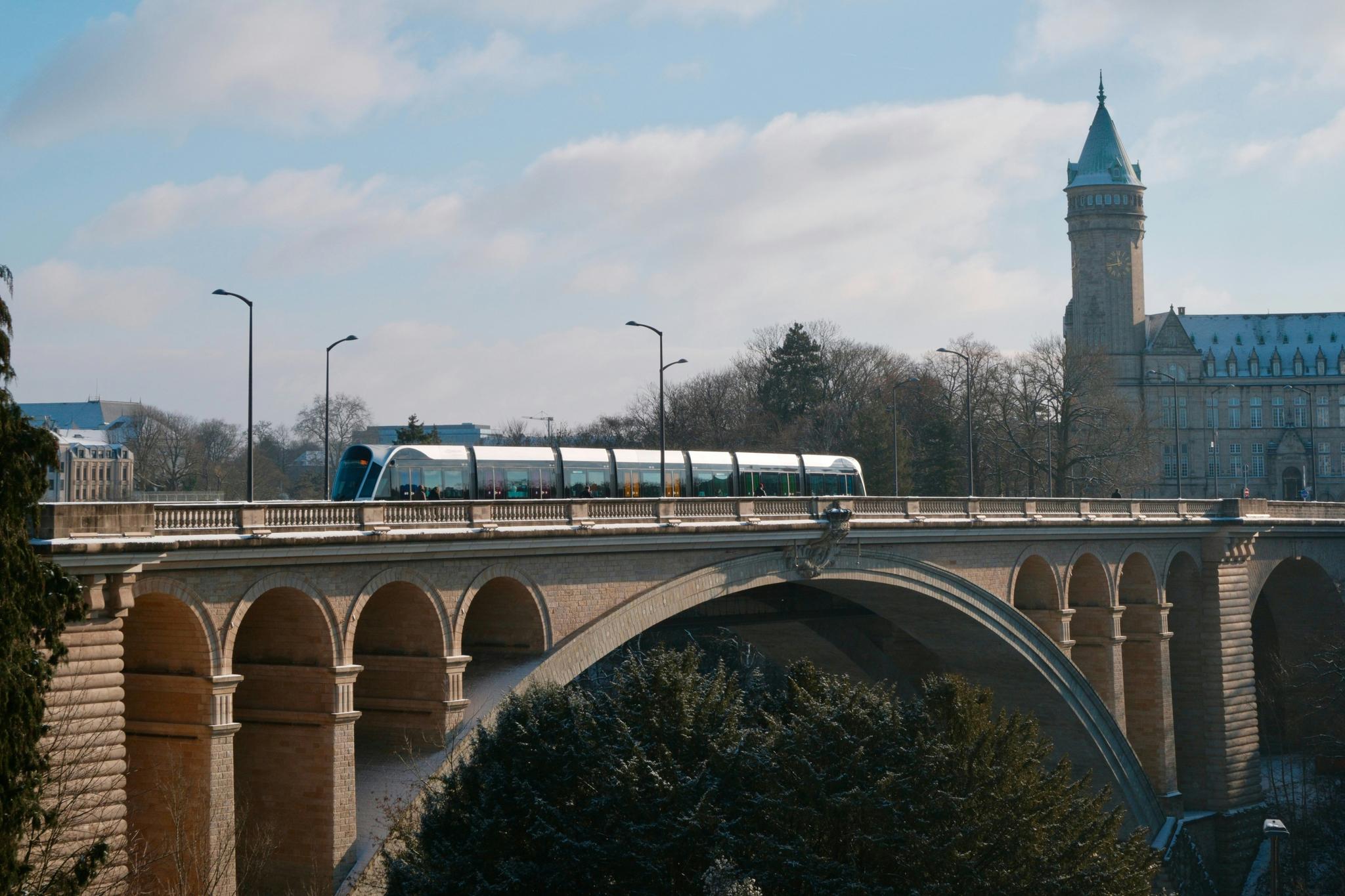
- Summer (June to August): National Day on 23 June, with fireworks from the Adolphe Bridge the night before. Palace tours run from mid-July and the Upper Sûre lake is open for swimming. It's the warmest and busiest time.
- Autumn (September to October): Harvest and wine festivals along the Moselle, including Grevenmacher's on the second weekend of September, and colour in the Ardennes.
- Winter (November to March): Winterlights and short days. Many rural sights close or cut their hours, and The Family of Man doesn't reopen until mid-March.

Did you know you can create your own itinerary?
Now that you know what to see in Luxembourg and where to stay, you can start creating your own trip. Do you want more time hiking the sandstone gorges of the Mullerthal, or are you thinking more about castle days in the Ardennes and Crémant on the Moselle? It's all up to you. You can easily create your own trip in the Guided app for free, or use trips shared by others.
Where to stay in Luxembourg?
Should you stay in the capital or out in the countryside? For most trips, the capital, because free second-class trains and buses fan out from there. A mid-range double in Luxembourg City costs about €95 to €195 a night off-season and €135 to €280 at peak times. The Youth Hostel Luxembourg City near the Bock charges €34 to €40 with breakfast. A small tourist tax is added in some communes, including the capital.
Ville Haute
The old town puts everything within walking distance, and you pay for that. It's the priciest area to sleep in, and the streets are steep.
Grund
Riverside and quiet at night, with pubs close by. The climb back up is steep, but the free lift takes care of it.
Gare
The best value in the city, on the rail lines and about a 20-minute walk from the old town, with the tram as a backup. It's grittier than the rest of the centre, and pickpockets work the station.
Kirchberg
Modern and full of business hotels, so weekend deals can be very good. Mudam and the Philharmonie are on the doorstep, but it's quiet at night.
Vianden, Echternach or the Moselle
For a rural base, Vianden and Echternach suit castle and hiking days, while Remich and Grevenmacher put you among the vineyards. There are youth hostels in Vianden, Echternach and Remerschen on the Moselle, and the country has 87 campsites (wild camping isn't allowed).
Getting around when visiting Luxembourg
On 1 March 2020 Luxembourg became the first country to make public transport free nationwide, in second class. That covers the Pfaffenthal funicular and lifts too. First class and most cross-border trips are still paid, so Trier, Metz and Arlon need a ticket. From Luxembourg Airport (Findel), about 10 km out, tram line 1 and buses 16 and 29 reach the centre free in about 20 minutes, while a taxi costs about €25 to €45.
Trains with CFL
CFL trains run north to Ettelbruck and Clervaux, east to Wasserbillig, south to Esch-sur-Alzette and west towards Arlon, mostly hourly or better. Trier takes about 50 minutes (about €7) and Metz 43 to 54 minutes (from about €9). Brussels is about 3 h 15 away (€21.30), and the TGV reaches Paris Est in about 2 h 10, with compulsory reservations. Since 1 January 2026, first-class and cross-border tickets are digital, bought in the CFL go ticket app, at station machines or at counters.
Tram and buses
Luxtram line 1 runs from the airport through Kirchberg and the centre to Gare and Cloche d'Or. RGTR buses cover the rest of the country. Plan every trip on mobiliteit.lu, which puts every operator in one journey planner.
Vel'OH! bikes and taxis
The capital's Vel'OH! e-bike scheme has more than 100 stations. Taxis are expensive and add surcharges in the evening and on Sundays, so use official ranks or Webtaxi.
Car hire
A car helps if you want several castles in one day, at about €25 to €60 a day. Winter or all-weather tyres are compulsory in winter conditions, and the drink-drive limit is 0.05%. Fuel is usually cheaper than in all three neighbours, so expect queues at border fuel stations.
Food and drinks you should try when visiting Luxembourg
Luxembourgish cooking is farmhouse food, and we think that's its strength. Smoked pork and broad beans are the classic, while the 2026 Michelin guide gave stars to 12 restaurants. A plat du jour at lunch costs about €16 to €28. Tipping is optional, though people round up or leave 5% to 10% in cash.
Judd mat Gaardebounen
The national dish is smoked pork collar with broad beans in a cream sauce and boiled potatoes. Order it with a glass of Moselle white or a local beer.
Gromperekichelcher
These potato fritters with onion and parsley are a fixture of the Schueberfouer and the Christmas markets. Eat them hot.
Rieslingspaschtéit
A pastry pie filled with meat and set in Riesling jelly, sold by the slice at bakeries and traiteurs. It's the best picnic lunch for a day on the trains. For something simpler, try kachkéis, a soft cooked cheese spread on bread with mustard.
Quetschentaart
This damson tart fills bakery windows from late summer into autumn. Mirabelles have an even shorter season, about four weeks from mid-August.
Crémant, Moselle whites and local beer
Moselle wines are drier than most German styles, with Auxerrois and Riesling among the main grapes. Look for the Marque Nationale label, and in autumn ask for Fiederwäissen, the new wine. Crémant de Luxembourg is the bottle to take home. Beer drinkers can choose between Bofferding and Battin from the Brasserie Nationale, or Diekirch and Simon.
Culture and local habits you'll notice when visiting Luxembourg
Luxembourg had 690,959 residents at the start of 2026, and 46.6% of them were foreign nationals, with the Portuguese the largest group at about 12.8%. Luxembourgish is the national language, a Moselle Franconian language rather than a dialect of German, while French dominates in shops and restaurants. About 80% of people speak English. The national motto, "Mir wëlle bleiwe wat mir sinn" (we want to remain what we are), is written on a façade on Rue de la Loge.
Greet staff when you walk into a shop and shake hands when you meet someone. Cheek kisses are for friends. Punctuality matters, and July and August are the local holiday season. Grand Duke Guillaume has reigned since 3 October 2025. Try a few words of Luxembourgish.
- Moien: hello
- Äddi: goodbye
- Wannechgelift: please
- Villmools merci: thank you very much
Looking for more unique places, trips and activities?
Subscribe to our Guided Newsletter for more travel inspiration.
Costs of a holiday to Luxembourg
Is Luxembourg expensive? Yes, above all for hotels and eating out. On Numbeo's 2026 cost of living index, Luxembourg scores 65.2, about a third pricier than Belgium (48.6) or Germany (49.0), though still well below Switzerland (84.3). Free second-class transport and cheaper fuel claw some of that back. The LuxembourgPass (€23 for one day, €39 for three) gives free or reduced entry at more than 80 sites, including Vianden Castle and its chairlift, so add up the entry prices for your plans before you buy.
Food & Drink

Coffee
€3 – €5
Lunch
€16 – €28
Beer
€4.50 – €7
Accommodation
Hotels
€120 – €200
Airbnb
€130 – €150
Hostel dorm
€34 – €40
Transport
First-class train
€3 – €6
Taxi
€25 – €45
Car Rental
€25 – €60
Attractions

Museums
€5 – €10
Big Attractions
€6 – €13
Theatre
€25 – €65
Practical tips for visiting Luxembourg
The UK FCDO doesn't advise against travel to any part of Luxembourg, and the US State Department rates it Level 1, exercise normal precautions.
✔ Check entry rules before you travel
Luxembourg is in the EU and the Schengen area. Many nationalities, including the UK, EU and US, can visit without a visa for up to 90 days in any 180 across the Schengen area, and days in other Schengen countries count. Since 10 April 2026 the Entry/Exit System (EES) records non-EU visitors' fingerprints and photo on first entry. ETIAS isn't running and isn't expected before 2027, so check before travel. UK passports must be less than 10 years old on arrival and valid for 3 months after you leave. See GOV.UK entry requirements or the US State Department's country page.
✔ Pay by card, tip in cash
Luxembourg uses the euro, and cards and contactless work almost everywhere. Keep a few coins for tips.
✔ Know when transport isn't free
Second-class travel within Luxembourg is free. First class (€3 for two hours, €6 for a day) and most cross-border trips need a digital ticket from the CFL go app, a station machine or the counter at Luxembourg station, so budget for day trips to Trier, Metz or Arlon.
✔ Watch your bag at Gare and stay on marked trails
Pickpockets work the buses, Gare de Luxembourg and hotel lobbies near the airport. The Ardennes woods in the north and east still hold unexploded ordnance from both world wars. Stay on marked trails and never pick up metal objects. Hunting for relics with a metal detector is illegal. Call 112 for an ambulance or the fire service and 113 for the police.
✔ Plan around Mondays and Sundays
Many museums close on Mondays, and many shops close or keep short hours on Sundays. Rural sights are seasonal too. The Beaufort castles, for example, open only from mid-March to mid-November.
Fun facts about Luxembourg
These are the six facts we like best.
- Luxembourg is the world's only remaining sovereign grand duchy.
- It was the first country to make second-class public transport free nationwide, on 1 March 2020.
- More than 230,000 people cross the border to work there every day, about a third of the resident population.
- The highest point, the Kneiff, is just 560 m.
- The Schueberfouer funfair dates back to 1340.
- The Family of Man in Clervaux is on UNESCO's Memory of the World register.
You could drive across the grand duchy in an afternoon, but the casemates and the Mullerthal each deserve a full day.
Ready to map out your trip to Luxembourg?
We hope this Luxembourg travel guide has given you a clear starting point for your trip. Stay tuned for more inspiration, itineraries and practical tips to help you shape your perfect holiday to Luxembourg. And don't forget to check out our Guided travel planning app, where you can create your own trip or use trips shared by other travellers for free.
FAQS about visiting Luxembourg
How many days do you need in Luxembourg?
Two days covers Luxembourg City and the casemates. Four or five days adds Vianden, Clervaux, the Mullerthal and the Moselle, and a week lets you see the country without rushing. In the Guided app, you can build your own route and see how many stops fit.
What is the best part of Luxembourg to visit?
Luxembourg City is the one place not to miss, for the fortress and the casemates. Hikers should head for the Mullerthal and castle fans for Vianden and Clervaux. Wine lovers belong on the Moselle.
What is Luxembourg known for?
Its fortress capital and the EU institutions in Kirchberg. It's also where the Schengen Agreement was signed, and the last grand duchy in the world.
Can you travel around Luxembourg without a car?
Yes. Second-class trains and buses are free and reach every place in this guide. Rural buses can be infrequent at weekends, and a car makes it easier to see several castles in one day.
Is Luxembourg expensive?
Yes, for hotels and eating out. Free second-class transport, free entry to the permanent collection at the MNAHA history and art museum, weekend hotel rates and the LuxembourgPass all help.
Is Luxembourg safe to visit?
Very. The UK FCDO doesn't advise against travel to any part of the country and the US State Department rates it Level 1. Watch for pickpockets around Gare, and stay on marked trails in the Ardennes woods, where wartime ordnance still lies.
Is public transport in Luxembourg really free?
Yes, since 1 March 2020, for visitors as well as residents, in second class on trains, trams and buses. First class (€3 for two hours) and most cross-border trips, such as to Trier or Metz, still need a ticket.
Can you visit Luxembourg as a day trip?
Easily from Trier (about 50 minutes by train) or Metz (about 45 to 55 minutes). From Paris the TGV takes about 2 h 10, which makes a long day, and from Brussels it's about 3 h 15 each way, so stay overnight. A single day only covers the capital.
Plan your trip to Luxembourg in Guided.
Save the places you find, then let Guided lay out the days, the map and the details.
More in Europe
All destinations AlbaniaAlbania pairs a turquoise Ionian coast with Ottoman stone towns and wild mountains.
 AndorraAndorra is a tiny Pyrenean country known for ski slopes, Romanesque churches and hiking valleys.
 AustriaAustria is a beautiful alpine country known for its mountains, music, and imperial charm.
 BelgiumBelgium is known for medieval canal cities, beer, chocolate and the forested Ardennes.