

France
France travel guide: how to plan an unforgettable trip to France
Most people picture Paris when they think of France, but that's only a tiny part of the story. France is far more diverse than most people expect. It's roughly the size of Texas, yet within a few hours you can travel from the snowy Alps to the Mediterranean coast, passing vineyards, medieval villages and some of Europe's most beautiful countryside along the way. So if you're just starting to plan your travel to France, this guide walks through the best places, food, costs, and everything else worth knowing before you arrive.
5 reasons to visit France
You'll find food and wine culture running deeper here than almost anywhere else in Europe.
Within a couple of hours, fast trains get you between most major cities without a car.
One trip can fit coastline, mountains, and countryside all in together.
So much history sits layered here, from Roman ruins to WWII memorials.
People return to France because every trip feels like discovering a new country.
Best places to visit in France (beyond Paris)
Not sure where to start when you map out your own trip to France? That's completely normal, since the country really does pack seven very different personalities into one border. Have a read and see which one sounds most like your kind of holiday.
Provence
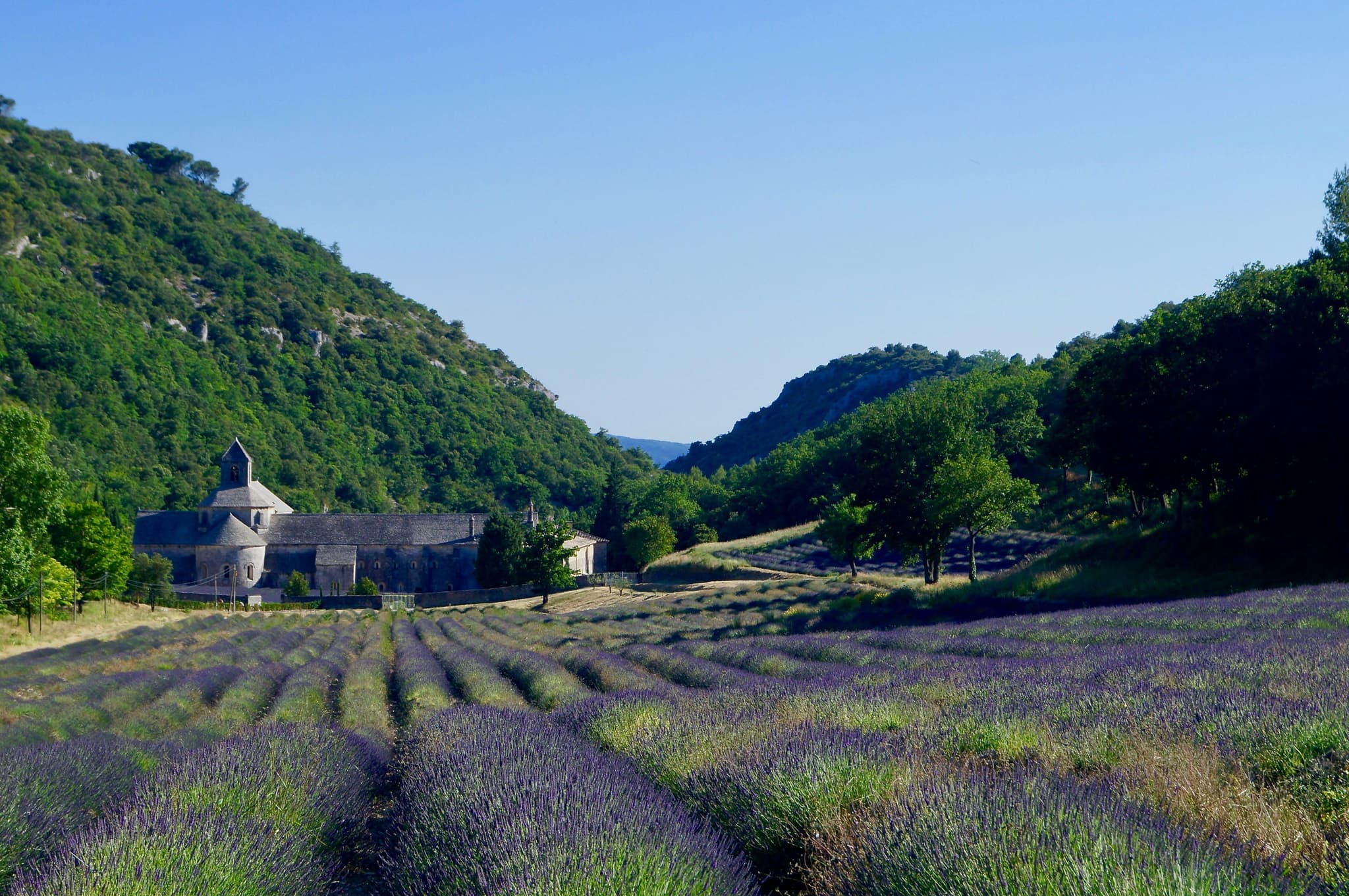
If lavender fields, hilltop villages, and rosé straight from the vineyard sound like your idea of a good few days, Provence is where you want to be. We'd recommend timing your visit around the July to August bloom if photos of purple fields are part of the plan, since the colour fades fast once the harvest starts. Aix-en-Provence makes a good base for you, with markets, fountains, and cafes filling its old town from morning onward. A car helps a lot here too, because the villages you'll want to see spread out across the countryside rather than sitting close together.
French Riviera
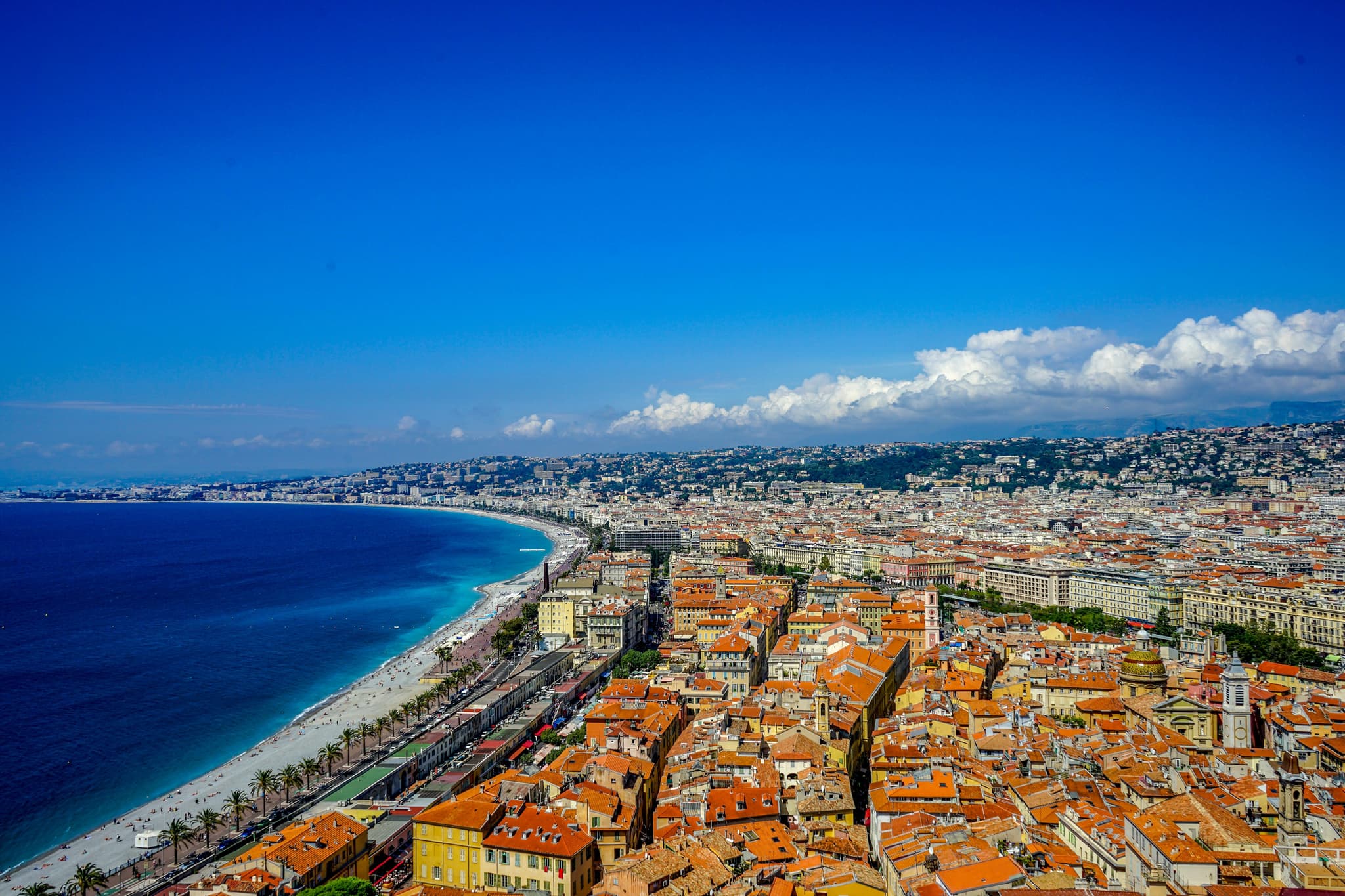
Do you like the idea of swimming off pebble beaches in Nice, day-tripping to Monaco, and exploring Antibes' old town, all in the same week? That's exactly what a Riviera trip gives you, and it works if you're travelling solo, as a couple or bringing the whole family along. We'd suggest basing yourself in Nice, since trains reach the rest of the coast in under half an hour and the airport sits close by too. Just book your accommodation early if you're coming in July or August, because prices climb fast and rooms disappear well before summer even starts.
Loire Valley
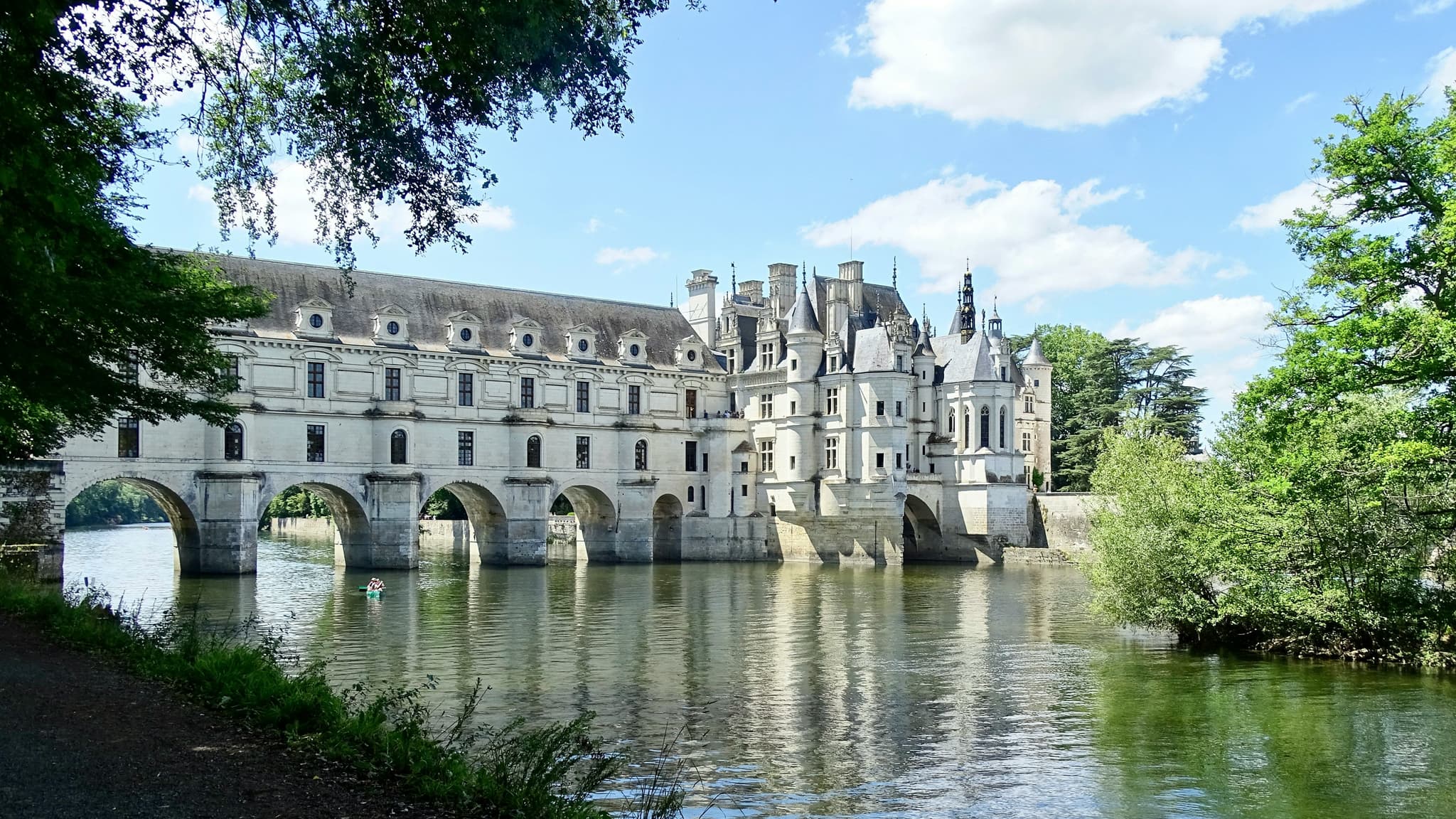
A day here might have you cycling between fairytale châteaux, canoeing along a quiet river, and sleeping in a converted wine cellar, all within the same 24 hours. That's fairly typical if you base yourself in the Loire Valley, and it suits you well if you like history. We recommend Tours as a base, since direct trains from Paris take about an hour and the distances between châteaux stay short and flat enough to cycle. Renting a bike right at the station saves you from arranging a car for what's usually only a few days here.
Normandy
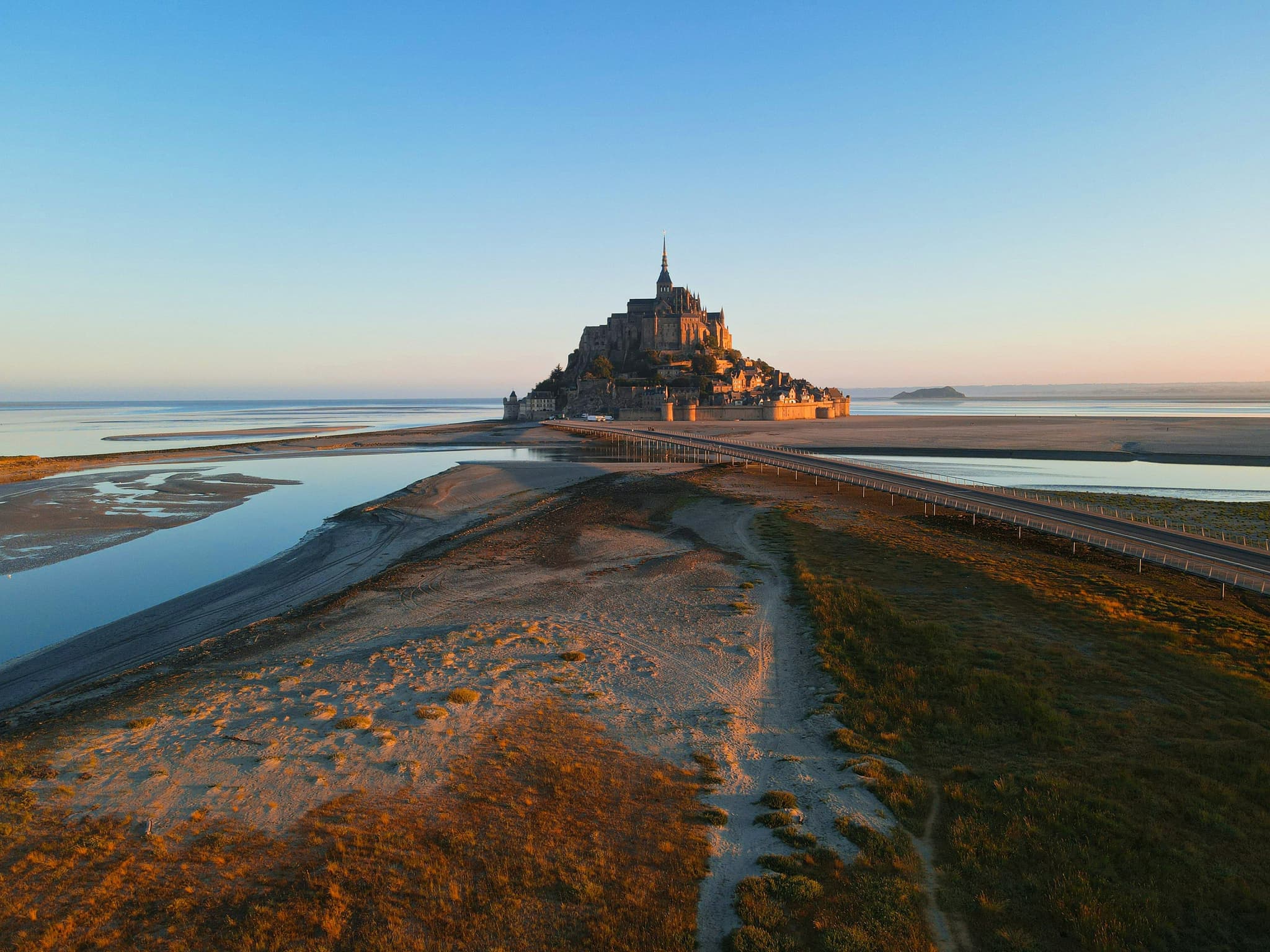
A few days in Normandy could look like this: walking the D-Day beaches, watching the tide swallow Mont Saint-Michel whole, and finishing with cider and camembert straight from a farm. If history means a lot to you, or you just love a good coastal walk, this region gives you both without much travel between stops. We'd suggest basing yourself in Bayeux for the D-Day sites, with Mont Saint-Michel sitting roughly an hour further south.
One thing worth checking before you go: the causeway to the abbey floods at high tide, so a quick look at the tide times saves you from getting stuck.
Dordogne
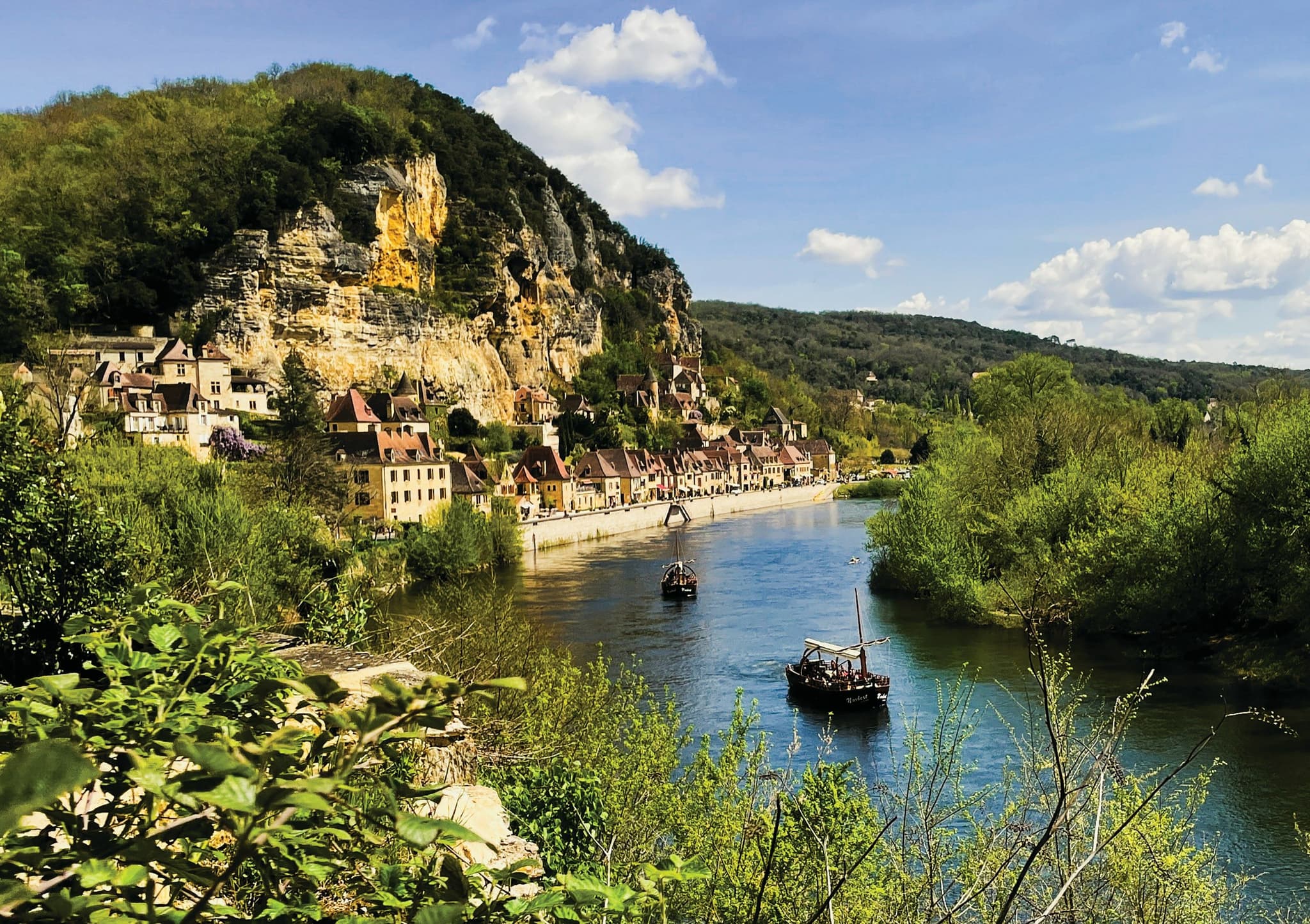
Dordogne is the place to go if you enjoy canoeing past clifftop castles, ducking into prehistoric caves, and visiting the Saturday market in Sarlat. Canoe rental shops are in nearly every town along the river. We recommend La Roque-Gageac or Beynac as a base, since both sit right under a castle with the water just steps away. Summer weekends get busy on the river, so an early paddle beats fighting the midday rush.
Alsace
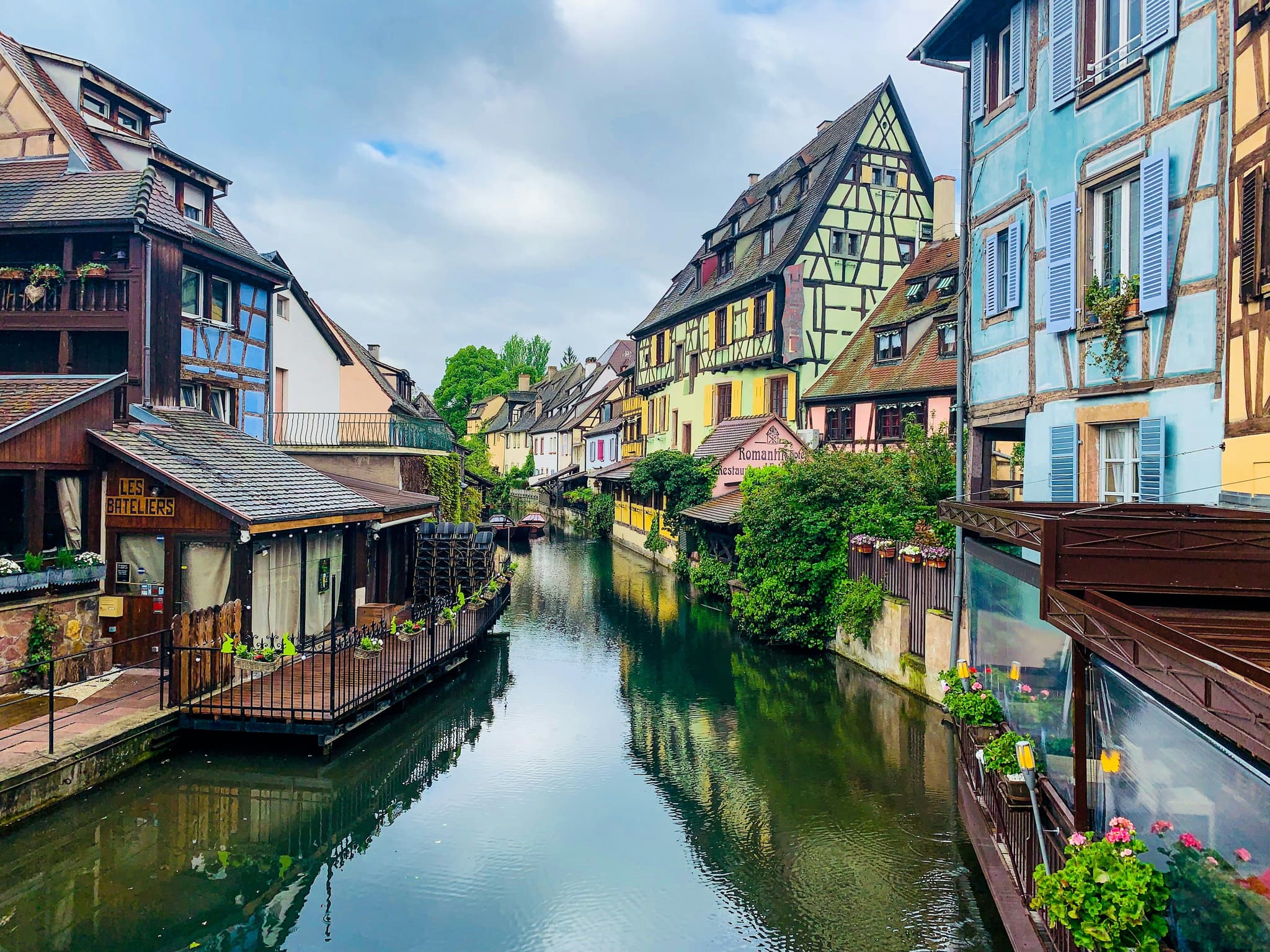
That combination of exploring Colmar's canals, tasting your way along the Route des Vins, and browsing Strasbourg's Christmas markets is what makes Alsace worth the detour. If you love the idea of French and German culture blending into one region, you'll feel that mix everywhere here, from the food to the architecture. We'd recommend connecting Colmar and Strasbourg by train, since the ride between them takes less than an hour and both work fine as a base. December gets busy because of the Christmas markets, so if that's your plan, book your stay well ahead of time.
Paris
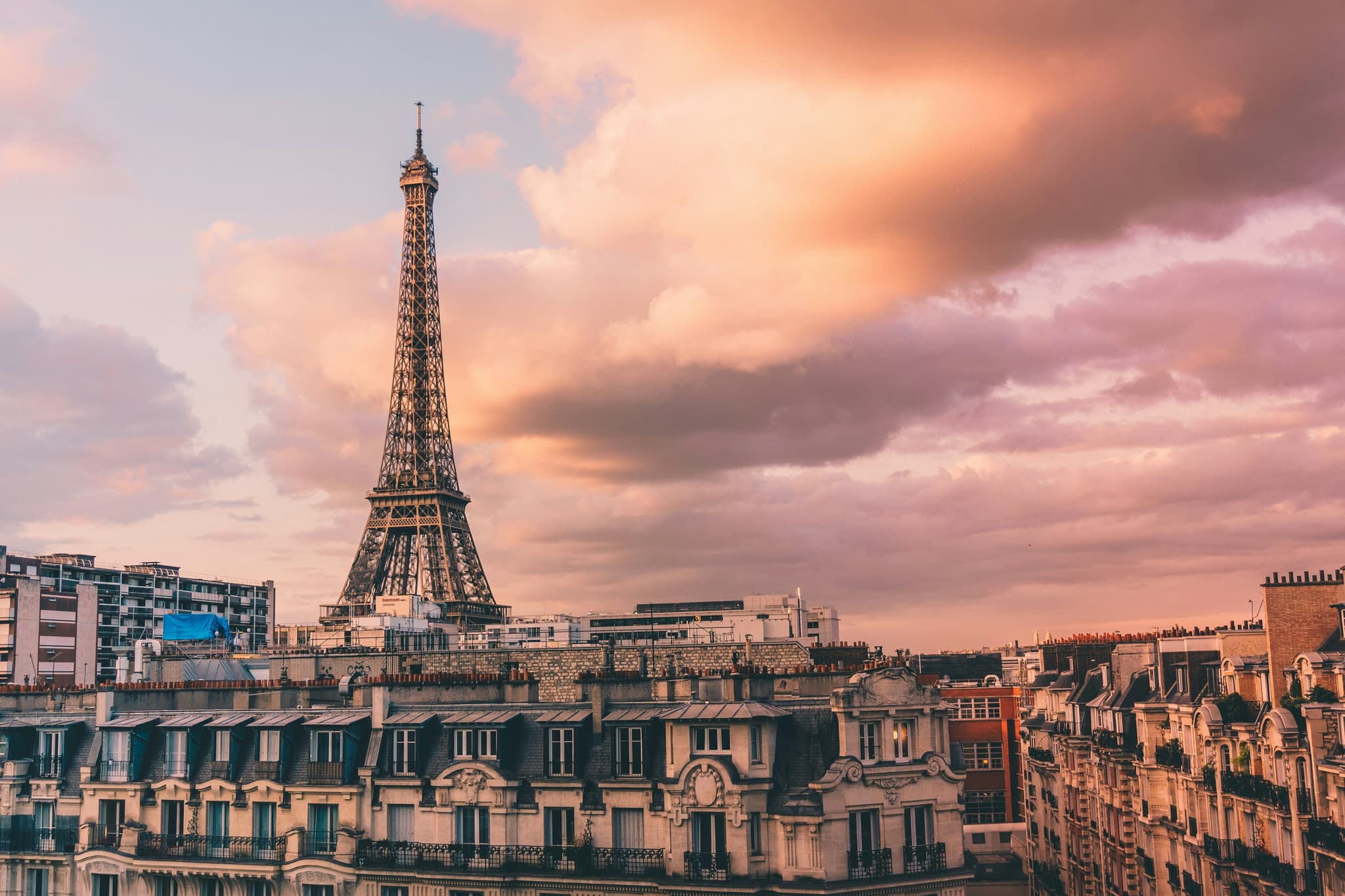
France wouldn't be France without Paris. While the country has countless beautiful regions, the capital is where most Guided travellers begin their trip, and for good reason. There's the Eiffel Tower sparkling after dark, afternoons spent wandering through the Louvre, and picnics along the Seine with fresh baguettes, cheese and wine from a local market. If you're visiting France for the first time, Paris gives you a little bit of everything. You won't need a car, since the metro makes it easy to reach places like Montmartre, the Musée d'Orsay and countless cafés across the city.
France itineraries: best routes for your trip
Wondering how these regions actually connect? You'll be glad to know trains link most of them well, so building your own route rarely means backtracking across the country. Here are three starting points, depending on how many days you have and what you want most out of your trip to France.
A week in Paris and the Loire Valley
Day 1-3: Paris, covering the Eiffel Tower, the Louvre, and picnics along the Seine
Day 4-5: Loire Valley châteaux, based in Tours
Day 6-7: Back to Paris, or straight on to the airport
12-day South of France road trip
Day 1-4: Provence, lavender fields and hilltop villages
Day 5-8: French Riviera, Nice as a base
Day 9-12: Camargue wetlands, or a loop back through Lyon
10 days in Normandy and Brittany
Day 1-3: Rouen and Honfleur
Day 4-6: D-Day beaches and Bayeux
Day 7-10: Mont Saint-Michel and the Breton coast
Want more inspiration? Check out the following trips:


What to do in France: fun experiences
Did you know Paris hides an entire underground network of tunnels called the Catacombs, lined with the bones of six million people? That's just one of the unique things you can do in France. Here are a few more experiences worth adding to your itinerary:
Hunt for truffles with a local farmer in the Dordogne
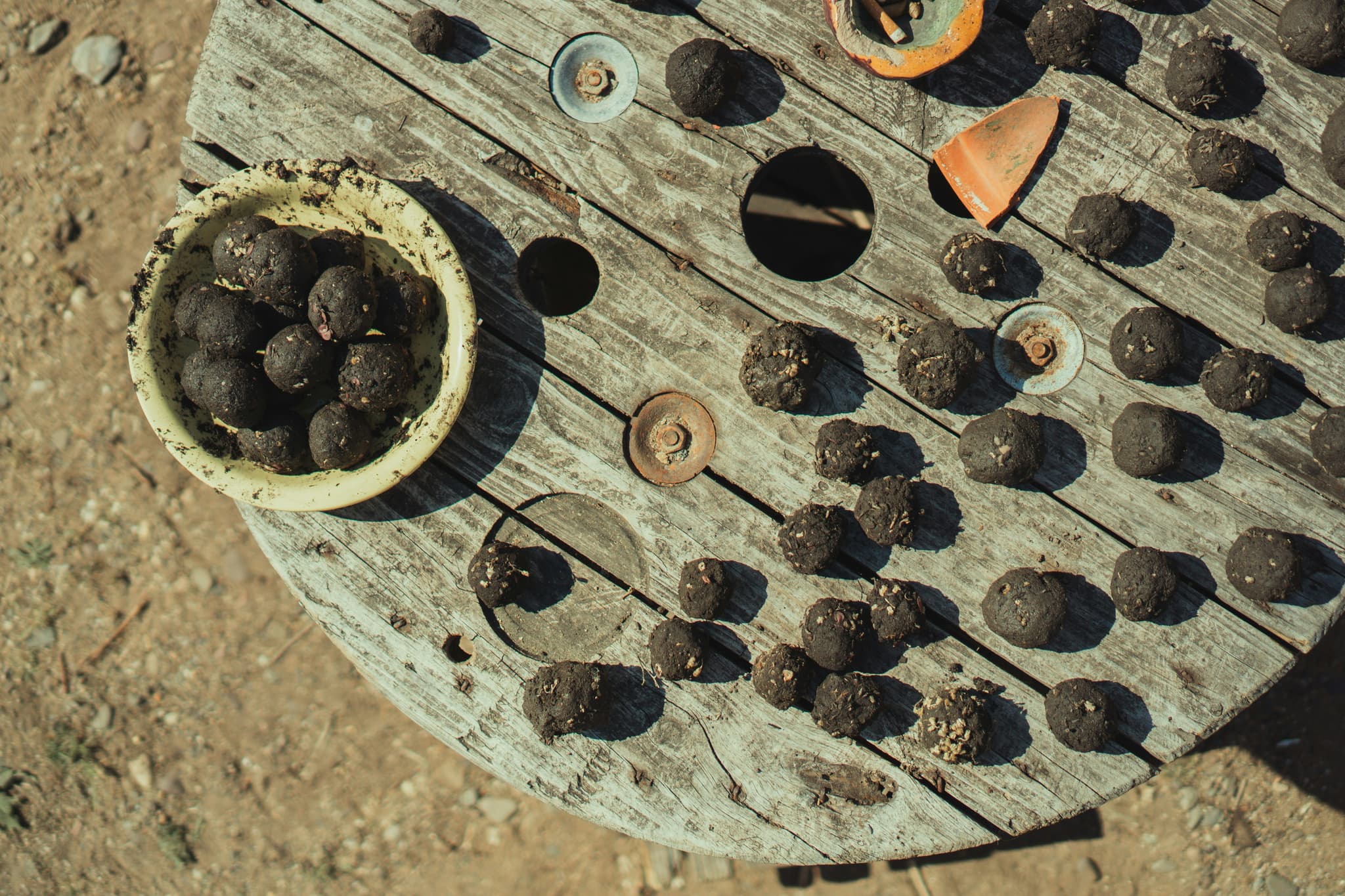
Fancy something a bit different from the usual sightseeing? Local farmers in the Dordogne run truffle hunts with trained dogs through the winter months, usually followed by a tasting session back at the farmhouse. We recommend visiting a small local farm rather than a big tour operator, because you'll end up in a smaller group and usually come away with a better story to tell. Half a day covers the whole thing comfortably, including the walk through the woods and a meal afterward, so it fits neatly into a Dordogne trip.
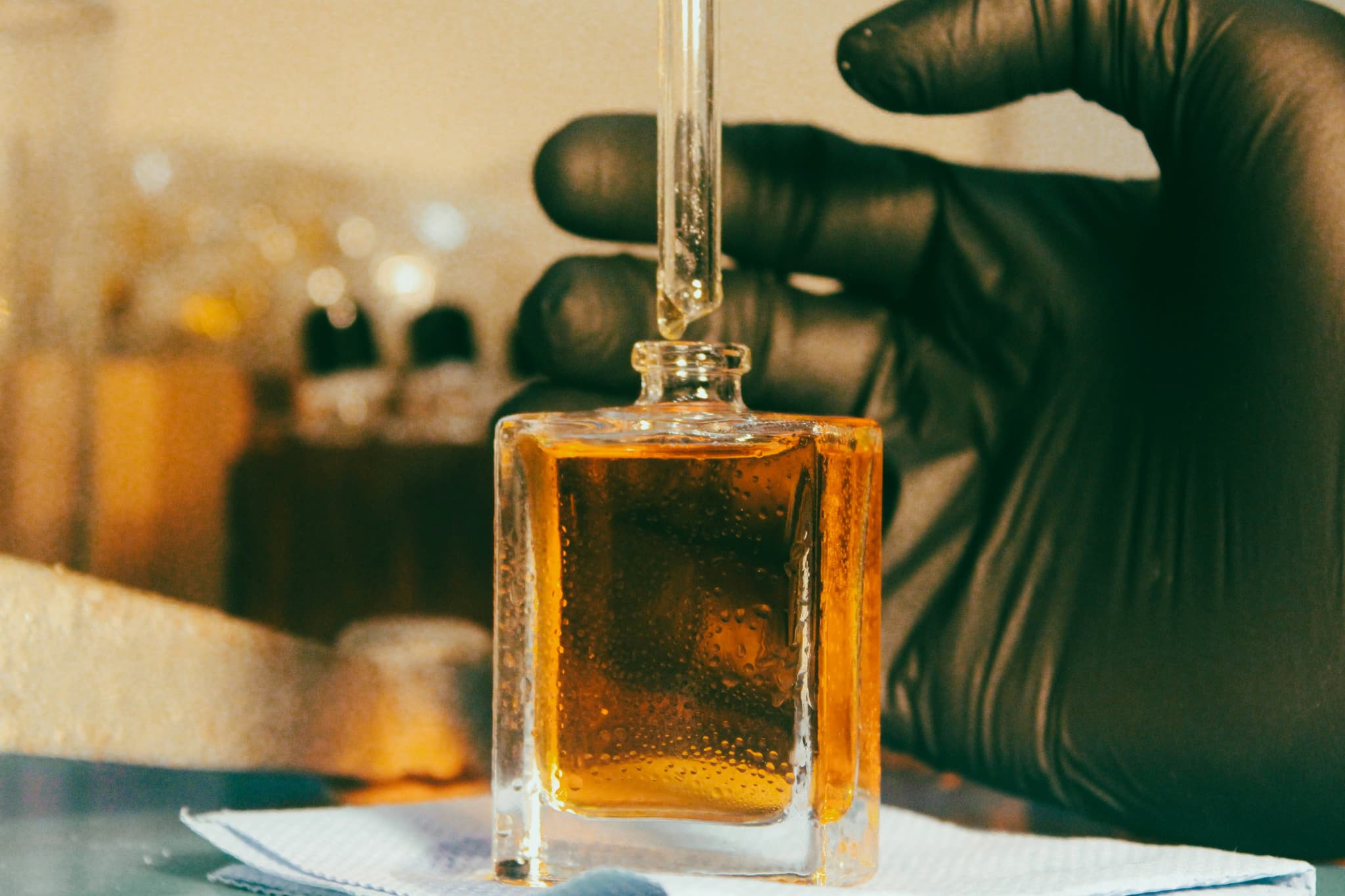
Learn to make perfume in Grasse
Ever wondered how perfume actually gets made? Grasse has been answering that question since the 16th century, and a handful of historic houses, including Fragonard and Molinard, run hands-on workshops where you blend and bottle your own scent to take home. We'd recommend booking your spot a few days ahead, since sessions fill up fast, especially through the summer months. Set aside about two hours for the full experience, and you'll walk away with something a lot more personal than a bottle from a souvenir shop.
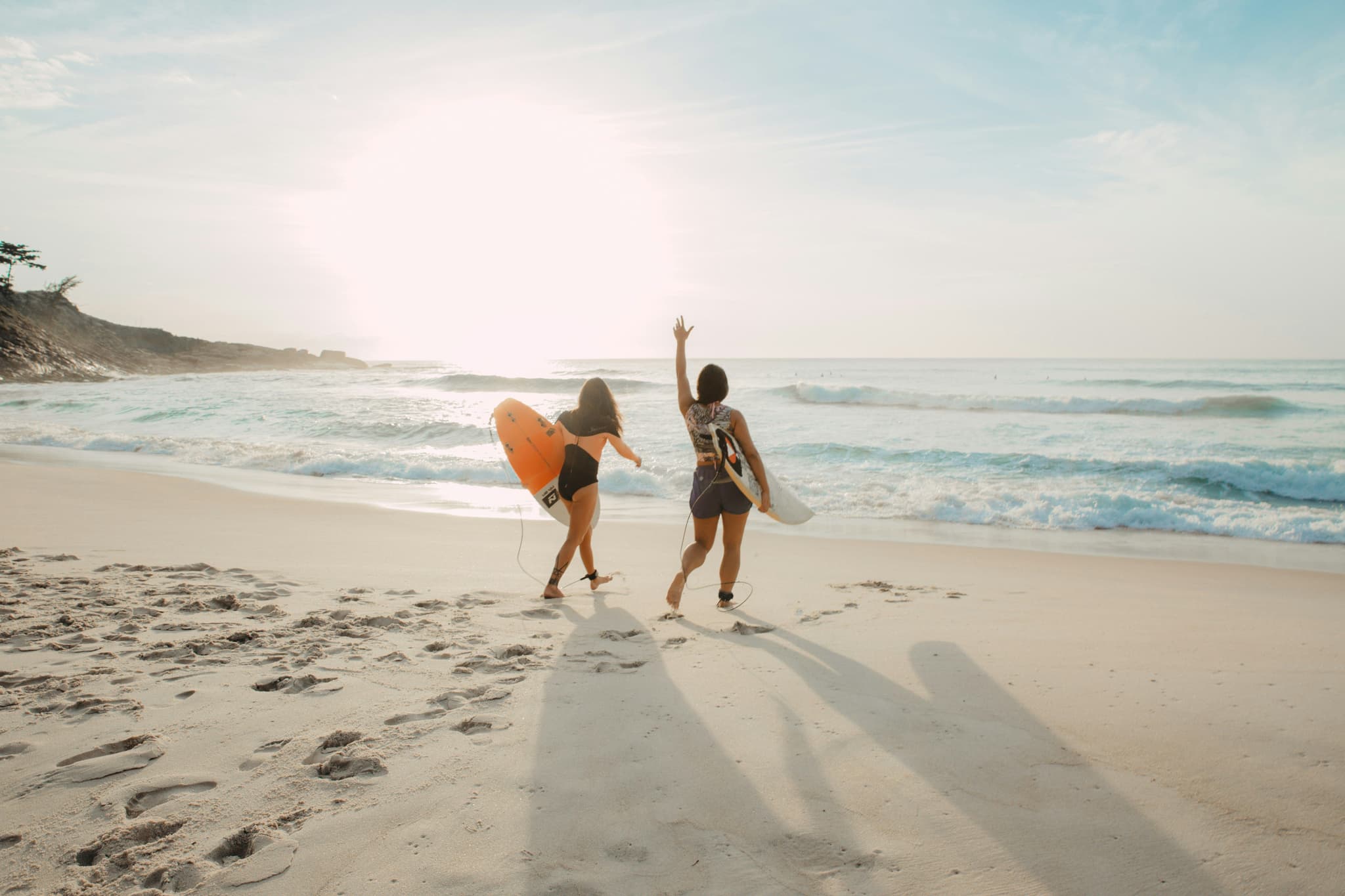
Surf the Atlantic waves in Biarritz
Do you like surfing? Atlantic swells hit this Basque coastal town hard enough to have built a genuine surf culture here since the 1950s, and beginner lessons run through most of the year with boards and wetsuits included. If you're already confident on a board, autumn brings the biggest swells, and if you're just starting out, summer gives you calmer water to learn in. We'd suggest comparing a couple of the surf schools along the beachfront before booking, since prices and group sizes vary a lot.
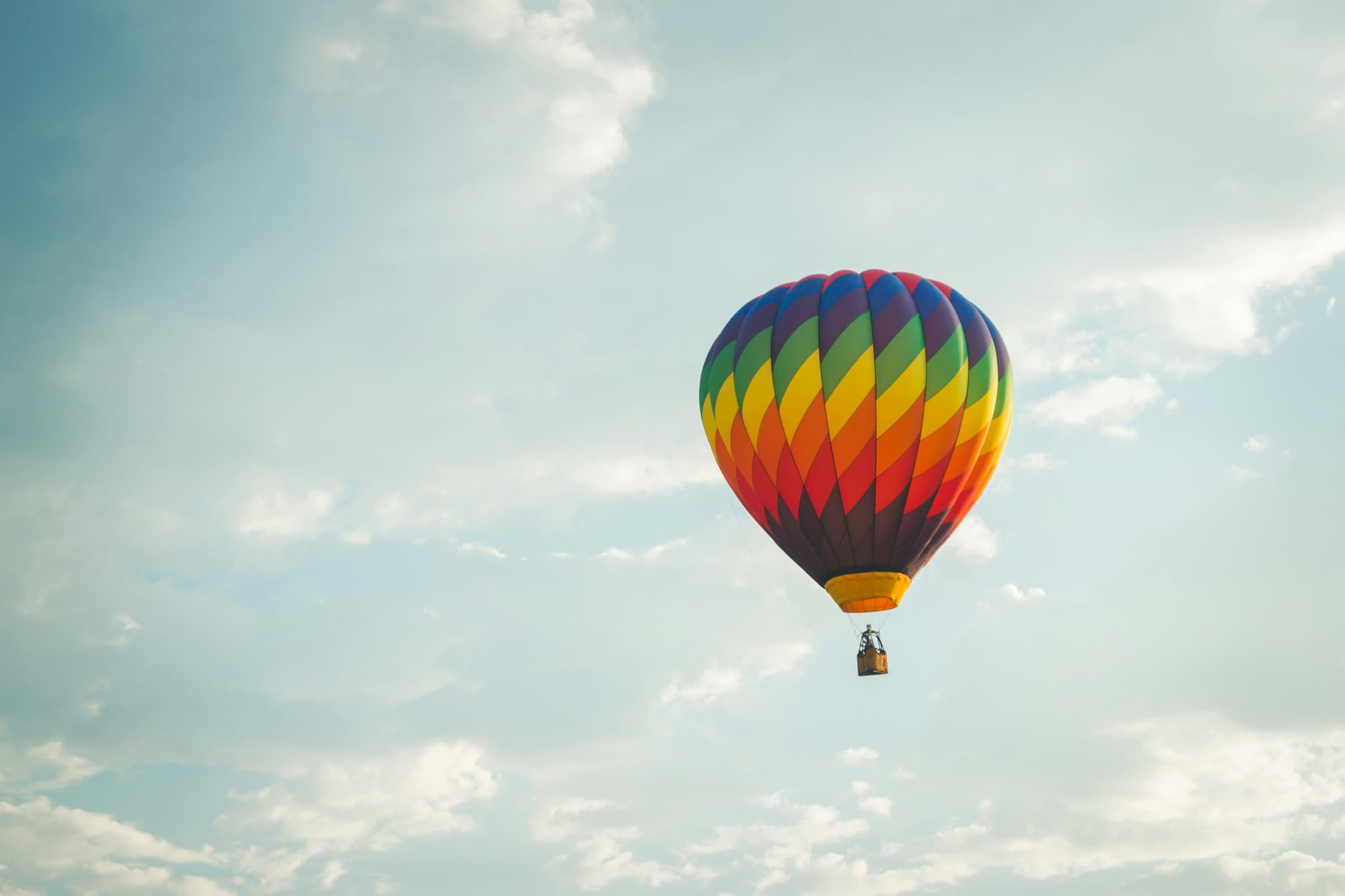
Take a hot air balloon ride over the Loire Valley
Fancy seeing the châteaux from somewhere a little higher up? Sunrise balloon flights drift over the Loire Valley for about an hour, weather depending, with companies based near Amboise and Chenonceau running trips most mornings between April and October. We'd suggest keeping your dates flexible if you book this, since flights get cancelled fairly often when the wind picks up. Champagne usually caps off the landing too, a tradition that goes all the way back to the earliest days of ballooning.
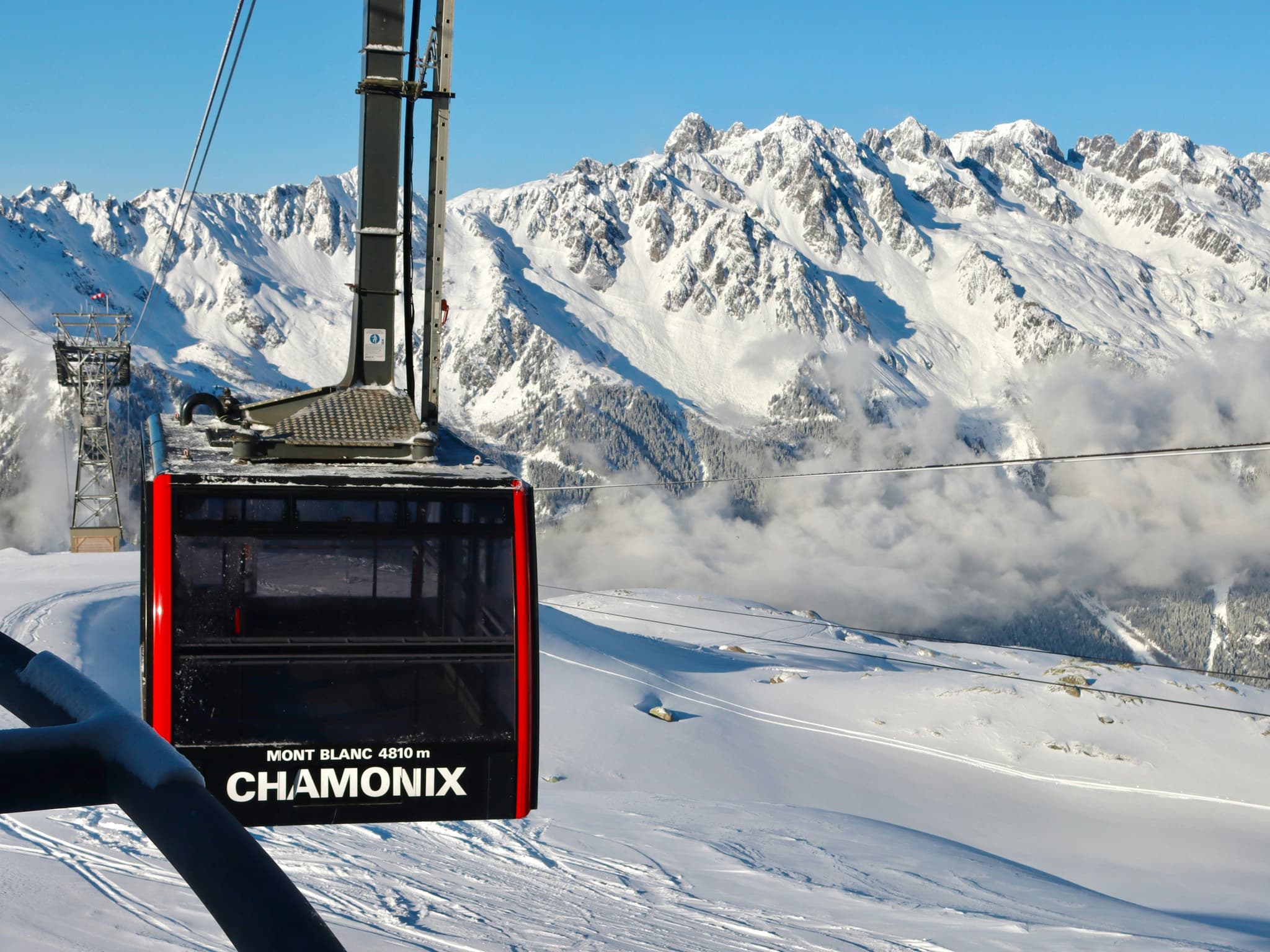
Ski or hike around Chamonix and Mont Blanc
If mountains do it for you, Chamonix and Mont Blanc are hard to beat. Cable cars climb to over 3,800 metres here, putting glacier views within reach without a serious hike required. Winter's your season if skiing's the goal, and summer opens up those same routes for hikers instead. We'd recommend booking your Aiguille du Midi cable car ticket ahead of time on clear days, since it sells out, and packing layers even in summer, because temperatures drop fast once you're up that high.
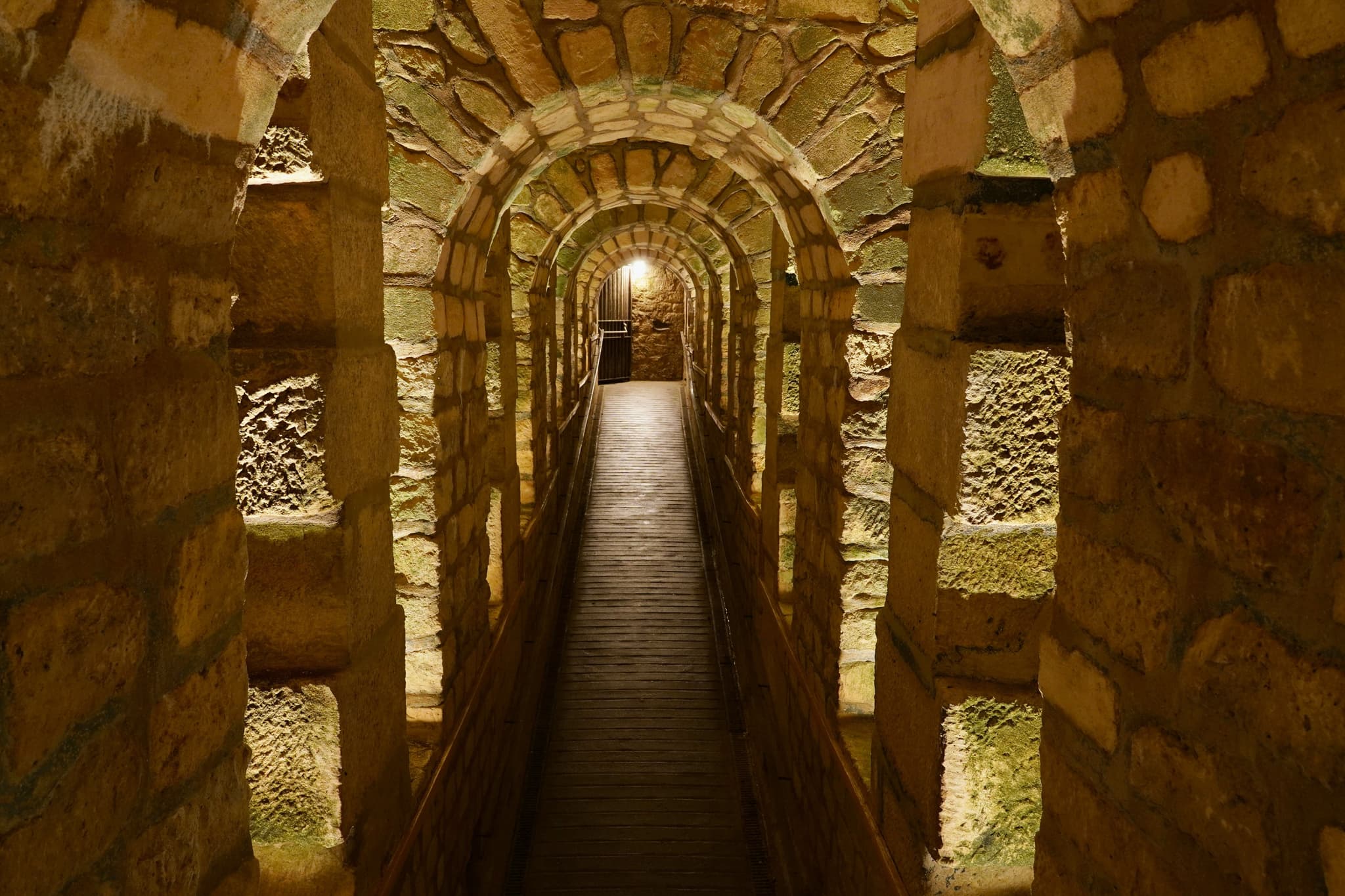
Walk through the Paris Catacombs
Ever wondered what's underneath the streets of Paris? Six million skeletons line the walls of this old underground quarry turned ossuary, arranged into patterns that took decades to finish. We'd suggest booking your ticket online a few days ahead, especially in summer, because the queue on the day often gets closed once the underground reaches capacity. Give yourself about an hour down there, since the passages stay narrow and the pace slows right down. If tight, dark spaces aren't your thing, you might want to skip this one, but for everyone else, it's unlike anything else you'll find in the city.
When to visit France: best weather and timing
So when's the best time for you to visit? It depends more on what you want to do than the month on the calendar, since France changes character completely between seasons. Pick whichever suits your trip best.
Spring (March to May): gives you mild weather, fewer visitors at the big sights, and gardens like Giverny and Versailles in full bloom.
Summer (June to August): is peak lavender season in Provence and beach weather along the coast. Everywhere gets busiest and priciest.
Autumn (September to November): brings the wine harvest and golden light through the Loire Valley, and the coast feels a lot quieter.
Winter (December to February): Christmas markets across Alsace and ski season through the Alps. Trade beaches for mulled wine and snow-capped peaks.
Where to stay in France: best regions
So where should you actually base yourself? That really comes down to what you want right outside your door each morning, since France rewards picking a base that matches your pace rather than just booking whatever's cheapest near a landmark. Here's how we'd think about it, region by region.
Base yourself in central Paris if everything on foot sounds appealing
If you want to step outside and have everything within walking distance, base yourself somewhere central like the 4th or 6th arrondissement, close to the Louvre, Notre-Dame, and no shortage of cafes for your morning coffee. You really don't need a car here, since the metro covers anything further away in minutes, and honestly, a car in central Paris just becomes an expensive parking headache. This kind of base suits you well whether it's your first trip to France or you're only in the city for a couple of days.
Stay in Nice for beach days and easy Riviera day trips
Prefer beach mornings with the option to hop somewhere new most afternoons? Stay near the Promenade des Anglais in Nice, and you'll have trains reaching Monaco, Villefranche-sur-Mer, and Antibes in under half an hour each. If you're travelling solo, Nice is one of the easiest places to base yourself thanks to its safe, social and walkable atmosphere.
Choose Tours for château-hopping in the Loire Valley
If château-hopping is the whole point of your trip, Tours makes the easiest base in the Loire Valley, with direct trains from Paris taking about an hour to get you there. Once you've arrived, staying in the old town means restaurants and a weekend market sit within walking distance, so you won't need to plan every meal around a drive. If you're building a slower, history-focused trip, you'll likely get the most out of basing yourself here.
Pick a Provençal village like Gordes for slow countryside days
Craving something slower, with stone houses and narrow lanes instead of traffic? A Provençal village like Gordes gives you exactly that, though we'd recommend renting a car if you stay out here, since buses between villages run rarely, if at all. If you're a photographer, or you just want a proper countryside week away from queues and schedules, this is the kind of base you'll fall for.
Did you know you can create your own itinerary?
Now that you have a better idea of the places to see in Greece and things to do there, you can start creating your own trip. Do you want to travel from island to island, or would you rather spend more time in one area and really get to know it? It’s all up to you. You can easily create your own trip in the Guided app for free, or use trips shared by others.
Getting to France and getting around
Getting to France is honestly the easy part, since routes in from almost anywhere in the world are well covered, whether you're arriving by plane, train, road, or ferry. The trickier question is usually what happens once you land, so let's walk through both halves of the journey together.
Flying into France
Landing in France? Paris Charles de Gaulle and Orly handle the bulk of international flights, but don't rule out flying into Nice, Lyon, or Marseille instead if your trip starts somewhere other than the capital, since direct routes from plenty of major cities exist for all three. Once you're through arrivals, airport trains and buses get you into the nearest city centre in around 30 to 45 minutes, so you won't be stuck figuring out a taxi at midnight. We'd suggest checking regional airports first if your itinerary starts in the south or east, since it can save you both time and money compared with routing everything through Paris.
Arriving by train from elsewhere in Europe
Coming from somewhere else in Europe? High-speed rail connects France directly with Belgium, Germany, Spain, and Italy, and once you factor in airport check-in time, the train often works out just as fast as flying. If you're heading over from the UK, the Eurostar gets you from London straight into central Paris in about two and a quarter hours, no airport transfers involved.
Getting around in France by train
Once you're actually in the country, TGV high-speed trains link most major cities in just a couple of hours, which means you can genuinely skip renting a car for a lot of routes. We'd recommend booking through SNCF Connect, since it shows live prices and lets you lock in seats months ahead of time. Prices climb the closer you get to departure, so booking early isn't just convenient, it actually saves you real money.
Getting around in cities in France
Paris and Lyon both run metro networks that cover most of what you'll want to see, and they're cheap and run late into the evening too. If the weather's on your side, Vélib, the Paris bike-share scheme, is a fun way to cover short hops between sights.
Grab a day pass or download the local transit app through operators like RATP rather than buying single tickets each time you ride, since it works out cheaper and saves you queuing at the machine every stop.
Renting a car for exploring France
You won't need a car in cities like Paris, Lyon or Nice, where public transport is fast and parking is both expensive and limited. A rental car becomes worthwhile once you're heading into regions like Provence, the Loire Valley, Normandy or the French Alps, where you'll have much more freedom to visit small villages, vineyards and natural sights at your own pace. We'd recommend picking up your car after leaving the city, since rental offices at major train stations and airports usually make the easiest starting point.
Food and drinks in France
Everyone already knows the croissant, but did you know France has hundreds of regional specialities that rarely make it past their home region? Here are a few worth seeking out beyond the usual bakery window.
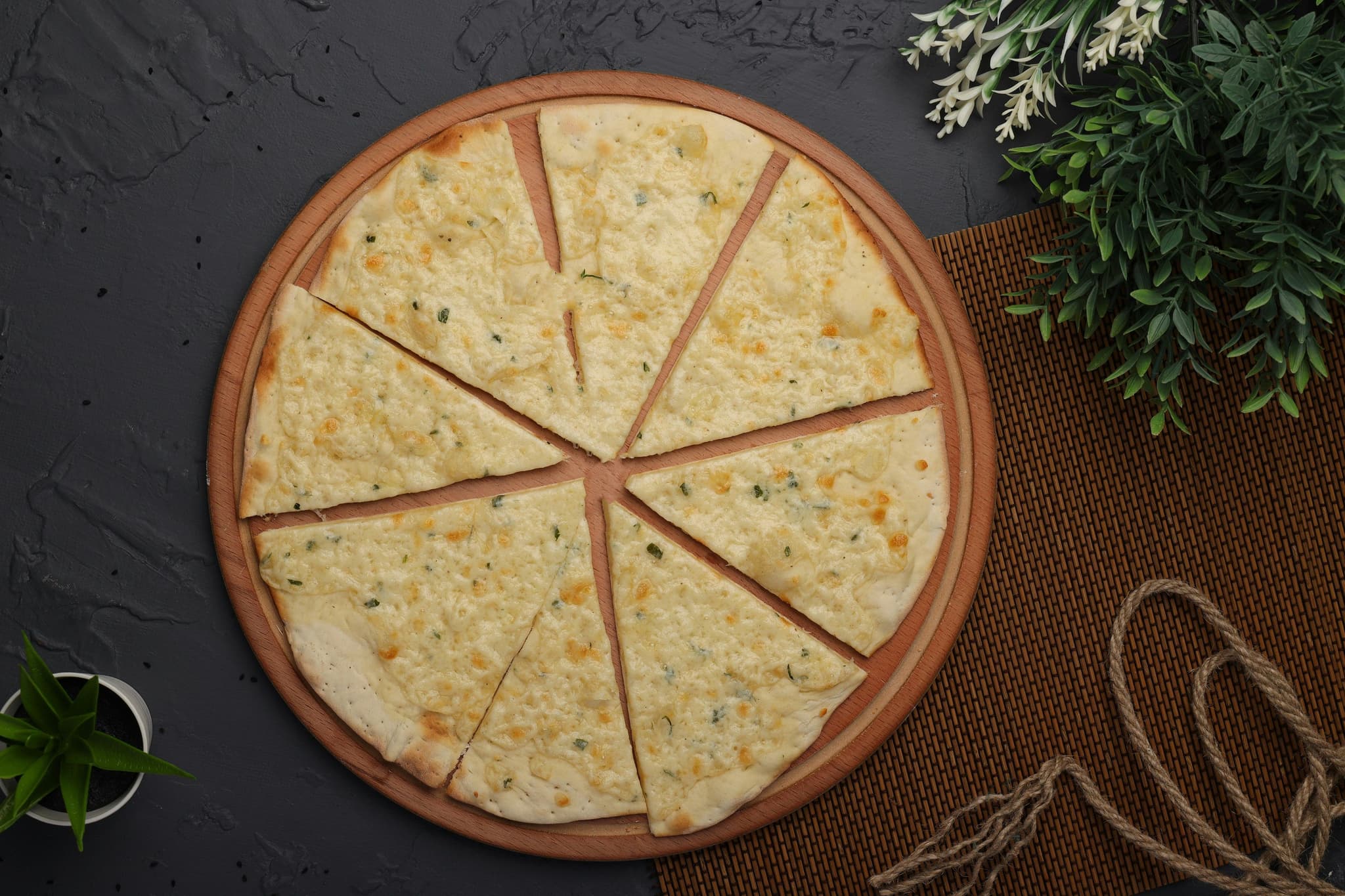
Socca in Nice
Fancy trying something besides a croissant? This chickpea flour pancake gets cooked in a wood-fired oven until the edges turn crisp and slightly charred, and you'll find it sold fresh most mornings from street stalls and small bakeries around Nice's old town, usually dusted with black pepper. A couple of euros gets you a generous slice, which makes it one of the cheapest proper meals you'll find in the city.
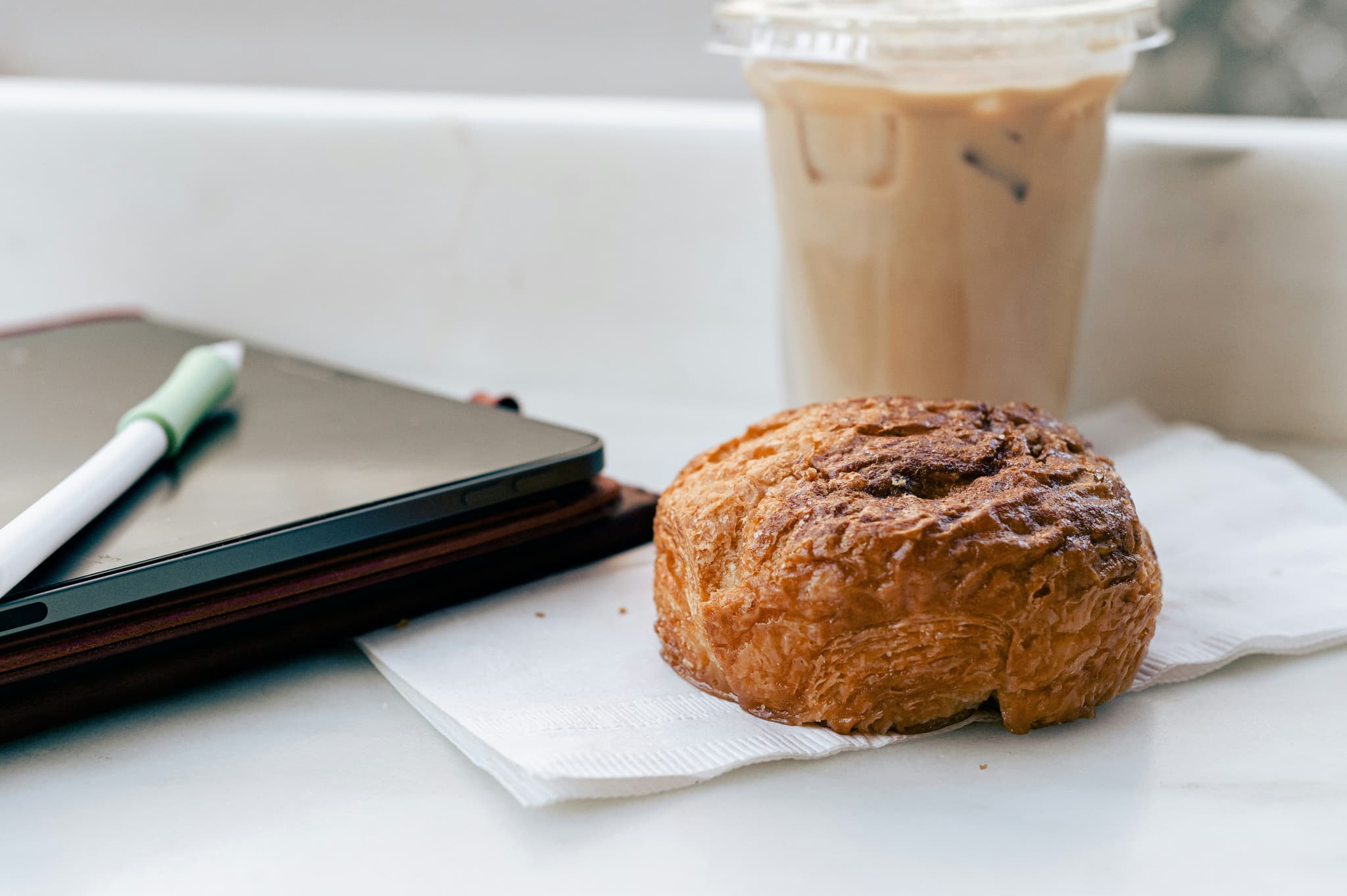
Kouign-amann in Brittany
Ever heard of kouign-amann? Layers of butter, sugar, and dough get folded and caramelised until the outside turns almost toffee-like, and you'll find it in bakeries across Brittany, including several around Douarnenez where the pastry first appeared. One of these easily covers a whole afternoon snack, so we'd suggest sharing unless you're really committed.
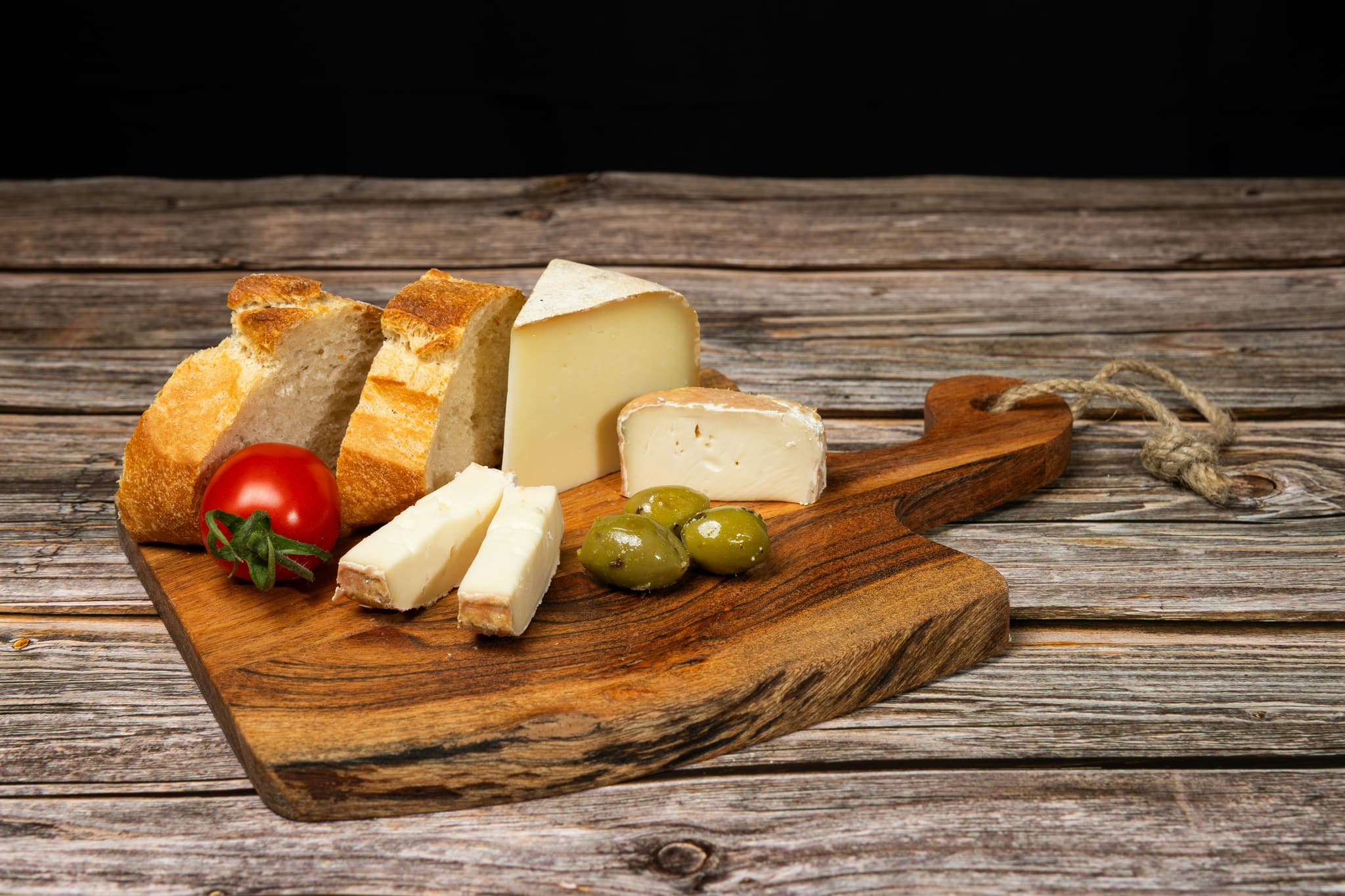
Cheese boards from Comté to Roquefort
France has hundreds of regional cheeses, but Comté, Reblochon, and Roquefort give you a good range of styles to start exploring from. Markets and small fromageries usually let you taste before you buy, so don't be shy about asking for a recommendation, since that's honestly the best way to find something you'll actually love.
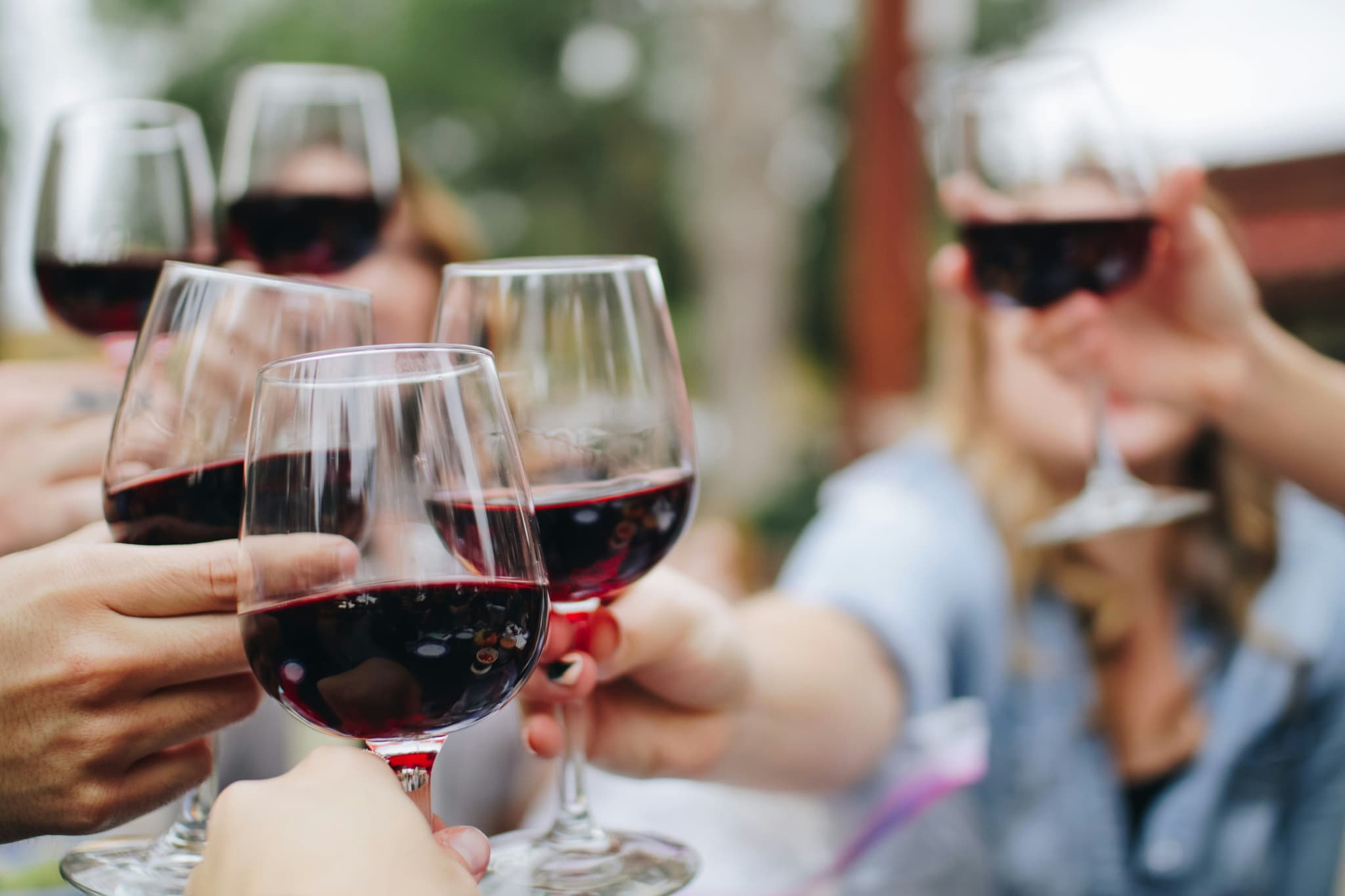
Regional wines from Bordeaux to Champagne
Bordeaux, Burgundy, and Champagne each built their reputation on completely different grapes and soil, so tasting your way through all three gives you a real sense of how different French wine can be from one region to the next. Small producers across all three run tastings that cost far less than a bottle back home, and we'd recommend a half-day tour through a handful of vineyards rather than trying to cram in too many in one go.
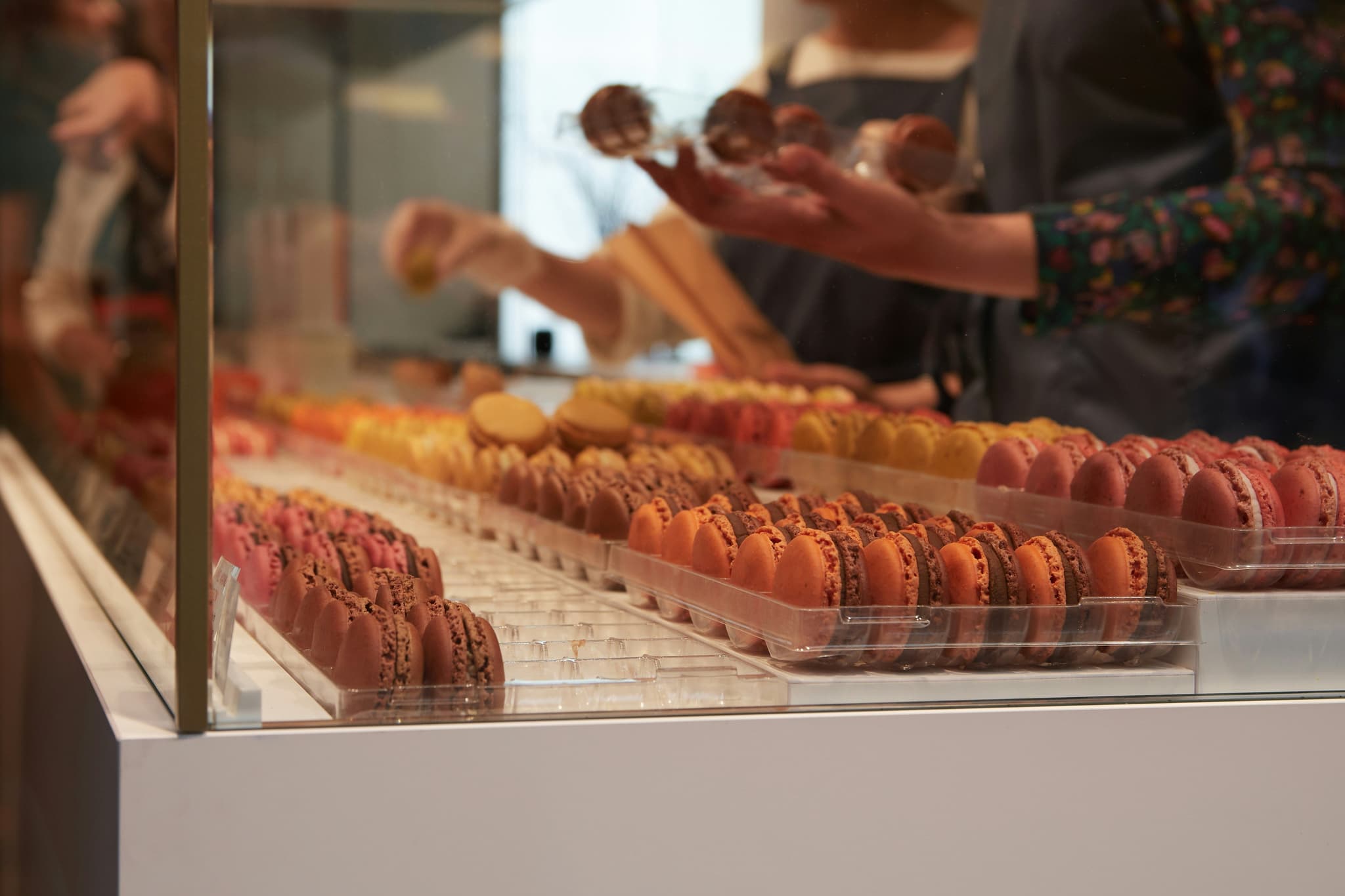
Macarons in Paris
Ladurée and Pierre Hermé both claim a piece of the macaron's history, though you'll find dozens of smaller patisseries across Paris making versions just as good. Flavours change with the season, so a spring visit gives you different options than a winter one, and we'd suggest picking up a small box to share rather than committing to a dozen of just one flavour.
Culture and daily life in France
Did you know that when you walk down one of Paris's wide, tree-lined boulevards, you're actually walking through a decision made back in 1853? Napoleon III and Baron Haussmann tore through the medieval maze of the old city that year and rebuilt it from scratch, carving out the uniform stone buildings, wide avenues, and corner cafes that still define the city today.
Head south into Provence, and you'll find history reaching back even further, since many of the roads you'll drive still follow routes the Romans laid down two thousand years ago, with towns like Nîmes and Arles still standing around amphitheatres built for gladiator games. Medieval life survives just as visibly further west, in the Dordogne and Languedoc, where towns like Sarlat and Carcassonne kept their tangled stone streets almost entirely intact, giving you the closest thing to walking through the 14th century that Europe has left.
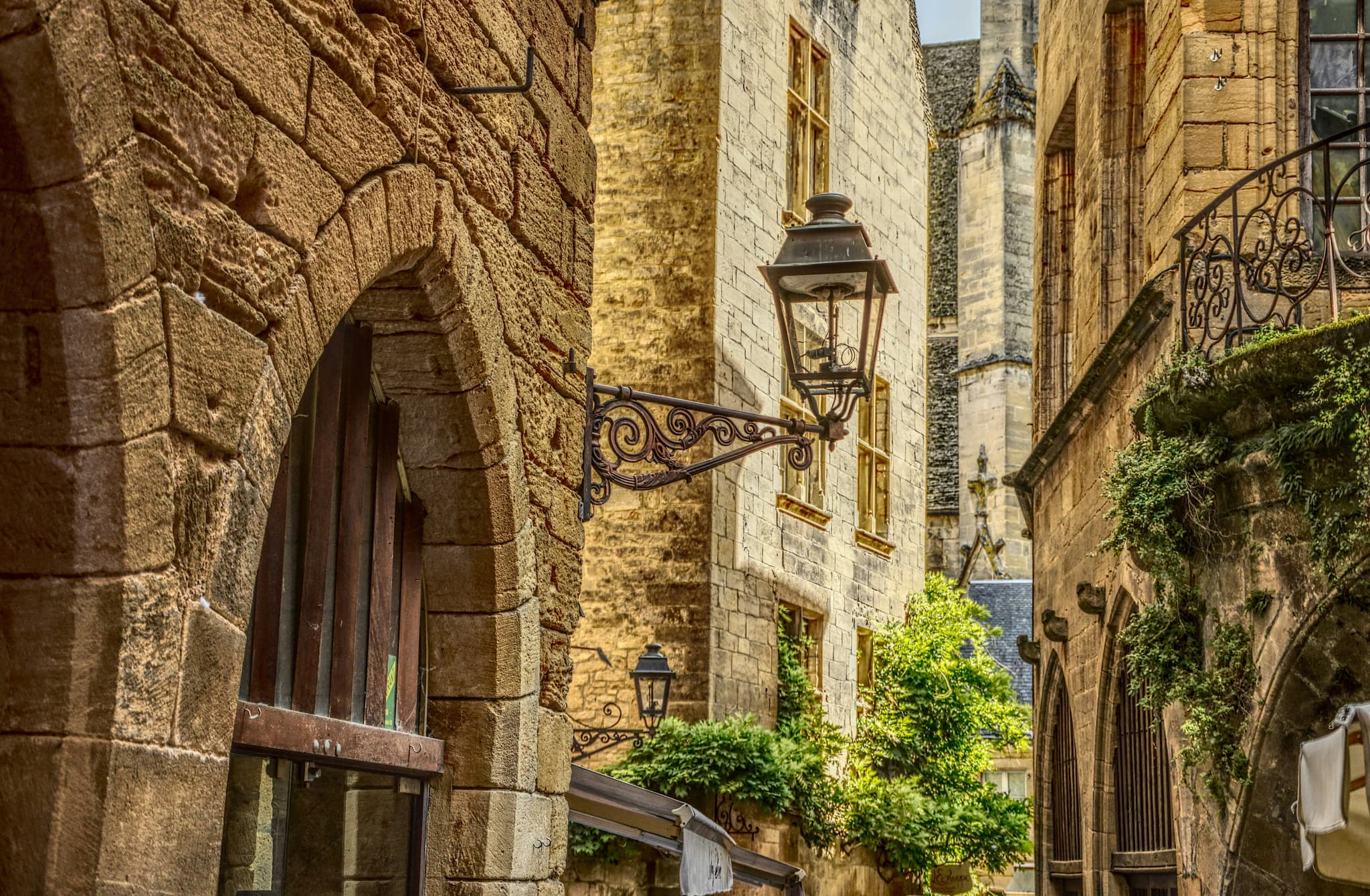
That layering of history is exactly why France feels like several different countries stitched together rather than one single place, and you'll notice it the moment you cross from one region into the next. Alsace still carries its centuries under German rule, from 1871 right through to the end of the Second World War, which is why Strasbourg's architecture, and even its choucroute-heavy food, leans closer to Germany than to Paris.
Head south, and days slow down noticeably, with long lunches and later dinners that echo what you'd find across Italy and Spain, and the north keeps closer to the tempo of Belgium and the Netherlands next door. Even the language shifts as you travel, with regional accents and local words changing enough between Marseille and Lille that you might genuinely wonder if everyone's still speaking French. By the time you've crossed a few of these regions yourself, you'll understand why so many people come back to France again and again, since one trip barely scratches the surface of what's actually here.
Looking for more unique places, trips and activities?
Subscribe to our Guided Newsletter for more travel inspiration.
Costs of a trip to France
Wondering what a trip to France will actually cost you? Prices swing a lot depending on region and travel style, but these benchmarks should give you a solid starting point for your own budget.
Food & Drink

Coffee
€2 – €4
Lunch
€15 – €25
Beer
€5 – €8
Accommodation
Hotels
€90 – €180
Airbnb
€80 – €180
Hostel dorm
€25 – €45
Transport

Train ticket
€20 – €80
Bus ticket
€2 – €3
Car Rental
€35 – €80
Attractions

Museums
€10 – €25
Big Attractions
€15 – €35
Theatre
€25 – €90
Travel tips for visiting France for the first time
New to France? We've pulled together a few tips from fellow Guided travellers.
✔ Say bonjour before anything else
Walking into a shop, sitting down at a café, or even stopping someone for directions without a quick bonjour first can come across as rude here, more than you might expect. We'd recommend leading with a simple bonjour every time, then asking your question, since it genuinely changes how people respond to you. Locals notice the effort even when your French isn't perfect, and you'll usually get patience back instead of the classic shrug.
✔ Learn a handful of basic phrases
You don't need fluent French to get by, but a handful of phrases go a long way: merci, s'il vous plaît, and l'addition s'il vous plaît cover most everyday situations. We'd suggest trying these over speaking slower English, since locals respond noticeably better to a genuine attempt, even a clumsy one. A phrase app or a small notebook works fine here, no need to commit to full lessons before you go.
✔ Validate train tickets before boarding
If you're taking a regional train, marked TER, remember to validate your ticket at the small yellow machine on the platform before you board. Skip this step and you could end up with a fine, even holding a perfectly valid ticket in your hand. TGV tickets booked online with a seat reservation usually skip this step entirely, so it's worth checking your ticket type before you get to the platform.
✔ Check entry requirements before booking
Passport rules and pre-travel authorisation change fairly often, so we'd recommend checking the latest requirements a few months before you travel, since some visitors will need ETIAS approval starting in late 2026.
✔ Plan around French meal times
Plan your day around French meal times, since most restaurants only serve lunch between noon and 2pm, and dinner from 7pm onward, with kitchens closed in between. Show up at 4pm expecting a full meal, and you'll likely be disappointed outside the bigger cities. We'd suggest carrying snacks between meals, especially on longer sightseeing days, just in case hunger strikes at the wrong hour.
✔ Expect Sunday and Monday closures
Don't be surprised if small shops, bakeries, and some restaurants are closed on Sundays, with Monday mornings often following the same pattern in smaller towns. We'd recommend planning grocery runs and bigger meals around this, since nothing spoils a Sunday evening faster than finding every shutter down on the street. Supermarkets in bigger cities usually stay open longer.
Fun facts about France
France is packed with little surprises, and not all of them involve wine or the Eiffel Tower. Here are a few of our favourites:
France is the most-visited country on Earth with 90 million visitors every year.
The oldest cave paintings in Europe sit inside the Dordogne region, dating back over 17,000 years.
Champagne can only legally carry that name if it comes from the Champagne region.
The metric system was invented in France, back in the 1790s.
French bakeries produce roughly 6 billion baguettes every year.
French cinema produced the very first motion picture, by the Lumière brothers in 1895.
A handful of these details will probably turn up somewhere on your own trip, whether that's counting stop signs in Paris or spotting a baguette queue at 7am. France stands apart less because of any single landmark and more because of how differently each region handles food, language, and everyday life. That variety is exactly why it suits so many different kinds of travel, from a week of museums to two weeks of beaches and vineyards.
Ready to map out your trip to France?
We hope this France travel guide has given you a clear starting point for your trip. Stay tuned for more inspiration, itineraries and practical tips to help you shape your own trip to France. And don’t forget to check out our Guided app, where you can create your own trip or use trips shared by other travellers for free.
FAQs about travelling to France
- Do I need a visa for France?
If you're travelling from the UK, US, Canada, Australia, or most of Europe, you can enter France visa-free for stays up to 90 days within any 180-day period, since France sits inside the Schengen Area. If you're planning a longer stay, or coming to work or study, you'll need the right visa arranged before departure through the official France-Visas website. From late 2026, you'll also need ETIAS pre-authorisation before travelling if you're currently visa-exempt, a quick online process rather than a full visa.
- How do I get to France?
- How many days do you need in France?
- Is France expensive to visit?
- What is France known for?
- Is France safe for tourists?