
Israel

Israel travel guide: Everything you need to know before visiting Israel
From the ramparts of the Tower of David in Jerusalem you can see the Western Wall, the dome of the Church of the Holy Sepulchre and the Dome of the Rock, all within about a square kilometre. Less than an hour away by train, Tel Aviv spends its afternoons on the beach, surrounded by more than 4,000 Bauhaus and International Style buildings, most of them from the 1930s. That contrast between a 3,000-year-old holy city and a secular beach city is the thing most people remember. Israel is only about 424 km from top to bottom, so the same trip can also take in the Dead Sea shore, the lowest land on Earth, and a desert crater in the Negev where the night sky is protected.
It's not a cheap trip, and it runs to its own weekly rhythm, because Shabbat changes the whole country from Friday afternoon. Compared with Jordan or Egypt, you pay more but travel shorter distances on much better public transport. We think Israel suits history lovers and food lovers best, and tight budgets least. This guide covers where to go and how to plan the trip around all of that.
5 reasons to visit Israel
Why go? These are the five reasons we'd give first.
- Walk Jerusalem's Old City, sacred to three faiths within a few hundred metres.
- Float on the Dead Sea, on the lowest land on Earth.
- Climb Masada's Snake Path for sunrise over the desert.
- Eat your way through hummusiyas, Mahane Yehuda and Carmel Market.
- Spend a day between Tel Aviv's beaches and its Bauhaus streets.
Where to visit in Israel?
Where should a first trip start? Jerusalem and Tel Aviv, almost always, and after that the choice is north towards Haifa and the Galilee, or south to the Dead Sea and the Negev. The train links the big cities in about an hour or less, so the hard part is deciding how many nights to give each one.
Explore Jerusalem's Old City and beyond
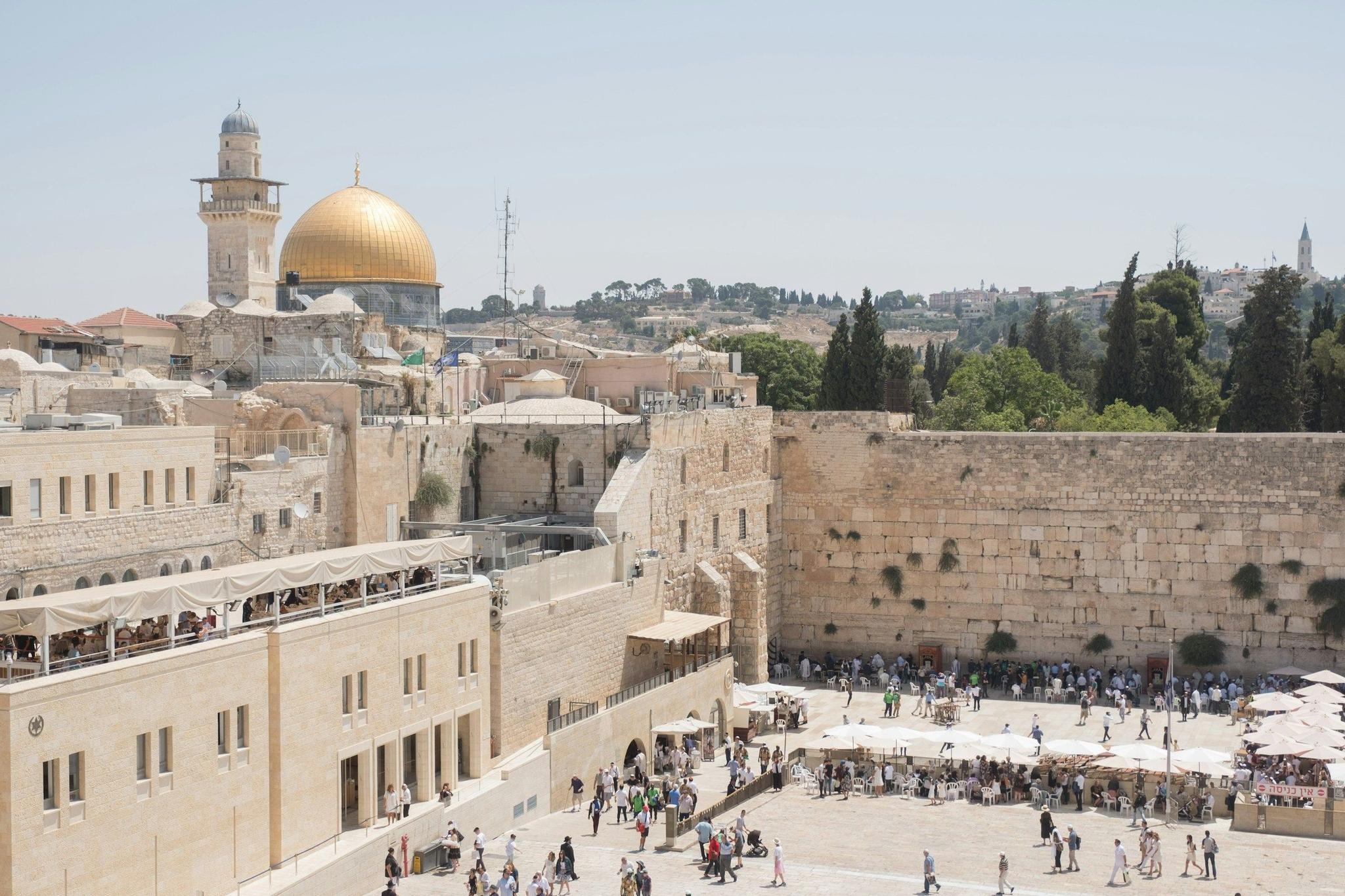
Jerusalem's Old City is sacred to Jews, Christians and Muslims, and it's divided into four quarters. The Western Wall is free and open around the clock, and the Church of the Holy Sepulchre is free too. Non-Muslims can visit the Temple Mount / Haram al-Sharif only in short slots, mostly in the morning, Sunday to Thursday, through the Mughrabi Gate walkway near the Dung Gate after a security check, and can't enter the Dome of the Rock or Al-Aqsa. Check the times before you go and be in that queue at opening. Afterwards, climb the Tower of David ramparts (adults ₪55), which give the best overview of the city. Outside the walls, Yad Vashem is free with booking, and the Israel Museum keeps the Dead Sea Scrolls in the Shrine of the Book.
Spend a few days in Tel Aviv and Jaffa
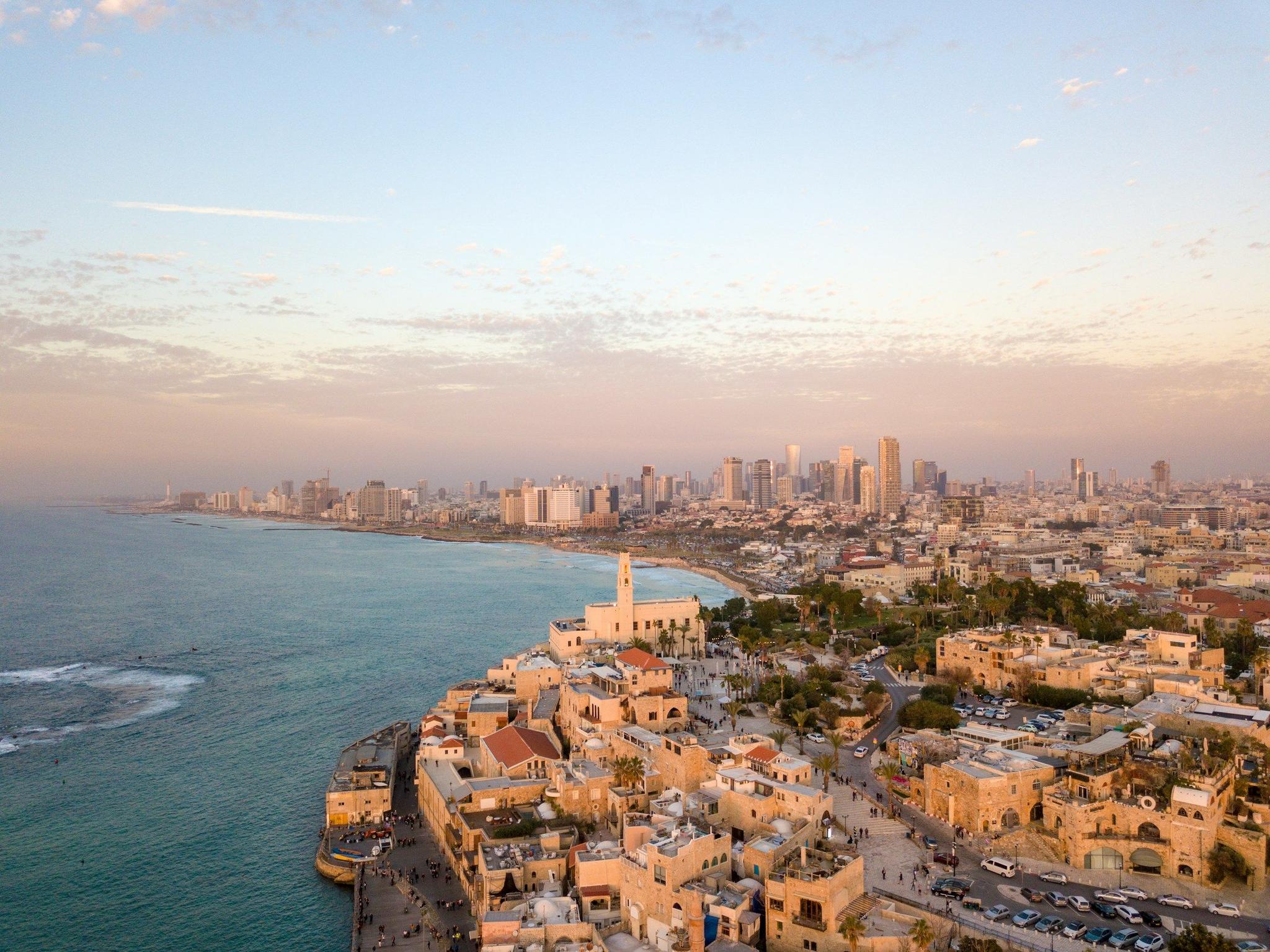
Tel Aviv was founded in 1909, which makes it young by local standards, and its whole seafront is beach. The White City, listed by UNESCO in 2003, is the reason to walk rather than ride. Rothschild Boulevard and Bialik Street have some of the best Bauhaus buildings, and Liebling Haus, the White City Center, opened in 2019. End the day by walking south along the promenade to Jaffa's old port for sunset. Tel Aviv also keeps moving on Shabbat in a way most of the country doesn't, with free Na'im Busofash buses on Friday evening and Saturday daytime. Keep your bag close on the sand, because theft from beaches is common.
See the Bahá'í Gardens in Haifa
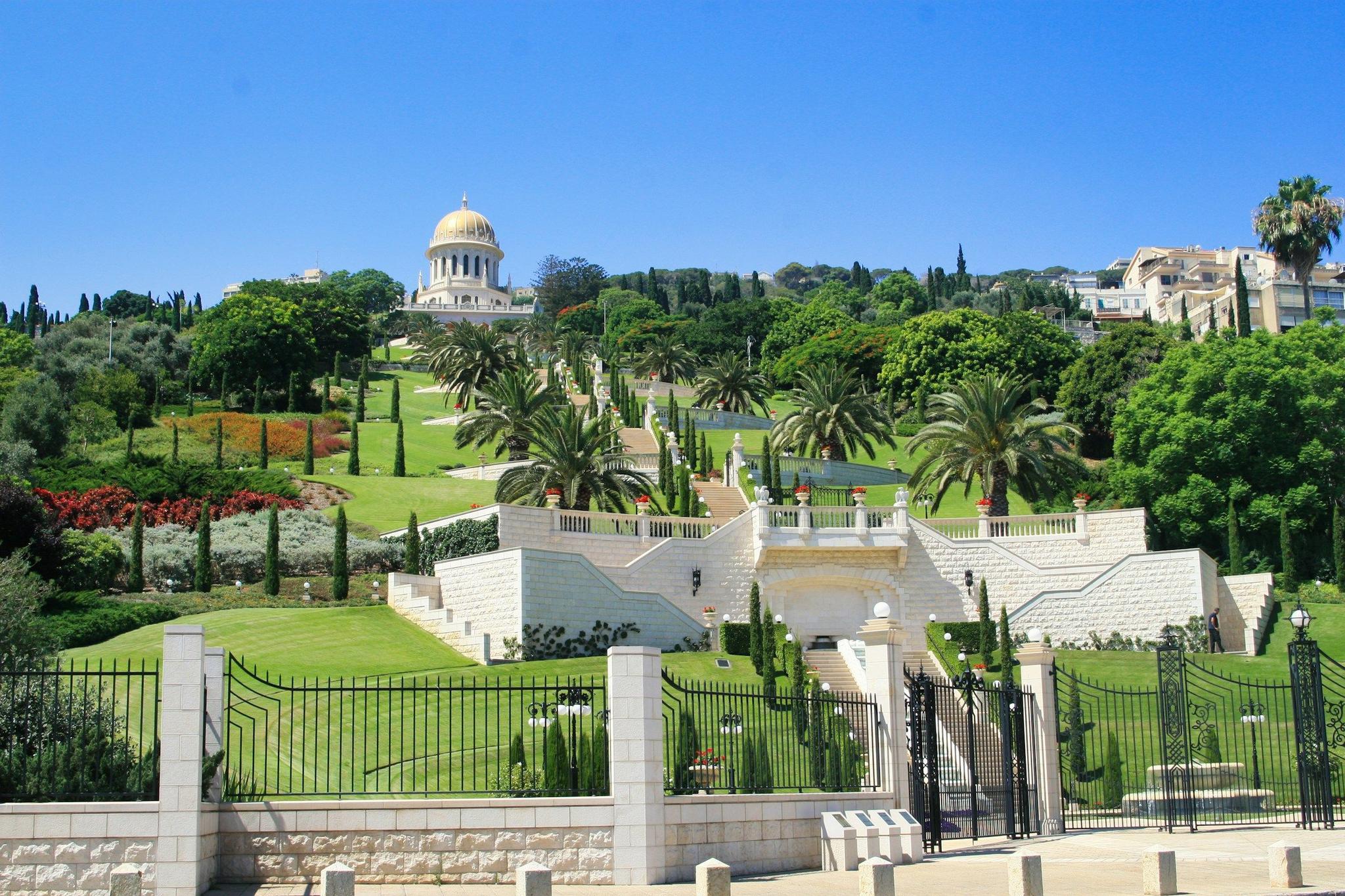
Haifa's Bahá'í Gardens drop down the hillside in 19 terraces, and they have been UNESCO-listed since 2008. The upper viewpoint opens daily from 9am to 5pm, while the shrine and inner gardens open only in the morning. Book the free 50-minute guided tour (Tuesday to Sunday), which walks you from top to bottom down about 750 steps. We think that tour is the best way to see them, and the German Colony at the foot of the gardens is where we'd go for dinner afterwards. The gardens close on Bahá'í holy days and Yom Kippur, and you'll need covered shoulders and knees. The Carmelit, an underground funicular, costs a local bus fare, and buses in Haifa run on Shabbat.
Visit Akko's Crusader halls and harbour
Most of what makes Akko worth the trip is underground or behind thick sea walls. Its Old City has been UNESCO-listed since 2001, and the Crusader Knights' Halls and the Templar Tunnel, about 350 m long, fill most of a morning. Akko is 25 to 30 minutes by train from Haifa, which makes it an easy half-day trip. Stay for a fish lunch by the harbour walls before heading back. If you have time on the way, the Bahá'í gardens at Bahjí are close by and open Thursday to Monday, 9am to 4pm.
Stop at Caesarea on the coast
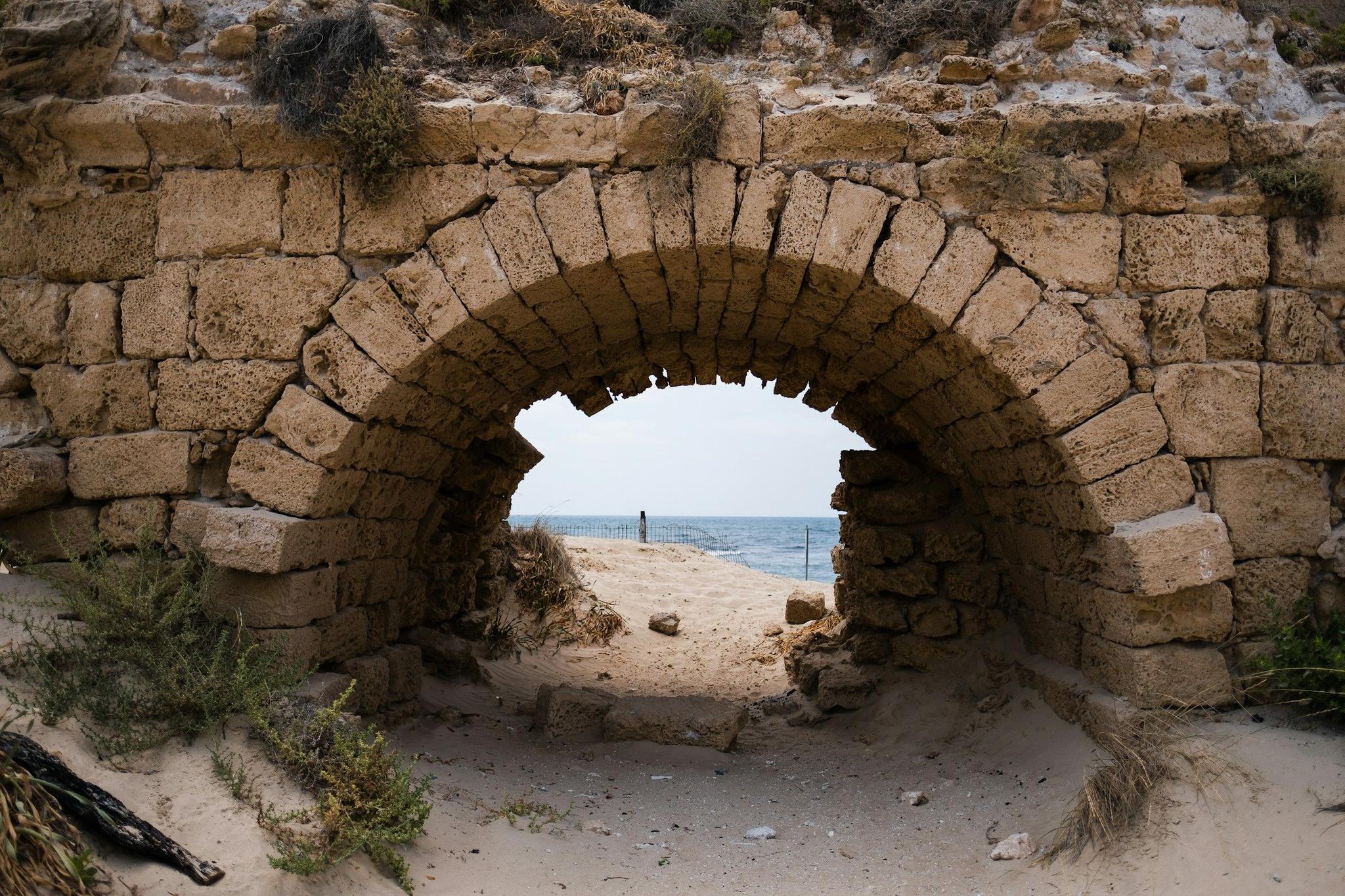
Caesarea sits roughly halfway between Tel Aviv and Haifa, so it fits neatly into a day of driving up the coast. Herod built a harbour city here, and you can still sit in its theatre (about 4,000 seats) and follow the aqueduct along the beach. Entry to the national park is ₪46 for adults. Pair it with Zichron Ya'akov on the same day, where Baron Edmond de Rothschild founded the Carmel Winery in 1882 and its cellars opened in 1892. Zichron Ya'akov is about an hour from Tel Aviv, so the two together make a full day out.
Climb Masada for sunrise
Masada has been UNESCO-listed since 2001, and the best way to see it is on foot in the dark. The Snake Path opens about an hour before sunrise. It's about 2 km long and climbs about 310 m, which takes most people around an hour. Walk up for sunrise and ride the cable car down. National park entry is ₪37 for adults and the cable car costs extra. In hot weather the last ascent on foot is early. The main site's winter hours are 8am to 4pm (3pm on Fridays), but the Snake Path still opens before sunrise. By car, Masada is a little over an hour from Jerusalem.
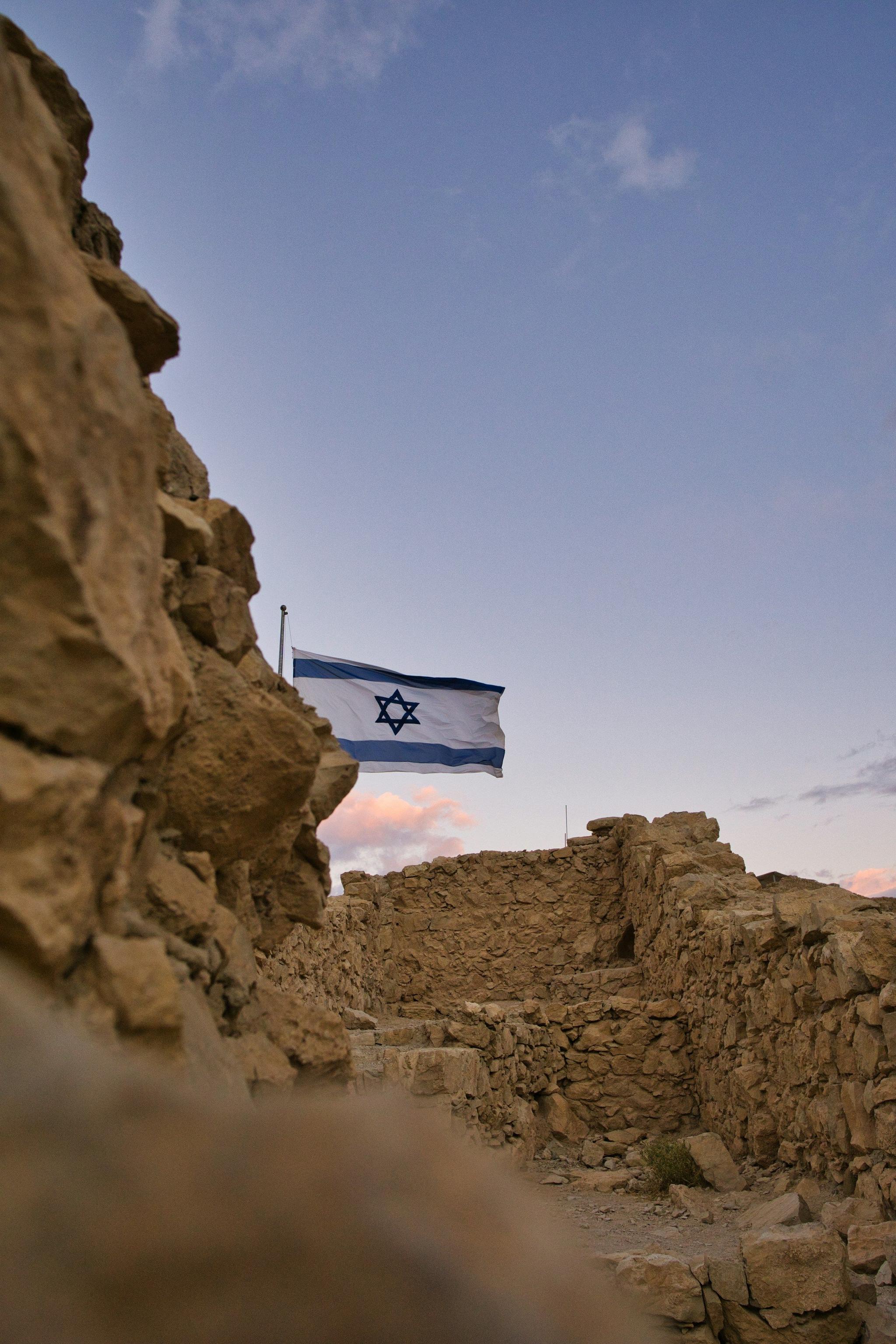
Float at Ein Bokek and hike Ein Gedi
The Dead Sea's surface sits about 440 m below sea level, and the sea has lost about a third of its surface area since 1960. Sinkholes have closed the old Ein Gedi beach, so we'd split the day. Hike the Nahal David trail in the Ein Gedi reserve (₪31) first thing, about 1.6 km to the waterfalls, where ibex are a common sight. Then drive south to Ein Bokek, the main hotel strip, which has free public beaches for the float.
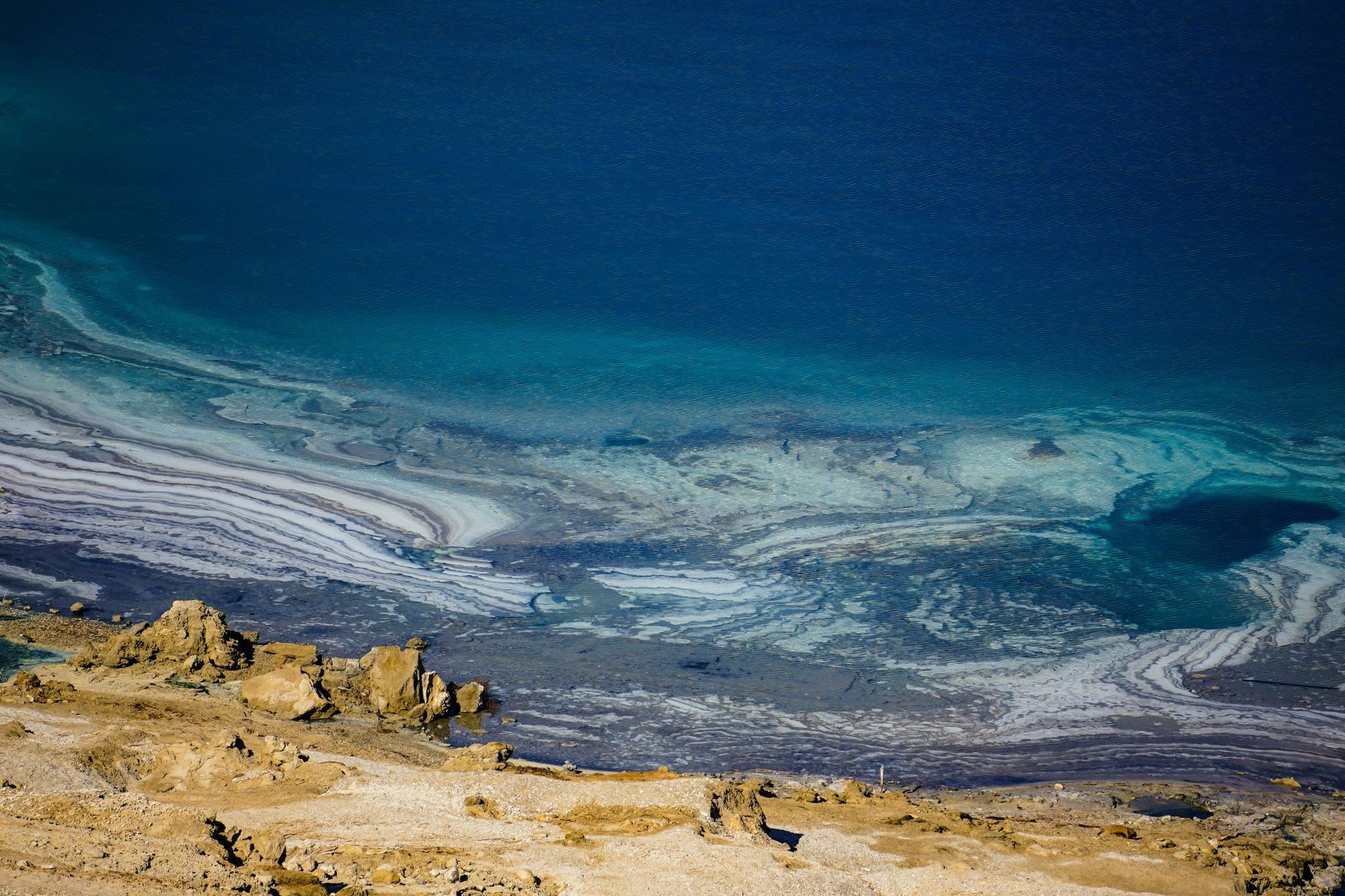
Explore the Sea of Galilee and Capernaum
We'd base ourselves on the lake shore rather than in Tiberias town, because the point of coming here is the water and the villages around it. Capernaum, about 16 km north of Tiberias, has the remains of a 4th to 5th-century synagogue and St Peter's House under a modern church. Entry is ₪10, and it's cash only. The Jesus Trail also ends here, which makes Capernaum a natural last stop if you walk it.
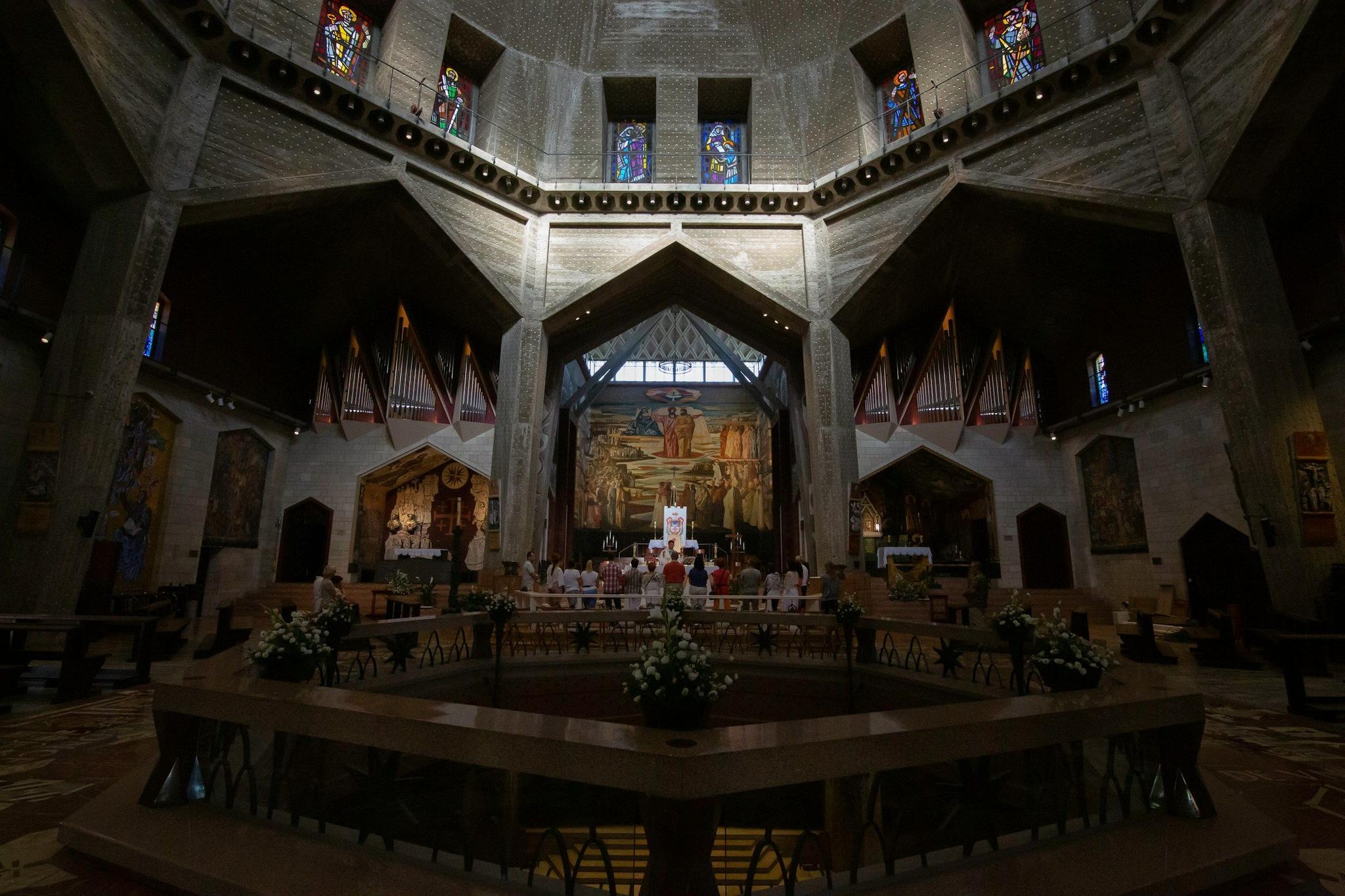
Visit Nazareth's Old City
Nazareth is an Arab city, and it's one of the places in Israel where the buses keep running on Shabbat. The Basilica of the Annunciation, completed in 1969 with a 55 m dome, is often described as the largest church in the Middle East. The Old City market winds through the narrow streets around it, and guesthouses like Fauzi Azar by Abraham let you stay right inside it. We'd eat knafeh here and plan a night rather than a quick stop.
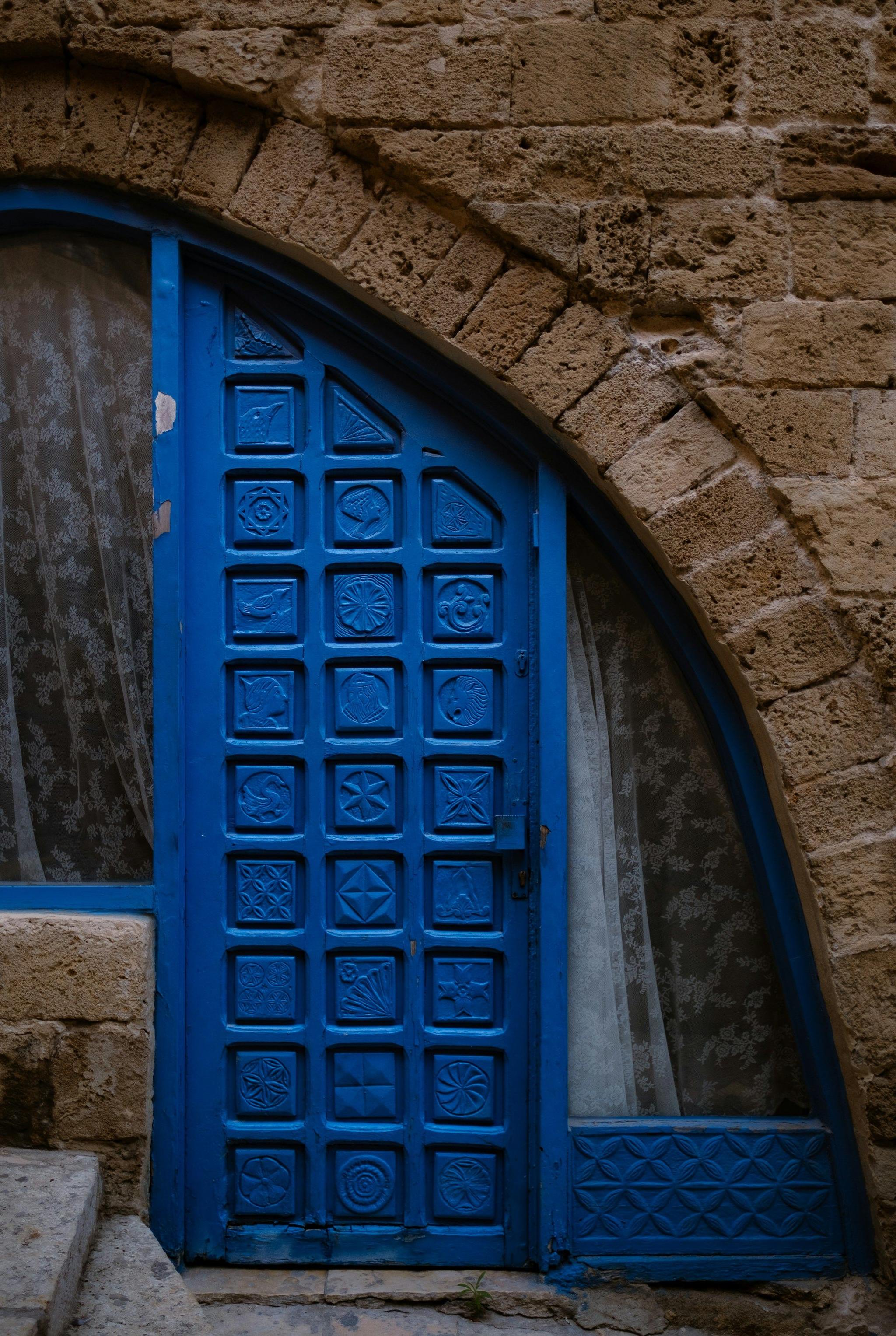
Wander the hilltop town of Safed
Safed (Tzfat) has been a centre of Kabbalah since the 16th century, and at about 900 m it's often called Israel's highest city. It also has an Artists' Quarter. Go on a weekday. Safed shuts tight on Shabbat, and on a Friday afternoon you'll find very little open. It's also as far north as this guide goes.
Stay a night at Mitzpe Ramon
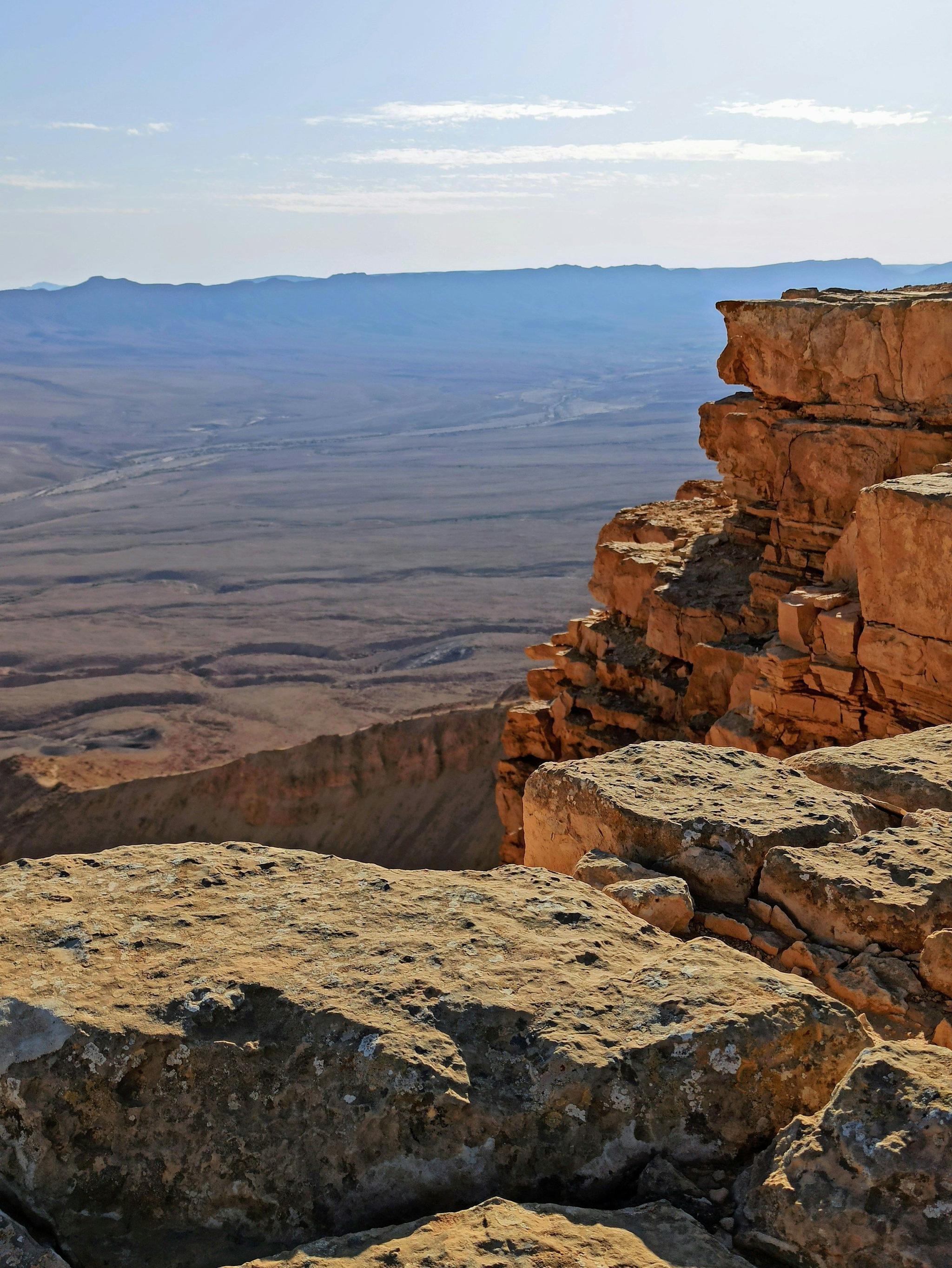
Day trips miss the point of Mitzpe Ramon. The town sits right on the rim of Makhtesh Ramon, a crater about 40 km long, 2 to 10 km wide and about 500 m deep, and in September 2017 it became the first International Dark Sky Park in the Middle East. Stay at least one night for the stars. The visitor centre costs ₪29 for adults. It's a 2 to 2.5-hour drive from central Israel.
Head south to Eilat and Timna
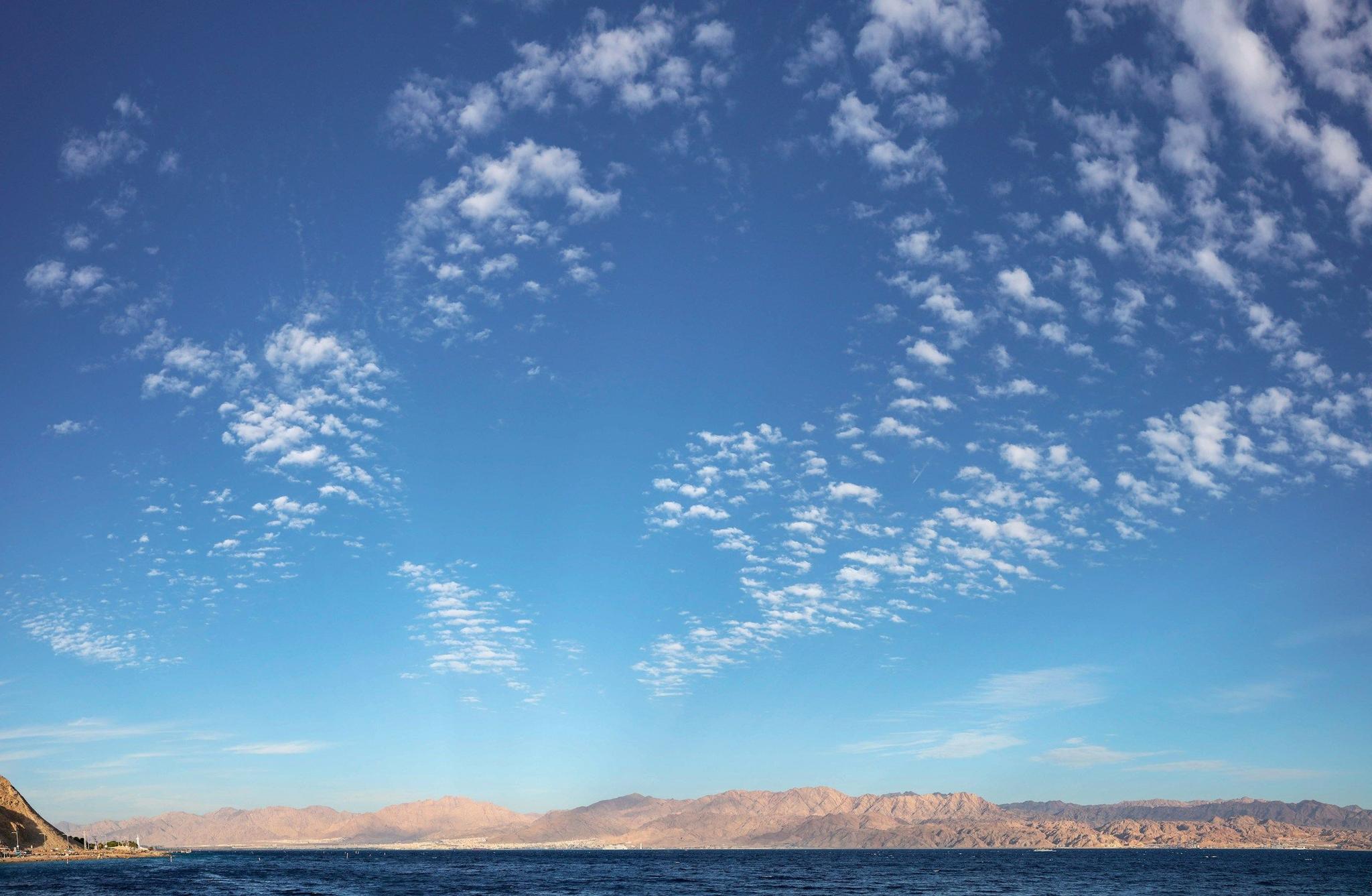
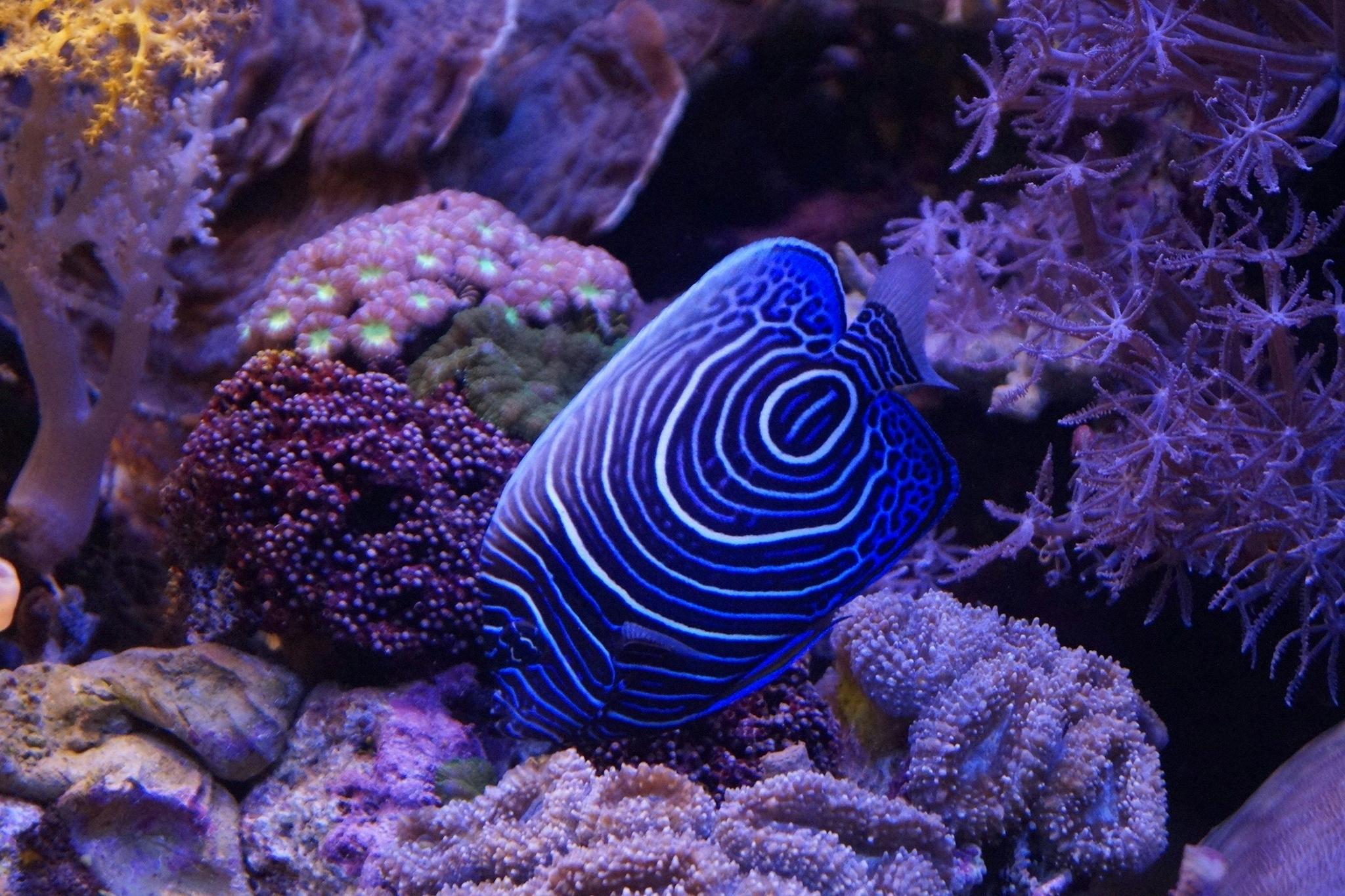
Eilat is Israel's Red Sea resort. Go in winter rather than summer, when July and August highs reach around 41 °C. The Coral Beach Nature Reserve has two snorkel trails of about 130 m and 250 m between floating pontoons. Timna Park, about 20 minutes north on Route 90, has Solomon's Pillars and the remains of ancient copper mines. Ramon Airport is about 18 to 20 km north of town.
Israel itinerary ideas for your trip
A week is enough for the classic triangle of Tel Aviv, Jerusalem and the Dead Sea. With two weeks you can add the north and the Negev, though you'll want a car for parts of both, and every plan has to work around Shabbat.
5 to 7 day Israel itinerary
- Day 1-2: Tel Aviv and Jaffa, with the beach by day and a sunset walk to the old port.
- Day 3-5: Jerusalem, the Old City, Yad Vashem, the Israel Museum and an evening at Mahane Yehuda.
- Day 6: Masada at sunrise and the Ein Gedi waterfalls, then a float at Ein Bokek.
- Day 7: Back to Jerusalem or straight to the airport, or swap this day for Caesarea and Haifa.
10 to 14 day Israel itinerary
- Day 1-2: Tel Aviv and Jaffa.
- Day 3: Caesarea and the Zichron Ya'akov wineries.
- Day 4-5: Haifa and the Bahá'í Gardens, with a half day in Akko.
- Day 6-7: Nazareth, the Sea of Galilee and Capernaum, plus a weekday in Safed.
- Day 8-10: Jerusalem.
- Day 11: Masada and the Dead Sea.
- Day 12: Mitzpe Ramon, with a night under the stars.
- Day 13-14: Timna and Eilat, then fly back to the centre.
Want to move a day or swap the coast for the desert? You can build this route and adjust it day by day in the Guided trip planner.
Fun things to do in Israel
The best days here tend to start before sunrise and finish around a table. These are the activities we'd build a trip around.
Float in the Dead Sea
You can't swim in the Dead Sea in any normal sense. At about 34% salt, the water holds you up, and lying back on it is the whole activity. The free public beaches at Ein Bokek are the easiest place to try it. In summer the UV index reaches 11 or higher, so go early in the morning or late in the afternoon.
Hike a section of the Israel National Trail or the Jesus Trail
The Israel National Trail runs roughly 1,000 to 1,100 km and takes 45 to 60 days end to end, but almost nobody needs to do the whole thing. We'd pick a section in the centre of the country or the Negev. The best seasons are mid-February to mid-May and September to December. If you'd rather walk with a clear finish, the Jesus Trail covers 65 km from Nazareth to Capernaum in about four days.
Snorkel the Red Sea at Eilat's Coral Beach
Coral Beach opens at 9am, and the snorkel trails start straight off the pontoons, so you don't need a boat. The Red Sea is at its best in April and from mid-October to mid-November, when the water is warm and the heat on land has eased.
Spend a Friday morning at Mahane Yehuda
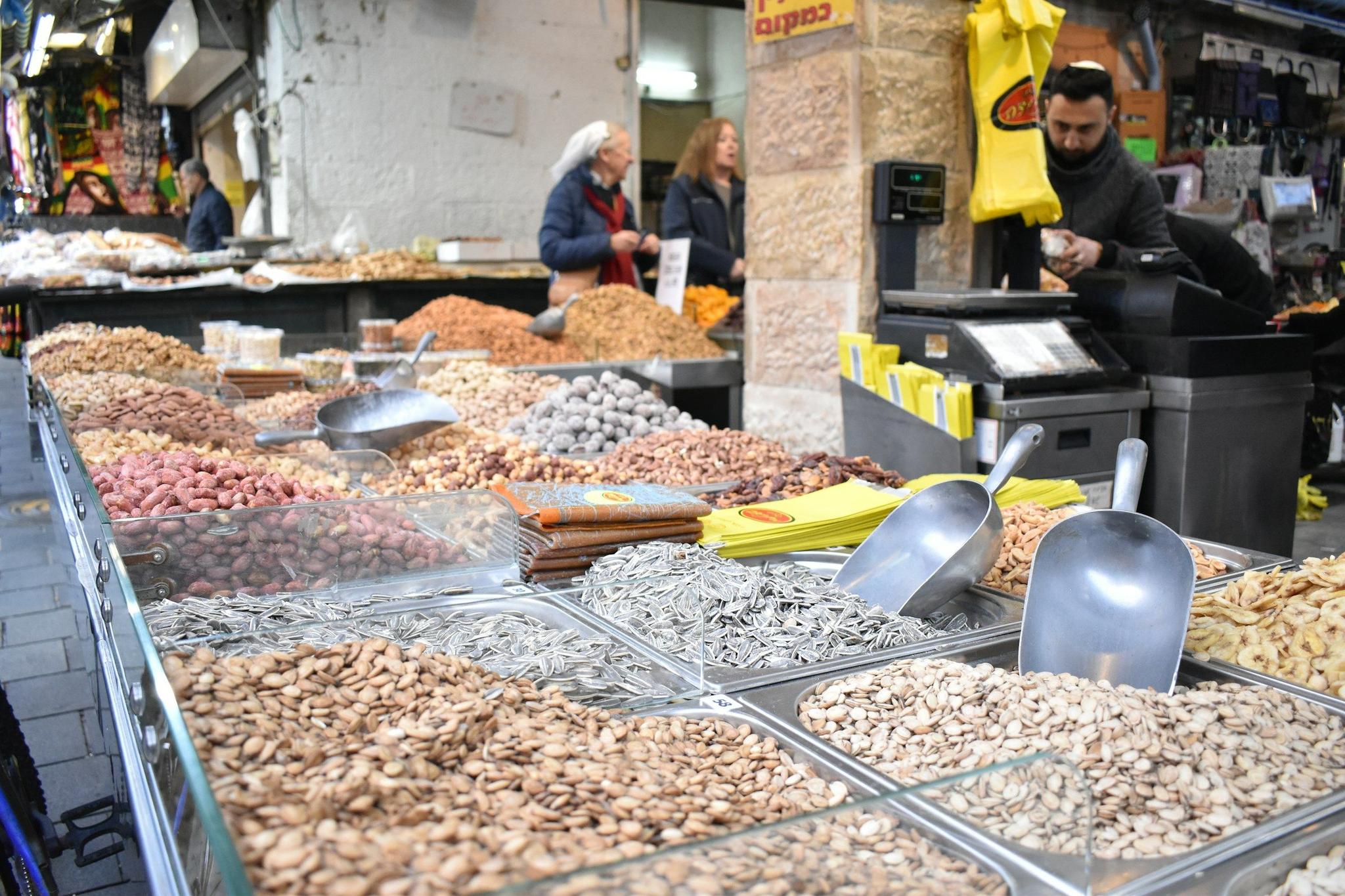
Jerusalem's Mahane Yehuda market has more than 250 vendors, and Thursday and Friday mornings are when it's busiest, as people stock up before Shabbat. That crowd is the reason to go. By night, the same alleys turn into bars, though the whole market closes for Shabbat. For a different view of the weekend, you can book a hosted Shabbat dinner with a local family in Jerusalem through sites like Traveling Spoon.
Taste wine around Zichron Ya'akov and the Judean Hills
Israel has hundreds of wineries, and two areas are easy to reach from the big cities. Zichron Ya'akov, where the Carmel Winery was founded in 1882, is about an hour from Tel Aviv. The Judean Hills wineries sit close to Jerusalem, which makes a half-day tasting simple to fit between Old City days.
When to go to Israel?
Israel is small, but its weather isn't uniform. In April, Jerusalem averages lows of 12 °C and highs of 22 °C while Eilat already reaches 32 °C, and in July the Dead Sea climbs to about 36 °C. Rain falls mainly between November and March, and Jerusalem is almost dry from May to mid-October. Spring is the best time to visit, in our view, with autumn a close second. The holidays matter as much as the weather, and each one starts at sunset the evening before. In 2027, Passover runs from 22 to 28 April and Sukkot starts on 16 October, so book ahead around both. Yom Kippur, on 11 October 2027, stops the whole country, including the airport and the roads.
- Spring (March to May): temperatures in the 20s °C, wildflowers early in the season, the best hiking of the year, and busy Passover weeks.
- Summer (June to September): low 30s °C and humid on the coast, 40 °C or more in Eilat and not far behind at the Dead Sea, beach season in Tel Aviv, and hiking only at dawn.
- Autumn (October to November): warm sea (about 23 °C in Tel Aviv in November), Rosh Hashanah, Yom Kippur and Sukkot in October, and the Red Sea at its best.
- Winter (December to February): rain in the north and in Jerusalem, where lows average 7 °C, red anemones from mid-January, and high teens to low 20s °C at the Dead Sea and in Eilat.

Did you know you can create your own itinerary?
Now that you know what to see in Israel and where to stay, you can start creating your own trip. Do you want more time in Jerusalem's Old City and its markets, or are you thinking more about desert nights in the Negev and snorkelling in the Red Sea? It's all up to you. You can easily create your own trip in the Guided app for free, or use trips shared by others.
Where to stay in Israel?
Is it better to change hotels every night or to keep two or three bases? Two or three bases, without question, because Shabbat makes moving on a Friday or Saturday awkward. Most first trips split between Jerusalem and Tel Aviv, with one or two nights elsewhere.
Stay in central Jerusalem near Mahane Yehuda
This is where we'd stay in Jerusalem. The streets around Mahane Yehuda and Davidka Square sit on the light rail, which runs to the Old City, the market and the central bus station, and the Old City is about a 20-minute walk. Abraham Hostel on HaNevi'im Street is a well-known option, with dorms from about US$18 and private rooms up to about US$160.
Base yourself by Jaffa Gate and Mamilla
If walking straight into the Old City matters most, stay near Jaffa Gate. Hotels here, including the Mamilla Hotel and the King David, put you minutes from the walls, but they cost far more than the central options. For somewhere quieter in Jerusalem with plenty of restaurants, the German Colony and Emek Refaim are a good middle ground.
Pick a Tel Aviv base by the beach or in Jaffa
The beachfront strip is the obvious choice in Tel Aviv if you want sea views. We'd look at Jaffa first, though, because it puts you by the old port and the hummus places. Neve Tzedek is the other area worth checking.
Sleep by the lake or in a zimmer in the Galilee
Lakeshore hotels around the Sea of Galilee make good bases for Nazareth, Capernaum and Safed, and so do kibbutz guesthouses and rural zimmers (B&B cabins). Check that your hotel is open before you book, and plan on a car here.
Stay at Ein Bokek for the Dead Sea
Ein Bokek is the Dead Sea's main resort strip, with hotels right behind the free public beaches. It's the easiest base if you want to float in the evening and reach Masada early the next morning.
Getting around when visiting Israel
Israel has much better public transport than Jordan or Egypt, with one big catch. From Friday afternoon until Saturday after dark, most trains and buses stop, so every route has to be planned around that weekly gap.

Take the train between the main cities
Israel Railways runs from Ben Gurion Airport to Tel Aviv in 18 minutes and to Jerusalem in 26 minutes. Trains between Tel Aviv and Jerusalem take 36 to 43 minutes and run every 30 minutes for ₪27, and the line north goes to Haifa (50 to 60 minutes, ₪30.5) and Akko, while another line heads south to Beersheba. The airport station is at Terminal 3, with a free shuttle from Terminal 1. Scan your card both when you enter and when you leave the station.
Use buses and light rail with a Rav-Kav card
City buses and light rail cost ₪8 per journey for up to 15 km, and fares haven't risen in 2026. Buy an anonymous Rav-Kav card (₪5) at the airport service centre and load it before you board, or use the Rav-Pass (HopOn) app, although foreign cards don't always work with it. Contactless payment works on some Egged lines. Moovit is the app we'd use for routes. Jerusalem has the Red Line light rail plus the first phase of the new Green Line, which opened in August 2026, and Tel Aviv has its Red Line. For Eilat, book a reserved seat on Egged's long-distance buses, and for the Dead Sea take bus 486 from Jerusalem to Ein Gedi (about an hour and a half) and Masada.
Ride sheruts and book taxis with Gett
Sheruts are shared minibuses, and the airport sheruts to Jerusalem run around the clock, including on Shabbat. Uber doesn't operate in Israel, so download Gett, the main taxi app and the official one at Ben Gurion. Yango also works in some cities. Taxi meters start at about ₪12.4 to ₪13.
Rent a car for the Galilee and the Negev
A car makes the biggest difference in the Galilee and the Negev, where buses are thinner on the ground. Eldan and Shlomo Sixt are the big local hire firms, with economy cars from about ₪145 to ₪180 a day and SUVs about ₪250 to ₪340. You drive on the right. Highway 6 has no toll booths, so the plate is read by camera and the hire company bills you afterwards. Check with the hire company where your insurance covers you before you set off.
Food and drinks you should try when visiting Israel
Hummus first, everything else second. That's the honest order of priorities for a food trip here, and it helps that the best food is often the cheapest.
Hummus at a hummusiya
Hummusiyas open early and close when the hummus runs out, so go before lunch. Abu Hassan in Jaffa has been serving since the early 1970s, and its signature "triangle" plate combines hummus, ful and msabbaha. Expect to pay about ₪30 a plate.
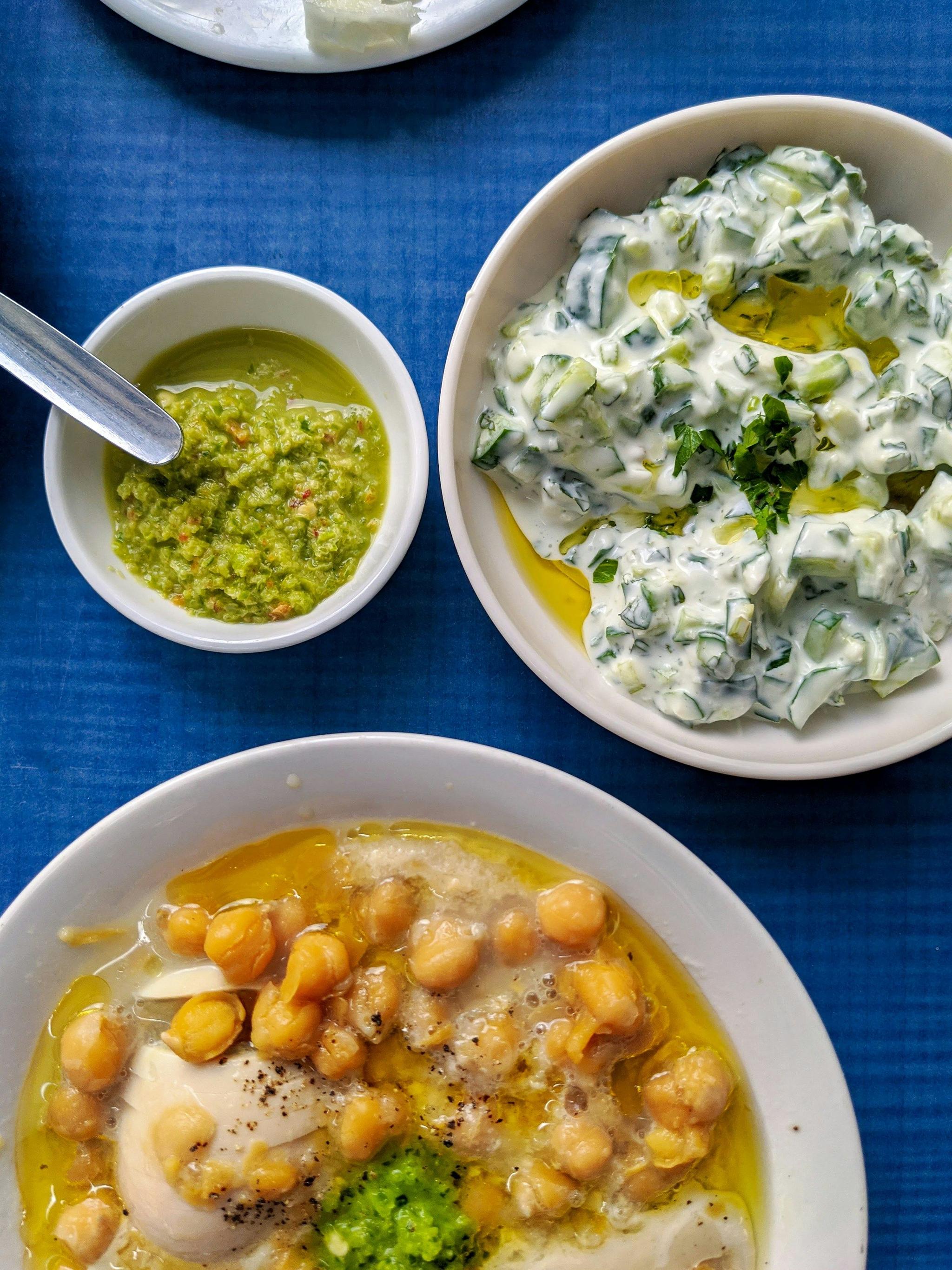
Sabich
Sabich was created in the 1960s by Iraqi Jews in Ramat Gan, based on the Iraqi Jewish Shabbat breakfast. It's a pita filled with fried aubergine, hard-boiled egg, salad, amba (a pickled mango sauce) and tahini. If you only try one sandwich in Israel, we'd make it this one.
Falafel and shawarma
Falafel in pita costs about ₪20 and shawarma about ₪40, which makes them two of the cheapest full meals you'll find.

Israeli wine
Israel has hundreds of wineries. The Carmel Winery in Zichron Ya'akov dates from 1882, and the Judean Hills near Jerusalem are the other wine area that's easy to reach.
Culture and local habits you'll notice when visiting Israel
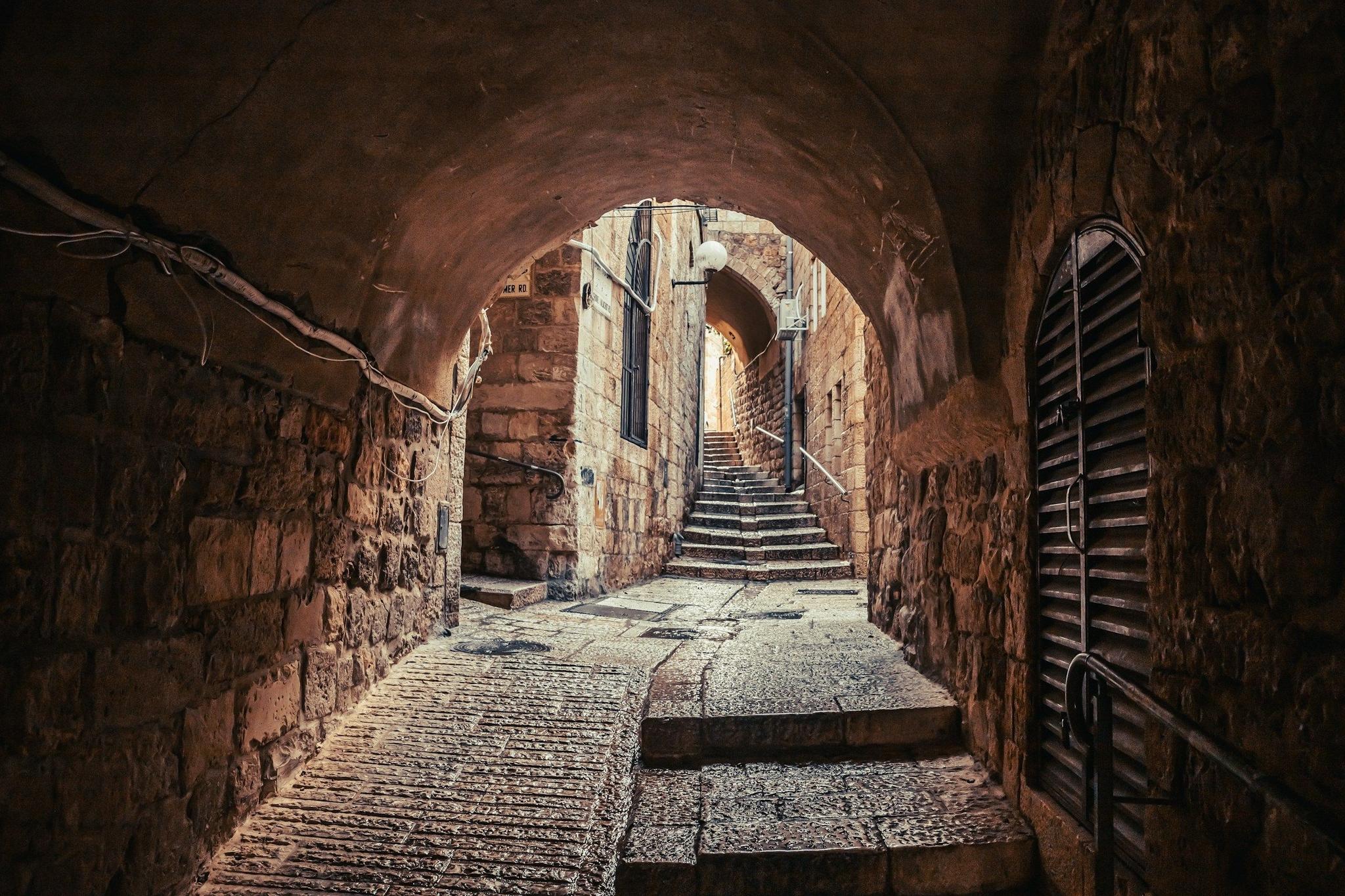
Shabbat runs from sunset on Friday to nightfall on Saturday, and you'll feel it everywhere. Most public transport stops, and many shops and kosher restaurants close, while Tel Aviv, Haifa and Arab towns such as Nazareth stay much livelier. Keeping kosher generally means no meat and dairy in the same meal, which shapes many menus. The country is home to Jewish, Arab Muslim and Christian, Druze and Bedouin citizens. Hebrew is the state language and Arabic has a special status under a 2018 Basic Law. At holy sites of every faith, cover your shoulders and knees.
You'll also notice how directly people talk. Israelis call it "dugri", straight talk, and it's worth taking as honesty rather than rudeness. Most Jewish men and women, along with Druze and Circassian men, are conscripted at 18, so young soldiers in uniform, some carrying rifles, are a normal sight on trains and buses. In restaurants, a tip of 10 to 15% is standard.
Looking for more unique places, trips and activities?
Subscribe to our Guided Newsletter for more travel inspiration.
Costs of a holiday to Israel
Israel is expensive, and there's no point pretending otherwise. Its cost of living index on Numbeo is higher than both the UK's and the US's, and far above regional destinations like Jordan, Egypt and Turkey, while Tel Aviv has topped the EIU's ranking of the world's most expensive cities. Hotels and eating out hurt most. Street food and buses stay cheap, though, so a trip built around hummusiyas and public transport costs far less than one built around restaurants and taxis.
Food & Drink

Coffee
₪12 – ₪20
Lunch
₪55 – ₪90
Beer
₪25 – ₪38
Accommodation

Hotels
₪450 – ₪900
Airbnb
₪500 – ₪900
Hostel dorm
₪75 – ₪110
Transport

Trains
₪21 – ₪31
Public Transport
₪8 – ₪14.5
Car Rental
₪145 – ₪290
Attractions

Museums
₪50 – ₪62
Big Attractions
₪31 – ₪46
Theatre
₪200 – ₪640
Practical tips for visiting Israel
What should you check first? Entry rules, Shabbat and the official travel advice.
✔ Apply for your ETA-IL before you fly
Many nationalities, including the UK, EU and US, don't need a visa for stays of up to three months, but since 1 January 2025 they must get an ETA-IL before travelling. It costs ₪25, is valid for two years or until your passport expires, and a decision comes within 72 hours. Apply only through the official ETA-IL website, and check the rules for your own passport there. The FCDO says your passport should be valid for at least 90 days beyond arrival, but some sources say six months, so check. Your passport isn't stamped. Instead you get a paper entry card, which you should keep with it. Expect lengthy security questions and bag searches on arrival and departure, and your devices may be checked.
✔ Know how VAT and payments work
The currency is the Israeli new shekel (₪). VAT has been 18% since January 2025, and you can claim a refund at Ben Gurion on eligible purchases. Eilat is VAT-free. Carry some cash for places like Capernaum, where entry is cash only. Tip 10 to 15% in restaurants.
✔ Plan your travel days around Shabbat
Don't schedule a long transfer for a Friday afternoon or a Saturday. Trains and most buses stop from Friday afternoon until Saturday night, though buses run in Haifa and Nazareth, Tel Aviv has free weekend buses, and sheruts and taxis keep running. Get a Rav-Kav card on your first day.
✔ Check the travel advice before you book, and again before you go
The UK Foreign Office (FCDO travel advice for Israel) advises against all travel to the far north near the Lebanese border, the Golan north of Route 91 and the Gaza border area, and against all or all but essential travel to parts of the West Bank. It also warns of a risk of rocket and drone attacks throughout Israel. The US State Department rates Israel at Level 3, "Reconsider travel". In 2026, missile and drone attacks closed airspace for periods, so check your airline, because schedules have changed at short notice, and sites can close at short notice when alerts are raised. If you hear a siren, follow Home Front Command guidance (information line 104) and shelter in a protected room, a public shelter or an interior stairwell away from windows. Demonstrations happen, often on Thursday and Saturday evenings, so keep away from them. Healthcare isn't free and hospitals insist on payment, so get travel insurance and check it's valid for where you're going. For emergencies, call 100 for the police and 101 for an ambulance.
✔ Dress for holy sites and respect Shabbat quiet
Cover your shoulders and knees at holy sites of every faith, including the Bahá'í Gardens. On the Temple Mount / Haram al-Sharif, modest dress is required and visiting hours for non-Muslims are short. In religious neighbourhoods, keep things quiet on Shabbat, and expect fewer cars on the streets.
✔ Check land borders before planning Petra or Egypt
The Taba crossing to Egypt is open 24 hours, and the FCDO advises bringing at least US$170 per person in cash for fees. Crossings into Jordan may be restricted or close at short notice, so check the current status before you build a trip around Petra.
Fun facts about Israel
Holy sites and the Dead Sea are what most people picture first, but a few other things about Israel are less well known.
- The Dead Sea shore, about 440 m below sea level, is the lowest land on Earth, and the water level drops by more than a metre a year.
- More than 500 million birds of over 390 species pass over the Hula Valley each year.
- Modern drip irrigation was pioneered by Netafim, founded at Kibbutz Hatzerim in 1965.
- Eliezer Ben-Yehuda's Hebrew dictionary ran to 17 volumes, the first in 1908 and the last in 1958-59.
- Waze began as an Israeli project called FreeMap Israel in 2006, and Google bought it in 2013 for $1.3 billion.
- Makhtesh Ramon became the first International Dark Sky Park in the Middle East in 2017.
Spend a week in Israel and you'll notice how fast the scenery changes. You can stand at the Western Wall in the morning and be on a Tel Aviv beach by the afternoon. Then Friday comes, and trains and most buses stop until Saturday night.
Ready to map out your trip to Israel?
We hope this Israel travel guide has given you a clear starting point for your trip. Stay tuned for more inspiration, itineraries and practical tips to help you shape your holiday to Israel. And don't forget to check out our Guided travel planning app, where you can create your own trip or use trips shared by other travellers for free.
FAQS about visiting Israel
How many days do you need in Israel?
A week is enough for Tel Aviv and Jerusalem plus a day at Masada and the Dead Sea. With 10 to 14 days you can add Haifa, Akko, the Galilee, Mitzpe Ramon and Eilat at a much easier pace. In the Guided app, you can create your own route and see how many places fit into your trip.
What is the best part of Israel to visit?
For a first trip, Jerusalem, because nowhere else has this much history inside such a small area. Tel Aviv is better for beaches and food, and the Negev around Mitzpe Ramon is the place for desert and stars.
What is Israel known for?
Israel is best known for Jerusalem's holy sites and the Dead Sea. It's also known for its street food, and for a tech industry that produced Waze.
Can you travel around Israel without a car?
Yes, between the main cities. Trains and buses link them well, and bus 486 reaches the Dead Sea from Jerusalem, though most services stop from Friday afternoon until Saturday night. A car helps most in the Galilee and the Negev.
Is Israel expensive to visit?
Yes. Its cost of living index on Numbeo is higher than the UK's and the US's, and hotels and restaurants are where you'll feel it most. Eating at hummusiyas and getting around by bus will bring the daily cost down a lot.
Is Israel safe to visit?
The UK FCDO advises against all travel to some areas of Israel, including the far north near the Lebanese border and the Gaza border area, and against all or all but essential travel to parts of the West Bank, and warns of a risk of rocket and drone attacks throughout Israel. The US State Department rates Israel at Level 3, "Reconsider travel". Check both before you book and again before you travel, and follow Home Front Command guidance while you're there.
Do you need a visa for Israel?
Many nationalities, including the UK, EU and US, don't need a visa for stays of up to three months. They do need an ETA-IL, which costs ₪25 and must be approved before you fly. Apply only on the official Israeli government site and check the rules for your passport there.
What is Shabbat and how does it affect travel?
Shabbat is the Jewish day of rest, from sunset on Friday to nightfall on Saturday. Trains and most buses stop, and many shops and restaurants close. Tel Aviv, Haifa and Nazareth stay livelier, and sheruts and taxis keep running.
Plan your trip to Israel in Guided.
Save the places you find, then let Guided lay out the days, the map and the details.
More in Asia
All destinations BahrainBahrain is a small Gulf island kingdom known for pearling heritage and ancient Dilmun sites.
 CambodiaCambodia is a laid-back kingdom known for Angkor's temples, Kampot pepper and quiet islands.
 ChinaChina packs imperial Beijing, the Terracotta Army and misty karst rivers into one vast country.
 GeorgiaGeorgia is a Caucasus country known for mountain villages, ancient wine culture and old Tbilisi.