

Egypt
Egypt Travel Guide: Everything You Need to Know Before Your Trip
More than 60 royal tombs wait beneath the cliffs near Luxor, and just a few hours further along the Nile River, entire temple complexes still rise from the sand exactly where they were built thousands of years ago. From the moment you arrive, you move between places that once belonged to Ancient Egypt, where stories of pharaohs, gods and rituals are still visible in the walls around you. Across the Nile River, the desert and the Red Sea coastline, Egypt stretches across more than 1,000 km, which makes the order of your stops matter more than you might think. Throughout this Egypt travel guide, you’ll get to know the best places to see in Egypt, how to connect them into a smooth trip, and useful tips to make travelling easier.
5 reasons to visit Egypt
In Egypt you will step straight into the ancient world, with temples and tombs that are thousands of years old.
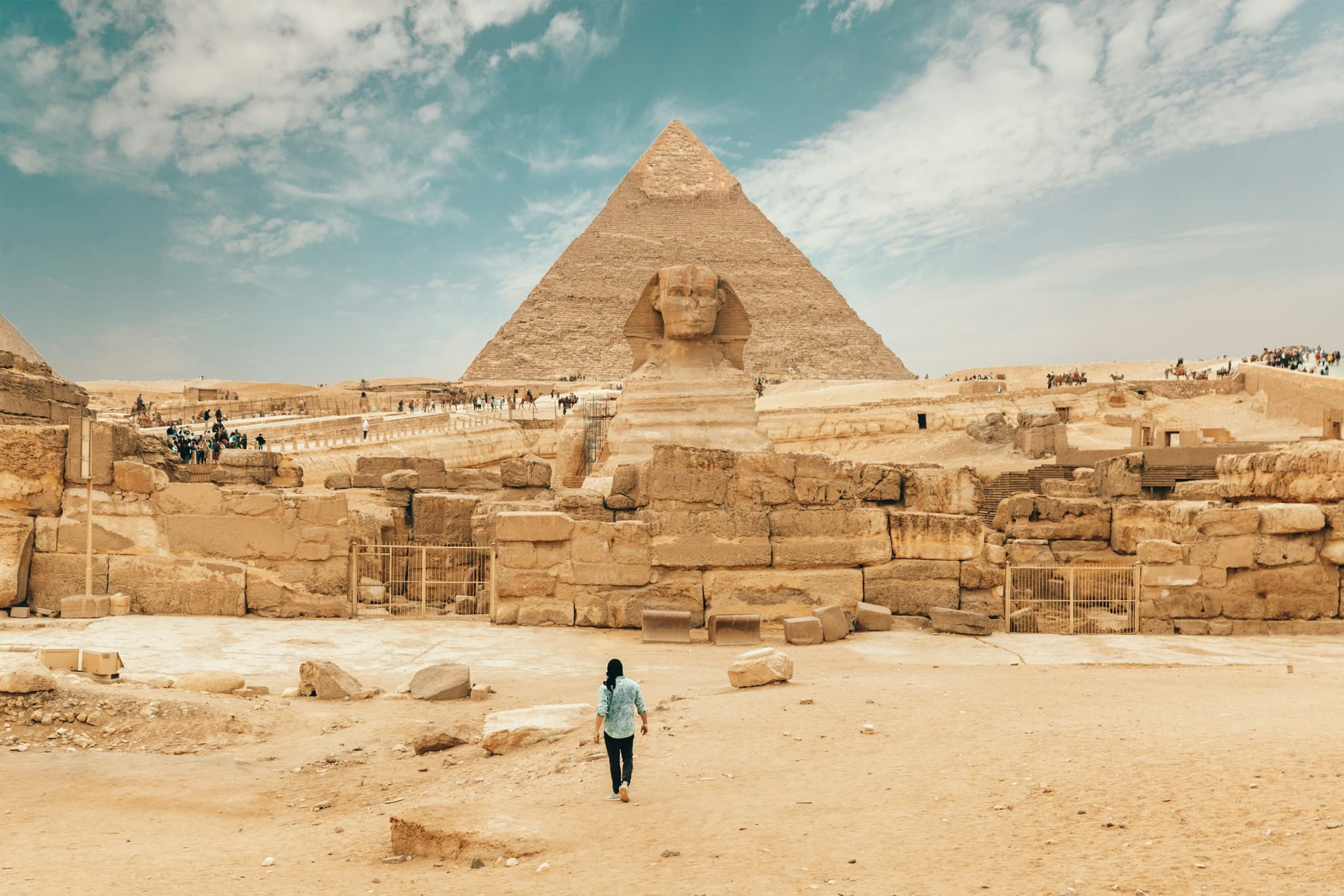
You can see iconic landmarks like the Giza Pyramid and the Sphinx up close, not just in photos.
Egypt has one of the most unique travel experiences in the world with a Nile cruise connecting major sights.
You can combine culture, desert landscapes and beaches along the Red Sea in one trip.
The best preserved sites from Ancient Egypt are in Egypt, around Luxor and Aswan.
Best places to see in Egypt
A trip to Egypt brings together temples, cities and coastline, but knowing where to begin makes all the difference. So let’s take a look at some of the sights to see in Egypt:
Explore Cairo and visit the Pyramids of Giza
Right away, Cairo gives you that intense first impression with traffic, noise and constant movement around you. Somewhere just outside the city, you can visit the pyramids and stand right in front of the Giza Pyramid, where the scale hits you the moment you get closer. Inside the city, places like Tahrir Square connect you to museums filled with artefacts from ancient Egypt, many now moved to the new Grand Egyptian Museum. You switch between modern life and some of the oldest structures ever built.
Discover Luxor and the Valley of the Kings
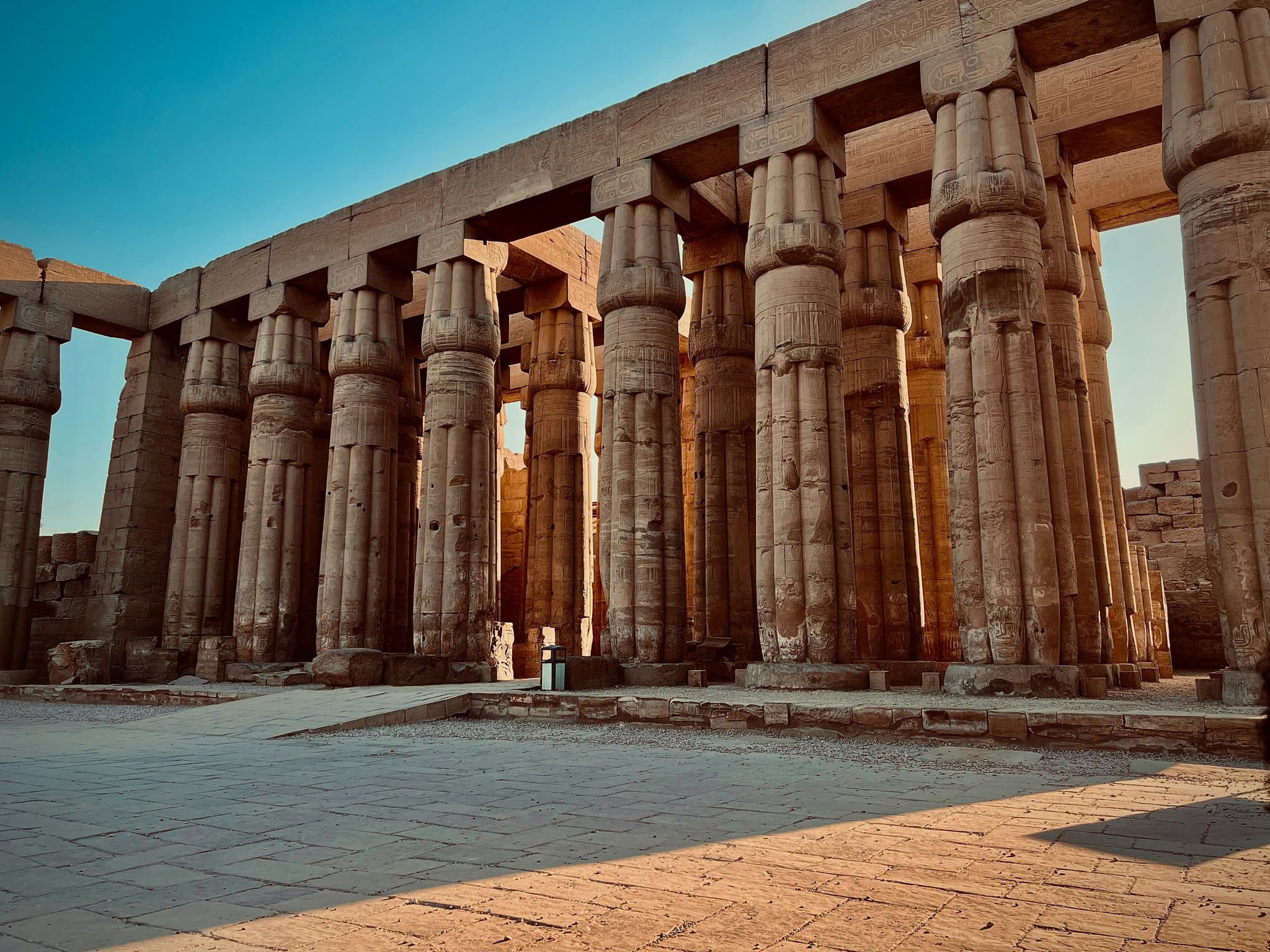
A bit further south, Luxor brings you straight into the heart of the ancient world, where entire temple complexes still stand in remarkable detail. Along the East Bank, Luxor Temple and Karnak Temple stretch out far beyond what you expect, with massive columns covered in carvings that tell stories from thousands of years ago. Across the river, the Valley of the Kings hides royal tombs carved deep into the hills, including the famous tomb of Tutankhamun. Walking through these tombs, you can still see the colours and hieroglyphs.
Experience Aswan and Philae Temple
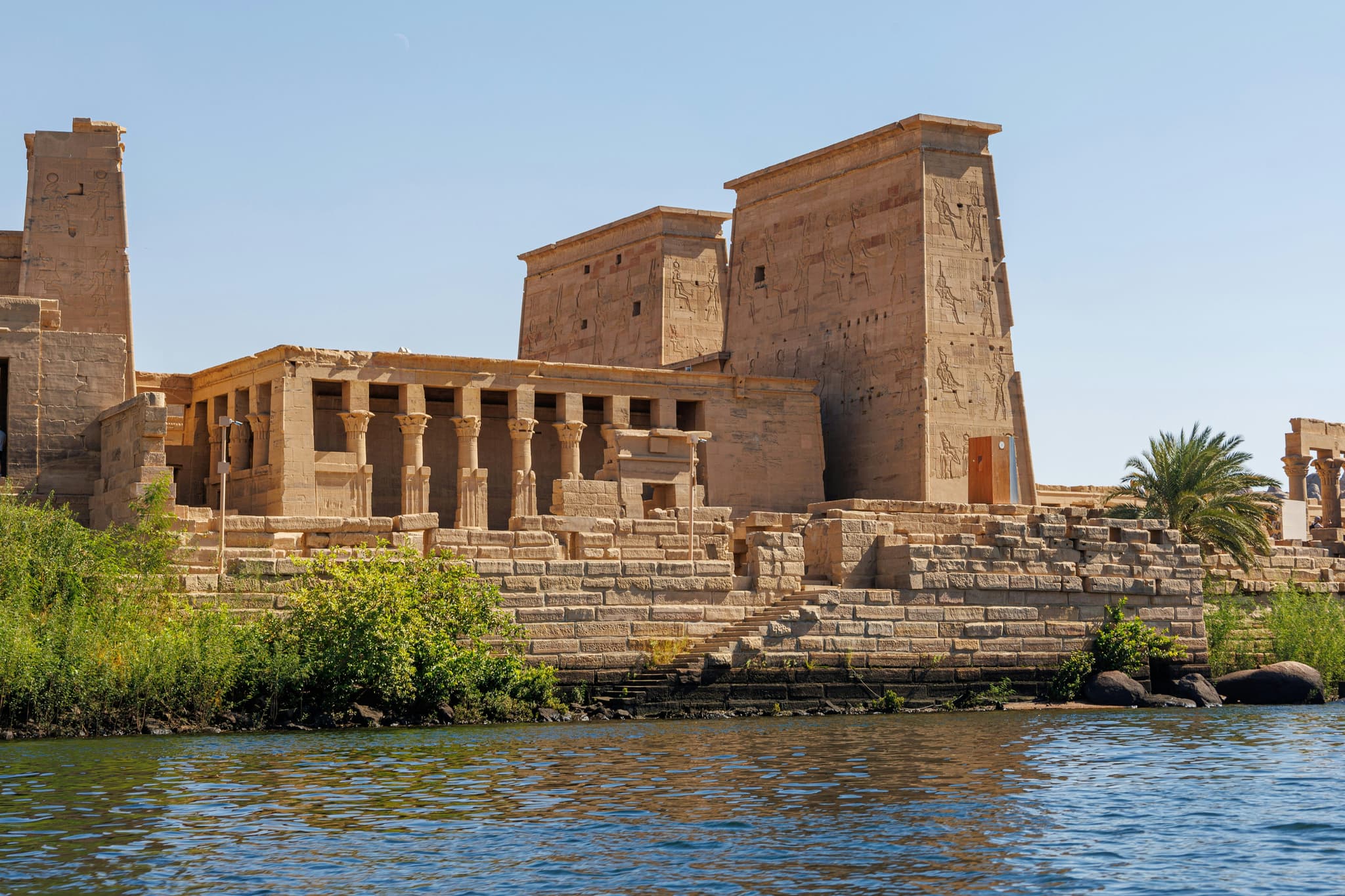
From Aswan, you can take a day trip to Abu Simbel, which starts very early with a long drive through the desert. After a few hours on the road, you arrive at temples carved straight into the rock, with massive statues. The site was moved in the 1960s to avoid flooding. This is one of those places that really shows the scale of ancient Egypt, and is therefore one of the most impressive sites in Egypt to visit.
Relax along the Red Sea coast
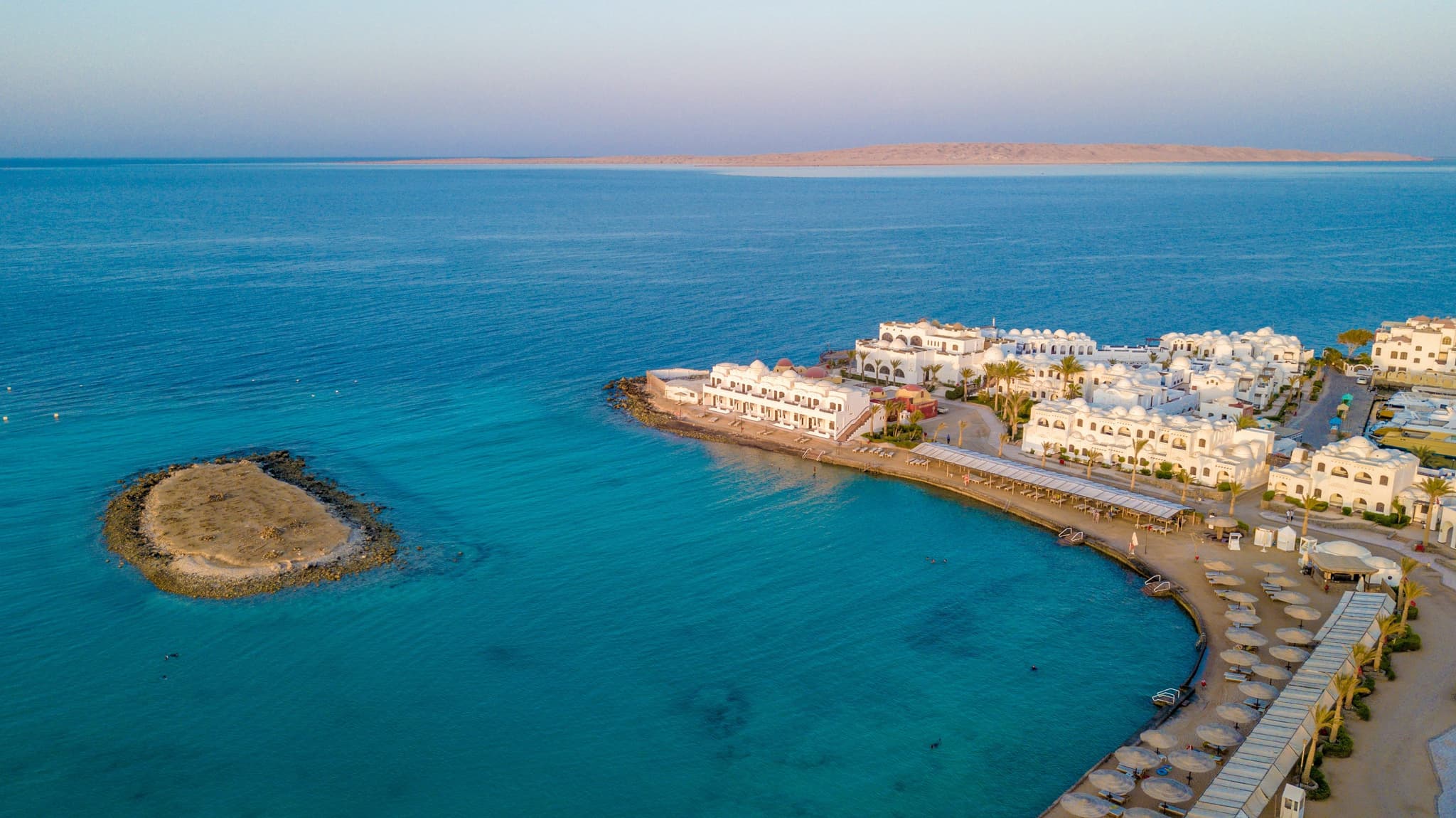
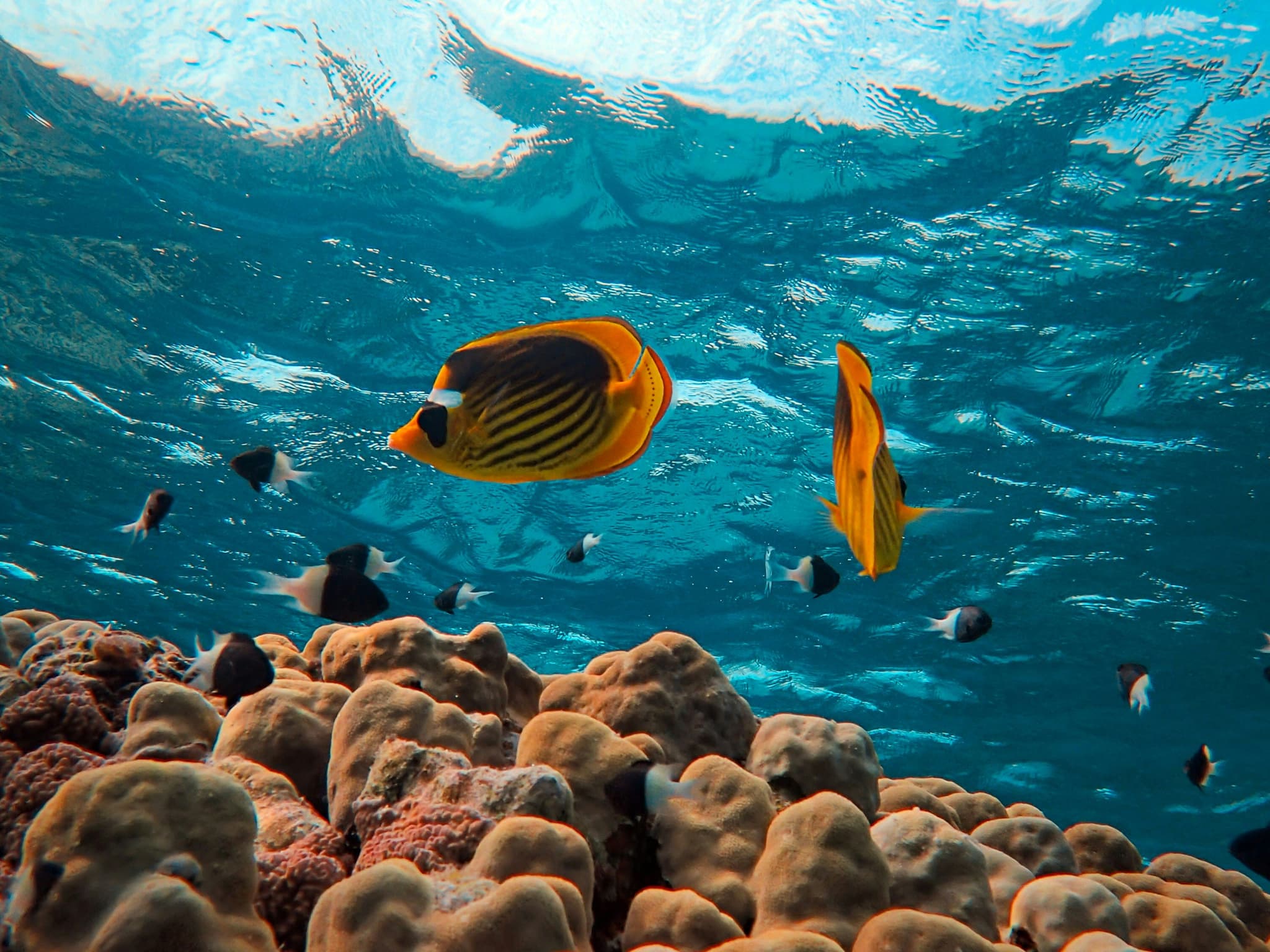
After a few days of temples and cities, time by the Red Sea gives you something completely different. Coastal areas like Hurghada and Sharm el Sheikh are known for clear water and coral reefs filled with marine life. You can go snorkelling here and see colourful fish and coral up close, even as a beginner. Ending your trip here works well, since it gives you some time to slow things down after a busy itinerary.
Explore Alexandria and the Mediterranean coast
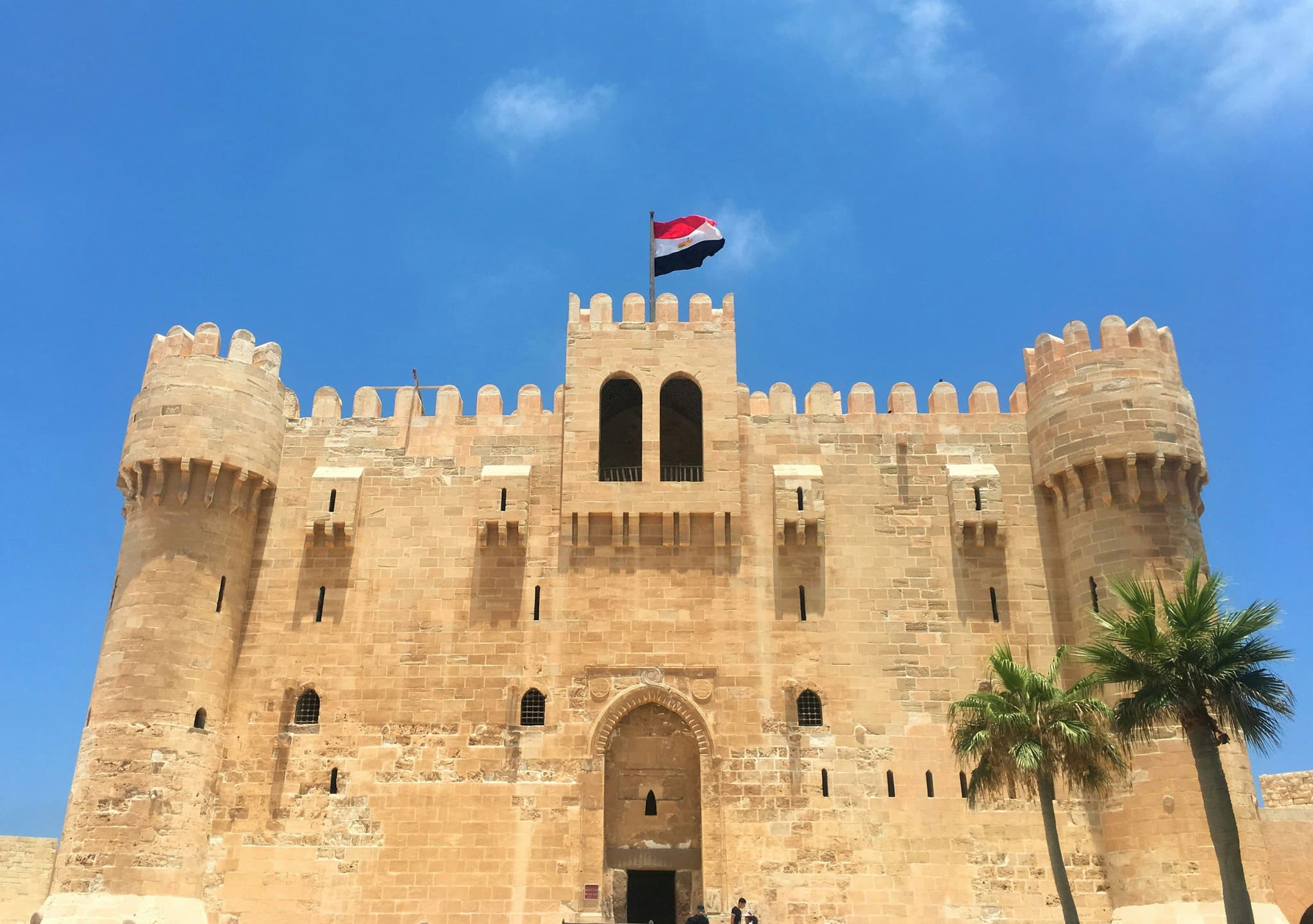
Up north, Alexandria sits along the Mediterranean coast, about a few hours from Cairo, with a different atmosphere compared to the rest of Egypt. Greek and Roman influences still show up in architecture, museums and historical sites across the city. The modern library stands as a reference to the ancient one that once made Alexandria a centre of knowledge. This stop adds variety to your route, since it brings in beautiful coastal views and a different historical period.
Travel into the Western Desert
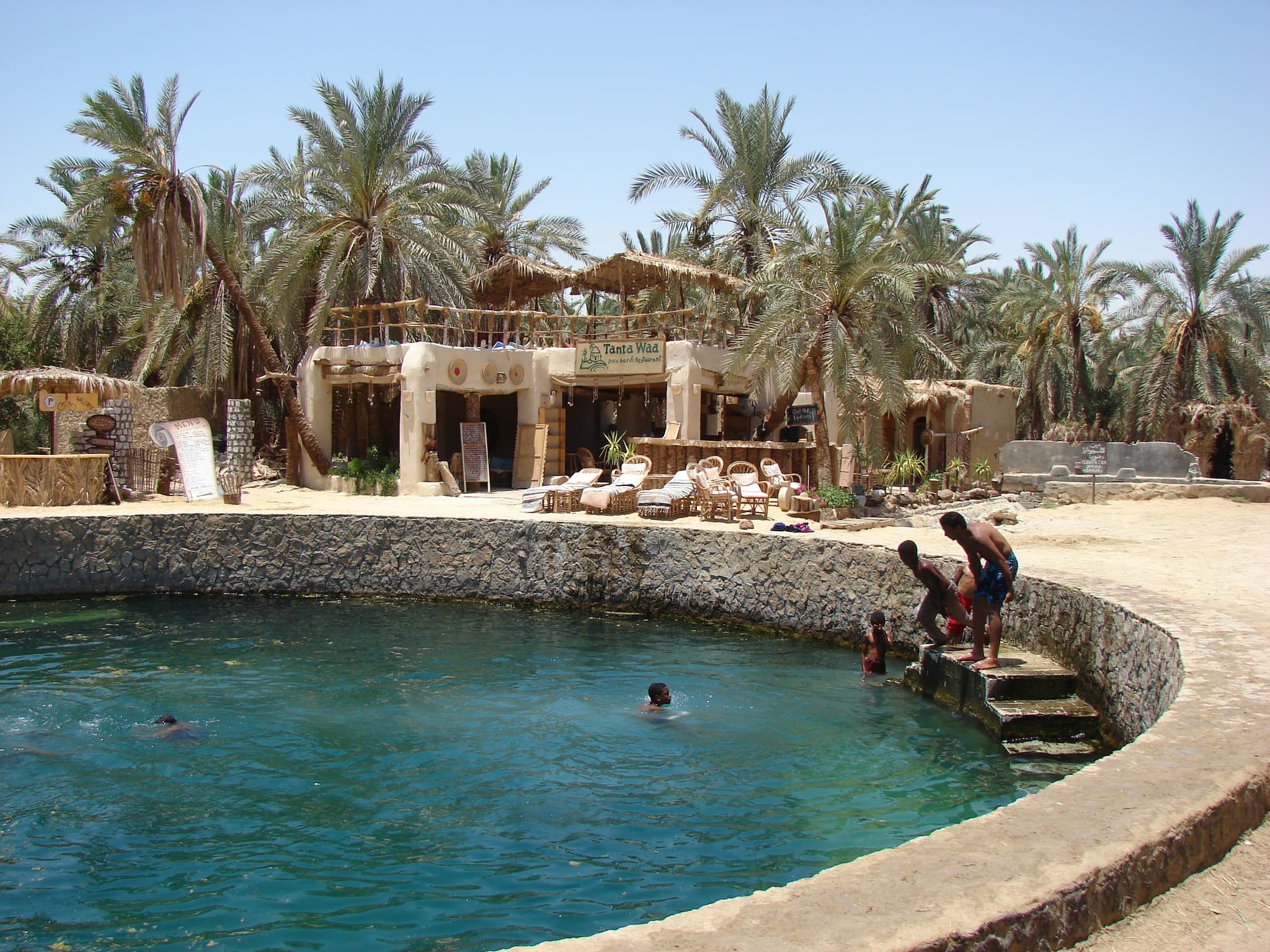
For something more remote, the Western Desert takes you far away from the main route most people follow. White rock formations in the White Desert create unusual shapes that look almost unreal, especially at sunset. You can visit places like Siwa Oasis with palm trees and natural springs all around you.
Egypt itinerary: Ideas for the perfect route
With so many places to see in Egypt, figuring out how to connect them into one trip can take a bit of thought. Once you have a rough idea of your timing, it becomes much easier to build a route that actually works for you.
7 day Egypt itinerary
Day 1–2: Cairo, including the pyramids and museum
Day 3–4: Luxor, with major temples and tombs
Day 5–7: Aswan, including Philae Temple and Nile views
10 day Egypt itinerary
Day 1–2: Cairo, explore the pyramids, museum and city highlights
Day 3–4: Luxor, visit Karnak Temple, Luxor Temple and the West Bank tombs
Day 5: Travel to Aswan, with stops along the Nile River if possible
Day 6: Aswan, visit Philae Temple and nearby islands
Day 7: Day trip to Abu Simbel early in the morning
Day 8–9: Take a short Nile cruise or return north with extra stops
Day 10: Return to Cairo or continue to the coast
2 week Egypt itinerary
Day 1–3: Cairo, including pyramids, museum and city exploration
Day 4–5: Alexandria, explore the Mediterranean coast and historical sites
Day 6–7: Luxor, visit temples and the Valley of the Kings
Day 8–9: Travel to Aswan, visit Philae Temple and surrounding areas
Day 10: Day trip to Abu Simbel
Day 11–12: Nile cruise between Aswan and Luxor or return north
Day 13–14: Red Sea coast or Western Desert for a completely different setting
Looking for more inspiration? Explore these trips:

Experiences in Egypt: Things to do that make your trip complete
Once you’ve got a rough idea of the areas you want to visit, you’ll probably start wondering what you can actually do there day to day. We’ve added a mix of interesting things to do in Egypt.
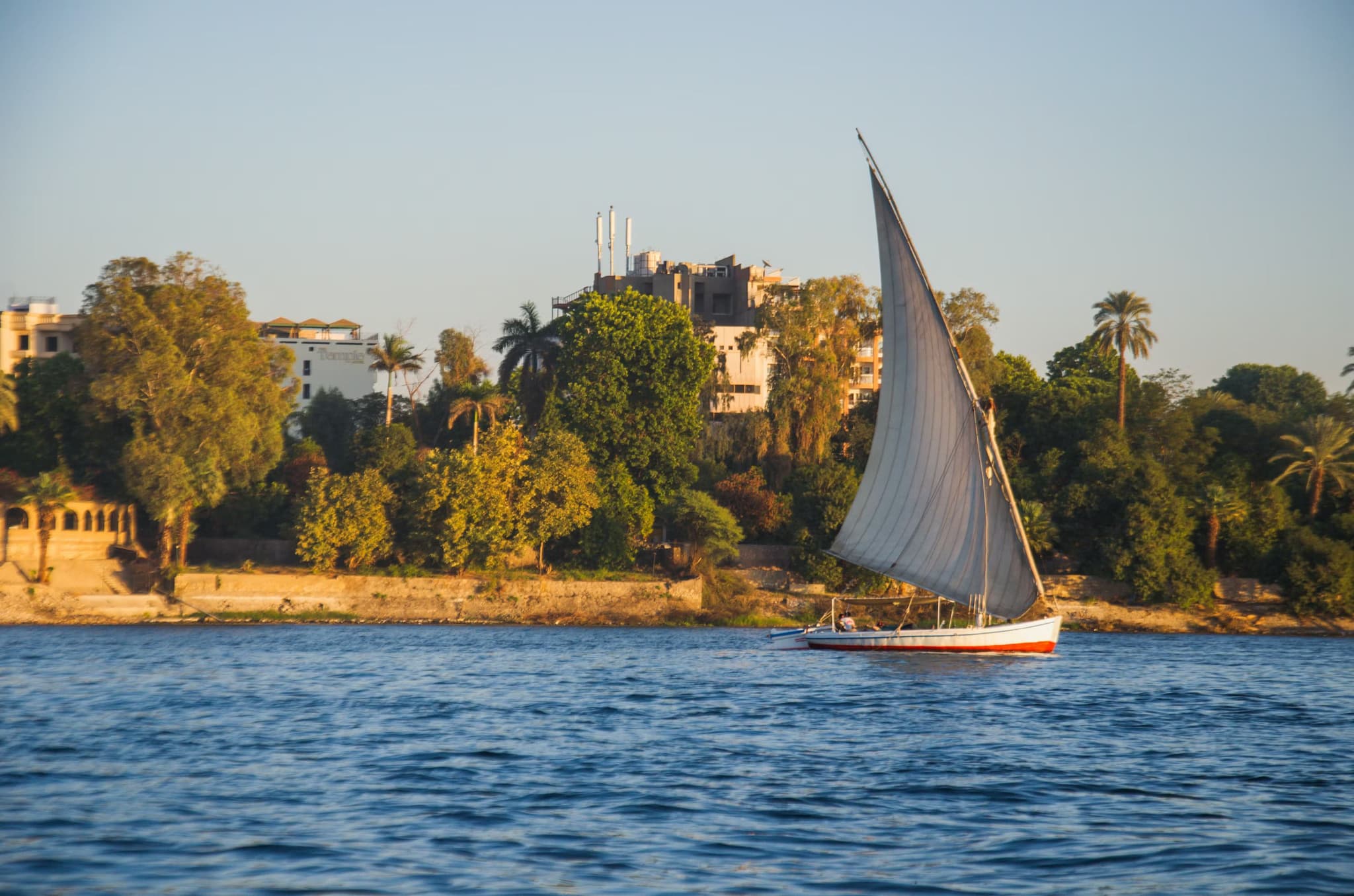
Take a Nile cruise between Luxor and Aswan
Between Luxor and Aswan, you can take a Nile cruise, and you’ll probably end up loving this more than expected. Instead of constantly packing and moving, you just wake up somewhere new with temples right along the river.
Visit the temple complexes of ancient Egypt
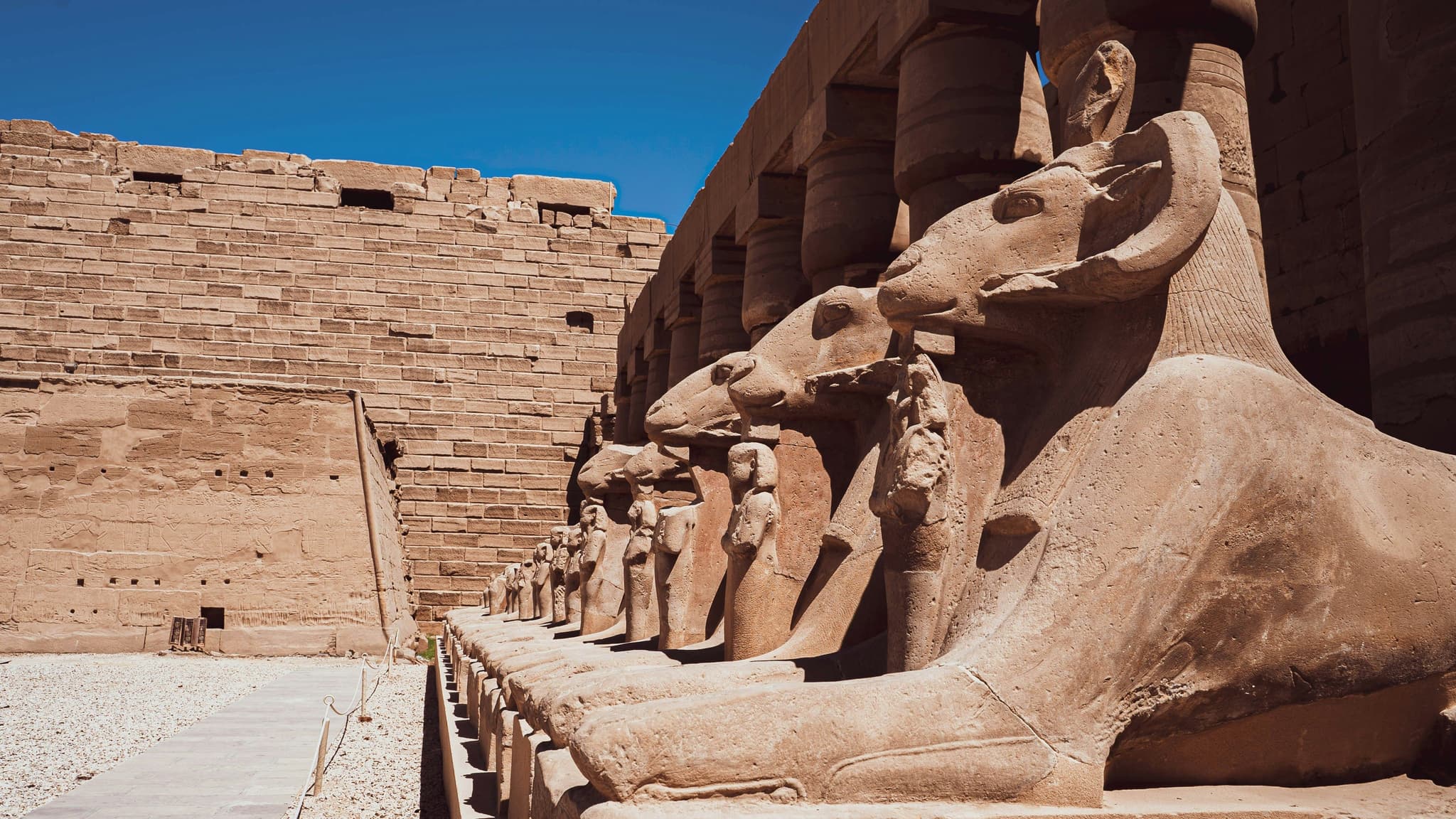
In Luxor, places like karnak temple give you that moment where you just stop and look around for a second. You’ll see how big a temple complex really is once you’re inside it, way bigger than anything you imagined. Walking through these spaces from the ancient egyptian period feels quite magical.
Visit the Giza pyramid
Just outside Cairo, you can visit the pyramids and yes, it really looks like the photos. Around the giza pyramid, you’ll probably see people going for a camel ride. Even though it might look like a nice experience, we would not recommend it, since many camels here are kept in tough conditions, with long hours in the heat, limited rest and sometimes rough handling. Natural movement for camels isn’t really designed for carrying riders all day, especially with saddles that can cause discomfort or even wounds over time.
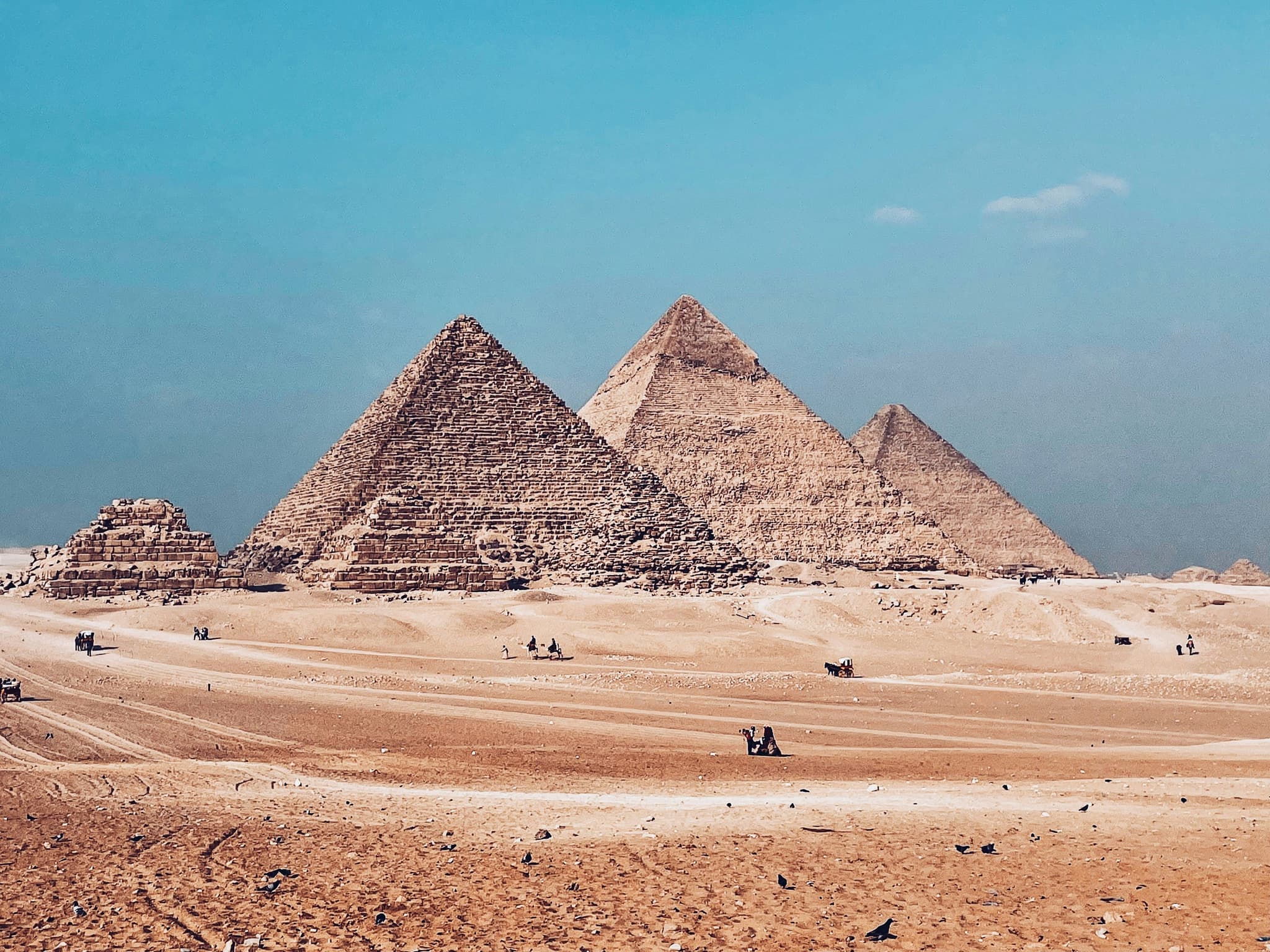
Instead, you can just stay on foot and watch the sunset from this area, and honestly, that moment is already incredible on its own. As the sun drops, the light turns warm and soft, slowly changing the colour of the pyramids and the desert around you. From a distance, everything feels quieter and more open, with wide views you’ll never forget.
Explore markets like Khan el Khalili
In Cairo, you can visit markets like Khan el Khalili. You’ll walk through narrow streets filled with colours, handmade items and little details you keep noticing as you go. With so much happening around you, it starts to feel less like shopping and more like part of the experience.
Guided tip: Before you start bargaining, think of a price you’re happy to pay and keeping it light and friendly.
Take a hot air balloon over Luxor
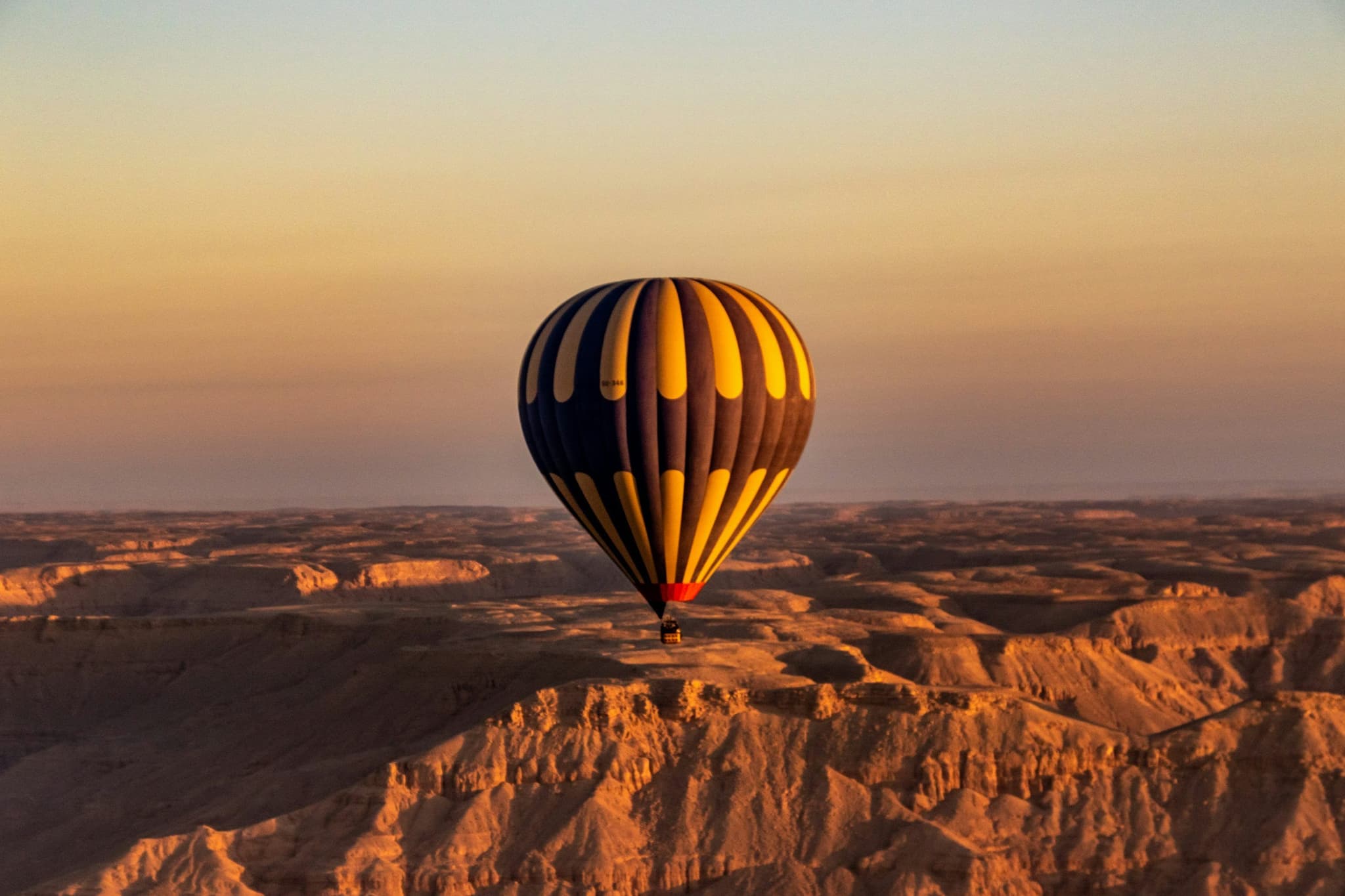
Up in Luxor, you can take a hot air balloon ride and see everything from above. You’ll see temples, farmland and the Nile all at once, which gives you a completely different perspective. If the weather works out, this is one of those experiences you won’t regret adding to your Egypt itineray.
Snorkel or dive in the Red Sea
By the coast, the Red Sea shows a totally different side of Egypt. You’ll see clear water, coral reefs and marine life that feels completely different from everything inland. Even without diving experience, you can just get in the water and see a lot already.
When to visit Egypt
Planning your dates for Egypt can really change how your days play out once you’re there, since the heat can be quite intense depending on the time of year.
October to April: best time to visit, milder temperatures between 20 and 30°C, ideal for sightseeing
May to September: very hot, temperatures can go above 40°C in places like Luxor and Aswan
December to February: peak season, more visitors at major sights and higher prices
Ramadan period: opening hours and daily routines may change depending on the location
Not sure what month to go? In our blog about the best time to visit Egypt, you’ll find exactly when to go based on your interests!
Where to stay in Egypt
Not every place in Egypt makes sense as a base, so it helps to think this through before you go. We’ve broken it down so you can pick what suits your trip best.
Stay in Cairo for history and city life
In Cairo, staying closer to the pyramids makes visiting them a lot easier without long travel times. Around Tahrir Square, you’ll be closer to museums, restaurants and local life.
Base yourself in Luxor for temples
In Luxor, choosing between the east bank and west bank depends on what you want nearby. On one side, temples are easier to reach, while the other side brings you closer to tombs and historic sites like the Valley of the Kings.
Stay in Aswan for a quieter experience
Down in Aswan, everything is more laid back compared to Cairo or Luxor. Along the Nile, many places to stay come with views over the water. After busy days earlier in your trip, this is the perfect place to rest and enjoy the view.
Stay by the Red Sea for beaches
By the coast, the Red Sea brings in a completely different atmosphere compared to inland cities. Around places like Hurghada or Sharm el Sheikh, you can have beach days or go snorkeling.

Did you know you can create your own itinerary?
Now that you know what to visit, where to stay and interesting things to see in Egypt, you can start creating your own trip. Do you want to travel from north to south, or would you rather spend more time in one area and really get to know it? It’s all up to you. You can easily create your own trip in the Guided app for free, or use trips shared by others.
How to plan your trip to Egypt
Across the country, long travel days and different transport options mean that the order of your stops really matters once you’re there. So how do you travel around here? And how many days do you need?
Travel independently or book a tour?
For a first visit, you’ll probably find that organised tours make things easier, since transport, guides and entry tickets are arranged for you, which saves time and avoids confusion at busy sites.
At the same time, you can plan everything yourself if you prefer more control, though that works best when you’re comfortable arranging drivers, transport and timing between cities.
In practice, many people choose a mix, booking guides for places like Luxor while keeping Cairo more flexible. With limited time, a tour helps you see more without worrying about logistics. With more time, planning it yourself gives you space to adjust along the way.
Getting around Egypt
Between cities like Cairo, Luxor and Aswan, you can take domestic flights, which will save you a lot of time compared to travelling by land. Airlines like EgyptAir run regular routes, so this is usually the easiest way to move between the main stops on your trip.
You can also take the train along the Nile River, with the Cairo to Luxor and Aswan route being the most common. You can get tickets through the official railway website or local platforms, and this works well if you prefer to see more of the country along the way.
For longer distances, you can use buses from companies like Go Bus or Blue Bus, which connect the bigger cities. Around cities and between sites, you’ll notice that private drivers are very common, and you can usually arrange these through your hotel or locally. We recommend keeping some cash with you for this.
While renting a car is possible, traffic and driving styles can feel quite intense if it’s your first time here. For that reason, we usually recommend sticking to flights, trains or a driver to make things easier during your trip.
How many days do you need in Egypt?
For most trips, you can cover the main highlights in about 7 to 10 days, including Cairo, Luxor and Aswan. With more time, you will be able to slow things down a bit and add places like the Red Sea, which gives your trip a completely different side of Egypt.
Guided tip: Start by picking a few places you really don’t want to miss, then build the rest of your plan around those.
Food and drinks to try when travelling to Egypt
Food in Egypt is built around simple ingredients like beans, bread, rice and spices, with influences from Middle Eastern and Mediterranean cuisine. As you travel around, you’ll notice small local spots and street stalls where people eat quick, filling meals that have been part of daily life for years. Here are some you should definitely try:
Koshari in Cairo
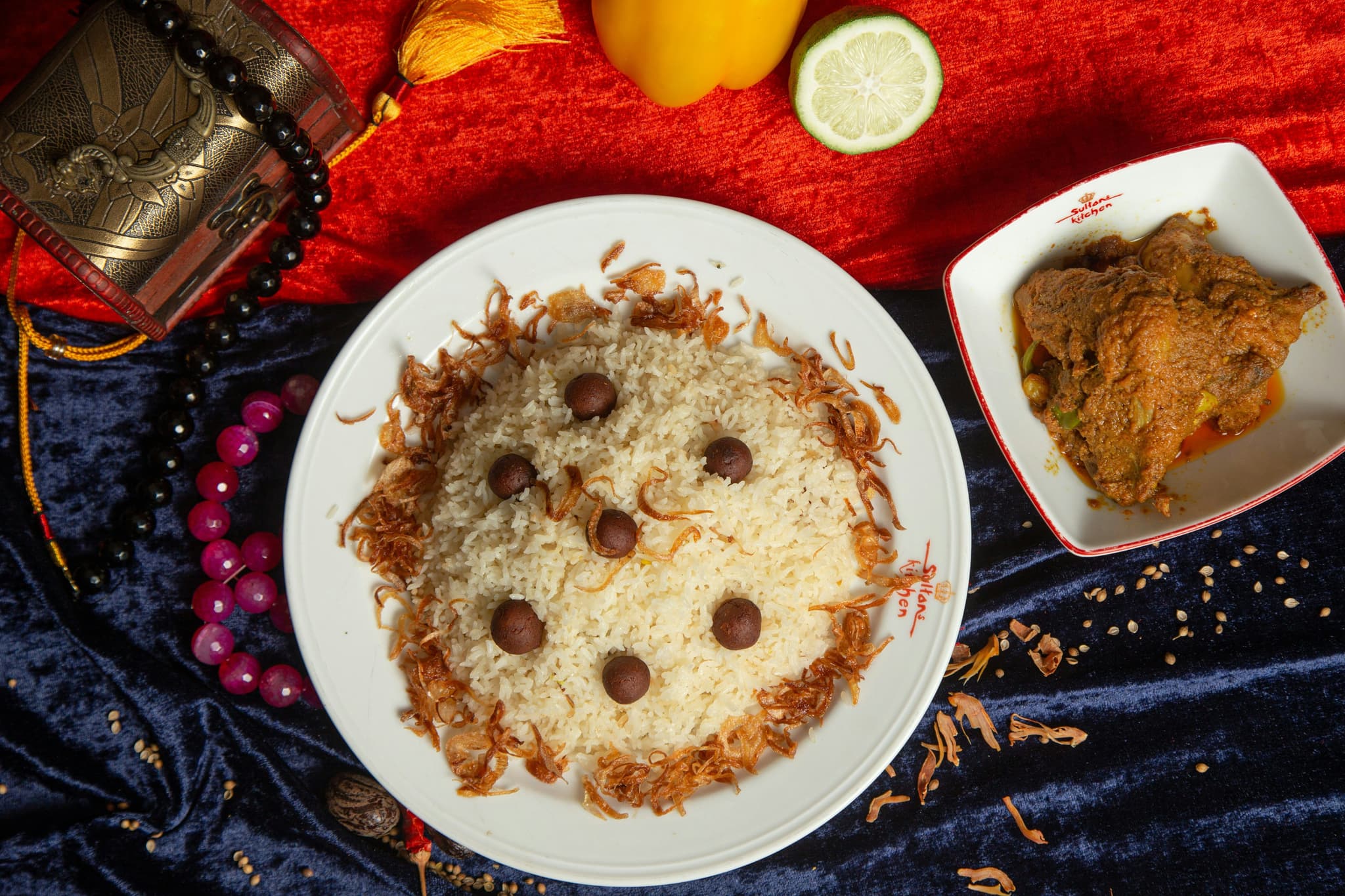
In many small restaurants, you’ll see locals ordering koshari, a mix of rice, pasta, lentils and tomato sauce topped with crispy onions. For a quick and filling meal, you can grab this almost anywhere in Cairo, and it’s one of the easiest ways to try local food.
Ful medames for breakfast
In the morning, you will see this dish everywhere, made from slow-cooked beans with olive oil and bread on the side. In both homes and cafés, it’s a very common start to the day and gives you a simple but filling breakfast before heading out.

Grilled meats and street food
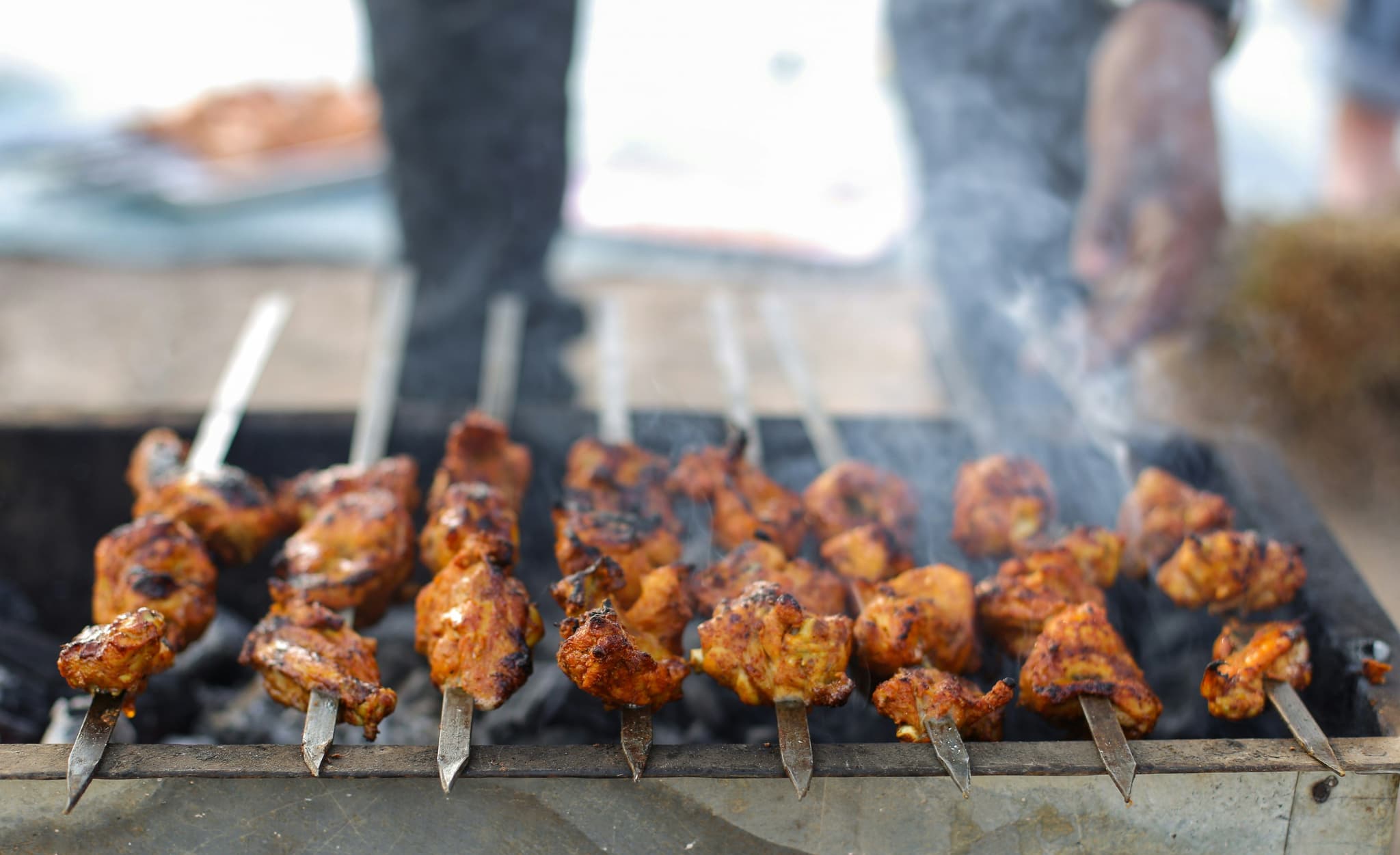
Across cities, you can stop at small spots serving grilled meats like kofta and kebabs, usually with flatbread and dips. Around busy streets, these quick meals easy to fit in between sightseeing.
Mint tea
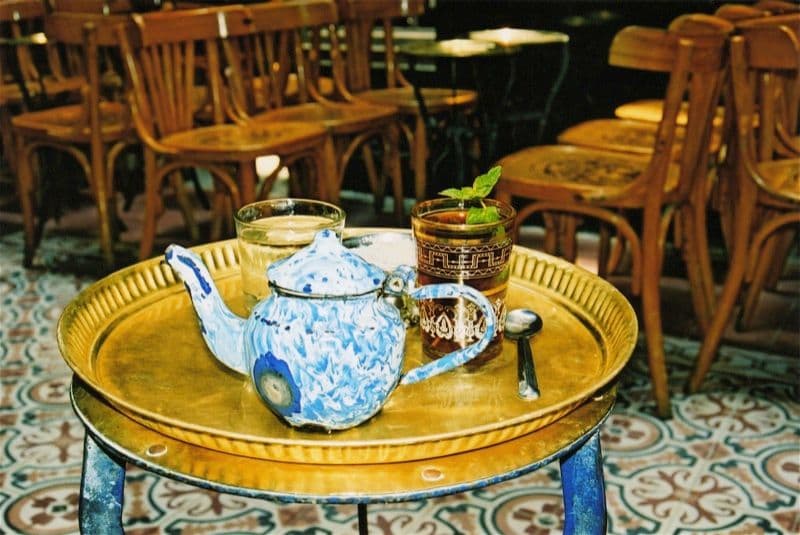
At almost any moment during the day, you’ll be offered tea, usually strong and sweet, and it’s part of how people connect. When you need something colder, fresh juices like mango or sugarcane are easy to find and a good break from the heat.
Culture in Egypt: a country built on ancient traditions
Long before modern cities existed, Egypt was already one of the most advanced civilisations, going back to around 3100 BC when the first pharaoh united Upper and Lower Egypt. Over time, rulers built huge temples like Karnak Temple as places to honour the gods, and tombs in the Valley of the Kings to prepare for the afterlife, since life after death was a central belief. Walls were covered in carvings and hieroglyphs that told stories about power, religion and daily life, many of which you can still see today. Later influences from Greek, Roman and Islamic periods added mosques, forts and new styles of architecture, which is why every region looks slightly different.
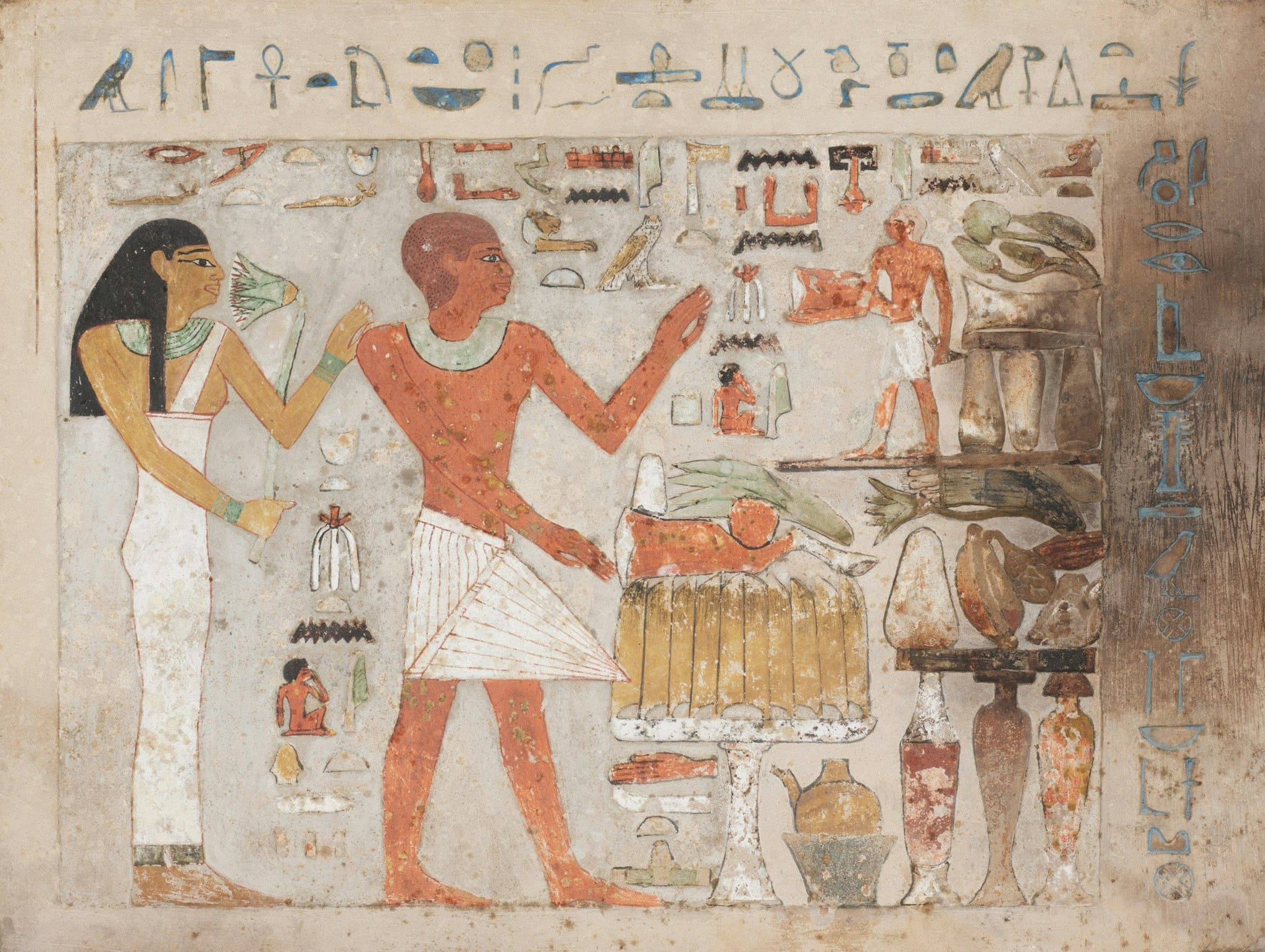
As you travel through Egypt now, that history stays right in front of you. In Luxor, you walk through temple complexes where columns rise far above you, and inside tombs you can still see colours and symbols that were meant to guide pharaohs into the next life. Around cities and towns, daily life continues close to these historical sites, where people gather in cafés and shops. Interactions in Egypt can be direct and friendly, and in markets or busy areas, people may approach you to start a conversation or offer something, which is simply part of how people connect here.
Looking for more unique places, trips and activities?
Subscribe to our Guided Newsletter for more travel inspiration.
Costs of a trip to Egypt
Travelling to Egypt and wondering if Egypt is expensive? Egypt is generally quite affordable compared to many other destinations, especially when it comes to food, transport and accommodation. Let’s take a look at what you can expect.
Food & Drink

Coffee
20 – 50 EGP
Lunch
80 – 200 EGP
Beer
50 – 120 EGP
Accommodation
Hotels
800 – 2,500 EGP
Airbnb
700 – 2,000 EGP
Hostel dorm
150 – 400 EGP
Transport

Trains
50 – 300 EGP
Public Transport
5 – 20 EGP
Car Rental
500 – 1,200 EGP
Attractions

Museums
100 – 500 EGP
Big Attractions
200 – 1,000 EGP
Theatre
200 – 600 EGP
Practical tips for visiting Egypt
Travelling to Egypt for the first time? We’ve gathered a few tips to help you get started
✔ Wear light but modest clothing
In temples, mosques and smaller towns, you’ll notice that dressing a bit more covered makes things more comfortable. It’s less about strict rules and more about how you’ll be approached and how relaxed you’ll feel walking around. Also, light, loose clothing helps a lot in the heat, and you’ll stay more comfortable during long days outside.
✔ Don’t drink tap water in Egypt
Throughout the country, you’ll want to stick to bottled water, even for brushing your teeth in some places. In restaurants, skipping ice is usually the safer choice unless you’re somewhere more high-end.
✔ Expect tipping in many situations
In Egypt, tipping is just part of how things work, and you’ll come across it more than you expect at first. From drivers to hotel staff and even small services, a small tip is usually expected rather than a big one.
✔ Plan your visits early in the day
At places like the Valley of the Kings, getting there earlier gives you a much better experience, before the heat really kicks in. Later in the day, temperatures rise quickly, which can make walking around more tiring than you’d expect.
✔ Carry cash for smaller payments
In a lot of situations, you’ll end up paying cash, whether it’s for taxis, tips or small shops. Cards aren’t always accepted, so having Egyptian pounds on you is just easier. While ATMs are easy to find in cities, it helps to withdraw enough before heading further out.
Wondering if Egypt is safe? Read our full guide about safety in Egypt.
Fun facts about Egypt
Once you start reading into Egypt, you realise there’s a lot more to it than just temples and pyramids. We’ve gathered some fun facts to give you a better idea of what makes the country so unique.
The Nile River is the longest river in the world, stretching over 6,600 kilometres.
Ancient Egyptians used hieroglyphs as a written language, with symbols carved into stone across temples and tombs.
Egypt is one of the few countries that connects two continents, Africa and Asia.
Mummification was used to prepare bodies for the afterlife, which was a central belief in ancient Egypt.
The Great Pyramid of Giza was once covered in smooth white limestone, which made it shine in the sunlight.
Camels were not widely used in ancient Egypt, they became common much later.
Some of these moments will likely become part of your own trip along the way. Egypt has a way of shifting between standing inside ancient tombs in Luxor, walking through busy streets in Cairo and ending your day by the Red Sea. Each stop brings a completely different experience. If you like culture, ancient history and time by the water, travelling to Egypt is the right choice for you.
Ready to map out your trip to Egypt?
We hope this Egypt travel guide has given you a clear starting point for your trip. Stay tuned for more inspiration, itineraries and practical tips to help you shape your perfect Egypt itinerary. And don’t forget to check out our Guided app, where you can create your own trip or use trips shared by other travellers for free.
FAQS about travelling to Egypt
- Where in the world is Egypt?
Between North Africa and the Middle East, Egypt connects two continents with the Sinai Peninsula linking to Asia. Along the Nile River, most cities and historic sites are spread out from north to south.
- Do you need a visa for Egypt?
For most nationalities, a tourist visa is required and can be arranged online or on arrival depending on your passport. Before travelling to Egypt, always check the latest official requirements.
- What is Luxor Egypt?
In southern Egypt, Luxor is known for its large collection of temples and tombs. Many of the most famous sites, like the Valley of the Kings and Karnak Temple, are found here.
- Where is Giza?
Just outside Cairo, Giza sits on the edge of the desert where the famous pyramids are found. From the city centre, you can reach it within about 30 to 45 minutes depending on traffic.
- Where is Alexandria Egypt?
Along the Mediterranean coast, Alexandria lies north of Cairo and can be reached in around 2 to 3 hours. Compared to Cairo, the city has a more coastal atmosphere with a mix of history and seaside views.