
Estonia

Estonia travel guide: Everything you need to know before visiting Estonia
Two hours by ferry from Helsinki, Tallinn's Old Town still follows a street plan laid out in the 1200s. UNESCO listed it in 1997 for how intact that plan is, and the town wall once had 66 towers. The same country, in 2005, became the first to hold a binding nationwide election online, and today you get on a Tallinn tram by tapping your bank card at any door.
About half of Estonia is forest, there are more than 2,000 islands, and you can be on a boardwalk across a raised bog in under an hour from the capital. Estonian is a Finnic language, related to Finnish rather than to Latvian or Lithuanian, and the country often feels more Nordic than Baltic. Next to Finland you get the same saunas and forests plus a medieval capital at lower prices, but if you want hot beaches the Baltic will disappoint you. This guide covers where to go, how to get around, what things cost and the entry rules to check before you travel.
5 reasons to visit Estonia
If you've only ever thought of Estonia as a day trip from Helsinki, we'd argue it deserves a week. Here's why.
- Walk a medieval Old Town that kept its 13th-century street plan and much of its wall.
- Cross a raised bog on a boardwalk less than an hour from the capital.
- Sweat it out in a Võromaa smoke sauna, a tradition on UNESCO's intangible heritage list.
- Drive onto a ferry and spend a few slow days among Saaremaa's windmills and fishing villages.
- Pay by tapping your card almost everywhere, including at every Tallinn tram door.
Where to visit in Estonia?
How much of Estonia can you see beyond Tallinn? More than most people expect, because the country covers 45,335 km² and Tartu is about two hours away by train. These 12 places run from the capital out to the Russian border, the southern hills and the western islands.
Tallinn Old Town and Toompea
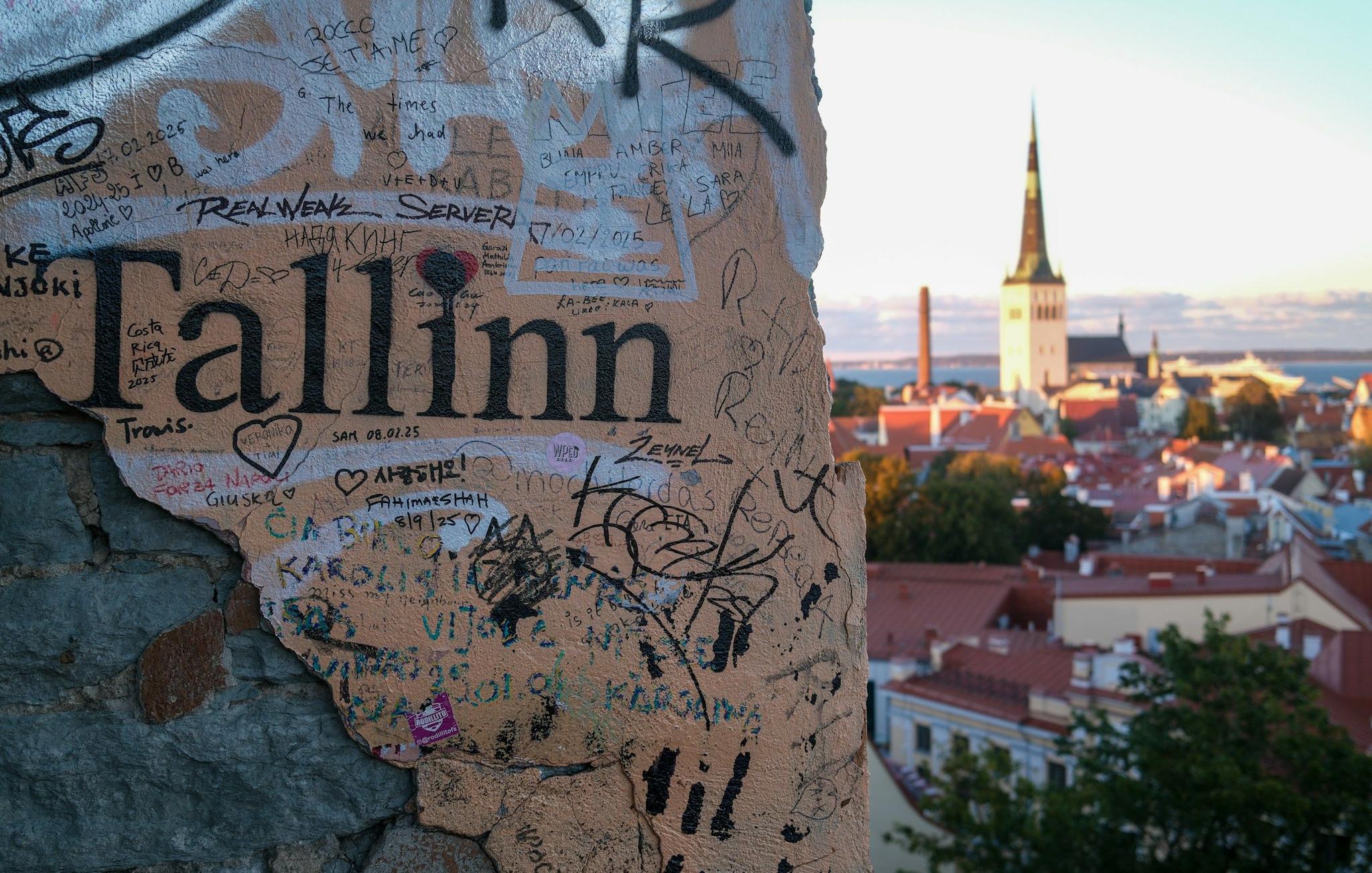
The Teutonic Order held a castle here in the 13th century, and Tallinn grew rich as a Hanseatic trading town. Start on Toompea, the upper town, where the Kohtuotsa and Patkuli viewpoints look over red roofs to the port. Go before 9am or at sunset, once the cruise groups have gone. St Olaf's Church has 258 steps up to a 60 m platform (€10, April to October only). In winter, put the time into Kiek in de Kök instead, where the full ticket with the bastion tunnels costs €16. Until the end of 2026, the Maiden Tower and the wall walk are reached only through Kiek in de Kök.
Kalamaja, Telliskivi and the Seaplane Harbour
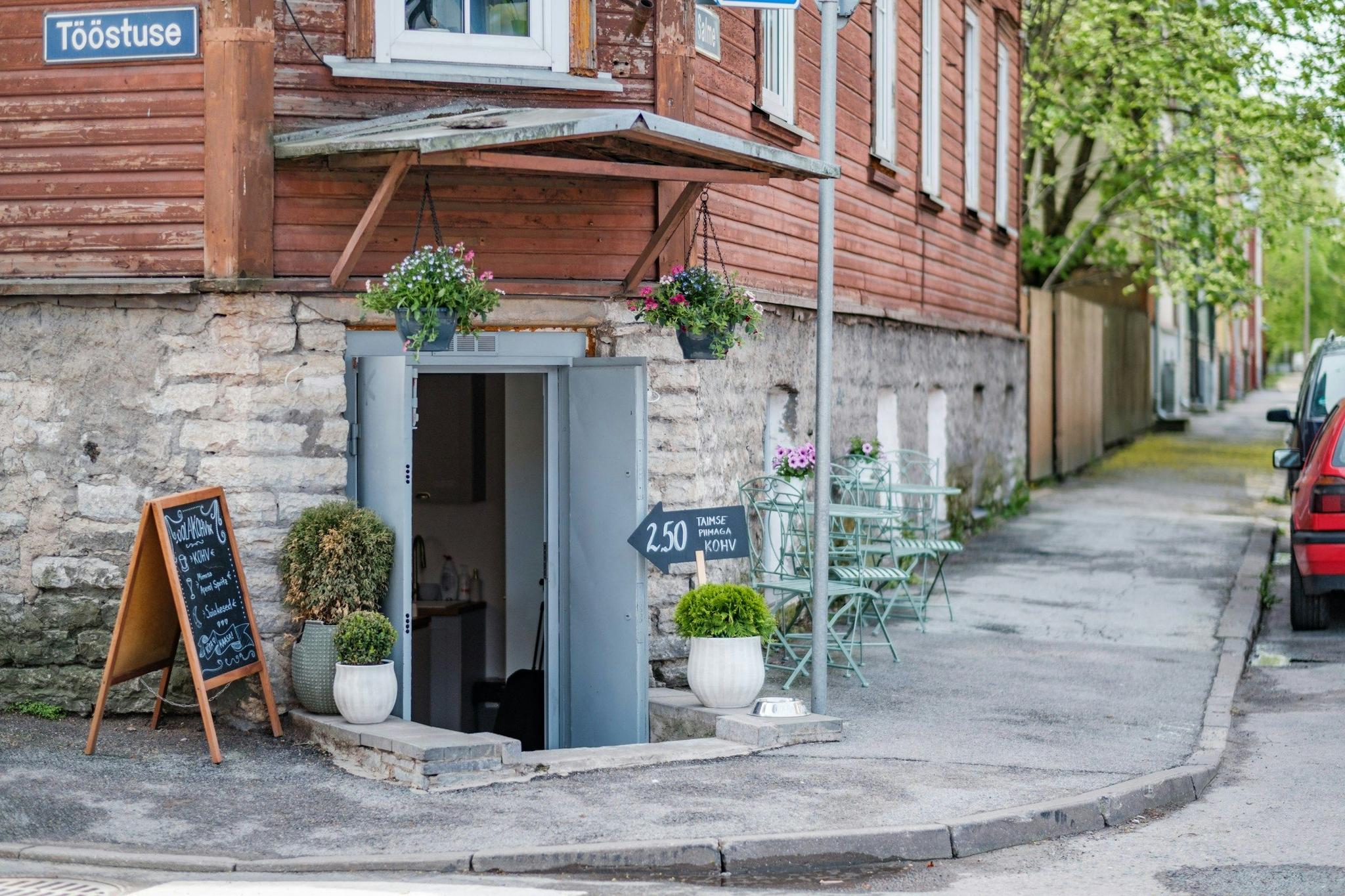
Kalamaja is Tallinn's wooden-house district, about a 10 to 15 minute walk from the Old Town, and it deserves a slow half day. Have lunch at Balti Jaama Turg, the market by Balti jaam station, then walk through Telliskivi Creative City and Kalamaja to the sea. The Seaplane Harbour (Lennusadam) fills a hangar with a submarine, and the icebreaker Suur Tõll is part of the museum too. Adults pay €22 and a family ticket is €40. It's open daily from May to September and closed on Mondays from October to April. Save it for a rainy afternoon; it's the best museum in Tallinn for children.
Kadriorg, Kumu and the Estonian Open Air Museum
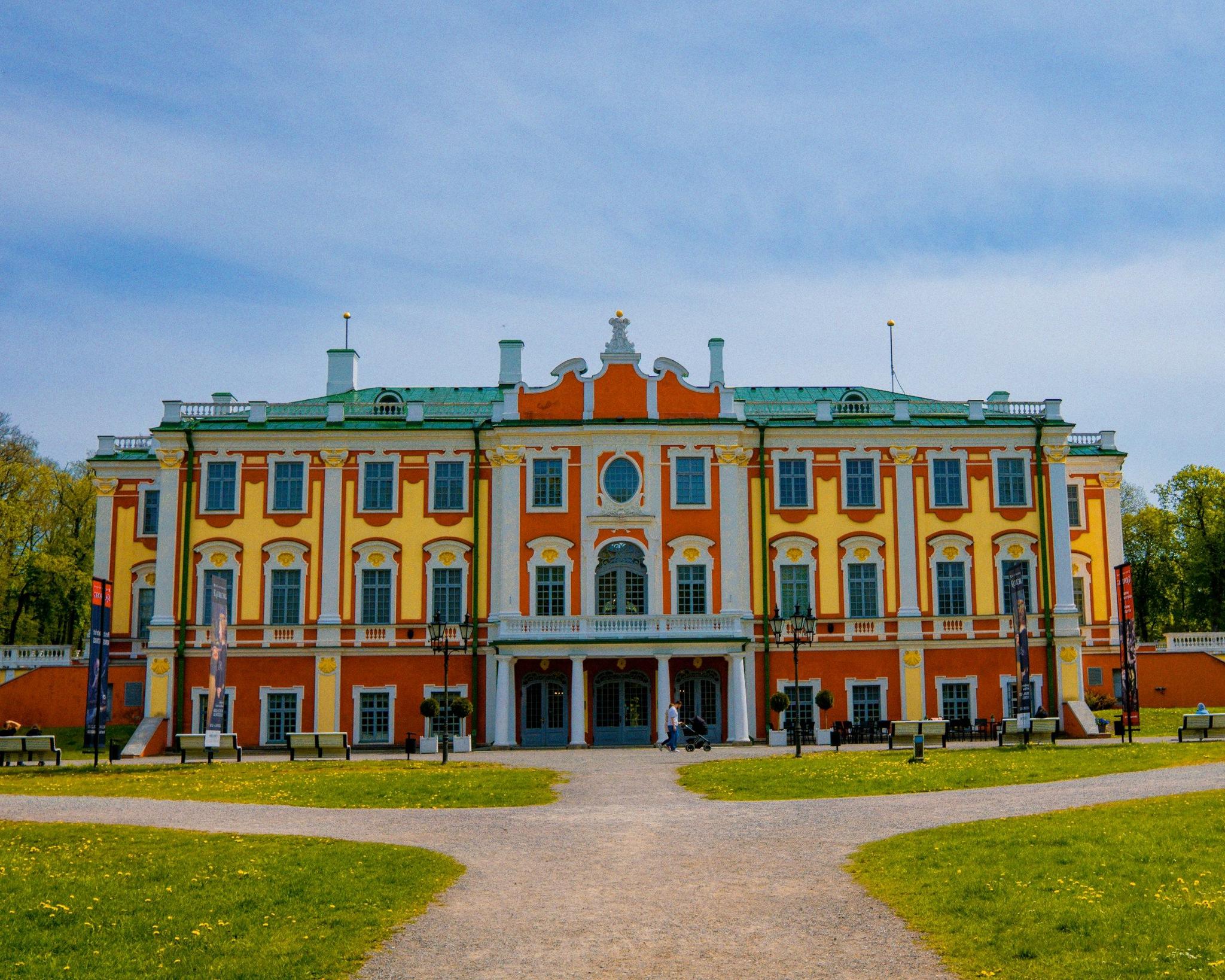
Peter the Great had the baroque Kadriorg Palace built, and it's now an art museum in Kadriorg Park. Kumu, the Art Museum of Estonia, is in the same park. Tickets are €16, and it stays open until 8pm on Thursdays. Both are closed on Mondays. The Estonian Open Air Museum at Rocca al Mare is a separate trip, with entry at €18 in summer and €14 in winter. Give it its own half day, ideally a summer weekend.
Lahemaa National Park
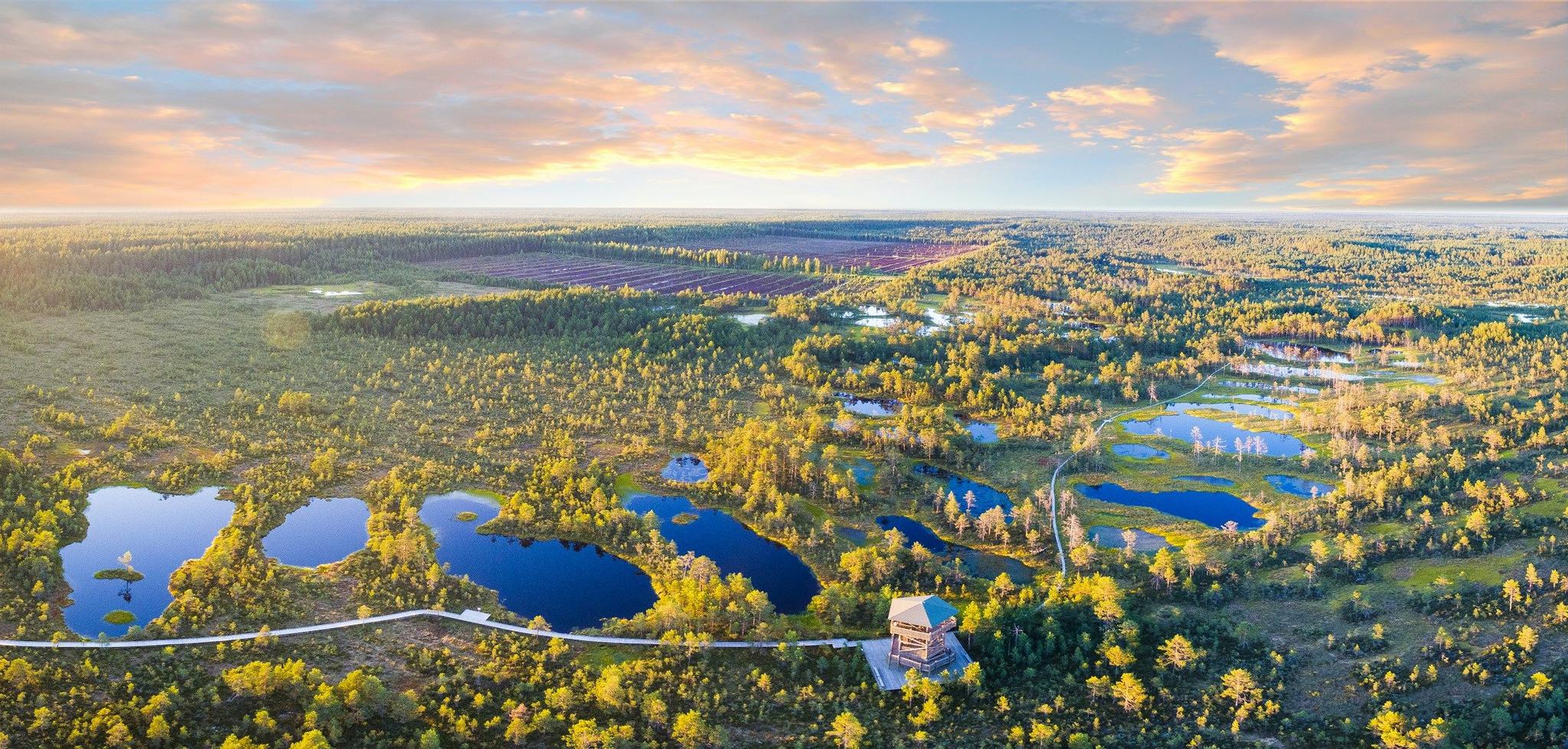
Arrive at the Viru bog trail at sunrise and you may have the boardwalk to yourself. It's about 52 km from Tallinn along the E20, and the RMK trail is free. You can walk 3.5 km one way or a 5.5 km loop, climbing an observation tower on the way. Afterwards, drive on to Palmse Manor (open daily from May to September, Wednesday to Sunday the rest of the year) and then the coast at Käsmu, known as the captains' village, or the old fishing village of Altja. Rather than doing Lahemaa as an out-and-back, we'd treat it as a stop on the way to Rakvere or Narva.
Narva and Ida-Viru
Narva Castle, also called Hermann Castle, stands on one bank of the river, and Russia's Ivangorod fortress stands on the other. That view is the reason to come, and it's for looking across, not for crossing (see the border tip below). Narva itself is majority Russian-speaking. The castle opens Wednesday to Sunday and charges €16. On the drive back, the Estonian Mining Museum at Kohtla-Nõmme is open Tuesday to Saturday, and you'll want warm clothes underground.
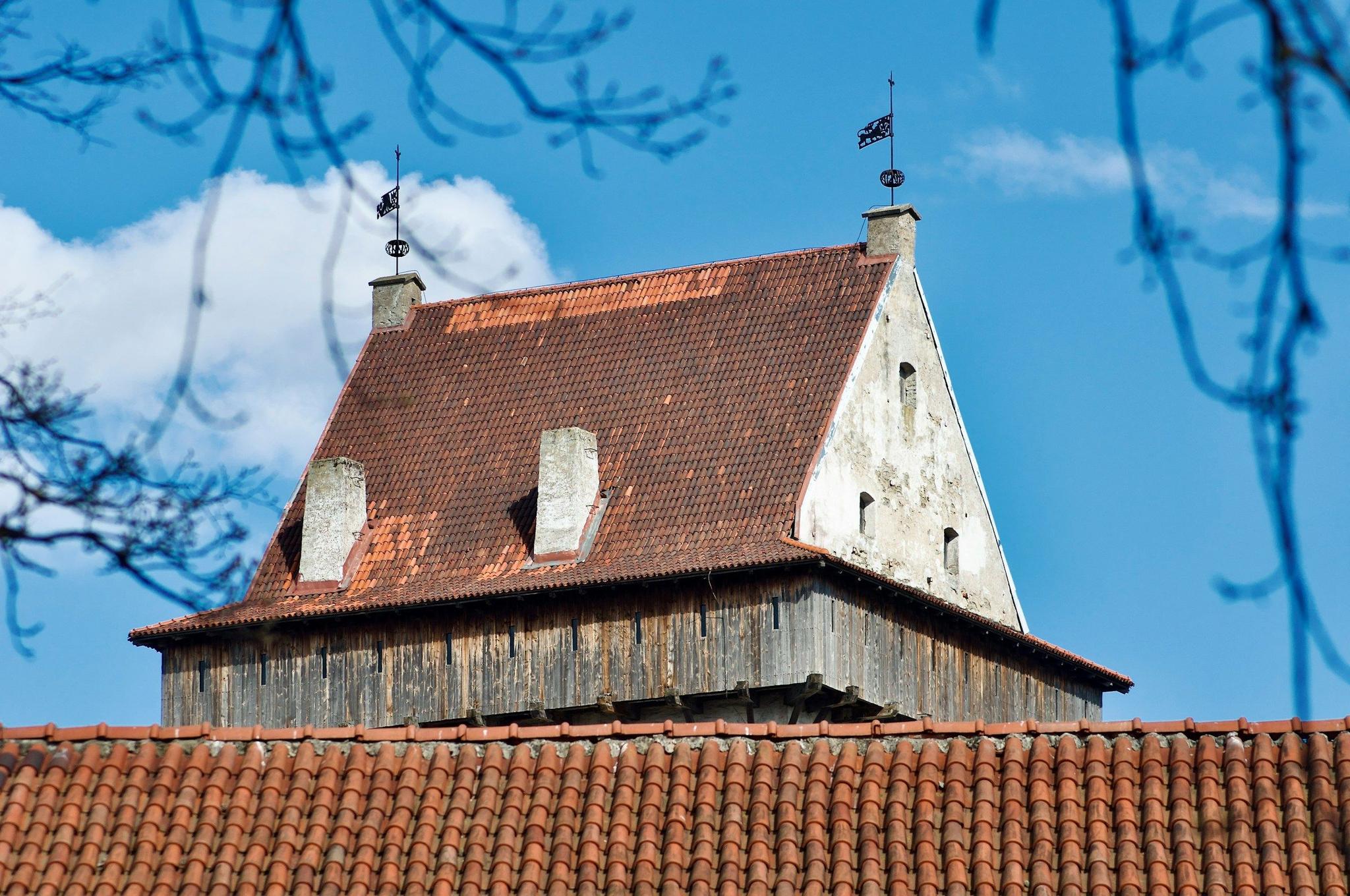
Tartu
Tartu is a university town, and you should stay at least one night, because the evenings are the point. Students fill the bars around Town Hall Square. The city was a European Capital of Culture in 2024, with about 3,100 events and 1.3 million visitors. Give the Estonian National Museum (ERM) a full morning, and remember it's closed on Mondays. The Elron express from Tallinn takes about two hours, and Tartu makes a good base for Lake Peipus and the south.
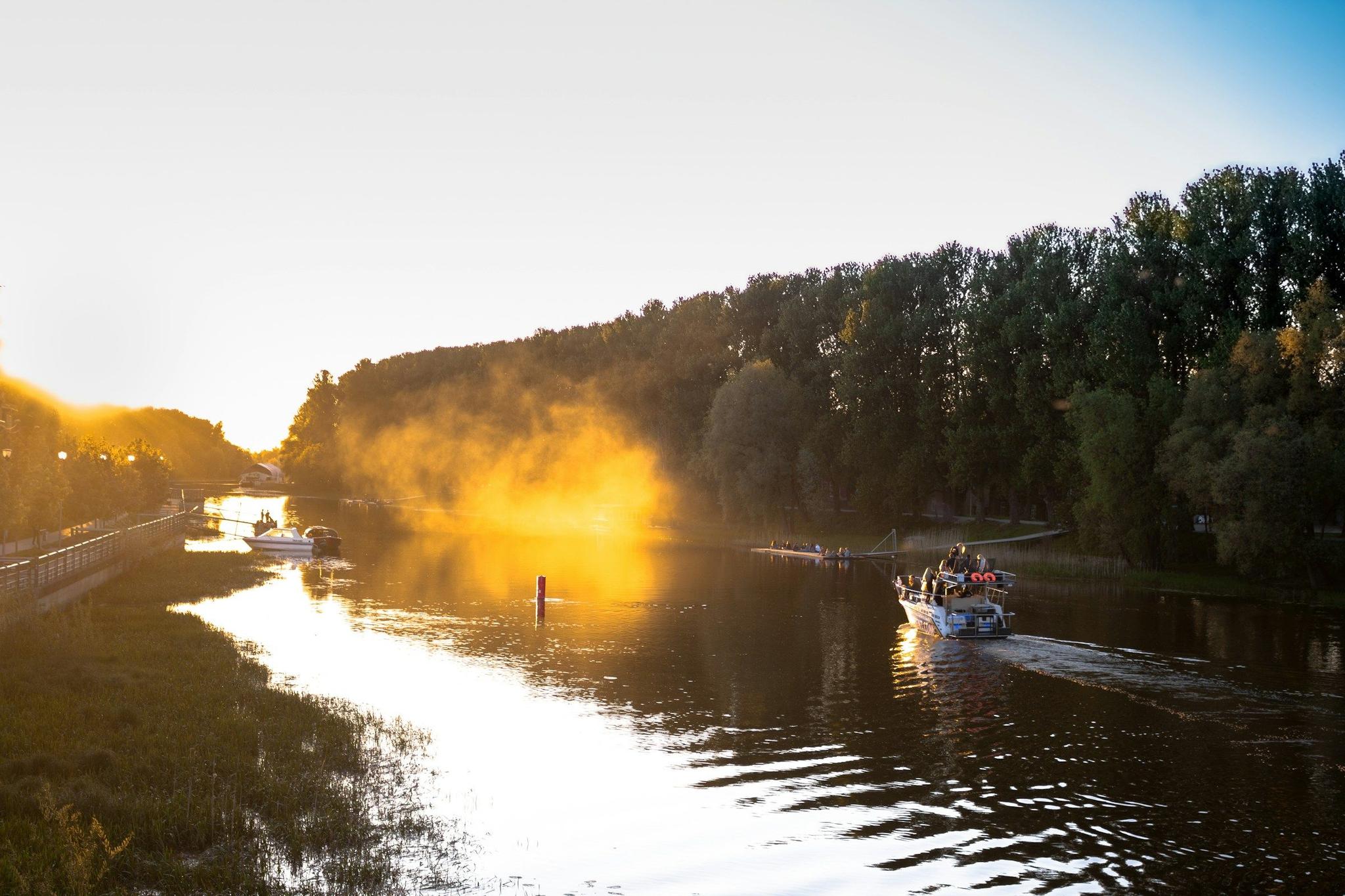
Otepää, Võru and Suur Munamägi in South Estonia
At 318 m, Suur Munamägi is the highest point in the Baltic states, and a 29.1 m tower on top lifts you above the forest. In winter the tower opens on weekends only. The hills around Võru are Võromaa, home of the smoke-sauna tradition (more on that below). Book a sauna evening and sleep on the farm instead of in Võru town. Otepää, to the north, is Estonia's winter sports centre, and the Tartu Ski Marathon is held here in mid-February.
Soomaa National Park
Every spring, usually in late March or early April, Soomaa floods so widely that Estonians call it the fifth season. It's the season for canoeing. The haabjas dugout-boat tradition has been on UNESCO's intangible heritage list since 2021. If you can't make the floods, book a guided bog-shoe hike of two to five hours in summer or autumn. Tours pause during the spring nesting season. Pärnu or Viljandi are the closest bases. We think Soomaa is the most underrated park in the country.
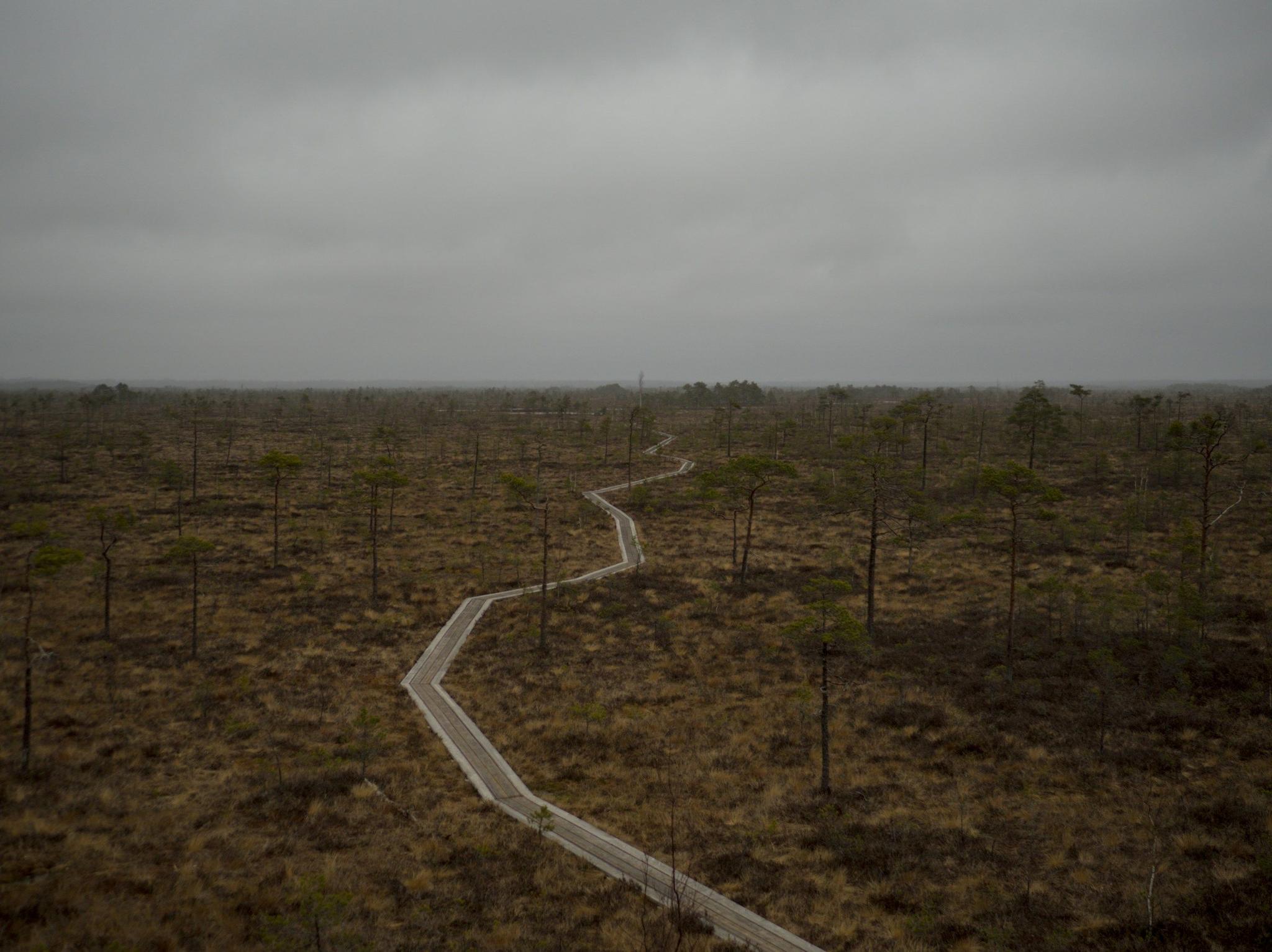
Pärnu
Pärnu is Estonia's summer capital, a spa town with a beach. From June to August it fills up for festivals, including Hanseatic Days at the end of June and the Pärnu Music Festival in July. Outside summer, it's worth it for a spa night and as a base for Soomaa. There's no passenger train from Tallinn (the line closed in 2018), so take the Lux Express bus, which takes about an hour and a half.
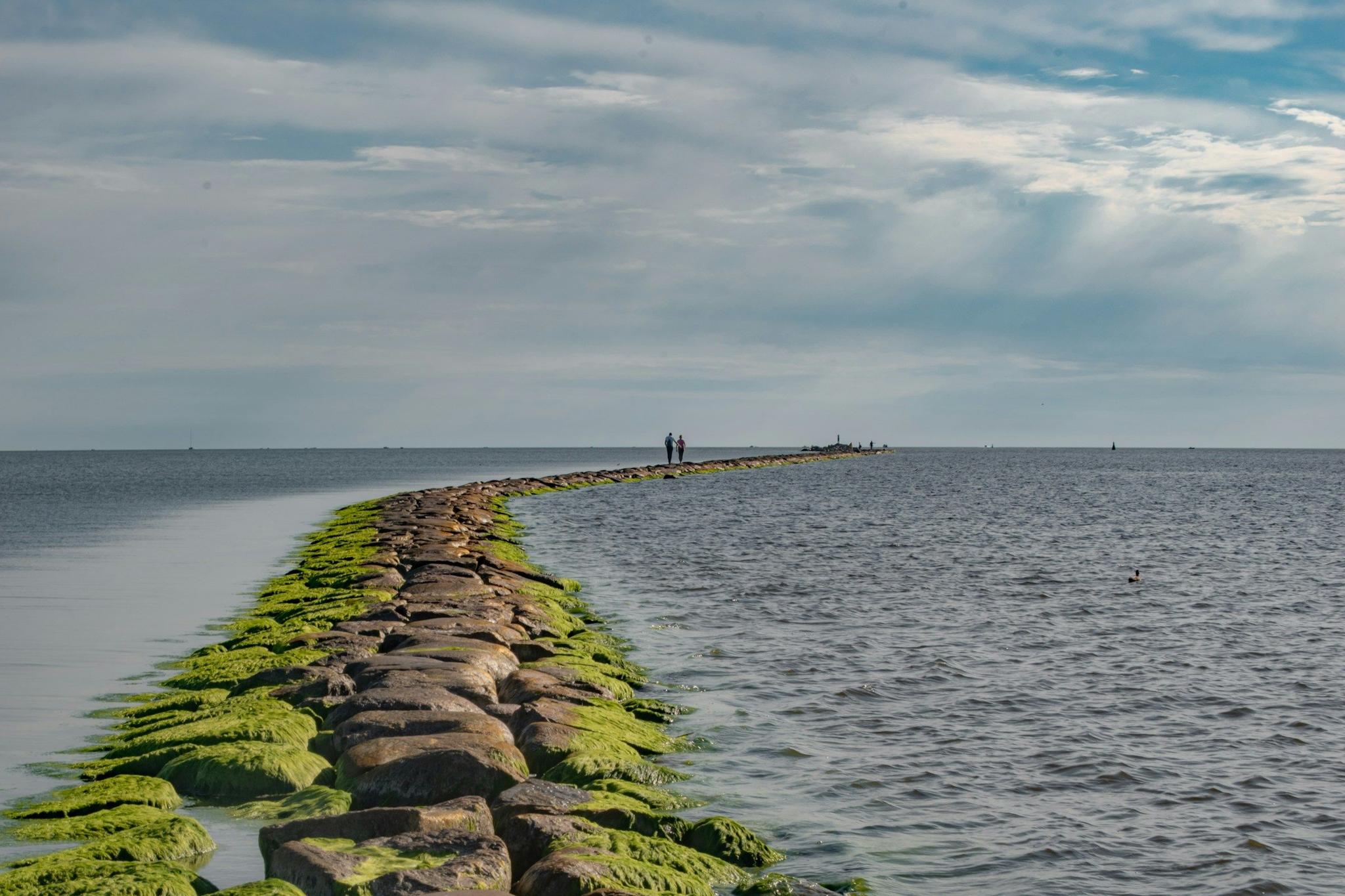
Saaremaa and Muhu
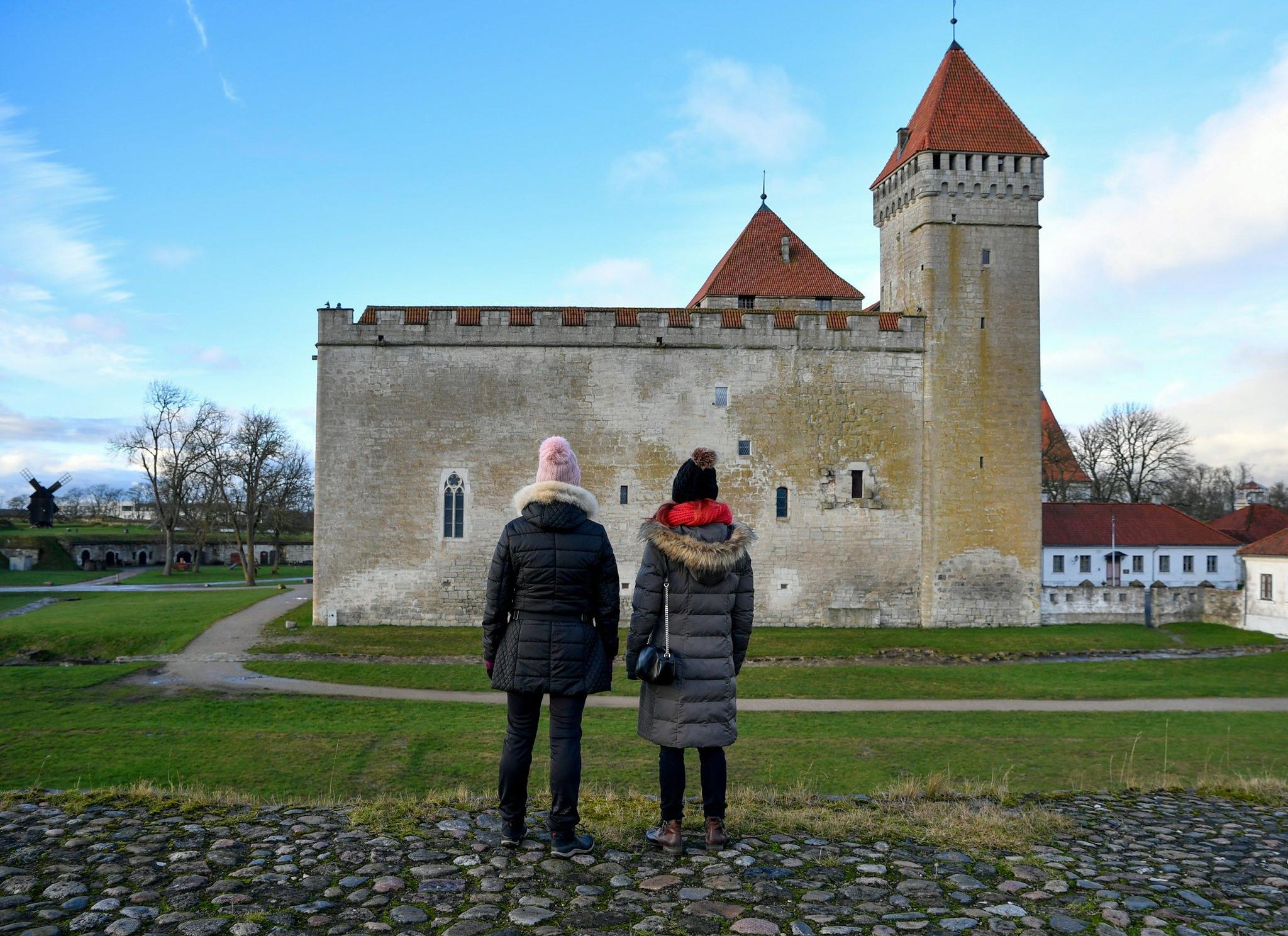
The ferry from Virtsu to Kuivastu takes about 30 minutes, and from there you drive across Muhu onto Saaremaa. Stop at Koguva on Muhu first, one of the best-preserved historic villages in the country. Then base yourself in Kuressaare for at least two nights. Its 14th-century Episcopal Castle is one of the best-preserved medieval castles in the Baltics, and entry is about €10 to €12. From town, loop out to Kaali, a field of meteorite craters where the main one is about 110 m across, then to the five windmills at Angla. Finish at Panga cliff, the highest on the island at over 20 m, for sunset.
Hiiumaa
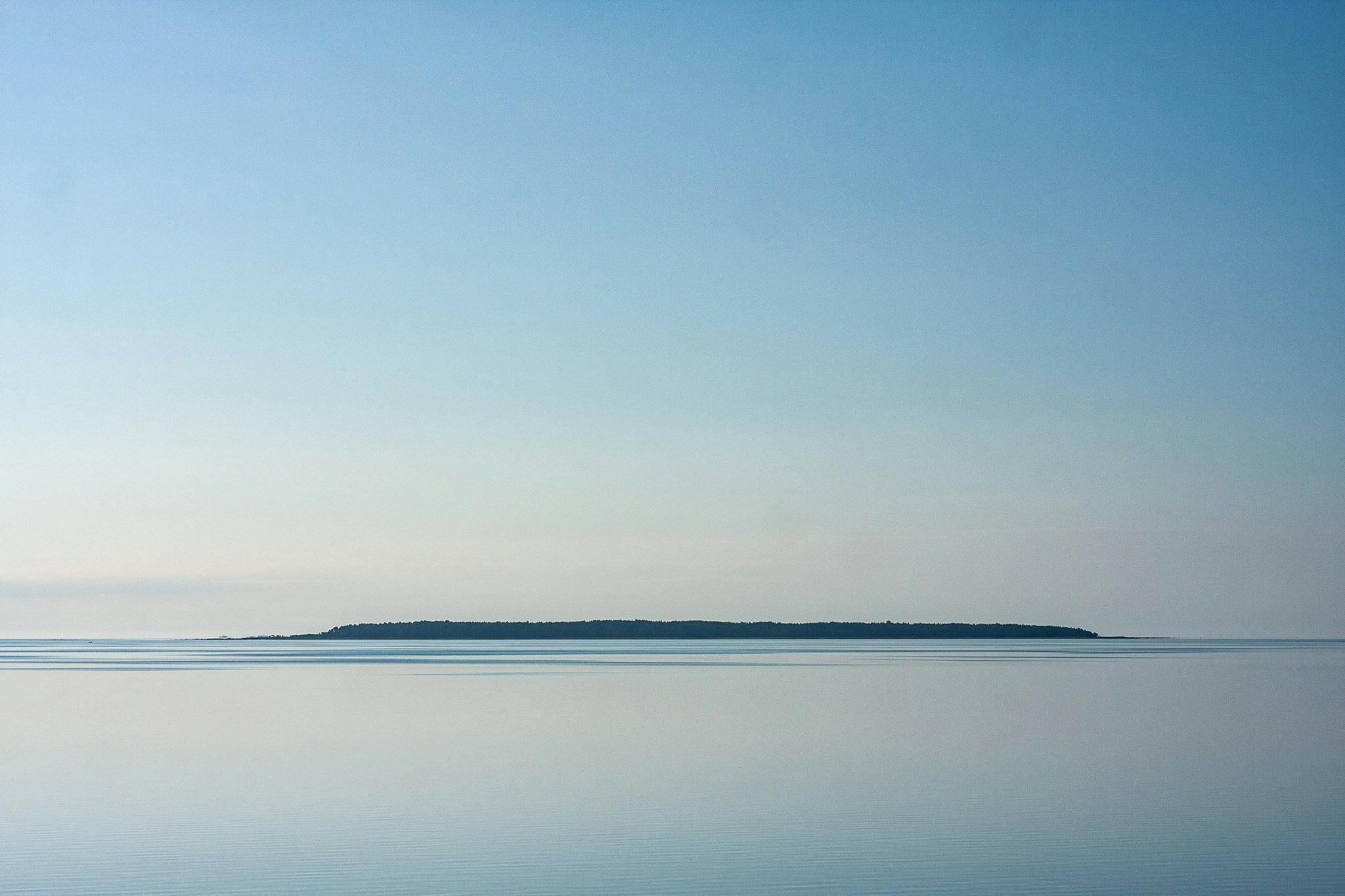
Hiiumaa is the quieter island, and it suits a 10 to 14 day trip best. Kõpu lighthouse has worked for more than 500 years, which makes it one of the oldest working lighthouses in the world. It opens to visitors from May to September. A second ferry, from Triigi on Saaremaa to Sõru, links the two islands, and a third runs from Heltermaa back to Rohuküla on the mainland near Haapsalu. Cross in that order and you won't backtrack.
Haapsalu
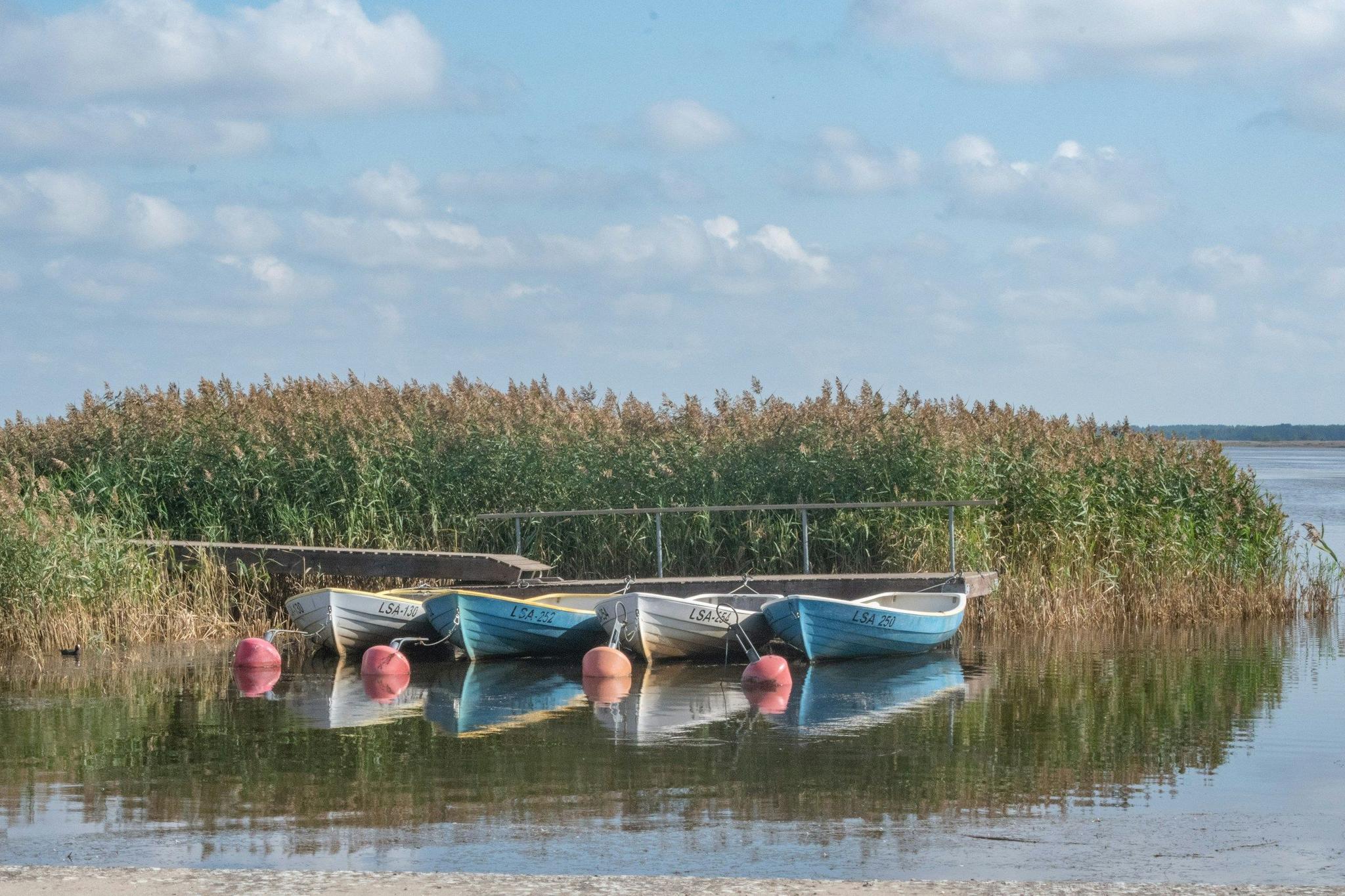
Every August, on full-moon nights, the White Lady is said to appear in a chapel window of Haapsalu's 13th-century episcopal castle. The town holds White Lady Days around the legend. The castle museum costs €12 and opens daily in summer, but from September to May it closes on Mondays and Tuesdays. Rohuküla, where the Hiiumaa ferry docks, is close by, so Haapsalu works as an overnight stop on the way to or from the island. Come between June and August, when the castle keeps its longest hours.
Estonia itinerary ideas for your trip
A week covers Tallinn and one national park, with the south to finish. The islands need a second week and a car. Kumu, Kadriorg and ERM close on Mondays, and Narva Castle closes Monday and Tuesday, so shuffle the days to suit your arrival.
5 to 7 day Estonia itinerary
- Day 1-2: Tallinn Old Town and Toompea, then Kalamaja and the Seaplane Harbour, with Kadriorg and Kumu on a day that isn't Monday.
- Day 3: Lahemaa, with the Viru bog early, then Palmse and Käsmu or Altja, back to Tallinn or on to Rakvere for the night.
- Day 4-5: Tartu, about two hours away, for the old town, Toome Hill and ERM (not Monday), with an optional trip to Lake Peipus.
- Day 6-7: Võru and Suur Munamägi with a smoke-sauna evening, about an hour from Tartu, then back to Tallinn in about 3 to 3.5 hours.
In summer, swap Day 6-7 for Pärnu. Without a car, take a Lahemaa day tour and the train to Tartu.
10 to 14 day Estonia itinerary
- Day 1-3: Tallinn, including the Estonian Open Air Museum.
- Day 4: Lahemaa and Rakvere, then on to Narva.
- Day 5: Narva Castle and the Kohtla-Nõmme mine, then south to Tartu. Plan this day for a Wednesday to Saturday, when both are open.
- Day 6-7: Tartu and ERM, plus Lake Peipus.
- Day 8-9: Otepää and Suur Munamägi, with a smoke sauna near Võru.
- Day 10: Viljandi, then Soomaa by canoe or on bog shoes, ending in Pärnu.
- Day 11-12: Ferry from Virtsu to Kuivastu, Muhu, then Kuressaare as your base for Kaali, Angla and Panga.
- Day 13: Ferry from Triigi to Sõru for Hiiumaa and Kõpu lighthouse (May to September).
- Day 14: Ferry from Heltermaa to Rohuküla, Haapsalu castle, then back to Tallinn.
Want a third night on Saaremaa instead of the Hiiumaa leg? Build or adjust this route in the Guided trip planner.
Fun things to do in Estonia
Tallinn gets about six hours of daylight in December and 18 to 19 hours in mid-June, so what you do here depends on the month. These five cover both ends of the year.
Book a smoke sauna in Võromaa
The Võromaa smoke-sauna tradition has been on UNESCO's intangible heritage list since 2014. Farms such as Mooska run sessions of about three hours for groups of up to ten, and you have to book ahead. Ordinary saunas are everywhere in Estonia, but this is the one to travel for.
Walk across a bog
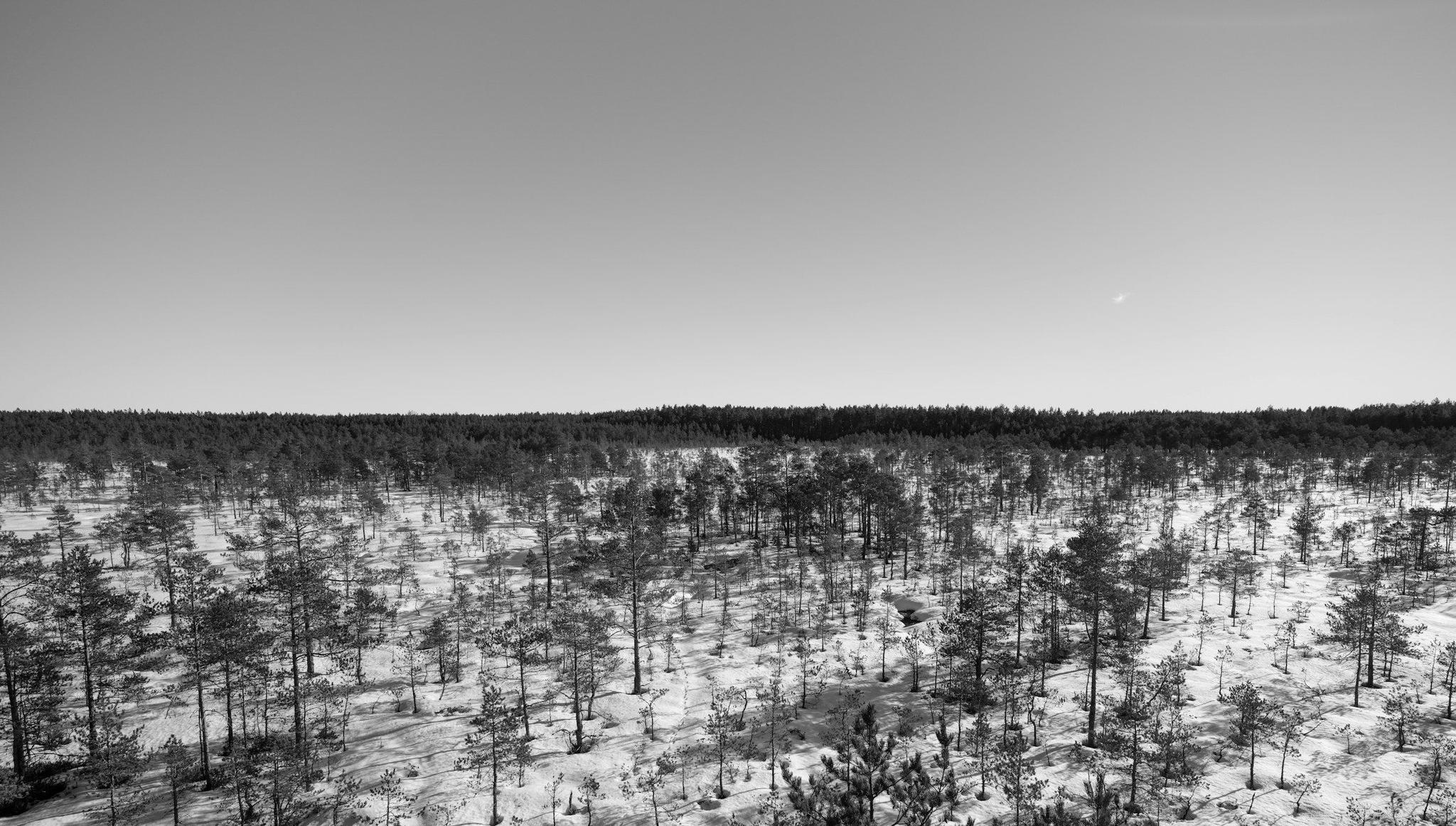
The Viru bog boardwalk in Lahemaa is free and open all year, and it's just as good under snow as in summer. For something wilder, book a guided bog-shoe hike in Soomaa and walk out onto the bog itself. Do the boardwalk on a short trip and Soomaa on a longer one.
Island-hop by ferry
Praamid runs the ferries to the big islands, and a foot passenger pays only a few euros. Book on praamid.ee if you're bringing a car, because a booking gets you the priority lane, which matters on summer Fridays and at Midsummer. The best months are May to September. In hard winters the sea freezes and ice roads open instead, but you can't plan around those.
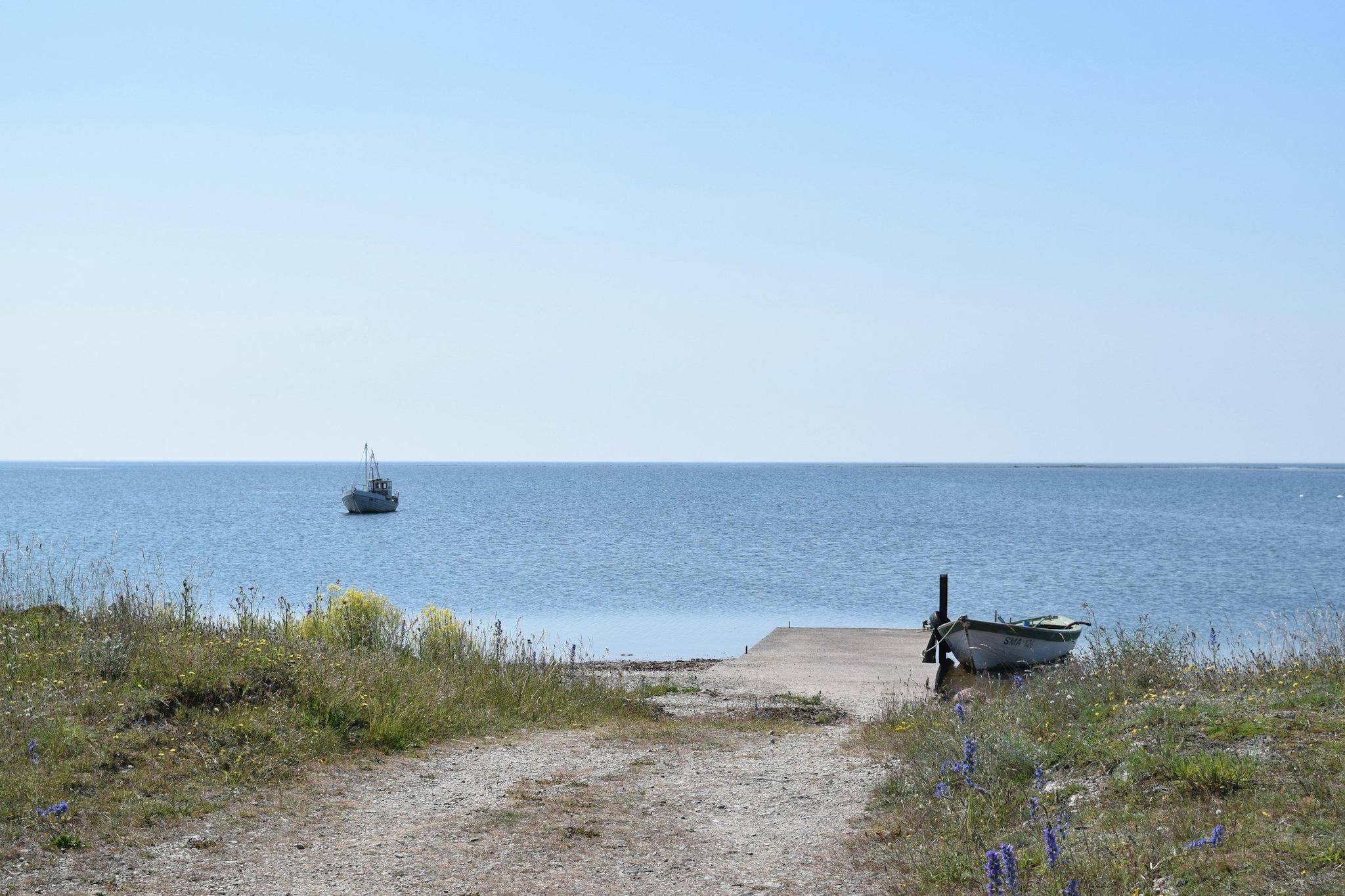
Visit the Tallinn Christmas market
The Christmas market on Town Hall Square runs from 20 November 2026 to 6 January 2027, in front of the medieval town hall. Pair it with a sauna and you've got the winter trip on our Tallinn Snow & Saunas route. December days are short, so the market is at its best after dark anyway.
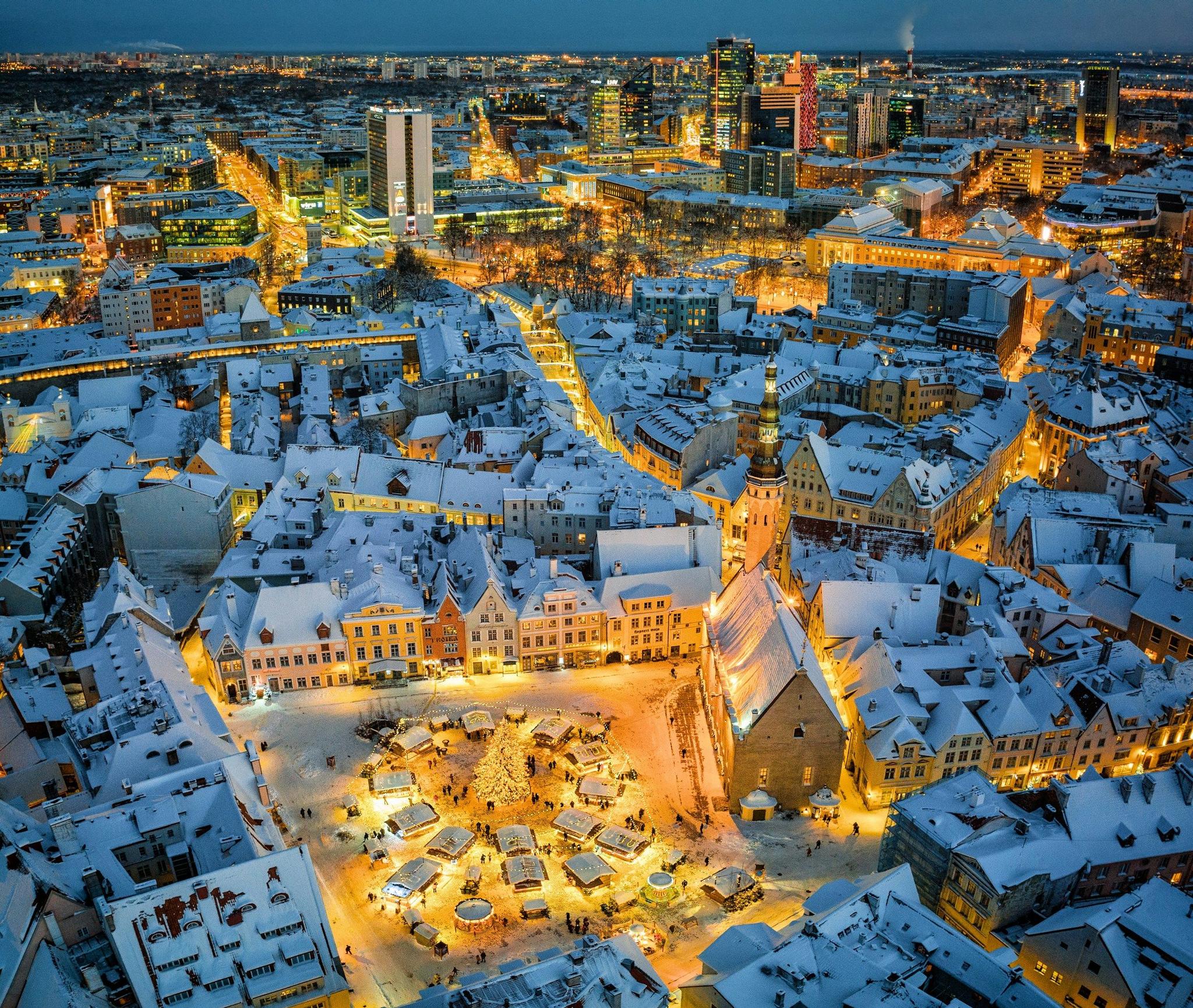
Go cross-country skiing in Otepää
From January to March, Otepää is the place to ski. Tehvandi has a lit 3.3 km loop on artificial snow, so you can ski after dark and even when natural snow is thin. In mid-February the Tartu Ski Marathon takes over the trails.
When to go to Estonia?
Is summer the only good time? It's the obvious one. In mid-June Estonia gets 18 to 19 hours of daylight, Tallinn's highs reach about 21 °C in July, and the sea warms to about 17 °C at its August peak. Midsummer is the big night. Victory Day on 23 June and Jaanipäev on 24 June are both public holidays, bonfires are lit on the evening of the 23rd and some businesses close. Late summer is the rainiest stretch. We'd pick June for the light, or early September if you'd rather skip the insects.
- Spring (April to May): snowmelt and then fast green, with bird migration and the Soomaa floods; prices are low, but the sea is far too cold to swim.
- Summer (June to August): long light and Midsummer bonfires, island beaches at around 20 °C, peak prices and July mosquitoes.
- Autumn (September to November): golden forests and mushrooms with few insects in September; dark and wet by November, when the Black Nights Film Festival and the Christmas market begin.
- Winter (December to March): about six hours of daylight in December and the most reliable snow in February, which suits saunas and skiing in Otepää; towers and some open-air sites close.

Did you know you can create your own itinerary?
Now that you know what to see in Estonia, you can start creating your own trip. Do you want more time on the islands and walking the bogs, or are you thinking more about medieval Tallinn and a smoke sauna in the south? It's all up to you. You can easily create your own trip in the Guided app for free, or use trips shared by others.
Where to stay in Estonia?
About 70% of foreign visitors' stays are in Tallinn, which makes sense for a first trip, but we'd add at least one night outside it. In Tallinn, dorm beds cost about €13 to €25, mid-range hotels about €60 to €80 and four and five-star hotels about €120 to €180. Prices climb from June to August and in December.
Tallinn Old Town
Sleeping inside the walls gets you onto Toompea before the day visitors and back to your room in minutes. It's the most atmospheric choice and the most expensive, and the lanes fill up on cruise days.
Kalamaja and Telliskivi
This is where we'd stay in Tallinn. Kalamaja's wooden houses and cafés are a short walk from the Old Town, with Telliskivi and the Balti Jaama Turg market on the doorstep. Balti jaam station is right there too, for trains to Tartu and Narva.
Tartu, Pärnu or Kuressaare outside the capital
Use Tartu for the south and Lake Peipus, Pärnu for the beach and Soomaa, and Kuressaare for Saaremaa.
Lahemaa manors and RMK campsites
Palmse and Sagadi both have rooms in restored manor complexes inside Lahemaa. On a road trip with a tent, RMK, the state forest service, runs hundreds of free campsites with fire pits and dry toilets, and some even leave out firewood. There are no showers or electricity, so bring water.
Getting around when visiting Estonia
Do you need a car in Estonia? For Tallinn and Tartu, no. For the parks and islands, yes. Tallinn's airport tram reopened on 1 August 2026 after nearly three years of works, so getting into town is now a short tram ride on line 2 or 4, which together run about every 10 minutes. From the capital, trains go east and south, and buses and ferries fill the gaps.
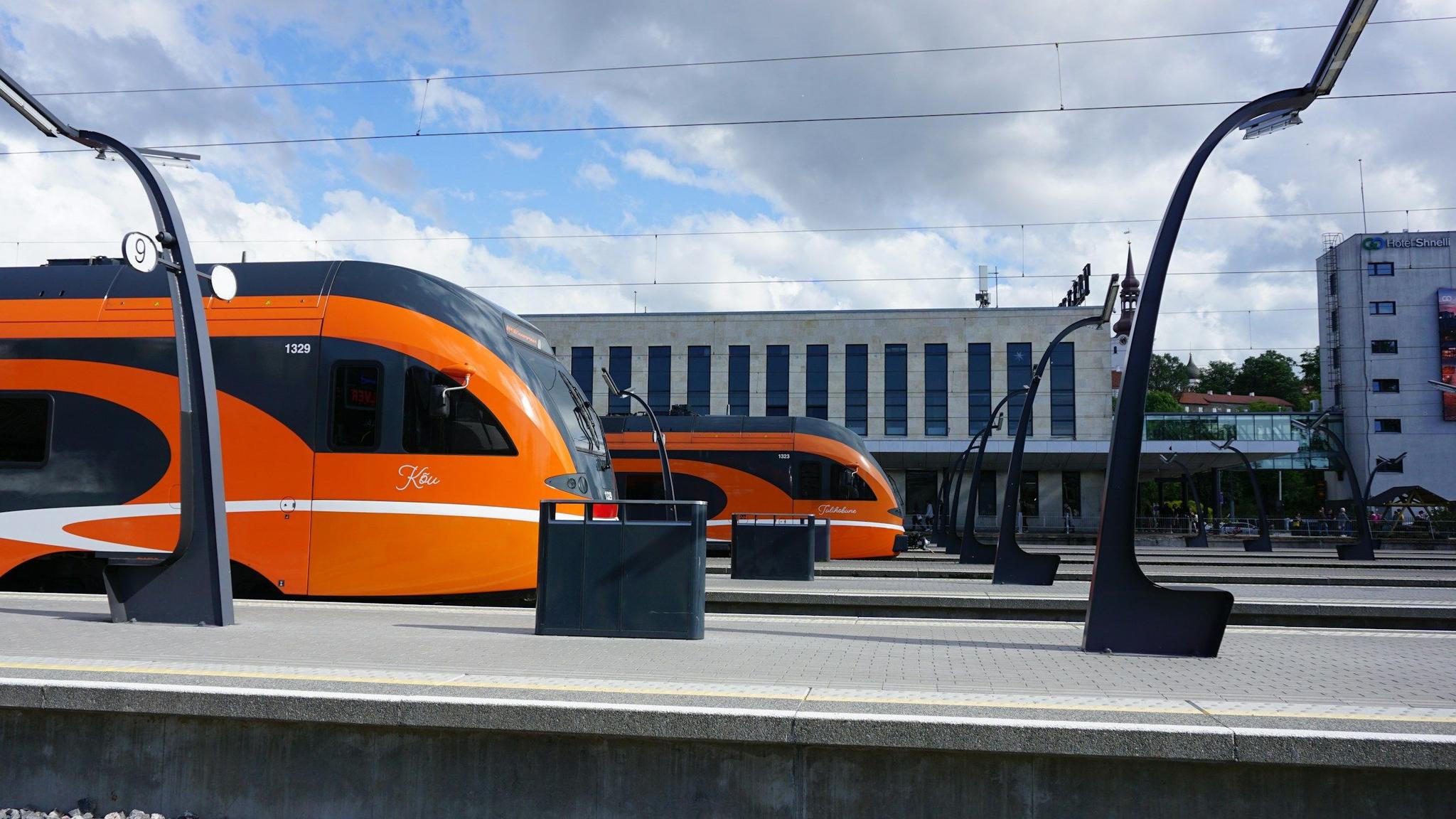
Elron trains to Tartu, Narva and Riga
Elron runs the trains from Balti jaam to Tartu, Narva, Viljandi and Paldiski. The Tartu express takes about two hours and a standard fare costs about €8.50 to €14. A standard ticket doesn't guarantee a seat, so we'd pay for first class on busy weekends. Since January 2026 a direct train has also run from Tallinn through Tartu to Riga in about six hours.
Lux Express and other buses
Lux Express is the main intercity bus company. It runs roughly hourly to Tartu for about €10 to €15, and it's the way to reach Pärnu. Buses to Kuressaare take about four hours with the ferry included, and Sirel and GO Bus also run that route. Book on tpilet.ee.
Ferries to the islands and to Helsinki
Praamid runs the island ferries from Virtsu to Kuivastu, Rohuküla to Heltermaa and Triigi to Sõru. For Helsinki, Tallink, Viking Line and Eckerö Line sail about 12 to 13 times a day in 2 to 2.5 hours, with foot passengers paying from about €11 to €20 one way. Boats arrive at the Old City Harbour, about a 15 minute walk from the Old Town.
Hire a car for parks and islands
A small hire car costs about €19 to €27 a day, more in summer, and you'll want one for Lahemaa's coast, Soomaa, the southern farms and the islands. Keep dipped headlights on at all times, and note that winter tyres are compulsory from 1 December to 1 March.
Food and drinks you should try when visiting Estonia
Order the päevapraad, the daily lunch special, and you'll eat well for less. Estonian food is built on rye and pork, with barley and fish from the Baltic and Lake Peipus. A cheap meal in Tallinn costs about €13 and a pint about €6.
Rukkileib and kiluvõileib
Black rye bread comes with almost every meal, dense and slightly sour. Kiluvõileib puts spiced Baltic sprats on rye with boiled egg and herbs, and it's a classic on Independence Day. With beer, order küüslauguleivad (fried garlic bread).
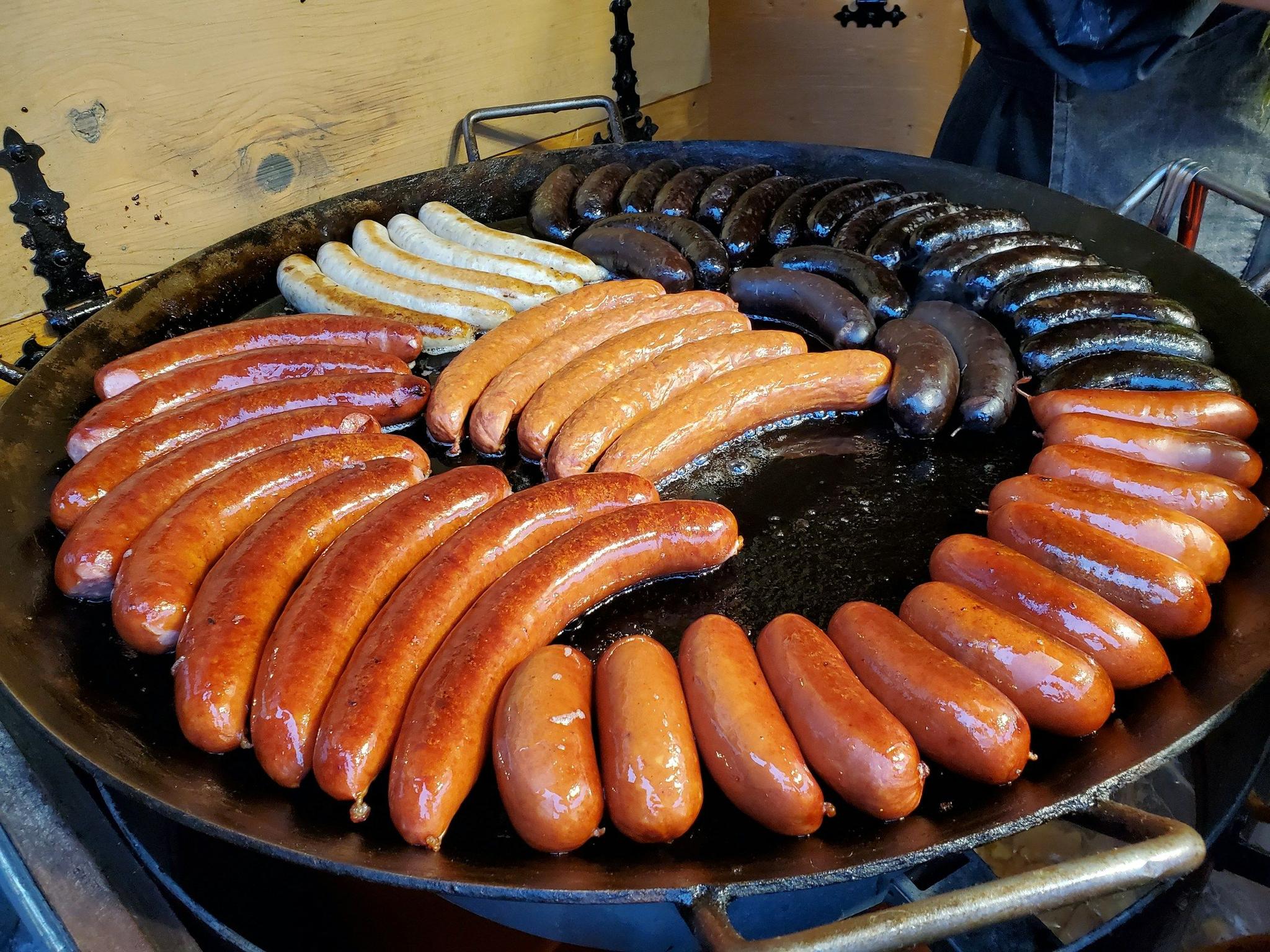
Verivorst and mulgikapsad
This is Christmas food. Verivorst is blood sausage made with pork and barley, served with lingonberry or sour cream. Mulgikapsad is sauerkraut stewed with pork and pearl barley, a traditional dish at the Christmas table.
Kama
Kama is a flour of roasted barley, rye, oats and peas, stirred into buttermilk or kefir for breakfast. You'll also find it as a flavour in desserts. In the supermarket, look for kohuke, a chocolate-glazed curd bar.
Smoked fish
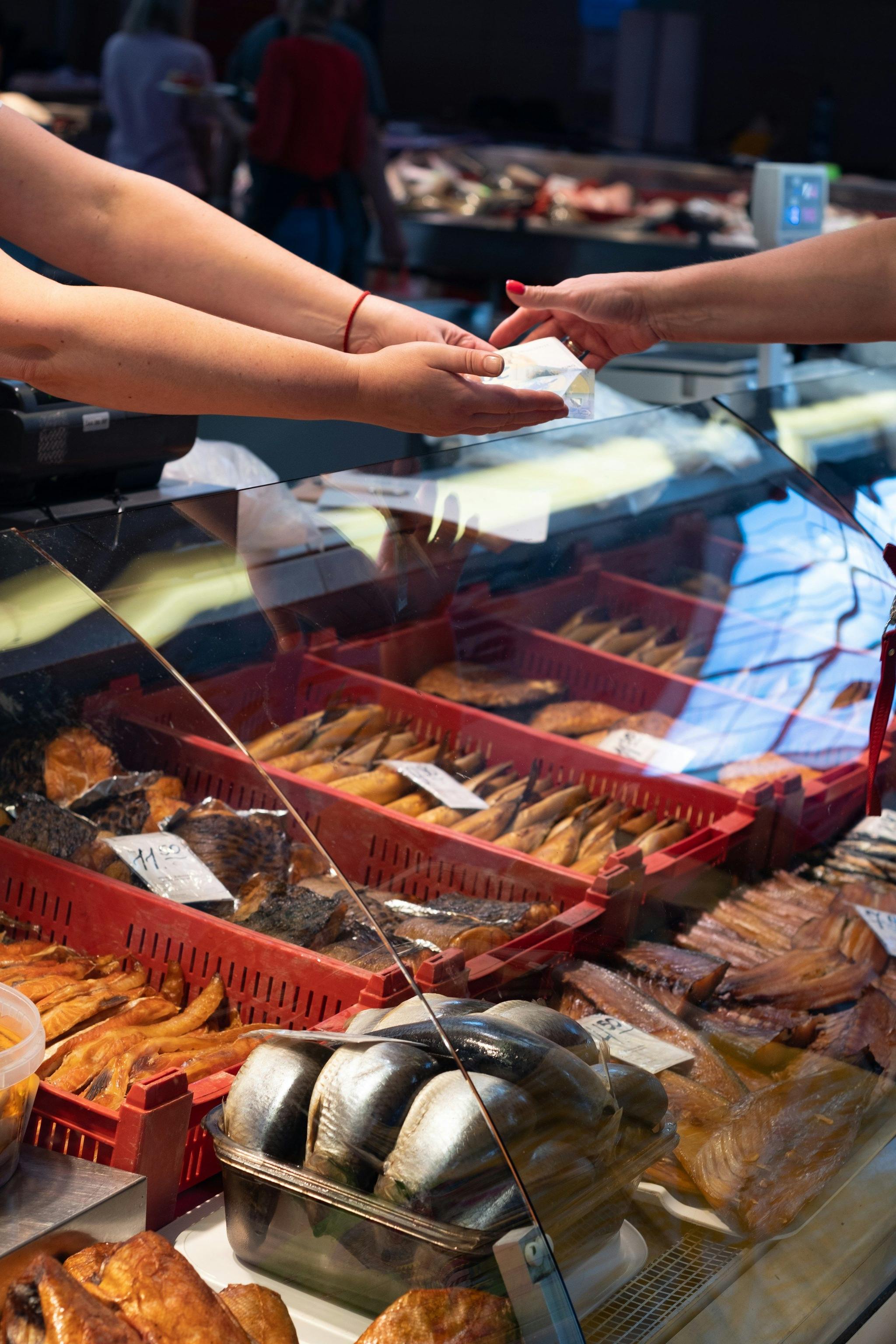
On Saaremaa and along the coast, look for smoked sprats and flounder, and eel when it's on offer. Lake Peipus is known for smoked and dried fish, and for onions too. We'd buy smoked fish straight from a smokehouse or market stall and eat it with rye bread.
Põhjala beer and Vana Tallinn
Estonians drink about five times more beer than spirits. Saku and A. Le Coq are the big lagers, while Põhjala is the best-known craft brewery and makes a Baltic porter. Vana Tallinn is a dark rum-based liqueur flavoured with vanilla, citrus and spices. Drink it neat or in coffee.
Culture and local habits you'll notice when visiting Estonia
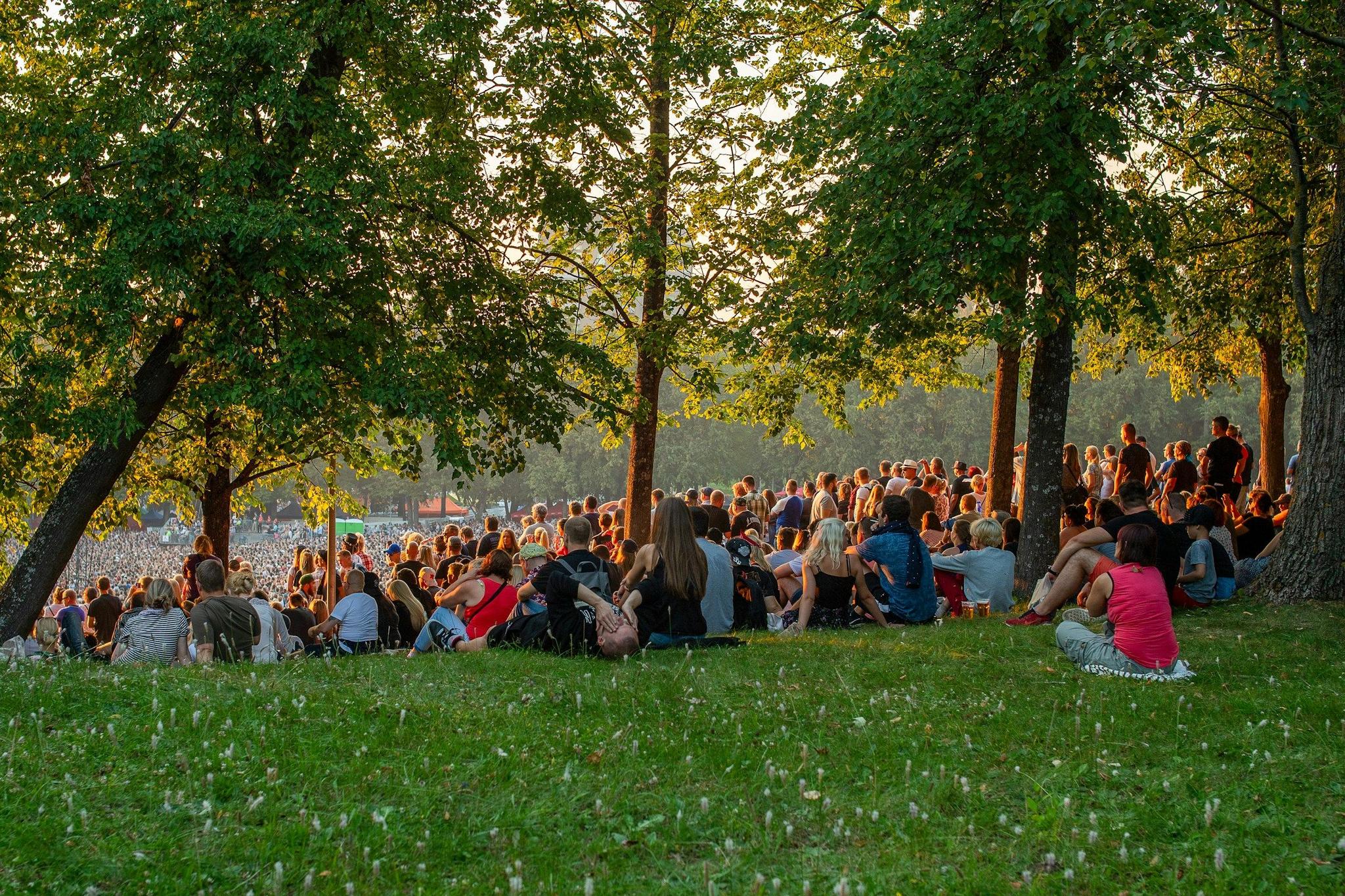
In July 2025 about 32,000 singers took part in the Song Festival in Tallinn, in a country of about 1.36 million people. The festival has run since 1869, when the first one was held in Tartu, and between 1987 and 1991 mass singing became part of how Estonia won back its independence, a period now called the Singing Revolution. Independence was restored on 20 August 1991.
You'll hear Russian as well as Estonian, especially in Tallinn and Narva; it's the mother tongue of 29% of residents. About 58% of people have no religious affiliation. Saunas are part of everyday life, in homes and summer houses and even offices, and if you're invited to one, say yes; we think it's the quickest way into Estonian life. Most young people speak English, so the words below are a courtesy rather than a necessity.
- Tere: hello
- Aitäh: thank you
- Palun: please
- Terviseks: cheers
- Head aega: goodbye
Looking for more unique places, trips and activities?
Subscribe to our Guided Newsletter for more travel inspiration.
Costs of a holiday to Estonia
Is Estonia the cheap Baltic option? Not anymore. On Numbeo's 2026 index it's the most expensive of the three Baltic states, at 59.4 against 51.3 for Latvia and 50.2 for Lithuania, and its restaurant prices sit close to Sweden's. It is still cheaper than Finland and the UK, and Helsinki is only about two hours away by ferry. A budget traveller can manage on about €48 a day, and a mid-range trip runs to about €123 to €175 a day.
Food & Drink

Coffee
€3 – €5
Lunch
€8 – €15
Beer
€4 – €7
Accommodation
Hotels
€60 – €140
Airbnb
€60 – €120
Hostel dorm
€13 – €25
Transport
Trains
€8 – €15
Public Transport
€2 – €5.50
Car Rental
€20 – €60
Attractions

Museums
€7 – €16
Big Attractions
€10 – €22
Theatre
€26 – €64
Practical tips for visiting Estonia
The entry checks for Estonia changed in April 2026, so read the first tip before you book.
✔ Check the entry rules for your passport
Estonia is in the Schengen area, and EU citizens can travel there freely. Many other nationalities, including UK and US passport holders, need no visa for short stays of up to 90 days in any 180, counted across the whole Schengen area. The EU's Entry/Exit System (EES) has been fully running since 10 April 2026, so non-EU visitors give fingerprints and a photo on their first entry and passports are no longer routinely stamped. ETIAS isn't required yet; check before you travel. GOV.UK says British passports must have been issued less than 10 years before you arrive and be valid for 3 months after you leave Schengen, and border staff may ask for an onward ticket and proof of funds. Check GOV.UK's entry requirements for Estonia before you book.
✔ Leave the cash at home
Estonia uses the euro, and contactless works almost everywhere. Tallinn's trams and buses don't take cash at all.
✔ Only take marked taxis
The UK Foreign Office doesn't advise against travel to any part of Estonia, and the US State Department has it at Level 1, exercise normal precautions. The main risk is pickpockets in Old Town bars and clubs. Watch your drinks, which can be stronger than you may be used to, and keep an eye out for card skimming. Take a taxi signed "TAKSO" or book through an app such as Bolt, because hailing an unmarked car is illegal. Drugs, cannabis included, carry sentences of up to 10 years. The emergency number is 112.
✔ Don't plan a day trip into Russia
The road crossings into Russia open only from 7am to 7pm, queues can be long, and Russian-registered cars can't enter Estonia. Treat Narva as a place to look across the river at Ivangorod.
✔ Use your freedom to roam, and check for ticks
You're allowed to walk on unfenced, unmarked land and pick berries and mushrooms. You can also camp for up to 24 hours out of sight of homes, but light fires only where it's allowed. Ticks carrying tick-borne encephalitis are found across the country from spring to autumn, and TravelHealthPro advises vaccination for hikers and campers. Pack repellent for the July mosquitoes too.
Fun facts about Estonia
Most visitors arrive knowing about Tallinn and not much else. Here are six things worth knowing before you go.
- Estonia has more than 2,000 islands.
- Bolt was founded in Tallinn in 2013 by a 19-year-old, Markus Villig.
- In 2005 Estonia became the first country to hold a binding nationwide election online, and in 2023 more than half of parliamentary votes were cast online.
- Skype was written by Estonian engineers.
- On 23 August 1989 the Baltic Way linked about 2 million people across the three Baltic states.
- Estonian has 14 grammatical cases and no grammatical gender.
If you see only one thing outside Tallinn, make it a bog. The Viru boardwalk is less than an hour from the Old Town, it's free, and it's open every day of the year.
Ready to map out your trip to Estonia?
We hope this Estonia travel guide has given you a clear starting point for your trip. Stay tuned for more inspiration, itineraries and practical tips to help you shape your perfect holiday to Estonia. And don't forget to check out our Guided app, where you can create your own trip or use trips shared by other travellers for free.
FAQS about visiting Estonia
How many days do you need in Estonia?
Three or four days covers Tallinn plus Lahemaa or Tartu. About a week lets you add South Estonia or Pärnu, and 10 to 14 days gives you time for the islands as well. You can plan and adjust your route in the Guided app.
What is the best part of Estonia to visit?
On a first trip, Tallinn's Old Town is the part you shouldn't skip. For nature we'd pick Lahemaa or Soomaa and their bogs, and Saaremaa if you only have time for one island.
What is Estonia known for?
Medieval Tallinn comes first, followed by its digital government, with online voting since 2005 and e-residency since 2014. It's also known for its bogs and saunas, and for a song festival that has run since 1869.
Can you travel around Estonia without a car?
Yes, for the main sights. Trains run to Tartu and Narva, buses reach Pärnu and Saaremaa with the ferry included, and Tallinn's public transport costs €2 an hour. A car helps for the national parks, the smaller islands and the farms in the south.
Is Estonia expensive?
It's the most expensive of the Baltic states, with restaurant prices close to Sweden's. It's still cheaper than Finland and the UK, and there's no tourist tax at the time of writing.
Is Estonia safe to visit?
Yes. The UK Foreign Office doesn't advise against travel to any part of Estonia, and the US State Department rates it Level 1, exercise normal precautions. Watch for pickpockets in Old Town bars.
Is Estonia worth visiting in winter?
If you like snow and saunas, yes. You get the Christmas market and skiing in Otepää, the Viru bog boardwalk stays open under snow, and Airbnb prices in Tallinn are at their lowest in February. December has only about six hours of daylight, though.
Can you visit Tallinn as a day trip from Helsinki?
Yes. Ferries take about 2 to 2.5 hours and there are about 12 to 13 sailings a day. The rest of Estonia deserves more time.
Plan your trip to Estonia in Guided.
Save the places you find, then let Guided lay out the days, the map and the details.
More in Europe
All destinations AlbaniaAlbania pairs a turquoise Ionian coast with Ottoman stone towns and wild mountains.
 AndorraAndorra is a tiny Pyrenean country known for ski slopes, Romanesque churches and hiking valleys.
 AustriaAustria is a beautiful alpine country known for its mountains, music, and imperial charm.
 BelgiumBelgium is known for medieval canal cities, beer, chocolate and the forested Ardennes.