
El Salvador

El Salvador travel guide: Everything you need to know before visiting El Salvador
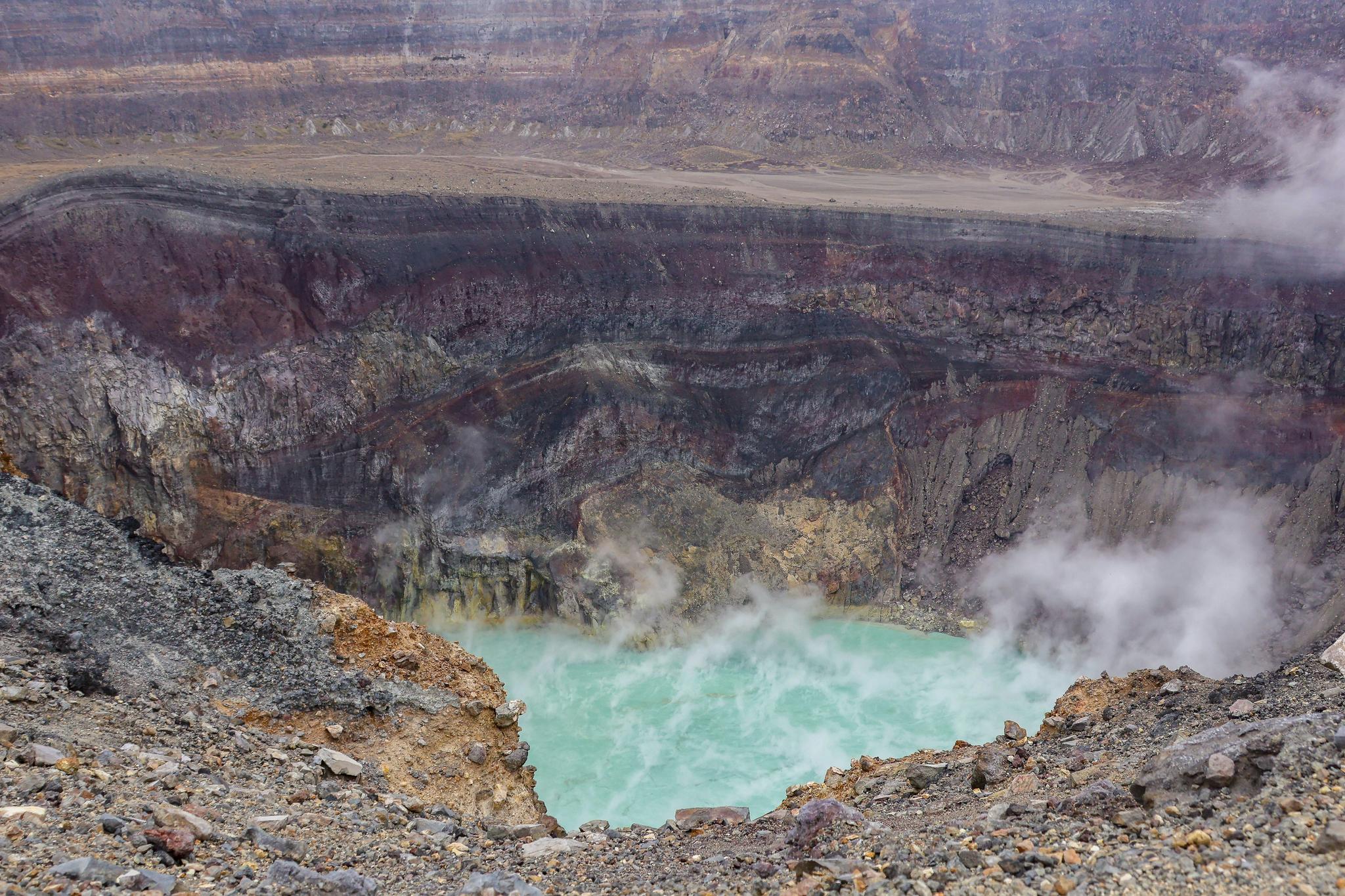
Santa Ana volcano rises to 2,381 m, the highest in El Salvador, and the lake in its crater is a sulphurous turquoise. Hike up in the morning and you can eat lunch the same afternoon beside Lake Coatepeque, the crater lake below it. That closeness is the whole appeal. The country packs more than twenty volcanoes into 21,041 km², and the surf at El Tunco is about an hour from the airport.
Guatemala has bigger Maya ruins, and Costa Rica has more wildlife at far higher prices. El Salvador's edge is that surf, volcanoes and colonial towns sit within two hours of each other, with fewer foreign tourists on most trails. We think it's one of the best short trips in Central America for surfers and hikers on a budget, and an easy week to add to Guatemala. It suits you less if you want a wildlife safari or big pyramids, or if police checkpoints would make you uneasy. This guide covers where to go, two itineraries, the seasons, transport, food, costs and the practical rules worth knowing before you land.
5 reasons to visit El Salvador
We'd build a first trip around these five.
- Hike to Santa Ana's turquoise crater lake, on top of the highest volcano in the country.
- Learn to surf at El Zonte, or watch the professionals ride Punta Roca.
- Eat pupusas straight off a street griddle, from USD $0.50 each.
- Spend a night in Suchitoto's cobbled streets above Lake Suchitlán.
- Walk through Joya de Cerén, a farming village buried in volcanic ash around AD 600.
Where to visit in El Salvador?
Where should a first trip go? West. The volcanoes and the coffee towns are packed into one small corner of the country, with the main surf beaches close by, and we'd spend most of a first week there. The east and north reward a second week.
San Salvador's Centro Histórico and El Boquerón
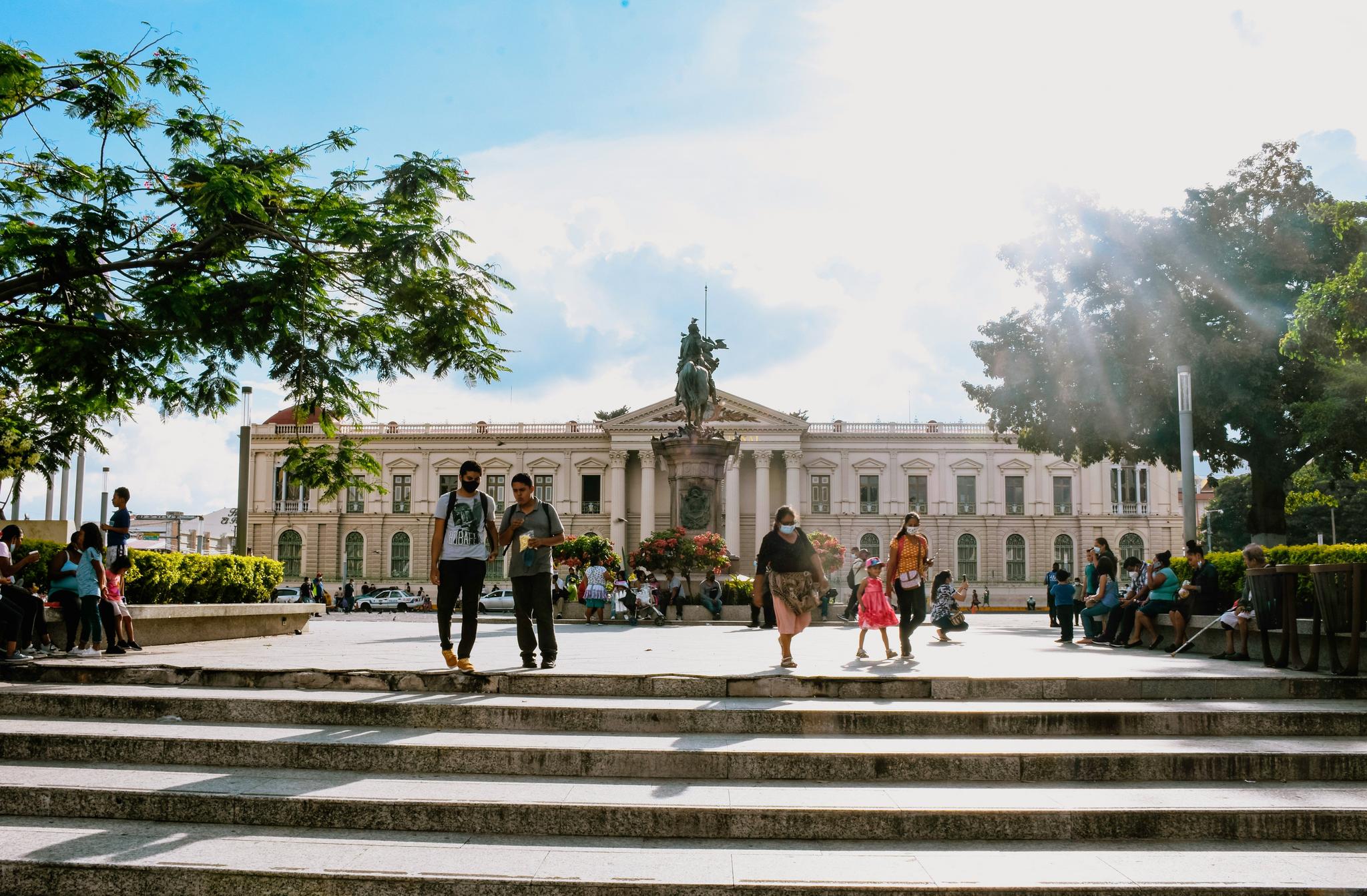
Give the capital more time than most people do. In the restored Centro Histórico, the Palacio Nacional (1911) charges foreigners USD $5 and closes on Mondays, and the seven-storey Biblioteca Nacional facing the cathedral is free and open 24 hours a day. Our favourite is Iglesia El Rosario, built in 1971 in raw concrete with no internal columns and lit by abstract stained glass. The Teatro Nacional, a French classical building from 1917, is the other façade to look for. Come Thursday to Sunday so the MARTE art museum (USD $5) is open, and save a morning for El Boquerón National Park, where the San Salvador volcano's crater drops 558 m. Entry is USD $2. Go early, before the cloud settles.
El Tunco, El Zonte and Surf City
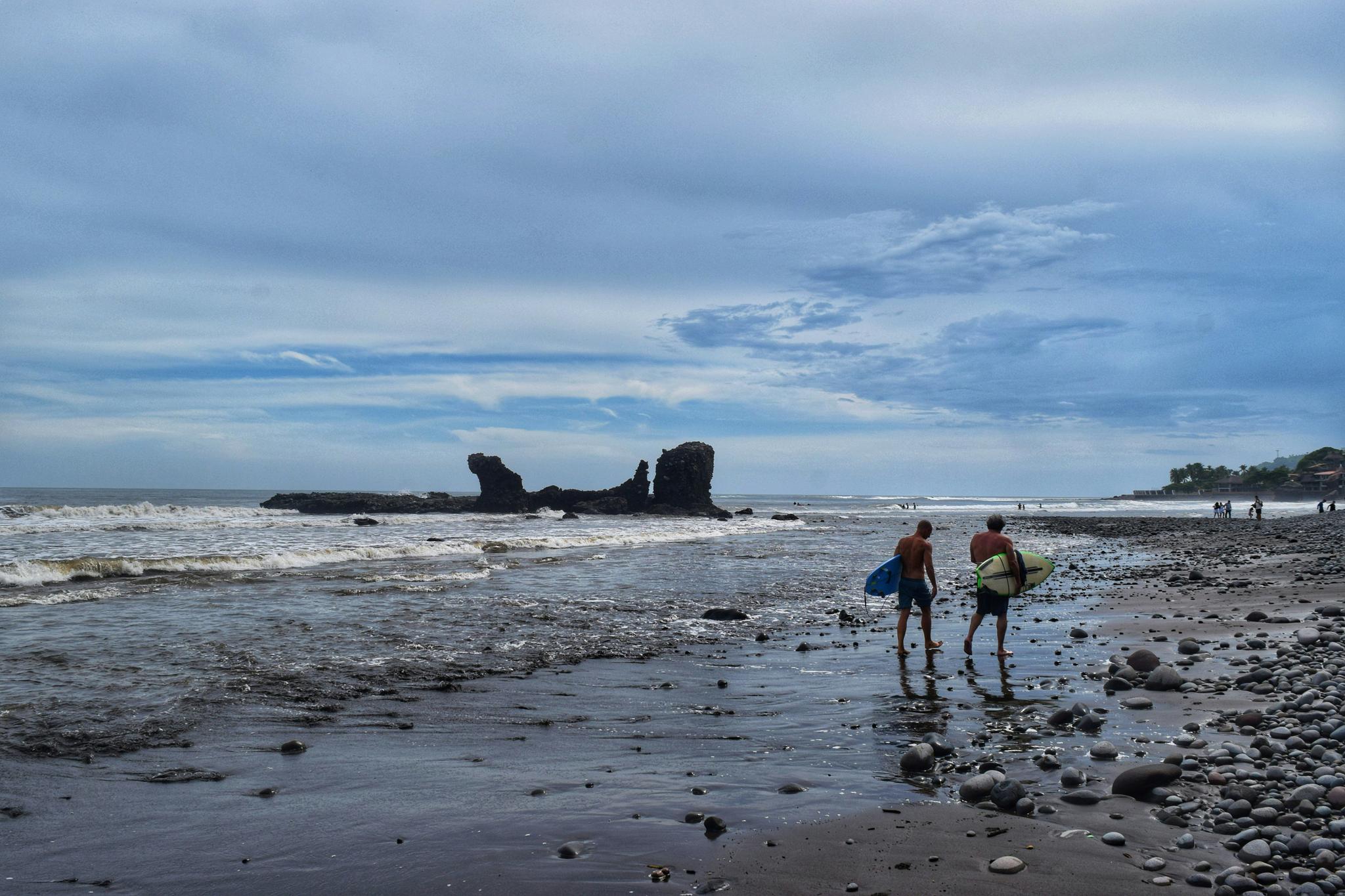
El Tunco is named after its pig-shaped rock, and it's the busy one. Advanced surfers take the left at La Bocana, the river mouth, while beginners use the waves by the rock. El Zonte, about 10 minutes away, is a small cove with a gentle right and quieter nights, known as "Bitcoin Beach" since 2019. We'd learn and sleep in El Zonte and go to El Tunco for an evening. Surf City is the name given to this La Libertad coast, and its best-known wave is Punta Roca in Puerto de La Libertad, a fast, hollow right point that hosted a WSL Championship Tour event in 2026. Leave it to the pros unless you're advanced. Expect roadworks on the coast road between El Obispo and El Zonte into mid-2027.
Santa Ana volcano, Cerro Verde and Lake Coatepeque
This is the best day hike in El Salvador. Santa Ana, also called Ilamatepec, last erupted in 2005, and its crater holds a turquoise sulphur lake. Guided groups leave Cerro Verde at 8.30am and a guide is mandatory. Allow 4 to 6 hours for the round trip, with about 465 m of climbing, and stay no more than about 20 minutes at the top because of the gas. Bring cash for a few dollars in park and volcano fees. Climbs can be stopped for wind or volcanic activity, so check the official Santa Ana volcano page first. Bus 248 leaves Santa Ana city at 7.30am for about USD $1. Afterwards, head down to Lake Coatepeque, where kayaks rent for about USD $20 an hour.
Joya de Cerén, Tazumal and Santa Ana city
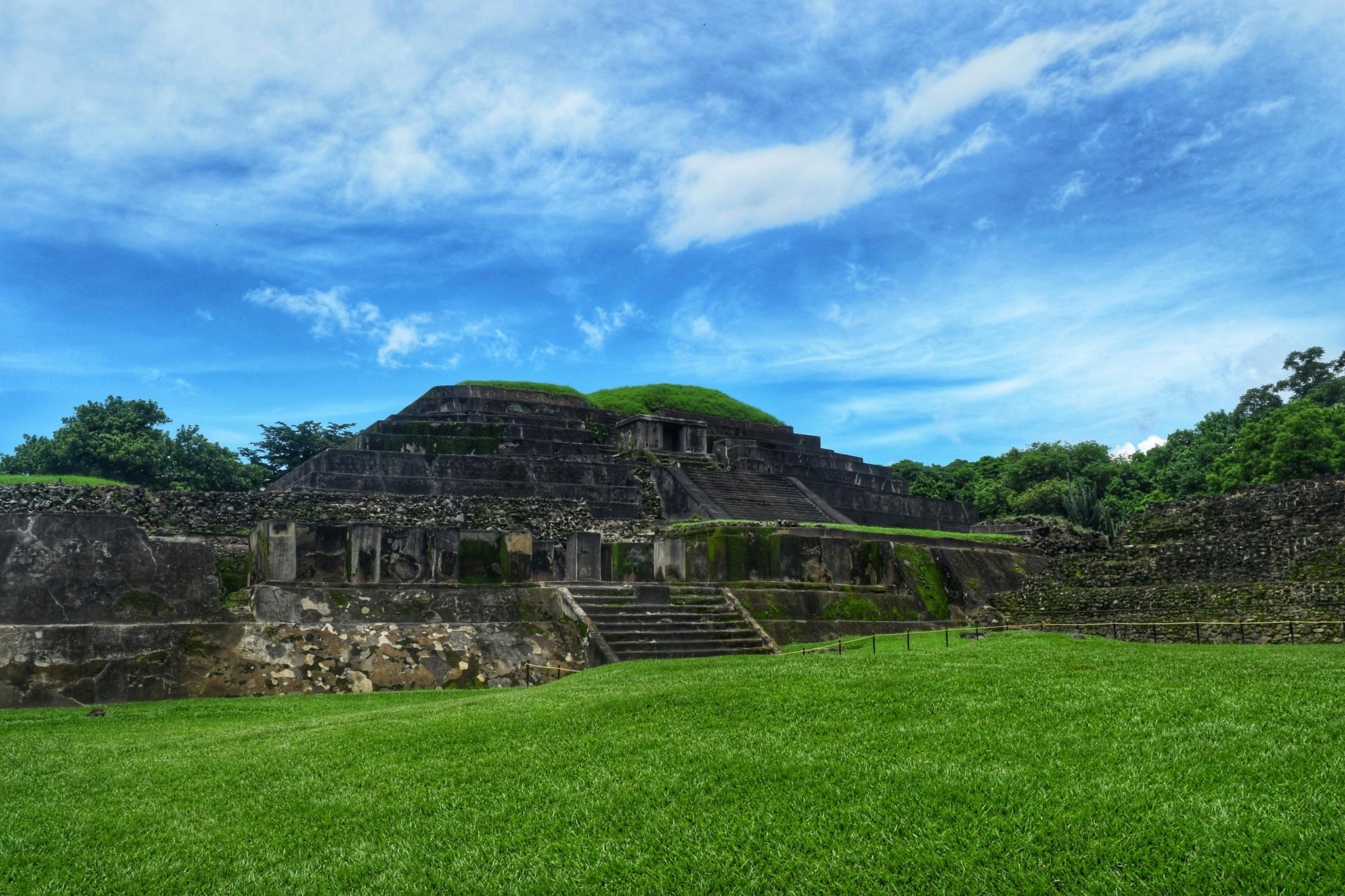
The Loma Caldera eruption buried a Maya farming village under ash around AD 600. That village is Joya de Cerén, a UNESCO World Heritage Site since 1993, which UNESCO compares with Pompeii and Herculaneum. Don't expect pyramids. The point is ordinary village life, kept almost intact, about 45 minutes from San Salvador, and entry is USD $10 for non-resident foreigners. Tazumal, in Chalchuapa, has the height, with a 24 m main structure and a ball court, for USD $5. Both open Tuesday to Sunday, 9am to 4pm. We'd pair Tazumal with an hour in Santa Ana city, whose neo-Gothic cathedral was consecrated in 1913. The city is a practical base for the volcano rather than a destination, unless you're there for the Fiestas Julias from 17 to 26 July.
Ruta de las Flores
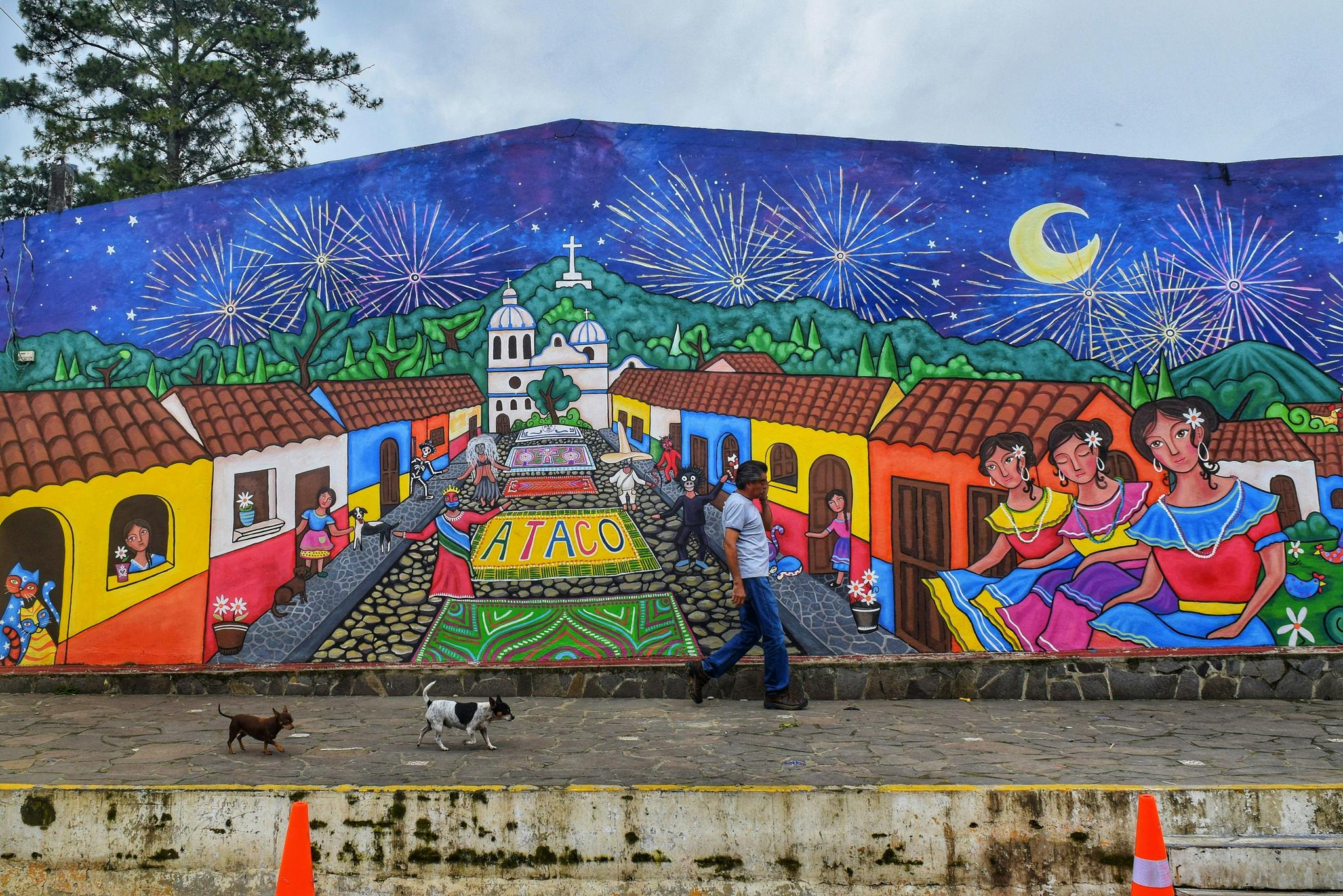
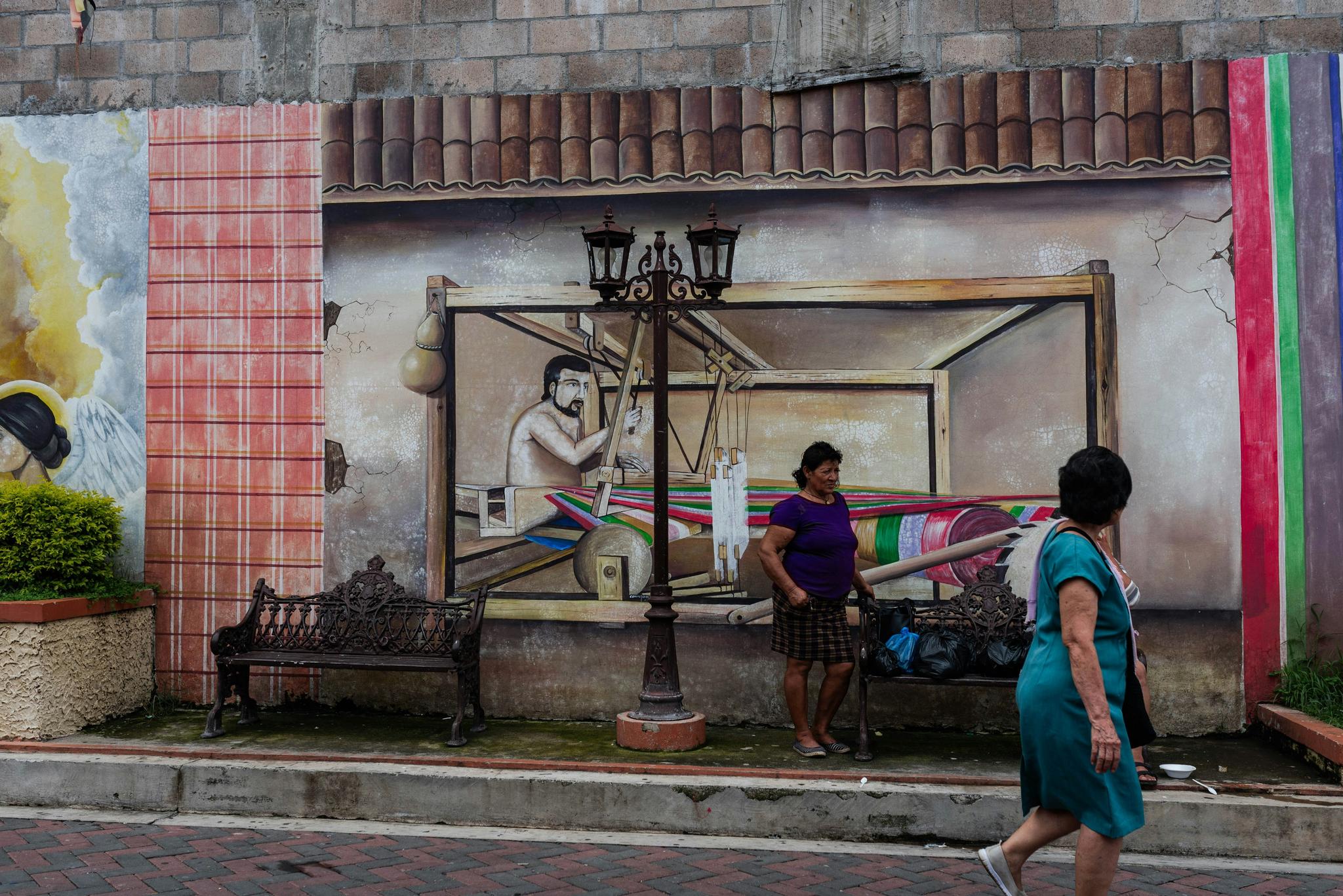
Arrive on a Friday. The Ruta de las Flores is a string of hill towns, and Juayúa holds a food fair in its main square every weekend. Concepción de Ataco is the prettiest, with murals and coffee shops, and Apaneca sits near Laguna Verde. The Seven Waterfalls hike ends at Los Chorros de la Calera after about 6.5 km and 4 to 5 hours, on a trail at 900 to 1,200 m that stays cooler than the coast. Do it in the morning and visit a coffee farm in the afternoon. By bus, take the 205 to Sonsonate (USD $1), then the 249 to Apaneca and Ataco (USD $0.65).
Suchitoto and Lake Suchitlán
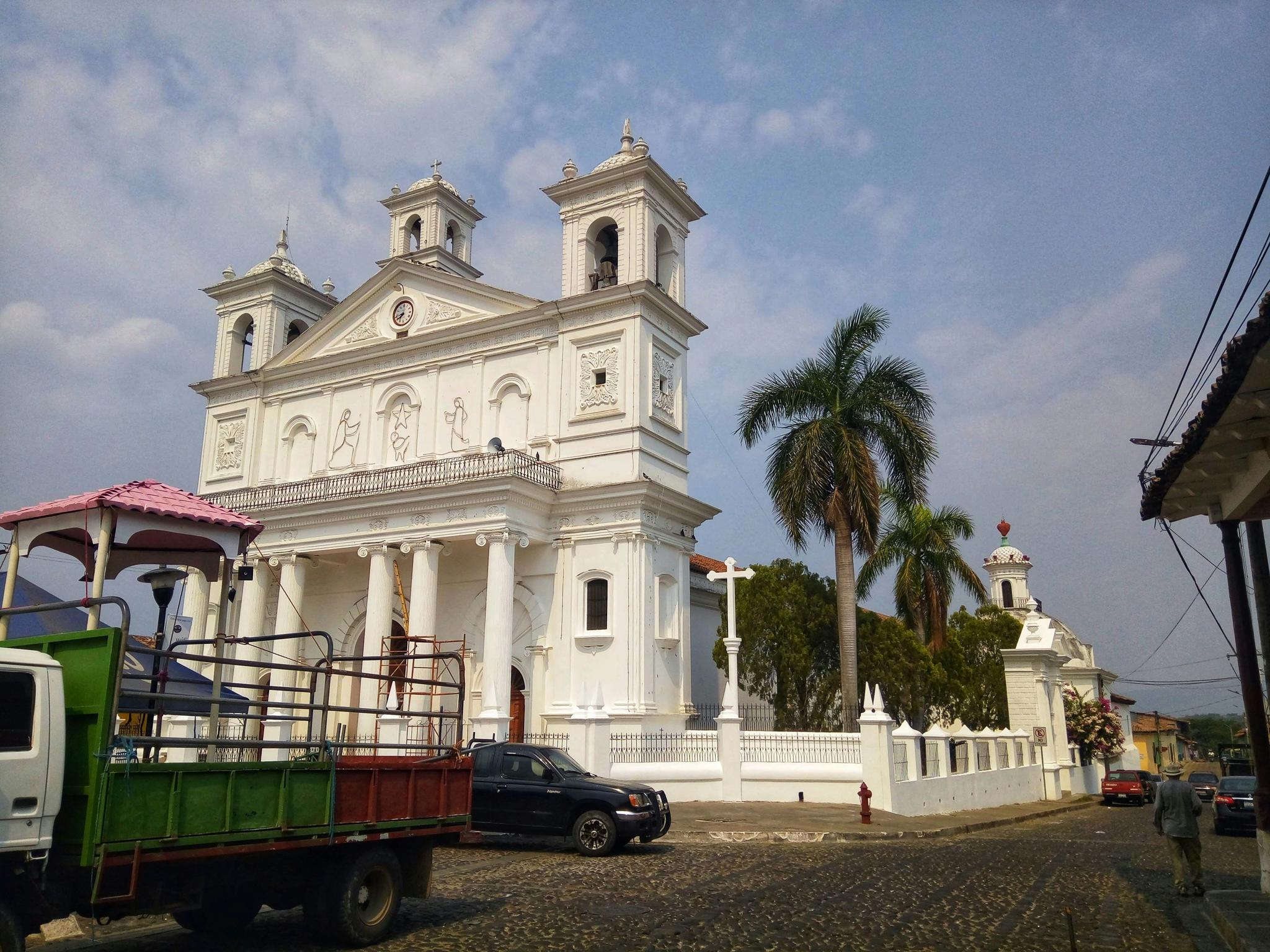
We think Suchitoto is the best colonial-town overnight in the country. It's about 45 km from San Salvador, and bus 129 takes an hour to an hour and a half for under USD $1. The town looks over Lake Suchitlán, a reservoir created in 1976, and boats leave Puerto San Juan for Isla del Ermitaño and Isla de los Pájaros. The Los Tercios falls, about 1 km from the centre, drop over hexagonal basalt columns, best seen in the dry season when the flow is low. Look for the indigo (añil) workshops in town. The last buses back to the capital leave around dusk, so book a bed.
Lake Ilopango
Is Ilopango worth it? For divers, yes. The caldera lake covers about 70 km² and is more than 230 m deep, and it's the scar of an eruption dated to 431 CE, one of the largest in the Americas in the last few thousand years. It has more than 25 dive points, and you can also kayak or take a boat out. It's also the easiest half day out of the capital. For the view alone, we'd go to Coatepeque instead, where Santa Ana volcano rises above the water.
El Cuco, Las Flores and Punta Mango
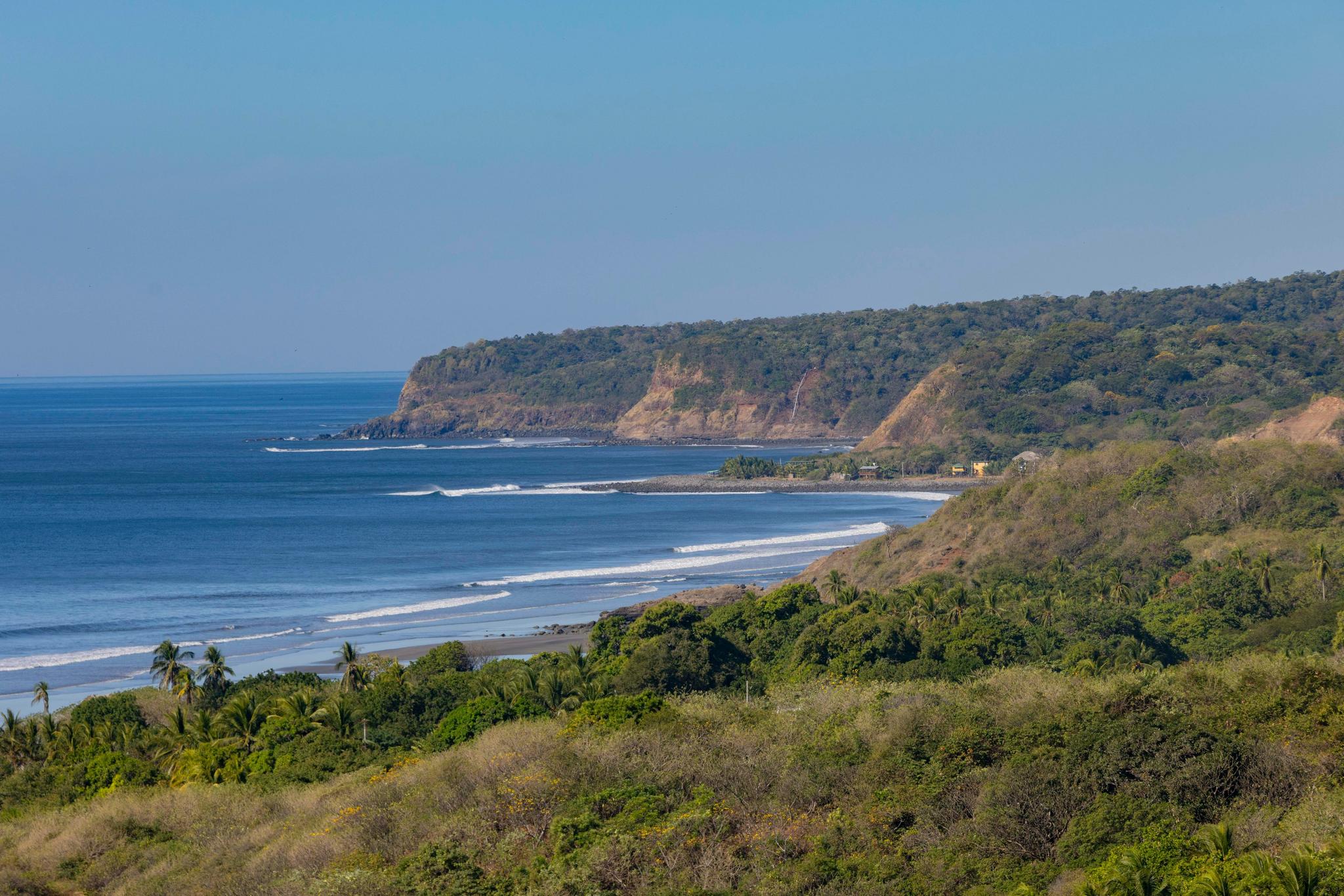
If El Tunco feels too busy, go east. The 13 km Surf City 2 road opened in April 2025, linking Punta Mango with El Cuco and Las Flores, and Save The Waves named this coast a World Surfing Reserve in 2024. Las Flores is a long right point, best for beginners and intermediates from November to March. Punta Mango is for experts, from May to October. El Cuco is about 2 hours 40 minutes from San Salvador by car, or 3.5 to 4 hours by bus via San Miguel. Further east, boats from La Unión cross the Gulf of Fonseca to Zacatillo and Meanguera del Golfo.
Bahía de Jiquilisco
Jiquilisco Bay is a Ramsar wetland with the largest mangrove forest in the country and more than 280 bird species, and hawksbill turtles nest here. Boats leave from Puerto El Triunfo and Puerto Parada, and Puerto Barillas is the easiest base for organised trips, with excursions at USD $21 to USD $29. It's about 1 hour 45 minutes from San Salvador, so a day trip is possible, but we'd stay a night and take the mangrove boat trip without watching the clock. Skip the Costa del Sol resort beach on the way.
Perquín and El Mozote, Morazán
Perquín and El Mozote are essential for anyone interested in the country's history, and they aren't a day trip. They're about 205 km and four hours from San Salvador, so allow two nights. In Perquín, the Museo de la Revolución Salvadoreña fills five rooms, including one on Radio Venceremos. In nearby El Mozote, a memorial marks the December 1981 massacre in which more than 1,000 people, mostly women and children, were killed. Visit with a community guide. For a lighter second day, the Río Sapo near Arambala has river pools and waterfalls.
El Salvador itinerary ideas for your trip
The airport is about an hour from El Tunco, and the US government advises against driving between cities at night. Both routes keep most days to a short drive, though the eastern legs take most of a day.
5 to 7 day El Salvador itinerary
- Day 1-2: San Salvador, with the Centro Histórico and an early morning at El Boquerón
- Day 3: Joya de Cerén, then on to Lake Coatepeque or Santa Ana city
- Day 4: Santa Ana volcano hike, with lunch by Coatepeque
- Day 5-6: The Ruta de las Flores over a weekend, for the Juayúa food fair and a coffee farm
- Day 7: El Tunco or El Zonte, an hour from the airport (or swap a day for Suchitoto)
10 to 14 day El Salvador itinerary
- Day 1-2: San Salvador
- Day 3: Suchitoto, with a night in town
- Day 4-5: Joya de Cerén, Tazumal, the Santa Ana volcano and Lake Coatepeque
- Day 6-7: The Ruta de las Flores
- Day 8-9: El Tunco and El Zonte, with surf lessons
- Day 10-11: East via Laguna de Alegría to Perquín and El Mozote
- Day 12-13: El Cuco and Las Flores, or the Jiquilisco mangroves
- Day 14: Back to the airport, or carry on into Guatemala with our Guatemala backpacking route
Want two more days in the surf, or a night on the Ruta de las Flores instead of Santa Ana? You can build this route and change it day by day in the Guided trip planner.
Fun things to do in El Salvador
If you do one thing here, take a surf lesson, even if you've never stood on a board.
Learn to surf
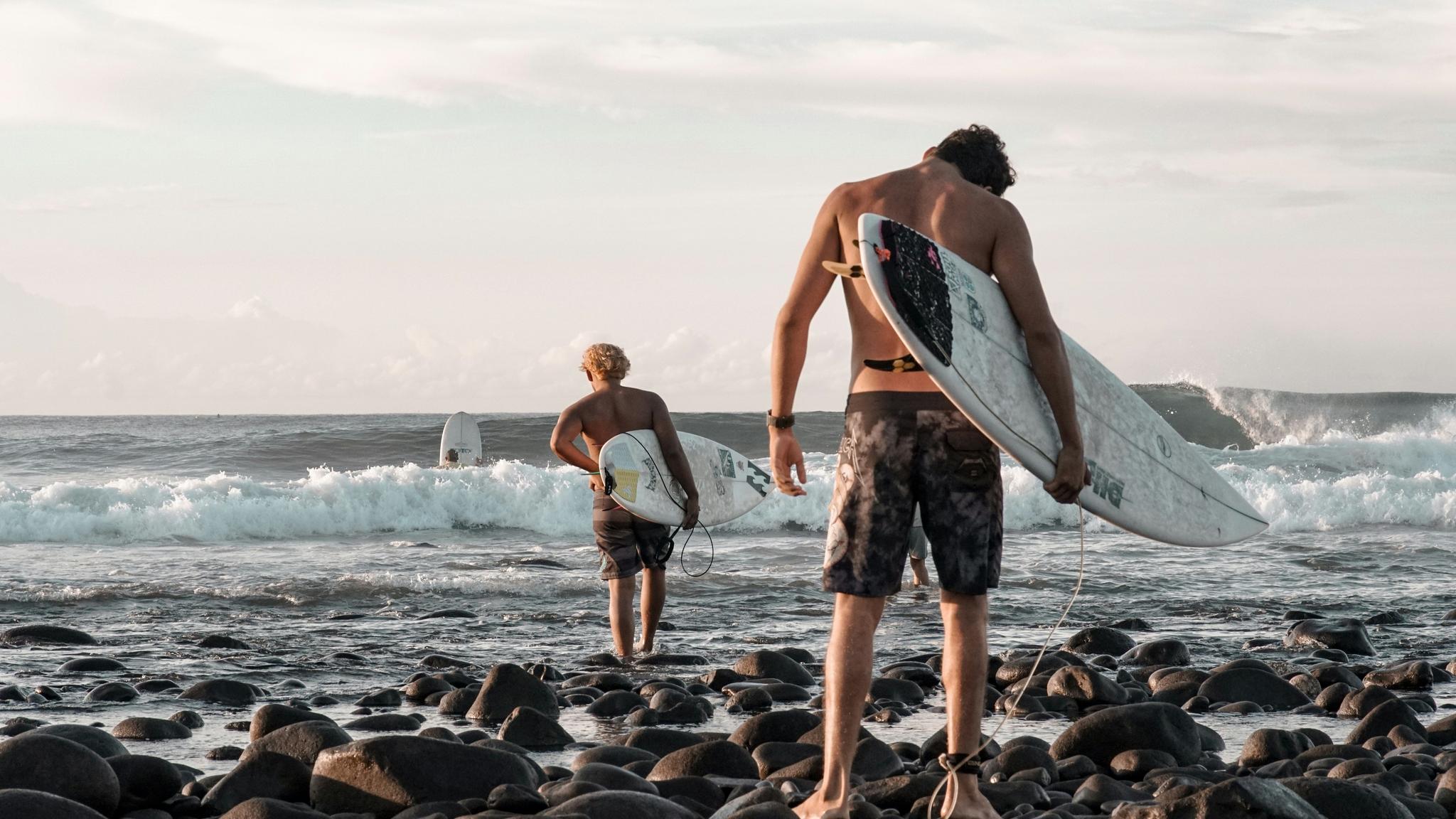
The beginner season runs from November to April, when the waves are smaller and cleaner. From about April to October, south swells can build to around 3 m. A private hour with a board costs USD $25 at Dos Palmas in El Tunco, while Esencia Nativa in El Zonte charges USD $50. Surf City also hosts international contests, including the ISA World Surfing Games in 2021 and 2023.
Pick the right volcano
Santa Ana is the classic, with the crater lake as the reward. El Boquerón is the easy one, a rim walk above San Salvador. Izalco, born in 1770 and active until 1966, was called the "Lighthouse of the Pacific", and it's a steep, shadeless climb we'd only suggest to keen hikers. Don't attempt San Miguel, which is very active. Climb by day with a guide and check Protección Civil warnings first.
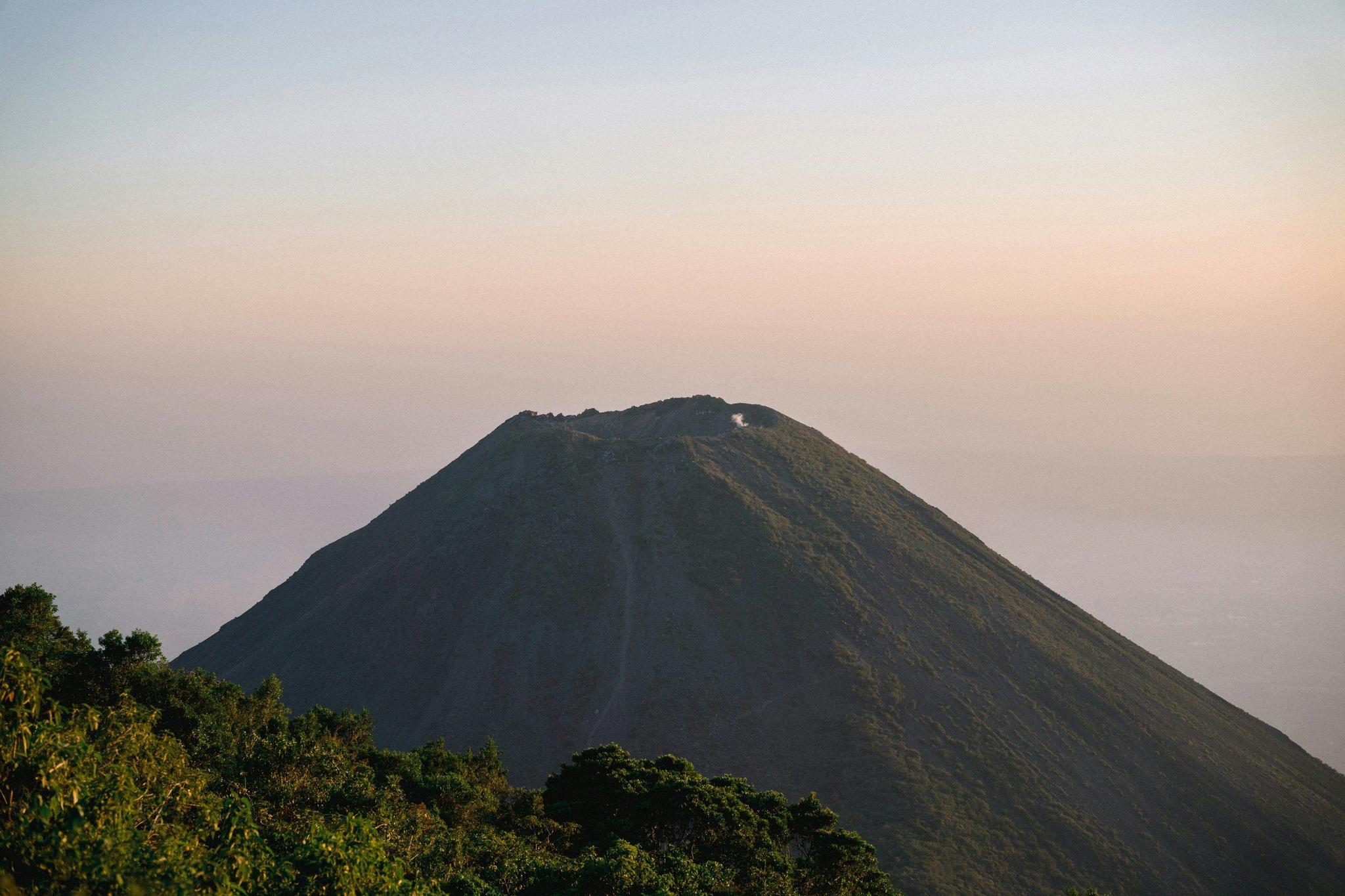
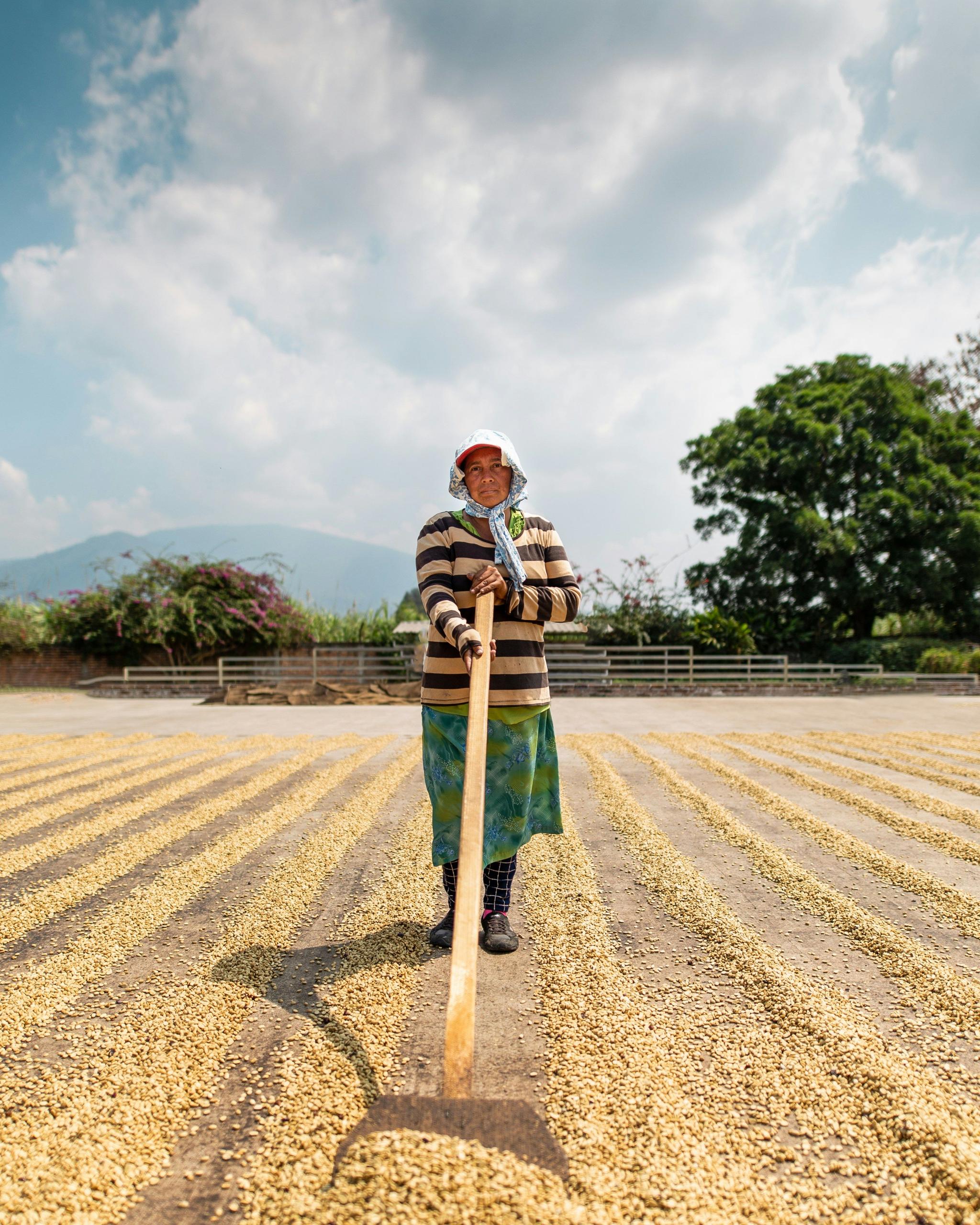
Tour a coffee farm
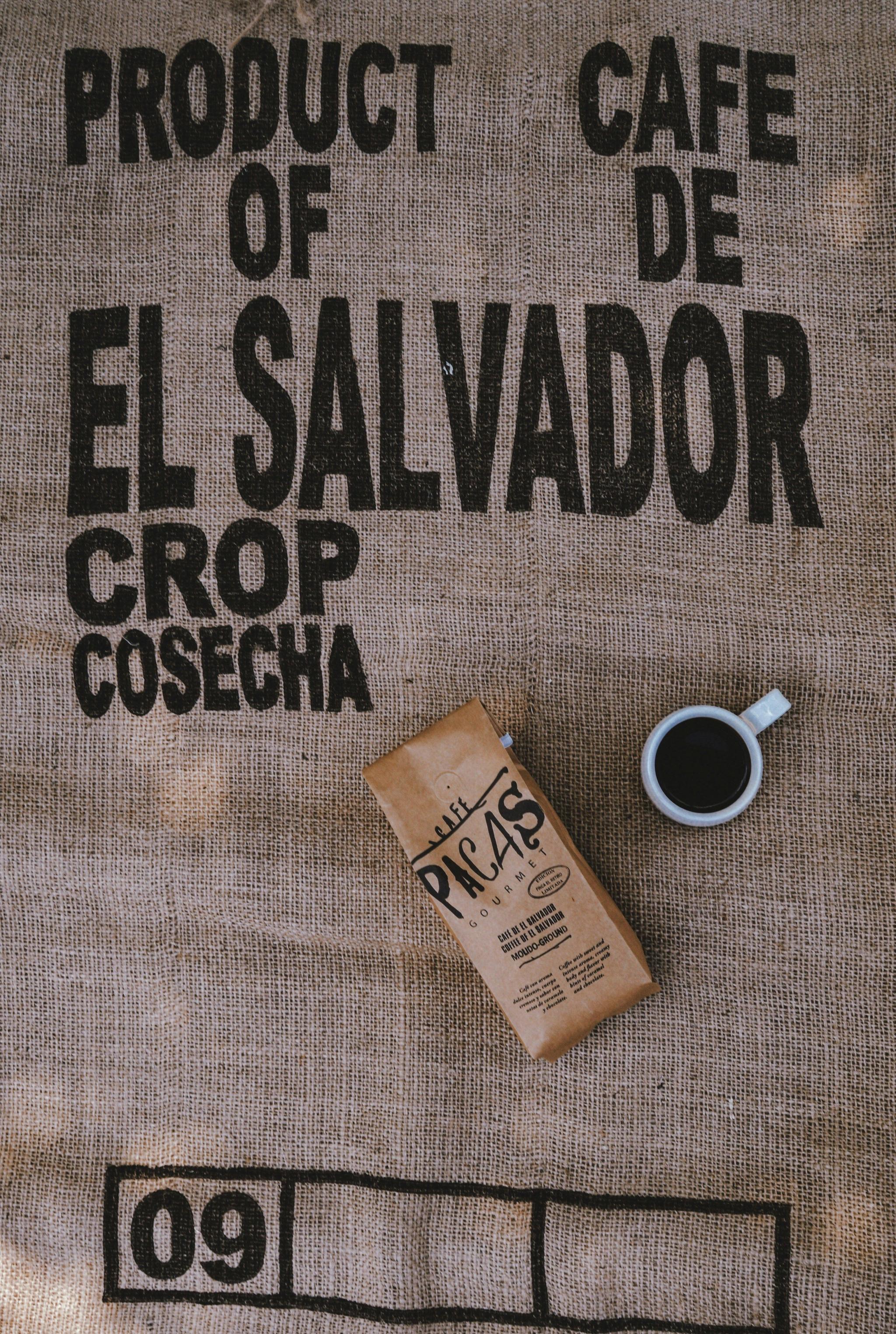
The Pacas variety was found at Finca San Rafael near Santa Ana in 1949, and Pacamara was developed here in 1958. The harvest runs from November to April. At Finca Rancho Monte Hebrón near Juayúa, a basic tour costs USD $25, or USD $50 with meals.
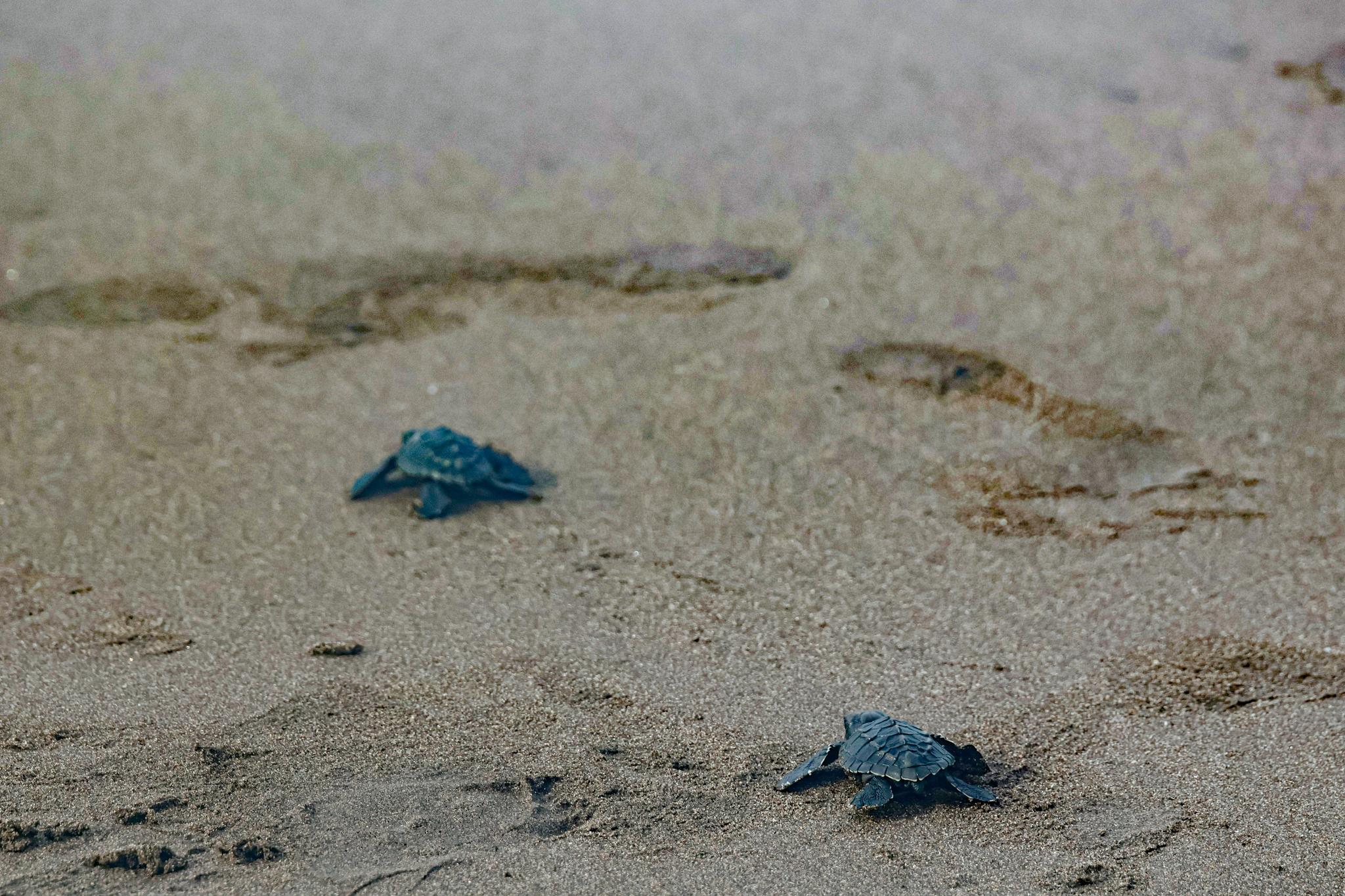
Release baby sea turtles
Olive ridleys nest on the beaches near La Libertad, and hawksbills nest at Jiquilisco. Sources disagree on the exact season (July to December, or August to March), so check with the organisers. FUNZEL has listed releases at 3.30pm on set dates, such as 6 and 20 December 2026, so check its schedule first. At Barra de Santiago, the AMBAS camp-out costs USD $20, with meals and a camping spot included.
Time your trip for a festival
The one we'd travel for is Bolas de Fuego, the fireball festival in Nejapa on 31 August, which is free and about 25 km north of the capital. Panchimalco's Festival de Flores y Palmas, on the second Sunday of May, joined UNESCO's intangible heritage list in December 2025. Sonsonate lays sawdust carpets on Good Friday in Semana Santa (21 to 28 March in 2027). Ahuachapán holds the Día de los Farolitos on 7 September.
When to go to El Salvador?
El Salvador's dry season runs from November to April, and that's when we'd go, with dry trails and surf that suits beginners. From May to October the rain falls mostly in the afternoons and evenings, and September is the wettest month. On the coast at La Libertad, 250 to 383 mm can fall each month from June to October, against 2 to 13 mm from December to March. San Salvador stays between about 17 and 31 °C all year, while coastal highs reach 31 to 34 °C. Storms in the rainy season can cause floods and landslides. Book early for Semana Santa and the first week of August, when Salvadorans head for the beaches.
- Dry season (November to April): Dry trails and the coffee harvest
- Wet season (May to October): Greener hills and afternoon storms
- Surf season: November to April for beginners, April to October for bigger south swells
- Holiday peaks (Semana Santa and early August): Beaches and roads fill with Salvadorans on holiday
Did you know you can create your own itinerary?
Now that you know what to see in El Salvador and where to stay, you can start creating your own trip. Do you want more mornings on volcano rims and coffee farms, or are you thinking more about surf lessons at El Zonte and pupusas on the beach? It's all up to you. You can easily create your own trip in the Guided app for free, or use trips shared by others.
Where to stay in El Salvador?
We'd sleep on the coast at least twice, and in the capital we'd stay in San Benito or Escalón rather than the Centro.
San Benito, Zona Rosa or Escalón in San Salvador
These neighbourhoods have the restaurants and nightlife, and the FCDO names San Benito among the better-secured areas of the city. Mid-range doubles start at about USD $57 to USD $63 a night. Use Uber after dark.
El Tunco or El Zonte
El Tunco is the closest beach base to the airport and the liveliest, with dorm beds from about USD $9 to USD $16. El Zonte is quieter and the better place to sleep if you're up early for a lesson.
Juayúa or Ataco
Either works for the Ruta de las Flores. Juayúa puts you in the square for the weekend food fair; Ataco is prettier in the evening.
Suchitoto
Stay at least one night. The last buses leave around dusk, and we like the town best after the day-trippers have gone.
Santa Ana and Lake Coatepeque
Dorms here are among the cheapest in the country, and Captain Morgan Hostel sits on the shore of Lake Coatepeque. Either is the natural base for the volcano.
Getting around when visiting El Salvador
City buses in El Salvador have cost USD $0.20 a ride for about 20 years, with microbuses at USD $0.25. Fares could rise, as bus operators stopped work in June 2026 over diesel prices. There are no domestic flights, and in a country this small you won't miss them.
Buses
Buses run from about 5am to 7pm. The 102-A is an air-conditioned microbus to El Zonte that stops at El Tunco, and it takes about an hour for USD $1.50. Its last return leaves between about 5pm and 5.45pm. Bus 201 runs from San Salvador to Santa Ana for USD $1.30. The FCDO describes public buses as unsafe, and US government staff aren't allowed to use them.
Shuttles, taxis and ride apps
Uber and InDrive both work, with city rides at about USD $3 to USD $8. At the airport, Acacya taxis charge about USD $25 to USD $35 to San Salvador, so agree the fare first. A private transfer to El Tunco costs about USD $40 to USD $50, and shared shuttle vans USD $8 to USD $15 a person.
Car hire
We'd hire a car only for the east or the north. Rates start at about USD $35 to USD $50 a day before insurance. At Avis the minimum age is 21, the credit card hold is USD $1,200 to USD $2,500, and the car can't leave the country.
Buses to Guatemala and beyond
Pullmantur runs to Guatemala City in about 4 hours 45 minutes for USD $36 to USD $62, and Tica Bus starts from USD $20. Transporte del Sol covers the same route. On all of them you stay on the same bus through the border. Tourist shuttles from Antigua to El Tunco cost USD $48 to USD $55.
Food and drinks you should try when visiting El Salvador
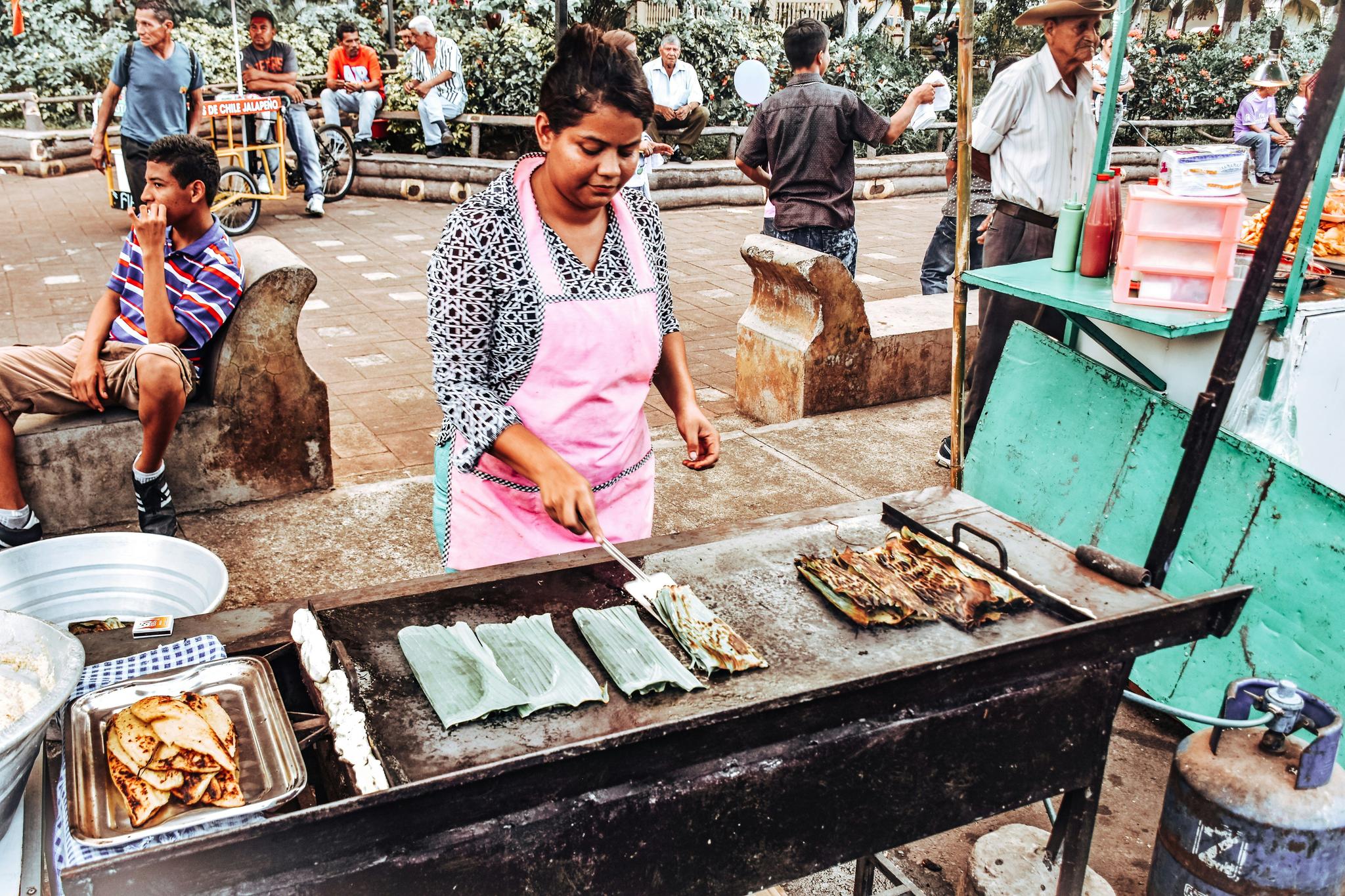
Why does one dish get its own national day? The pupusa is El Salvador's national dish, and a 2005 decree made the second Sunday of November National Pupusa Day.
Pupusas
Thick corn tortillas, or rice-flour ones in the style of Olocuilta, stuffed with cheese, beans, chicharrón or loroco, an edible flower bud. Order revueltas, mixed, if you can't choose. They come with curtido, a pickled cabbage slaw, plus tomato salsa, and you eat them with your hands. An October 2026 survey by the consumer protection agency found prices from USD $0.50 to USD $3.50 each.
Yuca frita con chicharrón
Fried cassava topped with curtido, pork crackling and tomato sauce, sometimes with pepesca, tiny fried fish. It's the best thing to order at a market stall.
Panes con pollo
Roast chicken pulled by hand, then piled into a sub roll with sauce, watercress, cucumber and tomato. The turkey version, pan con pavo, is a Christmas dish.
Quesadilla salvadoreña
This has nothing to do with the Mexican quesadilla. It's a sweet cake of rice flour and cheese topped with sesame seeds, eaten with coffee.
Horchata, coffee and Kolashanpan
Salvadoran horchata is made from morro seed, with cacao and cinnamon. Kolashanpan is the bright orange local soda, and Pilsener is the light lager you'll see everywhere. Coffee is the one we'd never skip. Drink bottled water, which is cheap and sold everywhere.
Culture and local habits you'll notice when visiting El Salvador
The 2024 census counted 6,029,976 people, about 287 per km², which on those figures makes El Salvador the most densely populated country in mainland America. Polls find roughly as many Evangelicals as Catholics. Saint Óscar Romero, the archbishop of San Salvador canonised in 2018, gives his name to the international airport. About 2.35 million Salvadorans lived in the United States in 2019, and the money sent home reached a record USD $9.99 billion in 2025, about a quarter of the economy.
Ask before you photograph people, especially in Indigenous communities such as Nahuizalco and Panchimalco. We'd keep the camera down at their markets unless someone says yes. Never photograph police or military sites.
Looking for more unique places, trips and activities?
Subscribe to our Guided Newsletter for more travel inspiration.
Costs of a holiday to El Salvador
El Salvador is good value, as long as you don't spend every night on the beach. On Numbeo's mid-2026 cost-of-living index it comes in a little cheaper than Guatemala and Mexico and about a quarter cheaper than Costa Rica. Honduras and Nicaragua cost a bit less. Beach rooms cost more than anywhere inland, so your nights on the coast will decide the budget.
Food & Drink

Coffee
USD $2 – USD $4
Lunch
USD $3 – USD $8
Beer
USD $2 – USD $3.50
Accommodation
Hotels
USD $60 – USD $120
Airbnb
USD $70 – USD $170
Hostel dorm
USD $7 – USD $16
Transport

Intercity bus
USD $1 – USD $1.50
Public Transport
USD $0.20 – USD $0.25
Car Rental
USD $35 – USD $50
Attractions
Museums
USD $5 – USD $10
Big Attractions
USD $6 – USD $10
Theatre
From USD $10
Practical tips for visiting El Salvador
What's different about travelling here? Mostly the checkpoints, and the fact that the day ends early.
✔ Check the entry rules for your passport
Many nationalities, including the UK, EU and US, need no visa for a holiday. Your passport should be valid for six months from arrival. Under the CA-4 agreement, Guatemala, El Salvador, Honduras and Nicaragua share one 90-day allowance that doesn't reset at their internal borders. Rules and fees change, so check GOV.UK's El Salvador entry requirements or your own government's advice before you fly.
✔ Carry ID and expect checkpoints
A state of exception has been in force since March 2022, renewed every 30 days, giving police and the military extra arrest powers. Carry your passport, or a copy of the photo page with the original close by, and cooperate if you're stopped. Don't photograph police or military sites, and stay away from demonstrations, as foreigners are barred from political activity. The UK FCDO doesn't advise against travel to any part of the country, and the US State Department rates El Salvador Level 1, "Exercise Normal Precautions".
✔ Bring small US dollar notes
El Salvador has used the US dollar since 2001. Carry notes of USD $10 and under, because USD $50 and USD $100 notes are often refused. Cards work in the cities and malls, and the ATMs inside malls are the ones to use, by day. Bitcoin acceptance has been voluntary since 2025, and few businesses take it.
✔ Be at your next base before dark
Buses stop around 7pm, and the US government advises against travelling between cities at night. In the cities, use pre-booked taxis or Uber rather than hailing a car on the street.
✔ Respect the sea and the volcanoes
Pacific beaches have strong rip currents and few lifeguards. Climb volcanoes by day with a guide, and check Protección Civil warnings first. Small earthquakes are frequent.
✔ Pack repellent and get insurance
Canada added a dengue notice in November 2026, so use insect repellent. Drink bottled water. Private hospitals are in San Salvador and care elsewhere is basic, so get insurance. Plugs are US-style types A and B at 115 V, and the emergency number is 911. POLITUR, the tourist police, patrols the main tourist areas.
Fun facts about El Salvador
These are the six we'd lead with.
- El Salvador is the only Central American country with no Caribbean coast, so all 307 km of its coastline face the Pacific.
- In September 2021 it became the first country in the world to make Bitcoin legal tender.
- Its national bird is the torogoz, the turquoise-browed motmot.
- The Pacamara coffee variety was developed in El Salvador in 1958.
- Lake Ilopango's eruption in 431 CE was one of the largest in the Americas of the last few thousand years.
- The international airport is named after Saint Óscar Romero.
Our favourite is the Bitcoin one, mostly for how it turned out. Acceptance has been voluntary since 2025, and businesses in El Zonte, the original Bitcoin Beach, now report that Bitcoin payments are rare.
Ready to map out your trip to El Salvador?
We hope this El Salvador travel guide has given you a clear starting point for your trip. Stay tuned for more inspiration, itineraries and practical tips to help you shape your perfect holiday to El Salvador. And don't forget to check out our Guided app, where you can create your own trip or use trips shared by other travellers for free.
FAQS about visiting El Salvador
How many days do you need in El Salvador?
Five to seven days covers San Salvador, the Santa Ana volcano, the Ruta de las Flores and the surf coast. With 10 to 14 days you can add Suchitoto, Perquín and El Mozote, and the quieter east coast. Inside the Guided travel planning app, you can create your own trip route and find out how many places you can fit into your trip.
What is the best part of El Salvador to visit?
The west. The Santa Ana volcano, Lake Coatepeque, the Ruta de las Flores and the Surf City coast are all within about two hours of each other.
What is El Salvador known for?
Volcanoes, surf, pupusas and coffee, plus Joya de Cerén. It's also known for using the US dollar and for its 2021 Bitcoin law.
Can you travel around El Salvador without a car?
Yes. Buses cost USD $0.20 to USD $1.50, shuttles and private transfers cover the tourist routes, and Uber and InDrive work in the cities. Buses stop around 7pm, so plan to arrive before dark.
Is El Salvador expensive?
It's mid-range for Central America, a little cheaper than Guatemala and Mexico and about a quarter cheaper than Costa Rica. Pupusas start at USD $0.50, but beach stays in Surf City cost more.
Is El Salvador safe to visit?
The US rates it Level 1, and the UK FCDO doesn't advise against travel to any area, though Canada and Australia advise a high degree of caution. Crime has fallen sharply, but robberies still happen. The state of exception means checkpoints and wide police powers, so carry ID and avoid demonstrations.
What currency does El Salvador use, and can you pay with Bitcoin?
The US dollar, since 2001. Bitcoin acceptance has been voluntary for businesses since 2025, and few places take it, so bring small dollar notes.
When is the best time for surfing in El Salvador?
November to April for beginners, when the waves are smaller and cleaner. From about April to October, south swells bring bigger surf.
Plan your trip to El Salvador in Guided.
Save the places you find, then let Guided lay out the days, the map and the details.
More in North America
All destinations BahamasThe Bahamas is a chain of Atlantic islands known for turquoise water and pink-sand beaches.
 BarbadosBarbados pairs calm Caribbean beaches and rum shops with wild Atlantic surf and colonial history.
 CanadaCanada is known for vast national parks, epic road trips and lively, welcoming cities.
 Costa RicaCosta Rica is a small country of volcanoes, cloud forest and two warm coasts.