
Belize

Belize travel guide: Everything you need to know before visiting Belize
Deep inside Actun Tunichil Muknal, past river crossings and a swim at the cave mouth, visitors take off their shoes and walk in socks through the upper chamber. The reason is the Crystal Maiden, a skeleton that has calcified where it lies, left in place rather than moved to a museum. A day or two later you can be snorkelling with nurse sharks off Ambergris Caye, on the largest barrier reef in the northern hemisphere, a couple of hours from the caves and Maya cities inland.
Belize also feels different from its neighbours. English is the only official language, Creole and Garifuna culture give it a Caribbean side that Spanish-speaking Guatemala and Mexico don't have, and with about 17 people per km² it's the least densely populated country in Central America. It costs more than Guatemala. We think it's worth it for divers and snorkellers, and for anyone who cares more about wildlife and ruins than nightlife. Couples do especially well here. This guide covers where to go, how to get around, what things cost and when to visit.
5 reasons to visit Belize
Pick two of these and you already have a trip.
- Snorkel with rays and nurse sharks at Hol Chan and Shark Ray Alley.
- See the Great Blue Hole, from a dive boat or from a small plane.
- Walk in your socks past the Crystal Maiden in the ATM cave.
- Climb the Maya temples of Caracol, Xunantunich and Lamanai.
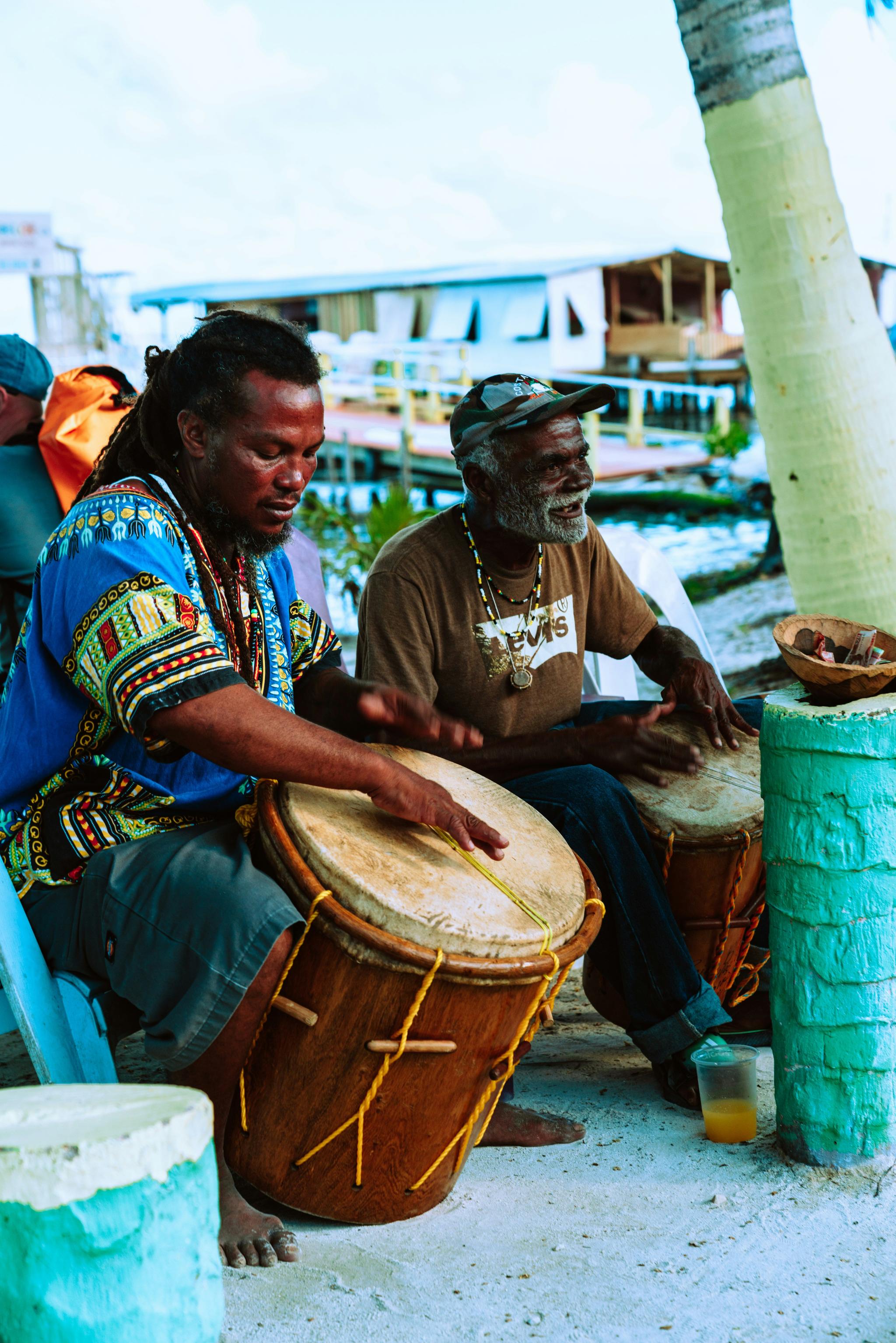
- Hear Garifuna drumming in Hopkins, then slow right down on the cayes.
Where to visit in Belize?
Is it better to split your time between the coast and the jungle? Yes, and a trip that skips either one misses half the country. The cayes sit out on the reef, while the Maya sites and caves lie inland. Prices here are in Belize dollars, written BZD $, pegged at BZD $2 to USD $1, and US dollars are accepted everywhere.
Ambergris Caye and San Pedro
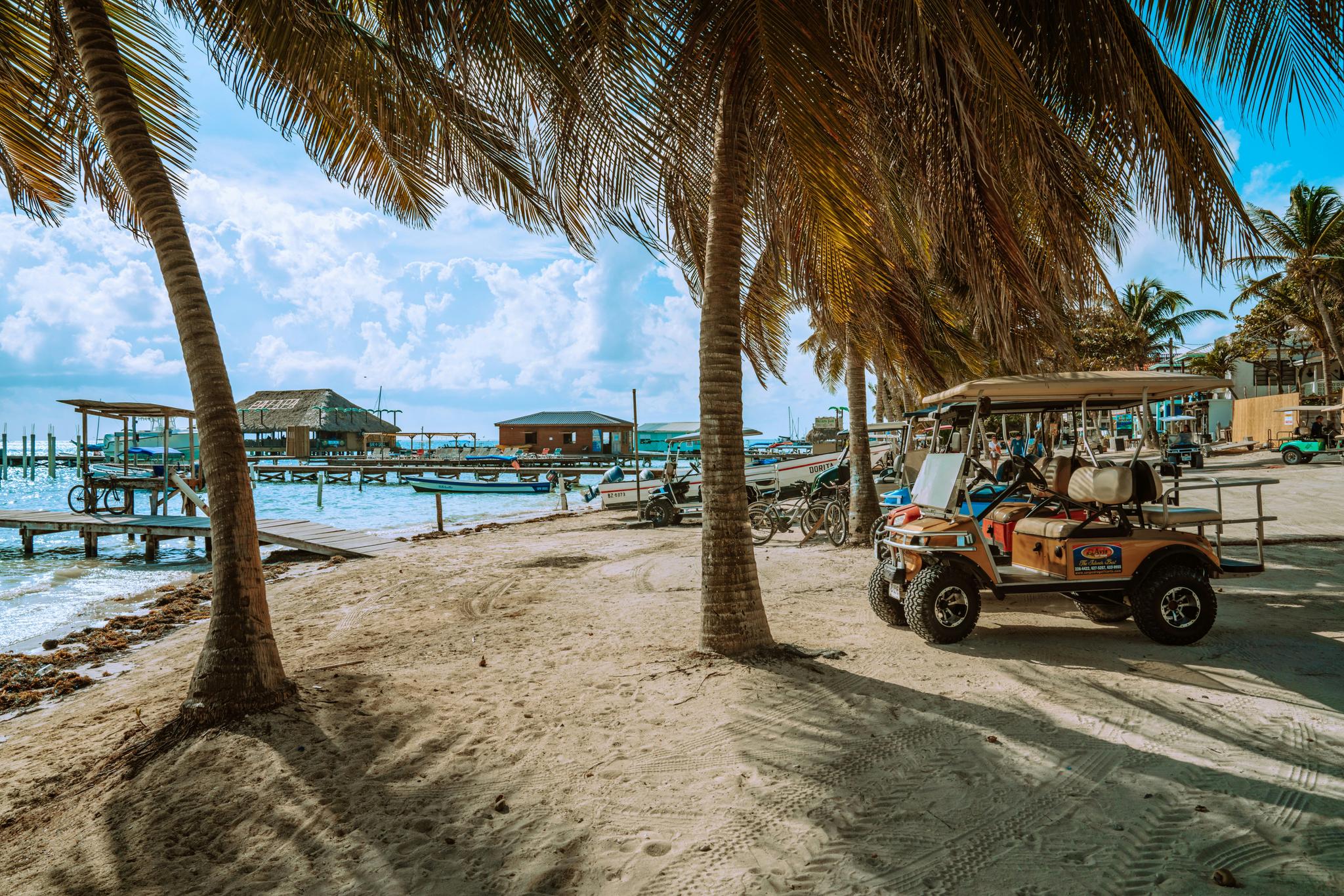
Ambergris Caye is the largest island in Belize, about 40 km long, and San Pedro is its only town. The reef runs along the island's east shore, so the snorkel sites are close. People get about by golf cart rather than car. San Pedro has the most services in the country and also the highest prices, so it suits a comfortable beach holiday more than a budget one. Hol Chan Marine Reserve lies off the southern tip. The town holds a Lobsterfest each summer once the lobster season opens.
Caye Caulker
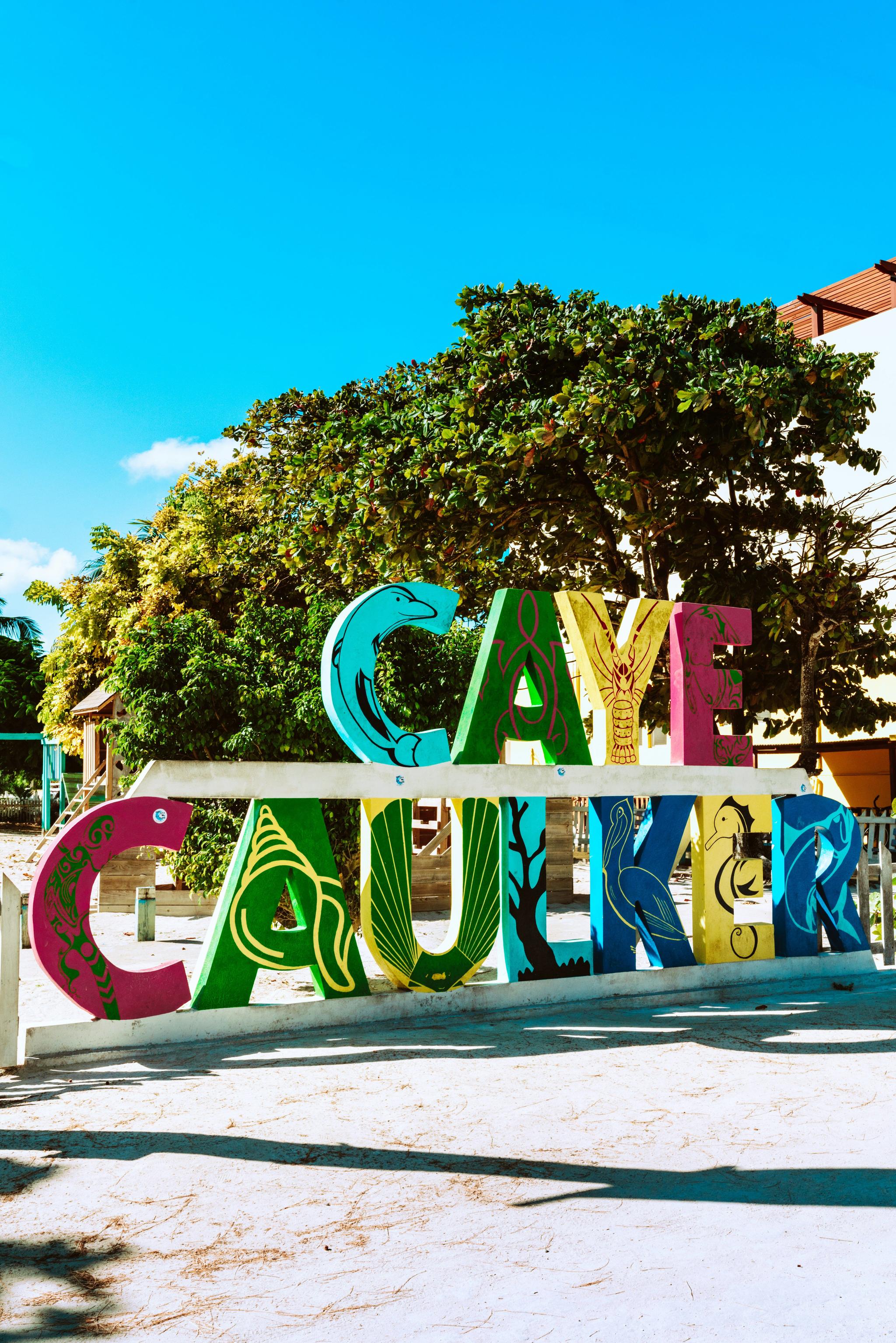
Caye Caulker is our pick for most first-timers. The island is about 8 km long and sits about 32 km north-north-east of Belize City, and its motto, "Go Slow", tells you most of what you need to know. The streets are sand, the guesthouses are cheaper than on Ambergris, and the west side of the island tends to escape the sargassum that piles up on east-facing beaches. The Split, the island's swimming channel, is said to have opened after Hurricane Hattie in 1961, when villagers dredged a shallow cut and the tide deepened it. A water taxi round trip from Belize City is about BZD $61.
Hol Chan Marine Reserve and Shark Ray Alley
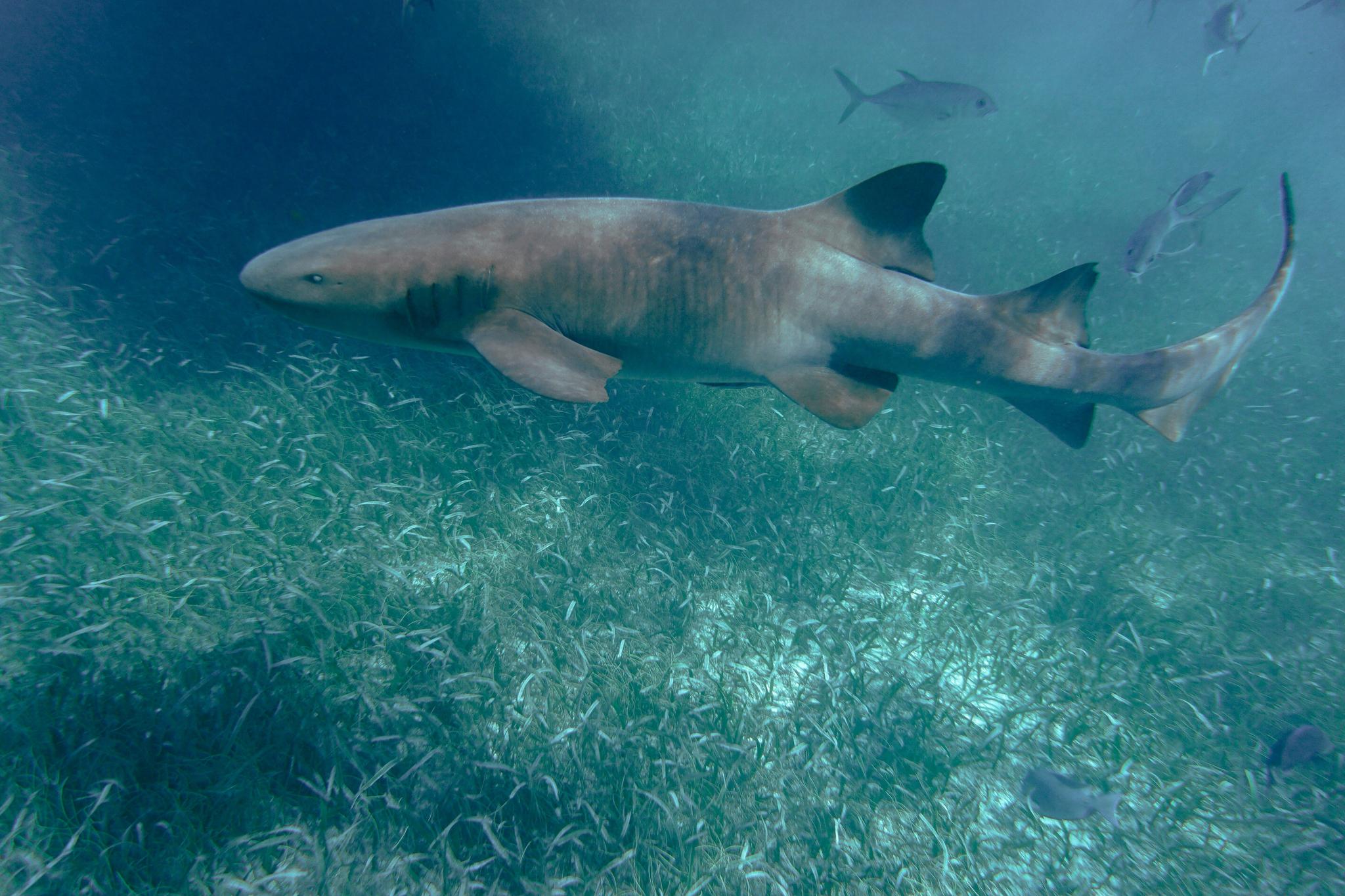
If you only snorkel once in Belize, do it here. The reserve is off the southern end of Ambergris Caye, and the usual trip is a two-stop snorkel, first over the reef at Hol Chan and then at Shark Ray Alley, where guides usually feed the nurse sharks and rays. Expect to pay about USD $50 for the tour, plus the reserve fee and 12.5% GST. The reserve fee is about USD $15 (BZD $30), so check it before you go. Don't touch the coral or the animals.
The Great Blue Hole
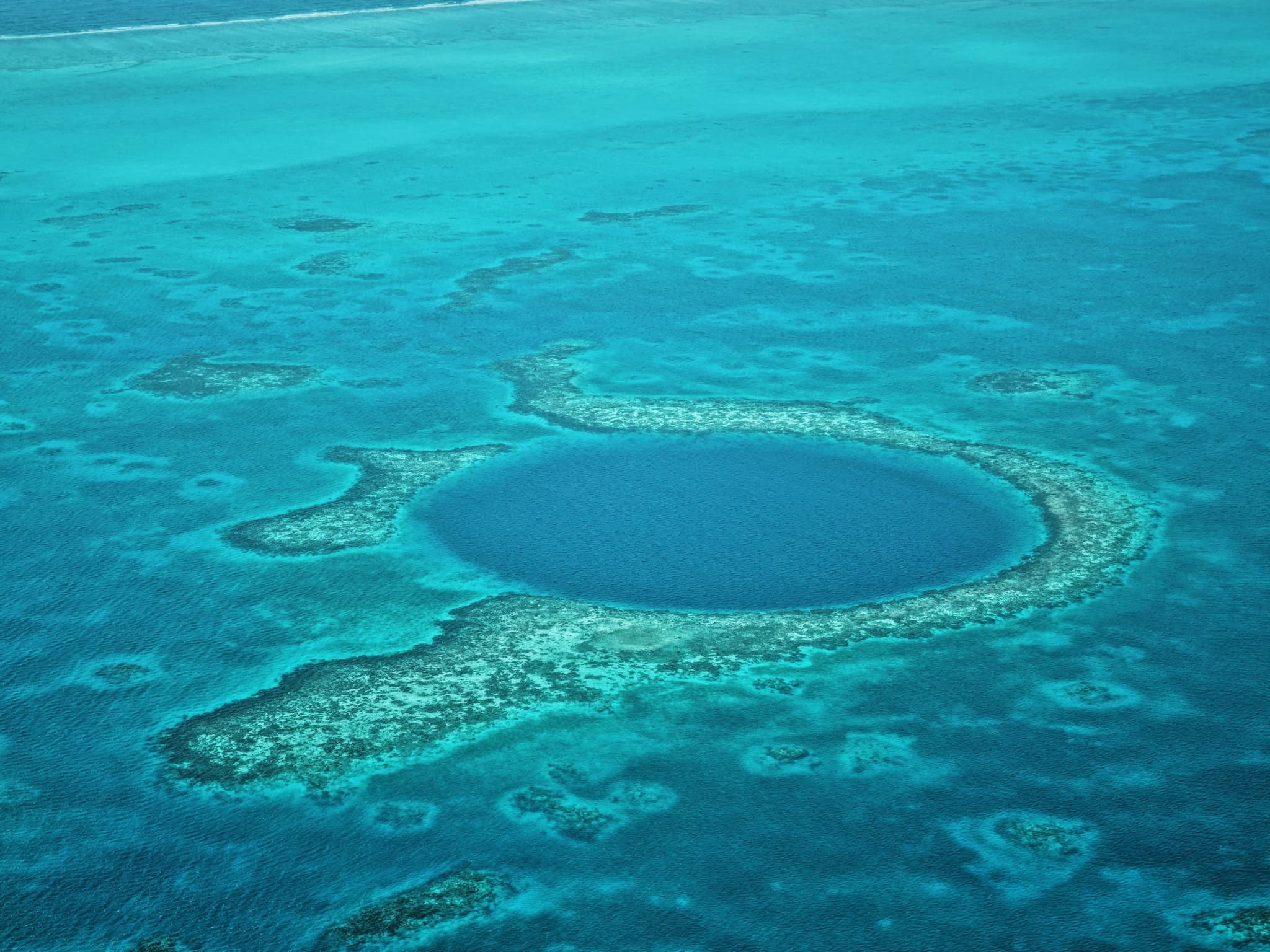
The Great Blue Hole is 318 m across and 124 m deep, and lies on Lighthouse Reef about 70 km from Belize City. Jacques Cousteau charted it in 1971 aboard the Calypso. A dive day trip costs about USD $285 for three tanks and a snorkel trip about USD $215, plus a USD $40 park fee in cash and GST. The famous view is from the air, snorkellers see little inside the hole itself, and the dive is deep, so it's for experienced divers. Unless you dive, book the Tropic Air flight over it instead. Half Moon Caye, on the same atoll, has a colony of red-footed boobies.
San Ignacio and the Cayo district
San Ignacio is the inland base, and the best-value one. It's the main town of the Cayo district and the adventure base for trips to the ATM cave, Xunantunich and Caracol. You don't even need a tour for the first ruin. Cahal Pech is walkable from town, and entry costs BZD $20. Guesthouses here usually cost about USD $40 to USD $90 a night, with jungle lodges up to luxury level outside town. A bus from Belize City is about BZD $10 to BZD $15.
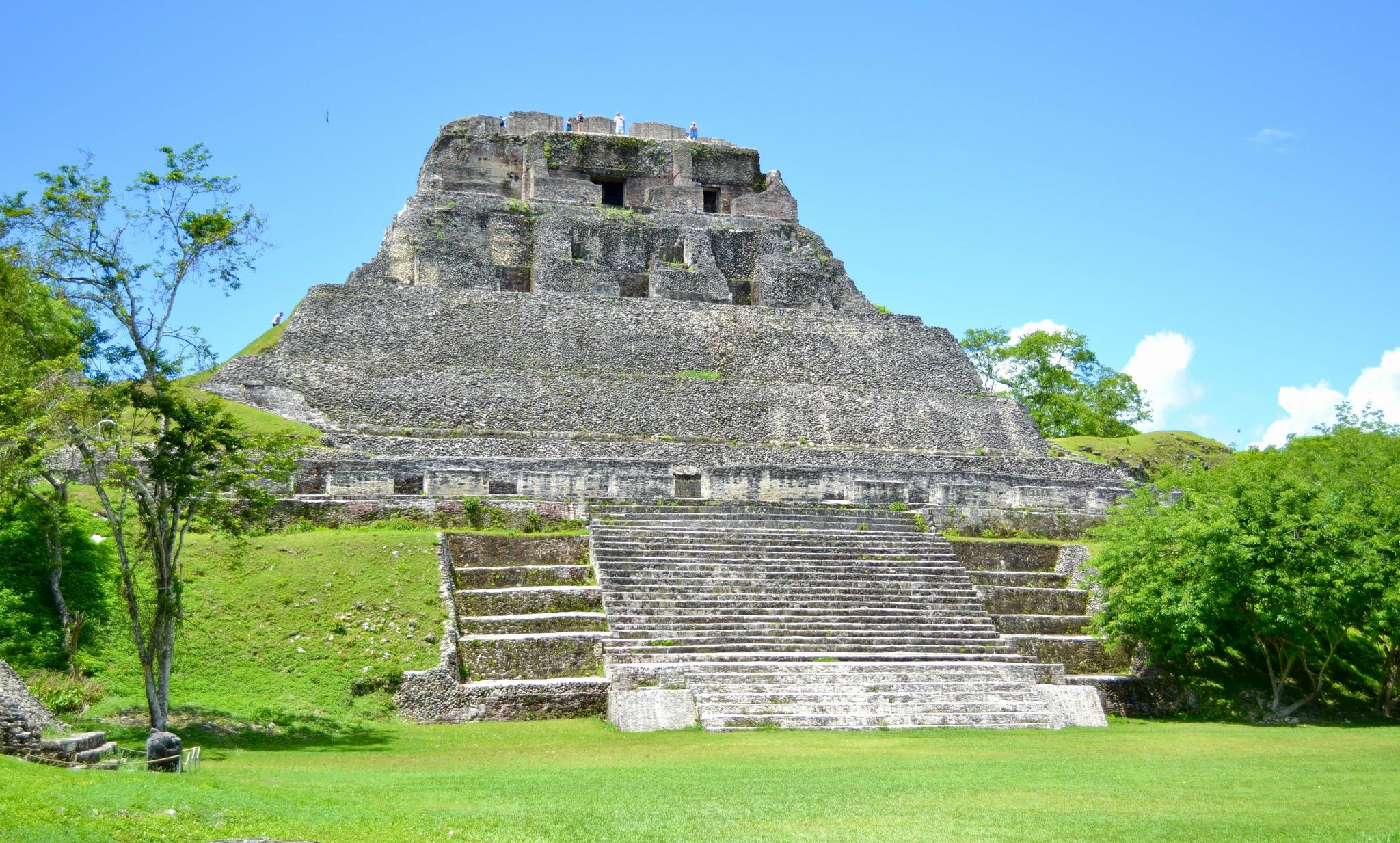
Xunantunich
Getting to Xunantunich starts with a river crossing. A hand-cranked ferry takes you over the Mopan River at San José Succotz, and entry to the site is BZD $25, in cash like most park fees. El Castillo, the main temple, rises about 40 m (130 ft) above a city that dates from the Classic Period. It's an easy half-day from San Ignacio. If you only have a morning for ruins, spend it here rather than squeezing in Caracol.
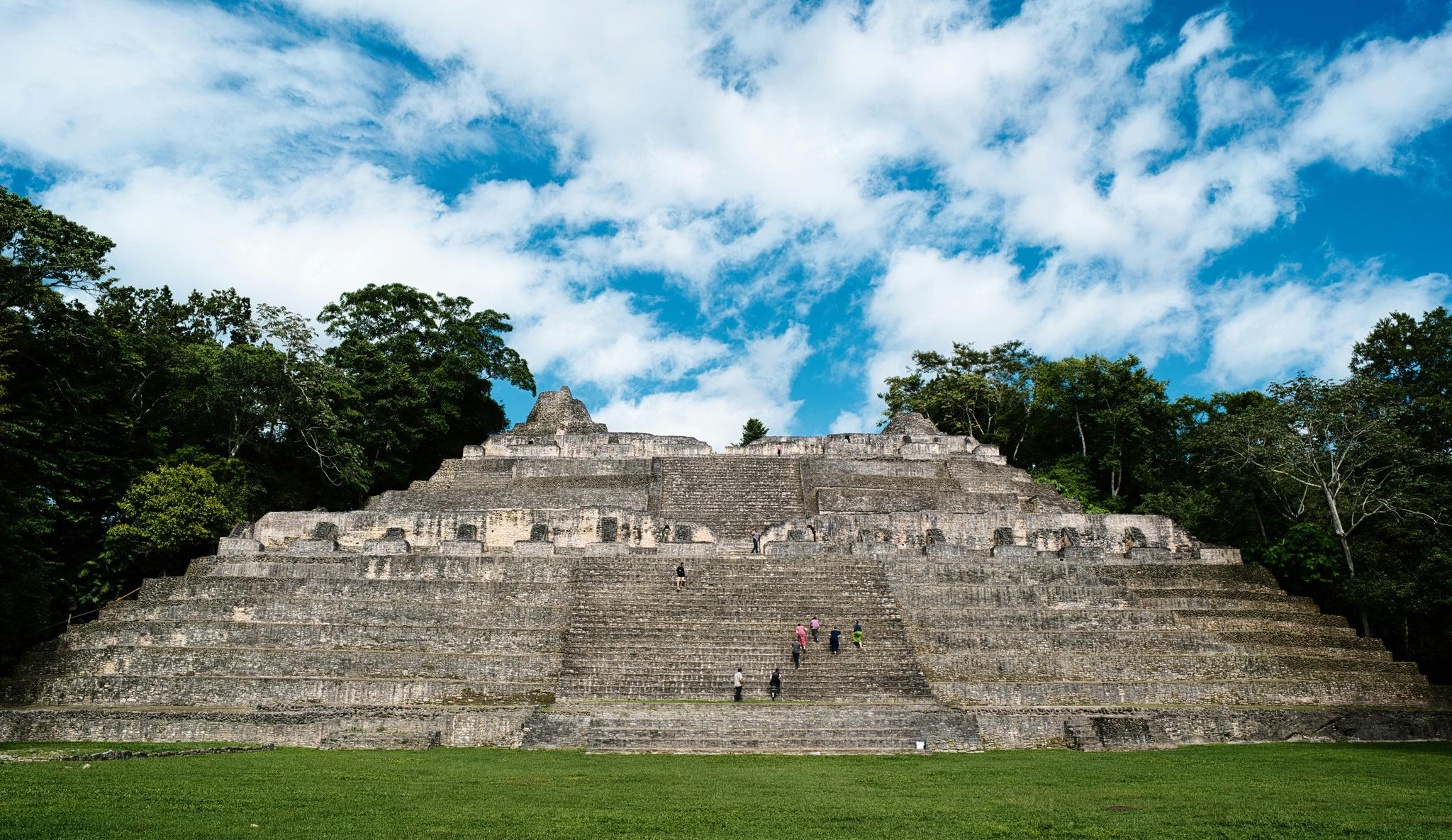
Caracol
Caracol is the largest Maya site in Belize, and it's our favourite. It lies deep in the Chiquibul Forest Reserve, and its great pyramid, Caana ("Sky Place"), stands 43 m high. That makes it still the tallest structure ever built in Belize. At its peak the city held about 100,000 people. Entry is BZD $25, but the effort is getting there, a long rough road of about two to three hours from San Ignacio. Go with a tour, or check road conditions before you drive. On the way you pass through Mountain Pine Ridge, about 300,000 acres of pine highlands, and Big Rock Falls and Rio On Pools are both worth a stop.
Actun Tunichil Muknal (ATM cave)
Skeletons lie where the Maya left them inside ATM. You can only enter with a licensed guide, in groups of up to 8, and the site fee is BZD $60, with tours costing about USD $115 to USD $139 including the fee and lunch. It starts with a 30 to 45 minute hike, then a swim at the entrance and several river crossings, and you spend about four hours inside. In the upper chamber you take your shoes off and continue in socks to the Crystal Maiden, a calcified skeleton. Cameras and phones are banned, because a dropped camera once damaged an artefact.
Lamanai
Lamanai was occupied for more than 3,000 years, right up to Spanish contact, and missionaries arrived in 1544. The best part is the approach. You come by boat up the New River from Orange Walk, and that river trip is the reason we rate Lamanai so highly. Once there, the Mask Temple is the building to look for. Entry is BZD $25. Boats leave from Orange Walk rather than San Ignacio, so plan Lamanai as a day trip of its own rather than an add-on to the Cayo ruins.
Placencia
The Placencia peninsula has about 26 km of beaches, and Placencia itself is a Creole village. Its sidewalk was once listed by Guinness as the narrowest main street in the world. This is the best base for whale sharks, which gather at Gladden Spit from March to June, and the village holds its own Lobsterfest each summer. For a beach stay in the south, Placencia is the obvious choice. The Hokey Pokey water taxi crosses to Independence for about BZD $10 and links with buses heading south.
Hopkins and Cockscomb Basin
Hopkins is a Garifuna village on the coast, known for its drumming, and you can join a session at places such as Lebeha. Inland is the Cockscomb Basin Wildlife Sanctuary, made a forest reserve in 1984 and a jaguar preserve in 1986, and commonly called the world's first jaguar preserve. It covers about 128,000 acres and is co-managed by the Belize Audubon Society. You reach it through Maya Centre and then a dirt road of about 6 miles. Don't count on seeing a jaguar, as sightings are rare, but tracks are common. A guided tour from Hopkins costs about USD $100.
Toledo and Punta Gorda
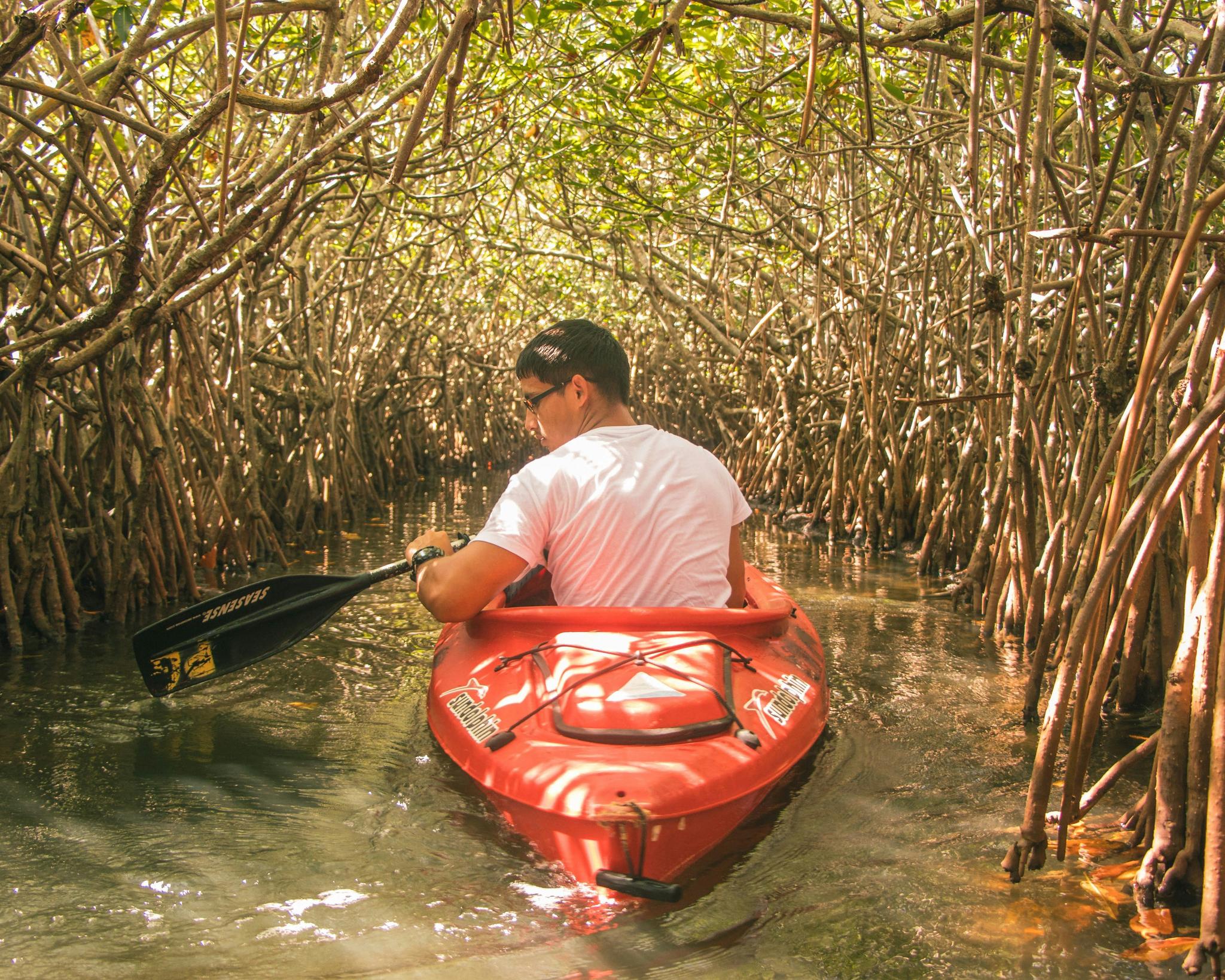
Toledo is the least visited part of Belize, and it's our pick for culture. Maya villages such as San Antonio and San Felipe are the reason to come. Cacao grows here, Ixcacao in San Felipe is one place to see it made into chocolate, and the Chocolate Festival of Belize takes place in Toledo every May. The district also has two Maya sites, Lubaantun and Nim Li Punit, each BZD $20 to visit. It's the far end of the country from the cayes, and a bus from Belize City to Punta Gorda, the main town, costs about BZD $25 to BZD $27.
Belize itinerary ideas for your trip
These routes pair the reef with the jungle, because a first trip needs both. The first sticks to the cayes and Cayo, and the second adds the south.
5 to 7 day Belize itinerary
- Day 1-3: Caye Caulker, with a snorkel trip to Hol Chan and Shark Ray Alley.
- Day 4: Water taxi to Belize City, then on to San Ignacio, with an evening walk up to Cahal Pech.
- Day 5: The ATM cave with a licensed guide.
- Day 6: Xunantunich in the morning, with the hand-cranked ferry across the Mopan River.
- Day 7: Caracol and Mountain Pine Ridge, with a stop at Rio On Pools on the way back.
10 to 14 day Belize itinerary
- Day 1-3: Caye Caulker and a Hol Chan snorkel trip.
- Day 4: The Great Blue Hole, by dive boat or on a Tropic Air flight.
- Day 5-8: San Ignacio, for Cahal Pech, the ATM cave, Xunantunich and Caracol.
- Day 9-10: Hopkins, with Garifuna drumming and a day in the Cockscomb Basin.
- Day 11-12: Placencia, for the beaches and, in spring, the whale sharks at Gladden Spit.
- Day 13-14: Toledo, for the Maya villages, a chocolate tour and Nim Li Punit, before heading north to fly home.
Swap the order around the moon if you're chasing whale sharks, then build and adjust your own version of the route in the Guided travel planning app.
Fun things to do in Belize
Most of the best days in Belize are spent wet, in the sea or underground. Budget for tours, because nearly every activity here needs a boat or a guide, and 12.5% GST is added to most of them.
Dive or sail the reef
Hol Chan is the classic snorkel, but the reef is long. Dive trips to Turneffe cost about USD $225 to USD $250 plus the park fee. If you don't dive, a catamaran sail with snorkel stops is the relaxed option at about USD $115 to USD $160, and it's the best way to spend a whole day on the water.
Go cave tubing at Nohoch Che'en
At the Nohoch Che'en site in Caves Branch, you hike for about 45 minutes, then float through the caves on an inner tube. The site fee is BZD $20, and a tour with pickup usually costs about USD $140. If swimming into ATM sounds like too much, this is the gentler cave day.
Make chocolate in Toledo
A chocolate tour in Toledo or at Maya Centre is the easiest way into Maya village life. From Placencia, a day trip with transport and lunch costs about USD $135. Time it for May if you can, when the Chocolate Festival of Belize is on.
Hear Garifuna drumming
Garifuna language, dance and music are on UNESCO's intangible heritage list, shared with Guatemala, Honduras and Nicaragua. Hopkins and Dangriga are the places to hear the drums. The biggest celebration is Garifuna Settlement Day on 19 November, a national holiday since 1977, and Dangriga is where it's largest.
Swim with whale sharks at Gladden Spit
For us, this is the one wildlife trip in Belize worth planning the whole holiday around. From March to June, whale sharks gather at Gladden Spit off Placencia. The best days run from about two days before the full moon to ten days after it, so check the lunar calendar before you book anything else.
When to go to Belize?
The dry season, from about December to April or May, is the peak, and prices follow. We'd aim for December or January, when it's dry and the sargassum seaweed that washes onto east-facing beaches is usually at its lightest. The wet season brings lower rates, but it overlaps with the hurricane season.
- Dry season: December to March, the busiest and priciest months, with the lightest sargassum in December and January
- Late dry season: April and May, hotter, with whale sharks at Gladden Spit from March to June and the Chocolate Festival in Toledo in May
- Early wet season: June to August, with lower rates, Lobsterfests in San Pedro, Placencia and Caye Caulker once the lobster season reopens in late June or July, and the heaviest sargassum
- Late wet season: September to November, the heart of the hurricane season (1 June to 30 November, peaking from August to October), when some businesses close in October, with Independence Day on 21 September and Garifuna Settlement Day on 19 November

Did you know you can create your own itinerary?
Now that you know what to see in Belize and where to stay, you can start creating your own trip. Will you stay put on Caye Caulker, or split your nights between the reef and the jungle around San Ignacio? It's all up to you. You can easily create your own trip in the Guided app for free, or use trips shared by others.
Where to stay in Belize?
Where you sleep decides what kind of trip you have. Pick two bases at most for a short stay, as boats and rough roads make moving between them slow.
Caye Caulker
This is the budget to mid-range island. Dorm beds cost about USD $17 to USD $22 and private rooms about USD $40 to USD $80. It's where we'd send most people for their first night on the reef.
San Pedro (Ambergris Caye)
San Pedro covers mid-range to luxury, with beach resorts from about USD $150 to more than USD $400 a night. Choose it for comfort and the widest choice of services, not for value.
San Ignacio
For value, nowhere beats San Ignacio. Guesthouses in town cost about USD $40 to USD $90, and the jungle lodges outside town go all the way up to luxury. It's the base for the Cayo caves and ruins.
Placencia and Hopkins
Mid-range beach hotels here cost about USD $100 to USD $250 a night. Placencia has the whale sharks, Hopkins the Garifuna village life and tours to Cockscomb.
Getting around when visiting Belize
There are no trains in Belize. Small planes and water taxis cover the coast and the cayes while old school buses run the highways, and the pieces connect better than you might expect.
Domestic flights
Tropic Air and Maya Island Air run the domestic flights on small planes. The hop from Belize City to San Pedro takes about 15 minutes, and flights from the municipal strip are usually cheaper than from the international airport. For the Great Blue Hole, a Tropic Air flight over it is the way to see the famous view.
Water taxis
San Pedro Belize Express runs water taxis from Belize City to Caye Caulker and San Pedro, and Caribbean Sprinter covers the same route. A round trip to San Pedro costs about BZD $83, and to Caye Caulker about BZD $61, though fares rise from time to time. Thunderbolt runs between San Pedro and Corozal in the north.
Buses
Buses in Belize are mostly old US school buses, running regular and express services, and you pay in cash. The government caps fares per mile, so they're cheap. Belize City to San Ignacio is about BZD $10 to BZD $15. They're also poorly maintained, and Canada's travel advice tells visitors to avoid buses and taxis, so use a private shuttle for longer journeys if your budget allows.
Car hire
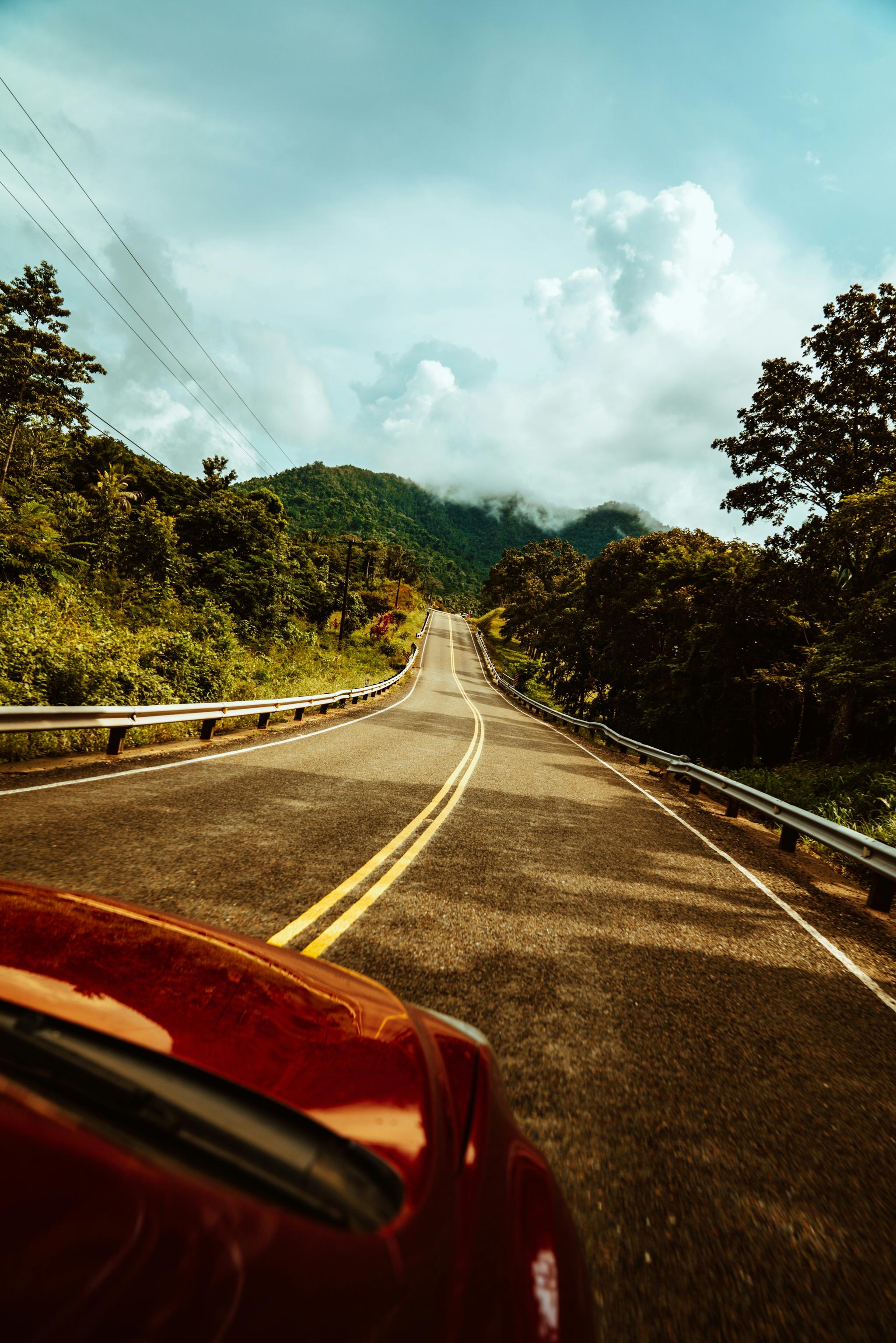
A small car costs about USD $55 to USD $70 a day and an SUV about USD $114. Drive in daylight only, as roads are unlit and causeways in Stann Creek and Toledo can flood, and watch for "sleeping policemen", the local name for speed bumps. Check whether you need an International Driving Permit before you go.
Food and drinks you should try when visiting Belize
Start with rice and beans, the everyday plate, and work outwards from there to the snacks and the Garifuna dishes. Seafood follows the seasons. Lobster is off menus from mid-February to mid-June and conch from July to September, so order conch fritters or ceviche outside those months.
Rice and beans with stewed chicken
This is the everyday lunch across Belize. Ask for a bottle of Marie Sharp's on the table. The hot sauce comes from near Dangriga and has been sold since 1981, with a carrot base and habanero peppers, and it's the one souvenir we'd tell everyone to pack.
Fry jacks
Fry jacks are fried dough, and breakfast is when to order them.
Salbutes, garnaches and panades
These three are the classic Belizean snacks. We'd skip a sit-down lunch for a plate of them.
Hudut
Hudut is the Garifuna dish to look for in Hopkins or Dangriga, fish cooked in a coconut broth and served with mashed plantain. Order it over any resort meal.
Belikin beer
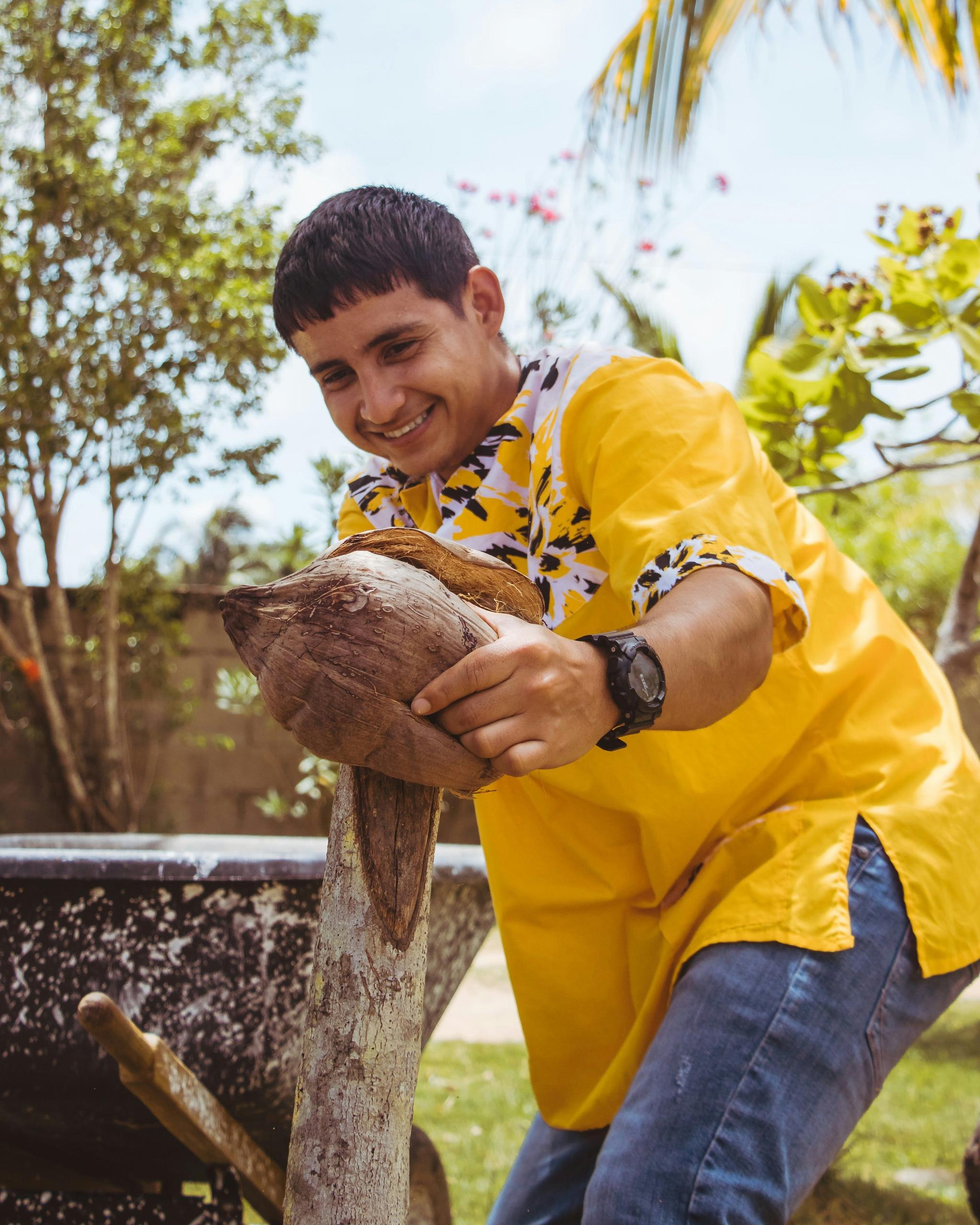
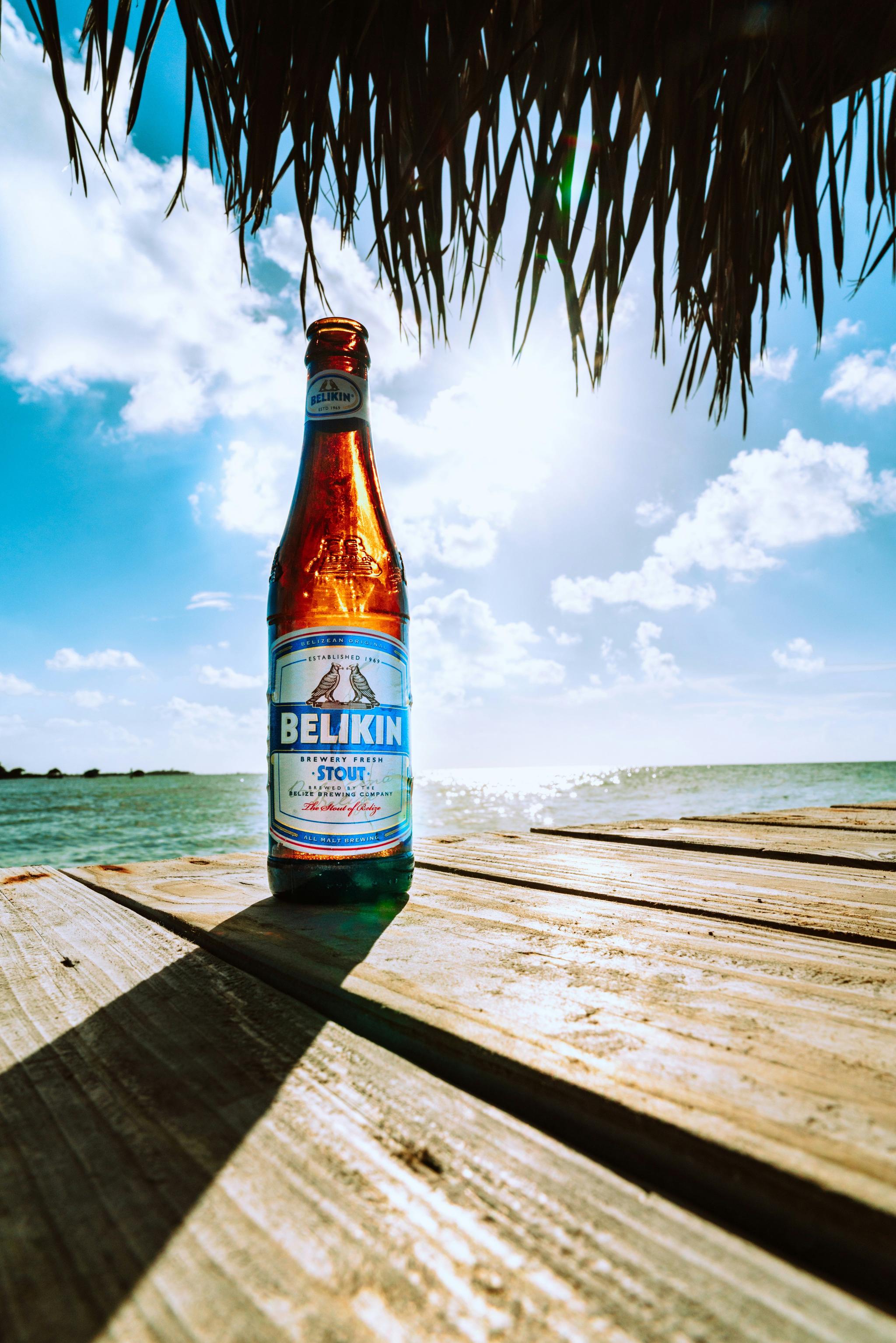
Belikin, brewed by the Belize Brewing Company since 1969, is the local beer to order. For something more unusual, try a seaweed shake or a glass of cashew wine.
Culture and local habits you'll notice when visiting Belize
Belize, home to about 400,000 people, was British Honduras until 1973 and became independent on 21 September 1981, and it is still a Commonwealth realm. English is the official language, but about 45% of people speak Kriol, and you'll also hear Spanish, Garifuna, three Maya languages (Q'eqchi', Mopan and Yucatec) and Plautdietsch, the language of the Mennonites, who arrived from 1958 and live mainly in Spanish Lookout and Shipyard. Mestizo people make up the largest group, then Creole, Maya, Garifuna and East Indian communities.
Life runs on "Belize time", so relax about schedules. Greet people before you ask a question, in a shop or at a bus stop. Respect the rules at ATM and on the reef too. Damaging the reef is an offence.
Looking for more unique places, trips and activities?
Subscribe to our Guided Newsletter for more travel inspiration.
Costs of a holiday to Belize
The tours are what make Belize expensive. Overall it costs more than Guatemala and Mexico, and nearby Honduras, and less than Costa Rica, though restaurant meals are a little cheaper than in Mexico or Guatemala. Boats and guided trips push a typical visitor budget to about USD $105 a day. Eat local, and spend the savings on one big trip like the Blue Hole.
Food & Drink

Coffee
BZD $6 – BZD $11
Lunch
BZD $12 – BZD $40
Beer
BZD $4 – BZD $8
Accommodation
Hotels
BZD $150 – BZD $300
Airbnb
BZD $120 – BZD $250
Hostel dorm
BZD $34 – BZD $44
Transport

Intercity bus
BZD $10 – BZD $27
Water taxi
BZD $40 – BZD $83
Car Rental
BZD $110 – BZD $140
Attractions

Maya sites
BZD $20 – BZD $25
Big Attractions
BZD $230 – BZD $700
Snorkel tour
BZD $100 – BZD $160
Practical tips for visiting Belize
Belize is one of the easier countries in the region to travel in, though cash and park rules catch people out.
✔ Check entry rules and fill in the form
Many nationalities, including the UK, EU, US and Canada, don't need a visa for stays of up to 30 days, and you can extend at an immigration office for BZD $200 per 30 days. Your passport should be valid for at least three months after arrival, though some airlines ask for six. Customs may ask to see an onward ticket and proof of funds. There's an online immigration and customs form to fill in before arrival, so check the immigration site for the current version. If you leave by land or sea for Mexico or Guatemala, expect an exit fee of about BZD $40 (USD $20) in cash at the border, while by air it's included in your ticket. Check the Belize Immigration Department's visa rules and the UK government's entry requirements for Belize, or the official advice for your own passport.
✔ Bring small US notes
US dollars are accepted everywhere, at BZD $2 to USD $1, but change often comes back in Belize dollars. Cards and ATMs are common in tourist areas, while park fees are often cash only. Expect 12.5% GST on most tours, and tip 10 to 15% where no service charge is added. Sockets take US plugs.
✔ Use licensed taxis and agree the fare
If you do take a taxi, use a licensed one. They have green plates. Agree the fare before you get in and pay in cash. On the road, drive in daylight only.
✔ Know where the risk is
Several governments, including the UK, Canada and Australia, warn about violent crime, most of it gang-related and concentrated in Southside Belize City, and Canada and Australia advise a high degree of caution. Tourists are rarely targeted, but petty theft happens on the cayes and in San Ignacio. Avoid Southside Belize City and keep an eye on your drink. Book diving and snorkelling only with registered, licensed operators, and wear a lifejacket on boats.
✔ Protect yourself from mosquitoes
Dengue and chikungunya are present, so pack a good insect repellent. Health care is limited outside Belize City. Check whether you need a yellow fever certificate if you're arriving from a yellow fever country.
✔ Go slow, and keep it low-key
Greet people before asking for anything, and accept that things run on Belize time. Drug possession can mean a fine and prison. Same-sex relationships are legal, but couples tend to avoid public affection outside San Pedro.
Fun facts about Belize
Six things about Belize that surprise most visitors.
- Belize is the only country in Central America with English as its official language.
- It's also the least densely populated country in Central America.
- Belmopan became the capital in 1970, after Hurricane Hattie hit Belize City in 1961.
- Caana at Caracol, built by the Maya, is still the tallest building in Belize.
- The national animal is Baird's tapir, known locally as the "mountain cow", and the national bird is the keel-billed toucan.
- Jacques Cousteau charted the Great Blue Hole in 1971.
If you do pass through Belize City, look out for the Swing Bridge. It opened in 1923, is still hand-operated, and is the oldest of its kind in Central America.
Ready to map out your trip to Belize?
We hope this Belize travel guide has given you a clear starting point for your trip. Stay tuned for more inspiration, itineraries and practical tips to help you shape your perfect holiday to Belize. And don't forget to check out our Guided app, where you can create your own trip or use trips shared by other travellers for free.
FAQS about visiting Belize
How many days do you need in Belize?
Five to seven days is enough for one caye and San Ignacio, with a snorkel trip and the ATM cave. With 10 to 14 days you can add the Great Blue Hole and the south, from Hopkins to Toledo. Inside the Guided app, you can create your own trip route and see how many places fit into your trip.
Is Caye Caulker or San Pedro better?
Caye Caulker, for most first-timers. It's cheaper and slower, and the Split is right there for a swim. San Pedro on Ambergris Caye has more resorts and nightlife, and the highest prices.
What is Belize known for?
The Belize Barrier Reef, which UNESCO calls the largest barrier reef in the northern hemisphere, and the Great Blue Hole. Inland, it's known for Maya cities such as Caracol and for the ATM cave.
Can you travel around Belize without a car?
Yes. Water taxis link Belize City with the cayes, and buses and private shuttles run to San Ignacio and the south. For Caracol, a tour is the better choice anyway.
Is Belize expensive?
More than its neighbours. Food can be cheap if you eat local, but boats and tours add up, and a typical visitor spends about USD $105 a day.
Is Belize safe to visit?
Violent crime is mostly gang-related and concentrated in Southside Belize City, which several governments tell visitors to avoid. Tourists are rarely targeted, though petty theft happens on the cayes and in San Ignacio.
When is the best time to visit Belize?
The dry season, from about December to April or May, is the best and busiest time. Come between March and June for whale sharks at Gladden Spit. Hurricane season runs from June to November and peaks from August to October.
Do you need a visa for Belize?
Many nationalities, including the UK, EU, US and Canada, can visit for up to 30 days without a visa. Check the official Belize immigration site for your own passport before you travel.
Plan your trip to Belize in Guided.
Save the places you find, then let Guided lay out the days, the map and the details.
More in North America
All destinations BahamasThe Bahamas is a chain of Atlantic islands known for turquoise water and pink-sand beaches.
 BarbadosBarbados pairs calm Caribbean beaches and rum shops with wild Atlantic surf and colonial history.
 CanadaCanada is known for vast national parks, epic road trips and lively, welcoming cities.
 Costa RicaCosta Rica is a small country of volcanoes, cloud forest and two warm coasts.