
What is The Best Time to Visit Ireland: A Seasonal Guide
By Eva Alkemade
Mar 2, 2026
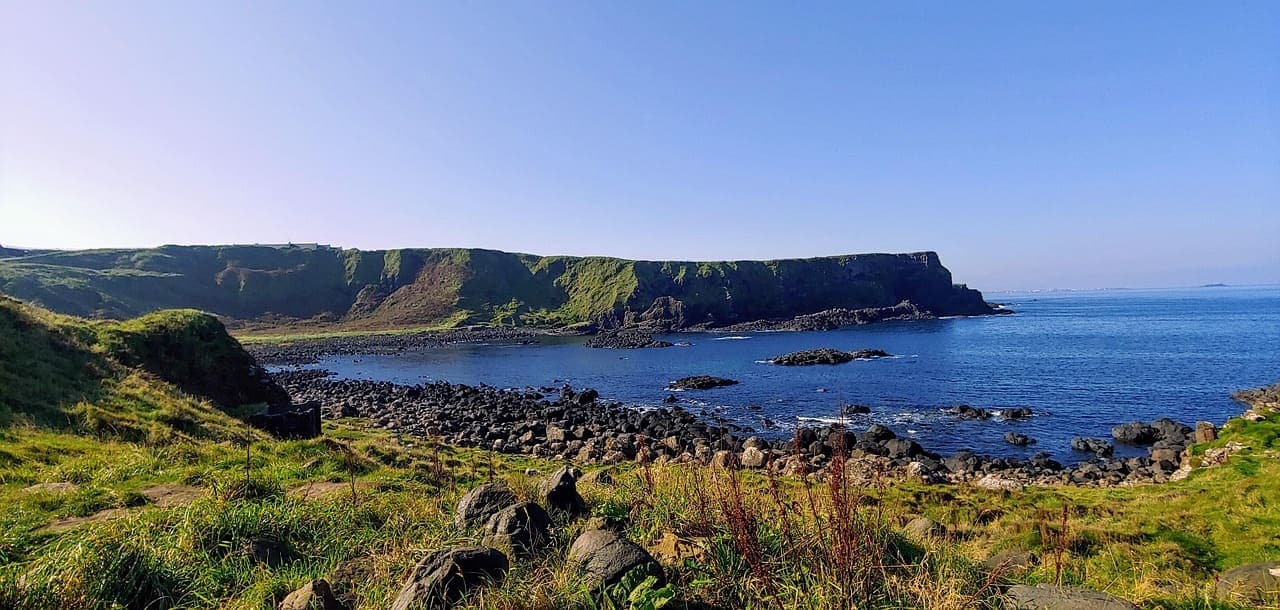
When you think about visiting Ireland you need to figure out what time of year works best for you. It is not about picking one perfect month. You have to ask yourself what you want. Do you like evenings, lower prices or the lively energy of summer? What is the best time to visit Ireland for you?
March to May: Spring Is a Time to Visit Ireland
Spring is a wonderful time to visit Ireland. Everything is bright and green again. You do not have to deal with a lot of tourists like you do in the summer.
What Is the Weather Like in Spring?
In March the weather in Dublin Ireland is usually around 10 to 12°C during the day. The mornings can feel cool. You will notice the days getting longer really quickly.
This is the time of year when winter is going away. Summer has not arrived yet. By April the temperature during the day is around 12 to 14°C. The weather in April in Dublin Ireland is known for showers that come and go quickly.
It might rain for twenty minutes. Then the sun will come out for the next hour. This keeps happening in May. The weather in May in Ireland is often 15 or 17°C with the sun shining more and the evenings getting longer.
Why Spring Is Perfect for Driving and Exploring
Driving in spring is really nice. The Ring of Kerry is much calmer before the summer crowds arrive and you can find guesthouses in Kerry and Clare that have rooms available and are not too expensive.
You can take ferries to the Aran Islands from April onward. The walking routes in Connemara and Wicklow are in condition after the winter making it a great time for walks along the coast and scenic drives.
Seasonal Highlights in Spring
In mid-March Ireland celebrates St Patricks Festival, which fills Dublin and other towns with parades and cultural events. In May there are garden and food festivals all around the country.

Image by Jill Wellington from Pixabay
By the end of May the days are really long, 16 hours of daylight which makes it easier to see all the sights. Our tip is to check what time the sun sets before you book your trip because those long days give you a lot of time to explore.
Summer: Long Days and the Best Weather for a Road Trip
Ireland is really beautiful in the summer. The warm weather and long evenings make your days feel completely different.
Weather in Ireland in June
The weather in Ireland in June is usually around 17 to 20°C, which's perfect for walking and driving. Around the summer solstice the sun does not set until 10:30pm.
Those long days are really useful. You can explore the cliffs in the morning, drive along the coast in the afternoon and still have dinner outside in the soft evening light.
Why Early Summer Is Perfect for Exploring Ireland
June is a time to visit Ireland because you get the summer feeling without all the crowds. The roads are generally quiet before the school holidays start making it easier to drive on the Wild Atlantic Way and up, into Northern Ireland.
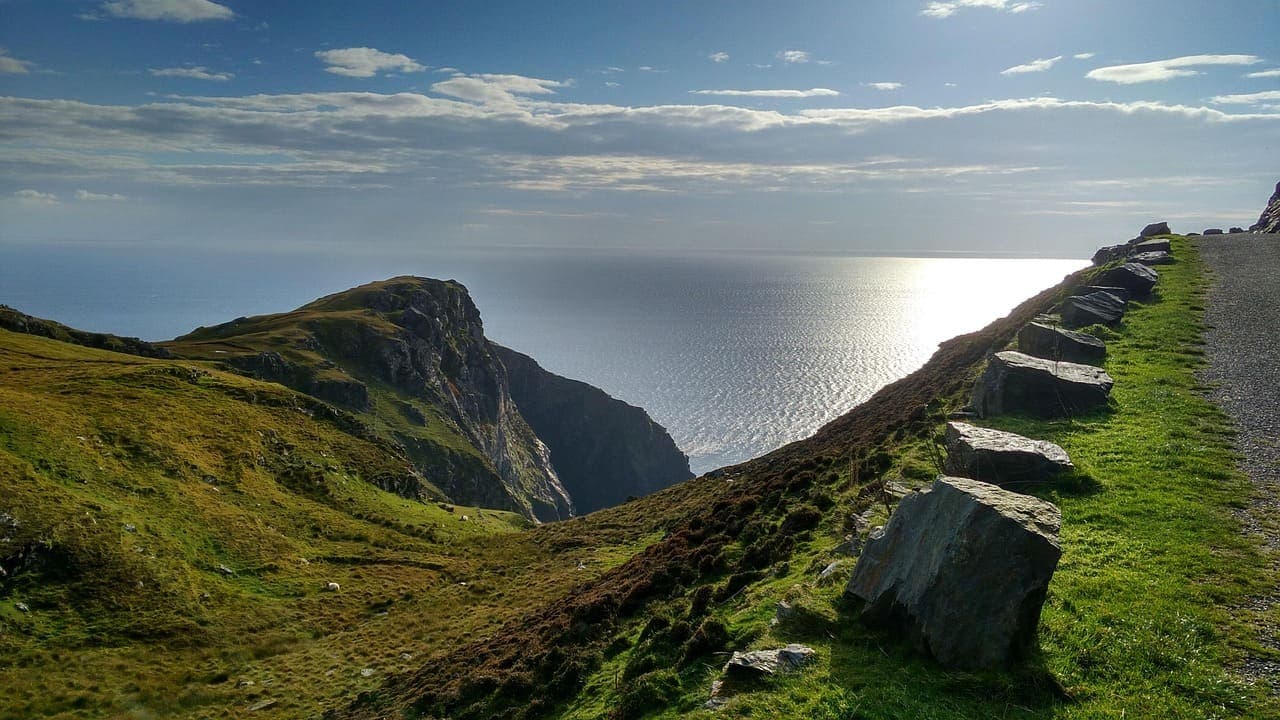
Image by Martin Hochreiter from Pixabay
You can take boat trips to Skellig Michael and other islands all the time in summer. The clear days also mean you have a chance of seeing the Cliffs of Moher at their best.
Thinking about seeing Ireland by car? Have a look at our Ireland road trip guide to start mapping out your route.
July and August: Peak Season, Festivals and Buzz Across the Emerald Isle
July and August are the peak season in Ireland. This really affects things. Hotels in towns by the sea can be booked months ahead. It can cost twice as much to rent a car compared to the spring.
Weather in Ireland in August
The weather in Ireland in August averages 18 to 20°C, though showers can still roll through at any moment. The rain rarely ruins a whole day, but packing a light waterproof jacket stays smart even in summer. Accommodation in Dingle, Killarney and Galway increases by up to 40 percent during July and August. Booking at least three to four months ahead is wise if you want good location options.
Festivals and Cultural Highlights
There are a lot of festivals and cultural events in July like the arts festival in Galway. This festival brings in performers and visitors from over Ireland. There is music in the streets and in the pubs. The area around the Temple Bar in Dublin is really lively with music almost every night.
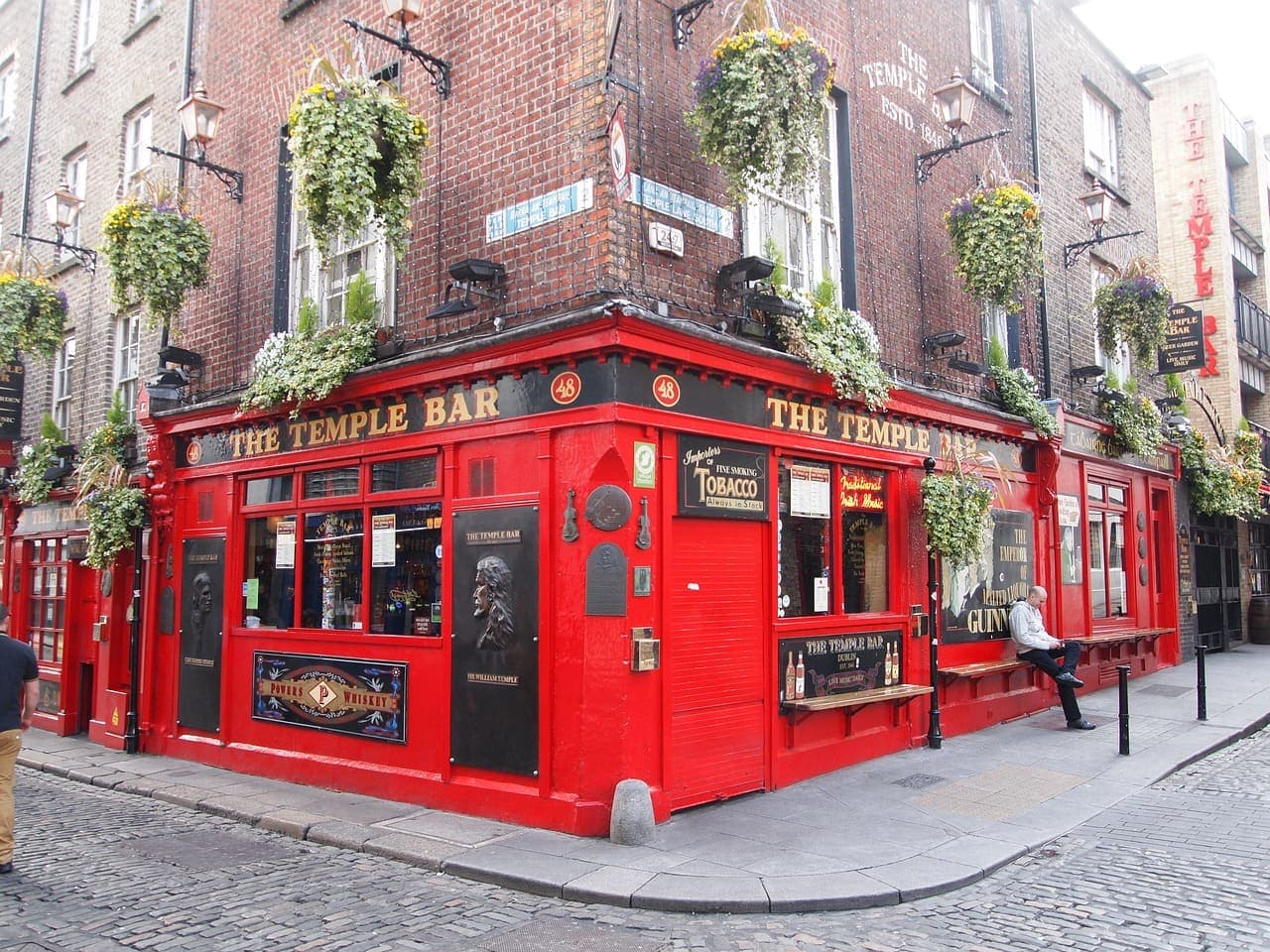
Image by Giovanni Vignola from Pixabay
Towns by the sea have festivals for seafood and outdoor concerts. There are markets and food events in Cork and Kerry. This time of year feels like a celebration.
When Does Travelling in Summer Make Sense?
Summer works beautifully if you enjoy lively evenings. Beach towns like Dingle and Lahinch have the most activity during these months. Sea conditions suit kayaking, boat tours and island trips more consistently than in winter. Summer is a great time to check out the best swim spots in County Clare.
September and October: The Best Time to Visit Ireland for Softer Light and Fewer Tour Buses
From September to October things are a bit different. The weather is still mild and the roads are not as busy. The prices are not as high.
Ireland Weather for September
Ireland's weather for September is usually around 15 to 18°C during the day. The sea is still warm from the summer sun. The cost of hotels goes down after the middle of September in places. The weather for Ireland in October can get a bit cooler around 12 to 14°C. It can rain often but there are still some dry days.
Why Choose Autumn?
Autumn is a time to visit Ireland if you want a nice atmosphere without all the tourists. The roads are not as busy. There are food festivals and harvest events in the countryside. Dublin feels really relaxed during this time. You can get a table at a cafe on Grafton Street without having to wait long. Many people think this is the time to visit Ireland if you want a balance between busy and quiet.
Our tip: pack a lightweight scarf and gloves for October evenings. Coastal winds can pick up after sunset, even when days start mild.
November to February: Cosy Cities, Christmas Markets and Quiet Countryside
From November to February Ireland is a different place. The days are shorter, the towns are decorated with lights and the cost of hotels goes down except during the holidays.
February weather in Dublin, Ireland
The weather in February in Dublin is usually around 8 to 9°C. It is often a bit damp. It does not usually snow.
Weather in Dublin, Ireland in December
In December the weather is similar with a lot of rain and about 7 to 8 hours of daylight. Across the country there are a lot of showers and the days are short.
Pros and Cons of Visiting in Winter
Christmas markets appear in Dublin, Galway and Belfast. The streets are decorated with lights. The pubs are really cosy. The cost of hotels is not as high as in the summer except during the Christmas period. Places like Kilmainham Gaol are not as busy during December and January.

Image by Chris Spencer-Payne from Pixabay
Winter is a time to visit the cities but it is not as good for long drives by the sea. There are not many boat tours and the museums and historic sites are a better option.
Curious about the rest of the country? Read more about Ireland in our complete Guide to Ireland.
When Is the Rainy Season in Ireland?
Ireland does not really have a season that you can put your finger on. It rains all year round because weather systems from the Atlantic Ocean keep moving across the country. You get rainy days in autumn and winter but the good thing is that the showers do not usually last very long. So it is an idea to pack a waterproof jacket no matter what time of year you plan to visit Ireland.
What Is the Best Time to Visit Dublin Ireland for Culture, Festivals and Atmosphere?
Dublin’s calendar is packed with events, and timing your visit around them can completely change your experience. The best time to visit Dublin, Ireland, depends on which cultural highlights you want to see.
March: St Patrick’s Festival brings five days of parades, concerts and street performances across the city
June 16th: Bloomsday celebrates James Joyce with public readings, period costumes and themed walking tours
September: Dublin Fringe Festival showcases theatre, comedy and contemporary performance
December: the city centre lights up with Christmas markets, and shopfronts around grafton street turn festive
Our tip: check festival dates before booking flights, some events shift slightly each year and hotel prices follow immediately.
What Is the Best Time to Visit Southern Ireland and Northern Ireland for Scenic Routes?
If you want to drive around southern Ireland the best time is usually in spring and early autumn. In May, June and September the weather is mild and the days are long. There are not too many cars on the road. This makes it easier to enjoy routes like the Ring of Kerry and the Wild Atlantic Way without much traffic and with clear views.
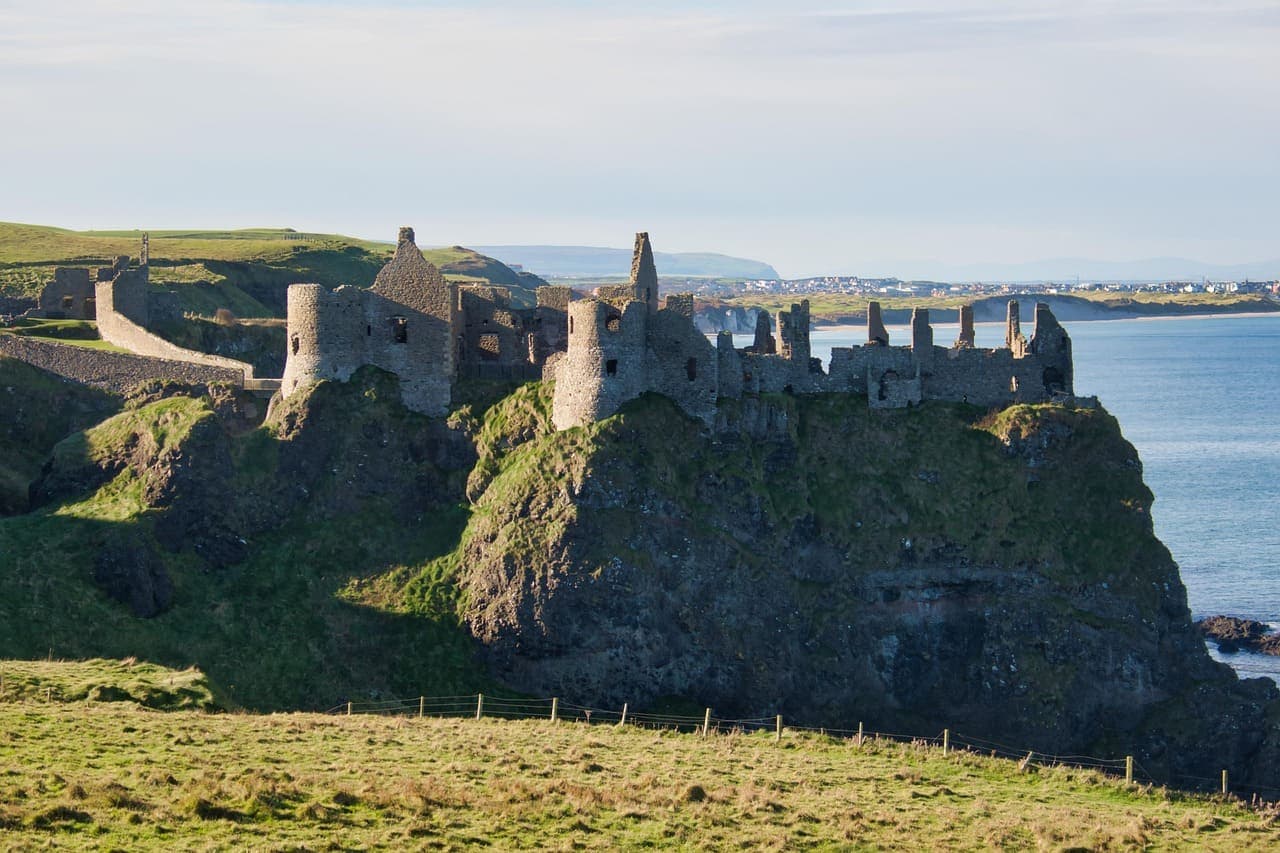
Image by H. Hach from Pixabay
In Northern Ireland, the Causeway Coast can feel windier due to Atlantic exposure. Summer usually brings the most reliable conditions for exploring Giant’s Causeway, Dunluce Castle and the Antrim coastal route. Road surfaces are dry more often between June and early September, which makes longer drives more comfortable.
Peak Season or Shoulder Season: What is the Best Time to Visit Ireland for You?
Now that you know what each season is like you can decide what is best for you.
The peak season is from June to August. This is when the prices of hotels and car hire are the highest. The shoulder season, which is in April, May, September and October is usually a balance between comfort and cost.
Here is a simple way to decide when to visit Ireland:
If you want to go to festivals, enjoy evenings and visit lively coastal towns: go between June and August.
If you want weather without paying too much: go in April, May, September or October.
If you want to visit cities, museums and see lights: go between November and February.
The long days in summer are great for road trips. Autumn is a time for driving routes because the traffic is not too bad. Winter is perfect, for spending time in pubs visiting places and just relaxing.
Enjoyed This Blog? Continue Reading!
There is more travel inspiration waiting for you on our blog. You can take a look below and start mapping out your next travel adventure!
