
Best time to go to New Zealand: when to visit for your perfect trip
By Eva Alkemade
Apr 14, 2026
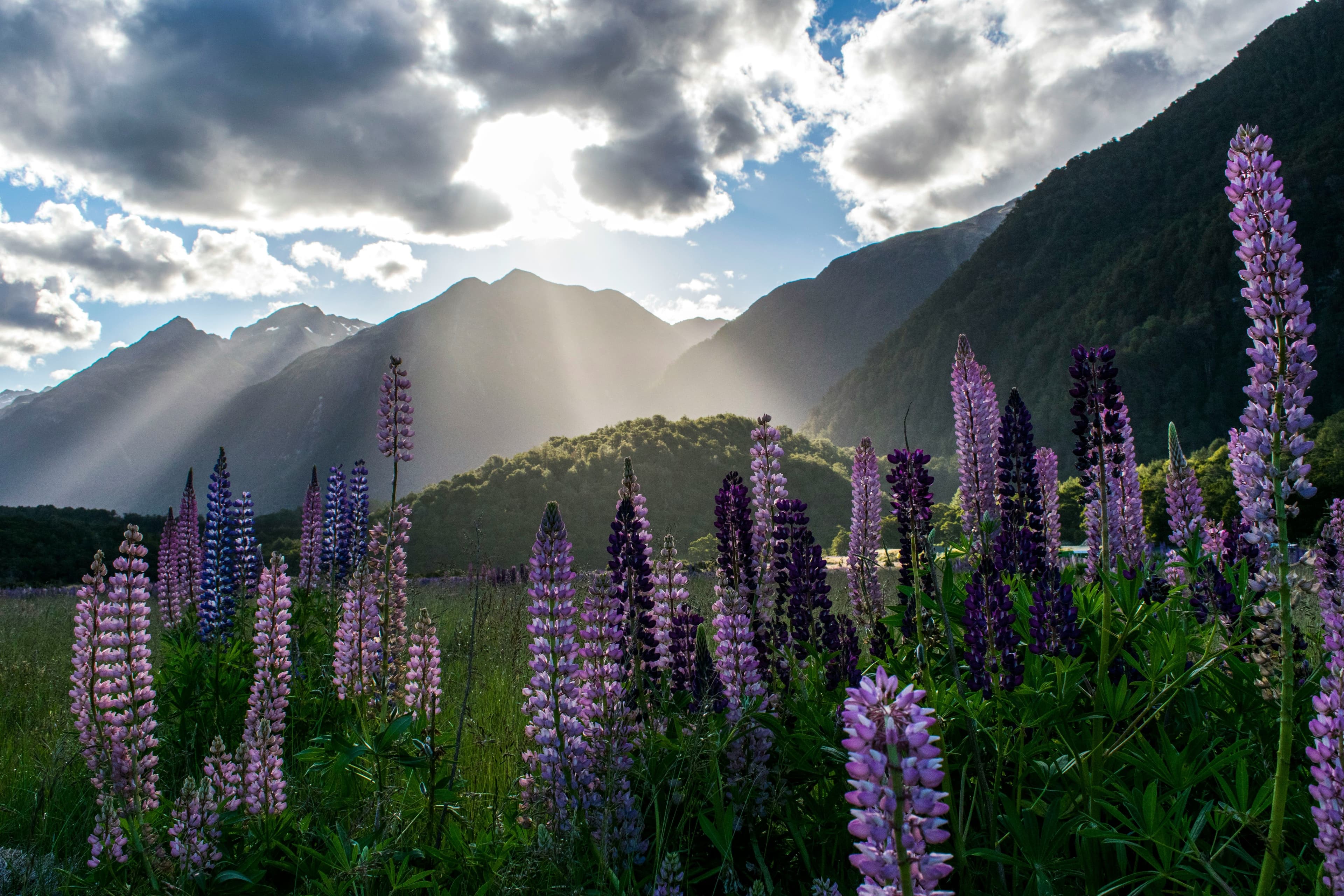
Did you know you can go skiing in July in New Zealand while it’s peak summer in Europe? Yes, here the seasons flip, so summer lands in December and winter runs through June to August, which completely changes how you plan your trip. And since weather can shift quickly, you’ll want clear skies for Milford Sound or proper snow if skiing around Queenstown is on your list, so timing your trip really makes a difference. Picking the best time to go to New Zealand depends on what kind of trip you want to have. Here, you’ll find out exactly when to go based on what you want to see and do.
When is the best time to travel to New Zealand?
Timing here changes everything, because the same place can look completely different depending on the month and weather.
Best overall period: December to March, warm temperatures, long daylight hours, ideal for beaches and outdoor activities
Still great but a bit calmer: April and November, milder weather, fewer people around, good balance for most trips
Cooler and quieter months: May and September, lower prices, fewer people, good value if you don’t mind mixed weather
Snow season: July to August, cold temperatures, best for skiing and mountain areas
Good to know: there isn’t one perfect moment to go, it really depends on what kind of trip you want. Think about what matters more to you, warm weather for being outside or cooler conditions with fewer people, because that’s what should guide your timing.
What the seasons in New Zealand actually look like
Everything works the opposite way from what you’re used to in Europe or the USA. Summer lands in December, winter shows up around June, and suddenly your idea of a “summer trip” needs a rethink. One month you’re driving along the coast in warm weather, and a few months later that same area can be all about snow-covered mountains.
Across the country, things change quickly too, so you might have clear skies in one spot and rain a few hours down the road. During the summer months, days are long and warmer, which makes road trips, beaches and being outside much easier. Through winter, the South Island turns into a proper mountain destination with ski areas in full swing, and it almost feels like you’re in a completely different country compared to summer.
Guided tip: Think about what you want to see first, then check what that place looks like in that season before locking in your dates.
What each season in New Zealand looks like
Across the country, each period brings its own advantages, so it really helps to know what you’re walking into before you decide when to go.
Summer in New Zealand: December to February
During summer, you’re looking at the warmest weather of the year, with temperatures usually sitting between 20 and 30°C and daylight stretching to around 14 to 15 hours. Long evenings give you plenty of time to be outside, which makes this period ideal for beach days and road trips. Your days work perfectly for exploring places like Fiordland or Abel Tasman, where walking tracks and boat trips are at their best.
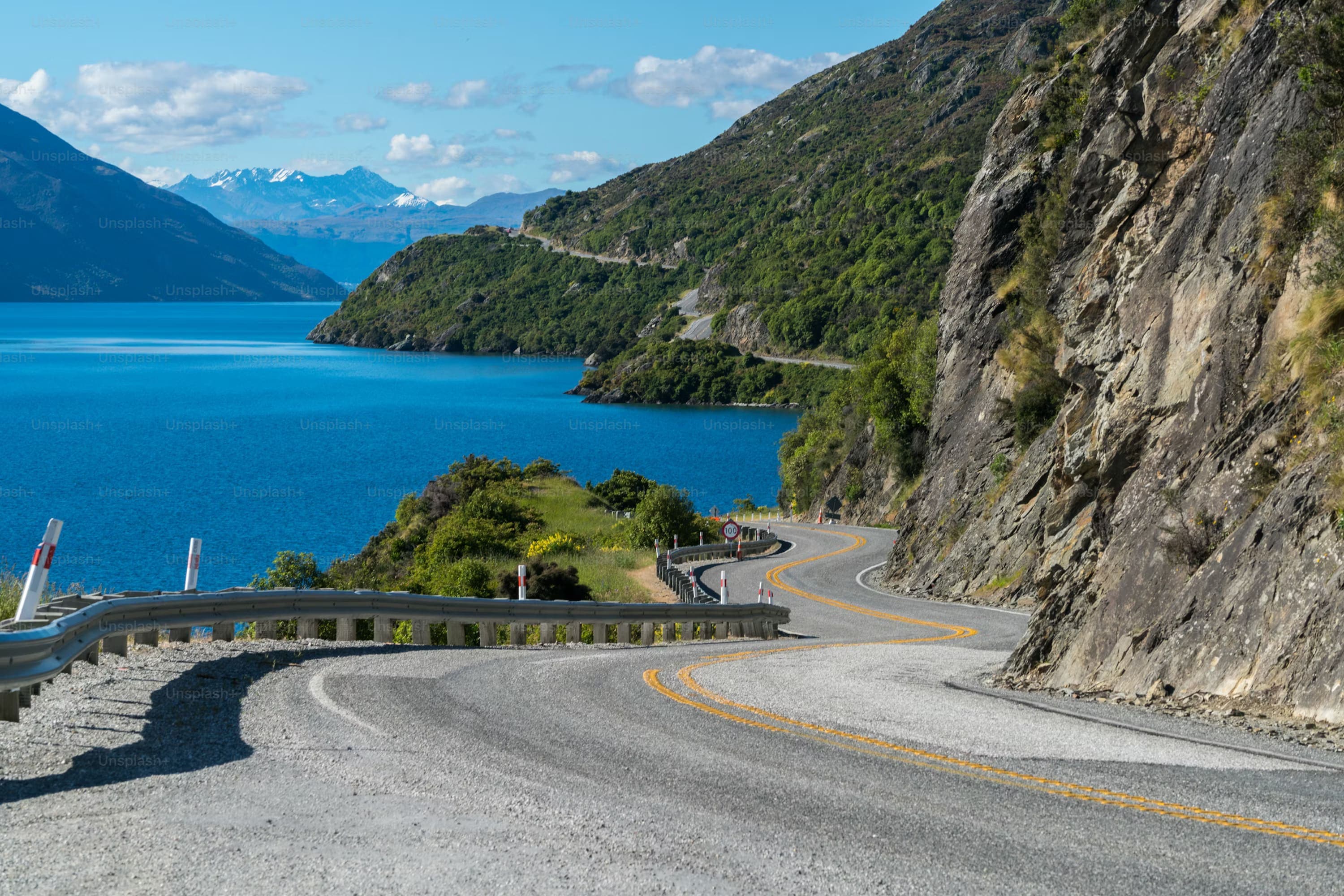
At the same time, this is the peak season, so prices are higher and places fill up quickly, meaning you’ll want to book early if you’re travelling around Christmas or New Year. Around that period, many locals are on holiday too, which adds to how busy things get.
Autumn in New Zealand: March to May
Once summer starts to fade, temperatures begin to drop slightly, usually ranging between 15 and 25°C, with daylight hours slowly shortening to around 11 to 13 hours.
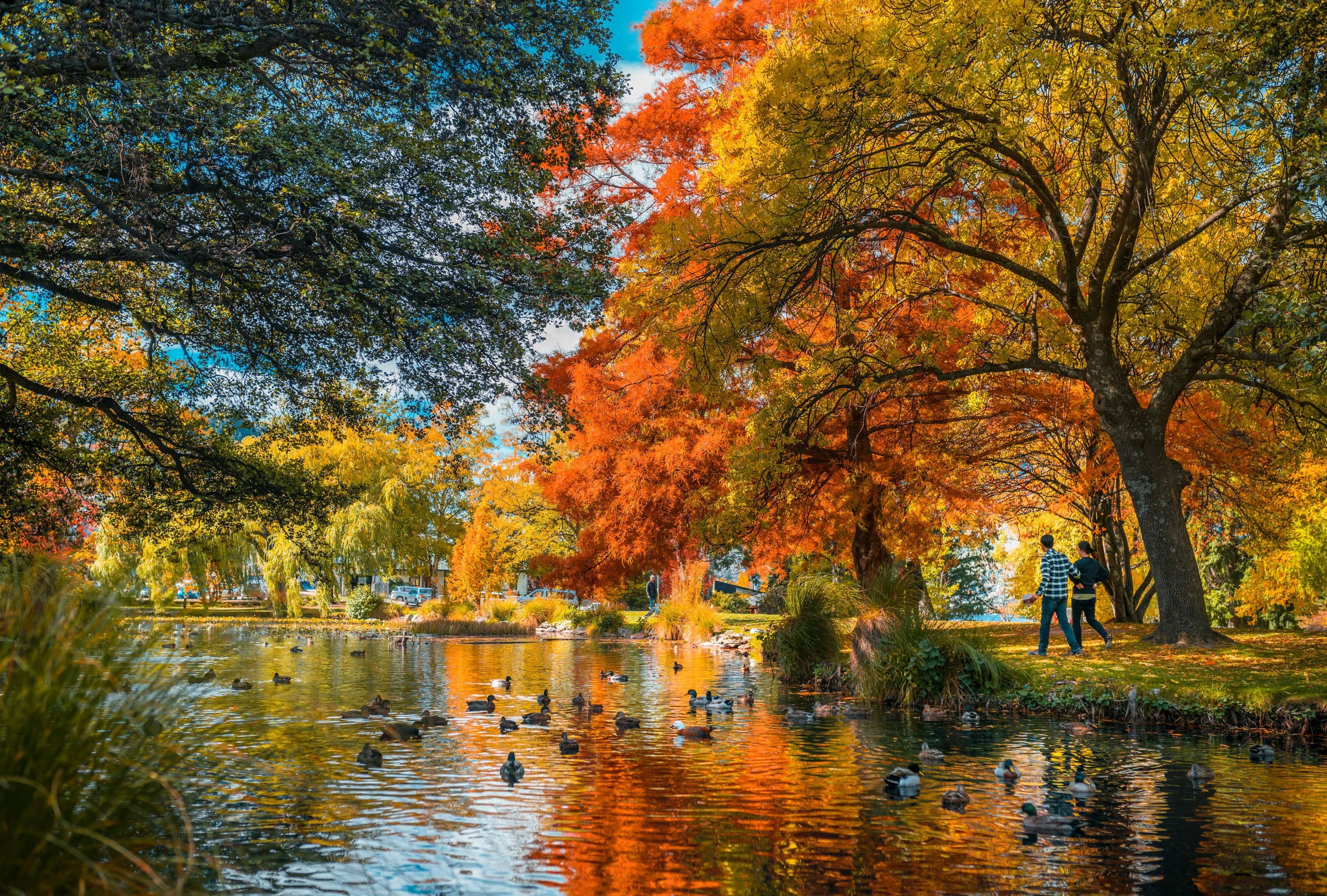
New Zealand in May has fewer people around and slightly lower prices, which is great if you prefer quieter moments. In regions like Central Otago, landscapes turn into warm autumn colours, which can be nice for taking photos.
Winter in New Zealand: June to August
Through winter, things cool down, with temperatures ranging from around 0 to 15°C depending on where you are, and daylight dropping to roughly 9 to 10 hours. The shorter days mean you’ll have to plan your activities a bit differently compared to summer.
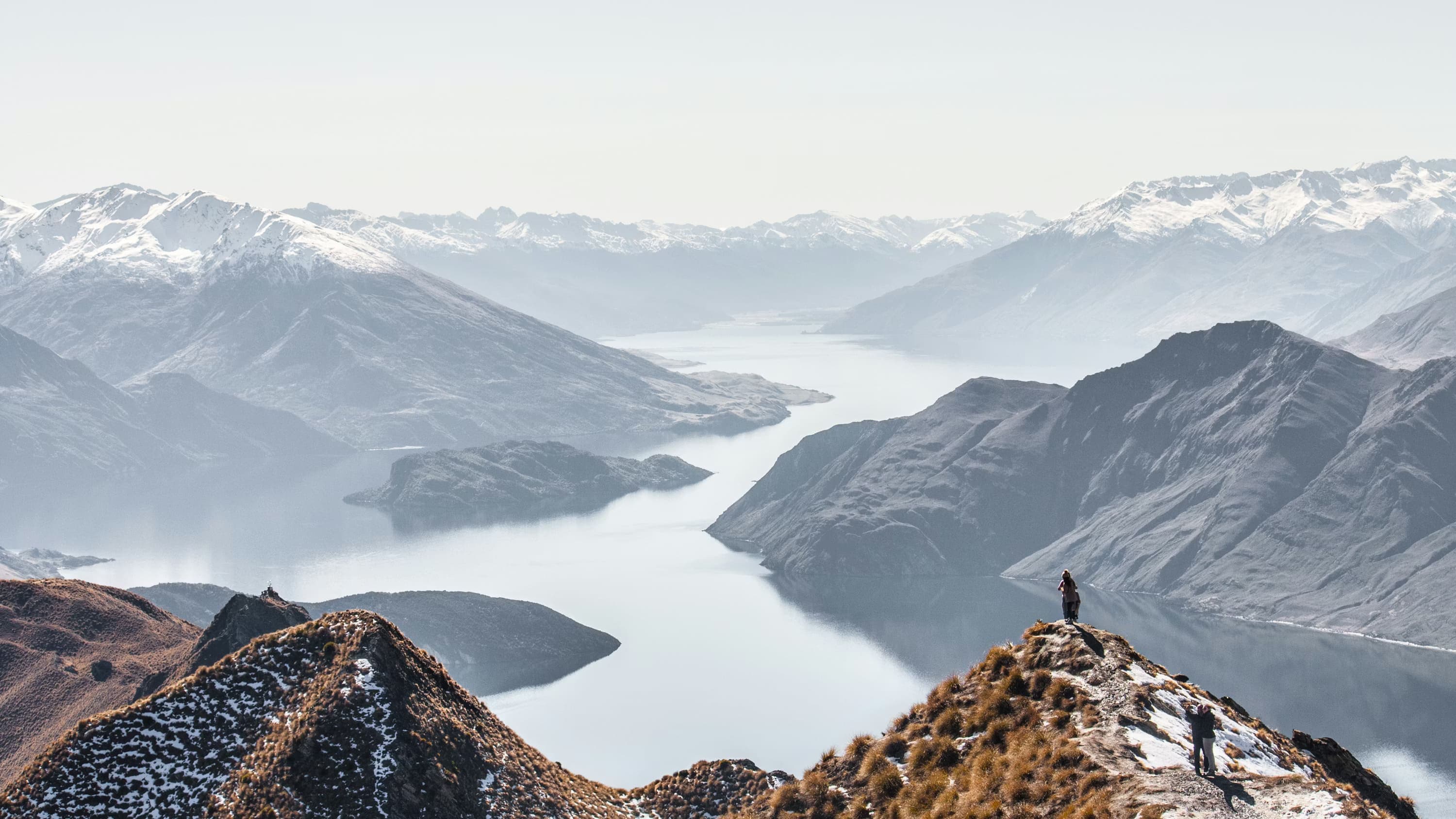
Across the South Island, snow starts covering the mountains, turning areas like Queenstown and Wanaka into ski destinations. This is the best time for snow sports, though it also changes access to certain hiking trails and remote roads.
Also, cold days make experiences like visiting hot springs in Rotorua or Lake Tekapo even more fun.
Spring in New Zealand: September to November
As winter fades, temperatures slowly rise again, usually between 10 and 20°C, with daylight increasing from around 11 up to 14 hours by November. Weather can still change quickly, so you might get a mix of rain and sunshine, though fewer people around makes it a good option just before the busier summer months begin.
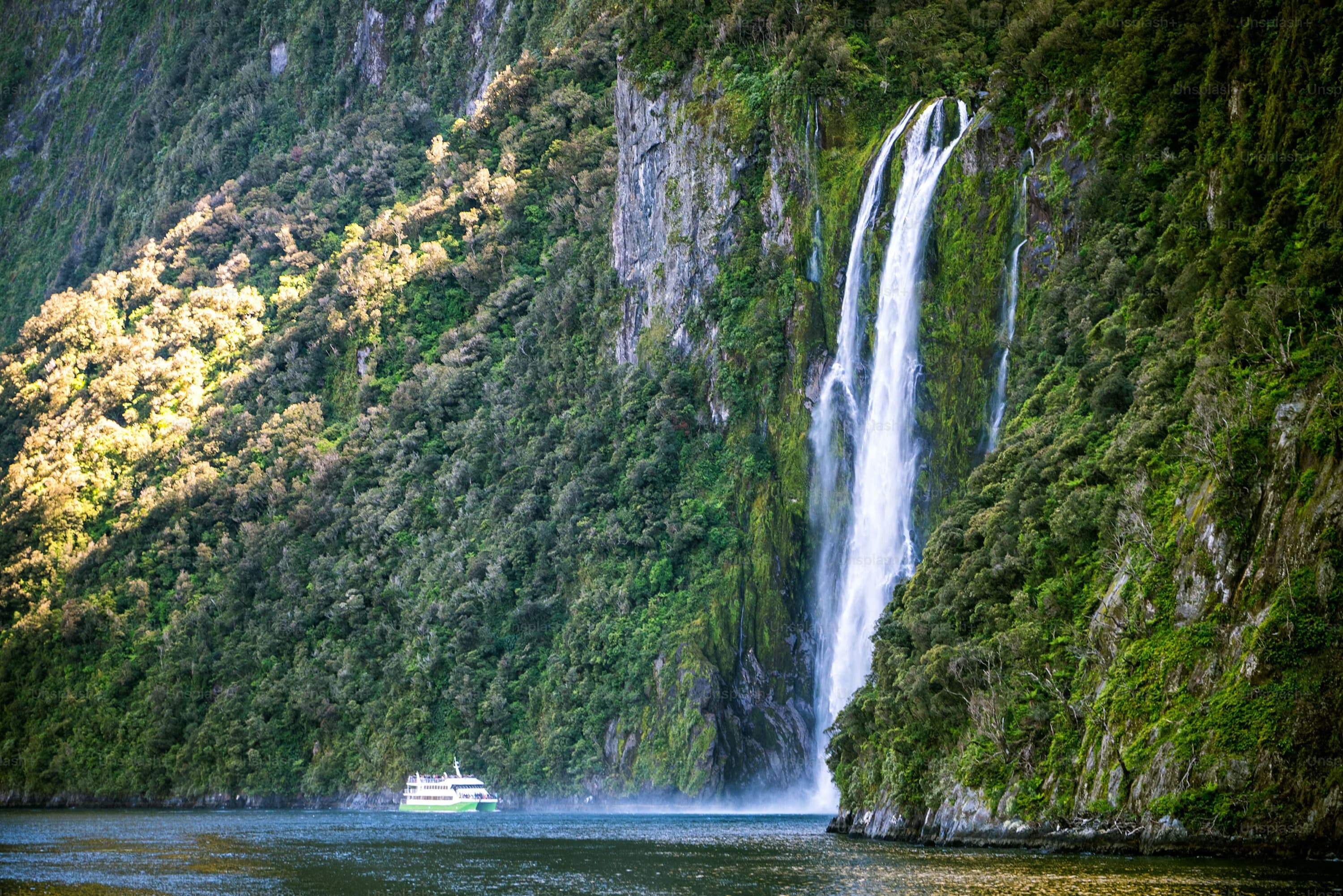
Across this season, nature comes back to life, with waterfalls at their strongest and wildflowers appearing all around you. It’s also a good time for spotting wildlife.
Best time of year to visit New Zealand for different activities
Picking the right time really depends on what you want your days to look like once you’re there. Let’s see what actually fits your trip.
Best time for outdoor activities and hiking
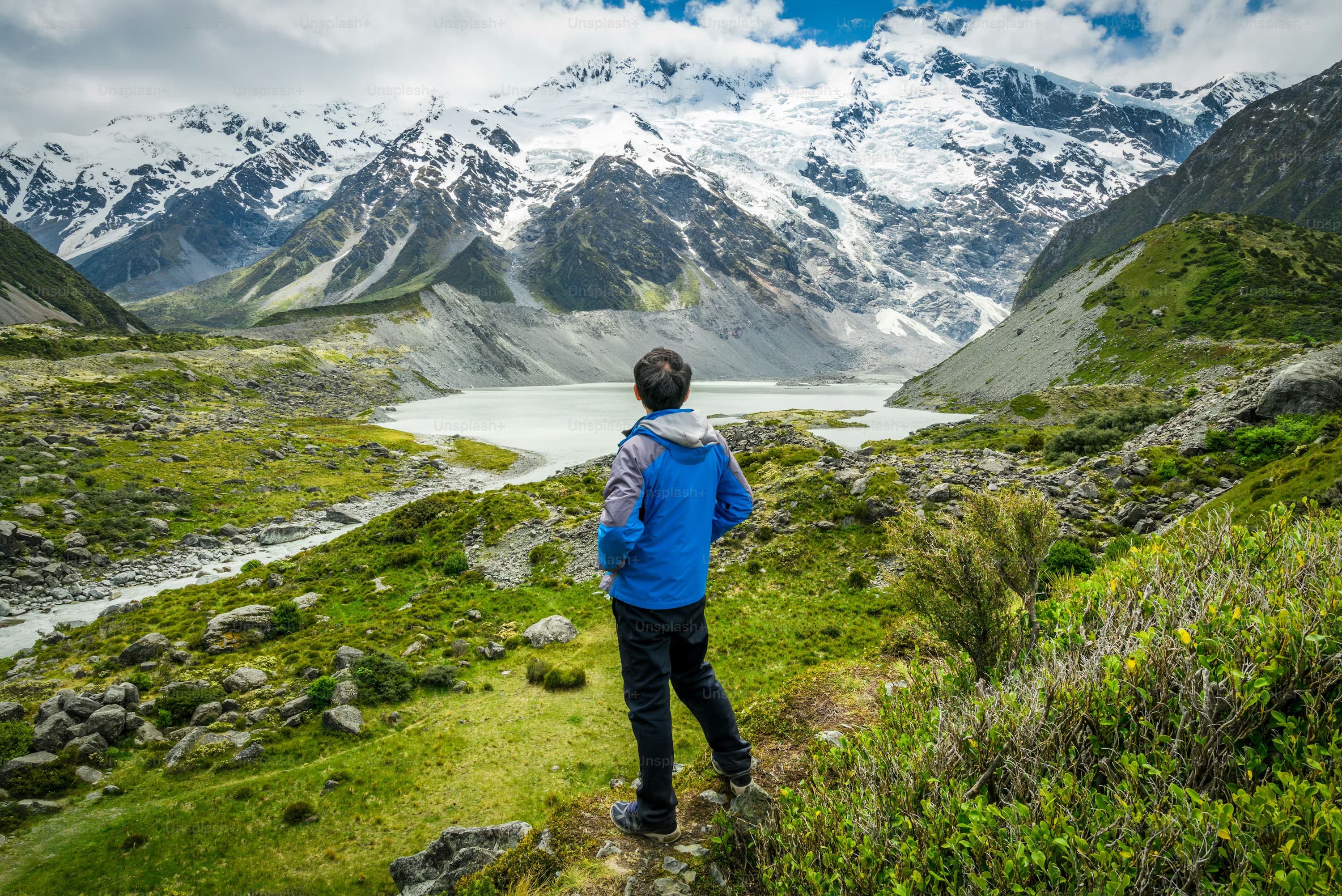
Between November and April, being outside just feels right from the moment you step out in the morning. The long days give you more time to explore trails without constantly checking the time, which makes a big difference on multi-hour hikes. Throughout this period, national park tracks fully open and are much easier to access. This is easily the best time of year to visit New Zealand if hiking is high on your list.
Best time for a road trip
From late spring into early autumn, driving through the North Island or the South Island, is much smoother, with fewer sudden weather changes during the day. Thanks to longer daylight hours, you can stop whenever something catches your attention. Read our blog about road trips in New Zealand to start mapping your ideal road trip route!
Best time for beaches and sunny days
During the summer months, everything around the coast feels more alive and easygoing. Those long sunny days give you the chance to stay out late and enjoy the coastline. This is the best moment to visit New Zealand if you want to spend time at the beach.

Best time for skiing and snow
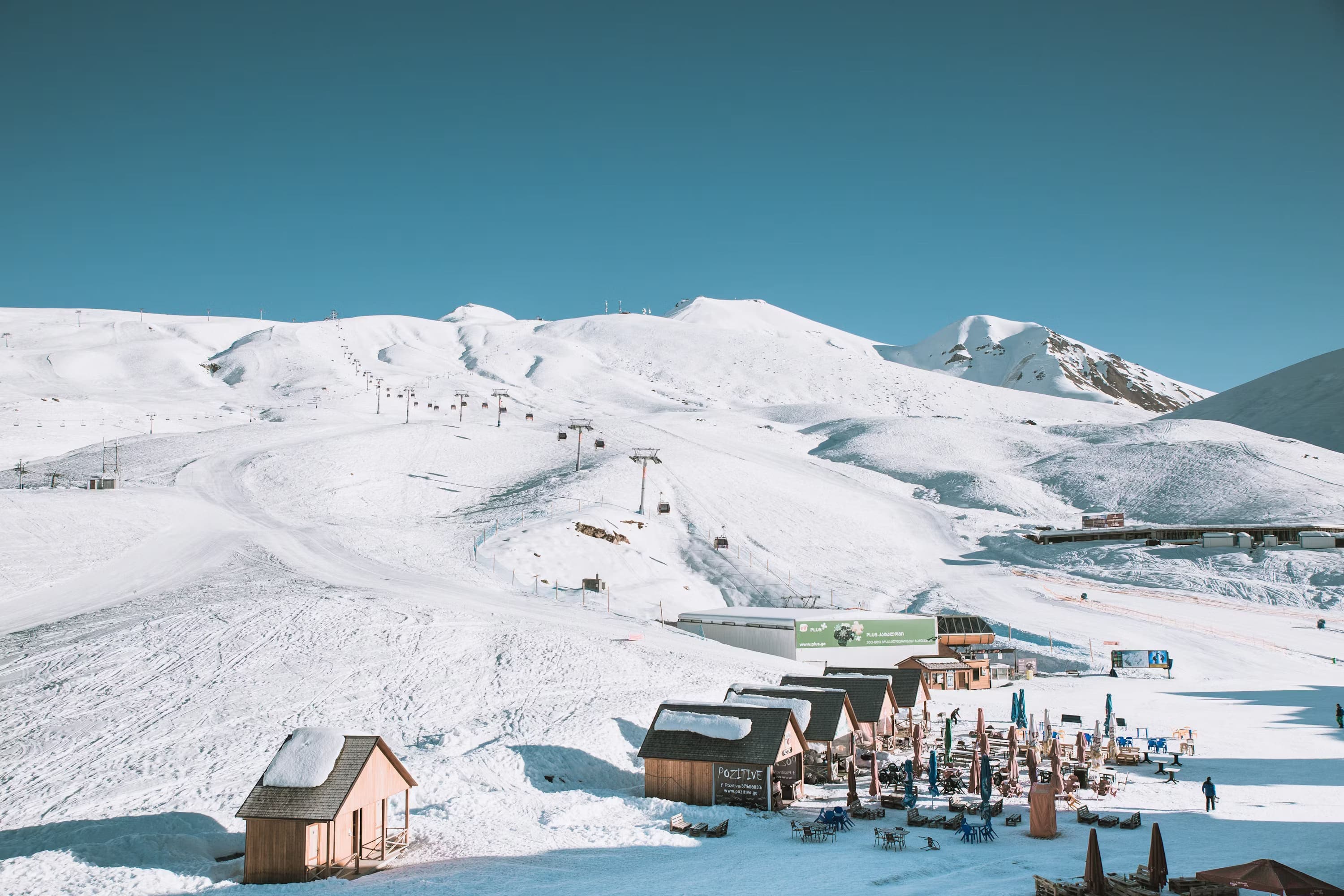
Around July and August, the whole country takes on a completely different direction as winter settles in. In mountain regions, you can now do snow activities, with ski areas running at full capacity. Places like Queenstown and Wanaka are more active.
Cheapest time to visit New Zealand
Compared to busier months, flights and accommodation come with more choice in May and September. Moving between places becomes much easier without everything filling up quickly. Budget-wise, this is a great time to plan a longer trip.
Best time to avoid crowds
Around March, April and November, your trip will be less busy. At popular spots, having more space around you makes exploring much easier. Weather still works well for most plans during these months.
Need more inspiration on where to go, what to do and tips to plan your trip? Read our full New Zealand travel guide.
North Island vs South Island: when to visit each
Before going to New Zealand, you’ll have to think about how to divide your trip between the islands. Your best time to go to New Zealand might shift slightly, because each island brings a different experience depending on the season.
Best time to visit the North Island
With warmer temperatures and a more relaxed atmosphere, the north island feels like an easy place to begin. If you like beach days, coastal drives and mixing city stops with nature, you’ll notice that December to March gives you more freedom to plan without constantly checking the weather. You can explore the coast, head inland to places like Rotorua, and spend time in the hot springs. Evenings stay light for longer, which means dinners outside or last-minute viewpoints easily fit into your plans.
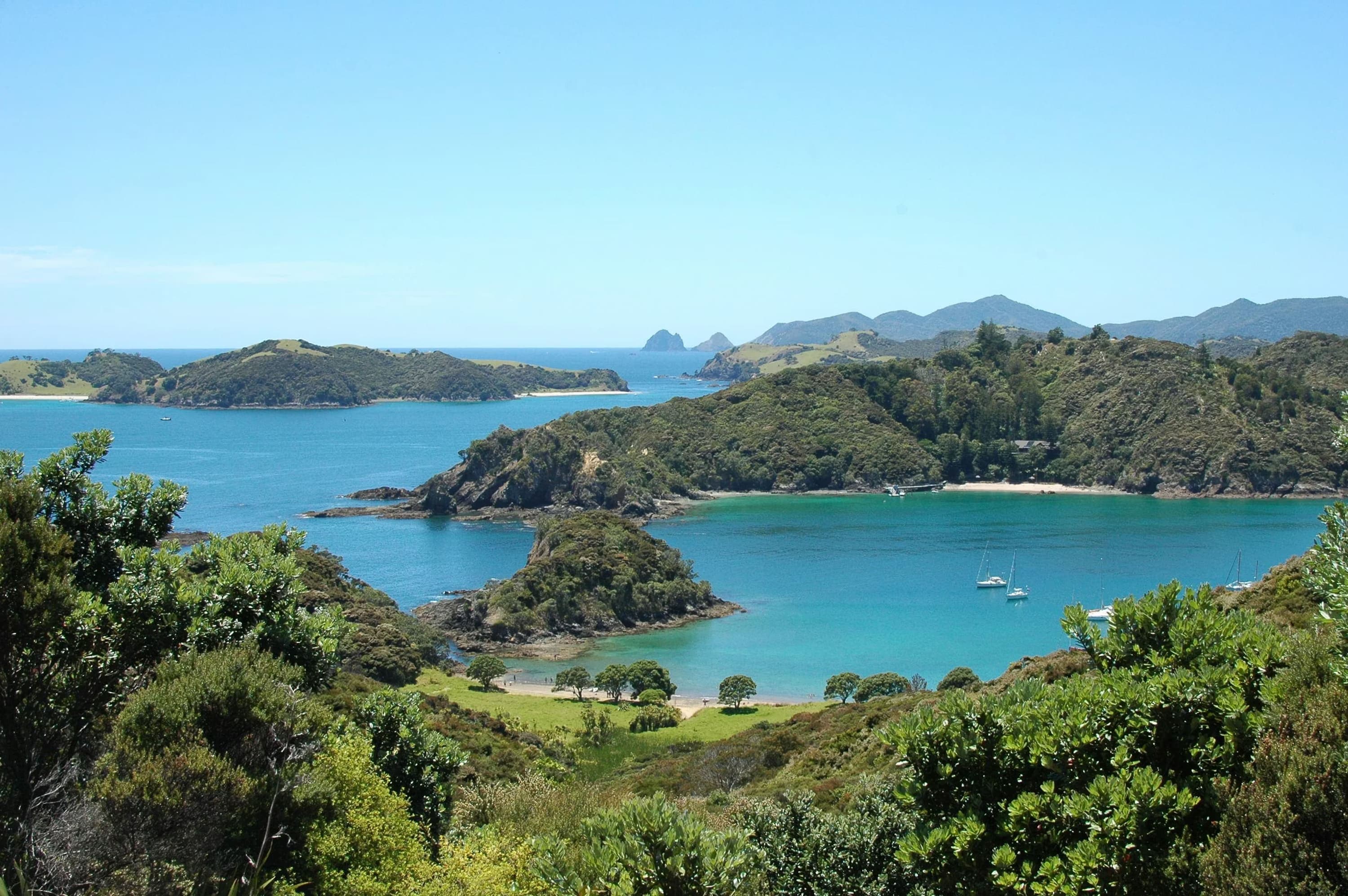
If you like slightly cooler conditions and a bit more flexibility, spring and autumn still work really well. This is a good idea if you want to explore cities like Wellington, take shorter hikes and move around without needing to plan everything far ahead.
Best time to visit the South Island
Further south, everything starts to feel bigger and more intense once you arrive. If you like mountains, long drives and spending most of your time outside, you’ll notice that summer between December and February makes exploring the south island much easier.
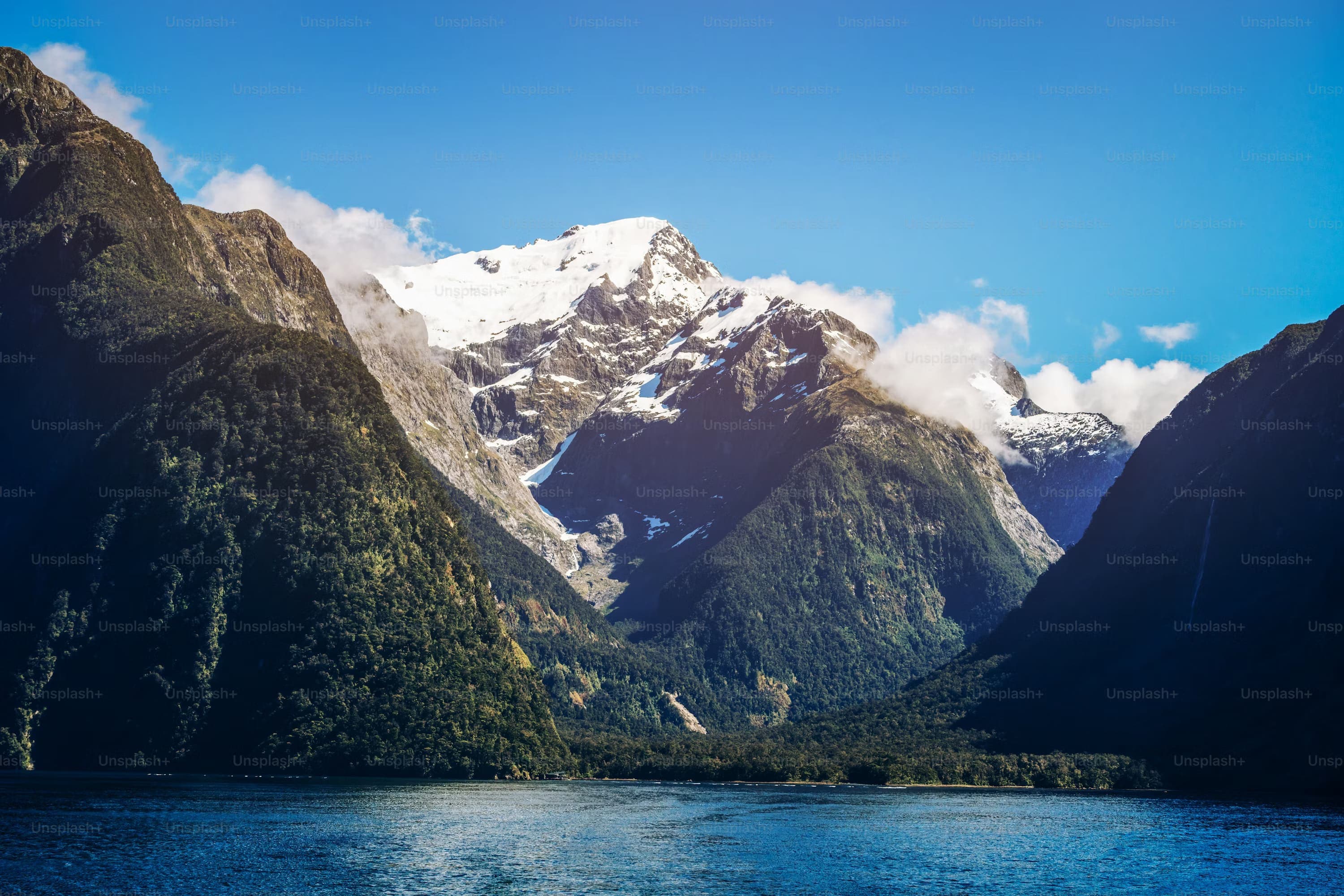
During these months, you can drive between places like Queenstown and Wanaka with enough daylight to stop whenever something catches your attention. Hiking trails are fully open as well, so this is a good idea if you want to focus on outdoor activities and really spend time outside.
If you’re more into snow and colder conditions, the atmosphere changes completely once winter arrives. You’ll notice ski towns coming to life, and this way you get a completely different side of New Zealand compared to summer.
Guided tip: Plan extra travel time here if you can, because once you’re on the road, you’ll want to stop often.
Best month to visit New Zealand for you
Finding out the best month to visit New Zealand really comes down to your own travel style and what kind of days you want to have. Across the year, different months suit different plans, so this is where you match your idea of a trip with the right moment.
Warm weather and long beach days: go for January or February, when sunny days are most reliable
Fewer people around and still good weather: March or November work really well
Lower prices and quieter travel: May or September are a great time to go
Snow, skiing or alpine views: July and August are your best bet
When you’re not sure, March usually gives you the smoothest overall experience without going too far into peak travel periods. When planning your trip to New Zealand, start with what matters most to you, then build your timing around that.
Enjoyed This Blog? Continue Reading!
There is more travel inspiration waiting for you on our blog. You can take a look below and start mapping out your next travel adventure!