


Fifty countries can currently enter mainland China without a visa. Only one of them, Brunei, has no expiry date on that privilege at all. Russia has its own separate deadline, already settled through 2027. The other 48 are guaranteed entry only through 31 December 2026, and as of today, nobody outside the Chinese government has said what happens next.
What this guide covers
We think the two China visa-free schemes get mixed up more than almost anything else in Chinese trip planning, so here's the plain version first:
- The 30-day visa-free entry list, who's on it, and when it currently runs out
- The separate 10-day visa-free transit that's actually the one covering US travelers
- Why Russia already has an answer the other 48 countries don't
- What's genuinely still undecided, and what we'd do about it if we were booking now
1. Two different policies, not one
Why do so many articles about this get the details muddled? Because China runs two visa-free schemes at once, with different country lists, different lengths of stay and different conditions attached, and most coverage treats them as one thing.
The first is unilateral 30-day visa-free entry, open to passport holders from roughly 50 countries with no transit requirement at all. Fly in, stay up to 30 days, fly home from the same city. The second is a 240-hour visa-free transit, open to a mostly different list of 57 countries, that only works if you're passing through on your way somewhere else.
The distinction matters most if you're American. The US isn't on the 30-day list at all. It's only on the 240-hour one, and that one comes with a catch the 30-day list doesn't have. You have to be headed somewhere else afterward, not just coming and going from the US.
2. The 30-day list, and when it runs out
Forty-eight countries now sit on China's 30-day unilateral visa-free list, built up in ten waves since France, Germany, Italy, the Netherlands and Spain joined on 1 December 2023.
The rollout since then: Switzerland, Ireland, Austria and seven more European countries in March 2024; New Zealand, Australia and Poland that July; a run of Southern and Eastern European countries plus Norway, Iceland and South Korea through late 2024; Brazil, Argentina, Chile, Peru and Uruguay in June 2025, with Saudi Arabia, Oman, Kuwait and Bahrain added days later; Sweden in November 2025; and the UK and Canada most recently, confirmed by China's official visa application service as running “effective until December 31, 2026.”
That date is the one to remember. Brunei, the first country added back in July 2023, has never had an expiry date attached to its visa-free status. The other 48 all run out at midnight Beijing time on 31 December 2026, together, because each extension so far has pushed the whole list's end date forward by a year rather than setting individual dates per country. We'd treat that date as a real deadline, not a formality.

3. If you're American, this is the policy that matters
Are you traveling on a US passport? Then almost everything above doesn't apply to you.
The policy that does is a separate 240-hour visa-free transit, open to 57 countries including the US, Canada, the UK, Australia, New Zealand and Russia. Canada and the UK now qualify for both schemes and can pick whichever suits a trip. The US only qualifies for this one.
Two hundred forty hours works out to 10 days, counted as up to 11 calendar days including the day you arrive, with the clock starting at midnight the day after. The hard condition is that you need to be traveling onward to a third country or region, not just back to the US. Hong Kong, Macau and Taiwan all count. A trip from the US into mainland China and straight back to the US does not qualify, no matter how it's booked.
Guided tip: Book the onward leg before you book anything else. The transit visa depends on having a confirmed ticket out to a third country or region in hand, not a vague plan to sort one out once you've arrived.
You can enter and exit through different ports, and there are 65 of them spread across 24 provinces and municipalities, including Beijing's two airports, Shanghai Pudong and Hongqiao, Guangzhou, Shenzhen, Chengdu and several rail links plus the Hong Kong-Zhuhai-Macau Bridge, per China's National Immigration Administration. One real restriction worth knowing: Xinjiang, Tibet, Qinghai, Gansu, Ningxia, Inner Mongolia and Jilin are excluded from the transit policy's permitted areas, so a 10-day trip built around Beijing, Xi'an and Shanghai works, while one that tries to add Lhasa does not.
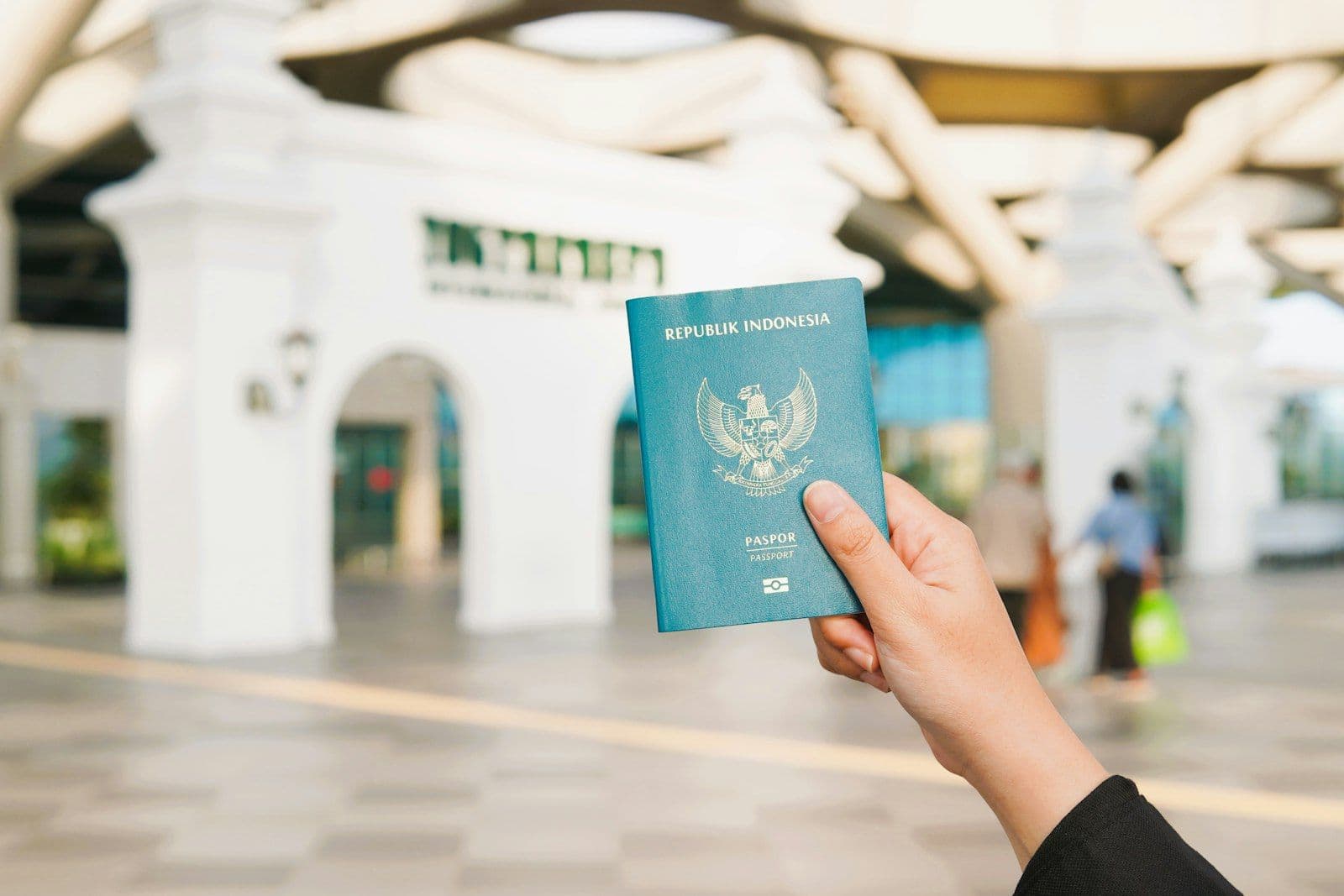
4. Russia already knows what 2027 looks like
Russia already has its answer, and that's a good sign for everyone else still waiting. Russia isn't part of either policy above. It runs on its own separate track, already extended through 31 December 2027, in a notice reported as issued back in May 2026.
That extension shows the mechanism China uses actually works. We'd bet on a flat push of the end date by a year or more for the other 48 countries, not a redesign of who qualifies or how.

5. What's still genuinely undecided
So will the 48-country group get the same treatment Russia already has? Nobody's said, not yet.
The pattern so far points toward an answer landing in November. The last two annual extensions were both announced by a Chinese Foreign Ministry spokesperson at a regular press briefing, reported by Xinhua and republished on provincial government sites, once on 22 November 2024 and once on 3 November 2025. Both times, the announcement arrived with roughly a month's notice before the new date took effect. As of today, nothing new has surfaced since the last cycle. No announcement has landed yet for the 48 countries whose current access runs out in about nine weeks.
We wouldn't read anything into the silence yet. China has made this exact call, on this exact pattern, two years running, and there's no sign the mechanism itself has changed. The honest answer right now is simply that nothing is confirmed. Europe's own ETIAS system has been pushed from one target launch date to the next for years, so a quiet month or two of no decision here isn't unusual.
6. Booking now, before the decision lands
A flight booked today for travel in March 2027 doesn't know what rules will apply by departure. As of this writing, nobody fully does either.
If your trip falls into the 48-country group, book as you normally would and build in the flexibility you'd want anyway: refundable fares where they're not much pricier, and travel insurance that covers a visa-rule change rather than just lost luggage. If an extension doesn't land, the fallback is a standard tourist visa application, not a cancelled trip. If you're American and traveling on the 240-hour transit instead, none of this uncertainty applies to you. That policy has no end date attached and nothing suggests it's under review.
We'd still book it. The worst realistic case for the 48-country group is a return to needing a standard visa, not a closed border, and that's a solvable problem with enough lead time.
In a nutshell
- 50 countries currently get into mainland China visa-free for up to 30 days. 48 of them only through 31 December 2026.
- Brunei has no expiry date. Russia is on its own track, already extended through 31 December 2027.
- The US isn't on the 30-day list. It's on a separate 240-hour (10-day) visa-free transit list of 57 countries instead.
- The 240-hour transit requires travel onward to a third country or region. Hong Kong, Macau and Taiwan count. A round trip back to where you started doesn't.
- No extension decision for the 48-country group has been announced yet. The last two were both announced in November, with about a month's notice.
- If you're booking a 2027 China trip now, book it. Nothing points toward this closing a door, just redrawing a date.
Planning the trip
China's visa-free entry has only gotten more generous since 2023, not less, three years running. That's the direction worth paying attention to, more than any single date.
If this is the piece that convinced you a 2027 China trip could work, the next question is usually what else needs sorting before you land. For South Korea, that's our guide to K-ETA. For Thailand, it's worth reading up on Thailand's own visa-free rules. Build the rest of the itinerary in the Guided travel planning app, and check back here before you book anything irreversible. We will too.


