


On 16 October 2026 the ESTA went up by 35 cents. The US travel authorization now costs $40.62 instead of $40.27. The increase comes from an inflation adjustment written into the fee, so it happens every year.
Nobody's trip is ruined by 35 cents. We start there because most of 2027's travel trends look like this up close. They're smaller and more specific than the headlines make them sound. This follows up last year's trends post, and this time every trend gets a verdict. None of the six below is pure hype, which surprised us a little. Most of the hype is in how they've been packaged.
Analog travel is the kind of phone-free trip that's lasting
Phone-free travel has turned up in trend pieces for years, and for most of that time we'd have called it hype. We wouldn't now. Skyscanner's 2027 report found that 1 in 4 Gen Z travellers plan to disconnect next year. Coverage of the report points to Kittilä and Rovaniemi in Finland as places where demand for digital detox trips is rising.
The bigger change is in what hotels are building. A digital detox takes your phone away. The newer offer, which some in the industry call analog travel, gives you something to hold in its place. Hotel Ranga in Iceland has an “analog menu” of playing cards, disposable cameras, folklore colouring books and paper maps. Lakehouse Resort in San Diego runs an Unplugged Sail Club stocked with binoculars, bird guides, board games, Polaroid cameras and a guitar instead of a speaker. In Sardinia, Logout Livenow sells what it calls “zero technology” holidays. At the far end of the scale, Chenot Palace Weggis in Switzerland combines the idea with medical longevity and biohacking treatments.

Book-inspired trips are the strongest trend on this list
Fifty-five percent of travellers have booked, or would consider booking, a trip inspired by a book, according to Skyscanner's 2026 report. Vrbo has a name for the group version, “readaways,” and 91% of the people in its survey said they were interested in a trip built around reading and relaxing.

The reason behind it is a less cheerful number. The share of people who read for pleasure has dropped 40% since 2003. We think that's what really drives this trend. A trip gives you permission to do the thing you keep meaning to get back to.
The trips are specific, and that's why we rate this one so highly. EF Ultimate Break runs a 12-day Croatia trip for fans of Emily Henry's People We Meet On Vacation, covering Dubrovnik and Split with an island cruise. Novel Travels builds New York tours around Fiona Davis's novels, with groups capped at 14 readers, and has a 2027 Egypt trip that comes with a pre-departure reading list built around Death on the Nile. Older pairings still draw people too. The Sun Also Rises sends readers to Pamplona, and this year Jane Austen's 250th birthday and Winnie-the-Pooh's centenary drew literary pilgrims to England.
Is January still when everyone books?
Less than it used to be. The full answer is messier than “January is dead,” though, and worth a caveat up front: most of the hard numbers below come from UK travel-trade sources, so this is a British booking pattern more than a confirmed global one.
Adido Digital's search data shows travel searches during the January “peaks” period fell 1.2% year on year in 2026, after a 6.8% drop in 2025. That makes two years in a row. Searches from January to March 2026 were down 13%, which Adido says is the largest quarterly drop it has recorded in recent years. Adido says plainly that these are searches, not bookings.
Booking windows are clearly getting shorter. Hays Travel's owner said the summer window has gone from “well over seven months” to “around sixteen weeks.” In ABTA research, 30% of people planning a summer trip expected to book two to four weeks ahead, and another 10% planned to book less than two weeks before leaving. At The Travel Network Group, 52% of bookings were for travel within the following nine weeks. Then there's the messy part. Hays Travel also had its busiest trading day ever, and Not Just Travel reported its biggest peaks ever. Meanwhile an AITO survey found 32% of operators said January was worse than the year before. Our read is that booking is spreading out across the year, and January is no longer the one moment that decides the summer.
Guided tip: Don't take a quiet January as a sign that prices will drop later. Fewer searches doesn't mean fewer bookings, and some operators had record Januaries anyway.
“Reduced choice” is real, but it's mostly a US airline and hotel story
We'd rename this one. “Reduced choice” makes it sound as if there are fewer places to go or fewer ways to travel. The evidence doesn't say that. It says something narrower, and it's mostly about the US.
In an interview with Business Travel News, Altour's Boult described the major US airlines shrinking from ten or so to about four. Southwest has stopped being a low-cost carrier. The remaining airlines have divided the country between them by region, so a genuinely competitive market (Chicago, and to a degree New York) is now rare. Hotels are going the same way. Marriott and Hilton operate 65 brands between them, and loyalty programmes increasingly decide who sees the best rate. Boult was blunt with business travel buyers. They “are not going to be able to get the savings you used to get from suppliers,” he said, because there are fewer suppliers. He called higher travel costs “almost a permanent phenomenon now.”
So the trend is real. It shows up in the fare, and in whether you're signed into the right loyalty programme, even if you never noticed the merger. But it's a story about fewer companies, mostly American ones, told mostly from the business travel side. None of it means fewer places to go.
Coolcations are real, even though the numbers come from one company
According to Trip.com Group, Iceland's average summer temperature is 11°C, and that's now a selling point. The company says global flight-booking searches for Iceland were up 85% year on year for summer. Its broader numbers are bigger. Searches for cooler destinations are up 74% year on year since the start of 2026, and searches for June to August 2025 were up 237% on the same months in 2024. In Europe it names Iceland, Norway, Slovenia, Switzerland and Wales. In Asia it names Inner Mongolia and Sapporo, plus Yunnan (Kunming, Lijiang, Shangri-La).

All of those figures come from Trip.com's own press release, so we'd read the exact percentages as one company's view of its own search traffic. We'd bet on the direction, though. Summers keep getting hotter, and plenty of people would rather spend July somewhere that averages 11°C.
What does it cost just to arrive?
A bit more every year, in amounts small enough that it's easy to stop noticing. Our view is that entry fees are no longer news. They're a regular part of the budget, like the airport transfer. The ESTA increase at the top of this post is one example. Egypt has confirmed a $15 surcharge on entry and transit visas from 1 January 2027, published in its Official Gazette in late August. Thailand has proposed a flat 450-baht entry fee for 2027, but at the time of writing it is still a proposal.
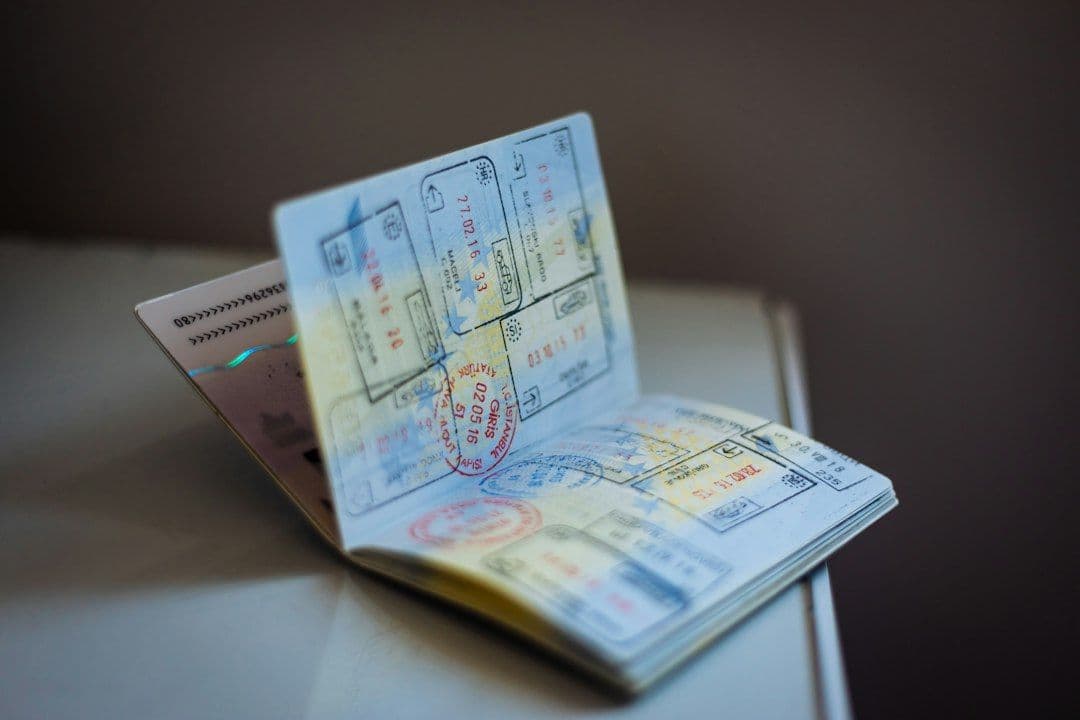
Then there's ETIAS, the EU's own travel authorization, which still has no official launch date. The EU dropped its earlier “last quarter of 2026” wording months ago, and eu-LISA has said a 2026 launch is no longer feasible. A lot of coverage points to 2027. Nobody official has confirmed that, so we won't either.
Guided tip: Before you budget for an entry fee, check whether it's confirmed or only proposed. Egypt's surcharge is in the Official Gazette. Thailand's 450 baht isn't final yet.
Put the six side by side and 2027 looks like a year of later, more deliberate trips. People are booking closer to departure and paying more at the border before they land. What they book is also more specific, whether that's a cooler summer or a week built around a novel. That kind of trip rewards someone who keeps checking entry fees, exchange rates and seat availability right up until the week they leave, not someone who booked everything back in January and stopped looking.
Guided's trip planner app keeps track of entry fees, exchange rates and flight availability in one place, so none of it catches you out in the final week before you go.


