

Norway
Norway trip guide: everything you need to know before you travel
A road trip through Norway can take you from a colourful city to a huge fjord, mountain pass or tiny fishing village within the same day. Head north in summer and the sun barely disappears below the horizon, then return in winter, and you might see the northern lights instead. Along the west coast, fjords carve so deep and so often that Norway’s coastline would circle the equator more than twice if you laid it out straight. You’ll come across fishing villages perched on wooden stilts, mountain plateaus built for hiking, and cities small enough to explore on foot in an afternoon. So grab a coffee, get comfortable, and let’s get into everything worth knowing before you go. This Norway guide covers it all!
Where to go: the best places to visit in Norway
If you’re visiting Norway for the first time, picking fewer places and actually spending time there is a good idea. Each region has its own personality and its own pace, so if you’re travelling solo, choosing two or three spots you genuinely want to slow down in gives you room to meet people and settle into the trip.
Oslo
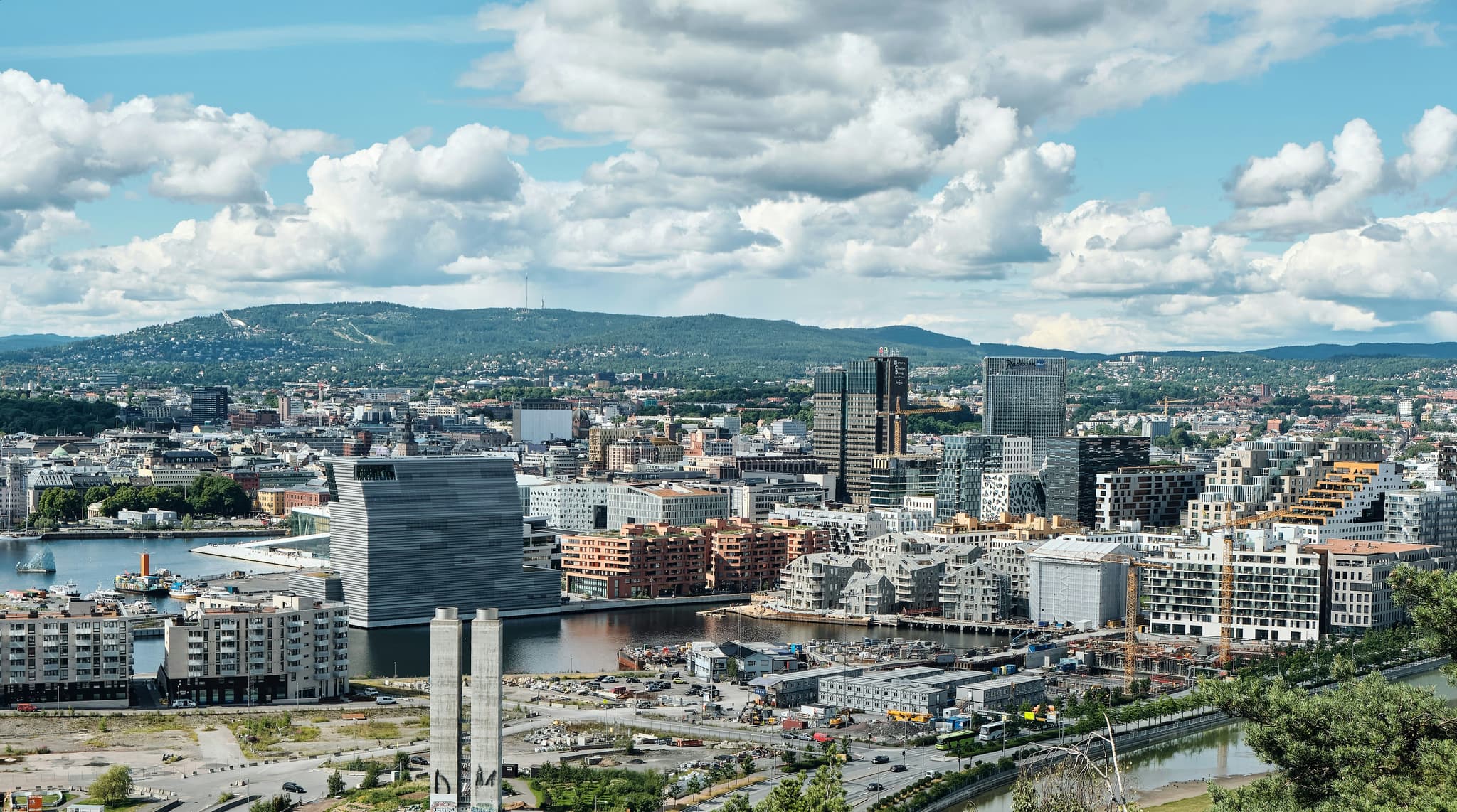
If you’re flying into Norway, chances are Oslo becomes your first stop, and it’s an easy city to find your bearings in on day one. Vigeland Park alone is worth a couple of hours, with over 200 sculptures scattered across open lawns, free to explore any time of day. For a rainy afternoon, the Munch Museum holds several versions of The Scream, right on the waterfront near the Opera House. You can also hop on a ten minute ferry from the harbour out to islands like Hovedøya, which makes a good half day if you’re travelling solo and fancy a swim away from the centre. Most of the main sights cluster close together, so you probably won’t need public transport for your first day or two.
Bergen
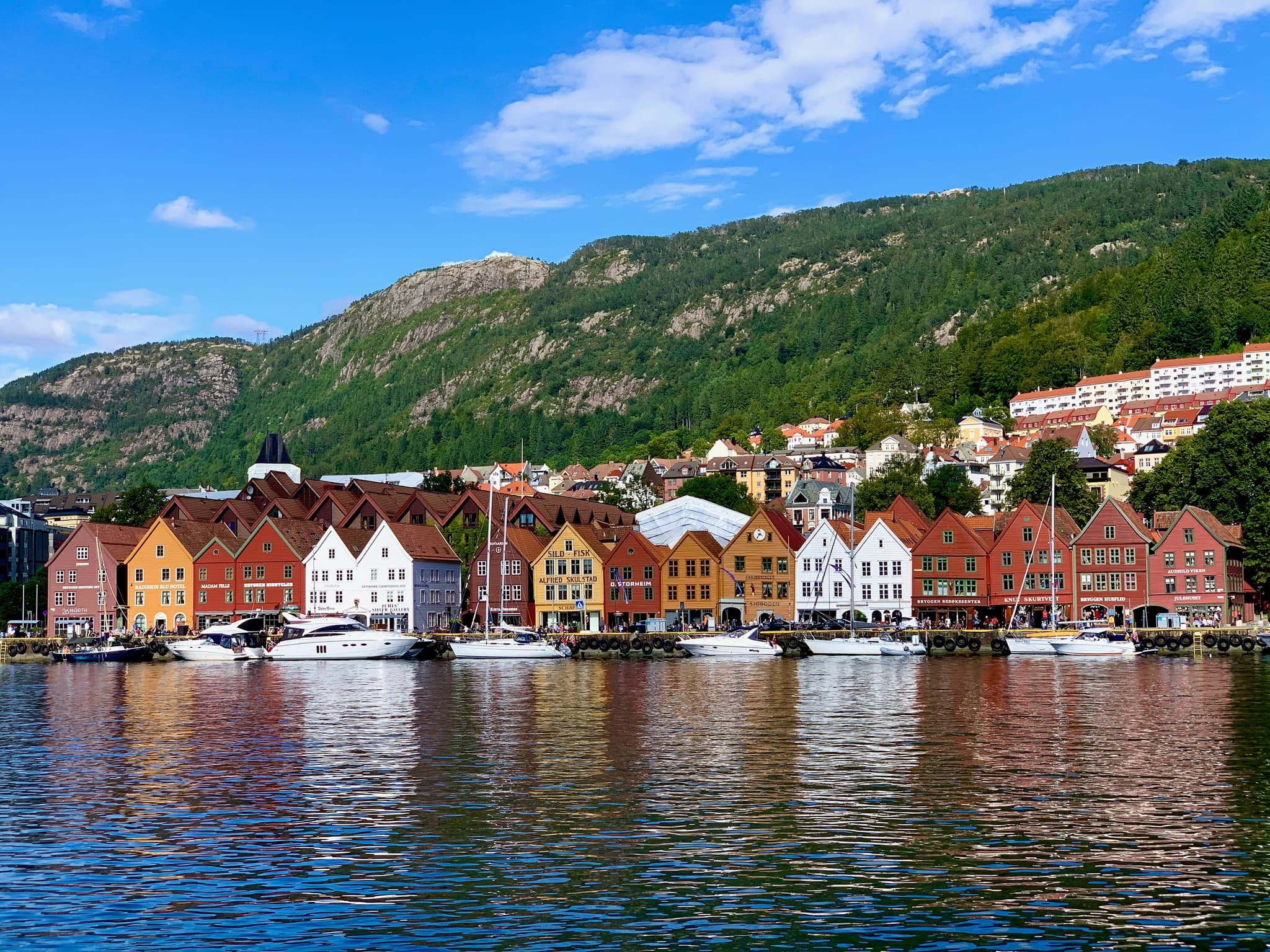
Whatever the weather, Bergen is usually everyone’s favourite Norwegian city, and the colourful houses lining Bryggen wharf are a big part of that. A short, steep walk, or a funicular ride, up Mount Fløyen gets you views over the whole city and the surrounding fjords, and it’s a great spot to bring a packed lunch if you’re on your own and want an easy hiking day. From Bergen, day trips out to Hardangerfjord or a short cruise into Nærøyfjord are both doable without a car, since tour boats leave right from the harbour.
Geirangerfjord and Nærøyfjord
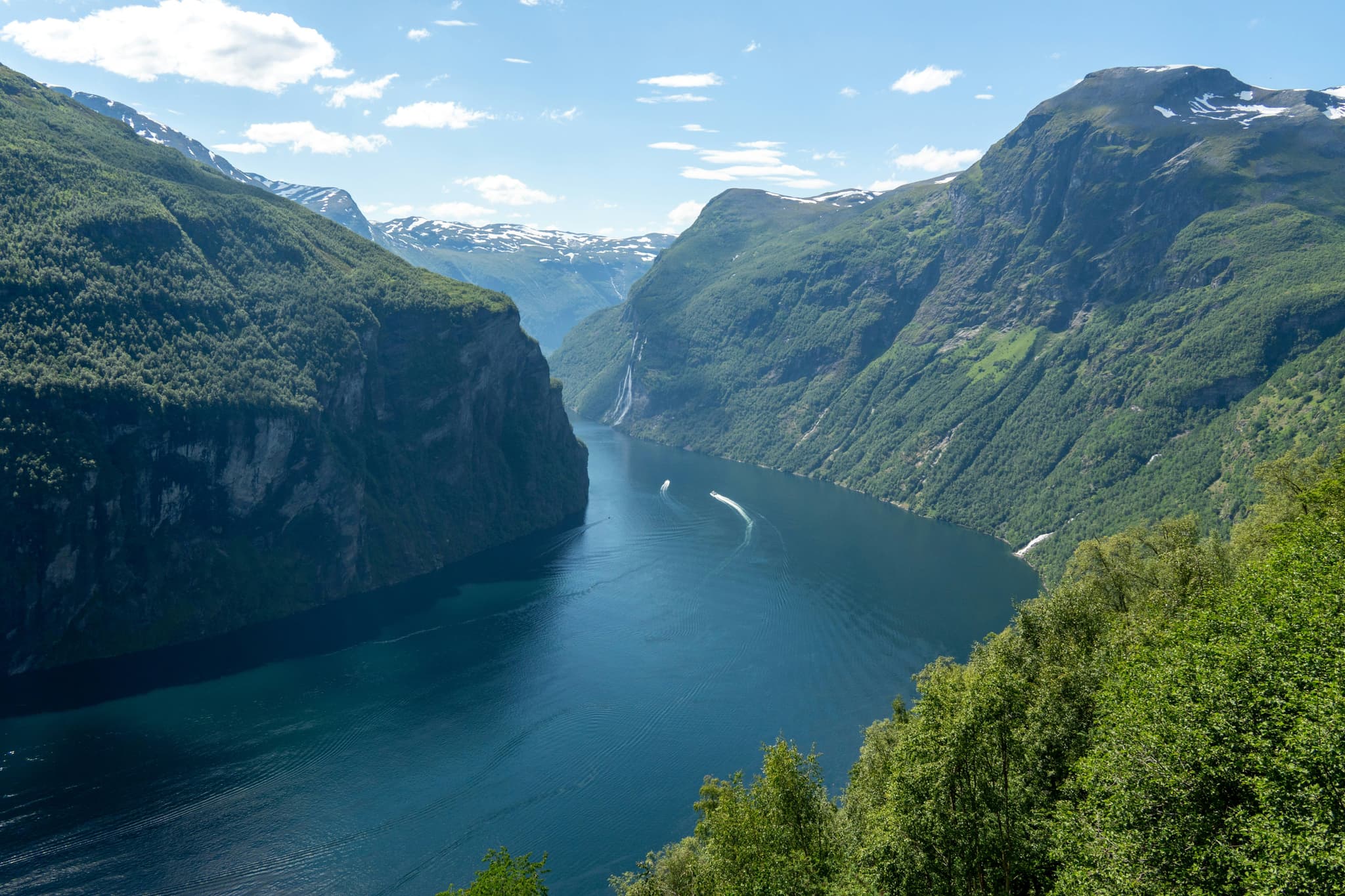
Geirangerfjord earns its reputation the moment you spot the Seven Sisters waterfall tumbling straight down the cliff face, with the Suitor waterfall pouring in from the opposite wall at almost the same spot. UNESCO listed status protects both this fjord and its narrower neighbour, Nærøyfjord, which closes in tighter around your boat and comes across as even more intimate if width isn’t what you’re after. Ferries and small boat tours leave daily from Flåm, and a return trip usually takes around two hours, plenty of time to get every photo you want. Book your crossing a day ahead in July and August, the busiest departures do sell out. For the full conservation background behind the listing, UNESCO’s West Norwegian Fjords page is worth a read before you go.
The Lofoten Islands
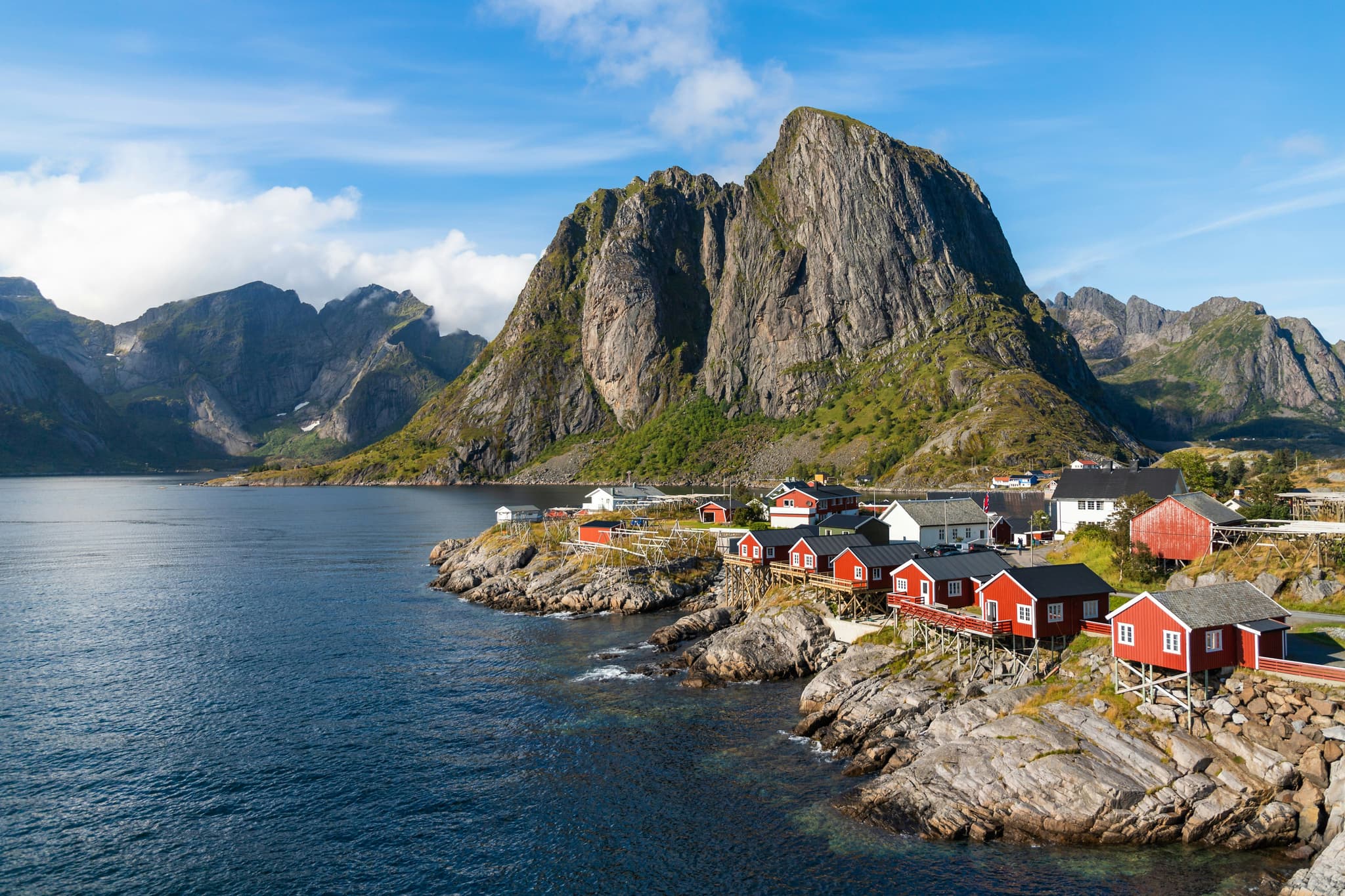
Up in Lofoten, red fishing cabins lean out over the water and jagged peaks shoot straight up from the sea, with a kind of light that photos never quite manage to capture. For a base, Reine or Hamnøy work best, both small enough to explore on foot and photogenic enough that you’ll want your camera out constantly. If you’re travelling solo, renting a bike in Reine is one of the easiest ways to reach nearby viewpoints like Reinebringen without needing a car or a tour group. To get there, most people fly into Bodø or Harstad/Narvik first, then catch a short connecting flight or the Hurtigruten coastal ferry onward.
Tromsø
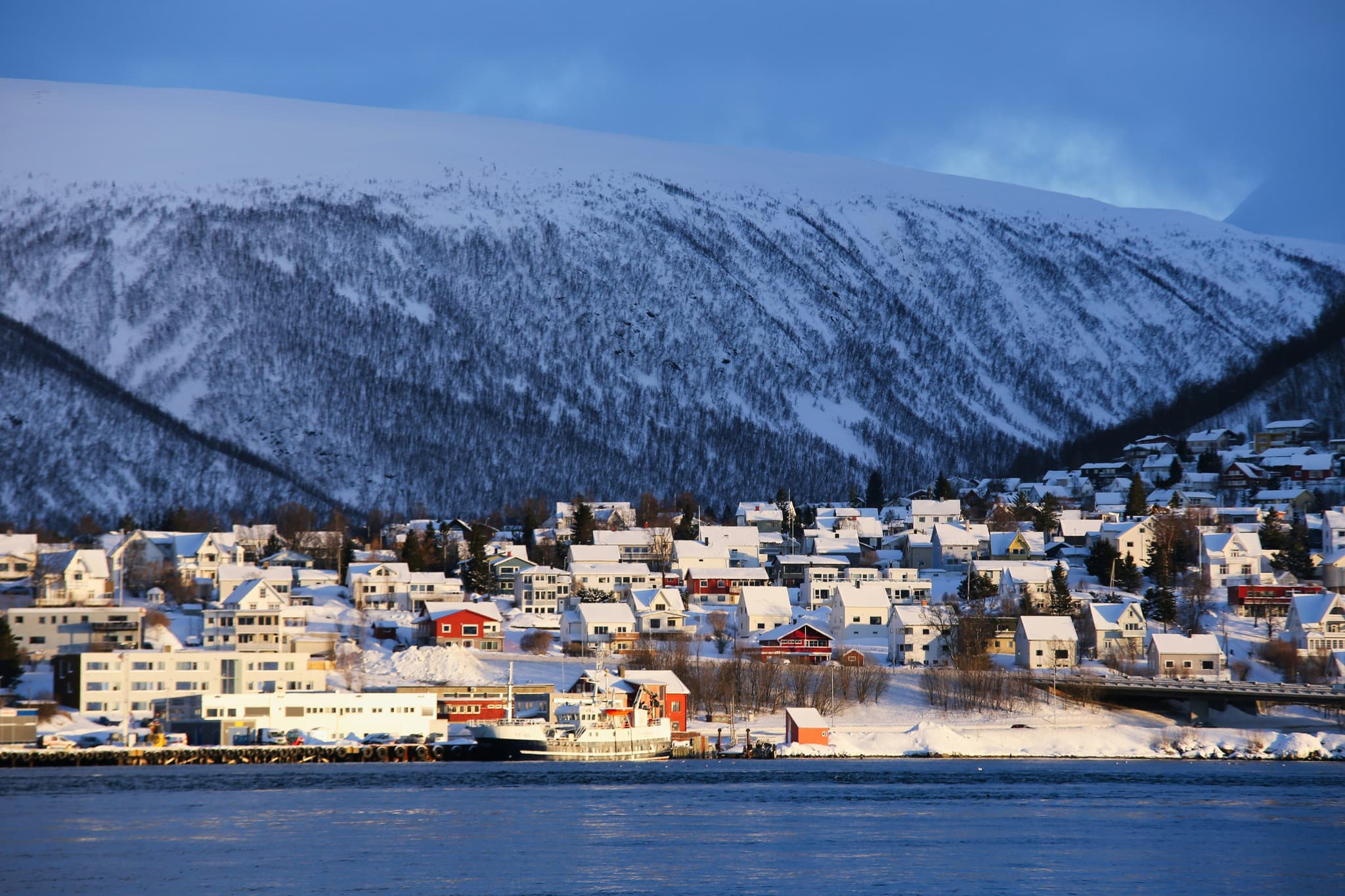
Above the Arctic Circle, Tromsø works as the easiest base for chasing the northern lights without committing to a multi week Arctic itinerary. During winter, tour companies here run northern lights chases most nights, driving you away from the city lights until the sky cooperates, and most offer a free rebooking if clouds roll in. By day, the Polar Museum and a cable car ride up Fjellheisen (Storsteinen mountain) both fill in the hours before the lights come out. For anyone travelling on their own, Tromsø tends to work out particularly well, hostels here often run communal dinners, and organised light chases don’t need a group booking to join.
Ålesund
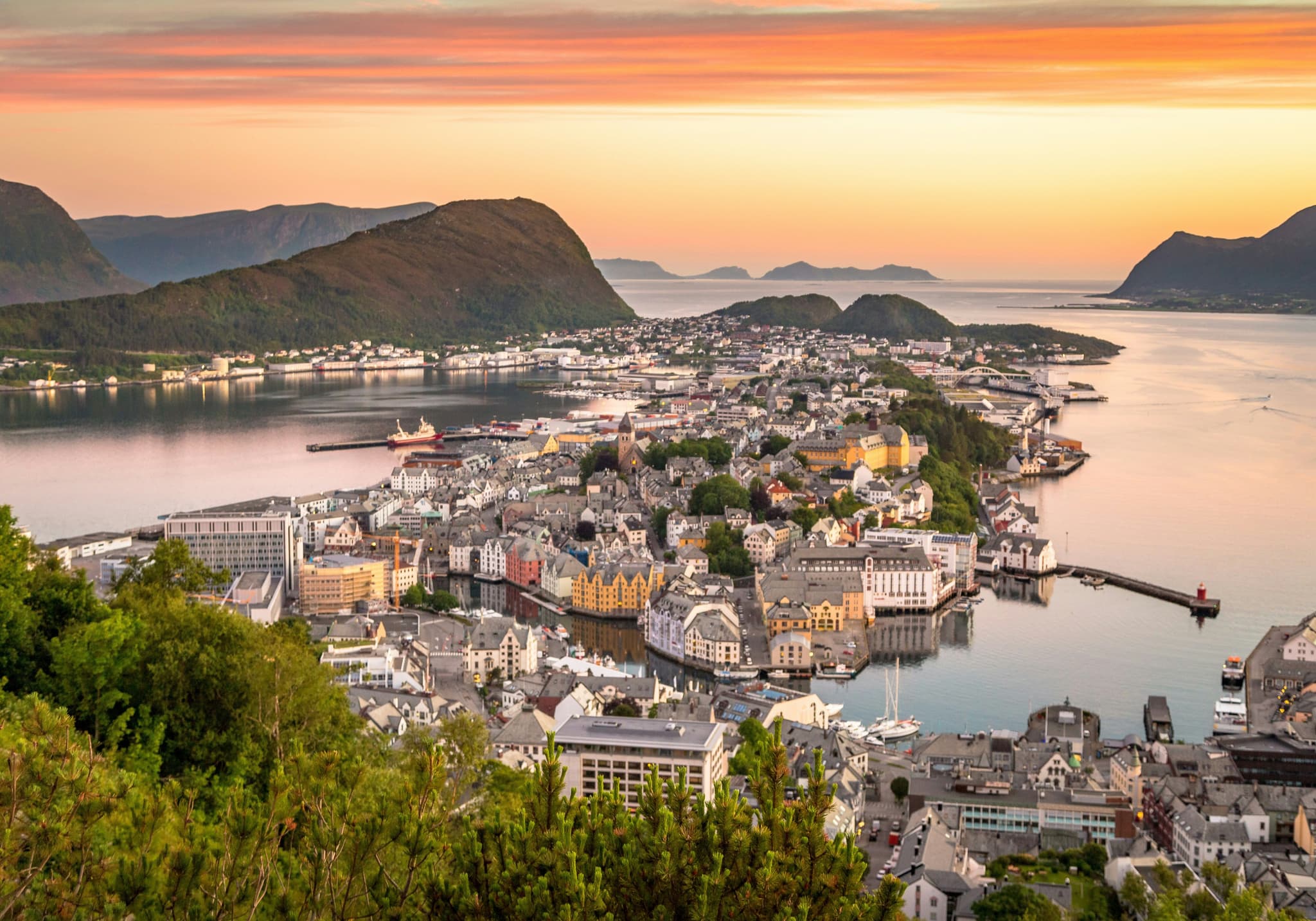
After a fire destroyed most of it in 1904, Ålesund got rebuilt entirely in art nouveau style, and it looks unlike anywhere else in Norway. Roughly 400 steps take you up to Aksla viewpoint, and the reward is a panorama of islands, fjords and mountains reaching out in every direction. Ålesund also works well as a base for Geirangerfjord day trips, and the Art Nouveau Centre downtown covers the city’s rebuild in more depth.
Stavanger and Preikestolen
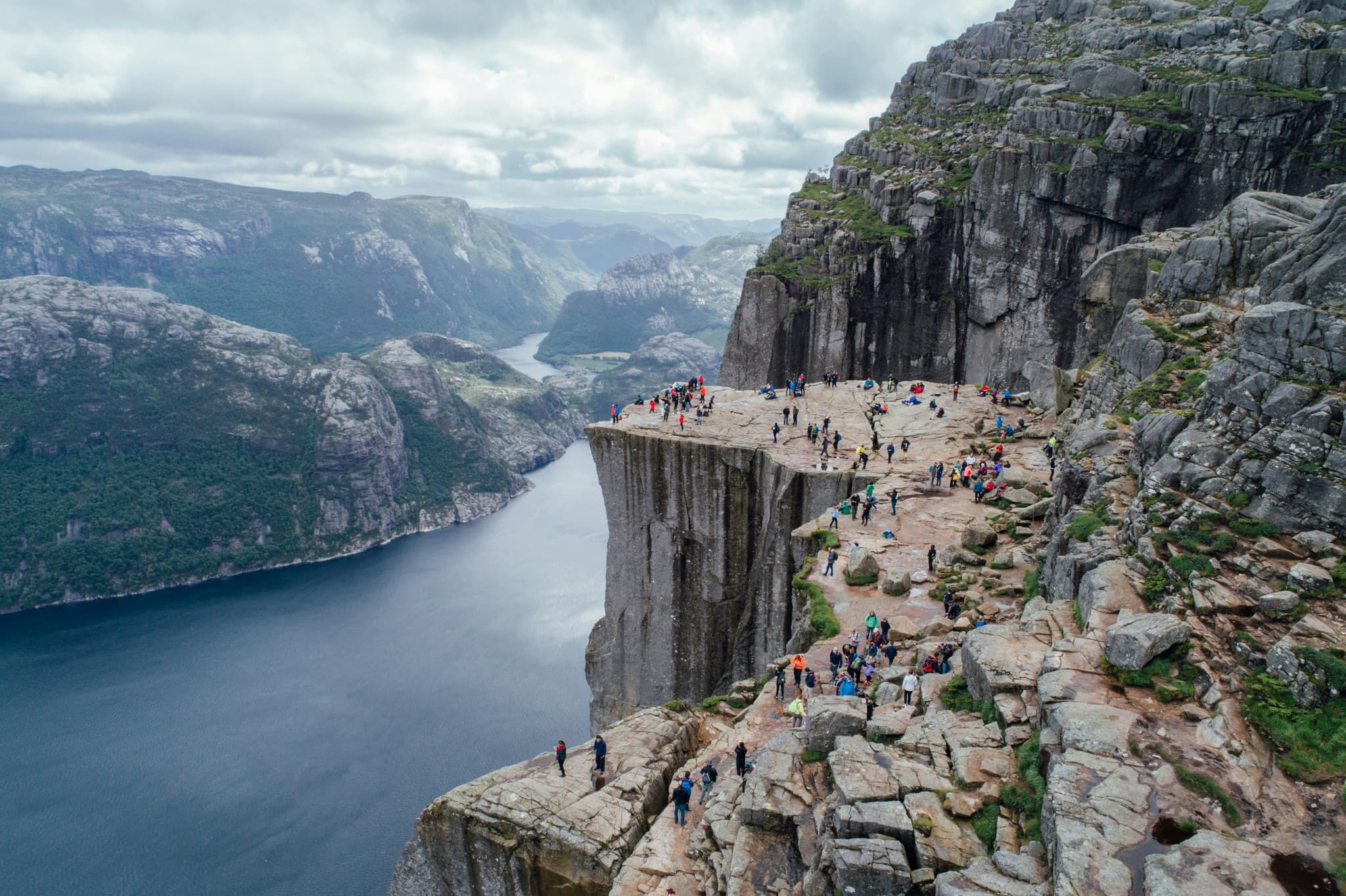
On its own, Stavanger is compact and walkable, though most people pass through here for one reason, Preikestolen, the flat topped cliff hanging 604 metres above Lysefjord. The hike up takes around four hours round trip, well marked but rocky in places, so proper shoes matter more than speed. In summer, several buses run from Stavanger to the trailhead at Preikestolen Fjellstue each day, which makes this one of the easier big hikes to manage without a car.
Curious how Norway compares with its Nordic neighbours? Our Finland travel guide takes you from Helsinki to Lapland, with plenty of stops in between.
A few Norway itinerary ideas to help you plan
When travelling to Norway, you don’t have to choose between fjords, cities and the Arctic; they connect really well if you plan it right. We’ve created three routes for you to explore:
7 days: Oslo to Bergen via the fjords
Day 1-2: Settle into Oslo, Vigeland Park, the Munch Museum, a ferry out on the Oslofjord
Day 3: Train to Flåm, ride the Flåm Railway, cruise Nærøyfjord
Day 4-5: Continue on to Bergen, Bryggen wharf, Mount Fløyen
Day 6-7: Day trip to Hardangerfjord, then fly home from Bergen
10 days: fjords to the Arctic
Day 1-3: Bergen and the surrounding fjords
Day 4-5: Ålesund and the Trollstigen mountain road
Day 6-7: Fly to Lofoten, base yourself in Reine
Day 8-10: Fly to Tromsø, chase the northern lights, visit the Polar Museum
Long weekend in Stavanger
Day 1: Arrive, explore the old town
Day 2: Hike Preikestolen
Day 3: Lysefjord boat trip, fly out
Want more inspiration? Check out the following trips:

What to do in Norway: activities for every type of trip
After you’ve settled on where you’re headed, the fun part starts: working out what you’ll actually spend your days doing. If hiking is your thing, Norway’s trails rank among the best in Europe. If you’re after slower sightseeing instead, fjord cruises and scenic trains cover a lot of ground without much effort. And if culture and city life pull you in more, Oslo, Bergen and Tromsø all have museums and old town areas worth a proper look around. There is a mix of activities you must do in Norway, and plenty of them work well if you’re travelling in Norway solo, as a couple or with a group.
Hike the Trolltunga
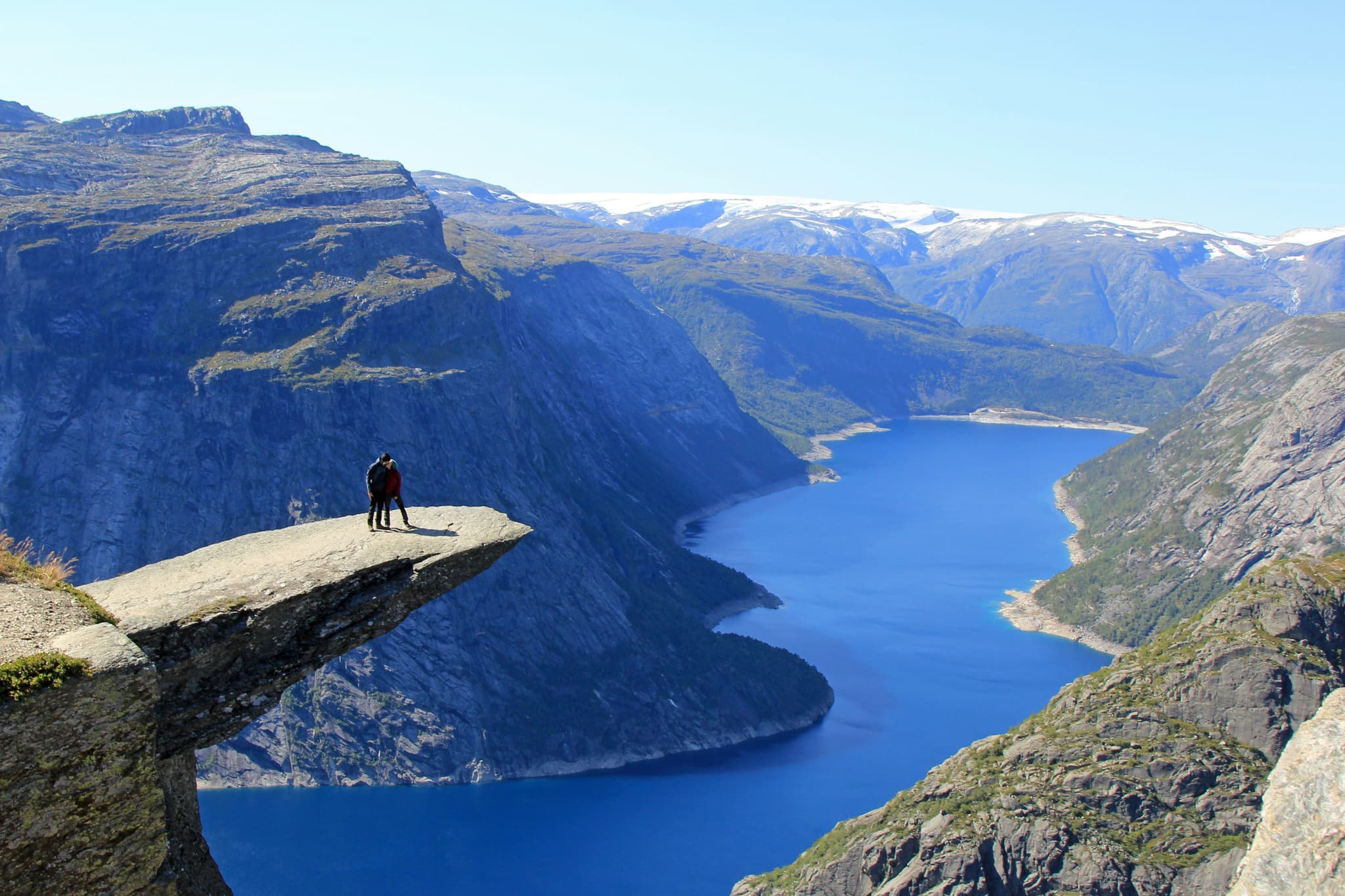
Above Lake Ringedalsvatnet, a rock ledge called Trolltunga has become one of the most photographed hikes in Norway, and for good reason. This one takes 10 to 12 hours round trip and covers around 27km, so it’s a serious full day out rather than a casual walk. It’s worth starting early here, buses to the trailhead at Skjeggedal begin around 7am in summer, and you’ll want every hour of daylight you can get. If you’re doing this alone, register your hike with the Trolltunga Active tracking service before you set off, a small step that matters if the weather turns.
Chase the northern lights in Tromsø
From late September to late March, the aurora shows up often enough above Tromsø that a few nights out usually gets you a good display. Tour operators drive you away from the city lights, and most trips throw in hot drinks plus time in a lavvo tent to warm up between sightings. Chasing the lights solo works too, a short drive or bus ride out to Ersfjordbotn gets you dark enough skies without needing to book anything. Just check the aurora forecast on the Norwegian Meteorological Institute’s site before you commit to a spot.
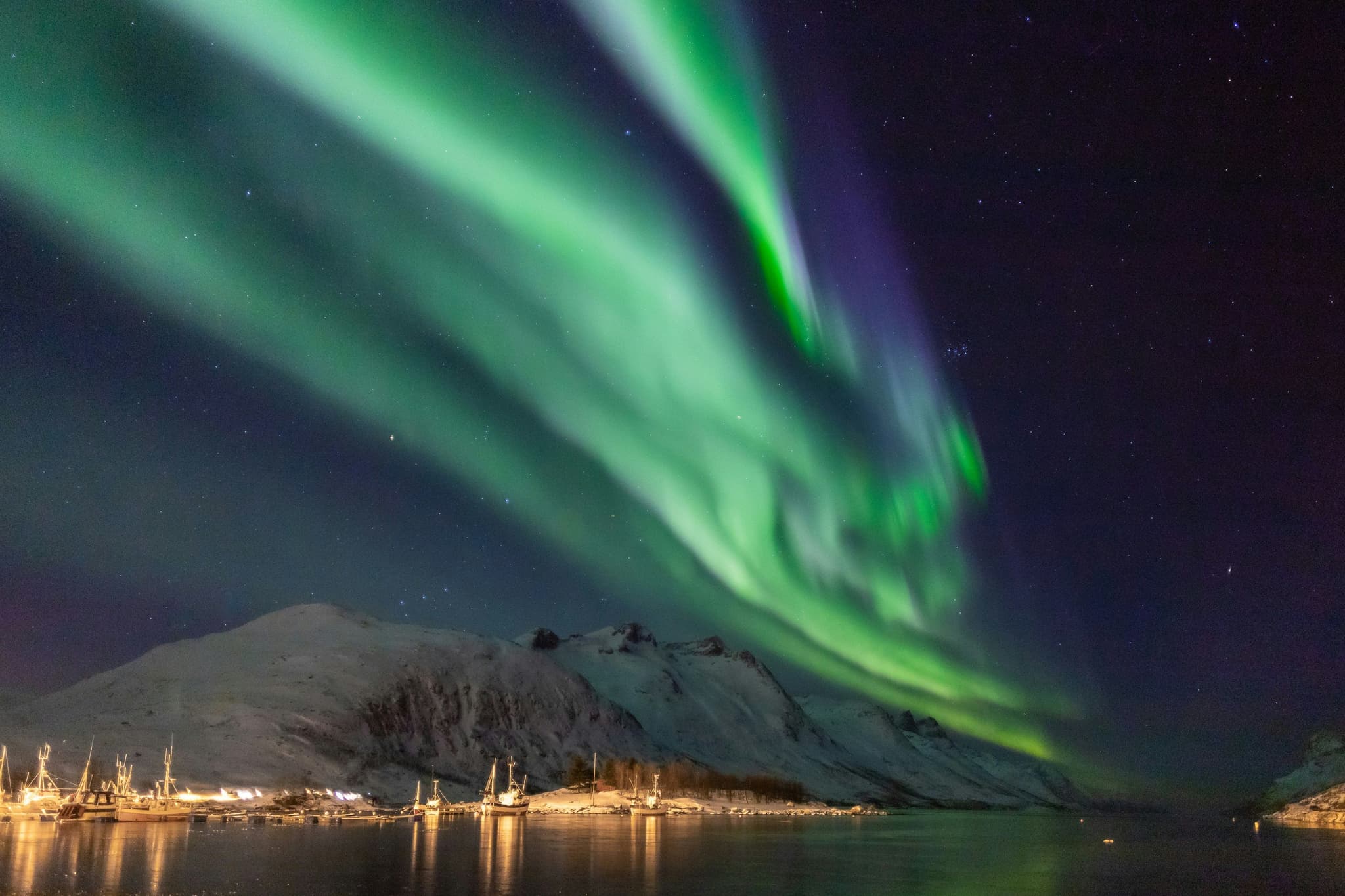
Cruise Geirangerfjord
A two hour ferry from Geiranger to Hellesylt covers the full length of the fjord, passing right beneath the Seven Sisters waterfall along the way. Smaller RIB boat tours run faster and get closer to the cliff walls, worth the extra cost if you want better photos and don’t mind a bit of spray. Either option runs several times daily between May and September, dropping off outside that window. If you’re travelling solo, you can usually turn up and grab a ticket on the day. If you’re going as a couple or with friends, it’s still worth booking a day ahead in peak July so you all get seats together.
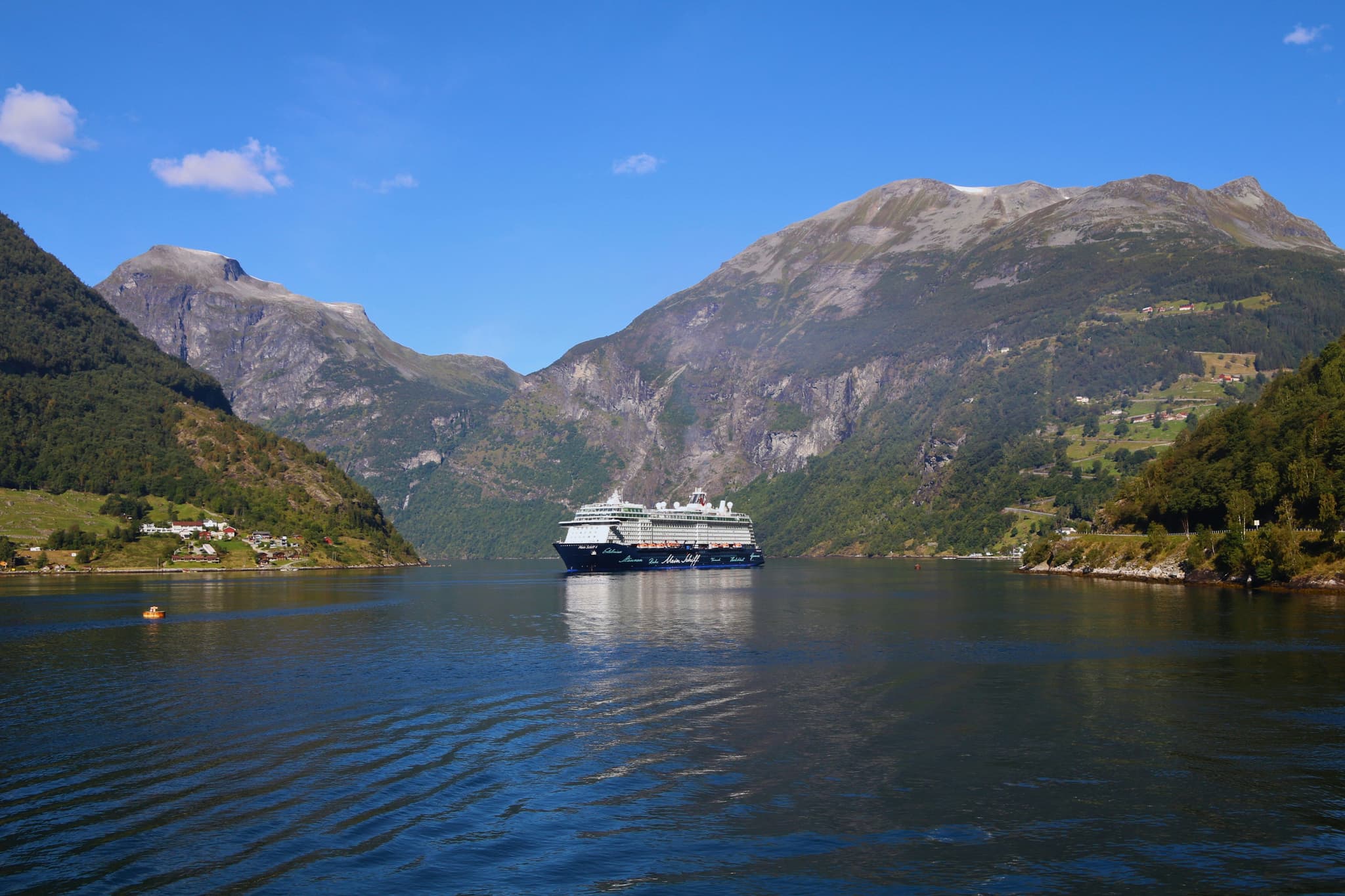
Ride the Flåm Railway
Twenty kilometres of track climb nearly 900 metres between Flåm and Myrdal, past waterfalls close enough to feel the spray through an open window. The train stops briefly at Kjosfossen waterfall, where a short light and sound show plays during summer departures. Combine this with the fjord cruise and you’ve covered two of Norway’s best-known routes in a single day. Just make sure to book your seat in advance during July and August, since the most popular departures sell out fast!
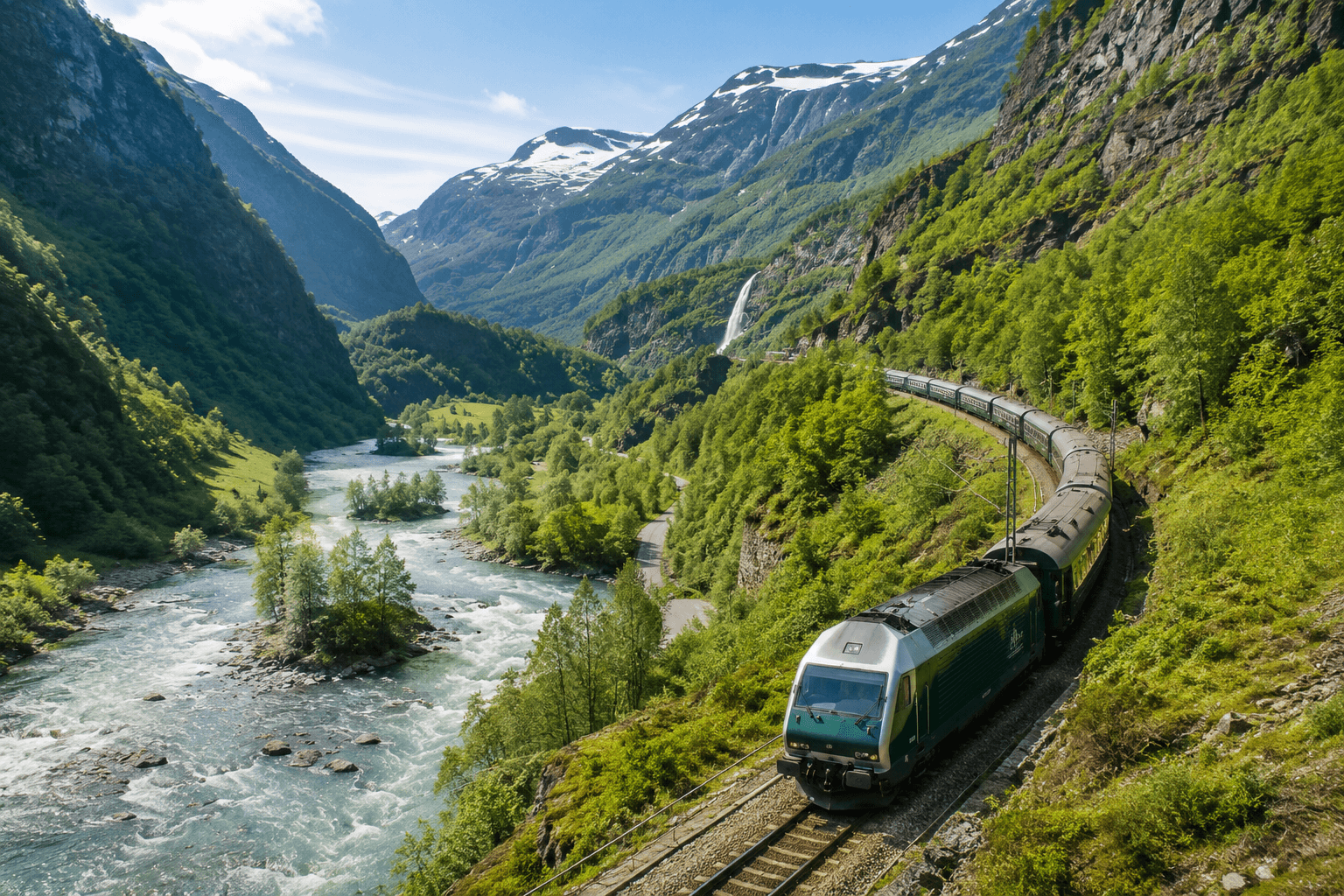
Think twice before booking dog sledding
Dog sledding shows up on almost every Norway highlight reel on TikTok and Instagram, but it’s worth pausing before you book one. Plenty of kennels keep their huskies chained outdoors year round with barely any human contact between tours, and that’s hard to spot from a booking page alone. If you still want to spend time with the dogs, a kennel visit or meet and greet lets you see how they’re actually cared for, without paying for a ride that might be funding conditions you wouldn’t want to support.
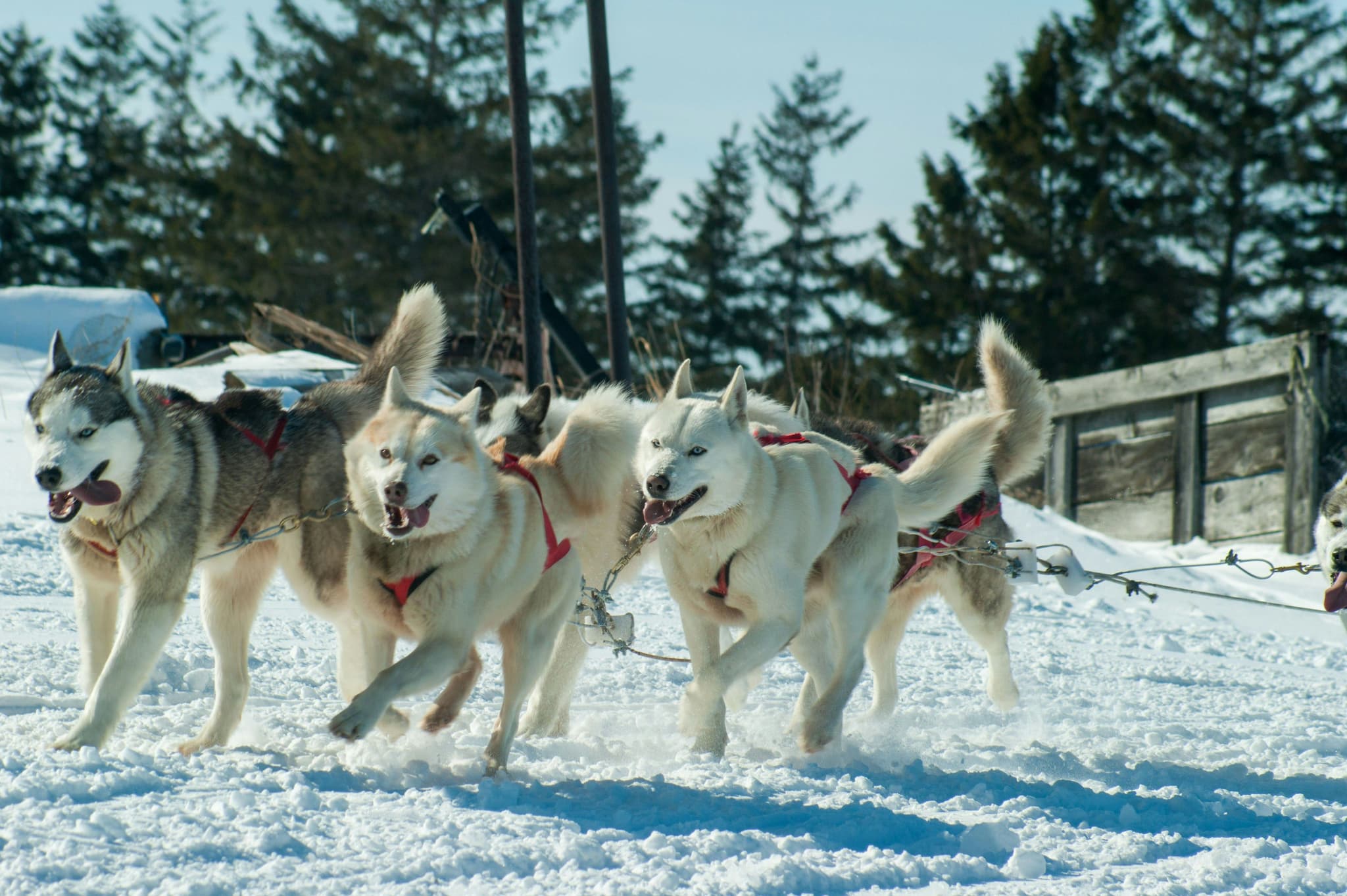
Spot wildlife along the fjords and coast
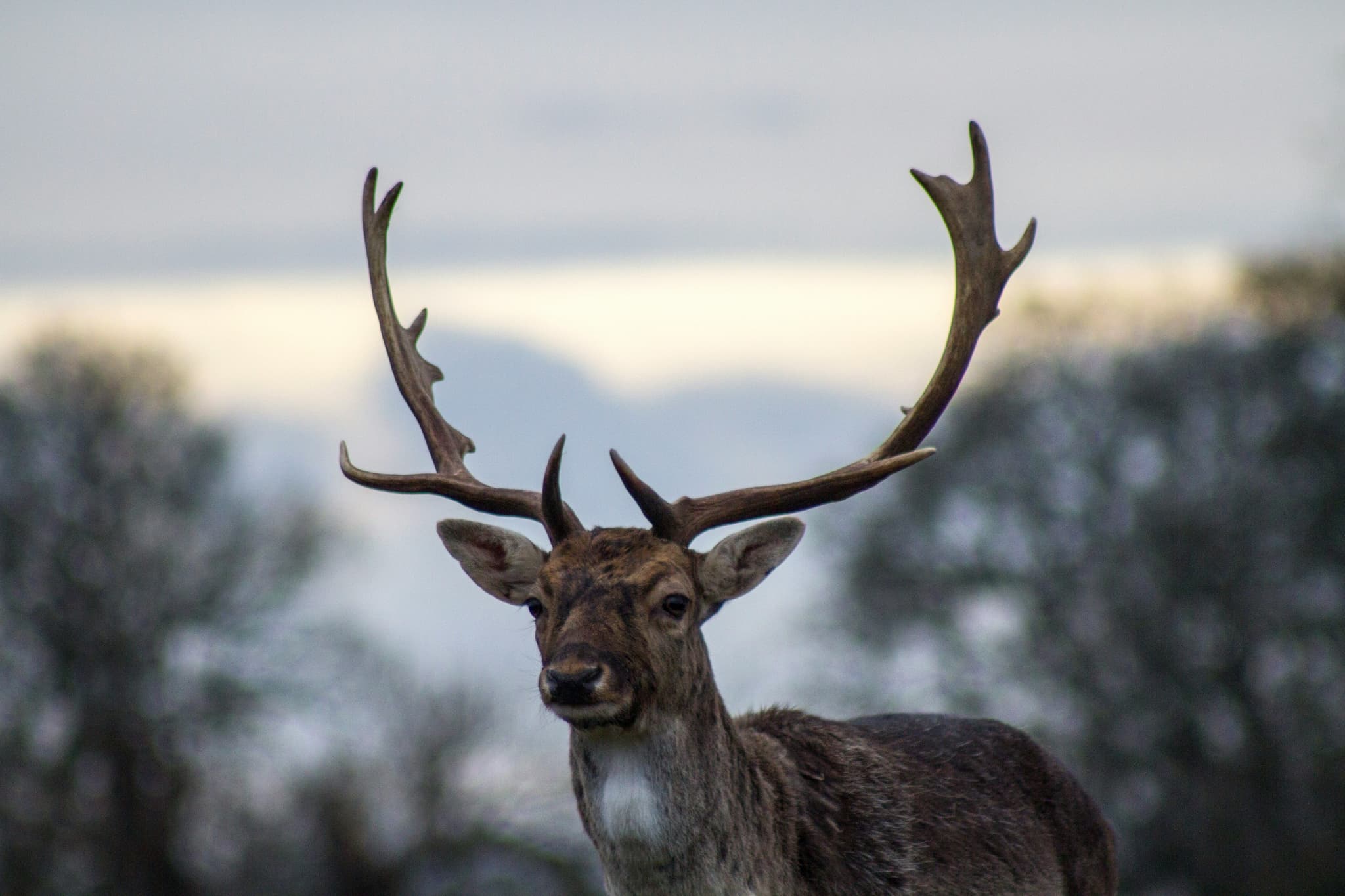
Did you know reindeer roam wild across much of Norway, especially around the Hardangervidda plateau and further north, sometimes crossing right along the road? Moose stay shyer and mostly nocturnal, so a guided moose safari near Trysil or Elverum improves your odds considerably. You can also go whale watching. Whale watching boats out of Andenes and Tromsø run from spring through autumn, with sperm whales and orcas both possible sightings depending on the season. Bring binoculars if you’ve got them; most of what you’ll spot happens at a distance rather than up close.
When to visit Norway for the best trip?
Timing your Norway trip really depends on what you’re after, since summer and winter here come across as two completely different countries. Let’s see which season suits you best:
Summer (June to August): midnight sun, the best hiking conditions, warmest weather, also the busiest months
Autumn (September to October): aurora season starts, cheaper prices, colourful landscapes
Winter (November to March): the best northern lights odds, skiing further south, shorter daylight hours
Spring (April to May): fewer visitors, waterfalls at their fullest from snowmelt, some mountain roads still closed
Guided tip: Whichever season you land on, it’s worth building a couple of flexible days into your route in case the weather has other plans.
Where to stay in Norway: picking your base
Where you sleep changes the kind of trip you end up having here. Maybe you like exploring cities, spending your days hiking, chasing the northern lights or simply taking things slow. Think about what you actually want your days to look like before you travel to Norway, chasing the aurora every night calls for a different setup than spending your mornings in museums.
If you’re a city person, Oslo keeps everything close
Stay around Grünerløkka or Frogner and you can walk to most museums without touching public transport, and the airport train gets you into the centre in under 20 minutes flat. We’d recommend this base if fjord day trips interest you less than café hopping and gallery mornings, Fredrikstad and other nearby towns are easy add ons without switching hotels.
Fjord lovers do better based in Bergen
Nowhere puts you closer to Geirangerfjord, Hardangerfjord and the Flåm Railway, which cuts real hours off your travel days compared with starting from Oslo. Book somewhere near Bryggen or Vågen harbour and you’ll be a short walk from good restaurants and the Fløyen funicular, ideal if you want fjord access without renting a car.
Slow mornings and rugged views mean Lofoten
Reine and Hamnøy both work well, and renting a traditional red rorbu cabin right on the water is honestly half the experience. Expect fewer restaurants and shops than in the cities, so this suits you if you’re happy cooking a few meals yourself and spending most of your day outdoors rather than out at dinner.
Chasing the lights? Base yourself in central Tromsø
Staying near the harbour and cathedral puts you within walking distance of most tour pickup points, so you can skip renting a car entirely. If you’re travelling solo, look for a hostel that runs communal dinners, it’s a genuinely easy way to meet people before heading out together on a light chase.
Fancy pairing your Norway trip with somewhere close by? A ferry from Kristiansand to Hirtshals connects southern Norway to Denmark in around 2.5 hours, and our Denmark travel guide covers everything worth seeing once you’re across.
Guided tip: Planning a road trip? Look for cabins with a kitchen every few nights. Eating out in Norway gets expensive quickly, and being able to make breakfast or dinner yourself can bring your daily costs down quite a bit.

Did you know you can create your own itinerary?
Now that you have a better idea of the places to see in Norway and things to do there, you can start creating your own trip. Do you want to road trip between fjords, mountains and small coastal towns, or would you rather slow down and really get to know one part of Norway? It’s all up to you. You can easily create your own trip in the Guided app for free, or use trips shared by others.
Travelling through Norway: car, train, ferry or plane?
Norway gives you four real ways to get around: trains, ferries, domestic flights and driving yourself, and each one suits a different kind of trip. Trains and ferries move slower but hand you some of the best views in the country, flights save you serious time across longer distances, and a rental car gives you the most freedom through the fjord regions where public transport runs thin. Here’s how they compare once you’re actually travelling through Norway, so you can work out which combination fits your route and your budget for travel in Norway.
Trains for the views, not necessarily the speed
We’d book the Bergen Railway through the Vy app if scenery matters more to you than shaving hours off your journey, six and a half hours between Oslo and Bergen with some of the best mountain views from any train window in Europe. Grab a Minipris fare if you can, they’re the cheapest tickets going, but they do sell out weeks ahead in summer.
Entur pulls every option into one search
Rather than checking five different websites, open Entur first and let it pull together every train, bus, tram and ferry timetable into one search. It won’t sell every ticket directly, some operators still route you to their own site at checkout, but it’s still the fastest way to work out your connections.
Ferries move at their own pace, so plan around it
Hurtigruten’s coastal route calls at over 30 ports between Bergen and Kirkenes, and booking individual legs works out cheaper than the full cruise package if you only need a stretch or two. Local fjord crossings run more often, but queues build fast in July and August, so we’d get there 30 minutes early rather than risk missing a sailing.
Flying saves you a full day on longer routes
Widerøe and SAS both run short domestic hops between the fjords, Lofoten and Tromsø that would otherwise eat an entire day of travel by land. Flytoget also gets you from Oslo Airport into the centre in 19 minutes flat, worth the extra cost if you land exhausted after a long haul flight.
Renting a car pays off in the fjords and Lofoten
Norway’s roads come with tunnels, ferries built right into the route, and toll charges collected automatically through AutoPASS, no stopping at a barrier required. We’d only bother renting in western fjord regions and Lofoten, where public transport runs thin, cities like Oslo and Bergen are genuinely easier and cheaper without one.
Guided tip: If you're travelling by public transport, check your Sunday timetable separately. Buses and ferries can run less frequently, particularly once you leave the bigger cities.
What to eat in Norway: food worth trying
Fine dining doesn’t dominate here the way it might in France or Italy, but the snacks, seafood and small cafés more than make up for it. So if you’re in Norway, make sure to try at least some of these:
Fårikål, the dish everyone will tell you to order
Lamb and cabbage get slow cooked together with whole black peppercorns until the meat falls straight off the bone, and this is genuinely Norway’s national dish. Order it between September and March, most menus drop it once the weather warms up, and go for the version with boiled potatoes and a spoon of lingonberry sauce on the side. If your trip lines up with the last Thursday of September, that’s officially Fårikål Feast Day, worth planning a dinner around.

Fiskesuppe, your best bet on a cold day
Ask for fiskesuppe anywhere near the coast and you’ll get a creamy broth loaded with salmon, haddock and whatever came in that morning, topped with julienned carrots. Bergen’s fish market is the obvious spot to try it, though we’d actually point you towards a small coastal café instead, often just as good and considerably cheaper.

Brunost, love it or hate it
Slightly sweet, caramelised and made from leftover whey, brunost splits opinion among first timers more than anything else on this list. Ask for it thinly sliced with a special cheese slicer, a Norwegian invention, and try it on a waffle before you write it off completely. Pick up a block from any grocery store on your way out, it’s the one souvenir almost every Norwegian tourist ends up bringing home in their suitcase.

Raspeballer, order it on a Thursday
Don’t judge these dense potato dumplings by how they look, they taste considerably better than they photograph. Simmered in stock with fatty cuts of pork or lamb and topped with bacon and melted butter, most restaurants only run them as a Thursday special, so time your visit if you can. Western Norway does its own version too, worth comparing if your route takes you through both sides of the country.

Culture in Norway: a story worth knowing before you go
Around 793, Viking longships set sail from these very fjords toward Britain, and Norway’s story really kicks off there. Sagas from that era still get taught in Norwegian schools today, and you’ll spot their influence everywhere once you start looking, place names, festivals, even the shape of a stave church roof. Centuries later, in 1814, Norway wrote its own constitution and began the long road toward full independence from Sweden, finally won in 1905. When you walk through almost any Norwegian town, you’ll still see that history in the architecture, wooden stave churches standing next to sleek modern design, centuries apart yet somehow comfortable side by side.
Norwegians might take a little getting used to at first, reserved with strangers, quick with a nod rather than small talk, but genuinely warm once a conversation actually gets going. You’ll notice friluftsliv everywhere too, which means ‘‘open air living’’, it’s less a tourism slogan and more a real habit. Whole families heading for cabins, ski trails or fjord swims the moment the weather allows. Ask someone for a hiking recommendation and you’ll usually get a genuinely useful answer, people here take real pride in their trails and love sharing a good route with anyone who asks.
Looking for more unique places, trips and activities?
Subscribe to our Guided Newsletter for more travel inspiration.
Costs of a Norway trip: what to actually budget
Oslo, Tromsø and the Lofoten Islands run noticeably pricier than the rest of the country, especially through the summer months when demand peaks in all three. A few habits keep costs down while travelling to Norway: shop at budget chains like Kiwi or Rema 1000 for self catering, stick to free hiking trails and viewpoints instead of paid attractions, and grab an Oslo Pass if you’re planning a museum heavy couple of days in the capital.
Food & Drink

Coffee
NOK 35 – 65
Lunch
NOK 150 – 350
Beer
NOK 90 – 140
Accommodation

Hotels
NOK 1.2k – 2.5k
Airbnb
NOK 1.2k – 2.7k
Hostel dorm
NOK 200 – 550
Transport
Train ticket
NOK 100 – 1k
Bus ticket
NOK 40 – 50
Car Rental
NOK 600 – 1.2k
Attractions

Museums
NOK 150 – 300
Big Attractions
NOK 300 – 800
Theatre
NOK 300 – 800
Norway travel tips for a smoother trip
First time travelling to Norway? We’ve gathered a handful of things from fellow Guided travellers that make a real difference when travelling in Norway.
✔ Check if you need a visa before you travel into Norway
We’d sort your visa situation out before you even book flights. Norway forms part of the Schengen Area even though it isn’t an EU member, so the same 90 day rule applies here as it does across most of mainland Europe. Passport holders from the US, UK, Canada and Australia can usually enter visa free for short stays, but it’s worth double checking your own situation when you visit Norway as a tourist. The Norwegian Directorate of Immigration (UDI) keeps the most current rules if you do need to apply.
✔ Pack layers even if you’re visiting in summer
Trust us on this one, weather here changes fast, and a sunny fjord morning can turn into a cold, wet afternoon within a couple of hours. We’d pack a waterproof jacket, something warm to go underneath, and a quick drying top as your base, and call it done.
✔ Cards work almost everywhere, but carry a little cash
You’ll rarely need cash here, cards work in nearly every shop, café and even some public toilets. We’d still keep a small amount on hand for smaller ferries or more remote spots, just in case.
✔ Book ahead for summer hikes and ferries
If you’re set on Trolltunga, Preikestolen or a busy fjord ferry between June and August, book or arrive early. We’ve heard from more than one traveller who lost an entire day to a sold out crossing, it’s an easy mistake to avoid.
✔ Get the Entur and Vy apps before you land
Download these two before you touch down, Entur covers the full public transport network and Vy handles train specific bookings and live departures. Both work offline for saved tickets too, handy if you lose signal out in the fjords.
Fun facts about Norway you probably didn’t know
Norway gets pretty interesting once you look beyond the fjords. There’s a lot about the country you probably haven't heard before. Here are some of our favourites:
Norwegians invented the cheese slicer, the paperclip and skiing.
Norway was the third country in the world to give women the right to vote, back in 1913.
The sun doesn’t set for weeks above the Arctic Circle between late May and late July.
Oslo’s metro runs right past Holmenkollen, a former Olympic ski jump, on one of its lines.
Svalbard, part of Norway, is home to more polar bears than people.
Norway recycles over 90% of its plastic bottles each year through a return system.
The Hurtigruten coastal route has run continuously since 1893
Norway is the kind of place where every travel day gives you something completely different, one morning you’re exploring a city, the next you’re surrounded by mountains, fjords or tiny coastal villages. If you love being outdoors, beautiful road trips and having plenty of variety along the way, you’re going to have a very good time here.
Ready to map out your Norway trip?
We hope this Norway travel guide has given you a clear starting point for your trip. Stay tuned for more inspiration, itineraries and practical tips to help you shape your Norway visit. And don’t forget to check out our Guided app, where you can create your own trip or use trips shared by other travellers for free.
Frequently asked questions about visiting Norway
- How many days do you need for a Norway trip?
Ten to fourteen days usually covers one region properly, whether that’s the fjords around Bergen or a combination of Oslo and the north. Three weeks or more lets you add a second region, like Lofoten or Svalbard, without the whole trip turning into a rush. Guided travellers planning shorter trips tend to pick one city plus one nature focused stop, rather than trying to fit in the entire country in a single visit.
- Is Norway expensive to visit?
- Is Norway safe to travel around?
- Is Norway part of Scandinavia?
- Is Norway a Schengen state?
- Do you need a visa to travel to Norway?