
Singapore

Singapore travel guide: Everything you need to know before visiting Singapore
Hill Street Tai Hwa Pork Noodle has held a Michelin star since 2016, and it still sells its bowls from a hawker stall on Crawford Lane. Hawker culture became the country's first listing on UNESCO's Intangible Cultural Heritage list in December 2020, and a dish at a hawker centre costs about S$4 to S$7. Plenty of people plan the whole trip around eating, and we think they're right to.
The rest of the trip is unusually easy. Singapore covers about 735 km², English is the working language and six MRT lines reach almost everything you'll want to see. It's a single city-state rather than a country of regions, so there are no long overland legs to plan. It's also stricter and far more expensive than Malaysia or Thailand, and it has nothing like their beach-island scene. That makes Singapore a very good first stop in Southeast Asia and an easy trip for families and solo travellers who want low hassle. If you want wilderness or long beach days, spend more of your time next door. This guide covers where to go, where to stay, what it costs and the rules worth knowing before you land.
5 reasons to visit Singapore
Even a short stay gives you a lot, and these are the reasons we'd go.
- Eat your way through hawker centres where a Michelin-listed plate costs a few dollars.
- Watch the Supertrees light up at Gardens by the Bay, then catch the free Spectra show across the bay.
- Walk from Chinatown's temples to Little India and Kampong Glam in a single afternoon.
- Ride a tram through the Night Safari, the world's first nocturnal zoo, open since 1994.
- Get around the whole country by MRT with one tap of a contactless card.
Where to visit in Singapore?
How do you choose on an island this small? Distances are short, so the real decision is when to go where, because heat and opening hours matter more here than travel time. These are the 12 places we'd plan a trip around.
Watch the skyline after dark at Marina Bay
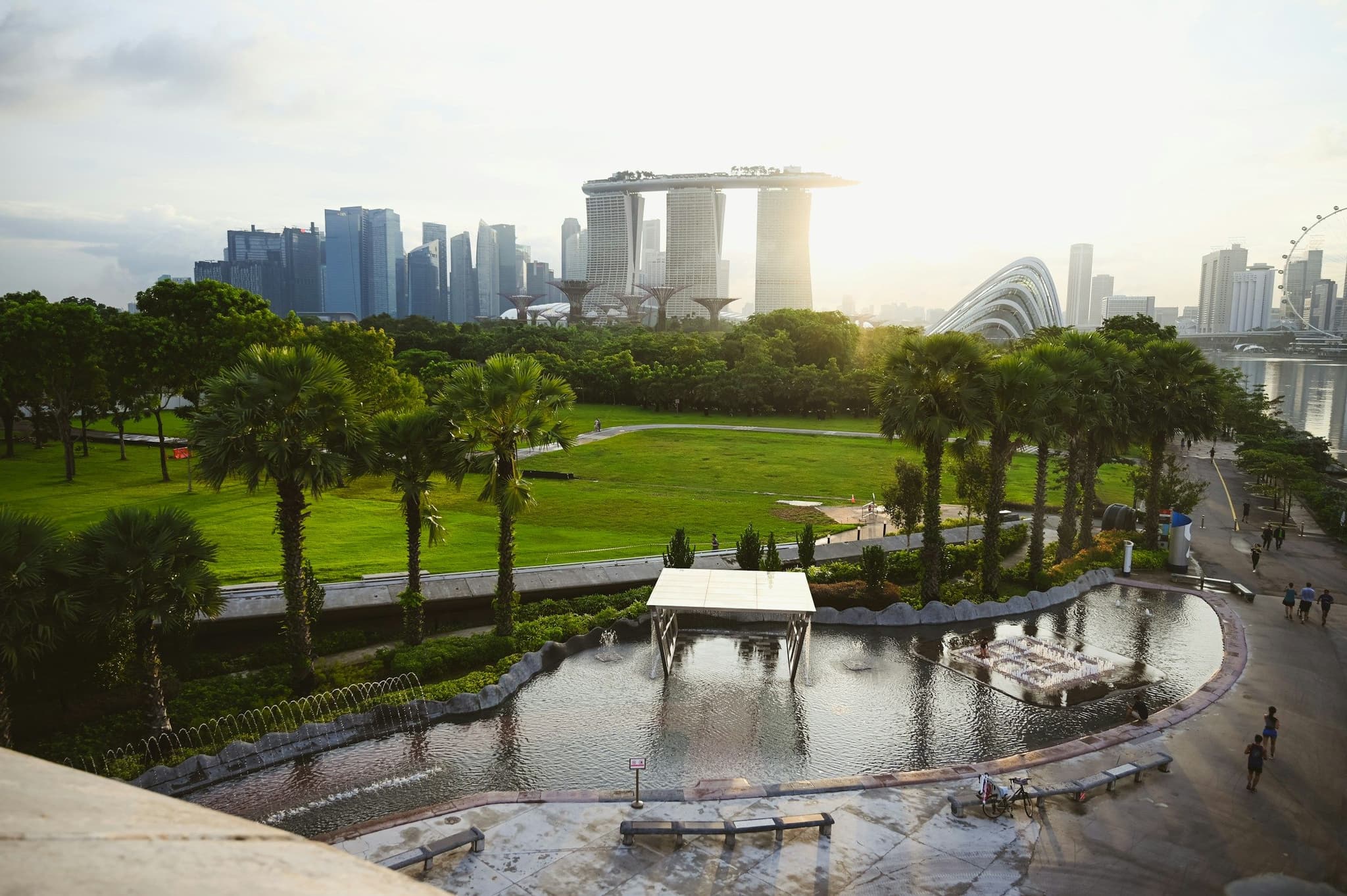
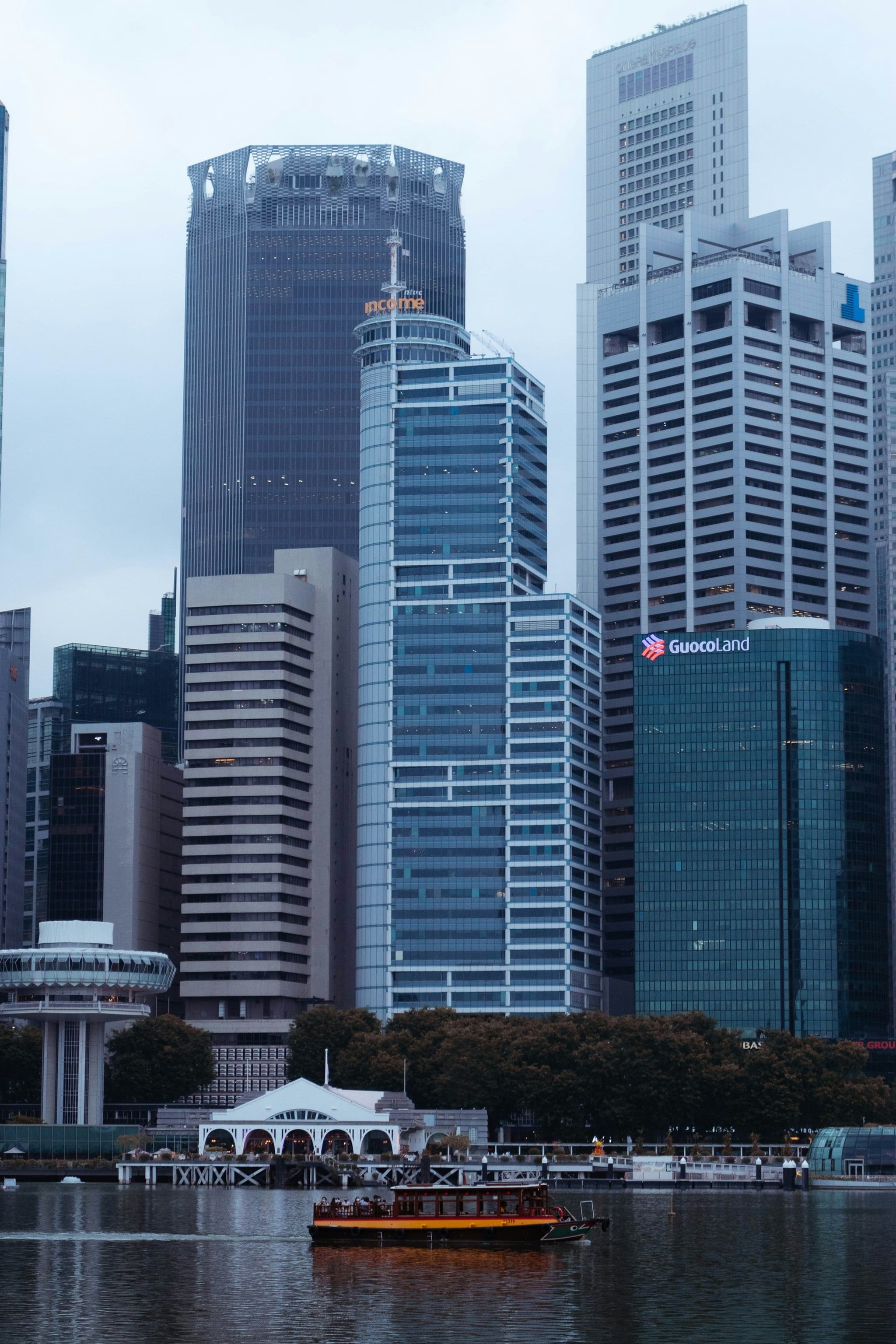
Book the evening slot for the Marina Bay Sands SkyPark Observation Deck. Tickets cost S$35 for adults between 9.30am and 4.30pm and S$39 from 5pm to 10pm, and the extra four dollars buys you sunset from Level 56. Afterwards, walk to the Event Plaza for Spectra, a free 15-minute light and water show at 8pm and 9pm (plus 10pm on Fridays and Saturdays). The 8.6-metre Merlion across the water, unveiled in 1972, deserves ten minutes, not a day. Bayfront MRT is closest for the SkyPark, Raffles Place for the Merlion.
Spend an afternoon and evening at Gardens by the Bay
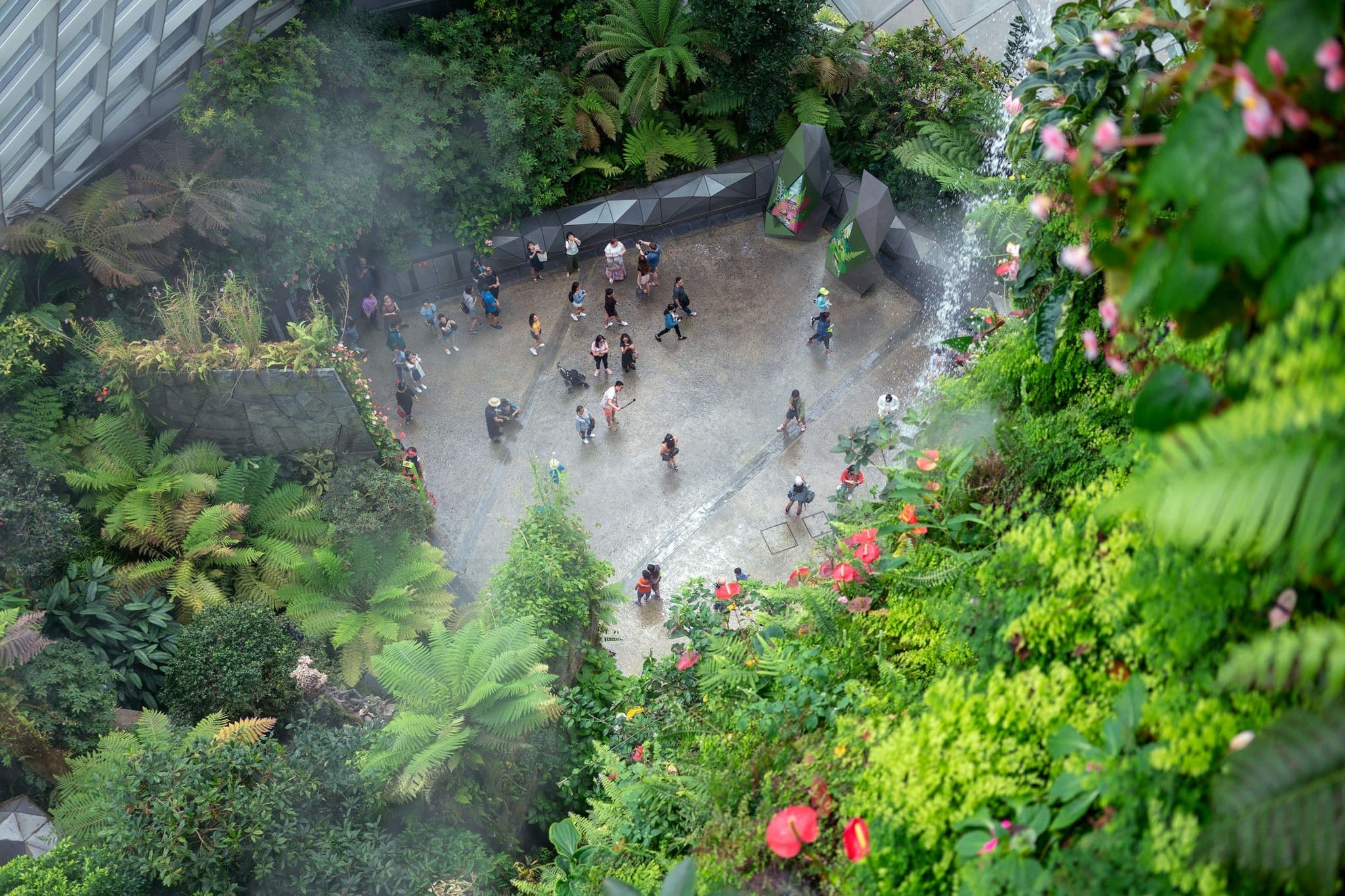
Gardens by the Bay opened in June 2012 and covers over 100 hectares, with 18 Supertrees standing between 25 and 50 metres tall. The outdoor gardens are free. The two domes cost S$46 together for non-resident adults. The Flower Dome was listed by Guinness in 2015 as the largest glass greenhouse, and the Cloud Forest has a 35-metre indoor waterfall. Do the domes in the afternoon heat and stay for the free Garden Rhapsody light show at 7.45pm. Spectra starts at 8pm, a short walk away.
Explore temples and hawker stalls in Chinatown
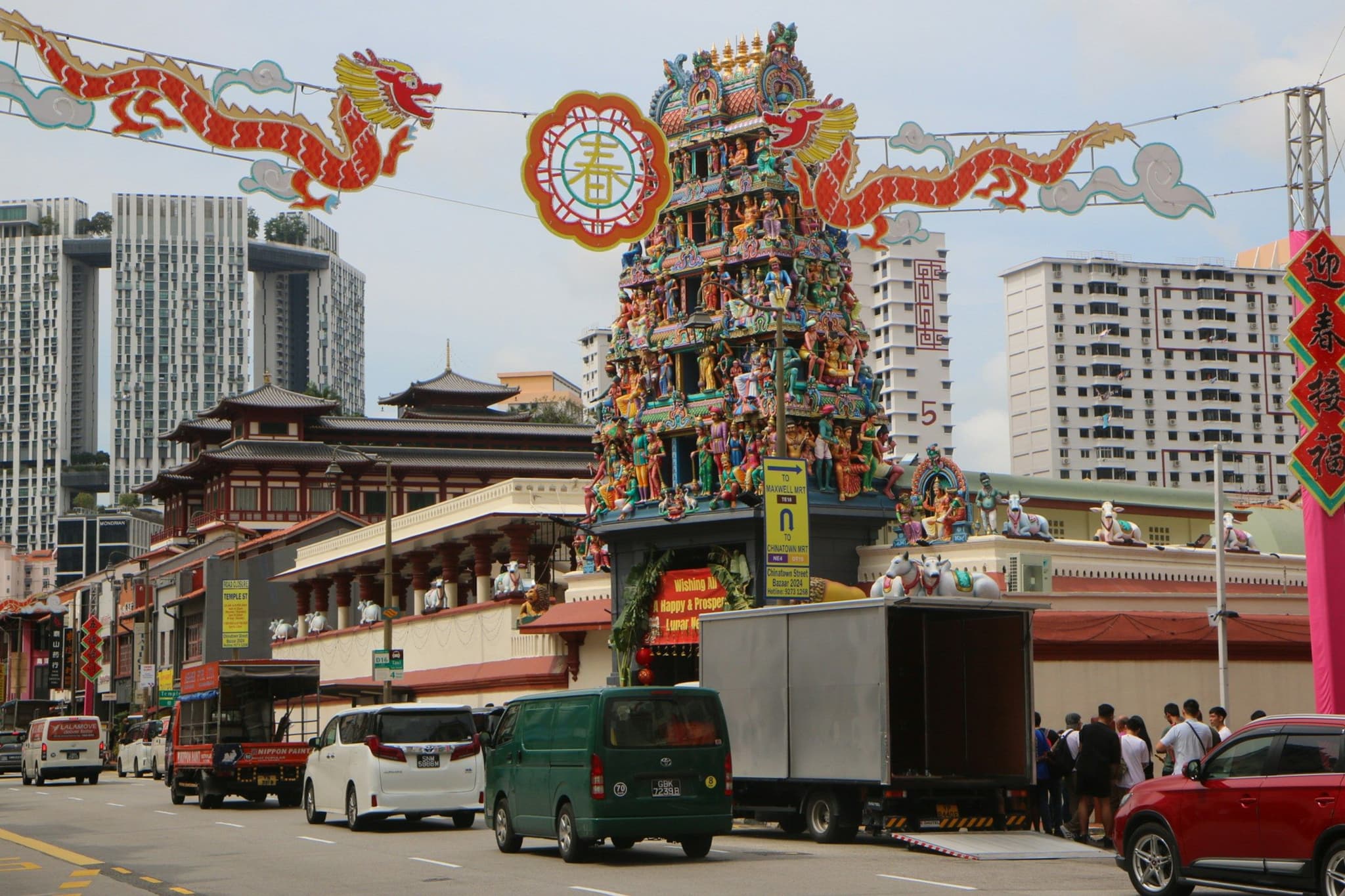
Chinatown is the neighbourhood we'd pick for a first full day, mostly for the mix of temples and food. The Buddha Tooth Relic Temple, completed in 2007, is free to enter from 9am to 5pm and has a rooftop garden with a prayer wheel. Sri Mariamman Temple, founded in 1827, is Singapore's oldest Hindu temple. For lunch, queue at Maxwell Food Centre for Tian Tian Hainanese Chicken Rice, a Bib Gourmand in the 2026 Michelin Guide. Chinatown MRT, on the North East and Downtown lines, is the closest station.
See Little India at its liveliest after dark
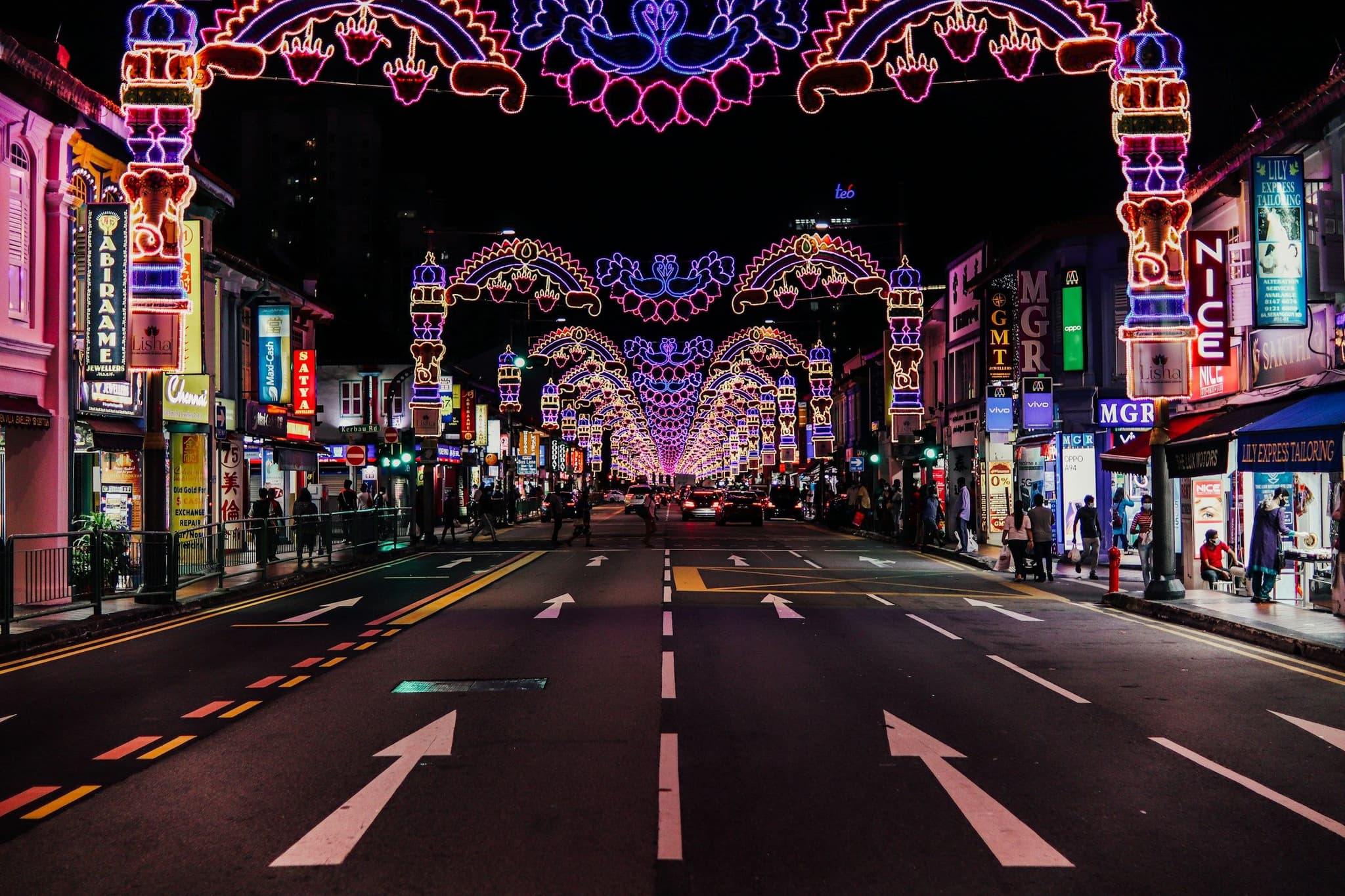
When should you go to Little India? At night, and ideally in the weeks before Deepavali, which falls on 8 November in 2026 and 28 October in 2027. Start at Sri Veeramakaliamman Temple on Serangoon Road, dedicated to Kali. Its first shrine dates from about 1855 and the temple from 1881. Eat at Tekka Centre. Sunday evenings get very busy, and the area is a Liquor Control Zone, so there's no drinking in public on weekends and public holidays, including the evening before each. Little India MRT is the nearest station.
Browse the lanes around Sultan Mosque in Kampong Glam
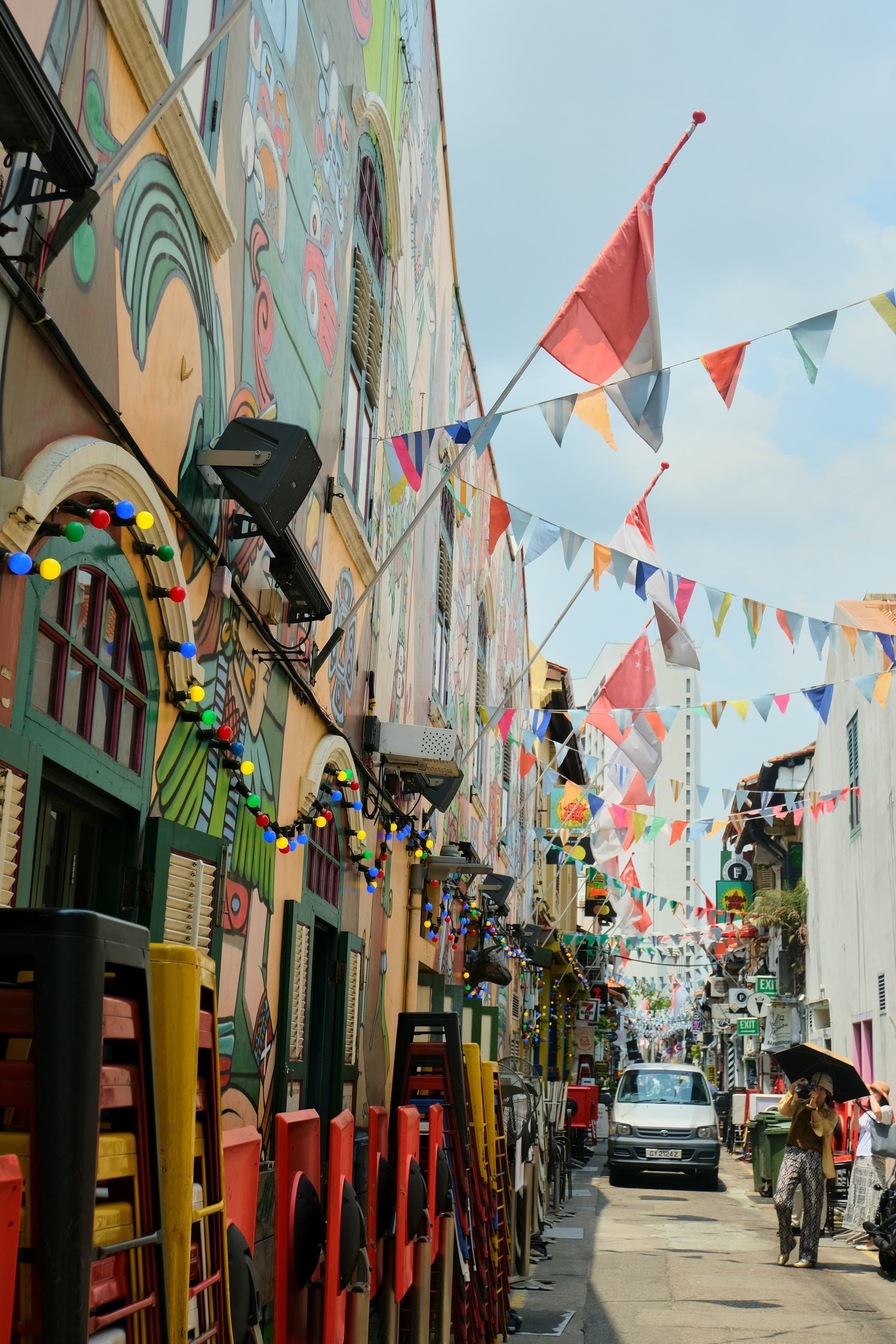
Sultan Mosque has stood in its current form since 1932, replacing a first mosque built around 1824 under Sultan Hussein Shah. The current building was designed by Denis Santry of Swan & Maclaren and became a National Monument in 1975. It's a working place of worship, so visit outside prayer times and dress modestly. Haji Lane is the street everyone photographs, but it's small, so go in the early evening and pair it with the textile shops on Arab Street. Bugis MRT is the nearest station.
Get to the Singapore Botanic Gardens by 7am
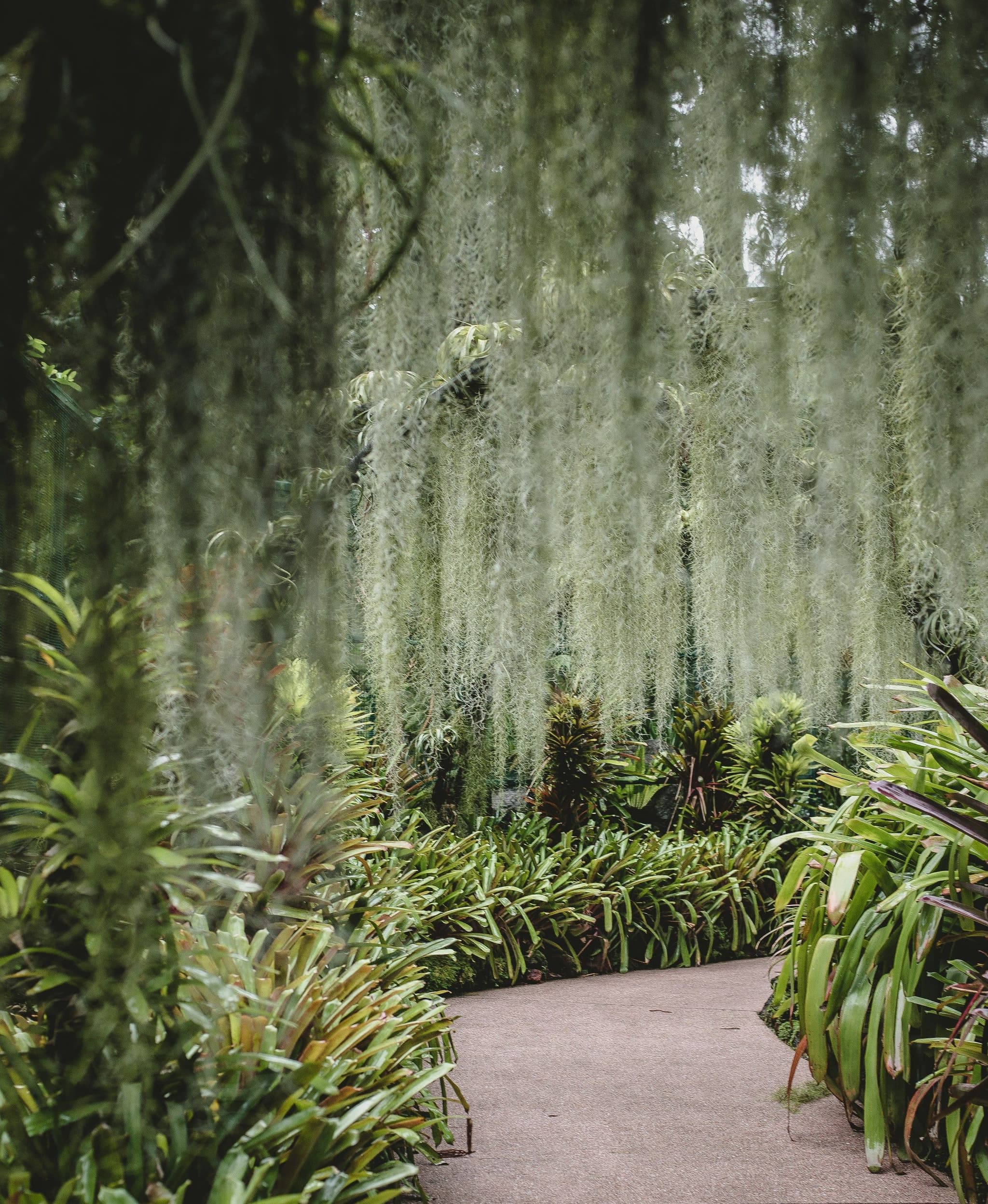
Founded in 1859, the 82-hectare Singapore Botanic Gardens became a UNESCO World Heritage Site in 2015. It's the country's only one, and NParks says it is the first and only tropical botanic garden on the list. Entry is free from 5am to midnight, and the early hours are the coolest. The National Orchid Garden inside is the only part worth paying for, at S$15 for adult visitors (under-12s free), with more than 1,000 species and 2,000 hybrids. It opens at 8.30am. Botanic Gardens MRT (Circle and Downtown lines) and Napier (Thomson-East Coast Line) are the nearest stations.
Spend a day on Sentosa
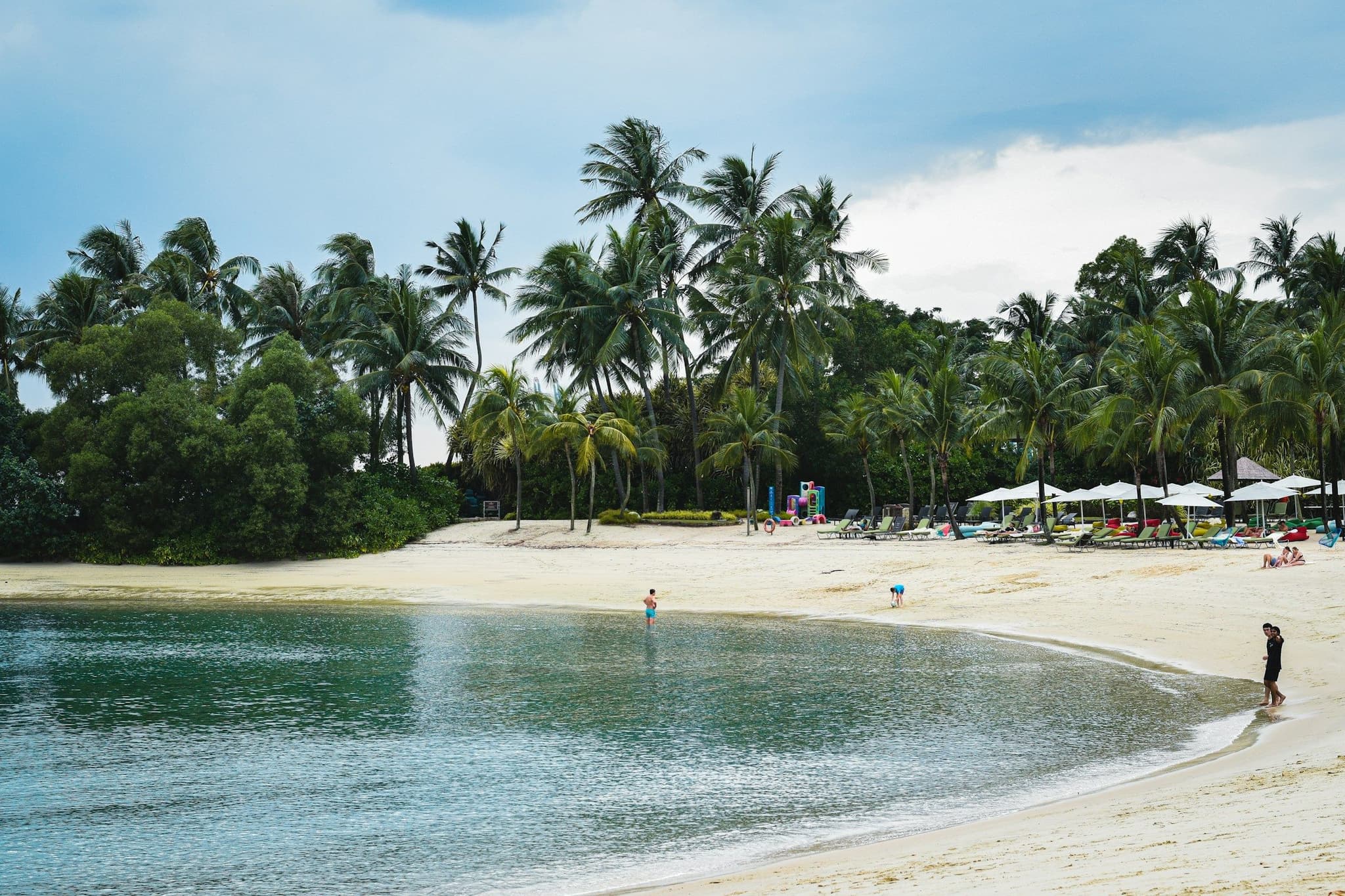
The Sentosa Express from VivoCity charges S$4 to get onto the island by card tap, and rides around the island are then free. You can also walk over on the Sentosa Boardwalk. Universal Studios Singapore costs from about S$80, with prices that change by date, and Minion Land opened there in February 2025. Go on a weekday if you can. The Singapore Oceanarium, the renamed aquarium, reopened in July 2025 with more than 100,000 animals. The beaches at Siloso and Palawan are fine for an afternoon, not a beach holiday.
Take the Night Safari at Mandai
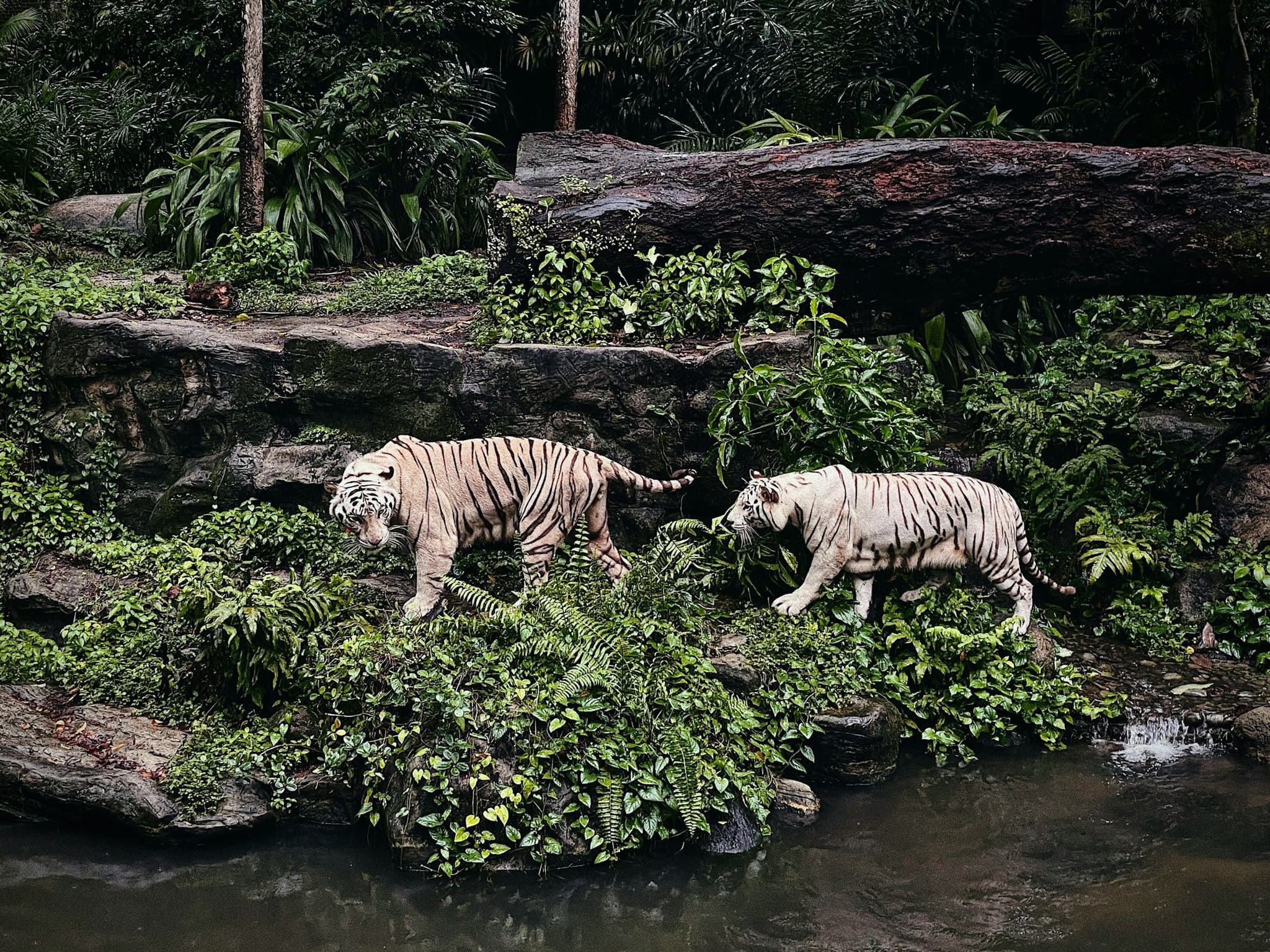
The Night Safari opened on 26 May 1994 as the world's first nocturnal zoo, and it's the one Mandai park you won't find a version of anywhere else. It runs from 7pm to midnight. Adult tickets are S$58. Book the first tram slot. Singapore Zoo and Bird Paradise cost S$49 each, and multi-park passes start from about S$88 if you want to combine the Night Safari with a daytime park. There's no MRT station, so take the Mandai shuttle or a bus from Khatib or Springleaf.
Cycle around Pulau Ubin and Chek Jawa
A bumboat from Changi Point Ferry Terminal costs S$4 each way, plus S$2 for a bike, and leaves once 9 to 12 people have boarded, from about 6am to 7pm. Pulau Ubin is about 10 km² and feels nothing like the city you just left. Hire a bike on the island for about S$8 to S$27 a day and ride out to Chek Jawa, where a boardwalk runs over the wetlands. Go on a weekday morning and time Chek Jawa for low tide.
Eat laksa among the shophouses of Katong and Joo Chiat
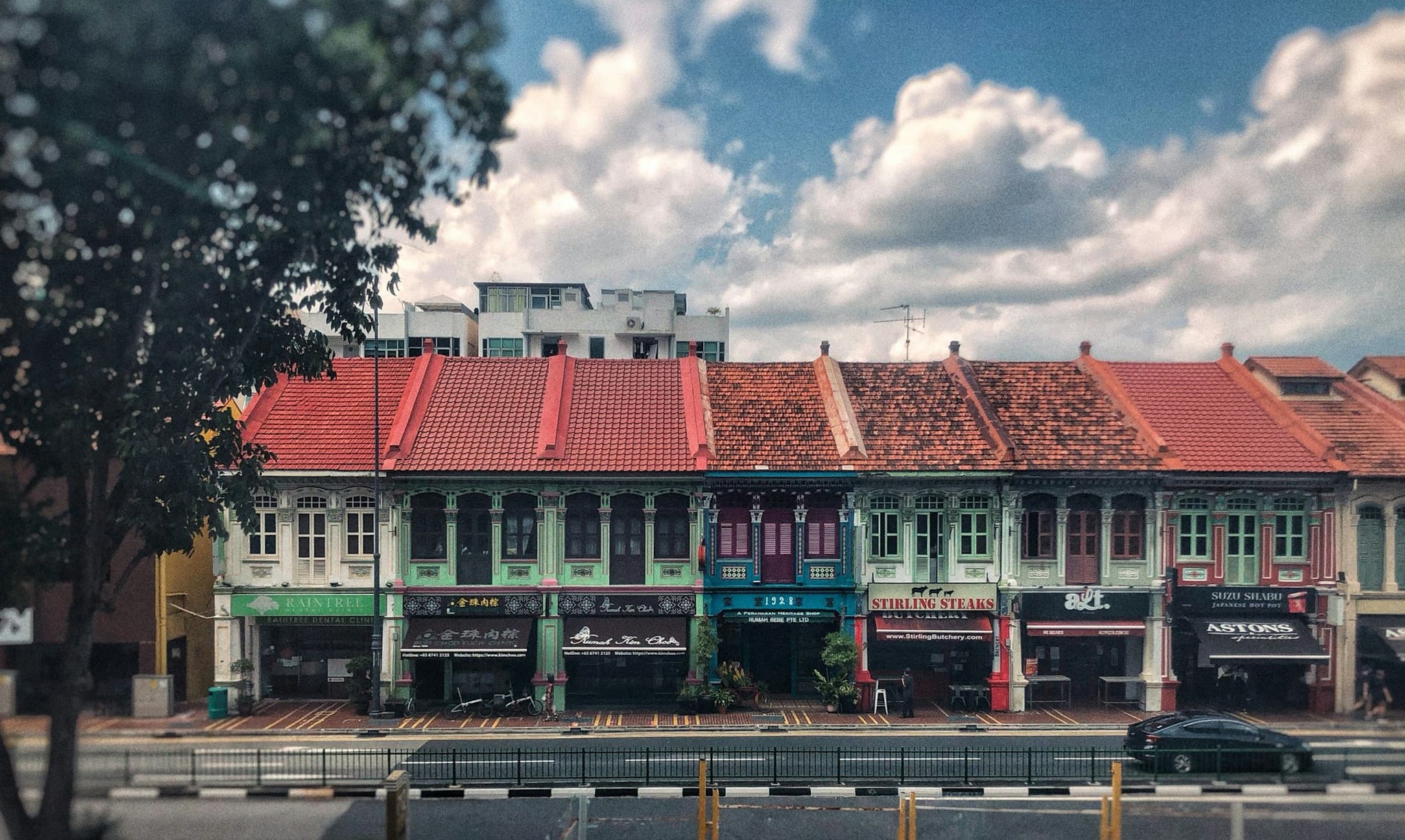
Joo Chiat is named after Chew Joo Chiat, a Peranakan businessman, and the area was made a Heritage Town in 2011. The pastel shophouses on Koon Seng Road are the photo stop, but we'd come mainly for breakfast. Katong laksa is a spicy coconut curry noodle soup made with cut noodles, so you eat it with a spoon rather than chopsticks. Mid-morning is the best time for a bowl and some kueh from a Peranakan bakery. Marine Parade MRT is closest.
Have breakfast in Tiong Bahru
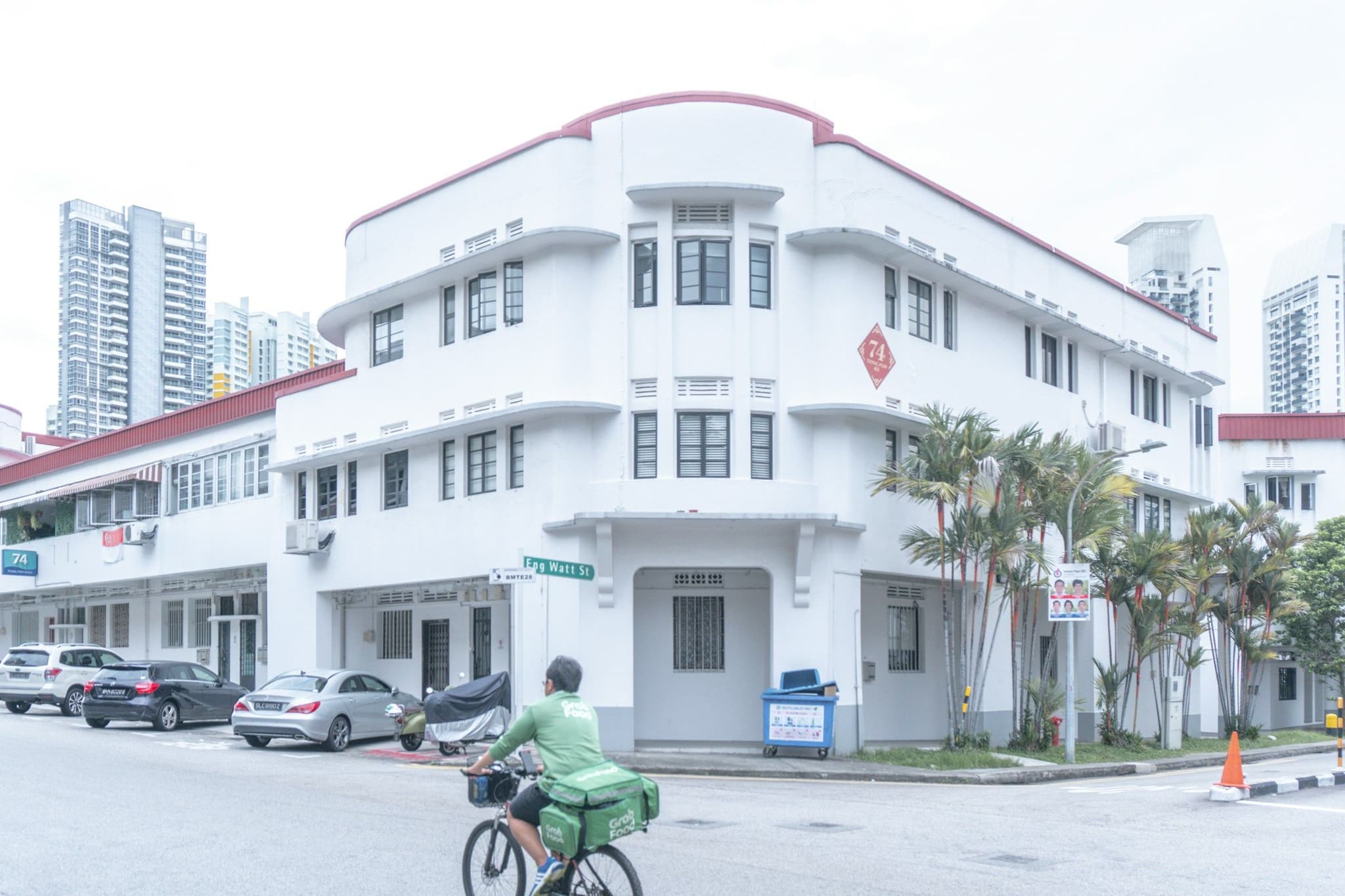
Tiong Bahru was Singapore's first public housing estate, built by the Singapore Improvement Trust, with its first Art Deco block finished in 1936. Twenty pre-war blocks have been conserved since 2003, so the estate looks much as it did before the war. Tiong Bahru Market opened in 1951 and was rebuilt between 2004 and 2006, and it's where we'd have breakfast before the bakeries. The Streamline Art Deco blocks are the reason to walk the estate rather than pass through. Tiong Bahru MRT is on the East-West Line.
Walk the Southern Ridges to Henderson Waves
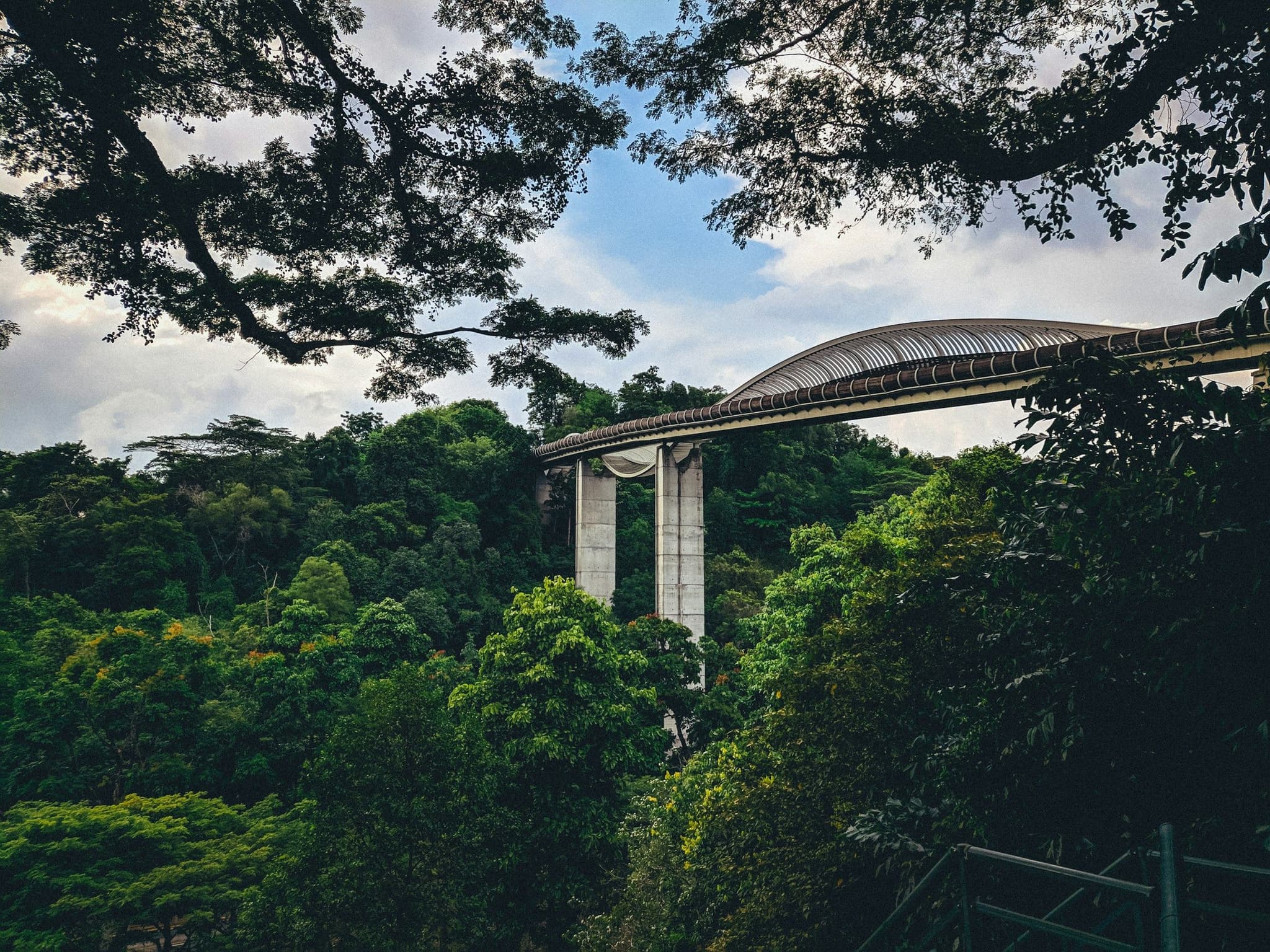
Henderson Waves is the highest pedestrian bridge in Singapore, 274 metres long and 36 metres above Henderson Road. It opened in 2008 and links Mount Faber with Telok Blangah Hill as part of the Southern Ridges, a trail of several kilometres. We'd walk it in the late afternoon from Telok Blangah Hill towards Mount Faber, so the sunset comes at the end. If you only have time for one forest walk, we'd pick this over the TreeTop Walk. HarbourFront and Telok Blangah are the stations to use.
Singapore itinerary ideas for your trip
Five days is the right length to see Singapore at an easy pace. Beyond a week, we'd add a ferry or a border crossing rather than more days in the city.
5 to 7 day Singapore itinerary
Day 1: Marina Bay and Gardens by the Bay, with the domes in the afternoon and the two free light shows after dark.
Day 2: Chinatown and Tiong Bahru, with lunch at Maxwell Food Centre.
Day 3: Little India and Kampong Glam, then dinner at Lau Pa Sat's Satay Street.
Day 4: Botanic Gardens at 7am, then the Night Safari in the evening.
Day 5: Sentosa for Universal Studios or the beaches.
Day 6-7: Katong and Joo Chiat, plus a morning on Pulau Ubin. Leave time for Jewel Changi on the way to the airport.
10 to 14 day Singapore itinerary
Day 1-5: The five-day route above.
Day 6: Katong and Joo Chiat at a slower pace.
Day 7: Pulau Ubin and the Chek Jawa boardwalk.
Day 8: Southern Ridges, or MacRitchie and Bukit Timah, then the civic district museums.
Day 9-10: Ferry to Bintan for a resort stay, or to Batam.
Day 11-14: Cross into Malaysia at Johor Bahru and on to Melaka or Kuala Lumpur, or fly on to Indonesia or Thailand.
You can build this route, or move the days around to suit you, in the Guided trip planner.
Fun things to do in Singapore
Some of the best things to do in Singapore cost very little, and these are the four we'd make time for.
Go on a hawker crawl
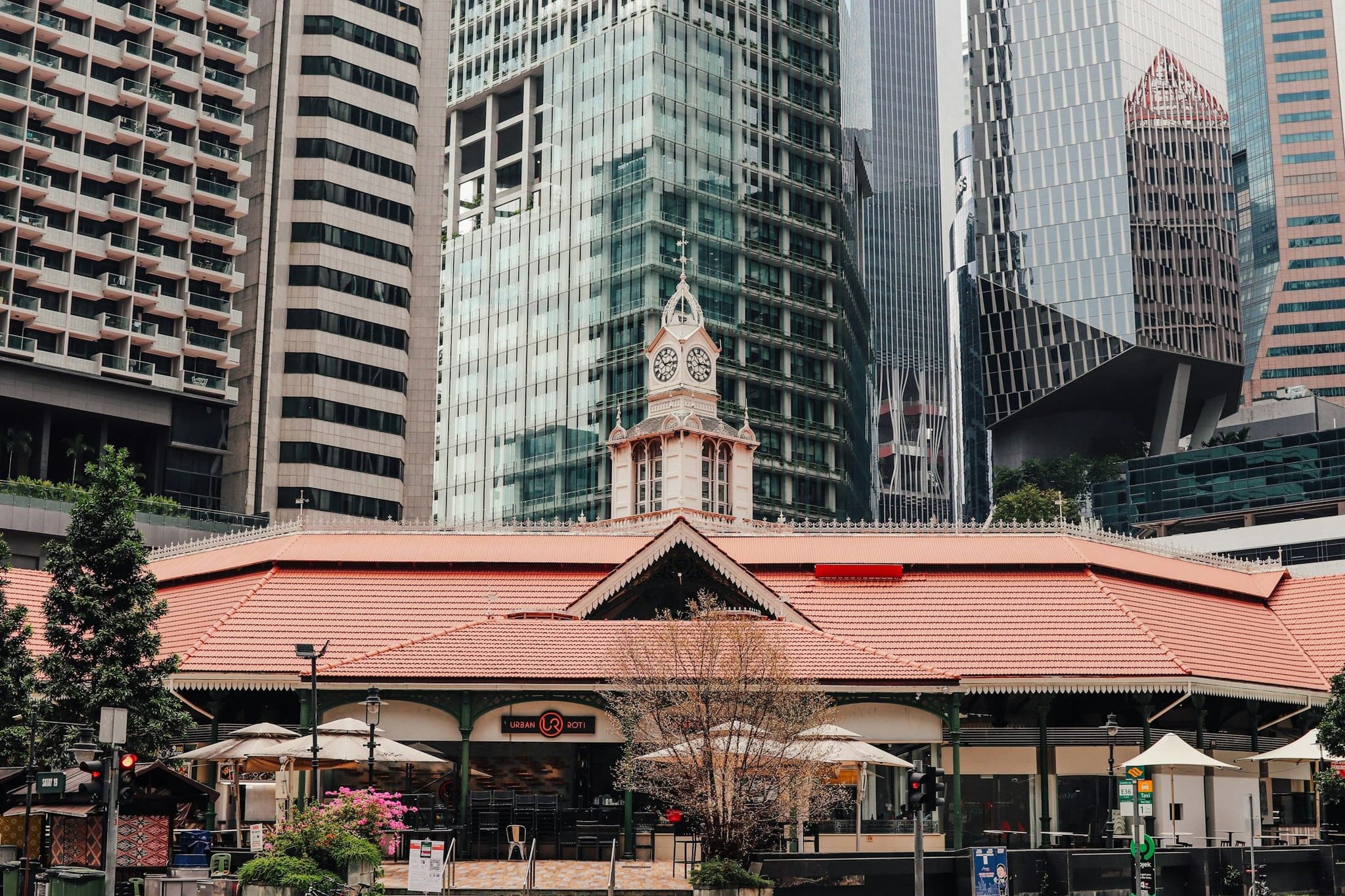
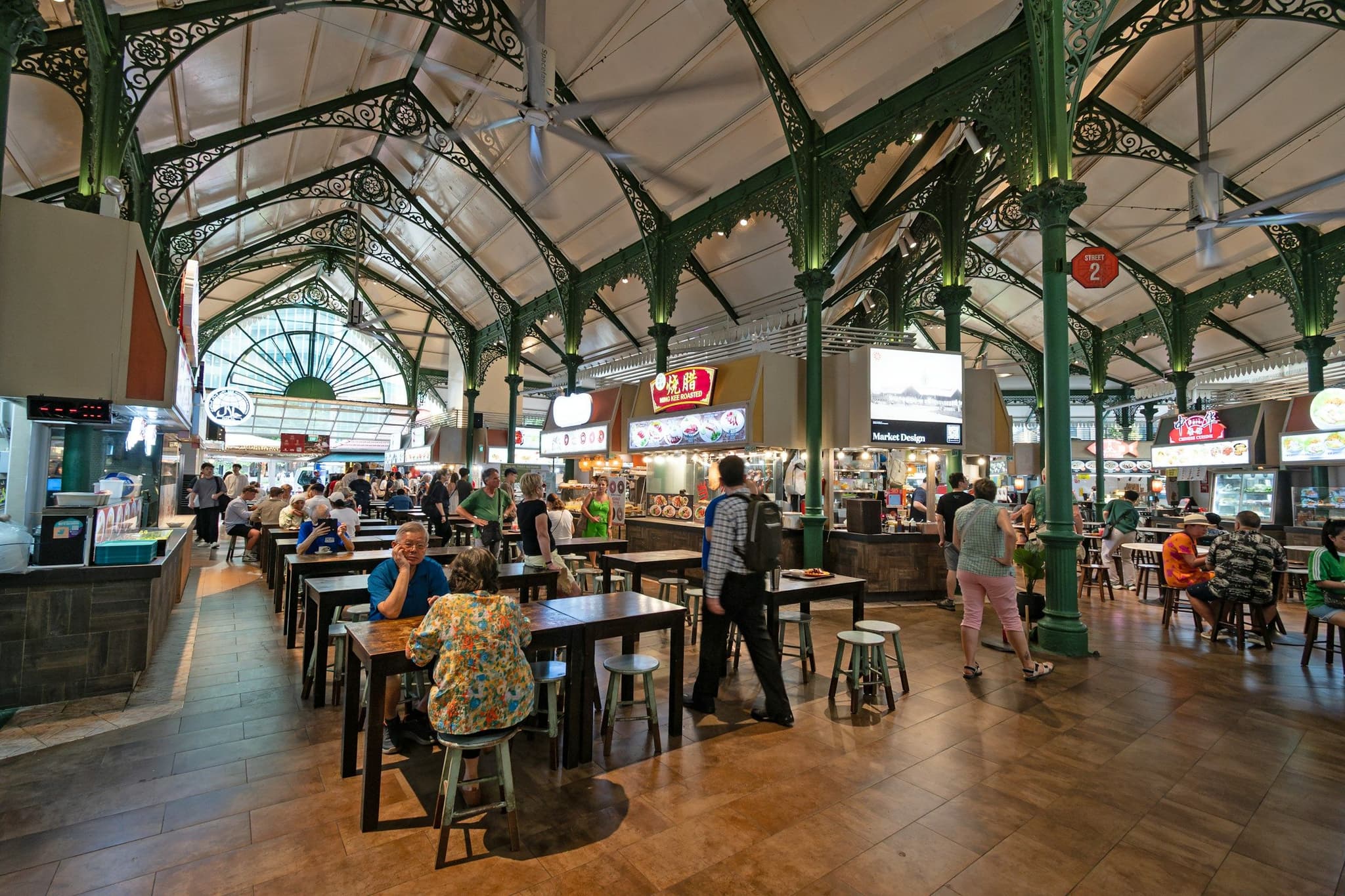
Lau Pa Sat is the place to start. Its cast-iron hall dates from 1894, and in the evenings Boon Tat Street beside it turns into Satay Street. Hill Street Tai Hwa Pork Noodle on Crawford Lane is the only hawker stall with a Michelin star in the 2026 guide. Lao Fu Zi Char Kway Teow at Old Airport Road is a 2026 Bib Gourmand. Newton is the most touristy of the big hawker centres. Old Airport Road is the most local, and it's the one we'd choose.
Take a bumboat along the Singapore River
Boats leave from Clarke Quay for a round trip of about 40 minutes, and tickets cost about S$25 to S$30 for adults. Go at dusk, when the skyline lights come on. Afterwards, drink at Boat Quay rather than Clarke Quay, which is louder and more of a nightlife strip.
Cross the TreeTop Walk at MacRitchie
Is there real forest in Singapore? Yes, and the TreeTop Walk puts you in the canopy of it. The free suspension bridge is about 250 metres long and up to 25 metres high, on a 7 km loop around MacRitchie Reservoir. It opens at 9am (8.30am at weekends and on public holidays), closes at 5pm and is shut on Mondays, which catches people out. Macaques live along the trail, so keep food out of sight. Bukit Timah Hill, at about 164 metres, is the highest point in Singapore and worth a separate morning.
Order a Singapore Sling at the Long Bar
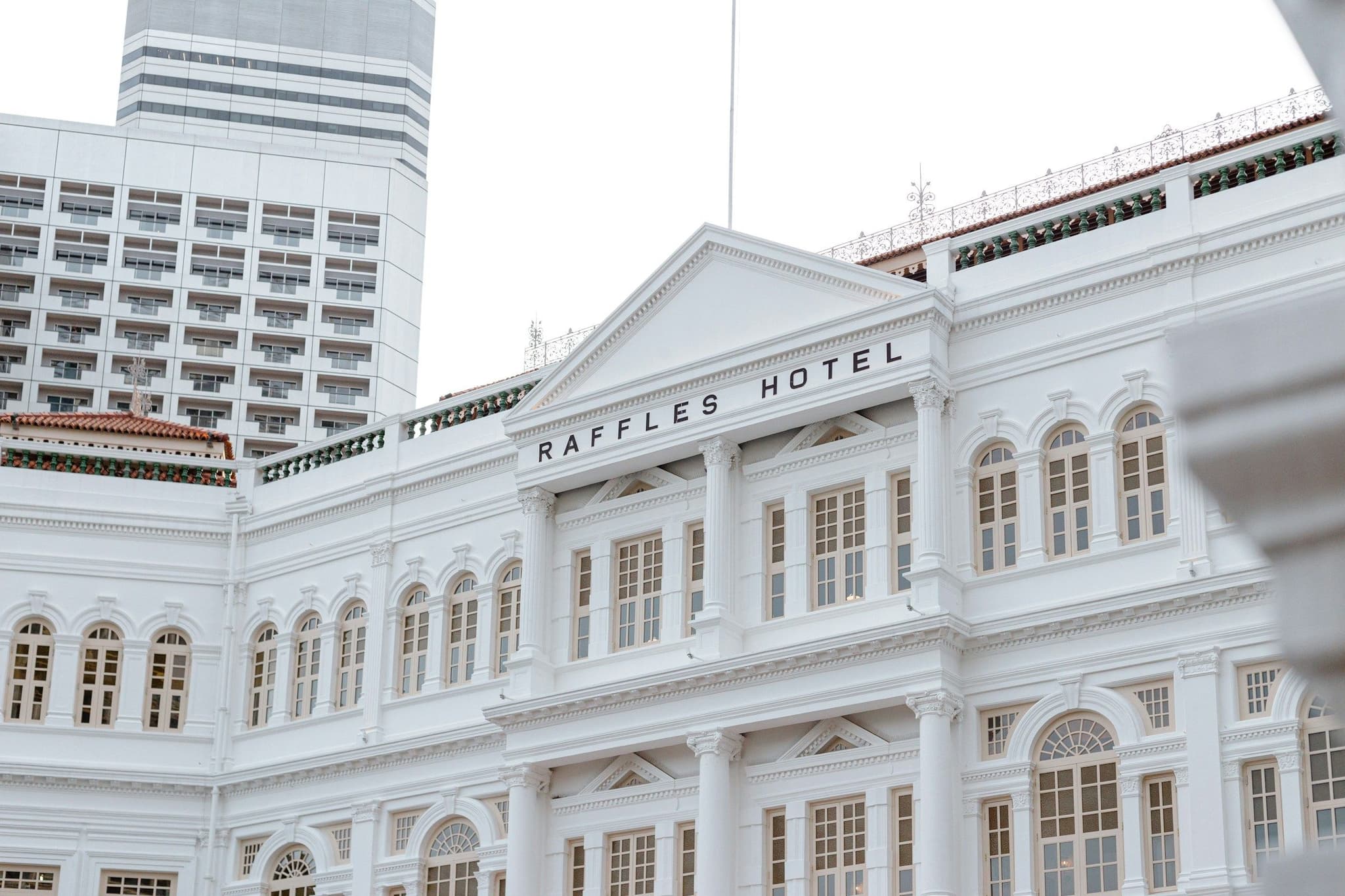
The Singapore Sling was created by Ngiam Tong Boon at the Raffles Hotel in the early 20th century, and the Long Bar is still where people go to order one. Expect to pay about S$37 before the 10% service charge and 9% GST, and to brush peanut shells off the floor on the way out. We'd still do it once.
When to go to Singapore?
What's the best month for Singapore? We'd pick February to April, the sunniest stretch, but the city works year-round because most sights are a short MRT ride from shelter. Average highs sit between 30.5 and 32.4 °C all year, with lows of 24.3 to 25.7 °C. Haze from regional fires can affect air quality, mostly August to October, so check the NEA haze readings if you're travelling then. The Formula 1 Grand Prix usually runs in late September or early October.
- NE monsoon (December to early March): The wettest stretch, heaviest in December and January, with Christmas lights on Orchard Road and Chinese New Year.
- Drier months (February to April): The sunniest window, still 31 to 32 °C. February is the driest month.
- Inter-monsoon (April to May and October to November): Hottest in April and May, with short afternoon thunderstorms most days. Deepavali falls in October or November.
- SW monsoon (June to September): Fairly dry with early-morning squalls, plus school holidays, the Singapore Food Festival, National Day on 9 August and the Grand Prix.

Did you know you can create your own itinerary?
Now that you know what to see in Singapore and where to stay, you can start creating your own trip. Do you want more evenings on hawker crawls and light shows, or are you thinking more about early forest walks and a ferry over to Bintan? It's all up to you. You can easily create your own trip in the Guided app for free, or use trips shared by others.
Where to stay in Singapore?
Base yourself near an MRT station rather than near any one sight. Everything else is then 10 to 20 minutes away. Expect to pay about S$25 to S$55 for a hostel dorm bed, S$120 to S$200 for a 3-star hotel, S$200 to S$350 for a 4-star and S$400 or more for a 5-star.
Chinatown and Tanjong Pagar
This is the best all-round base, and the one we'd choose for a first trip. You're central, with Maxwell and Amoy Street hawker centres close by and four MRT lines nearby. The trade-off is crowds.
Bugis and Kampong Glam
Bugis suits travellers who want cafés and bars on the doorstep at mid-range prices. It's on the East-West and Downtown lines and has plenty of hostels.
Marina Bay and the Civic District
Stay here for the views and for museums you can walk to. It's the most expensive part of the city, and once the office workers leave, the streets at ground level get quiet.
Little India
Little India is the cheapest central area, full of temples and food. It's also noisy, and Sunday evenings are very busy.
A note on holiday rentals. Private homes in Singapore can't legally be rented for less than three consecutive months. Fines run up to S$200,000 and guests can be evicted, so skip Airbnb-style listings. Serviced apartments such as Lyf and Citadines do take short stays, often with a minimum number of nights.
Guided tip: Book well ahead if your dates touch the Grand Prix weekend. Hotel prices jump that week, and big conferences can push them up too.
Getting around when visiting Singapore
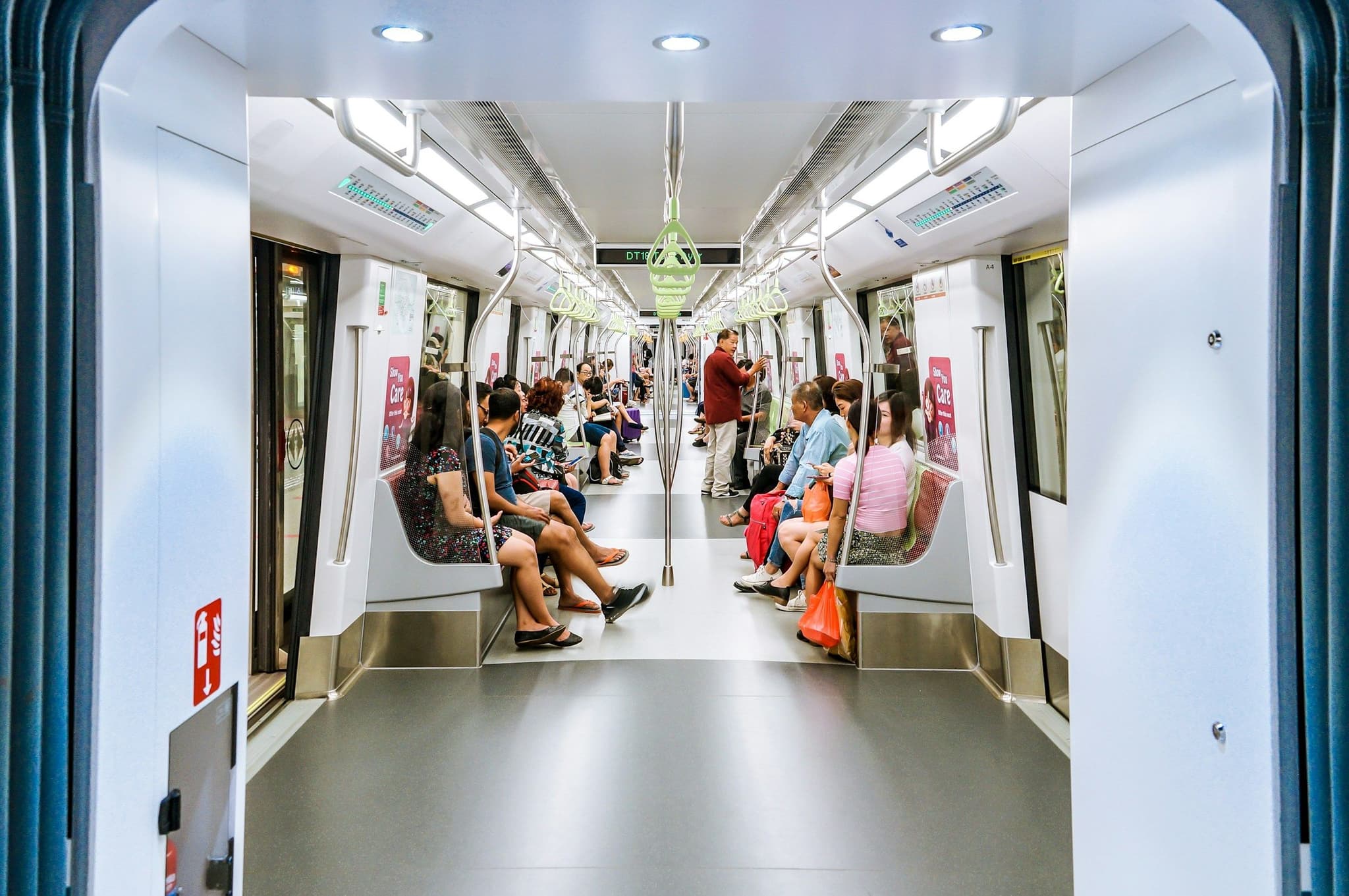
Singapore's MRT has six lines plus three LRT systems, and trains run from about 5.30am to midnight. You won't need a car.
MRT and buses with SimplyGo
There are no paper single tickets. Tap a contactless bank card or your phone wallet at the gates through the SimplyGo system, and use the same card on the way in and out. Fares are about S$1.30 to S$2.60 a ride and rise slightly from 26 December 2026. Buses take the same card. The Singapore Tourist Pass costs S$17 for one day or S$29 for three, and only pays off if you're riding a lot each day. From Changi Airport, the MRT takes 30 to 45 minutes to the city with a change at Tanah Merah and costs about S$2.
Taxis and ride-hailing apps
A CDG taxi starts at S$4.60 to S$4.80, with 25% added at peak times and 50% from midnight to 6am. Paying by card adds 10% plus GST. From the airport, a taxi to the city costs S$25 to S$45 plus an airport surcharge of S$6 to S$8. There's no Uber. Grab is the main app, alongside Gojek and others, and a city hop of 3 to 4 km costs about S$10 to S$16 off-peak.
Ferries to Indonesia and the crossing to Malaysia
Ferries to Batam leave from HarbourFront (now from the Singapore Cruise Centre) and Tanah Merah, take 45 to 70 minutes and cost about S$76 to S$88 return including fees. Bintan is about 70 minutes from Tanah Merah and about S$100 return in economy. For Johor Bahru in Malaysia, the RTS Link, due in early 2027, will make it a five-minute ride from Woodlands North to Bukit Chagar. Until then, use the Causeway buses or the KTM Shuttle Tebrau from Woodlands.
Guided tip: Skip the EZ-Link card if you have a contactless bank card. Tap it at the gates and you pay normal fares, plus a small daily fee for foreign cards.
Food and drinks you should try when visiting Singapore
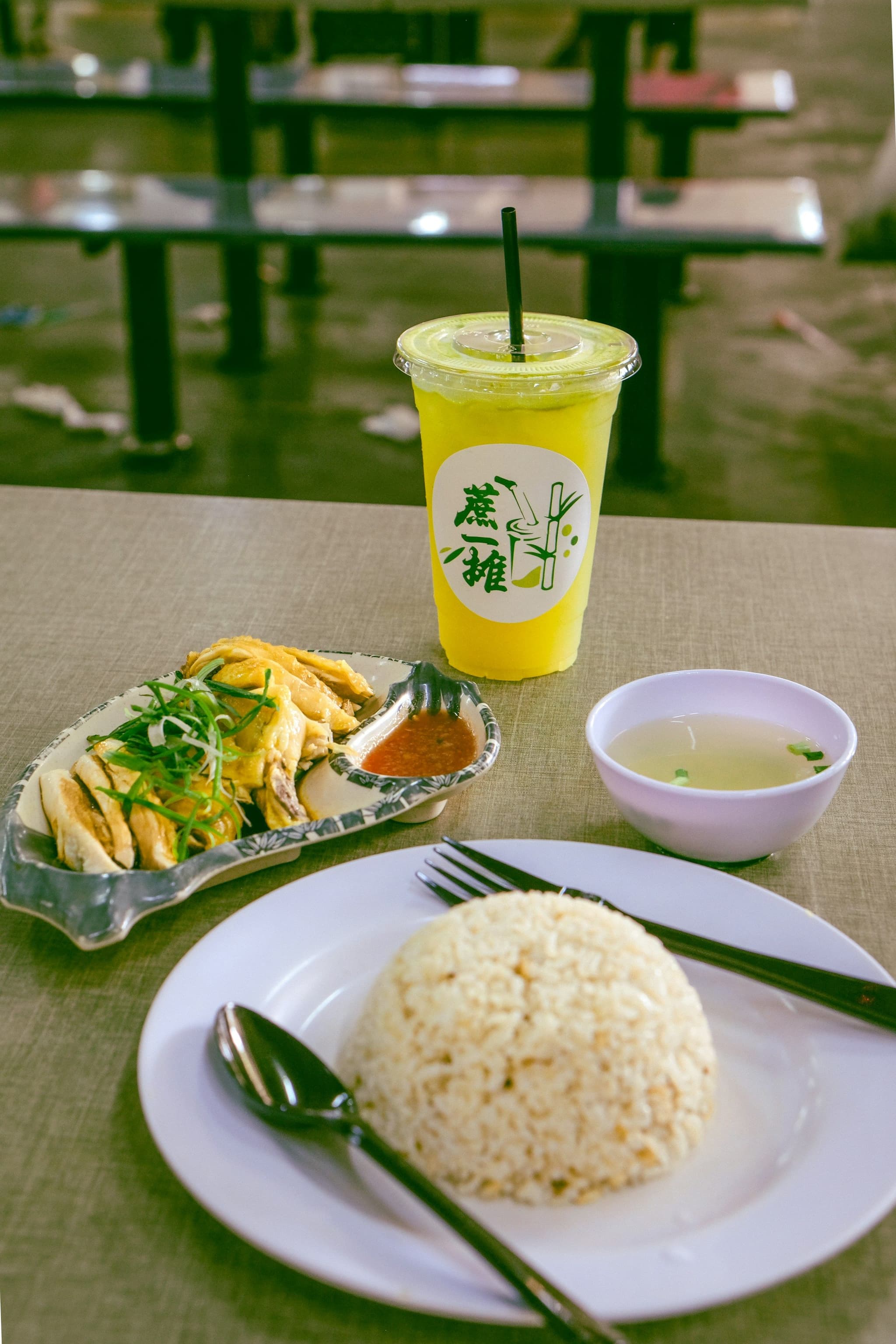
Eat at hawker centres for nearly every meal and save your restaurant money for one chilli crab dinner. Chicken rice costs about S$3.50 to S$5.50 at a hawker stall and a kopi S$1.20 to S$1.80, although some stalls added 50 cents to a dollar in 2026.
Chilli crab
Chilli crab was created by Cher Yam Tian in the 1950s, and from 1956 it was sold from a pushcart by the Kallang River. Palm Beach Seafood opened in 1963. It's sold at market price, so ask what you'll pay before you order. Make it your one sit-down seafood dinner of the trip.
Hainanese chicken rice
Poached chicken served with rice cooked in chicken stock sounds plain on paper. We'd still rank it the best-value meal in Singapore. Tian Tian at Maxwell Food Centre is the famous queue.
Laksa and char kway teow
Laksa is a spicy coconut curry noodle soup, and the Katong version uses cut noodles you eat with a spoon. Char kway teow is flat rice noodles fried with egg, cockles, Chinese sausage and dark soy. Lao Fu Zi at Old Airport Road is the 2026 Bib Gourmand pick. On other days, try roti prata or peppery Teochew-style bak kut teh.
Kaya toast and kopi
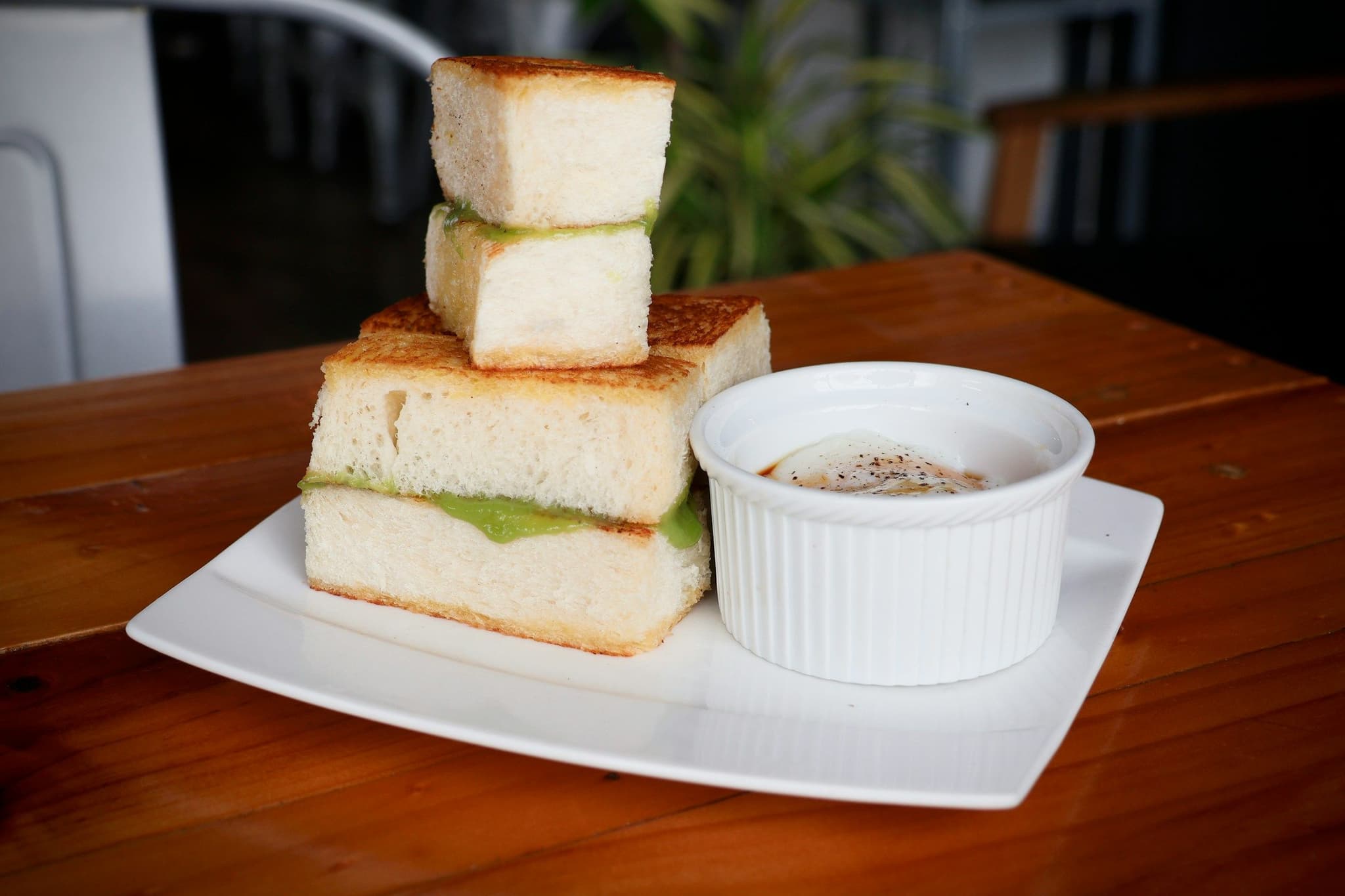
Breakfast in Singapore is kaya toast with butter and a pair of soft-boiled eggs. Kaya is a jam made from coconut and egg. Ordering the coffee that comes with it takes a bit of vocabulary.
- Kopi: coffee with condensed milk
- Kopi-O: black with sugar
- Kopi-C: with evaporated milk and sugar
- Kosong: no sugar
- Peng: iced
- Teh tarik: "pulled" milk tea
Culture and local habits you'll notice when visiting Singapore
About three in four of Singapore's citizens are Chinese (75.5%), with Malay (15.1%) and Indian (7.6%) minorities. There are four official languages, English, Mandarin, Malay and Tamil. Malay is the national language, but English is what everyone works in. On the street you'll hear Singlish, with its "lah" and "shiok" for something delicious.
At hawker centres, a packet of tissues or a lanyard on a table means someone has "choped" it, or reserved it, so find another seat. Return your tray when you're done. It's been enforced since September 2021, and repeat offenders can be fined. The tray return is the one rule we'd learn before your first hawker lunch. Tipping isn't expected. A "++" on a menu means 10% service charge plus 9% GST will be added to the price. Take your shoes off in homes and in Hindu and Buddhist temples and mosques, and dress modestly at places of worship.
Looking for more unique places, trips and activities?
Subscribe to our Guided Newsletter for more travel inspiration.
Costs of a holiday to Singapore
How expensive is Singapore next to its neighbours? Very. Numbeo's mid-2026 cost of living index puts Singapore at 87.7, more than double Thailand at 38.0 and over three times Indonesia at 26.1. Hotels and alcohol are where the money goes. Hawker food and public transport are cheap, which is why a budget trip of about US$75 to US$110 a day is possible, while mid-range travellers should plan on US$140 to US$250. We'd spend on a central hotel near an MRT station and save on food.
Food & Drink

Coffee
S$1.50 – S$8
Lunch
S$5 – S$35
Beer
S$8 – S$20
Accommodation

Hotels
S$150 – S$350
Serviced apartment
S$200 – S$400
Hostel dorm
S$25 – S$55
Transport
Trains (MRT)
S$1.30 – S$2.60
Tourist Pass
S$17 – S$29
Taxi / Grab
S$10 – S$35
Attractions

Museums
S$15 – S$25
Big Attractions
S$35 – S$86
Theatre
S$68 – S$238
Practical tips for visiting Singapore
Singapore's laws are stricter than most travellers are used to, and fines are enforced. The vape and drug rules are the ones to take most seriously.
✔ Submit the SG Arrival Card before you fly
Many nationalities, including the UK, EU and US, can visit Singapore without a visa. The immigration officer sets your length of stay, typically 30 to 90 days, and your passport needs at least six months' validity. Submit the free SG Arrival Card on the ICA website or the MyICA app within three days before you arrive. Only use addresses containing ica.gov.sg, as fake sites charge for it. Since 30 January 2026, airlines can be told not to board travellers who don't meet the entry rules, so check the official SG Arrival Card page and your own government's advice before travelling.
✔ Leave vapes at home and go easy on gum
Vapes and e-cigarettes are illegal to own or use, and they're confiscated at the border. Adults face S$700 fines, and etomidate "Kpods" are now a Class C drug. Selling chewing gum has been banned since 1992, and chewing tobacco is banned too. Drug penalties are severe and include the death penalty. Traces in your system on arrival can lead to arrest. The UK government's Singapore travel advice covers the rules in more detail.
✔ Carry small notes for hawker stalls
Contactless payment works nearly everywhere, but some hawker stalls take only cash or PayNow, so keep small Singapore dollar notes on you. Spend S$100 or more with one retailer (up to three same-day receipts) and you can claim back the 9% GST through the Tourist Refund Scheme at the eTRS kiosks at Changi before check-in. You need to be 16 or over and leaving by air.
✔ Keep the MRT rules in mind
Use a contactless card on the MRT and buses, and don't eat or drink on board, not even water. Fines go up to S$500. Durian is banned on the MRT too.
✔ Plan for dengue and haze season
Crime is very low, and the US rates Singapore Level 1, its lowest advisory. Watch for phone scams from people posing as officials. Dengue peaks from May to October, so wear repellent. From August to October, haze from regional fires can affect air quality, so check the NEA readings. Tap water is safe to drink. In an emergency, call 999 for police or 995 for an ambulance or the fire service.
✔ Learn the local laws before you break one
Littering and spitting can bring fines, and so can jaywalking. Drinking in public is banned from 10.30pm to 7am outside licensed venues, with longer bans in the Liquor Control Zones of Little India and Geylang. Smoking is only allowed in designated areas, and Orchard Road is a No Smoking Zone.
Fun facts about Singapore
Six things worth knowing about the island before your first hawker lunch.
- Singapore is one of only three sovereign city-states, with Monaco and Vatican City.
- Stamford Raffles set up a British trading post in 1819, and Singapore became independent on 9 August 1965 after separating from Malaysia.
- Land reclamation has grown the country by about a quarter since the 1960s, from about 580 km² to about 735 km².
- The national flower is an orchid hybrid, Vanda Miss Joaquim, chosen in 1981.
- NEWater, recycled wastewater, is one of Singapore's "Four National Taps".
- The Singapore Grand Prix was the first night race in Formula 1 history, in 2008.
Go hungry, and pack a packet of tissues for choping a hawker table.
Ready to map out your trip to Singapore?
We hope this Singapore travel guide has given you a clear starting point for your trip. Stay tuned for more inspiration, itineraries and practical tips to help you shape your perfect holiday to Singapore. And don't forget to check out our Guided app, where you can create your own trip or use trips shared by other travellers for free.
FAQS about visiting Singapore
How many days do you need in Singapore?
Three to four days covers the main sights. With five to seven days, you can add Sentosa and the Night Safari at a slower pace, plus a morning on Pulau Ubin. Inside the Guided app, you can create your own trip route and see how many places you can fit into your days.
What is the best area to stay in Singapore?
For most first trips, stay in Chinatown or Tanjong Pagar, or in Bugis if you want more cafés and bars. Marina Bay is the choice for views, at a higher price.
What is Singapore known for?
Hawker food comes first, recognised by UNESCO in 2020. After that, it's the Marina Bay skyline and Changi, named the World's Best Airport by Skytrax 14 times.
Can you get around Singapore without a car?
Yes, easily. Six MRT lines and the buses take contactless cards, and Grab is cheap for short hops.
Is Singapore expensive?
For hotels and alcohol, yes. Numbeo puts its cost of living at more than double Thailand's or Malaysia's. Hawker meals at about S$4 to S$7 keep daily costs down, though.
Is Singapore safe to visit?
Very. The US rates it Level 1, its lowest advisory level, and crime is low. Take the strict laws on drugs and vaping seriously, and watch for scam calls and seasonal haze.
Is Singapore good for a stopover?
Yes. Transit passengers with a layover of five and a half to 24 hours can join Changi's Free Singapore Tour, a 2.5-hour tour, as long as your bags are checked through. You still need to meet the entry rules and submit the SG Arrival Card. Jewel Changi is landside, so you have to clear immigration to see its 40-metre Rain Vortex.
Can you chew gum in Singapore?
Chewing it isn't illegal, but selling it has been banned since 1992. Bring only a small amount for yourself, and never drop it.
Plan your trip to Singapore in Guided.
Save the places you find, then let Guided lay out the days, the map and the details.
More in Asia
All destinations ChinaChina packs imperial Beijing, the Terracotta Army, misty karst rivers and some of the world's best regional food into one vast country linked by fast trains.
 IndiaIndia is a vast and diverse country celebrated for its rich history, spiritual traditions, unique food and stunning landscapes ranging from the Himalayas to tropical coastlines.
 IndonesiaIndonesia is a tropical paradise of islands with stunning beaches, breathtaking natural beauty, and rich cultural history.
 JapanJapan offers a blend of ancient traditions and cutting-edge technology, stunning natural landscapes, and globally influential culture.