
Qatar

Qatar travel guide: Everything you need to know before visiting Qatar
Qatar covers 11,581 km², and more than 80% of its people live in Doha. That makes it one of the easiest countries in the Gulf to see properly. Two of the region's best museums, I. M. Pei's Museum of Islamic Art and Jean Nouvel's National Museum of Qatar, sit a short ride apart on the Doha Corniche, and Souq Waqif's lanes of spice stalls and falcon shops are nearby in the old centre. About 78 km south, the dunes of Khor Al Adaid run straight down into an inlet of the Gulf. Even the ruined pearling town of Al Zubarah, in the far northwest, is a day trip.
Compared with Dubai, Qatar is quieter and more compact, with more museums and fewer theme parks, and its rules on alcohol are stricter. It suits museum and architecture fans, winter-sun seekers, first-time desert safari travellers and sports fans, and it works well as a stopover on Qatar Airways. We'd steer you away in summer, when July highs average 41.9 °C, and it's a poor fit for budget backpackers. This guide covers where to go, how long to stay, what things cost and the rules to know before you land.
5 reasons to visit Qatar
These are the five we'd build a first trip around.
- Walk through more than 1,300 years of Islamic art in I. M. Pei's museum on the Doha Corniche.
- Ride a 4x4 over the dunes to Khor Al Adaid, where the desert meets the sea.
- Lose an evening in Souq Waqif's lanes of spice stalls and falcon shops.
- See Richard Serra's four steel plates rising from the western desert at Brouq.
- Watch robot jockeys race camels at Al Shahaniya on a winter morning.
Where to visit in Qatar?
How much of Qatar is there outside Doha? Enough for four or five day trips, though you'll sleep in the capital for nearly all of them. We start in the city and then work outwards.
Souq Waqif
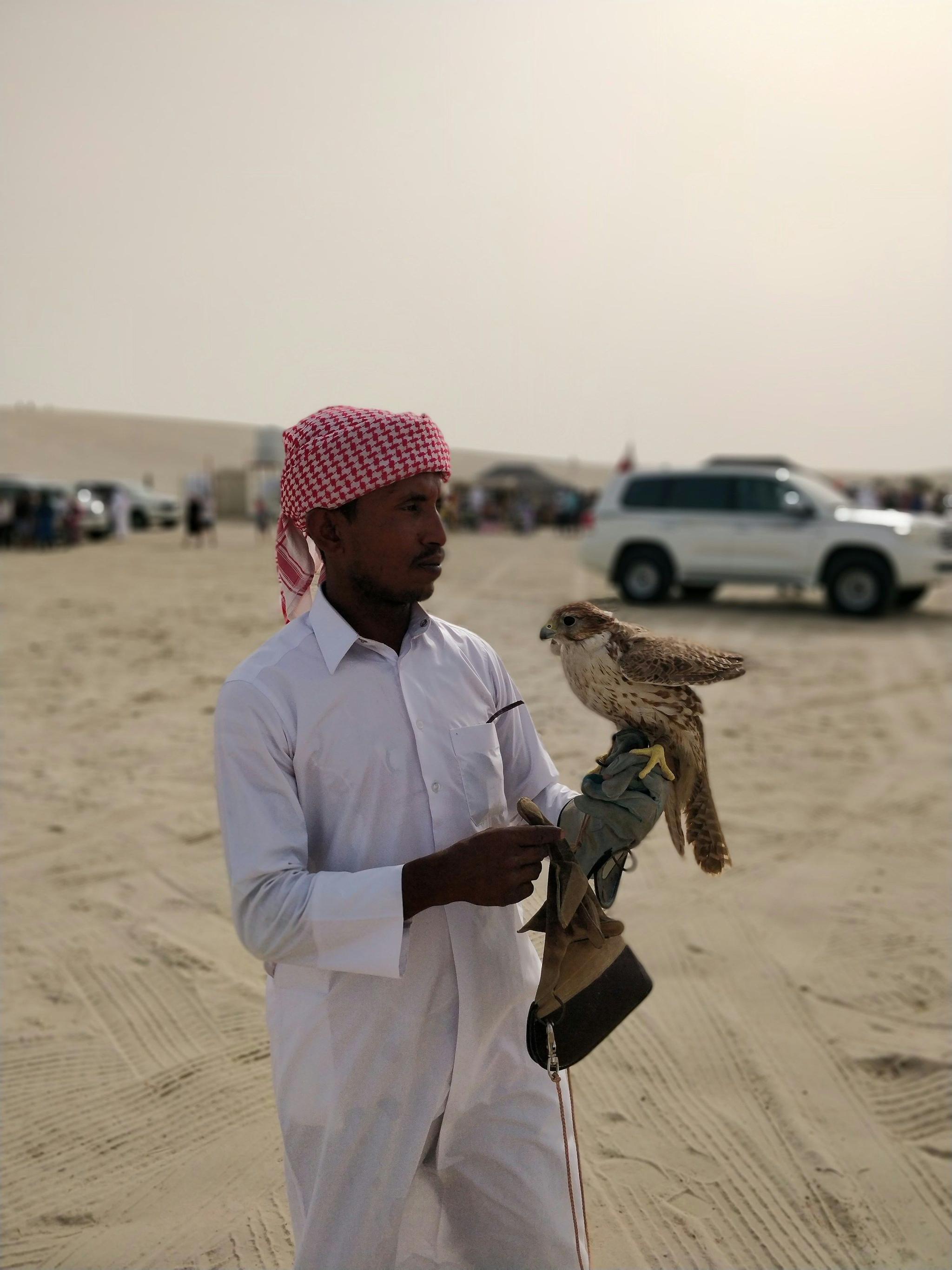
Souq Waqif means "the standing market", after the traders who once stood at its gates to sell. A fire in 2003 destroyed most of it, and a restoration from 2006 to 2008 cleared away the post-1950s buildings and refurbished the older ones, so what you walk through today is a careful rebuild. The lanes sell spices, perfumes, gold and handicrafts, and the separate falcon souq sells live falcons and their gear. Go after dark, when it's busiest and coolest. The spiral minaret of the Fanar cultural centre, modelled on the Great Mosque of Samarra, is close by.
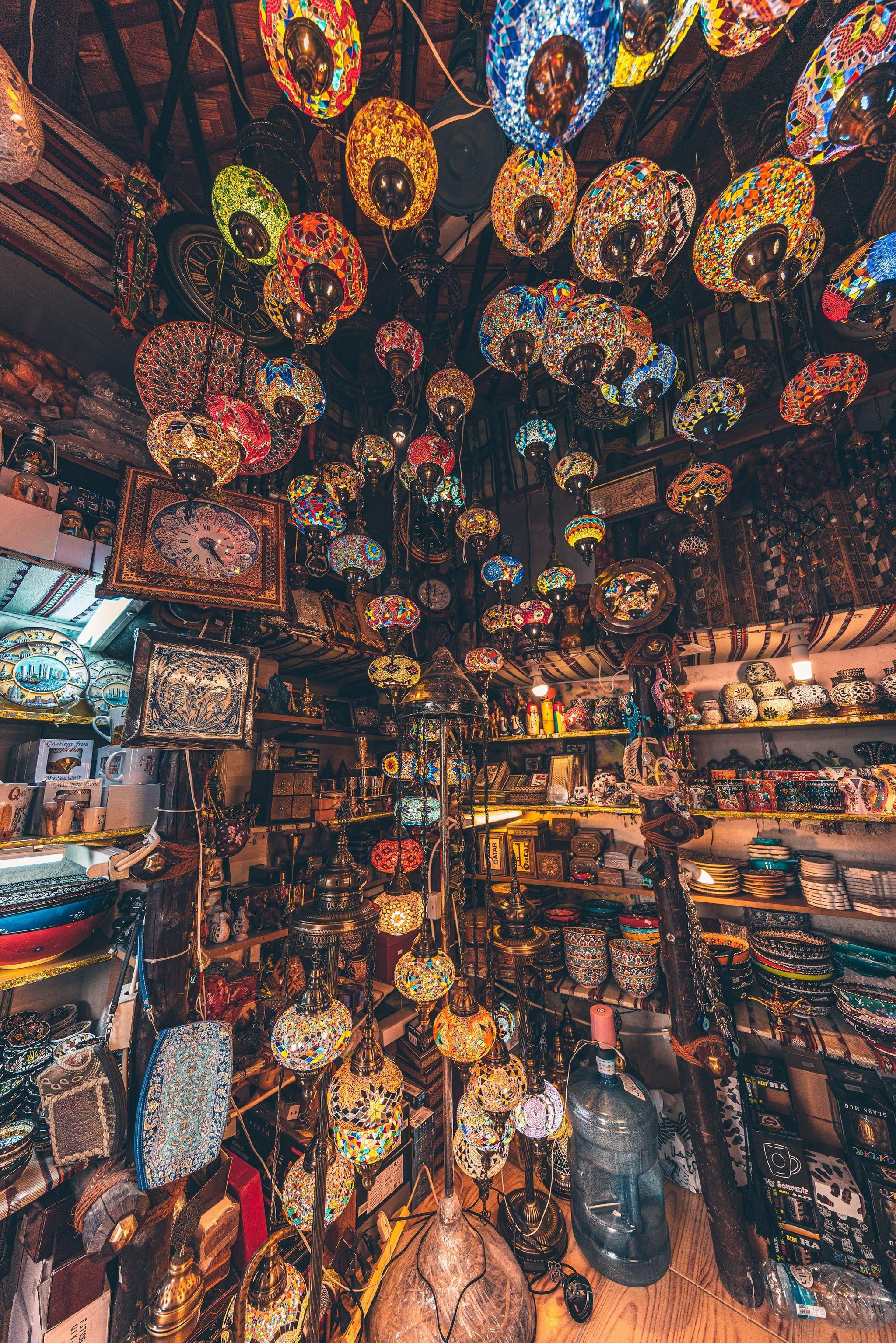
Museum of Islamic Art and MIA Park
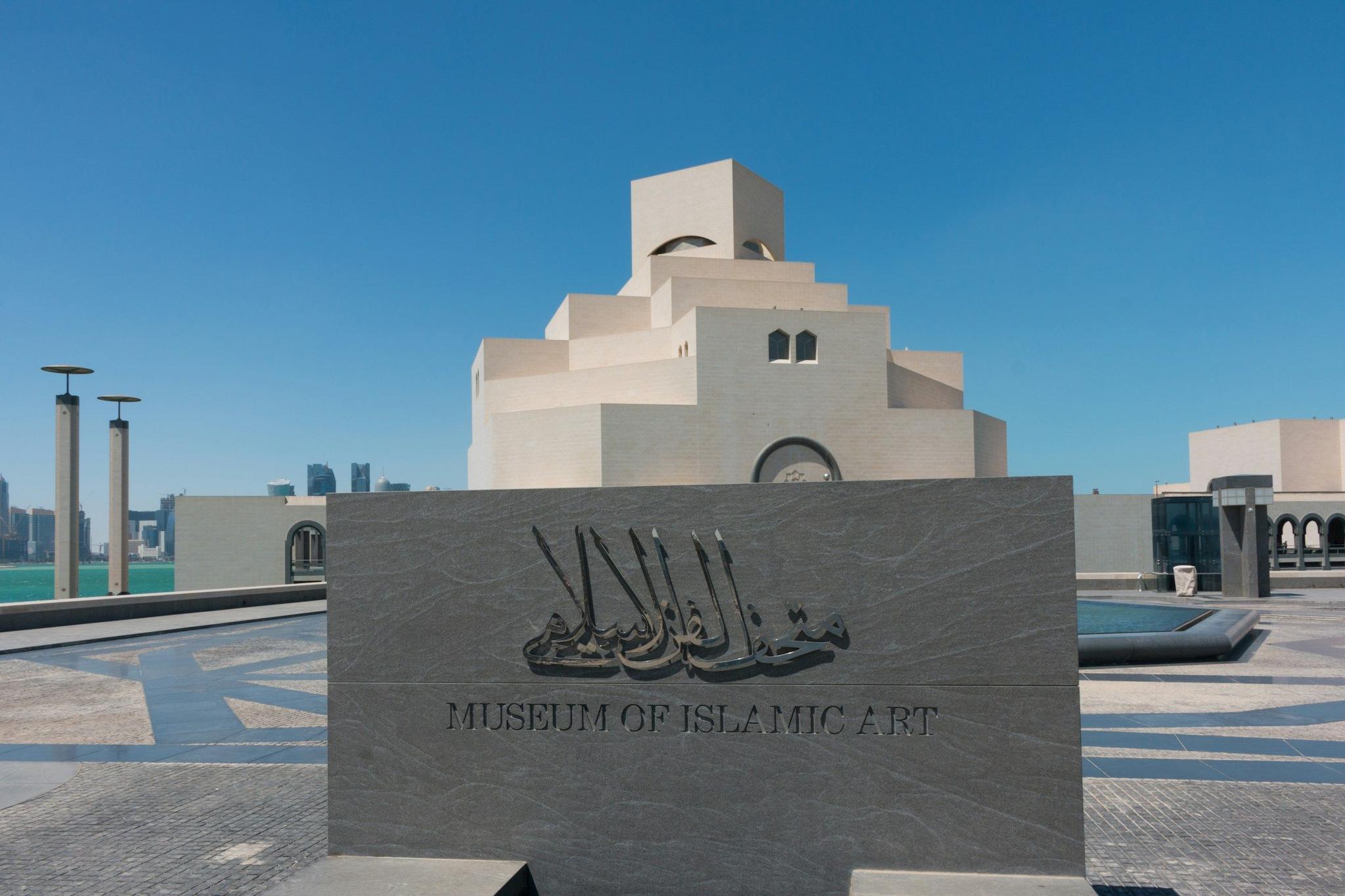
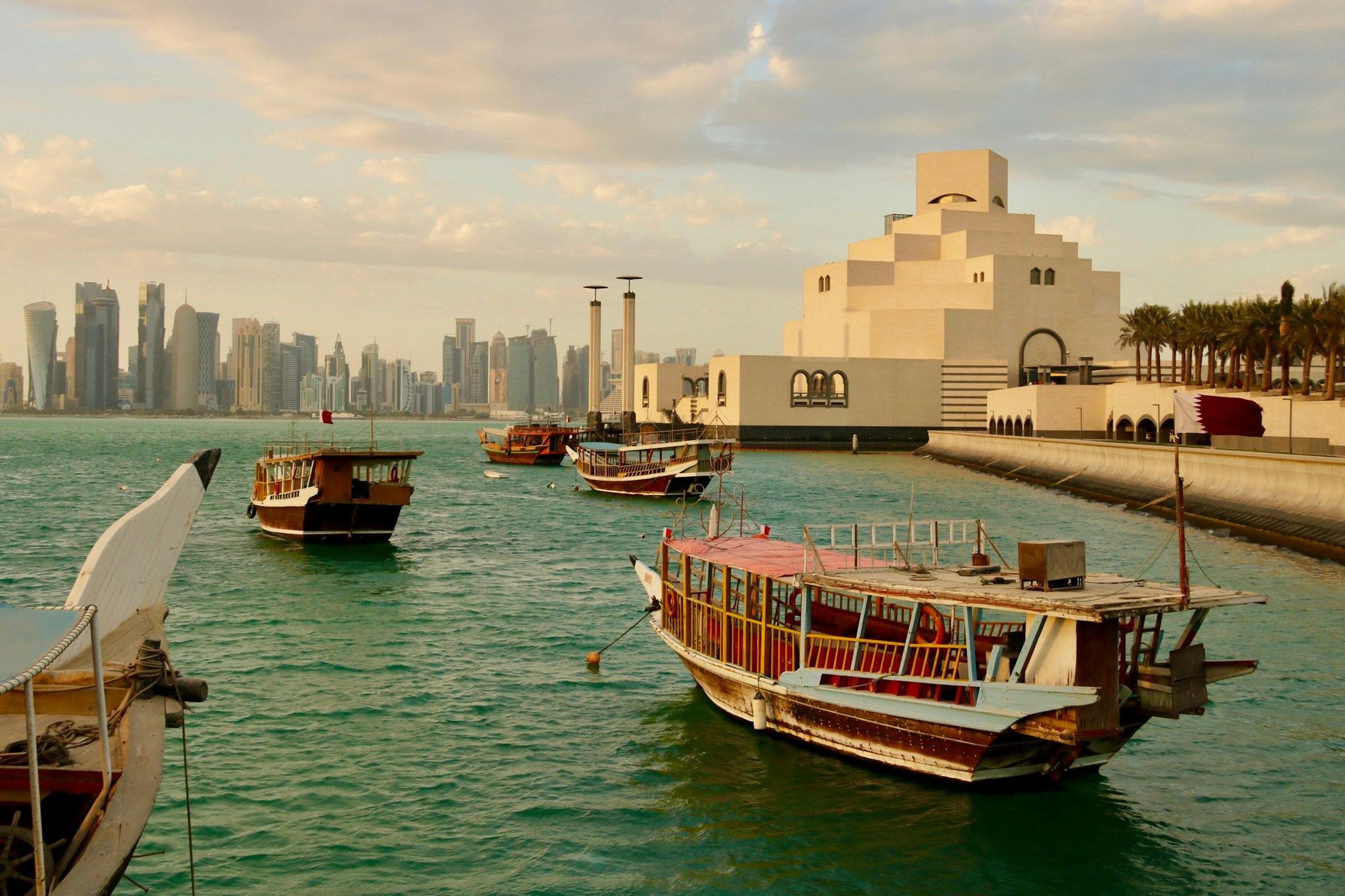
I. M. Pei was 91 and retired when he agreed to design the Museum of Islamic Art. It opened in 2008 on its own artificial island off the Corniche, a limestone building whose patterns draw partly on Cairo's Ibn Tulun Mosque. Inside, 18 galleries over four floors cover Islamic art from the 7th to the 20th century, from Spain to Central Asia. Non-resident adults pay QR50 and under-16s go free. It's closed on Wednesdays. We'd come in the late afternoon and then walk out into MIA Park, open 24 hours, to watch the sun set behind the West Bay towers next to Richard Serra's steel sculpture "7".
National Museum of Qatar
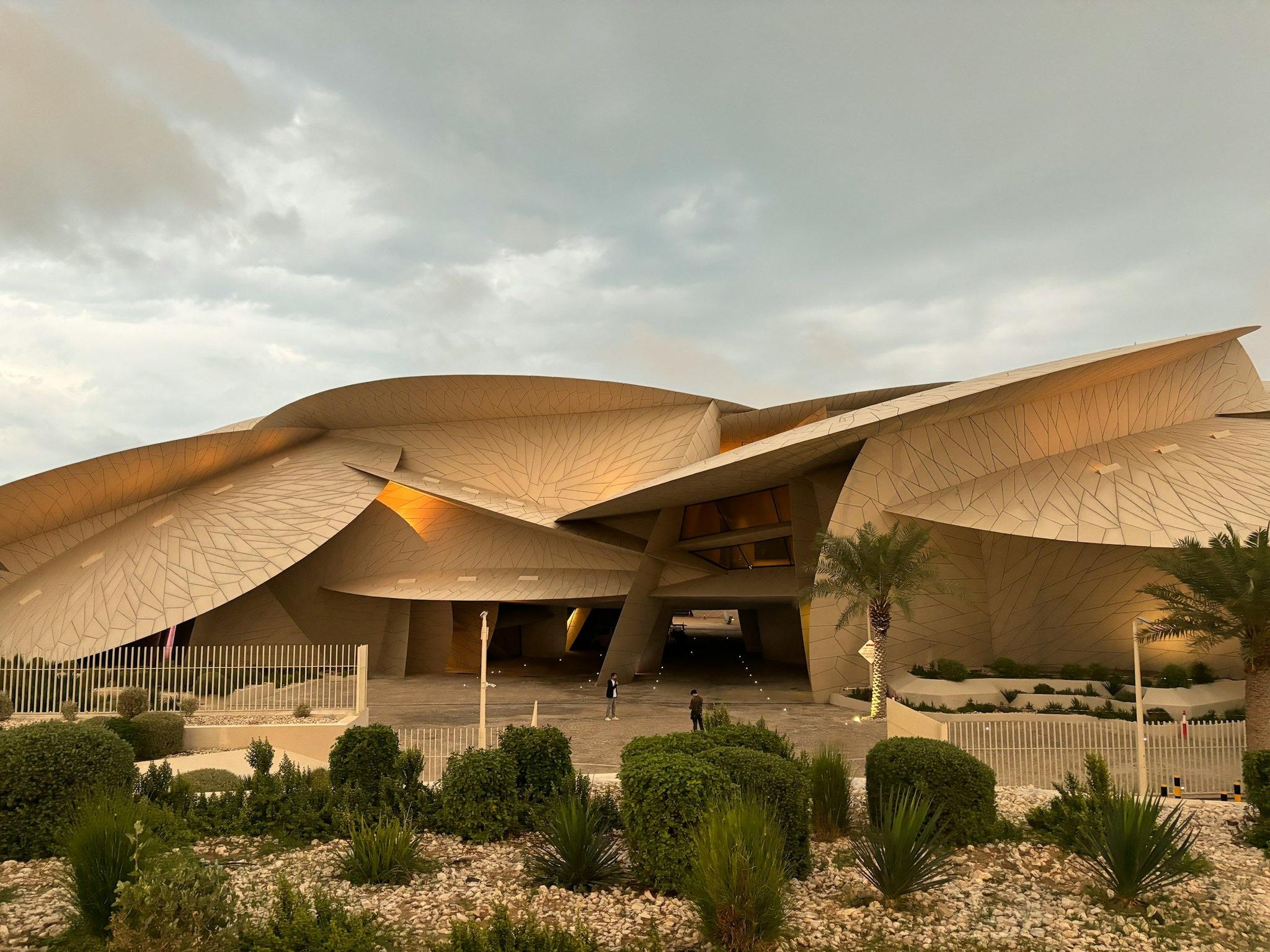
If you only see one museum building in Doha, make it this one. Jean Nouvel based the National Museum of Qatar, opened in March 2019, on the desert rose, a crystal that forms in the sand, and its interlocking discs cover about 40,000 m². It wraps around the early 20th-century Old Palace of Sheikh Abdullah bin Jassim Al Thani. The galleries loop from natural history and Bedouin life to the oil years. For the collection itself, MIA is stronger. Tickets cost QR50 for non-residents, and the Gold Line stops at Qatar National Museum station.
Msheireb Museums
Bin Jelmood House is the most moving museum visit in Doha, and it's free. It's one of four restored houses that make up the Msheireb Museums, opened in 2015 inside Msheireb Downtown, a 31 ha rebuild of the old Mushayrib district next to Souq Waqif. Bin Jelmood tells the story of slavery in Qatar and the Gulf, including its link to pearl diving, up to abolition in 1952. The other three cover the oil industry, the growth of the city and early 20th-century home life. All four close on Sundays, and they're a 10 to 15 minute walk from Souq Waqif.
Doha Corniche and West Bay
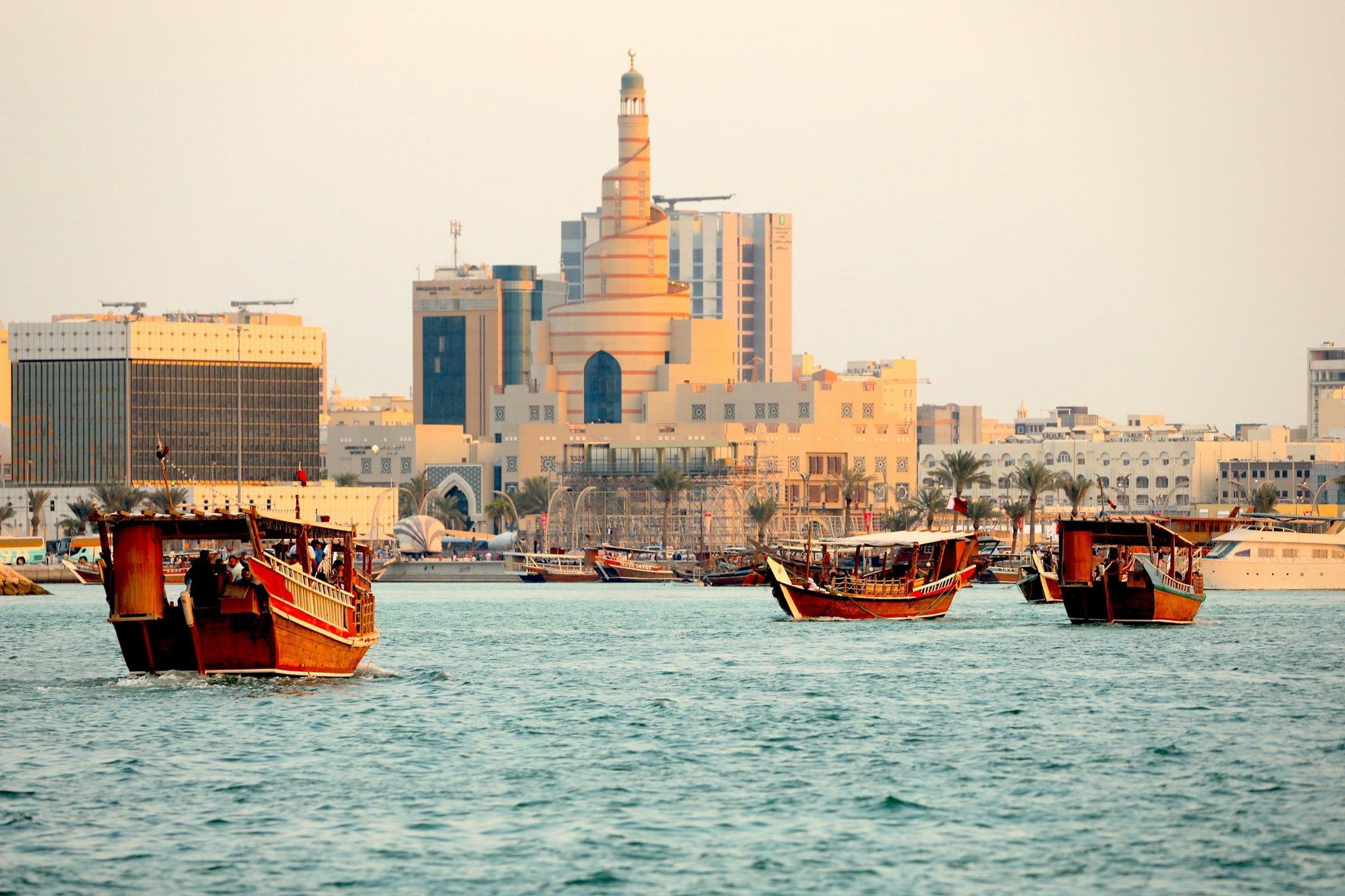
The Doha Corniche curves for about 7 km around Doha Bay, from the Sheraton in West Bay to the edge of the old centre near Souq Waqif, with a promenade and cycle paths along the water. MIA sits at one end and the glass towers of West Bay at the other. Walk it at dusk, starting at MIA and heading towards the towers as they light up. At midday in summer it's far too hot. Wooden dhows wait at several points along the way for short rides on the bay.
Katara Cultural Village and The Pearl
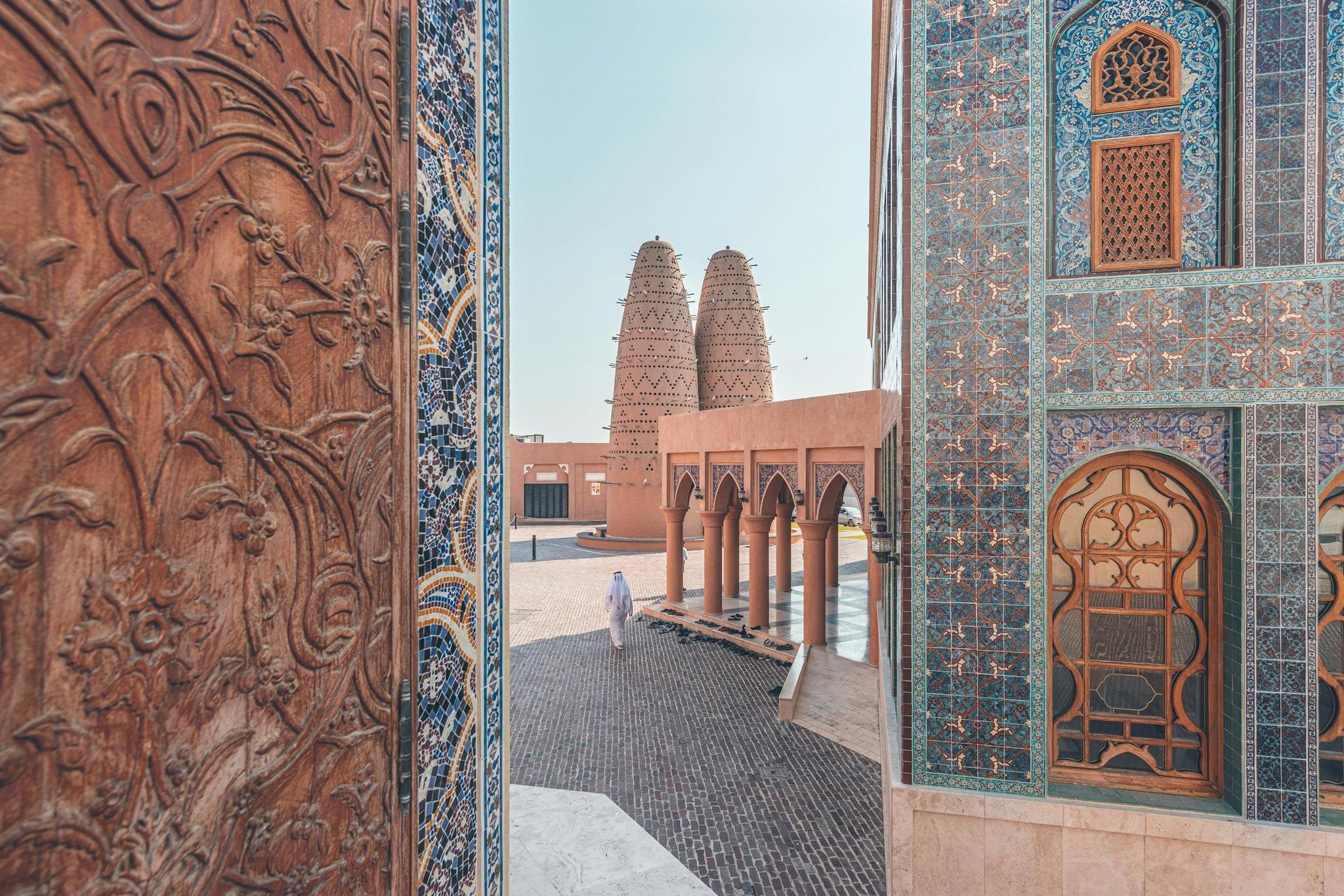
Katara is worth an evening. The Pearl is worth one only if you like marinas and cafés. Katara Cultural Village opened in 2010 on reclaimed land, and its alleys lead past pigeon towers and a 5,000-seat amphitheatre to the Katara Mosque, covered in turquoise mosaics by Zainab Fadil Oglu. It has a 1.5 km beach and its own Red Line station. Next door, The Pearl is an artificial island of nearly 4 km² and the first place in Qatar where foreigners could buy freehold land. Porto Arabia marina and the canals of Qanat Quartier are made for a slow coffee.
Lusail
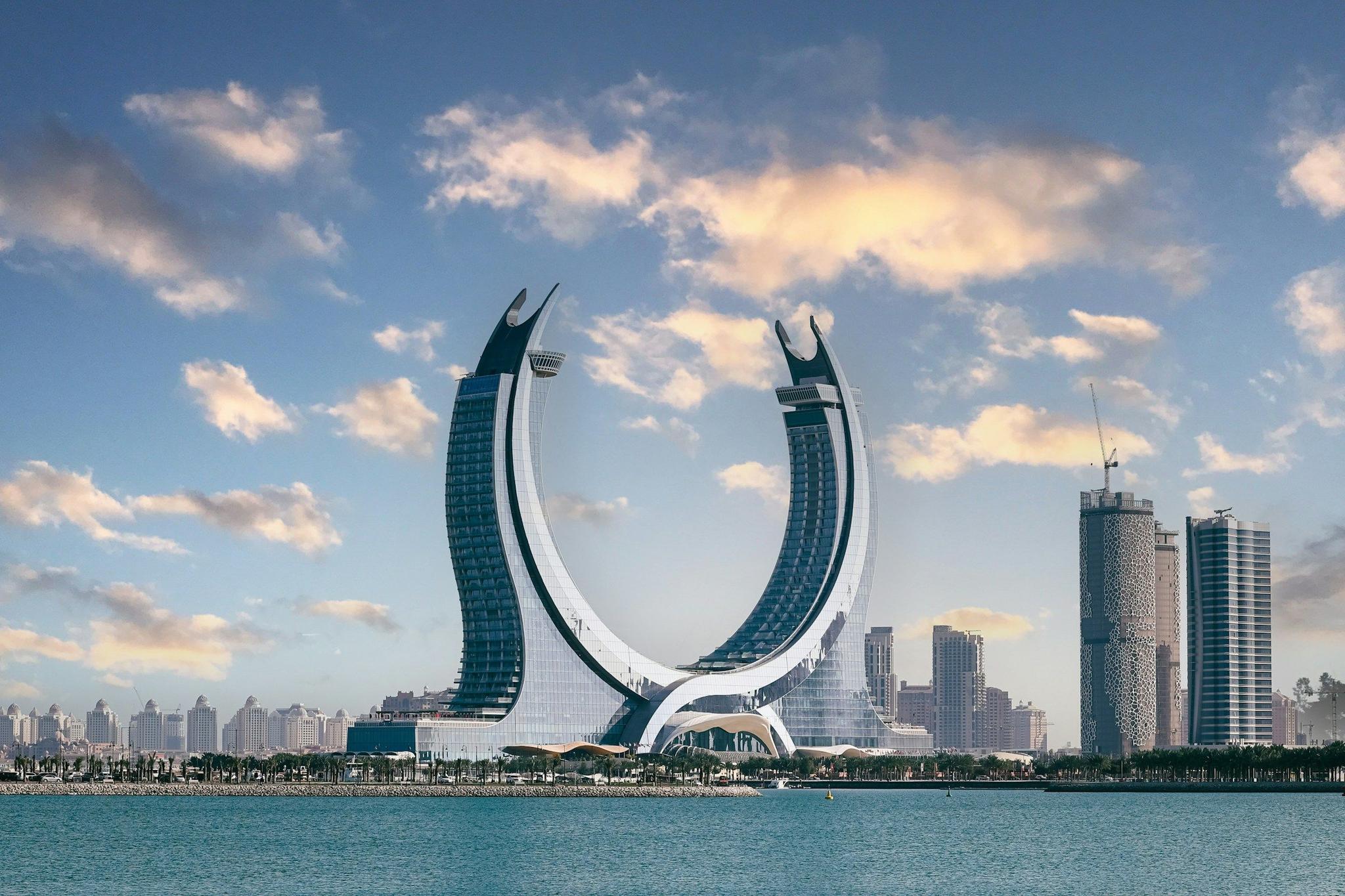
Lusail is a new city just north of Doha, and the scale is the point rather than any single sight. Lusail Stadium, with about 86,000 seats, hosted the 2022 World Cup final. Lusail Boulevard runs between the crescent-shaped Katara Towers and the stadium. The metro and the Lusail Tram both serve the area. Come for an evening on the marina promenade, or for a race weekend at Lusail International Circuit.
Al Wakrah
Souq Al Wakrah, 19 km south of Doha, opened in 2014 as a rebuilt traditional market of low stone and wood buildings, set directly on Al Wakrah Beach, with a promenade and replica dhows. It's smaller and calmer than Souq Waqif, and it's where we'd go for a seafood dinner by the beach. The Red Line runs a branch to Al Wakra, so you don't need a car.
Al Khor, Al Thakhira and Purple Island
Al Thakhira, about 60 km north of Doha and 7 km from the old pearling town of Al Khor, has the densest mangrove habitat in Qatar, about 1,392 ha of grey mangrove, protected as a reserve since 2006. A morning kayak here is the best nature trip within reach of the city. Purple Island, or Jazirat Bin Ghanim, is joined to the shore by a wooden bridge and is another popular place to paddle. It has no shade and no facilities, so go between November and February. In Al Khor itself, the tent-shaped Al Bayt Stadium hosted a semi-final of the 2022 World Cup.
Al Zubarah
The Bani Utbah founded Al Zubarah, about 105 km from Doha on the northwest coast, as a pearling and trading town in the mid-18th century. It was burned in 1811 and abandoned in the 20th century, and UNESCO listed it as a World Heritage Site in 2013. The fort nearby, built in 1937 and 1938, served as a coast guard station until the 1980s and is now a free visitor centre. There's no public transport, so hire a car or join a tour. We'd make a day of the north, adding Barzan Towers on the way out and the rock carvings at Al Jassasiya on the north-east coast.
Zekreet and Brouq Nature Reserve
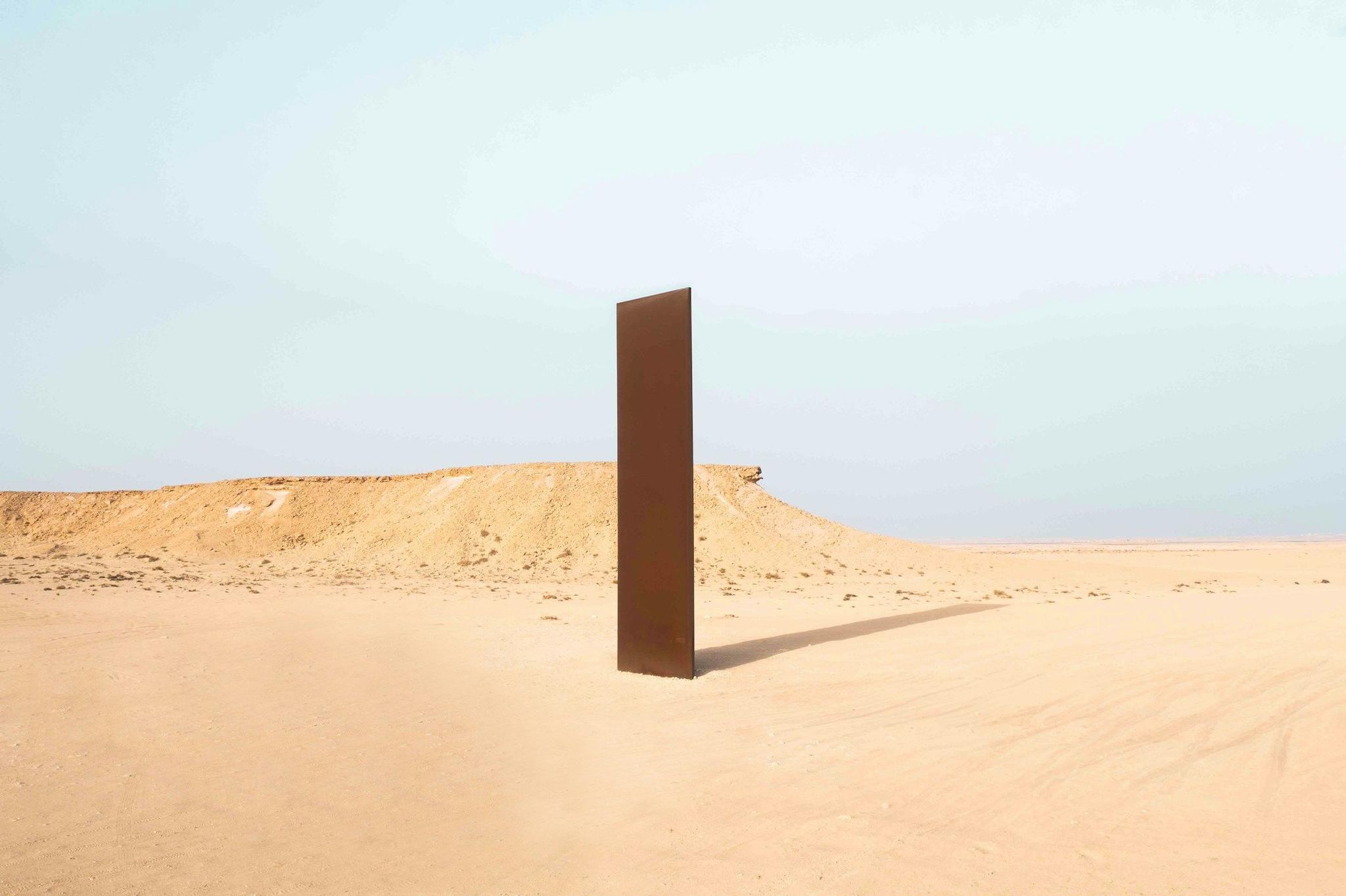
On the road to Zekreet, in the Brouq Nature Reserve about 70 km west of Doha, Richard Serra completed East-West/West-East in 2014. Its four steel plates, each more than 14 m high, are spread over more than a kilometre of desert between gypsum plateaus. Go at sunrise or late in the afternoon, when the plates throw long shadows across the sand. Brouq is also a reserve for wild deer. The drive takes 1 to 1.5 hours, and the last stretch is more comfortable in a high-clearance car or 4x4, or with a guide.
Khor Al Adaid (the Inland Sea)
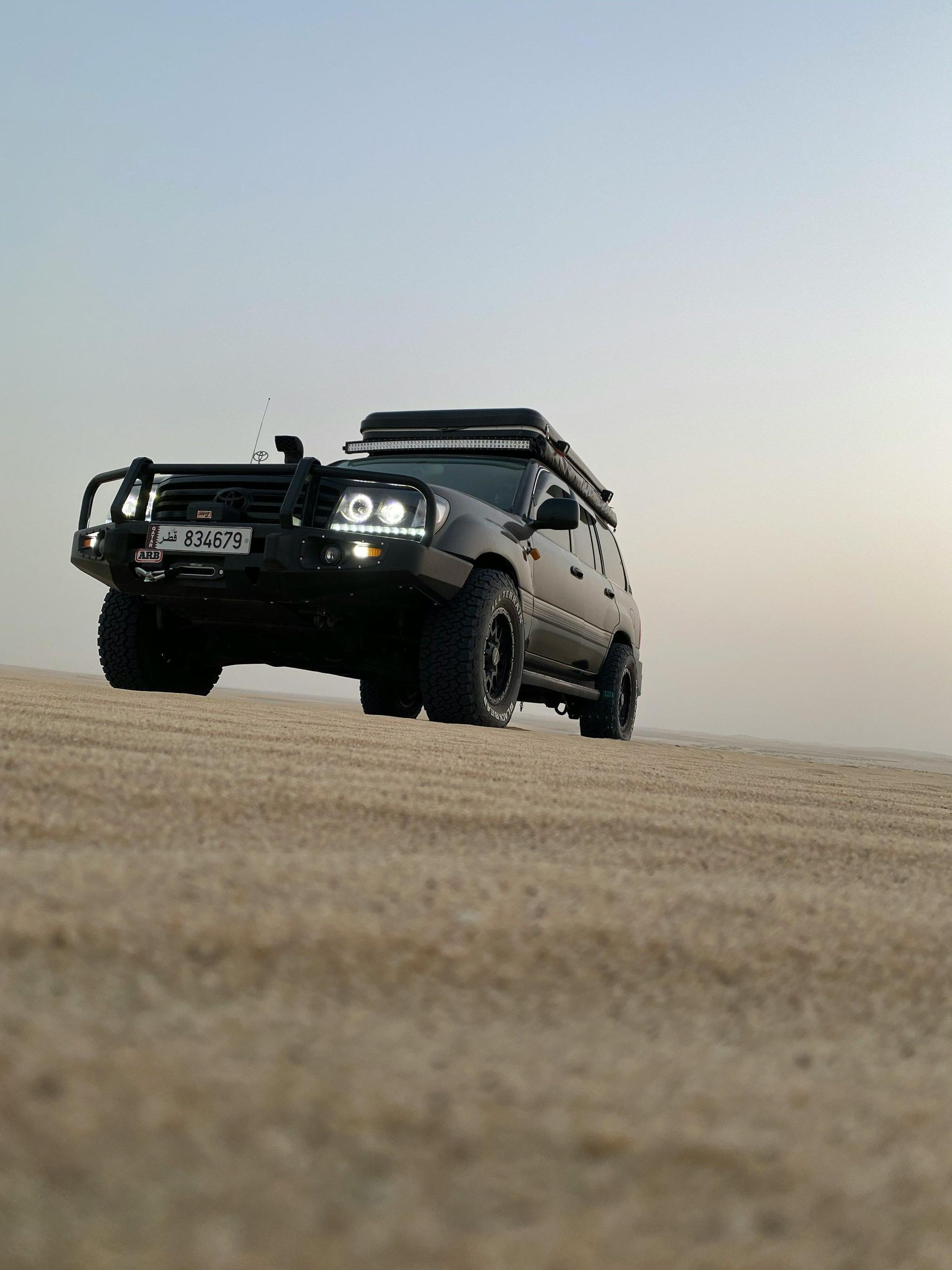
About 78 km south of Doha, dunes of about 38 to 67 m roll down to an inlet of the Gulf. Khor Al Adaid became a nature reserve in 2007, and at about 1,833 km² it's Qatar's largest, home to ospreys and dugongs. It's on UNESCO's Tentative List. The drive from Doha to Sealine takes 45 minutes to an hour, and from there it's off-road across the sand. Book a licensed operator rather than driving yourself.
Qatar itinerary ideas for your trip
A week is plenty for Qatar. The country is so small that a longer trip should slow down rather than cover more ground, so the 10 to 14 day route adds a desert night, beach days and the far north.
5 to 7 day Qatar itinerary
- Day 1: Souq Waqif and the Fanar, then the Corniche at dusk.
- Day 2: Museum of Islamic Art and MIA Park, then the Msheireb Museums.
- Day 3: National Museum of Qatar, then Katara and The Pearl in the evening.
- Day 4: Half-day desert safari to Khor Al Adaid, then dinner at Souq Al Wakrah.
- Day 5: Kayak at Al Thakhira and Purple Island, then Al Khor.
- Day 6-7: West to Zekreet and the Serra plates via camel racing at Al Shahaniya (in season), or Lusail and a beach day.
10 to 14 day Qatar itinerary
- Day 1-4: Doha at an easy pace, with the souq, the museums, the Corniche, Katara and an evening in Lusail.
- Day 5: Al Wakrah and the beach.
- Day 6-7: Overnight in a desert camp near Sealine and Khor Al Adaid.
- Day 8: Camel racing at Al Shahaniya (in season), then the west coast at Zekreet and Brouq.
- Day 9: North loop via Barzan Towers, Al Zubarah, Al Jassasiya and Fuwairit (outside turtle nesting season).
- Day 10: Al Khor and the mangroves.
- Day 11-12: Banana Island or a beach resort, plus Mathaf and the 3-2-1 Qatar Olympic and Sports Museum.
- Day 13-14: Slow days in Doha around a race weekend, National Day or the souq, then fly home from Hamad International.
Use either route as it stands, or move the days around and build your own version in the Guided app.
Fun things to do in Qatar
The best things to do in Qatar happen early in the morning or after sunset, and in winter. Plan these five around the weather.
Take a desert safari to the Inland Sea
This is the one trip outside Doha we'd never skip. A half-day shared safari lasts about four hours and usually includes hotel pickup, dune driving, a stop at Khor Al Adaid and water. Prices start at about QR220 per person when three share a car, QR330 for two, and about QR900 if you're alone. The season runs from November to April. Operators advise against dune driving in pregnancy and for anyone with spinal or heart problems.
Kayak the mangroves at Al Thakhira
Organised kayak tours from Doha head up to Al Thakhira and Purple Island, and paddling between the mangroves is the calmest morning you'll have in Qatar. Start early, because Purple Island has no shade.
Ride a dhow on Doha Bay
Dhows leave from the Corniche, and a shared ride of about 30 minutes costs about QR35 to 55, with longer and dinner cruises costing more. We'd go at sunset and look back at the West Bay towers from the water.
Watch camel racing at Al Shahaniya
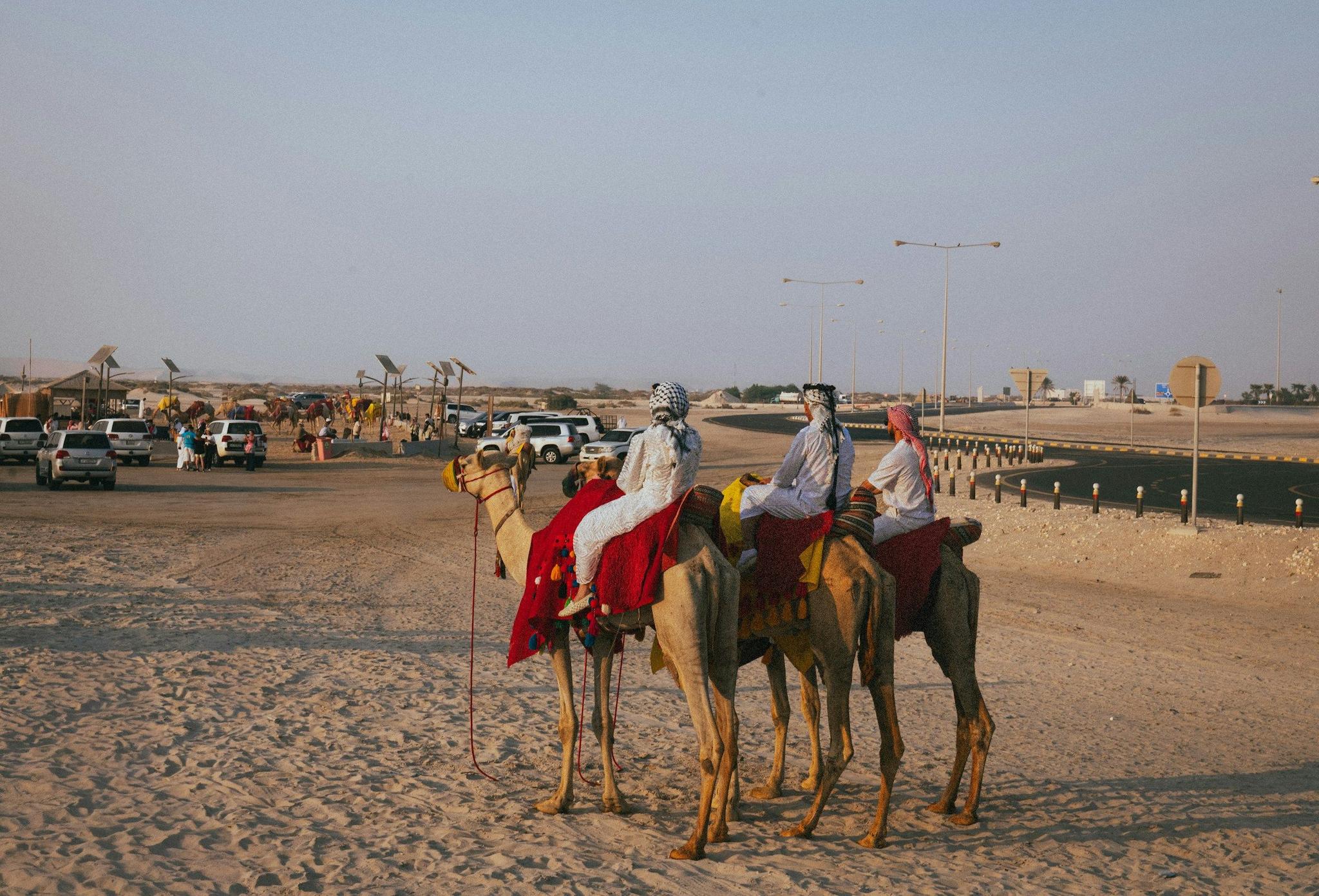
Can you really watch camels raced by robot jockeys? Yes, at Al Shahaniya, about 40 to 50 minutes from Doha. Remote-controlled robots ride the camels while their owners drive alongside on a parallel track. The season runs from about October to April, races are held in the morning and spectators usually get in free. Check the Camel Racing Organizing Committee schedule first.
Go to a big sporting event
A race weekend is a good reason to time a trip. The Formula 1 Qatar Grand Prix runs at Lusail International Circuit on 27 to 29 November 2026 and 3 to 5 December 2027, and MotoGP is there on 12 to 14 March 2027. The FIBA Basketball World Cup follows from 27 August to 12 September 2027. Book hotels early.
When to go to Qatar?
November to March is the time to go, and we wouldn't plan a holiday outside it unless an event takes you there. Doha's mean daily highs climb from 22 °C in January to 41.9 °C in July. Very little rain falls, mostly in short winter storms, and sudden dust storms can delay transport. Hotel rates peak in November and drop lowest in June.
- Winter (December to February): warm days around 22 °C and cool nights, desert camping season and National Day on 18 December.
- Spring (March to May): the heat builds fast, to 32.5 °C highs in April. MotoGP races in March, and turtle nesting closes Fuwairit Beach from April.
- Summer (June to August): above 40 °C, so most outdoor activity stops. Hotels are at their cheapest.
- Autumn (September to November): still very hot in September and October, with highs around 35 °C, and comfortable from mid-November. Formula 1 comes at the end of November.

Did you know you can create your own itinerary?
Now that you know what to see in Qatar and where to stay, you can start creating your own trip. Do you want more time in Doha's museums and souqs, or are you thinking more about a night in the dunes and a morning kayak through the mangroves up the coast? It's all up to you. You can easily create your own trip in the Guided app for free, or use trips shared by others.
Where to stay in Qatar?
Almost every trip in Qatar starts and ends in Doha, so pick one base in the city and do the rest as day trips. Hotels make up nearly all the choice, with only about three hostels in Doha. Sample 3-star rooms start at about QR100 to 150 a night.
Souq Waqif and Msheireb
This is our pick for a first visit. You can walk to the souq and the Msheireb Museums, the Gold Line runs through, and small heritage hotels sit inside the souq itself.
West Bay
West Bay puts you among the towers at the northern end of the Corniche, with big business and beach hotels. We'd pick it for a short stopover.
The Pearl or Lusail
Both are newer districts of marinas and apartment hotels. Lusail has the metro and the tram, but you'll still want taxis for The Pearl.
A desert camp near Sealine
One night in a camp near Sealine and Khor Al Adaid is enough, and you wake up in the dunes.
Banana Island or a beach resort
Banana Island is a resort just off Doha, reached by catamaran from a terminal on the Corniche near MIA. Day passes cost about QR350 to 395 for adults if you don't want to stay the night.
Getting around when visiting Qatar
There are no intercity trains in Qatar. Inside Doha the metro does most of the work, and everything else is taxis, ride-hailing apps, hire cars and 4x4 tours.
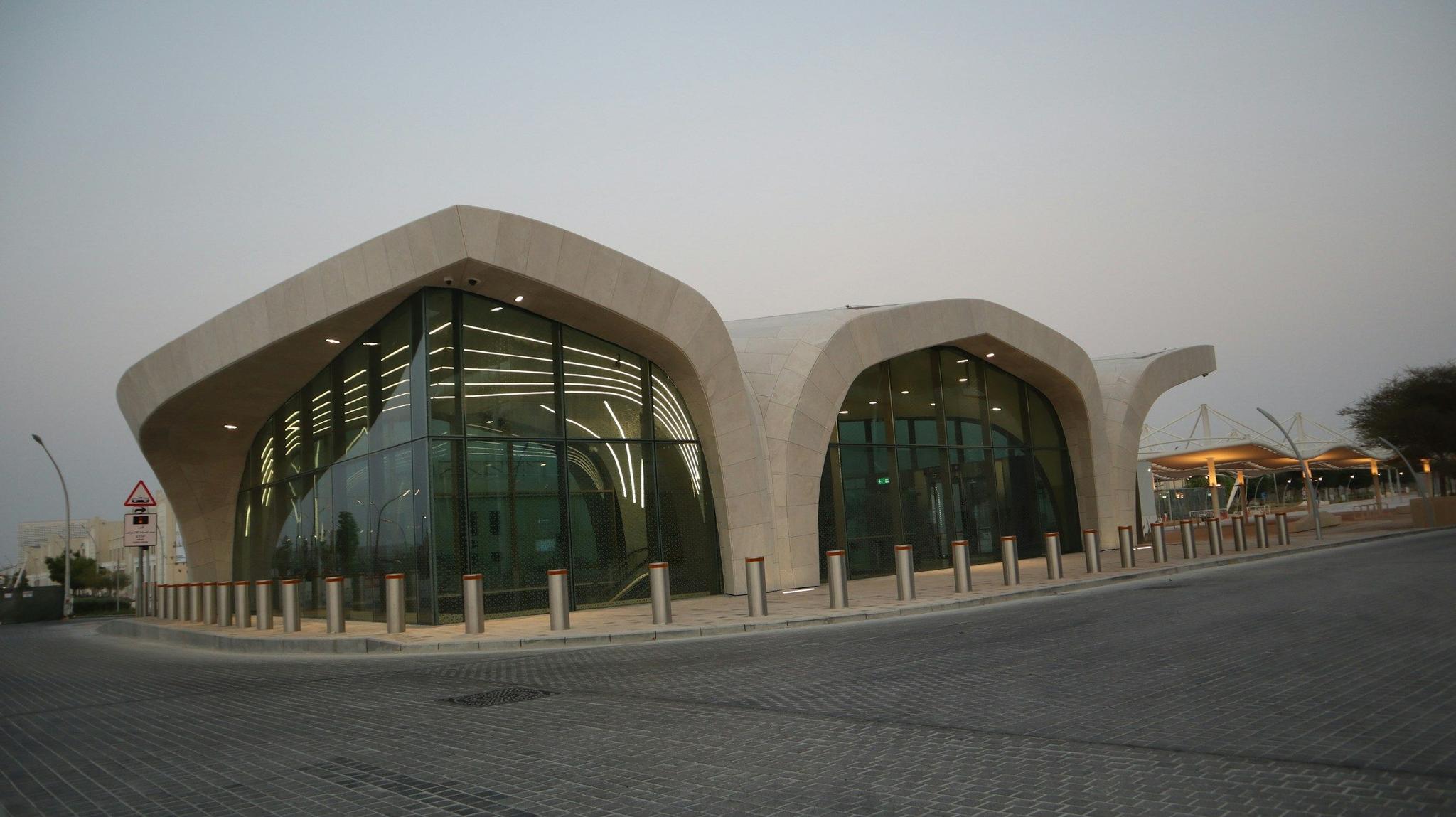
Doha Metro and the Lusail Tram
The Doha Metro has three lines and 37 stations. The Red Line serves Hamad International Airport Terminal 1 and branches south to Al Wakra. The Gold Line runs through Souq Waqif and the National Museum, and the Green Line goes to Education City. A standard single costs QR2, with a daily cap of QR6. Trains run until 1 am, starting at 5 am (9 am on Fridays). In Lusail, the Lusail Tram also serves the new city.
Karwa taxis and ride-hailing
Karwa taxis have a minimum fare of QR10 and charge about QR1.60 per km in the day. From the airport, a ride to Souq Waqif costs about QR40 to 55 and to The Pearl or Lusail QR60 to 100 or more. Apps including Uber and Badrgo are authorised at Hamad, with pickups at Gate 3. The FCDO recommends pre-booked taxis or recognised apps.
Car hire
An economy car costs about QR80 to 150 a day, with a deposit of QR1,000 to 2,500 on a credit card, and visitors can usually rent with a home licence plus an International Driving Permit. You drive on the right, and road discipline is poor. Using a phone at the wheel costs QR500 and there's zero tolerance for drink-driving. Rude gestures in traffic can even mean prison. Check the Metrash app for unpaid fines before you leave.
4x4 tours
For the desert and Al Zubarah, most visitors book a tour with a driver and a 4x4.
Food and drinks you should try when visiting Qatar
What does a Qatari meal taste like? Spiced rice and meat first, then something sweet with cardamom. A cheap sit-down meal costs about QR30 to 40, and dinner for two in Souq Waqif about QR100 to 200.
Machboos
Machboos is the national dish and the one to order first. It's spiced rice cooked with lamb or chicken, onions and tomatoes, seasoned with the bizar spice mix. Think of it as Qatar's version of kabsa.
Harees and thareed
Harees is ground wheat cooked with ghee and meat. Thareed is bread soaked in a broth with meat and vegetables. Both are shared during Ramadan.
Balaleet
Balaleet is a breakfast dish of sweet vermicelli with sugar, cinnamon, saffron and cardamom, often topped with an omelette. It sounds odd, and it works.
Luqaimat
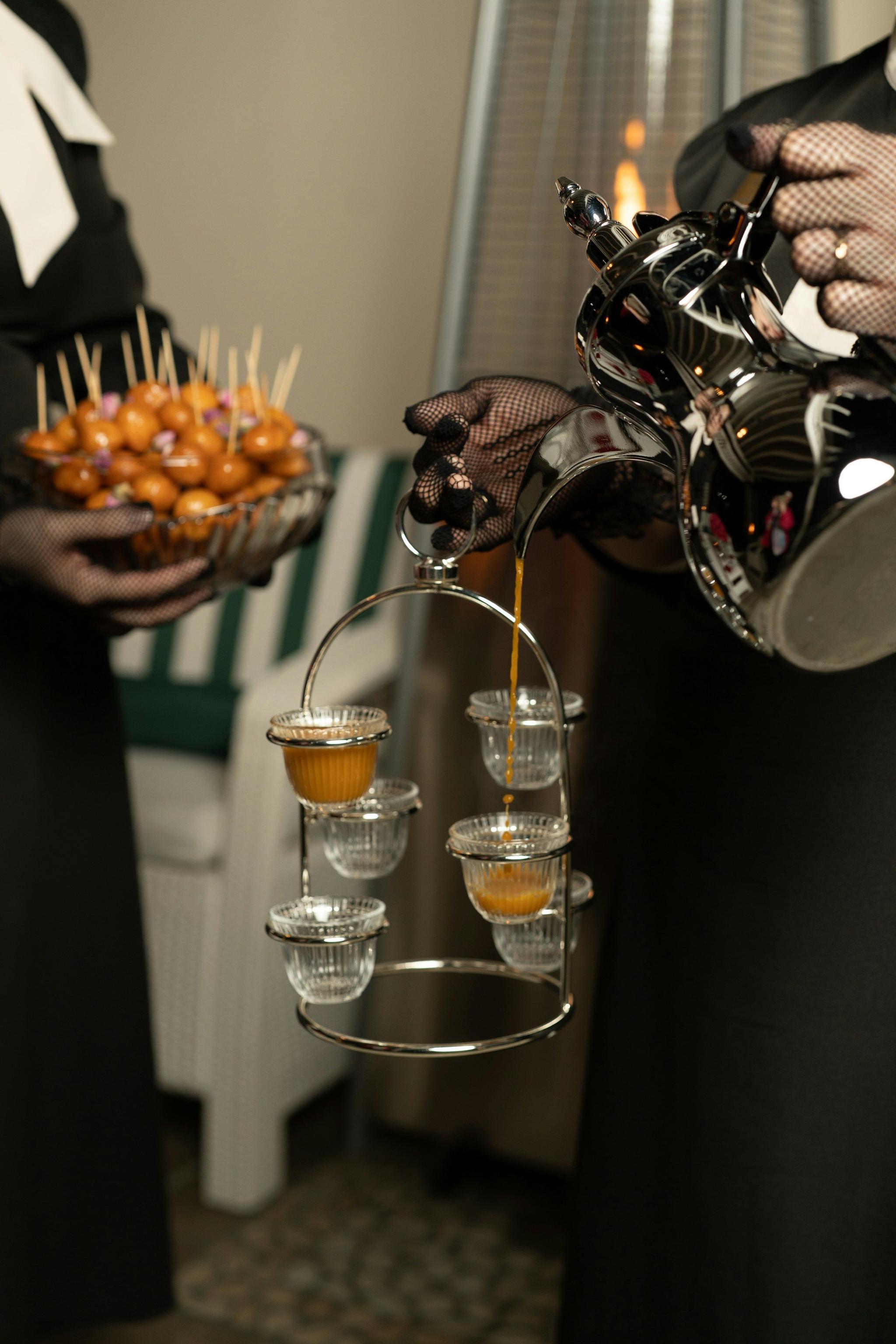
These fried dough balls, flavoured with saffron and cardamom and soaked in date syrup or honey, are the best snack in the souq. Eat them hot.
Gahwa, dates and karak
Gahwa is Arabic coffee, flavoured with cardamom and sometimes saffron or cloves, served in small cups with dates. Guests usually drink a few cups, then shake the cup gently to show they've had enough. For something sweeter, karak is a bright orange tea made with evaporated milk and spiced with cardamom and saffron, and it costs about QR2 at a stall.
Culture and local habits you'll notice when visiting Qatar
About 3.18 million people live in Qatar, and about 3.02 million of them are foreign residents and workers, so most people you meet in hotels and taxis won't be Qatari. Arabic is the official language, and English is widely used. The weekend is Friday and Saturday, and the metro starts only at 9 am on Fridays.
Cover shoulders and knees in public, a rule strictly enforced in government buildings and hospitals. Always ask before you photograph anyone, as the penalties are severe. If you're offered gahwa and dates, accept. It's the standard welcome.
Looking for more unique places, trips and activities?
Subscribe to our Guided Newsletter for more travel inspiration.
Costs of a holiday to Qatar
Qatar is an expensive trip, but not across the board. Hotels and alcohol cost the most, and a desert tour adds a few hundred riyals, while souq food and the metro are cheap. Overall, it costs broadly the same as the United Arab Emirates, and hotels and alcohol cost more than in Bahrain or Oman.
Food & Drink

Coffee
QR15 – QR25
Lunch
QR30 – QR60
Beer
QR35 – QR55
Accommodation

Hotels
QR300 – QR700
Airbnb
QR350 – QR600
Budget hotel
QR100 – QR200
Transport
Taxi / ride-hail
QR10 – QR55
Public Transport
QR2 – QR6
Car Rental
QR80 – QR150
Attractions
Museums
Free – QR50
Big Attractions
QR220 – QR400
Cinema
QR40 – QR50
Practical tips for visiting Qatar
Several of Qatar's laws carry prison sentences, including those on public drinking and photographing people. Read these before you pack.
✔ Check the entry rules for your passport
Many nationalities, including the UK, EU and US, get a free visa waiver on arrival. For UK citizens it lasts up to 30 days and can be extended, and some nationalities get up to 90 days in any 180. Your passport needs six months' validity from arrival, and you may be asked for an onward ticket. Other nationalities apply through the Hayya portal. Check the official Visit Qatar visa page for your nationality before you book. If you stay more than 30 days, health insurance from a Ministry of Public Health registered provider is compulsory, at about QR50 a month.
✔ Pay in riyals
Prices are in Qatari riyals (QAR, written QR locally), pegged at about 3.64 to the US dollar, so the rate won't move while you're there. Hotels and alcohol will take most of your budget, so price those first.
✔ Check the latest safety advice before you go
Crime in Qatar is low. Regional conflict in 2026 brought missile alerts and airspace closures, so check the latest UK government travel advice and US advice, and your flights, before you go. At the time of writing, the US State Department rates Qatar at Level 3, Reconsider travel. Follow local shelter instructions if alerts sound, and stay away from military and security sites. Women alone at night should use pre-booked taxis or apps, and nobody should go into the desert without a properly equipped 4x4 in convoy.
✔ Know the laws
Alcohol is served only in licensed venues, mostly hotels, to people aged 21 or over with original photo ID. Drinking or being drunk in public can mean up to six months in prison or a QR3,000 fine. Vaping and e-cigarettes are illegal. There's zero tolerance for drugs, including residual amounts in your system. Some prescription medicines are banned and transit baggage is scanned, so check your medicines before you fly. Public displays of affection can lead to arrest, and sex outside marriage and same-sex activity are illegal. Photographing people without their consent can bring a fine of up to QR100,000 or prison, and drones need a permit.
✔ Plan around Ramadan
Ramadan falls around February to March in 2027, and during daylight hours you shouldn't eat, drink, smoke or chew gum in public.
✔ Plan your days around the heat
From May to September, see outdoor sights early in the morning or in the evening and keep the middle of the day for museums. MIA closes on Wednesdays and the Msheireb Museums on Sundays.
Fun facts about Qatar
Six facts, from the desert floor to the World Cup.
- Qatar's highest point, Qurayn Abu al Bawl, is just 103 m above sea level.
- In 2022 Qatar became the first Arab country to host the FIFA World Cup.
- Foreign residents make up about 95% of Qatar's population of around 3.2 million.
- Purple Island near Al Khor is named after a purple dye industry that ran there in the second millennium BC.
- The Barzan Towers north of Doha were once used to sight the new moon that marks the start of Ramadan.
- Al Jassasiya on the north-east coast has more than 900 rock carvings, including the only boat carvings recorded in Qatar.
Barzan Towers and Al Jassasiya are both stops on Day 9 of the longer route above.
Ready to map out your trip to Qatar?
We hope this Qatar travel guide has given you a clear starting point for your trip. Stay tuned for more inspiration, itineraries and practical tips to help you shape your perfect holiday to Qatar. And don't forget to check out our Guided travel planning app, where you can create your own trip or use trips shared by other travellers for free.
FAQS about visiting Qatar
How many days do you need in Qatar?
Three to four days covers Doha's souq and museums plus a desert trip to the Inland Sea. With five to seven days you can add the mangroves in the north, Al Zubarah and the Serra plates in the west. Inside the Guided app, you can create your own trip route and find out how many places you can fit into your trip.
What is the best part of Qatar to visit?
Doha, for Souq Waqif and the two big museums on the Corniche. Outside the city, Khor Al Adaid is the place we'd least want you to miss.
What is Qatar known for?
Hosting the 2022 FIFA World Cup, and the Qatar Airways hub at Hamad International. Travellers also know it for Doha's museums and the Inland Sea, and its pearling past is still visible at Al Zubarah.
Can you get around Qatar without a car?
Yes, in Doha. The metro reaches Al Wakrah and Lusail as well as central Doha, and Karwa taxis or apps such as Uber fill the gaps. For the desert and sights outside the city, book a tour with a driver.
Is Qatar expensive?
Hotels and alcohol are expensive, and a shared half-day safari starts at about QR220 per person. Souq food and the metro are cheap, with a metro ride at QR2. Overall it costs broadly the same as the UAE.
Is Qatar safe to visit?
Crime is low, and the UK's FCDO doesn't advise against travel to any part of Qatar. Regional conflict in 2026 brought missile alerts and airspace closures, and at the time of writing the US State Department rates Qatar at Level 3, Reconsider travel. Check the FCDO and US advice and your flights before you go.
Can you drink alcohol in Qatar?
Only in licensed venues, mostly hotel bars and restaurants, and only from age 21 with original photo ID. Drinking or being drunk in public can mean up to six months in prison or a QR3,000 fine.
Can you visit Qatar on a stopover?
Yes. Many nationalities, including the UK, EU and US, get a free visa waiver on arrival, so you can leave the airport on a long layover. Qatar Airways sells stopover packages for transits of 12 to 96 hours, with hotels from about US$14 per person a night.
Plan your trip to Qatar in Guided.
Save the places you find, then let Guided lay out the days, the map and the details.
More in Asia
All destinations BahrainBahrain is a small Gulf island kingdom known for pearling heritage and ancient Dilmun sites.
 CambodiaCambodia is a laid-back kingdom known for Angkor's temples, Kampot pepper and quiet islands.
 ChinaChina packs imperial Beijing, the Terracotta Army and misty karst rivers into one vast country.
 GeorgiaGeorgia is a Caucasus country known for mountain villages, ancient wine culture and old Tbilisi.