
Monaco

Monaco travel guide: Everything you need to know before visiting Monaco
In 1297 Francesco Grimaldi took the Rock of Monaco disguised as a Franciscan friar, and his family still rules from the palace on top of it. Within about 2 km of that palace you'll find the Monte-Carlo Casino, a Formula 1 circuit laid out on everyday streets, an aquarium built into a cliff and a public beach, all tied together by 79 public lifts and dozens of escalators.
Monaco is a sovereign state with its own palace guard and its own euro coins, and it feels far denser and more polished than the French towns on either side. The 2023 census counted 38,367 residents, but only about 9,200 of them are Monégasque citizens, and they aren't allowed into the casino's gaming rooms. It suits short city breaks and Riviera travellers who want a day or two of glamour, and motorsport fans will already know why. It suits budget travellers less, at least if they want to sleep inside its borders, and beach lovers should know there's one main public beach. This guide covers what to see and how to use Monaco as a base for the wider Riviera, along with food and costs.
5 reasons to visit Monaco
Monaco rewards a short visit, and these are the five reasons we'd give a first-timer.
- Walk the Formula 1 circuit on any day of the year, from the Sainte Dévote corner through the tunnel to the harbour chicane.
- Watch the changing of the guard at 11:55 outside the Prince's Palace on the Rock.
- Visit the Oceanographic Museum, built into a cliff 85 m above the sea and once run by Jacques Cousteau.
- Step inside the Monte-Carlo Casino on a morning visit, open to all ages.
- Use Monaco as a base for Èze and the Italian border, each about half an hour away.
Where to visit in Monaco?
Monaco covers 2.08 km², so nine of these places are inside it and you can walk between all of them. The last three are day trips across the border into France, and we've labelled them that way.
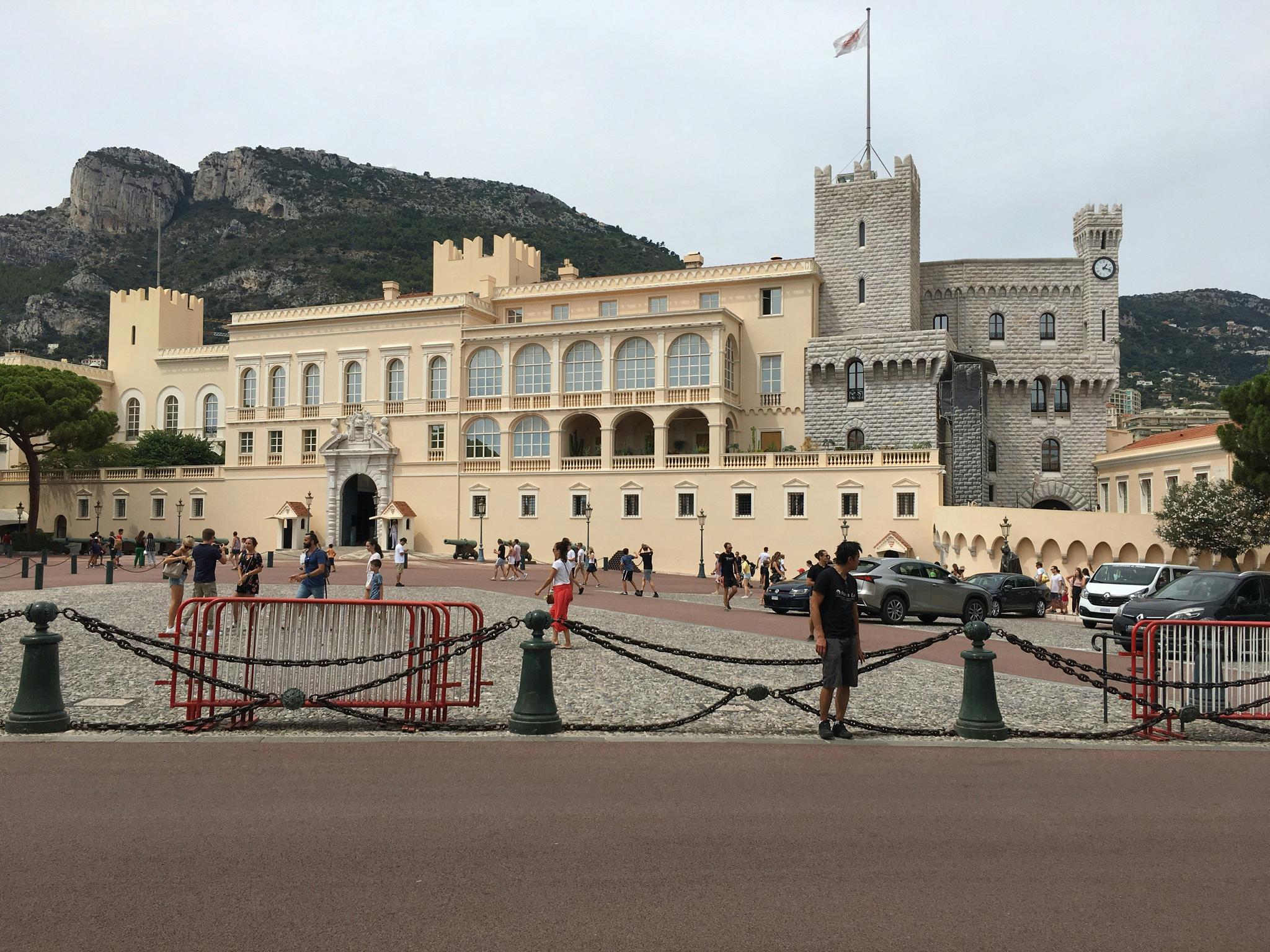
Monaco-Ville and the Prince's Palace
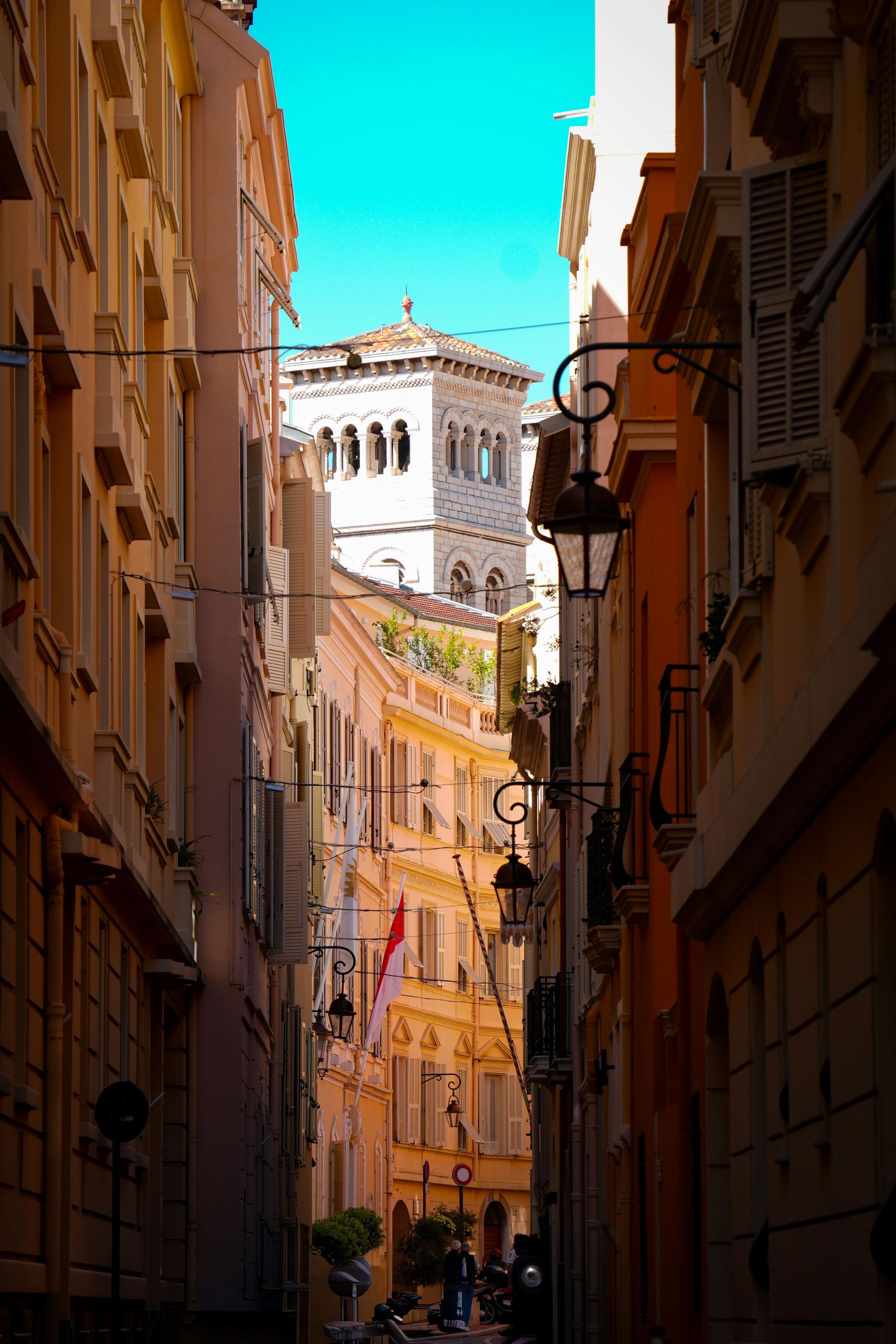
Come for the changing of the guard, then lose the crowds in the lanes behind the cathedral. The Prince's Carabiniers, a corps of 116 officers and men created in 1817, change the guard on Place du Palais every day at 11:55, so arrive 15 minutes early. The palace's State Apartments are usually open to visitors from spring to mid-October, for €10, or €5 for students and children aged 6 to 17. The cathedral, built in 1875 from white La Turbie stone, holds the tombs of Prince Rainier III and Princess Grace, who married there in 1956. Walk up Rampe Major from Place d'Armes in about 10 minutes or take bus 1 or 2.
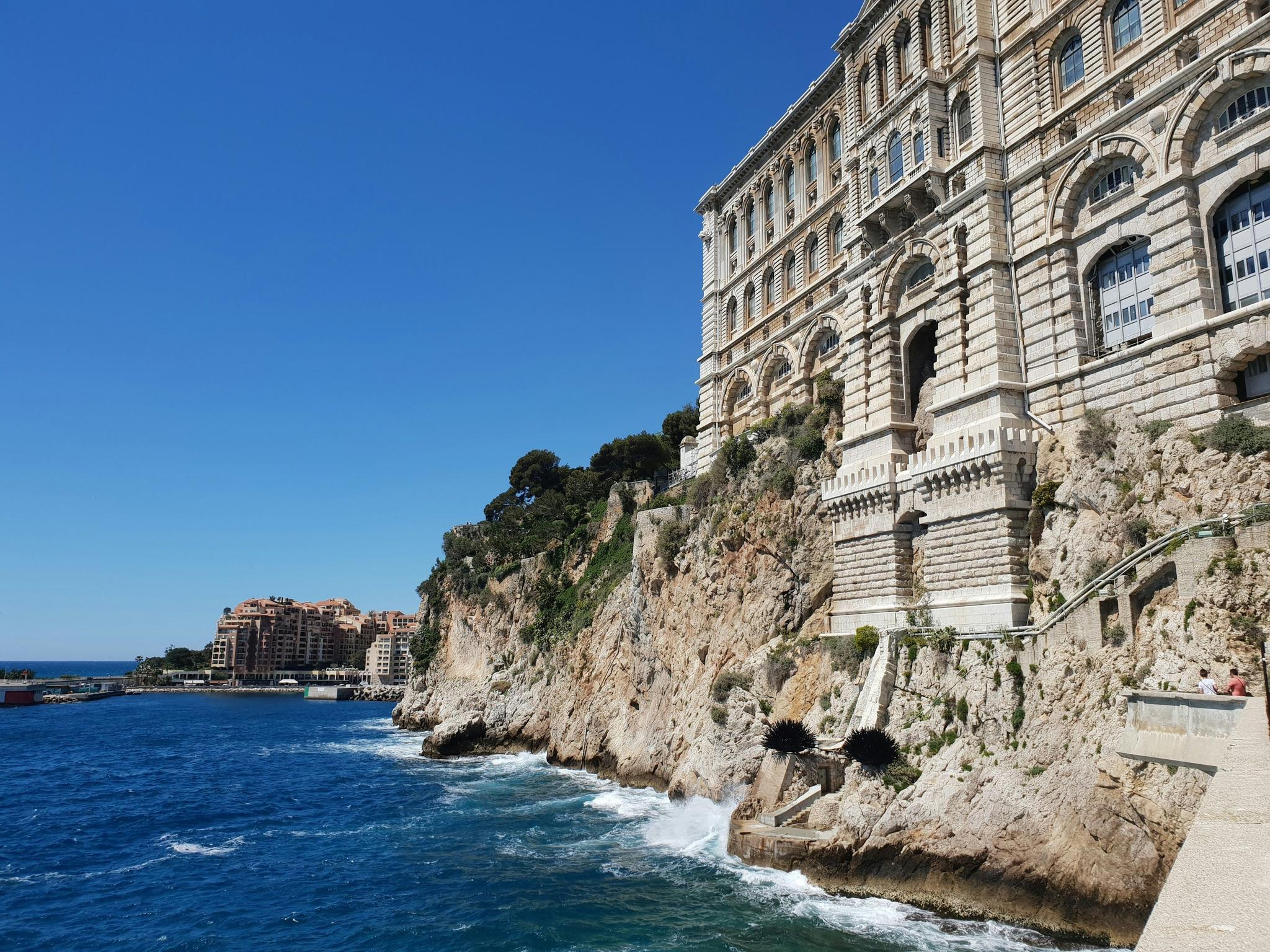
Oceanographic Museum
Prince Albert I opened the Oceanographic Museum in 1910, and its façade drops about 85 m to the sea. Jacques-Yves Cousteau ran it from 1957 to 1988. The aquarium covers Mediterranean and tropical ecosystems, but we'd rate the rooftop terrace highest, with a 360° view that beats the one from the palace square. Adult tickets cost €20.50 (they were listed at €22.50 earlier in 2026), and €13 for students and children aged 4 to 17. A combined ticket with the Jardin Exotique or the Car Collection costs €33. Prices have shifted during the year, so check the museum's practical information before you go. It closes on Grand Prix weekend and on 25 December, and we'd go at opening on a weekday.
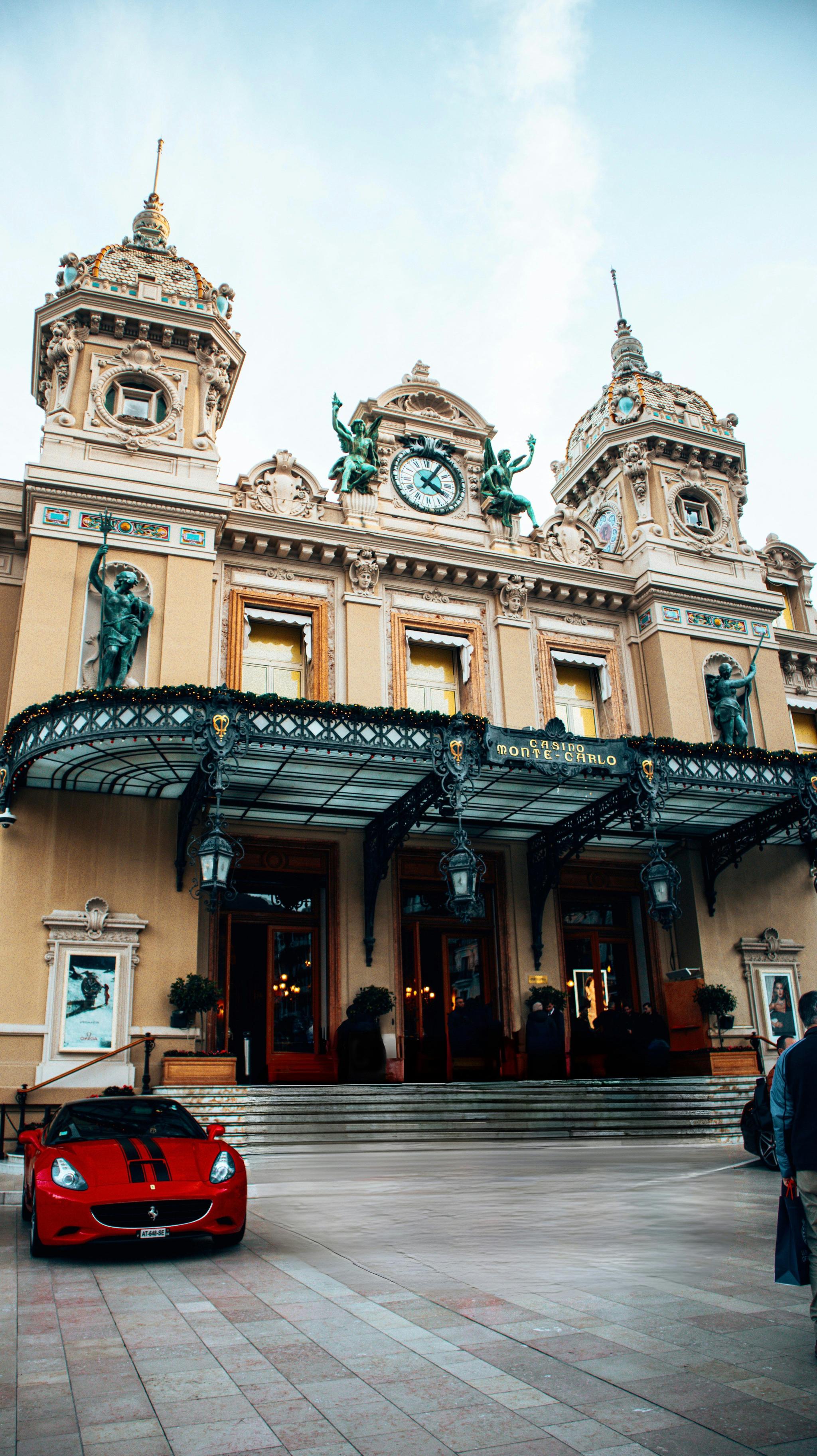
Monte-Carlo Casino and Place du Casino
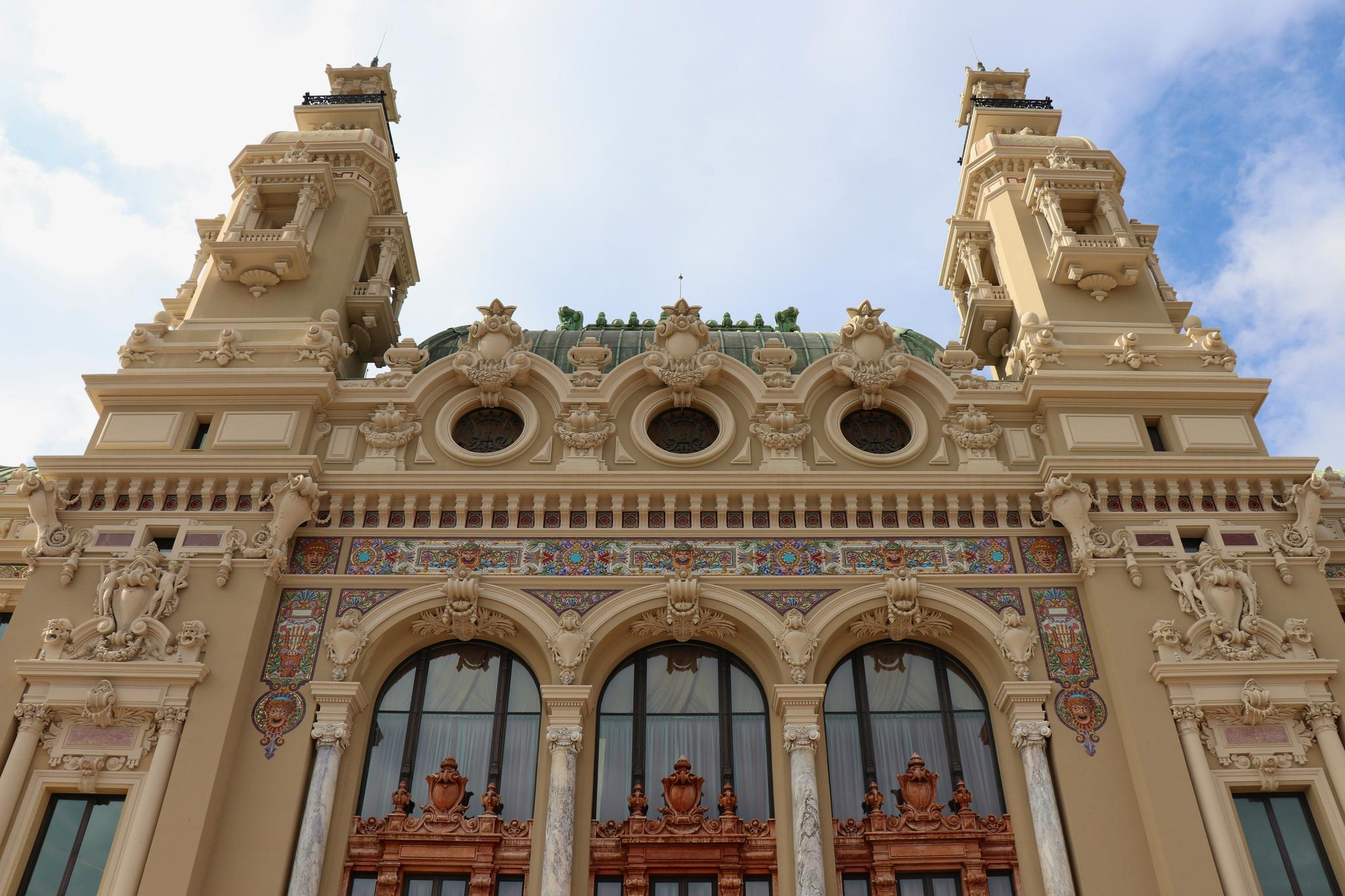
Is the casino worth it if you don't gamble? Yes, and the morning visit is the better deal. Between 10:00 and 13:00 (last entry 12:15) anyone can tour the rooms for €20, or €15 for ages 13 to 17 and free for ages 6 to 12, with the lights up and T-shirts and trainers allowed. Charles Garnier's expansion added the Salle Garnier concert hall in 1879. From 14:00 the gaming rooms open to over-18s for €20, which includes €10 to play with. Bring a passport or EU ID card, since photocopies and digital ID aren't accepted, and leave the shorts and flip-flops at the hotel.
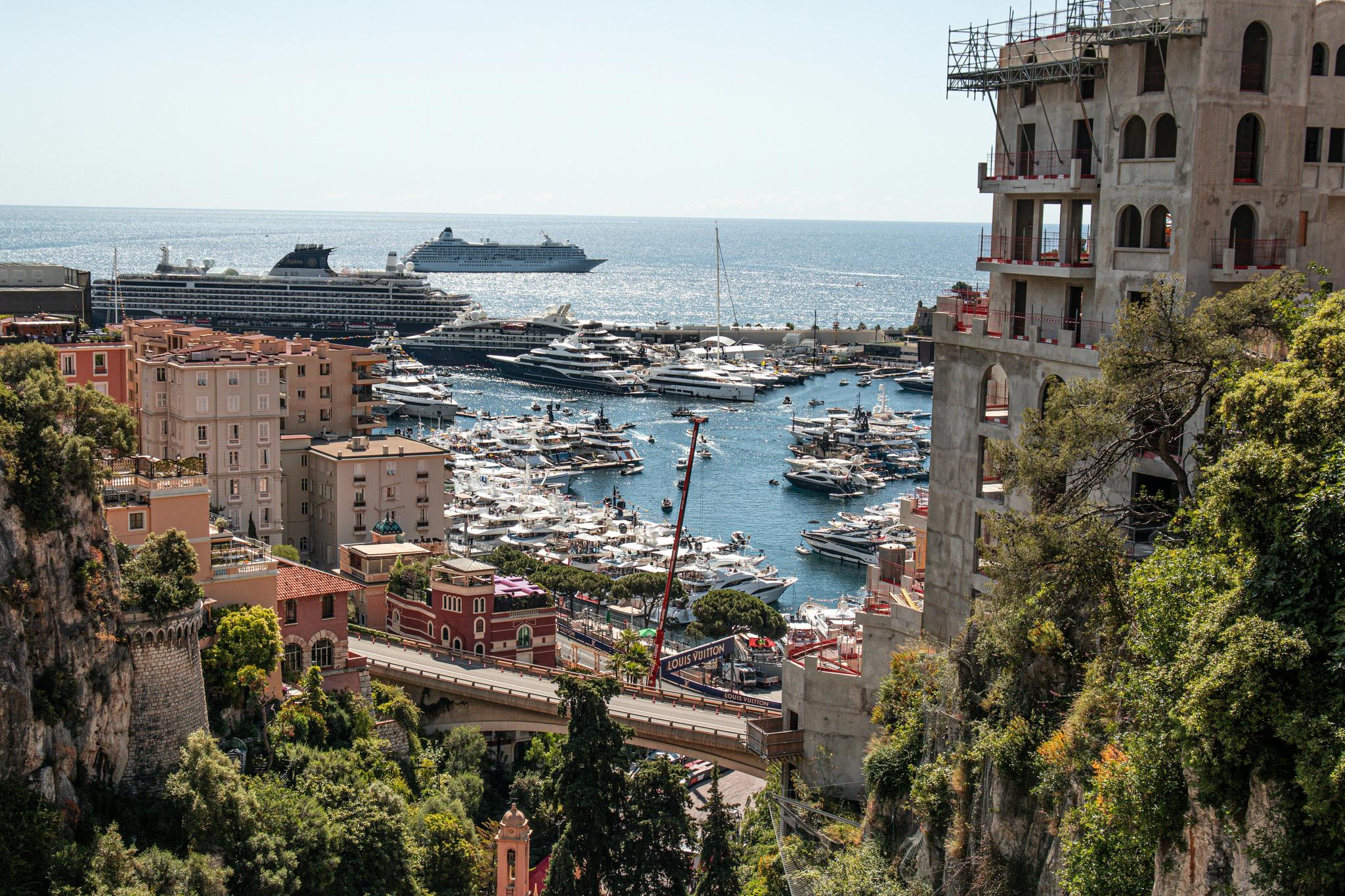
Port Hercule and the Grand Prix circuit
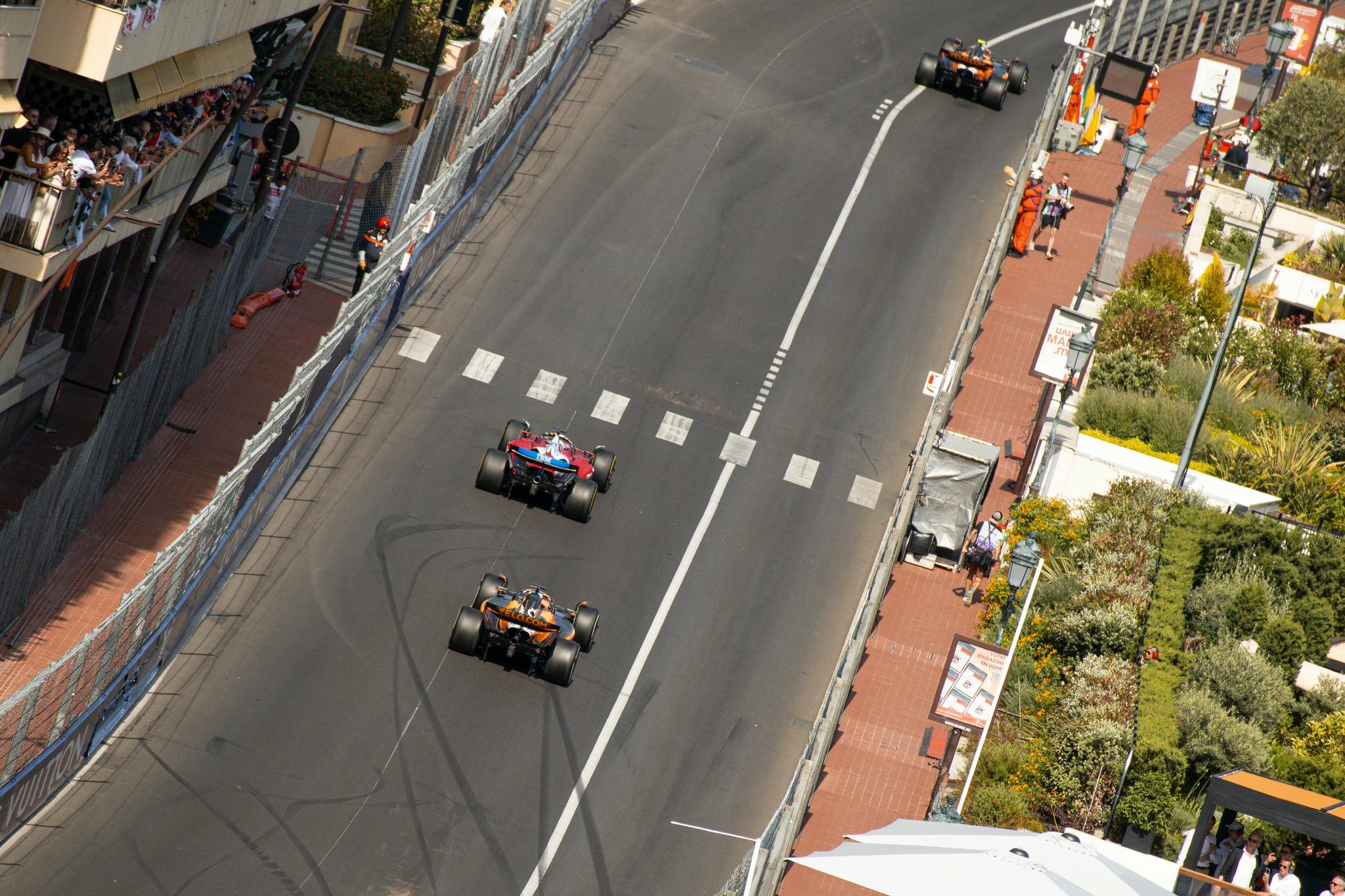
Walk the lap yourself. The circuit is 3.337 km of public streets, first raced on 14 April 1929, and on foot it takes under an hour. Start at Sainte Dévote and climb towards Casino Square, and you'll see how steep the so-called straight really is, before dropping through the tunnel to the Nouvelle Chicane, built out over the harbour in 1986, and round the Rascasse. The Camille bus boat crosses Port Hercule every 20 minutes between 08:00 and 20:00, for €2 on board or €1.50 by card. On the port, the Prince's Car Collection shows about 100 cars in its building on route de la Piscine (€15 for adults). It closes during Grand Prix week.
Jardin Exotique
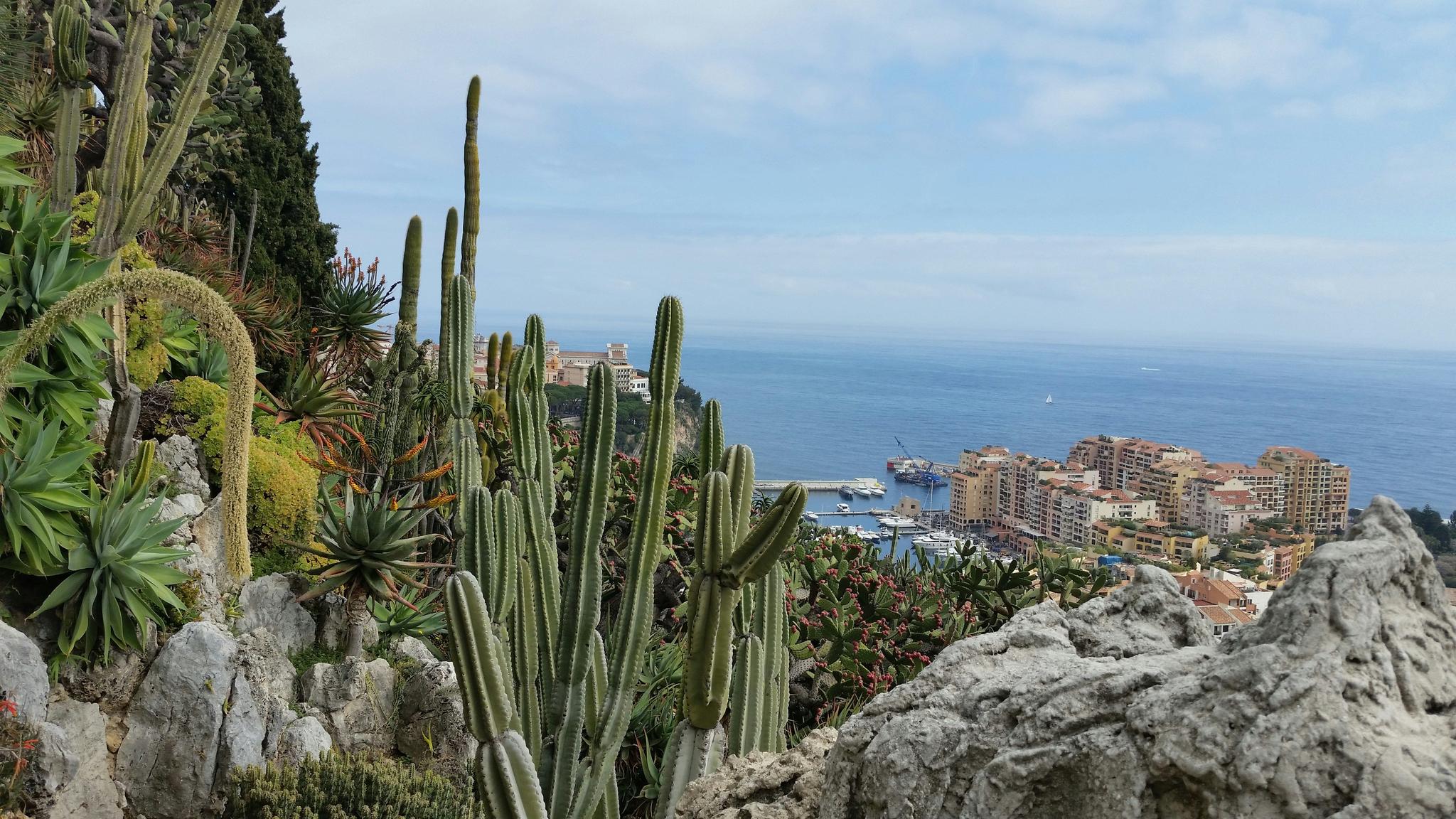
After about six years of renovation, the Jardin Exotique reopened on 30 March 2026. The garden first opened in 1931 and clings to the cliff above Fontvieille, with more than 1,000 species of succulents and cacti and views over the whole principality. Below it lies the Observatory Cave, found in 1916 with evidence of early human habitation, and the Museum of Prehistoric Anthropology has been on site since 1959. One ticket covers the garden and, when they're open, the cave and the museum, for about €7.20. That makes this one of the cheapest good mornings in Monaco, and we'd pair it with the rose garden in Fontvieille below.
Larvotto beach and the Japanese Garden
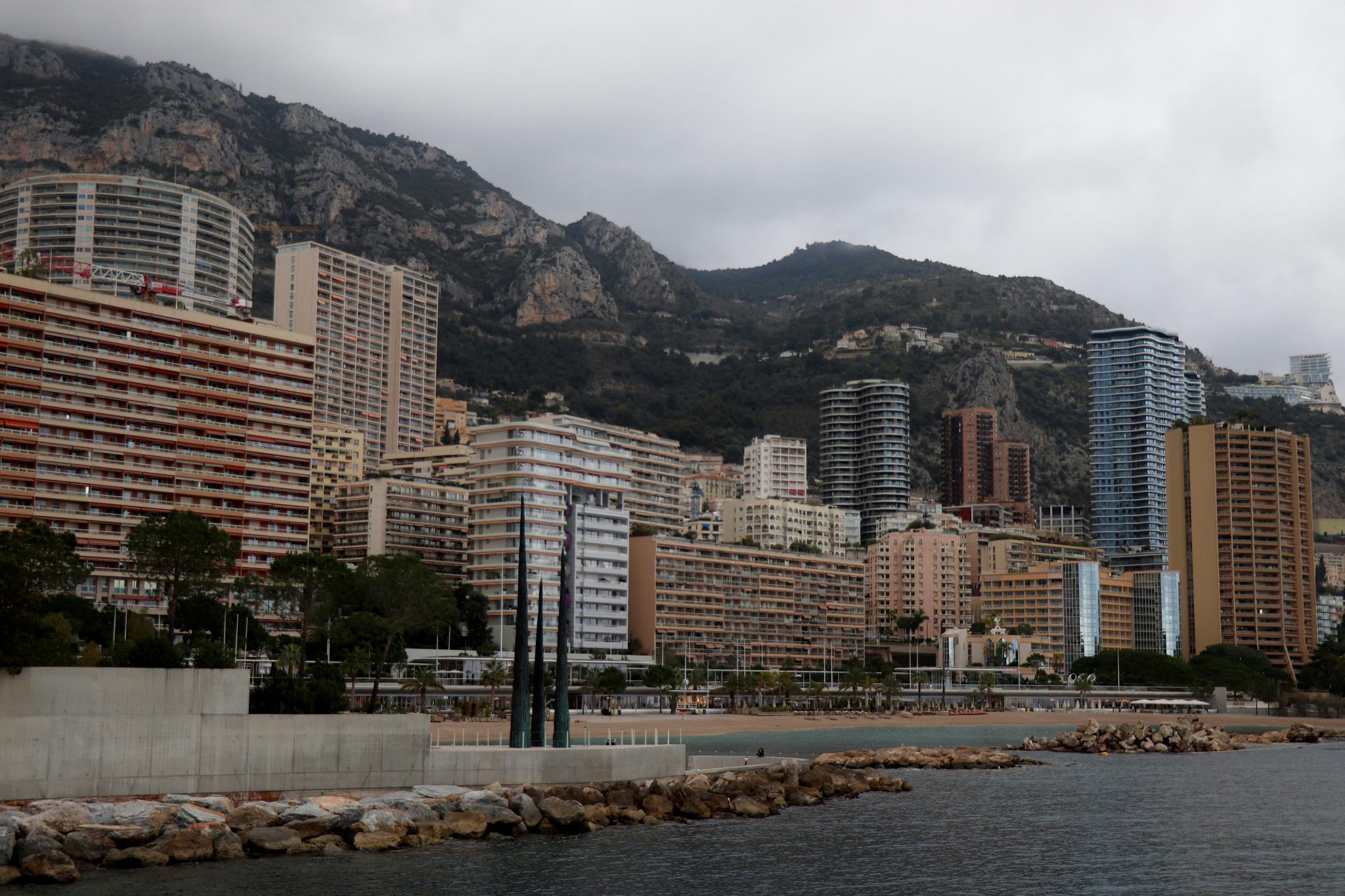
Larvotto is Monaco's main public beach, and in July and August we'd get there early. It was rebuilt to a design by Renzo Piano and reopened on 3 July 2021, with a promenade, restaurants, a diving school and Handiplage access for disabled visitors. There are paying beach clubs along it too, but you don't need one, and it's the easiest afternoon swim in Monaco. For a quieter half hour, walk along avenue Princesse Grace to the Japanese Garden, which opened in 1994.
Mareterra
Mareterra was built on 6 hectares of land reclaimed from the sea over eight years and opened to the public on 5 December 2024. Renzo Piano and Norman Foster are among its architects, and the Prince Jacques promenade runs along the water past green spaces and a small marina at Quai du Petit Portier. There's no single sight to tick off here, so treat it as a walk, and pair it with Larvotto next door for a slow afternoon.
Fontvieille and the Princess Grace Rose Garden
Fontvieille, about 15 minutes' walk below the Rock, is where we'd go when Monaco-Ville is full. The whole district stands on land reclaimed from the sea, and it's the quiet side of Monaco, modern and home to the Stade Louis II stadium. The Princess Grace Rose Garden opened in Fontvieille Park in 1984 and covers nearly 5,000 m², with more than 450 varieties and several thousand bushes. Spring is when we'd come, combined with the Jardin Exotique on the cliff above.
La Condamine market and Sainte-Dévote church
This is where Monaco residents actually have lunch, and we'd eat here at least once. The old market hall is being rebuilt, so until the new hall reopens in 2027, the stalls trade from temporary kiosks and marquees on Place d'Armes next door, with almost 300 seats between them. Check before you go. The stalls are a good place to look for socca and barbajuans. A short walk away, by the first corner of the Grand Prix, the small church of Sainte-Dévote is the centre of the patron saint's festival on 26 and 27 January.
Day trip to Èze (France)
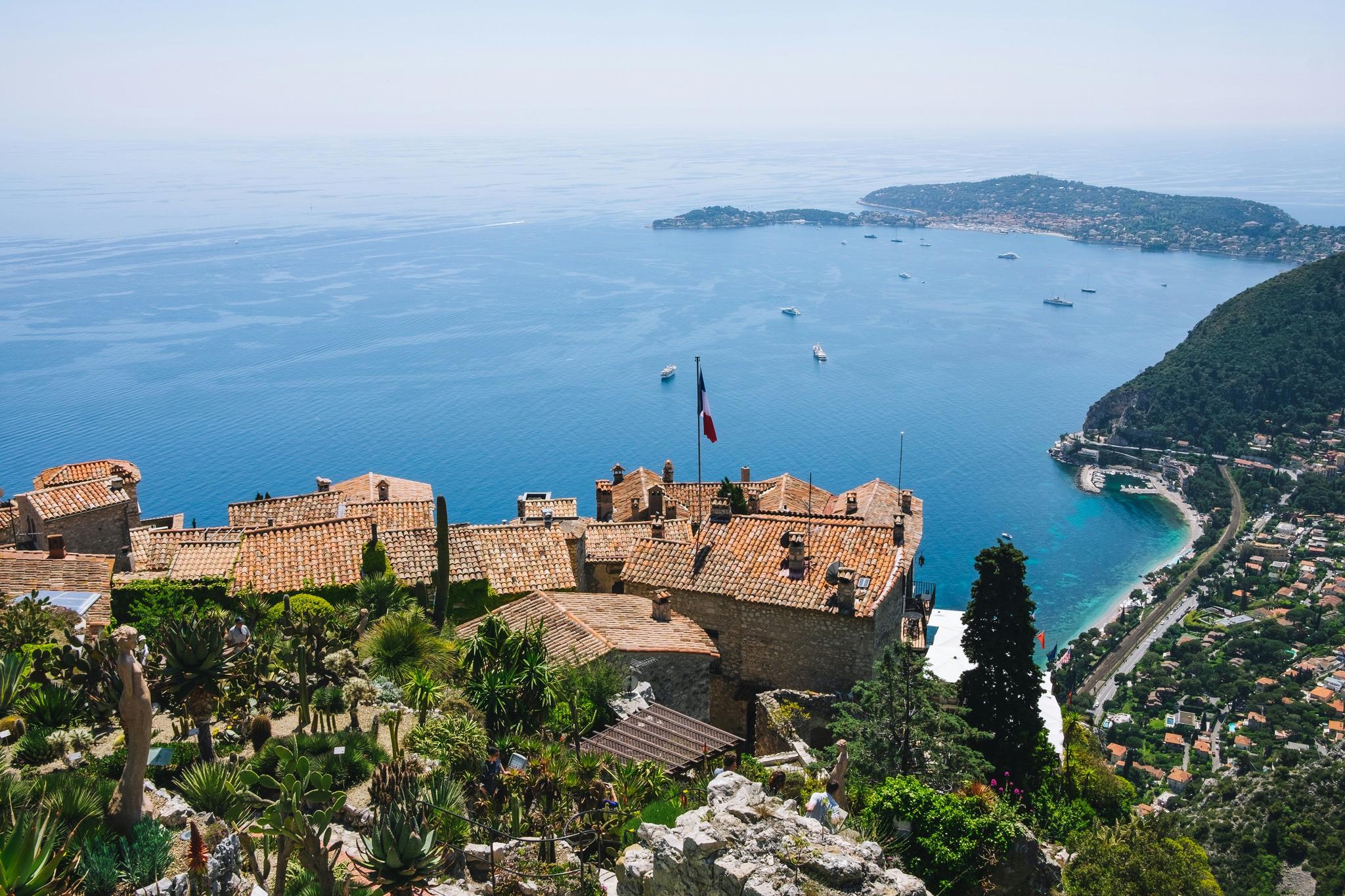
Èze is in France, about 4.5 km west of Monaco, and sits 427 m above the sea. Its stone lanes climb to a garden of cacti at the top with panoramic views of the coast. Zou bus 602 takes about 30 minutes from Monaco and costs €2.50, paid to the driver, but it doesn't run on Sundays, so check the Zou timetable. Go early or late in the day, because midday tour groups fill the lanes. It pairs well with La Turbie on the same day.
Day trip to La Turbie and the Tête de Chien (France)
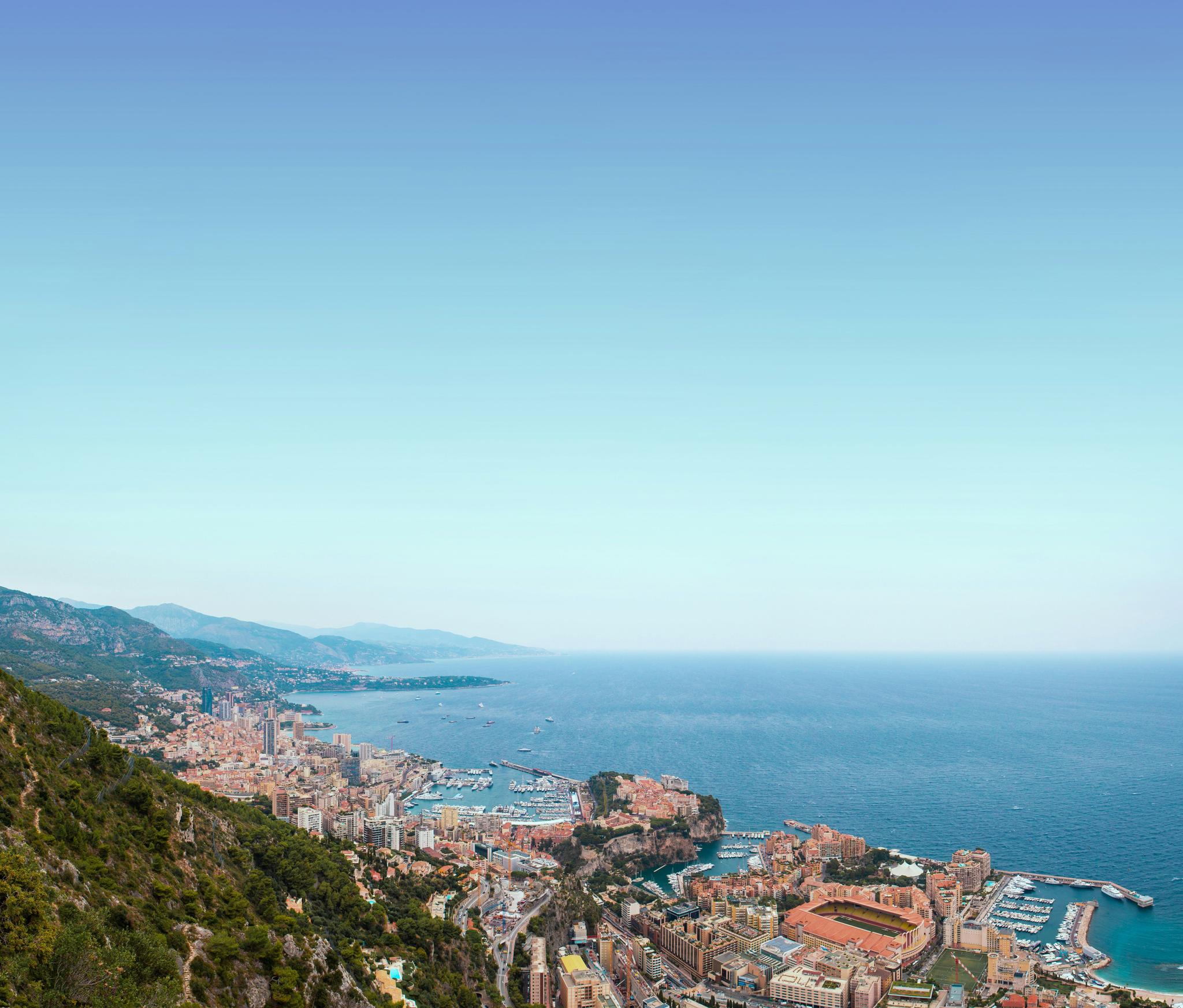
The best view of Monaco is from above it, and that means crossing into France. The Tête de Chien is a rock about 550 m above the principality, with views to Italy, Cap Martin, Cap Ferrat and Cap d'Antibes. A hike climbs there from Place du Palais via Cap-d'Ail, and the La Turbie to Monaco loop is 11.1 km with 556 m of climbing, around 4 h 45 at a moderate pace. Part of the path near the Tête de Chien has been reported closed after rockfall, so check the path is open before you set out. In La Turbie, the Trophy of Augustus has stood for about 2,000 years, and entry costs €7 for adults.
Day trip to Menton via Cap Martin (France)
Walk there and ride back. The coastal path from Monaco to Menton rounds Cap Martin in about 8 km, paved and moderate, with 141 m of climbing. It passes the Cabbé and Buse beaches and Le Corbusier's Cabanon, which you can visit only by reservation. The path can close in rough seas. Menton is in France, and bus 600 brings you back for €2.10 contactless, every 10 to 15 minutes on weekdays, or you can take the train. Menton's Lemon Festival runs until 28 February in 2027, starting around 13 February, so check the dates if you plan around it.
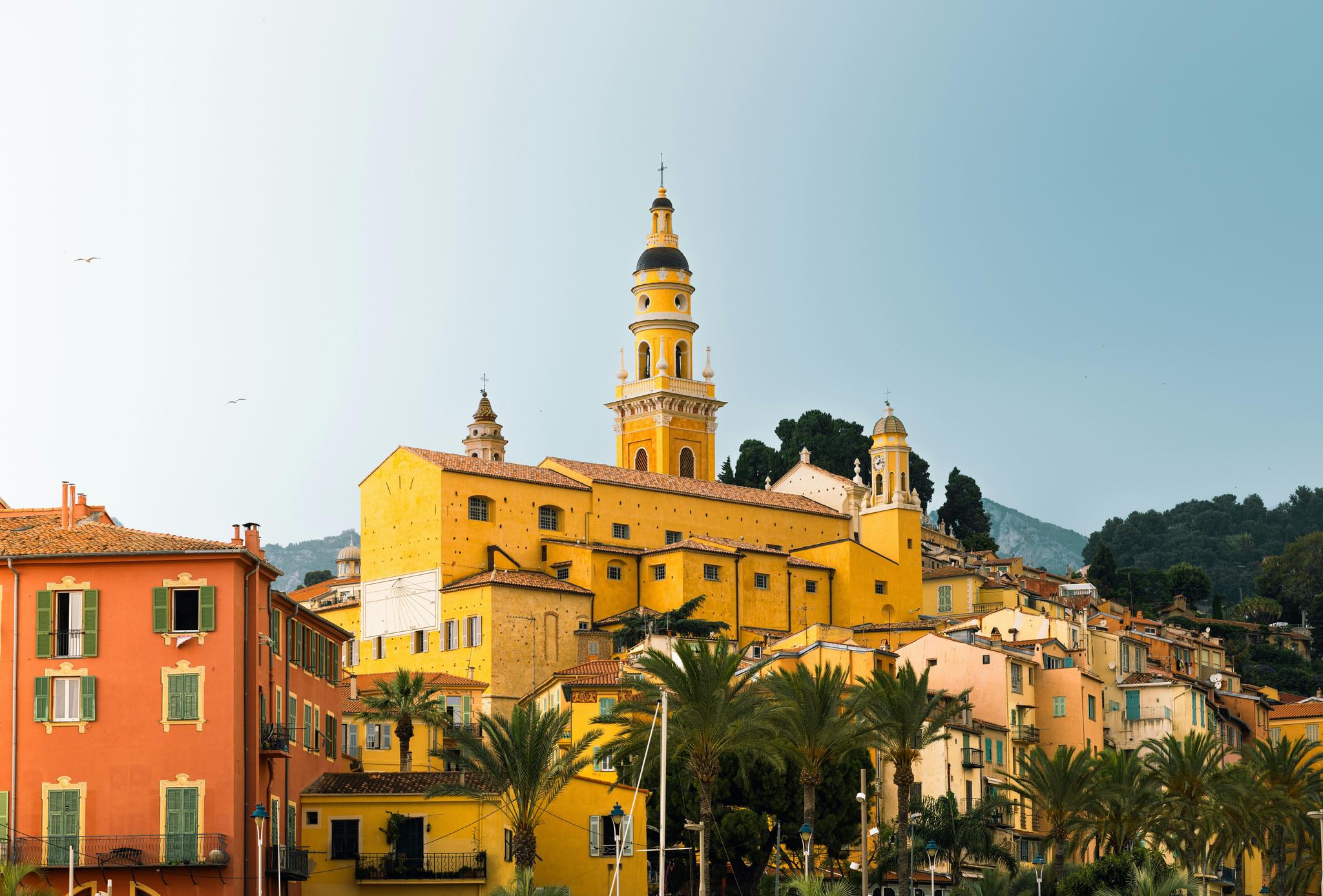
Monaco itinerary ideas for your trip
How long does Monaco itself take? Two or three days. The rest of these routes use it as a base for the Riviera, with trains to Nice about every 15 minutes and buses to the French villages nearby.
5 to 7 day Monaco itinerary
- Day 1: Monaco-Ville, with the 11:55 changing of the guard, the palace if it's open, the cathedral and the Oceanographic Museum.
- Day 2: A morning casino visit, a walk round the Grand Prix circuit and the Car Collection, then an evening on Place du Casino.
- Day 3: The Jardin Exotique and the Fontvieille rose garden, then an afternoon at Larvotto and Mareterra.
- Day 4: Èze by bus 602 (not on Sundays), then La Turbie.
- Day 5: The coastal path to Menton via Cap Martin, back by train or bus 600.
- Day 6-7: The train to Nice (about 20 minutes) or to Ventimiglia in Italy (about 26 minutes), or the Tête de Chien hike.
10 to 14 day Monaco itinerary
- Day 1-3: Monaco itself, as in the shorter route.
- Day 4: Èze and La Turbie.
- Day 5: Menton via Cap Martin.
- Day 6: The Tête de Chien hike if the path is open, or a slow day at Larvotto.
- Day 7-9: Nice as a second base, 20 minutes away by train, for the rest of the Riviera in France.
- Day 10-11: Ventimiglia and the Riviera in Italy, by train.
- Day 12-14: Back to Monaco for the opera or a last harbour evening, or time these days for the Circus Festival in January or the Grand Prix in June.
If you'd rather spend three nights in Nice and skip the hike, move the days around and save your own version of this route in the Guided trip planner.
Fun things to do in Monaco
We'd plan a Monaco trip around one of its events and spend the gaps walking.
Watch or walk the Grand Prix
The 2027 Monaco Grand Prix runs from 3 to 6 June and will be the first sprint weekend here, with sprint qualifying on Friday 4 June and the sprint race on Saturday 5 June. Book seats and rooms months ahead, and expect several museums, including the Oceanographic Museum, to close that weekend. The rest of the year, the circuit is ordinary streets you can walk.
Hike above Monaco
The Tête de Chien and La Turbie climb is the hard option, with 556 m of ascent, and the Cap Martin path to Menton is the easy one. Both start on foot from Monaco.
Catch an opera or an exhibition
The Opéra de Monte-Carlo performs in the Salle Garnier, the 1879 hall inside the Casino building, and Les Ballets de Monte-Carlo dance there and at the Grimaldi Forum. Resale tickets for some performances start at €41. For art, the NMNM museum's Villa Paloma is open (€6, free on Sundays and for under-26s and students), while its other site, Villa Sauber, is closed for renovation and extension.
Plan around a festival
The International Circus Festival of Monte-Carlo runs from 22 to 31 January 2027. In the middle of it, on 26 and 27 January, Monaco honours its patron saint, Sainte Dévote, whose boat, legend says, was guided here by a dove. A boat is traditionally burned on Quai Albert 1er on the evening of the 26th.
The Rolex Monte-Carlo Masters tennis runs from 3 to 11 April 2027. National Day falls on 19 November, when several museums close.
When to go to Monaco?
Monaco gets about 2,575 hours of sun a year, and January highs still reach about 13 °C. July and August peak at about 27 °C with the sea at 23 °C to 24 °C, and October and November are usually the wettest months.
- Spring (March to May): Mild, at about 17 °C in April, and the gardens are at their best. The palace State Apartments usually open in spring, and prices climb from late May as the Grand Prix approaches.
- Summer (June to August): Starts with the Grand Prix on 3 to 6 June 2027, then turns hot and busy, with a warm sea and a crowded Larvotto.
- Autumn (September to October): Our pick, with the sea still warm, lower prices, the Monaco Yacht Show in September and the palace open until mid-October.
- Winter (November to February): Quiet and cheaper, with mild days. National Day is on 19 November, January brings the Circus Festival and Sainte Dévote, and Menton's Lemon Festival is in February. The palace State Apartments are closed.

Did you know you can create your own itinerary?
Now that you know what to see in Monaco and where to stay, you can start creating your own trip. Do you want two slow days between the Rock and the harbour, or are you thinking more about using Monaco as a base for Èze and Menton? It's all up to you. You can easily create your own trip in the Guided app for free, or use trips shared by others.
Where to stay in Monaco?
Can you afford to sleep in Monaco? Most of the year a mid-range double costs about €250 to €350 a night, and there are no hostels, just 13 rated hotels with 2,460 rooms between them. That's why we'd look across the border too. Beausoleil, in France, has cheap rates from about €65 a night, and Nice has the most choice, with 3-star rooms from about €100 to €160. AirROI data puts the average Airbnb in Monaco at about €530 a night, and many listings labelled Monaco are reportedly in Beausoleil or Cap-d'Ail.
Monte-Carlo
The grand hotels and the Casino are here, with Larvotto beach next door. Stay in Monte-Carlo for the full Monaco experience and the highest prices.
La Condamine and Port Hercule
Central, between the Rock and Monte-Carlo, and close to the station. This is our choice for a first visit.
Fontvieille
Quieter and more modern, near the rose garden.
Beausoleil (France)
Just above Monte-Carlo and much cheaper, with parts of it within walking distance of Casino Square.
Nice (France)
The cheapest base with the biggest choice, 20 minutes away by train, and the one we'd use for the 10 to 14 day route.
Getting around when visiting Monaco
Leave the car behind. Monaco has no airport, so most visitors arrive through Nice Côte d'Azur. Express bus 80 reaches Monaco in about 45 minutes and runs about hourly through the day, for €22 one way or €33 return, so check the current timetable and fares before you go. Trains leave from Nice Saint-Augustin station near Terminal 1. Taxis are expensive, and Uber reportedly drops off in Monaco but can't pick up there.
Trains
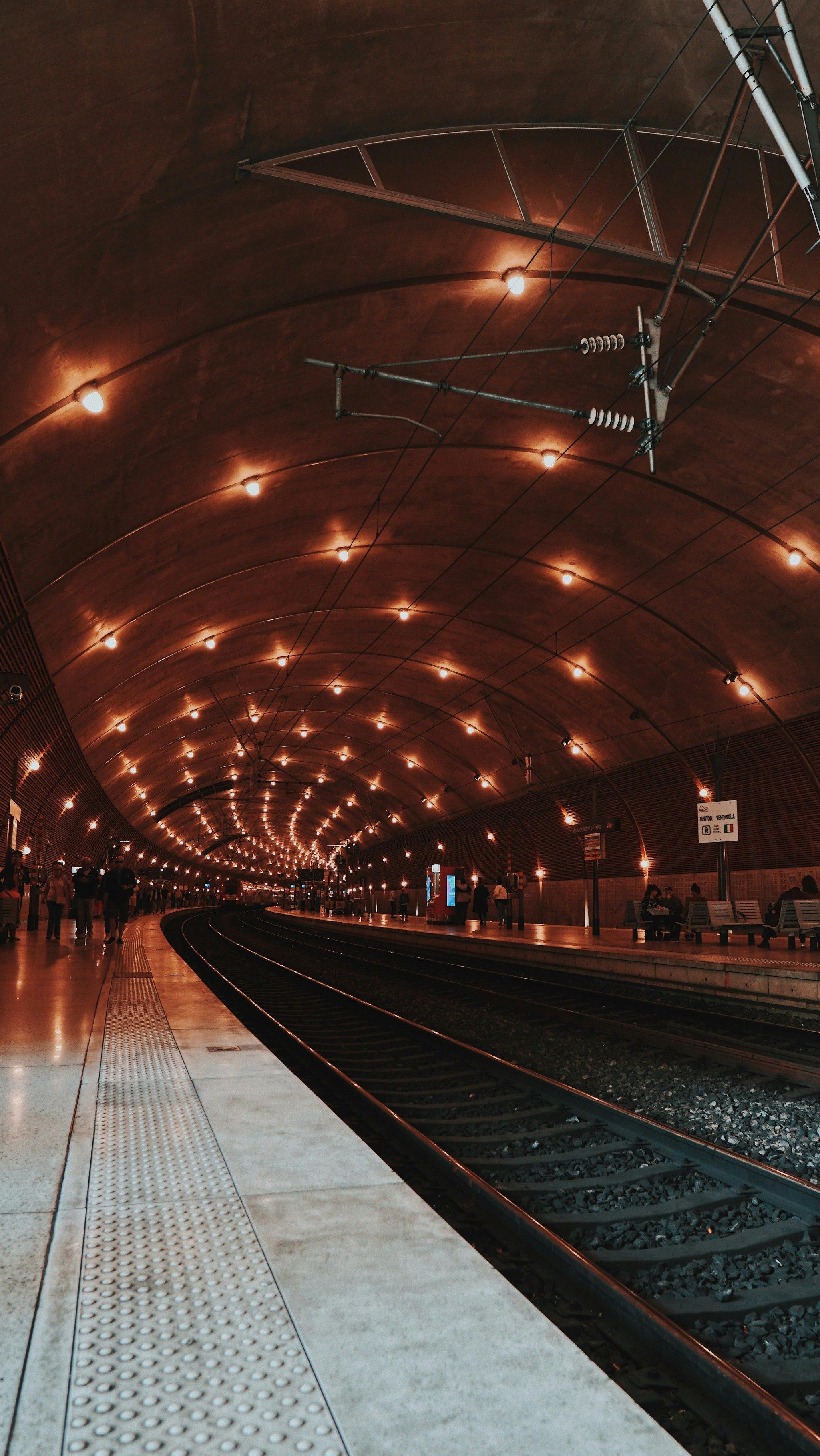
Zou TER trains on the Grasse to Ventimiglia line stop at Monaco Monte-Carlo, an underground station with exits to Monte-Carlo, Sainte-Dévote, La Condamine and Fontvieille. Trains run about every 15 minutes. Nice is 20 to 23 minutes away for €4.40 and Ventimiglia about 26 minutes, and a €16 day pass is sold from May to September. Keep your bag close, as thefts happen on these trains.
Buses
CAM runs city lines 1 to 6 from about 07:00 to 21:00, plus night lines N1 and N2. A ticket costs €2 from the driver or €1.50 by contactless card, and a day pass is €5.50. Regional bus 600 runs along the coast between Nice and Menton via Monaco, and bus 602 goes up to Èze.
On foot and by lift
Monaco is built on a slope, so its 79 public lifts and dozens of escalators matter more than any bus. Self-service e-bikes are another option.
Driving
You don't need a car inside Monaco. Car hire at Nice airport was cheapest in November in Kayak's averages, and UK drivers need a 1968 International Driving Permit as well as their licence.
Food and drinks you should try when visiting Monaco
Monaco's menus overlap with Nice's, from socca to pissaladière, but a few dishes belong to the principality. A mid-range lunch costs about €20 to €35, and coffee costs €2.50 to €4 away from the tourist areas but €5 to €8 near Casino Square, so we'd take our coffee breaks in La Condamine.
Barbajuan
Often called Monaco's national dish, barbajuans are fried ravioli-style pastries filled with chard and cheese. They were once a Lent dish. If you only try one thing here, make it this.
Socca
A thin pancake of chickpea flour, shared with Nice. Eat it hot.
Stocafi
Stockfish stewed with tomato and white wine, the traditional Friday lunch.
Fougasse monégasque
A small sweet bread flavoured with orange blossom and topped with nuts, made for Christmas.
Brasserie de Monaco beer
Monaco's brewery first opened in Fontvieille in 1905 and closed in 1972, before its revival in 2008. Its brewpub on the port has a terrace over the harbour, and the beers include a lager and a wheat beer. Expect to pay €7 to €12 for a beer in a bar.
Culture and local habits you'll notice when visiting Monaco
The clothes rule is the one visitors trip over. You can be fined for walking around in swimwear or bare-chested anywhere other than a beach or bathing area, and going barefoot counts too, so cover up before you leave Larvotto. The casino has its own dress code, and we'd cover shoulders in churches.
French is the official language and Italian is widely spoken, while Monégasque, a Ligurian dialect, is the traditional language. Catholicism is the state religion, and Prince Albert II heads a constitutional monarchy. There's no personal income tax except for French nationals.
Looking for more unique places, trips and activities?
Subscribe to our Guided Newsletter for more travel inspiration.
Costs of a holiday to Monaco
A mid-range double in Monaco costs about €250 to €350 a night, against €100 to €160 for a 3-star in Nice, in France. That gap is where most of your money goes, because the days here cost far less than the nights. The train from Nice is €4.40, and the guard change and the circuit walk are free. Coffee drops from €5 to €8 on Casino Square to €2.50 to €4 away from it.
Food & Drink

Coffee
€2.50 – €8
Lunch
€20 – €35
Beer
€7 – €12
Accommodation
Hotels
€250 – €450
Airbnb
€350 – €550
Budget hotel
€65 – €150
Transport
Trains
€4.40 – €16
Public Transport
€1.50 – €5.50
Car Rental
€25 – €60
Attractions

Museums
€6 – €15
Big Attractions
€20 – €33
Theatre
From €41
Practical tips for visiting Monaco
What catches people out in Monaco? Rarely crime. The UK FCDO doesn't advise against travel to any part of Monaco and street crime is rare, so most of what follows is about paperwork and dates.
✔ Know the Schengen rules
Monaco has no border controls with France and follows Schengen rules. You'll arrive through France, usually at Nice airport, where the EU's Entry/Exit System has run since April 2026. Many nationalities, including the UK, EU and US, can visit without a visa for up to 90 days in any 180-day period across the Schengen area, and days in France or Italy count towards that. UK passports must have been issued within the last 10 years and be valid for 3 months after you leave. ETIAS is expected to start in 2027 at the earliest; check before you travel, and read our What is ETIAS? guide and the GOV.UK entry requirements.
✔ Pay in euros, by card
Monaco uses the euro and mints its own coins. Most places take cards, and contactless saves you 50 cents on every bus ride.
✔ Dress for the street, not the beach
Swimwear or a bare chest can earn a fine anywhere off the beach. Evenings at the casino need smarter clothes, with no T-shirts after 19:00. We'd carry the original passport rather than a copy, since the gaming rooms refuse photocopies.
✔ Watch your bag on trains and at the airport
Thefts happen on trains to and from Monaco and at Nice airport, including from hire-car parks while people load their cars.
✔ Check the calendar before you book
On Grand Prix weekend museums close and hotel prices jump. The palace State Apartments are usually open from spring to mid-October, and National Day on 19 November closes several museums.
Fun facts about Monaco
These six are the ones we'd want to know before arriving.
- At 2.08 km², Monaco is the second-smallest country in the world after the Vatican.
- It has the shortest coastline of any country with a coast, at 3.83 km.
- Mareterra, built on 6 hectares of reclaimed sea, opened in December 2024.
- Monégasque citizens aren't allowed into the Monte-Carlo Casino's gaming rooms.
- Ayrton Senna won the Monaco Grand Prix six times.
- The Monaco Grand Prix is part of motorsport's Triple Crown, with the Indianapolis 500 and the 24 Hours of Le Mans.
Give Monaco two or three days, and a few more for the hills around it.
Ready to map out your trip to Monaco?
We hope this Monaco travel guide has given you a clear starting point for your trip. Stay tuned for more inspiration, itineraries and practical tips to help you shape your perfect holiday to Monaco. And don't forget to check out our Guided travel planning app, where you can create your own trip or use trips shared by other travellers for free.
FAQS about visiting Monaco
How many days do you need in Monaco?
One full day covers the Rock and the Casino. Two to three days covers Monaco itself, with time for the Jardin Exotique and Larvotto. Add two to four days for Èze and Menton. In the Guided app, you can plan your own route and see how many stops fit.
What is the best part of Monaco to visit?
For first-timers we'd pick Monaco-Ville, home of the palace and the Oceanographic Museum. Monte-Carlo is better for the Casino and for evenings.
What is Monaco known for?
Monaco is known for the Grimaldi family, who have ruled since 1297, and for the Monte-Carlo Casino. The Formula 1 Grand Prix has run on its streets since 1929. Superyachts fill Port Hercule, and there is no personal income tax except for French nationals.
Can you visit Monaco without a car?
Yes, and it's easier without one. Monaco is walkable with the help of 79 public lifts, and city buses cost €1.50 by card. Trains reach Nice in about 20 minutes.
Is Monaco expensive?
For hotels, yes. A mid-range double costs about €250 to €350 a night, and thousands on Grand Prix weekend. As a day trip it's manageable, with a €4.40 train from Nice and plenty of free sights. Staying in Beausoleil or Nice saves the most.
Is Monaco safe to visit?
Yes. The UK FCDO doesn't advise against travel to any part of Monaco, and street crime is rare. Watch your bag on trains and at Nice airport.
Do you need a passport to go to Monaco from France?
There are no border checks between France and Monaco, and Schengen rules apply. Carry your passport or an EU ID card anyway, because the casino gaming rooms require one.
Can you go inside the Monte-Carlo Casino?
Yes. Morning visits cost €20 for adults, €15 for ages 13 to 17 and nothing for ages 6 to 12. The gaming rooms open from 14:00 to over-18s for €20, with a dress code and an ID check.
Plan your trip to Monaco in Guided.
Save the places you find, then let Guided lay out the days, the map and the details.
More in Europe
All destinations AlbaniaAlbania pairs a turquoise Ionian coast with Ottoman stone towns and wild mountains.
 AndorraAndorra is a tiny Pyrenean country known for ski slopes, Romanesque churches and hiking valleys.
 AustriaAustria is a beautiful alpine country known for its mountains, music, and imperial charm.
 BelgiumBelgium is known for medieval canal cities, beer, chocolate and the forested Ardennes.