
Moldova

Moldova travel guide: Everything you need to know before visiting Moldova
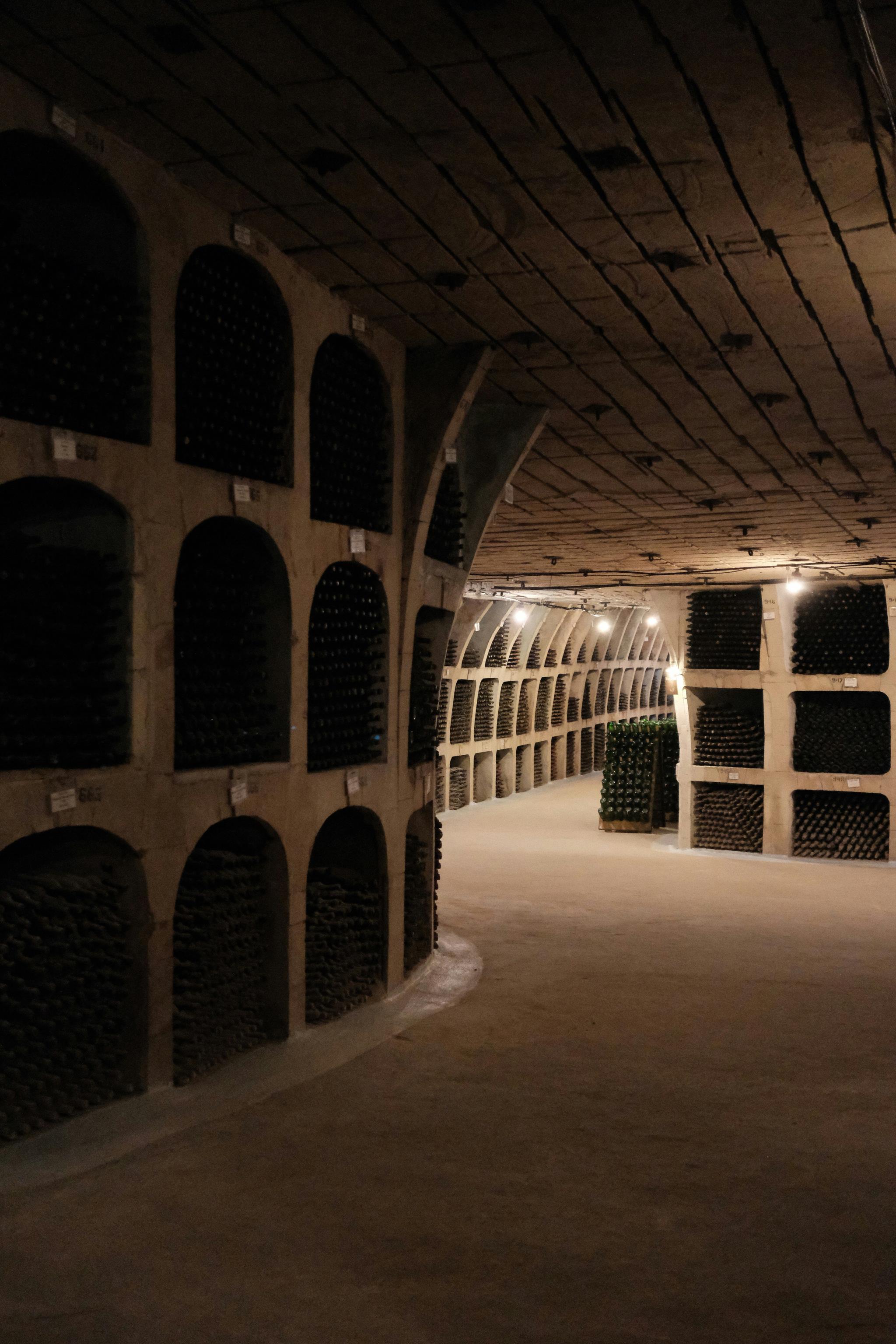
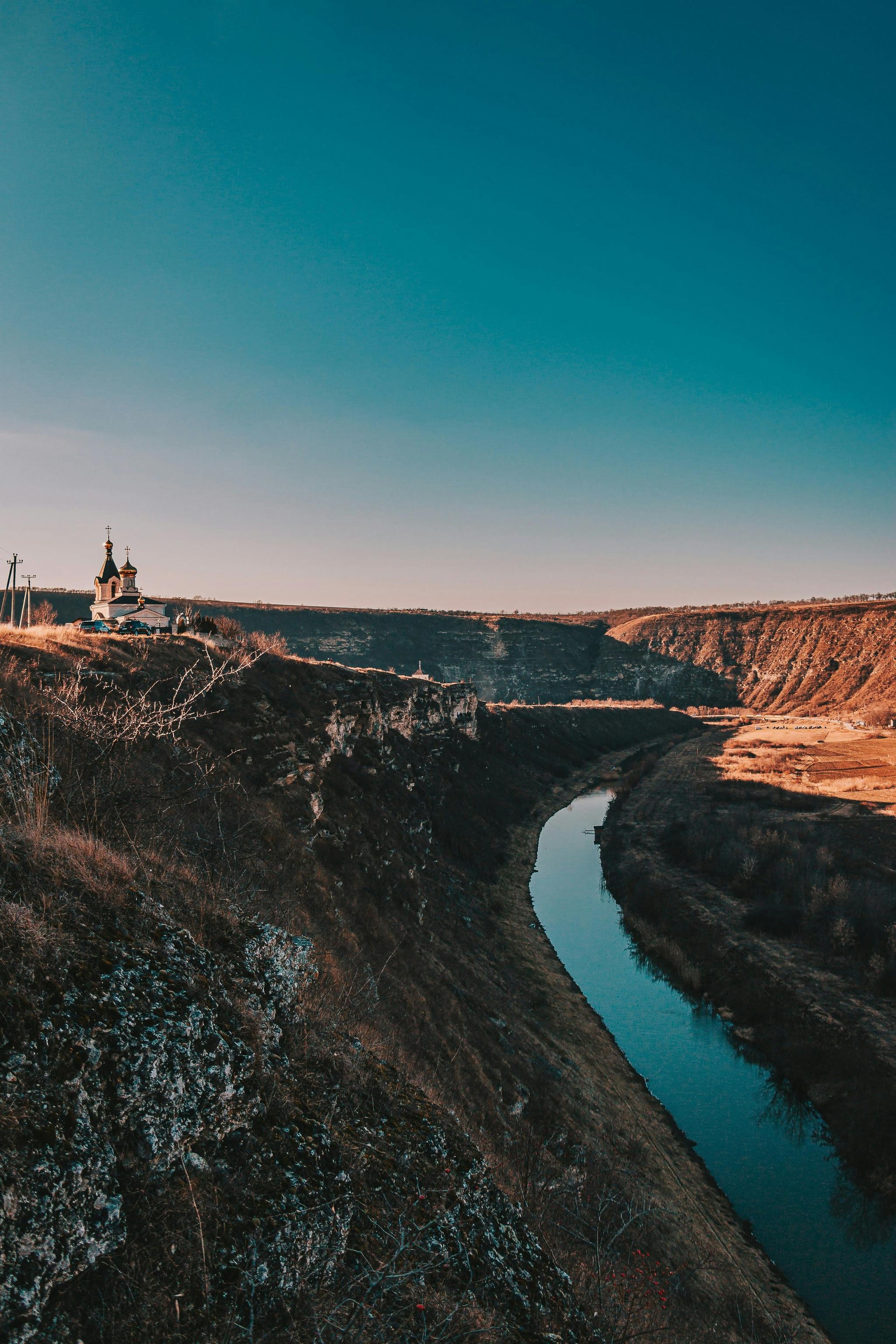
At Mileștii Mici, about 20 km south of Chișinău, visitors drive their own cars into the wine cellars. The galleries run for about 200 km, about 55 km of them in use, and in 2005 Guinness World Records named the collection there the largest in the world. On the other side of the capital, Cricova has about 120 km of underground streets named after wines, kept at 12 °C to 14 °C. An hour north-east, a cave church is cut into a limestone cliff above the Răut river at Orheiul Vechi.
Moldova shares a language and much of its history with Romania, but it's slower and more rural, and your money goes further. Chișinău is a Soviet-era capital where Russian is widely spoken. In the autonomous region of Gagauzia, in the south, people speak Gagauz, a Turkic language. It's also one of Europe's least-visited countries, with 286,200 foreign guests staying in its hotels and guesthouses in 2025. We'd recommend it to wine lovers and to anyone who enjoys having a monastery to themselves, and it pairs easily with a trip to Romania. Beach and mountain lovers will find less to do, and several rural sites need a car or a tour. This guide covers where to go, two itineraries, where to stay, what to eat, what things cost and the rules worth knowing.
5 reasons to visit Moldova
Wine is the obvious reason to come, and we'd still put it first.
- Drive through the world's largest wine collection at Mileștii Mici, or walk the cellar streets of Cricova.
- Climb to the cave monastery above the Răut gorge at Orheiul Vechi, then sleep in a village guesthouse below it.
- Taste Fetească Neagră and Rară Neagră at estates like Purcari, founded in 1827.
- Eat mămăligă with brânză and sour cream for far less than you'd pay in most of Europe.
- Have cliff monasteries and the round stone fortress at Soroca almost to yourself.
Where to visit in Moldova?
How much ground can you cover from one capital? Most of it. Everything below is within about 2.5 hours of Chișinău by car, though the bus takes longer and a few places need a car or a tour. We'd split the trip between the capital and at least one night in the countryside.
Chișinău centre
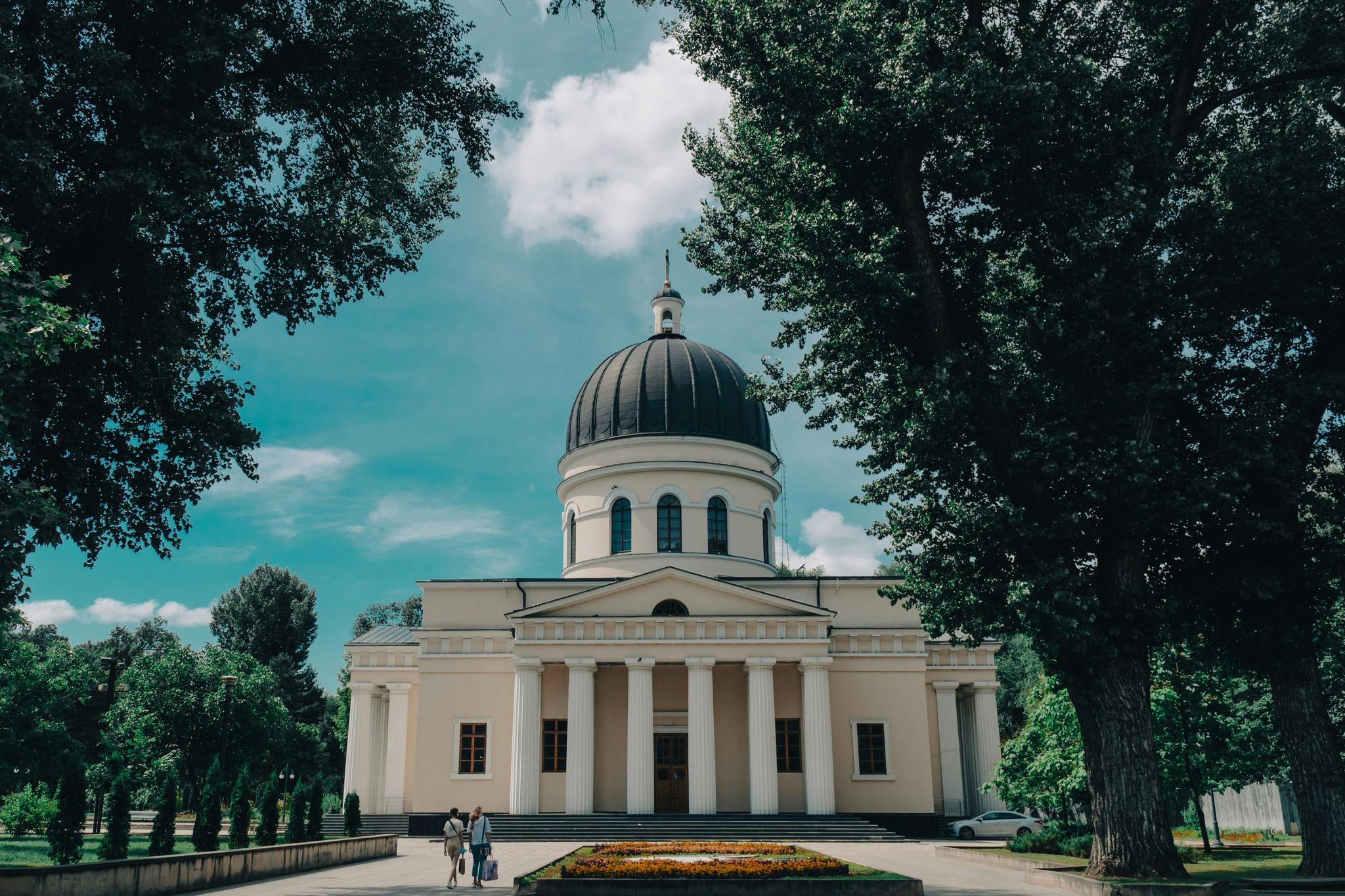
Walk Ștefan cel Mare boulevard first, and give it half a day. The Stephen the Great Monument, unveiled in 1928, guards the entrance to the central park. Cathedral Park holds the neoclassical Nativity Cathedral, dedicated in 1836, and a 13 m Triumphal Arch built in 1840 and 1841. Keep going to Piața Centrală, the Central Market, beside the main bus station. The Soviet buildings are spread out, so we'd take a taxi between the twin towers of the Gates of the City and Hotel Cosmos. The State Circus is under restoration and best seen from outside.
Chișinău's museums
If you only see one museum in the capital, make it the National Museum of Ethnography and Natural History. It was founded in 1889, moved into a pseudo-Moorish building completed in 1905, and holds more than 135,000 items, including a complete Deinotherium skeleton about 7 million years old. Entry costs 50 Lei, the same as the National Museum of History and the National Art Museum. The History museum is free on the last Thursday of the month. The Pushkin House Museum (30 Lei) recalls the poet's exile in Chișinău from 1820. Most museums close on Mondays.
Orheiul Vechi
This is the place we'd send every first-timer, and we'd make it an overnight stop. The Răut loops through a limestone gorge 60 km north-east of Chișinău, with cave monasteries cut into the cliff and the villages of Butuceni and Trebujeni below. The landscape has been on UNESCO's Tentative List since 2007. Entry costs 20 Lei, and a guided tour costs 300 Lei for a group of up to 10. Buses from the Central Bus Station take 1 to 1.5 hours, but the last one back leaves in the late afternoon. Sleep in Butuceni and you get the promontory at sunset, before the day-trippers arrive. Photos aren't allowed inside the cave church, and women cover their heads.
Cricova
Cricova's cellars lie about 15 km north of Chișinău and reach up to 80 m deep, with streets named after wines. The collection was begun in 1954 and holds about 1.3 million bottles, among them a 1902 "Ierusalim de Paști" and what the winery says remains of Hermann Göring's seized collection. The Underground City tour lasts 1 hour 10 minutes and costs 400 Lei, and tastings cost 650 Lei to 3,000 Lei. The weekday 10am tour without a tasting costs 250 Lei, and that's the budget pick. Book on Cricova's tours page. Bus 2 from Chișinău costs 7 Lei.
Mileștii Mici
Which cellar should you pick? One per day is enough, and Mileștii Mici wins on scale. Founded in 1969, it holds the Guinness World Record, set in 2005, for the world's largest wine collection, with well over a million bottles. Of its 200 km or so of galleries, about 55 km are in use, and you drive through them in your own car or ride in the tour vehicle. The 50-minute tour costs 350 Lei on weekdays and 450 Lei at weekends or after 4pm. Book online. Choose Mileștii for the record and the drive, and Cricova for the more polished tour.
Castel Mimi
Castel Mimi is the most photogenic winery in the country. Constantin Mimi, the last civil governor of Bessarabia, who had trained in Montpellier, built it in the 1890s in Bulboaca, about 45 km south-east of Chișinău. It was restored between 2011 and 2016, and on 1 June 2023 it hosted the European Political Community summit. Tours start at 400 Lei, and the Iconic tour with five wines costs from 850 Lei. Book the lunch tour, from 1,100 Lei, and take your time over it. There's a 21-room hotel with a pool and spa. Drive in via Anenii Noi.
Purcari and the Ștefan Vodă wine country
Purcari is our favourite overnight wine stay. It was founded in 1827 by decree of Nicholas I as Bessarabia's first specialised winery, and its flagship red, Negru de Purcari, won gold at the Paris Exposition of 1878. It's 110 km south-east of Chișinău, 1 hour 50 minutes by car, with no direct bus. Follow the road through Căușeni and Ștefan Vodă, whatever your map suggests. Tours cost about 300 Lei to 1,000 Lei, and Château Purcari, opened in 2003, has 13 rooms from about 2,600 Lei a night with breakfast. Pair it with Et Cetera in Crocmaz, a family winery with a six-room guesthouse.
Soroca
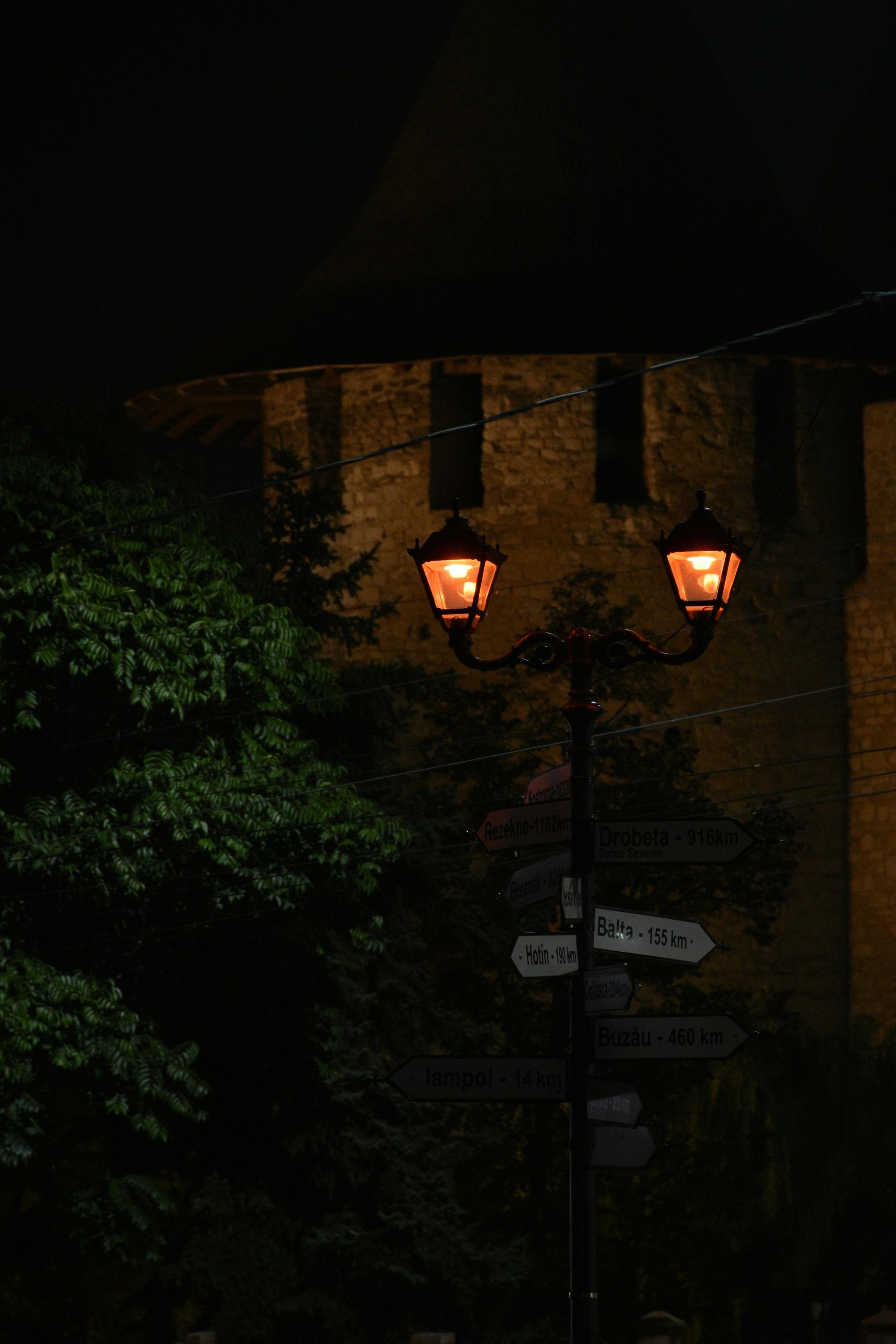
Soroca Fortress is a perfect circle with five bastions, on the Nistru 155 km north of Chișinău. A wooden fort went up here in 1499 under Stephen the Great, and Petru Rareș rebuilt it in stone between 1543 and 1546. Entry costs 30 Lei, and the fortress closes for winter, so check before a visit between November and March. The 29.5 m Candle of Gratitude honours the anonymous keepers of language and culture. On Roma hill, ornate private houses echo famous buildings. They're family homes, so stay out of the yards and ask before taking photos. The bus takes 2.5 to 3 hours, so stay the night.
Țipova and Saharna
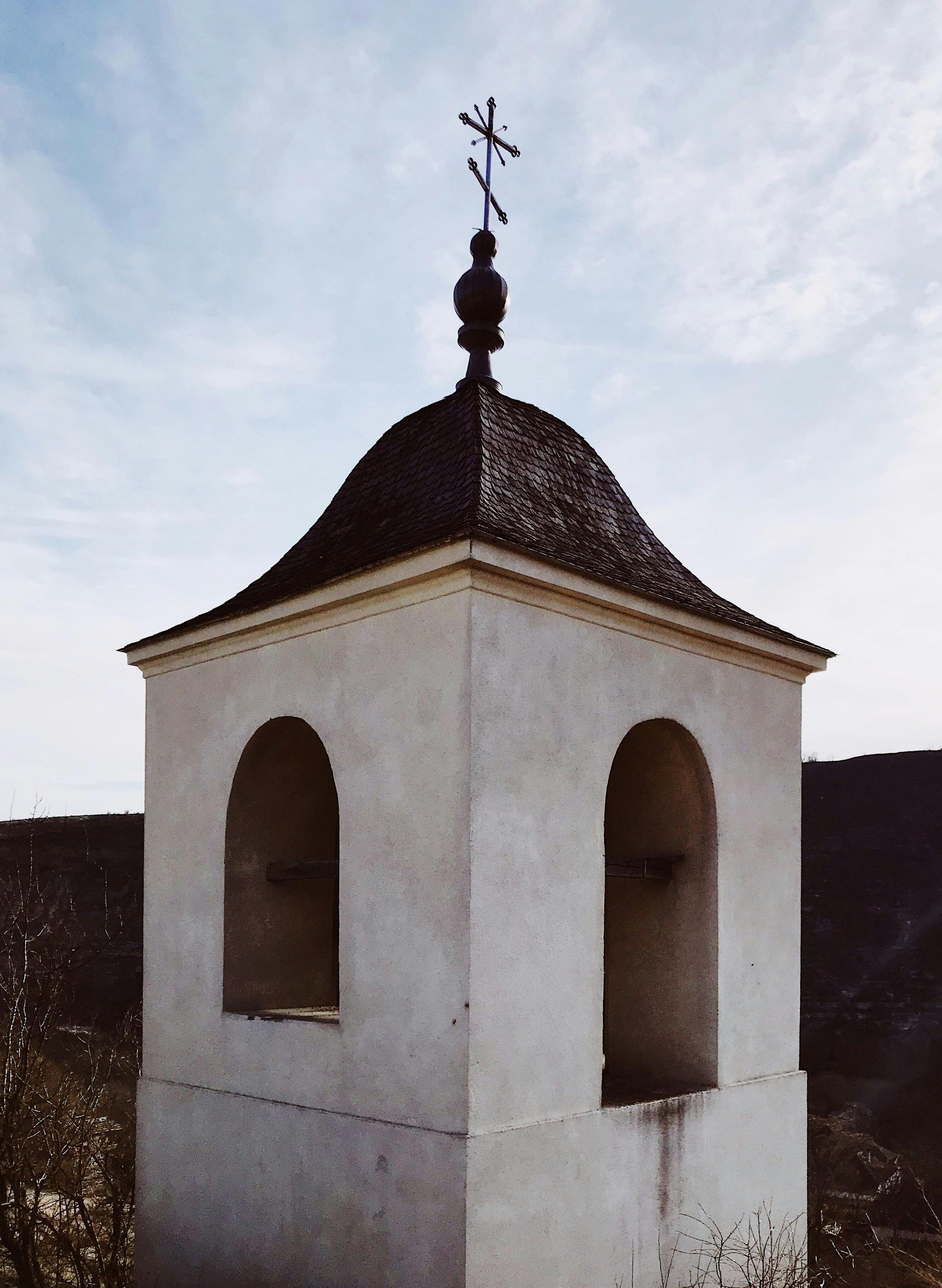
Țipova's cave monastery sits in a limestone cliff about 90 m high above the Nistru, with cave spaces from the 11th to the 18th centuries. Saharna is a monastery complex completed in 1776 that holds the relics of Blessed Macarie, beside a stream with about 22 small cascades. Both lie in Rezina district, about 95 km to 100 km north of Chișinău, and you'll need a car or a tour. The cliff path at Țipova is steep and slippery when wet. Both fit into one long day, or on the way to Soroca.
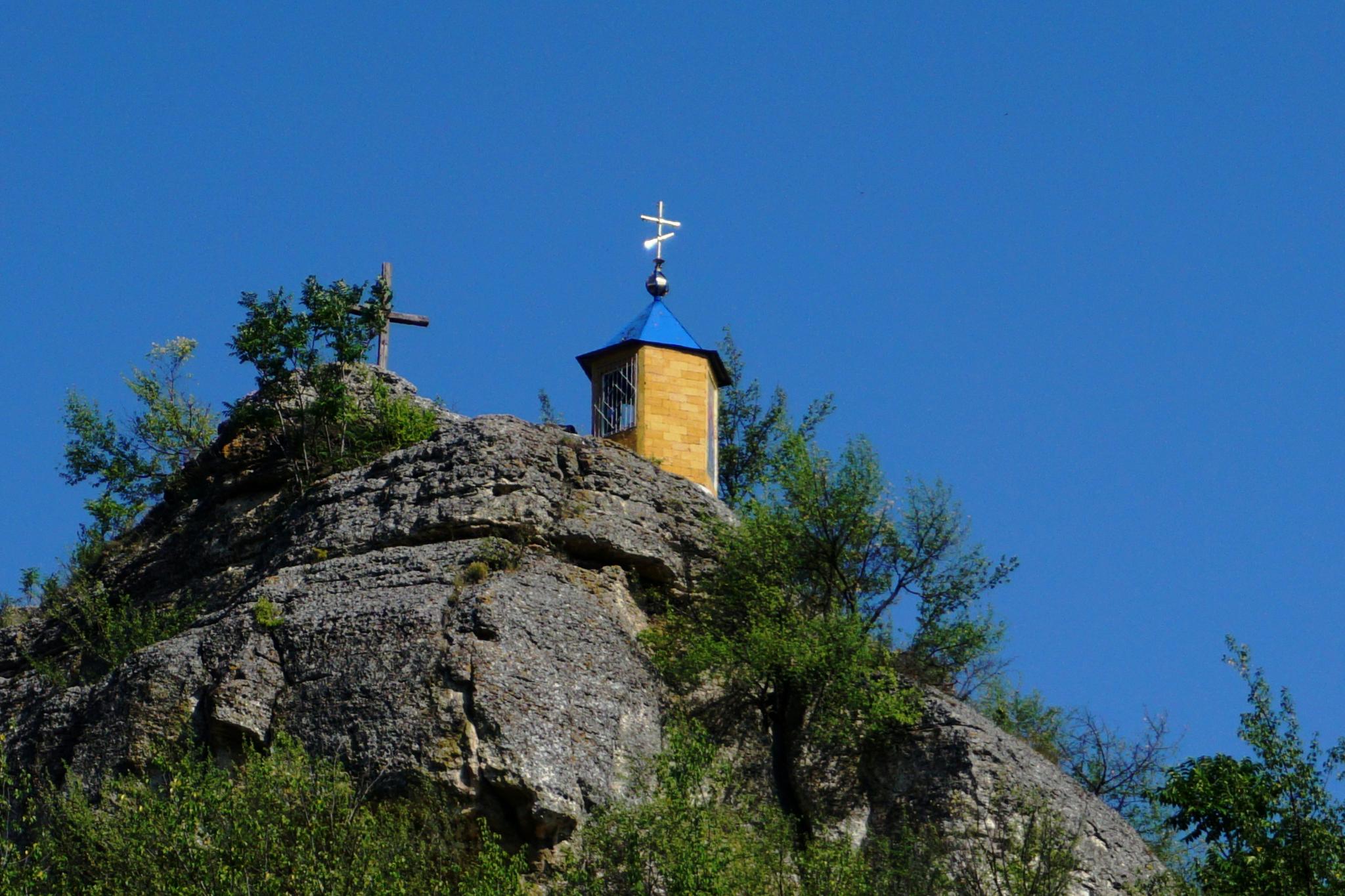
Căpriana, Hîncu and the Codrii forests
Codri means "forests", and this is Moldova's green middle. Căpriana, about 40 km north-west of Chișinău, was first documented in 1429. Its stone Dormition church, built from 1491 to 1496 under Stephen the Great and rebuilt from 1542 to 1545, is described as the oldest surviving church in Moldova. Hîncu monastery in Nisporeni district was founded in 1678 by Mihail Hîncu for his daughter. The Codrii Scientific Reserve at Lozova was created in 1971 and covers 5,177 ha. This is a day for a car. Curchi monastery, from 1773, fits better on the way back from Orheiul Vechi.
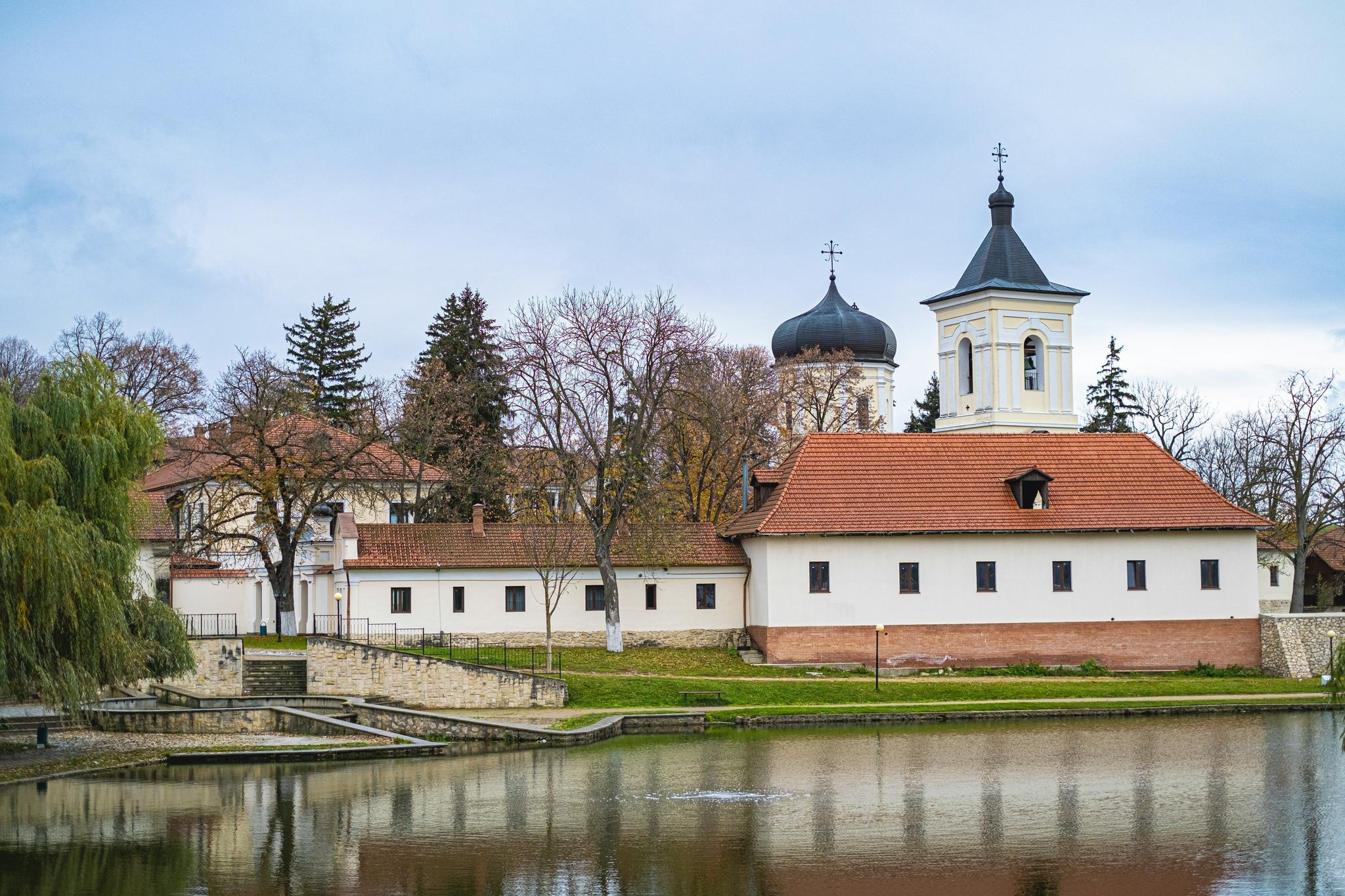
Gagauzia and Comrat
We'd see Gagauzia with a guide. It has been an autonomous region since 1995, and 103,668 people lived there at the 2024 census. Gagauz, a Turkic language, is official alongside Romanian and Russian, though Russian is what you'll hear day to day. The capital, Comrat, about 2 hours by bus from Chișinău, has a cathedral and a Gagauz art gallery, but it's a modest town. The real highlights are in Besalma, at the Cara-Ciobanu National Gagauz History and Ethnography Museum, and at a long lunch in an ethno-courtyard such as Gagauz Sofrasi.
Lower Prut and Lake Beleu
Go for the birds, and give it two days and a car. The Prutul de Jos reserve in Cahul district was established in 1991, covers 1,691 ha and has recorded more than 196 bird species. Lake Beleu lies inside it. A new 5 km trail, Panorama Beleului, starts near Slobozia Mare and takes 1.5 to 2 hours, and the shorter Dealul Cămilei trail starts from Veleni. Cahul, about 2 hours 35 minutes by car from Chișinău, has the Nufărul Alb spa and Soviet mosaics, and the Valul lui Traian wine region runs through this part of the south.
Moldova itinerary ideas for your trip
The capital is the hub for buses and day trips, so the shorter route uses it as a base. The longer one adds nights in the north and the far south, and it's the version we'd choose.
5 to 7 day Moldova itinerary
- Day 1: Chișinău centre and the Ethnography Museum.
- Day 2: Cricova in the morning, then the Soviet buildings by taxi.
- Day 3-4: Orheiul Vechi with a night in Butuceni, stopping at Curchi monastery or Château Vartely on the way.
- Day 5: Țipova and Saharna by car or tour, then back to Chișinău.
- Day 6: A lunch tour at Castel Mimi, or Mileștii Mici.
- Day 7: Purcari, overnight if you can, or Căpriana and Hîncu.
10 to 14 day Moldova itinerary
- Day 1-2: Chișinău, its museums and Cricova.
- Day 3-4: Orheiul Vechi, with a night in Butuceni or Trebujeni and a walk on one of the reserve's trails.
- Day 5-6: Țipova and Saharna, then a night in Soroca with Cosăuți or Rudi monastery (April to October for the fortress).
- Day 7: Back south via Căpriana and Hîncu.
- Day 8: Mileștii Mici and Castel Mimi.
- Day 9-10: Purcari and Et Cetera, with a night at a wine estate.
- Day 11: Gagauzia with a guide.
- Day 12-13: Cahul and Lake Beleu.
- Day 14: Back to Chișinău, or on to Iași by bus or Bucharest on the night train.
If you'd rather swap a winery for a second night in the north, rework the days and save your own version in the Guided trip planner.
Fun things to do in Moldova
Time your trip for National Wine Day if you can. The rest of this list fits around it.
National Wine Day in Chișinău
On the first weekend of October, wineries take over Piața Marii Adunări Naționale (PMAN) in central Chișinău. The 2026 edition, the 25th, brought together 114 wineries. In 2025 about 170,000 people came, and a Taster Card with a glass and 12 tastings cost 250 Lei.
Stay in a village guesthouse
Guesthouses in Butuceni and Trebujeni serve home cooking and cost about 900 Lei to 1,800 Lei a double with breakfast. At Casa Verde in Trebujeni (900 Lei to 1,100 Lei), guests can help in the kitchen. Casa din Lunca charges about 2,500 Lei with three meals, the better deal if you plan to stay put.
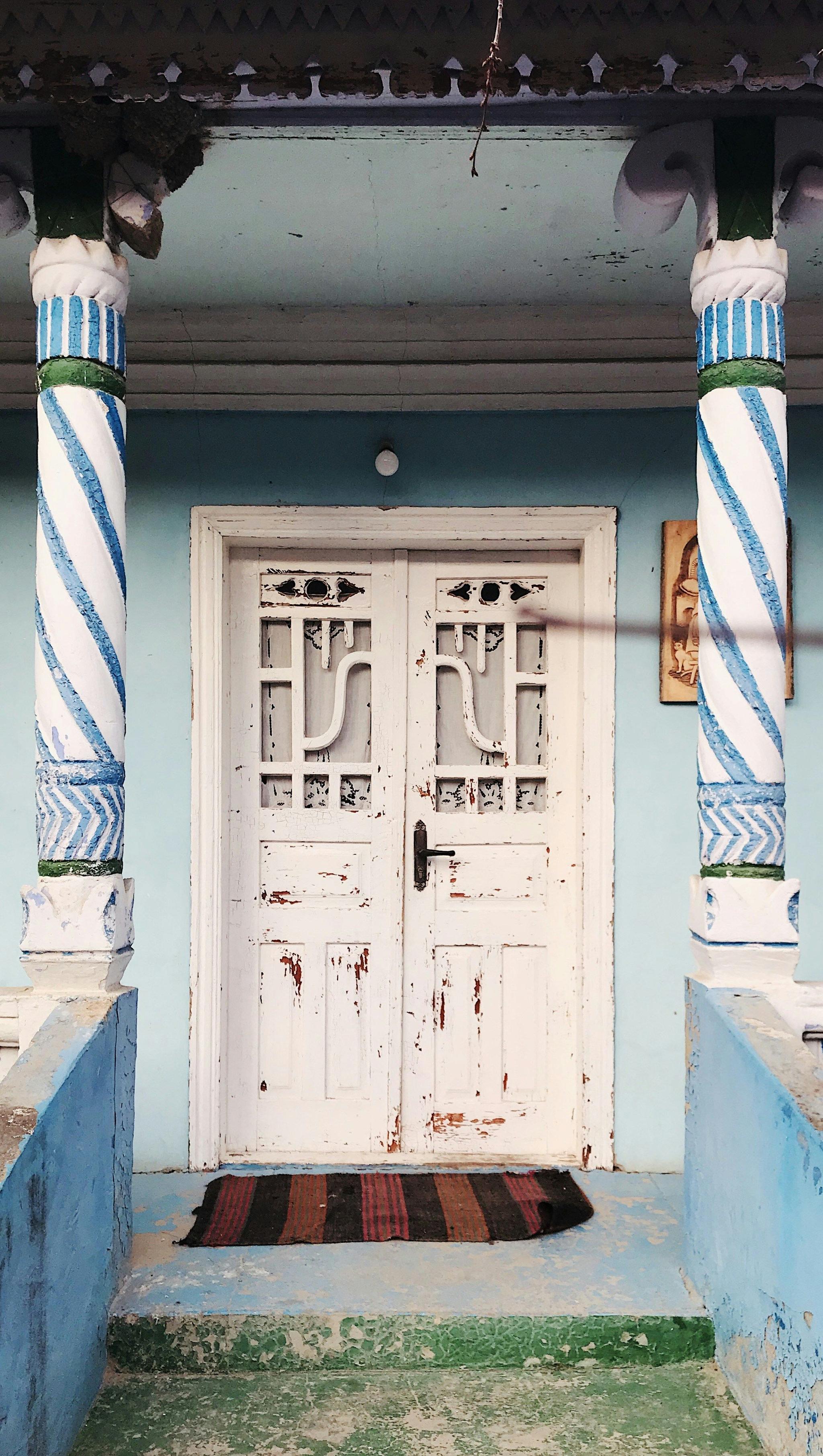
Hike the gorges and the Prut cliffs
Orheiul Vechi has eight marked trails, from the 8 km walk between Trebujeni and Furceni to the 15 km Morova Gorge route. In the north-west, Stâncile Prutului (the Prut Cliffs) has 156 km of marked routes, launched in May 2024. The Central Moldova trail runs for more than 40 km from Nisporeni to Bălănești Hill, the country's highest point. Stick to the marked paths.
Catch a festival
Chișinău hosts an international music festival named after the Mărțișor each March, and in 2026 it ran from 1 to 12 March. In June, the DescOperă open-air opera festival plays at Butuceni, below the Orheiul Vechi cliffs. It's the one we'd travel for. Chișinău's city day falls on 14 October.
When to go to Moldova?
When is Moldova at its best? Late September and early October, when the harvest is in, new wine is everywhere and Chișinău hosts National Wine Day. The capital's average highs run from 1.1 °C in January to 28.4 °C in July, with 555 mm of rain a year. Orthodox Easter falls on 2 May 2027, and on 10 May families mark Memorial Easter (Paștele Blajinilor), a public holiday, by sharing food at cemeteries.
- Spring (April to May): Mild and green, with highs of about 16 °C in April and the Easter traditions.
- Summer (June to August): Hot, with highs of about 28 °C and hotter spells, plus the festival season and peak prices for rentals.
- Autumn (September to October): Our pick, with the grape harvest and National Wine Day, though rooms for that weekend go early.
- Winter (November to March): Cold and cheap, and the Christmas market usually fills PMAN. Soroca Fortress closes and rural roads get harder, so drivers need winter tyres from 1 December to 1 March.

Did you know you can create your own itinerary?
Now that you know what to see in Moldova and where to stay, you can start creating your own trip. Do you want a slow week of cellars around Chișinău, or are you thinking more about cave monasteries and a night in Gagauzia? It's all up to you. You can easily create your own trip in the Guided app for free, or use trips shared by others.
Where to stay in Moldova?
A double in a village guesthouse (pensiune) costs about 800 Lei to 1,800 Lei with breakfast, and a mid-range hotel in Chișinău costs about the same. Airbnb listings in the capital average 1,283 Lei a night, and dorm beds cost 150 Lei to 300 Lei. Wine estates cost more.
Chișinău centre
Walkable to the boulevard and the museums, and the easiest base for the big cellars on either side of town.
Butuceni and Trebujeni
Guesthouses with home cooking, right below the Orheiul Vechi cliffs. If you only spend one night outside the capital, make it this one.
Wine estates
Castel Mimi has a hotel with a spa, and Château Purcari has 13 rooms. Purcari is the splurge, from about 2,600 Lei a night.
Soroca
One night here covers the fortress and the Candle of Gratitude, with a morning at Cosăuți or Rudi before the drive south.
Getting around when visiting Moldova
Hire a car for the countryside and use buses in and around Chișinău. Flights land at Eugen Doga Chișinău International Airport (RMO, formerly KIV), 13 km south-east of the centre, where Wizz Air has a base. Route 30 and minibus 165 run to the centre for 7 Lei in 30 to 45 minutes. A taxi costs about 115 Lei to 150 Lei, and Bolt has run a cashless service in Chișinău since September 2025.
Trolleybuses and city buses
Since 1 May 2026, a ride on any trolleybus, bus or maxi-taxi in Chișinău costs 7 Lei. Pay the conductor or driver in cash, as card readers are patchy.
Intercity buses and maxi-taxis
Chișinău has three bus stations that matter. Gara Centrală, by the Central Market, serves Orhei and the Orheiul Vechi villages. Gara de Nord serves Soroca and Bălți, and Gara de Sud serves Comrat and Cahul, plus Iași in Romania, about 3 hours 45 minutes away. Check timetables on autogara.md.
Trains
CFM runs one domestic train a day, between Chișinău and Ungheni. The more useful service is the overnight Prietenia sleeper to Bucharest, which leaves daily in the late afternoon and arrives the next morning. Its bogies are changed at Ungheni, which takes about 2 hours, and a four-berth bed costs about 745 Lei. Book up to 30 days ahead on railway.md.
Driving
There are no motorways, and many roads are unlit, so avoid driving at night. Foreign-registered cars need a vignette (rovinietă), sold at evinieta.gov.md or at the border. Dipped headlights are compulsory from 1 November to 31 March, and the drink-drive limit is very low, so don't drink and drive. Hire costs about 400 Lei to 1,000 Lei a day, usually from age 21.
Food and drinks you should try when visiting Moldova
What does a Moldovan home table look like? Cornmeal and sour cream, mostly, with wine from someone's cellar. Most dishes below cost 25 Lei to 180 Lei, and a glass of wine 40 Lei to 70 Lei.
Mămăligă
A thick cornmeal porridge served with brânză, a brined and often sheep's cheese, plus smântână (sour cream) and pork crackling. It costs 70 Lei to 140 Lei, and if you order one dish here, make it this.
Sarmale
Cabbage or vine leaves stuffed with minced meat, about 100 Lei to 180 Lei.
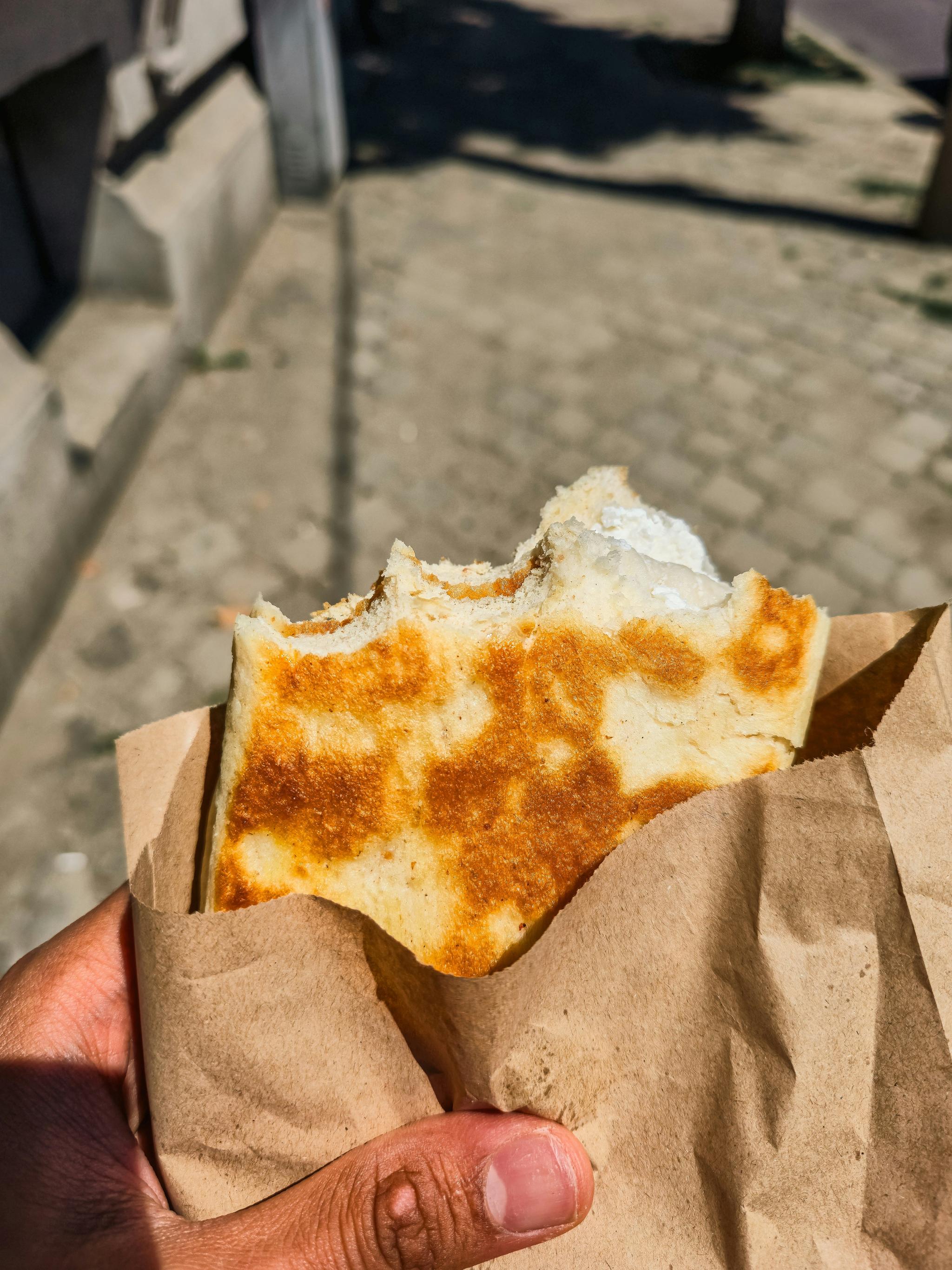
Plăcinte
Flat pastries filled with cheese, cabbage, potato, pumpkin or cherry, at 25 Lei to 60 Lei each. A cheese one is the best snack for a long bus ride.
Zeamă
A sour chicken and noodle soup, 60 Lei to 110 Lei a bowl.
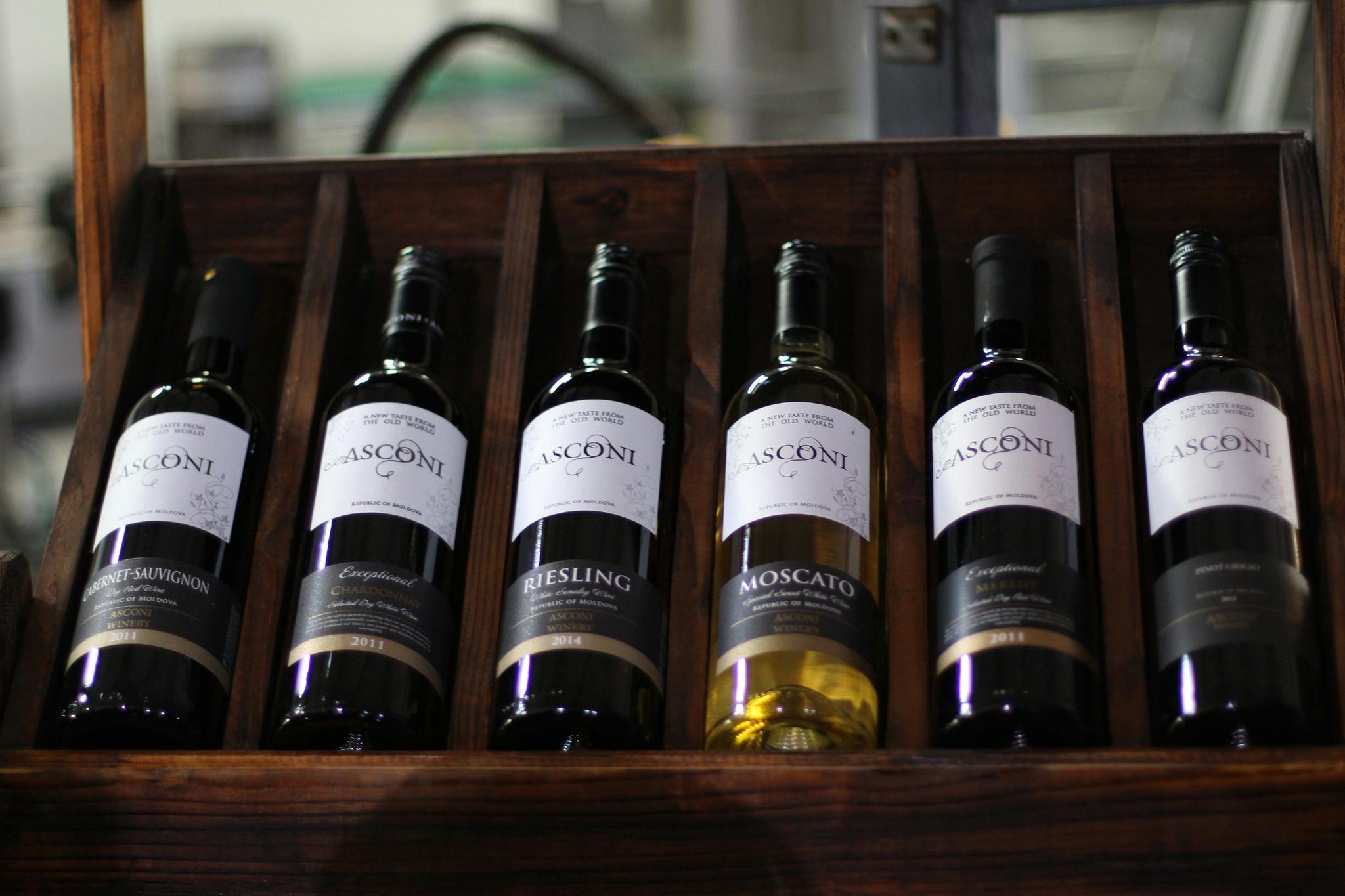
Fetească Neagră and Divin
Order Fetească Neagră first, a red made from a local grape, then look for Rară Neagră, grown mostly around Purcari. Fetească Albă and Busuioacă albă are the whites. Finish with Moldovan brandy, known as Divin and made by the cognac method. A house bottle of wine costs 120 Lei to 250 Lei, and Moldova exports its wine to more than 70 countries.
Culture and local habits you'll notice when visiting Moldova
Moldova's 2024 census counted 2,409,200 people in the areas under government control, 94.3% of them Orthodox, and many families have relatives working abroad. Romanian is the official language and Russian is widely understood, but English is rare outside Chișinău's younger people and the tourism trade.
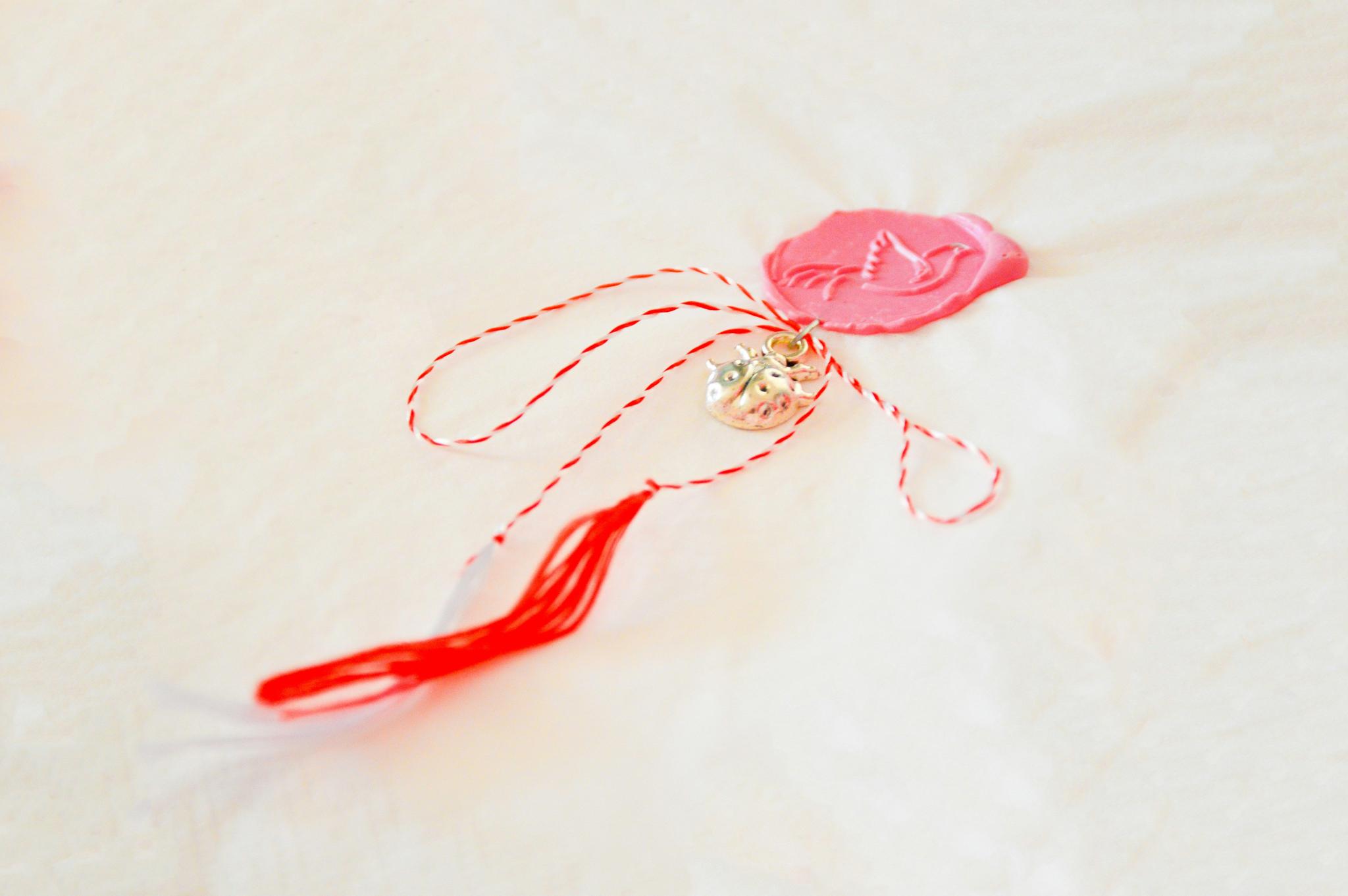
Hosts offer home wine and long meals, and we'd always accept a little. Raise your glass with "Noroc!" If you bring flowers, bring an odd number, because even numbers are for funerals. In monasteries, cover your shoulders and knees, and women cover their heads. In early March you'll see the Mărțișor, a red-and-white token that's worn and later tied to a tree, listed by UNESCO jointly with Romania, Bulgaria and North Macedonia.
Looking for more unique places, trips and activities?
Subscribe to our Guided Newsletter for more travel inspiration.
Costs of a holiday to Moldova
Your lei go furthest on food and buses, and the cellar tours are where the budget goes. Numbeo's 2026 cost of living index puts Moldova at 35.7 (New York is 100), below Romania next door at 39.5 and Bulgaria at 42.0, and 23% to 28% cheaper than Poland or Hungary. A city bus costs 7 Lei and a national museum 50 Lei, while a tasting at Cricova starts at 650 Lei.
Food & Drink

Coffee
30 Lei – 45 Lei
Lunch
100 Lei – 220 Lei
Beer
25 Lei – 45 Lei
Accommodation
Hotels
900 Lei – 1,800 Lei
Airbnb
900 Lei – 1,300 Lei
Hostel dorm
150 Lei – 300 Lei
Transport
Intercity bus
40 Lei – 170 Lei
Public Transport
7 Lei
Car Rental
400 Lei – 1,000 Lei
Attractions

Museums
30 Lei – 50 Lei
Big Attractions
250 Lei – 850 Lei
Theatre
150 Lei – 400 Lei
Practical tips for visiting Moldova
The US rates Moldova Level 2, exercise increased caution, and the UK advises against travel to one region only.
✔ Check the entry rules before you fly
Many nationalities, including the UK, EU and US, can visit without a visa for up to 90 days in any 180-day period, with a return or onward ticket. Others can apply for an e-visa at evisa.gov.md, and holders of valid Schengen, UK, US or Canadian visas can also enter visa-free. Check your passport's validity rules (the US advises six months) on the GOV.UK entry requirements page. Moldova isn't in the EU or Schengen, so days here don't count towards the Schengen 90-day limit. Whichever way you cross between Romania and Moldova, EES checks (face scan and fingerprints on first use, for non-EU travellers) happen on the Romanian side, so expect queues. See our Europe's Big Border Upgrade guide.
✔ Carry lei as well as a card
A euro is about 20 Lei. Cards work in most of Chișinău's hotels and restaurants, but markets, buses, villages and some wineries want cash. When an ATM offers to convert, choose lei. Euros in good condition are easy to change at exchange offices, pounds aren't, and street changers are best avoided.
✔ Book a car or a tour for Purcari and the cliff monasteries
Buses reach Orheiul Vechi and Soroca, but not Purcari or the Țipova cliffs. For taxis, use Bolt or ask your hotel to order one, and agree the fare first if you get into anything else.
✔ Stay on marked paths and watch the news
Watch for pickpockets and card skimming in Chișinău, and stay away from demonstrations in the centre. Unexploded ordnance from the Second World War and the 1992 conflict remains in some rural fields, forests and land along the Nistru, so stay on marked paths, don't touch suspicious objects and call 112 if you see one. Drones from the war in neighbouring Ukraine occasionally stray into Moldovan airspace, which can briefly close the airport; check current advice before you go. The breakaway Transnistria region east of the Nistru is outside government control; the UK advises against all travel there and this guide doesn't cover it.
✔ Learn five words of Romanian
Outside Chișinău, English gets rare, and these help.
- Bună ziua: hello
- Mulțumesc: thank you
- Vă rog: please
- Scuzați-mă: excuse me
- Noroc: cheers
✔ Get a SIM and drink bottled water
Prepaid SIMs from Orange, Moldcell or Moldtelecom cost about 40 Lei to 80 Lei for 15 to 30 days with tens of gigabytes, sold at airport kiosks. Bring your passport. Plugs are type C and F, at 230 V, and locals drink bottled water, so we'd do the same.
Fun facts about Moldova
Our favourite of these six involves a saxophone.
- Soroca Fortress is a perfect circle with five bastions.
- Moldova has more vineyard per person than any other country, about 375 m² per resident, according to 2025 industry data.
- The highest point, Bălănești Hill, is only 430 m.
- Moldova is almost landlocked, with about 450 m of Danube bank at Giurgiulești.
- The "Epic Sax Guy" meme comes from Moldova's 2010 Eurovision entry, "Run Away" by SunStroke Project and Olia Tira.
- Moldova's flag is a blue, yellow and red tricolour with an eagle and an aurochs on its coat of arms.
Mileștii Mici alone keeps about 55 km of its galleries in use, so it's worth leaving space in your bag for a bottle.
Ready to map out your trip to Moldova?
We hope this Moldova travel guide has given you a clear starting point for your trip. Stay tuned for more inspiration, itineraries and practical tips to help you shape your perfect holiday to Moldova. And don't forget to check out our Guided travel planning app, where you can create your own trip or use trips shared by other travellers for free.
FAQS about visiting Moldova
How many days do you need in Moldova?
Five to seven days covers Chișinău, a cellar tour, Orheiul Vechi, Țipova and Saharna, and Castel Mimi. With 10 to 14 days you can add Soroca, Purcari, Gagauzia and the Lower Prut. In the Guided app, you can plan your own route and see how many stops fit.
What is the best part of Moldova to visit?
For most first-timers, Orheiul Vechi, ideally with a night in Butuceni. Wine lovers should add the cellars near Chișinău and the Purcari estate, and Soroca is the pick for history.
What is Moldova known for?
Wine, above all. It has the world's largest wine collection at Mileștii Mici and the most vineyard per person of any country. It's also known for cave monasteries and the Epic Sax Guy meme.
Can you travel around Moldova without a car?
Partly. Buses and maxi-taxis reach Orheiul Vechi, Soroca, Comrat and Cahul. Purcari, Saharna, Țipova, Castel Mimi and Căpriana need a car, a taxi or a tour.
Is Moldova expensive?
No. Numbeo's 2026 index puts Moldova at 35.7, against 39.5 for Romania. A city bus costs 7 Lei and a national museum 50 Lei.
Is Moldova safe to visit?
Yes, for most visitors. The US rates it Level 2, exercise increased caution, and the UK advises against travel only to the breakaway region east of the Nistru. Watch for pickpockets in Chișinău and stay on marked paths in rural areas, and check current advice before you go.
Is Moldova in the EU?
No. Moldova has been an EU candidate since 2022, but it uses its own currency, the leu, and isn't in Schengen. It's easy to combine with Romania, with buses to Iași in about 3 hours 45 minutes and a night train to Bucharest.
Plan your trip to Moldova in Guided.
Save the places you find, then let Guided lay out the days, the map and the details.
More in Europe
All destinations AlbaniaAlbania pairs a turquoise Ionian coast with Ottoman stone towns and wild mountains.
 AndorraAndorra is a tiny Pyrenean country known for ski slopes, Romanesque churches and hiking valleys.
 AustriaAustria is a beautiful alpine country known for its mountains, music, and imperial charm.
 BelgiumBelgium is known for medieval canal cities, beer, chocolate and the forested Ardennes.