
Liechtenstein

Liechtenstein travel guide: Everything you need to know before visiting Liechtenstein
Liechtenstein disbanded its 80-man army in 1868 and has managed without one ever since. Its head of state, Prince Hans-Adam II, lives in Vaduz Castle on the cliff above the capital, a 20 to 30 minute walk up past the vineyard that makes his Pinot Noir. The whole country is about 160 km² and 25 km long. A bus crosses it in under an hour, and no single ride costs more than CHF 5.
At first it feels Swiss, with francs and no border check. But this is a principality with its own prince and its own stamps, and the Walser villages on the slopes and the small ski area at Malbun are far quieter than the big Swiss resorts. We'd recommend it to hikers, to wine lovers, to country collectors and to families who want an easy ski week. Nightlife seekers should look elsewhere, and budget travellers should know that prices are Swiss. This guide covers the 12 places we'd visit, two itineraries, where to stay, how the buses work, what to eat and what things cost.
5 reasons to visit Liechtenstein
Walking comes first on our list, but it isn't the only reason to go.
- Walk the Fürstensteig, a ridge path cut into the cliffs in 1898, with the Rhine valley far below.
- See contemporary art at the Kunstmuseum and a Fabergé egg in the Treasure Chamber on the same short street.
- Taste Pinot Noir from the Prince's own vineyard below Vaduz Castle.
- Ski or walk at Malbun, a small, car-free family resort at about 1,600 m.
- Cross the whole country by bus for CHF 5, or walk it on the 75 km Liechtenstein Trail.
Where to visit in Liechtenstein?
Is a country this small worth more than a day? We think so, as long as you leave Vaduz. The capital takes a morning, but the castles and mountain villages are spread across 11 municipalities, all on the LIEmobil bus network. Here are the 12 places we'd put on a first trip.
Vaduz Städtle
The Städtle is Vaduz's pedestrian centre, and almost everything a first-time visitor wants is on it. The Kunstmuseum is at number 32, the LandesMuseum at 43 and the Liechtenstein Center visitor centre at 39, with the Treasure Chamber close by. At the Liechtenstein Center you can buy a souvenir passport stamp for CHF 3, or €3, and rent an e-bike. You can see the centre in an hour. It works best as a base rather than a destination. Buses stop at Vaduz, Post.
Vaduz Castle and the Schlossweg
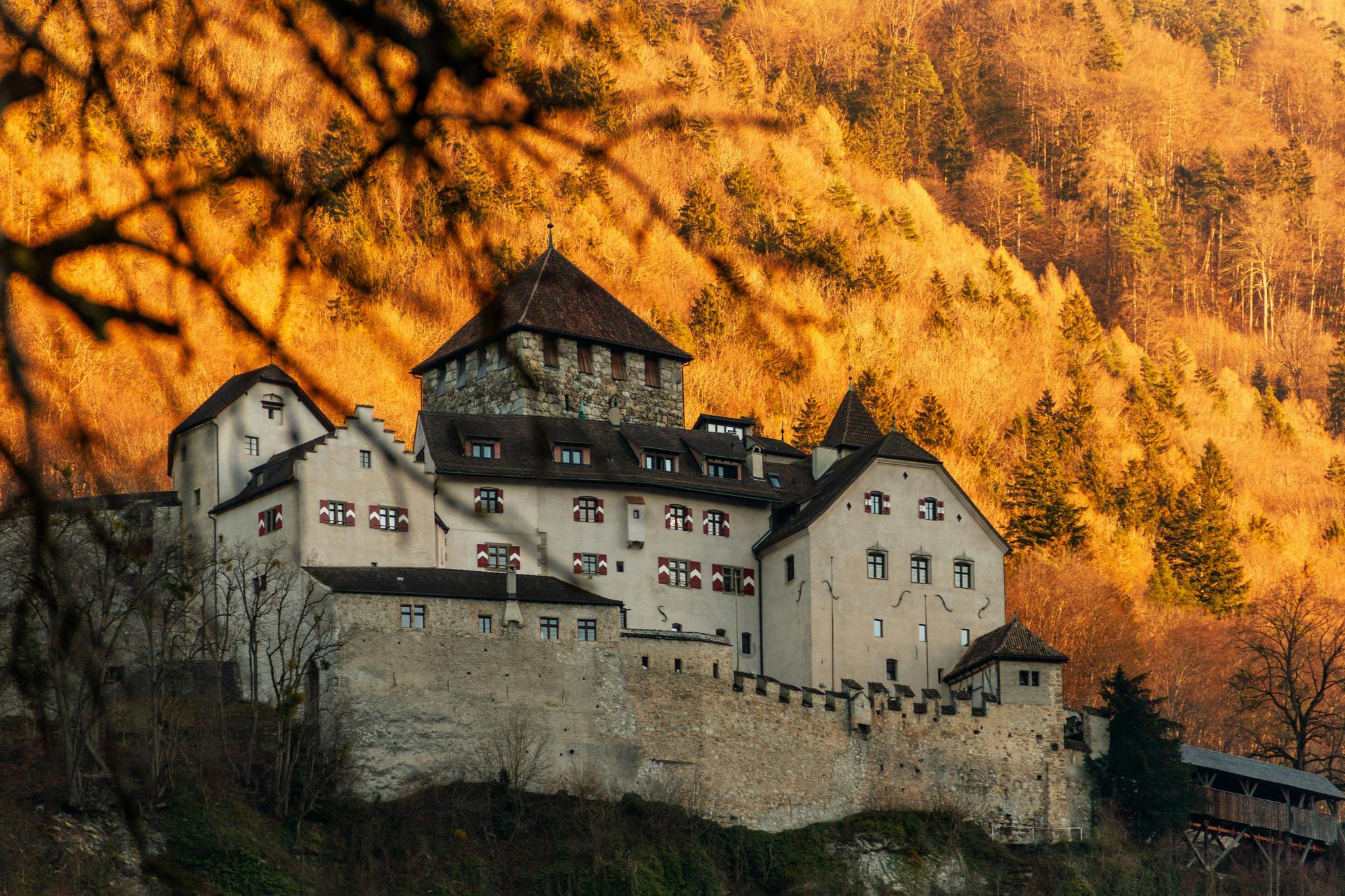
Climb for the view, not the castle. Vaduz Castle dates back to the 12th century, burned in 1499 during the Swabian War and was bought by the princely family in 1712. It has been their main home since 1938, so it's private and closed to the public. The Schlossweg is open to everyone, though. It climbs about 1 km from the pedestrian zone past the princely vineyards, with the Känzile viewing terrace halfway up. The walk takes 20 to 30 minutes and is steep and unlit, so go in daylight. It ends on the castle meadow where National Day is held. Drones are banned.
Kunstmuseum Liechtenstein and Hilti Art Foundation
The Kunstmuseum is the black building on the Städtle, designed by Morger, Degelo and Kerez and opened in November 2000. The Hilti Art Foundation added a second building next door in 2015, and one ticket covers both. Entry costs CHF 15, CHF 10 for concessions, and under-16s go free. It's free on Wednesdays, which is when we'd go. It closes on Mondays and stays open until 8pm on Thursdays. Both buildings run changing exhibitions, so check what's on before you go.
LandesMuseum, Treasure Chamber and Postal Museum
Three museums sit within a few minutes of each other here, and one of them is free. The LandesMuseum, the national museum, costs CHF 10, or CHF 13 with the Treasure Chamber. The Treasure Chamber opens daily from 10am to 5pm and holds the Fabergé Apple Blossom Egg from 1901 and an Apollo 11 moon rock with a Liechtenstein flag flown in 1969. Our pick is the free Postal Museum, open daily. Liechtenstein has issued its own stamps since 1912, and the designs, proofs and printing plates here explain how a microstate became a stamp power.
Cathedral of St Florin
St Florin is the neo-Gothic church in the centre of Vaduz, designed by Friedrich von Schmidt and built between 1869 and 1874. It only became a cathedral in December 1997, when the Archdiocese of Vaduz was created. The princely crypt usually opens to the public on 1 November. It's a quick stop between the museums and the winery, and we'd give it ten minutes rather than an hour.
The Prince's winery and the Red House
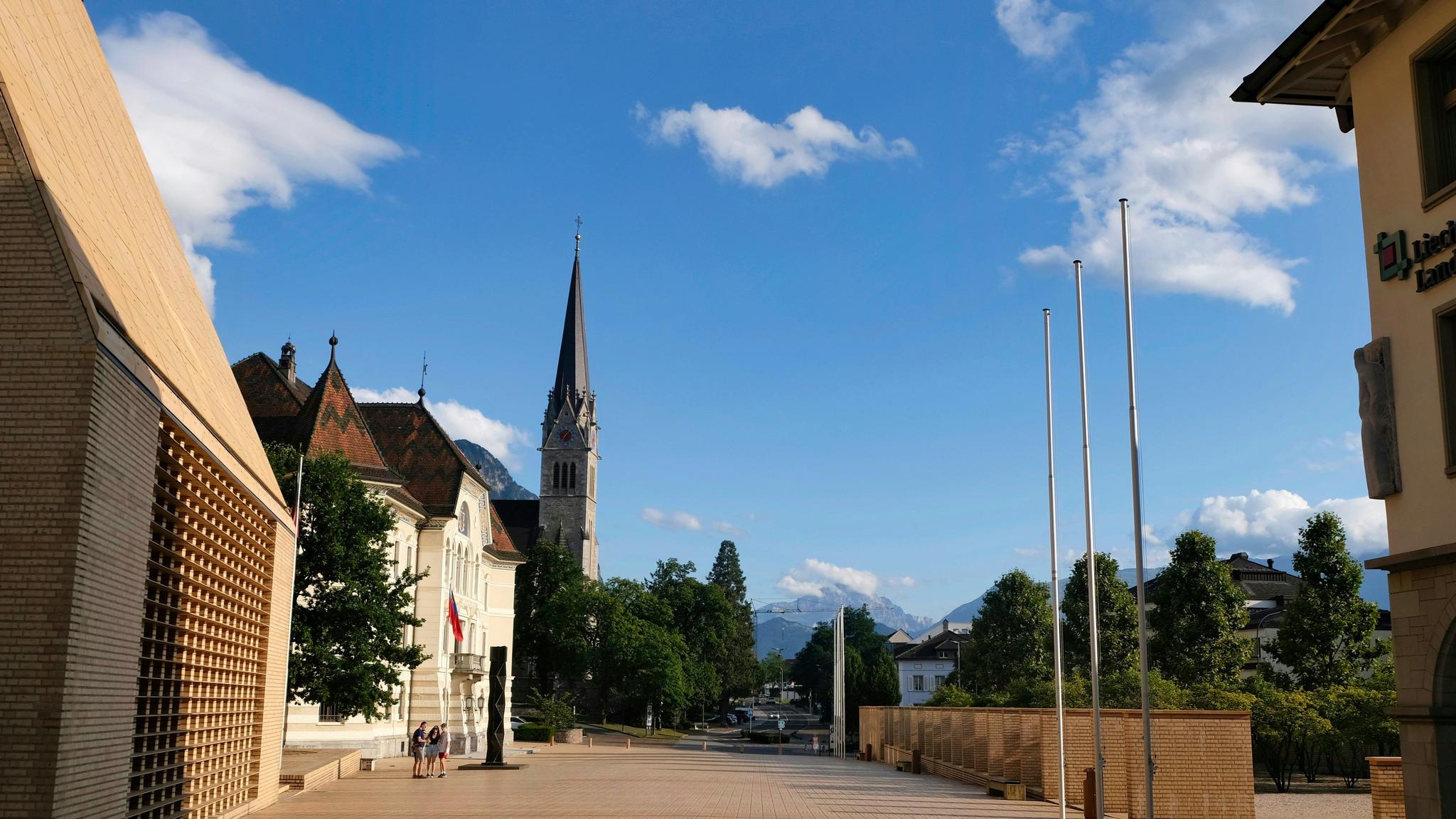
For what you get, the tasting at the Hofkellerei is the best-value wine experience we know of in the Alps. The Prince's winery is on Feldstrasse in Vaduz, with the Herawingert vineyard below the castle, about 4 ha that the family has owned since 1712. It's mostly Pinot Noir, and organic from the 2024 vintage. The cellar-door tasting costs CHF 19 for a sparkling welcome, a vineyard and cellar tour and six wines. Groups of up to five can usually walk in, but check tasting times first. Restaurant Torkel, on the estate, is Michelin-listed. Above the vines in Mitteldorf, the step-gabled Red House has belonged to the Rheinberger family since 1807 and is seen from outside only.
Old Rhine Bridge, Vaduz to Sevelen
This covered wooden bridge was finished in 1901, runs for 135 m across the Rhine and is closed to motor traffic. The tourist board calls it the last wooden bridge over the Rhine. There's no checkpoint, just the Swiss town of Sevelen on the far bank, so we'd walk into Switzerland and back before lunch. It also carries EuroVelo 15, the long-distance Rhine cycle route, so expect bikes as well as walkers.
Balzers and Gutenberg Castle
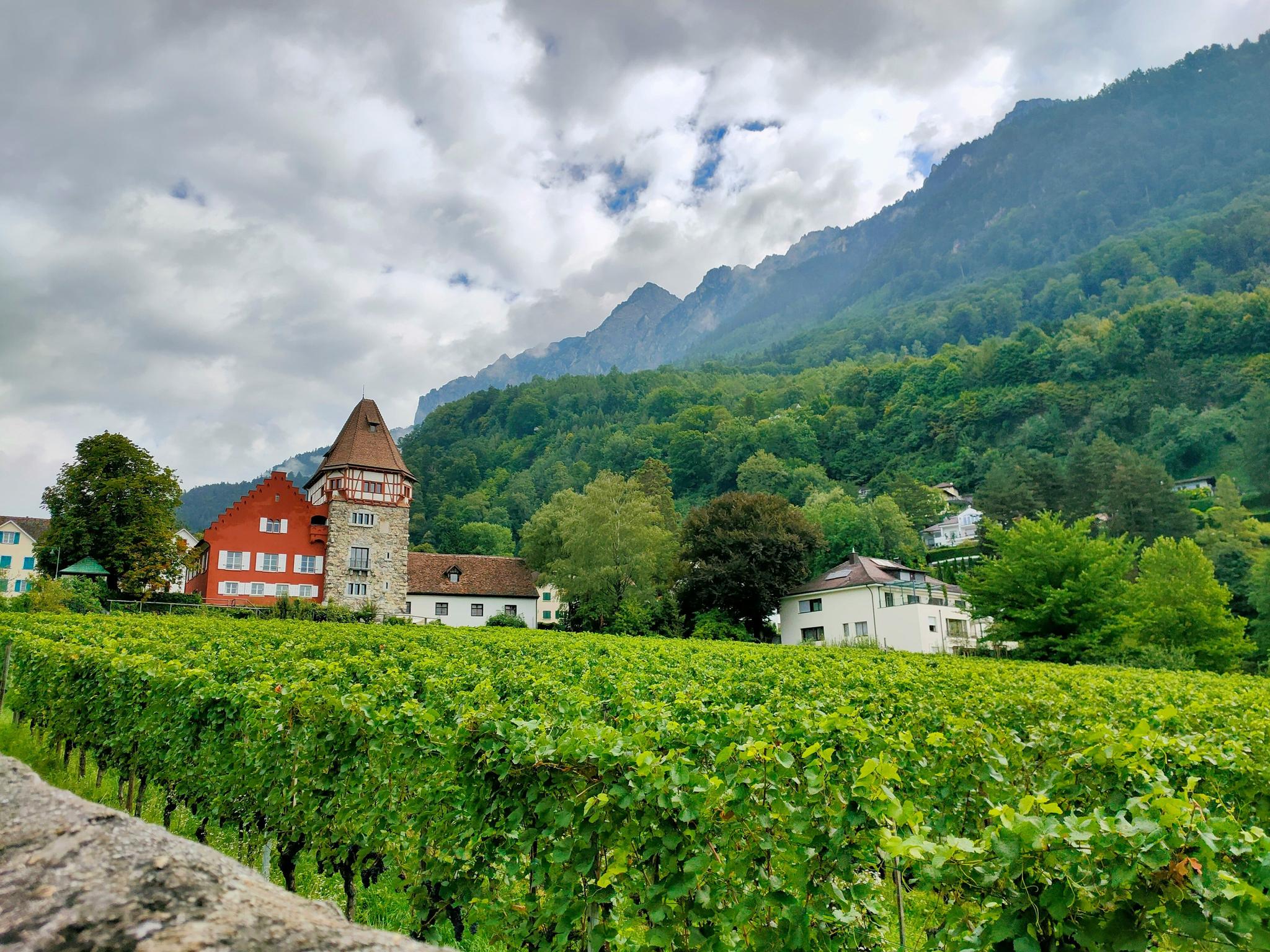
Gutenberg is the most castle-looking castle in Liechtenstein, and unlike Vaduz Castle, you can go in, at least in summer. It stands on a free-standing rock about 70 m high above Balzers. Building began around 1100, and Egon Rheinberger restored it between 1905 and 1912. The outer bailey is free all year, and on Sundays from May to October the chapel and rose garden are free from 10am to 5pm. The interior is closed from 1 November to 30 April and opens only for booked group tours, from about CHF 100 per group, 14 days ahead. Bus 11 or 13 takes 12 minutes from Vaduz.
Triesenberg and the Walser Museum
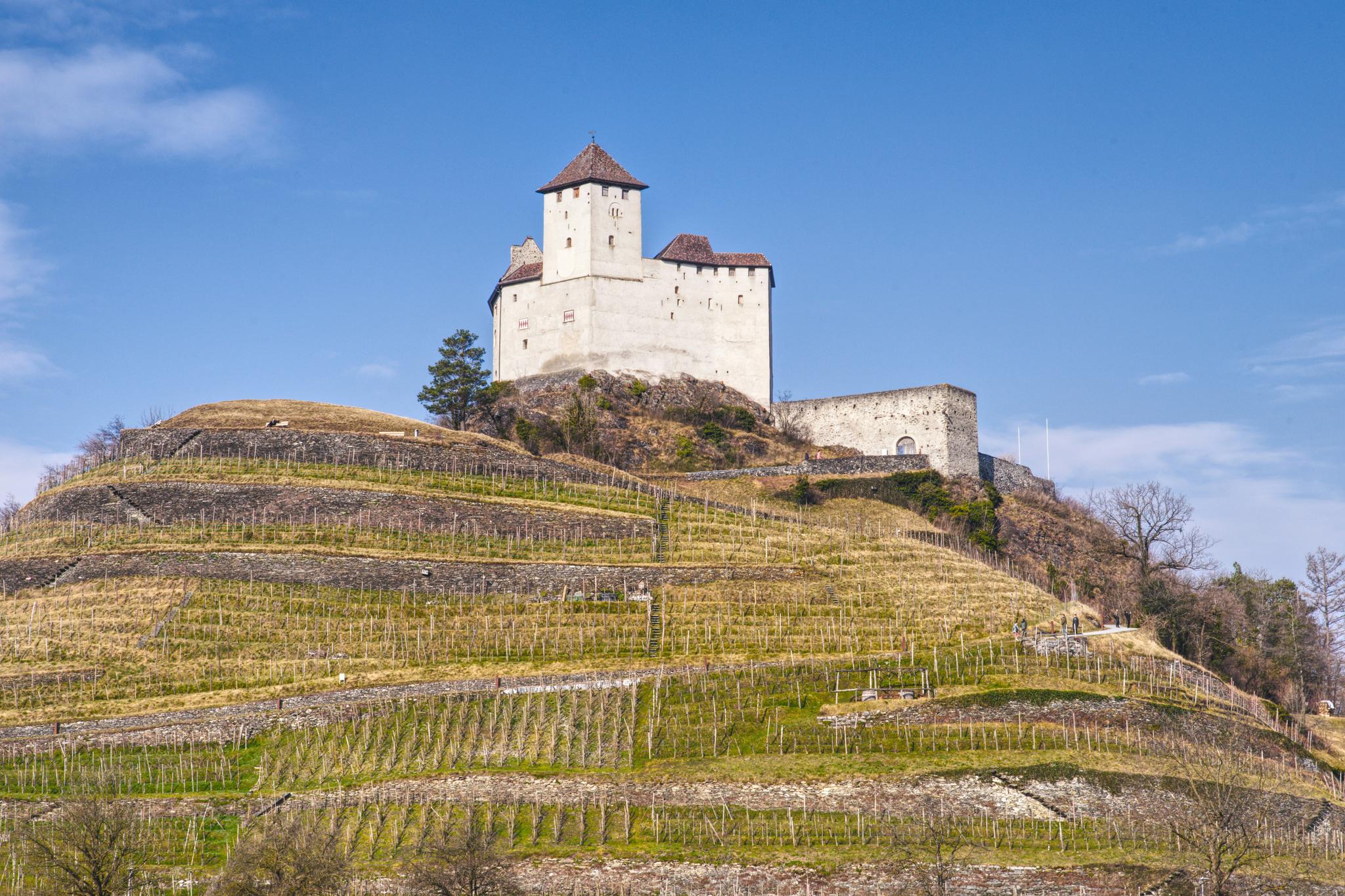
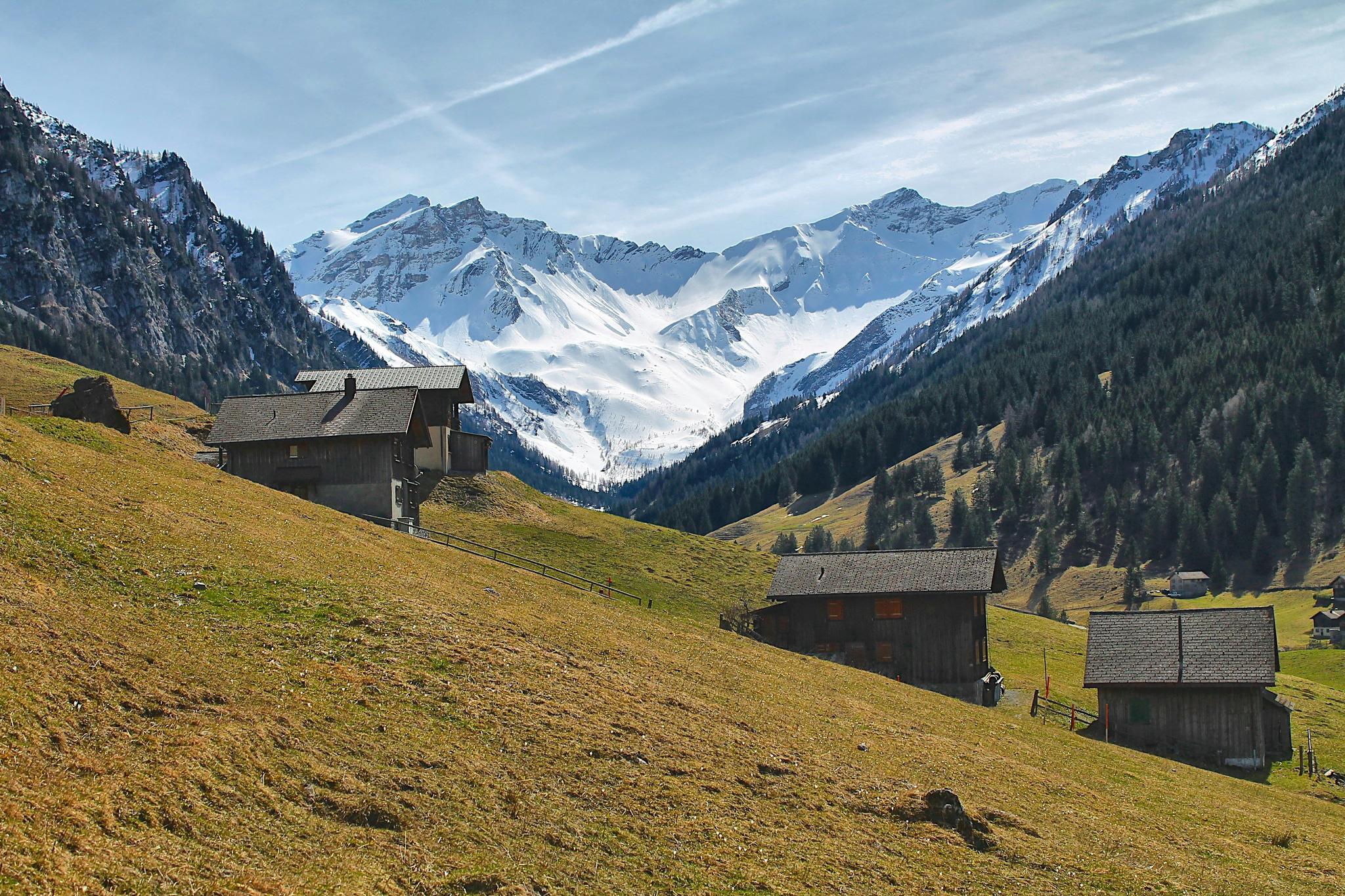
Most people ride straight through Triesenberg on the way to Malbun. We'd get off. Walser settlers from the Valais arrived here in the late 13th or early 14th century, and their dialect is still spoken in the village. The Walser Museum tells that story for CHF 5, with under-15s free, and usually closes on Sundays. The views across the Rhine valley are the other reason to stop. Bus 21 runs every 30 minutes from Vaduz and takes 12 minutes.
Malbun and Steg
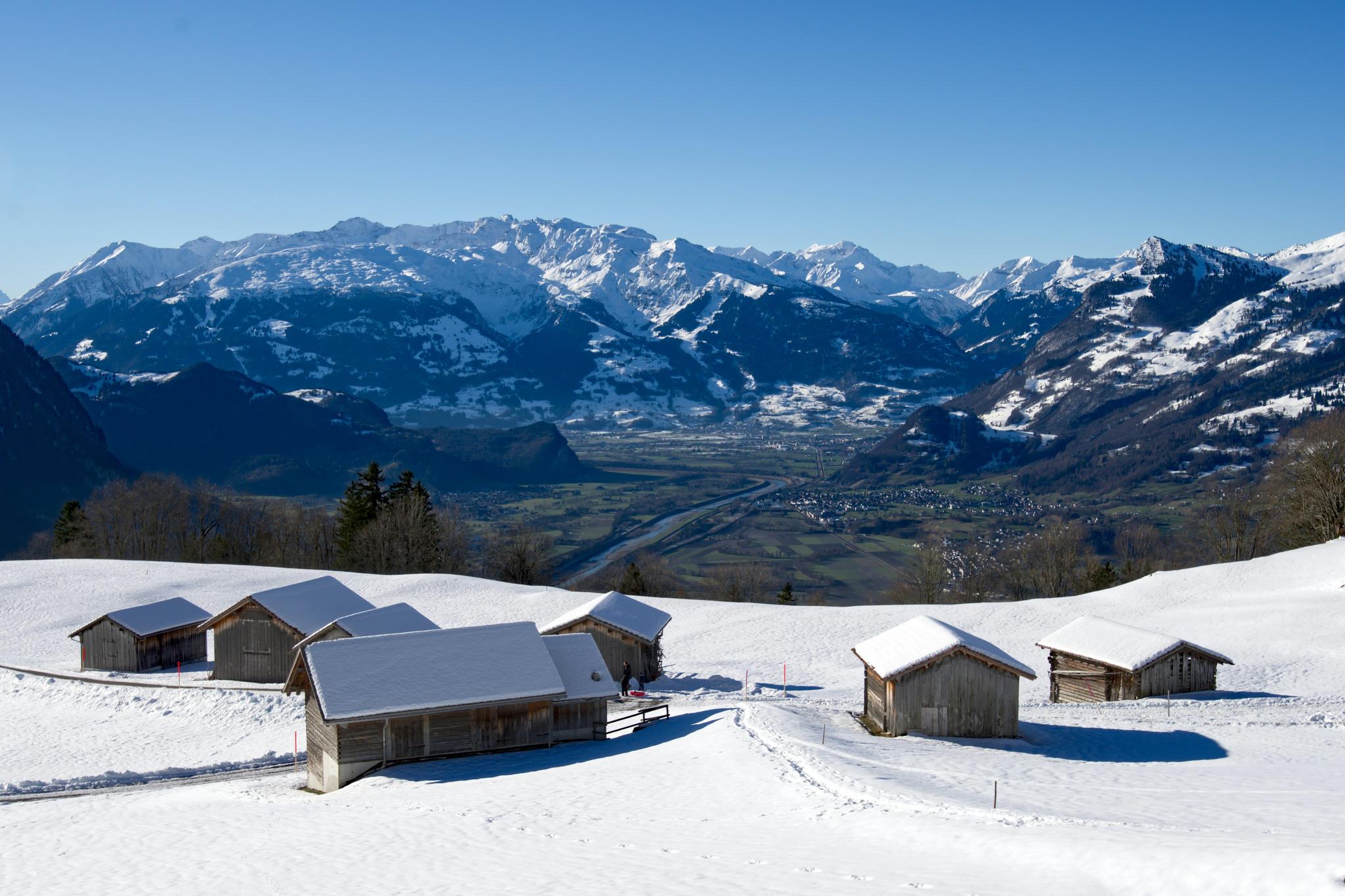
Malbun is Liechtenstein's only ski resort, at about 1,600 m and less than 2 km from Austria. It's a family ski area, with 23 km of pistes and the Malbi Park for children. In our view summer is the stronger reason to come, for the Alpherz trail and the alpine cheese. Nearby, Steg has cross-country loops of 12 km and 4 km, plus a 3 km loop floodlit until 9.30pm, for CHF 10 a day. The Sücka mountain inn and its toboggan run are closed, so use the Turna-Malbun toboggan run instead. Bus 21 takes about 30 minutes from Vaduz.
Schaan
Schaan is the largest municipality and the country's transport hub, 8 minutes from Vaduz by bus. It's the practical base if you arrive by train or want an evening at the TAK Theater or the SAL concert hall. The Church of St Peter stands on the walls of a 4th-century Roman fort, with a 5th-century baptistery that's the earliest evidence of Christianity in the country. We wouldn't call Schaan pretty, but from here you can get anywhere quickly.
Schellenberg and Ruggeller Riet in the Unterland
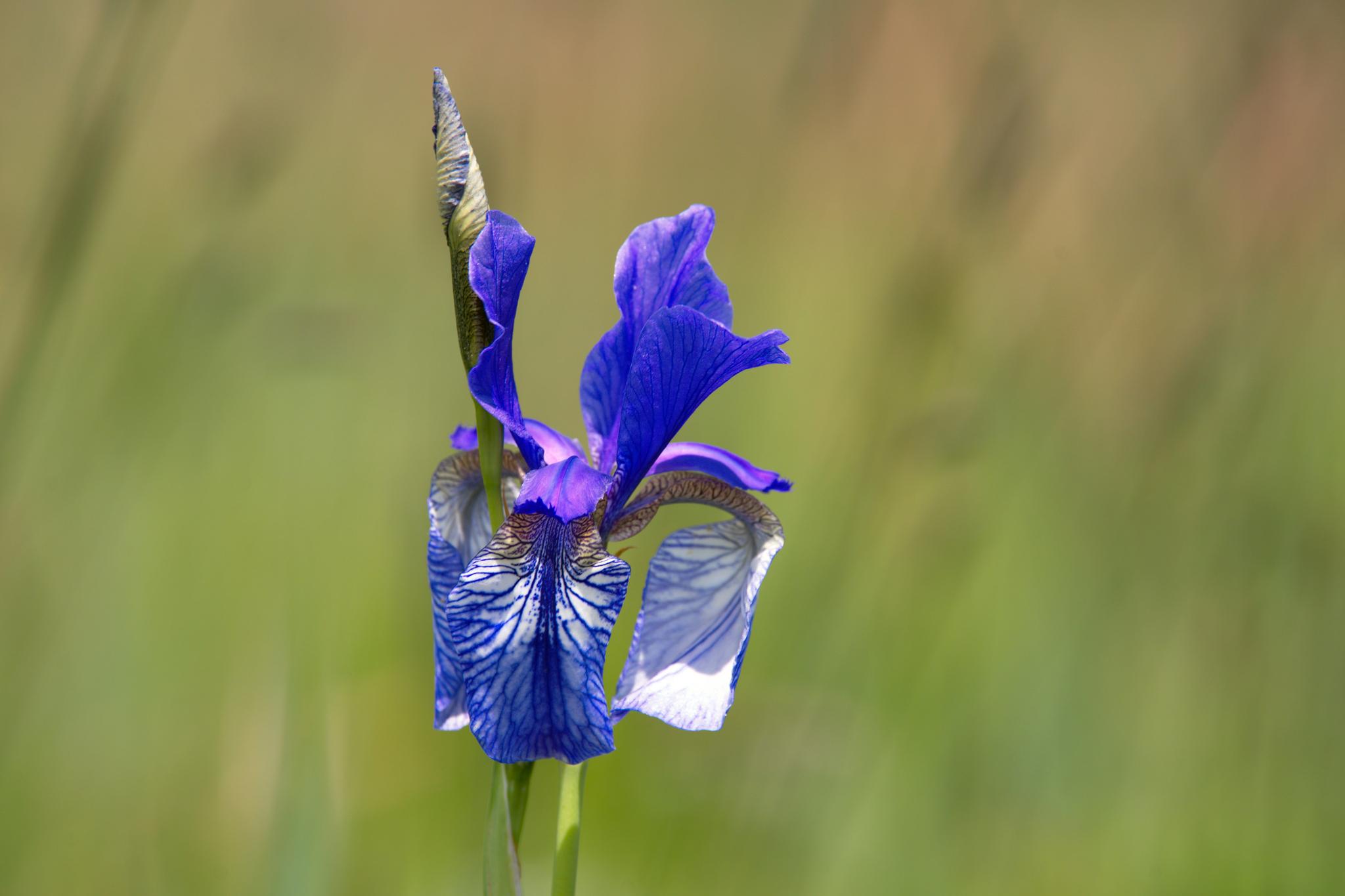
The flat, quiet north is the part of Liechtenstein most visitors never see. At Schellenberg, the Obere Burg ruins date from about 1200 and are free to wander, and the Farmhouse Museum opens on the first and last Sunday of the month from April to October. The Eschnerberg historical trail crosses the area, and a cycle loop runs around the hill. Further north, Ruggeller Riet is a 90 ha nature reserve and Ramsar wetland at 430 m, the lowest point in the country, where corncrakes and quail breed. Time your visit for late May or early June, when Siberian irises turn the meadows blue. From Vaduz it's about 30 minutes by bus with one change.
Liechtenstein itinerary ideas for your trip
The first route stays inside the country. We've put the castle walk and the wine tasting on the same day, because the Schlossweg passes the Prince's vineyard on its way up. Liechtenstein itself fills about a week, so the longer route uses it as a base for the Rhine valley, with day trips by bus and train into Switzerland and Austria.
5 to 7 day Liechtenstein itinerary
- Day 1: Vaduz, with the passport stamp at the Liechtenstein Center, the Kunstmuseum (free on Wednesdays), the Treasure Chamber and the Postal Museum.
- Day 2: The Schlossweg to the castle viewpoint, a tasting at the Hofkellerei, the Red House and a walk over the Old Rhine Bridge to Sevelen.
- Day 3: Balzers and Gutenberg Castle (May to October for the interior), then St Peter's in Schaan.
- Day 4: Triesenberg and the Walser Museum, then up to Malbun for skiing in winter or the Alpherz trail in summer.
- Day 5: The Fürstensteig from Gaflei between June and October, or cross-country skiing at Steg in winter.
- Day 6-7: The Unterland, with the Schellenberg ruins, the Eschnerberg trail and Ruggeller Riet, or sections of the Liechtenstein Trail.
10 to 14 day Liechtenstein itinerary
- Day 1-5: Follow the first five days of the shorter route.
- Day 6-7: Stages of the Liechtenstein Trail, then collect your finisher certificate at the Liechtenstein Center.
- Day 8: Feldkirch in Austria, 37 to 48 minutes by bus.
- Day 9: Bad Ragaz and the Tamina Gorge, 37 to 49 minutes via Sargans (the gorge is usually open from late April to mid-October).
- Day 10: Chur in Switzerland, about 55 to 67 minutes away.
- Day 11: St Gallen and its Abbey Library, about 1 hour 15 minutes via Buchs.
- Day 12: Bregenz and Lake Constance, about 1 hour 15 to 1 hour 20 minutes away.
- Day 13-14: Back in Vaduz for Malbun or a last wine tasting. Zurich is about 1 hour 30 minutes away by bus and train.
If you'd rather swap a day trip for a second ridge hike, rearrange the days and save your own version in the Guided trip planner.
Fun things to do in Liechtenstein
Most of the best things to do here involve walking boots.
Hike the Fürstensteig
The Fürstensteig opened in 1898, and it's still the walk we'd build a trip around. The classic loop from Gaflei, at about 1,400 m, is about 6 km and takes 3 to 3.5 hours. It's graded T3, with cables at exposed spots but no railings, and there's no water on the ridge. The full Gaflei to Planken traverse is 12 km and about 5 hours, and the tourist board advises roping children on it. Go between June and October, ideally in September, since snow can linger into early June. Bus 21 then line 22 reaches Gaflei, mainly at weekends.
Walk the Liechtenstein Trail
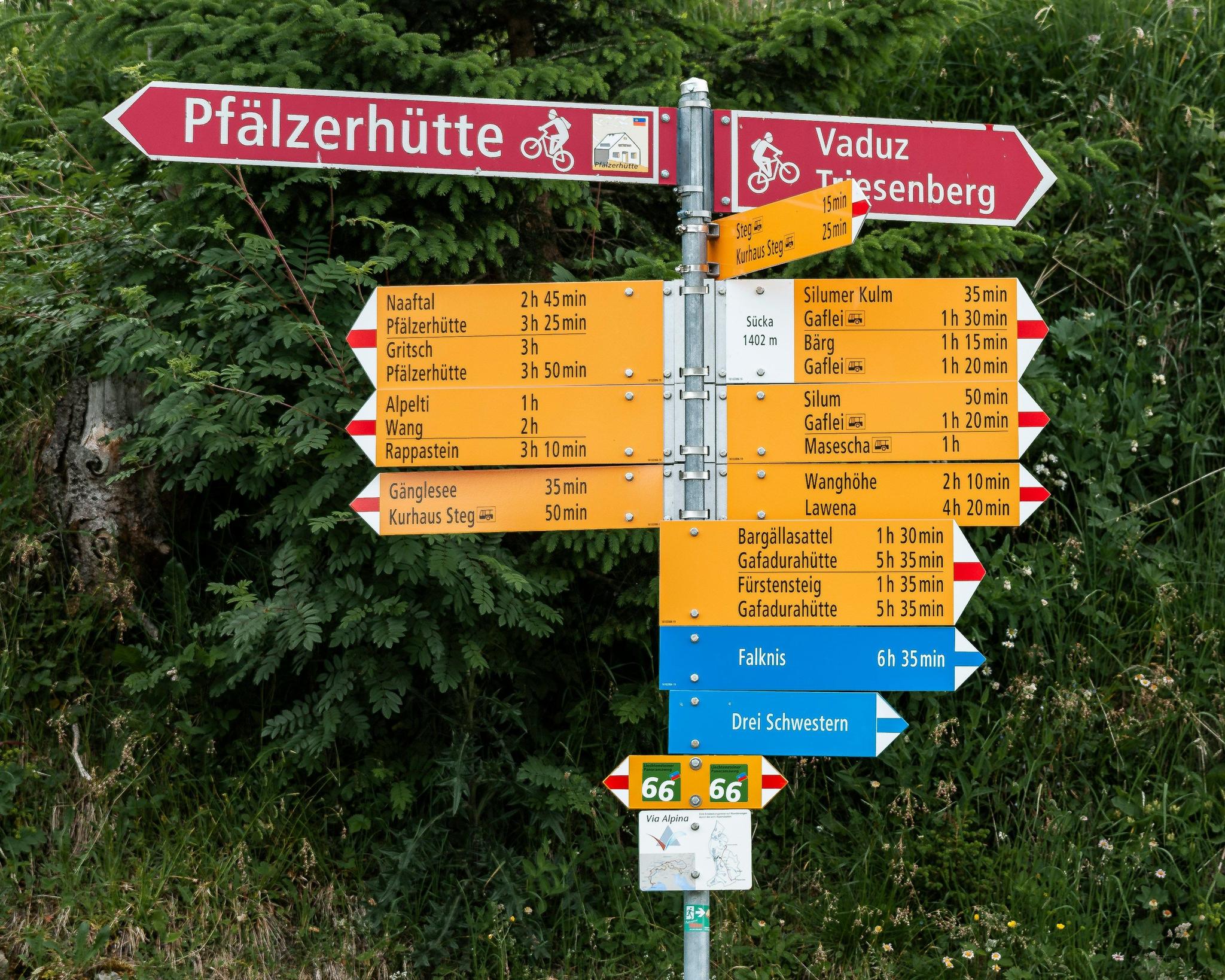
The 75 km Liechtenstein Trail passes through all 11 municipalities. It opened in 2019 for the country's 300th anniversary and takes about 21 hours of walking, usually split into three to five stages. It never climbs higher than 1,103 m, so it's a valley-and-foothills walk, not a mountain one. You can pick up a finisher certificate at the Liechtenstein Center.
Ski at Malbun
Malbun suits families. Its 2026/27 season is scheduled to run from 19 December to 4 April, and the adult day pass is listed at CHF 55. Last season youths paid CHF 42 and children CHF 30. Big-resort skiers will find it small.
Celebrate National Day on 15 August
If you can time one trip to Liechtenstein, make it this one. National Day has been a holiday since 1940, tied to the birthday of Prince Franz Joseph II. In the morning there's a state ceremony with speeches on the castle meadow (seats need a pass from the Vaduz town hall). Afterwards the Princely Family usually hosts a reception in the castle grounds that's open to the public. A folk festival fills Vaduz into the night, with fireworks after dark. Buses are normally free nationwide, and the Kunstmuseum and LandesMuseum are free and open until 8pm.
Cycle along the Rhine
Liechtenstein has more than 220 km of cycle paths, and the flattest ride follows EuroVelo 15 along the Rhine dam from Balzers past Vaduz to the Unterland. LIEbike runs about 70 shared e-bikes from around 33 stations, at CHF 2 per 30 minutes or CHF 20 for 24 hours, for riders aged 16 and over.
When to go to Liechtenstein?
When's the best time to go? September, when the Fürstensteig is at its best and the grape harvest is under way. In Vaduz, average highs run from 5 °C in January to about 25 °C in July, and summer is the wettest season, with afternoon thunderstorms.
- Spring (March to May): Mild in the valley while snow lingers higher up, and the irises flower at Ruggeller Riet in late May.
- Summer (June to August): The high trails open. The LGT Alpine Marathon is set for 12 June 2027, and National Day falls on 15 August.
- Autumn (September to October): Our pick, with ridge walks and the grape harvest. Gutenberg and the Citytrain sightseeing tour of Vaduz close at the end of October.
- Winter (November to March): Ski season at Malbun runs from late December to early April, with cross-country at Steg, the Vaduz on Ice rink and Christmas events in December. Funkensonntag bonfires burn in February or March.

Did you know you can create your own itinerary?
Now that you know what to see in Liechtenstein and where to stay, you can start creating your own trip. Do you want a slow week of ridge walks and wine tastings, or are you thinking more about day trips to St Gallen and Lake Constance? It's all up to you. You can easily create your own trip in the Guided app for free, or use trips shared by others.
Where to stay in Liechtenstein?
The whole country had just 28 hotels and guesthouses in 2024. Vaduz hotels range from about CHF 90 a night at the budget end to about CHF 480 at the five-star Parkhotel Sonnenhof. Because the buses are quick, your base matters less than your budget. Feldkirch, just over the Austrian border and on the LIEmobil network, is often cheaper if you don't mind the bus ride in. We'd pick Vaduz for a first trip.
Vaduz
Most of the country's hotels are here, from budget rooms to the Parkhotel Sonnenhof, and most main bus lines stop at Vaduz, Post. The museums, the winery and the start of the Schlossweg are all a short walk away.
Schaan
The transport hub, 8 minutes from Vaduz, with the TAK Theater and the Schaan-Vaduz Youth Hostel, which has 87 beds. Stay here if you arrive by train or want to keep costs down.
Triesenberg
A Walser village on the slope above the valley, with guesthouses, most of the country's Airbnbs and, we'd say, the best views of any base. It's also on the way to Malbun on bus 21.
Malbun
A car-free ski village at about 1,600 m, with family hotels such as the Turna and the Gorfion.
Balzers
In the south, close to Gutenberg Castle and to Sargans station for trains to Zurich.
Getting around when visiting Liechtenstein
Forget the train and take the bus. Liechtenstein has no airport, and the nearest big one is Zurich, 115 km away. From Zurich HB, take the train to Sargans and then bus 12E or 11, which takes about 1 hour 30 minutes in total. FlixBus coaches stop at the Rheinpark Stadion in Vaduz.
LIEmobil buses
LIEmobil runs every public bus in the country. A single ticket costs CHF 3 to CHF 5 depending on zones, and a day pass for the whole country costs CHF 9. Tap a contactless card on board, buy from the driver with francs or euros, or use SBB Mobile or FAIRTIQ on your phone. The Swiss Travel Pass and GA are valid, and tickets also cover Buchs, Sargans, Sevelen and the Feldkirch city zone. Check times on the LIEmobil timetable.
Trains
The ÖBB line between Feldkirch and Buchs stops at Schaan-Vaduz, Forst Hilti and Nendeln. It reopened on 15 October 2026 after an upgrade, but it's a commuter line with little service at weekends, so check the timetable. Use Sargans or Buchs in Switzerland, or Feldkirch in Austria, as your rail gateway, and the bus for everything else.
Driving
There are no customs checks at the Swiss border, but you'll need a vignette for Swiss motorways and one for Austrian motorways, which go digital-only from 1 December 2026. Mountain roads are hard in winter, so use winter tyres and carry chains. Car hire from Zurich starts at about CHF 22 a day on DiscoverCars, and Parkhaus Zentrum in Vaduz is free for the first hour. Taxis are expensive, so book ahead.
Food and drinks you should try when visiting Liechtenstein
What do people eat in a country this small? Mostly Alpine comfort food built on cheese and maize, with a good red wine on the side. Service is included in prices, so rounding up is enough.
Käsknöpfle
Small cheese dumplings in melted cheese, topped with crispy fried onions and served with apple sauce. It's usually called the national dish, and the tourist board points to Wirtschaft zum Löwen in Schellenberg for it. Order this first.
Ribel
Maize flour cooked in milk and water, then toasted in butter until it crumbles. It was a daily staple until about 1970, eaten with milky coffee, apple or elderberry sauce, stewed fruit or sour cheese. Rheintaler Ribelmais has had Swiss AOP protection since 2000, the only Swiss cereal with it, and the growing area includes Liechtenstein.
Pinot Noir from the Prince's vineyard
More than 100 growers make wine in Liechtenstein, and Pinot Noir is the grape to try. The Hofkellerei in Vaduz is the obvious place to start.
Liechtensteiner Brauhaus beer
Bruno Güntensperger founded the Liechtensteiner Brauhaus in Schaan in 2007. Take the brewery tour, then drink the beer at the Braustube.
Malbun alpine cheese
Malbun Alpkäse is served on the Alpherz platter in Malbun's restaurants. It's the best lunch after a morning on the Alpherz trail.
Culture and local habits you'll notice when visiting Liechtenstein
You'll be greeted with "Hoi". Standard German is the official language, but 73% of people speak the Liechtenstein dialect at home, and Walser German survives in Triesenberg. Shops may open from 6am to 9pm on weekdays and until 5pm on Saturdays, and most close on Sundays. About 70% of residents are Roman Catholic, and Catholicism is the state religion.
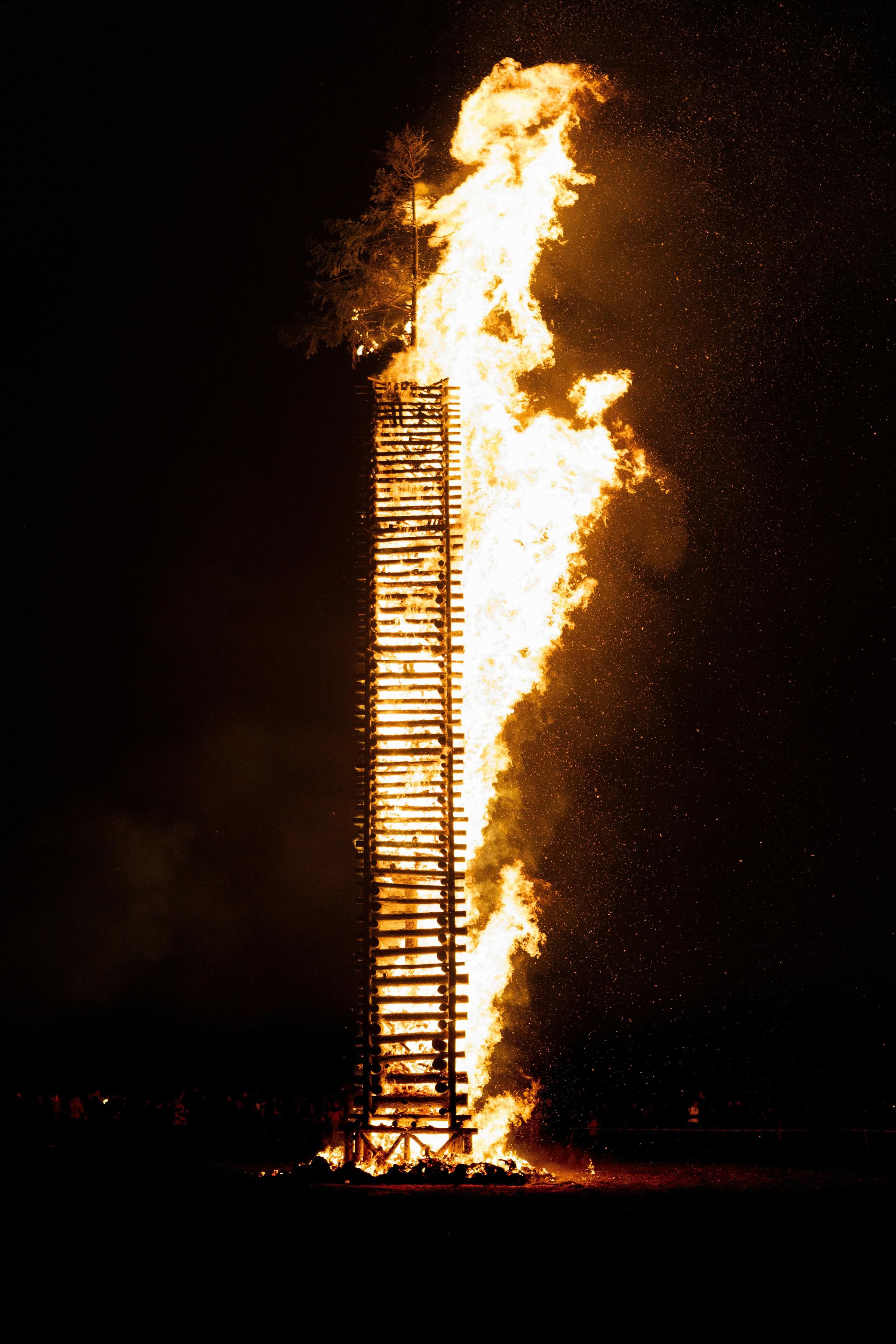
Prince Hans-Adam II is head of state, and his son, Hereditary Prince Alois, has carried out the duties as his deputy since 15 August 2004. In February or March, villages build bonfire towers up to 20 m tall for Funkensonntag and burn them on the evening of the Sunday after Ash Wednesday, with a gunpowder "witch" on top and Funkaküachle pastries to eat. If your dates are flexible, it's the custom we'd plan a winter trip around.
Looking for more unique places, trips and activities?
Subscribe to our Guided Newsletter for more travel inspiration.
Costs of a holiday to Liechtenstein
Liechtenstein isn't cheap, and we wouldn't pretend otherwise. Prices are much like Switzerland's, since it uses the Swiss franc, and a cheap restaurant meal costs about CHF 30. Feldkirch, across the border in Austria, is noticeably cheaper for meals. The savings are on transport and culture. A CHF 9 day pass covers every bus in the country, the Postal Museum is free and so is the Kunstmuseum on Wednesdays.
Food & Drink
Coffee
CHF 4.50 – CHF 7
Lunch
CHF 15 – CHF 40
Beer
CHF 4 – CHF 13
Accommodation
Hotels
CHF 150 – CHF 300
Guesthouse
CHF 110 – CHF 180
Hostel dorm
CHF 45 – CHF 75
Transport
Trains
CHF 5 – CHF 25
Public Transport
CHF 3 – CHF 9
Car Rental
CHF 22 – CHF 77
Attractions
Museums
CHF 5 – CHF 15
Big Attractions
CHF 19 – CHF 55
Theatre
CHF 30 – CHF 90
Practical tips for visiting Liechtenstein
The UK FCDO doesn't advise against travel to any part of Liechtenstein, and the latest US State Department advisory we've seen rates it Level 1, exercise normal precautions. These tips cover the rest.
✔ Check the Schengen rules before you fly
Liechtenstein is in Schengen, and there are no border controls with Switzerland. Many nationalities, including the UK, EU and US, can visit visa-free for up to 90 days in any 180-day period across Schengen, and days in Switzerland and Austria count towards that. UK passports must have been issued within the last 10 years and be valid for 3 months after you leave. Many non-EU visitors, including UK and US passport holders, are registered in the EU's Entry/Exit System at the first external Schengen border, usually Zurich airport. ETIAS is expected to start in 2027 at the earliest, so check before you travel, and read our What is ETIAS? guide. The GOV.UK entry requirements page has the current rules.
✔ Pay in francs
The currency is the Swiss franc. Cards are widely accepted, and there are ATMs on the Städtle. Many shops take euros, but your change usually comes back in francs.
✔ Consider the Adventure Pass
The ALL INCLUSIVE Adventure Pass costs CHF 25 for a day and covers the buses, many of the sights, the Citytrain and your passport stamp. We'd buy it for a full museum day in Vaduz.
✔ Respect the mountains
Mountain weather changes fast, and the FCDO warns that avalanches are a risk in the mountains all year. The Fürstensteig needs a head for heights and proper boots, and you should carry water because there's none on the ridge. Off-piste skiing is highly dangerous, so make sure your insurance covers mountain rescue and helicopter evacuation. Petty theft happens but crime is low.
✔ Plan around Sundays and Mondays
Most shops close on Sundays, and the Walser Museum usually does too. The Kunstmuseum and the LandesMuseum close on Mondays. Gutenberg Castle's interior is summer-only, and the Citytrain sightseeing tour normally runs from April to October.
✔ Save the emergency numbers
The general emergency number is 112. For the police call 117, for an ambulance 144 and for the fire service 118. Plugs are Swiss Type J at 230 V, and two-pin Type C plugs fit too.
Fun facts about Liechtenstein
Our favourite of these involves 170 lost soldiers.
- Liechtenstein is one of only two doubly landlocked countries in the world, along with Uzbekistan.
- In 1937 a crown was added to the flag, after the 1936 Olympics revealed it was identical to Haiti's.
- Women won the vote only in 1984, later than anywhere else in Europe.
- In March 2007, about 170 Swiss soldiers lost their way on a night exercise and walked into Liechtenstein.
- There are more jobs in Liechtenstein (43,162) than residents (41,237).
- All 10 of Liechtenstein's Olympic medals have come in alpine skiing.
Leave room in your bag for a bottle of the Prince's Pinot Noir.
Ready to map out your trip to Liechtenstein?
We hope this Liechtenstein travel guide has given you a clear starting point for your trip. Stay tuned for more inspiration, itineraries and practical tips to help you shape your perfect holiday to Liechtenstein. And don't forget to check out our Guided travel planning app, where you can create your own trip or use trips shared by other travellers for free.
FAQS about visiting Liechtenstein
How many days do you need in Liechtenstein?
One day covers Vaduz and the castle walk. Give it three or four days for the Fürstensteig or the Liechtenstein Trail, and a week or more if you use it as a base for the Rhine valley. In the Guided app, you can plan your own route and see how many stops fit.
What is the best part of Liechtenstein to visit?
Vaduz, for the museums and the view from the Schlossweg. For mountains, head up to Triesenberg and Malbun, and for a castle you can actually enter, go to Gutenberg at Balzers between May and October.
What is Liechtenstein known for?
Its prince, who lives in Vaduz Castle, and its close ties to Switzerland, including the franc. It's also known for its stamps and for the Prince's own Pinot Noir.
Can you visit Liechtenstein without a car?
Yes, easily. Take the train to Sargans, Buchs or Feldkirch and then a LIEmobil bus. No single ride costs more than CHF 5, and a day pass for the whole country costs CHF 9.
Is Liechtenstein expensive?
Yes. Prices are at Swiss levels, and a cheap lunch costs about CHF 30. The Adventure Pass and free sights like the Postal Museum help.
Is Liechtenstein safe to visit?
Yes. The UK FCDO doesn't advise against travel to any part of the country, and the latest US State Department advisory we've seen rates it Level 1. Crime is low, and mountain weather is the main risk.
Can you go inside Vaduz Castle?
No. It's the princely family's home and is closed to the public. Walk the Schlossweg for the view instead, or visit on National Day, when the family usually hosts a reception in the castle grounds.
Can you get a Liechtenstein passport stamp?
Yes, as a souvenir. The Liechtenstein Center in Vaduz stamps passports for CHF 3, or free with the Adventure Pass. It isn't an official entry stamp.
Plan your trip to Liechtenstein in Guided.
Save the places you find, then let Guided lay out the days, the map and the details.
More in Europe
All destinations AlbaniaAlbania pairs a turquoise Ionian coast with Ottoman stone towns and wild mountains.
 AndorraAndorra is a tiny Pyrenean country known for ski slopes, Romanesque churches and hiking valleys.
 AustriaAustria is a beautiful alpine country known for its mountains, music, and imperial charm.
 BelgiumBelgium is known for medieval canal cities, beer, chocolate and the forested Ardennes.