
Switzerland
Switzerland travel guide: plan the perfect trip to Switzerland without spending a fortune!
You’ll cross more mountains, lakes and languages here in a single week than in most countries twice its size, and that’s really the whole appeal of a trip to Switzerland. Only twenty six cantons make up the whole country, yet each one seems to run on its own version of Swiss life, with a different language, a different cheese and sometimes a different view of the same lake. You don’t need weeks to cover a lot of ground either, since a morning in Zurich can turn into an afternoon at 3,000 metres by cable car. You’ll hear locals joke that a three minute delay counts as news here, and once you’ve ridden the trains yourself, you’ll wonder why every other country accepts anything less. So pack layers, because you’re going to want them from breakfast in a valley to sunset above the clouds.
5 reasons to visit Switzerland
You’ll link glacier valleys, lakeside cities and mountain passes by train without ever needing to drive.
Every language region comes across as its own country, with different food, architecture and character within a few hours of each other.
Try Swiss chocolate and cheese straight from a mountain dairy.
You can swim in a lake and hike a mountain trail before dinner on the very same day.
The trains, buses and boats connect so smoothly that getting around is so easy.
Best places to visit in Switzerland: our favourites
Not sure where to start when you visit Switzerland? If you’re travelling solo, you’ll find this one of the easiest countries in Europe to do alone, since trains run so reliably that you can hop between cities without ever needing to plan a lift or rent a car. These are our favourite places in Switzerland:
Zurich
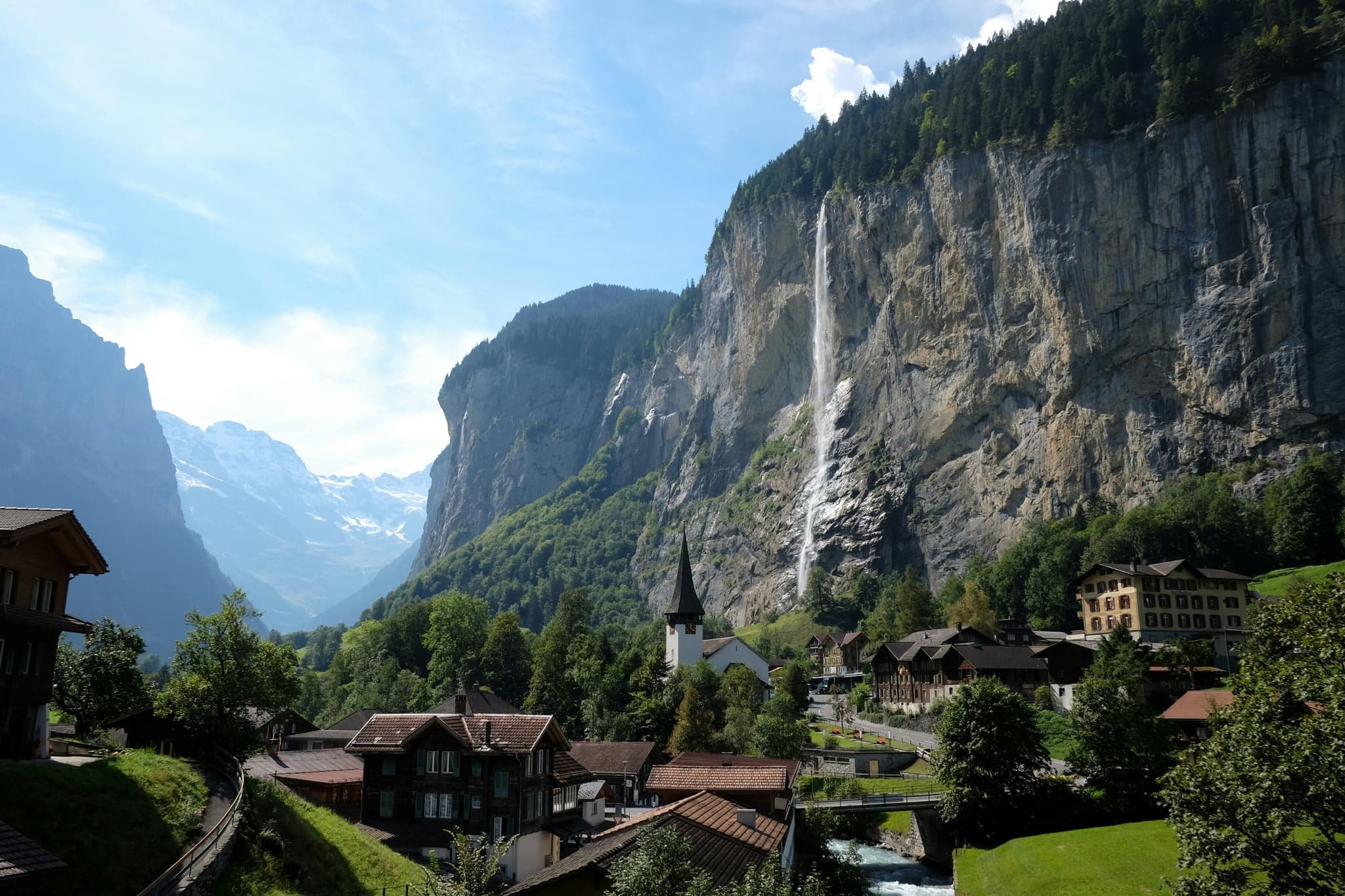
You’ll probably land here first, and it deserves more than a rushed stopover before heading to the mountains. Head down to Bahnhofstrasse for the shopping crowd, then escape it by walking along Lake Zurich instead, where locals swim right off the paved paths in summer. Hop on the S10 train up to Uetliberg for a rooftop view over the whole city and the Alps beyond, it takes about twenty minutes and costs the same as a normal city transport ticket. If you’re travelling solo, the Niederdorf old town has bars and small restaurants busy enough that striking up a conversation with someone else on the road comes easily.
Lucerne
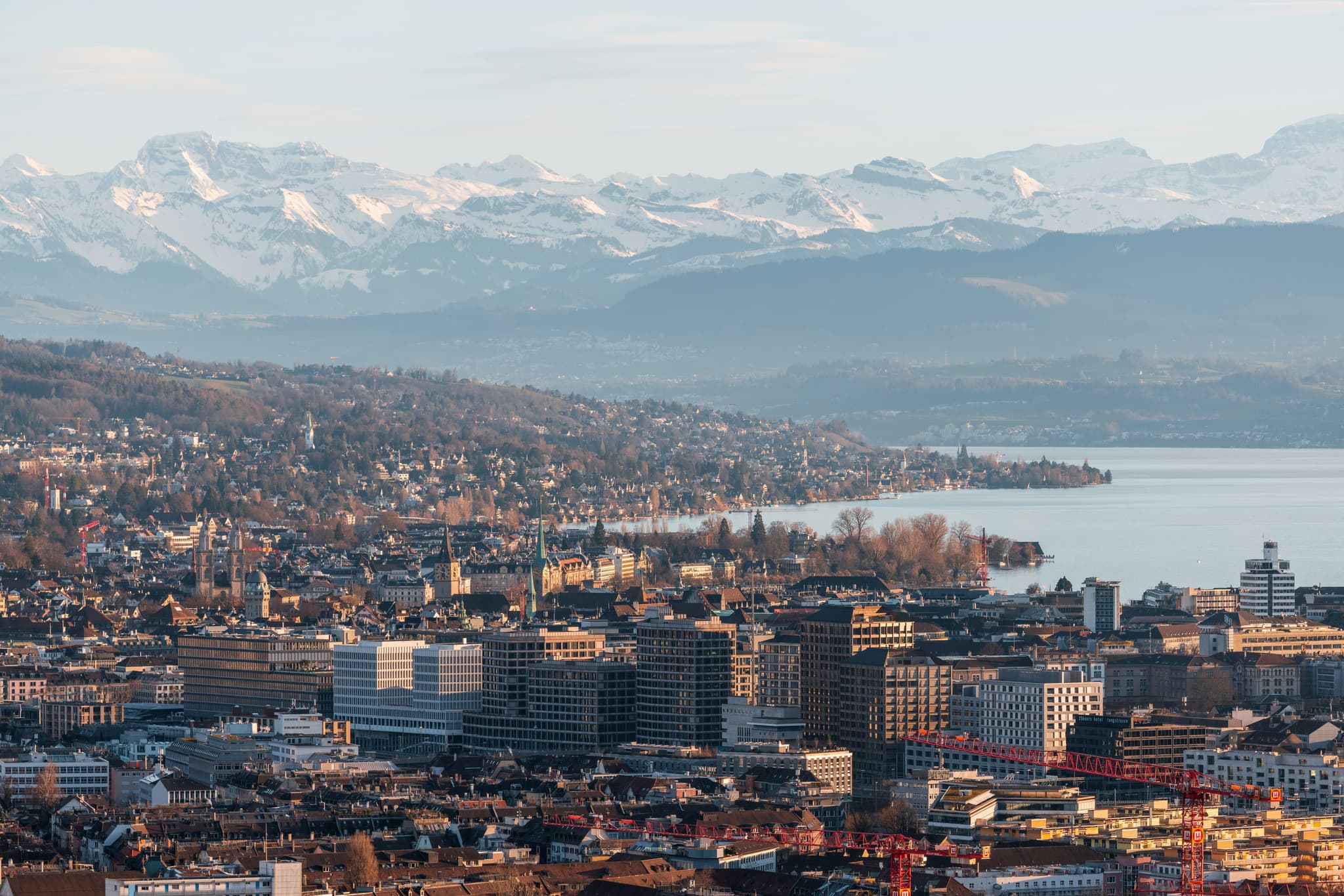
What makes Lucerne interesting is the Chapel Bridge. Walk across the wooden bridge early in the morning before the tour groups arrive, then grab a coffee somewhere along the Reuss River and watch the swans drift by. Boat trips leave regularly from the pier near the train station, and a short one gets you views of Mount Pilatus and Mount Rigi without committing a whole day. We recommend booking the cable car up Pilatus if you’ve got an extra afternoon, the golden round trip combines a boat, cogwheel railway and cable car in one loop and it’s genuinely one of the best single days you can build into your trip.
The Lauterbrunnen Valley and Interlaken
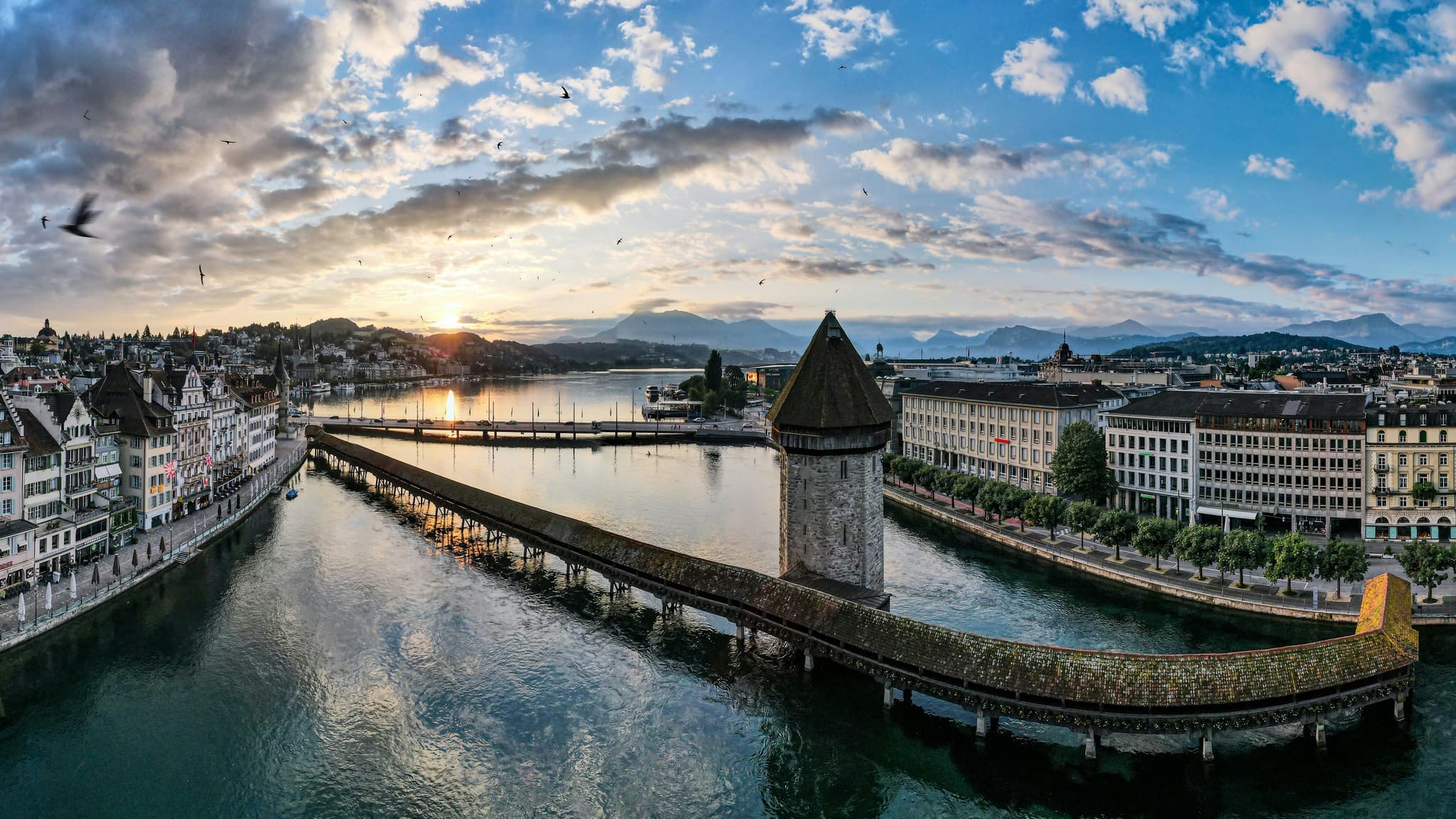
You’ll see waterfalls spilling down cliffs on both sides of this valley, and no photo really prepares you for standing underneath one. Base yourself in the village of Lauterbrunnen itself if you want to wake up surrounded by them, or stay in Interlaken instead if you’d rather have more restaurants and quick train connections right outside your door. Ride the train up to Wengen or Mürren for car-free villages with some of the best mountain views in the country, both reachable by cable car or cogwheel railway rather than road. You can also go canyoning or paragliding here, since Interlaken built its whole reputation on adventure sports and operators run trips daily throughout summer.
Zermatt
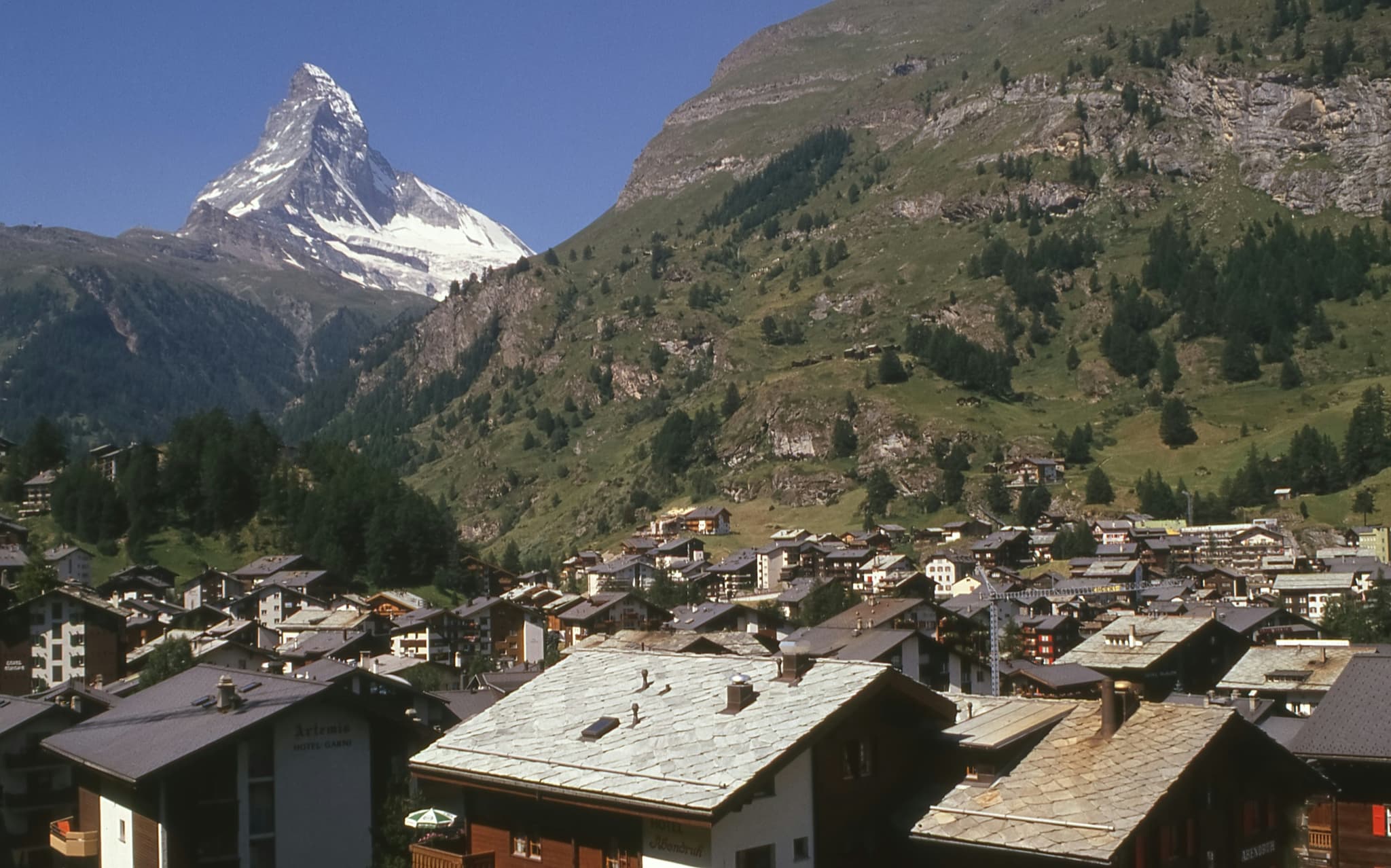
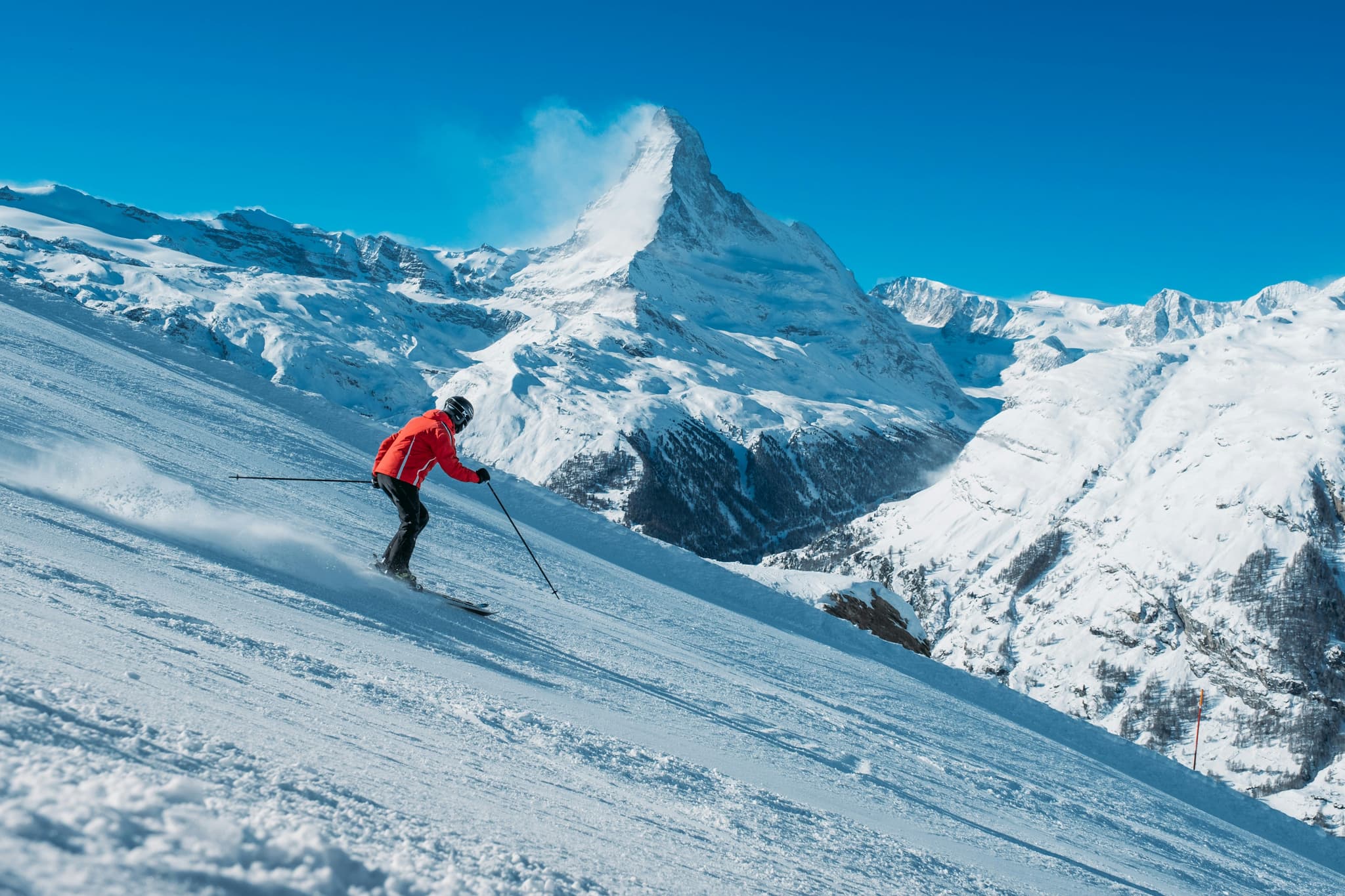
You come here for one view, the Matterhorn, and it delivers from almost every angle in town. Cars aren’t allowed inside Zermatt itself, so you’ll arrive by train and get around on foot or by electric taxi, which keeps the whole village calm (even in high season). You can ride the Gornergrat cogwheel railway for a front-row seat to the mountain, or take the cable car up to Matterhorn Glacier Paradise for Europe’s highest cable car station and a genuine glacier cave. If you’re travelling solo, the hostel scene here comes alive in winter, when ski season fills the bars with people happy to share a table over fondue.
Bern
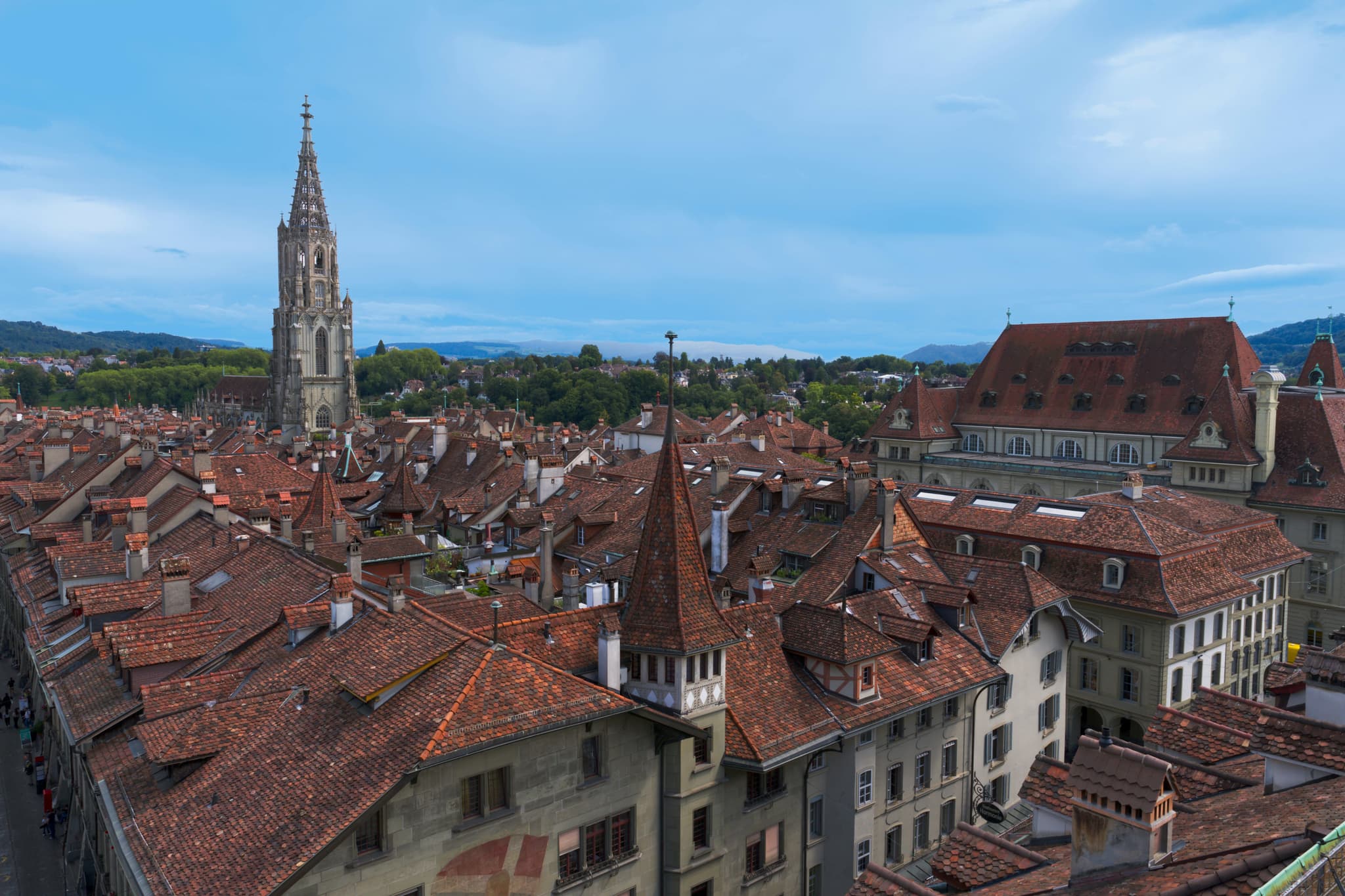
At first, Bern doesn’t really feel like a capital city, and that’s exactly what makes it such a nice stop. You can wander through the old town, watch the Zytglogge clock do its thing, grab something to eat under the covered arcades and then walk down towards the Bear Park and Aare River. On warm summer days, you’ll even see locals jumping into the river and floating through the city. Half a day works if your Switzerland trip is packed, but we’d stay a little longer if you have the time.
Geneva
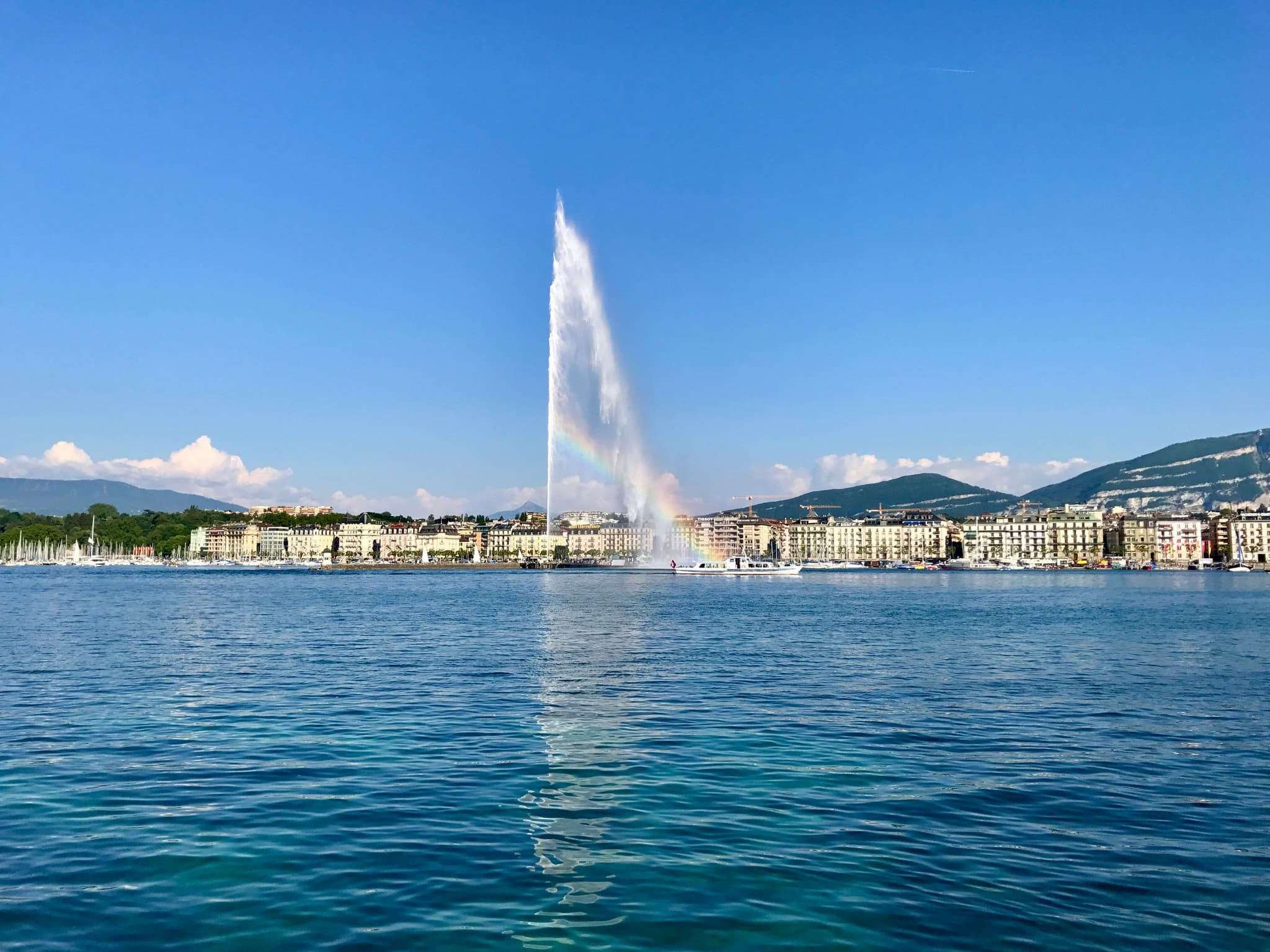
French-speaking Geneva rests right on the edge of its namesake lake, and the Jet d’Eau fountain shooting 140 metres into the air works as your landmark for getting oriented. Walk the old town up around St Pierre Cathedral, then head back down to the lakefront for a walk past the flower clock and the international quarter, home to the UN’s European base. We recommend taking a short boat trip across the lake to Lausanne if you have an extra day, the connection takes under an hour and gives you the Olympic Museum and a completely different old town to explore. Geneva runs pricier than most Swiss cities, so if you’re watching your budget, stick to the free lakeside walks and save the museums for a rainy afternoon.
Lugano
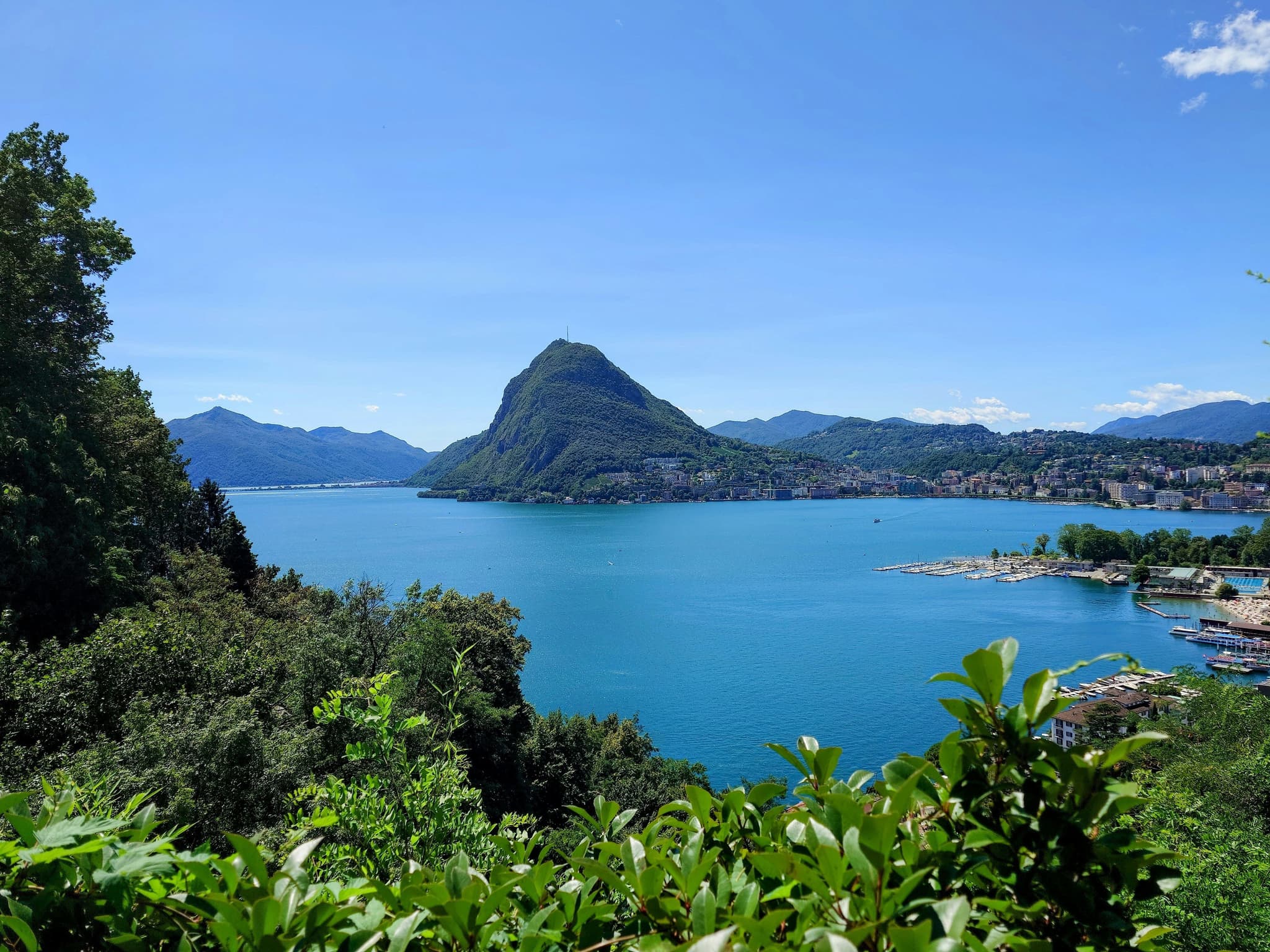
Palm trees along a lake in the middle of the Alps feels like a contradiction until you’re actually standing in Lugano, in the Italian-speaking canton of Ticino. Ride the funicular up to Monte Brè or Monte San Salvatore for panoramic views over the lake and the surrounding peaks, both trips take under half an hour each way. Walk around the old town’s piazzas for genuinely good Italian coffee and pasta, a nice contrast if you’ve spent the rest of your trip eating fondue and rösti. You’ll find the weather here noticeably warmer than in the rest of Switzerland, which makes Lugano worth adding onto the end of your route if you’re travelling in shoulder season.
Basel
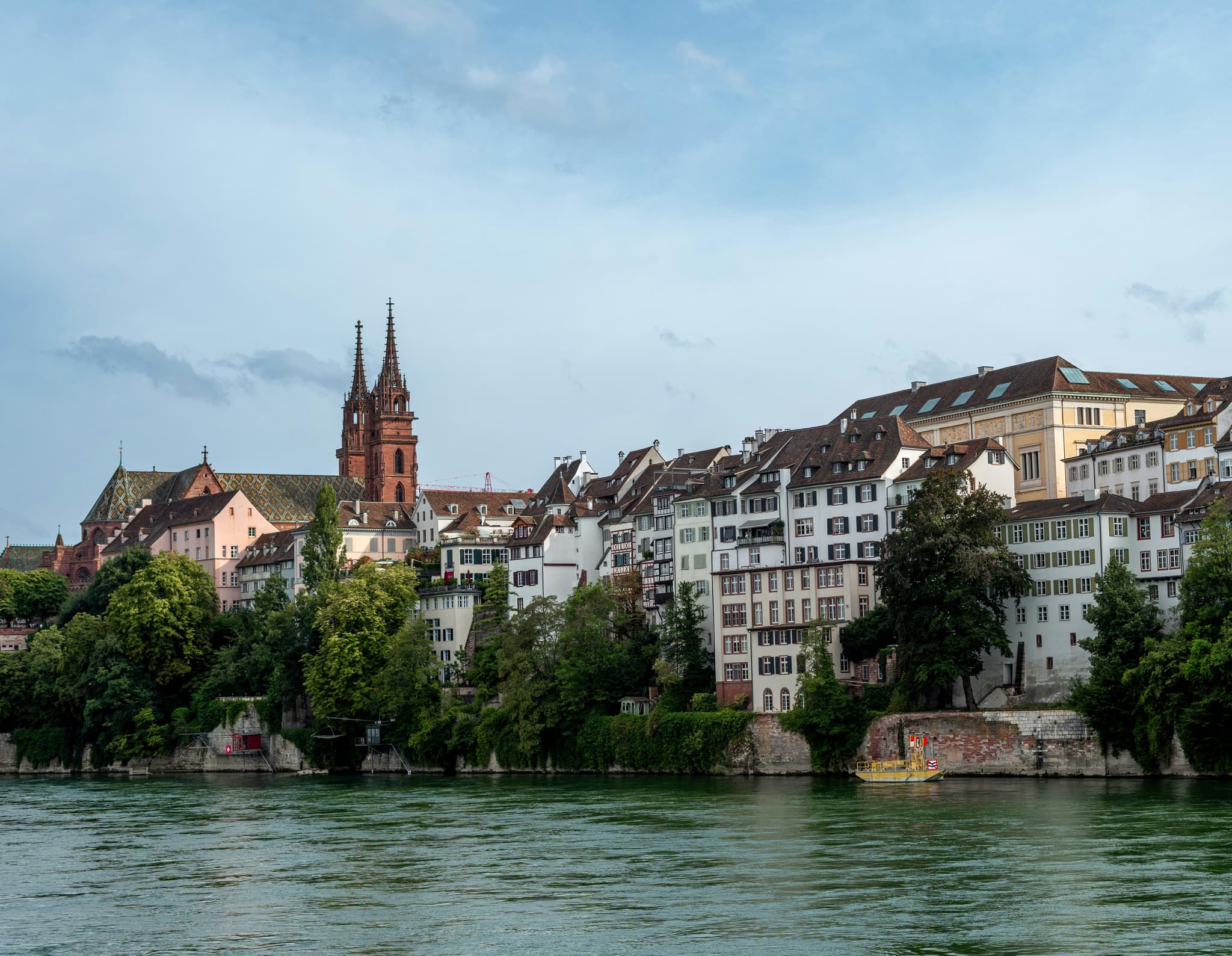
Three countries meet at a single point in Basel, and you can stand with one foot in Switzerland, one in France and one in Germany all at once at the Dreiländereck monument. Wander the Rhine River old town, then do what locals do in summer and float downstream in a waterproof Wickelfisch bag, rented from kiosks right along the riverbank. Basel’s art scene punches well above its size too, the Kunstmuseum houses one of the largest collections in the country and the city hosts Art Basel every June.
Curious how easily you can continue north from here? Read about a trip to Germany, since Basel sits close enough to the border that a day trip or onward train ride takes barely any planning at all.
Switzerland itinerary ideas for your trip
You won’t lose whole days to transit here, since trains connect almost every town in this outline directly, and building your own Switzerland itinerary really comes down to picking how much you want to fit in. We recommend picking whichever plan below matches how much time you’ve got, and start planning your route around it.
A 5-day Swiss itinerary
Day 1: Arrive in Zurich, wander the old town and the Lake Zurich promenade
Day 2: Train to Lucerne, Chapel Bridge and a boat trip on the lake
Day 3: Cable car up Mount Pilatus, then continue to Interlaken
Day 4: Day trip into the Lauterbrunnen Valley and up to Mürren or Wengen
Day 5: Train to Zermatt for a final night with Matterhorn views
A 7-day Swiss city and lake itinerary
Day 1-2: Geneva, old town and lakefront
Day 3: Boat or train to Lausanne, Olympic Museum
Day 4-5: Bern, old town and the Aare
Day 6-7: Zurich, city break and the Uetliberg viewpoint
A 10-day full Swiss loop
Day 1-2: Zurich
Day 3-4: Lucerne and Mount Pilatus
Day 5-6: Interlaken and the Lauterbrunnen Valley
Day 7-8: Zermatt
Day 9-10: Bern and Geneva on the way home
Want more inspiration? Check out the following trips:


What to do when travelling to Switzerland
Once you’ve settled on where to go, the fun part starts, since what you actually do in each place depends entirely on your own interests. If hiking, skiing, food or city life pulls you in more than the rest, build your trip around that instead.
Ride the Glacier Express between Zermatt and St Moritz
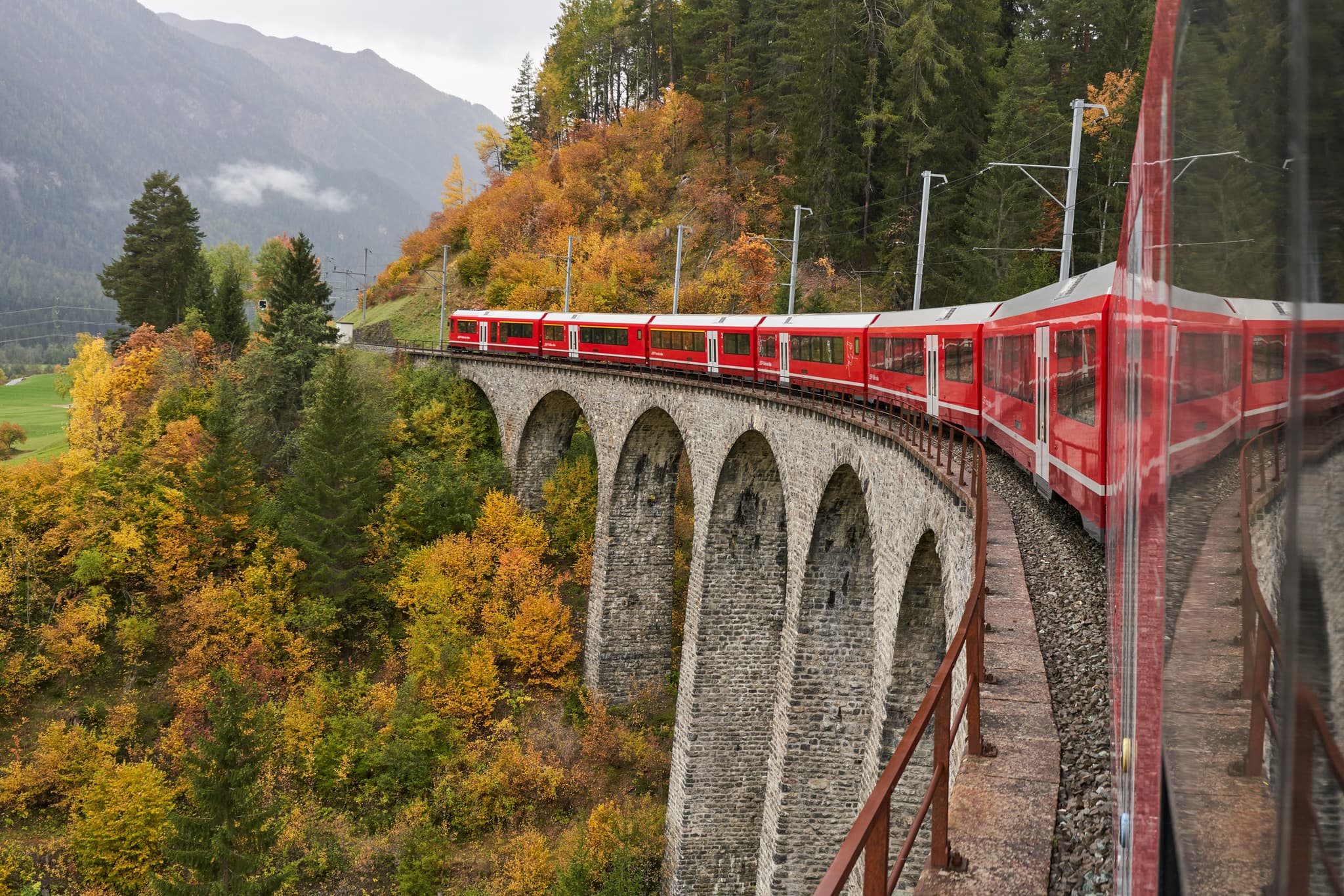
You’ll cover roughly 291 km and 291 bridges over about eight hours, and every minute of it earns the train its “slowest express in the world” nickname. Book a seat in first class if your budget allows, the panoramic windows curve up into the roof and give you an uninterrupted view of the Oberalp Pass. We recommend bringing your own lunch or pre-order through the onboard service, the scenery gets all the attention and you won’t want to be queuing exactly when the train crosses the Landwasser Viaduct.
Make sure to reserve your seat weeks ahead in summer, this is one of the country’s most popular train rides and seats sell out fast once school holidays begin.
Hike the Five Lakes Walk in the Jungfrau region
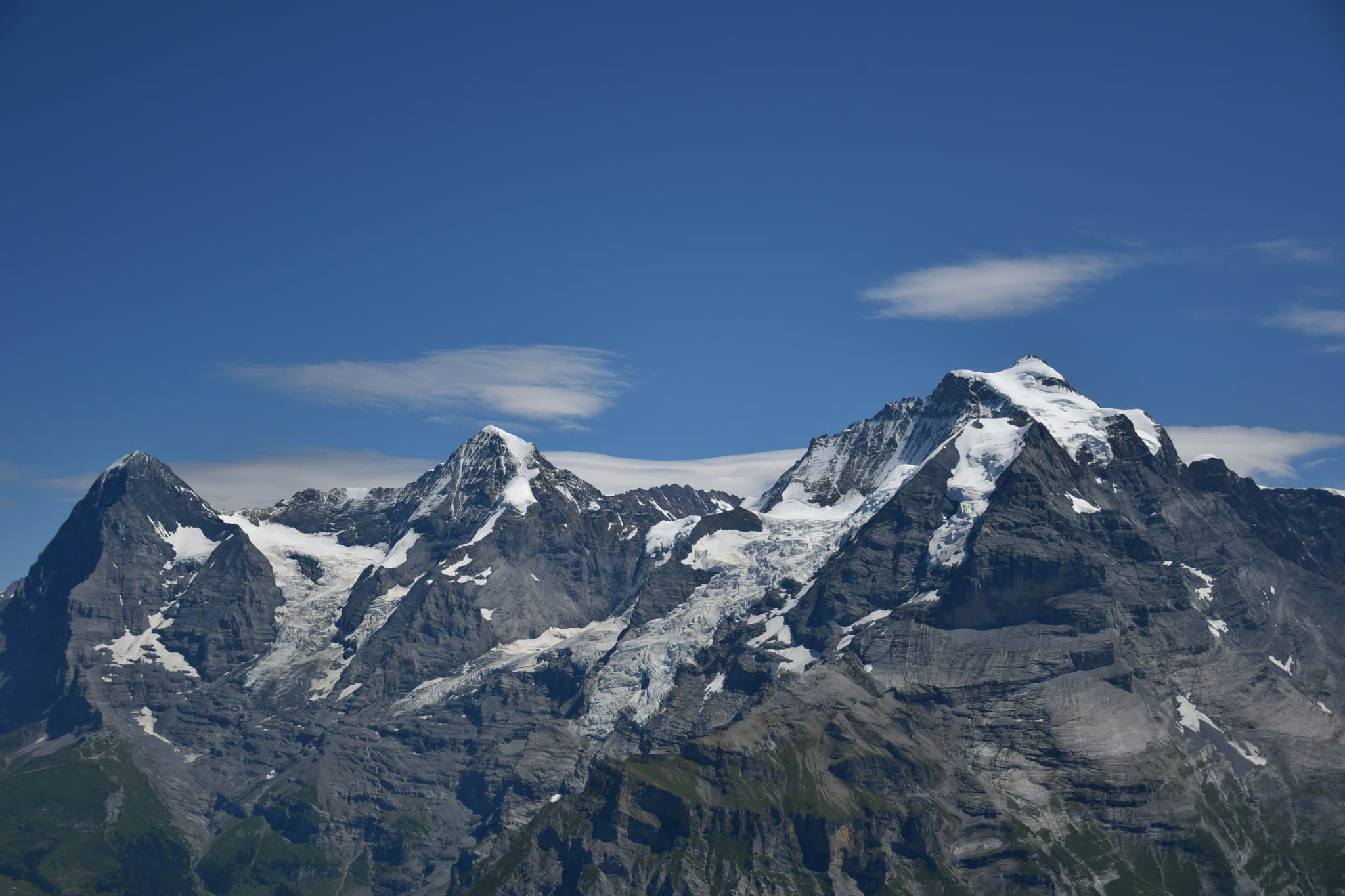
Five alpine lakes reflect the Eiger, Mönch and Jungfrau peaks along this trail, and on a still morning the water looks like glass. Start from Bachalpsee near Grindelwald First, reachable by cable car, and stick to the marked path, since the terrain gets rocky in sections. Give yourself three to four hours at a relaxed speed, and pack a proper lunch since there’s nowhere to buy food on the trail itself! If you want the lakes to yourself, go early, the busiest viewpoints fill up fast by midday in July and August.
Ski or snowboard in Zermatt or Verbier
If skiing is part of your Switzerland trip, Zermatt and Verbier are two easy places to start. Zermatt has glacier slopes where you can ski almost year round, while Verbier is more fun if you also want a good après ski scene afterwards. We’d definitely sort out your gear the evening before, because nobody wants to start their first ski day standing in a rental queue. Staying for a few days? Check the multi day lift passes too, and if you’re travelling solo, a group lesson is actually a really easy way to meet people.
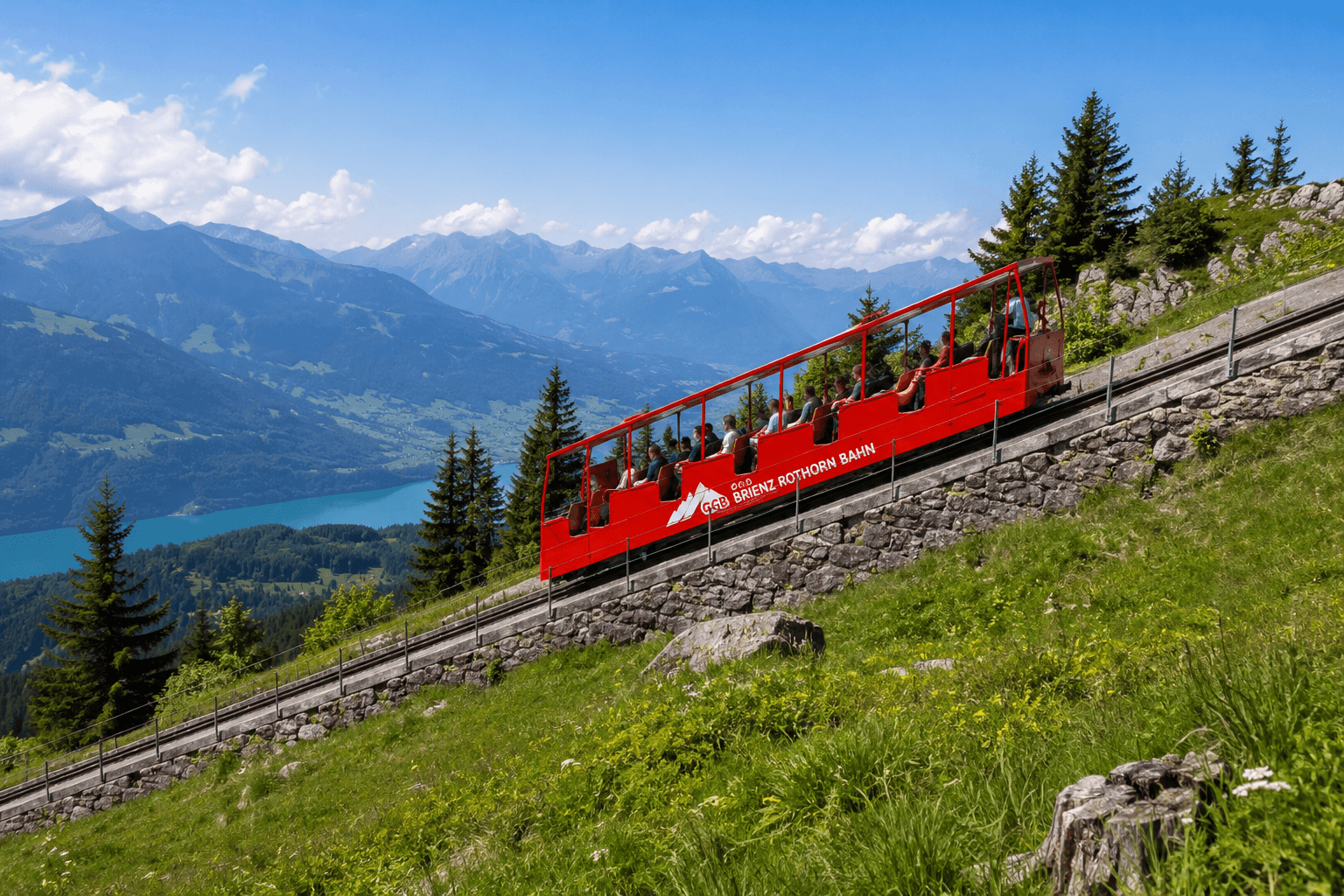
Ride the Gelmerbahn funicular near Guttannen
If you’re around Meiringen, this is such a fun little detour to add to your route. The Gelmerbahn takes you ridiculously steeply up the mountain, so the ride is half the reason to come here, especially when you look back down. At the top, you’ll find bright turquoise Lake Gelmer and several hiking trails, so don’t just head straight back down again.
Do check the dates before you go, since the Gelmerbahn only runs during the warmer months.
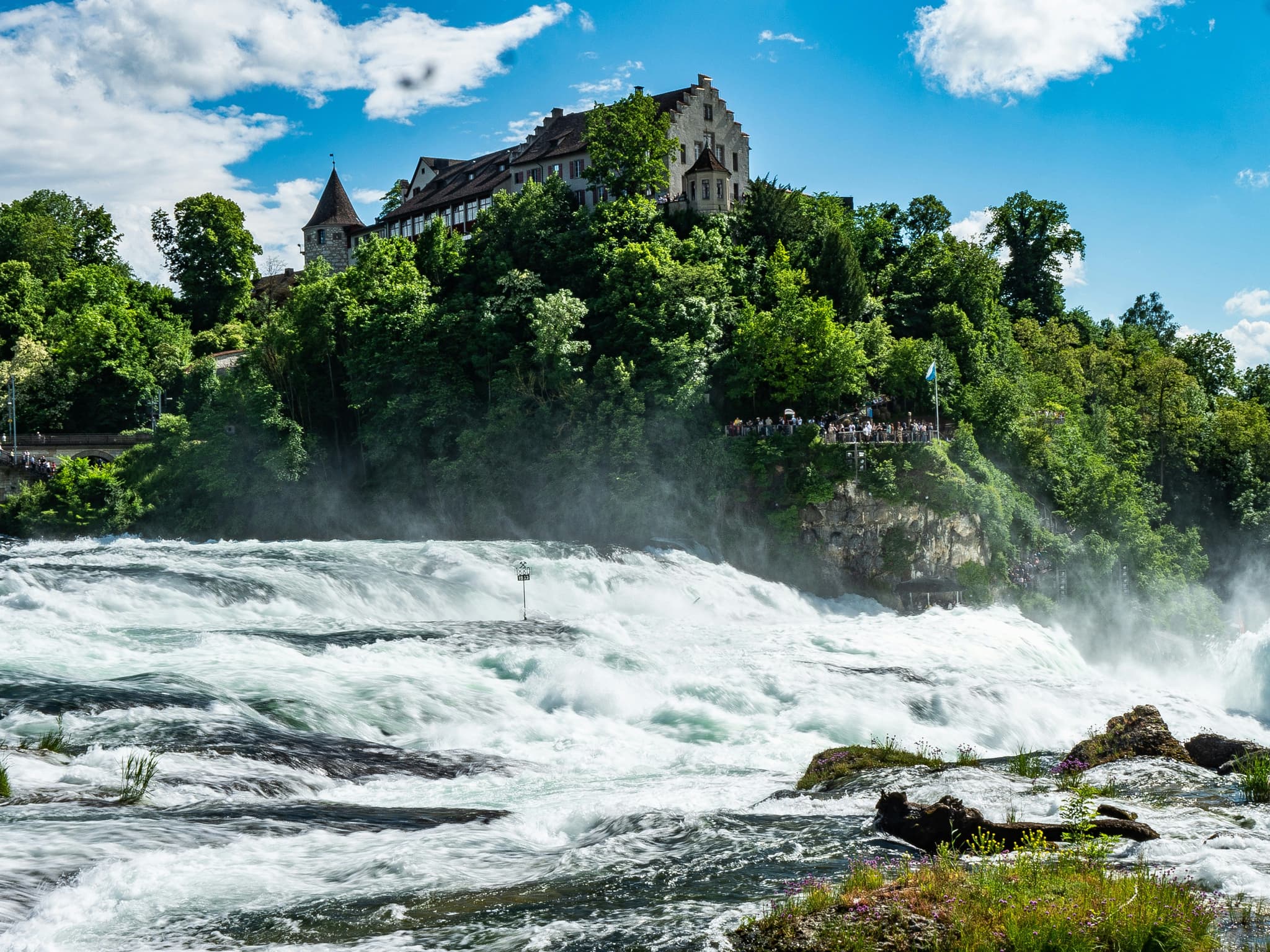
Visit the Rhine Falls near Schaffhausen
Europe’s largest waterfall by volume comes into view well before you actually reach it, and the sound alone tells you it’s worth the detour. Take a boat right up to the base of the falls for the closest possible view, or climb up to the Laufen Castle viewing platform if you’d rather stay dry. Zipline rides across the river run in summer (if you enjoy chasing a bit more adrenaline). The Rhine Falls visitor centre has current boat times and seasonal opening hours, worth checking before you plan your visit around them.
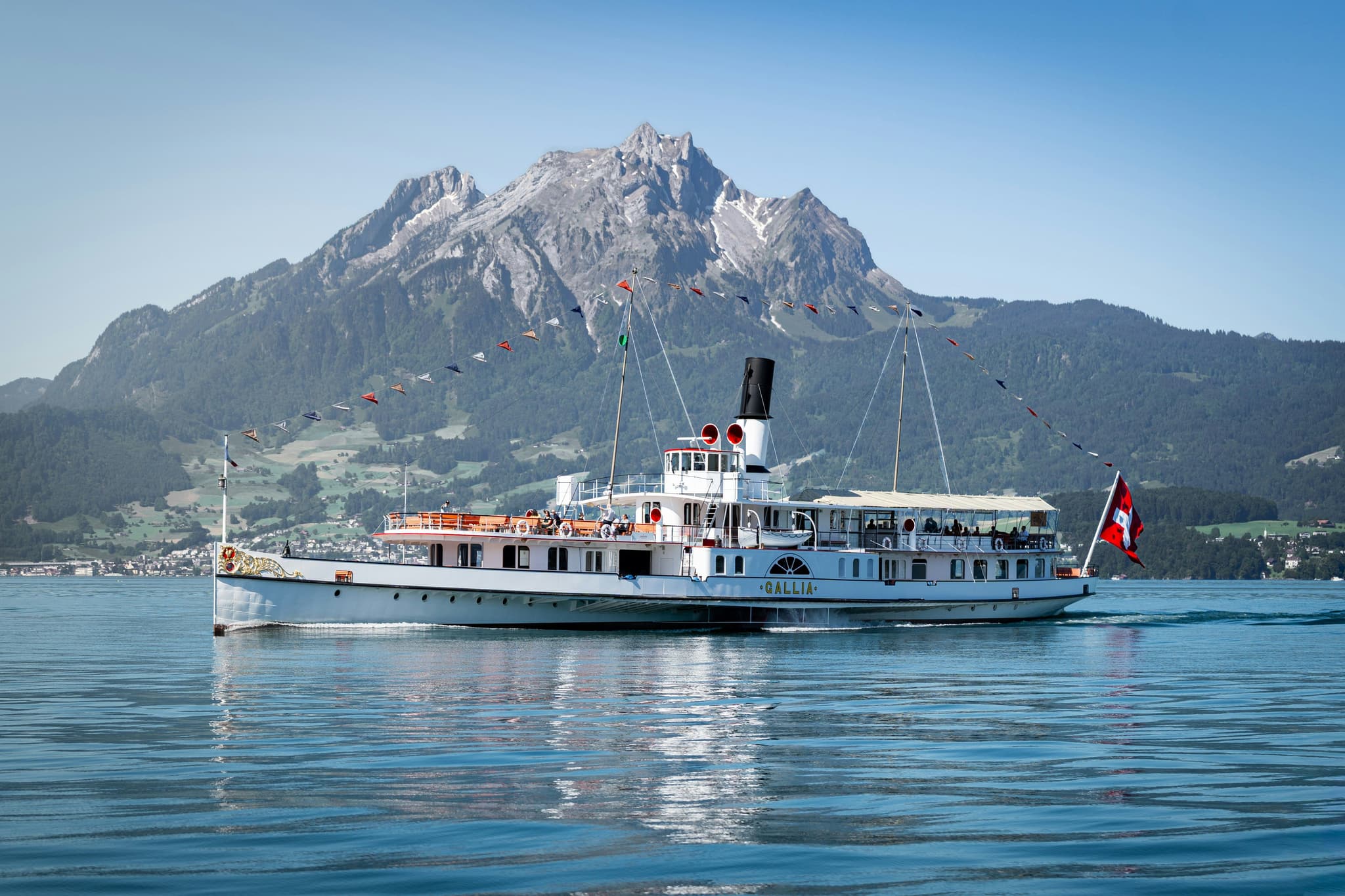
Cruise Lake Geneva or Lake Lucerne by boat
You really can’t come to Switzerland and spend all your time looking at those lakes from the shore. Hop on one of the boats across Lake Geneva or Lake Lucerne, find a spot outside and just enjoy the mountains and little towns passing by. Some of the old paddle steamers still run too, which makes the whole thing even better. On a sunny day, we’d easily choose this over another train ride, especially since you can get off somewhere along the way and turn it into a full day out.
When to visit Switzerland? Winter or summer?
The best time to visit Switzerland really comes down to what you want to do while you’re there. Summer is great for hiking, swimming in the lakes and long days outside, while winter completely changes the scenery and brings ski season with it.
Spring (April to May): blossoms around the lakes, mild temperatures, fewer visitors than summer
Summer (June to August): warmest weather, hiking trails fully open, the Montreux Jazz Festival (https://www.montreuxjazzfestival.com/en/) brings a huge crowd to the shores of Lake Geneva every July
Autumn (September to October): grape harvest season, alpine foliage turning gold, generally the most stable weather of the year
Winter (December to March): ski season across the Alps, Christmas markets in Basel and Zurich, shorter days
Guided tip: September gives you close to the best of both worlds, warm enough for lake swimming, quiet enough that you won’t be waiting long for a cable car.
Where to stay in Switzerland: best areas for visiting Switzerland
Where you stay in Switzerland can really shape the kind of trip you have. You might want to wake up surrounded by mountains, stay somewhere by a lake or base yourself in a city where you can easily catch trains around the country. So before booking the prettiest hotel you find, think about what you actually want to have close by.
Base yourself in Zurich if you want a city break with easy day trips
You’ll find Zurich puts you within a short train ride of Lucerne, the Rhine Falls and even Basel, so it works well if you’d rather use one hotel as a base than pack and unpack every night. Plenty of choice sits around the old town if you want to walk everywhere, or near the lake if a view matters more to you than proximity to nightlife.
Stay in Lucerne for a classic alpine setting close to the mountains
Lucerne is probably the one to pick if you’ve come to Switzerland for those picture perfect views. You’ve got the lake right there, mountains in the background and plenty within walking distance. Hotels directly on the water can be pretty expensive though, so check a few streets further back before booking, you can save quite a bit and still be close to everything.
Pick Interlaken if hiking and adventure sports are the priority
If your plans involve lots of hiking and days in the mountains, Interlaken makes things really easy. You can stay here for a few days and take trains straight into the Jungfrau region rather than moving around every night. On a smaller budget? There are loads of hostels around town, and some even have their own bars and can help you book activities while you’re there.
Choose Geneva or Lausanne for a French-speaking lakeside stay
Then you’ve got Geneva and Lausanne, and they feel different considering they’re on the same lake. Geneva is the more polished and international one, while Lausanne feels younger and a bit more laid back. Both work really well if you want to explore Lake Geneva, and places like Montreux and the Lavaux vineyards are easy day trips by train.
Guided tip: Interlaken is convenient, but you don’t have to sleep there to explore the region. Check accommodation in nearby towns too, especially if prices are getting a little crazy.

Did you know you can create your own itinerary?
Now that you have a better idea of the places to see in Switzerland and things to do there, you can start creating your own trip. Do you want to travel around Switzerland and see as much as possible, or would you rather choose one region and really take your time exploring it? It’s all up to you. You can easily create your own trip in the Guided app for free, or use trips shared by others.
Getting around Switzerland: how to travel to Switzerland
You’ve got a few different ways to get around once you travel to Switzerland, and picking the right one depends on how much ground you want to cover and how much you want to spend. You can choose between trains, cars and boats once you’re here, so let’s compare what actually suits each type of trip best.
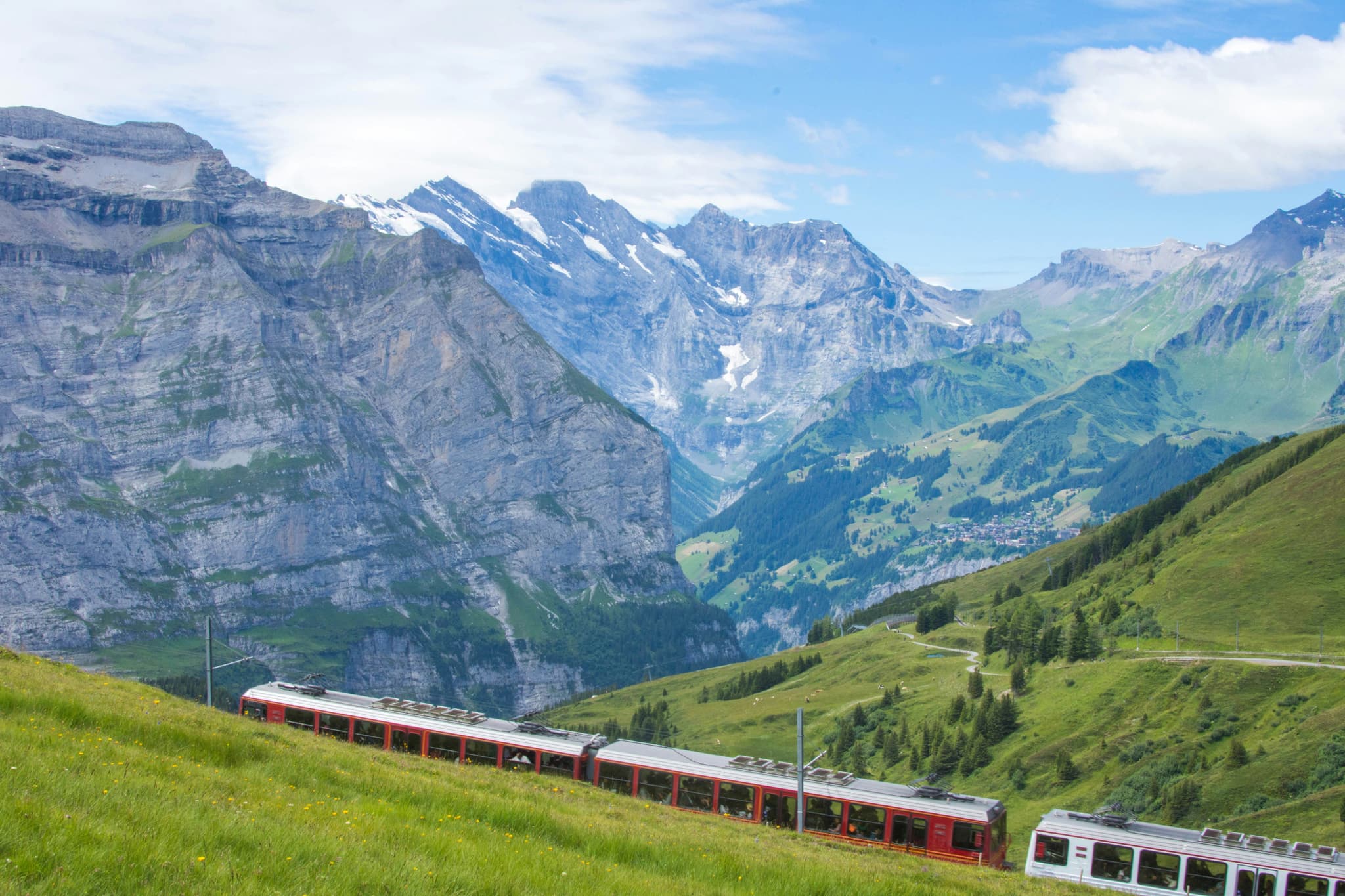
By train: the backbone of swiss travel
We’d always start here, Switzerland’s rail network is about as reliable as it gets in Europe. Download the SBB app before you land, it covers timetables, platform numbers and delays across the entire country in real time. If you’re covering a lot of distance, the Swiss Travel Pass gives you unlimited trains, buses and boats for a set number of days, and it usually pays for itself within a couple of longer journeys. Journey times run short too, Zurich to Lucerne takes under an hour, and Zurich to Geneva takes around two and a half.
By car: when renting actually makes sense
We’d only recommend renting a car if you’re heading to smaller villages that trains don’t reach directly, parking in the bigger cities gets expensive and traffic rarely saves you time. Mountain passes like the Furka or Grimsel are genuinely worth driving for the views alone, but check seasonal closures first, many close completely from October through May. Vignette stickers are required on Swiss motorways and cost a flat annual fee, so pick one up at the border or a petrol station before you set off.
By boat: a beautiful way to cross the bigger lakes
We’d take a boat over a train whenever a route runs along Lake Geneva, Lake Lucerne or Lake Zurich, the views from the water beat almost anything you’ll see through a train window. Boats run on the same Swiss Travel Pass as the trains, so it rarely costs extra if you’ve already got one. Give yourself a bit more time for boat journeys though, they run slower than trains and schedules thin out considerably outside summer.
Curious how far east you can stretch a Swiss trip? Read about a trip to Austria, since direct trains run from cities like Zurich and Chur into western Austria in just a few hours, making it easy to combine both countries on one longer route.
Food and drinks to try when you visit Switzerland
You probably already have Swiss chocolate on your list, and yes, you should absolutely try it. But there are plenty of other Swiss dishes worth ordering too, especially as you travel between different parts of the country.
Cheese fondue
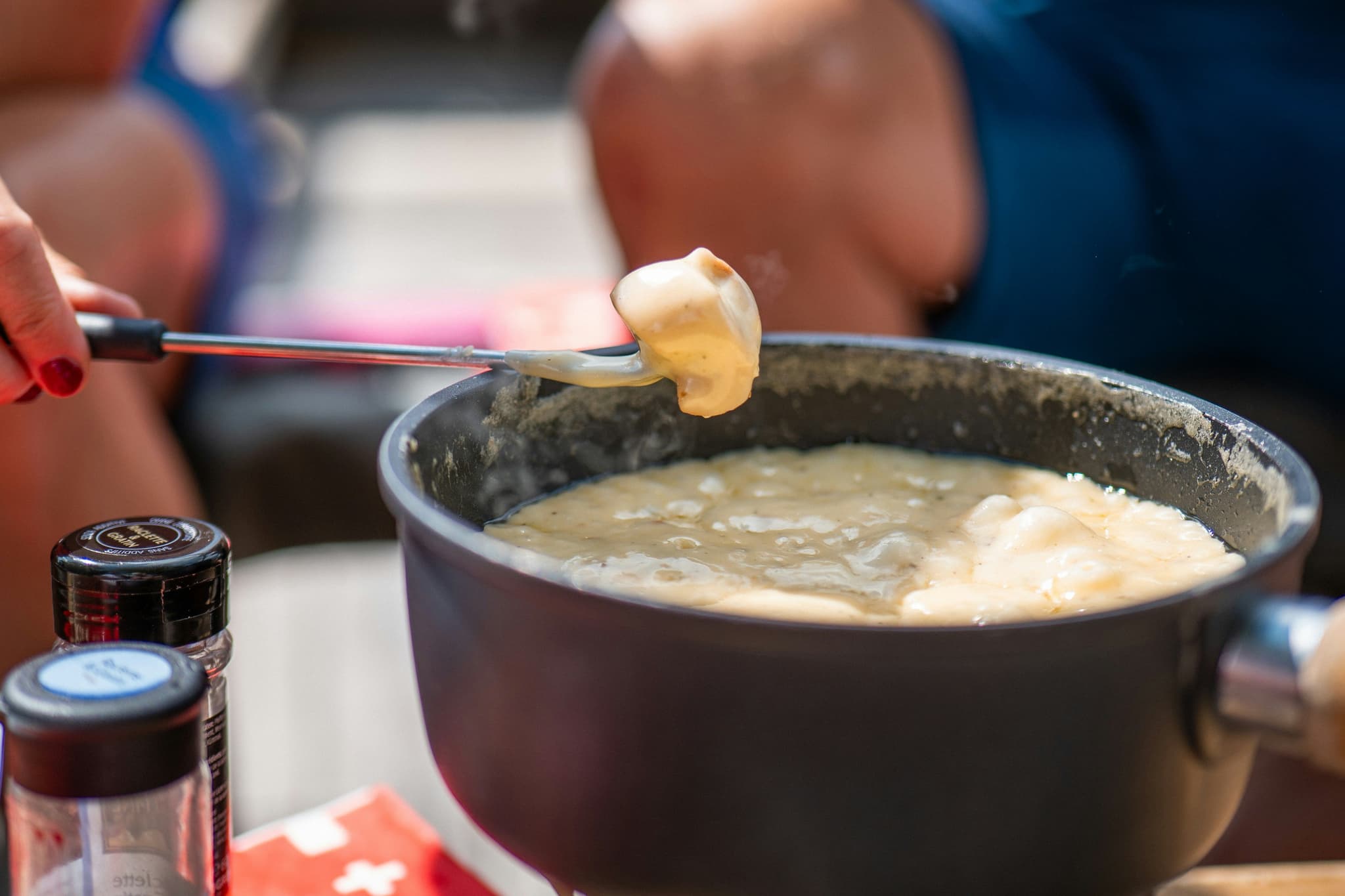
Melted Gruyère and Vacherin, mixed with white wine and a splash of kirsch, this is the dish most people picture when they think of Swiss food, and it earns the reputation. Order it in a mountain chalet restaurant rather than a city one if you can, Dip stale bread rather than fresh, it holds together far better on the fork.
Raclette
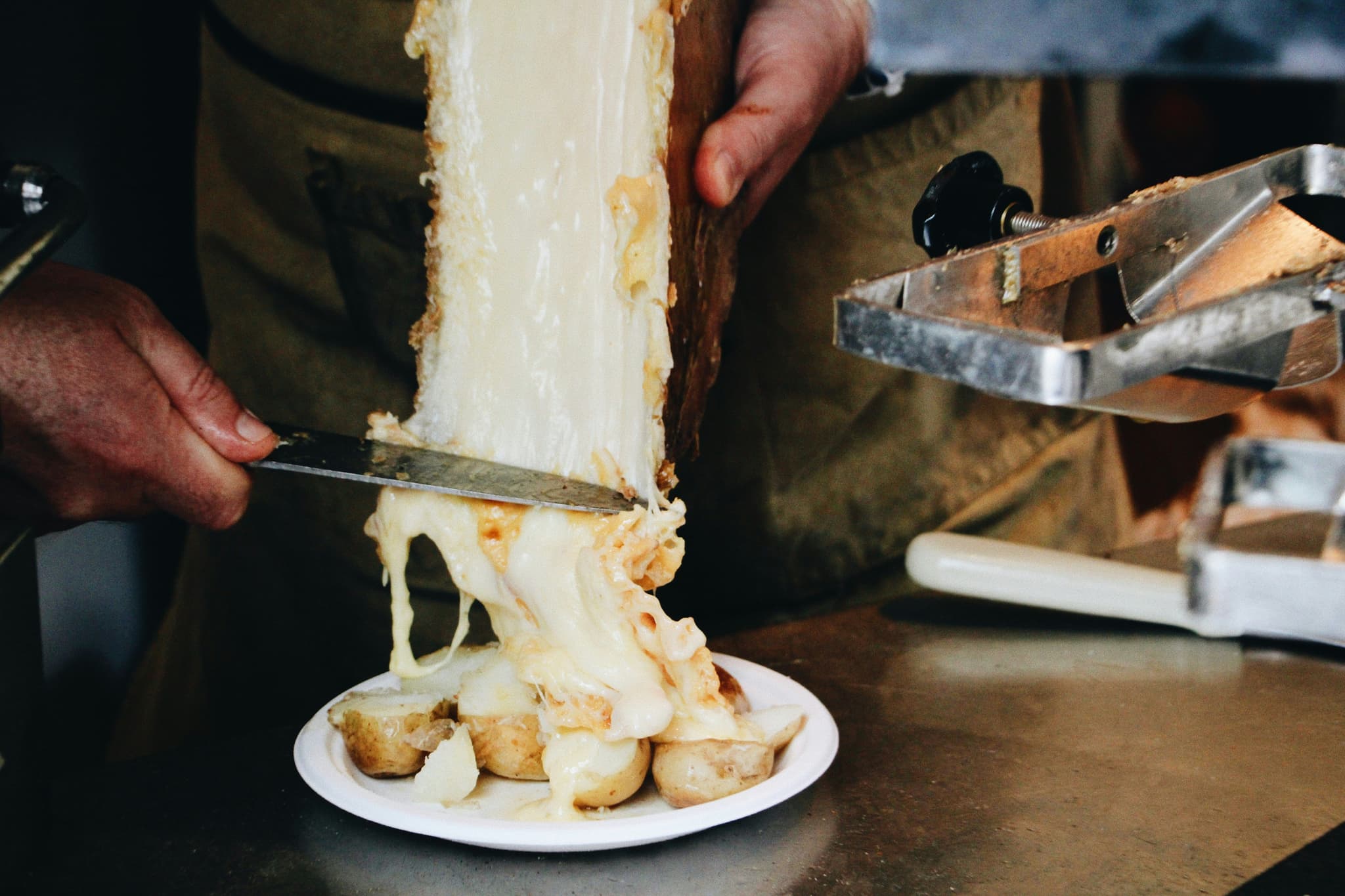
Cheese gets scraped straight off a heated wheel and poured over boiled potatoes here, traditionally with pickles and pearl onions on the side. Look for restaurants that still use the traditional half-wheel grill rather than small individual pans, both the flavour and the theatre come through better that way. Raclette evenings run especially popular in ski resorts during winter, so book ahead if you’re visiting Zermatt or Verbier in high season.
Rösti
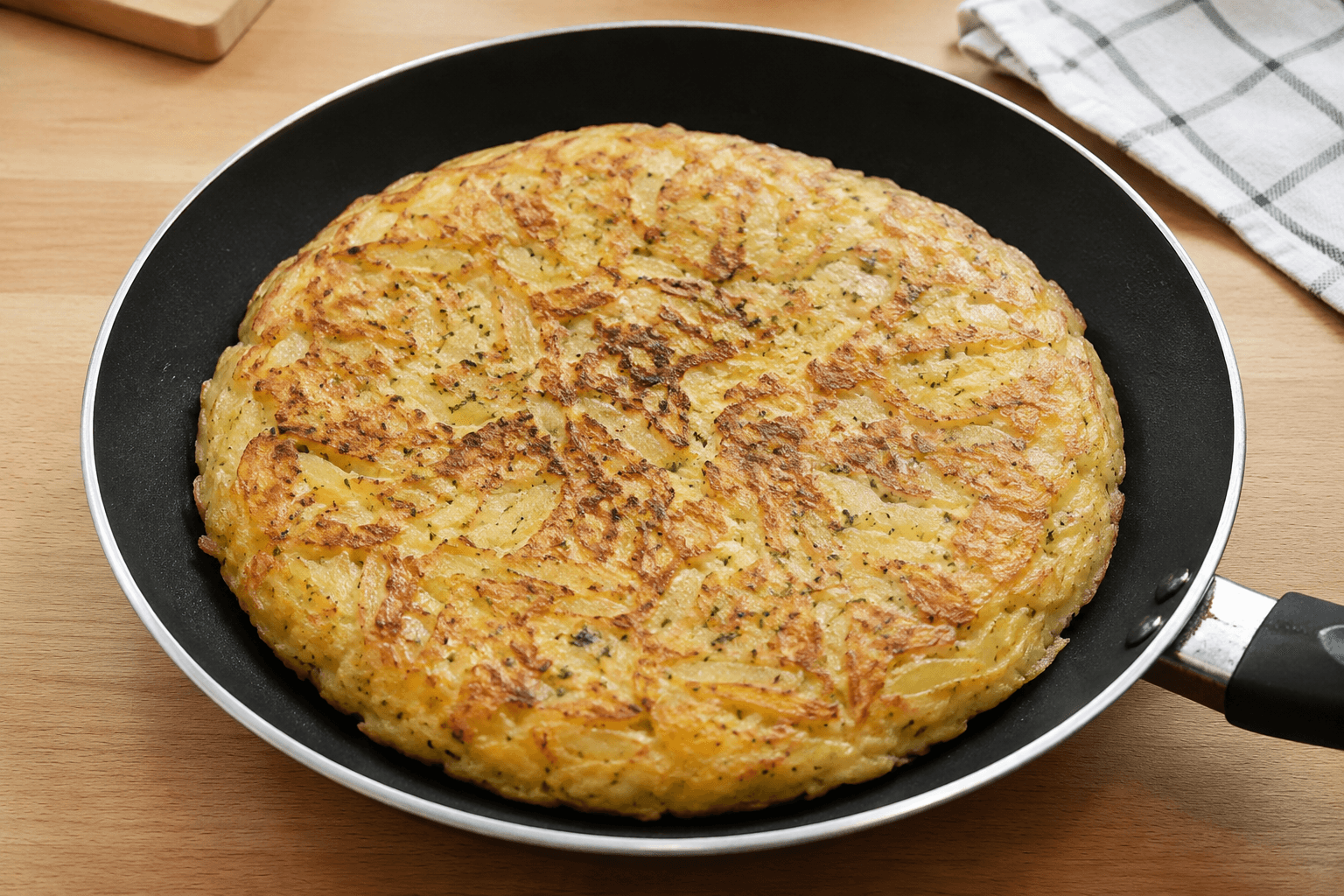
Grated potato fried until crispy outside and soft in the middle, rösti works as a side dish or a full meal with a fried egg and bacon on top. Bern claims some of the best versions in the country, though every region adds its own twist. Order it alongside a simple green salad if you want the classic pairing most locals go for.
Zürcher Geschnetzeltes
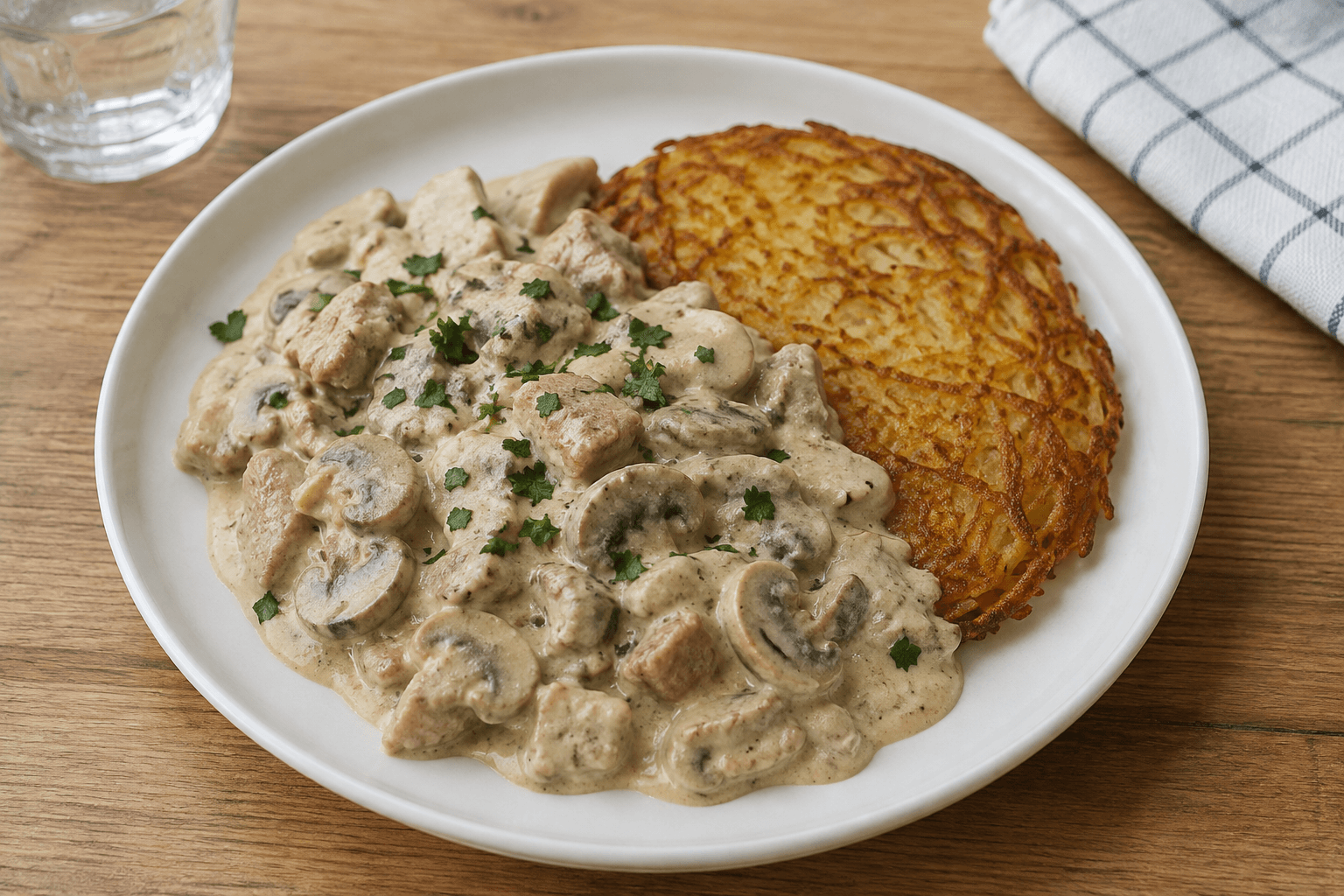
Sliced veal in a creamy mushroom and white wine sauce, this Zurich specialty pairs almost always with rösti on the same plate. Look for it on menus around the city’s old town, where traditional Swiss restaurants, called Beizli, serve it as a nice sit-down meal.
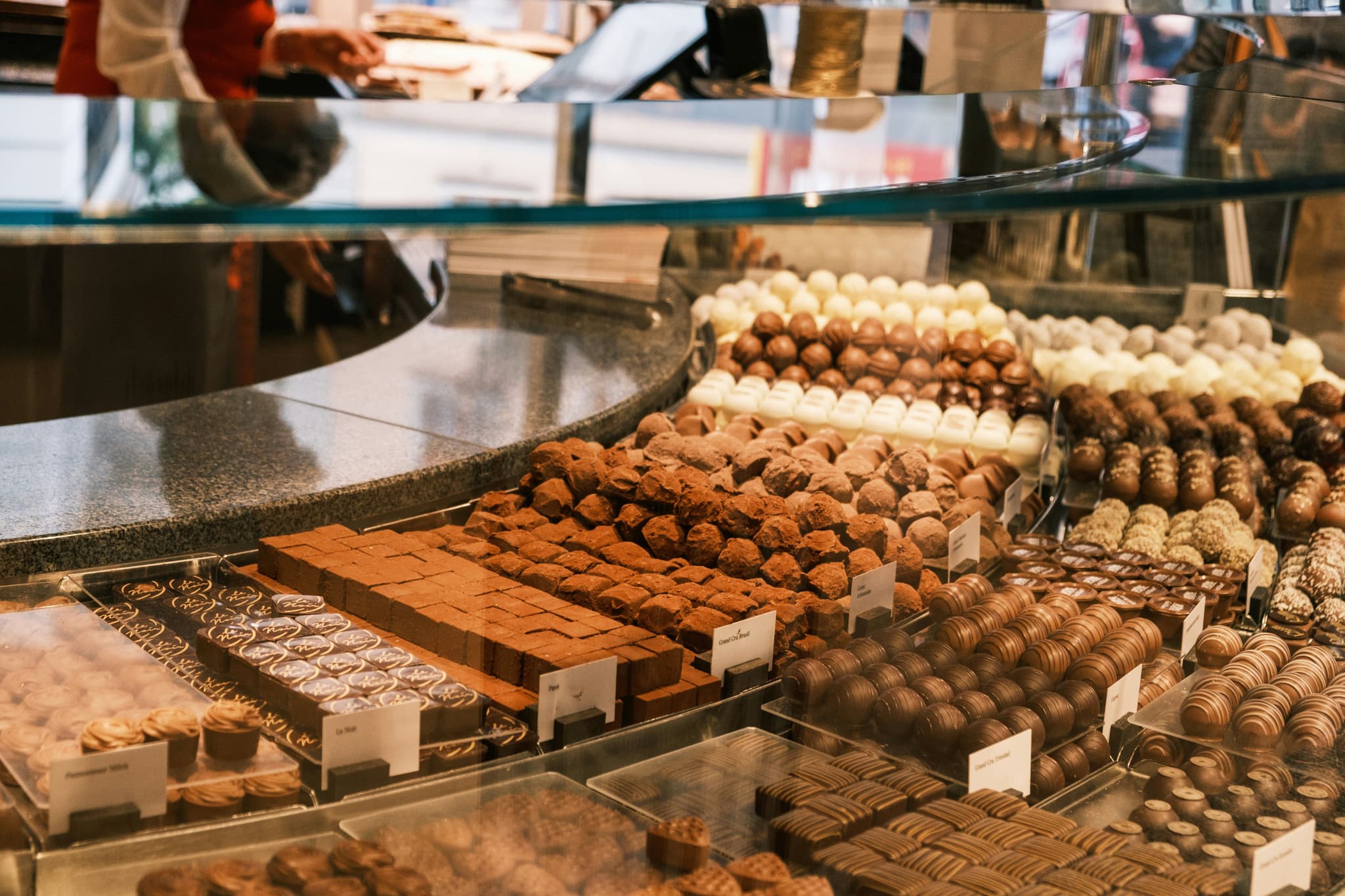
Swiss chocolate
And yes, you can’t really go to Switzerland without trying some Swiss chocolate. Lindt, Sprüngli and Läderach are the big names you’ll see everywhere, but have a look inside some of the smaller chocolate shops in Bern or Basel too. Want to take some home? Buy it towards the end of your trip rather than carrying it around in your bag for a week, especially during summer.
Culture and daily life you’ll notice when you travel to Switzerland
Back in 1291, three small cantons signed a pact on a meadow above Lake Lucerne, and that quiet agreement became the seed of the country you’re exploring today. Switzerland grew canton by canton over the centuries that followed, joining together through alliances rather than conquest. Citizens vote directly on issues several times a year, from local zoning questions to national policy, and you’ll notice flags and posters for these votes plastered around towns whenever a referendum approaches.
That same independent streak shows up in daily life too, the moment you start paying attention to how people actually live here. Locals value punctuality, trains that run thirty seconds late genuinely count as delayed, and showing up on time to a dinner invitation matters here more than in most of Europe. You’ll also notice how seriously recycling and cleanliness get taken, bins are sorted meticulously and littering carries real social disapproval, not just fines.
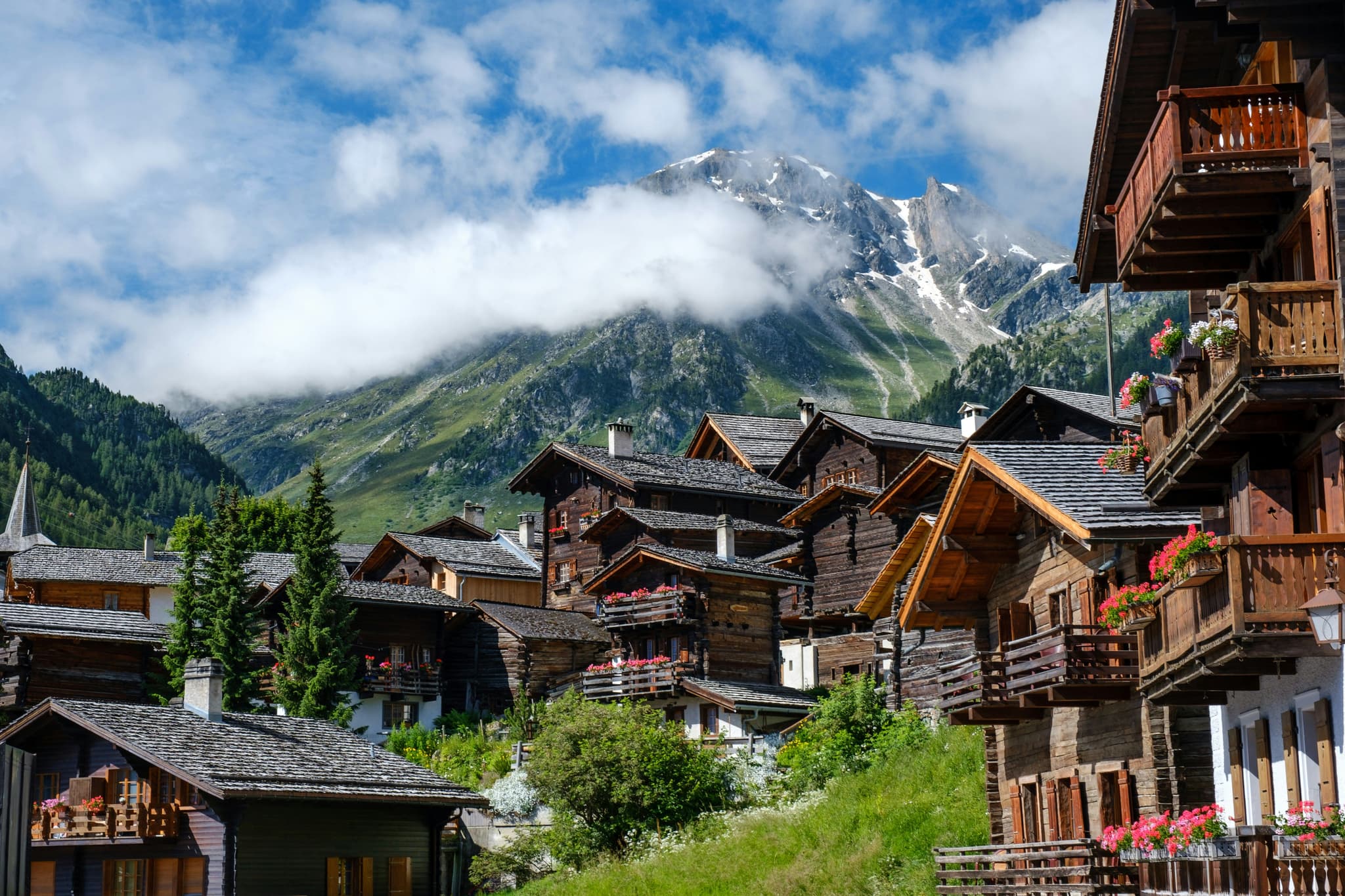
As you travel around Switzerland, you’ll probably start noticing that every region feels a little different. Around the French speaking side you’ll see more French influence in the cafés, food and architecture, while German speaking towns often have a completely different look, with traditional wooden houses and Alpine style buildings. Even the language, local habits and sense of humour change as you move around, which honestly makes travelling through such a small country much more fun.
Swiss people have a reputation for being reserved at first, but that ice breaks fast, and if you’re travelling solo, it’s an easy way to pick up local tips you won’t find anywhere else.
Looking for more unique places, trips and activities?
Subscribe to our Guided Newsletter for more travel inspiration.
How much does a trip to Switzerland cost?
A trip to Switzerland definitely isn’t the cheapest holiday you can plan, but don’t let that put you off straight away. How much you spend really comes down to where you stay, how often you eat out and, especially, how many mountain trips you add along the way. Luckily, you can save quite a bit by using public transport passes, staying just outside the busiest places and grabbing lunch or snacks from supermarkets every now and then. Here’s roughly what you can expect to spend during your Switzerland trip.
Food & Drink
Coffee
CHF 4 – 6
Lunch
CHF 18 – 35
Beer
CHF 5 – 9
Accommodation
Hotels
CHF 120 – 250
Airbnb
CHF 90 – 200
Hostel dorm
CHF 40 – 80
Transport
Train ticket
CHF 15 – 60
Bus ticket
CHF 3 – 5
Car Rental
CHF 60 – 120
Attractions
Museums
CHF 10 – 30
Big Attractions
CHF 20 – 50
Theatre
CHF 40 – 120
Save on accommodation
Accommodation can easily become your biggest expense, especially in places like Zermatt, Interlaken and central Zurich. If Interlaken is getting too expensive, check nearby Wilderswil or Matten, while Täsch is usually a better place to look if you want to visit Zermatt without paying Zermatt prices. Around Lake Geneva, Lausanne can also be worth checking before automatically booking Geneva.
Be smart with mountain trips
This is where your budget can disappear surprisingly fast. Cable cars, mountain railways and organised excursions can easily add a big extra cost to your day, so pick the mountain experiences you really want rather than trying to do one every day. Staying somewhere with hiking trails starting nearby also gives you plenty to do without buying another lift ticket.
Check transport passes before buying separate tickets
Travelling around Switzerland by train is incredibly easy, but buying separate tickets for every journey can add up quickly. Before your Switzerland trip, compare the Swiss Travel Pass, Half Fare Card and individual tickets based on your route. If you’re only taking a few trains, a full travel pass isn’t automatically the cheapest option.
Mix restaurants with supermarket lunches
You really don’t need to eat at a restaurant three times a day. Coop and Migros are everywhere and are great for grabbing sandwiches, salads, bakery snacks and easy picnic lunches. Save the restaurant budget for the Swiss dishes you actually want to try, then take your supermarket lunch somewhere with a ridiculous mountain view and suddenly it doesn’t feel like the budget option at all.
Our travel tips for a smooth Swiss trip
Never been to Switzerland before? Here are a few tips gathered from fellow Guided members that should make your trip run a little smoother.
✔ Carry cash alongside your card
Card payments work almost everywhere in cities, but smaller mountain restaurants and kiosks sometimes still prefer cash. We’d recommend carrying a bit of Swiss francs just in case, especially once you’re outside the bigger towns.
✔ Book mountain excursions a day ahead in peak season
Cable cars and cogwheel railways up popular peaks like Pilatus, Rigi and Jungfraujoch sell out by early afternoon in summer. We’d book your slot the evening before if you know which mountain you’re heading up, rather than risk missing out entirely.
✔ Pack a jacket no matter the season
Weather shifts fast once you gain altitude, even in the middle of summer. We’d always pack a light waterproof jacket alongside your regular clothes, a sunny valley morning can turn into a cold, misty mountaintop within an hour.
✔ Rely on the SBB app instead of paper tickets
Paper tickets sometimes need validating at a machine on the platform before you board. We’d stick to the SBB app if you can, it skips this step entirely and keeps everything in one place.
Fun facts about Switzerland
Switzerland is such an interesting country, with four national languages, completely different regions and plenty of little quirks you start noticing as you travel around. Here’s what makes the country stand out beyond the mountains and chocolate:
The country has four official languages: German, French, Italian and Romansh.
Even German speakers can struggle with some Swiss German dialects, so don’t panic if you don’t understand.
In summer, swimming down the Aare River in Bern is a local activity.
There are vending machines selling cheese. Around rural areas, you can come across self service machines.
Public fountains can save your travel budget.
Switzerland has over 60,000 kilometres of marked hiking trails.
Switzerland is especially easy to travel around if you want lots of variety without constantly dealing with long travel days, although you’ll need a bigger budget than in many other parts of Europe. If that sounds like your kind of trip, give yourself at least a week and choose two or three regions rather than trying to squeeze the whole country in. And seriously, leave some room in your plans, because there will almost definitely be a lake, mountain train or tiny Alpine town that makes you want to stay longer.
Ready to map out your trip to Switzerland
We hope this Switzerland travel guide has given you a clear starting point for your trip. Stay tuned for more inspiration, itineraries and practical tips to help you shape your own Swiss trip. And don’t forget to check out our Guided app, where you can create your own trip or use trips shared by other travellers for free.
Frequently asked questions about travelling to Switzerland
- How many days do you need in Switzerland?
Seven to ten days gives you enough time to combine a few cities, a lake and at least one proper mountain excursion without racing through any of it. Five days works fine too if you’re focused on a shorter highlights route, especially if you fly directly into Zurich or Geneva. Longer trips of two weeks or more let you slow down and add regions like Ticino or the Valais without cutting anything from your original plan.
- Is Switzerland good for solo travel?
Yes, Switzerland is a really easy country to explore on your own. Trains make getting around simple, hiking trails are well marked and places like Interlaken have plenty of hostels and group activities where you can meet other travellers. Just keep an eye on your budget, since private rooms and eating out every day can get expensive pretty quickly when you’re not splitting the costs.
- Which part of Switzerland is best for first time visitors?
For a first trip, Lucerne and the Jungfrau region are hard to beat. You’ll get the lakes, mountains, scenic trains and little Alpine towns you probably pictured when you started planning Switzerland, with places like Interlaken, Lauterbrunnen and Grindelwald all easy to combine. Got a week? Split your time between Lucerne and the Jungfrau region rather than trying to see the whole country at once.
- What should you pack for a trip to Switzerland?
Pack for changing weather, even if you’re travelling in summer. Comfortable walking shoes, layers, a light waterproof jacket, sunglasses and a reusable water bottle will cover most days, but bring something warmer if you’re heading high into the mountains. Planning lots of hikes? Proper hiking shoes are worth the extra luggage space, and sunscreen is easy to forget when the weather feels cool but you’re spending the day at altitude.
- Can you combine a trip to Switzerland with other European destinations?
Yes, and Switzerland is actually really easy to combine with another country if you have a little more time. Germany and Austria are the obvious choices, with direct train connections making cities like Munich and Innsbruck easy additions to your route. Got two weeks or longer? You could continue through Austria towards Czechia and finish in Prague, giving you a nice mix of Swiss mountains, Austrian Alpine towns and a completely different city break at the end.
- Do you need a visa to travel to Switzerland?
Most visitors from the UK, US, Canada, Australia and the EU can enter Switzerland visa-free for stays up to 90 days within the Schengen area. Switzerland isn’t an EU member but does belong to the Schengen zone, so the same 90-day rule that applies across most of Europe applies here too. Always check your own nationality’s specific requirements before booking, since rules can vary and change.