
Bulgaria

Bulgaria travel guide: Everything you need to know before visiting Bulgaria
In Plovdiv, opera companies still stage summer performances in a Roman theatre that is nearly 2,000 years old. Thracian tombs, Roman streets, medieval capitals and painted monasteries sit close together here, and the alphabet on the road signs, Cyrillic, was developed in the First Bulgarian Empire. Musala, at 2,925 m, is the highest peak in the Balkans, and the Rila, Pirin and Rhodope ranges give you hiking in summer and skiing in winter, with 354 km of Black Sea coast to the east.
Next to its neighbours, Bulgaria is cheaper and less crowded than Greece and has higher mountains than Romania, and unlike Turkey it now uses the euro and sits inside the Schengen area. Eurostat ranks it the cheapest EU country for restaurants and hotels, and we think it's one of the best-value trips in Europe. It suits hikers, skiers, history lovers, families on the coast and anyone who likes a road trip. It's less suited to travellers who want fast trains or English on every sign. This guide covers where to go, how long to stay, what things cost and the rules to know before you travel.
5 reasons to visit Bulgaria
You could build a good trip around any one of these, but together they're hard to beat.
- See Rila Monastery's painted arcades in a valley at 1,147 m, a UNESCO site since 1983.
- Hike past the Seven Rila Lakes, strung between 2,095 m and 2,535 m.
- Watch an opera in Plovdiv's Roman theatre during Opera Open, from June to September.
- Eat well for less in the EU's cheapest country for restaurants and hotels.
- Swim in the Black Sea, then walk Nessebar's old town of medieval churches.
Where to visit in Bulgaria?
Where should a first trip start? Almost certainly in Sofia, the main airport and the hub for buses. From there the classic sights spread south into the mountains and east towards the coast, so we've ordered these roughly from the capital out to the Black Sea.
Sofia
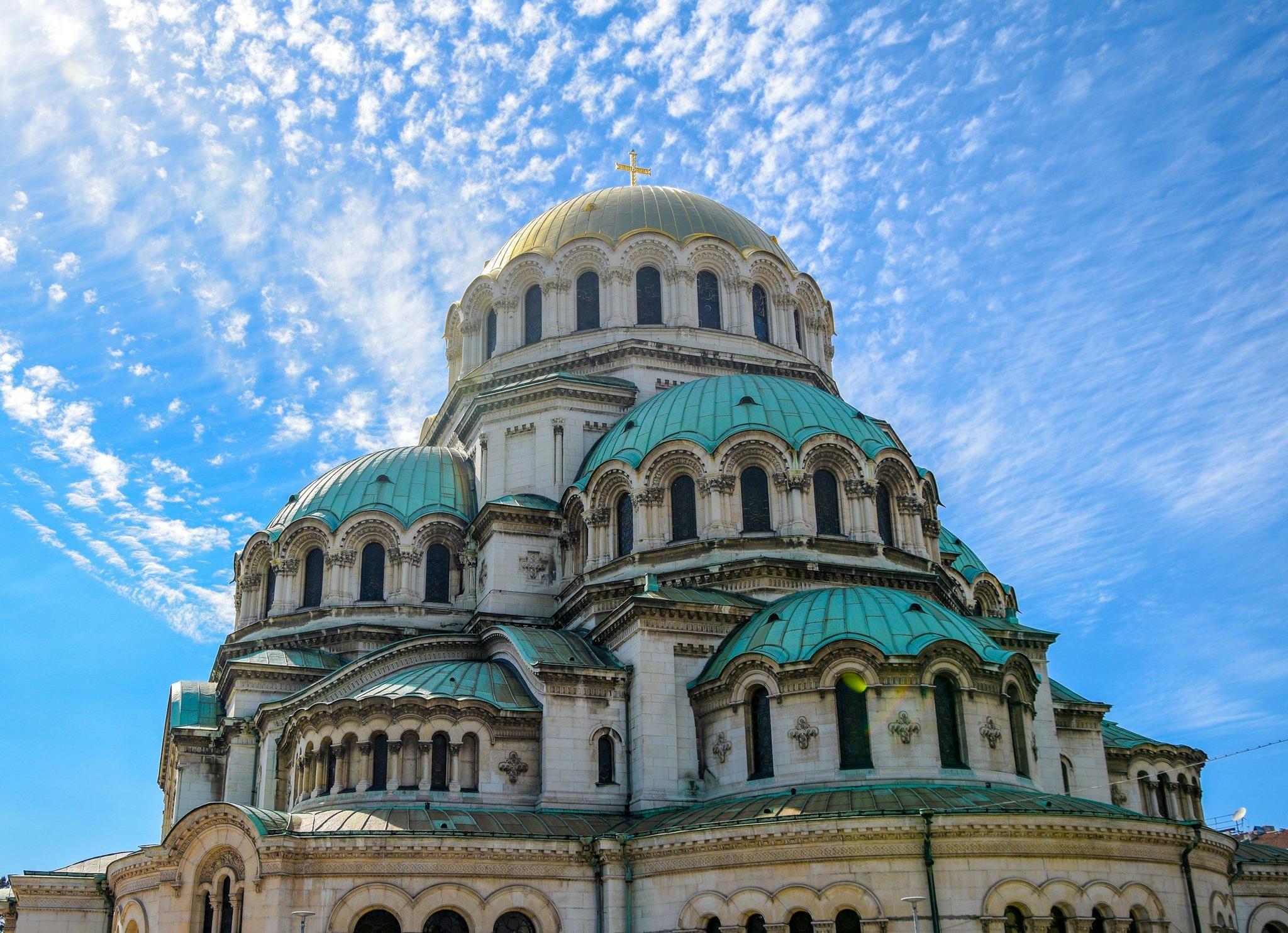
Sofia is the capital and the largest city, and two days here is enough before you head for the mountains. Start at the Alexander Nevsky Cathedral, built mostly between 1904 and 1912 to honour the Russian soldiers of the 1877-78 war. It holds about 5,000 people under a 45 m dome, and the crypt below houses the National Gallery's icon collection (€10). Behind the Presidency, the early 4th-century St George Rotunda is called the oldest building in Sofia, with frescoes layered from the 10th to the 14th centuries. Boyana Church, 15 to 20 minutes out by taxi, has UNESCO-listed frescoes from 1259, shown on 10-minute visits in small groups.
Rila Monastery
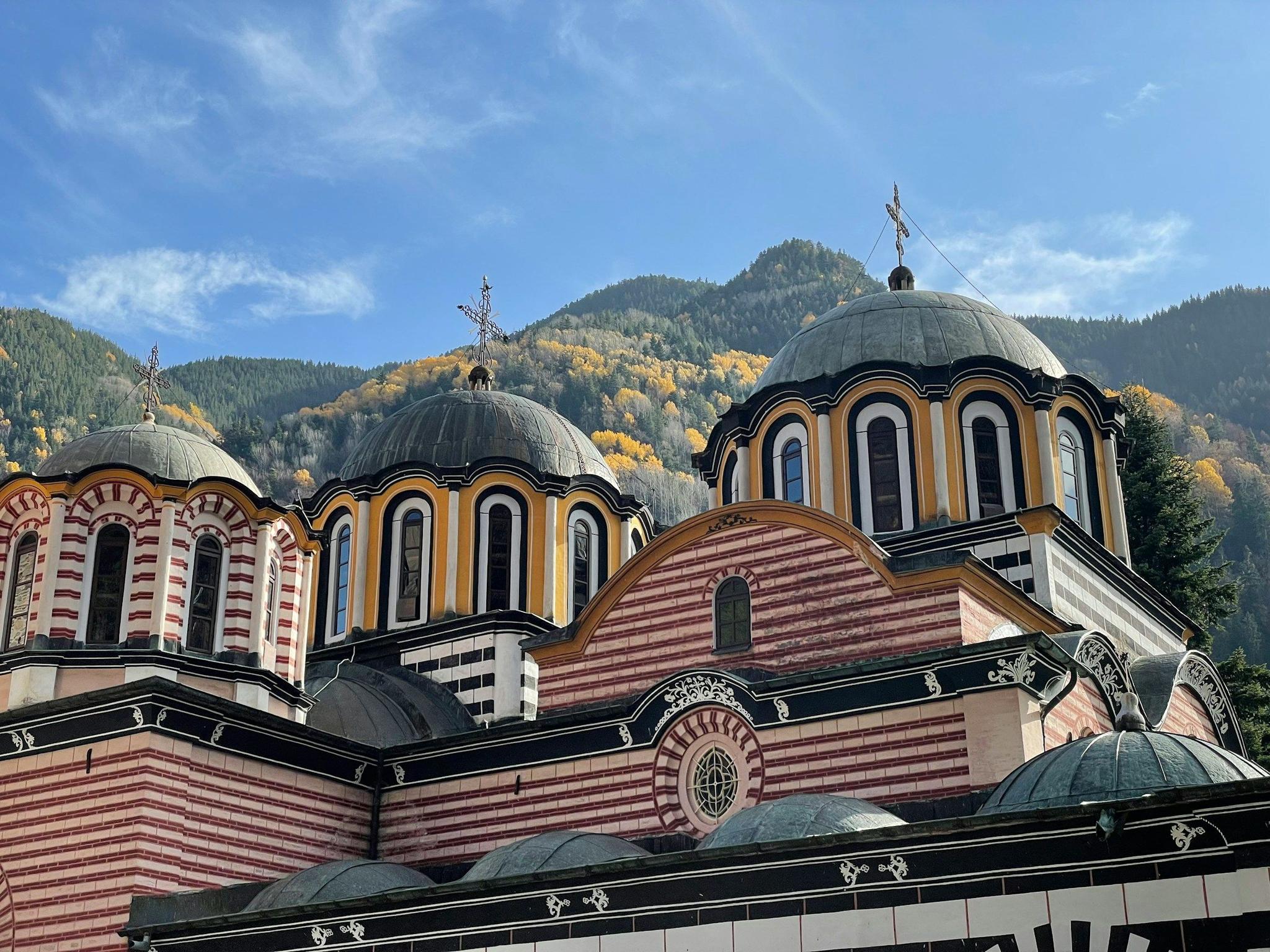
If you take only one day trip from Sofia, make it this one. Rila Monastery sits at 1,147 m in a forested valley 117 km south of the capital, about two hours by car. Tradition says St Ivan of Rila founded it in the 10th century, and it has been on UNESCO's list since 1983. The Hrelyo Tower dates from 1334-35. The main church went up in 1834-37, and its frescoes, finished in 1846 by Zahari Zograf and others, are what everyone comes to see. The grounds and church are free, and the museum costs about €4, cash only. The dress code rules out shorts and short skirts, and photos are banned inside the church and museum. Come by car or on a tour.
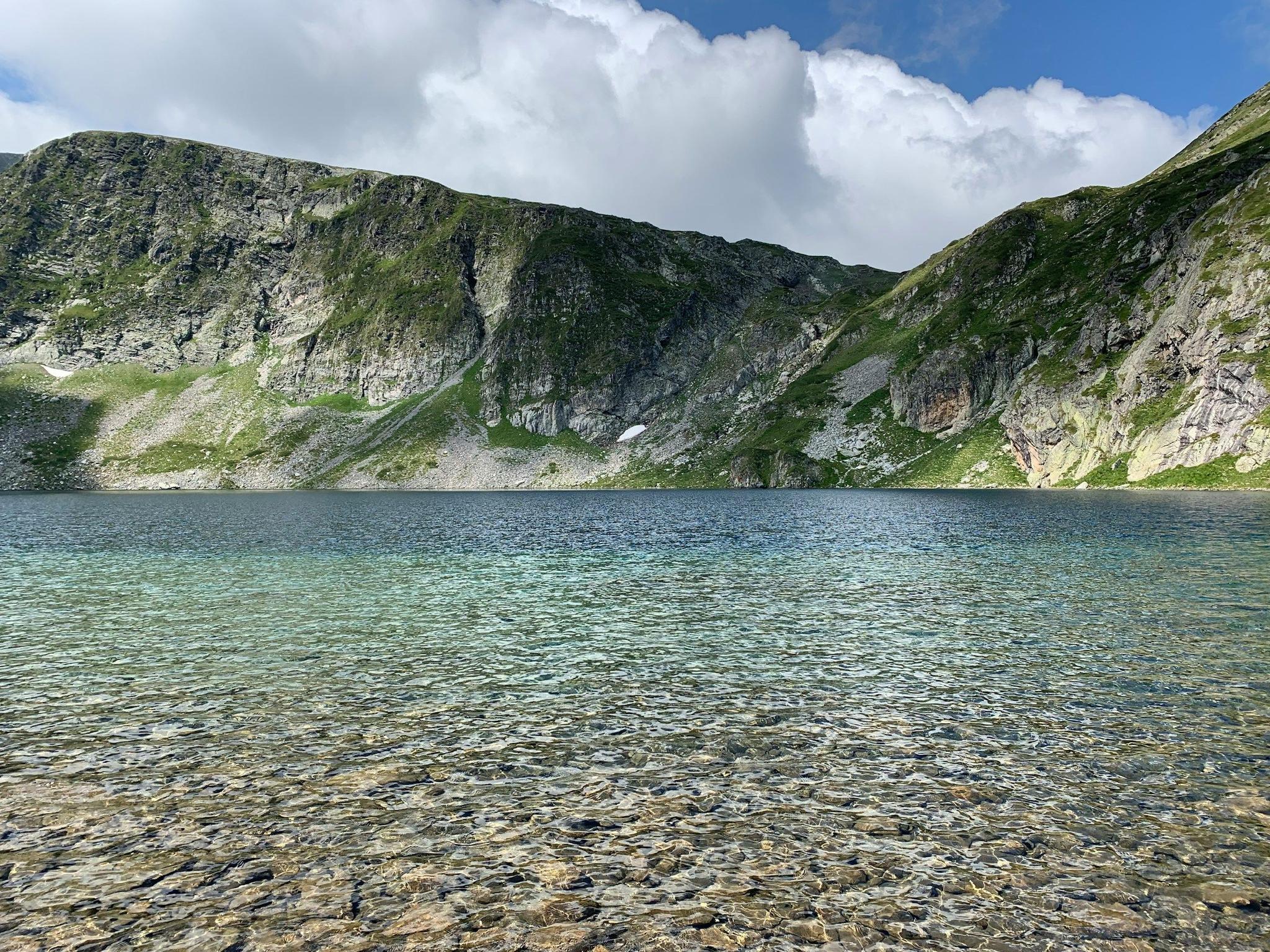
Seven Rila Lakes
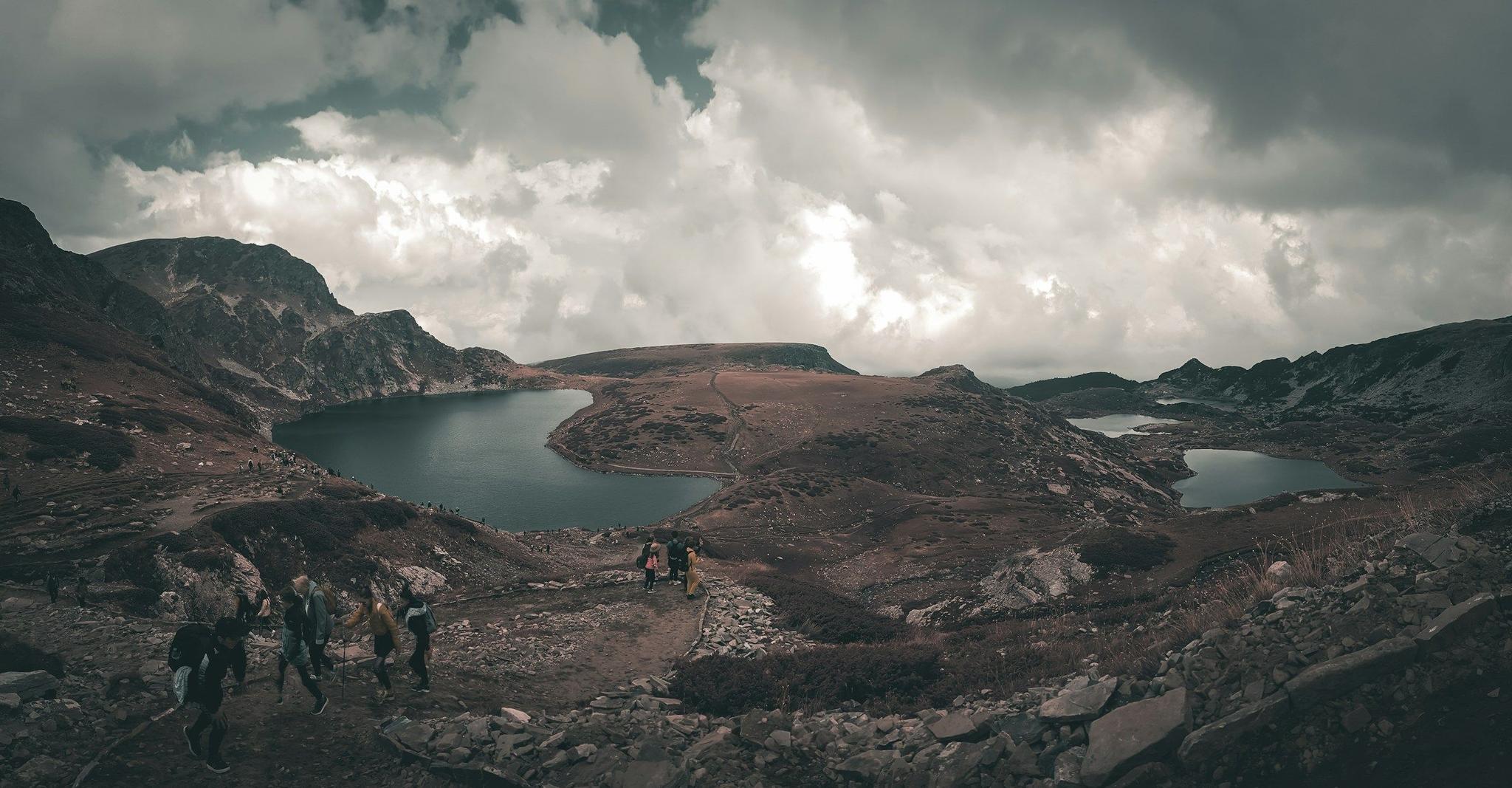
The Seven Rila Lakes are the most visited lake group in Bulgaria. Seven glacial lakes climb from Dolnoto, at 2,095 m, to Salzata, "The Tear", at 2,535 m. Most people take the chairlift from Panichishte (about 1,570 m) to the Rila Lakes hut at about 2,150 m, a ride of 20 to 25 minutes that costs about €15 return, in cash. From the hut, a half-day loop takes in the lakes and the ridges above them. The main season is July and August, and if you go in October, check the chairlift is running first. Panichishte is about two hours by car from Sofia. We'd give the lakes their own day rather than squeeze them in after Rila Monastery.
Koprivshtitsa
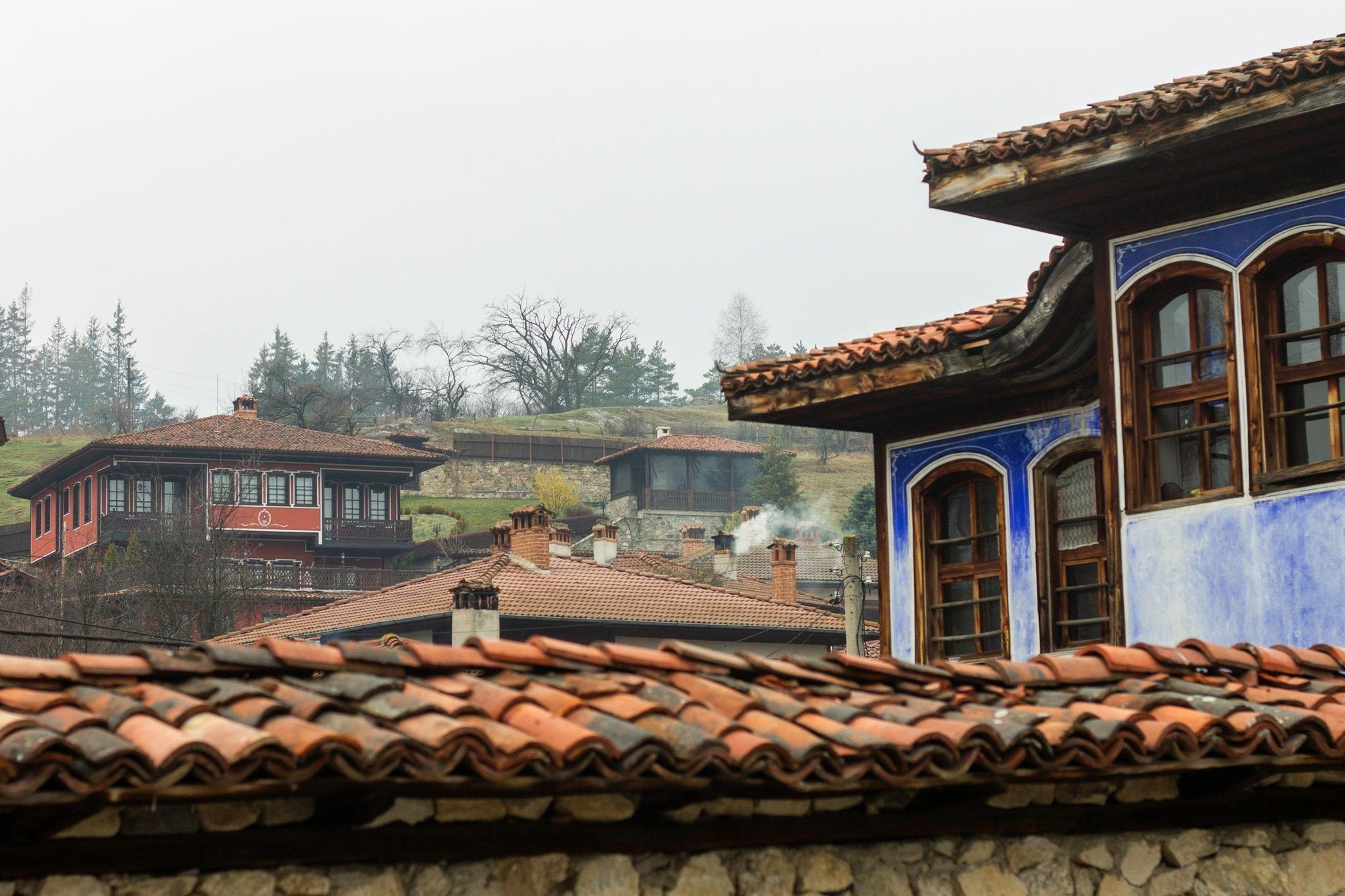
We think Koprivshtitsa is the best-preserved Revival town in Bulgaria, and it deserves a night, not a quick stop. It sits at 1,030 m, about 110 km from Sofia. The first shot of the April Uprising of 1876 was fired at the Kalachev Bridge here. Six house museums are open, including the Oslekov and Lyutova houses, with a combined ticket for €10 or €5 for a single house. Since 1965 the town has hosted a national folklore festival about every five years, and the 13th edition, in August 2025, brought together more than 6,000 performers.
Plovdiv
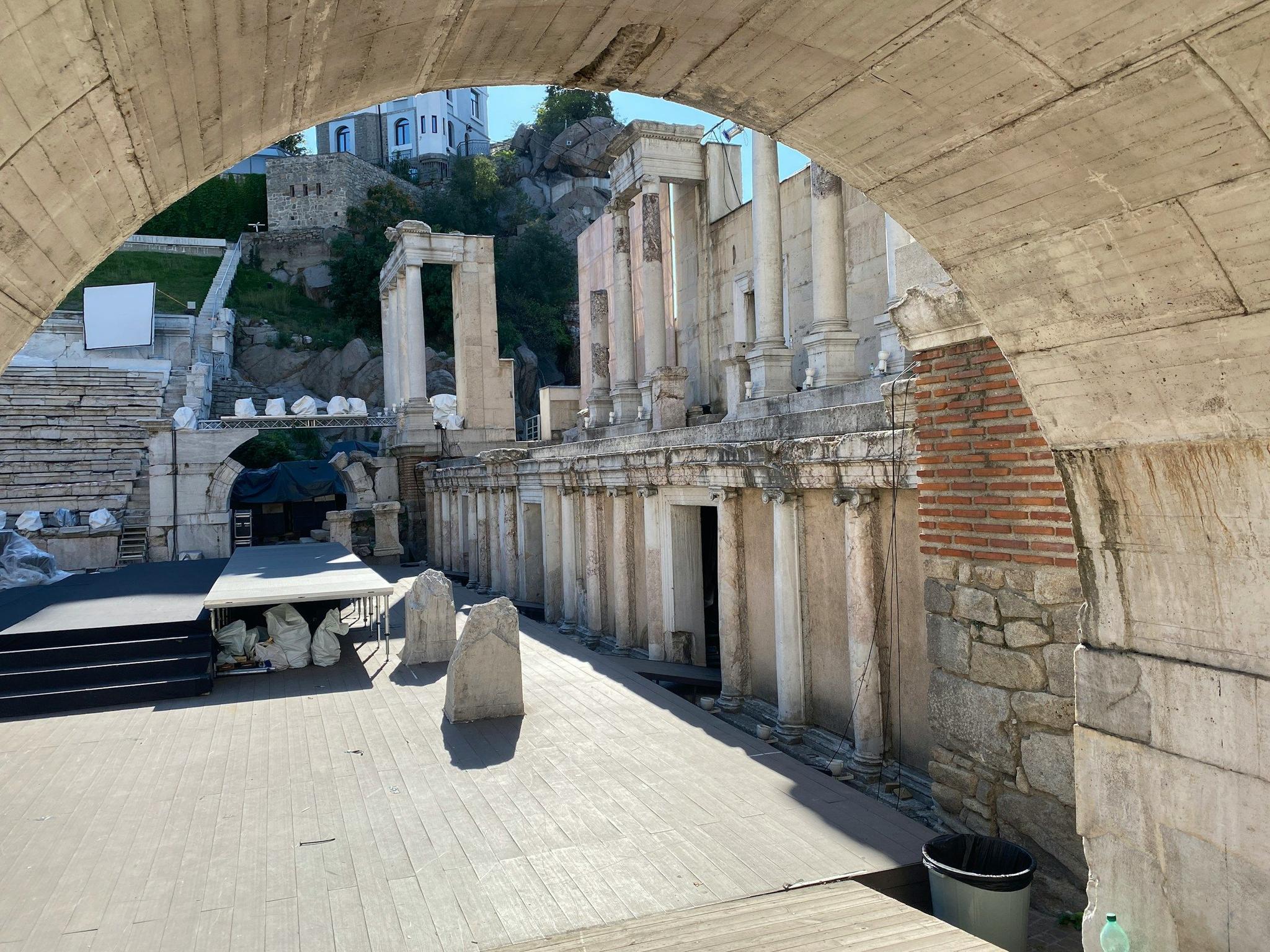
Plovdiv is our pick over Sofia if you only have time for one city. It was European Capital of Culture in 2019, and it's often described as one of Europe's oldest continuously inhabited cities. The Roman theatre, nearly 2,000 years old and excavated between 1968 and 1979, hosts Opera Open from June to September, and a daytime visit is about €2.50. Under the main pedestrian street you can see the curved end of a Roman stadium that once seated about 30,000 people. Uphill, the Old Town is full of Revival-era houses such as Hindliyan House (1834), and one ticket covers five Old Town sites for about €7.70. Spend the evening in Kapana, the old craftsmen's quarter, which is now full of bars and restaurants.
Bansko and Pirin National Park
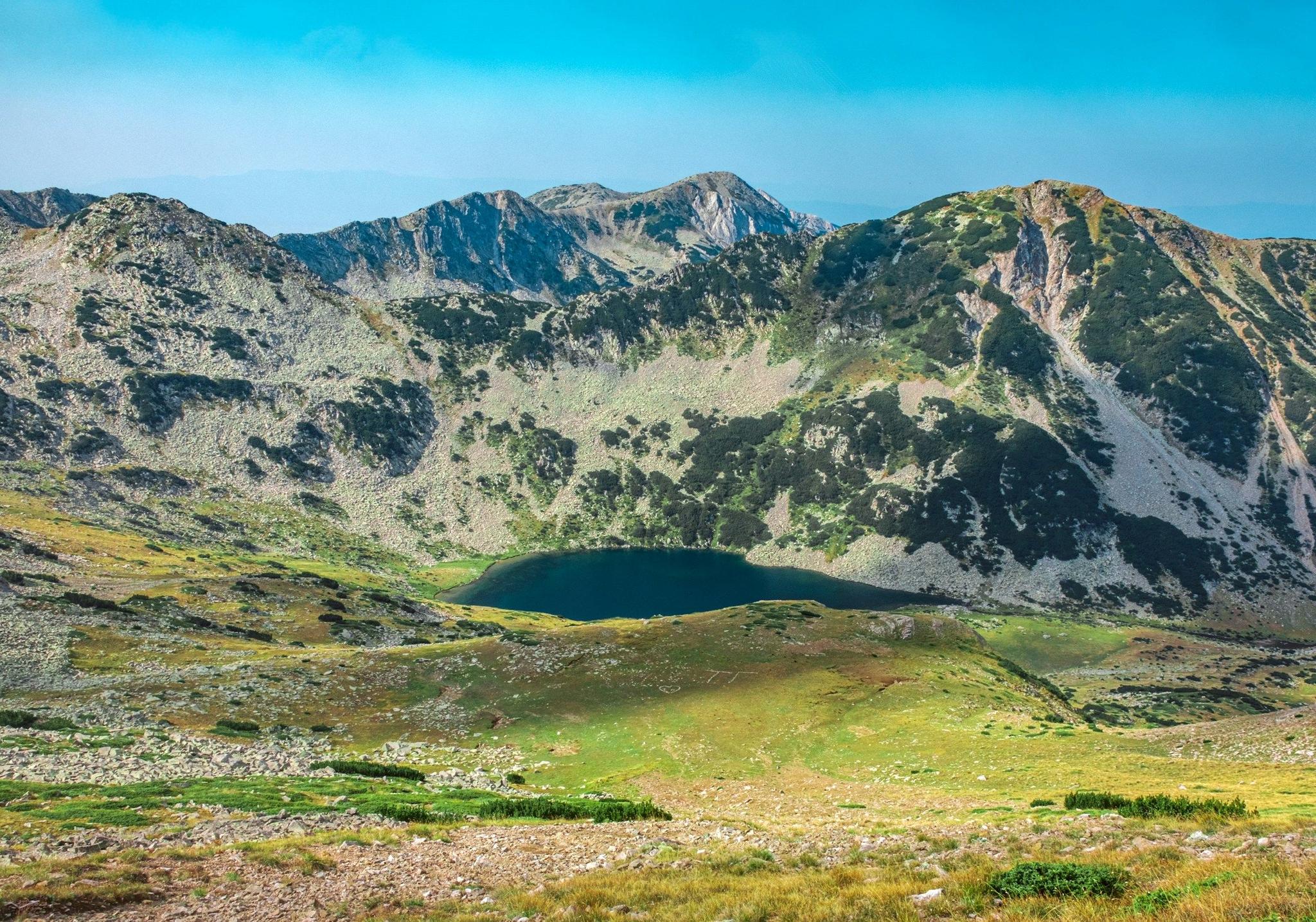
Pirin National Park has been a UNESCO site since 1983 and holds 118 glacial lakes across 403 km². Its high point, Vihren (2,914 m), has a marble summit and is the third-highest peak in the Balkans. The classic route climbs from Vihren hut, at 1,950 m, in three to four hours. Bansko, at 925 m and about 160 km from Sofia, is the base. Its gondola leaves straight from town for 75 km of runs that top out at 2,600 m, and from late June to early September it runs daily up to Banderishka Polyana. Ski expansion inside the park has been controversial, and for us summer is the better season here.
Melnik and Rozhen Monastery
With about 385 residents, Melnik is usually called Bulgaria's smallest town, and it's the stop we'd least want to skip in the south-west. It lies about 180 km south of Sofia beneath the Melnik Earth Pyramids, sandstone formations up to 100 m high that have been protected since 1960. This is wine country. The local grape, Shiroka melnishka loza (Broadleaf Melnik), is the one to taste, and Kordopulov House has one of the largest wine cellars around. Rozhen Monastery is about 6 km away, an hour's walk through the pyramids. Founded in the 13th century, it's the biggest monastery in the Pirin area, and its church was painted in 1597.
Kazanlak and the Rose Valley
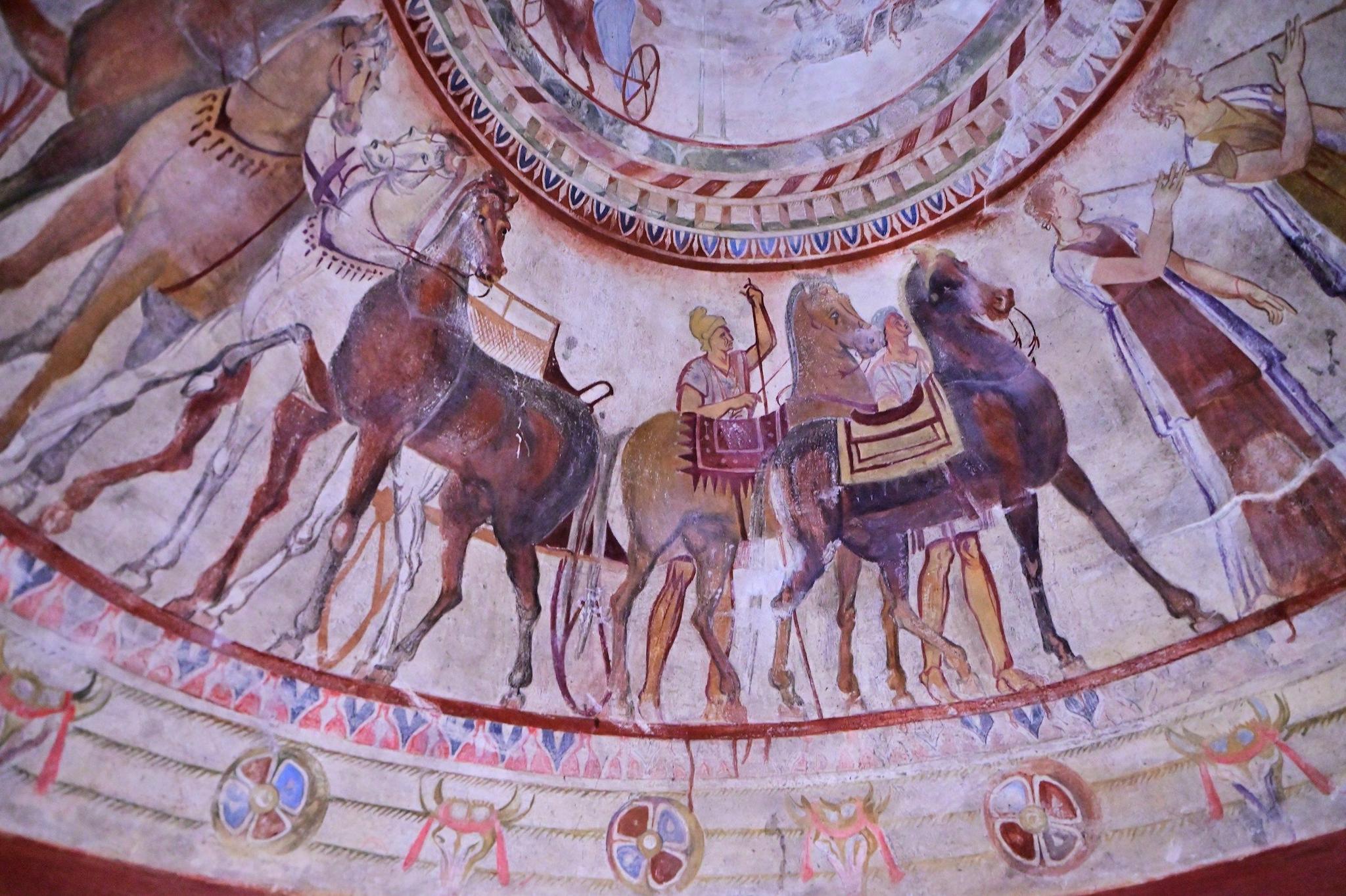
Kazanlak sits in the Rose Valley, about three hours by car from Sofia, and Bulgaria produces close to half of the world's rose oil. Visit in late May or early June for the Rose Festival, with its rose picking and parade. In 2026 the parade was on 7 June. The Thracian Tomb of Kazanlak, from the 4th century BC, was found in 1944 and added to UNESCO's list in 1979. The original is closed, but a full-size replica stands beside it in Tyulbeto park and opens from May to November. The Buzludzha monument (1981) is sealed inside, but we'd still drive up to see its exterior.
Veliko Tarnovo and Arbanasi
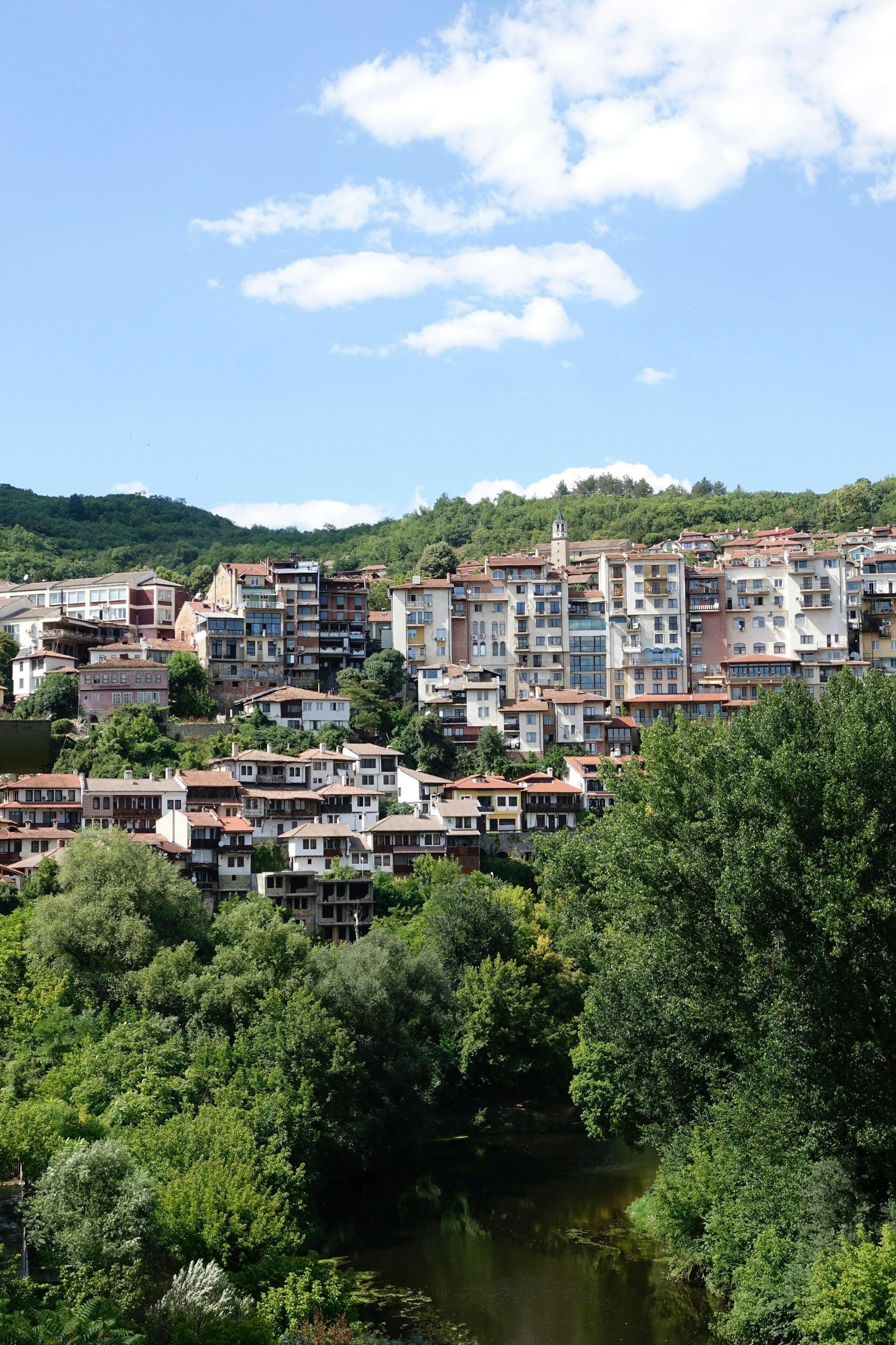
Veliko Tarnovo was the capital of the Second Bulgarian Empire from 1185 until its fortress, Tsarevets, fell to the Ottomans on 17 July 1393 after a three-month siege. Walking the walls of Tsarevets is the highlight (€7.67, or €10.23 for a family). The patriarchal church at the top was rebuilt in 1981 and painted in a modernist style in 1985. We think it works. The Sound and Light show lights up the hill on some evenings, and you can watch it free from Tsar Asen I Square, but it isn't nightly, so check the official schedule. Arbanasi, 4 km away, was a wealthy merchant village in the 17th and 18th centuries, and its Nativity church has a Tree of Jesse that includes Greek philosophers.
Varna
Varna is Bulgaria's third city and the base for the northern coast, but we'd come for the Archaeological Museum. It holds gold from the Varna Necropolis, found in 1972, with graves dated to 4569-4340 BC. About 3,000 gold objects weighing about 6 kg came out of them, and they're usually called the oldest processed gold in the world. Entry costs €10 (€4 for students), and from October to April the museum closes on Sundays and Mondays. Aladzha Monastery, carved into a cliff in the 13th and 14th centuries, is about 16 km away (€5, closed December to February). Golden Sands, 17 km from the city inside a wooded nature park, is a calmer, family-oriented resort.
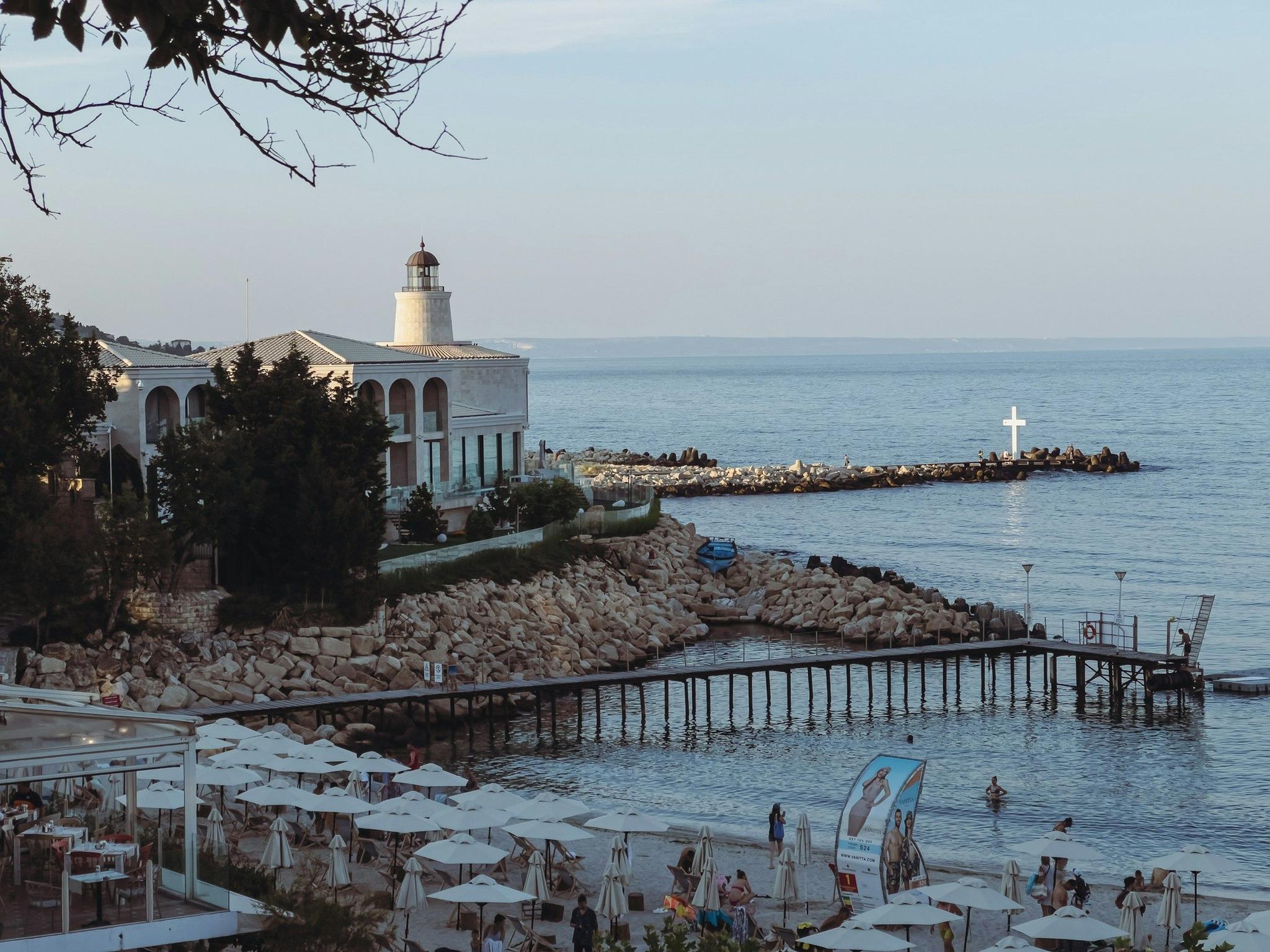
Nessebar
Nessebar's old town is beautiful, and on a summer day more than 30,000 people walk its lanes. Go before 10 am or after 8 pm. The town began as Thracian Mesembria and became a Greek colony in the early 6th century BC. Its peninsula holds about 40 churches that survive wholly or in part, including the 13th to 14th-century Christ Pantokrator and St Stephen, from the 11th century. Seven paid sites share a combined ticket at €17.90 in 2026, or St Stephen alone is €4.60. From Sunny Beach, the bus takes about 15 minutes and costs about €1. Watch your bag, as pickpocketing is reported on that route.
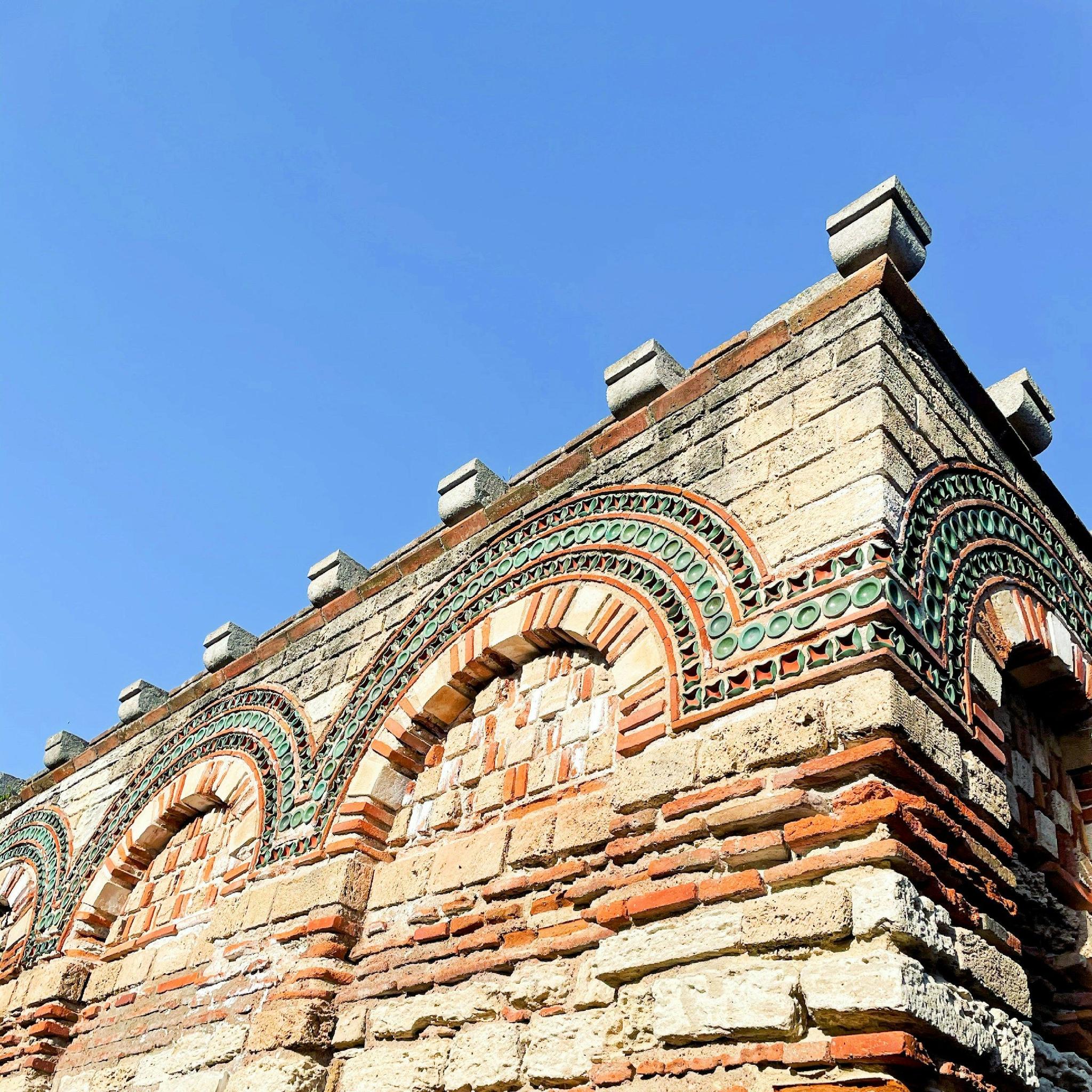
Sozopol
Where should you stay on the coast if Sunny Beach's nightlife isn't for you? Sozopol. Greeks from Miletus founded it as Apollonia in the 7th century BC, and its old town of wooden Revival houses lies 35 km south of Burgas. Buses from Burgas take under 40 minutes, cost about €3.40 and leave every 30 minutes. About 15 km south, the Ropotamo reserve, protected since 1940 and listed as a Ramsar wetland, runs boat trips along a river of water lilies past the Lion's Head rock. If you want a beach and an old town in one place, this is the best base on the whole coast.
Bulgaria itinerary ideas for your trip
A week covers the classic loop of Sofia, Rila Monastery, Plovdiv and Veliko Tarnovo, and two weeks lets you add the high mountains and the coast. Buses work for the shorter route, but we'd hire a car for the longer one. Visiting in summer? Swap one Sofia day for the Seven Rila Lakes.
5 to 7 day Bulgaria itinerary
- Day 1-2: Sofia, with the Alexander Nevsky Cathedral and the St George Rotunda, plus a taxi out to Boyana Church.
- Day 3: Rila Monastery, by car or on a tour.
- Day 4-5: Plovdiv's Old Town and Roman theatre, with evenings in Kapana.
- Day 6-7: Veliko Tarnovo and Arbanasi, with Tsarevets and the Sound and Light show if it's on, then back to Sofia.
10 to 14 day Bulgaria itinerary
- Day 1-2: Sofia.
- Day 3: Rila Monastery.
- Day 4: The Seven Rila Lakes in summer, or Koprivshtitsa the rest of the year.
- Day 5-6: Bansko and Pirin, then south to Melnik and Rozhen Monastery.
- Day 7-8: Plovdiv, driving through the Rhodopes and Shiroka Laka if you have time.
- Day 9: Kazanlak and the Rose Valley.
- Day 10-11: Veliko Tarnovo and Arbanasi.
- Day 12-14: The Black Sea, based in Varna or Sozopol with a day in Nessebar, then fly home from Varna or Burgas.
With more time, carry on south to Greece by bus to Thessaloniki, since there's no direct train, or take the nightly sleeper from Sofia to Istanbul in Turkey.
Follow either route day by day, or move the stops around and save your own version in the Guided trip planner.
Fun things to do in Bulgaria
Bulgaria's best activities happen outdoors, and few of them cost much. These five are the ones we'd plan a trip around.
Hike in the Rila and Pirin mountains
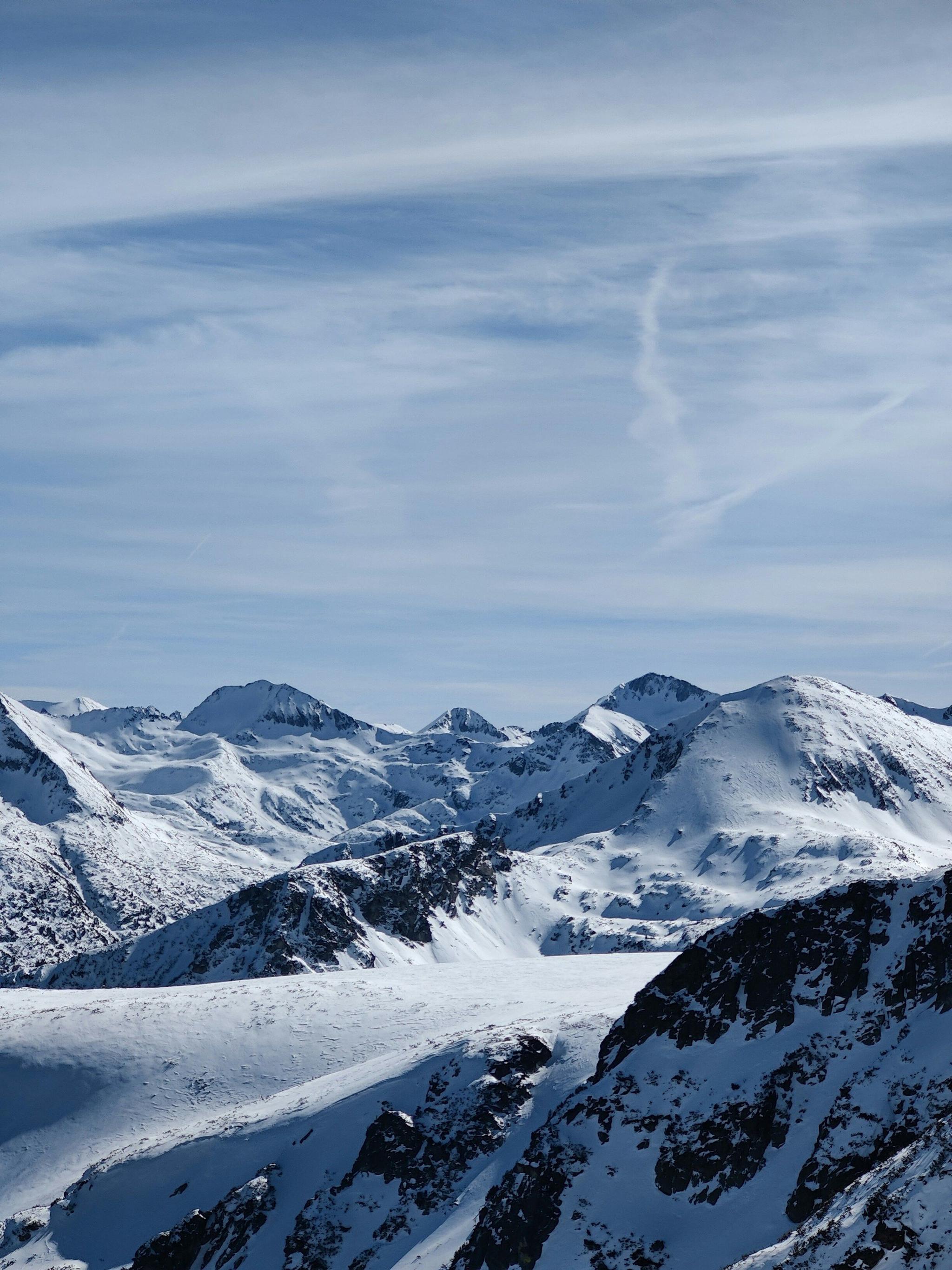
July to September is the window for the high trails. The Seven Rila Lakes loop is the classic, while Musala (2,925 m), the highest peak in the Balkans, and Vihren, with its marble summit in Pirin, are bigger days for fit walkers.
Ski at Bansko, Borovets or Pamporovo
The ski season runs from mid-December to mid-April. In 2025/26, a high-season adult day pass cost about €59 at Bansko, with 75 km of runs, against €54 at Borovets (58 km). Pamporovo, in the Rhodopes, was cheaper at about €45 for 37 km of runs. Check current prices before you book. We'd choose Bansko, for the most runs and a gondola that leaves straight from town.
Soak in a spa town
According to the official tourism site, Bulgaria has more than 550 mineral water sources with about 1,600 springs. Velingrad calls itself the spa capital of the Balkans. Hisarya has a spring at 49.5 °C, and at Sapareva Banya the water comes out at 103 °C. We'd book a spa hotel for the last night of a hiking trip.
Taste Bulgarian wine
Bulgarians have been making wine since the Thracians. Two local grapes are worth seeking out, Mavrud from the Thracian lowlands and Broadleaf Melnik from the south-west. Melnik is the easiest place to try them. Order a Mavrud with grilled meat.
Watch the kukeri at Surva
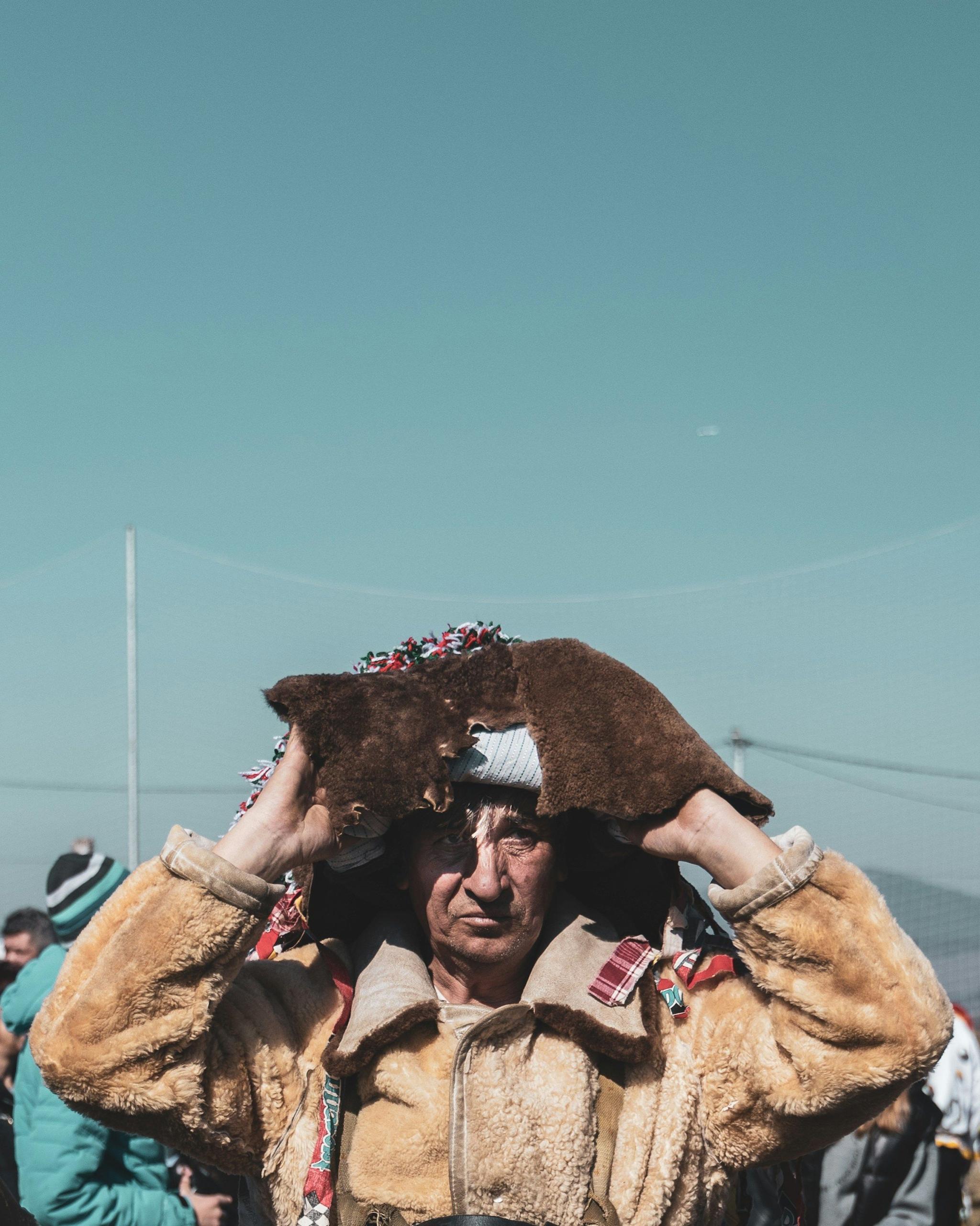
In late January, thousands of costumed kukeri performers parade through Pernik for the Surva festival, held since 1966. The 2026 edition had about 13,000 participants and ran over two weekends. The custom behind it, the Surova folk feast in the Pernik region, was added to UNESCO's intangible heritage list in 2015. If you don't ski, this is the best reason we know to visit Bulgaria in winter.
When to go to Bulgaria?
When is Bulgaria at its best? May and June, then September, in our view, when the cities are warm rather than hot and the coast is quieter. Sofia reaches about 28 °C in July, while January highs are around 3 °C with lows of -5 °C. On the Black Sea, July and August air temperatures sit around 26 °C. The sea is still about 22 °C in September.
- Spring (March to May): martenitsi on 1 March, then roses in the Rose Valley from late May into June.
- Summer (June to August): beach and hiking season, with Opera Open in Plovdiv and a crowded coast in July and August.
- Autumn (September to November): a warm sea in September and the wine harvest, though chairlifts often close in October.
- Winter (December to February): cold cities, ski season from mid-December and the kukeri in Pernik in late January.

Did you know you can create your own itinerary?
Now that you know what to see in Bulgaria and where to stay, you can start creating your own trip. Would you rather spend a week between Sofia, Rila Monastery, Plovdiv and Veliko Tarnovo, or two weeks crossing the mountains to the Black Sea? It's all up to you. You can easily create your own trip in the Guided app for free, or use trips shared by others.
Where to stay in Bulgaria?
A mid-range hotel in Sofia costs about €55 to €120 a night, and a budget double about €25 to €45. On the coast, 3-star hotels charge €35 to €100 and a 4-star beachfront room €90 to €180. Hostel dorms cost €10 to €20. Expect a small tourist tax, paid at reception.
Sofia
The capital has the main airport and buses to everywhere, and Rila Monastery and Boyana are easy day trips. We'd stay only at the start and end of a trip.
Plovdiv
This is the city base we'd pick. It's central for the Rhodopes and the Rose Valley, and you can spend your evenings in Kapana. Stay in the Old Town or Kapana, not by the bus stations.
Veliko Tarnovo
The base for the north, with Arbanasi 4 km away.
Bansko
Ski from the gondola in winter and hike Pirin in summer.
Varna or Sozopol
Choose Varna for museums and Golden Sands, or Sozopol for an old town and a calmer beach. We'd avoid Sunny Beach unless nightlife is the point of your trip.
Getting around when visiting Bulgaria
Take the bus. Bulgaria's trains are slow, and on many intercity routes the bus is faster. The main airports are Sofia, which handled 8.41 million passengers in 2025, and Varna, plus Burgas, which reopened on 1 May 2026 after runway works. At Sofia, a free shuttle links Terminal 1 (Wizz Air, easyJet) and Terminal 2 (Ryanair and others).
Buses
Sofia Central Bus Station is on Knyaginya Maria Luiza Boulevard, with Serdika station next door. Union Ivkoni runs to Plovdiv in about 2 hours 45 minutes, and Biomet covers Veliko Tarnovo in about 3 hours 15 minutes and Varna in about 6 hours 15 minutes.
Trains
BDZ runs the national railway, and you can buy tickets at bileti.bdz.bg. Trains are slow, and Sofia to Varna takes 7.5 hours or more. A daily train runs to Bucharest and a nightly sleeper to Istanbul.
Hire car
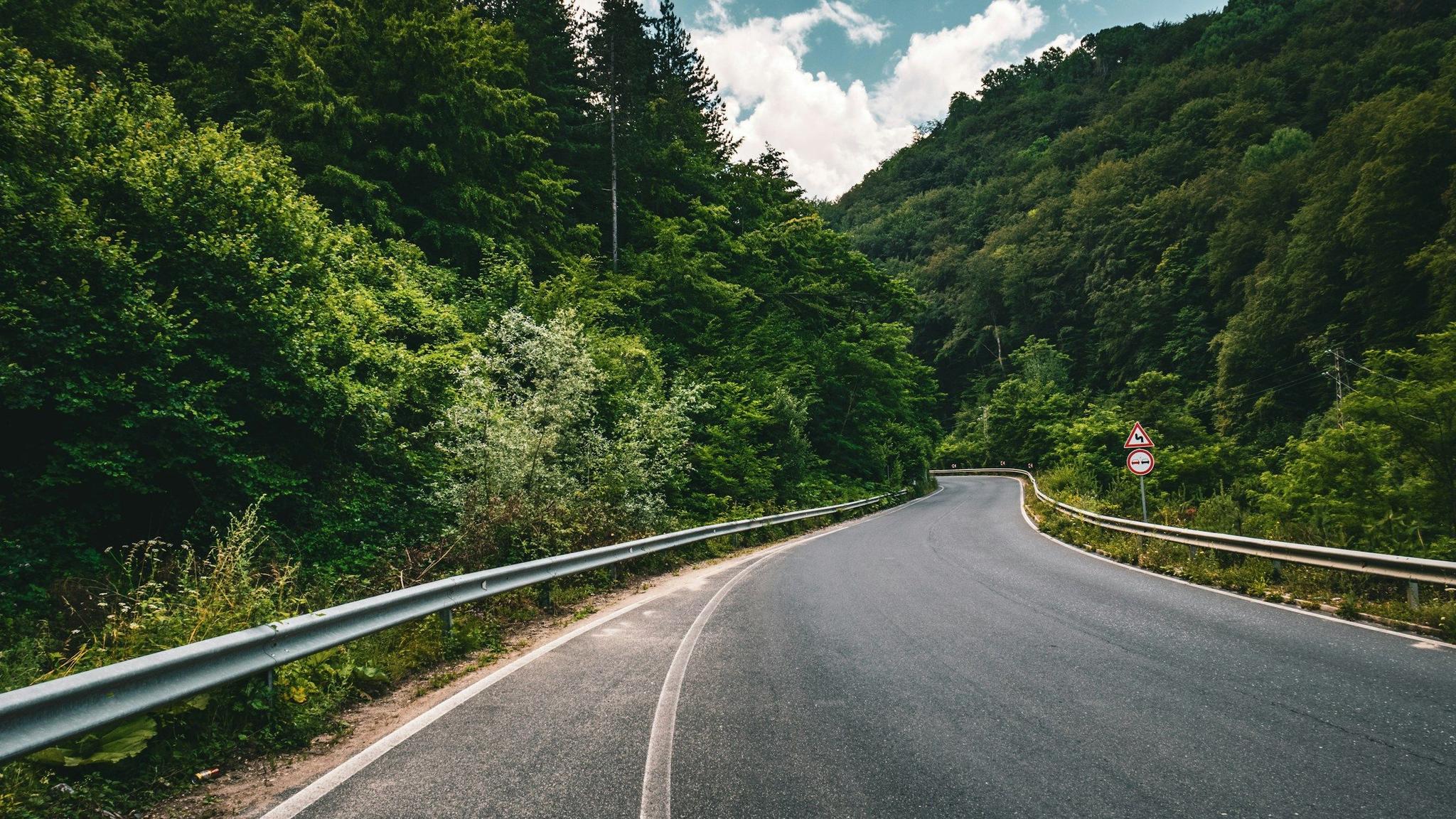
A car makes Rila Monastery and the Rhodopes far easier. Hire costs about €15 to €35 a day, and petrol about €1.55 a litre. You need an e-vignette to drive, and you'll be fined without one, so buy it online at bgtoll.bg, the official site, before you leave the rental car park. Prices rose by about 30% on 1 August 2026, to €5.30 for a day, €6.60 for a weekend, €10 for a week and €19.90 for a month. Keep dipped headlights on at all times and stay under the 0.5 g/l drink-drive limit. Rural roads can be poor and unlit, and you may share them with carts.
Taxis and city transport
In Sofia, a single ticket costs €0.80 and a day card €2. Contactless bank cards and phones work on the metro, capped at €2 a day after three trips. At Sofia airport, take a Yellow Taxi from the official desk in arrivals and check the meter. The ride to the centre should cost no more than about €14. OK Supertrans and the TaxiMe app also work, but watch for lookalike cars. Uber doesn't operate in Bulgaria, and Bolt offers no rides in Sofia.
Food and drinks you should try when visiting Bulgaria
What does a Bulgarian meal look like? It usually starts with a salad and a small glass of cold rakia, then moves on to grilled meat in a mehana, a traditional tavern, where mains cost about €7 to €15. Ask for lyutenitsa too, a relish of peppers and tomato.
Shopska salad
Chopped tomato, cucumber, peppers and onion arrive buried under grated sirene, a white brine cheese. It costs about €3 to €5 even at the resorts, and it's the salad we'd order every day.
Banitsa
Banitsa is filo pastry layered with sirene and a mix of eggs and yoghurt. It's the most popular pastry in the country, and at about €1 to €2.50 from a bakery, it's the cheap breakfast we'd pick. Traditionally it comes with boza, a fermented millet drink with about 1% alcohol. Boza is an acquired taste.
Yoghurt and tarator
A bacterium used to make yoghurt, Lactobacillus bulgaricus, is named after the country, and Stamen Grigorov identified it in Geneva in 1905. On a hot day, order tarator, a cold soup of yoghurt, cucumber, dill, garlic and oil.
Kebapche and kyufte
Kebapche are cumin-spiced sticks of minced meat, and kyufte are flat meatballs. With a glass of Mavrud, a plate of both is the cheap dinner we'd order most often.
Rakia and wine
Rakia is drunk cold as an aperitif alongside your salad, not after the meal. For wine, look for Mavrud or Broadleaf Melnik, the two local grapes we'd pick first.
Culture and local habits you'll notice when visiting Bulgaria
Bulgarians shake their heads for yes and nod for no. Some locals reverse it for foreigners, so listen for "da" (yes) and "ne" (no). On 1 March, Baba Marta day, people start wearing red-and-white threads called martenitsi and keep them on until they see a stork or a swallow, or a tree in blossom, then tie them to a branch. UNESCO lists the custom jointly for Bulgaria, North Macedonia, Moldova and Romania.
In churches, cover your shoulders and knees, and men should take off their hats. Tip about 10% in restaurants and round up in cafés and taxis. On 24 May the country celebrates the Day of the Bulgarian Alphabet, Education and Culture, honouring Cyrillic, which became the EU's third official script in 2007. Learning the Cyrillic letters before you go is the most useful hour of preparation you can do, in our view.

Looking for more unique places, trips and activities?
Subscribe to our Guided Newsletter for more travel inspiration.
Costs of a holiday to Bulgaria
Is Bulgaria as cheap as people say? For eating out and hotels, yes. Eurostat's 2025 price levels for restaurants and hotels, where the EU average is 100, put Bulgaria at 52, against 78.3 for Turkey and 86.1 for Greece, with Croatia higher still at 89.6. Overall prices are close to Turkey's and well below Greece and Croatia. Restaurant bills have crept up since VAT on restaurants went back to 20% in 2025 and the euro arrived in January 2026, but the gap with Greece is still wide enough to plan a whole trip around.
Food & Drink

Coffee
€2 – €3.50
Lunch
€8 – €15
Beer
€1.50 – €3
Accommodation
Hotels
€55 – €120
Airbnb
€30 – €80
Hostel dorm
€10 – €20
Transport
Trains
€6 – €17
Public Transport
€0.80
Car Rental
€15 – €35
Attractions
Museums
€3 – €10
Big Attractions
€7.50 – €18
Theatre
€10 – €30
Practical tips for visiting Bulgaria
Much of the advice online about entering and paying in Bulgaria is now out of date, because the country joined the Schengen area in 2025 and the euro in 2026.
✔ Check the Schengen entry rules
Bulgaria has been a full Schengen member since 1 January 2025. Many nationalities, including the UK, EU and US, don't need a visa for short stays, but Schengen passport rules apply. Your passport must have been issued within the last 10 years and be valid for at least 3 months after you leave the Schengen area, and you can stay up to 90 days in any 180. Non-EU travellers register with the Entry/Exit System at the border, and ETIAS is due to start soon, so check the EU's official ETIAS site before you travel. For the full rules, read the UK government's Bulgaria entry requirements.
✔ Pay in euros, and decline currency conversion
Bulgaria switched from the lev to the euro on 1 January 2026. Shops stopped taking lev cash at the end of that January, though the central bank still swaps old notes free. Cards are accepted almost everywhere, but carry €20 to €30 in small notes for kiosks and village cafés. Use bank ATMs rather than Euronet machines, and when a machine or card terminal offers to charge you in your home currency, say no.
✔ Watch out for taxi scams
The UK Foreign Office doesn't advise against travel to any part of Bulgaria, and the US State Department rates it Level 1, Exercise normal precautions. Taxi scams are the main thing to watch for, at Sofia airport and in Sunny Beach, where robberies and threats have been reported. Use the official airport desk or a taxi your hotel recommends. Card skimming also happens. In an emergency, call 112.
✔ Get insurance that covers the mountains
If you're hiking or skiing, make sure your policy includes mountain rescue. We wouldn't head up into Rila or Pirin without it. Summer also brings a wildfire risk, and on the beach you should follow the flags.
✔ Carry ID and learn a little Cyrillic
You're expected to carry ID, and a copy of your passport photo page is accepted. Most signs are in Cyrillic, although in the cities signs and menus are often in both scripts. Tap water is drinkable in cities.
Fun facts about Bulgaria
A few more things worth knowing before you go.
- The Varna Necropolis gold, about 6,000 years old, is usually called the oldest processed gold in the world.
- A bacterium used to make yoghurt, Lactobacillus bulgaricus, is named after Bulgaria.
- Cyrillic was developed in the First Bulgarian Empire, and 24 May is a national holiday for the alphabet.
- Musala, at 2,925 m, is the highest mountain in the Balkans.
- The artist Christo, who wrapped the Reichstag, was born in Gabrovo in 1935.
- Bulgaria has 10 UNESCO World Heritage Sites, from Boyana Church to Pirin National Park.
We'd spend at least half the trip inland, away from the beach resorts and the ski towns.
Ready to map out your trip to Bulgaria?
We hope this Bulgaria travel guide has helped you decide where to go and how long to stay. Stay tuned for more inspiration, itineraries and practical tips to help you shape your perfect holiday to Bulgaria. And don't forget to check out our Guided travel planning app, where you can create your own trip or use trips shared by other travellers for free.
FAQS about visiting Bulgaria
How many days do you need in Bulgaria?
Five to seven days covers Sofia, Rila Monastery, Plovdiv and Veliko Tarnovo. With 10 to 14 days you can add the Rila and Pirin mountains and finish on the Black Sea. Inside the Guided app, you can create your own trip route and find out how many places you can fit into your trip.
What is the best part of Bulgaria to visit?
For a first trip, we'd pick Plovdiv and Rila Monastery. Hikers should head for the Rila and Pirin mountains. On the coast, Sozopol and Varna make better bases than Sunny Beach.
What is Bulgaria known for?
Rose oil and yoghurt are the classic answers, and Rila Monastery is its best-known sight. Many people also know it for Black Sea resorts and cheap skiing. Cyrillic was developed here too, in the First Bulgarian Empire.
Can you travel around Bulgaria without a car?
Yes, between cities. Buses are often faster than trains, and Sofia to Plovdiv costs about €6 to €12. For Rila Monastery and the Rhodopes, a car or a tour makes life much easier.
Is Bulgaria expensive?
No. It's the cheapest EU country for eating out and hotels. Restaurant prices rose a little after the switch to the euro in January 2026, and the coast costs more in July and August.
Is Bulgaria safe to visit?
Yes. The UK Foreign Office doesn't advise against travel to any part of Bulgaria, and the US State Department rates it Level 1. The main issues are taxi scams at Sofia airport and in Sunny Beach, plus card skimming.
Does Bulgaria use the euro?
Yes. Bulgaria adopted the euro on 1 January 2026, and shops no longer accept lev cash. It joined the Schengen area in 2025.
When is the best time to visit Bulgaria?
July to September is best for hiking, and June to September for the beach. For city sightseeing, aim for May and June or September. For skiing, go between mid-December and mid-April.
Plan your trip to Bulgaria in Guided.
Save the places you find, then let Guided lay out the days, the map and the details.
More in Europe
All destinations AlbaniaAlbania pairs a turquoise Ionian coast with Ottoman stone towns and wild mountains.
 AndorraAndorra is a tiny Pyrenean country known for ski slopes, Romanesque churches and hiking valleys.
 AustriaAustria is a beautiful alpine country known for its mountains, music, and imperial charm.
 BelgiumBelgium is known for medieval canal cities, beer, chocolate and the forested Ardennes.