

Greece
Greece travel guide: Where to go and what to expect
Ask ten people about their trip to Greece, and you'll probably hear ten completely different stories. Some spent their days island hopping through the Cyclades, others wandered ancient ruins in Athens or hiked mountain trails on the mainland. With more than 6,000 islands, around 230 of them inhabited, Greece gives you more ways to travel than almost anywhere else in Europe. That's exactly why travel to Greece never gets old. There's always another island, mountain village or stretch of coastline waiting to be discovered. So if you're wondering where to begin, we've put this guide together to help you plan your trip to Greece!
5 reasons to visit Greece
With over six thousand islands, you'll never run out of new ones to explore.
You can walk through ancient history here, from the Acropolis and Delphi to centuries-old monasteries
Some of the best home-style cooking in the Mediterranean is waiting in its tavernas.
For months at a stretch, you'll get warm sea and reliable sun.
You can combine mainland and islands in one trip without losing days to travel.
Best places to visit in Greece: cities and islands
Not sure where to start when you plan a Greece trip? That's completely fair, since there are a lot of options. We recommend visiting one or more of the following places:
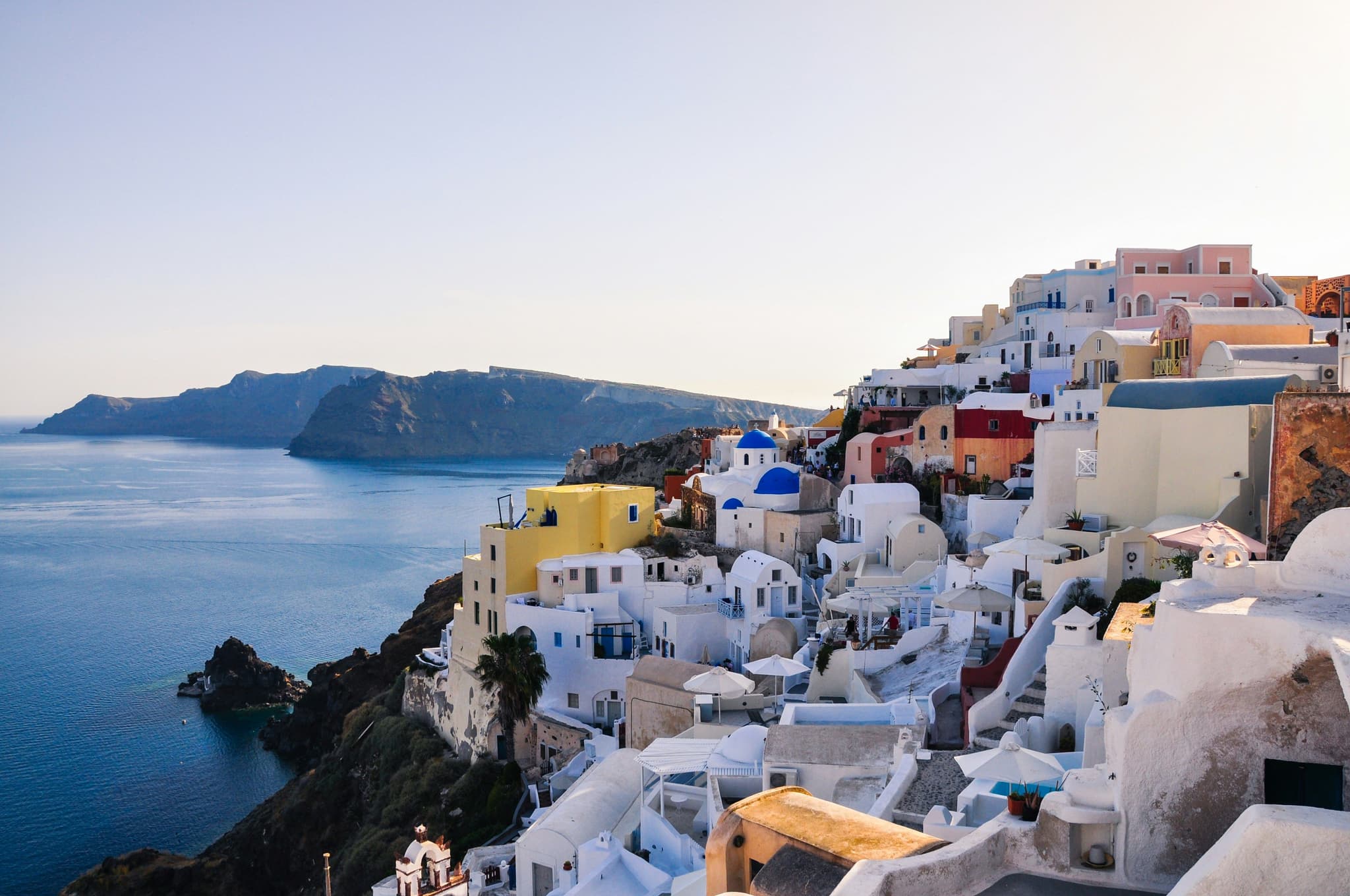
Santorini
Every postcard you've seen from Greece probably comes from Oia, and the sunset from its castle ruins really is worth sharing with a crowd. Beyond that famous view, we'd point you toward Akrotiri too, an excavated Bronze Age settlement. Fira has the better cluster of restaurants and nightlife, and Imerovigli gives you the same caldera view with a lot more calm.
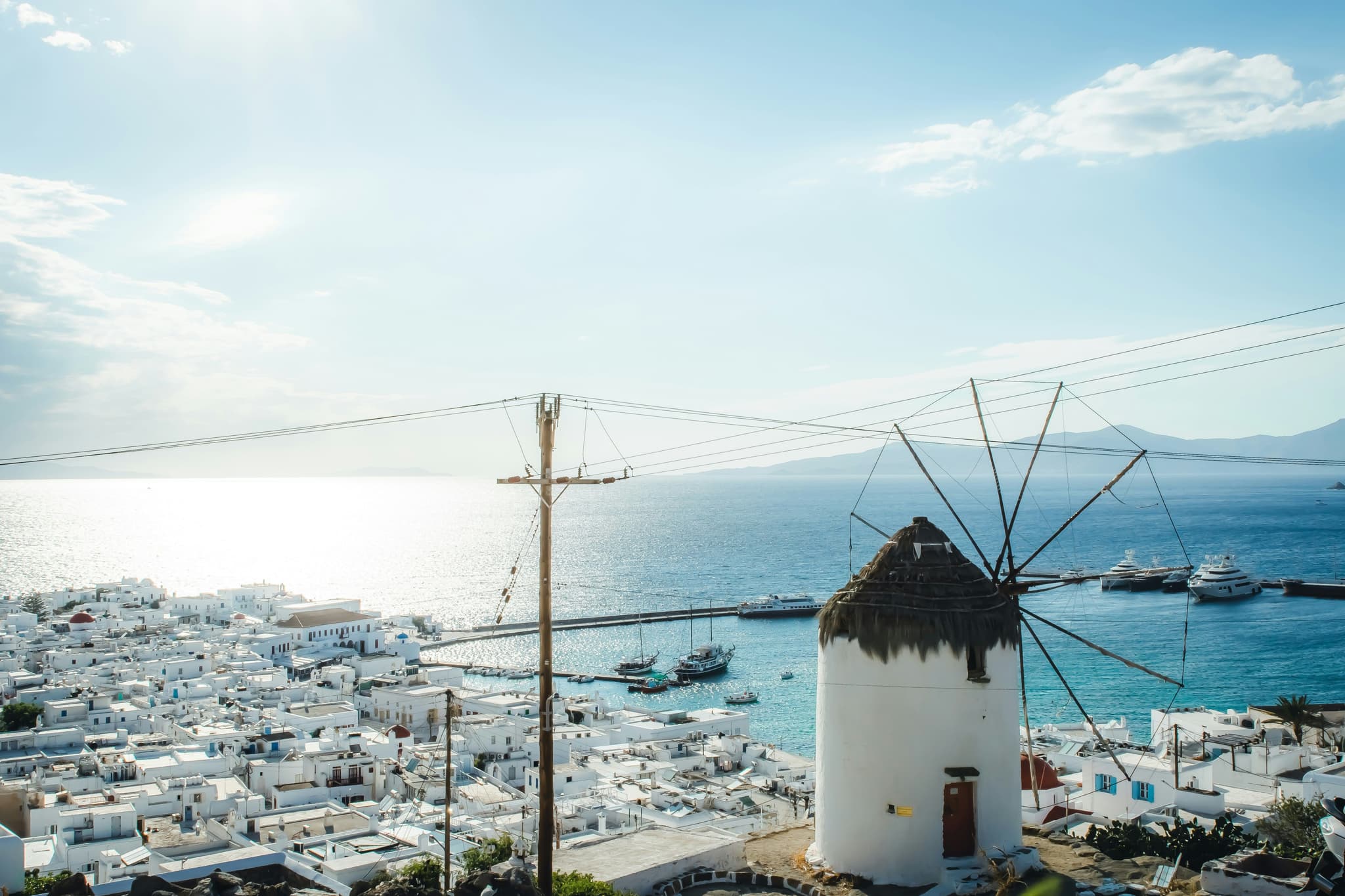
Mykonos
Balconies hang right over the water at Little Venice, and timing your visit an hour before sunset gets you the best light for photos. Just above it, the windmills make an easy add-on to the same walk. A short boat ride away, Delos holds one of the most complete ancient sites in the Aegean. If nightlife, beach clubs, and a bit of shopping alongside your history are what you're after, this is the island for you.
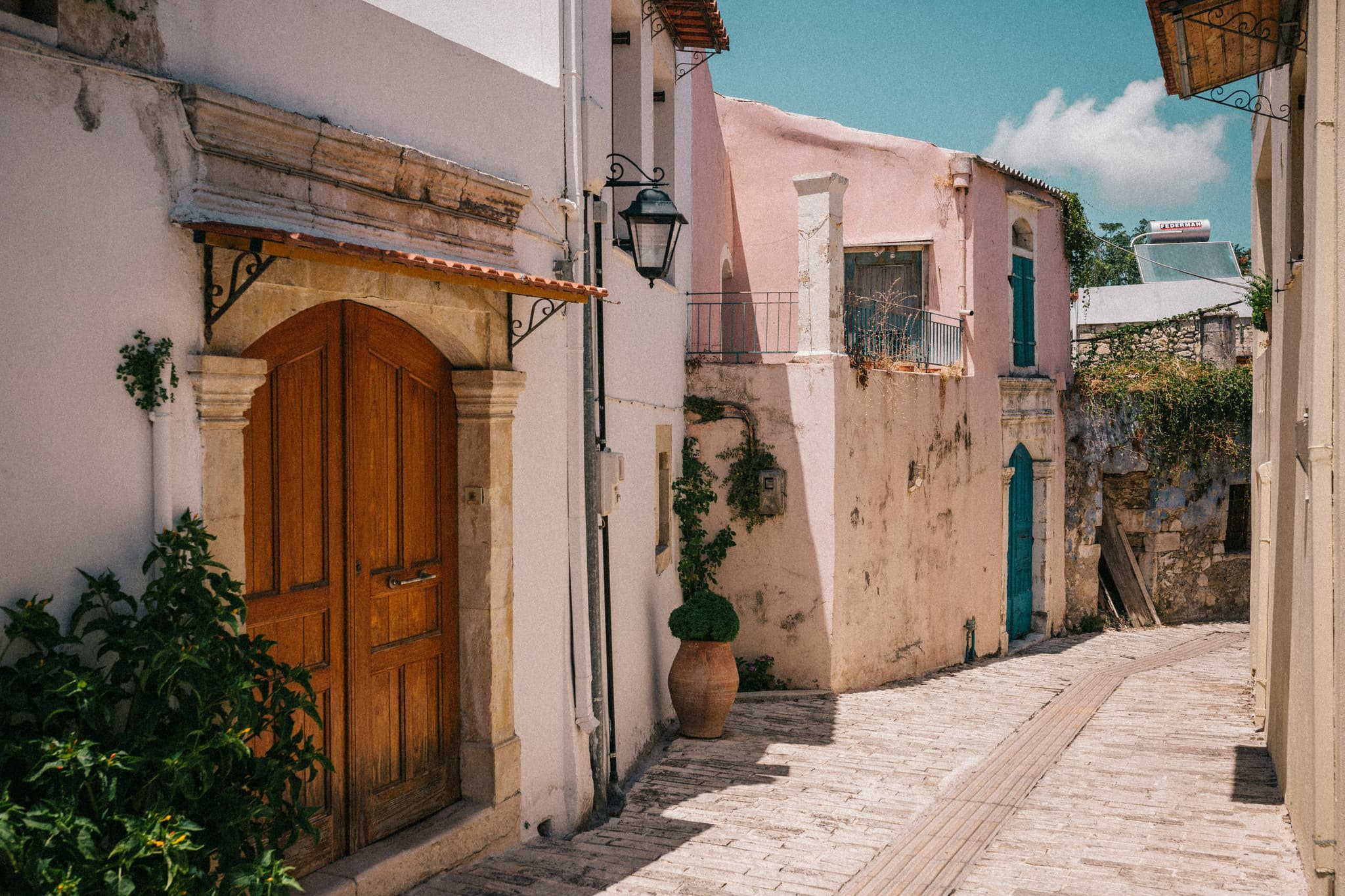
Crete
Venetian buildings line the harbour in Chania's old town, and we'd recommend it as your base for several days rather than a stopover. A full day and around sixteen kilometres downhill make up the Samaria Gorge hike, ending near the Libyan Sea. About an hour and a half from Chania, Elafonissi beach rewards the drive with pink-tinged sand. If you want to slow your trip right down, Crete gives you room to spread everything across towns, beaches, and mountains.
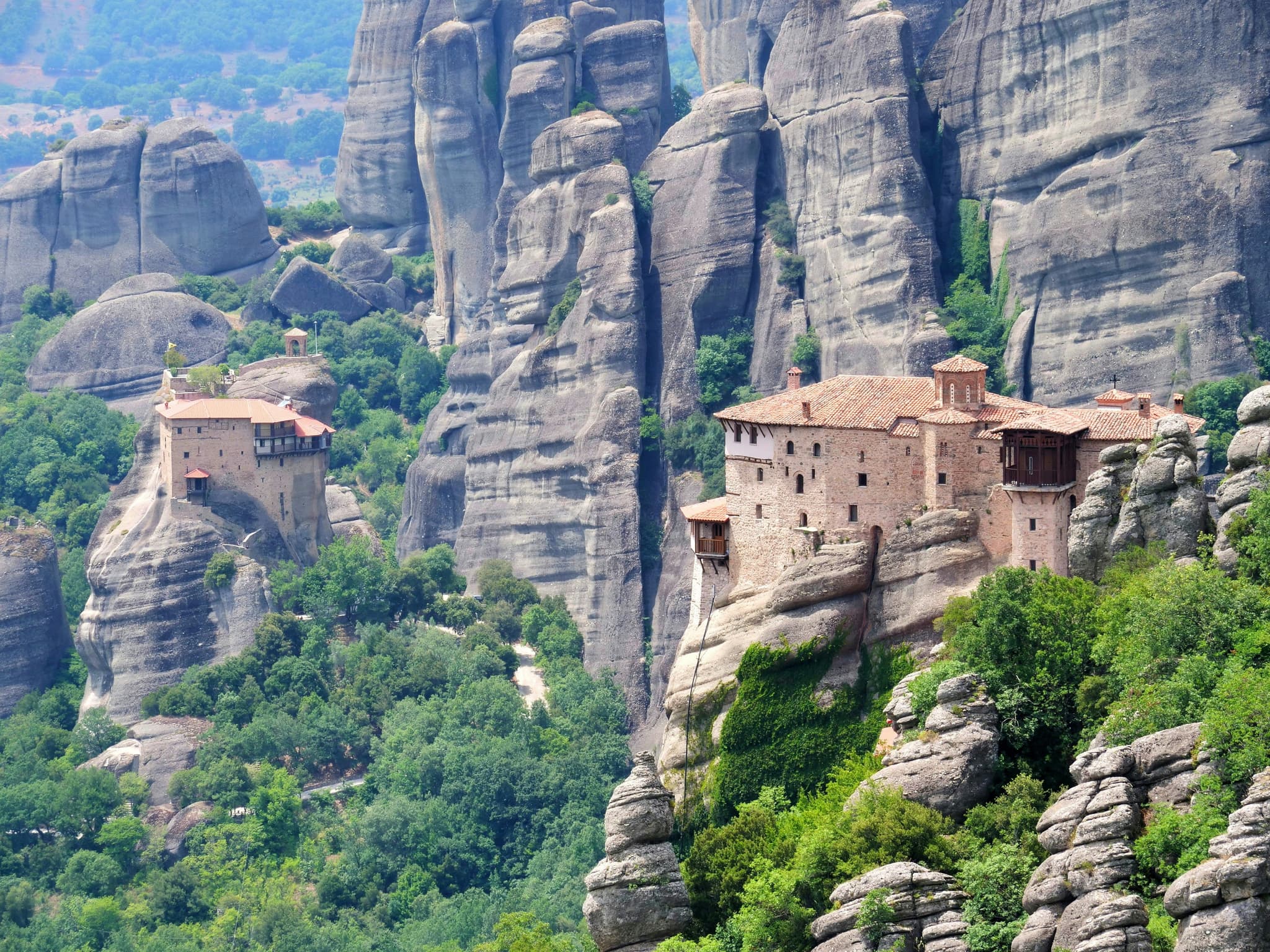
Meteora
Sandstone pillars carry six monasteries here, and four of them are still open for you to visit. A full day on foot is what you'll need if you want to see more than one or two properly. Near Kastraki, sunrise from one of the viewpoints is worth the early alarm, particularly outside peak summer months. If you want something completely different from the islands, we'd add this stop to your route.
Athens
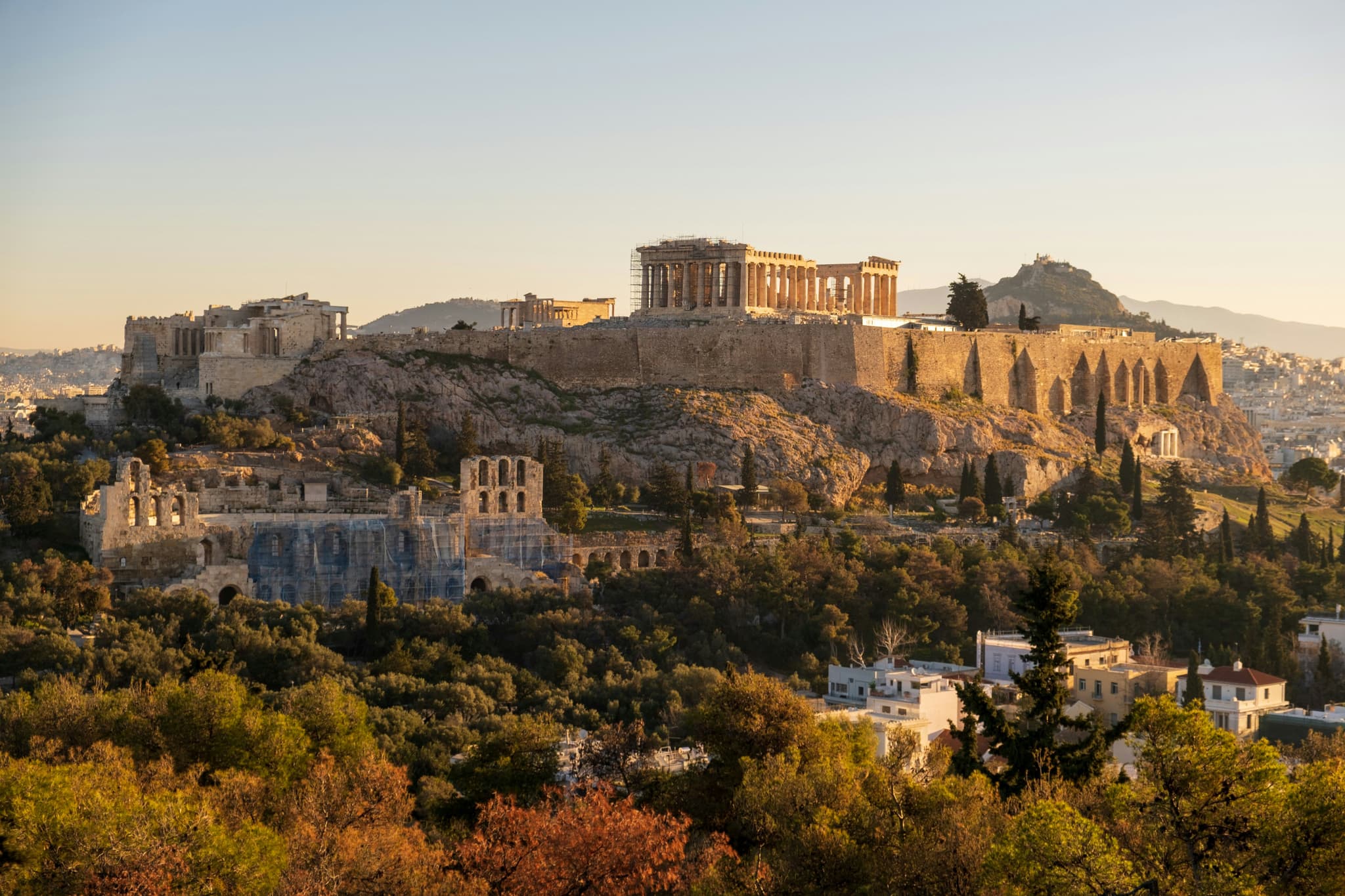
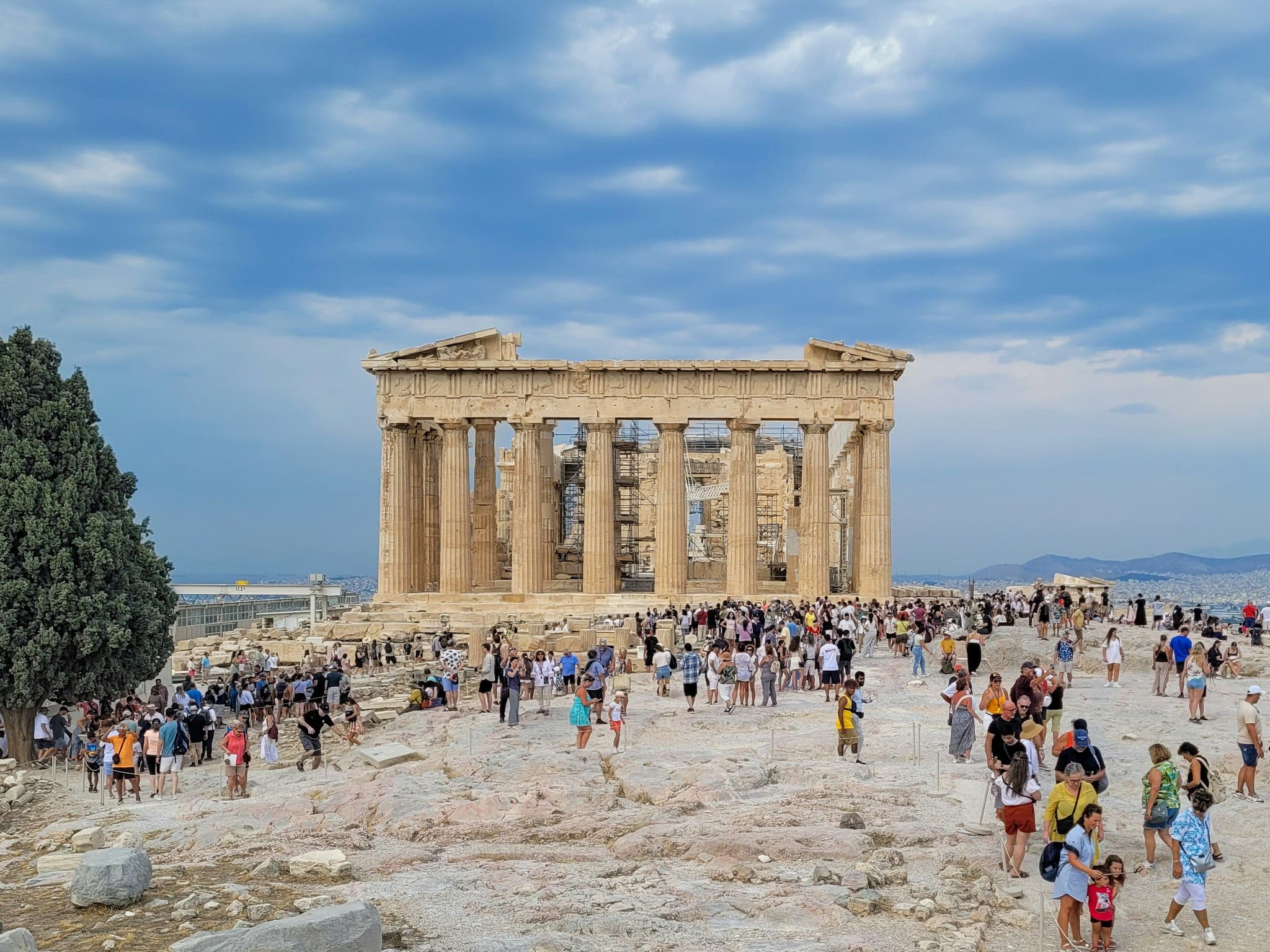
Marble columns and modern apartment blocks share the same skyline here, and the Acropolis is where you should start, since standing under the Parthenon's columns for the first time tends to set the tone for the whole trip. Below it, the Plaka neighbourhood is where you'll want to get lost for an afternoon, with narrow lanes, small tavernas, and views back up to the rock. A short cable car ride or a steep walk from Kolonaki gets you to Lycabettus Hill, and we'd time it for sunset, since it's genuinely the best view in the city. If history is what you're after, with beaches to follow later, treat this as stop one.
Nafplio
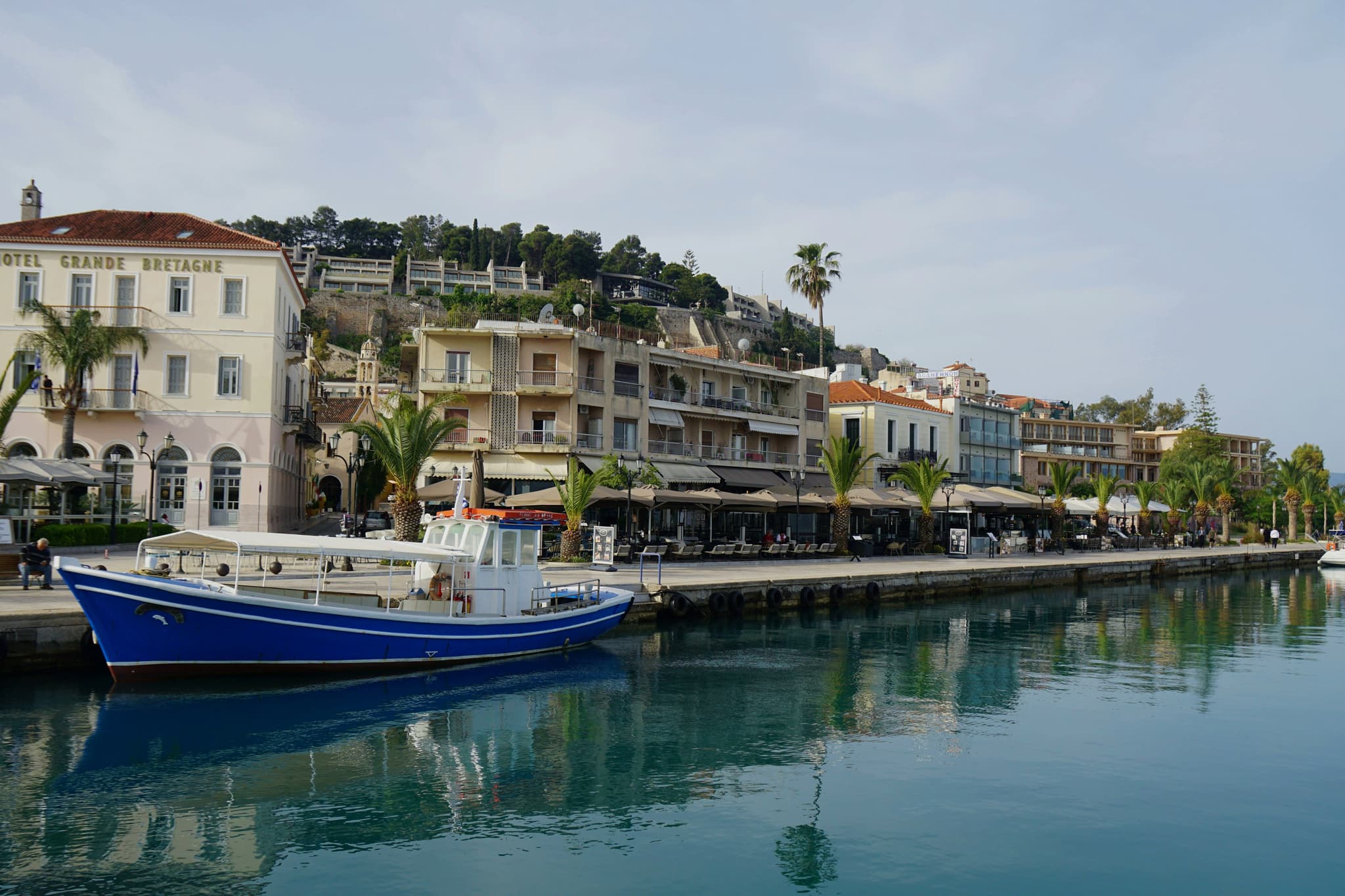
Nafplio is often considered one of the prettiest towns in Greece, with colourful streets, a waterfront promenade and plenty of history around every corner. Above the town, Palamidi Fortress rewards the climb up its 900 or so steps with one of the best views in the Peloponnese. Mycenae and Epidaurus both make easy day trips from here, less than an hour away. If you're looking for somewhere calmer than Athens but still packed with history, this is a great place to base yourself.
Greece itineraries: how to combine these into a trip
With more than 200 inhabited islands and plenty of beautiful mainland destinations, trying to see everything in one trip simply isn't realistic. We'd recommend choosing just a few regions and giving yourself time to properly enjoy them rather than constantly moving around. We've put together a few itinerary ideas that connect the best places in a logical order, depending on how much time you've got.
7 days: Athens, Santorini and Naxos
Day 1 to 2: Athens, Acropolis, Plaka, Lycabettus Hill
Day 3 to 5: Santorini, Oia sunset, Akrotiri, wine tasting
Day 6 to 7: Naxos, calmer beaches, easier prices, ferry back to Athens for your flight
10 days: Athens, Peloponnese and Crete
Day 1 to 2: Athens
Day 3 to 4: Nafplio, with day trips to Mycenae and Epidavros
Day 5 to 9: Crete, Chania, Samaria Gorge, Elafonissi
Day 10: Fly back to Athens for your departure
14 days: mainland north and the Cyclades
Day 1 to 3: Athens and Meteora
Day 4 to 5: Thessaloniki, Byzantine sites and street food
Day 6 to 10: Mykonos and Santorini
Day 11 to 14: Naxos or Paros, slower days before you fly home
Want more inspiration? Check out the following trips:

Fun experiences you can do when you travel to Greece
Did you know that most people remember the small moments between the big sights more than the sights themselves, after they're home? Now that you've got a sense of where to go, let's talk about what actually fills your days there.
Sail the Small Cyclades from Naxos
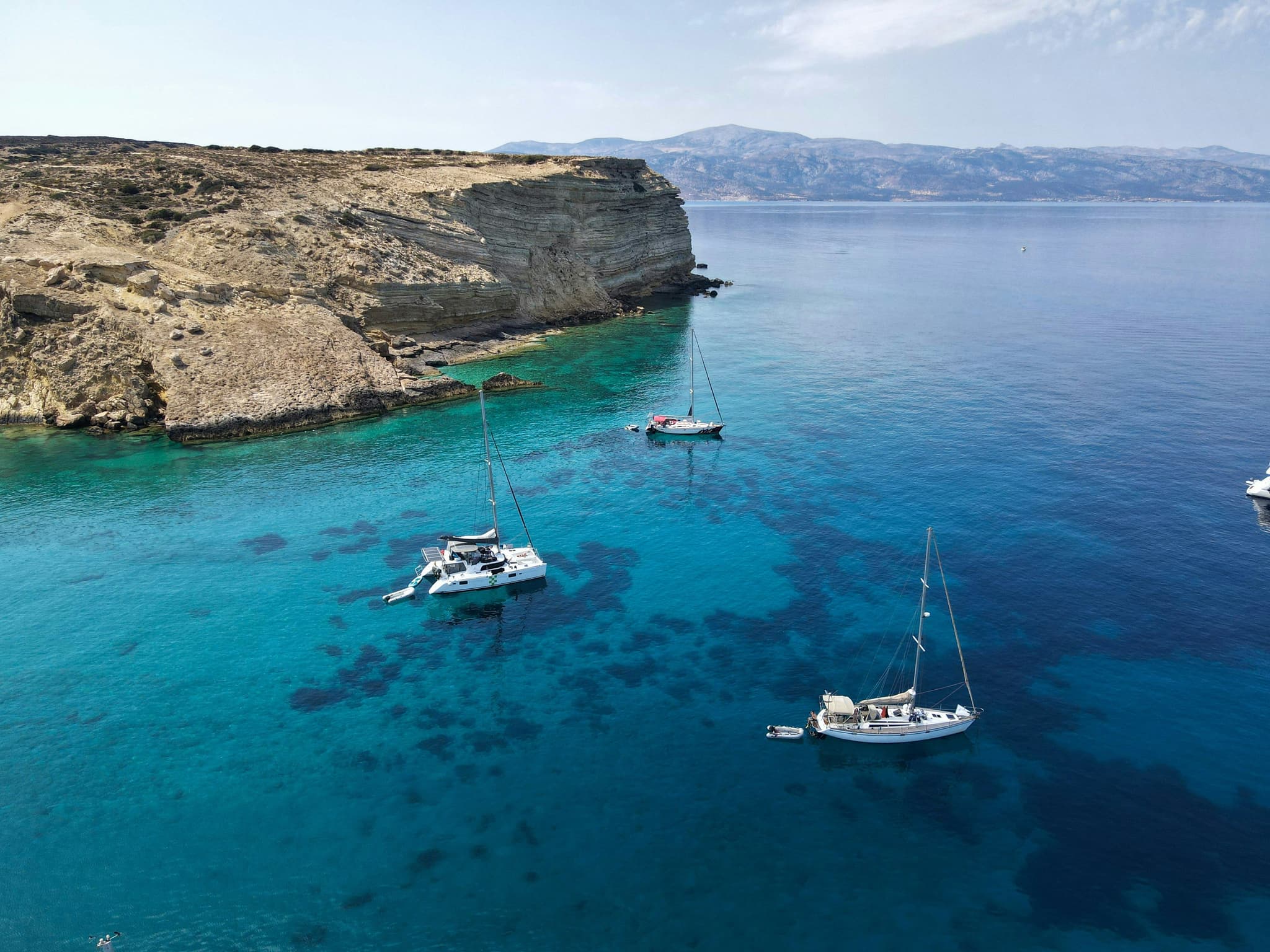
Book a day boat from Naxos and you'll get taken around Koufonisia, Iraklia, and Schinoussa, three tiny islands most people never reach on their own. These trips run from around May to October and typically cost between 40 and 60 euros a person, with lunch included on most boats. We recommend booking a day ahead through a local agency in Naxos town, since that still leaves you room to move outside peak August dates.
Hike the Samaria Gorge in Crete
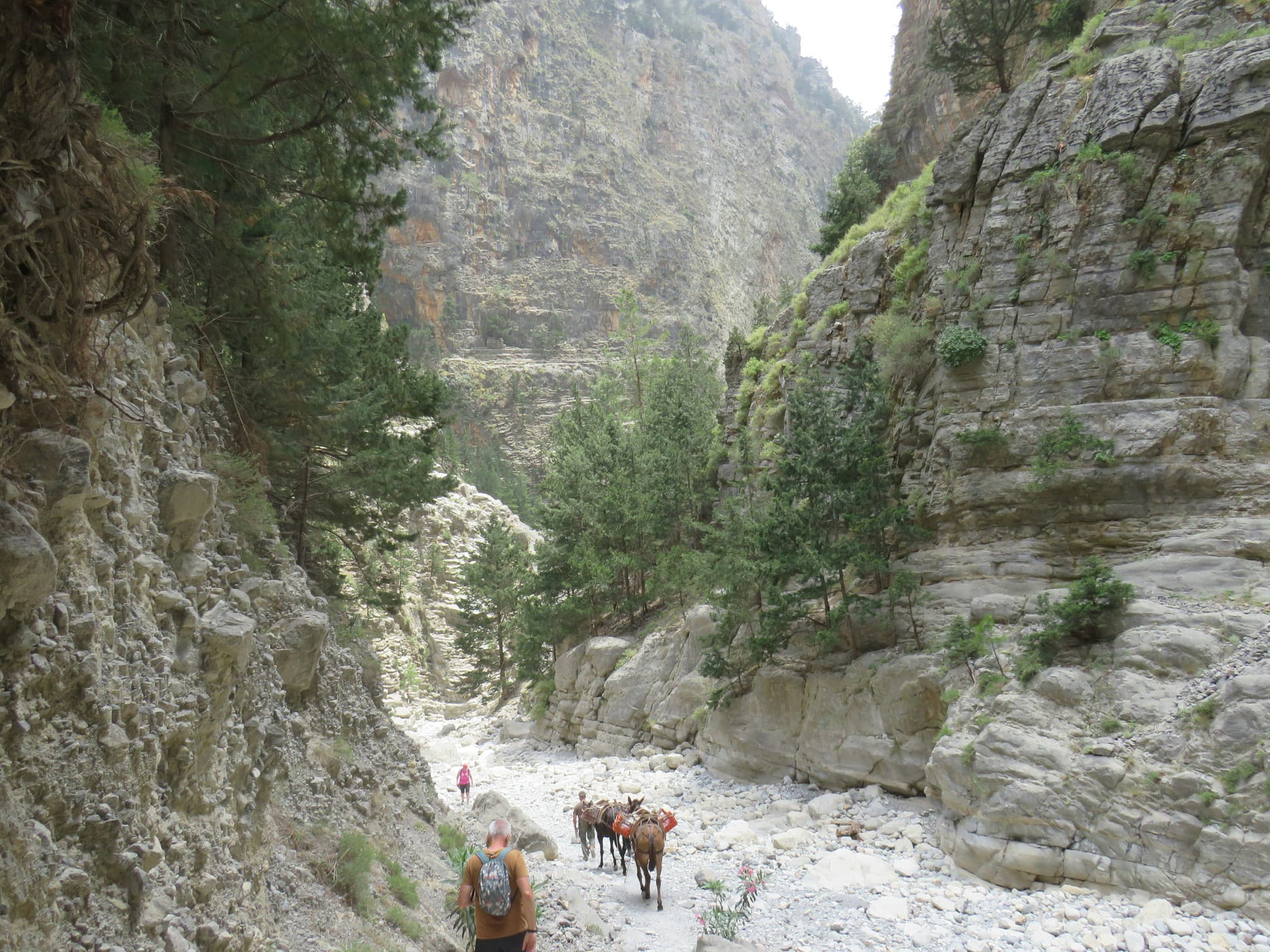
Samaria Gorge is one of the most famous hikes in Greece, taking you through towering cliffs, forests and one of Europe's longest canyons before ending at the Libyan Sea. The route covers around 16 kilometres, finishing in Agia Roumeli, where a ferry takes you onwards to Chora Sfakion. You can usually walk it between early May and mid October, depending on the weather. We'd recommend sturdy hiking shoes, since it's the long descent that tires your knees far more than the distance itself.
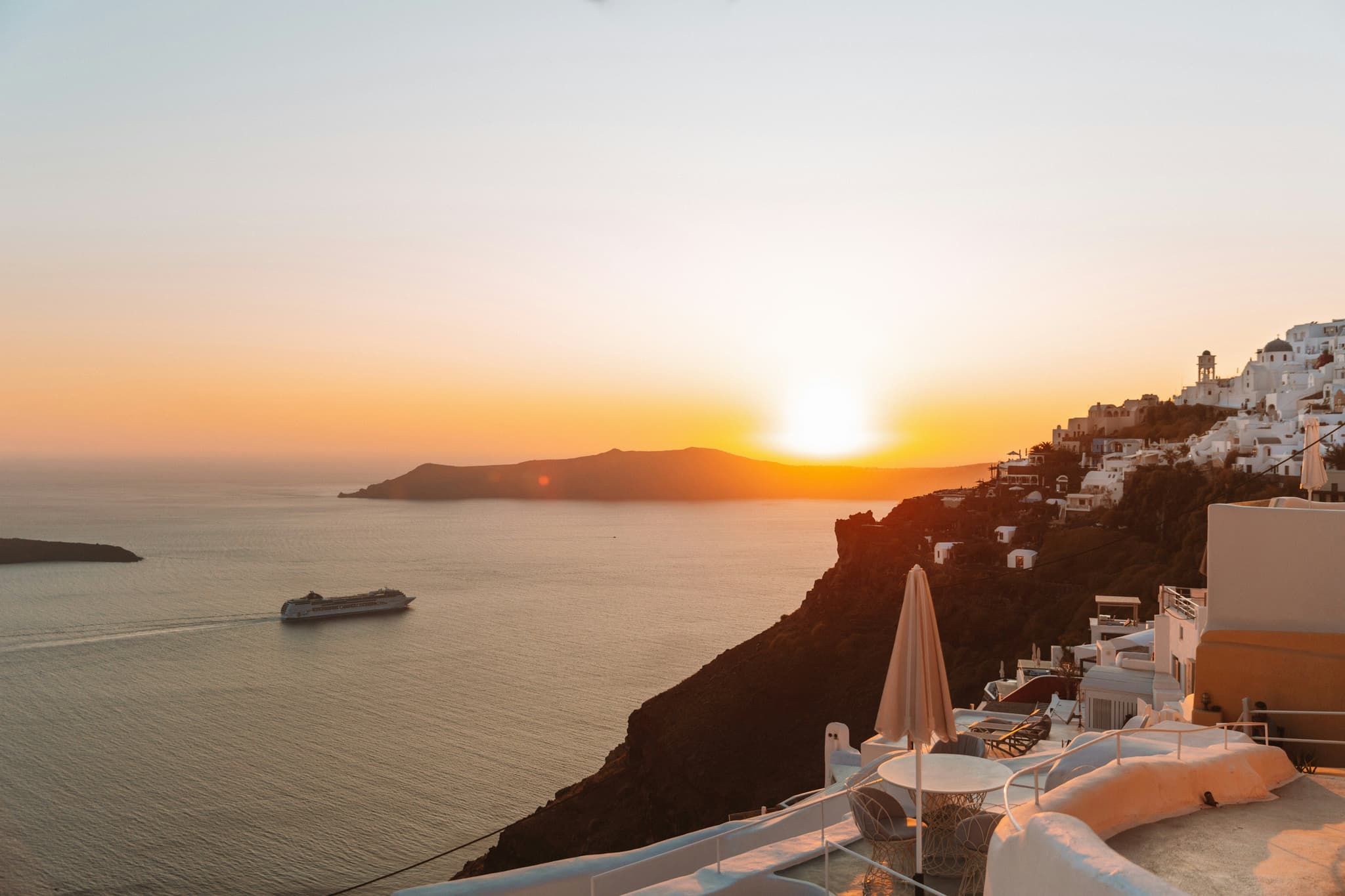
Watch the sunset from Oia's castle ruins
If a decent spot matters to you, get there at least an hour before sunset, since this exact view draws a proper crowd every evening from spring through autumn. It costs you nothing, so arriving early really is the only trick to it.
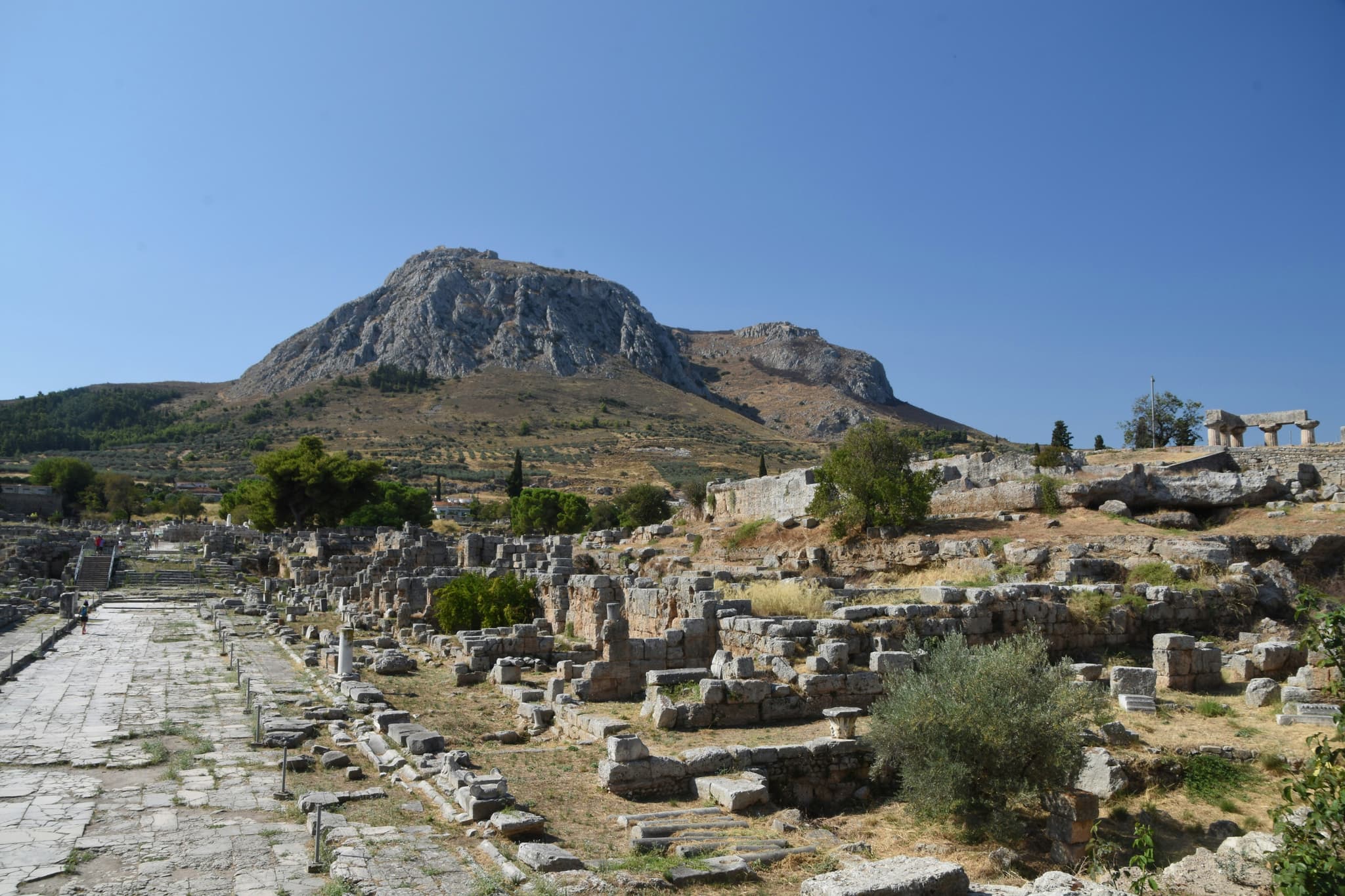
Explore ancient Delphi and the Sanctuary of Apollo
On the slopes of Mount Parnassos, roughly two and a half hours from Athens by car or bus, Delphi held one of antiquity's most consulted oracles. Together, the site and its museum take around three hours to see properly. We'd suggest an overnight in the nearby town over a same-day trip, since that lets you catch the ruins before the tour buses arrive.
Take a Greek cooking class
Learning to cook dishes like moussaka, tzatziki and stuffed vine leaves gives you something to take home long after the trip ends. Some of the best experiences include Perivoli Farm Experience in Naxos, where you cook over a wood-fired oven on a family farm, Zymoma Cooking Class in Galini on Naxos, known for baking traditional bread and sharing a long farm lunch, or The Greek Kitchen in Athens, where you'll often start by shopping for fresh ingredients at the local market before cooking together. If you enjoy discovering a destination through its food, this is one of the most rewarding experiences you can book.
When to visit Greece: which month suits your trip?
Wondering when you should book your flights? Timing really depends on what you want out of the trip, so here's a rough breakdown by season to help you decide.
April to June: warm days, green islands, fewer visitors, good for hiking
July and August: peak heat, peak prices, busiest ferries and beaches
September and October: sea still warm, visitor numbers dropping, our pick for most first trips
November to March: many island hotels and tavernas close, mainland cities stay open year-round
Where to stay when travelling to Greece: best areas
Where should you actually base yourself? That depends on what you're hoping to get out of your days, so let's walk you through the best areas.
Plaka, central Athens
If it's your first time in Athens, we'd book you into Plaka without much hesitation, since almost everything worth seeing is close enough to walk to, and that alone saves you time and taxi fares. The restaurants on your doorstep lean a little touristy, but a few minutes' walk into Monastiraki fixes that. When it's time to move on, the metro connects you easily to both the airport and the ferry ports at Piraeus. We think this area suits you best for a first trip or a short city break.
Imerovigli, Santorini
One ridge over from Oia, Imerovigli gets you the same caldera view without quite the same crowd at sunset, which is exactly why we point couples here more than anywhere else on the island. You'll also pay a touch less than you would in Oia for a similar standard of room.
Chania, Crete
Staying in Chania's old town puts you close to the harbour, the market, and the bus station, so day trips into the mountains or out to the west coast beaches are never a hassle. You'll find rooms ranging from budget guesthouses to converted Venetian townhouses.
Nafplio, Peloponnese
If you're skipping the islands entirely in favour of mainland history, this is where we'd tell you to base yourself. Mycenae, Epidavros, and the ancient theatre are all under an hour away by car. If you like history, get the most value from staying here.

Did you know you can create your own itinerary?
Now that you have a better idea of the places to see in Greece and things to do there, you can start creating your own trip. Do you want to travel from island to island, or would you rather spend more time in one area and really get to know it? It’s all up to you. You can easily create your own trip in the Guided app for free, or use trips shared by others.
Getting around during your trip to Greece
How should you actually get from place to place after you land? Transport in Greece looks completely different for island-hopping versus sticking to the mainland.
Flying between islands and the mainland
Flying makes the most sense if you're travelling longer distances or only have a week or so to explore Greece. While ferries are part of the experience, routes to islands like Crete, Rhodes or Corfu can take several hours, whereas flights from Athens usually take less than an hour. Most domestic routes are operated by Aegean Airlines and Olympic Air, and many connect through Athens, so don't be surprised if your journey includes a stop there before continuing to another island.
Taking the ferry
Almost every inhabited island connects by ferry, and we think boarding one is part of the trip rather than just a way to get somewhere. High-speed catamarans cut your journey time roughly in half compared with conventional ferries, though you'll pay more for that. We'd suggest checking live routes and timetables through Greek Ferries, the official aggregator run by Greek ferry operators, and booking a few weeks ahead for summer sailings between the Cyclades.
Catching the train
If Athens to Thessaloniki is on your route, Hellenic Train runs it as the main mainland line, with the fastest services covering it in around four hours. Beyond that main line, coverage thins out fast, so we wouldn't build your whole trip around trains. You can check timetables and book directly through the Hellenic Train official website.
Riding the intercity buses (KTEL)
Wherever trains don't reach, KTEL buses usually do, including smaller towns across the Peloponnese and northern Greece. Prices and routes vary a fair bit by region, since KTEL runs as a network of separate regional operators rather than one company. Look at the KTEL official portal for regional schedules and tickets.
Renting a car
If you're heading to Crete, the Peloponnese, or a larger island like Corfu, we'd suggest renting a car, since public transport thins out fast away from the main towns. On smaller islands like Santorini or Mykonos, we'd actually steer you away from it, since parking and narrow lanes usually cause more hassle than the convenience is worth.
Delicious local food and drinks to try when you travel to Greece
Forget the fancy end of Greek dining for a minute, because that's not really where the good stuff happens. The real food culture here lives in small tavernas and street stalls.
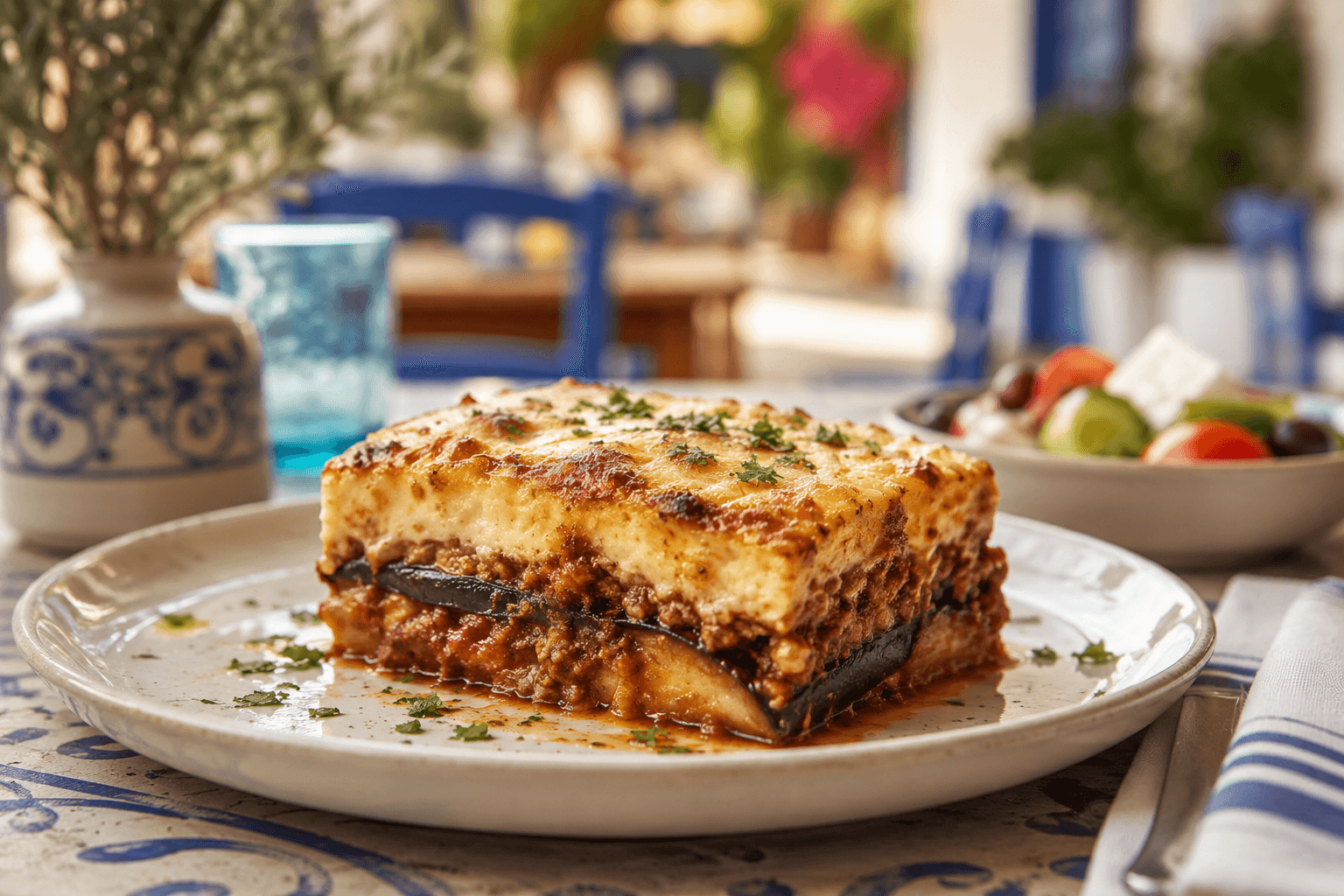
Souvlaki
A skewer of grilled meat, wrapped in pitta with tomato, onion, and a thick dollop of tzatziki, souvlaki is Greece's answer to fast food done properly. A street stand in Athens' Monastiraki will sell you one for a few euros, and we'd tell you to eat it standing up like the locals do. If you don't eat meat, you'll still find vegetarian versions with halloumi common in bigger cities nowadays.
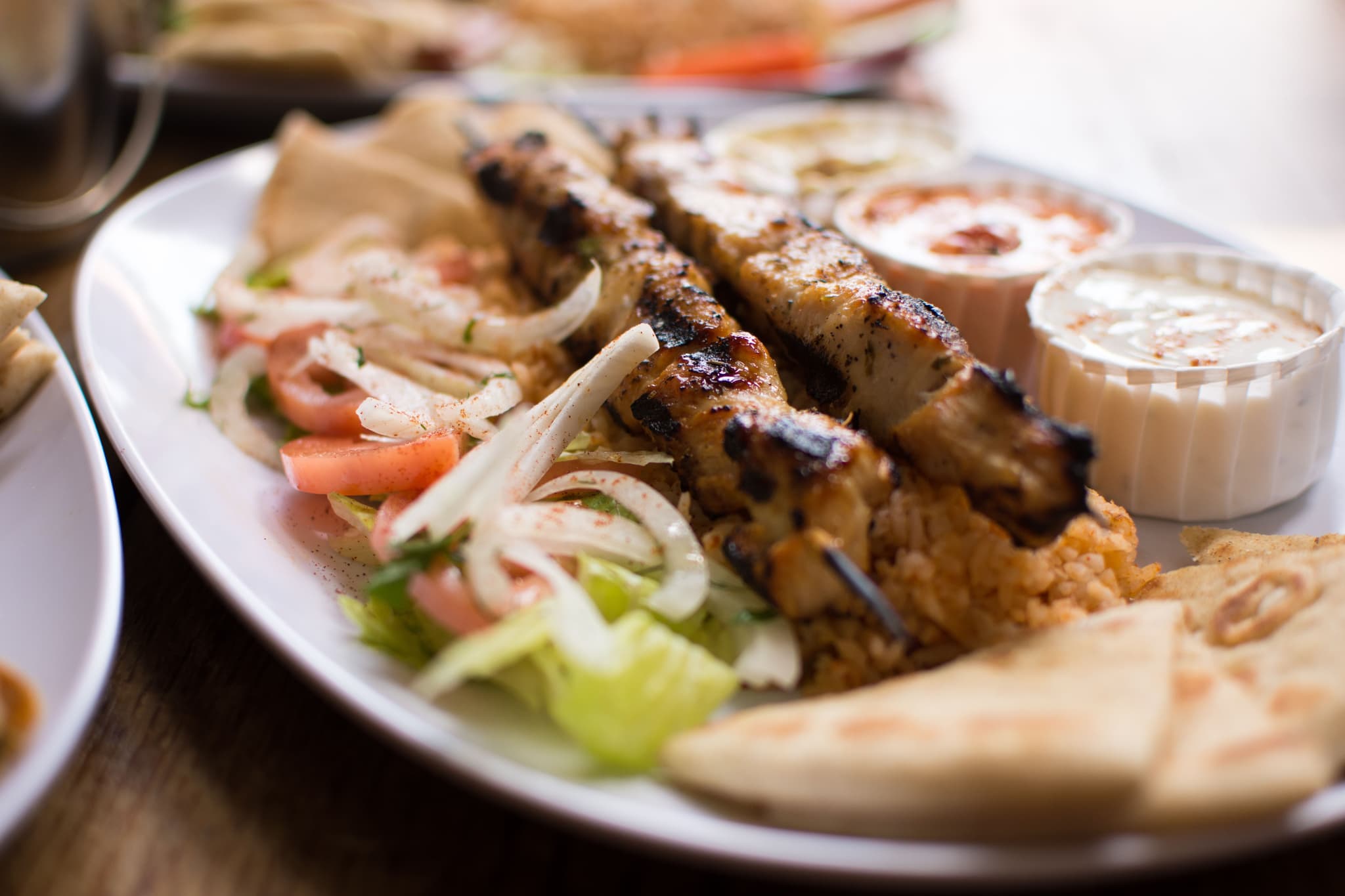
Moussaka
You'll find aubergine, spiced minced meat, and a thick béchamel top stacked together in moussaka, the dish most people picture the moment they think of Greek cooking. Every taverna does its own version, so we'd suggest trying it in two or three places to see how much the recipe changes by region.
Saganaki
This cheese dish, usually kefalotyri or graviera, gets fried until the outside turns crisp and golden and the middle stays soft. Some places will light it with a splash of brandy at the table, which is fun to watch even if it doesn't change the taste much. We'd order it as a starter to share, since a full portion is more than most people manage alone.

Loukoumades
These small fried dough balls, drenched in honey syrup and dusted with cinnamon, are Greece's answer to doughnuts. Athens has dedicated shops that serve almost nothing else, worth seeking out after dinner rather than settling for whatever's on the dessert menu.

Assyrtiko wine
This crisp white grape, grown almost entirely on Santorini's volcanic soil, produces some of the most distinctive wine in the country, with a sharp, mineral edge you won't find anywhere else. If you get the chance, pair it with grilled fish, since that's about as close as you'll get to a proper local match. Near Pyrgos and Megalochori, you'll find small wineries pouring tastings most afternoons between spring and autumn.

Culture and daily life you’ll experience when travelling to Greece
Did you know that the word democracy itself was born right here, on a hill called the Pnyx just below the Acropolis, where Athenian citizens gathered from around 508 BCE onward to argue, vote, and decide their city's direction with their own hands? Stand on that hill today and you're standing where roughly six thousand people at a time would have crowded in, debating war, grain shortages, and the fate of their leaders, centuries before any other language had written down the word "vote". That history never really left.
Walk through modern Athens, and you'll find apartment blocks from the 1960s standing a few streets from temples that predate them by two thousand years. In Greece, the past isn't something you visit in a museum; it's something you live alongside every single day. Even the Parthenon itself, finished around 432 BCE under the statesman Pericles, has survived earthquakes, a gunpowder explosion in 1687, and centuries of restoration, and yet it still stands watch over the same city that built it.
Head out to the islands, though, and you'll notice the clock runs on a completely different beat to the capital. Shops close for a long midday break and reopen well into the evening, a habit that traces back to farming and fishing schedules long before air conditioning made the midday heat bearable. Also, religion still steers the calendar here more than you might expect; when Easter arrives, entire island communities pause and pull their families back home for it.
Travel between regions and you'll notice just how different Greece can seem from one place to the next: a village in the Peloponnese and a village on a Cycladic island can differ almost as much as two separate countries, right down to the local dialect people speak at home, the food on their tables, and the way their houses are built to survive their own particular weather.
Looking for more unique places, trips and activities?
Subscribe to our Guided Newsletter for more travel inspiration.
Costs of a trip to Greece
Wondering how much you should budget? Good news: your money goes a long way here compared to Western Europe, though costs do vary between islands and season, so here's a rough breakdown to help you plan.
Food & Drink

Coffee
R30 – R50
Lunch
R120 – R220
Beer
R30 – R60
Accommodation

Hotels
R700 – R1.4k
Airbnb
R600 – R1.5k
Hostel dorm
R250 – R500
Transport

Train ticket
R200 – R500
Bus ticket
R15 – R30
Car Rental
R400 – R700
Attractions

Museums
R150 – R250
Big Attractions
R220 – R650
Theatre
R150 – R450
Greece travel tips for first-time travellers
First time travelling to Greece? We've gathered a handful of tips that should save you the most hassle after you land.
✔ Book Acropolis tickets online ahead of your visit
Same-day queues at the Acropolis regularly run past an hour in summer, and booking online through the official site cuts that down to almost nothing. We'd suggest booking a few days ahead rather than the night before, since slots do sell out during peak months. Early morning entry also gets you better light for photos.
✔ Pack for wet cobblestones and blazing sun
Marble streets across the islands turn slippery within seconds of rain, so we'd pack grippy soles over anything smart-looking. Sun cream and a hat matter just as much, since you'll find shade limited in a lot of the whitewashed alleys everyone comes to photograph.
✔ Carry cash for smaller islands and tavernas
Card machines are common in cities and bigger resorts, but plenty of small tavernas and island shops still run on cash only. ATMs can be scarce outside main towns, so we'd withdraw what you need before heading somewhere remote.
✔ Check visa and entry rules before you fly
From late 2026, an ETIAS travel authorisation is mandatory for visa-exempt visitors, so we recommend checking the official EU ETIAS information page closer to your travel date. A five-minute check now could save you a headache at the airport later.
Fun facts about Greece
Every destination has a few little surprises, and Greece is no exception. Here are a few of our favourites:
Greece has the longest coastline in the Mediterranean
Santorini's black, red, and white sand beaches all trace back to the same volcanic eruption that created the island.
You'll find Greeks drinking more coffee per person than almost anywhere else in Europe
The Olympic Games began in ancient Olympia over 2,700 years ago, and the modern Games still light their torch there.
Greece produces some of the highest olive oil consumption per person of anywhere.
More than eighty percent of Greece is mountainous
Knowing a little about Greece before you arrive makes the experience more rewarding. You'll recognise traditions, understand local customs and appreciate many of the places you visit just that little bit more. If you like destinations that combine culture, nature, beaches and food without having to choose just one, Greece is well worth adding to your bucket list.
Ready to map out your trip to Greece?
We hope this Greece travel guide has given you a clear starting point for your trip. Stay tuned for more inspiration, itineraries and practical tips to help you shape your own trip to Greece. And don’t forget to check out our Guided app, where you can create your own trip or use trips shared by other travellers for free.
FAQs about travelling to Greece
- Where's Greece?
You'll find Greece at the southeastern edge of Europe, bordered by Albania, North Macedonia, Bulgaria, and Turkey, with the Aegean Sea to the east and the Ionian Sea to the west. Its mainland connects to the rest of the Balkans, and its islands scatter south and east toward the Turkish coast. That position has influenced much of its history, at a genuine crossing point between Europe, Asia, and North Africa.
- What is Greece known for?
- How many days do you need in Greece?
- How much is tourist tax in Greece?
- Is it dangerous to travel to Greece?