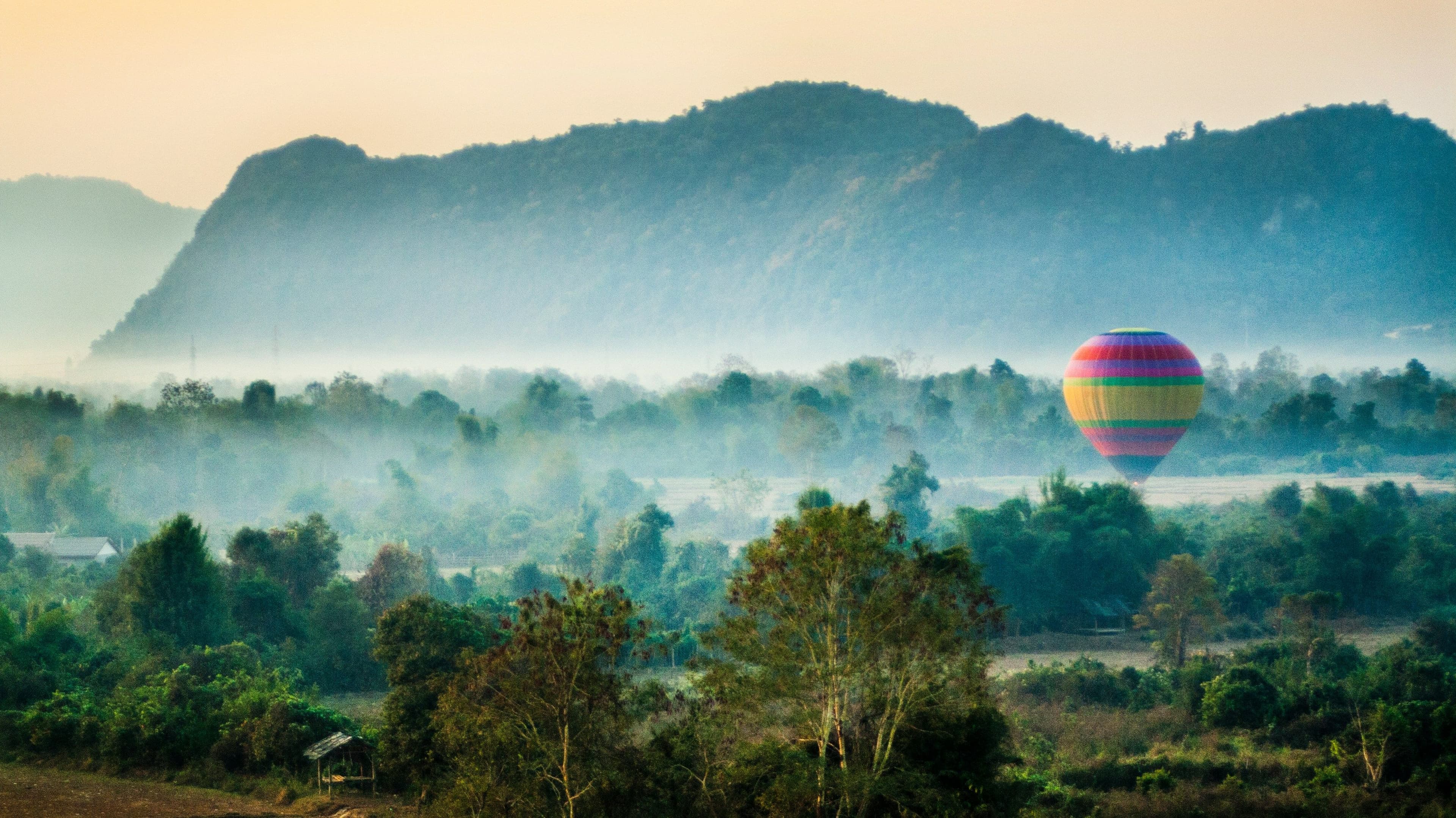
The best places to visit in Laos: where to go and what to expect
By Eva Alkemade
Mar 26, 2026
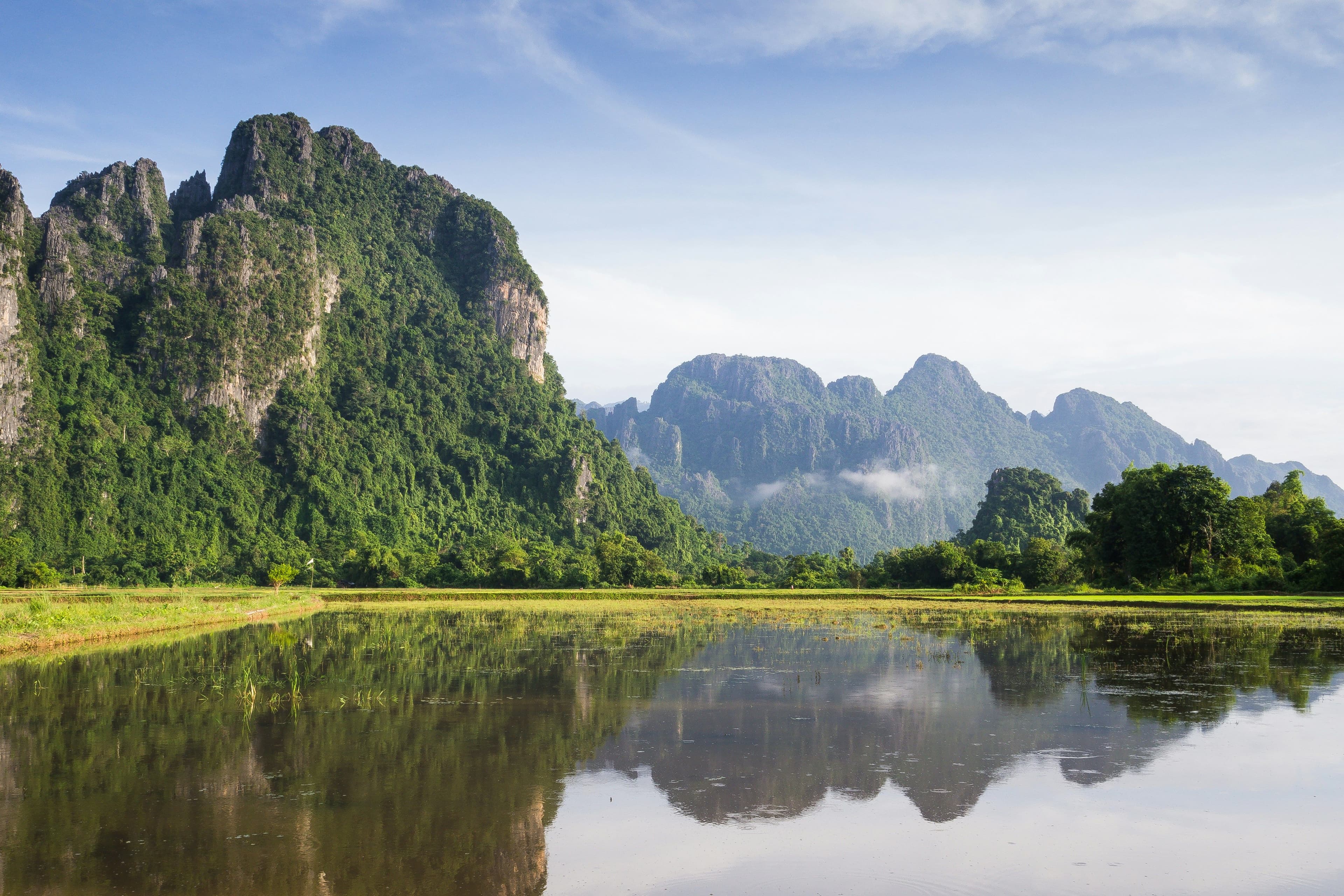
Laos often slips under the radar in Southeast Asia, yet this is one of the few countries where a slow boat along the Mekong River still connects entire regions and daily life follows traditions that have barely changed over time. Ancient temples sit next to faded French colonial buildings, and in the early morning you’ll see monks collecting alms in complete silence, something that still happens every single day. Long travel distances mean you can’t just tick everything off, so knowing where to go really matters here. That’s exactly why we’ve mapped out the best places to visit in Laos!
Where to go in Laos?
Laos doesn’t really work like other countries where you just hop between big cities. Everything is a bit more spread out, and travel takes longer than you think. The country kind of runs from north to south, and most trips follow that same flow.
Up north: mountains, jungle, trekking, places like Nong Khiaw and Luang Namtha
Middle part: limestone landscapes, rivers, and Vang Vieng
Down south: waterfalls, islands, coffee areas like the Bolaven Plateau
Life moves slower here compared to other places in Southeast Asia. While distances might look short, getting around takes time. So let’s take a look at the best places to go in Laos and how to get from one place to another.
The best places to visit in Laos
There are a few places that are worth visiting. Each one feels completely different, so it’s not about seeing them all, it’s about picking the ones that match your trip.
Luang Prabang
When looking at Laos cities, Luang Prabang is the one that stands out most. It has that mix of temples, small streets and old buildings with French colonial architecture, and it actually still feels authentic.
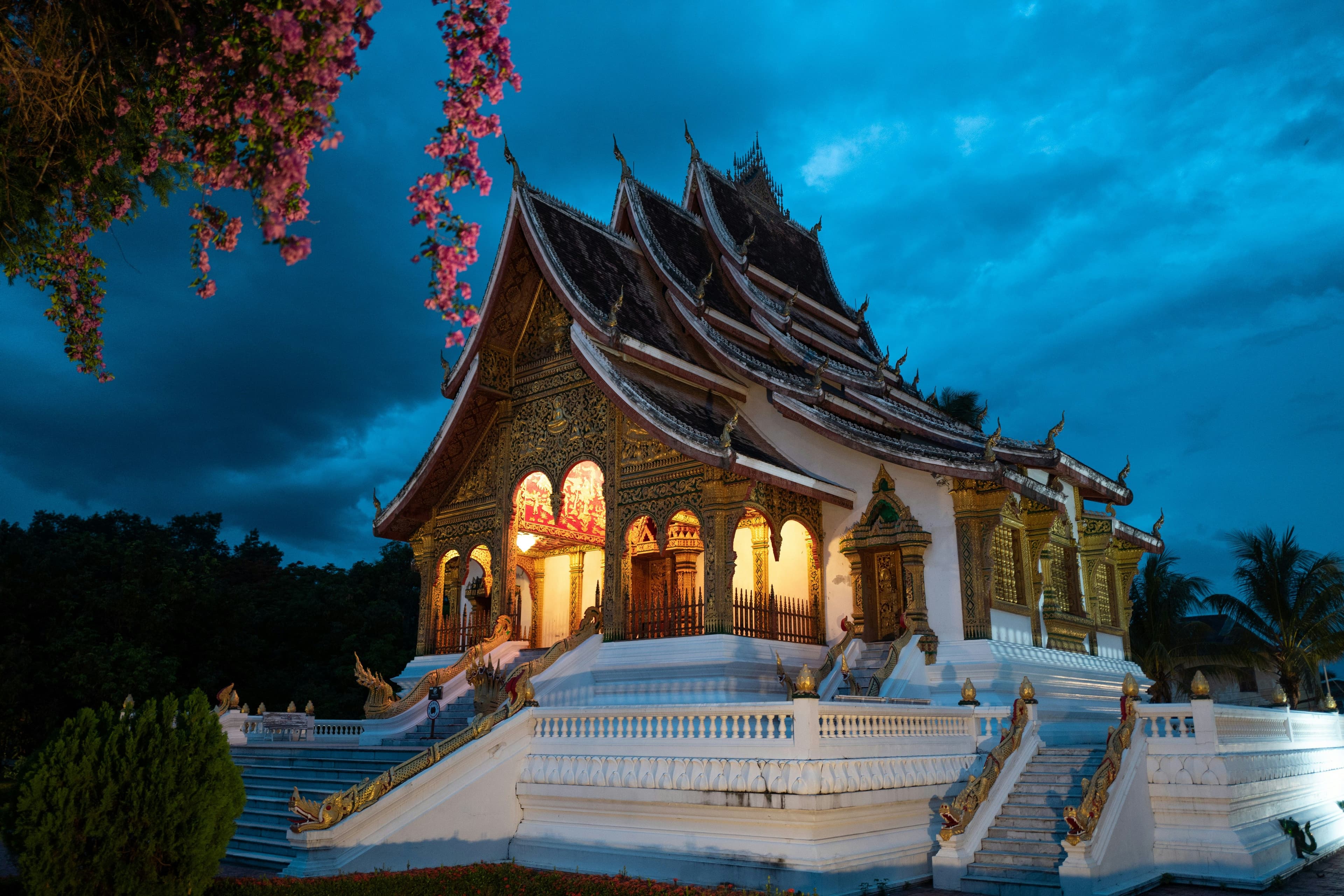
In the early morning, you can watch monks walk through the streets collecting alms, with the town still calm and barely any noise around. Later in the day you’ve got waterfalls nearby like Kuang Si Waterfall, which is about 30 km from town and takes a 45 minute drive by tuk tuk. And at night the whole town shifts to the market and food stalls.
Vang Vieng
All around you, mountains rise up, a river cuts right through it, and the whole place feels way more relaxed than it used to. Over here, Vang Vieng is really about being outside, without needing to plan every hour of your day.
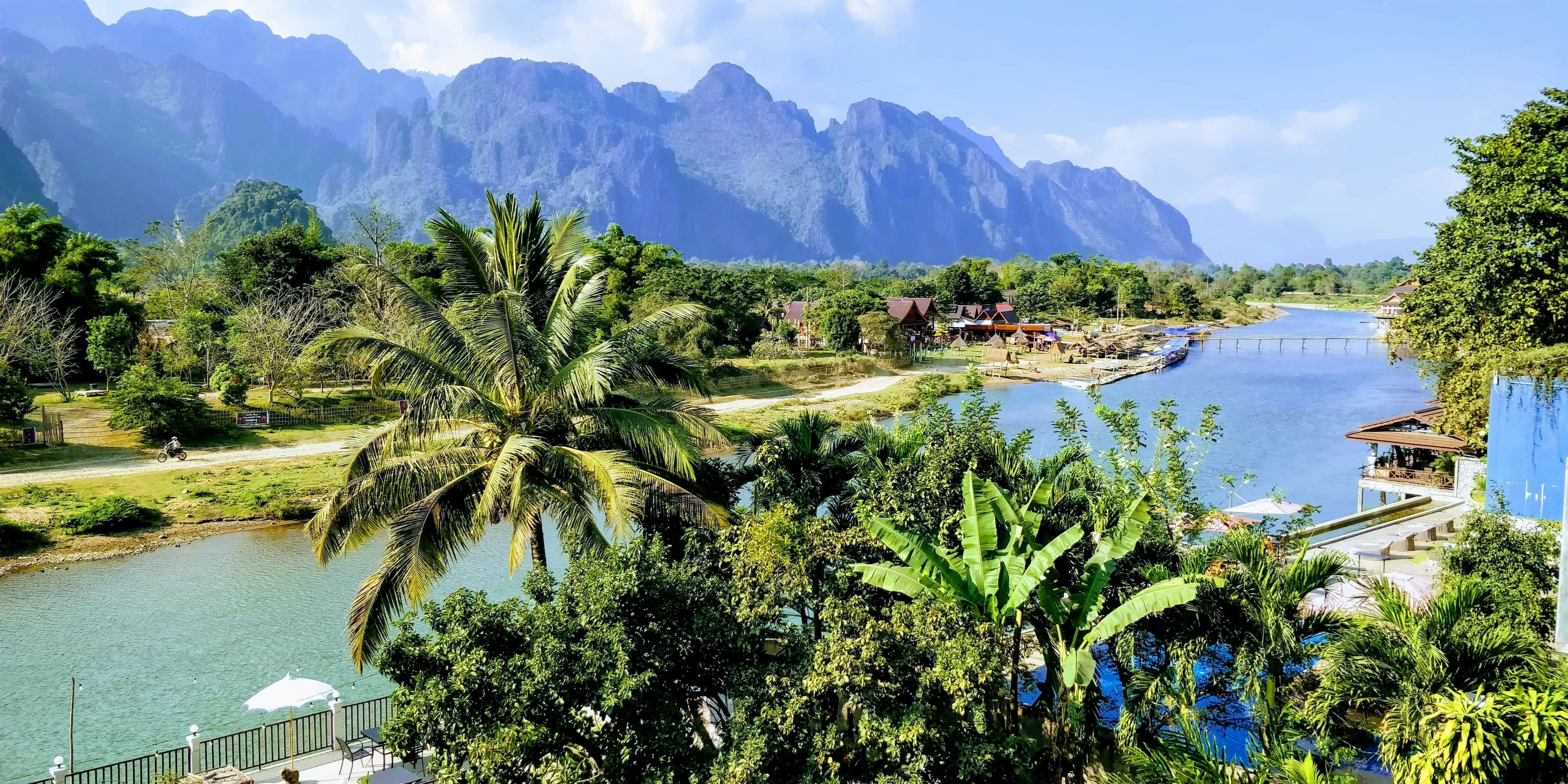
Across the area, kayaking spots, caves, viewpoints and lagoons are all close together, so you can easily combine them in one route. Around Vang Vieng, you’ll come across Blue Lagoon 1, 2, 3 and even 5, each with its own setting, some easier to reach, others a bit more hidden. Up in the air at sunrise or sunset, you can go for a hot air balloon ride, which is totally worth it!
Si Phan Don (4000 Islands)
Down south everything slows down even more, and that’s exactly what Si Phan Don is about. The 4000 islands sit in the Mekong, and once you’re there, you’ll notice how little there is to actually “do”. Cycling around, watching sunsets, maybe spotting dolphins if you’re lucky, that’s pretty much it. And somehow that’s exactly why people stay longer than planned.
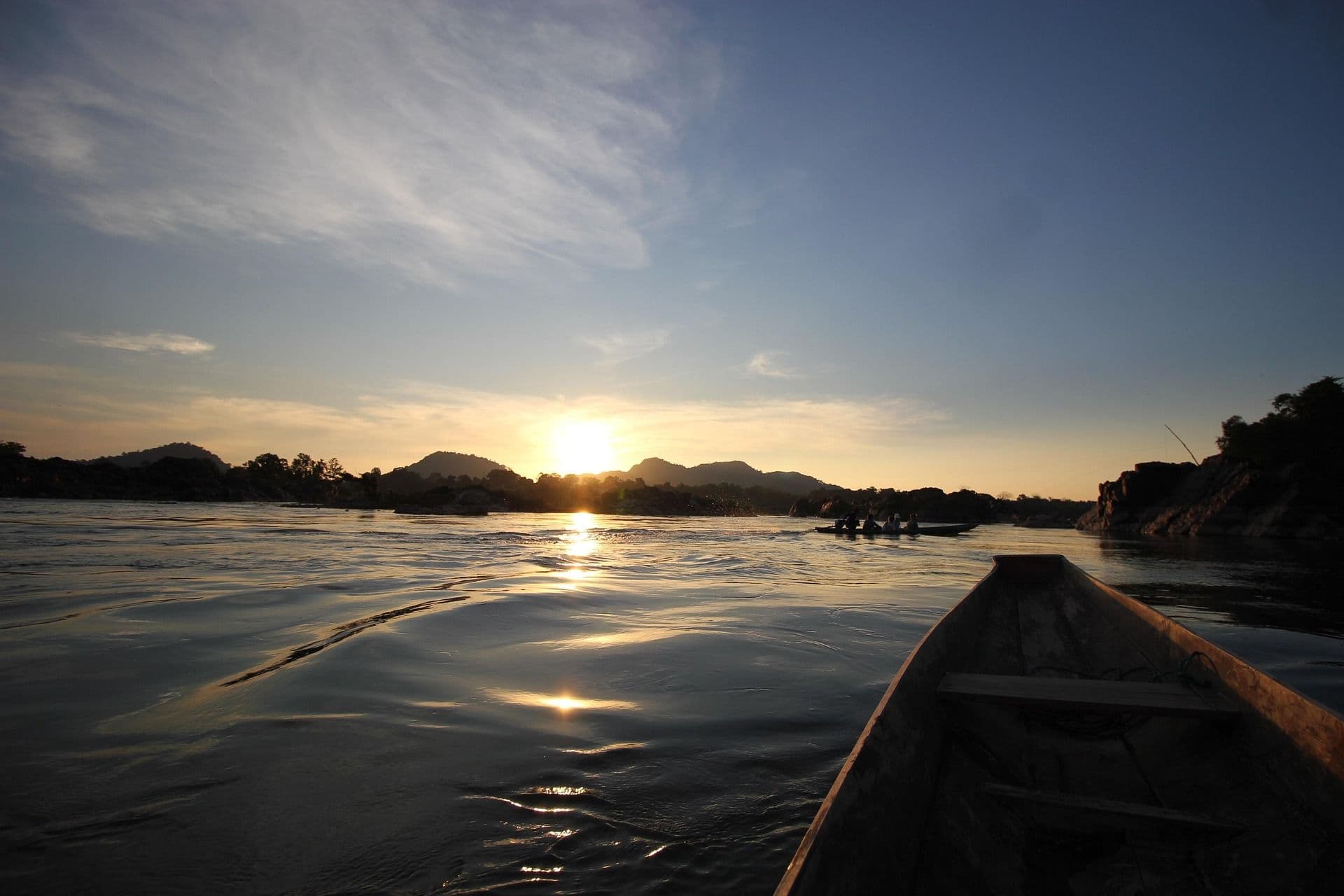
Bolaven Plateau and Thakhek Loop
There is a completely different atmosphere here, cooler temperatures, lots of greenery, and coffee plantations everywhere. The Bolaven Plateau is usually explored as a loop from Pakse, which means you follow a circular route through the region instead of just visiting one single stop.
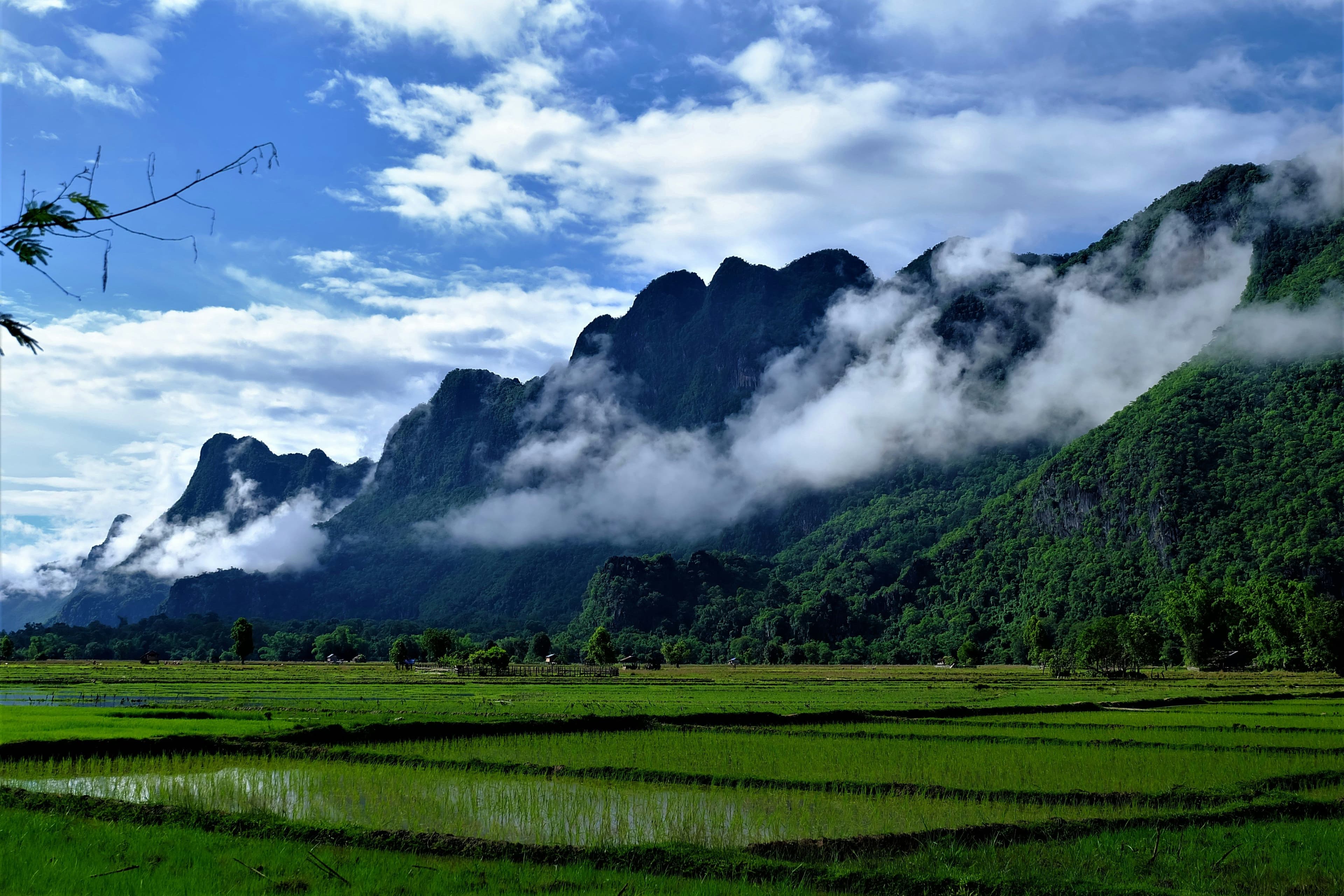
Driving or riding the Bolaven Plateau loop takes you past waterfalls, small villages and rice fields, and it feels way more local compared to the main route. The loop usually starts in Pakse and connects places like Tad Fane and Tad Yuang, so you’re basically doing a full circle through the plateau.
Another nice route is the Thakhek loop, a multi-day motorbike route in central Laos that starts and ends in Thakhek. Along the way you pass caves, viewpoints, small villages and karst landscapes, with stops like Kong Lor Cave and cool pools.
Nong Khiaw and Muang Ngoi
Nong Khiaw sits between steep limestone mountains with the Nam Ou river running straight through the middle, and that setting is exactly why you come here. You can do treks and hikes here up to viewpoints like Pha Daeng Peak or the Nong Khiaw viewpoint, both giving you wide views over the valley and river below.
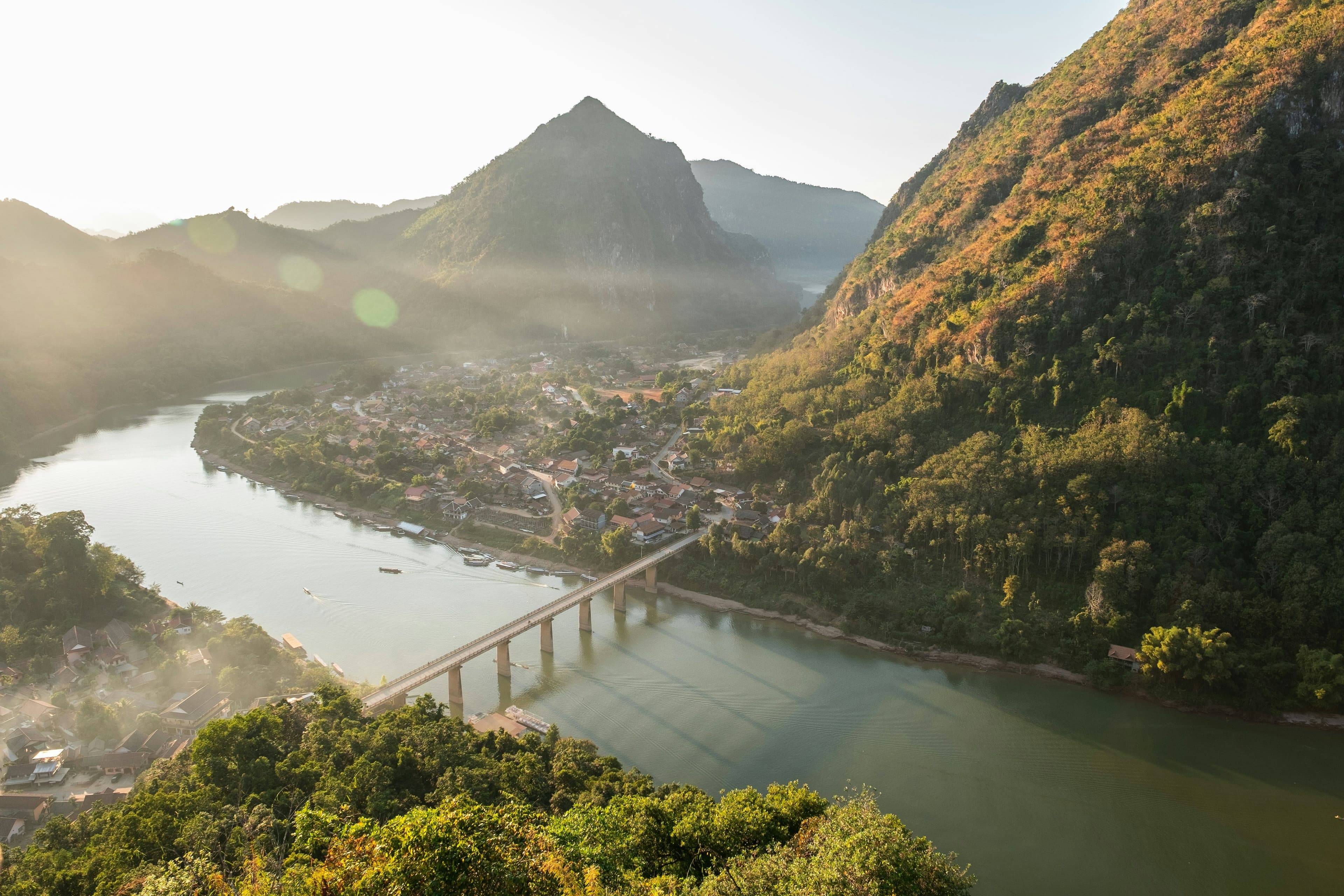
You can also take a boat to Muang Ngoi, a small riverside village with guesthouses where you can stay overnight and explore nearby caves and villages.
Plain of Jars
This one is completely different from everything else. Here you can see huge stone jars scattered across open land, and although several theories exist, no one knows for certain exactly why they’re there, with ideas ranging from burial practices to storage use.
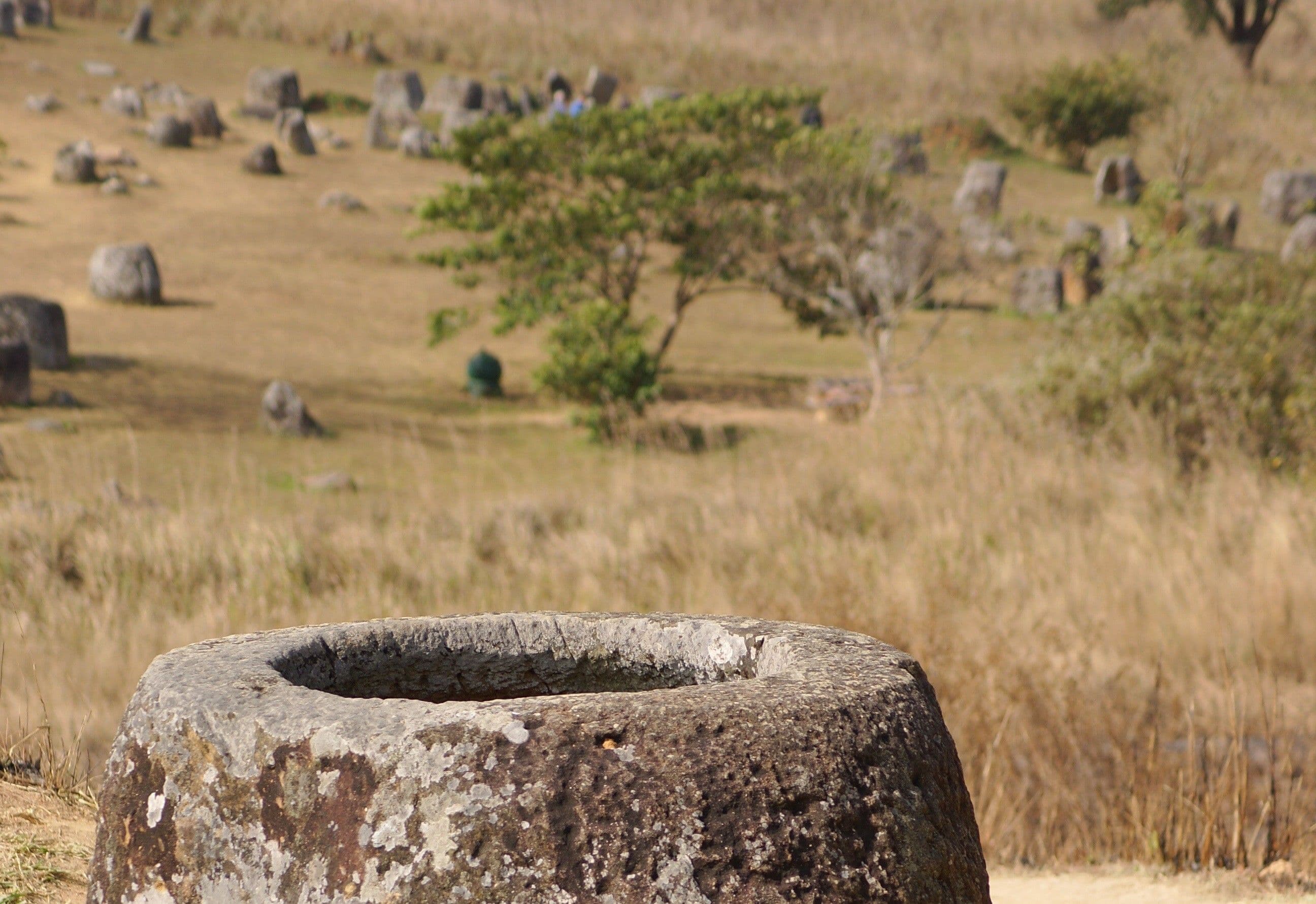
It takes a bit more effort to get here, but that’s also why it’s less visited. This adds something totally different to your route, which is nice after all the temples and nature.
Luang Namtha and Nam Ha National Park
Up in the north things get more remote, and that’s where Luang Namtha comes in. From here you head into the jungle and into Nam Ha National Protected Area, a large forest region with high biodiversity.
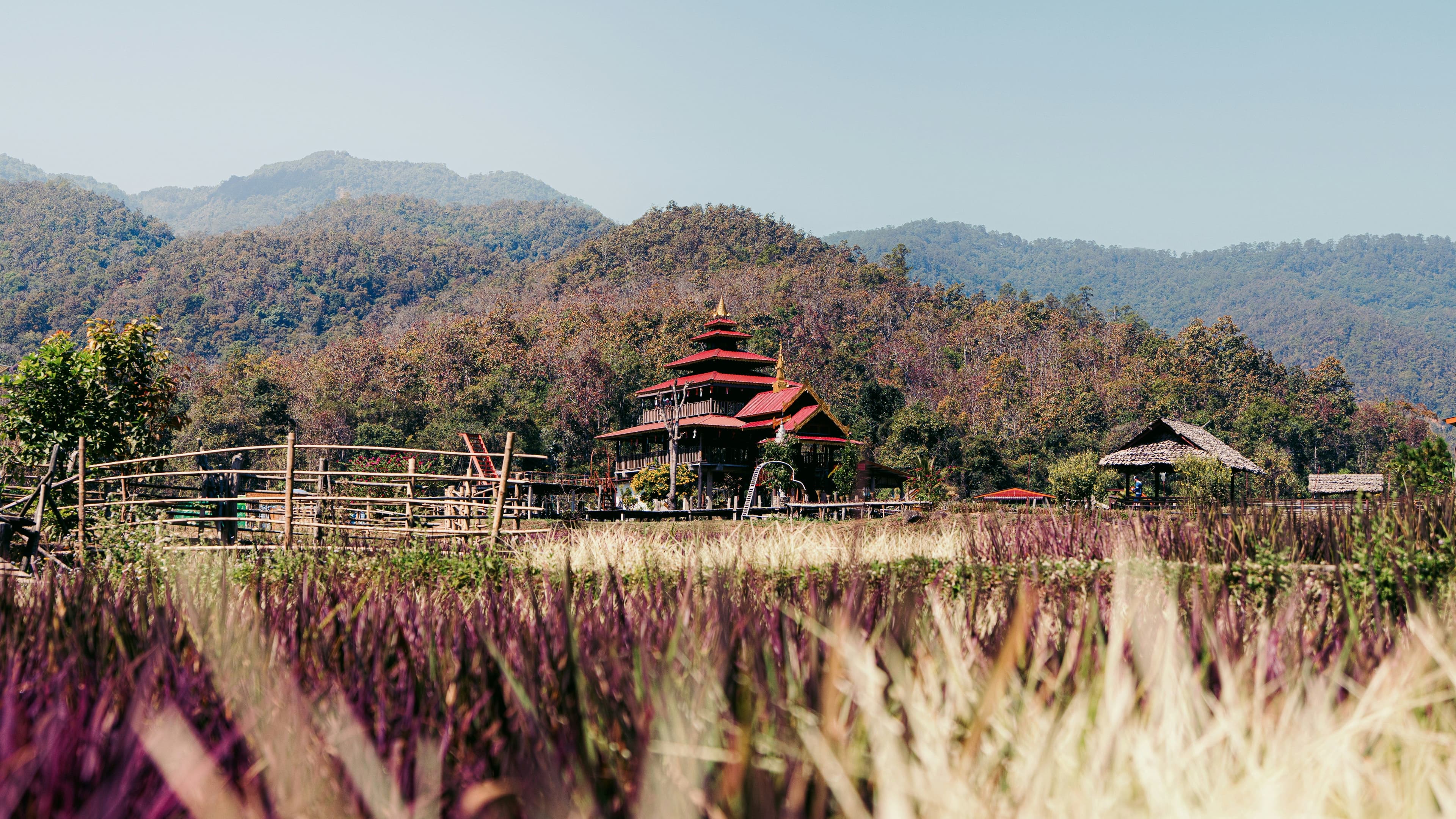
Treks here are only done with a local guide, for example multi-day routes through forest and villages where you stay overnight with families. It takes a bit more time to get here, but this is one of the few places where you see a completely different side of Laos.
One thing to keep in mind is that all of these places are quite far apart, and getting between them takes longer than you might expect. Seeing everything at an average travel pace would easily take around 3 to 4 weeks, so it makes way more sense to pick a few highlights and combine them into a route that actually works. We’ll share some good route ideas with you below so you can plan it properly.
How long do you need in Laos?
Most Go-Guided travellers spend around 2 to 3 weeks in Laos, as distances are longer than they seem and travel takes time. With just one week, it’s best to focus on one region instead of trying to see everything, so we’ll share a few ideas depending on how long you go.
2 weeks in Laos
Two weeks gives you enough time to move further south and see more variety.
Luang Prabang
Vang Vieng
Travel south to Pakse
Explore the bolaven plateau
Continue to Si Phan Don
3 weeks in Laos
With three weeks, you can follow a full route through the country and include more remote areas.
Start in Luang Namtha for trekking
Travel to Nong Khiaw for mountain views
Continue to Luang Prabang
Take the train to Vang Vieng
Travel south to Pakse
Loop the Bolaven Plateau
End in Si Phan Don (4000 islands)
Going for just a week? Then it’s all about keeping things compact and connected. Read this one week itinerary to Laos for the best route!
What to do in Laos: experiences you should not miss
Laos isn’t the kind of place where you’re running from one highlight to the next all day. It’s way more about the little moments in between, the kind of things you don’t really plan but end up remembering the most.
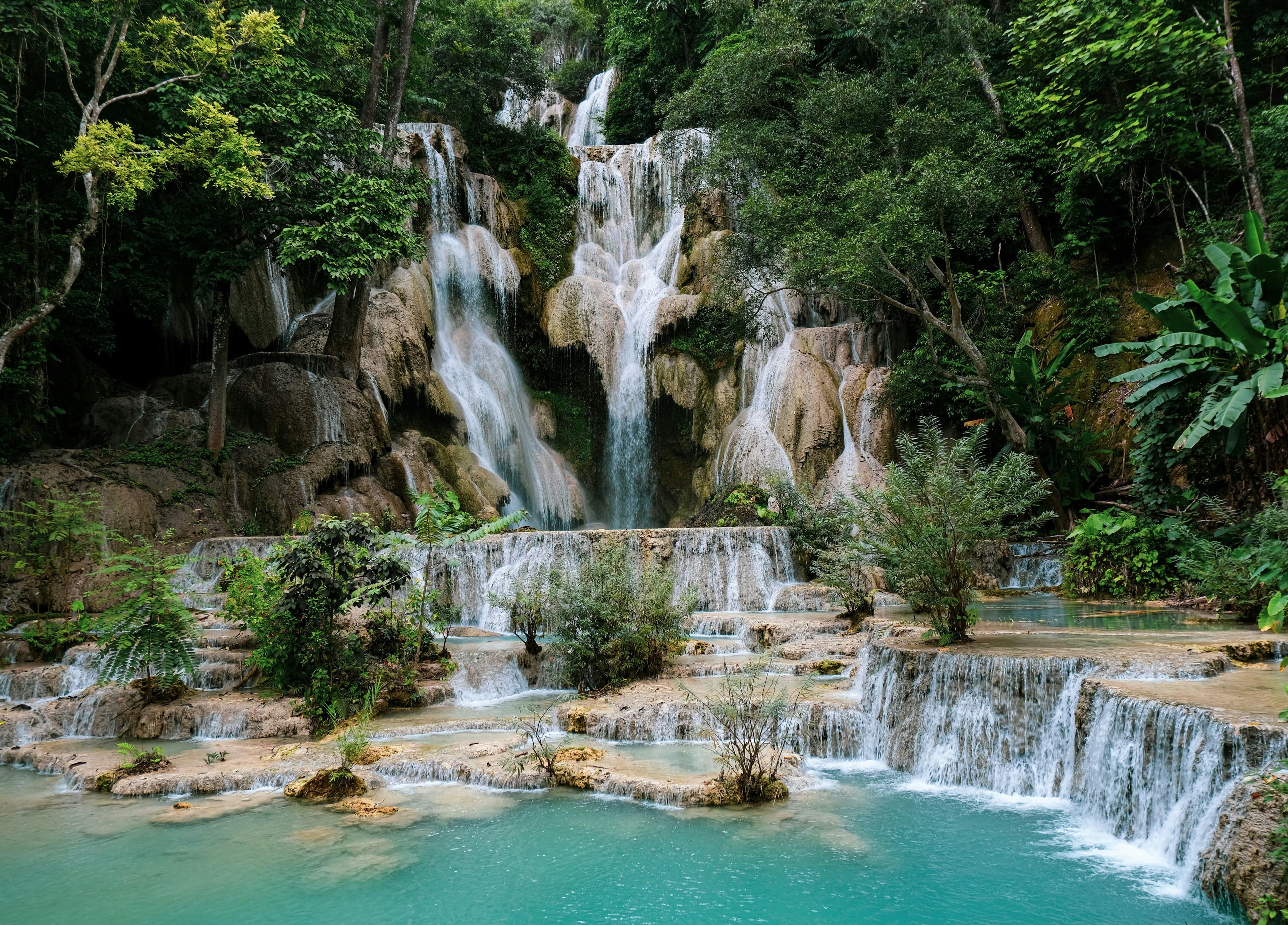
Swim in Kuang Si waterfalls
You know those bright blue waterfalls you always see in photos? That’s kuang si, and yes, it actually looks like that in real life.
Early in the morning it’s at its best, water is clearer, hardly anyone around, and you can just take your time there. There’s also a small bear rescue centre at the entrance, which is a cute place to visit when you’re in Laos.
Take a boat on the Mekong River
The mekong river basically runs through everything here, and it’s not just for views, people actually use it to get around.
The slow boat from Thailand to Laos takes two days, and it’s long, but in a good way, you just sit there, watch the river, and pass tiny villages you wouldn’t see otherwise. Shorter rides are everywhere too, simply hop on a boat to the next village.
Want to know more about boat trips and getting around in Laos? Read our Laos travel guide for more tips.
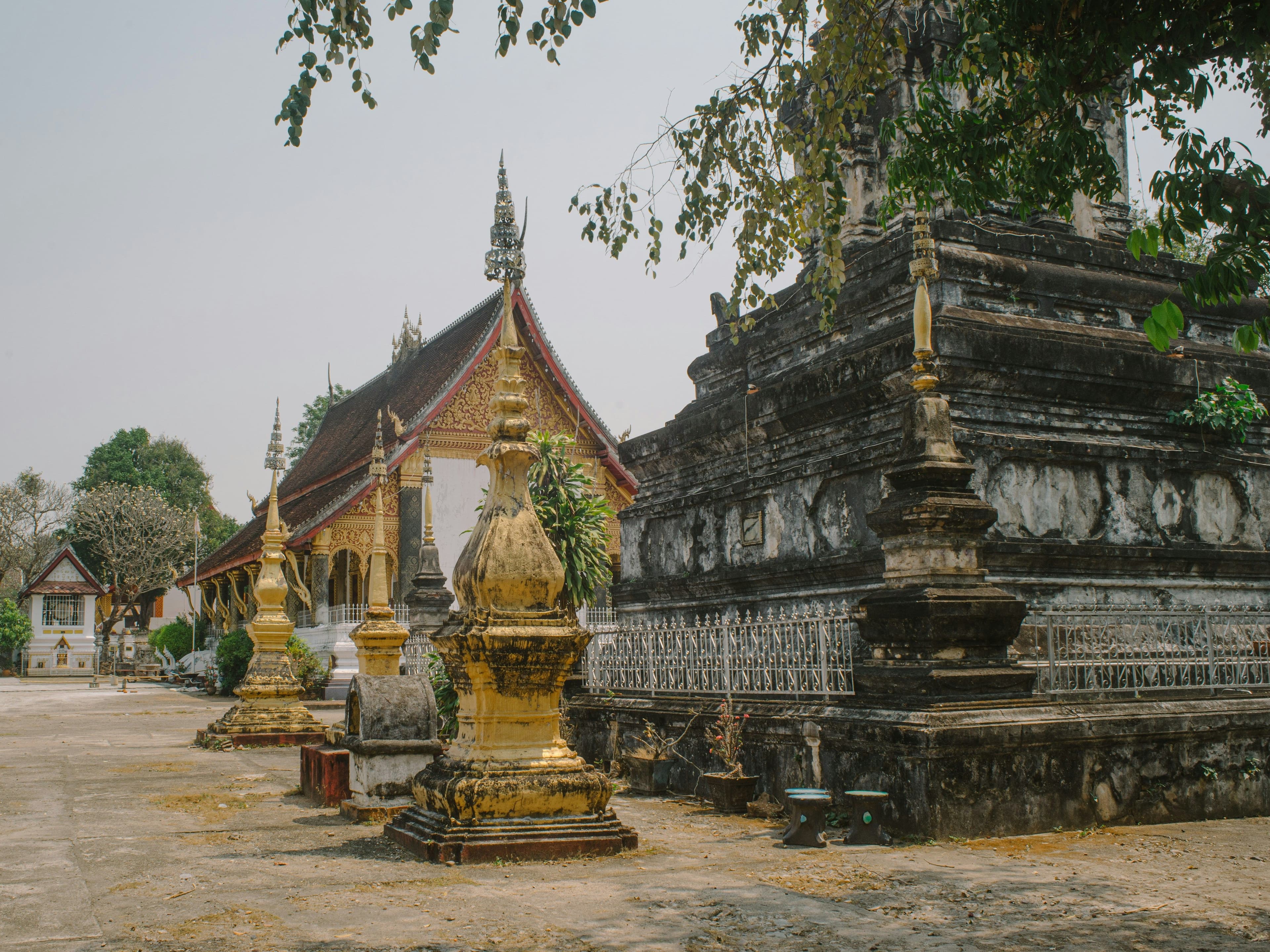
Visit temples and experience Buddhist culture
Temples are everywhere, but it doesn’t feel like sightseeing in the usual way. It’s more like stepping into the daily life of the locals. Monks walk around the small villages, and you might even see teenage monks. Early mornings are something else, monks walking through the streets collecting alms, completely silent. Just make sure to keep a bit of distance, that’s how you get the real experience without disturbing anyone.
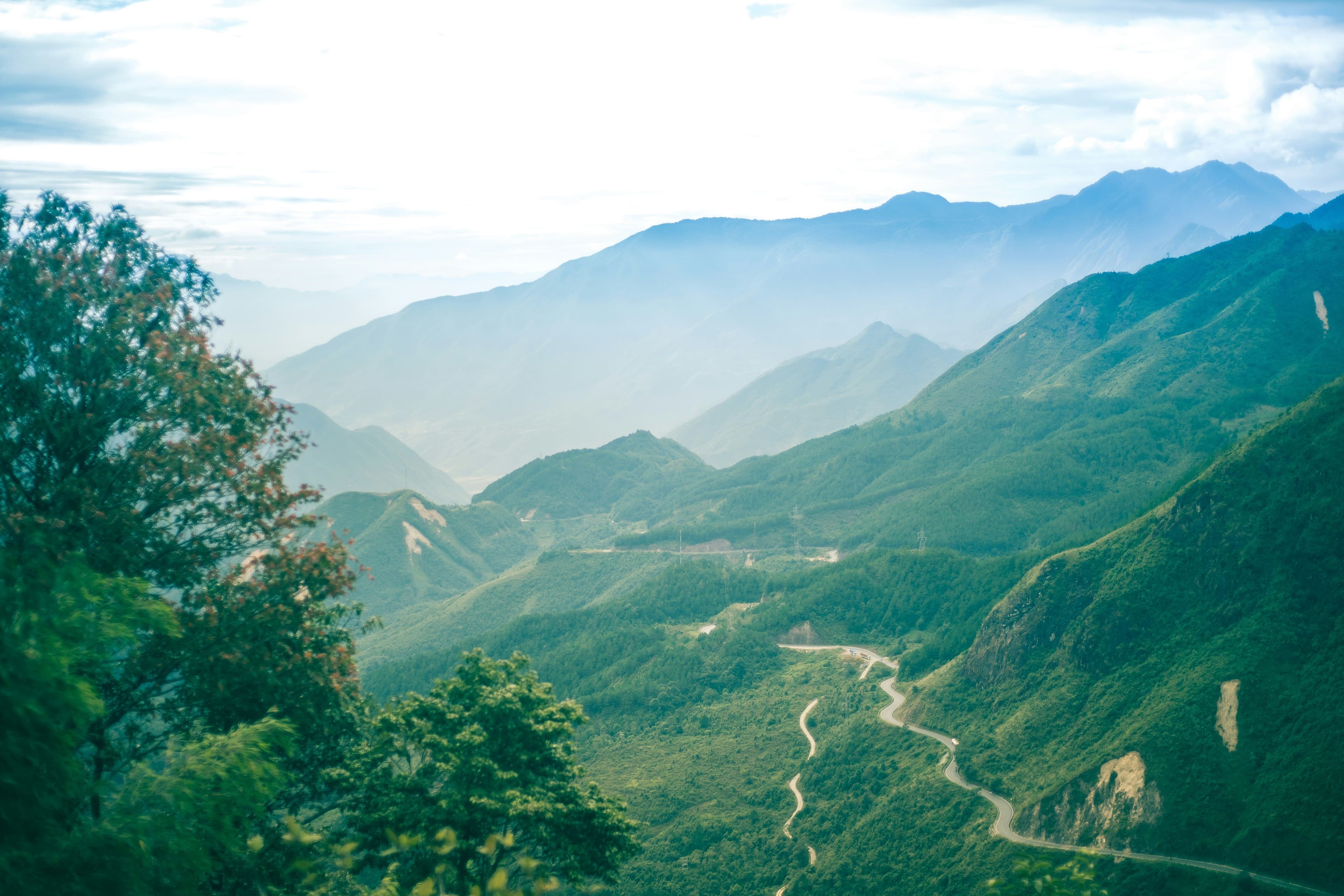
Go trekking in northern Laos
Up north things get way more remote, and that’s where trekking becomes a big part of the trip. Think jungle paths, small villages, and long walks through rice fields. Most treks are done with local guides, and you’ll often stay overnight in a village, which gives you a completely different perspective on how people live here.
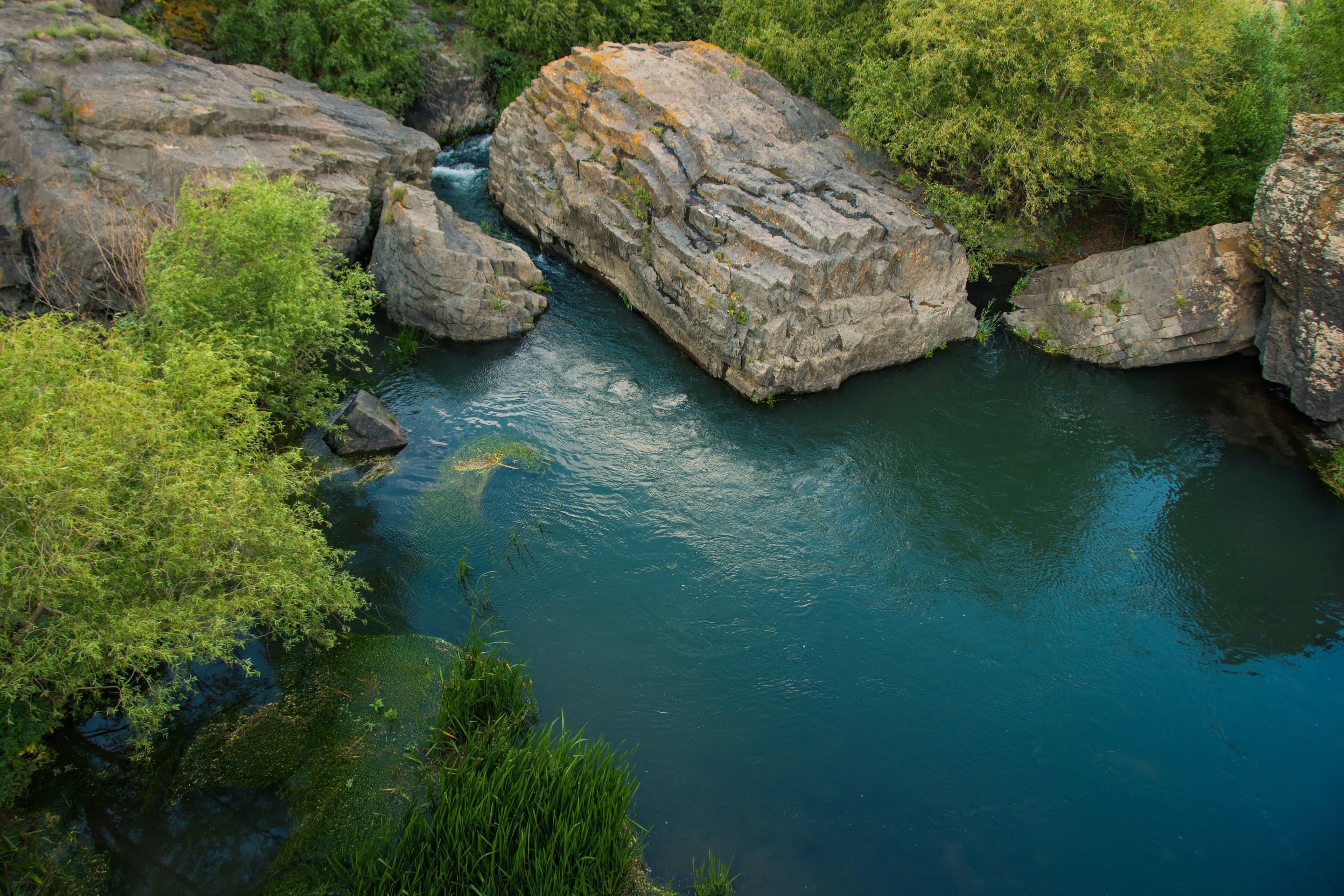
Explore caves and lagoons in Vang Vieng
Around Vang Vieng it’s all about caves and blue lagoons you’ve probably seen in the pictures. Some caves are super easy to reach, others take a bit more effort, but that’s usually what makes them even better! Mixing it with kayaking or cycling can be really fun.
Try local food and street food markets
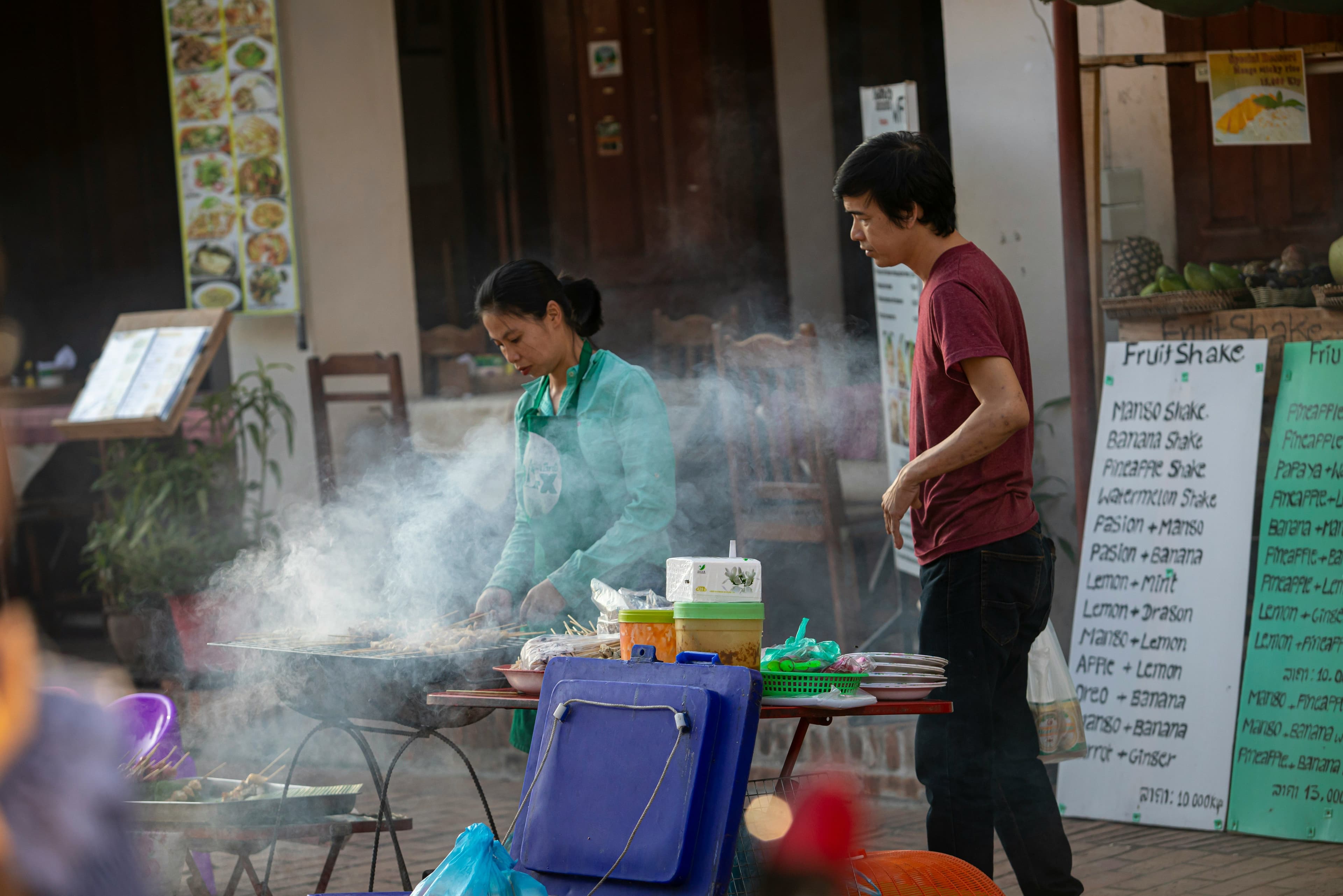
Food here is simple, but tasty. Everything kind of revolves around sticky rice, which you’ll notice pretty quickly. Laos does not have many big restaurants, instead you’ll see small local restaurants or stalls. Night markets are perfect for this, just walking through the market, grabbing things from different street food stalls, trying a bit of everything.
What makes Laos different is that none of this feels rushed or overplanned, it just kind of happens as you go. Slowing things down a bit actually makes everything better here, so don’t try to squeeze too much into one day.
Wondering when to go? Read our blog about the best time to visit Laos.
North to south: how Laos is typically explored
Looking at Laos on a map already gives it away, everything runs in one long line from north to south. Most routes follow that same direction, and once you’re there, you’ll understand why, it just works better with the way transport is set up.
Northern Laos
Up here things already feel more remote the moment you arrive, especially once you move beyond the main towns. Around Luang Prabang, and further towards Luang Namtha, you’ll see mountains and dense jungle. Driving these roads might take longer, but that’s exactly what keeps it less developed and more authentic. Your days here will revolve around trekking, rivers and visiting small villages that you won’t reach any other way.
Central Laos
This is the part where everything becomes easier to move through, and where most routes naturally connect. Around Vang Vieng, the landscape opens up into limestone peaks with the river running through the valley. Activities are close together, so you can go from caves to lagoons without needing to drive much. It’s also where the train makes things quicker, linking it directly to Luang Prabang.
Southern Laos
Further down, the pace drops again, and life centres around the Mekong river. Pakse is a great place as a base, from where you can head into the Bolaven Plateau, Thakhek loop or further south towards the islands. The region feels more spread out, with waterfalls, plantations and long quiet stretches in between. Once you reach Si Phan Don, time almost stands still, and that’s exactly the point!
It’s best to travel in one direction instead of going back and forth, as buses are slow and roads are not always well maintained.
Now that you know where to visit in Laos, you can also download our Go-Guided app to start building your own route and explore routes shared by other travellers!
How to choose where to go in Laos?
It’s actually less complicated than it looks once you match places to what you’re looking for. Think in experiences instead of trying to see everything.
Short trip: stick to Luang Prabang and Vang Vieng
Culture and temples: focus on Luang Prabang
Nature and mountains: head to Nong Khiaw or the north
Slow island life: go to Si Phan Don in the south
More active: combine Vang Vieng with trekking areas
Looking at everything together, Laos isn’t really about ticking off as many stops as possible, it’s more about choosing what the best places to visit in Laos are based on what you like, then planning your route from there.
Enjoyed This Blog? Continue Reading!
There is more travel inspiration waiting for you on our blog. You can take a look below and start mapping out your next travel adventure!