
Is Guatemala safe to visit? Things to know before planning your trip
By Eva Alkemade
Apr 28, 2026
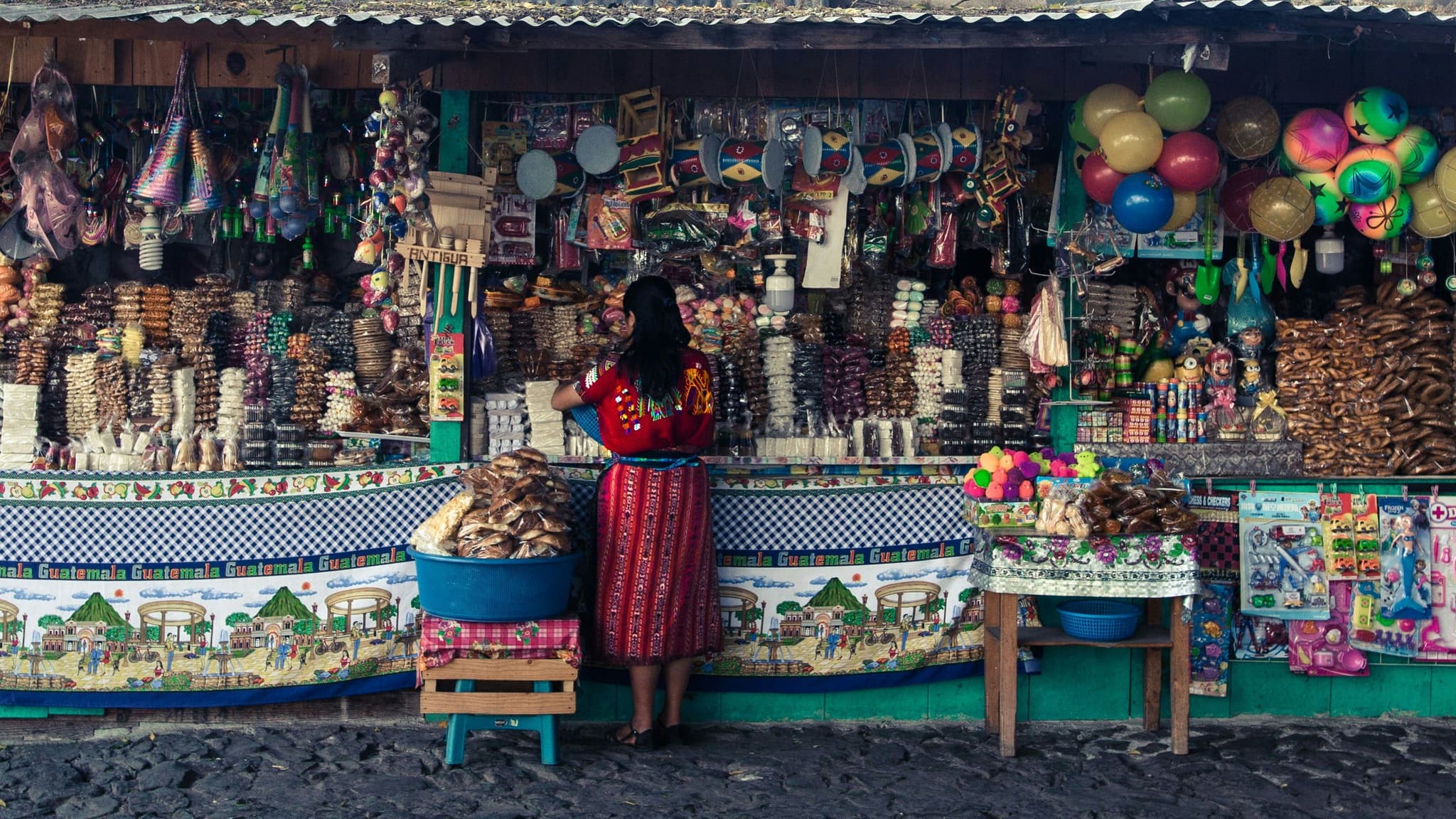
Guatemala is a place where both things exist at the same time: beautiful destinations and areas you simply skip. With the right choices and a bit of awareness, it’s absolutely fine to travel here, you just need to know what to look out for before you go.
Is Guatemala a safe country overall?
Guatemala is safe as long as you know where to go and what to avoid. Most serious issues are linked to gangs and happen in specific areas that you won’t visit during a normal trip. In places where people actually go as a tourist, things are completely different. Towns like Antigua and areas around Lake Atitlán are used to visitors and have a much calmer setup compared to parts of the country that are known for problems.
Is Guatemala safe to visit right now?
This comes down to the same idea: choose your locations well. Some regions are clearly marked as places to avoid, while others are visited every day without issues. Once you focus your trip around the right areas and plan your route ahead of time, it is much easier to keep safe.
Crime and safety in Guatemala: what you’re actually dealing with
Before getting into routes and places, we’ll explain what’s actually going on so nothing surprises you later. Once you know these patterns, it becomes much easier to avoid risky situations.
Is there violent crime in Guatemala?
Across the country, violent crime exists, but it’s not spread evenly and it doesn’t affect every place in the same way. In certain areas, incidents like armed robbery and assaults do happen, and that’s something you shouldn’t ignore. That said, most of this type of crime is linked to gang activity and stays within specific zones rather than spreading across the whole country. Cities tend to have higher risk, but even there it’s very location-based. Some zones are safe for tourists, while others are less safe. Later in this blog we’ll tell you all about which areas to avoid.
Petty crime in Guatemala
In busy places like markets, bus stations and transport hubs, smaller things like pickpocketing and bag snatching are more common. Keeping your phone or wallet visible in crowded areas makes you an easier target, so make sure to keep in in your pocket.
Withdrawing money from ATMs is another moment to pay attention, using machines inside banks or shopping centres during the day is a much better idea.
Are tourists targeted?
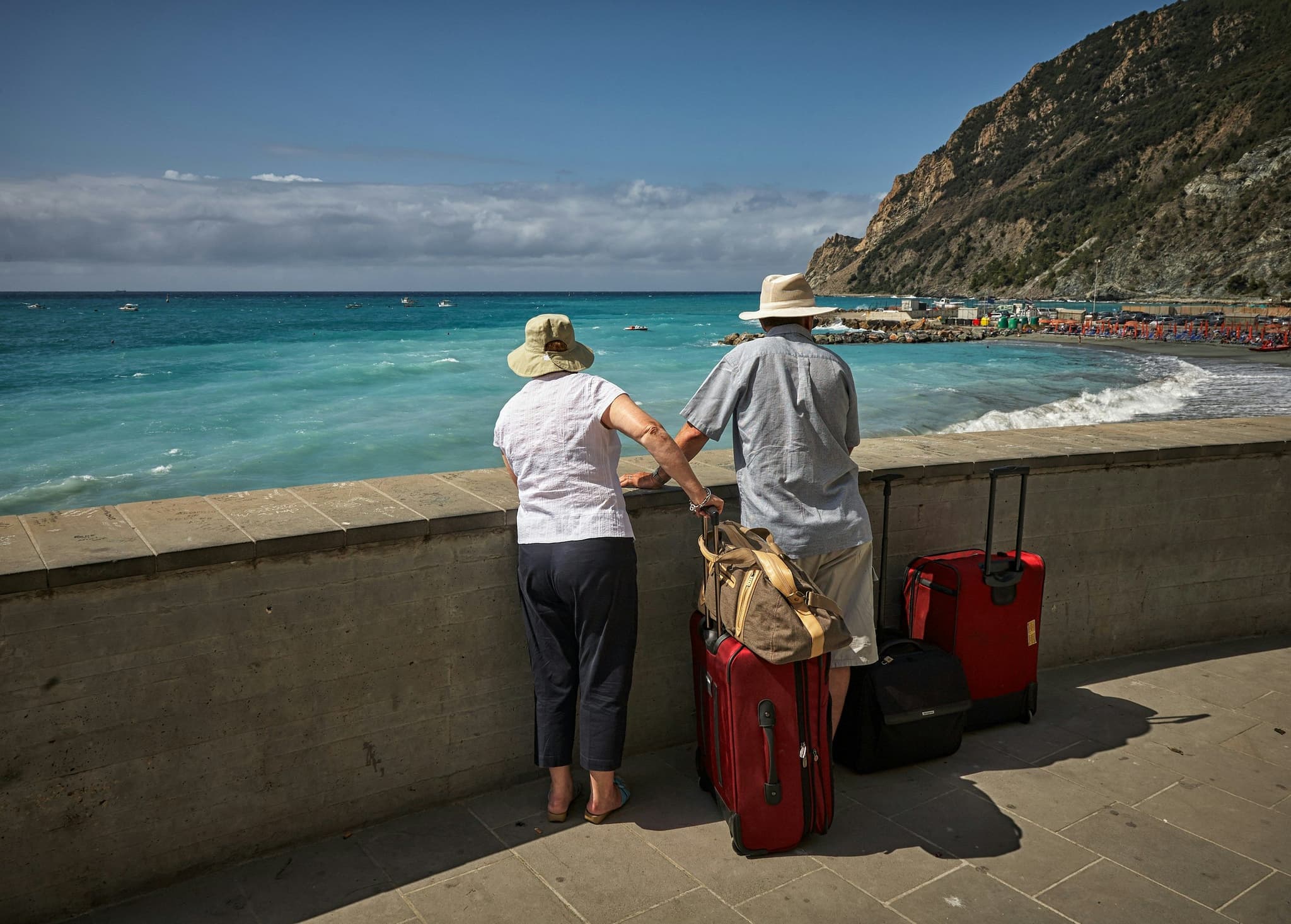
In most situations, visitors aren’t the main target. What happens more is opportunistic situations, where someone notices an easy chance. Keeping your belongings close and staying aware of what’s happening around you already reduces your chances a lot.
Around places like lake Atitlán, serious incidents involving visitors are very rare, and most reported cases are small things like pickpocketing rather than anything more serious.
Guided tip: Carry only what you need and avoid standing out, that already lowers your risk.
Which parts of Guatemala are safe, and which are not?
Some parts of Guatemala are visited all the time and feel easy to navigate, while others are known for problems and are best skipped. That’s important to take into account once you start mapping your trip. So let’s take a look at which areas are safe to visit as a tourist.
High-risk areas to avoid in Guatemala
Some places are simply not part of your trip, and it helps to be very clear about them from the start.
Regions like San Marcos and Huehuetenango are considered high-risk areas. These are border regions where drug trafficking and organised crime are more active, and where police presence can be limited.
Border crossings and remote areas are another thing to keep in mind. Roads near borders can see more criminal activity, especially on unofficial routes or at night
With all of this, the main takeaway is simple: these are not places you accidentally walk into. Once your route is planned, you’ll naturally stay within the areas that people actually visit. You could, for example, try this backpacking route through Guatemala, built from the experience of a fellow Guided traveller who travelled this exact path before you.
Guatemala City: what to expect
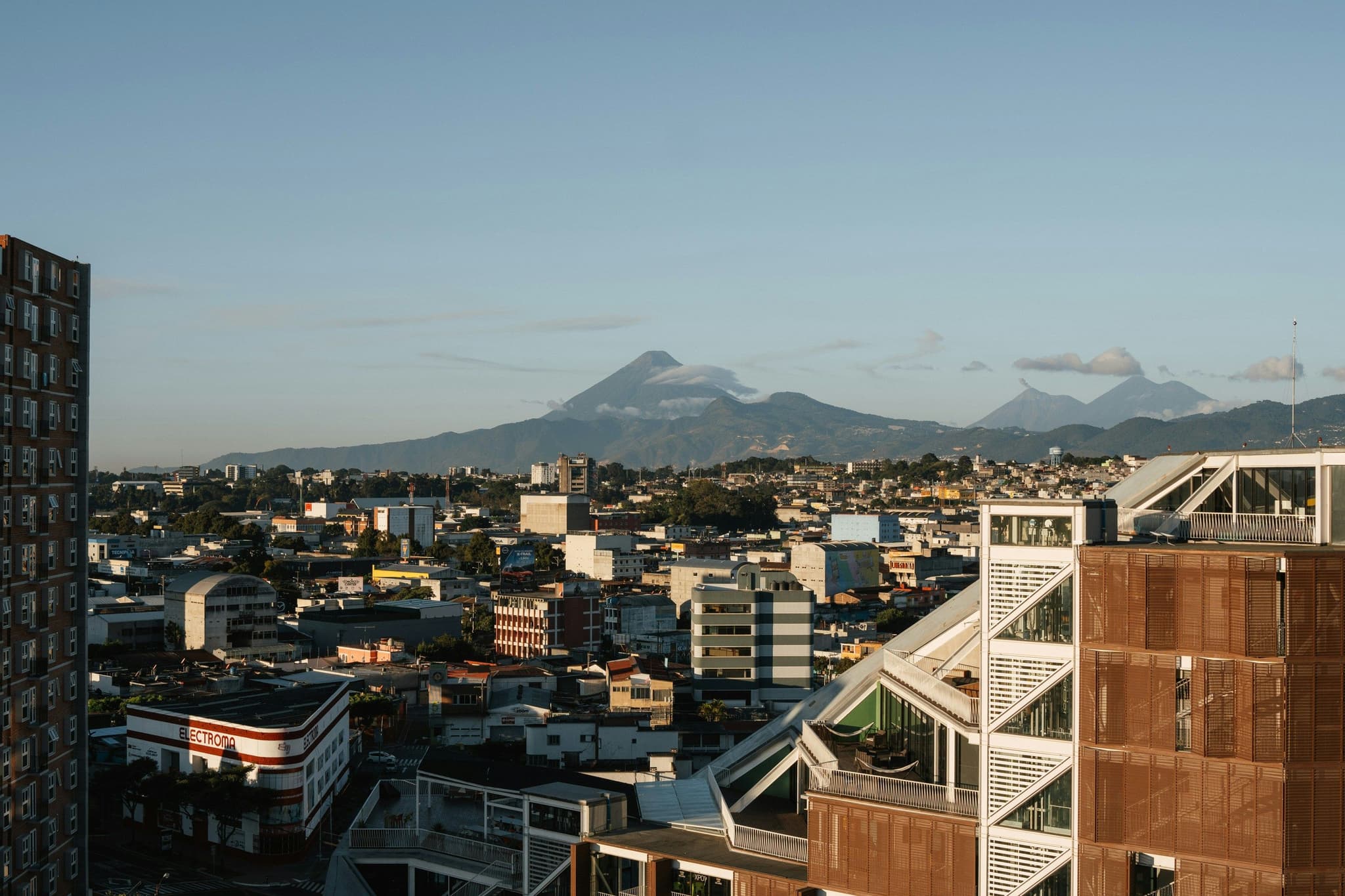
Guatemala city feels very different depending on where you are, and that’s something you notice quite quickly. The city is divided into zones, and each one has its own atmosphere and level of activity.
Let's start with the places that most visitors go to and are considered safer options. Zone 9 and Zone 10 are where hotels, restaurants and business districts are, and that’s where most visitors stay.
Though other zones require more caution or should not be visited at all. Zone 18 is an area is known for gang activity and is completely off-limits, together with nearby places like Villa Nueva. These areas are not part of any normal visit and are easy to avoid when you stick to known districts.
Beyond that, there are a few other zones in Guatemala City where caution is needed, including Zone 1, Zone 3 and Zones 5 to 7. These are areas where crime levels are higher, and where things like pickpocketing, bag snatching and even robberies have been reported. In Zone 1, which is the historic centre, you’ll notice a lot happening during the day, markets, buses, people moving around. At the same time, this is also where theft is more common, particularly near bus stops and crowded areas.
What “being careful” looks like here is quite simple:
Keep your phone and wallet out of sight
Avoid walking around after dark
Don’t carry all your valuables with you
Use Uber instead of moving between different zones on foot
Getting around in the city usually means planning your movement instead of just walking around randomly. And longer routes are better done by Uber or arranged transport.
Safer places to visit in Guatemala
Places like Antigua, lake Atitlán and the towns around lake Atitlán are where most people spend their time, and you’ll notice straight away how different it feels there. You can build your own trip around these well-known areas in the Guided app.
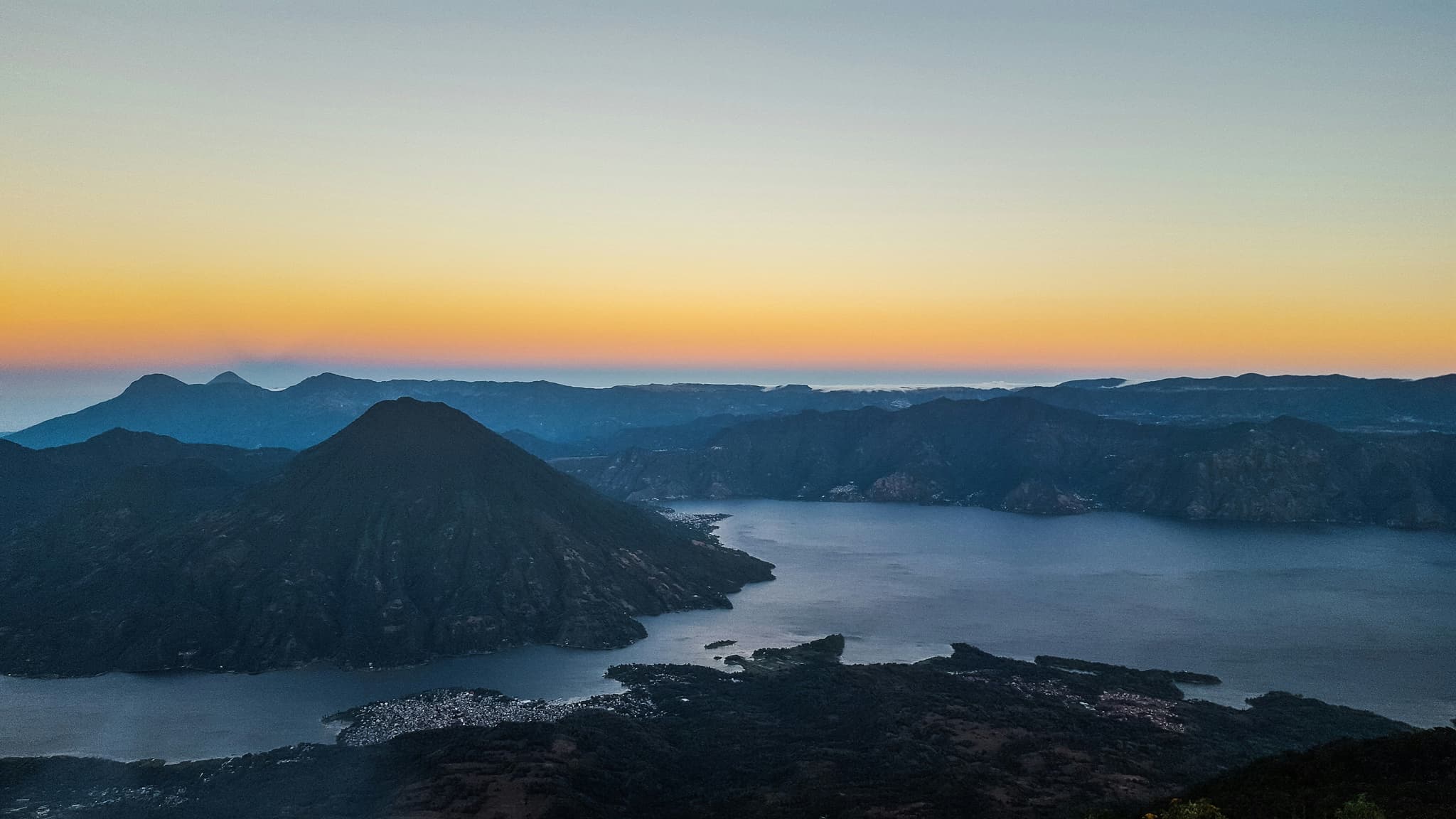
Antigua is compact and easy to walk around, while Lake Atitlán is made up of small towns like Panajachel, San Pedro and San Juan that are connected by boats and used daily by visitors. They’re excellent places to visit if you want a trip where getting around is easy and safe, and where you can explore on foot.
Want to know all the best places to visit here? Read our Guatemala travel guide for routes, places and useful tips.
Getting around safely in Guatemala
Across the country, transport varies a lot, from local buses to private shuttles, and each comes with a different level of comfort and risk. So once you know which options to pick, getting around becomes much easier.
Are chicken buses safe?
You’ll see these colourful buses everywhere, and they’re part of daily life in Guatemala. They’re cheap and used by locals all the time, so during the day on short routes, they can feel completely fine.
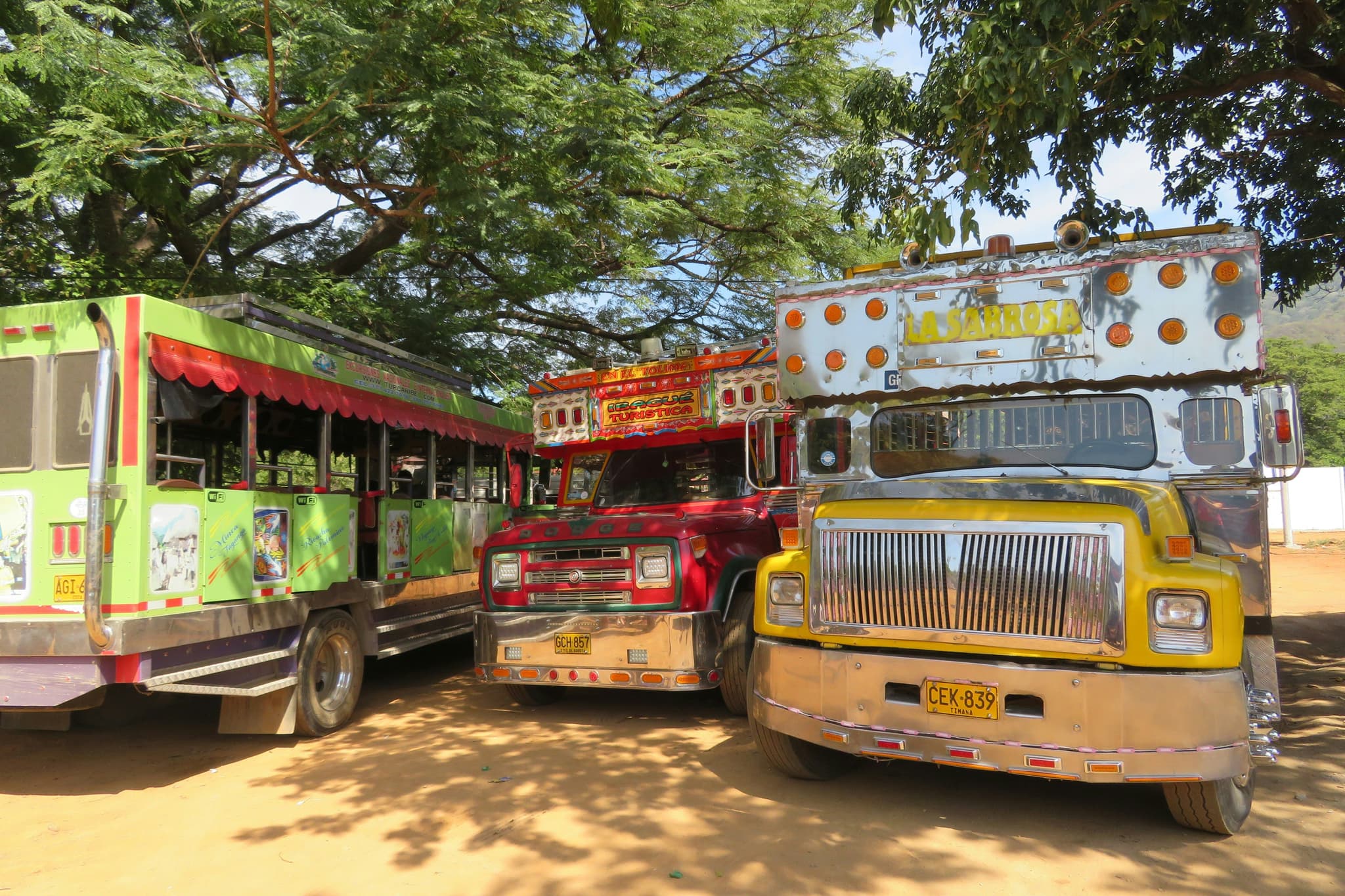
At the same time, this is also where most incidents like pickpocketing have been reported, particularly on longer routes or later in the day. Bags that are stored overhead are simply easier targets.
If you do decide to take one, staying alert, keeping your belongings close and choosing daytime routes already makes a big difference.
Is it safe to drive in Guatemala?
Driving yourself might sound like a good idea at first, but once you’re there, it’s not always the easiest option. The roads in Guatemala can change quickly from good to poorly maintained, and lighting outside cities is limited.
Situations like unexpected roadblocks, heavy traffic and confusing routes can make things stressful, especially if you’re not familiar with the area. And driving after dark is something you really want to avoid.
So, for shorter distances in known areas it can work, but for most trips, there are easier ways to move around.
Safer transport options
Private shuttles are one of the easiest ways to move between places like Antigua, Lake Atitlán and Flores. They run daily, pick you up from your accommodation and drop you off directly at your next stop.
In cities, Uber is widely used and tends to be the simplest option for getting around without having to think too much about routes or pricing. And booking transfers ahead of time, or through a tour operator, is also a nice option, as everything is arranged before you arrive.
Hygiene in Guatemala: how to stay safe and healthy
A lot of this comes down to water, food and what to expect if something does go wrong. Knowing these ahead of time saves you from uncomfortable situations like food poisoning.
Can you drink tap water in Guatemala?
No, tap water isn’t considered safe to drink in Guatemala, so sticking to bottled or filtered water is the way to go. That also applies to things like ice cubes, brushing your teeth and washing fruits if you’re not sure where the water comes from.
Medical care: what to expect
In bigger cities, private hospitals are available and generally much better equipped. Outside of those areas, facilities can be more limited. For anything serious, people usually head to private clinics, which is why having travel insurance is something you don’t want to skip.
Use the available tourist assistance and support
There’s actually a tourist assistance service in Guatemala called PROATUR, and they help visitors with things like directions, safety support and emergencies. In places like Antigua and around Lake Atitlán, you’ll see more presence and it’s easier to find help if you need it.
Weather and seasonal risks in Guatemala: what to expect
Timing your trip can change your experience quite a bit, not just in terms of weather, but also how easy it is to move around. Conditions chance between dry and rainy periods, and that affects roads, transport and day trips.
Guatemala has a rainy season
During the rainy months, heavy showers can lead to landslides and flooded roads, especially in mountain areas. Routes between places can take longer, and plans sometimes need to change last minute. Though, mornings are usually clearer, with rain coming later in the day, so planning your activities earlier helps.
Guatemala has volcanoes
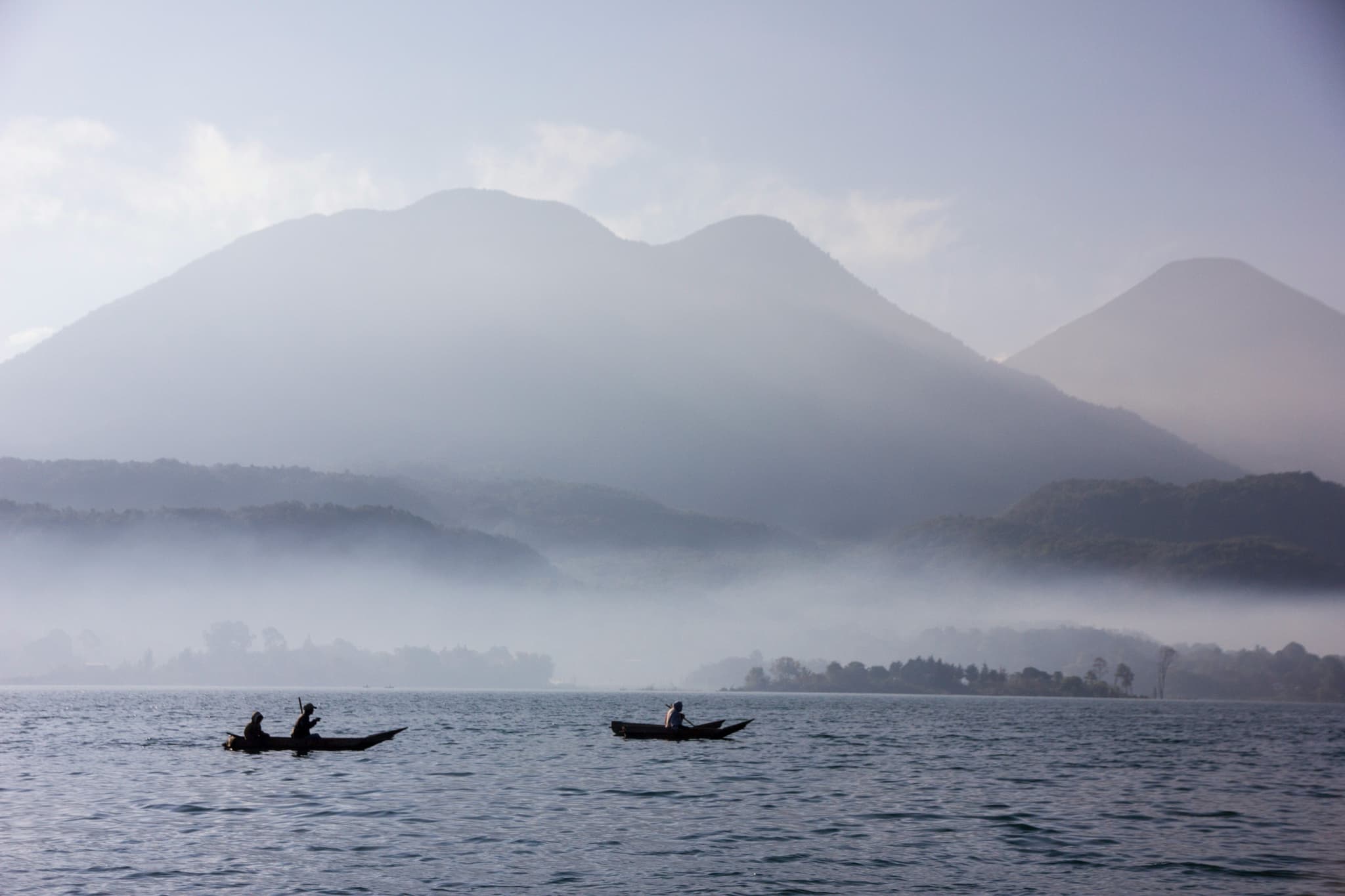
Guatemala is known for its volcanoes, and some of them are active. Hikes like Acatenango are popular, but conditions can change quickly. Local updates matter here, and going with a guide is the standard way to do these hikes safely.
Not sure when to go? We’ve written a full guide to help you choose the best time to visit Guatemala for your trip.
Is Guatemala safe for solo travellers, women and families?
You might be thinking about this depending on how you travel, solo, with someone, or with kids. The experience can vary a bit, but the same basics apply to everyone.
Solo travellers
Travelling solo in Guatemala is very common, especially along popular backpacking routes between Antigua, Lake Atitlán and Flores. Hostels and shared shuttles make it easy to meet others along the way. Again, sticking to known routes and planning your transport ahead keeps things safe.
Female travellers
For women, a bit of extra awareness helps, mainly in cities and at night. Walking alone after dark or in less busy areas is something you’ll really want to avoid. Though, in towns like Antigua or around Lake Atitlán, you’ll see many women travelling independently without issues.
Families
Travelling with family works well in places that are easy to navigate and have good accommodation options. Antigua and Lake Atitlán are usually the first choices because everything is close by. Planning your transport and choosing where you stay ahead of time is a good choice when travelling with kids.
How to stay safe in Guatemala?
Now you already know what to expect, so it really comes down to keeping a few things in mind and avoiding high-risk areas. Most of these are easy to follow and quickly become second nature once you’re there.
Book your accommodation in advance
Arriving somewhere with your stay already sorted makes everything easier. You know exactly where you’re going and don’t need to search on arrival. And you can grab a taxi straight from the airport to your accommodation. When staying in the capital, make sure to avoid the high risk zones we mentioned earlier. Also, choosing places with good reviews and in central areas helps you stay within the parts that are safer and easier to navigate.
Avoid travelling at night
Moving between cities or towns after dark comes with more risks, both on the road and in terms of crime. Driving during the day is simply much more predictable and easier to manage.
Use trusted transport only
Using Uber in cities or pre-booked shuttles between destinations keeps things safe and straightforward. Once everything is arranged ahead of time, you don’t need to think about it during your trip.
Keep valuables out of sight
Phones, cameras and wallets are best kept out of view when you’re walking around. A small bag that closes properly already makes a big difference. Carrying less valuables also helps you stay more relaxed during the day.
Stay aware of your surroundings
Being aware of your surroundings doesn’t mean being on edge, just paying attention to what’s happening around you. Busy areas and transport hubs are where you’ll want to stay a bit more alert. If something doesn’t feel right, changing direction or stepping into a shop is always a good option.
Plan your routes in advance
Knowing how you’re getting from one place to another avoids last-minute decisions. This applies to both short distances and longer travel days. Once you have your route clear, you won’t end up in areas you didn’t plan to visit. You can build your own trip around the safe, well-known areas in the Guided app.
Be careful at ATMs and airports
Using ATMs during the day and inside banks or malls is a safer option. At airports, arranging your transport before arrival means you can leave without waiting around.
Use guides for hikes and remote areas
For volcano hikes and more remote locations, going with a guide is the standard approach. Routes can be less clear, and having someone who knows the area helps a lot. It also makes the experience more enjoyable because you don’t need to figure everything out yourself and can listen to stories about the area.
Check travel advisories before your trip
Situations can change, so checking safety updates for travelling to Guatemala before and during your trip keeps you informed.
So, is Guatemala safe to visit?
Guatemala is safe for many people who plan their trip around the right areas and make a few smart choices along the way. What makes the biggest difference is where you go and how you move between places. Sticking to known destinations like Antigua and Lake Atitlán, arranging your transport ahead of time and staying aware of what’s happening around you already puts you in a very good position.
Enjoyed This Blog? Continue Reading!
There is more travel inspiration waiting for you on our blog. You can take a look below and start mapping out your next travel adventure!

