
Best time to visit Guatemala: how to choose the right month for your trip
By Eva Alkemade
Apr 21, 2026
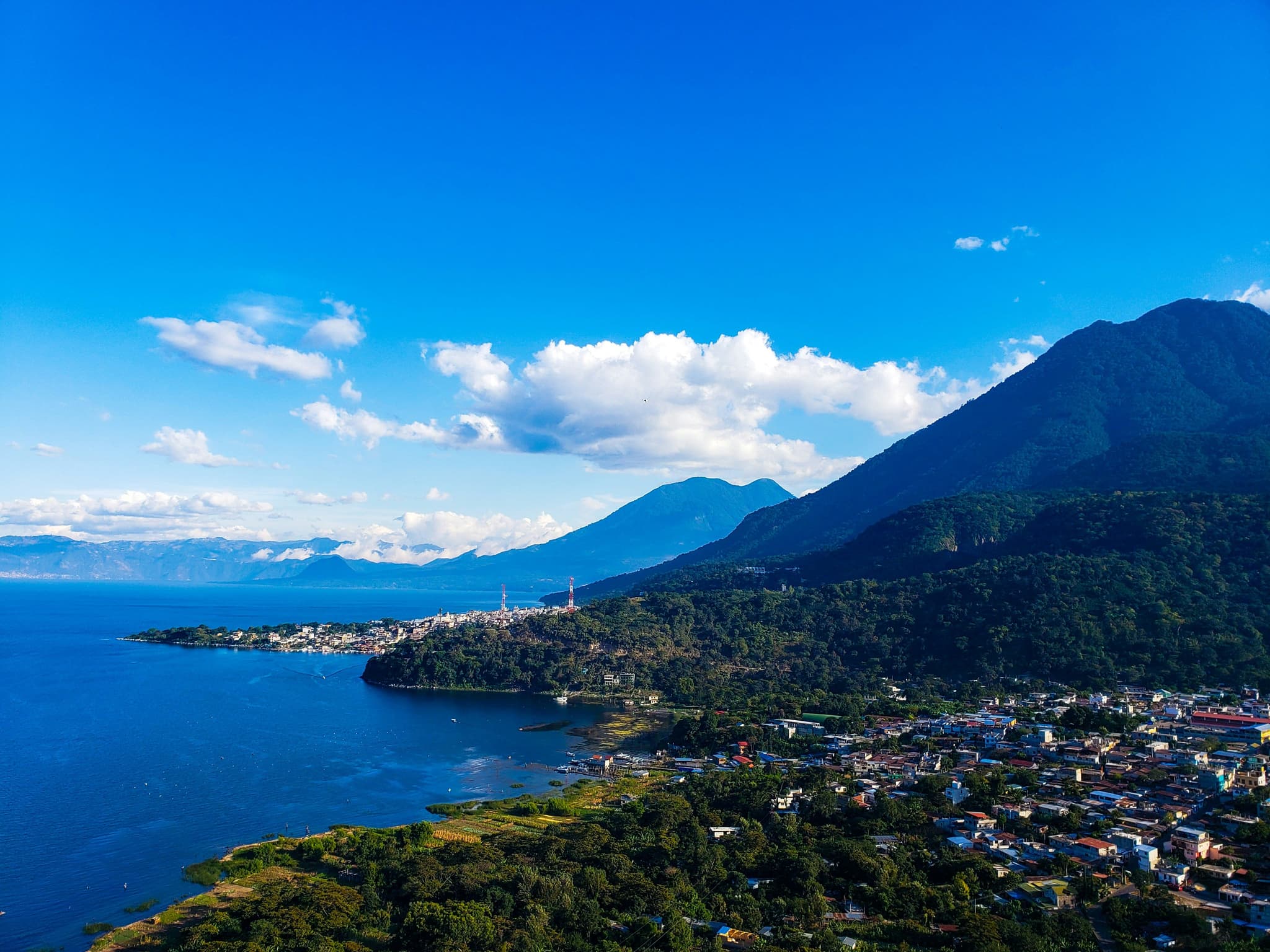
It might not seem like timing matters that much in Guatemala, since temperatures stay fairly steady all year. Standing on top of a volcano during a tropical rainstorm is not something you’ll want though. Because altitude changes everything here, you could be in a cool mountain town like Lake Atitlán and a few hours later in a hot, humid jungle near Tikal. That contrast is exactly what makes the country so interesting to travel through, but it does require a bit of planning. So the best time to visit Guatemala isn’t just about avoiding rain, it’s about matching the season to the kind of activities you want to do.
When is the best time to visit Guatemala?
For Guatemala, the best time to go is usually between November and April, during the dry season, when you’ll get clearer skies and smoother travel between places. What you’ll notice pretty quickly though, is that the ideal time isn’t the same for everyone.
Best overall period: November to April, dry conditions, clear skies, best for volcano hikes, ruins and getting around easily
Still a really good option: April and May, warmer days, first short rains starting, quieter atmosphere, good balance for most trips
Guided tip: Planning your main activities earlier in the day works really well during wetter months.
Best months to visit Guatemala
When planning your trip to Guatemala, it helps to look at it month by month. Chances are you’ll only have time off in a specific period, so knowing what to expect during that month makes it much easier to decide what works for you.
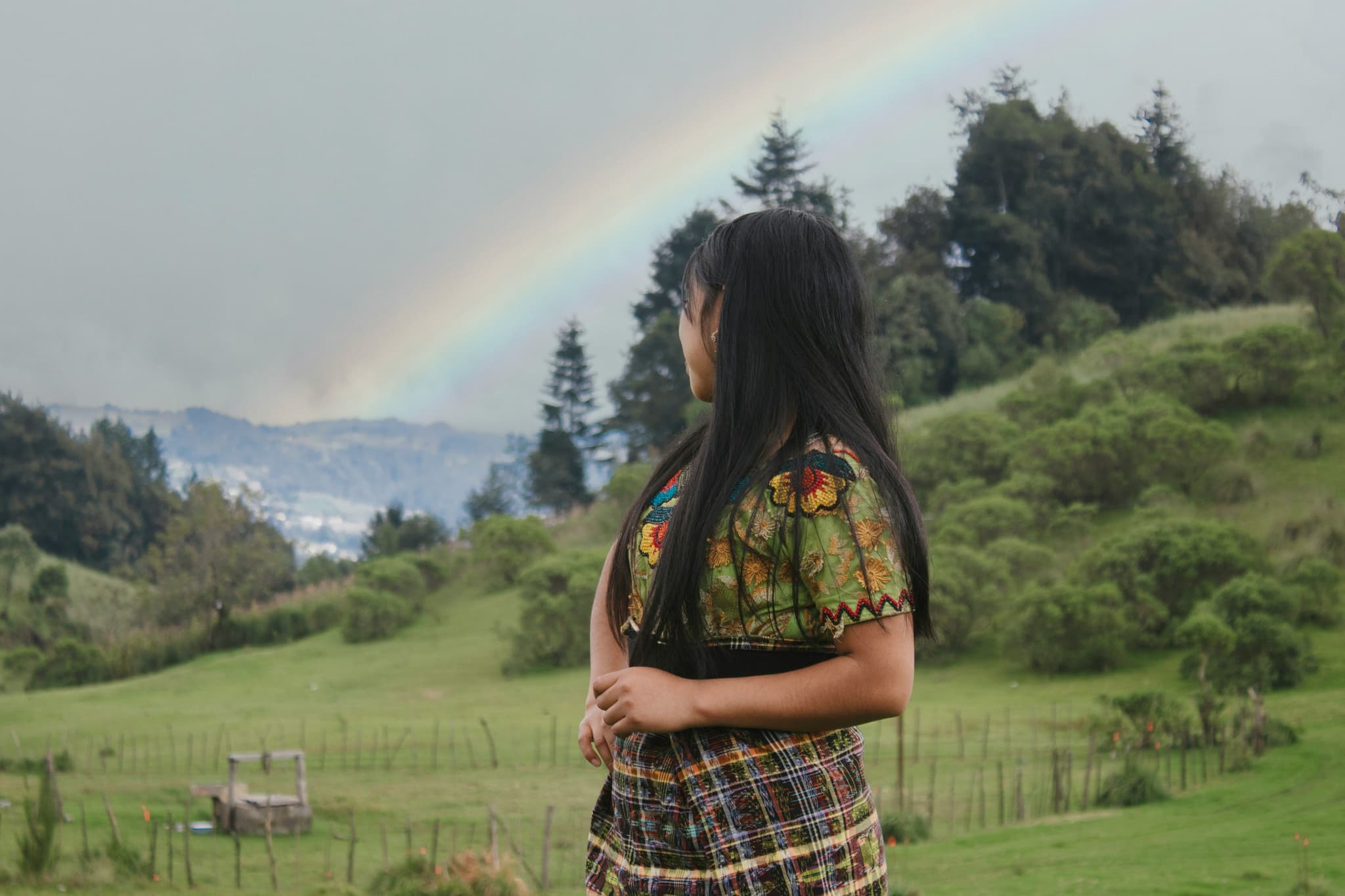
November to February: cooler, clear and balanced
Coming out of the rainy period, everything still looks green, but the skies start clearing up again. Around this time, temperatures stay comfortable, and places like Lake Atitlán just work really well for exploring. In Guatemala, the weather in November is cool but pleasent, so it’s a great time to move around without too much heat or rain getting in the way.
March and April: hottest and most festive months
Things pick up a lot here, both in temperature and in what’s happening around you. During this part of the year, you’ll run into high season, and events like Semana Santa and holy week completely take over towns like Antigua. At that point, days get hotter, and places get busier.
May to June: start of the rainy season
Around this time, the rainy season slowly starts to show, though it doesn’t stop you from travelling. Most days still start dry, with rain coming in later, and temperatures stay warm across the country. Around this time, things calm down a bit, and moving around is more relaxed compared to earlier months.
July and August: mixed conditions but still a good option
During July and August, things don’t follow a fixed pattern, which actually works out better than you might expect. Some days stay dry, others bring short bursts of rain, and with fewer people around, it can still be a solid month to visit.
September and October: wettest period of the year
Closer to these months, rainfall becomes more noticeable, mainly in jungle areas. Around this period, the hurricane season can have some influence, and the season in Guatemala reaches its wettest point. Fewer people travel during this time. A slightly wetter month can still work really well when your plans focus more on places close together instead of long travel days.
Dry season vs rainy season in Guatemala: what it actually feels like
Now you know when the rainy and dry seasons fall. But what does that actually look like once you’re there, and how does it influence your trip?
Dry season (November to April)
During the dry season, days stay clearer, which makes a big difference when you’re out exploring. Views over volcanoes stay visible, and places like national parks are much easier to get through. This is the best time to go to Guatemala, since travel just runs more smoothly.
Rainy season (May to October)
Once the wet season kicks in, the pattern changes, but not in a way that takes over your whole day. Mornings usually stay dry, with rain coming in later, and nature starts to look much greener. Most waterfalls get stronger, rivers fill up, and jungle areas look completely different compared to the dry months. Also, prices tend to be lower, and getting around can feel a bit more relaxed with fewer people travelling at that time. For a lot of people, that actually turns into a really interesting time to visit, since you’re seeing a side of Guatemala that looks very different from the typical dry season trip.
Shoulder periods: where both seasons meet
That usually sits around late April into May and again around late October into November. Around those moments, you’re right in between the dry season and the rainy season, so you’ll notice a mix of both, with mostly dry days and the first or last rains starting to come in. Around those moments, you’ll get a mix of conditions, making it a really good time to travel if you want something in between.
Month-by-month weather: what to expect
Each period brings slightly different conditions. Let’s take a look at what kind of weather you can expect per period.
January to March: Dry, clear skies and temperatures around 20 to 30°C.
April to June: Warmer days (24 and 33°C.) with April as the hottest month, followed by the first rain in May.
July and August: Mixed weather with short rain showers and dry periods in between.
September and October: Wettest months of the year, higher humidity and heavier rainfall.
November to December: Dry season returns with clear days and temperatures around 23 to 30°C.
Planning to go backpacking? Check out this backpacking route through Guatemala!
Best time to visit Guatemala based on what you want to do
We recommend first choosing some activities you want to do or places you want to visit before deciding on the best time to visit guatemala for your trip. That way, you can line up your travel dates with the conditions that actually work best for what you have in mind.
Volcanoes and national parks: November to April
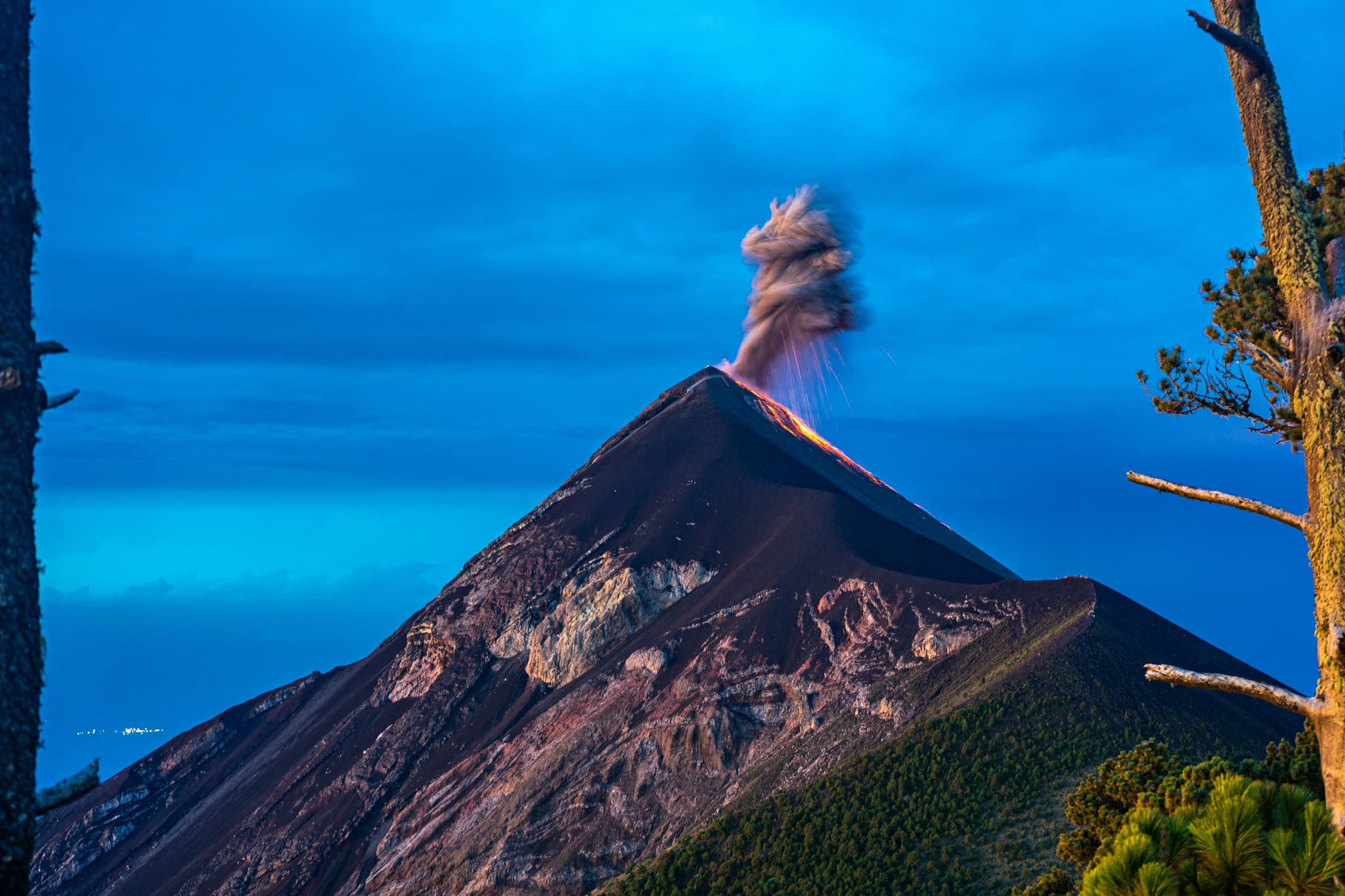
Up on places like Acatenango or Pacaya, clear skies make a huge difference, since views of Volcán Fuego erupting at night are incredible. During the drier months from November to April, paths stay in better condition and you’re much more likely to get those wide open views instead of clouds sitting in front of everything. Also, in Tikal National Park or Semuc Champey, that same period makes moving around easier, with less mud.
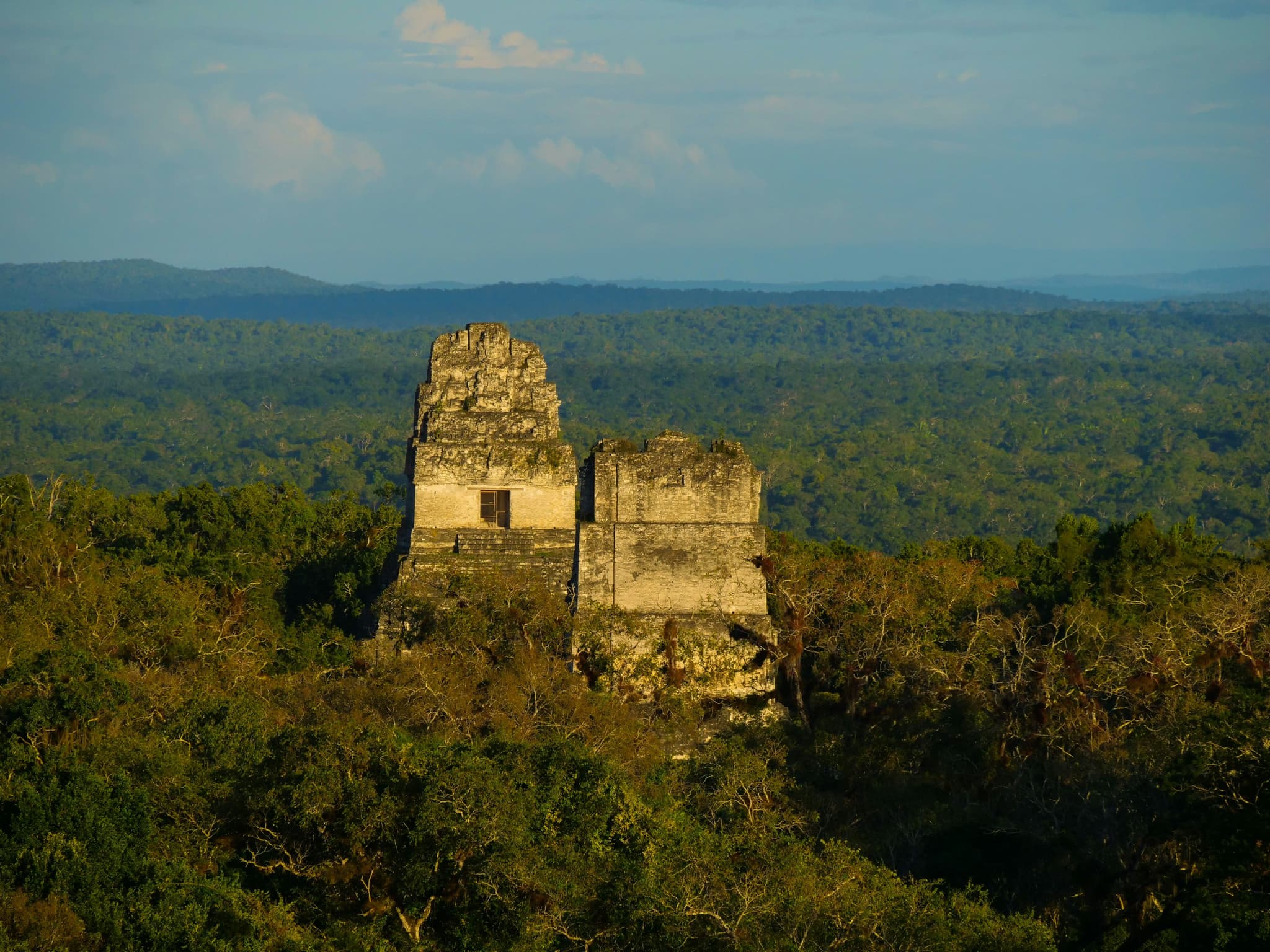
Ruins like Tikal: December to April
Down in the jungle, heat and humidity build up pretty quickly, so timing really matters. During the months between December and April, walking between temples is a lot more comfortable, and climbing up for those views over the jungle is much easier. It is best to start your day early, since wildlife is more active and temperatures haven’t peaked yet.
Culture and festivals: March and April, November
Around March or April, everything changes in cities like Antigua, where Semana Santa takes over for an entire week. Streets fill with massive processions, colourful carpets made from flowers and sawdust, and events happening from early morning into the evening.
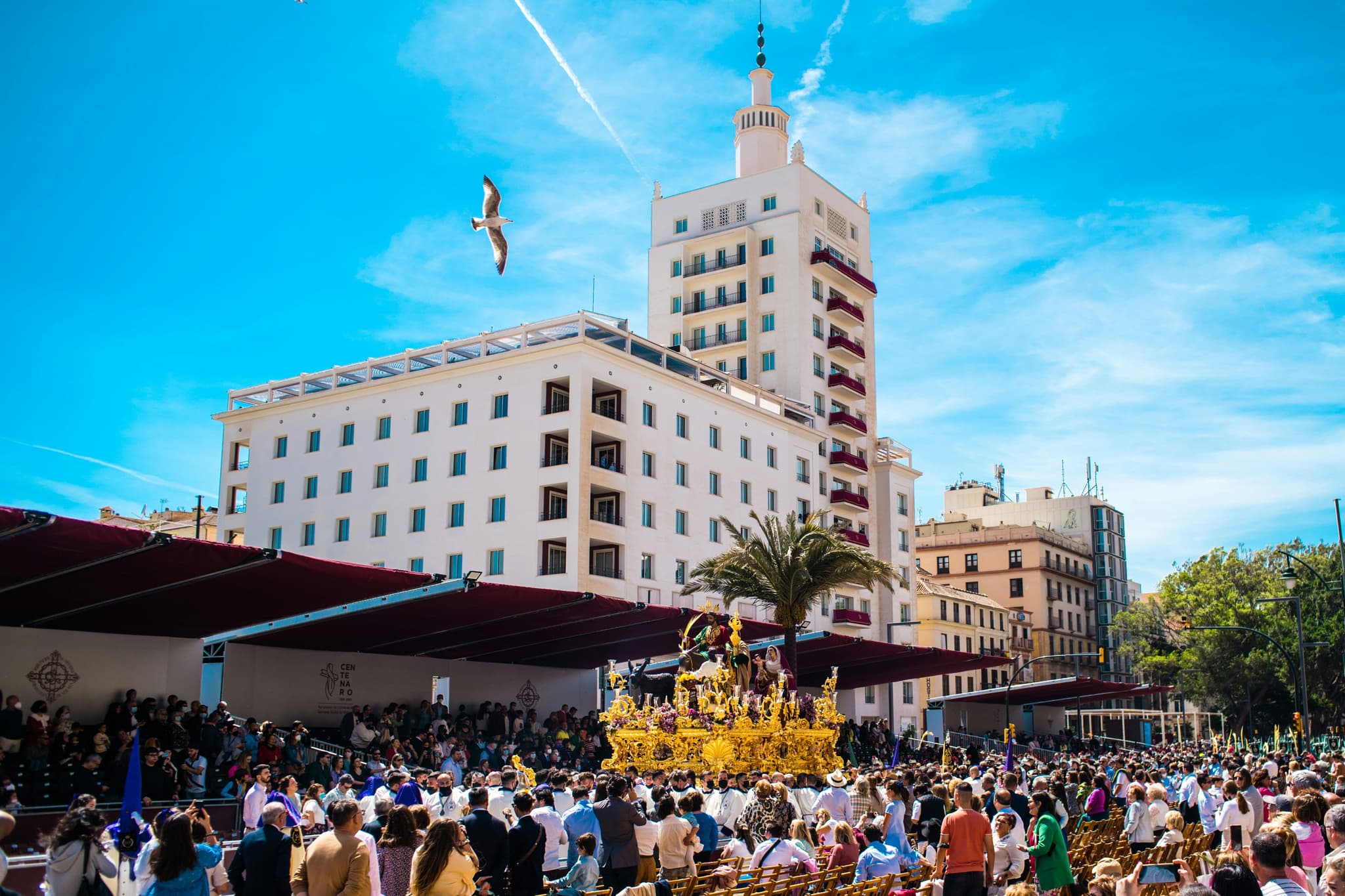
Early November brings something completely different, with Day of the Dead traditions like giant kites flying above cemeteries in places like Santiago Sacatepéquez, which is a very unique experience.
If you’re not sure where to go yet, our Guatemala travel guide gives you a good overview of the best places to visit, and fun activities you can do.
Weather differences across Guatemala: why location matters
It might seem like the weather stays the same everywhere, but that’s really not how Guatemala works. Within a few hours, you can go from wearing a jumper in the mountains to dealing with heat and humidity in the jungle, so where you go actually changes your whole experience.
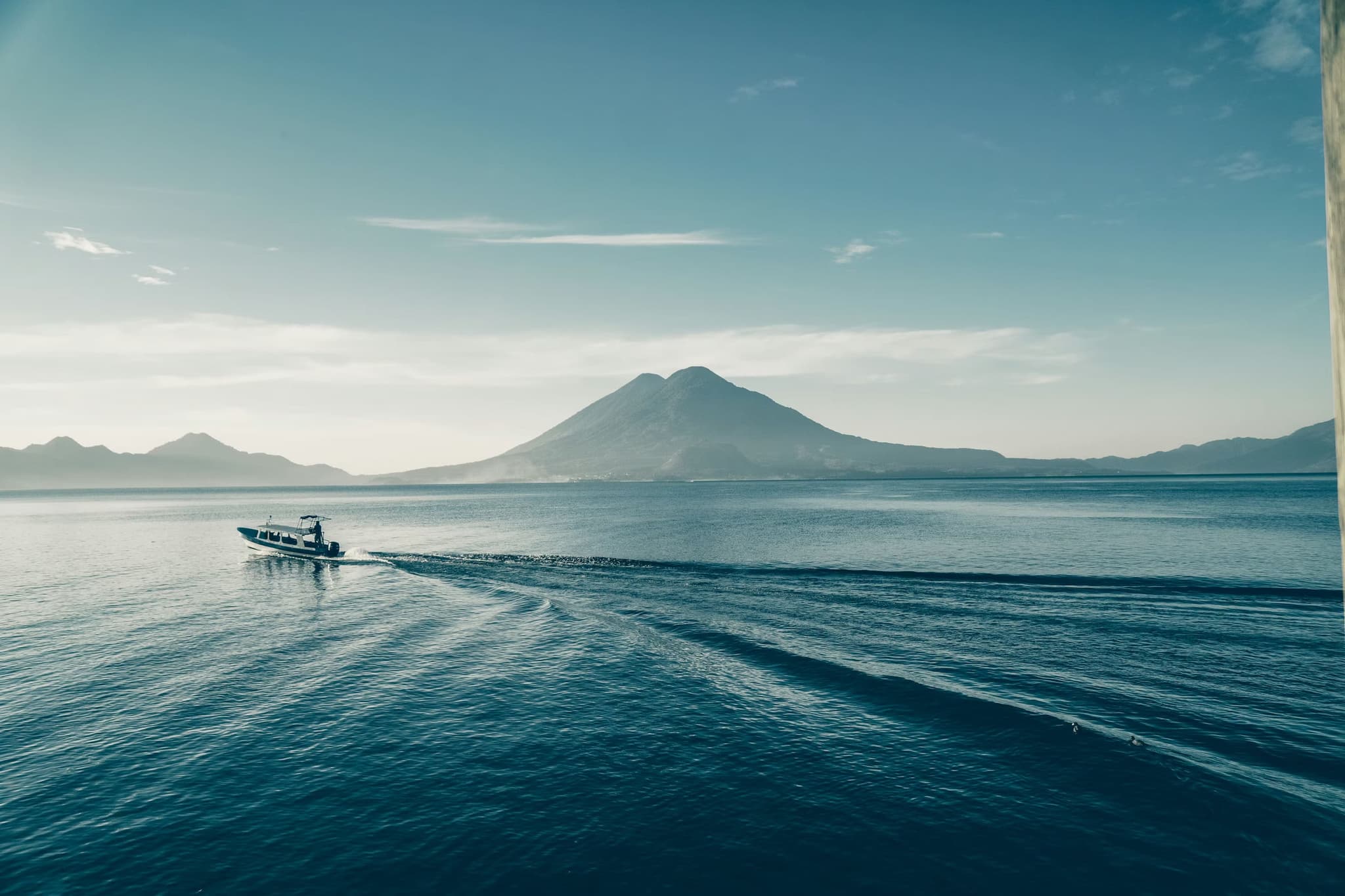
Highlands: Antigua, Lake Atitlán
Up in the highlands, days stay milder, with temperatures usually between 15 and 25°C, and evenings can cool down quite a bit. Around Antigua, you can spend your time walking through colonial streets, visiting viewpoints and climbing nearby volcanoes like Pacaya, which is one of the easier ones to access. Closer to Lake Atitlán, you can do activities like kayaking, visiting villages like San Marcos and San Juan, or taking boats across the lake between towns.
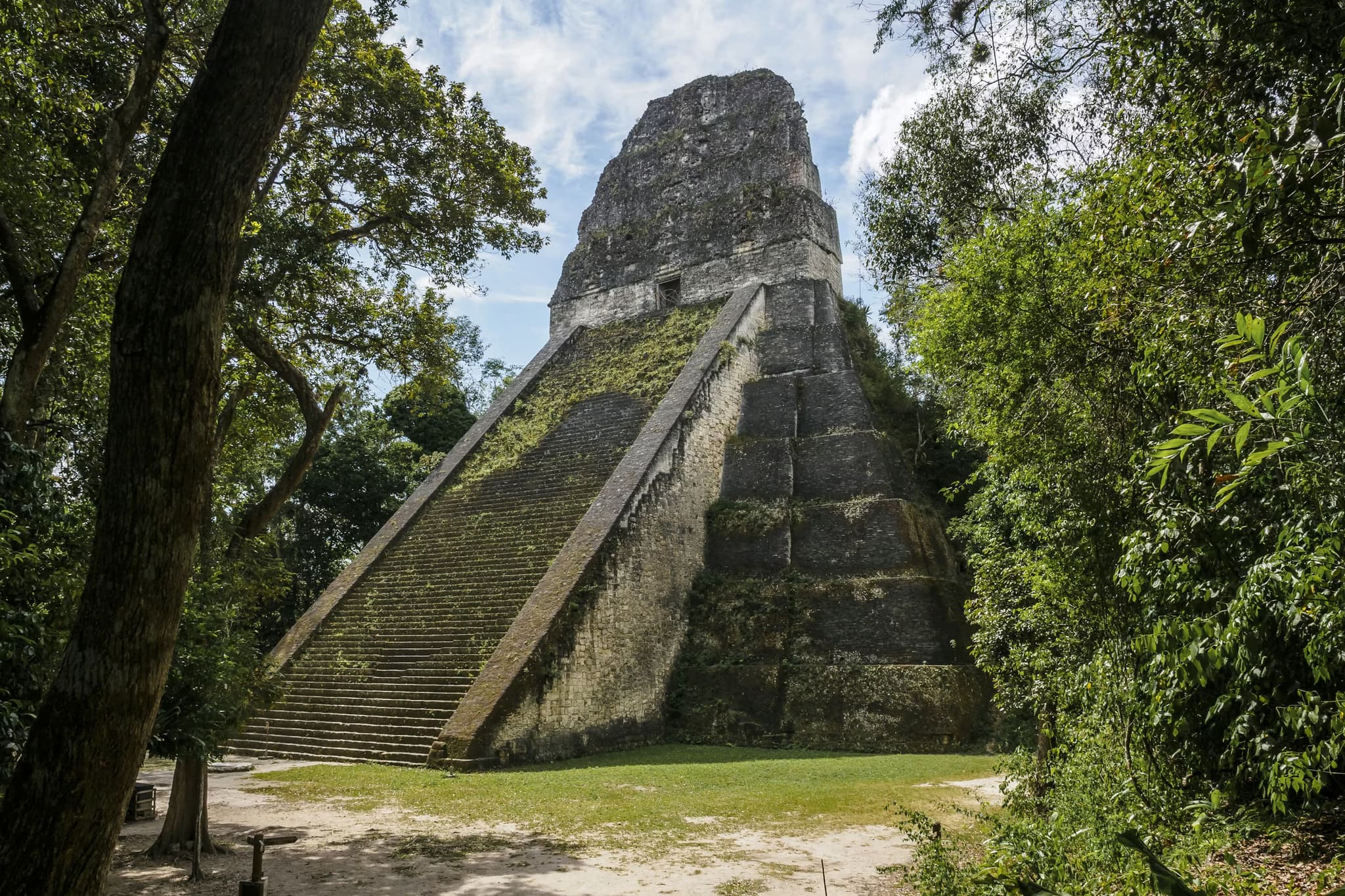
Lowlands and jungle: Tikal, Petén
Down in the north, everything gets warmer and more humid, with temperatures regularly sitting between 28 and 32°C throughout the year. Around Tikal, days are all about walking through the jungle, climbing temple viewpoints above the tree line and spotting wildlife like monkeys and toucans along the way. More rain in these areas means thicker jungle and more intense conditions, which can change how long you want to spend outside during the day.
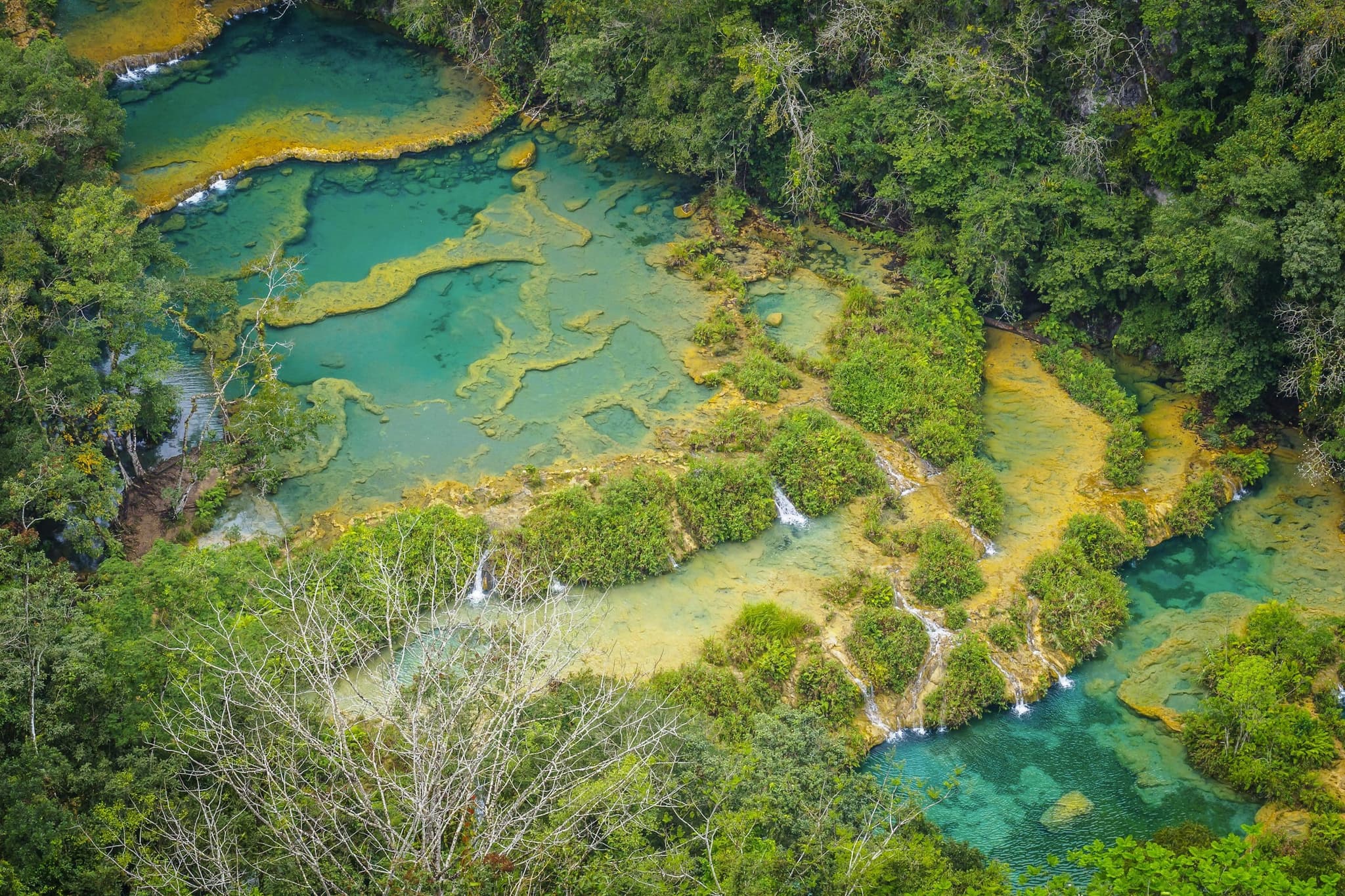
Inland nature spots: Semuc Champey, Lanquín
Further into the country, places like Semuc Champey bring a completely different kind of experience. Up there, you’re dealing with tropical conditions and high humidity, with natural limestone pools sitting above an underground river where you can swim and hike to viewpoints. More rainfall between June and October means waterfalls are stronger and rivers run fuller, which makes places like Semuc Champey more impressive compared to drier months.
Coastal areas
Closer to the coast, heat stays constant throughout the year, with humidity staying high as well. Around places like El Paredón, you can go surfing, relaxing by the ocean or watching sunsets, with weather changing less compared to the mountains or jungle.
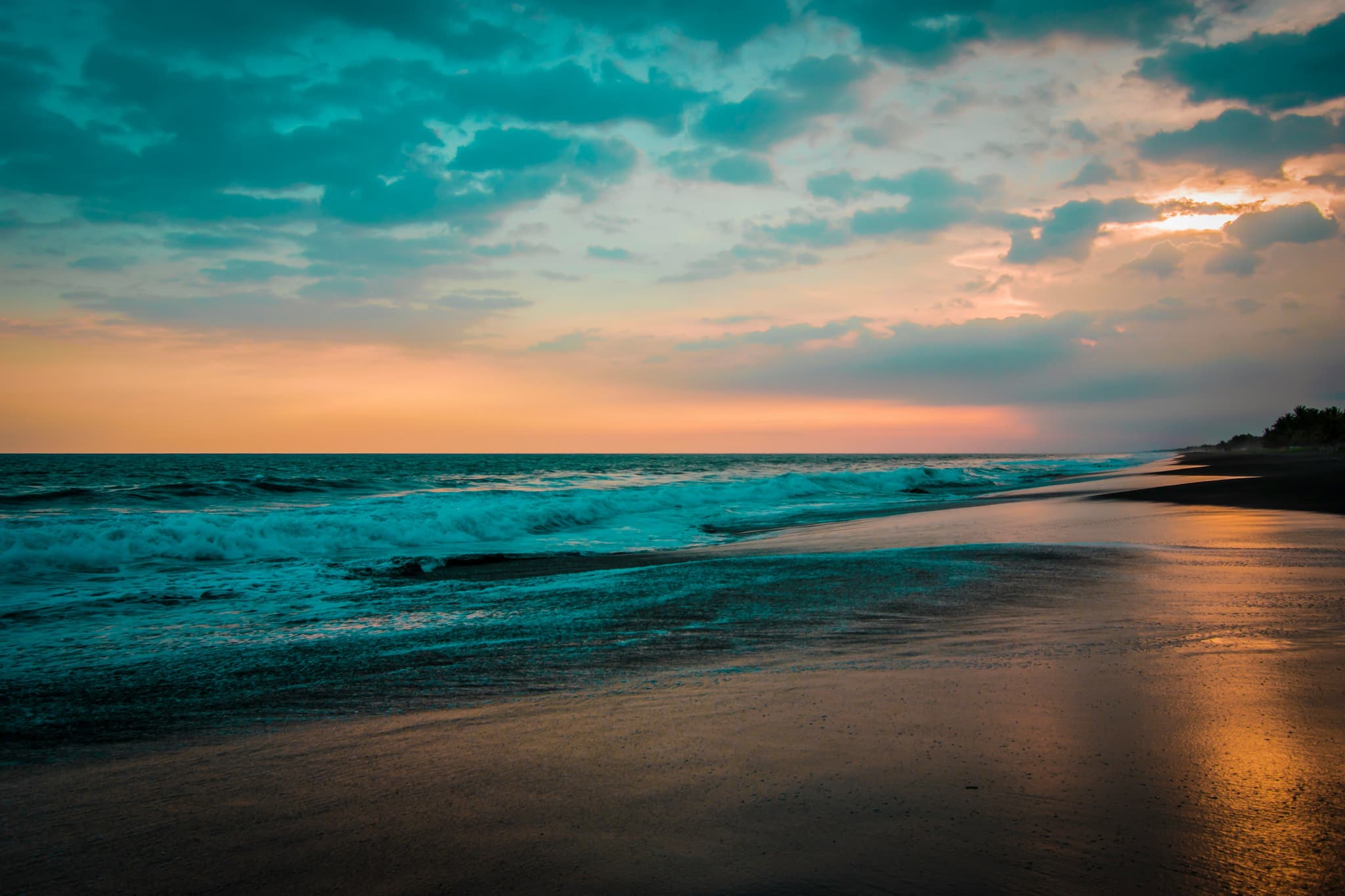
Altitude changes everything here, much more than the season itself. Within a single day, you can move between completely different climates without travelling that far, which is something you’ll notice pretty quickly once you’re on the road.
Is there a bad time to visit Guatemala?
You might still wonder if there’s a month you should just avoid completely. From what we’ve seen, it’s less about “bad” timing and more about what kind of trip you’re planning. guatemala best time to travel, guatemala best time to go
Around September and October, rain is at its heaviest, mainly in jungle areas like Petén, which can slow things down a bit when you’re moving between places. During those months, roads can get muddy and some activities take more planning, but that doesn’t mean a trip won’t work. Since there are many different regions in Guatemala, the best time to travel really depends on what you would like to visit and do.
What is the best time for you to visit Guatemala?
Choosing the best time to visit Guatemala for your own trip really comes down to what you want your days to look like once you’re there. For some, that means clear views and easy travel between places, for others it’s more about green surroundings, cultural events or travelling at a slightly quieter time.
Clear skies and easy travel between destinations: go for the dry season between November and April
Greener surroundings and stronger waterfalls: choose months within the rainy season, like June to August
A mix of good weather and fewer people: aim for shoulder months like May or November
Cultural events and unique experiences: plan around Semana Santa in March or April, or Day of the Dead in early November
Lower prices and more availability: look at September or October, as long as you’re okay with more rain
Start with what matters most to you, then shape your dates around that instead of forcing it the other way. Write down a few things you really want to do, then match those plans to the time of year that suits them best.
Enjoyed This Blog? Continue Reading!
There is more travel inspiration waiting for you on our blog. You can take a look below and start mapping out your next travel adventure!
