


Since this year's Iran conflict, more than a dozen foreign airlines have pulled their flights to Dubai, Doha, Abu Dhabi or Riyadh. Several won't be back before spring 2027, and Virgin Atlantic has pushed its Heathrow-Dubai return to October 2027. If you're heading from Europe to Bangkok or Sydney, the Gulf connection that used to be the default needs a second look. Flying to Asia without a Gulf stopover is very doable. So, depending on your airline, is flying through one.
What this guide covers
- Why foreign airlines are staying away from the Gulf
- What's suspended, airline by airline
- The one-stop and nonstop routes that still work
- Your rights if a booked Gulf connection is cancelled
- When booking through the Gulf is still reasonable
1. Why foreign airlines are staying away from the Gulf
If Dubai's and Doha's airports are open, why are so many airlines skipping them? Insurance is a large part of the answer. Dubai International's own CEO has said many foreign-based airlines have struggled to secure cover to return. EASA, Europe's aviation safety regulator, also still has an advisory in force over parts of Gulf airspace, including the Dubai and Doha flight information regions.
Neither the UAE nor Qatar has asked anyone to stop flying in. The pullback is a decision by foreign carriers, and the Gulf's own airlines are still flying their core long-haul networks. That's the detail most of the coverage glosses over, and in our view it's the one worth understanding before anything else in this guide. The rest of this guide turns on that split.
2. What's suspended, airline by airline
The table reflects airline announcements and reporting as of 2 November 2026, per live tracking pages such as The National's own Dubai/Abu Dhabi flight-status article. Dates in this story move every week or two, so treat each one as the latest word, not a promise.
Air Canada — Dubai: end of March 2027.- KLM — Dubai: 27 March 2027 (now reinforced by Emirates absorbing KLM's vacated Dubai slots for the whole winter season).
- KLM — Riyadh: 27 November 2026.
- Finnair — Dubai, Doha: at least 27 March 2027, with some reports suggesting later.
- Singapore Airlines — Dubai: 28 February 2027 (extended repeatedly since October; this is the current figure).
- Air France — Dubai: 7 November 2026.
- Air France — Riyadh: 12 December 2026.
- Lufthansa, Swiss, Eurowings — Dubai: 25 November 2026.
- ITA Airways — Dubai: 30 November 2026.
- ITA Airways — Riyadh: 18 November 2026.
- airBaltic — Riga-Dubai: whole 2026/27 winter season.
- Wizz Air — Dubai: cancelled for the winter season; return targeted for end of March 2027 (first flight around 28 March).
- Wizz Air — Abu Dhabi: cancelled for the winter season; no return date confirmed.
- Cathay Pacific — Dubai, Riyadh: 31 January 2027.
- British Airways — Abu Dhabi: winter 2027/28.
- British Airways — Dubai, Riyadh, Doha: running again (Dubai and Riyadh from 3 November, 1x daily; Doha since 1 September, 1x daily).
- Virgin Atlantic — Heathrow-Dubai: October 2027.
- Korean Air — Incheon-Dubai: until further notice.
- United Airlines — Newark-Dubai: plans to resume in March 2027.
- American Airlines — Doha: travel alert through 6 January 2027, flexible rebooking through 13 January 2027 (not a suspension).
- Air India, Air India Express, IndiGo, Akasa — India-Saudi Arabia: rolling extensions, most recently to 14 November 2026.
Three of those dates deserve an asterisk, though two of them are more settled than the table alone suggests. KLM's Dubai return is reported as 27 March 2027 by most outlets, and that figure now looks firmer than it did a few weeks ago: Emirates has started absorbing KLM's vacated Dubai slots for the entire winter season, which is not the kind of arrangement airlines make if they expect the original carrier back any sooner. An older piece that expected KLM and Air France back before the end of 2026 looks stale rather than current. Singapore Airlines' date isn't really a contradiction so much as a moving target, extended repeatedly since October and most recently pushed to 28 February 2027, which is the figure worth going by. Finnair's spring return is the one still genuinely open, and may already be slipping past 27 March 2027.
The Indian carriers are extending the India-Saudi suspensions a week or two at a time instead of writing off a whole season. Our read on the Gulf flight suspensions as a whole? If your trip leans on a November or December restart date, have a plan B ready. We wouldn't bet on all of them holding. It's the same reduced-choice pattern we flagged as one of the trends shaping 2027 travel: fewer guaranteed options, more last-minute replanning.
One airline missing from the table is Emirates. Its only disruption in current reporting is on secondary regional routes to Bahrain and Kuwait, not its long-haul flying out of Dubai.
3. The one-stop and nonstop routes that still work
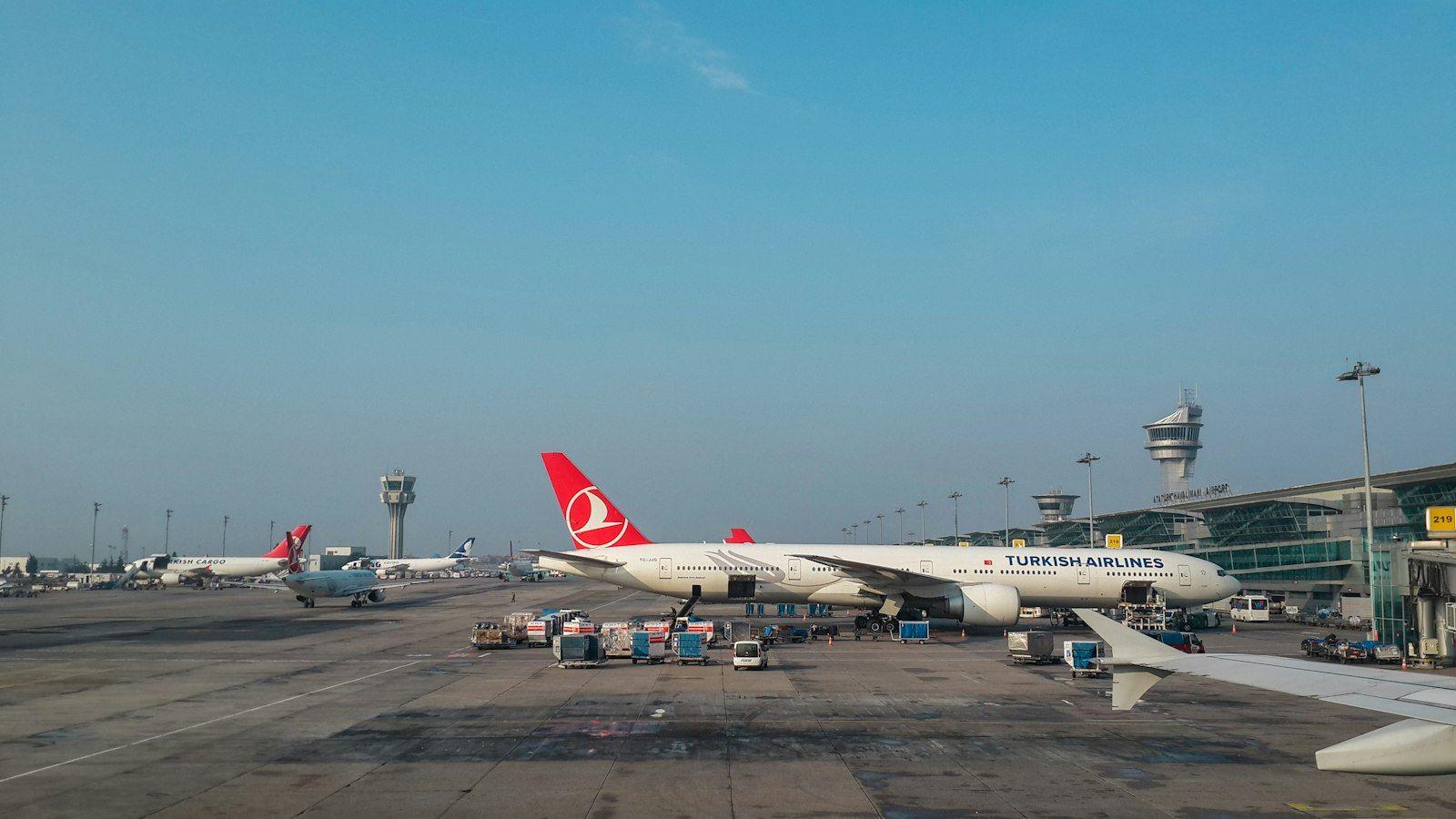
We'd start almost any search for Asia or Australia via Istanbul. Turkish Airlines runs the highest-frequency, broadest one-stop network of any alternative to the Gulf hubs, linking most of Europe to most of Asia and Australia. The catch is time. Rerouted itineraries through Istanbul can run longer than the old Gulf routing.
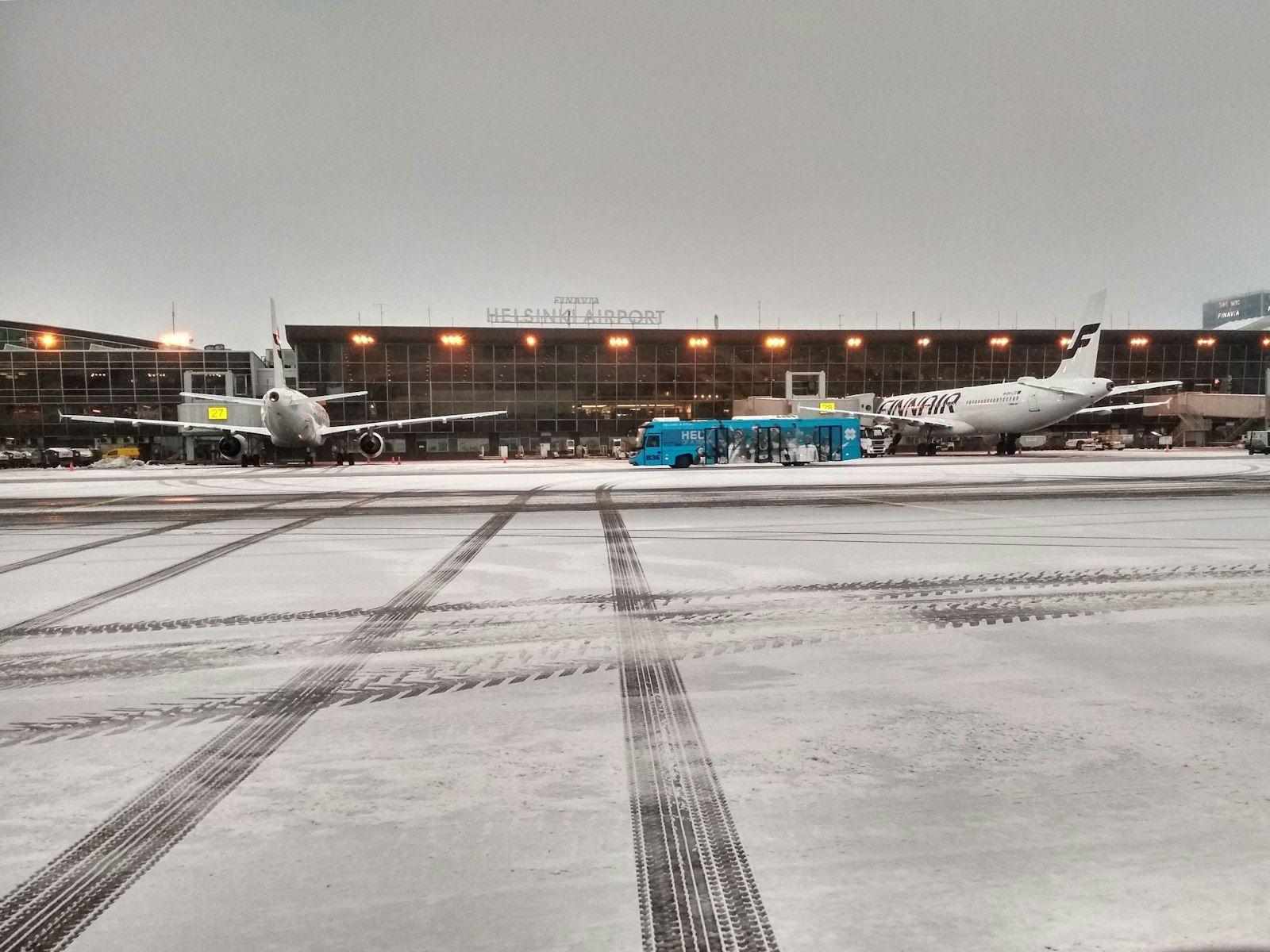
For Japan, South Korea and the rest of East Asia, Helsinki is the routing we'd check next. Finnair has suspended its own Gulf flights, but its Helsinki hub still connects to Japan, South Korea, Singapore, Thailand, China and India, on a northern routing that's shorter for East Asia than most rivals. China Southern also flies Beijing Daxing-Helsinki direct.
Guided tip: If you're avoiding Dubai layovers on the way to Australia, think in two hops. Singapore, Hong Kong and Bangkok are all reachable from Europe on Singapore Airlines, Cathay Pacific, Finnair or Thai Airways, and each works as a launch point for the onward flight south.
Taipei is a quieter option. EVA Air connects it to Paris, Vienna, Munich, Milan, London and Amsterdam, though some London and Amsterdam itineraries stop in Bangkok on the way.
Then there are the nonstops that skip a connection altogether.
- Virgin Atlantic, Heathrow-Seoul Incheon, daily on a 787-9 and unaffected by Virgin's Dubai suspension
- Lufthansa, Frankfurt-Kuala Lumpur, 5x weekly from 25 October
- Vietnam Airlines, Amsterdam-Hanoi, 3x weekly
- Air China, Frankfurt-Beijing Capital
- China Eastern, Shanghai Pudong-Stockholm, 3x weekly
- China Southern, Beijing Daxing-Helsinki
India works as a connecting point too, since direct India-Europe and India-Southeast Asia capacity sits outside the Gulf suspensions. Central Asia is the wildcard, and here there's actually good news. Air Astana resumed Dubai flights from Almaty and Astana in October 2026, after several on-and-off suspensions earlier in the year. The route has been volatile enough that we'd still check the current schedule before booking, but Almaty and Astana are back in play as a routing option.
Two practical warnings. None of these routings is guaranteed to be cheaper, so compare the total itinerary cost rather than the headline fare. And a connection outside the Gulf doesn't automatically mean your flight is rerouting around the Middle East entirely, because the EASA advisory covers airspace, not airports.
4. Your rights if a booked Gulf connection is cancelled
EU261 and its UK twin, UK261, cover flights departing an EU or UK airport on any airline, plus flights arriving in the EU or UK on an EU or UK carrier. A Gulf carrier departing a non-EU airport usually falls outside that. If your whole journey started in Europe on a single ticket, though, the regulation's connecting-flight guidance treats it as one trip, even if court decisions here have been inconsistent.
The rules contain two separate obligations, and they're easy to conflate.
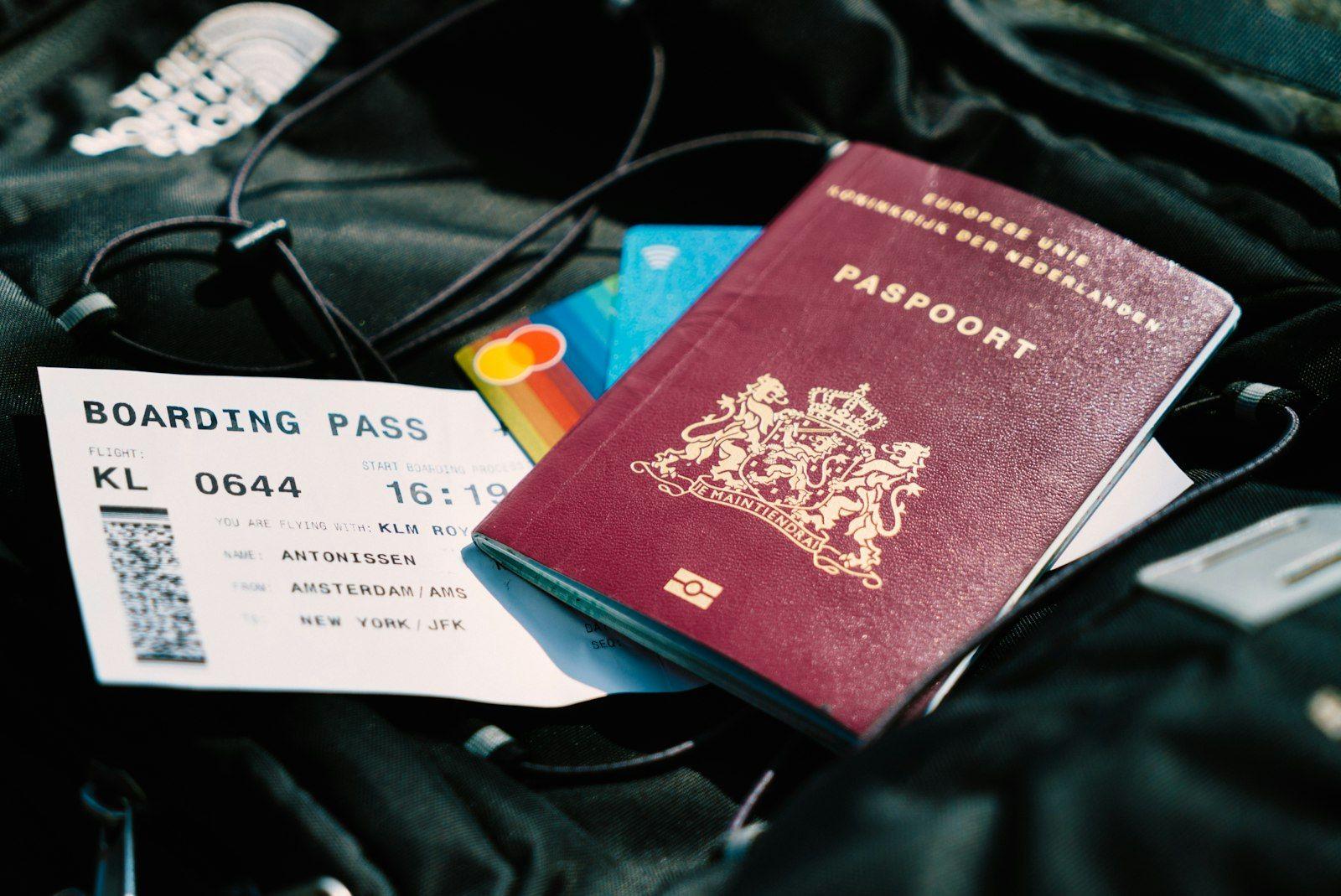
The first is a refund or a rerouting, plus care while you wait (meals and, if needed, a hotel). That applies to any cancellation, whatever the cause.
The second is flat-rate compensation of €250, €400 or €600, depending on distance. Airlines can avoid paying it if the cancellation was caused by “extraordinary circumstances” that no reasonable measure could have avoided, and courts have accepted security risks and political instability as examples. A cancellation driven by war-related airspace safety is likely, though not certain, to qualify. We haven't found a published ruling that tests it on the Gulf cancellations.
So for a cancelled Gulf connection, expect a refund or a free rebooking and care if you're stranded, but probably no compensation on top. The refund-or-rerouting rule is the one worth knowing by heart, because airlines can't wriggle out of it.
This is general information, not legal advice. For a specific claim, check your airline's conditions of carriage and, if needed, the relevant enforcement body (the CAA in the UK, or the national authority of the EU country your flight departed from).
5. When booking through the Gulf is still reasonable
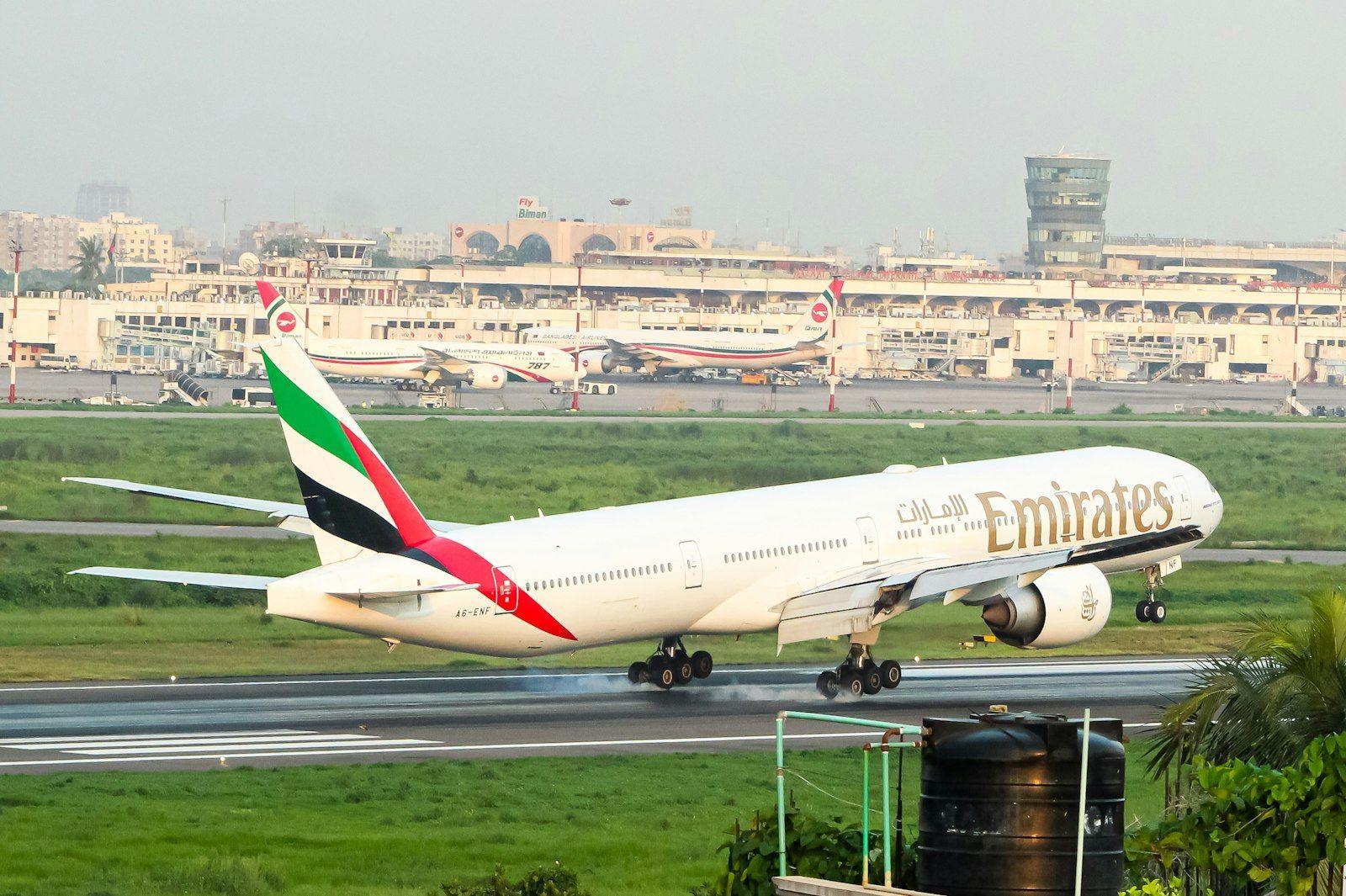
We think plenty of travellers are writing off the Gulf too quickly. Someone connecting through Dubai on Emirates is in a different position from someone whose Lufthansa flight to Dubai was cancelled, because Emirates, Qatar Airways and Etihad are flying their core hub networks largely as normal.
Government advice has also eased over 2026. The UK's FCDO relaxed its UAE and Qatar guidance around mid-year and isn't advising against all but essential travel, though it still calls the regional situation unpredictable and warns airspace could close again at short notice. Australia's Smartraveller sits at “reconsider your need to travel” for both countries, and it explicitly includes transits and layovers. The US State Department has the UAE at Level 3, “Reconsider Travel.” None of the three advises against travel or transit outright.
With travel insurance that covers disruption, a Gulf connection on a Gulf carrier now carries a very different risk profile from the acute phase of the conflict. It isn't back to normal, either, which is why so many foreign airlines are sitting out the whole winter on insurance grounds. Weighing the two UAE hubs against each other? Our Dubai or Abu Dhabi guide covers the differences.
Guided tip: Whichever hub you choose, build in extra connection time and keep a backup routing in your back pocket. The EASA advisory can still cause ad hoc rerouting and delays on flights that were never formally suspended.
In a nutshell
- More than a dozen foreign airlines have suspended flights to Dubai, Doha, Abu Dhabi or Riyadh, several into spring 2027 and Virgin Atlantic's Dubai route until October 2027.
- The cause is insurance and an EASA airspace advisory, not a Gulf government closure.
- KLM's and Singapore Airlines' dates are firming up (27 March 2027 and 28 February 2027), Finnair's is still genuinely open, and the India-Saudi suspensions are rolling week to week.
- Istanbul on Turkish Airlines is the broadest alternative, Helsinki works well for East Asia, and Singapore, Hong Kong or Bangkok are good stepping stones to Australia.
- Nonstops such as Heathrow-Seoul or Frankfurt-Kuala Lumpur skip a connection entirely, and Air Astana's Almaty/Astana-Dubai route is back after resuming in October.
- Under EU261/UK261, a cancellation always entitles you to a refund or rerouting plus care. Cash compensation is unlikely for war-related cancellations.
- The Gulf's own carriers are still flying their core networks, and no UK, Australian or US advisory rules out Gulf transit.
Planning the trip
Which routing suits you comes down to your departure city and how much connection time you can stomach. Whatever you book, recheck your flight status in the days before departure, because these schedules are still shifting.
If Europe is also on your 2027 itinerary, our explainers on the EU's Entry/Exit System and ETIAS cover the border side. And once your flights are sorted, the Guided travel planning app keeps the whole itinerary, connections included, in one place.


