
The best places to visit in Indonesia beyond Bali
By Eva Alkemade
May 20, 2026
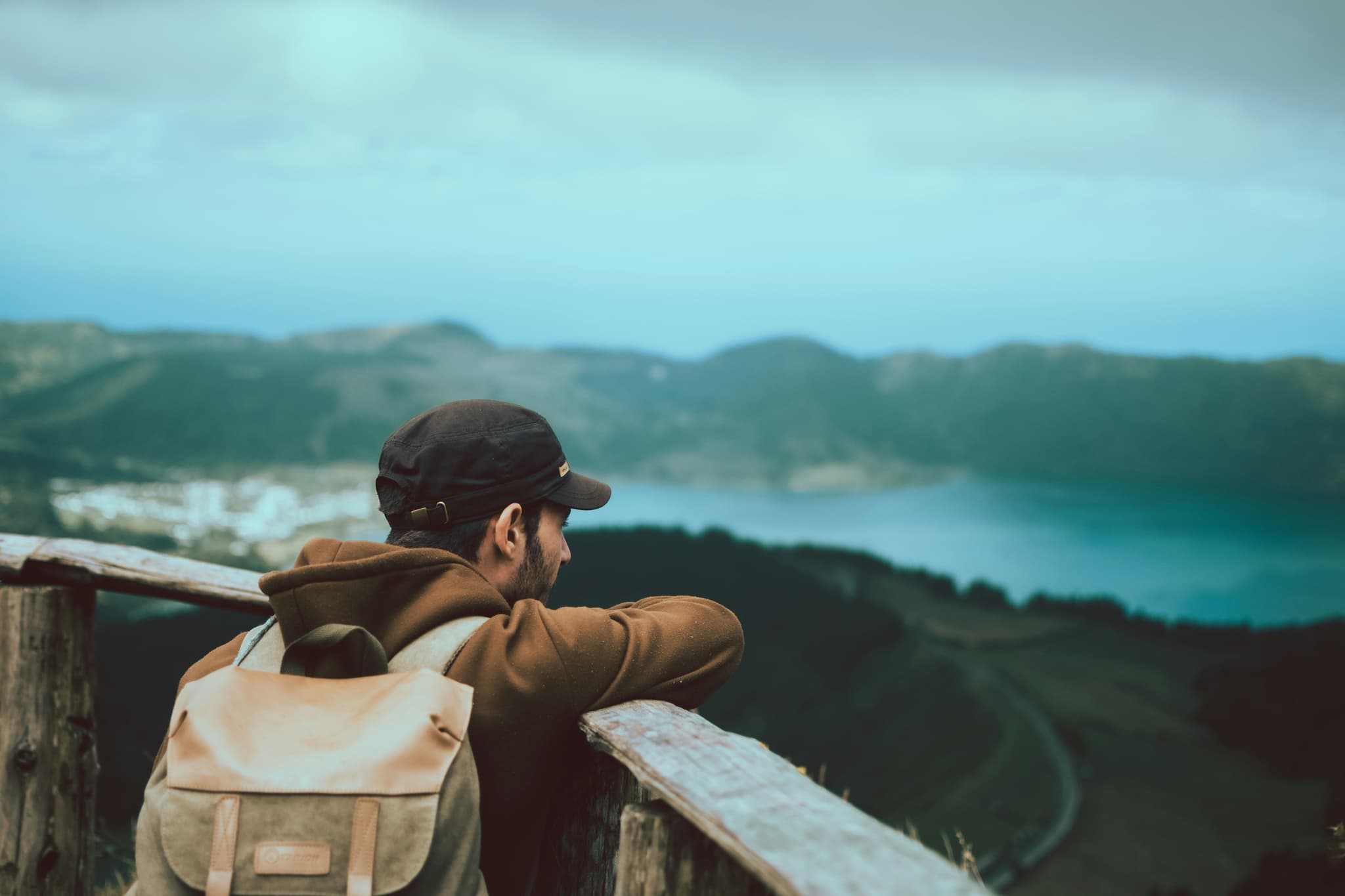
Indonesia spreads out across more than 5,000 km, with over 17,000 islands scattered between the Indian and Pacific Ocean. Since the country is so diverse, you could literally be standing near smoking volcanoes on Java, then only days later spotting Komodo dragons near Flores or swimming near tiny islands close to Raja Ampat with coral visible straight below you. Far beyond Bali, entire parts of the country still stay much less visited, with orangutans living in Sumatra’s jungles, villages near volcanic lakes and islands where roads suddenly disappear into tropical forest or mountain regions. On top of that, food, religion, architecture and even daily life change constantly from island to island. So the best places to visit in Indonesia really depend on what you like to experience. In this blog we’ll help you figure out where to travel in Indonesia, which islands match your trip best, and how to plan your route.
How to choose where to go in Indonesia
Right away, you’ll notice Indonesia is not the kind of country where you casually hop between ten places in two weeks and somehow still relax. Though, because the islands can be quite far apart from each other, you’ll need to think a bit more about where to go and how to connect the places you want to visit.
You’ll probably enjoy Indonesia way more once you stop thinking about “seeing everything” and start thinking about what you actually want your days to look like. Volcano hikes, beach cafés, diving, surfing, jungles, temples, island hopping: every island pulls you into something different.
Which islands work well together?
Much easier routes usually come from sticking to one part of Indonesia instead of zigzagging across the country. Bali, Lombok and the Gilis work really nicely together because ferries run constantly and travel days stay fairly short. Java also connects surprisingly well with Bali, the ferry crossing near Banyuwangi only takes around an hour.
Flores you can connect really nicely with Bali, Lombok and Komodo. From there, people either do boat trips through Komodo National Park or travel overland east through Flores towards places like Bajawa, Ruteng and Kelimutu.
Raja Ampat is much farther away though, way up near Papua in the east of Indonesia. Because of that, it usually works better as its own separate trip or if you go to Indonesia for longer. Sumatra also works much better as its own region instead of adding too many other islands to the same trip.
How much time do you actually need?
When your time is limied, you’ll probably have a much better trip sticking to two or three regions instead of trying to squeeze seven islands into one route. Java alone can already fill more than a week once volcano hikes, Yogyakarta and waterfalls enter your plans.’
Around 2 weeks: stick to 2 or 3 regions like Bali, Lombok, the Gili Islands
Around 3 weeks: you can go to 3 to 5 regions including Flores or Sumatra
Around 4 weeks: stick to 4 to 6 regions including Raja Ampat, Sulawesi, Sumatra and Flores
Wondering when to go? Read our blog about the best time to travel to Indonesia, because rainy seasons and weather patterns change a lot between islands.
Bali: temples, surf beaches and rice paddies
Straight away after arriving in Bali, you’ll notice how different it already looks compared to the rest of Indonesia. Tiny temples appear literally everywhere, scooters drive past baskets filled with flowers and incense, and ceremonies still happen daily in villages all over the island.
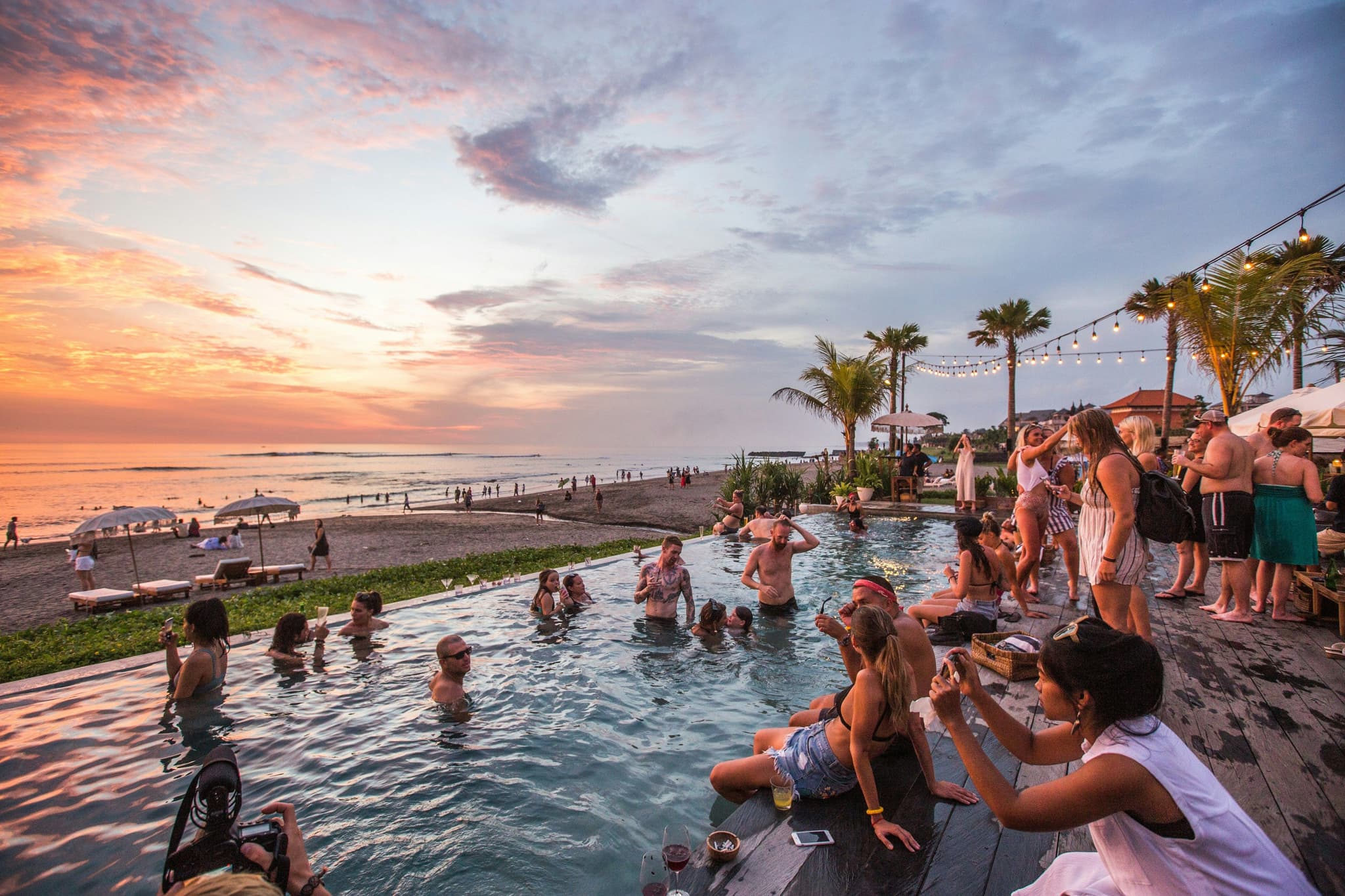
You’ll probably understand pretty quickly why Bali became so famous in the first place. Surf beaches, waterfalls, cafés, jungle hotels and long roads through green hills filled with rice paddies somehow all exist on one relatively small island.
Best places to see in Bali
Down south near Uluwatu, cliffside roads lead towards beaches hidden underneath huge limestone cliffs. Surfers paddle out before sunrise at places like Padang Padang and Bingin, and later in the evening beach bars slowly fill up again near Single Fin.
Up around Ubud, you can visit jungle valleys, waterfalls and temples. Monkey Forest, Tegallalang Rice Terrace and Tirta Empul Temple all sit fairly close together, which makes this part of Bali really easy to explore by scooter.
Farther north, things are a bit different. Munduk brings cooler temperatures, mountain roads and waterfalls hidden inside forests, and around Sidemen you’ll pass villages and rice terraces without the busier tourism from Canggu or Seminyak.
Bali is full of possibilities. Some other fun things to see and do in Bali are:
Watch a traditional Kecak fire dance at Uluwatu Temple during sunset
Visit Tegenungan or Sekumpul Waterfall
Take a sunrise jeep or hiking trip up Mount Batur
Go snorkelling near Nusa Penida or Nusa Lembongan
Spend a few days surfing in Canggu or Uluwatu
Try a Balinese cooking class near Ubud
Visit Tirta Gangga water palace in eastern Bali
Relax in natural hot springs near Mount Batur
Visit Jatiluwih Rice Terraces, one of Bali’s UNESCO areas
Go diving near Amed or Tulamben, including the USAT Liberty shipwreck
Who Bali works best for
You’ll probably love Bali if you want a bit of everything without constantly struggling with transport. Surfing, cafés, waterfalls, yoga classes, temples, beach clubs and mountain villages all stay relatively close This turned the area into one of the top tourist attractions in Indonesia.
Looking for travel tips, transport advice and activities before your trip? Read our Indonesia travel guide packed with route ideas and local tips.
Places similar to Bali, but less crowded
If you want something a bit less touristy than Bali, Indonesia actually has several islands that give you beach towns, waterfalls and islands. You might like these islands way more once you enjoy road trips, surfing, diving or smaller villages instead of busy roads and packed cafés.
Lombok
Already after arriving in Lombok, roads become emptier and beaches stretch out much longer. Down near Kuta Lombok, surf cafés and restaurants line the roads, though beaches nearby still stay much more open.
Places like Selong Belanak, Mawi Beach and Tanjung Aan all work really nicely for beach hopping by scooter. Surf schools run all day near Gerupuk Bay, and viewpoints around Merese Hill are fun to visit near sunset.
Farther north, Mount Rinjani dominates huge parts of the island. Multi day hikes head towards crater lakes and viewpoints high above sea level, and from villages like Senaru you can start waterfall trips towards Tiu Kelep and Sendang Gile.
Traditional Sasak villages also stay a big part of Lombok. Near Tetebatu, you can walk through rice fields, visit weaving workshops and eat homemade food.
Flores
Dry green hills roll on for hours, tiny villages appear between mountain roads, and during long drives you’ll constantly see people selling fruit or coffee next to the road.
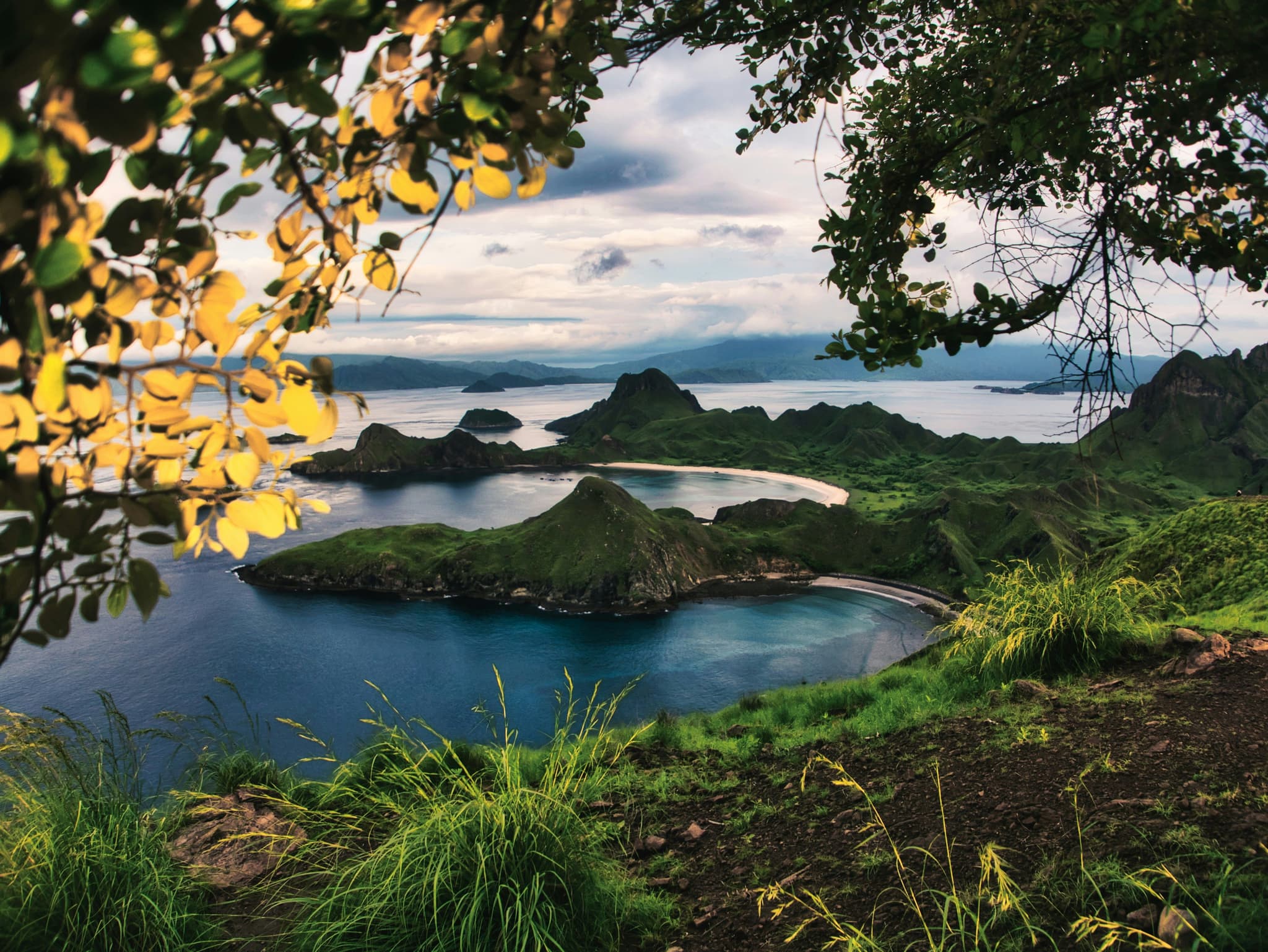
You’ll probably begin your trip in Labuan Bajo, since that’s where nearly all boat trips towards Komodo National Park leave from. From there, you can snorkel with manta rays, hike up Padar Island for the famous viewpoint, relax on Pink Beach or spot Komodo dragons on islands like Rinca and Komodo Island itself.
There is much more than just the boat trips though, Flores becomes really fun once you actually drive across the island. Long mountain roads connect places like Ruteng, Bajawa and Moni. Near Bajawa, you can visit traditional Ngada villages where people still live in old wooden houses, and farther east near Kelimutu, three volcanic lakes change colour over time because of minerals inside the water.
You’ll enjoy Flores most once you like road trips, island hopping and places that still stay a bit rough around the edges instead of polished beach towns.
Sumba
Pretty quickly after arriving in Sumba, you’ll notice how different it looks compared to Bali. Empty beaches go on for kilometres, horses walk along the roads, and long drives pass tiny villages with almost no traffic or tourism around them.
You won’t find huge beach clubs or endless cafés here. Instead, your days are more about hidden beaches, viewpoints, waterfalls like Weekuri Lagoon and small villages where people still live inside tall traditional houses with thatched roofs.
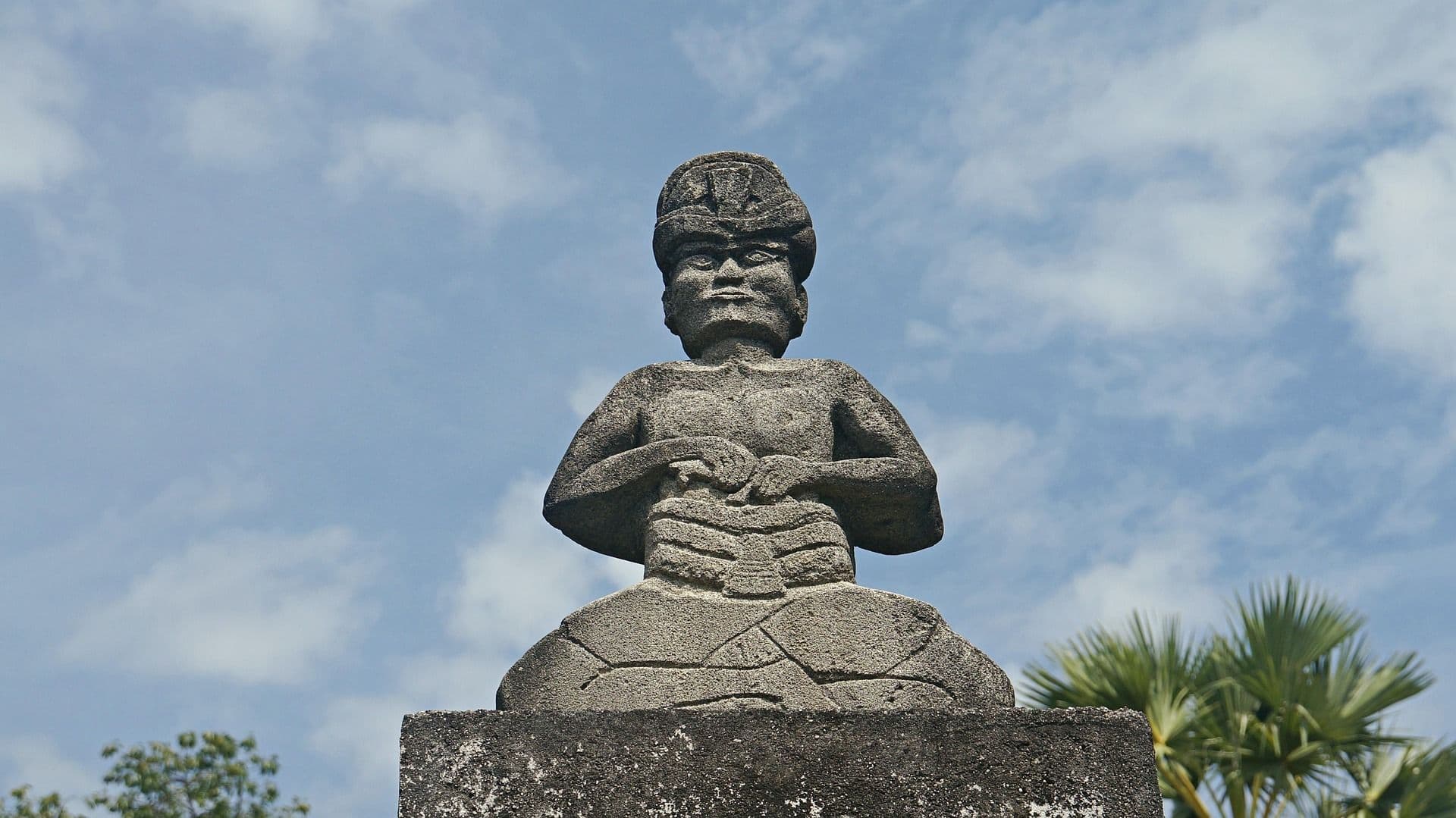
You can stay in beautiful eco lodges near places like Nihiwatu or Waikabubak, though massive parts of the island still stay very untouched. Local festivals with horse racing and traditional ceremonies also still happen here, which gives Sumba a completely different side compared to the more touristy islands nearby.
You’ll love Sumba if you like road trips, surfing, nature and islands that still stay a bit wild and less developed.
The Nusa Islands
Already after the boat ride from Bali, Nusa Penida starts looking completely different. Huge cliffs drop straight into bright blue water, roads twist along the coastline, and almost every turn suddenly gives you another crazy viewpoint.
You’ll probably recognise places like Kelingking Beach, Diamond Beach and Angel’s Billabong straight away from social media. Once the last day boats head back to Bali later in the afternoon, roads become much calmer and sunsets near the cliffs get way more enjoyable.
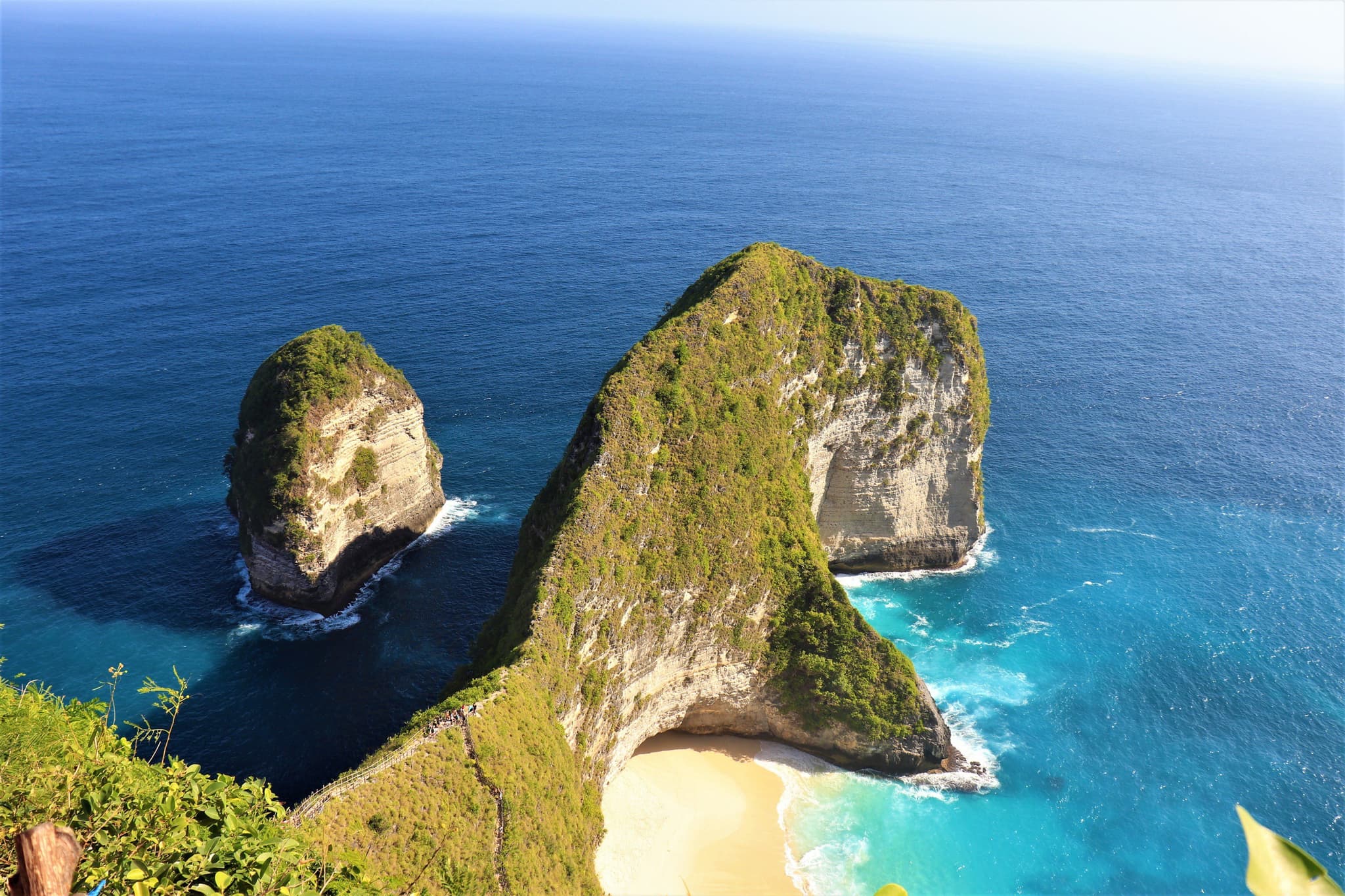
Snorkelling trips also leave daily towards places where you can spot manta rays, and beaches like Atuh Beach or Crystal Bay work really nicely once you just want a slower beach day after driving around the island.
Java: volcanoes, temples and Indonesia’s cultural heart
Train tracks cut through huge cities, volcanoes rise above villages in the distance, and entire days can suddenly revolve around waterfalls, temples or street food markets. You’ll probably spend way more time moving around here, though that is exactly what makes Java such a fun island to travel through. Long train rides, mountain towns and ancient temple complexes all become part of the trip when you start heading east from Jakarta or Yogyakarta.
Yogyakarta and Borobudur
In Yogyakarta, streets fill with batik shops, food stalls and tiny cafés hidden behind older buildings. Traditional Javanese culture still stays a huge part of daily life here, and you’ll notice it pretty quickly once gamelan music starts playing somewhere nearby or people gather near street performances at night.
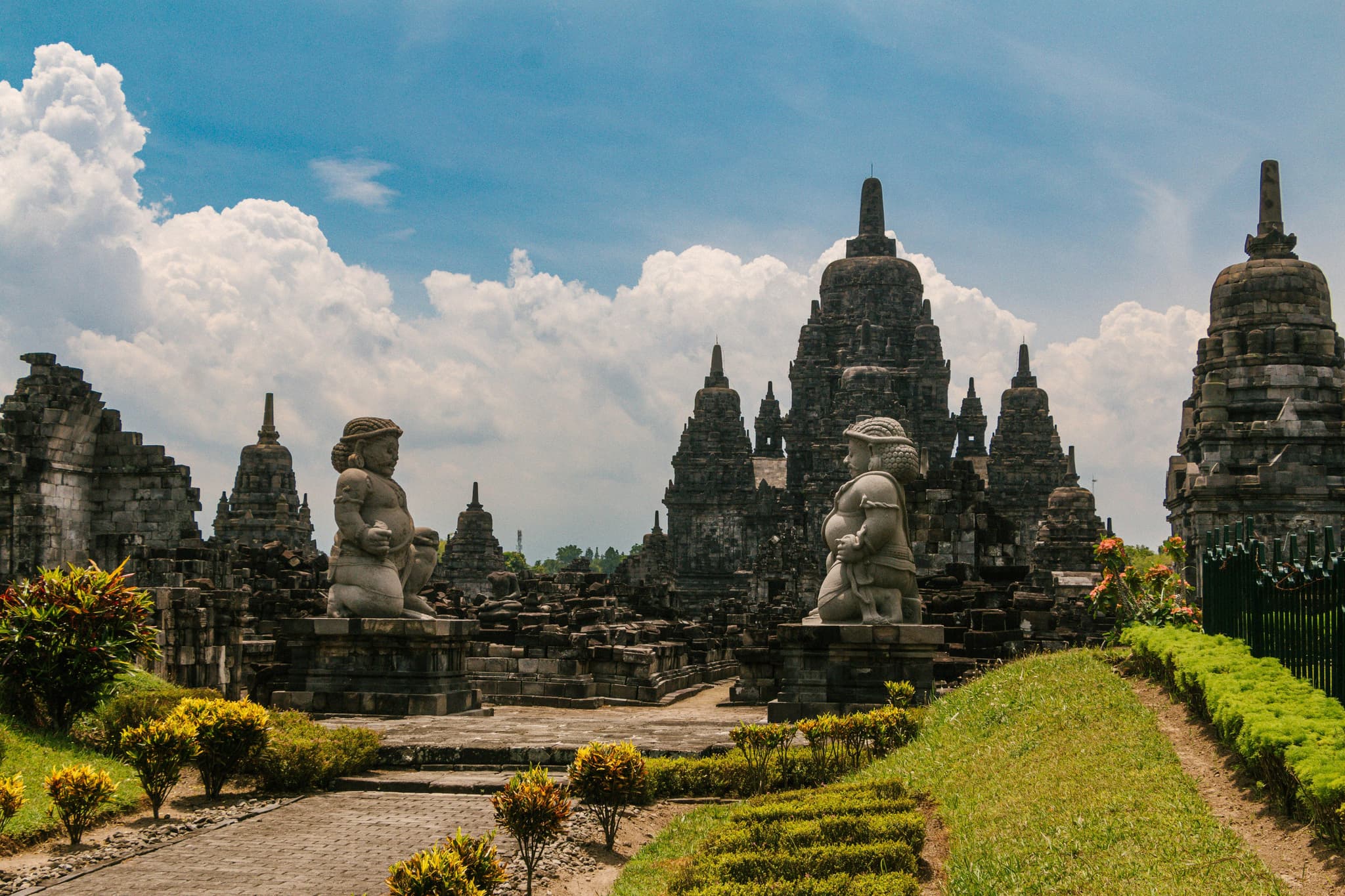
Not far from the city, Borobudur rises above green hills and villages in central Java. Dating back to the 9th century, this massive Buddhist monument still remains the largest buddhist temple on the planet, with thousands of carved stone panels spread across different levels.
Many Guided travellers like to go here for sunrise, mainly because mist still hangs above the trees and villages once the first light starts appearing. Prambanan Temple also stays close by, giving you another huge temple complex on the same trip.
Bromo and Ijen volcanoes
Much farther east, you’ll enter the volcano regions. Near Mount Bromo, jeeps leave during the night towards viewpoints overlooking huge ash plains and smoking craters once sunrise starts appearing.
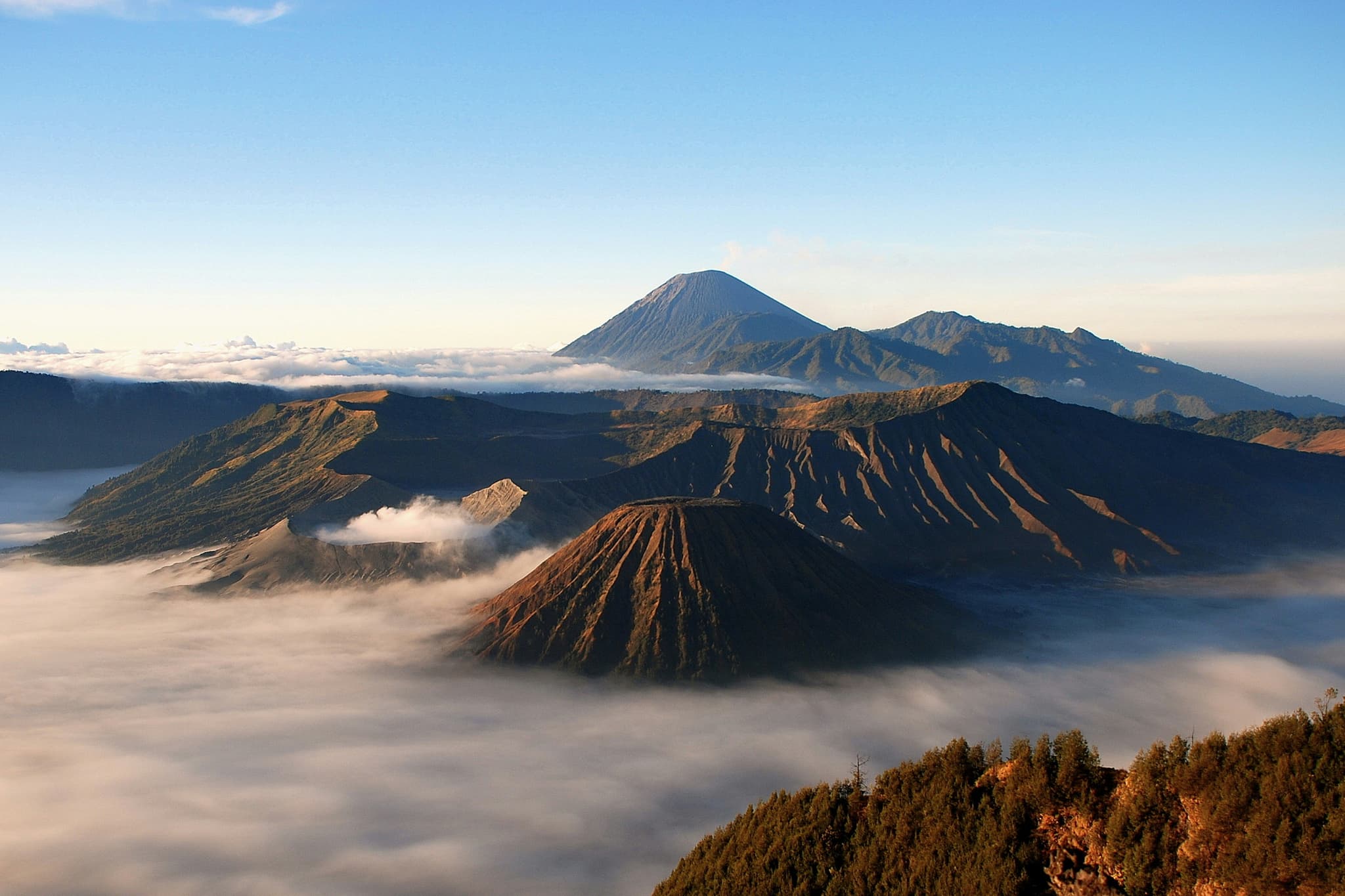
Closer towards Banyuwangi, Kawah Ijen brings something different again. Blue flames still burn inside the crater because of sulphur gas, and miners continue carrying heavy sulphur blocks out of the volcano every single day.
Eastern Java also has a lot of waterfalls. Tumpak Sewu, one of the most famous waterfalls on the island, drops down into a massive green canyon surrounded by cliffs and jungle.
Why Java works so well for first trips
Already with Java and Bali together, you can fill two or three weeks pretty easily. Volcano hikes, city life, temples and beaches all stay relatively easy to connect because trains and ferries work really well here.
Yogyakarta also works really nicely once you like food. There are gudeg, bakpia and satay stalls all over the city, and night markets stay busy until late in the evening.
Guided tip: Overnight trains on Java save you huge amounts of travel time
The Gili Islands: which one should you choose?
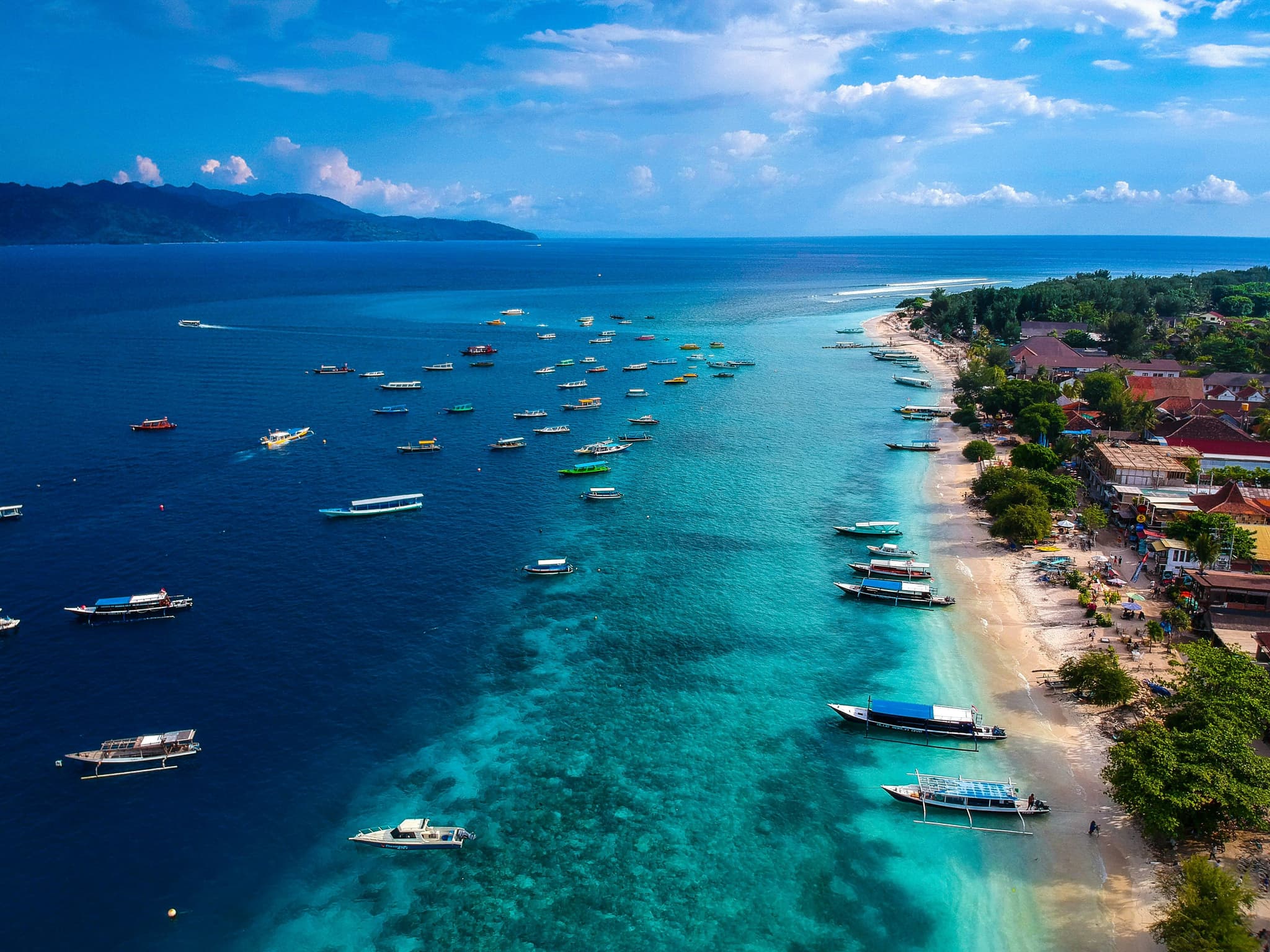
Small boats leave daily towards Gili Trawangan, Gili Air and Gili Meno from Bangsal Harbour. Cars and scooters completely disappear there, so bicycles and horse carts become the normal way to move around.
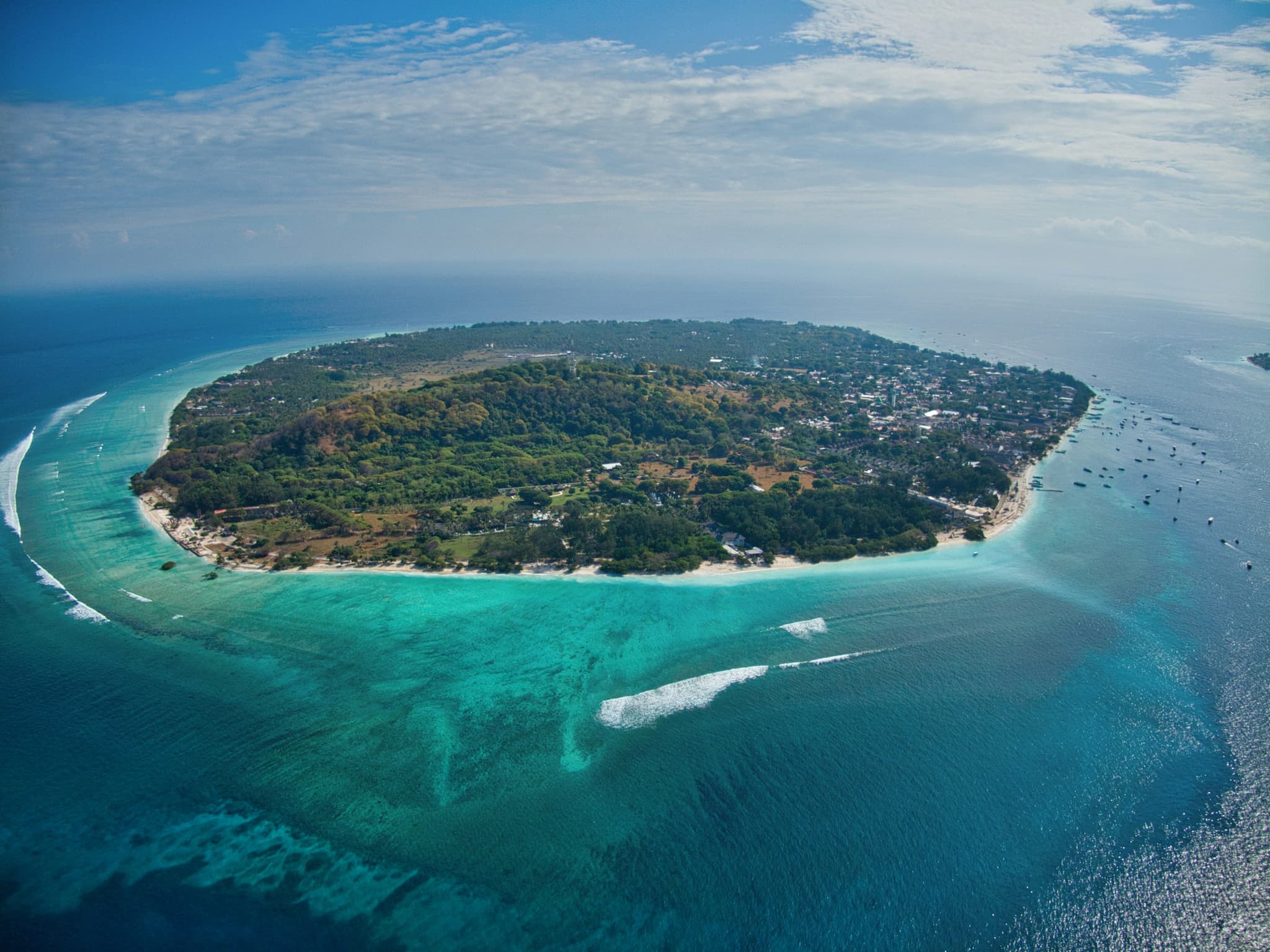
Snorkelling trips pass turtle spots and coral reefs all day long, and beach restaurants slowly fill up once sunsets start appearing over the water. Diving schools also spread across all three islands, since coral reefs and underwater visibility stay really good there.
Gili Trawangan: usually the most social island out of the three, with beach bars, sunset spots, boat parties and lots of hostels close together. Solo travellers usually meet people really quickly here, partly because diving trips, snorkelling tours and nightlife all bring people together pretty naturally throughout the day.
Gili Air: still social, though much more relaxed compared to Gili Trawangan. Smaller cafés, beach restaurants and coworking spots make it really nice once you like meeting people without partying every night. Solo trips work really well here because it still stays easy to join tours or connect with other people at cafés and beach bars.
Gili Meno: much quieter and slower, with fewer restaurants, hotels and social spots. You’ll probably enjoy this island most once you mainly want beach time, snorkelling and a couple of slower days away from busier islands.
Guided tip: Gili Air usually gives the nicest middle ground once you want cafés and restaurants without the heavier party side from Gili Trawangan.
Sumatra: jungle, orangutans and huge volcanic lakes
Pretty quickly after landing in Sumatra, you’ll notice roads become rougher, distances become longer and jungle starts taking over huge parts of the island. Huge rainforest areas, active volcanoes and the massive size of lake toba all make this one of the most adventurous places to visit in Indonesia. You’ll probably enjoy Sumatra most if nature, wildlife and longer road trips sound more exciting to you than beach cafés and island hopping every day.
Lake Toba and Samosir Island
Right after seeing Lake Toba for the first time, you’ll probably understand why people stay there much longer than planned. Since it formed after one of the biggest volcanic eruptions ever recorded, the lake became the world’s largest volcanic lake on the planet.
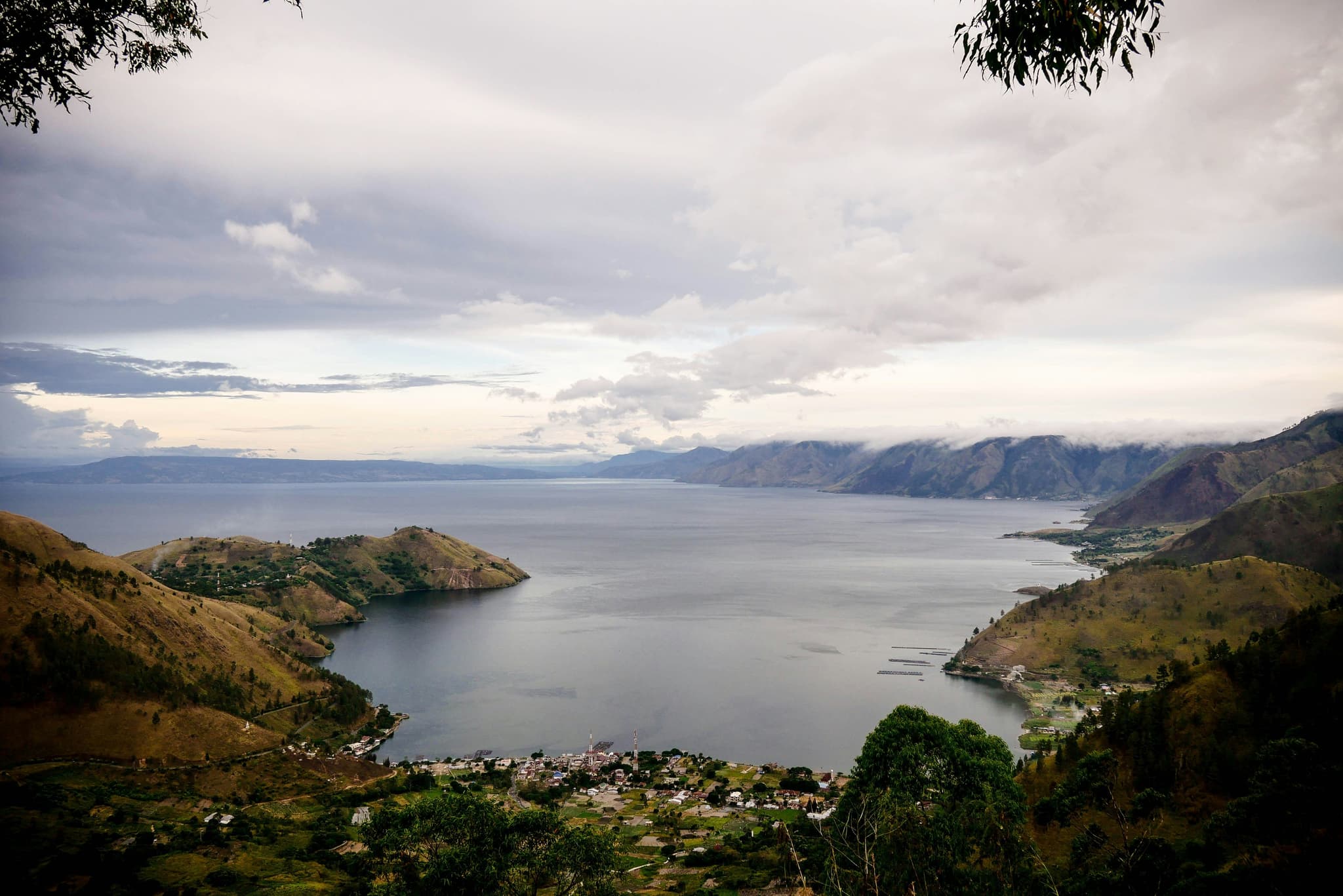
You can take small ferries across towards Samosir Island, where scooter roads, lakeside cafés and Batak villages slowly replace the busier roads near Medan. Tuk tuk village became one of the most popular places to stay there because restaurants, guesthouses and scooter rentals all stay close together near the water.
Bukit Lawang and orangutans
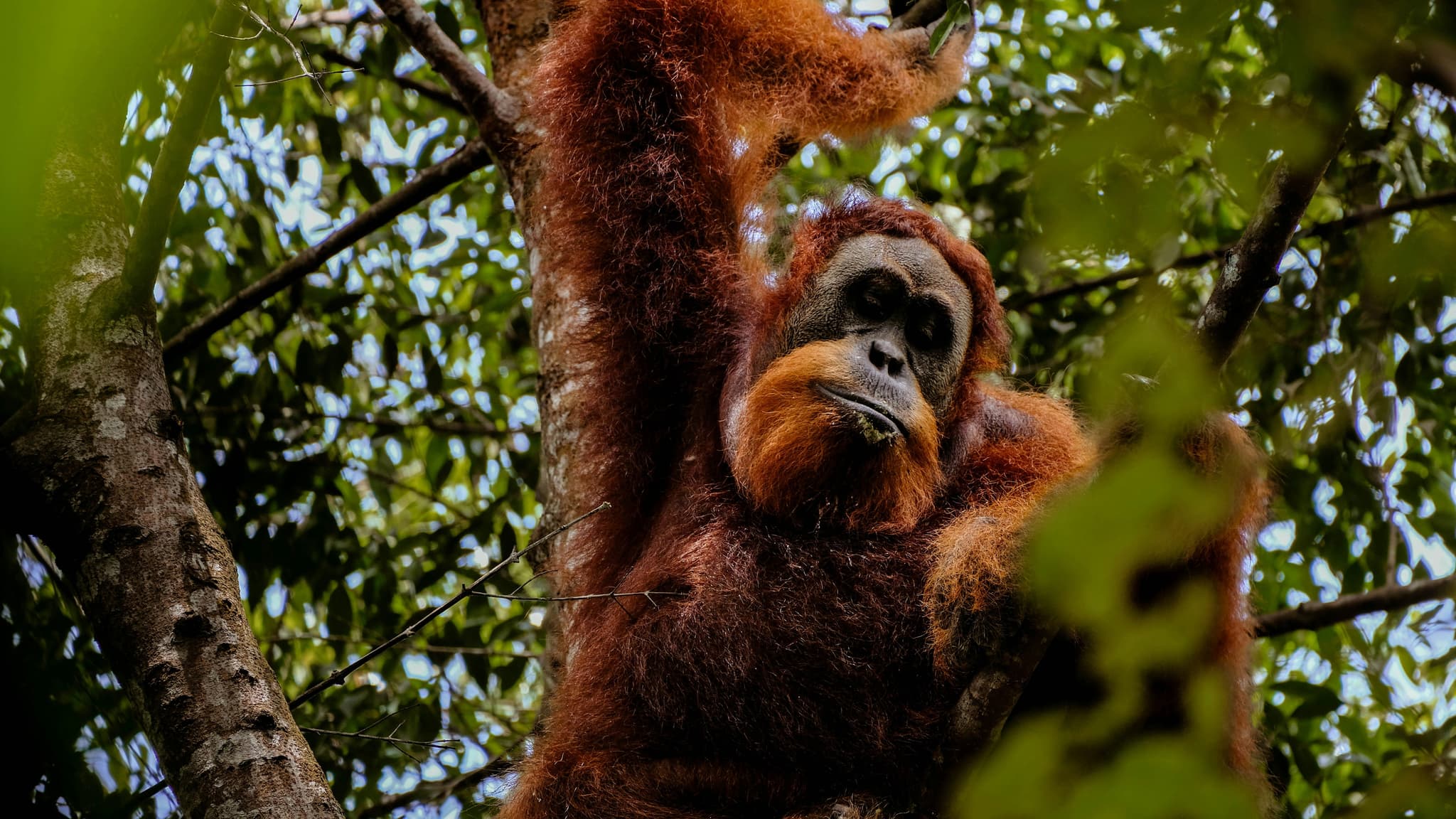
Deep inside the jungle near Bukit Lawang, orangutans still live inside protected rainforest connected to Gunung Leuser National Park. You can join jungle treks there daily, and after only a short walk guides already start spotting monkeys, hornbills and sometimes orangutans high in the trees.
River tubing also became really popular here. After trekking through the jungle, guides usually strap backpacks onto rubber tubes before floating back down the river towards the village.
Why Sumatra works best for slower trips
Huge distances make Sumatra harder to rush through compared to Bali or Lombok. You can easily spend most of the day driving because roads cut through mountains, jungle and villages for hours.
It will be easier to travel through Sumatra if you focus only on northern Sumatra instead of trying to cover the entire island. Bukit Lawang, Berastagi and Lake Toba already work really nicely together for one trip.
Raja Ampat: coral reefs, island hopping and remote islands
Tiny jungle islands, bright turquoise water and coral reefs, you can find it all in Raja Ampat. This are is much more remote compared to Bali or Lombok. Long travel days therefore become part of your trip, though it is totally worth it!
What can you do in Raja Ampat?
Crystal clear water, colourful coral reefs and huge schools of fish surround massive parts of the region. Since Raja Ampat belongs to the Coral Triangle, marine biodiversity there became completely insane compared to most diving regions around the planet.
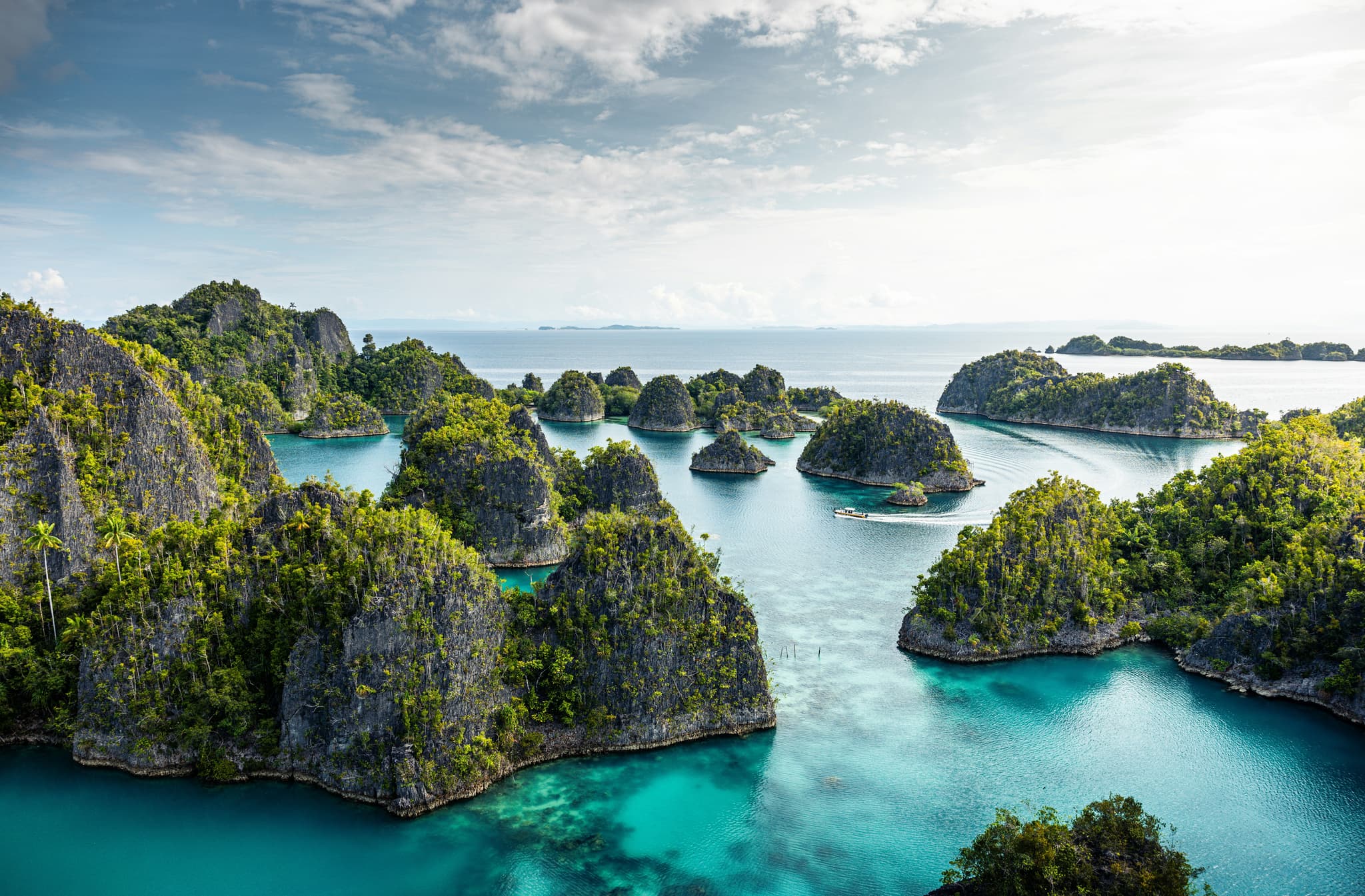
You can join boat trips towards tiny limestone islands covered in jungle, and viewpoints near Piaynemo became one of the most photographed spots there. Snorkelling already works amazingly too, even without diving certifications. Manta rays, reef sharks and turtles still appear regularly around several islands.
Who Raja Ampat works best for
You’ll probably love Raja Ampat if snorkelling, diving and island hopping matter more to you than nightlife or cafés. Beach days there become much more about coral reefs, boat rides and smaller islands instead of restaurants or shopping streets.
Though, since Raja Ampat is quite far from the more popular islands like Bali or Lombok, this usually fits best once you have at least 3 to 4 weeks in Indonesia if you also want to see other areas of the country.
Rare Indonesian tourist spots most people miss
Want to go somewhere more remote and rare? Indonesia still has some areas that are less well-known. You will notice that these rare places in Indonesia are completely different from the more famous travel destinations in Indonesia like Bali and Lombok.
If you want something more remote, you can consider these places:
Sulawesi
Tana Toraja
The Banda Islands
Karimunjawa
Pulau Weh
What are the best places to visit in Indonesia for you?
Indonesia gives you completely different trips depending on which islands you choose. Volcanoes, coral reefs, jungle treks, surf beaches and island hopping all exist here, though rarely close together, so your route really depends on what kind of days you want most. You’ll enjoy the country much more if you focus on just a few regions instead of trying to squeeze everything into one trip. Some islands work much better for surfing and beach days, others for volcanoes, wildlife or diving.
Bali: beach cafés, temples, waterfalls and surf towns
Java: volcano hikes, train rides and ancient temples
Lombok: quieter beaches, waterfalls and Mount Rinjani
The Gili Islands: snorkelling, diving and slower island days
Flores & Komodo: boat trips, manta rays and island hopping
Sumatra: orangutans, jungle treks and huge volcanic lakes
Raja Ampat: coral reefs, diving and remote islands
Sulawesi: local culture and some of Indonesia’s best diving
Sumba: empty beaches, road trips and traditional villages
Already with two or three islands, you can build a route that gives you volcanoes, beaches, jungle or diving. Think about what kind of travel style you like, then pick the islands that match that. You can easily connect your favourite places to see in Indonesia in the Guided app, where you can map out your trip and explore destinations for free.
Enjoyed This Blog? Continue Reading!
There is more travel inspiration waiting for you on our blog. You can take a look below and start mapping out your next travel adventure!


