
Uruguay

Uruguay travel guide: Everything you need to know before visiting Uruguay
Punta del Este's best-known landmark is a hand. Mario Irarrázabal's giant fingers have been rising out of the sand on Playa Brava since February 1982. Uruguay has only 3.5 million people (2023 census), yet it fits two very different coasts into 660 km of shoreline. On the Río de la Plata side you get colonial Colonia and Montevideo's Ciudad Vieja. On the Atlantic side, in Rocha, you get Cabo Polonio, a village with no road in, and the surf at Punta del Diablo.
If you know Argentina, the accent and the beef will feel familiar, but Uruguay is smaller and slower, with a thermos of mate under every other arm. Unlike Brazil, the distances are short, and outside Punta del Este there's little high-rise. We think it's the best add-on to a Buenos Aires trip, since the fast ferry to Colonia takes about an hour and a quarter. It suits slow travellers, families, food and wine lovers, and beach-goers from December to March. It suits you less on a tight budget, since Numbeo rates it the most expensive country in South America, or if you want mountains, since the highest point, Cerro Catedral, reaches just 514 m. Outside summer most east-coast beach towns close, and English isn't widely spoken. This guide covers where to go, how long to stay, what things cost and the entry rules to know before you travel.
5 reasons to visit Uruguay
If we could do only one thing on this list, it would be the night at Cabo Polonio. The other four are close behind.
- Walk the cobbles of Colonia del Sacramento, founded by the Portuguese in 1680 and a UNESCO site since 1995.
- Eat asado at the parrillas of Montevideo's Mercado del Puerto, open since 1868.
- Drink Tannat, the grape Uruguay has made its own since about 1870.
- Spend a night off-grid at Cabo Polonio, reached only by 4x4 truck over the dunes.
- Catch Montevideo's Carnival, which runs for more than 40 days, with candombe drumming on UNESCO's intangible heritage list.
Where to visit in Uruguay?
Where do you start in a country this compact? We begin in the capital, head west and inland, then work east along the Atlantic.
Montevideo
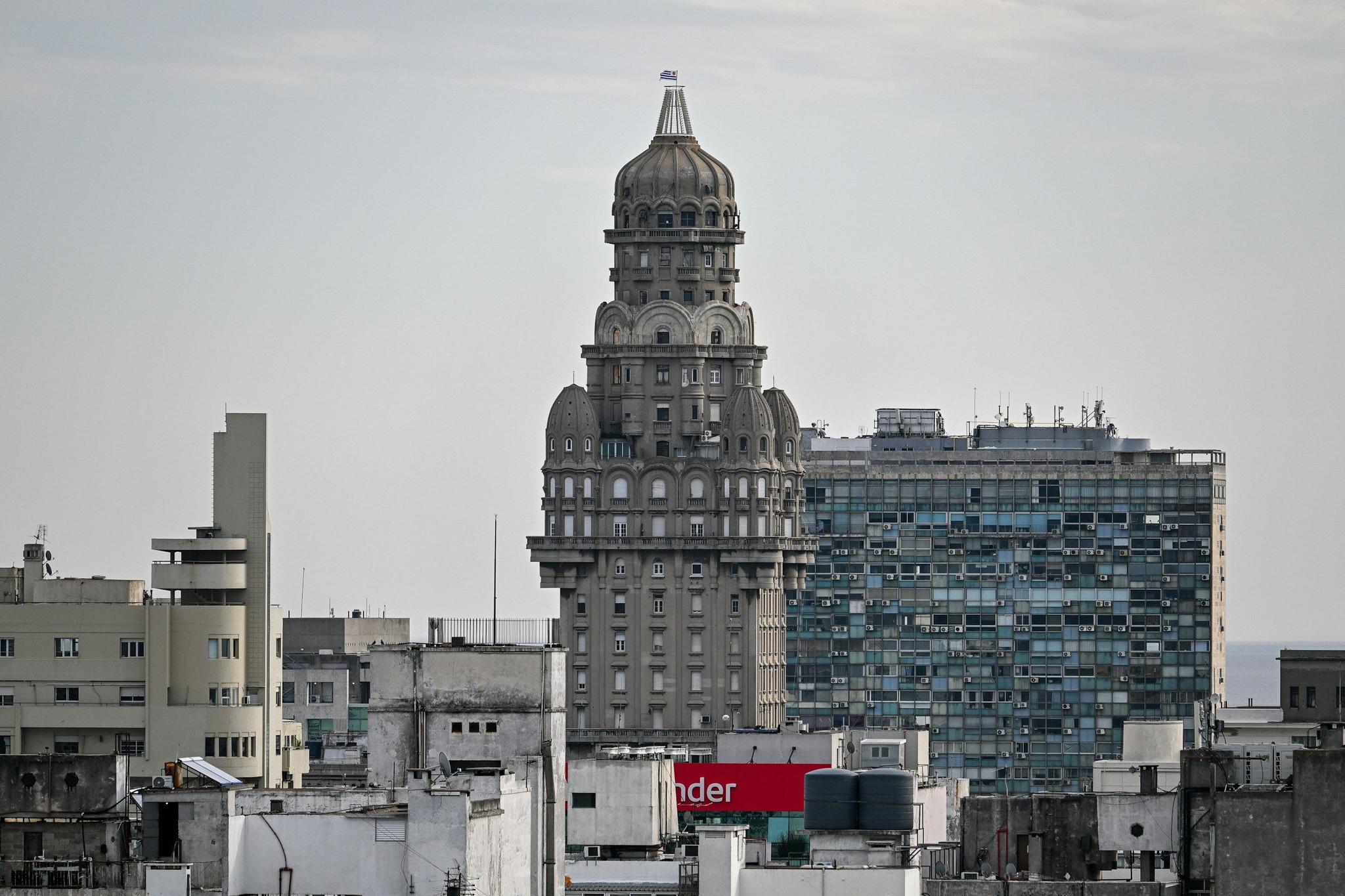
Give the capital two nights. Montevideo has 1,287,452 people (2023), and its oldest quarter, the Ciudad Vieja, was walled until 1829. Start at the Mercado del Puerto, an iron market hall made in Liverpool to a British design, opened in 1868 and now packed with parrillas. Nearby stand the Teatro Solís, which opened in 1856, and the Palacio Salvo, completed in 1928 and 100 m tall with its antenna. The Ciudad Vieja goes quiet on Sundays and Saturday afternoons, so we'd sightsee there on weekdays and spend the evenings in Pocitos or Punta Carretas.
Colonia del Sacramento
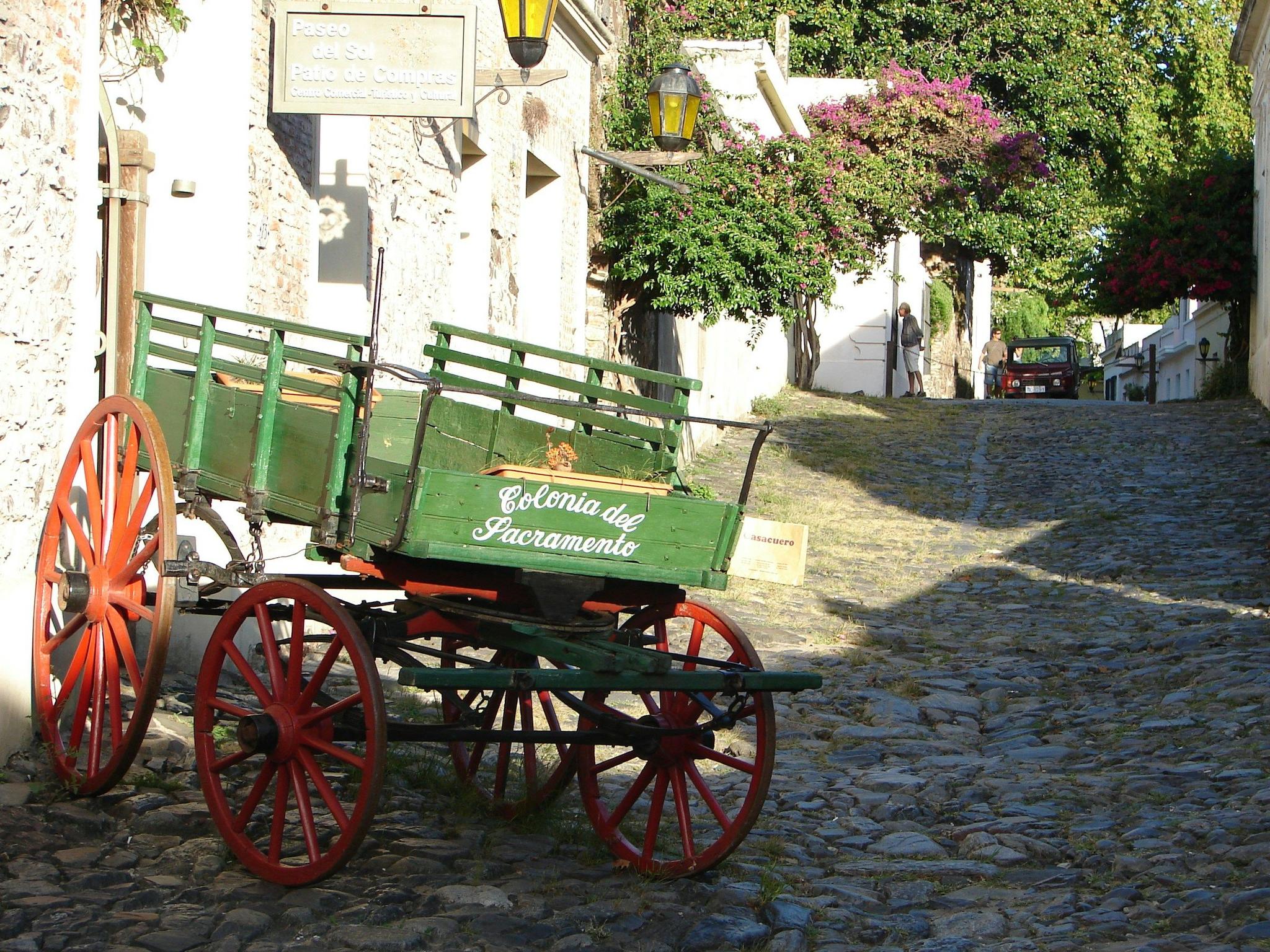
Colonia is the reason many people cross the river at all. Manuel Lobo founded it for Portugal in 1680, and its irregular Portuguese street plan still stands out against the Spanish grid of other Uruguayan towns. UNESCO has listed the historic quarter since 1995. Walk the cobbled Calle de los Suspiros, then climb the lighthouse beside the ruins of the 17th-century San Francisco convent. The town is about 180 km from Montevideo, around two and a half hours by COT or Turil bus, and about an hour and a quarter by fast ferry from Buenos Aires, which makes it an easy pairing with Argentina. Stay the night, so you see the lanes after the day-trippers leave.
Carmelo and wine country
Carmelo is the only town José Artigas founded in person, on 12 February 1816, and it makes a base for wine tasting. Wineries including Narbona, El Legado, Irurtia, Zubizarreta and CampoTinto are spread through the countryside around it, and March is harvest month. Carmelo is about an hour by road from Colonia on Route 21, and we'd hire a car to reach the wineries. Canelones, near Montevideo, has more vineyards, but if you have one night for wine, we'd spend it here.
Fray Bentos
If the name rings a bell, it's probably from a tin of pie or corned beef. The Liebig's Extract of Meat Company started production here in the 1860s, and the later Anglo plant made corned beef from 1899 and frozen meat from 1924, with workers from more than 55 nations. UNESCO listed the Fray Bentos Cultural-Industrial Landscape in 2015, and the old works now hold the Industrial Revolution Museum, opened in 2005. Fray Bentos is about 309 km from Montevideo, so it works best as a stop on a road trip from Colonia or Carmelo.
Salto and the thermal springs
Salto is Uruguay's second city, with 114,084 people (2023), about 496 km from Montevideo. Pascual Harriague introduced Tannat here around 1870, but we'd come for the hot water. The Daymán springs are about 6 km south of the city. Termas del Arapey, about 65 km north-north-east, has water at around 39 °C and is said to be the oldest spa in the country. Getting here takes 6 to 7 hours by bus or about an hour by plane. We'd save Salto for winter, when a warm pool beats a cold beach, and it's a good pick for families.
Tacuarembó and the estancias
This is gaucho country. Tacuarembó has held the Fiesta de la Patria Gaucha every March since 1987, with about 4,000 horses, jineteadas (rodeo riding) and folk music. Outside festival time, an estancia stay is the way in. Ranches across the interior take guests all year for riding, cattle work, asado and mate, and you'll want your own car to reach most of them. Short on time? A día de campo near Montevideo fits an asado lunch and a ride into one day.
Quebrada de los Cuervos
The country's highest point is only 514 m, so this ravine in the Treinta y Tres department comes as a surprise. In 2008 it became the first area in the national system of protected areas (SNAP), and it's an Important Bird Area, with three species of vulture on its cliffs. Bring binoculars and good shoes. For walkers who've had enough of beaches, we think it's the best stop on this list, and it pairs well with a night at an estancia nearby.
Piriápolis
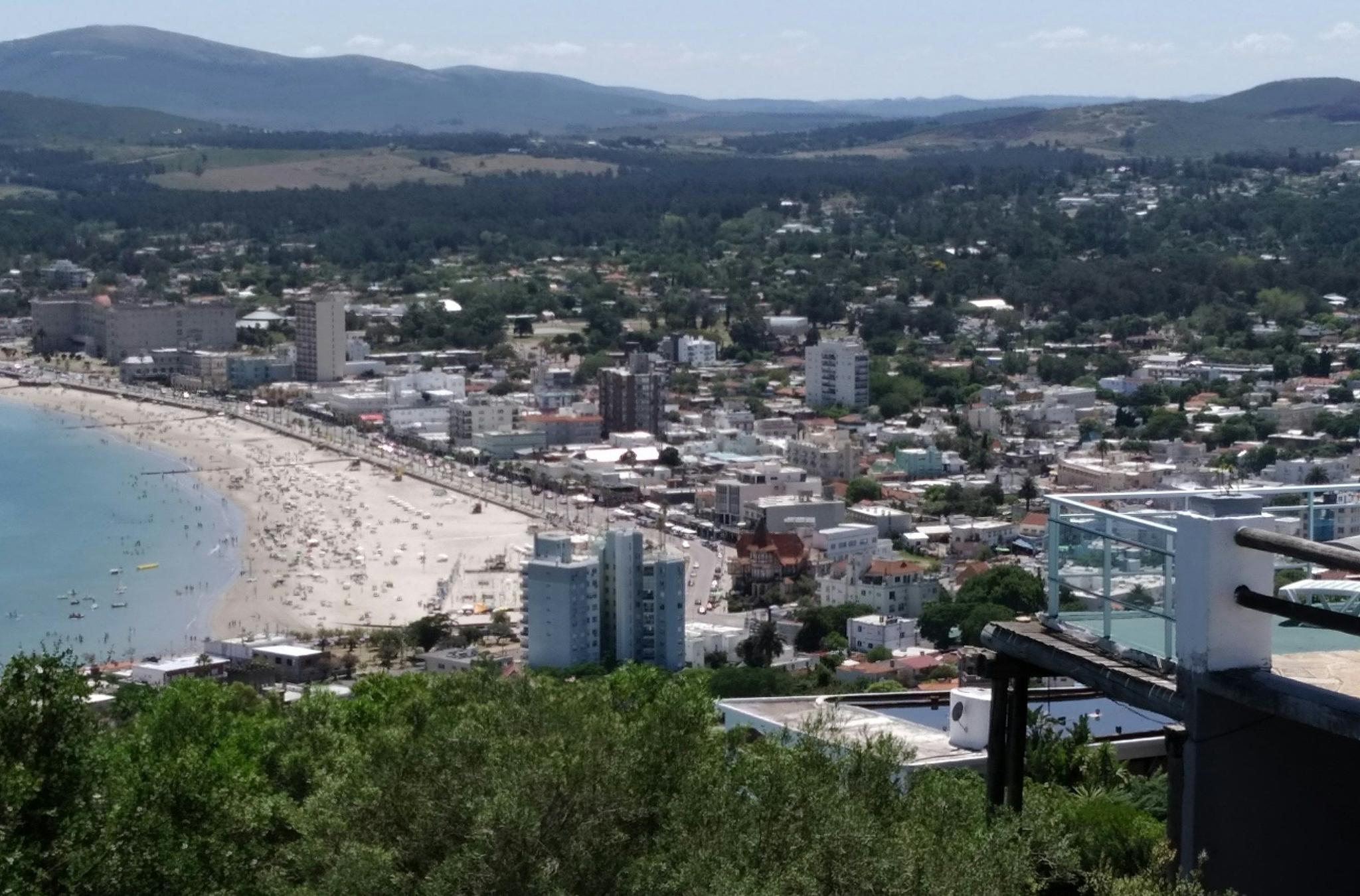
Piriápolis is old-fashioned in a way we like. Francisco Piria founded it on 5 November 1890, and his Castillo de Piria, built in 1897, is open to visitors. The Argentino Hotel, built between 1920 and 1930, was one of South America's largest hotels when it opened. Cerro Pan de Azúcar, the third-highest point in the country, is about 10 km away. The town is about 100 km from Montevideo, an hour and a half by bus. For families, or for an easy escape from the capital, we'd choose it over Punta del Este.
Punta del Este and Casapueblo
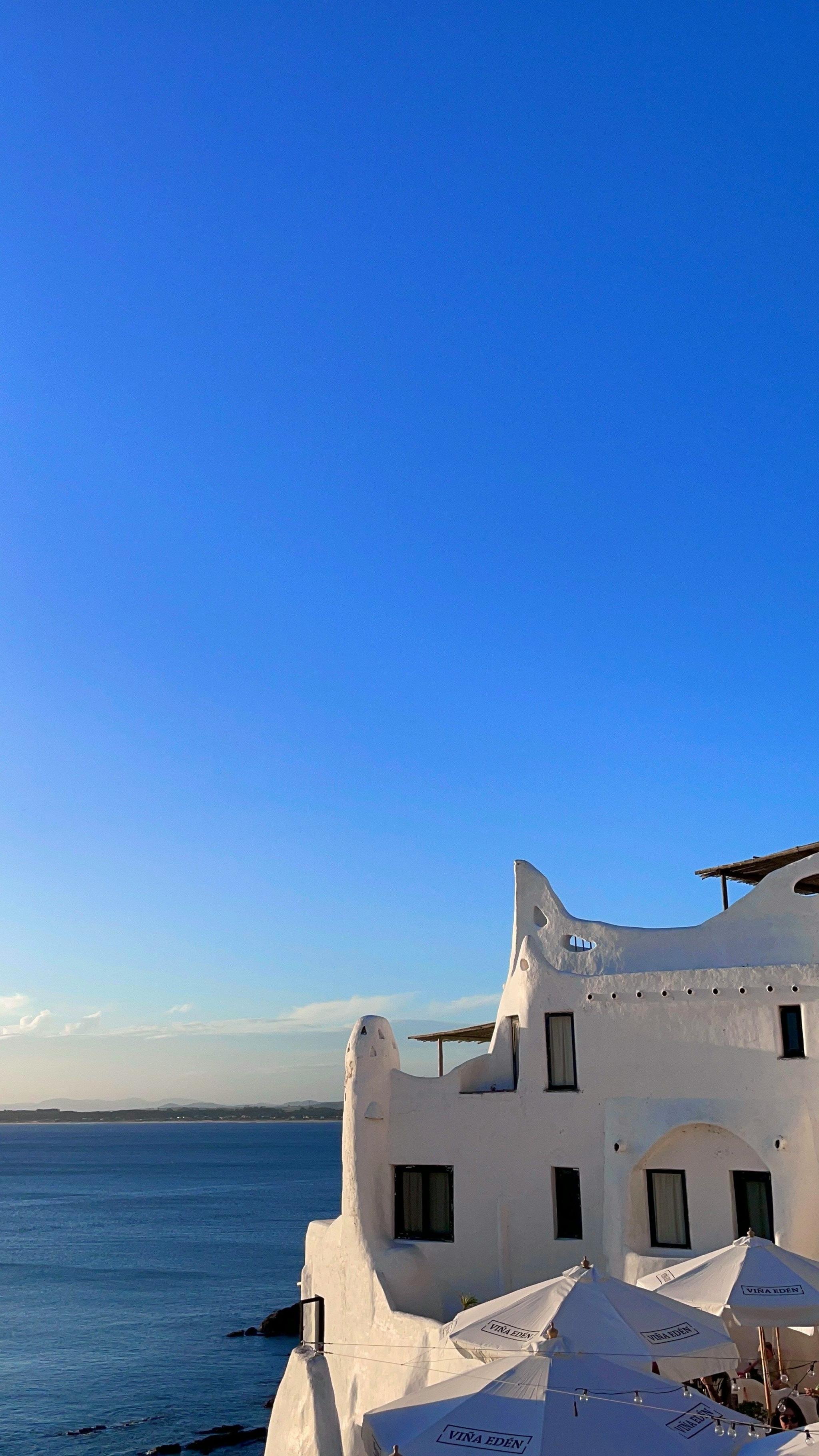
From late December to February, Argentine and Brazilian holidaymakers fill Punta del Este, and the rest of the year it's much quieter. It sits about 140 km east of Montevideo, 2 to 2.5 hours by COT or COPSA bus. La Mano stands at Parada 1 on Playa Brava. Even if you skip the resort scene, go to Casapueblo at Punta Ballena, about 13 km away. Carlos Páez Vilaró began this house-sculpture in 1958 and kept building for 36 years without formal plans. It's now a hotel and museum, and since 1994 a recording of his poem to the sun has played there every evening at sunset.
José Ignacio and Garzón
José Ignacio is a small resort on Route 10 beside Laguna José Ignacio, with a lighthouse and only 292 permanent residents at the 2011 census. It's low-rise, and expensive in January. Garzón, about 30 minutes away, was a railway village that had nearly emptied by the 1970s. Francis Mallmann opened Restaurante Garzón in its old general store in 2003, and the Bodega Garzón winery opened nearby in 2016. Rafael Viñoly's circular Laguna Garzón Bridge, on the Maldonado and Rocha border, opened on 22 December 2015. You need a car here, and many places stay shut until December.
Cabo Polonio
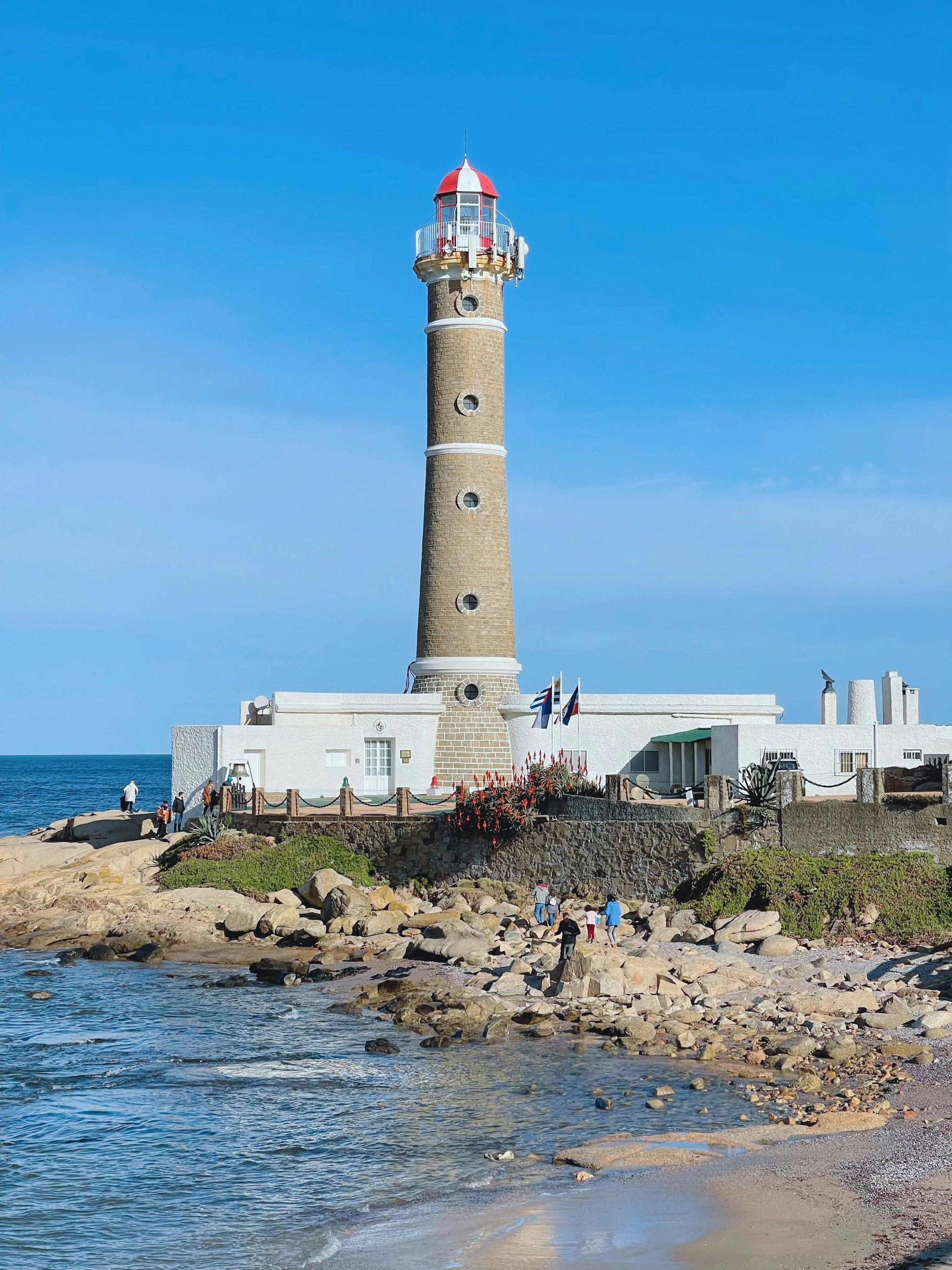
Can you still reach a village with no road? At Cabo Polonio you can. Cars aren't allowed into the national park, so you leave yours at the Puerta del Polonio terminal on Route 10 (km 264.5) and ride an all-terrain truck over the dunes for 20 to 30 minutes. The official return fare is $U 470. Trucks run in from 5.30 am to 8 pm and out from 6 am to 6 pm, and tents and pets are banned. The houses have no mains electricity, although the 1881 lighthouse is on the grid. Sea lions crowd the Islas de Torres, the largest colony in the region. Stay a night, and expect fewer services in winter.
Punta del Diablo and Santa Teresa
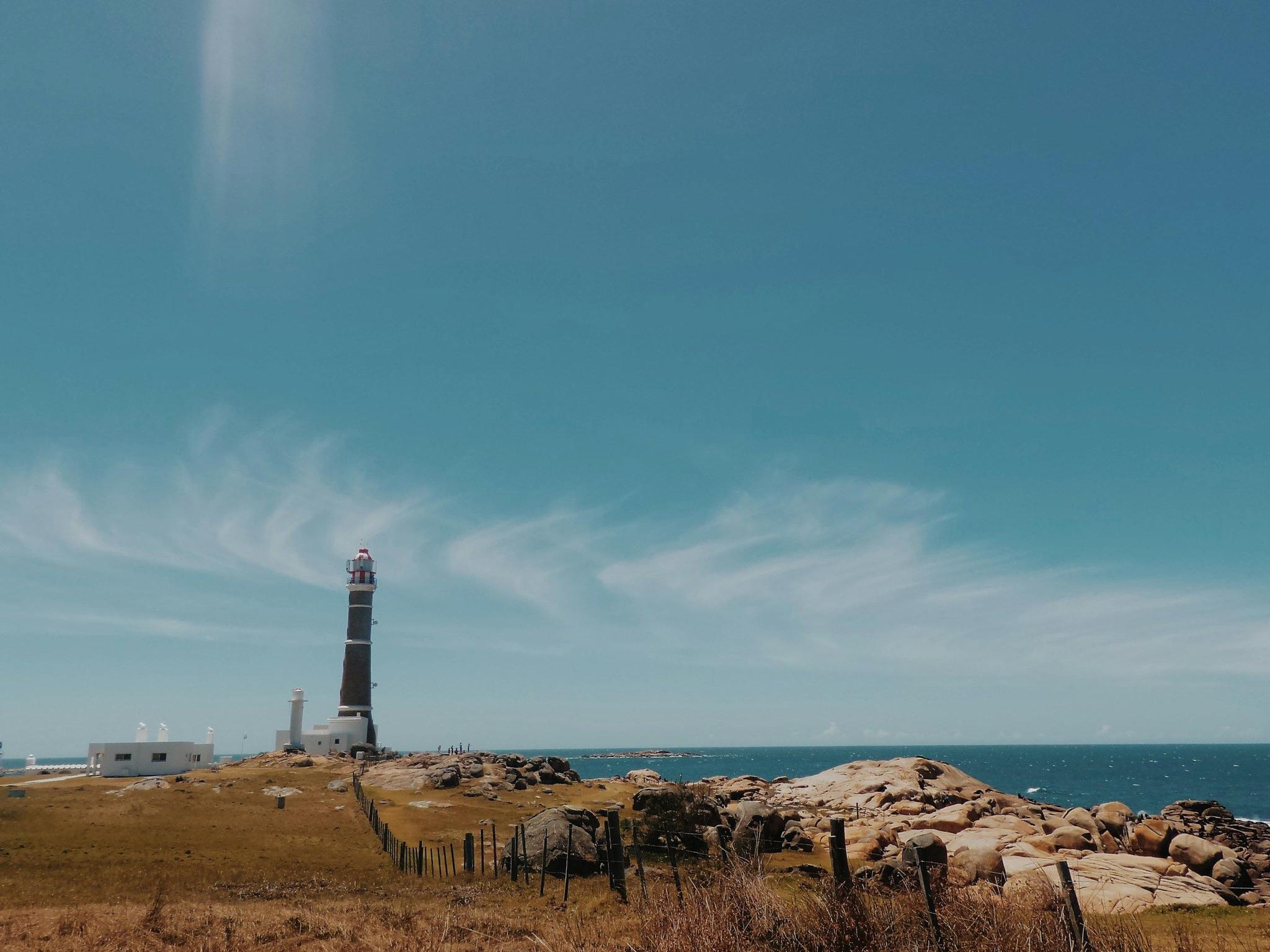
Punta del Diablo was a fishing village, 298 km from Montevideo and about 5 hours away on Rutas del Sol or COT buses. Only 823 people lived there at the 2011 census, but about 25,000 arrive in peak season. The surf is consistent and at its best in autumn and winter, after most hostels and restaurants have closed. About 5 km away, Santa Teresa National Park covers 3,000 ha with 60 km of trails. Its Fortaleza de Santa Teresa was begun by the Portuguese in 1762, and Spanish possession was confirmed in 1777. We'd end an east-coast trip here.
Uruguay itinerary ideas for your trip
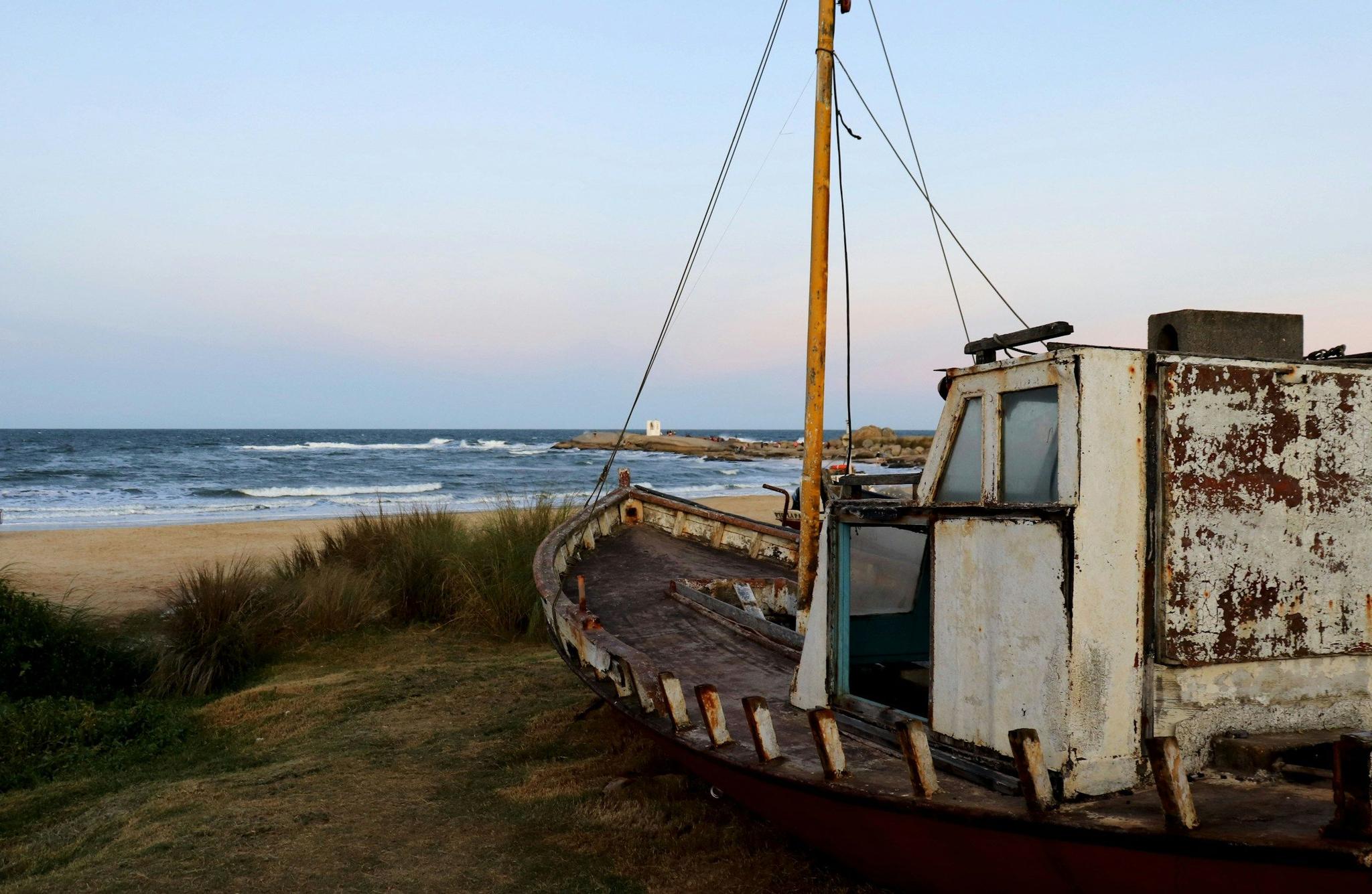
Montevideo to Punta del Este takes 2 to 2.5 hours by bus, and Colonia is about the same in the other direction, so a week covers a lot. Buses handle both routes, but a hire car makes the east coast much easier outside summer.
5 to 7 day Uruguay itinerary
- Day 1-2: Montevideo, with the Ciudad Vieja, the Mercado del Puerto, the Rambla and Estadio Centenario.
- Day 3-4: Colonia del Sacramento, staying overnight.
- Day 5: Punta del Este, via Montevideo, with Casapueblo at sunset.
- Day 6-7: A night at Cabo Polonio, then back to Montevideo.
Arriving by ferry from Buenos Aires? Start in Colonia and run the same route from west to east.
10 to 14 day Uruguay itinerary
- Day 1-2: Ferry from Buenos Aires to Colonia del Sacramento.
- Day 3-4: Carmelo and its wineries.
- Day 5-6: Fray Bentos and the Salto springs by car, or a night at a Tacuarembó estancia instead.
- Day 7-8: Montevideo.
- Day 9: Piriápolis.
- Day 10-11: Punta del Este, Casapueblo, José Ignacio and Garzón.
- Day 12: Cabo Polonio.
- Day 13-14: Punta del Diablo and Santa Teresa, then about 5 hours back to Montevideo.
If you'd rather add a night at an estancia or end near the airport, rework the route day by day in the Guided trip planner.
Fun things to do in Uruguay
If your dates are flexible, we'd time a first trip for Carnival. Whale season is the best reason to come in winter.
Join Montevideo's Carnival
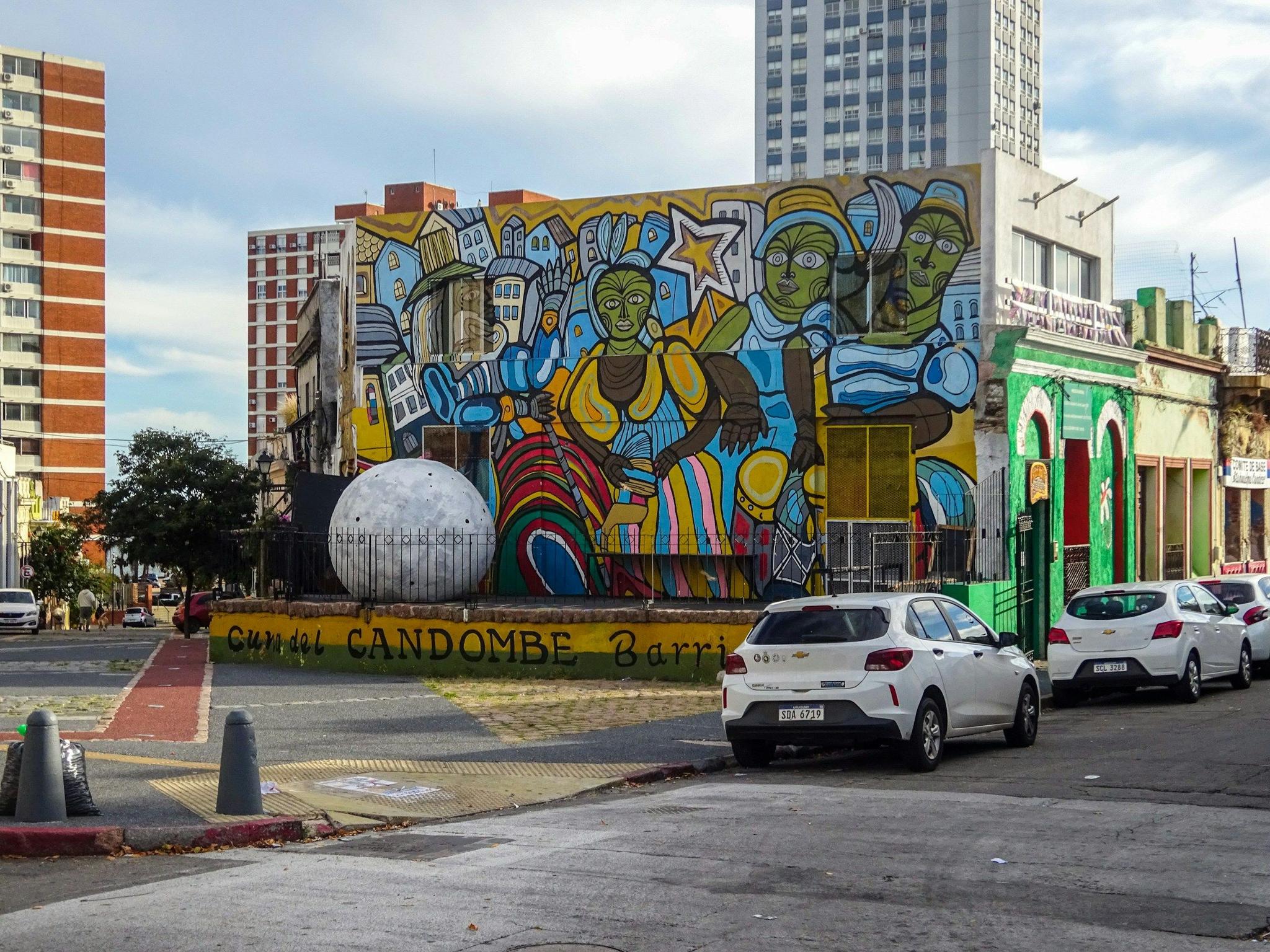
Montevideo's Carnival runs for more than 40 days, from late January into February or March, and the Uruguayan press calls it the longest carnival in the world. Murgas, the satirical choirs, perform on neighbourhood stages called tablados and at the Teatro de Verano. The big night is the Desfile de Llamadas, when candombe groups drum their way along Isla de Flores through Barrio Sur and Palermo. Candombe joined UNESCO's intangible heritage list in 2009. The dates change every year, so check the official calendar before you book. If you can only go one night, make it the Llamadas.
Taste Tannat at a winery
Uruguay is the world's leading producer of Tannat, with more than 1,570 ha of it planted, according to the export agency Uruguay XXI. Canelones, close to Montevideo, has the most vineyards, while we'd pick Carmelo or Garzón for the setting. Tannat Day falls on 14 April. A good shop bottle costs about $U 420, which we'd call one of the few bargains here.
Watch whales from the shore
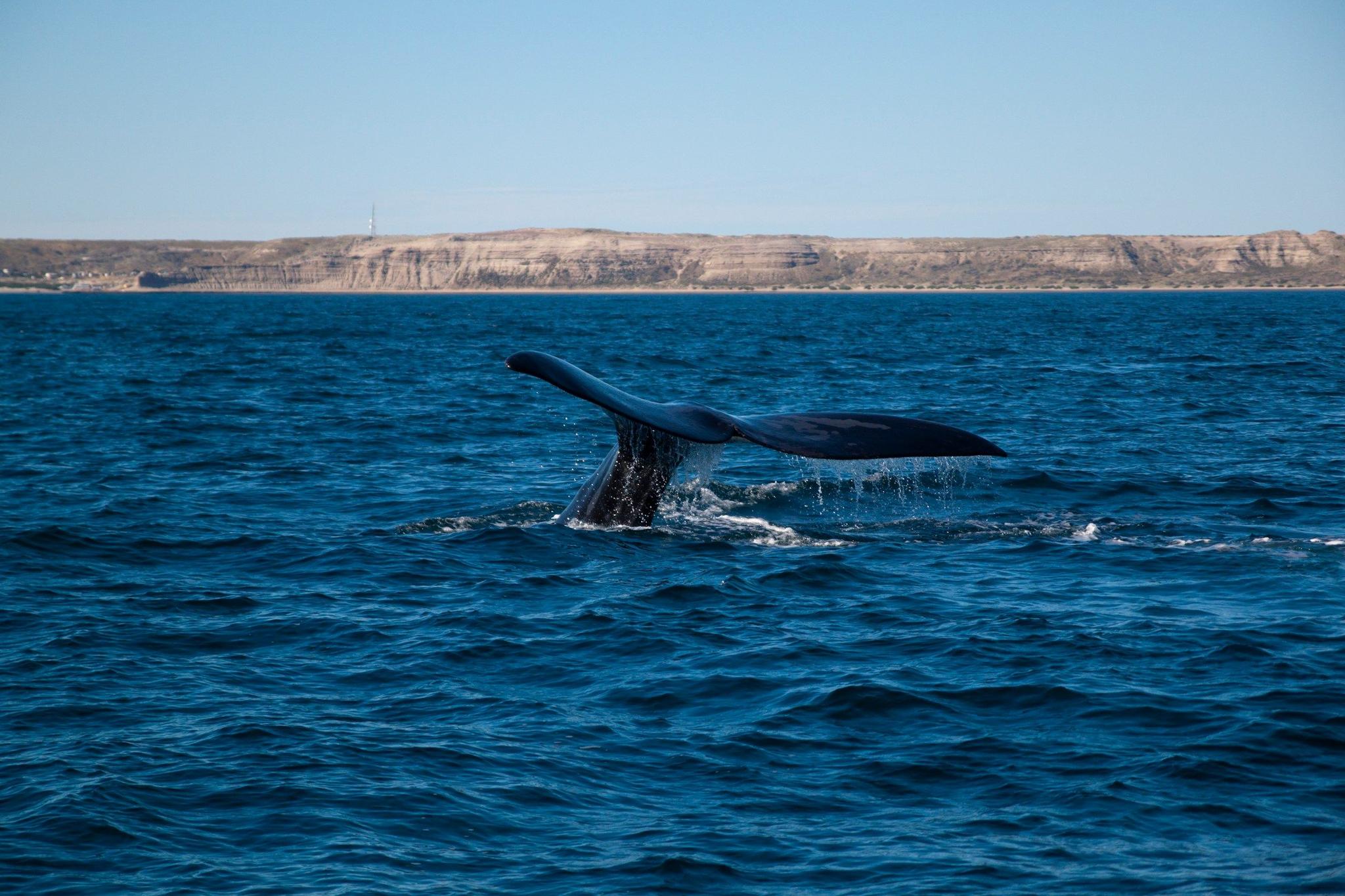
Southern right whales come close to the Rocha coast from about July to October, according to Rocha's tourism office, and Uruguay's waters have been a whale and dolphin sanctuary since 2013. You don't need a boat. We'd start at the viewing platform on Cerro de la Virgen in La Paloma, and Cerro Verde at La Coronilla and Barra del Chuy work too.
See where the World Cup began
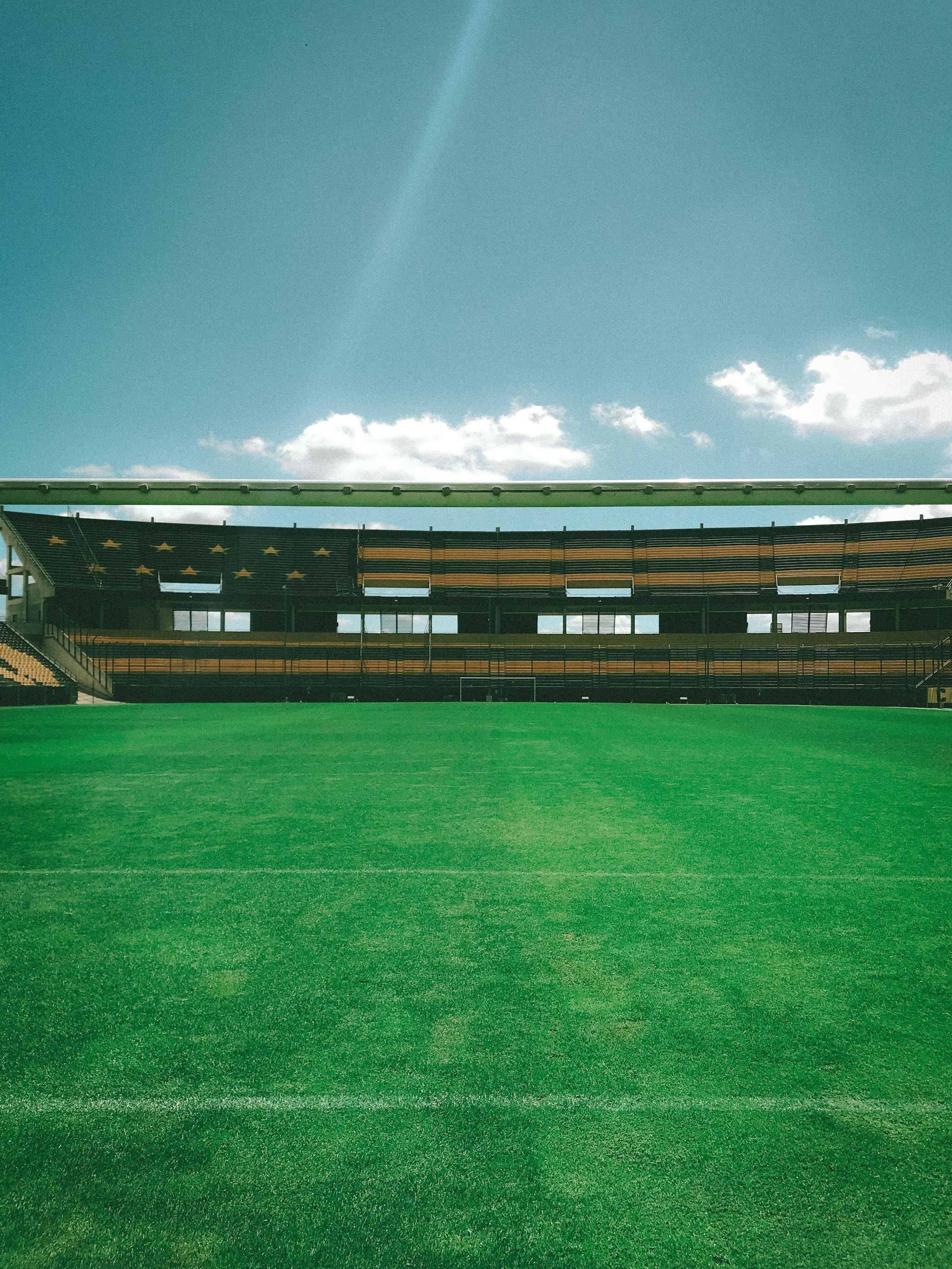
Estadio Centenario opened on 18 July 1930 and hosted the first World Cup final that year, when Uruguay beat Argentina 4-2. In 1983 FIFA named it the first Historical Monument of World Football. Inside, the Museo del Fútbol (opened in 1975) charges foreigners $U 400, and a lift takes you up the Torre de los Homenajes. For a match, nothing beats the Peñarol (1891) and Nacional (1899) derby. Sit in the home stand and don't wear the rival club's colours.
When to go to Uruguay?
When is the best time? For beaches, January and February, though we'd aim for March, when the crowds have gone and most places are still open. Montevideo's average high is 27.8 °C in January and 14.7 °C in July, and rain falls evenly through the year, with no dry season. Late December to February is peak season, when Argentine and Brazilian holidaymakers arrive and prices jump around Christmas and New Year. Semana de Turismo, as Holy Week is called here, is a second peak.
- Spring (September to November): mild days of 18 to 24 °C and whales until about October, as the coast reopens late in the season.
- Summer (December to February): highs of 25 to 28 °C, the warmest sea, peak beach season and Carnival from late January. Book ahead.
- Autumn (March to May): highs falling from about 25 °C to 18 °C, the March wine harvest, the Patria Gaucha and Semana Criolla festivals and an emptier coast.
- Winter (June to August): highs of about 15 °C and lows of 7 to 9 °C, whales from July and warm thermal springs, but the east coast is largely closed.

Did you know you can create your own itinerary?
Now that you know what to see in Uruguay and where to stay, you can start creating your own trip. Would you rather spend a week between Montevideo and Colonia, or two weeks from the Carmelo wineries to the surf at Punta del Diablo? It's all up to you. You can easily create your own trip in the Guided app for free, or use trips shared by others.
Where to stay in Uruguay?
We'd split a trip between Montevideo and one stretch of coast, with a night in Colonia if the route allows. In Montevideo an Airbnb averages about US$66 a night.
Pocitos and Punta Carretas, Montevideo
Our pick for most visitors. Pocitos has the city beach and plenty of restaurants, and Punta Carretas, about 15 minutes' walk away, is smarter and more residential, with a shopping mall. Tourist police patrol both, and evenings here are livelier than in the old town.
Ciudad Vieja, Montevideo
The most historic base, with independent hotels and the main sights on foot. After dark we'd take a taxi or an app car around the port area rather than walk.
Colonia del Sacramento
Colonia gets busy with weekend visitors from Buenos Aires, so we'd come midweek if you can. The historic quarter is small, and you can walk all of it from any hotel in the old town.
Punta del Este, La Barra and José Ignacio
In January, a rented house can cost US$250 to US$400 a night, and prices fall a long way out of season. José Ignacio and the Rocha surf towns are largely closed until December.
Rocha coast posadas
Small posadas and rented houses are the way to stay on the wild coast. In early January a house for four in La Paloma costs about US$120 a night.
Getting around when visiting Uruguay
Do you need a car? Not for the main towns. Buses from Montevideo's Tres Cruces terminal reach nearly everywhere, and there's no passenger rail worth planning around. Carrasco airport is about 20 km east of downtown Montevideo.
Ferries from Buenos Aires
Buquebus sails directly between Buenos Aires and Montevideo in 2 hours 15 minutes to 2 hours 45 minutes, from about US$70 if you book ahead. Colonia Express has been authorised to add its own direct Montevideo route, so check both operators when you book. To Colonia, both Buquebus and Colonia Express take about an hour and a quarter, from about US$58. Taking Colonia Express and then a bus on to Montevideo is cheaper, but it takes 4 to 5 hours door to door. Allow 45 to 60 minutes for check-in and passport control.
Intercity buses
Tres Cruces, with 49 platforms and a shopping centre, is the hub, and the FCDO advises keeping an eye on your bags there. COT and Turil run to Colonia ($U 480 to $U 720), COT and COPSA to Punta del Este ($U 400 to $U 1,100), and Rutas del Sol and COT cover Rocha. Salto cost about $U 1,500 one way in 2024, so check current fares. Partial general strikes called by the PIT-CNT union federation happen from time to time and can affect buses.
Montevideo buses and taxis
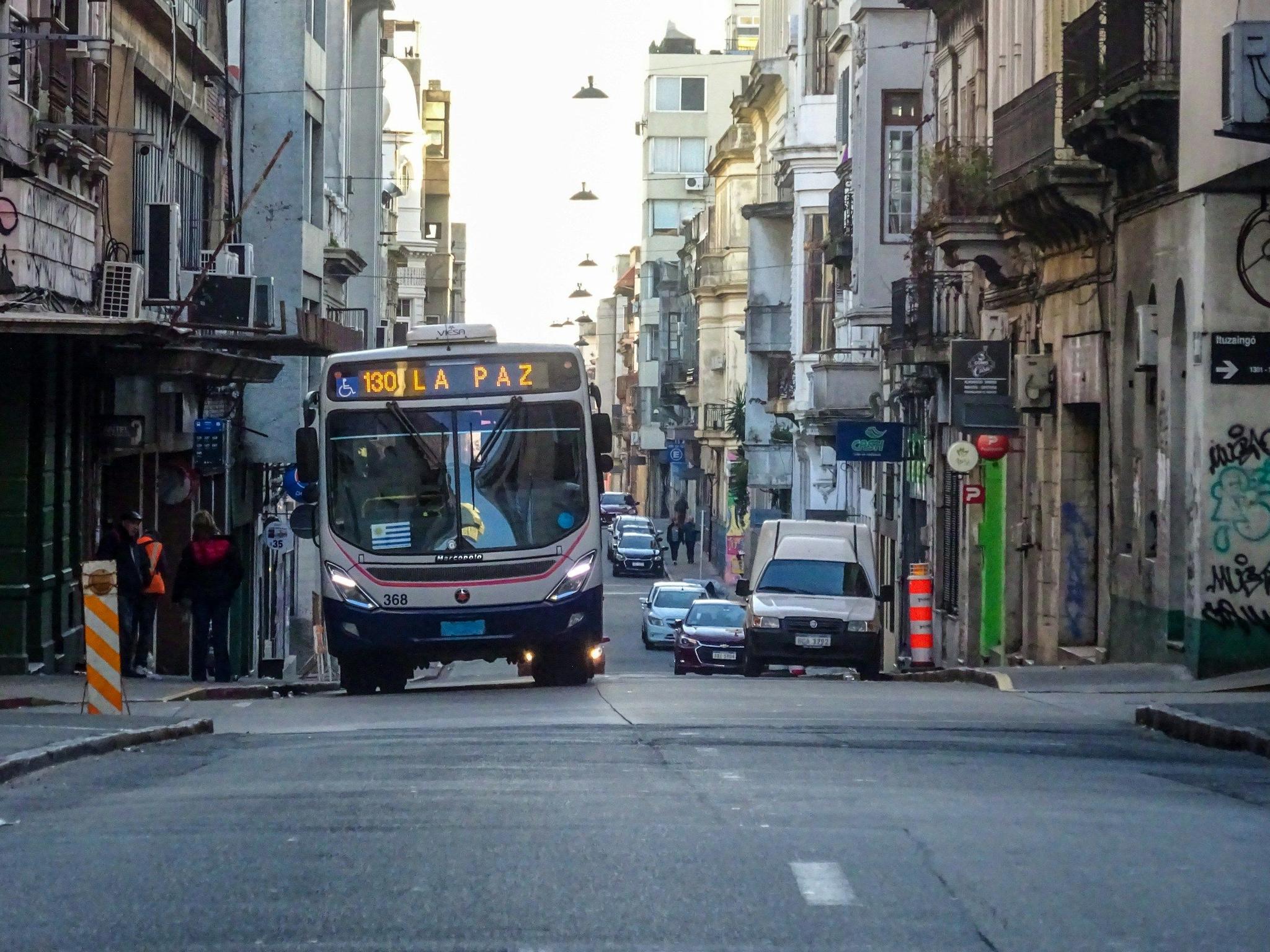
In 2026, a 1-hour city bus ticket costs $U 52 with an STM card or contactless where accepted, or $U 64 in cash. From the airport, the official taxi averages $U 2,100 to Pocitos and $U 2,850 to the Ciudad Vieja, while an Uber costs about US$20 to US$35. Uber is legal in Montevideo and Punta del Este but patchy in Colonia and small towns, and inDriver also operates.
Driving
The motorway limit is 110 km/h, and you need a first aid kit in the car. Tolls are cashless, by Telepeaje tag or number-plate billing, and hire companies pass on unpaid tolls. A UK photocard licence is valid for 90 days, but hire firms may want an International Driving Permit and two years' experience. Car break-ins are common, so use paid car parks.
Food and drinks you should try when visiting Uruguay
Uruguayans eat about 100 kg of meat per person a year, 49.4 kg of it beef, according to the meat institute INAC. Sunday asado with the family is a fixture, and dinner rarely starts before 9 pm.
Asado at the Mercado del Puerto
The 1868 market hall is full of parrillas, and we'd call lunch at one of the counters the classic Montevideo meal. A parrillada for two at the Mercado del Puerto costs about $U 2,200 to $U 2,800. It's the meal we'd plan the first day around.

Chivito
Uruguay's national dish is a sandwich, a stack of steak, mozzarella, ham, tomato, mayonnaise and olives, often with bacon and egg, served with chips. Its origin story says Antonio Carbonaro created it in 1946 at El Mejillón bar in Punta del Este. Expect to pay $U 420 to $U 800, depending on the place.
Chajá
Orlando Castellano created this cake on 27 April 1927 at Confitería Las Familias in Paysandú. It layers meringue and sponge with cream and either peach or strawberry, and it's named after the chajá, the southern screamer bird.
Fainá with pizza
Fainá is a Genoese chickpea flatbread, and in Uruguay it goes on top of your pizza slice, an order known as "a caballo", on horseback. It sounds odd, and it works.
Medio y medio
Half sweet sparkling wine, half dry white. It was first poured at the Roldós bar in the Mercado del Puerto in the late 19th century. We'd order it with the asado.
Culture and local habits you'll notice when visiting Uruguay
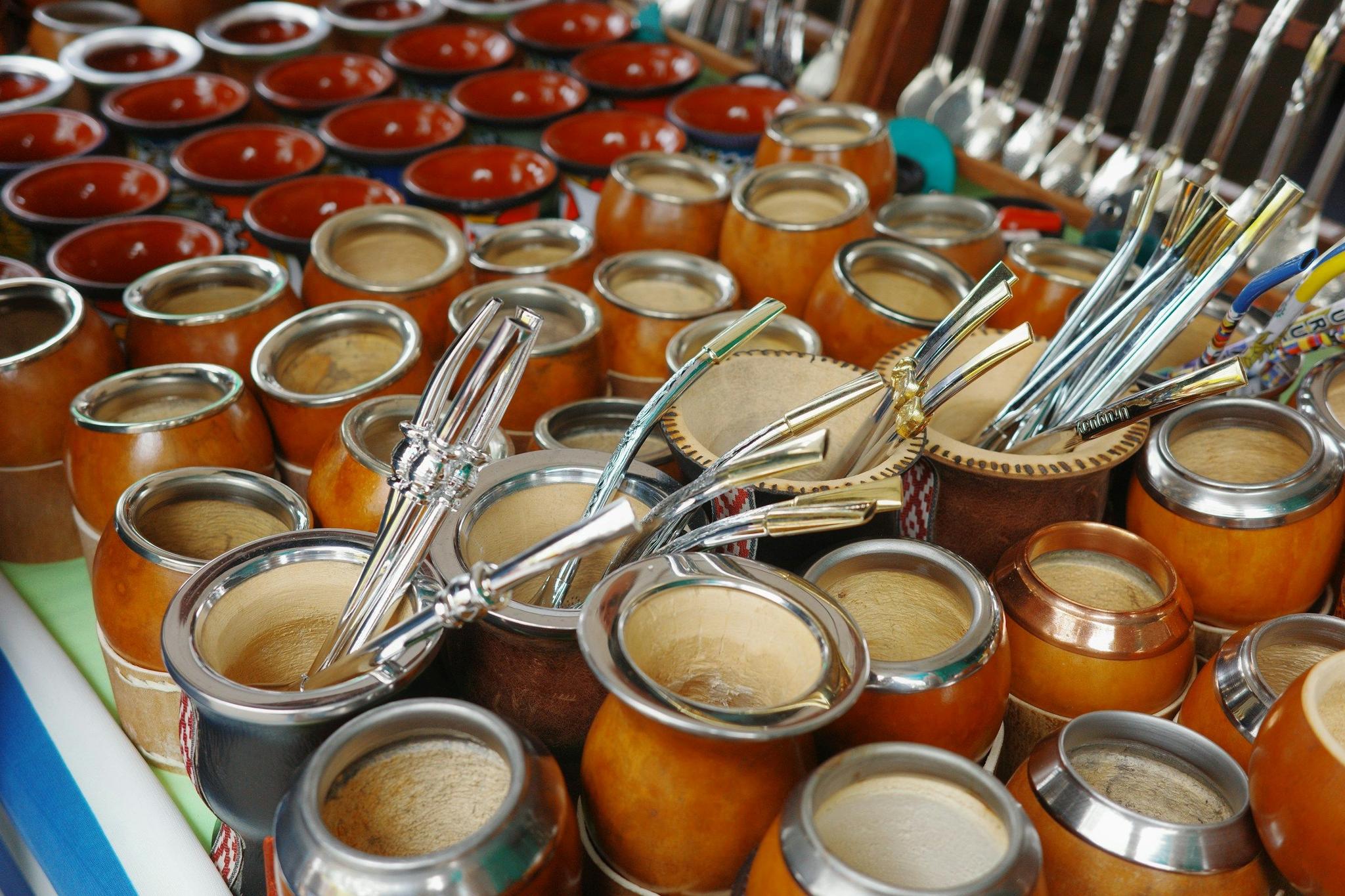
Mate tells you more about Uruguay than any museum, in our view. You'll see a thermos tucked under the arm almost everywhere, from the Rambla to the bus. If someone offers you a round, the person serving, the cebador, refills the gourd each time. Don't stir the metal straw, the bombilla. Drink it all and hand it back, and say "gracias" only when you've had enough, because that means you're done. The Spanish here is Rioplatense, with "vos" instead of "tú" and "ll" and "y" pronounced "sh", in an intonation that sounds almost Italian. "Ta" means OK.
Uruguay is also firmly secular. Church and state separated in 1919. Holy Week is officially Semana de Turismo, and Christmas is officially Día de la Familia. On the 29th of each month, many families eat ñoquis (gnocchi) with a banknote under the plate for luck.
Looking for more unique places, trips and activities?
Subscribe to our Guided Newsletter for more travel inspiration.
Costs of a holiday to Uruguay
A Big Mac cost US$8.93 in Uruguay in August 2026, the second highest price in the world after Switzerland, according to Ámbito. Numbeo's cost of living index for February 2026 puts Uruguay at 55.58, the highest in South America, ahead of Argentina (41.32) and Brazil (30.14). The strong peso is the main reason, and day-to-day prices feel closer to Western Europe than to the rest of the continent. The tax breaks help, and we'd factor them into your budget. Hotels charge foreign visitors no VAT all year, and in summer, usually mid-November to April, foreign visitors paying with a foreign card skip VAT in restaurants and on car hire. Check the current dates before you go.
Food & Drink

Coffee
$U 160 – $U 250
Lunch
$U 550 – $U 950
Beer
$U 140 – $U 200
Accommodation

Hotels
$U 2,800 – $U 7,000
Airbnb
$U 2,000 – $U 4,000
Hostel dorm
$U 400 – $U 600
Transport

Intercity bus
$U 400 – $U 1,500
Public Transport
$U 52 – $U 64
Car Rental
$U 1,300 – $U 3,500
Attractions

Museums
$U 300 – $U 400
Big Attractions
$U 400 – $U 470
Theatre
$U 700 – $U 1,500
Practical tips for visiting Uruguay
We'd sort out pesos and a plan for the car before you land.
✔ Check the entry rules
Many nationalities, including the UK, EU and US, can visit Uruguay without a visa for up to 90 days, and the stay can be extended once you're in the country. UK visitors need a passport valid for the whole stay with one blank page, and citizens of neighbouring countries can use a national ID card. All bags are X-rayed on arrival. Don't bring fruit, vegetables, dairy or animal products, and declare anything over US$10,000. Check Uruguay's visa rules by country and the UK government's Uruguay entry requirements before you travel.
✔ Carry pesos as well as cards
Visa and Mastercard are widely accepted, but carry cash for small shops and for buses outside Montevideo. The FCDO warns that some ATMs don't take UK debit cards and that cards may fail outside the main towns. When a card machine offers a choice, pay in pesos. Tip about 10% in restaurants, but check the bill for a "servicio" charge first, and round up in taxis.
✔ Know the road rules
Dipped headlights are compulsory day and night, and the alcohol limit is zero. Seatbelts are required in the front and the back. Outside summer, a car is the easiest way to reach the east coast, Garzón and the interior, while Tres Cruces buses cover the rest.
✔ Stay alert in Montevideo
The UK Foreign Office doesn't advise against travel to any part of Uruguay. The US State Department rates it Level 2, Exercise increased caution, because of crime. In Montevideo, bag-snatching and pickpocketing happen, and sometimes armed muggings. Avoid walking downtown or around the port alone at night and at weekends. Canada's advice mentions thieves on motorbikes snatching bags at traffic lights and ATMs, so use cash machines inside banks or shopping malls. Crime is lower elsewhere. The emergency number is 911.
✔ Check the weather and the beach flags
Lifeguards usually work the beaches from December to March, and a black flag warns of a storm. A strengthening El Niño is expected to bring above-normal rain until February 2027, so check INUMET forecasts, since heavy rain can disrupt roads in the north. Forest fires are a risk from December to March. The sun is strong, with a high UV index, and in summer you should use mosquito repellent because of dengue.
✔ Pack an adapter and know the local laws
Uruguay runs on 220 V, so UK visitors need an adapter. Uruguay legalised cannabis in 2013, but tourists can't legally buy it. Smoking is banned in enclosed public places, and that includes e-cigarettes.
Fun facts about Uruguay
Six facts about a country of 3.5 million people.
- Uruguay is the smallest Spanish-speaking country in South America.
- Plan Ceibal in 2009 made Uruguay the first country to give a laptop to every child in state primary schools.
- About 98% of Uruguay's electricity comes from renewable sources.
- There are about three cattle for every person, 11.6 million of them.
- Its national anthem is the world's longest by duration, at 105 bars, so usually only the introduction and chorus are sung.
- The official name, República Oriental del Uruguay, means the Eastern Republic, for its position east of the Uruguay River.
The four stars on Uruguay's football shirt stand for two Olympic golds, in 1924 and 1928, and the World Cups of 1930 and 1950.
Ready to map out your trip to Uruguay?
We hope this Uruguay travel guide has helped you decide where to go and how long to stay. Stay tuned for more inspiration, itineraries and practical tips to help you shape your perfect holiday to Uruguay. And don't forget to check out our Guided travel planning app, where you can create your own trip or use trips shared by other travellers for free.
FAQS about visiting Uruguay
How many days do you need in Uruguay?
A week covers Montevideo and Colonia, plus the east coast as far as Cabo Polonio. With 10 to 14 days you can add the Carmelo wineries and more of the Rocha coast, and the interior if you have a car. Inside the Guided app, you can create your own trip route and find out how many places you can fit into your trip.
What is the best part of Uruguay to visit?
For a first trip, we'd pick Colonia for history and Montevideo for food and culture. Cabo Polonio and Punta del Diablo have the wildest coast, and Punta del Este is the place for resort life in summer.
What is Uruguay known for?
Beef and asado come first, then mate and Tannat wine. Football matters hugely, since Uruguay hosted and won the first World Cup in 1930. The country is also known for Carnival and candombe, and for liberal laws such as legalised cannabis.
Can you travel around Uruguay without a car?
Yes. Intercity buses from Montevideo's Tres Cruces terminal reach most towns, though a car makes Garzón, the estancias and the east coast outside summer far easier.
Is Uruguay expensive?
Yes, by South American standards, with prices closer to Western Europe. Foreign visitors pay no VAT on hotels all year, and in summer they usually skip it in restaurants and on car hire when paying with a foreign card, so check the current dates.
Is Uruguay safe to visit?
Generally yes, with normal city precautions. The UK Foreign Office doesn't advise against travel to any part of the country, and the main risk is street crime in Montevideo, especially downtown and around the port at night. Crime is lower elsewhere.
Can you visit Uruguay from Buenos Aires?
Yes, and it's easy. Fast ferries reach Colonia in about an hour and a quarter, and Buquebus sails directly to Montevideo in 2 hours 15 minutes to 2 hours 45 minutes. Colonia works as a day trip, but we'd stay at least one night.
When is the best time to visit Uruguay?
December to March for beaches, with the peak from late December to February, and March is quieter with most places still open. From July to October you can watch whales from the shore and enjoy Montevideo and the thermal springs.
Plan your trip to Uruguay in Guided.
Save the places you find, then let Guided lay out the days, the map and the details.
More in South America
All destinations ArgentinaArgentina runs from Iguazú's waterfalls to Patagonia's glaciers, with tango-mad Buenos Aires between.
 BoliviaBolivia pairs the Salar de Uyuni and Lake Titicaca with colonial Sucre and Amazon jungle.
 BrazilBrazil is known for Rio's beaches and Carnival, Iguaçu Falls and the Amazon rainforest.
 ChileChile stretches from the Atacama Desert past vineyards and the Andes to icy Patagonia.