
Brazil

Brazil travel guide: Everything you need to know before visiting Brazil
Only one country in the Americas speaks Portuguese, and it happens to be the fifth-largest on earth. Brazil covers about 8.5 million km² and holds about 60% of the Amazon rainforest. It shares Iguaçu Falls with Argentina, about 275 separate drops strung along 2.7 km of cliff, and it has the Pantanal, the world's largest tropical wetland and one of the best places anywhere to see a wild jaguar. Then come the cities. Rio's setting between mountains and sea is UNESCO-listed, and Salvador, the first capital, is the heart of Afro-Brazilian culture.
Next to Peru, Chile or Argentina, a trip here is less about the Andes and Spanish colonial towns and more about rainforest, beaches and African heritage. Brazil suits beach and city travellers, wildlife lovers, food travellers and anyone who plans a holiday around a festival, as long as they have 10 days or more. Distances are huge and the regions are linked by plane, so it suits you less if you want to see the country overland in a week. This guide covers where to go and how long to stay, plus food, costs, safety and the practical things to sort before you fly.
5 reasons to visit Brazil
We'd come for the nature first and the cities second, though Rio makes that hard to stick to.
- See Rio from the feet of Christ the Redeemer, 30 m tall on a peak of about 700 m.
- Feel the spray at Iguaçu, where about 275 waterfalls drop along the border with Argentina.
- Look for jaguars by boat in the Pantanal, the world's largest tropical wetland.
- Dance through Carnival, from Rio's Sambadrome to the street parties of Salvador.
- Swim in rainwater lagoons between the white dunes of Lençóis Maranhenses.
Where to visit in Brazil?
Where do you start in a country this size? Pick two or three regions and fly between them, rather than trying to join everything up by road. These 12 places cover the classics plus a few we think deserve more of your time.
Rio de Janeiro
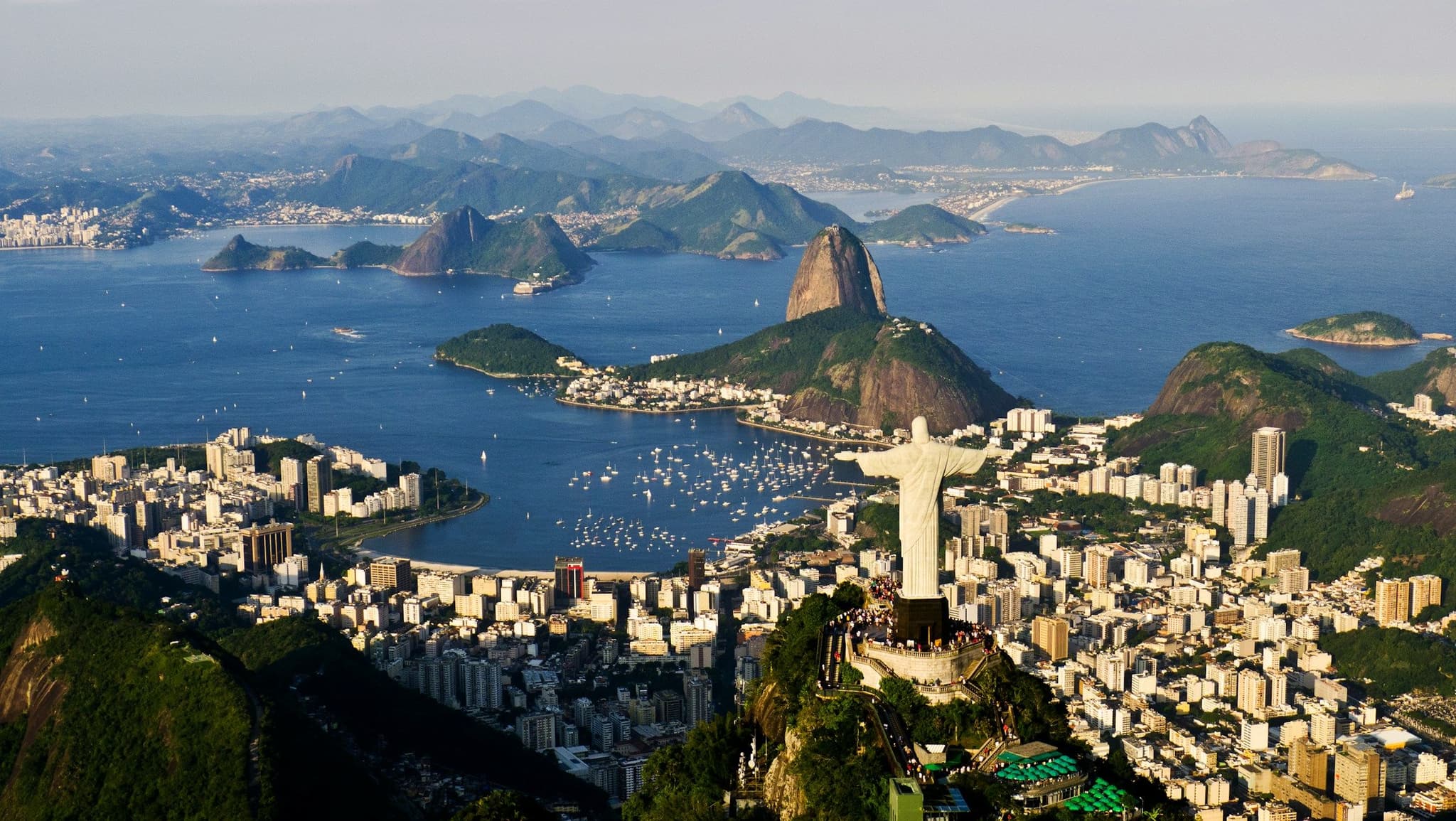
Rio's landscape between the mountains and the sea was listed by UNESCO in 2012, and two lookouts show you why. Christ the Redeemer, opened in 1931, stands 30 m tall on an 8 m pedestal on top of Corcovado, about 700 m up. The train climbs through Tijuca National Park in about 20 minutes (R$134), and the ticket office doesn't sell same-day tickets, so book ahead. Sugarloaf's two-stage cable car, first opened in 1912, rises via Urca hill to 396 m, from R$205. Go up to Christ on the first clear morning and Sugarloaf at sunset, and keep a spare day, because cloud decides everything here. The Escadaria Selarón is a staircase covered in more than 2,000 tiles from over 60 countries, begun in 1990 by Chilean-born artist Jorge Selarón.
Iguaçu Falls
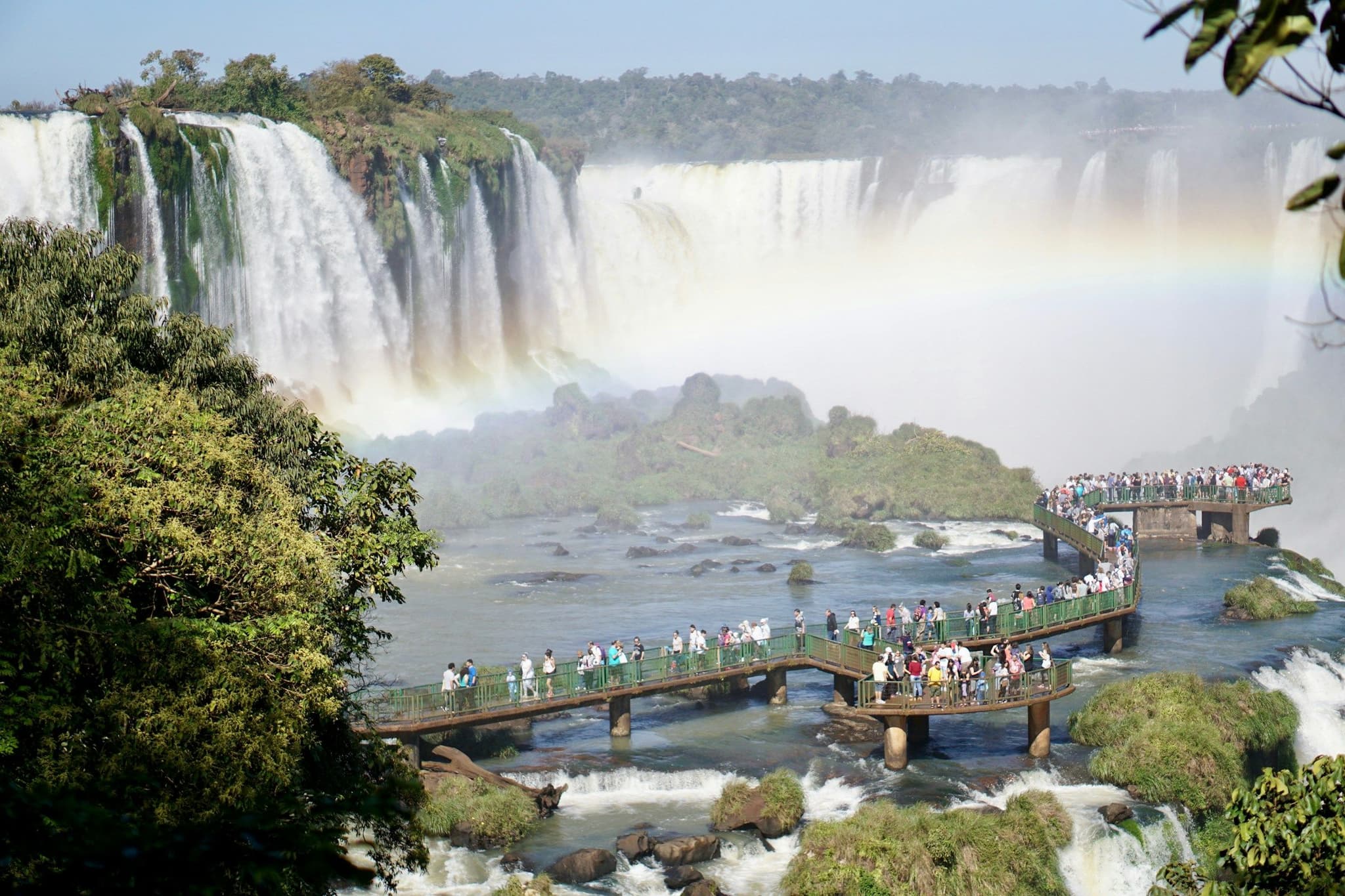
Which side of the falls is better? Do both, but give Argentina the full day. Iguaçu runs about 2.7 km along the border, with about 275 separate falls (anything from 150 to 300 depending on the water level) dropping 60 to 82 m. The Brazilian side, about 20 km from the town of Foz do Iguaçu, is the panorama. Entry is about R$130 for visitors from outside the Mercosur countries, a visit takes half a day, and the Devil's Throat sits right on the border. Helicopter flights leave only from the Brazilian side, and the Macuco Safari boat (about US$70) takes you into the spray. Argentina is where you get inside the falls.
Salvador
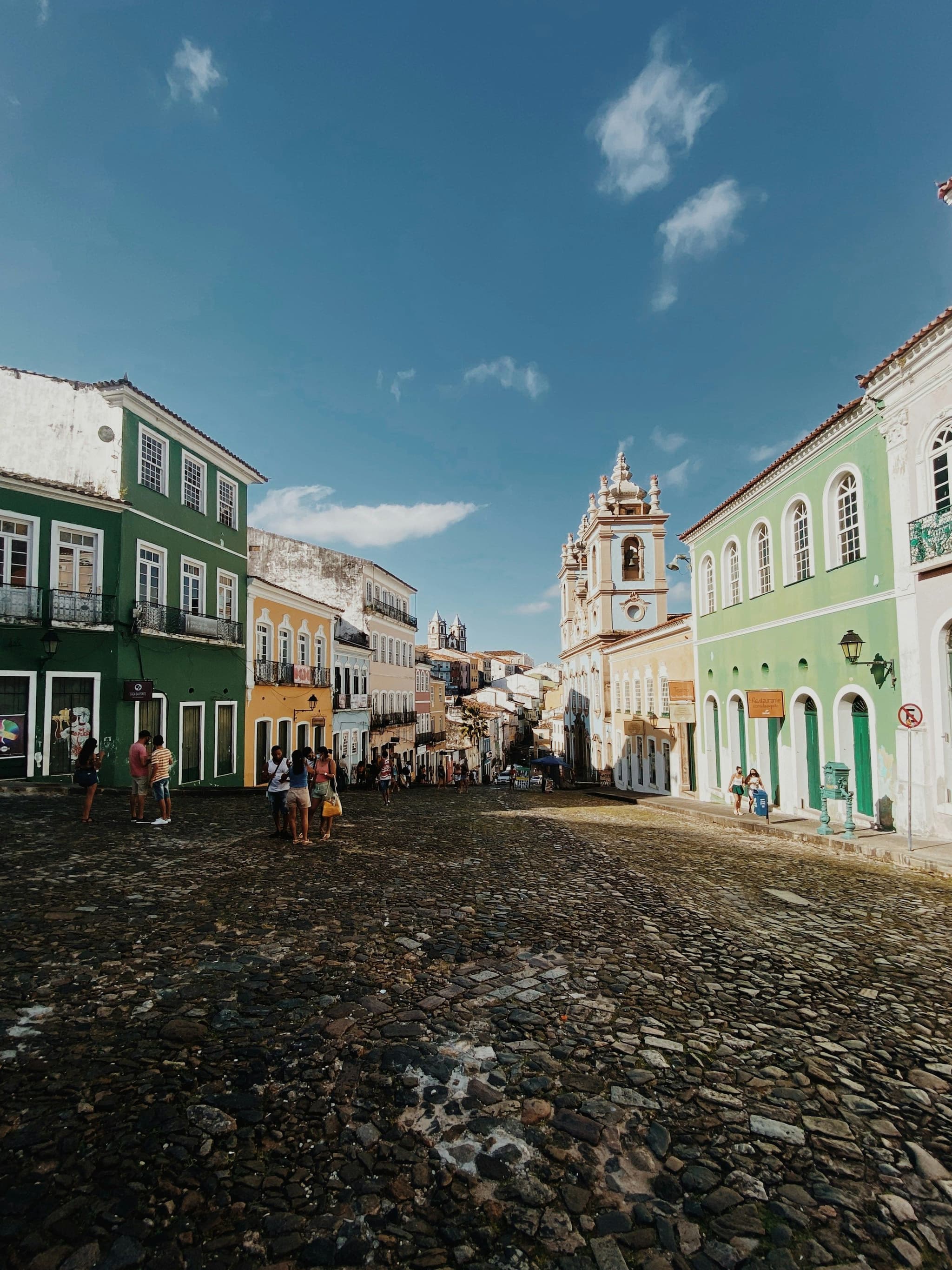
Salvador was Brazil's capital from 1549 to 1763, and the upper town still looks the part. Pelourinho, whose name means "pillory", has more than 800 restored buildings and has been a UNESCO site since 1985. The Lacerda Elevator has linked the upper and lower town since 1873, rising 72 m in about 30 seconds. Come for the music as much as the façades. The drums of Olodum and Ilê Aiyê, capoeira and the Candomblé faith all shape the Afro-Brazilian culture here, and acarajé is sold on the street by baianas dressed in white. Walk Pelourinho by day and sleep in Santo Antônio Além do Carmo, which is calmer and looks out over the bay.
Manaus and the Amazon
Manaus is a city of about 2.3 million that you can only reach by air or river. Before you head into the forest, see the Teatro Amazonas, opened on 31 December 1896, with 701 seats under a dome of 36,000 tiles. Then take a boat to the Meeting of the Waters. The dark, slow Rio Negro (about 28 °C) and the faster, sandy Solimões (about 22 °C) run side by side for about 6 km without mixing. For the forest itself, book a jungle lodge near Manaus or a trip into the islands of Anavilhanas National Park, and give it at least three nights.

The Pantanal and Bonito
The Pantanal is the world's largest tropical wetland, a UNESCO site since 2000 with 463 recorded bird species, and it's where we'd go to see a jaguar. Come in the dry season, from about June to October, and book three days of boat trips from Porto Jofre. Sightings aren't guaranteed, but the odds are very good. The road in is part of the trip. The Transpantaneira runs 147 km from Poconé to Porto Jofre over 122 wooden bridges, and the drive from Cuiabá takes about 6 hours. Bonito, about 4 hours from Campo Grande, makes a good add-on, with the Gruta do Lago Azul cave and snorkelling in the clear Rio da Prata, all booked through accredited local agencies.

Lençóis Maranhenses
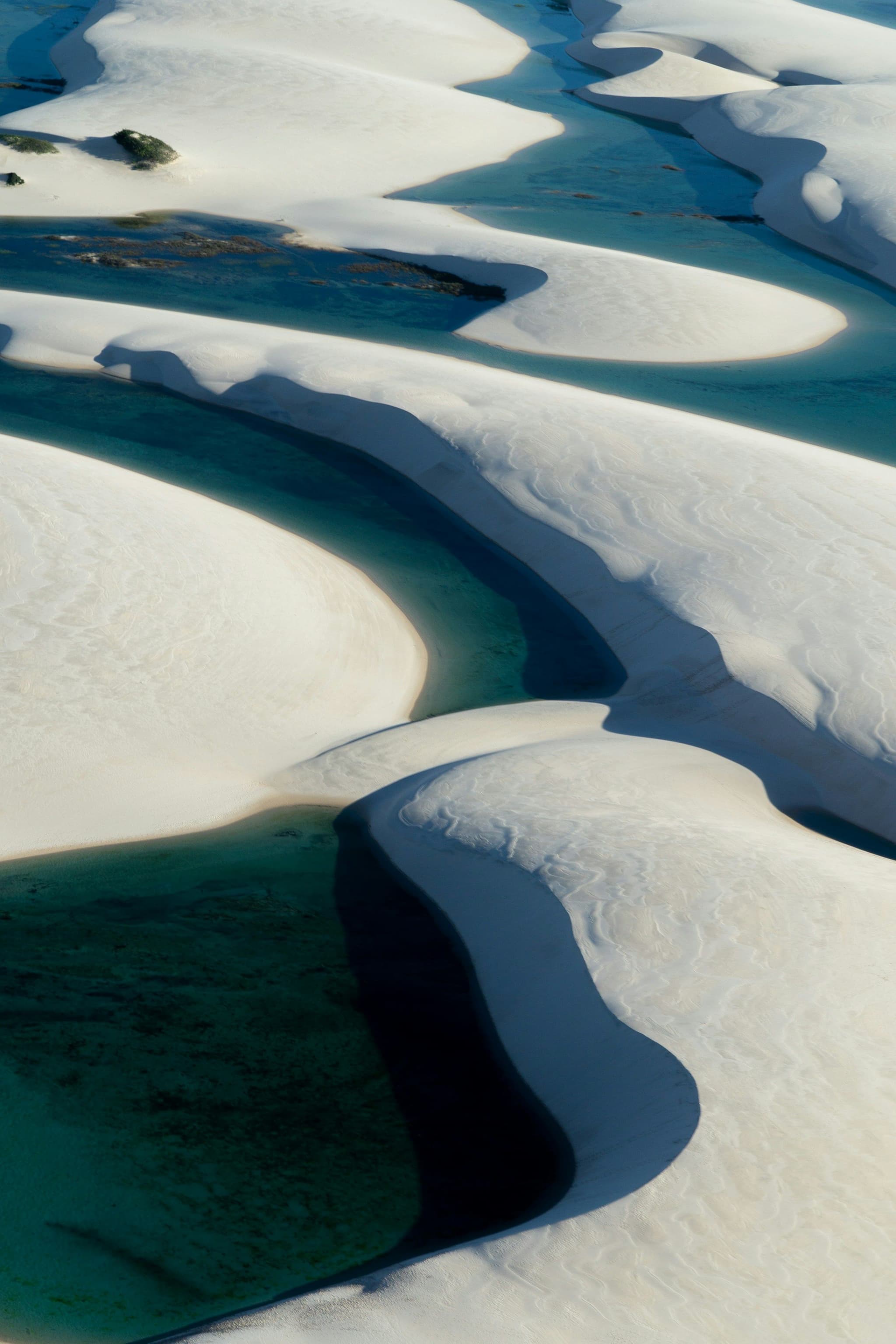
Time this one right or skip it. Rain fills the hollows between the dunes from January to June, so the lagoons are fullest from June to August. In the dry months it's a desert with a few puddles. ICMBio, which runs the park, suggests visiting between May and September. The national park was created in 1981 and covers 155,000 hectares, with dunes up to about 40 m high. There's no entry fee, but only accredited vehicles and guides can take you in, and you'll need a guide for the wilder primitive zone. Base yourself in Barreirinhas, Santo Amaro or Atins.
Fernando de Noronha
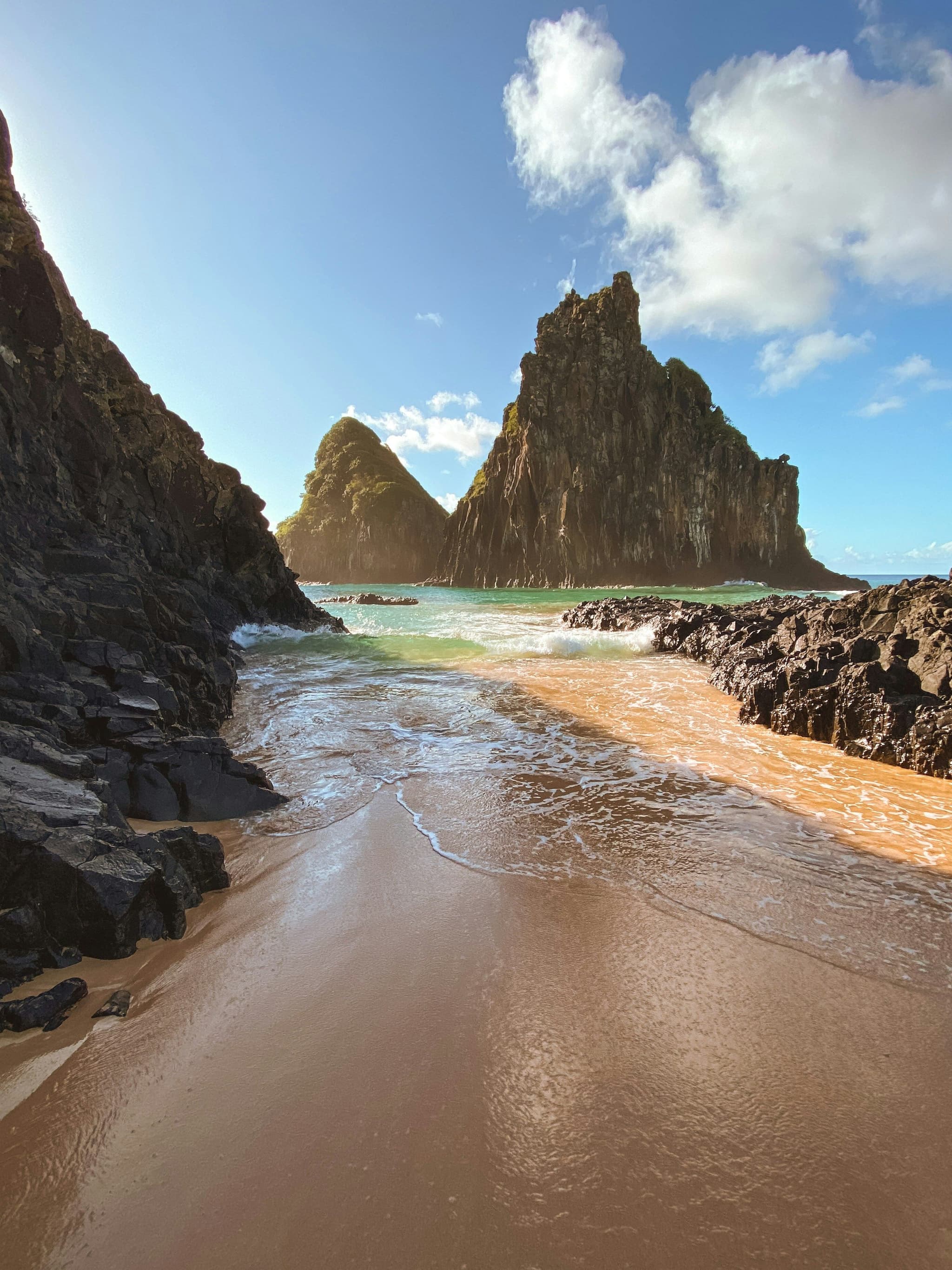
The Fernando de Noronha archipelago has 21 islands, and about 70% of it has been a marine national park since 1988, with UNESCO listing following in 2001. It's capped and expensive, and we think it's worth it if you snorkel or dive. Budget for two fees. The environmental preservation tax (TPA) starts at R$105.79 per person per day in 2026 and comes to R$672.85 for seven days. On top of that, the national park fee is R$384 for foreigners and lasts 10 days. The annual cap of 132,000 visitors was exceeded in 2025, and Pernambuco has asked the aviation regulator to reorganise flight slots, so book flights from Recife or Natal early.
Paraty and Ilha Grande
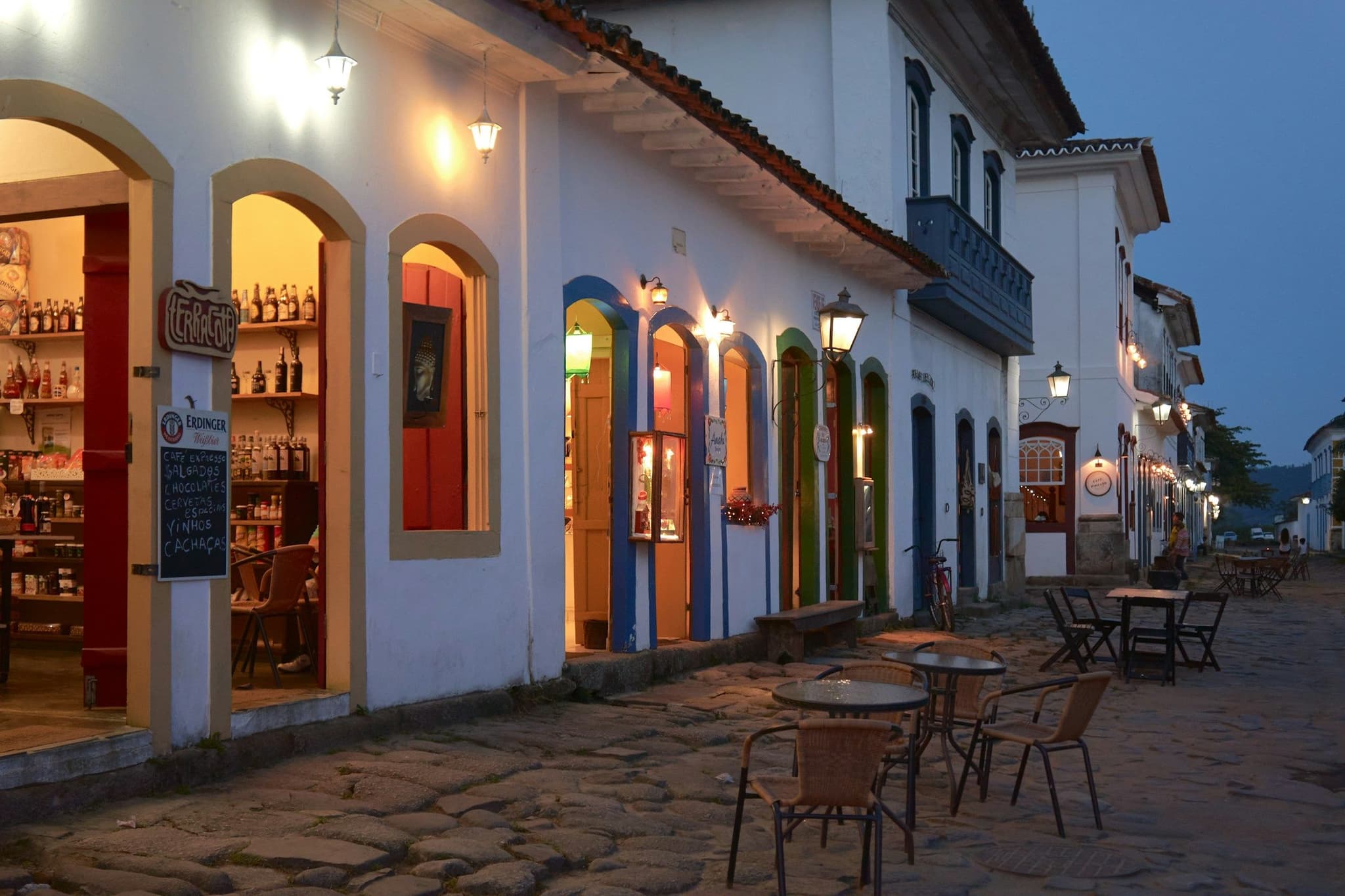
Give each two nights. Paraty, founded in 1597 and about 258 km from Rio, is the place for cobbled streets and cachaça. Its cachaça has had its own geographical indication since 2007, and the town hosts FLIP, the literary festival. Buses from Rio run about hourly and take 4 to 5 hours. Ilha Grande, listed by UNESCO together with Paraty in 2019, has no cars at all. More than 150 km of trails cross its 193 km², and Lopes Mendes beach is about a 2-hour hike from the village of Abraão. Ferries from Angra dos Reis take about 1 to 1.5 hours, and boats also cross from Conceição de Jacareí.
São Paulo
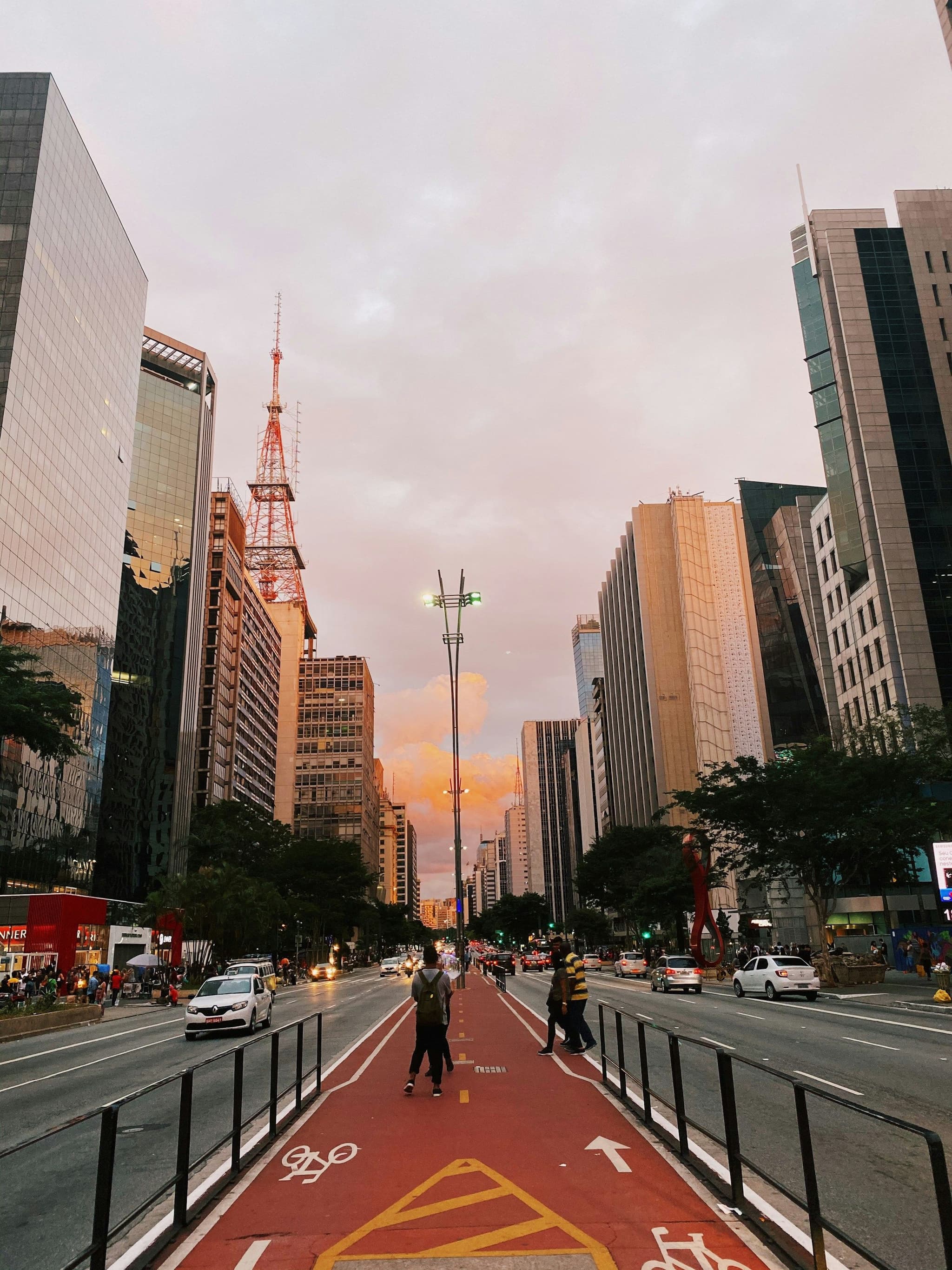
Is São Paulo worth a stop? Yes, for the food and the museums. Founded in 1554, it's home to about 11.9 million people and is a UNESCO Creative City of Gastronomy. Japanese immigration to Brazil began in 1908, and Liberdade is the hub of the largest Japanese community outside Japan, which makes it the obvious lunch stop. Walk Paulista Avenue, then visit MASP, which charges R$85 but is free on Tuesdays and on Friday evenings. Two nights is enough for most people.
Ouro Preto and Inhotim
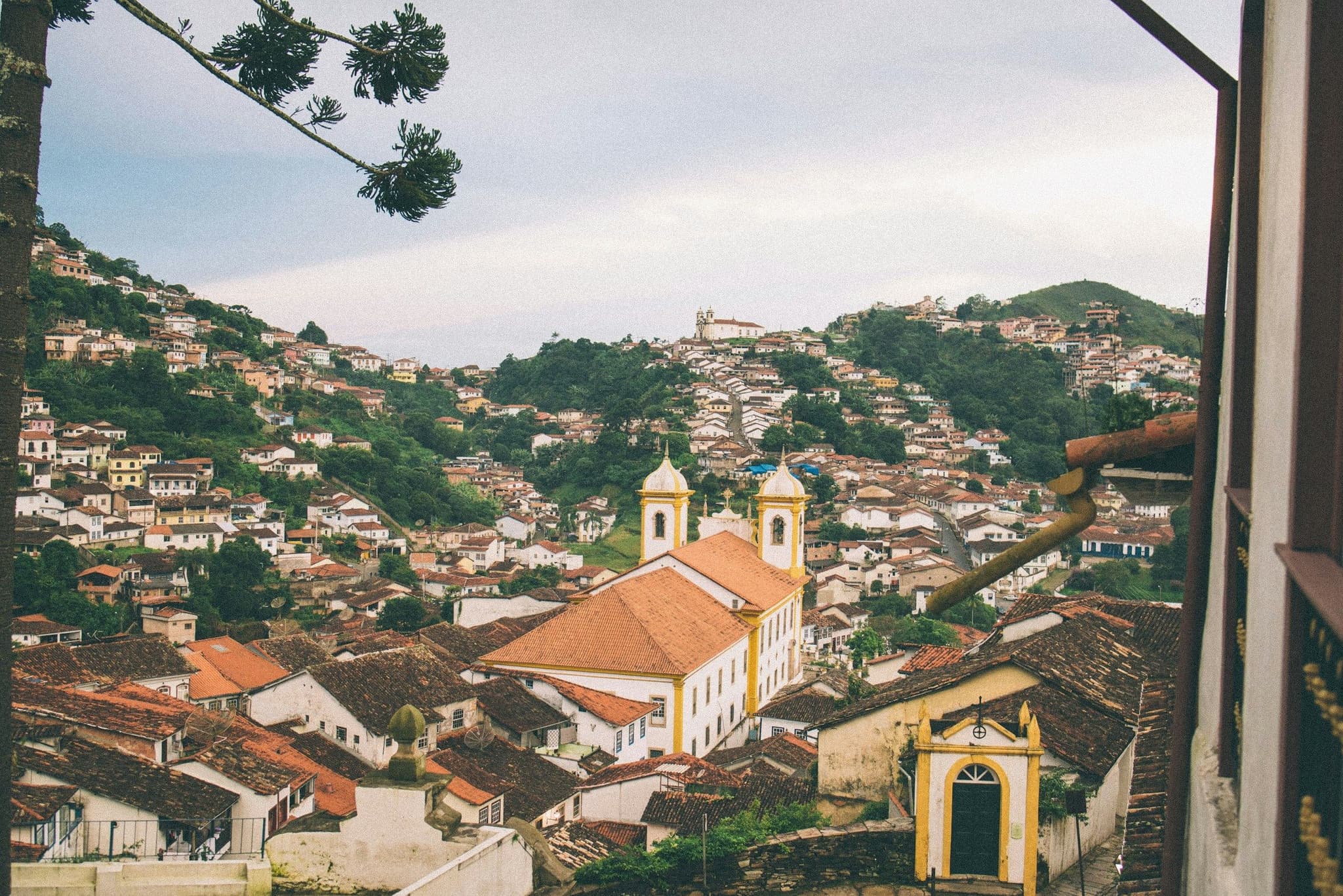
Gold was found here in 1695, and the town is now known for its baroque churches, with work by Aleijadinho, which earned a UNESCO listing in 1980. Ouro Preto sits at about 1,150 m, about 100 km from Belo Horizonte, and the streets are steep, so wear good shoes. Inhotim, in Brumadinho about 60 km from Belo Horizonte, is a contemporary art park of about 786 hectares with more than 500 works, open since 2006. Give it a full day.
Florianópolis
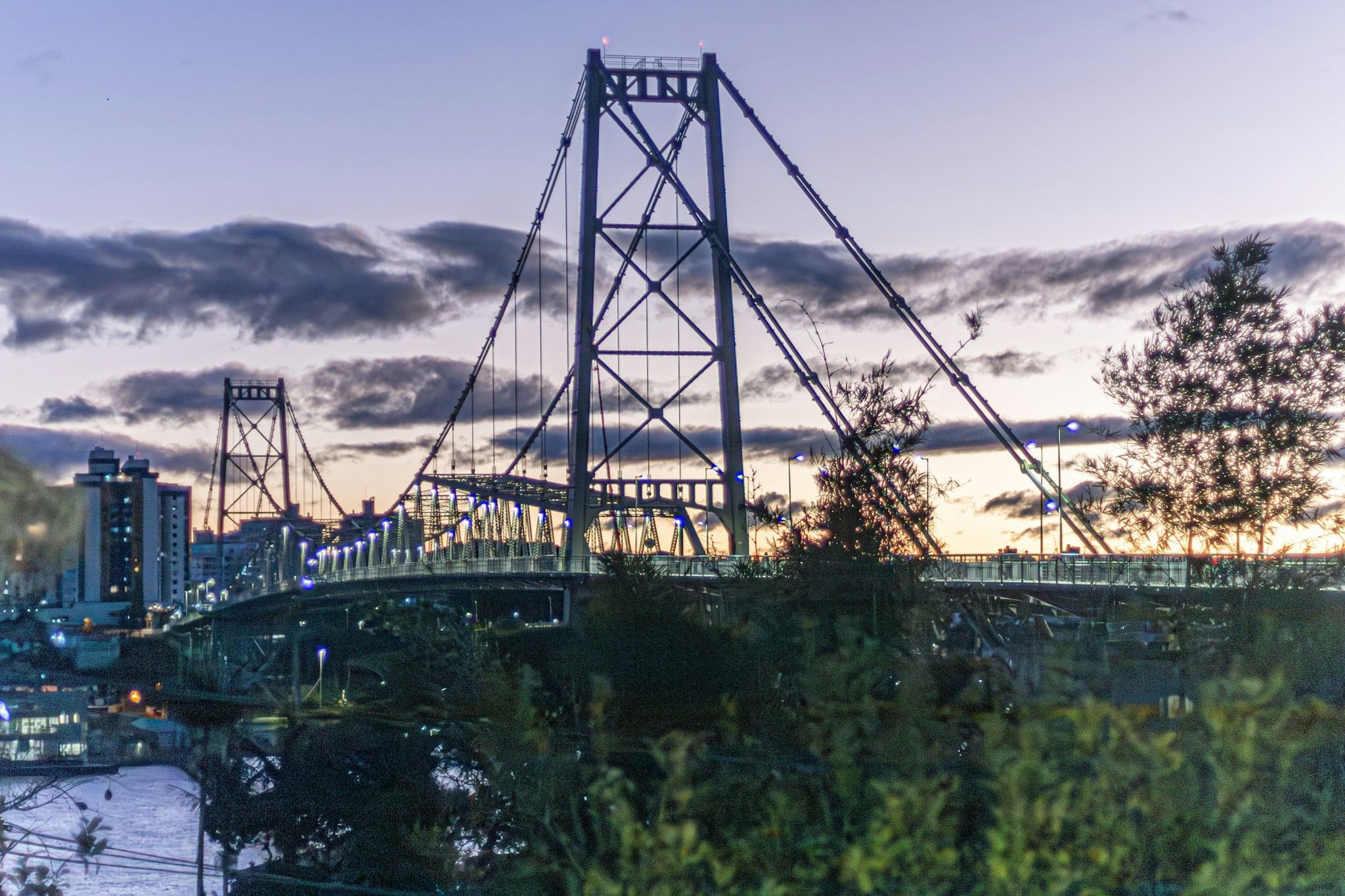
Florianópolis is an island city with dozens of beaches, and which one you pick depends on your mood. Joaquina has the surf and the dunes, Lagoa da Conceição has the nightlife, and the south of the island is the quiet option. Azorean settlers arrived between 1747 and 1756, and the Hercílio Luz Bridge, finished in 1926, is the city's landmark. Beach weather runs from December to March, and winters in the south are cool, with frost from June to September.
Recife and Olinda
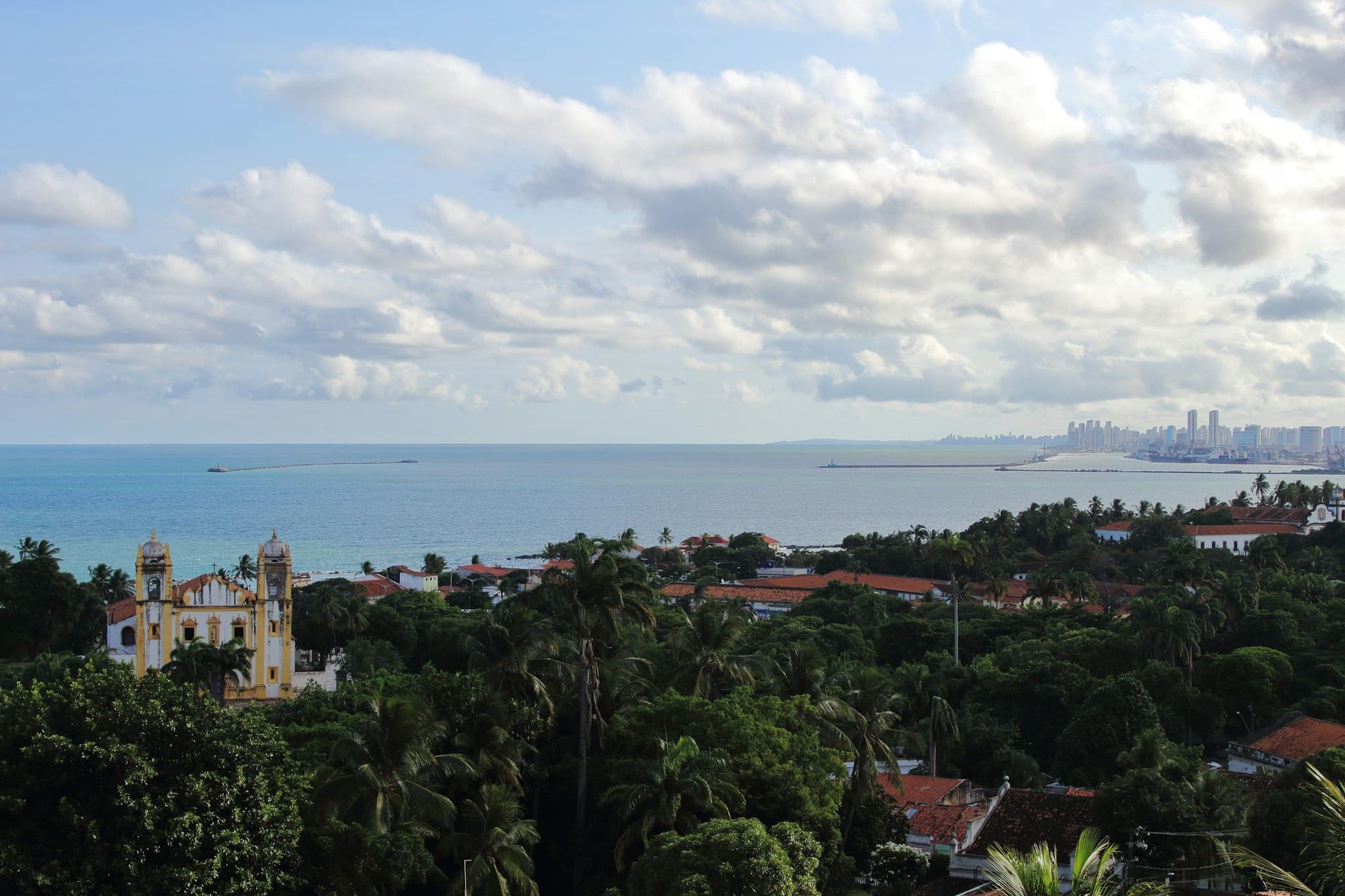
Olinda has Brazil's best-value Carnival, and we'd choose it over Rio if you'd rather dance in the street than watch from a grandstand. The colonial hill town, a UNESCO site since 1982, is about 6 km from Recife, and its street Carnival is free. Outside Carnival, Recife has Kahal Zur Israel, the oldest synagogue in the Americas, dating to the 1640s. Take the shark warnings at Boa Viagem beach seriously, and head to Porto de Galinhas, about 60 km south, for a beach day.
Brazil itinerary ideas for your trip
A week gets you Rio and Iguaçu with something in between. Two weeks is better, because Brazil's best wildlife is a flight away from the coast.
5 to 7 day Brazil itinerary
Day 1-3: Rio de Janeiro, with Christ the Redeemer early in the morning, Sugarloaf at sunset, Santa Teresa and the Selarón steps, and time on Copacabana and Ipanema.
Day 4-5: Bus to Paraty, or head to Ilha Grande instead (ferry from Angra dos Reis).
Day 6-7: Return to Rio and fly to Foz do Iguaçu (about 2 hours) for the Brazilian side of the falls, then cross to the Argentine side.
10 to 14 day Brazil itinerary
Day 1-3: Rio de Janeiro.
Day 4-6: Paraty and Ilha Grande.
Day 7-8: Iguaçu Falls, both sides.
Day 9-11: Salvador, with Pelourinho by day and live music at night.
Day 12-14: A jungle lodge near Manaus, or the Pantanal if you're travelling between June and October.
Want to swap Salvador for Lençóis Maranhenses or squeeze in Noronha? You can build either route your way and change it day by day in the Guided trip planner.
Fun things to do in Brazil
Two of the biggest things to do in Brazil are tied to dates on the calendar, so check them before you book flights.
Go to Carnival
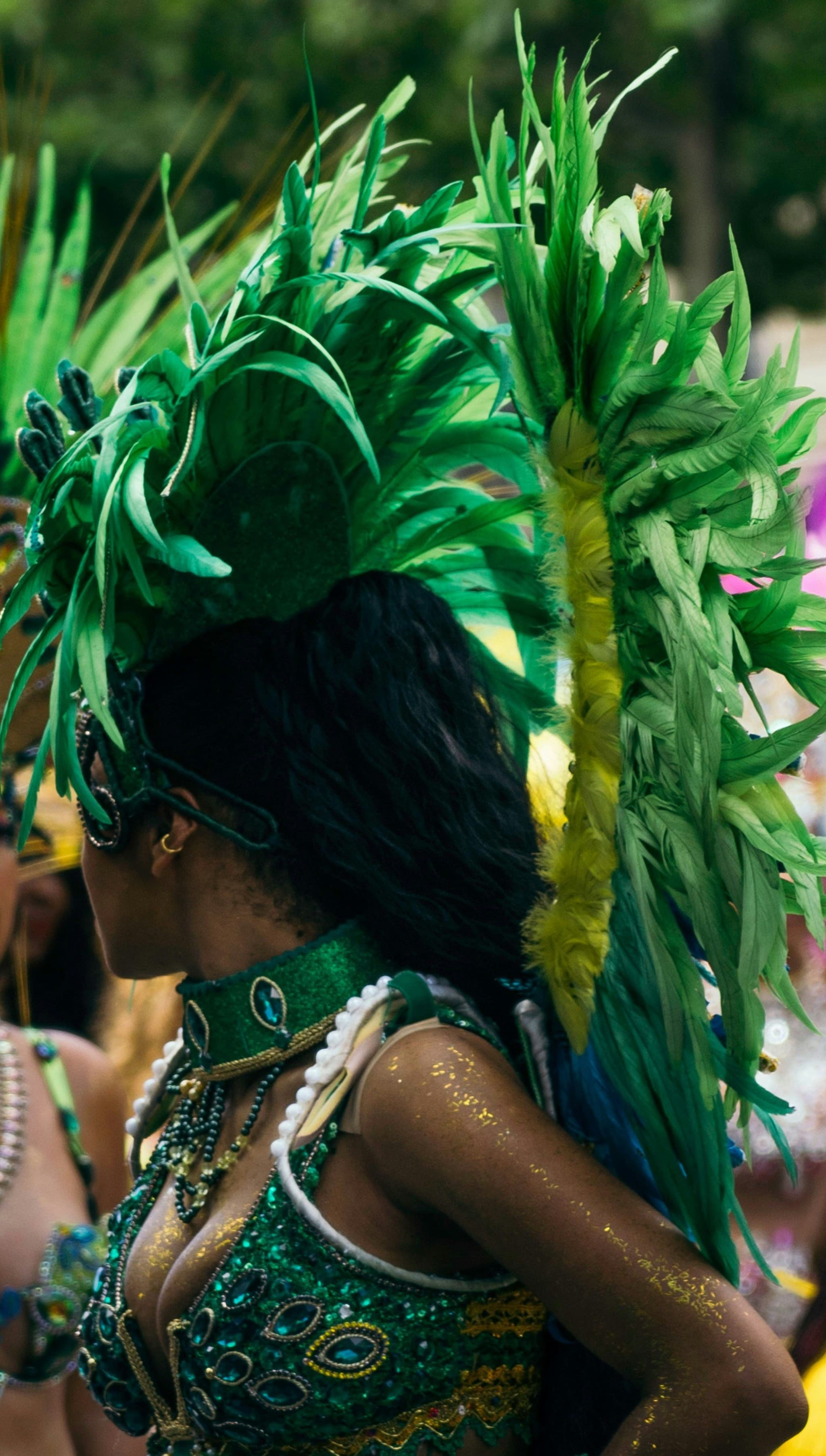
Carnival peaks on Tuesday 9 February 2027, the day before Ash Wednesday. In Rio, the Special Group samba schools parade from Sunday 7 to Tuesday 9 February in the Sambadrome, designed by Oscar Niemeyer and opened in 1984. Grandstand sectors cost about R$250 a night, while frisas (boxes) run from R$1,835 to R$10,200. The Champions' Parade follows on Saturday 13 February, and more than 300 street blocos take over the city's streets. Salvador goes on longer. Its 2027 season runs from 29 January to 10 February, with the official circuits from 4 to 9 February, and the trio elétrico, a band on a sound truck, was invented there in 1950. Rio has the spectacle, but Salvador keeps going for 13 days.
Watch football at the Maracanã
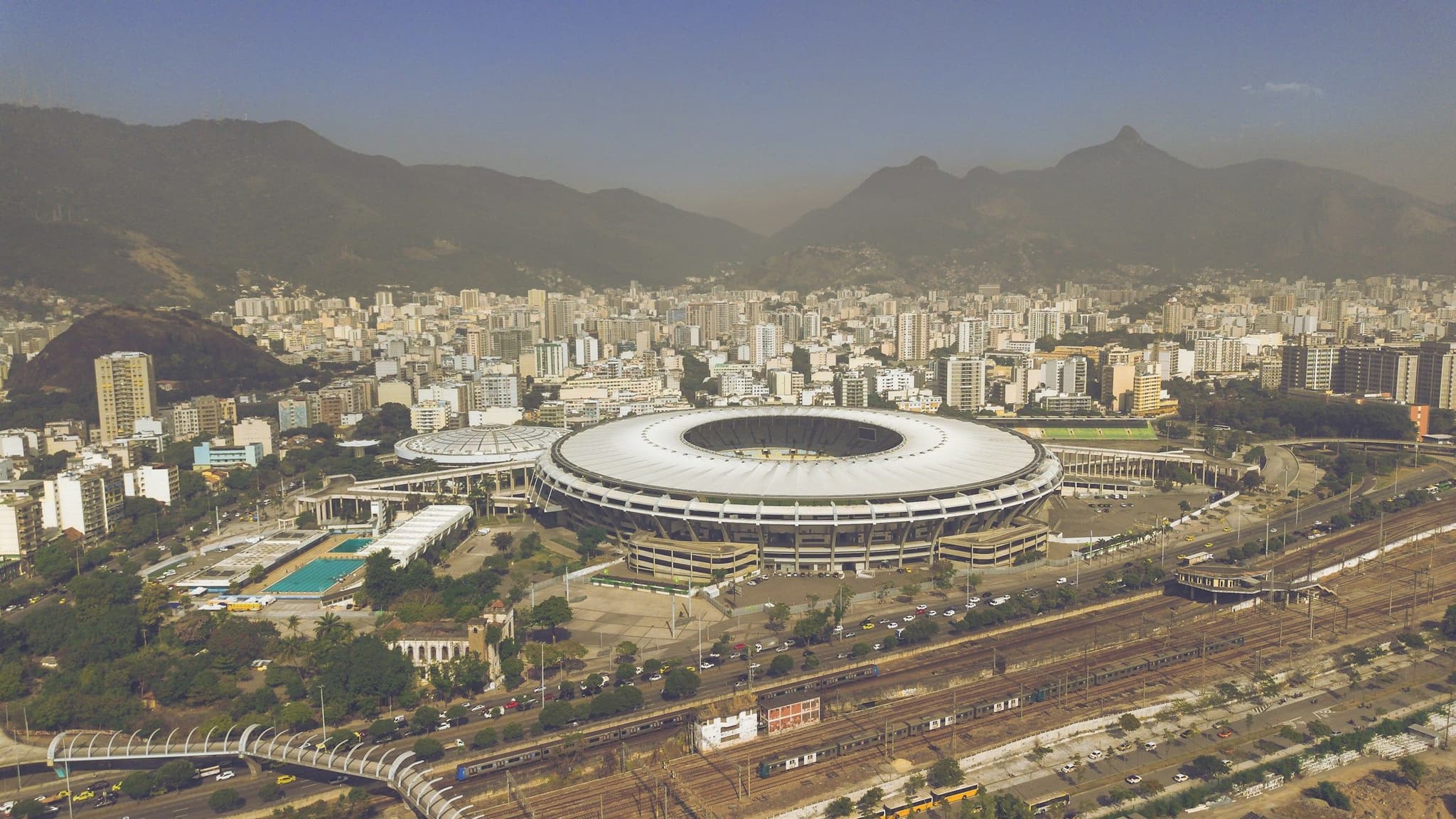
The Maracanã opened in 1950 and has hosted two World Cup finals, in 1950 and 2014. It now holds 73,139 people and is home to both Flamengo and Fluminense. Standard tickets cost about R$120 to R$180. Club websites often ask for a CPF, the Brazilian tax number, so we'd book through a tour operator instead.
Join a samba night
On Monday evenings from 6 pm, a free samba roda gathers at Pedra do Sal in Rio, and it's the one we'd pick over any show. For a later night, the clubs of Lapa, such as Carioca da Gema, keep the music going.
See in the New Year on Copacabana
About 2.6 million people saw in 2026 on Copacabana beach, with the fireworks fired from barges offshore. Wear white, as many Brazilians do on New Year's Eve, and book your room months ahead.
Watch or learn capoeira in Salvador
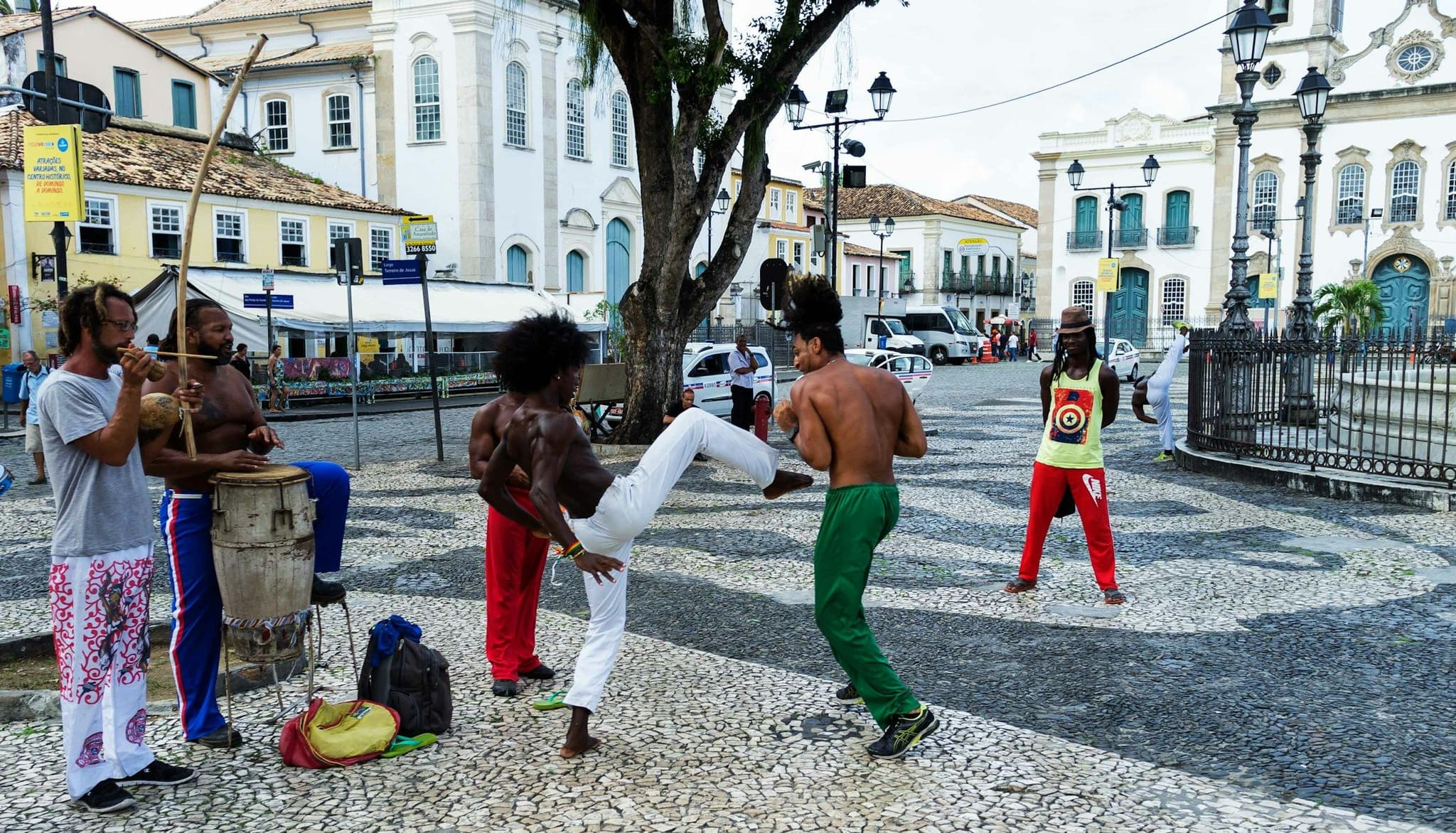
Capoeira was added to UNESCO's heritage list in 2014, and its modern style comes from Bahia, where Mestre Bimba shaped it. Salvador is the place to watch a roda or book a beginners' class.
When to go to Brazil?
May to October is the best time for most of Brazil, and December to March wins if your trip is about beaches and Carnival. Rio's highs reach 31 to 32 °C from January to March and drop to about 26 °C in July, its driest month. Salvador and the northeast coast stay warm all year, with highs of 27 to 31 °C and the most rain from April to June. In the Amazon, the rivers are high from about April to July, and low from September to November. The Pantanal floods from November to March.
- Spring (September to November): warming up, with low water in the Amazon and the Pantanal, good wildlife and fewer crowds.
- Summer (December to February): hot and humid, the peak beach season, with New Year, Carnival (9 February 2027), afternoon storms and the highest prices.
- Autumn (March to May): still warm, with Rio's rain easing, high water in the Amazon and the rainy season starting in the northeast.
- Winter (June to August): dry and sunny in Rio at about 26 °C, the Pantanal and Lençóis Maranhenses at their best, Festa Junina in the northeast, and chilly in the south.

Did you know you can create your own itinerary?
Now that you know what to see in Brazil and where to stay, you can start creating your own trip. Do you want more days on the beaches of Paraty and Ilha Grande, or are you thinking more about jaguars in the Pantanal and a lodge outside Manaus? It's all up to you. You can easily create your own trip in the Guided app for free, or use trips shared by others.
Where to stay in Brazil?
Stay by the beach in Rio and close to the old town in Salvador.
Ipanema and Copacabana, Rio
Ipanema is our pick for a first visit. It's walkable, it's on the beach and it has a metro station. Copacabana has the most places to stay and is cheaper than Ipanema, also with metro access, and Leblon is the most upscale of the beach districts. Wherever you book, avoid Centro and the area near the Novo Rio bus station.
Botafogo and Santa Teresa, Rio
Botafogo feels more local, with good bars and its own metro stop. Santa Teresa has arty pousadas on the hillside, but book an app car back after dark rather than walking.
Salvador
Santo Antônio Além do Carmo is calm, with views over the bay and pousadas for about R$200 to R$500. Pelourinho puts you in the middle of things, in simpler pousadas from about R$80 to R$180. Barra is the beach option, with hostel dorms at R$50 to R$100, and Rio Vermelho is where you'll find the nightlife.
Pousadas in smaller towns
In Paraty, Ilha Grande, Bonito and Barreirinhas, small pousadas are the norm rather than big hotels.
Guided tip: Book Carnival and New Year rooms months ahead. Prices spike, and many places insist on a minimum stay of four or five nights.
Getting around when visiting Brazil
Brazil has no long-distance passenger trains. The Serra Verde Express from Curitiba to Morretes (from R$206, Fridays to Sundays) is a tourist train, so you'll cover the big distances by air and the shorter hops by bus.
Domestic flights
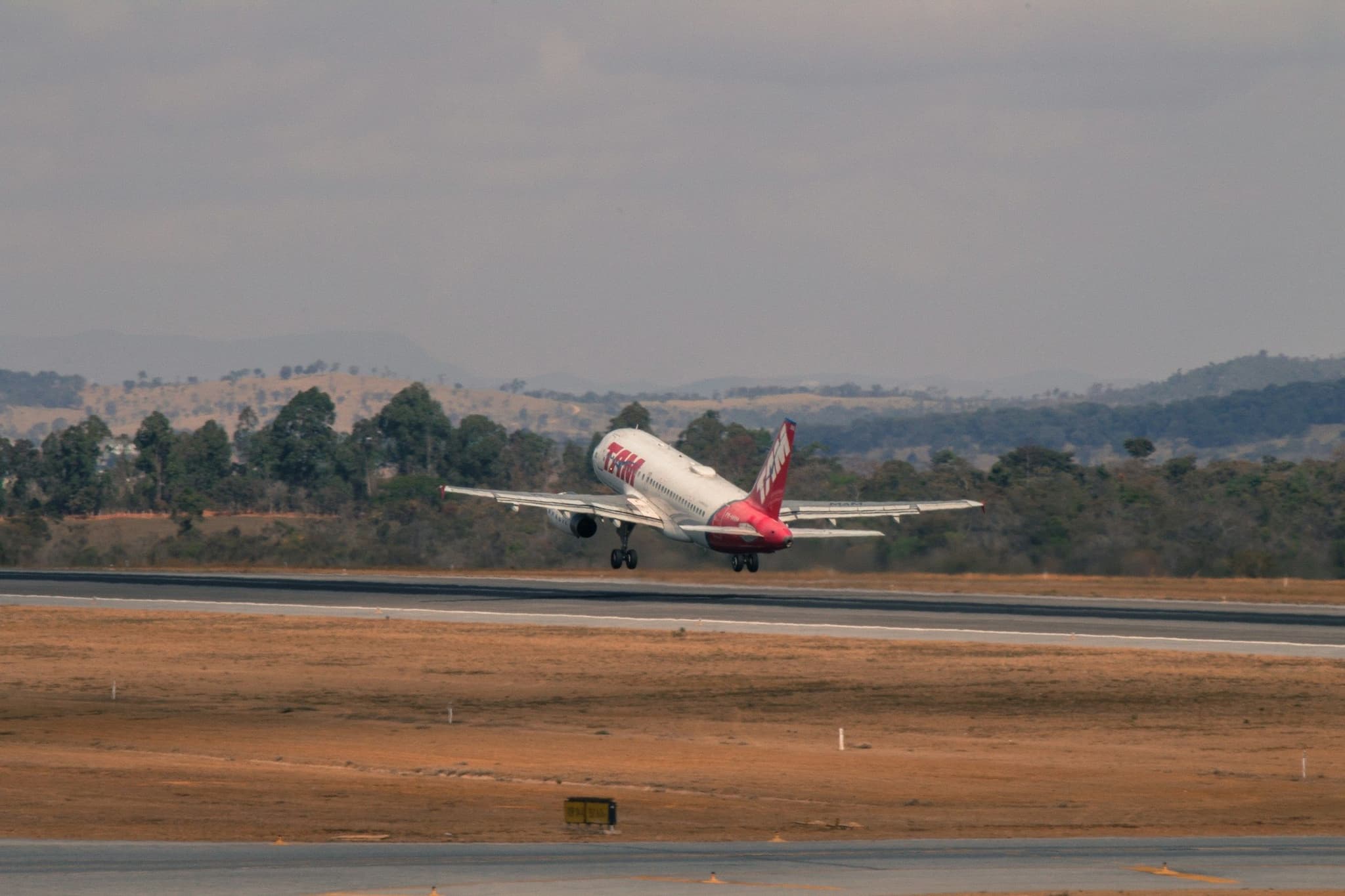
LATAM, GOL and Azul are the main airlines, and flying is the only practical way to move between regions. Rio to Foz do Iguaçu or Salvador takes about 2 hours. Book early, especially for Carnival and New Year.
Long-distance buses
Buses handle the shorter routes well. São Paulo to Rio takes about 6 hours and costs R$50 to R$70 for a conventional seat booked ahead, about R$150 for a leito and about R$200 for a leito-cama, the most comfortable sleeper class. 1001, Cometa and Águia Branca are among the main operators, and you can book on their own websites.
Metros, ferries and app cars
A ride on Rio's metro costs R$7.90 and São Paulo's metro or train R$5.40. The ferry from Rio across the bay to Niterói costs R$5. Uber and 99 are widely used, and the UK government advises using official apps or airport taxi booths, never unlicensed taxis. The US State Department advises against city buses, especially at night.
Car hire
A car is useful in the south, in Minas Gerais and around Bonito. You'll need to be at least 21, and an International Driving Permit alongside your licence is advised.
Guided tip: Use Uber or 99 at night instead of hailing a taxi or taking a city bus.
Food and drinks you should try when visiting Brazil
What should you eat first? Whatever Salvador is cooking. We think Bahia has the most distinctive food in the country. Churrasco, served rodízio style with waiters carving grilled meat at your table for a fixed price, comes from the gaúcho tradition of the south. Açaí, an Amazon fruit, is eaten in bowls with banana and granola. Beyond those, look for these.
Feijoada
Black beans cooked with pork and beef, feijoada is the national dish. In Rio it's a Saturday tradition.
Moqueca
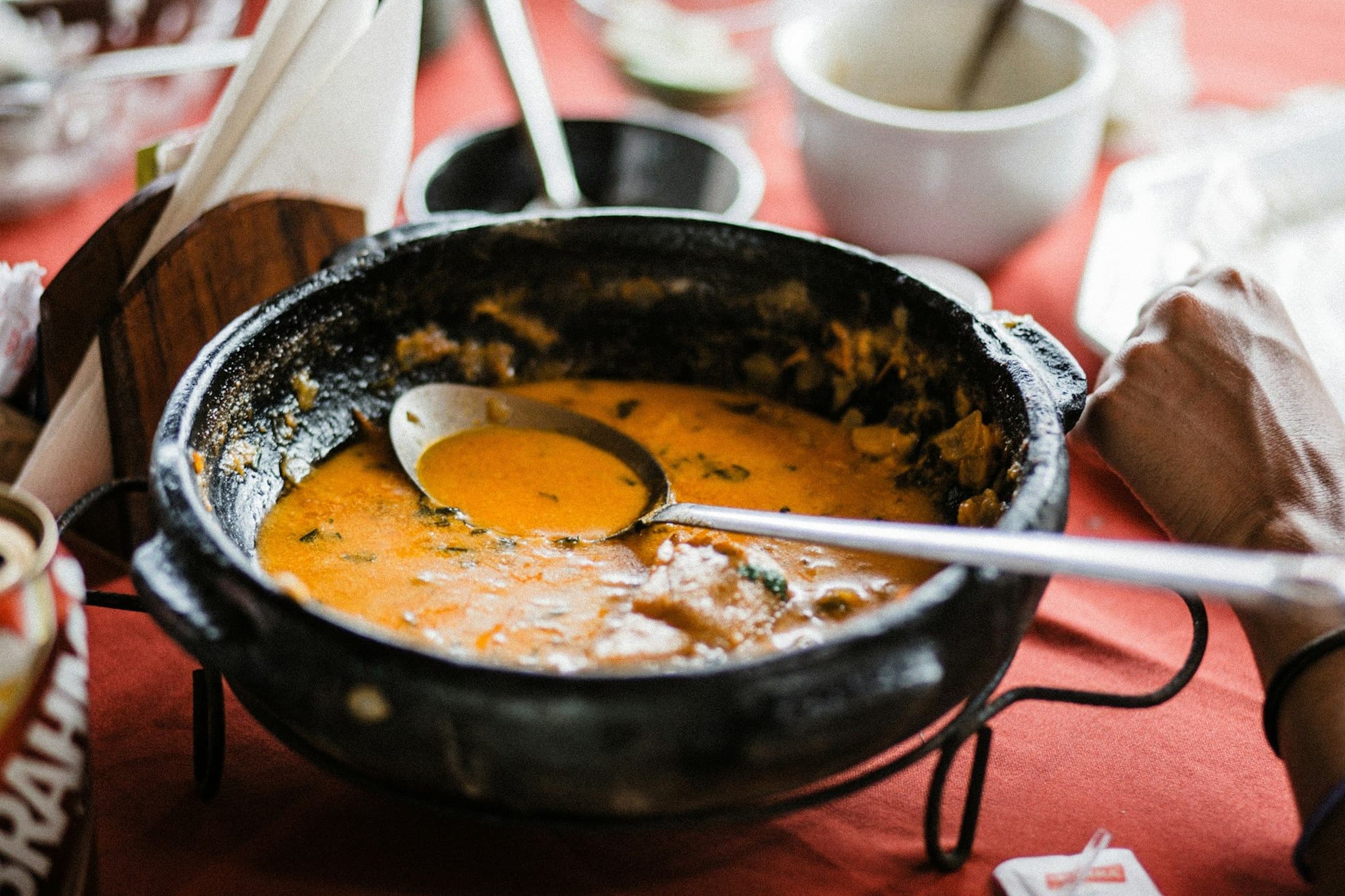
There are two classic moquecas, and we have a favourite. The Bahian version is made with dendê (palm) oil and coconut milk. The lighter Capixaba version from Espírito Santo is cooked in a clay pot, and the craft of the Goiabeiras potters who make those pots was registered as heritage by IPHAN, Brazil's national heritage institute, in 2002. We'd order the Bahian one in Salvador.
Acarajé
A fritter of black-eyed peas fried in dendê oil, acarajé comes from the Yoruba akara and is sold by baianas dressed in white. IPHAN made it national heritage in 2005.
Pão de queijo
These small cheese breads come from Minas Gerais and are made with cassava starch, so they're gluten-free. Have them with a coffee at a padaria, the neighbourhood bakery.

Caipirinha and cachaça
Cachaça is distilled from fresh sugarcane juice and by law must be between 38% and 48% ABV. Mix it with lime and sugar and you have a caipirinha, which started in São Paulo state around 1918. For something without alcohol, Guaraná Antarctica has been on sale since 1921.

Culture and local habits you'll notice when visiting Brazil
Brazil has about 203 million people, and they speak Portuguese, a language that came from Portugal. English is limited, and Brazil ranked 75th in the 2025 EF English Proficiency Index. Thank you is the one phrase we'd learn before landing, obrigado if you're a man and obrigada if you're a woman. Music is everywhere, from samba and bossa nova in Rio to forró and frevo in the northeast.
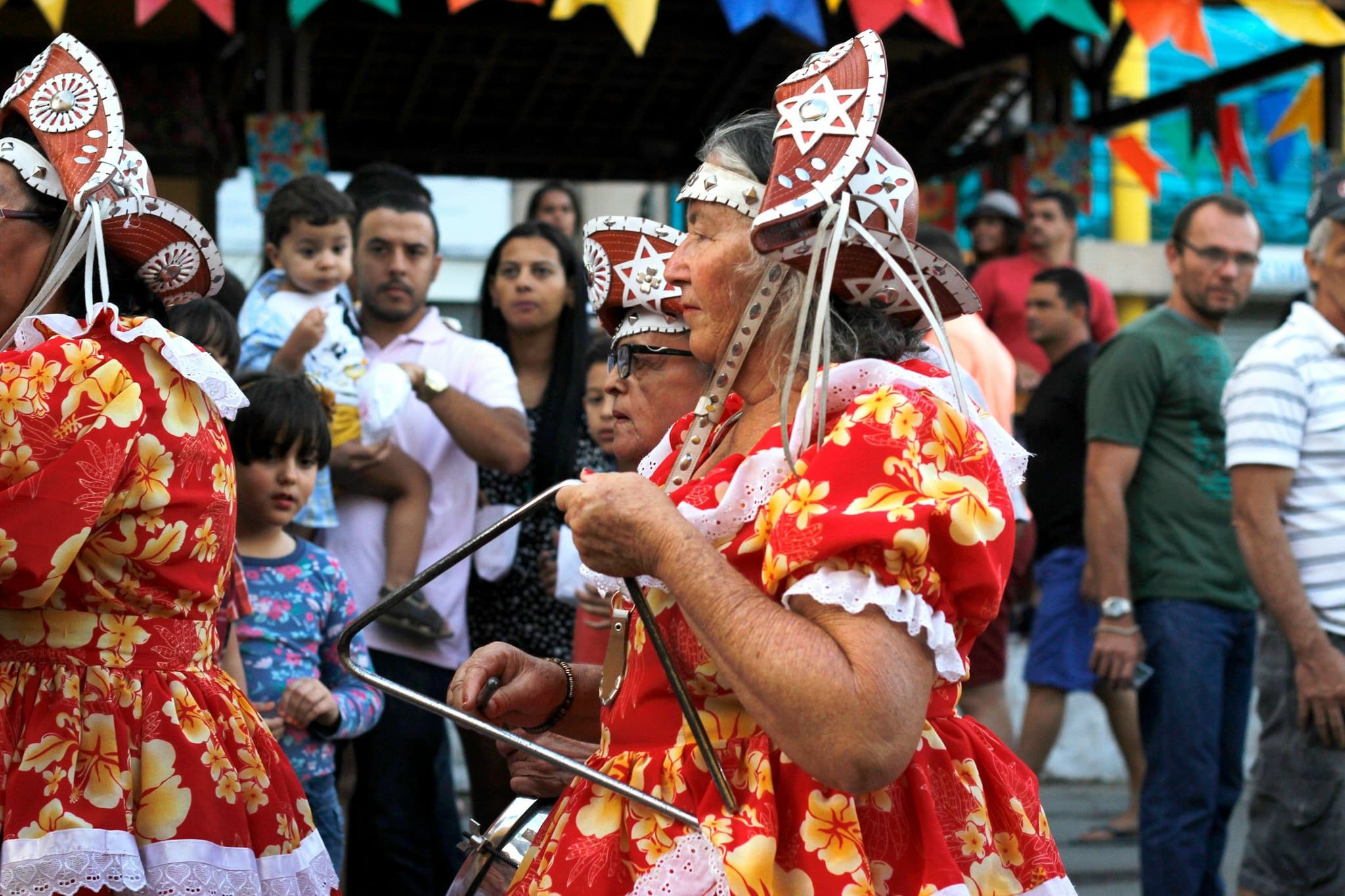
Greetings usually come with a kiss on the cheek. Don't make the OK sign with your fingers, which is rude here, and give a thumbs-up instead. Restaurant bills normally include a 10% serviço, which is optional. Pix QR codes are everywhere, but visitors usually can't use them, so carry cards and some cash. Most Brazilians are Catholic (56.8% in the 2022 census), and in Salvador the Afro-Brazilian religions Candomblé and Umbanda are strong. You'll also hear about jeitinho, the knack of finding a way round the rules.
Looking for more unique places, trips and activities?
Subscribe to our Guided Newsletter for more travel inspiration.
Costs of a holiday to Brazil
Is Brazil expensive? Day to day, no. On Numbeo's 2026 cost of living index, Brazil scores 30.1, just below Colombia at 31.7 and well below Chile at 39.0, Argentina at 41.3 and Uruguay at 55.6. The costs add up elsewhere, in domestic flights, Rio's beach districts, Carnival week and Fernando de Noronha's fees. Expect about R$5 to the US dollar.
Food & Drink

Coffee
R$6 – R$16
Lunch
R$25 – R$60
Beer
R$8 – R$25
Accommodation

Hotels
R$300 – R$700
Airbnb
R$250 – R$700
Hostel dorm
R$50 – R$150
Transport

Intercity bus
R$60 – R$200
Public Transport
R$5 – R$8
Car Rental
R$150 – R$300
Attractions

Museums
R$30 – R$85
Big Attractions
R$130 – R$205
Theatre
R$20 – R$90
Practical tips for visiting Brazil
Sort out the visa question first.
✔ Check whether you need an e-visa
Many nationalities, including the UK and EU, don't need a visa for stays of up to 90 days. US, Canadian and Australian travellers have needed an e-visa again since 10 April 2025. It costs US$80.90 and is valid for 10 years for US citizens and 5 years for Canadians and Australians, for up to 90 days per visit and 180 days in any 12 months. Approval usually takes 48 to 72 hours, but allow up to 10 business days, and apply through the official channel on the Brazilian foreign ministry's e-visa page. Your passport should be valid for six months, according to the GOV.UK entry requirements for Brazil. Keep your entry stamp safe, because overstays are fined for every day.
✔ Bring cards and some cash
Visa and Mastercard are widely accepted. If a card is declined, try choosing "crédito". Use Banco24Horas machines or bank ATMs inside malls or bank branches during the day, expect fees of up to about R$20, and when the machine asks, pay in BRL rather than your home currency.
✔ Fly the long legs
Book domestic flights as soon as your route is fixed. Rio to Salvador by bus takes more than a day, and the plane takes about 2 hours.
✔ Carry little in the cities
The US State Department rates Brazil at Level 2, exercise increased caution. Robberies and phone theft are common in cities, peaking between 4 pm and 9 pm according to the UK government, and if someone tries to rob you, don't resist. Take only what you need to the beach and leave city beaches after dark. The UK advises avoiding favelas, including on tours, and the US lists them at Level 4. The US also lists a band within 160 km of Brazil's land borders with Bolivia, Colombia, Guyana, French Guiana, Paraguay, Peru, Suriname and Venezuela at Level 4, with exceptions for the Foz do Iguaçu and Pantanal national parks, so if your route runs near one of those borders, check the current US advisory before you book. Watch your drink and stick to sealed bottles and reputable bars, as methanol-contaminated spirits have caused deaths. Book app cars rather than flagging down taxis, as fake taxis are used in express kidnappings. Stay away from demonstrations. In the Amazon, keep to the Manaus area, since the UK advises against all but essential travel to some remote river areas.
✔ Protect yourself from bites
A yellow fever vaccine is recommended for many areas, including Rio and São Paulo states, Paraná (for Iguaçu) and parts of Bahia, so see a travel clinic well before you go. Dengue is a risk across the country, and oropouche, spread by biting midges, is circulating, so use repellent every day. Drink bottled, filtered or boiled water, and don't swim in fresh water unless a local guide tells you it's safe, because of the risk of schistosomiasis.
✔ Get connected and check the voltage
Vivo sells a Tourist eSIM for R$55 with 25 GB for 30 days (bring your passport). Plugs are Type N, and Type C plugs fit. Voltage changes by city, 127 V in Rio, São Paulo, Salvador and Manaus but 220 V in Brasília, Recife and Fortaleza, so check your chargers. In an emergency, dial 190 for police, 192 for an ambulance and 193 for the fire service.
Fun facts about Brazil
A few numbers help explain how big Brazil feels.
- Brazil holds about 60% of the Amazon rainforest.
- Brazil has won the World Cup five times and is the only team to have played at every finals.
- Brasília was built in about 41 months and inaugurated on 21 April 1960.
- Brazil grows about a third of the world's coffee and has been the top producer for about 150 years.
- Salvador was Brazil's first capital, from 1549 to 1763.
- Christ the Redeemer has been struck by lightning several times, including in 2008 and 2014.
Start with Rio and add one wild place, the Pantanal or a lodge near Manaus.
Ready to map out your trip to Brazil?
We hope this Brazil travel guide has given you a clear starting point for your trip. Stay tuned for more inspiration, itineraries and practical tips to help you shape your perfect holiday to Brazil. And don't forget to check out our Guided travel planning app, where you can create your own trip or use trips shared by other travellers for free.
FAQS about visiting Brazil
How many days do you need in Brazil?
Seven days covers Rio, Paraty and Iguaçu Falls. With 12 to 14 days you can add Salvador and a lodge near Manaus, or the Pantanal between June and October. In the Guided app, you can lay out your own route and see how many stops fit into your days.
What is the best part of Brazil to visit?
Rio is the best start for a first trip, and Salvador is the pick for culture. For wildlife, head to the Pantanal between June and October.
What is Brazil known for?
Carnival and samba come first, then football and beaches. It's also known for the Amazon, Iguaçu Falls, coffee and the caipirinha.
Can you travel around Brazil without a car?
Yes. Fly between regions and take buses between nearby cities, and use Uber or 99 in town. A car helps in Minas Gerais, the south and around Bonito.
Is Brazil expensive?
Day to day it's one of the cheaper countries in South America, scoring 30.1 on Numbeo's cost of living index against 39.0 for Chile. Domestic flights, Rio's beach districts, Carnival and Fernando de Noronha cost noticeably more.
Is Brazil safe to visit?
Most visits are trouble-free if you take precautions. The US State Department rates Brazil at Level 2, mainly because of crime. Use app cars at night and avoid favelas, including on tours, and check the US advisory if your route runs near a land border.
Do I need a visa for Brazil?
Many nationalities, including the UK and EU, can visit visa-free for up to 90 days. US, Canadian and Australian travellers need an e-visa, which costs US$80.90. Check the Brazilian foreign ministry's official site for your passport before you book.
When is Carnival in Brazil?
Carnival falls on the days before Ash Wednesday. In 2027 it peaks on Tuesday 9 February, with Rio's Special Group parades from 7 to 9 February and street parties across the country.
Plan your trip to Brazil in Guided.
Save the places you find, then let Guided lay out the days, the map and the details.
More in South America
All destinations ArgentinaArgentina stretches from the waterfalls of Iguazú to Patagonia's glaciers and granite peaks, with tango-mad Buenos Aires, Mendoza's Malbec vineyards and the red canyons of the far north in between.
 ChileChile is a land of breathtaking contrasts, where towering Andes, arid deserts, lush vineyards, and icy Patagonian landscapes converge in one unforgettable destination.
 ColombiaColombia brings diverse landscapes, rich coffee culture, colonial cities, and lively traditions of music and dance.
 GuatemalaGuatemala offers dramatic volcanic landscapes, vibrant highland markets and ancient Maya sites, blending natural beauty with rich living traditions.