
Argentina

Argentina travel guide: Everything you need to know before visiting Argentina
Ruta 40 runs about 5,194 km from Cabo Vírgenes in the far south to La Quiaca in the far north, following the Andes almost the whole way. Drive all of it and you'd go from the Patagonian lakes to the red canyons of the northwest, while the subtropical rainforest of Iguazú sits far off to the east. At 2,780,085 km², Argentina is the world's eighth-largest country, which is why most trips here are built around a few domestic flights rather than one long road.
Chile shares Patagonia and the Andes, but it's a long thin strip of a country. Argentina has the big cities, the beef and wine culture, the Iguazú Falls and the wildlife coast of Península Valdés. Buenos Aires, with 3.1 million people in the city and 16.4 million in the metro area, feels more European than the big cities of Bolivia or Peru, thanks to generations of Italian and Spanish immigrants. Food lovers will be happy in the capital for days, while hikers head south to El Chaltén and Bariloche. This guide covers where to go, two itineraries, costs, food and the practical side of a trip.
5 reasons to visit Argentina
Most first trips here are built around at least one of these.
- Stand on the walkway above Iguazú's Devil's Throat, where about half the river pours into one gorge.
- Watch the 74-metre wall of the Perito Moreno Glacier drop ice into Lago Argentino.
- Hike to Laguna de los Tres under Mount Fitz Roy from El Chaltén, Argentina's official trekking capital.
- Drink Malbec among the vineyards of Luján de Cuyo and the Uco Valley, with the Andes behind.
- Dance, or just watch, tango at a Buenos Aires milonga after midnight.
Where to visit in Argentina?
Can you see Argentina in one trip? Not all of it, and it's better not to try. Pick Buenos Aires plus one or two regions, and fly between them.
Buenos Aires, the capital of tango and late nights
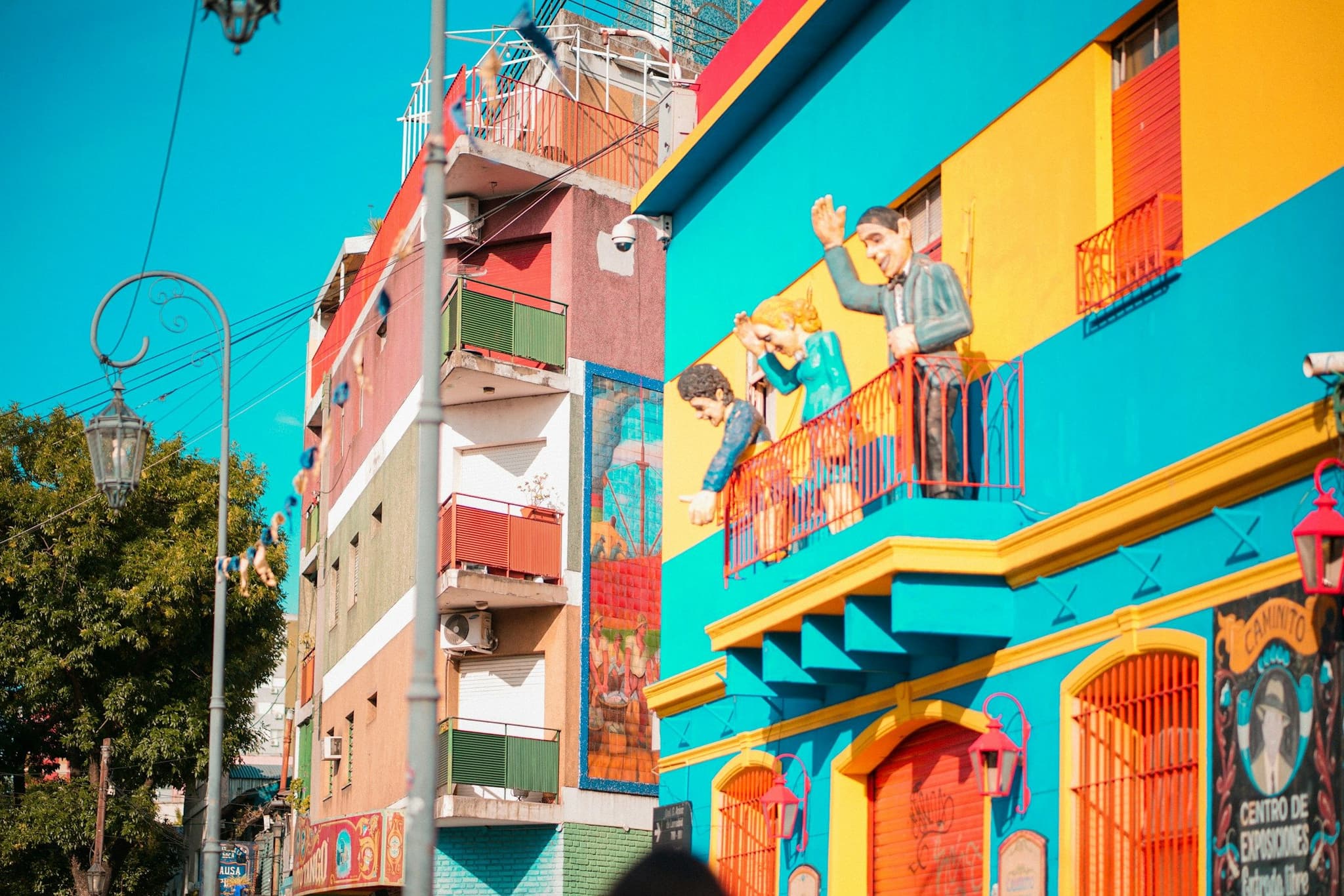
Give Buenos Aires at least three nights. Teatro Colón opened on 25 May 1908 with Aida, and an acoustics survey by Leo Beranek ranks its 2,478-seat hall the best for opera. Guided tours run daily, and standing tickets for shows start at ARS 9,000. In Recoleta Cemetery, opened in 1822, Eva Perón's tomb is the most visited of 4,691 above-ground vaults. Plaza de Mayo, where the May Revolution began in 1810, faces the Casa Rosada. San Telmo is the historic quarter, with a Sunday market, and in La Boca you should stay within the patrolled area around Caminito. Base yourself in Palermo or Recoleta, and give San Telmo a full day.
Iguazú Falls
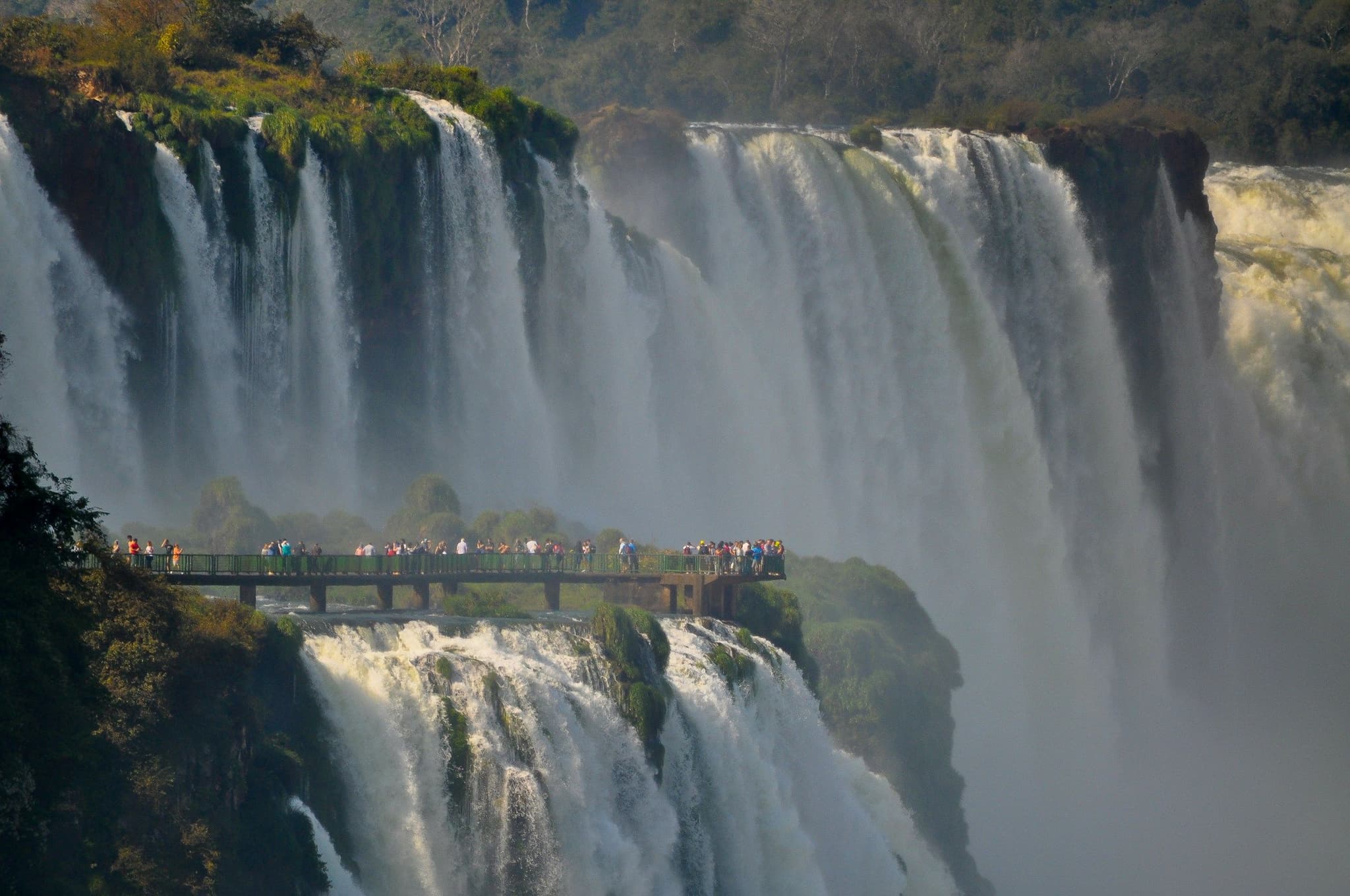
Almost 80% of Iguazú's falls are on the Argentine side, so if you only do one side, make it this one. About 275 falls drop along 2.7 km of the river, and the Devil's Throat takes about half the flow, with the biggest drop at 82 m. The park has been UNESCO-listed since 1984. On top of the Upper and Lower circuits, there's an ecological train and a 1 km walkway out to the Devil's Throat, and boats run to San Martín Island and close to the falls. That walkway closes when the river floods, so check the park's status before you go. Entry for foreign visitors is around ARS 60,000. Spend half a day on the Brazilian side too, for the panorama, and check Brazil's entry rules for your passport first.
El Calafate and the Perito Moreno Glacier
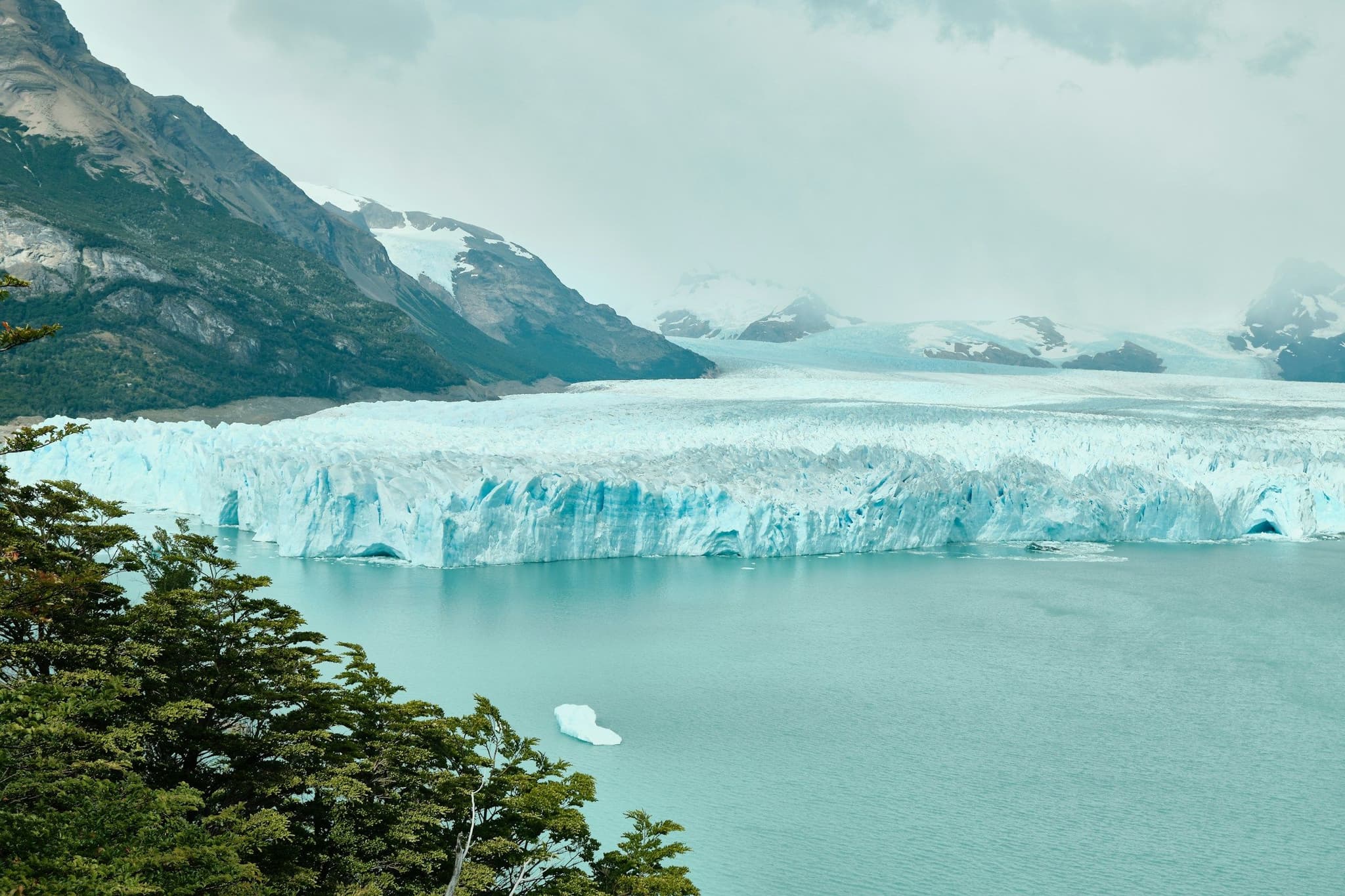
The Perito Moreno Glacier covers about 250 km² and runs 30 km to a front that stands about 74 m above Lago Argentino. It lies 78 km from El Calafate, inside the UNESCO-listed Los Glaciares National Park. After decades of holding steady, it has started to retreat quickly, and in 2026 it pulled back about 910 m in around 100 days. Every few years it dams the Brazo Rico arm of the lake until the ice wall ruptures. Go early or late in the day. A boat trip to the face is worth doing, but the walkways facing the ice are the main show.
El Chaltén and Mount Fitz Roy
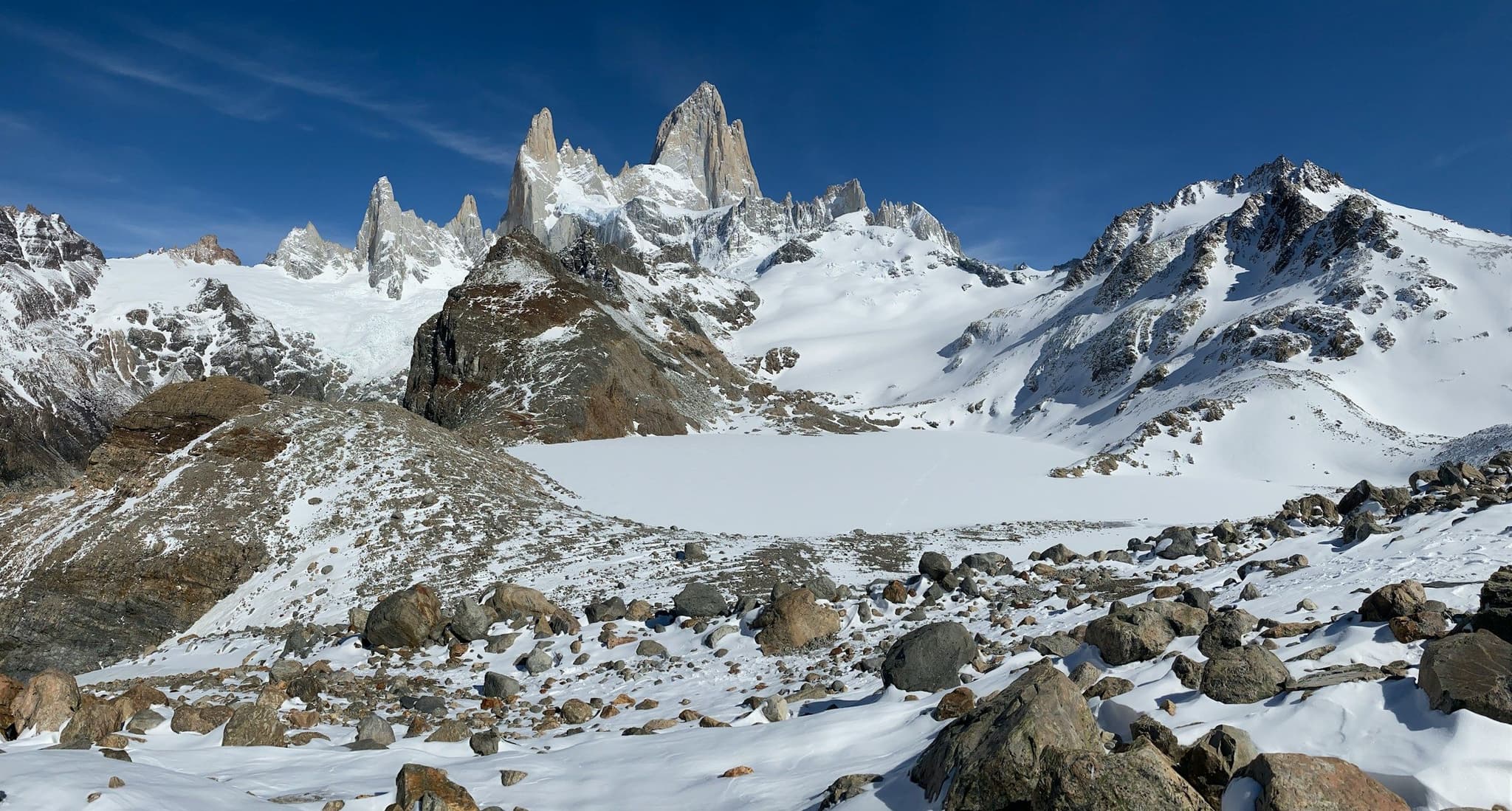
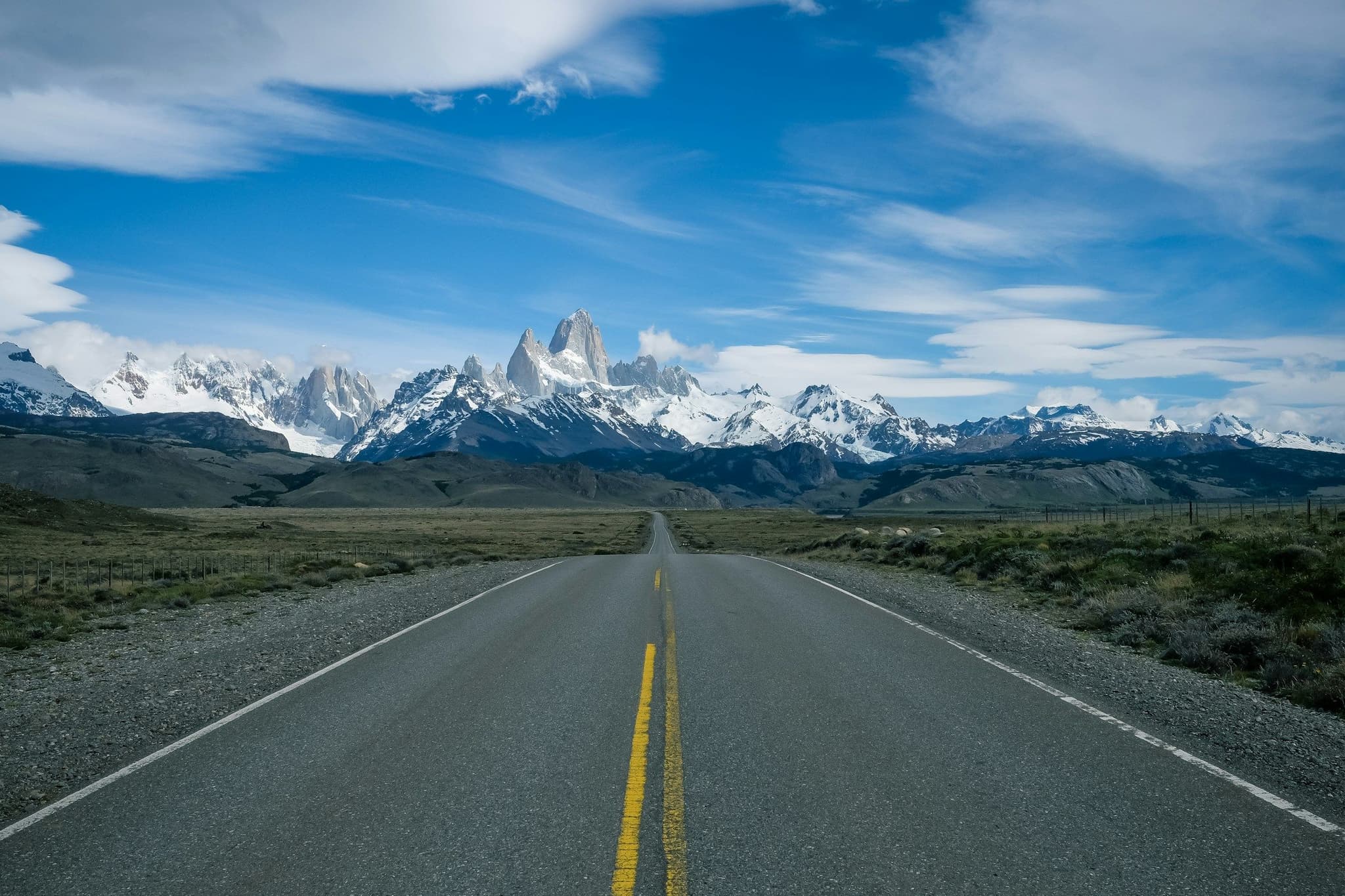
El Chaltén was only founded in 1985, to settle a border dispute with Chile, and it's now the country's National Trekking Capital. It sits about 220 km north of El Calafate, around three hours by road. The classic hike is Laguna de los Tres, 25 km return with about 1,014 m of climbing, which takes six to seven hours and ends below the spires of Fitz Roy. Laguna Torre is easier, at 22 km return and 539 m of climbing. Trail access has been charged since October 2024 with the Los Glaciares ticket, bought online. Stay at least two nights, so one day of bad weather doesn't cost you the view.
Ushuaia and Tierra del Fuego
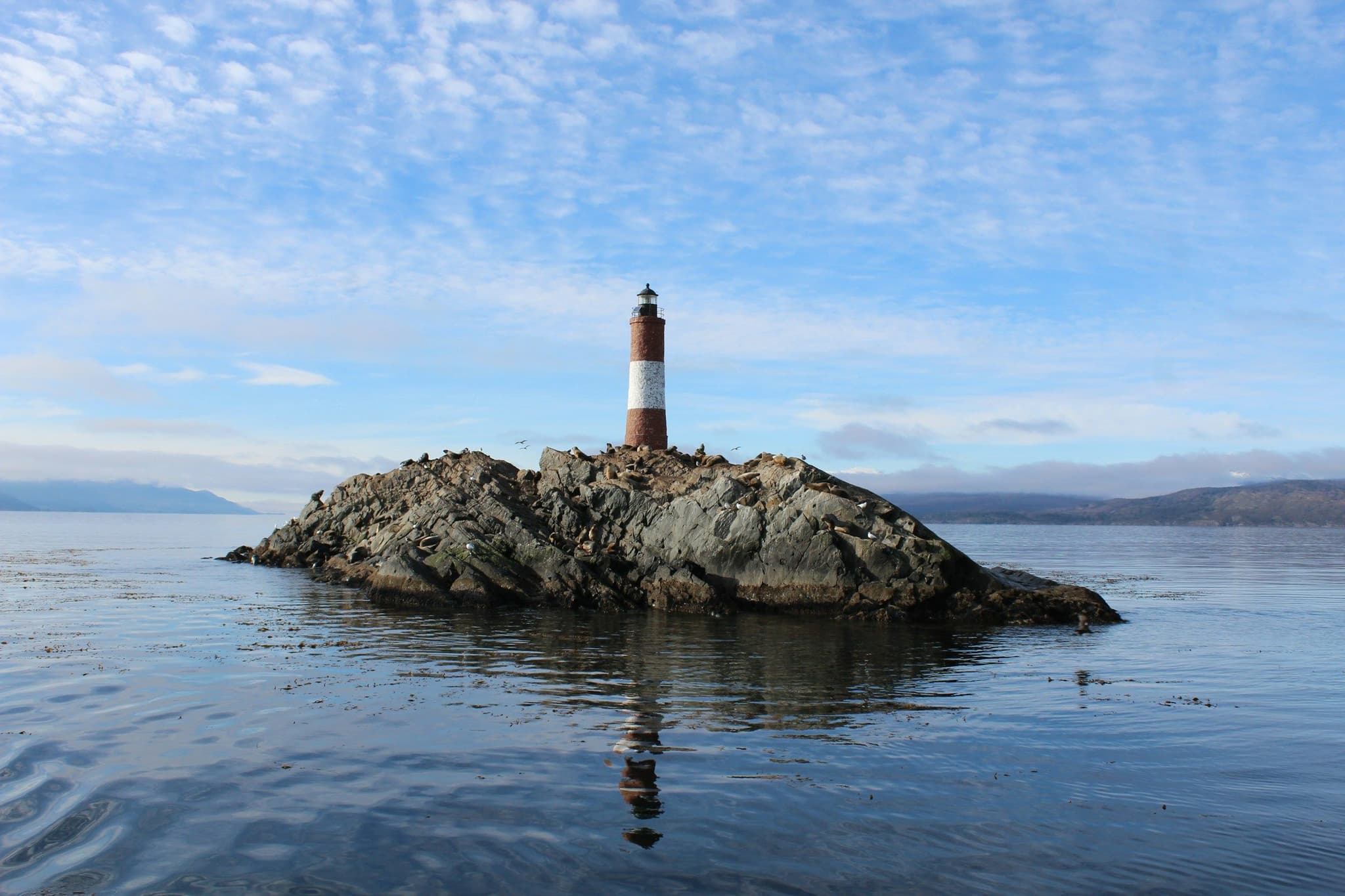
Ushuaia calls itself the southernmost city in the world, though Chile's Puerto Williams, a town of about 2,000 people, lies further south. Boats run along the Beagle Channel to the Les Eclaireurs lighthouse, which people often mistake for Jules Verne's lighthouse at the end of the world. That one is 320 km away on Isla de los Estados. The old prison, used from 1896 to 1947, now houses the Maritime Museum, and the End of the World Train, built by prisoners, runs into Tierra del Fuego National Park, where the Pan-American Highway ends. Ushuaia is also one of five gateway cities for Antarctica. Two days is enough unless you're boarding a cruise south.
Bariloche and the Lake District
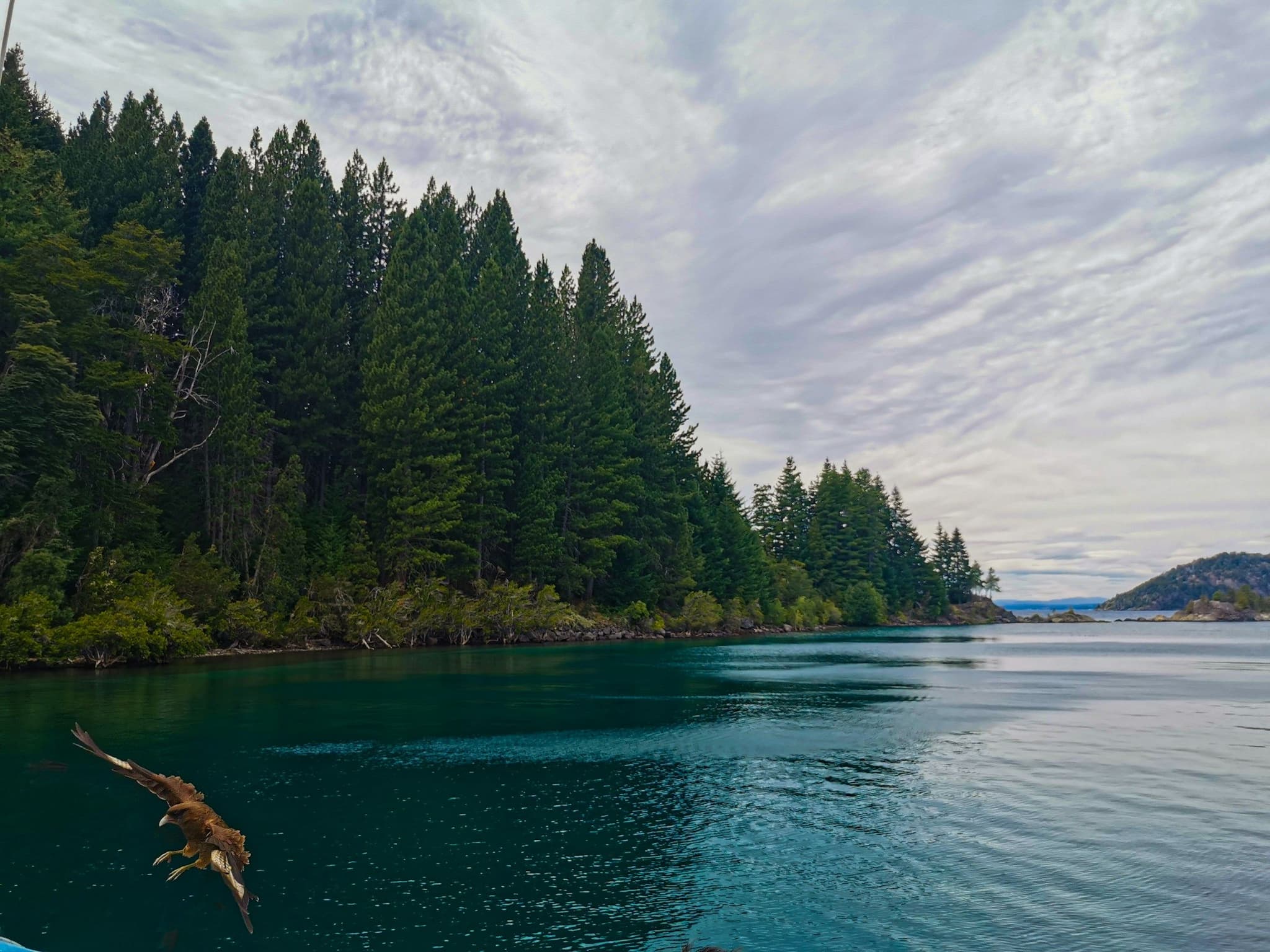
Rent a car in Bariloche, because the lakes are a road trip, not a bus trip. The town of 135,755 people sits on Lago Nahuel Huapi, with an alpine-style centre built in the 1930s, and it's known for its chocolate. The Circuito Chico loop is about 60 km and fills half a day, taking in the Cerro Campanario chairlift and the boats from Puerto Pañuelo to Isla Victoria. The Seven Lakes Route runs about 110 km from Villa La Angostura to San Martín de los Andes, all paved. Hire-car break-ins are common here, so leave nothing on show.
Mendoza and its wine country
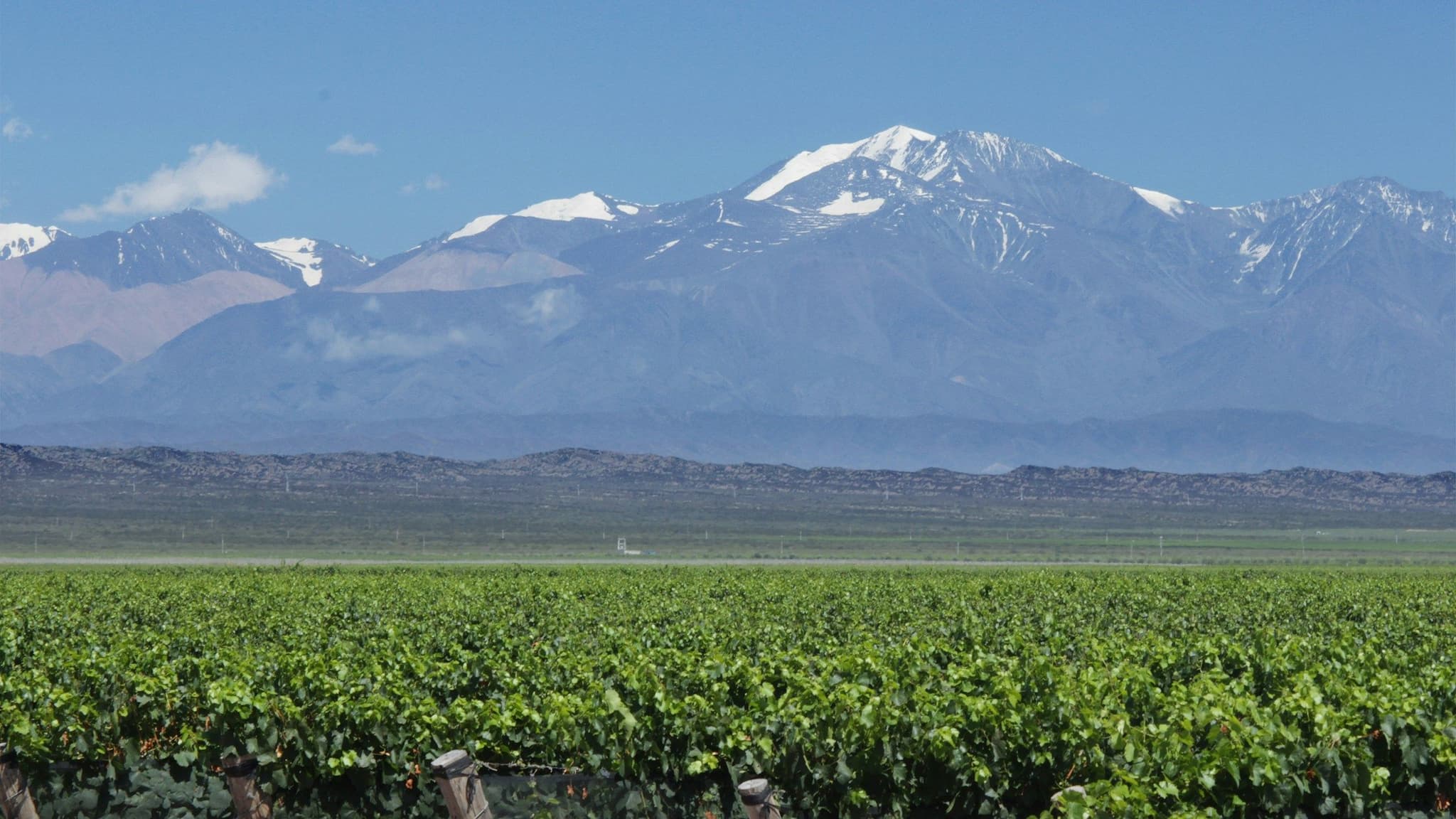
Mendoza is the largest wine-producing area in South America, and the city itself is easy to like. After the 1861 earthquake it was rebuilt with wide streets around Plaza Independencia and four smaller plazas. Open irrigation channels called acequias, designed by the Huarpe people, still water about 100,000 street trees. Malbec arrived in 1868, and the best comes from Luján de Cuyo and the Uco Valley, at about 800 to 1,500 m. Aconcagua is about 112 km northwest. If wine is the point of your visit, we'd stay in Chacras de Coria or Luján rather than the city centre.
Salta
Salta is the best base for the northwest, and in our view its empanadas salteñas are the best in the country. The city was founded in 1582 and sits at about 1,152 m, with a colonial centre around Plaza 9 de Julio and its cathedral. The MAAM museum holds the three Llullaillaco Inca children, about 500 years old. A cable car runs up San Bernardo hill for the view. Salta is also the starting point for the Tren a las Nubes, a bus, train and bus day trip whose train runs from San Antonio de los Cobres to the La Polvorilla viaduct, over 4,200 m up. It can be cancelled in bad weather.
Quebrada de Humahuaca
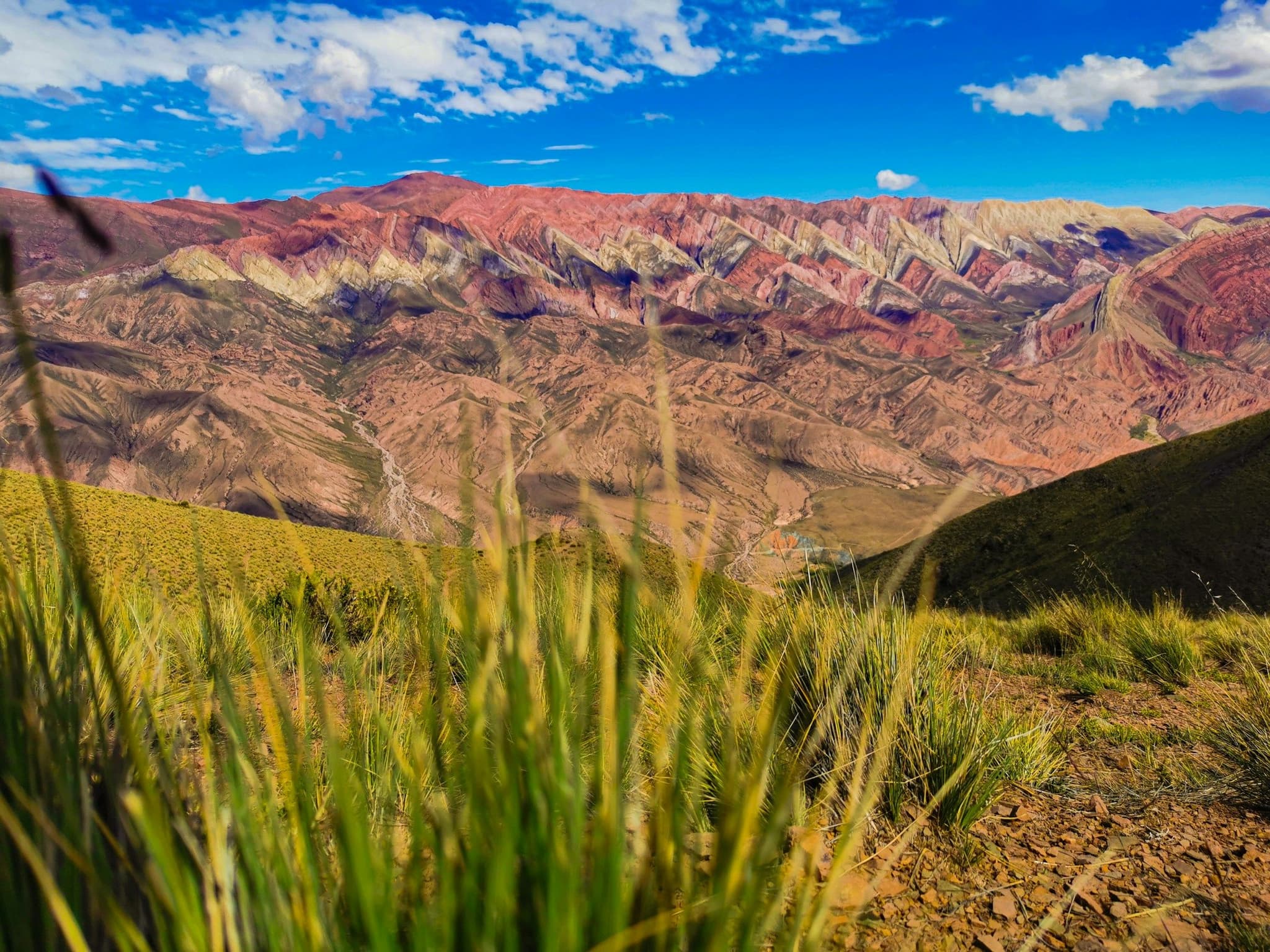
This 155 km valley of striped mountains in Jujuy has been a UNESCO World Heritage Site since 2003. Purmamarca, at 2,324 m, sits right under the Cerro de los Siete Colores, and you can walk the Paseo de los Colorados there. Further up the valley, Tilcara has a pucará, one of the pre-Inca hill forts. From Humahuaca, about 25 km of gravel road climbs to the Serranía de Hornocal viewpoint, over 4,000 m up, where the hills are nicknamed the "14 colours". Go in the afternoon, when the light is best. We'd sleep in Tilcara or Purmamarca rather than Jujuy city.
Cafayate and the Quebrada de las Conchas
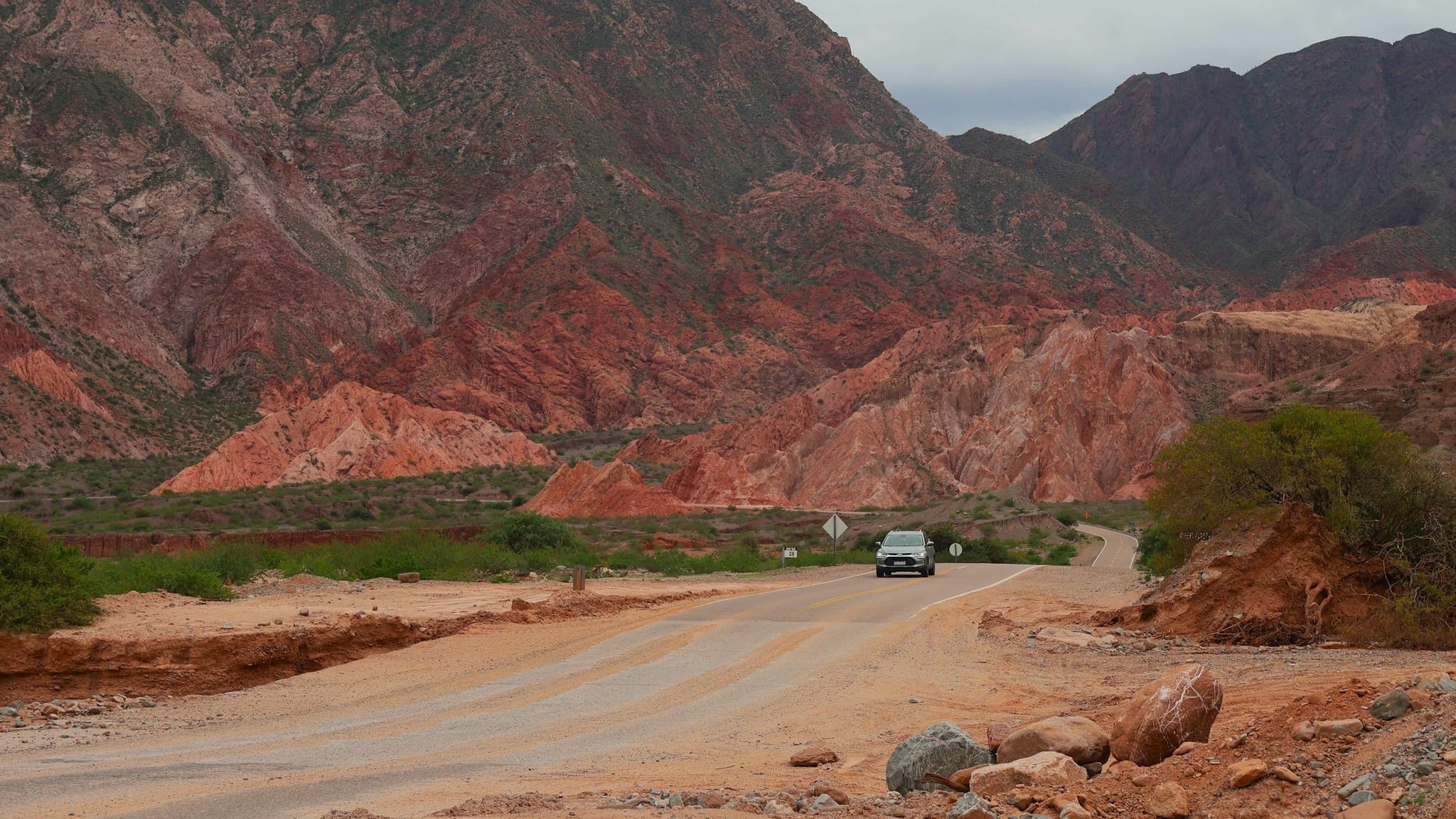
Getting to Cafayate is half the reason to go. Route 68 from Salta runs through the Quebrada de las Conchas, past red rock formations such as the Amphitheatre, so give the 189 km drive a whole day with stops. Cafayate sits at 1,683 m, and its signature grape is the white Torrontés. Many bodegas offer free guided tours, so we'd stay at least one night and taste without worrying about the drive back to Salta.
Península Valdés and Puerto Madryn
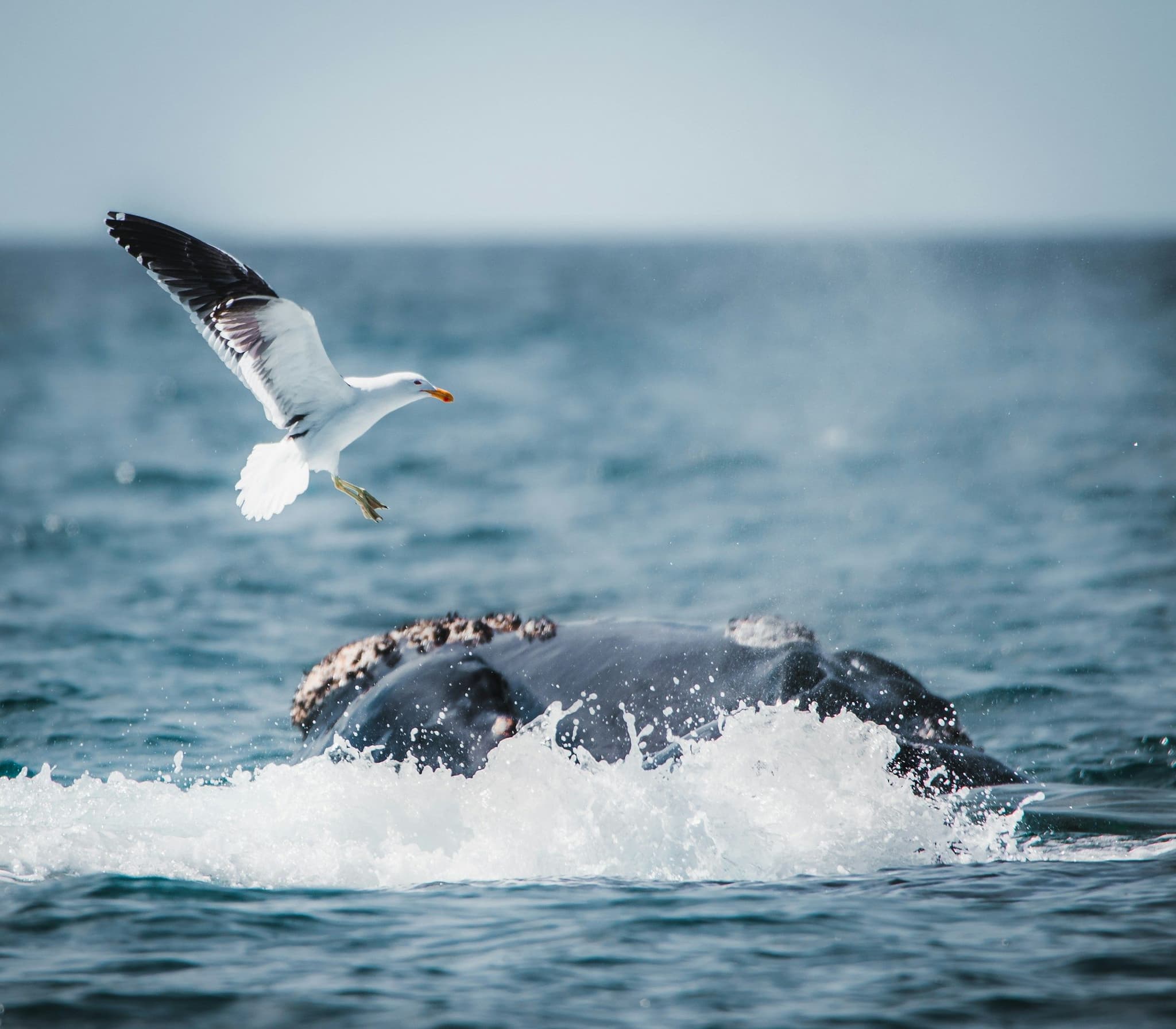
Península Valdés is the world's most important breeding ground for southern right whales, which gather in its two gulfs from about June to December, and it has been UNESCO-listed since 1999. Some orcas here beach themselves on purpose to catch sea lions and elephant seals. About 150,000 pairs of Magellanic penguins nest in the area. Puerto Pirámides is the only town on the peninsula, and Puerto Madryn is the nearest big town and the usual base. The Welsh towns of Trelew and Gaiman are close by. October and November give the best overlap of whales, penguins and elephant seals.
Iberá Wetlands
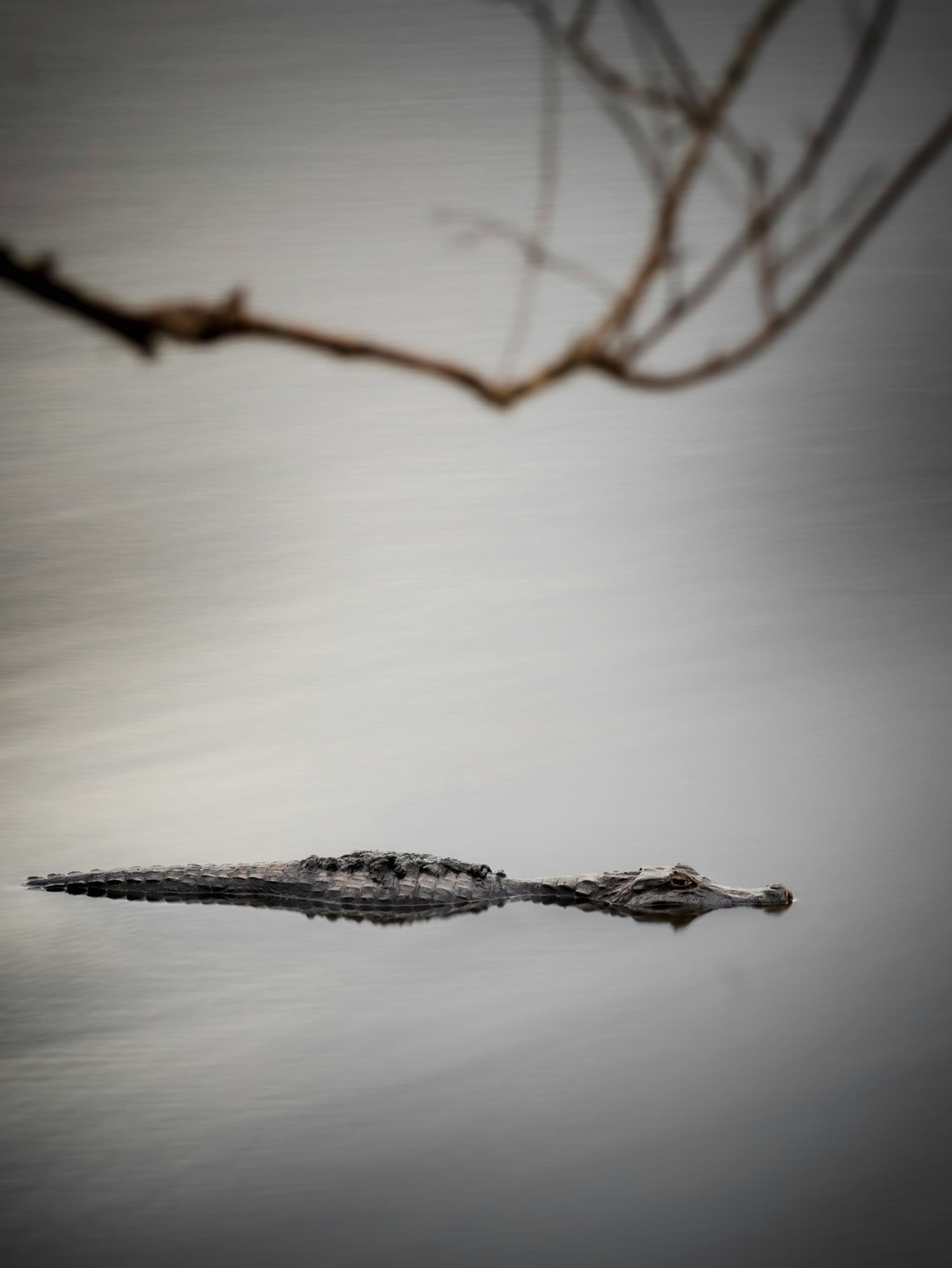
Iberá is the best wildlife trip most visitors have never heard of. These wetlands in Corrientes cover 15,000 to 20,000 km², second in size only to Brazil's Pantanal, and they hold capybaras, caimans, marsh deer and more than 350 bird species. Jaguars were reintroduced from January 2021 after about 70 years' absence, in a project by Rewilding Argentina and Tompkins Conservation. Giant anteaters and red-and-green macaws have been brought back too. Lodges sit on the lagoon edges.
Argentina itinerary ideas for your trip
Buenos Aires to Humahuaca is 1,649 km, and the bus from the capital to Bariloche takes about a full day. So both routes below use short flights for the long legs, and buses or a car for the rest.
5 to 7 day Argentina itinerary
Day 1-3: Buenos Aires, with a Teatro Colón tour, a day in San Telmo and a night at a milonga.
Day 4-5: Fly to Iguazú, for a full day on the Argentine side and half a day on the Brazilian side.
Day 6-7: Fly back to Buenos Aires for your flight home.
Prefer wine to waterfalls? Swap Iguazú for Mendoza, and spend Day 4-5 in the vineyards.
10 to 14 day Argentina itinerary
Day 1-3: Buenos Aires.
Day 4-5: Iguazú Falls.
Day 6-8: Fly to El Calafate for the Perito Moreno Glacier, then take the bus to El Chaltén.
Day 9-10: Hikes from El Chaltén, including Laguna de los Tres.
Day 11-12: Fly to Bariloche for the Circuito Chico and the Seven Lakes Route.
Day 13-14: Mendoza's wine country.
For a second week built around canyons and wine rather than glaciers, swap the south for Salta and the Quebrada de Humahuaca, with a night in Cafayate. The northwest is driest in winter. Between June and December, Puerto Madryn and Península Valdés are worth two or three days for the whales. You can build or adjust either route in the Guided travel planning app.
Fun things to do in Argentina
Skip the tango dinner show. Here's what we'd do with your evenings and days instead.
Go to a milonga in Buenos Aires
Tango was born in the 1880s in the ports of the Río de la Plata, blending milonga, habanera and candombe, and UNESCO added it to its intangible heritage list in 2009, shared with Uruguay. A milonga is a social dance night, not a show. Dinner shows cost around US$90 a head. We'd go to a milonga instead, and take a beginners' class first where one is offered.
Trek on the Perito Moreno Glacier
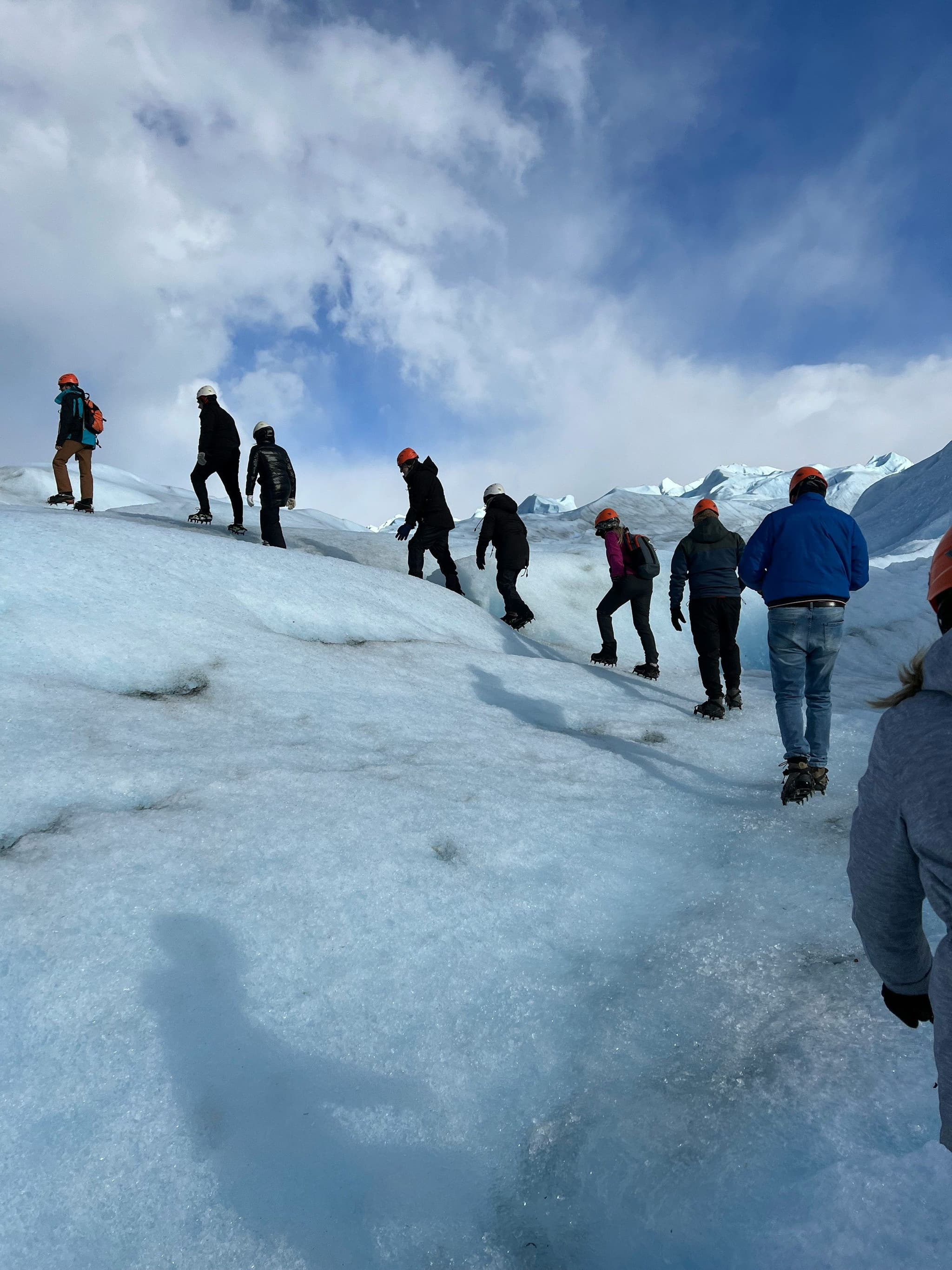
Minitrekking puts crampons on your boots for about 90 minutes on the ice. The "big ice" trek lasts about five hours. Both are worth the money, though the longer trek is the one to book if you're fit.
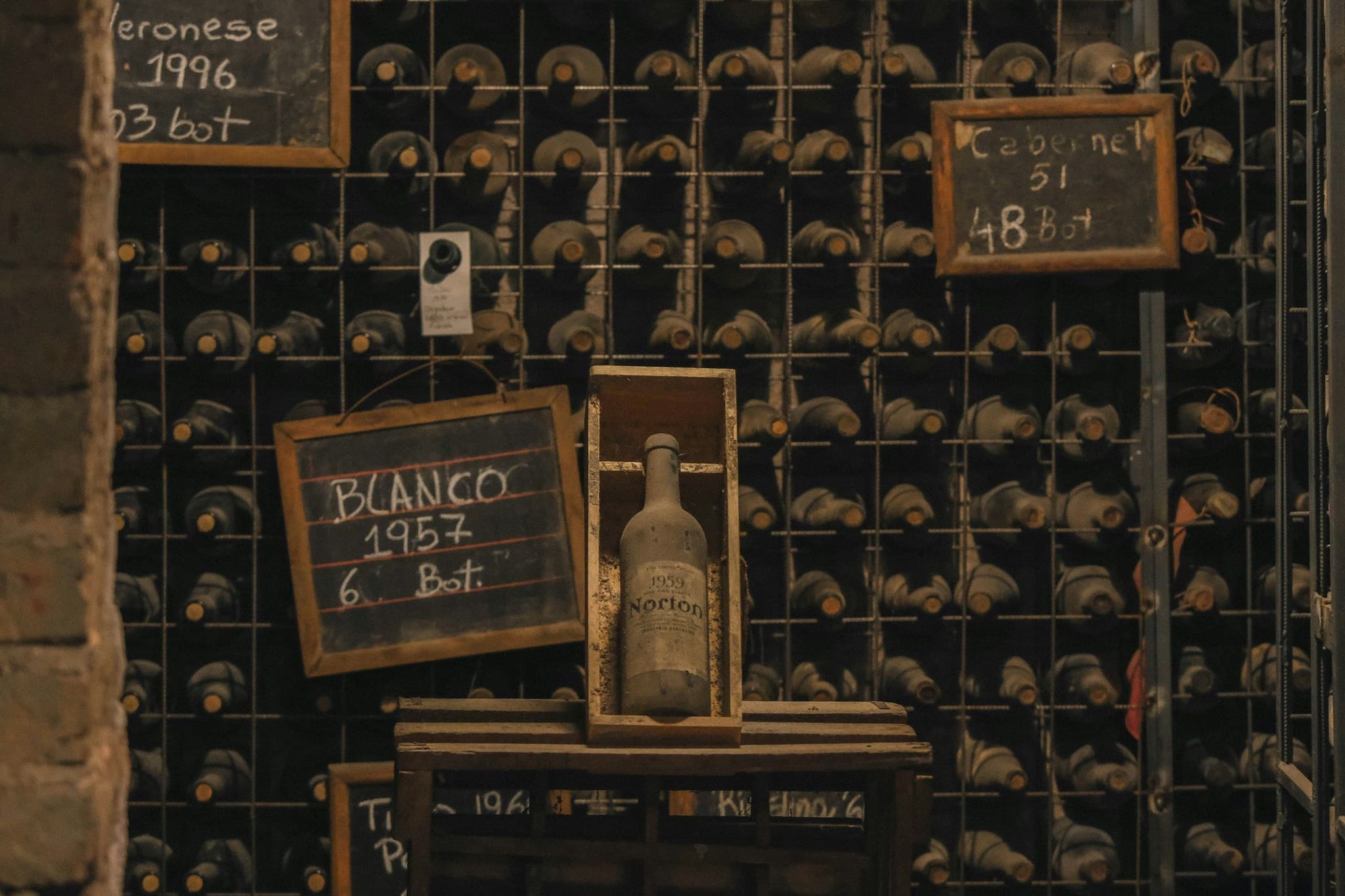
Taste wine in Luján de Cuyo and the Uco Valley
Malbec is Argentina's most planted red grape, and the high vineyards south of Mendoza make the best of it. Spend a day between bodegas with the Andes on the horizon, and arrange a driver so everyone can taste. Early March brings the Fiesta Nacional de la Vendimia, the grape harvest festival.
Watch a football match
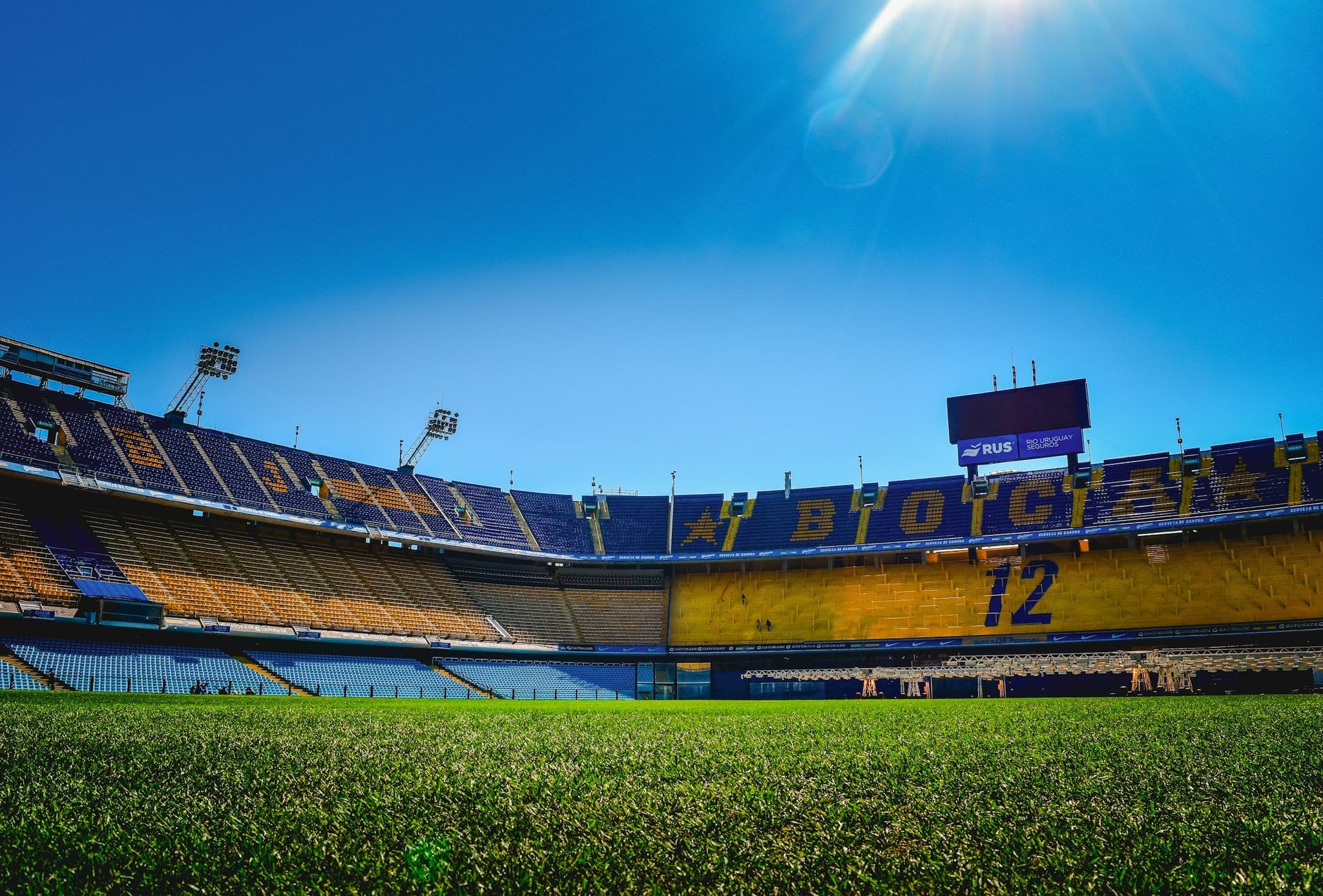
Football is central to life here. Boca Juniors games are the famous ones, but tourist tickets are sold in packages from about US$600. We'd pick a smaller club's game, which is cheaper and easier to get into.
When to go to Argentina?
Pick October to November or March to April, when Buenos Aires is mild and Patagonia's trails are open but quieter. Seasons run the opposite way to Europe and North America. Buenos Aires has no dry season, with highs of 30.1 °C in January and 15.5 °C in July. Patagonia's westerly winds blow all year and are strongest in summer. The northwest gets its rain in summer and stays dry and sunny in winter, while the northeast around Iguazú is humid all year. Domestic holidays fill flights and hotels in January, February, July and Easter week.
- Spring (September to November): whales and penguins at Península Valdés, and highs of about 20 to 26 °C in Buenos Aires. Patagonia's trails are open but windy, and Iguazú's river can run high.
- Summer (December to February): Patagonia's main season, with long days. Buenos Aires and Iguazú are hot and humid, and the northwest gets its rain. Prices peak.
- Autumn (March to May): the Vendimia in Mendoza and autumn colour in the Lake District. Buenos Aires is comfortable and Patagonia gets quieter and colder.
- Winter (June to August): skiing at Cerro Catedral and the dry northwest at its best. Whales arrive at Valdés from June, while some Patagonian services shut and the days are short.

Did you know you can create your own itinerary?
Now that you know what to see in Argentina and where to stay, you can start creating your own trip. Do you want extra days in El Chaltén in case the clouds hide Fitz Roy, or would you rather drive from Salta through the red canyons to Cafayate? It's all up to you. You can easily create your own trip in the Guided app for free, or use trips shared by others.
Where to stay in Argentina?
Most trips need three or four bases, because the distances are so big. Buenos Aires is nearly always one of them.
Palermo or Recoleta, Buenos Aires
Palermo is the city's largest district, full of cafés and nightlife, and three-star hotels start from about US$54 a night. Like San Telmo, it's on the UK government's list of areas for pickpockets, so keep your phone close. Recoleta is quieter and more elegant, near the cemetery and the museums. We'd pick Palermo for a first visit and Recoleta if you want early nights. San Telmo suits tango fans, but take care there after dark.
El Calafate and El Chaltén
Split your nights. El Calafate is the base for the glacier, and El Chaltén for the hikes.
Bariloche
Stay in the centre for buses and restaurants, or along Avenida Bustillo, on the way to the Circuito Chico, for lake views if you have a car.
Salta
The colonial centre is the most practical base for the northwest, and the Tren a las Nubes starts here. For Cafayate or the Quebrada de Humahuaca, we'd move on and sleep there.
Guided tip: Book with a foreign card and show your passport and proof of entry at check-in. Registered hotels then take the 21% VAT off for foreign visitors.
Getting around when visiting Argentina
Fly the long legs, every time. Buses here are comfortable, but Buenos Aires to Mendoza takes 13.5 to 17 hours and Buenos Aires to Bariloche about a day.
Domestic flights with Aerolíneas Argentinas, Flybondi and JetSMART
Aerolíneas Argentinas is the flag carrier, and Flybondi and JetSMART are the low-cost airlines. You'll need them for Patagonia and Iguazú.
Long-distance buses
Andesmar, Chevallier, Flechabus and Via TAC are among the companies that link the main towns, and you can compare and book them on Central de Pasajes or Unibus. Seats come as semicama or cama, the more reclining option. A ticket from Buenos Aires to Mendoza starts from about ARS 58,400. Buses make the most sense on shorter hops, such as El Calafate to El Chaltén or Salta to Cafayate.
Getting around Buenos Aires
A subte ride costs ARS 1,817 with a registered SUBE card. City buses need the SUBE card too, and the subte also takes contactless bank cards at marked gates. Uber, Cabify and DiDi all work in Buenos Aires. If you take a taxi, use a radio taxi with a logo on the door, or book one, rather than hailing one on the street.
Renting a car
A rental car costs about ARS 45,000 to 75,000 a day, and it's the best way to see the Lake District and the northwest. UK drivers need a 1949 International Driving Permit along with their licence. Parts of Ruta 40 and the road to Hornocal are gravel, and you shouldn't leave anything in the car.
Guided tip: Buy a SUBE card at a kiosk on your first day in Buenos Aires, because the city buses don't take cash.
Food and drinks you should try when visiting Argentina
Argentina eats late and eats a lot of beef. Lunch is the biggest meal of the day.
Asado
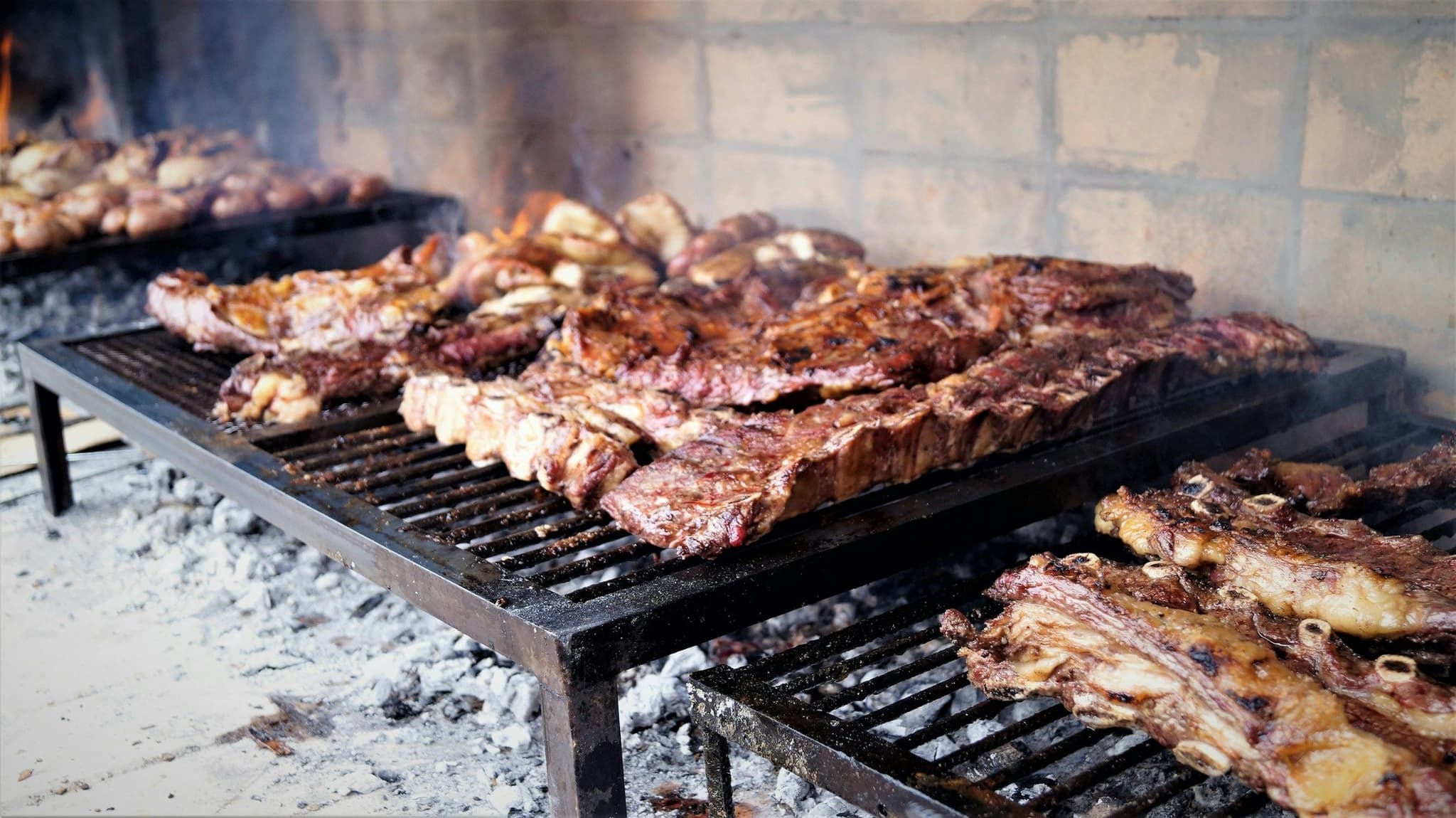
Asado is the national barbecue, and the asador, the person in charge of the grill, takes the job seriously. Provoleta, grilled provolone with oregano, and choripán, sausage in bread, come off the grill first, while the beef takes its time. If you only have one big dinner in Argentina, make it at a parrilla.
Empanadas
Empanadas are baked or fried, and sealed with a twisted edge called a repulgue. The northwest makes the best ones, salteñas with potato and tucumanas with matambre, cut with a knife.
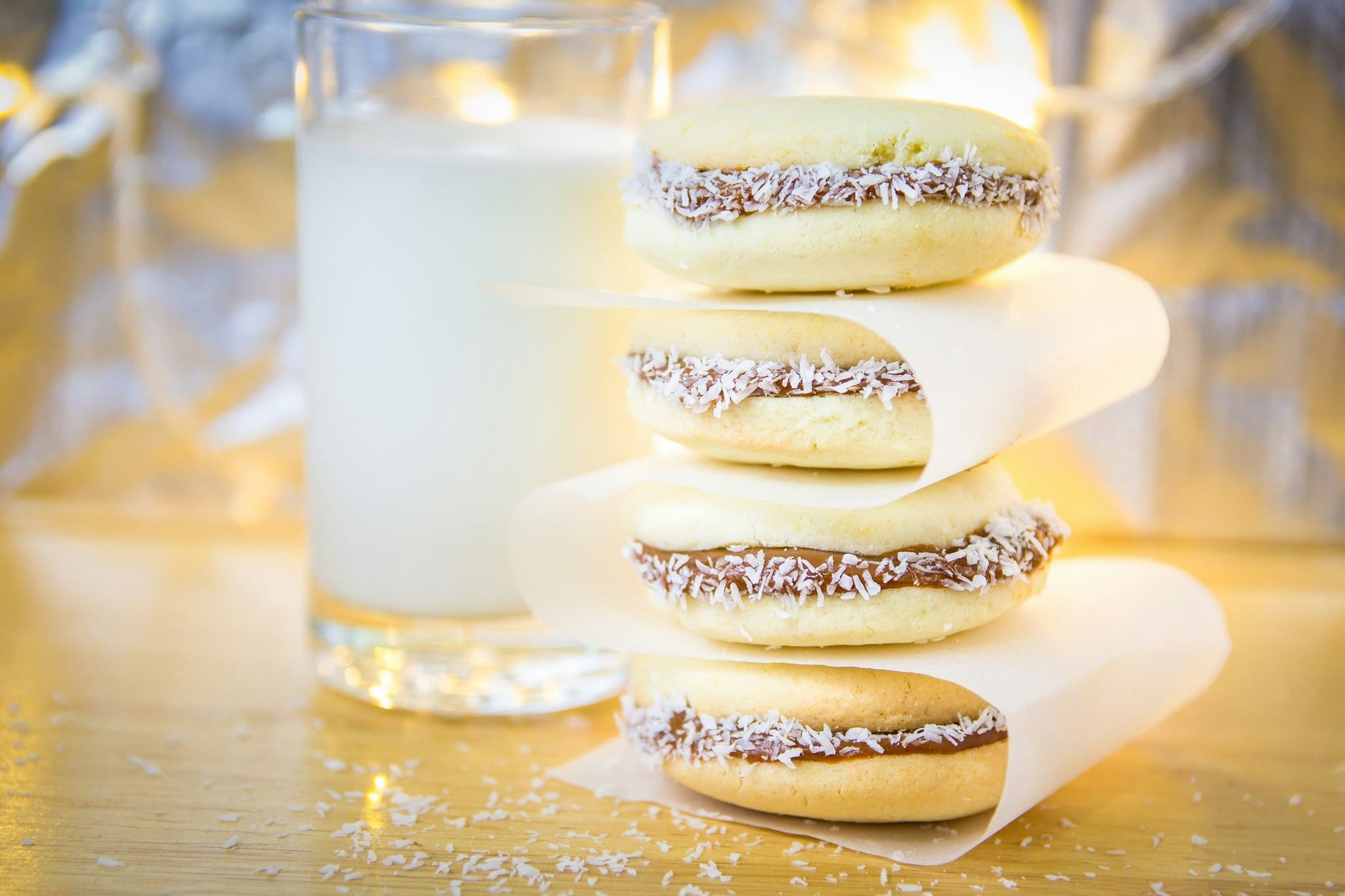
Dulce de leche and alfajores
Dulce de leche goes on toast and into ice cream. Alfajores sandwich it between two biscuits, often coated in chocolate, and they're the snack to keep in your bag on long bus rides.
Mate
Mate is the national drink by law, sipped from a gourd through a metal straw called a bombilla. One person, the cebador, prepares it, drinks first and then passes it round the group. Say "gracias" only when you've had enough, because it means you're done.

Fernet con Coca
Argentines drink more than three-quarters of the world's fernet, a bitter herbal spirit, and nearly always mix it with Coca-Cola. It's an acquired taste.
Culture and local habits you'll notice when visiting Argentina
Why does everyone say "vos" instead of "tú"? Argentine Spanish uses voseo ("vos sos" for "you are"), and pronounces "ll" and "y" as "sh", so "calle" sounds like "cashe". You'll also hear slang such as "che" and "copado". People greet with one kiss on the cheek, even on a first meeting and between men. Days run late, with an afternoon snack called merienda and dinner from about 9 or 10 pm, later at weekends. Social plans are relaxed about time.
Argentina has won three World Cups, in 1978, 1986 and 2022, and a record 16 Copa América titles, and Maradona and Messi are national idols. Argentines enjoy a good debate about football or politics, and it's rarely hostile, but we'd leave the Falklands out of the conversation (locals call them the Malvinas).
Looking for more unique places, trips and activities?
Subscribe to our Guided Newsletter for more travel inspiration.
Costs of a holiday to Argentina
Argentina is no longer the cheap trip it was a few years ago. On Numbeo's 2026 cost of living index, where New York scores 100, it sits at 41.3, above Chile (39.0) and Bolivia (27.3) but below Uruguay (55.6). Eating out costs more than in Chile too, with a restaurant index of 47.9 against Chile's 39.7. Patagonia is pricier than the north, and national park fees of ARS 35,000 to 60,000 a time add up on a long trip. Having the 21% VAT taken off your hotel bill helps.
Food & Drink

Coffee
ARS 3,500 – ARS 7,000
Lunch
ARS 15,000 – ARS 30,000
Beer
ARS 3,500 – ARS 8,000
Accommodation
Hotels
ARS 80,000 – ARS 180,000
Airbnb
ARS 70,000 – ARS 130,000
Hostel dorm
ARS 15,000 – ARS 30,000
Transport
Long-distance bus
ARS 58,000 – ARS 110,000
Public Transport
ARS 1,800 – ARS 2,600
Car Rental
ARS 45,000 – ARS 75,000
Attractions

Museums
Free – ARS 10,000
Big Attractions
ARS 35,000 – ARS 60,000
Theatre
ARS 9,000 – ARS 140,000
Practical tips for visiting Argentina
Passports are no longer stamped on arrival in Argentina. These are the things worth sorting before you fly.
✔ Check the entry rules for your passport
Many nationalities, including the UK, EU and US, can visit Argentina without a visa for up to 90 days. Your passport must be valid for your whole stay, and you need to declare more than US$10,000 in cash. Check the latest rules on GOV.UK's Argentina entry requirements, or with the Argentine consulate or Migraciones for other passports.
✔ Pay by card
The currency is the Argentine peso (ARS). Cards are accepted widely and now convert at close to the official rate, so there's no longer much reason to bring stacks of dollars. Carry some cash for small towns and markets, and ask before paying by card at small hostels, as some add a surcharge.
✔ Book holiday dates early and check your flight
Domestic holidays in January, February, July and Easter week fill flights, buses and hotels, so book those dates well ahead. Domestic flights can be delayed or cancelled, so check your flight's status before you leave for the airport.
✔ Keep your phone in your hand, away from the kerb
The US rates Argentina Level 1, exercise normal precautions, and the US State Department's advisory calls it generally safe. Pickpocketing and phone snatching, sometimes from motorbikes, are the main risks in Buenos Aires, especially on public transport and at bus stations. Stay away from protests, and don't leave valuables in hire cars. The emergency number is 911 for police and 107 for an ambulance.
✔ Take travel insurance with medical cover
Public hospitals now charge visitors for non-emergency care, so take insurance with medical cover. Altitude can hit hard in the northwest, where the Tren a las Nubes climbs over 4,200 m and Hornocal is over 4,000 m. In the north, use insect repellent against dengue, and ask a travel clinic about yellow fever vaccination before visiting Iguazú. Hantavirus is present in Patagonia's forests, so air out closed cabins and don't camp near rodent droppings.
✔ Tip about 10% in restaurants
The tip isn't added to the bill, so leave about 10% yourself, and tip guides and porters too. If someone offers you mate, drink it all and hand the gourd back to the cebador.
Fun facts about Argentina
Most people know about the steak and the football. These six are less obvious.
- Aconcagua, at almost 7,000 m, is the highest mountain outside Asia.
- Laguna del Carbón, 105 m below sea level, is Argentina's lowest point.
- El Apóstol, made in Argentina in 1917, is considered the world's first animated feature film, and its only copy burned in 1926.
- Argentine police officer Juan Vucetich started the first fingerprint files in 1891.
- Welsh settlers landed in Patagonia in 1865, and between 1,500 and 5,000 people there still speak Welsh.
- Avenida 9 de Julio in Buenos Aires is 140 m wide.
The Welsh one is easy to see for yourself, as Trelew and Gaiman are close to Puerto Madryn.
Ready to map out your trip to Argentina?
We hope this Argentina travel guide has given you a clear starting point, whether you're spending a week between Buenos Aires and Iguazú or heading south to Patagonia's glaciers. And don't forget to check out our Guided app, where you can create your own trip or use trips shared by other travellers for free.
FAQS about visiting Argentina
How many days do you need in Argentina?
Five to seven days covers Buenos Aires plus Iguazú or Mendoza. With 10 to 14 days, you can add El Calafate and El Chaltén, then Bariloche or the northwest, using domestic flights between regions. In the Guided app, you can build your own route and see how many places fit into your trip.
What is the best part of Argentina to visit?
Patagonia, for El Chaltén's trails and the Perito Moreno Glacier, is the part we'd least want to miss. Buenos Aires is the pick for city life, and the northwest for colourful canyons and colonial towns.
What is Argentina known for?
Tango, beef and Malbec. It's also known for football, and for the glaciers and mountains of Patagonia.
Can you travel around Argentina without a car?
Yes. Domestic flights and long-distance buses link the main towns, and Buenos Aires has the subte and ride-hailing apps. A car helps most in the Lake District and the northwest.
Is Argentina expensive?
It's not the bargain it was. Numbeo puts the cost of living above Chile and Bolivia but below Uruguay, and Patagonia and national park fees push a budget up. Foreign tourists get the 21% VAT taken off at registered hotels when they pay with a foreign card.
Is Argentina safe to visit?
The US rates Argentina Level 1, its lowest advisory level, and the UK doesn't advise against travel to any part of it. Petty crime is the main risk in Buenos Aires, so watch your phone and bag on public transport. Avoid protests and use radio taxis or apps rather than street taxis.
Do you need a visa for Argentina?
Many nationalities, including the UK, EU and US, can stay for up to 90 days without a visa. Check the current rules for your passport with your government or the Argentine consulate before you travel.
When is the best time to visit Patagonia?
November to March is the hiking season, with the longest days, though the wind is strongest in summer. The shoulder months are quieter but colder, and some services shut in winter.
Plan your trip to Argentina in Guided.
Save the places you find, then let Guided lay out the days, the map and the details.
More in South America
All destinations ChileChile is a land of breathtaking contrasts, where towering Andes, arid deserts, lush vineyards, and icy Patagonian landscapes converge in one unforgettable destination.
 ColombiaColombia brings diverse landscapes, rich coffee culture, colonial cities, and lively traditions of music and dance.
 GuatemalaGuatemala offers dramatic volcanic landscapes, vibrant highland markets and ancient Maya sites, blending natural beauty with rich living traditions.