
Serbia

Serbia travel guide: Everything you need to know before visiting Serbia
Belgrade sits where the Sava meets the Danube, and by one count it has been fought over in 115 wars and razed 44 times. The fortress above that meeting point is now a free park, and the riverbanks below are lined with splavovi, the moored barges that hold much of the city's nightlife. Serbia keeps putting very old things next to very late nights. A Roman emperor was born in Niš, 13th-century frescoes survive in the monasteries of Studenica and Sopoćani, and a cappuccino in the capital costs about 325 Din.
It feels different from its neighbours in ways you notice quickly. There is no coast, so none of the beach crowds of Croatia or Montenegro. Most people are Orthodox, and the language is written in two alphabets, so a menu might be in Latin letters while the street sign outside is in Cyrillic. Prices sit about a sixth below Croatia and Hungary, and in Belgrade the buses and trams are free. We think Serbia suits city-breakers and night owls, and it rewards anyone travelling on a budget. If you want a beach, or polished rural tourism with signposts everywhere, look elsewhere. This guide covers where to go, plus costs and practical tips.
5 reasons to visit Serbia
We could have made this list out of food alone, but these are the five we'd lead with.
- Spend an evening in Belgrade, from sunset on the Kalemegdan ramparts to a barge club on the river.
- Drive through the Iron Gates, the Danube's gorge on the Romanian border.
- See 13th-century frescoes at Studenica and Sopoćani, two of Serbia's UNESCO-listed monasteries.
- Eat your way through roštilj and kajmak, with a glass of šljivovica to finish.
- Ride the figure-of-eight Šargan Eight railway, then stand on Tara's cliff-edge viewpoints.
Where to visit in Serbia?
Serbia splits fairly neatly in two. In the flat north, fast trains link Belgrade, Novi Sad and Subotica. In the hilly west and south, a car makes life much easier. These 12 places cover both halves.
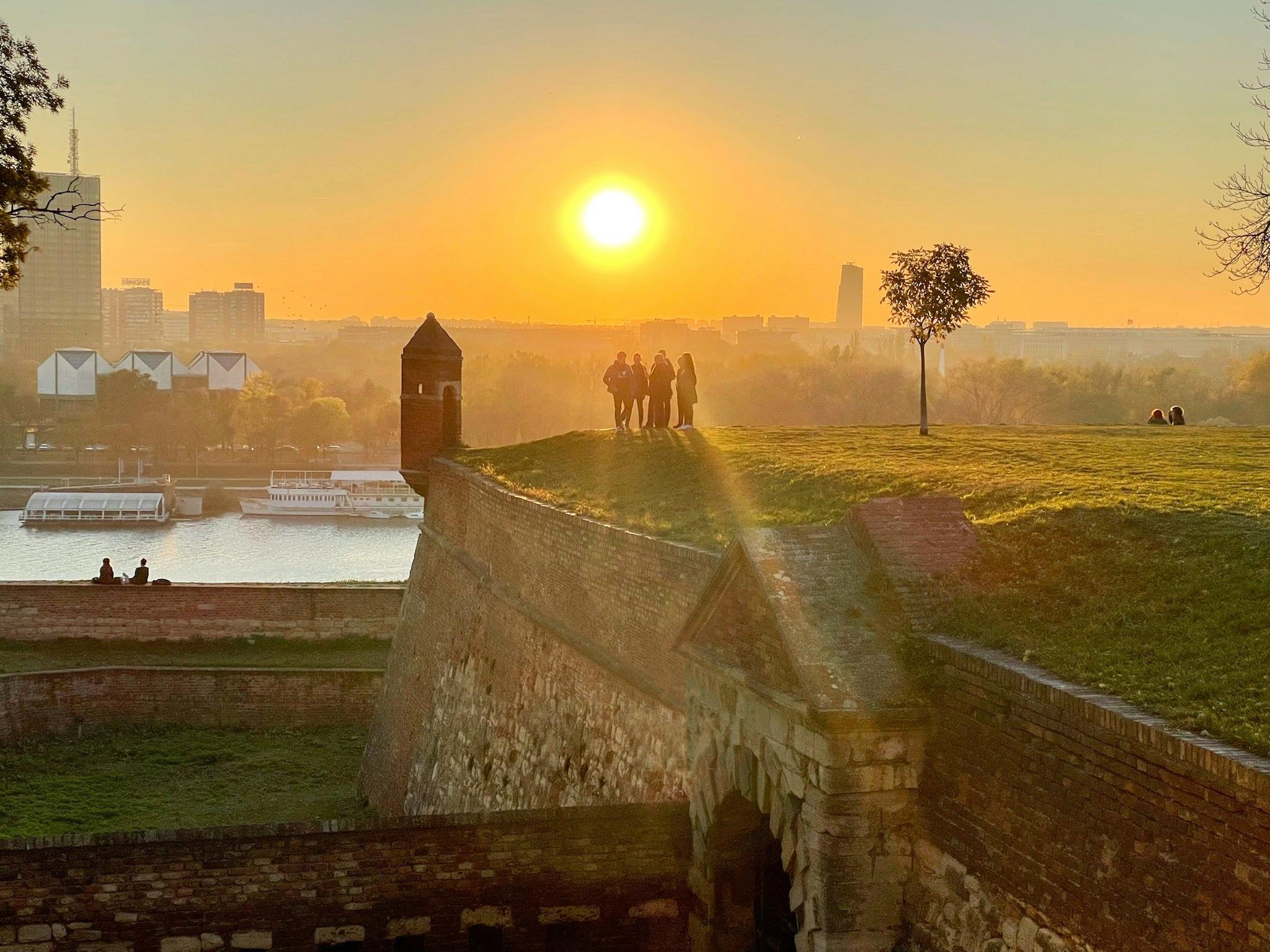
Watch the sun go down over Belgrade's two rivers
Start at Belgrade Fortress, the 66 ha park on Kalemegdan above the Sava-Danube confluence. Entry is free, and the walls go back to a Roman camp of the early 2nd century AD, rebuilt by the Austrians between 1718 and 1738. A few paid sites inside close on Mondays. From there, walk down Knez Mihailova to Skadarlija, a bohemian street under 400 m long where the Tri šešira kafana has been open since 1864. The Temple of Saint Sava, one of the largest Orthodox churches anywhere, finished its mosaic interior in 2020, and the Museum of Yugoslavia (800 Din) holds Tito's grave in the House of Flowers. Give the city two or three days, and be on the ramparts at sunset at least once.
Climb Petrovaradin Fortress in Novi Sad
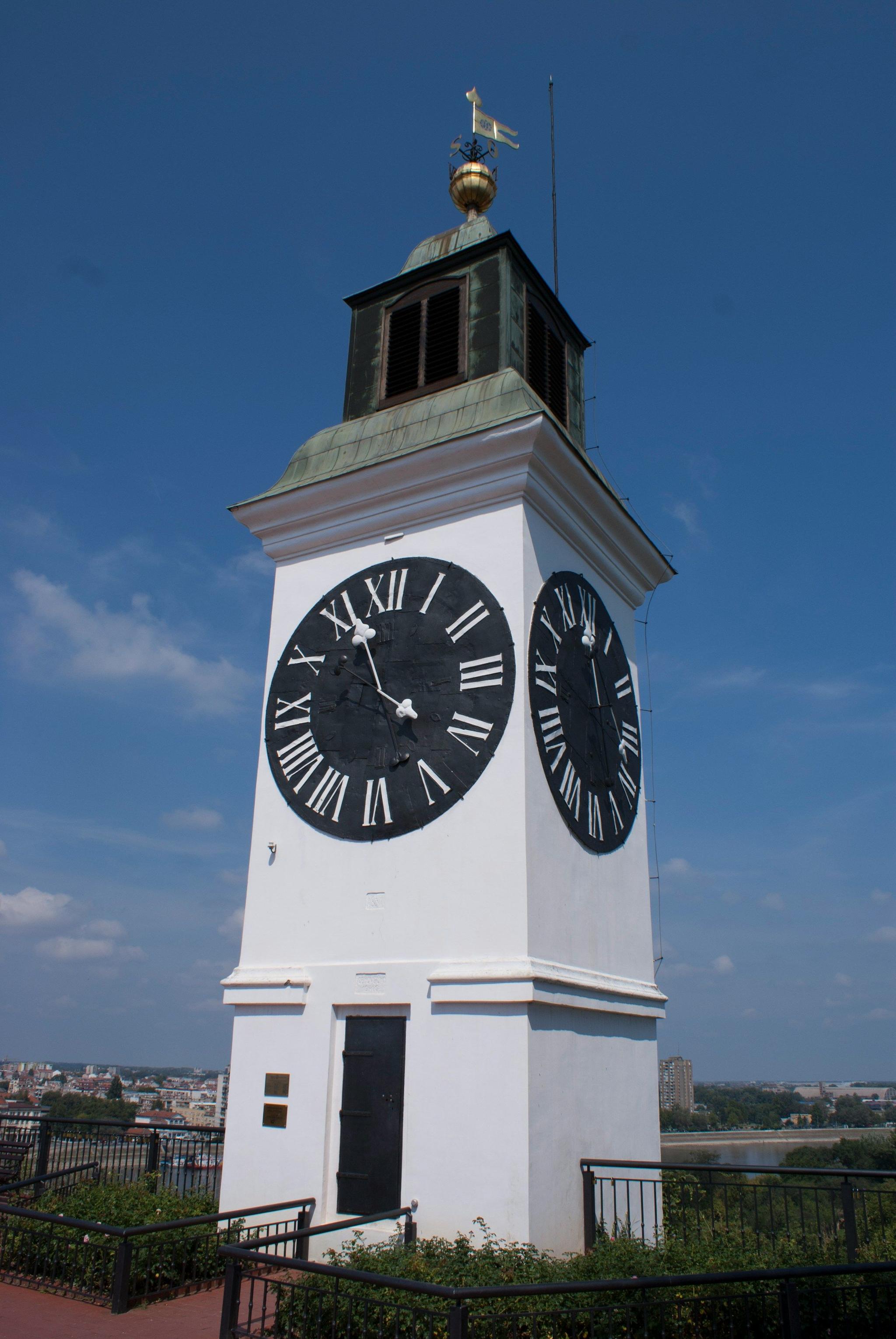
Novi Sad is the base we'd pick for northern Serbia, and Petrovaradin Fortress is the main reason. Built between 1692 and 1780, it has more than 16 km of tunnels on four levels. Look up at the clock tower. Its hands are reversed, with the big one showing the hour, so boatmen on the Danube could read the time from the water. EXIT was held here from 2001 to 2025 and returns to the fortress in July 2027. Soko trains from Belgrade take about 36 minutes. The main station in Novi Sad has been out of use since its canopy collapsed in November 2024, so trains currently stop at Petrovaradin, across the river from the centre and close to the fortress. Walk up at dusk.
Taste bermet in Sremski Karlovci and visit Fruška Gora
How much history can one small town hold? Sremski Karlovci, a short drive from Novi Sad, is where the Treaty of Karlowitz was negotiated in 1698 and 1699. Its gymnasium, founded in 1791, is the oldest Serbian one, and the town was the seat of the Patriarchate from 1848 to 1920. It is also the home of bermet, a dessert wine made with about 20 herbs and spices to recipes kept by a few local families. Behind the town rise the low hills of Fruška Gora, Serbia's oldest national park (1960), topping out at 539 m and holding 16 active monasteries. Krušedol, built between 1509 and 1516, is our pick. Pair it with a bermet tasting for an easy half day.
Take the Soko to Subotica and Palić
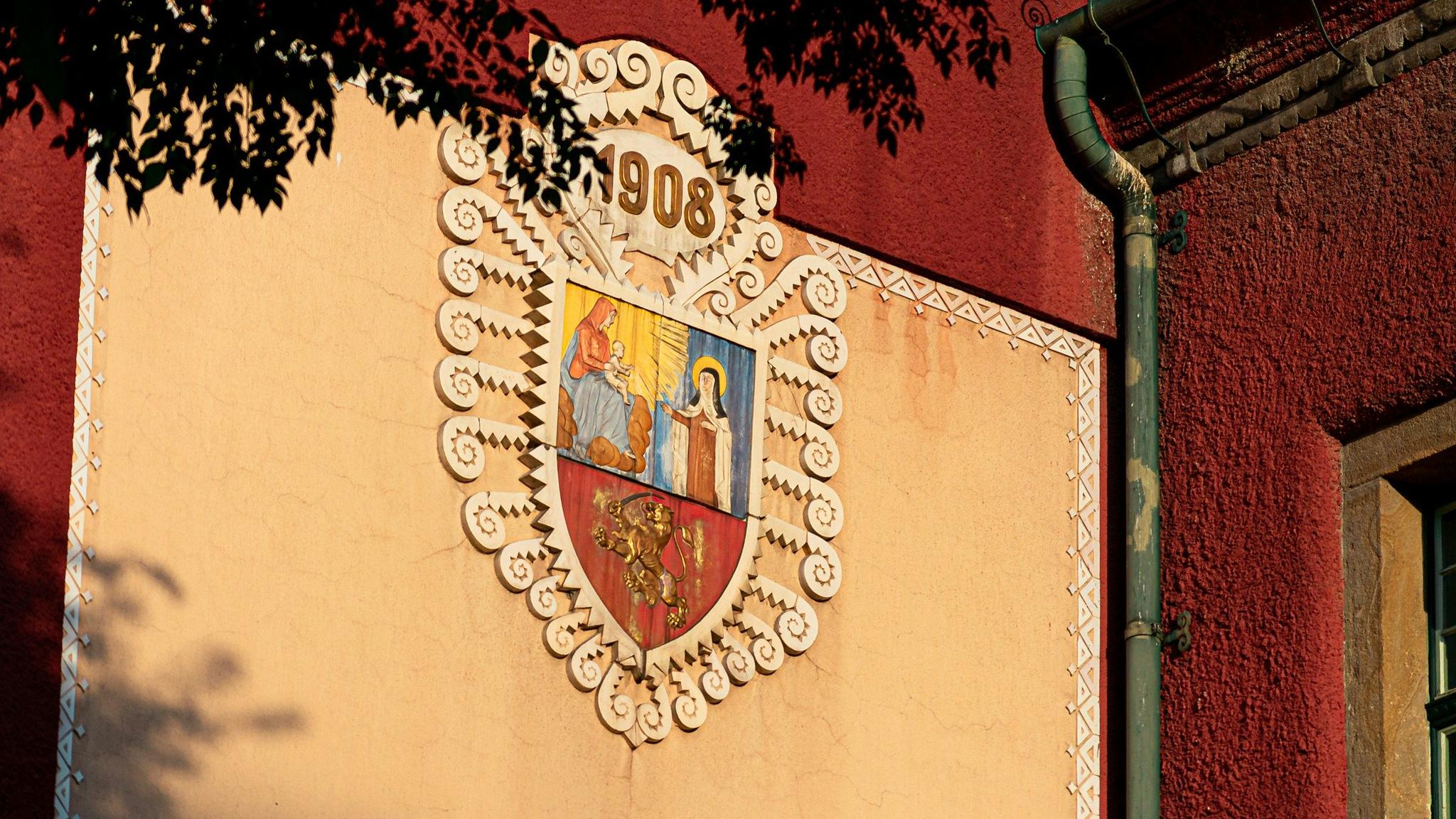
Subotica sits close to the border with Hungary, and its City Hall would look at home in Budapest. Komor and Jakab built it in Hungarian Art Nouveau between 1908 and 1910, with a 76 m tower and a viewing platform at 45.5 m. Individual tours run Tuesday to Friday at noon. The same two architects designed the synagogue (1901 to 1903), which was restored and reopened in 2018. The Soko gets you here from Belgrade in about 1 hour 19 minutes for 1,210 Din, which makes it an easy day trip. Time your arrival for the noon tour, then spend the afternoon at Palić, the lake resort just outside town.
Stay a night in Niš
Give Niš at least one night. Constantine the Great was born here, in the Roman city of Naissus, but the sight we'd put first is far younger. Skull Tower (Ćele kula) went up after the Battle of Čegar in 1809 and once held 952 skulls; 58 remain, inside a chapel built around the tower in 1892 to 1894. Entry is 300 Din, and it's closed on Mondays. Mediana, the remains of a Roman imperial villa, costs 500 Din, or you can buy a 1,200 Din ticket for all the National Museum Niš sites. Niš Fortress, mostly built in 1719 to 1723, hosts the Nišville jazz festival every August. The bus from Belgrade takes about 3 hours.
Drive the Iron Gates in Đerdap National Park
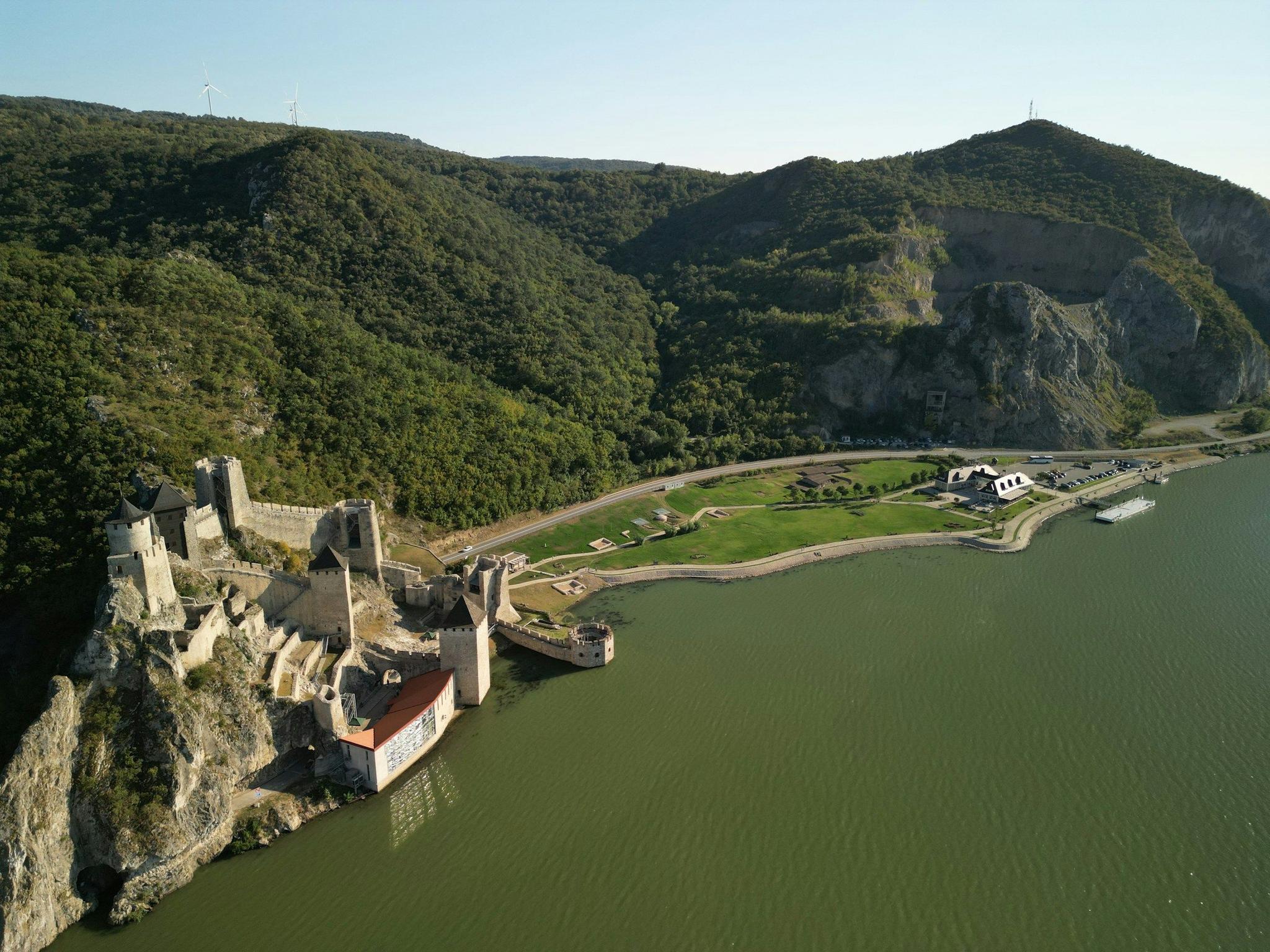
Đerdap National Park follows the Danube along the Romanian border through one of Europe's longest river gorges, and in 2020 it became Serbia's first UNESCO Global Geopark. You need a car here, and we'd hire one just for this stretch. Golubac Fortress dates from the 14th century and reopened after restoration in April 2019. Its cheapest ticket, the green zone, costs 950 Din, and it's closed on Mondays. Further downstream is Lepenski Vir, a prehistoric settlement found in 1960 and moved 30 m uphill in 1971 when the Iron Gate dam raised the river. Golubac is about 2 hours' drive from Belgrade. Sleep in Donji Milanovac and drive the gorge road in the afternoon light.
Stand on Banjska stena in Tara National Park
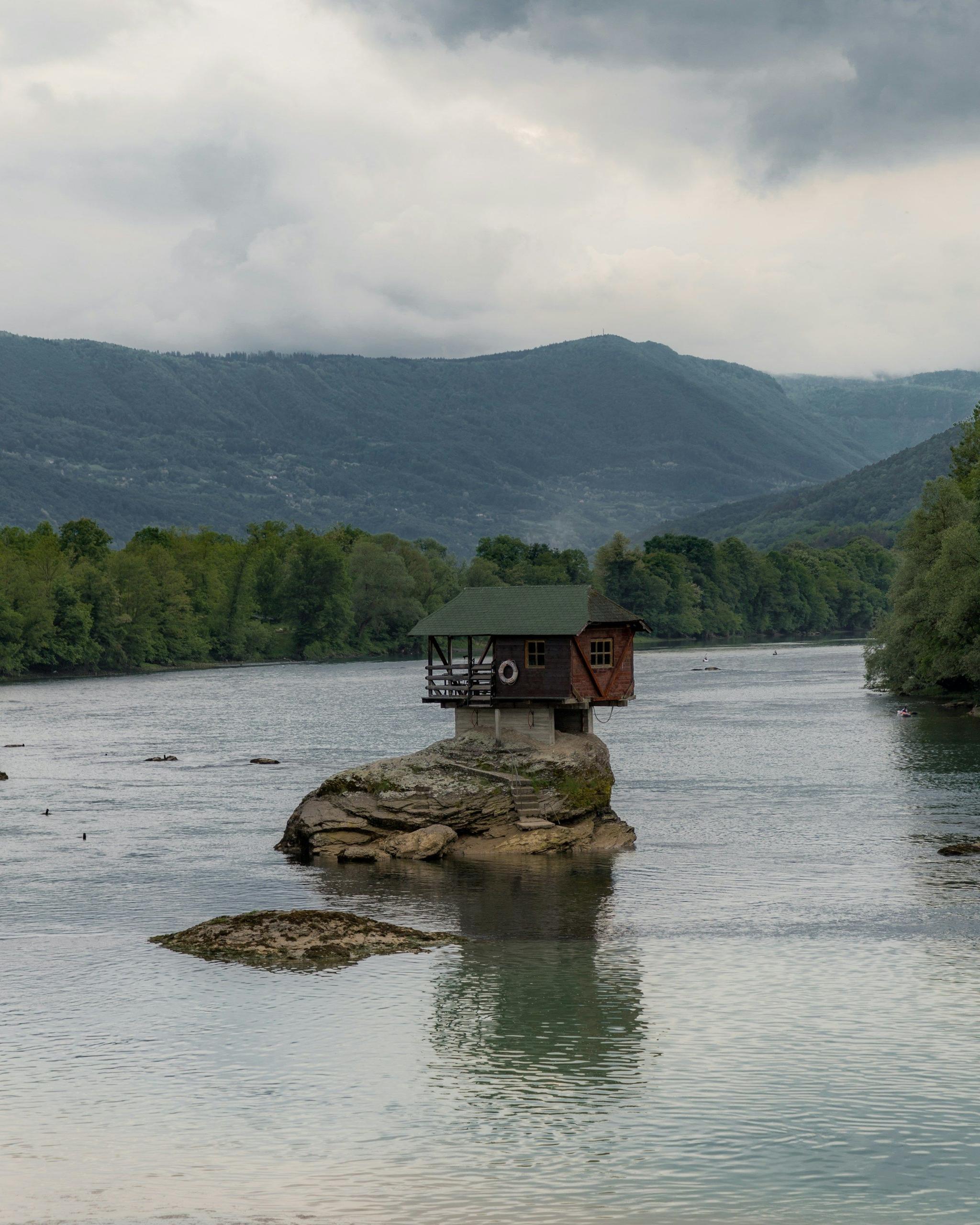
Banjska stena is the view we'd cross the country for. This rock at 1,065 m looks straight down on the Drina canyon and Perućac lake, and it's the most visited viewpoint in Tara National Park. The park was created in 1981 and enlarged in 2015 to about 250 km², and about 60 brown bears were counted here in 2019. Near Bajina Bašta, a small wooden house sits on a rock in the middle of the Drina. Give Tara two nights, based at Mitrovac, Kaluđerske Bare or Perućac, and time Banjska stena for sunset.
Use Zlatibor as a mountain base
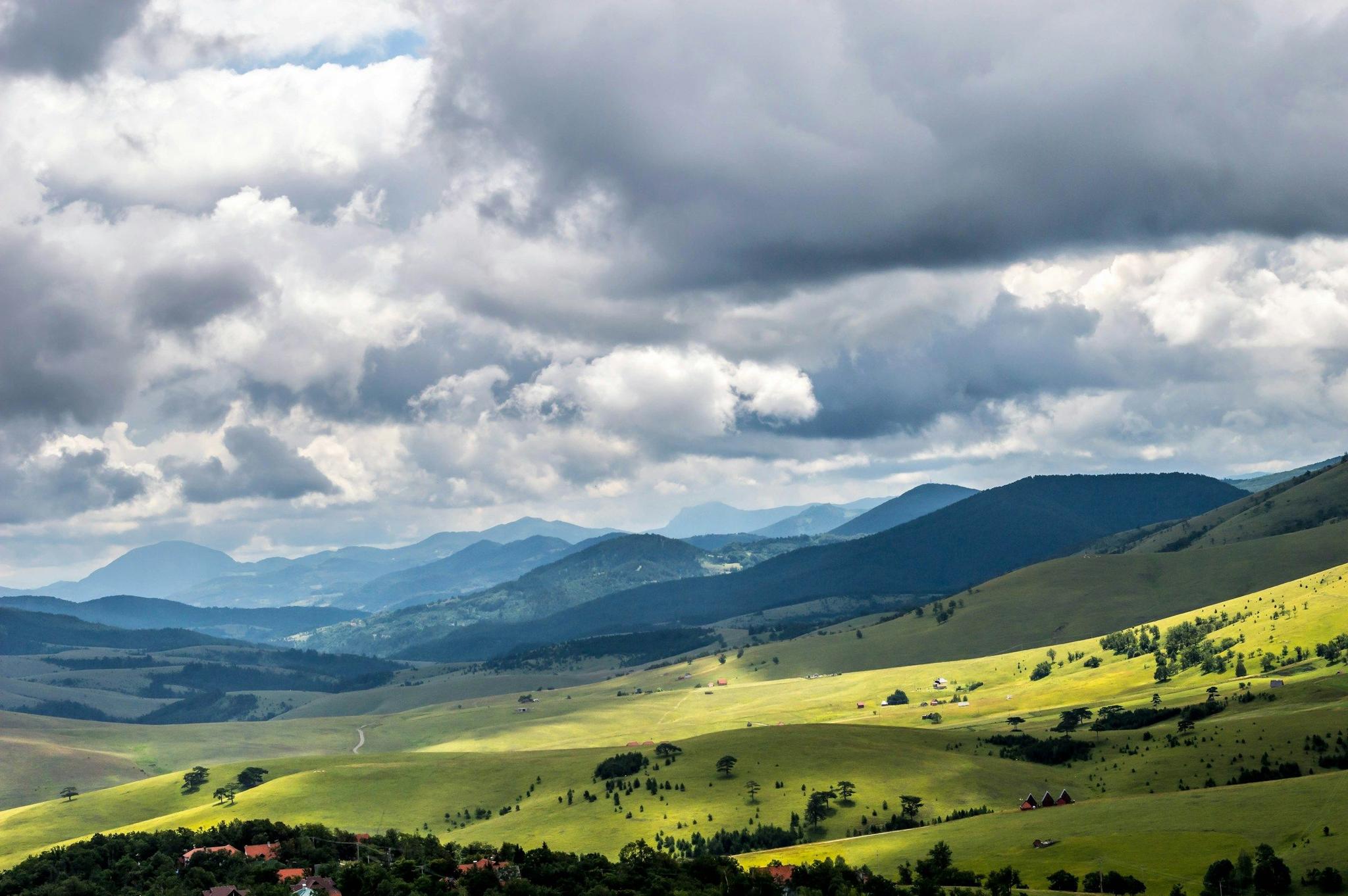
The Gold Gondola, opened in January 2021, runs about 9 km from Zlatibor's centre past Lake Ribnica to Tornik at 1,496 m, taking about 25 minutes each way. It's one of the longest panoramic gondolas in Europe, and the first ride leaves at 08:30. Skip the high street in the resort centre and treat the town as a base. Stopića cave, 19 km from the centre, runs for about 1,691 m and has a waterfall up to 9.44 m high. Sirogojno, an open-air village museum, is the other short trip. Buses from Belgrade take 3 to 4.5 hours and cost about 2,000 Din.
Ride the Šargan Eight at Mokra Gora
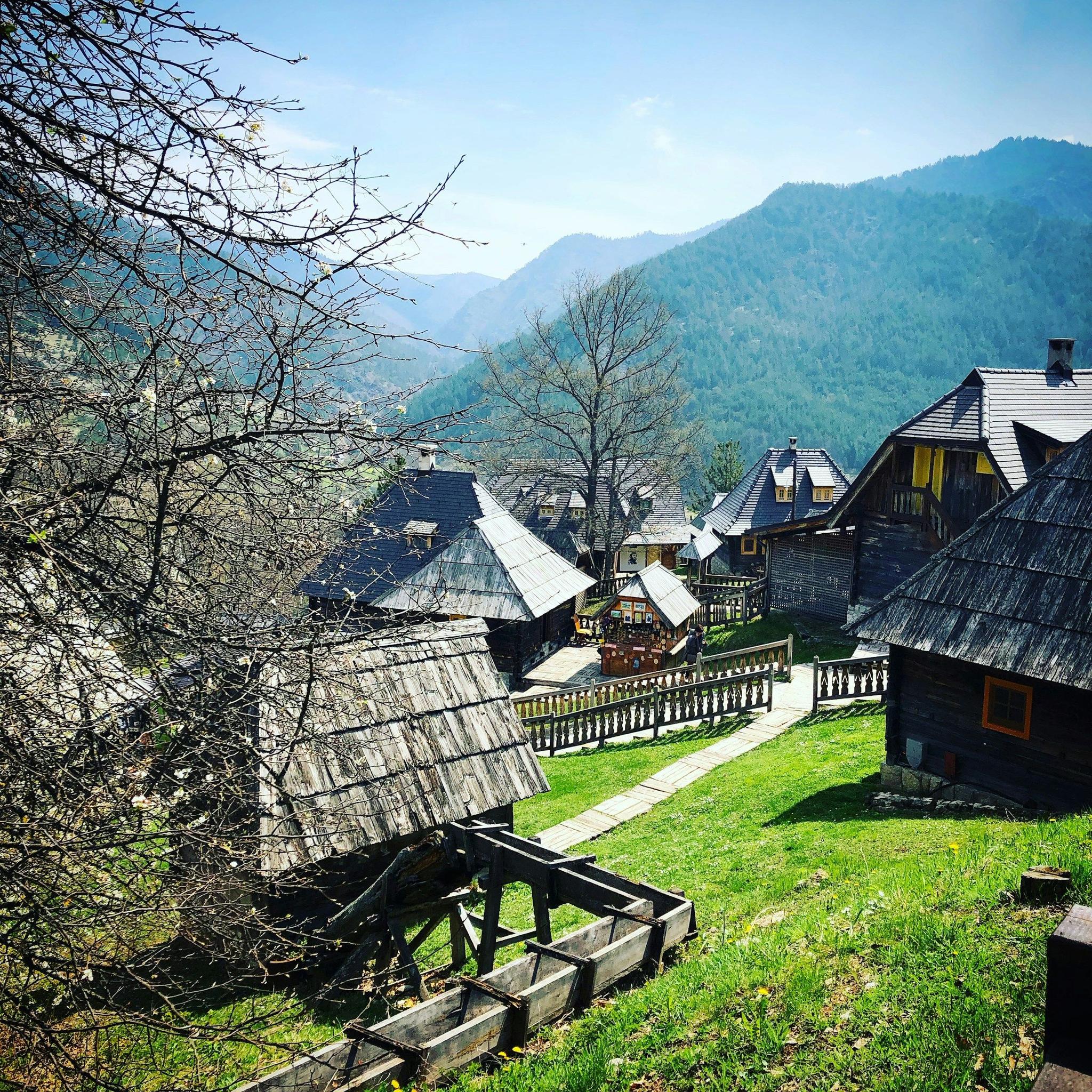
Want to see a railway loop back over itself? The Šargan Eight is a 760 mm narrow-gauge line that climbs about 300 m in a figure of eight. The loop is about 15.4 km long, with 22 tunnels and 5 bridges. The line closed in 1974 and was restored for tourists in 2003, and it now runs from late March to October. In spring or autumn, book the 10:30 departure. Drvengrad, also called Küstendorf, is the wooden village the director Emir Kusturica built in 2003 and 2004 for his film Life Is a Miracle. It has hosted the Küstendorf film festival since 2008. Mokra Gora fits into the day between Zlatibor and Tara.
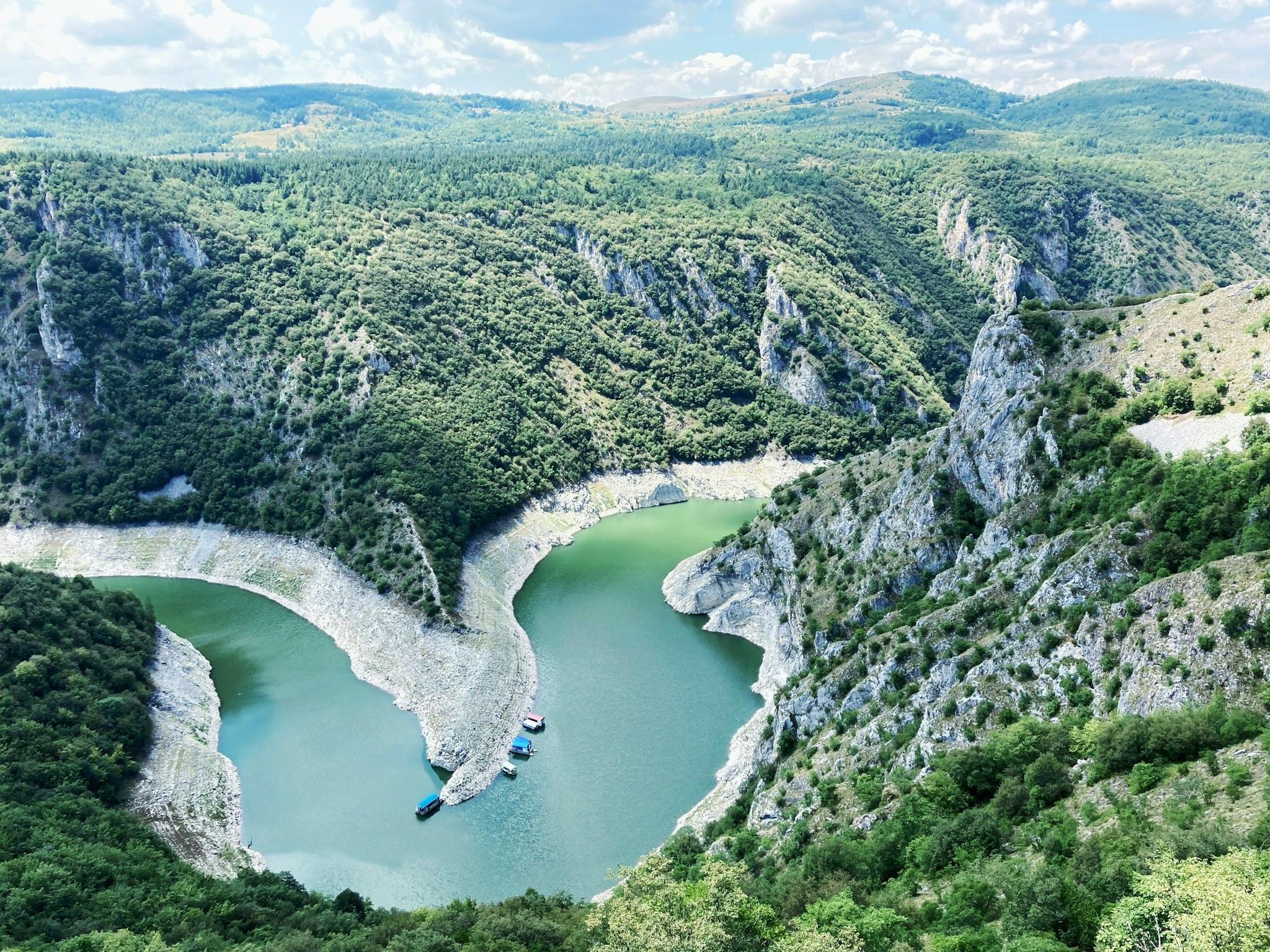
Take a boat through the meanders of Uvac
Uvac Special Nature Reserve has been protected since 1971, and the Uvac river here bends back on itself again and again between steep canyon walls. Hundreds of griffon vultures nest on the cliffs. Boats leave from Rastoke, near Nova Varoš, on a trip of about 3 hours that includes the Ice Cave (2,000 Din per person). From Krstac, near Sjenica, a boat trip plus the hike to the Molitva viewpoint costs 1,800 Din, and the walk is about 6 km each way. Add the 100 Din reserve fee and book ahead. Take the earliest boat for the best chance of seeing the vultures, and come by car or on a tour from Zlatibor.
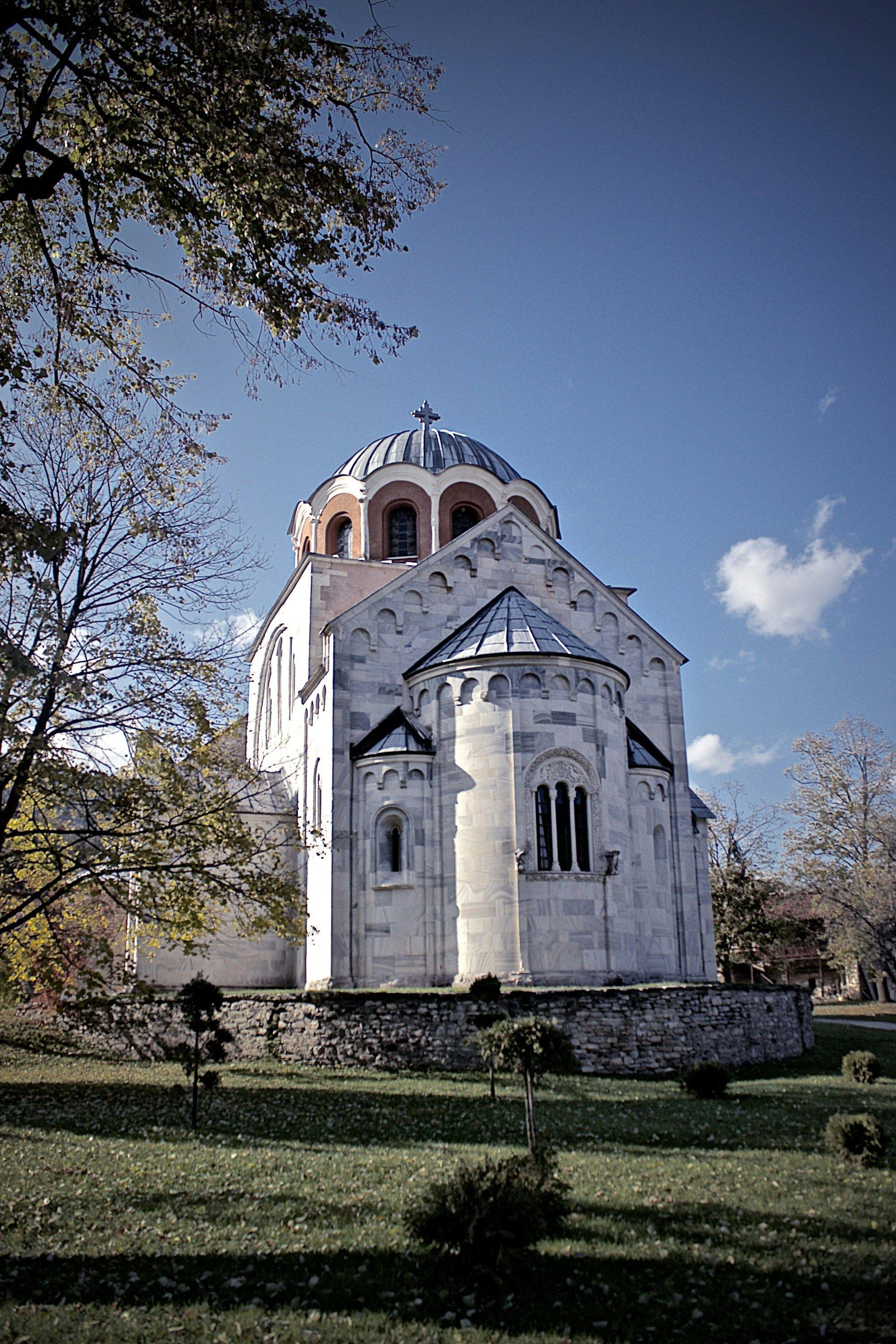
See the 1209 Crucifixion at Studenica Monastery
If you only visit one monastery in Serbia, we'd make it Studenica. Stefan Nemanja founded it around 1190, about 39 km southwest of Kraljevo, and it has been on UNESCO's World Heritage list since 1986. The Church of the Virgin is built of white marble, and inside is the Crucifixion fresco painted in 1209. The King's Church dates from 1314. Arrive early and give the Crucifixion time. Rural public transport is thin out here, so this is a car trip, and it pairs well with a stop in Kraljevo.
Visit Sopoćani and Stari Ras from Novi Pazar
Stari Ras was the first Serbian capital, and together with Sopoćani monastery it has been a UNESCO World Heritage Site since 1979. Sopoćani, about 15 km west of Novi Pazar, was built around 1259 to 1270. Its frescoes, painted between 1263 and 1268, include the Dormition of the Virgin. Novi Pazar itself has an Ottoman-era old town, and we'd spend a night here rather than rushing through. Public transport is thin here too, so plan on a car, and visit Studenica on the same trip.
Serbia itinerary ideas for your trip
Without a car, stick to the north and the bus to Niš. With one, you can reach the Danube gorge and the western mountains, which is where Serbia is at its best.
5 to 7 day Serbia itinerary
- Day 1-2: Belgrade, with Kalemegdan, Knez Mihailova, Skadarlija, the Temple of Saint Sava, the Museum of Yugoslavia and Zemun.
- Day 3: Soko to Novi Sad (about 36 minutes, arriving at Petrovaradin station), then Petrovaradin Fortress at dusk.
- Day 4: Sremski Karlovci and Fruška Gora, a short bus or taxi ride from Novi Sad.
- Day 5: Soko to Subotica for the noon City Hall tour and an afternoon at Palić, then back to Belgrade.
- Day 6-7: Bus to Niš (about 3 hours) for Skull Tower, Mediana and the fortress, then the bus back.
On a 5-day trip, stop after Day 5.
10 to 14 day Serbia itinerary
- Day 1-2: Belgrade.
- Day 3: Novi Sad, Petrovaradin and Sremski Karlovci.
- Day 4: Subotica and Palić, then back to Belgrade or stay the night.
- Day 5-6: East along the Danube to Golubac (about 2 hours), then Lepenski Vir and the Iron Gates, sleeping in Donji Milanovac.
- Day 7: Gamzigrad-Romuliana, the UNESCO-listed palace begun by Galerius near Zaječar, then a few hours on to Niš.
- Day 8: Niš, with an optional trip to Đavolja Varoš, the field of earth pillars near Kuršumlija.
- Day 9: Studenica, then Novi Pazar for Sopoćani and Stari Ras.
- Day 10: A boat on the Uvac, then a night in Nova Varoš or Zlatibor.
- Day 11: Zlatibor, with the Gold Gondola, Stopića cave and Sirogojno.
- Day 12: Mokra Gora for the Šargan Eight (late March to October) and Drvengrad, then on to Tara.
- Day 13: Tara, with Banjska stena at sunset.
- Day 14: About half a day's drive back to Belgrade.
Mondays are the day to keep free for driving, because Golubac, Skull Tower, Mediana, the Museum of Yugoslavia and the paid sites inside Belgrade Fortress all close. To add a night on the Danube or swap Niš for an extra day in Tara, build or adjust this route in the Guided trip planner.
Fun things to do in Serbia
The best of Serbia happens after dark or out of town, and the five things below cover both.
Spend an evening in a Skadarlija kafana
A kafana is a traditional tavern, and the custom goes back to the Ottoman era. In Skadarlija, bands of tamburaši or starogradska musicians play at the tables and take requests. The usual tip is about 500 Din a song. Book a table for a late dinner and let the musicians come to you. It's the one Belgrade evening we wouldn't skip.
Go out on Belgrade's splavovi
If you're new to the splavovi, the barge clubs moored along Belgrade's rivers, start at Ada Ciganlija, where the scene is the most laid-back. The Tourist Organisation of Belgrade groups the clubs in three zones. The most fashionable line the Danube by Hotel Jugoslavija, and another cluster sits on the Sava between the bridges. Music runs from folk to techno, and the barges are at their best in summer.
Hear the brass bands at Guča
Four bands and about 2,500 spectators started the Guča Trumpet Festival in 1961, in a village in western Serbia that now fills with brass bands every August. The festival usually runs from Friday to Sunday in early August, and the core programme is free. Check the dates each spring and book a room early, or base yourself in a nearby town.
Go wine tasting around Fruška Gora
Want to try bermet? Sremski Karlovci is the place, because only a few families there still make this spiced dessert wine. It runs between 16% and 18%, so one glass is plenty. If you're here in September, the grape harvest festivals are the time to go, with Župska berba in Aleksandrovac, Grožđebal in Vršac and the Banoštor Grape Days.
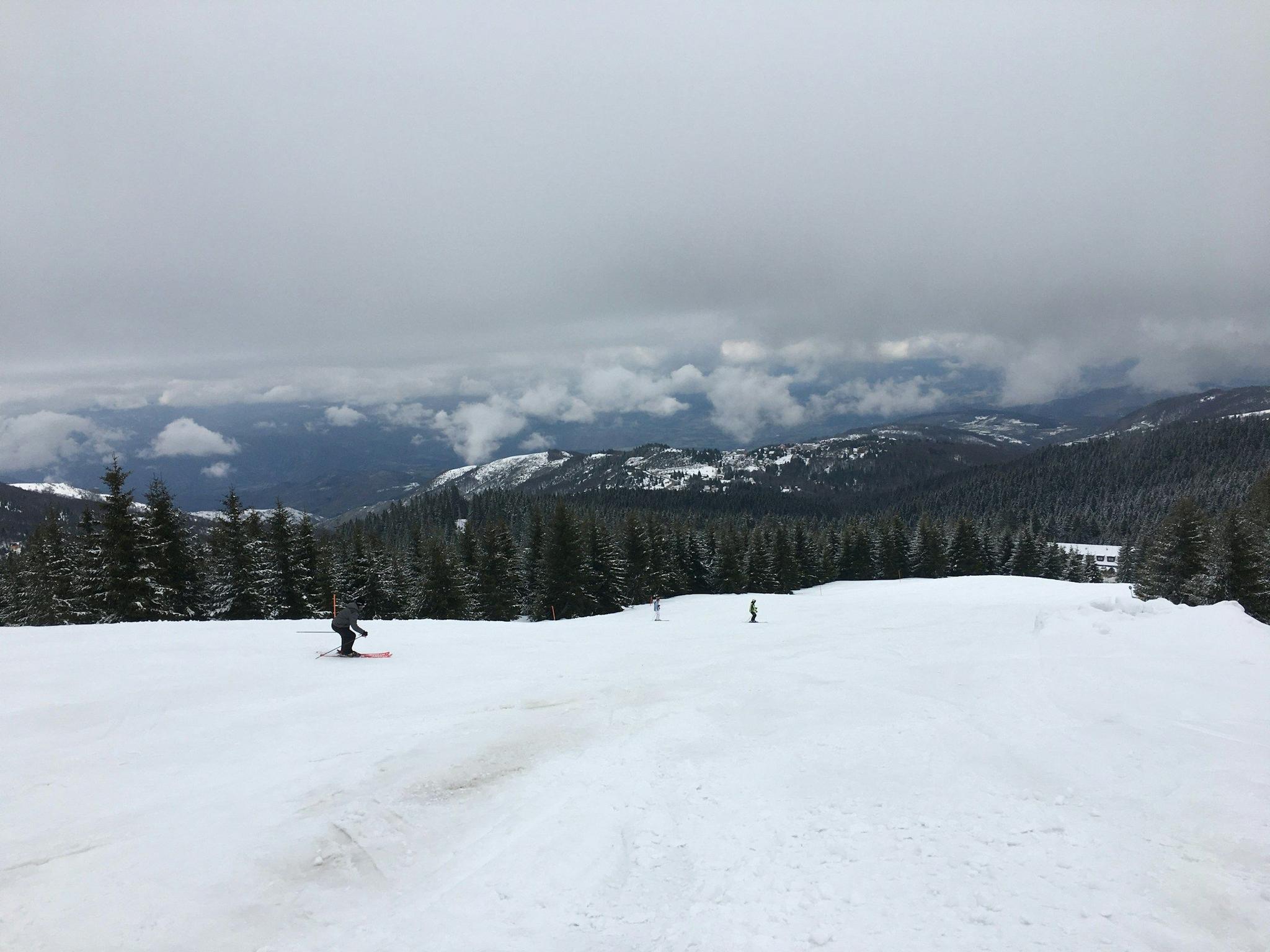
Ski Kopaonik for less
A day pass on Kopaonik cost 5,600 to 6,500 Din in 2025/26, and a six-day pass 24,900 to 27,100 Din. Early reports say 2026/27 prices are unchanged, which in our view makes it one of the better-value places to ski in Europe. The resort rises to 2,017 m at Pančićev vrh, with 25 lifts and snow from November to April, and the season usually opens in December.
When to go to Serbia?
Belgrade's July highs average about 29 °C, and January days hover around 5 °C, with most of the year's 33 or so snowy days between December and February. June is the wettest month. Our pick is autumn, when the heat has gone and the vineyards are busy.
- Spring is mild and green, with the Belgrade Marathon in April and Orthodox Easter on 2 May 2027.
- Summer is hot, with the barge clubs in full swing and the Drina Regatta floating down from Perućac in July. Guča and Nišville fill August, and EXIT returns to Petrovaradin Fortress in July 2027.
- Autumn brings grape harvest festivals and the BITEF theatre festival in September, then the FEST film festival and BEMUS in October.
- Winter is cold, around 0 to 5 °C in Belgrade, with snow in the hills. Skiing on Kopaonik usually starts in December, and Orthodox Christmas falls on 7 January.
Did you know you can create your own itinerary?
Now that you know what to see in Serbia, you can start creating your own trip. Do you want more late nights in Belgrade's kafanas, or are you thinking more about Danube gorges and mountain viewpoints in Tara? It's all up to you. You can easily create your own trip in the Guided app for free, or use trips shared by others.
Where to stay in Serbia?
For a first trip we'd start in Belgrade's Stari Grad, add Novi Sad, and then either a night in Niš or, if you have a car, one mountain base in the west. Belgrade hotels average about 6,800 Din a night at weekends and 9,800 Din on weeknights, and February is the cheapest month.
Stari Grad and Dorćol, Belgrade
Everything a first visit needs is walkable from the old centre, from Kalemegdan to Knez Mihailova and Skadarlija. Apartments in Stari Grad average about 9,940 Din a night on Airbnb, against 8,920 Din for Belgrade as a whole, and they're worth it for a short stay.
Zemun
Staying longer in Belgrade? We'd pick Zemun, a quieter old town on the Danube with fish restaurants along the water. Apartments here average about 6,944 Din a night, well below the centre.
Novi Sad
Novi Sad is 36 minutes from Belgrade on the Soko, and it's the obvious base for Petrovaradin and the Fruška Gora hills. Airbnb averages about 6,480 Din a night.
Zlatibor and Tara
Pick Zlatibor for convenience or Tara for the forest. Zlatibor is the base for Mokra Gora, Uvac and Sirogojno. In Tara, look at Mitrovac, Kaluđerske Bare or Perućac. Tara gets busy in August, when Airbnb rates peak at about 9,997 Din and occupancy nearly doubles, so book early for high summer.
Niš
The cheapest of these bases is Niš, the hub for the south, with Airbnb averaging about 5,100 Din a night.
Getting around when visiting Serbia
Do you need a car in Serbia? Between Belgrade, Novi Sad, Subotica and Niš, no. For Đerdap, Uvac and Tara, yes, because rural buses are thin on the ground.
Take the Soko north with Srbijavoz
Srbijavoz runs Serbia's trains, and the high-speed line from Belgrade to Subotica has been fully open since October 2025, at up to 200 km/h. The Soko reaches Novi Sad in about 36 minutes (679 Din with a reservation) and Subotica in about 1 hour 19 minutes (1,210 Din). Buy tickets in the Srbijavoz app or on the website before you board, because you can't buy Soko tickets on the train and boarding without one costs a 500 Din surcharge. Trains leave from Beograd Centar, also called Prokop, where the 24-hour ticket office takes cards. Novi Beograd station is closed to trains until mid-December 2026 for works. Direct Belgrade-Budapest high-speed trains are due to start in December 2026; check srbijavoz.rs. The overnight Lovćen train to Bar in Montenegro leaves Belgrade at 19:54 every evening and arrives at 06:54. The train south to Niš takes 5.5 to 6.5 hours, so skip it.
Book intercity buses on polazak.rs
Buses are faster than trains for Niš and cover most of the west. Belgrade's main bus station, BAS, moved in September 2024 to Blok 42 in Novi Beograd, and trams 7, 9, 11 and 13 run there. The QR code on your ticket opens the gate to the platforms. Lasta is one of the operators, and you can compare and book on polazak.rs or bas.rs. Belgrade to Niš costs 1,600 to 1,700 Din and takes about 3 hours, with around 12 buses a day. Belgrade to Zlatibor costs about 2,000 Din, with 14 buses a day.
Ride Belgrade's buses and trams for free
Since 1 January 2025, Belgrade's buses, trams, trolleybuses and BG:voz trains have been free for everyone, tourists included. The exceptions are the A1 airport minibus (400 Din, 35 to 45 minutes to Slavija) and the E-numbered express minibuses. Bus 72 from the airport to Zeleni venac is free and takes 45 to 60 minutes. Uber and Bolt don't operate in Serbia, but Yandex Go and CAR:GO do, and Naxis is a large licensed taxi firm. Taxis charge 320 to 380 Din to start, then about 105 to 150 Din per kilometre. At the airport, buy a fixed-fare taxi voucher from the e-kiosks in arrivals or baggage claim.
Hire a car for the Danube and the west
KAYAK's Belgrade listings put car hire at about 2,600 Din a day on average, with small cars from about 1,500 to 1,900 Din, and March is the cheapest month. Motorway tolls cost 1,180 Din from Belgrade to Niš and 340 Din to Novi Sad, payable in dinars, euros or by card. Many Serbian hire firms won't let you take the car into Albania or Bulgaria, so check before planning a loop across the border. The Ibarska magistrala road from Belgrade towards Montenegro has a poor safety record, so take it slowly.
Food and drinks you should try when visiting Serbia
Serbian food is built around the grill, and Leskovac in the south calls itself the grill capital, with its Roštiljijada festival in the last week of August. A cheap meal in Belgrade costs about 1,390 Din, and a mid-range dinner for two about 6,000 Din. Tipping isn't compulsory, but about 10% in cash is usual in restaurants, because card tips are often impossible.
Ćevapi and pljeskavica
Roštilj, the Serbian grill, starts with these two. Ćevapi are small fingers of grilled minced meat, and pljeskavica is the same idea as a large patty. Both come with raw onion, kajmak and lepinja flatbread. Order ćevapi on your first night.
Kajmak and ajvar
Kajmak is a cured spread made from clotted cream, rich and slightly salty. Ajvar is a relish of roasted red peppers, and the Leskovac version has its own Serbian protected name. We'd spread both on warm bread and call it lunch.
Burek and gibanica
Breakfast in Serbia often comes from the bakery. Burek is a flaky filo pie, usually eaten with a glass of yoghurt. Gibanica is a layered filo pie of cheese and egg, and our pick of the two.
Sarma
Sarma are rolls of fermented cabbage leaves stuffed with minced meat. It's winter food and a standard dish at a slava, the family feast day.
Šljivovica and rakija
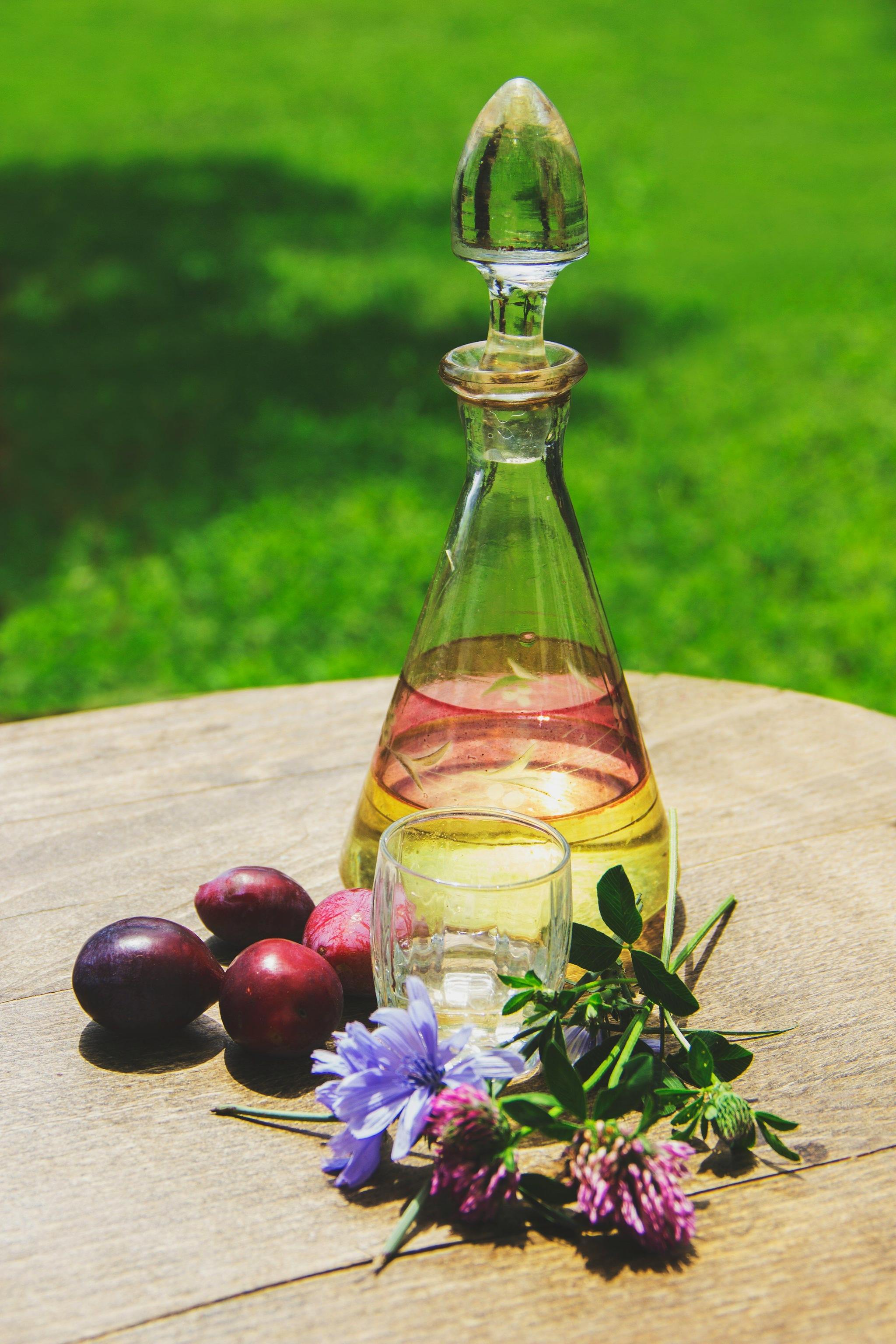
Rakija is Serbia's fruit brandy, and šljivovica is the plum version. The practices of making and drinking šljivovica were added to UNESCO's intangible heritage list in 2022. Raise your glass, say "Živeli!" and look each person in the eye as you toast.
Culture and local habits you'll notice when visiting Serbia
Serbian is written in two alphabets. The Constitution makes Cyrillic the official script, but Latin is everywhere, and both follow Vuk Karadžić's reform, which spells words the way they sound. About 81% of people are Serbian Orthodox. Every family has its own patron saint, and its feast day, the slava, has been on UNESCO's intangible heritage list since 2014. The kolo circle dance followed in 2017 and gusle singing in 2018. English is good, especially in the cities, and Serbia ranked 22nd in the 2025 EF English Proficiency Index.
People shake hands with eye contact, and friends greet each other with three kisses on alternating cheeks. We'd take the toast seriously too, and hold eye contact as you raise your glass. If you're invited to someone's home, take your shoes off unless you're told not to, and don't refuse food outright. Smoking is still allowed in many cafés and kafanas, which takes some getting used to. Avoid comparing Serbia's politics with its neighbours'. Dinners run late and long.
Looking for more unique places, trips and activities?
Subscribe to our Guided Newsletter for more travel inspiration.
Costs of a holiday to Serbia
Serbia is one of the cheaper countries in this part of Europe. Numbeo's mid-2026 cost of living index puts it at 42.5, about level with Montenegro (42.8) and Bulgaria (42.0), and about a sixth below Croatia (51.3) and Hungary (49.8). The UK sits at 68.2. Bosnia and Herzegovina and North Macedonia are cheaper again. Free buses and trams in Belgrade cut costs further, and we'd put the savings towards a boat on the Uvac or a night in Tara.
Food & Drink

Coffee
200 Din – 450 Din
Lunch
900 Din – 2,000 Din
Beer
250 Din – 500 Din
Accommodation
Hotels
4,000 Din – 10,000 Din
Airbnb
5,000 Din – 10,000 Din
Hostel dorm
800 Din – 1,800 Din
Transport
Trains
549 Din – 1,412 Din
Intercity bus
1,600 Din – 2,000 Din
Car Rental
1,500 Din – 5,000 Din
Attractions
Museums
300 Din – 800 Din
Big Attractions
950 Din – 2,500 Din
Festival night
2,500 Din – 3,500 Din
Practical tips for visiting Serbia
These are the things we'd check before you go. The 24-hour police registration is the one to know first.
✔ Check entry rules before you travel
Many nationalities, including the UK, EU and US, can visit Serbia without a visa for up to 90 days in any 180-day period. UK passports must be valid for at least 90 days after the date you leave. Make sure your passport is stamped when you enter. Serbia isn't in the Schengen area, so time here doesn't count against your Schengen days, and the EU's EES and ETIAS don't apply. You can't enter Serbia directly from Kosovo unless you already have a Serbian entry stamp. Declare cash of €10,000 or more. Read the latest GOV.UK entry requirements before you book.
✔ Make sure you're registered with the police
Every foreign visitor must be registered with the police within 24 hours of arriving. Hotels, hostels and apartments do this for you through the eTurista system. If you're staying with friends, your host has to register you, and failing to do so can mean a fine, arrest or a court appearance.
✔ Carry dinars as well as a card
Serbia uses the dinar, at about 117.6 Din to the euro. Cards work widely in the cities, but markets and village shops want cash. Use bank ATMs and choose to be charged in dinars, not your home currency. Euros aren't generally accepted day to day, though motorway tolls take them. Change any leftover dinars before you leave.
✔ Know the rules of the road
Dipped headlights must be on at all times, and winter tyres are compulsory from 1 November to 1 April. The drink-drive limit is very low, so don't drink at all if you're driving. Roadside assistance is on 1987.
✔ Stay alert in crowds and at football derbies
The UK Foreign Office doesn't advise against travel to any part of Serbia, and the US State Department rates it Level 2, exercise increased caution, because of crime. Pickpockets work tourist areas, airports and public transport. Use a registered taxi with a municipal number or an app, and stay away from Partizan versus Red Star derbies, which have seen violence. Large demonstrations have been common since late 2024, mostly peaceful but sometimes disruptive to transport; check current FCDO or State Department advice before you go. Unexploded landmines remain in the mountains near the Kosovo boundary in the south, so stay on marked roads and paths. Carry your passport, and don't photograph military or police sites. The emergency number is 112.
✔ Cover up in monasteries and learn a few words
Cover your shoulders and knees in Orthodox churches and monasteries. A few words of Serbian go a long way, and hvala is the one you'll use most.
- Zdravo: hi
- Dobar dan: good day
- Hvala: thank you
- Molim: please, or you're welcome
- Izvinite: excuse me
- Živeli: cheers
- Doviđenja: goodbye
Fun facts about Serbia
Serbia has more to it than rakija and fortresses. A few facts we like.
- By the national tourist board's count, 16 Roman emperors were born in what is now Serbia.
- Serbian is one of the few languages routinely written in two alphabets, Cyrillic and Latin.
- Serbia was the world's third-largest raspberry producer in 2023, with about 98,700 tonnes.
- The English word "vampire" most likely came from Serbian via German, helped along by reports of a case in Serbia in 1725.
- Đavolja Varoš, or Devil's Town, has 202 earth pillars up to 15 m tall.
- Nikola Tesla's ashes rest in the Nikola Tesla Museum in Belgrade.
Lepenski Vir's fish-faced stone sculptures are about 9,000 years old, which puts them among the earliest monumental sculpture in Europe.
Ready to map out your trip to Serbia?
We hope this Serbia travel guide has given you a clear starting point for your trip, whether you're heading for Belgrade's fortress and barge clubs or the gorges of the Danube. Stay tuned for more inspiration, itineraries and practical tips to help you shape your perfect holiday to Serbia. And don't forget to check out our Guided travel planning app, where you can create your own trip or use trips shared by other travellers for free.
FAQS about visiting Serbia
How many days do you need in Serbia?
Three or four days cover Belgrade and Novi Sad. A week adds Subotica and Niš, and with 10 to 14 days and a car you can reach the Iron Gates, the monasteries, Uvac, Zlatibor and Tara. Inside the Guided app, you can create your own trip route and find out how many places you can fit into your trip.
What is the best part of Serbia to visit?
Belgrade, for a first trip. Novi Sad and Fruška Gora make an easy second base, while the west, with Zlatibor, Tara and Uvac, is the best part for nature. For the Danube, go to Đerdap.
What is Serbia known for?
Belgrade's nightlife and Kalemegdan fortress, plus rakija and grilled meat. It's also known for the brass bands of Guča and for its Orthodox monasteries.
Can you travel around Serbia without a car?
Yes, along the main north-south line. Soko trains link Belgrade, Novi Sad and Subotica, and buses run to Niš and Zlatibor. Đerdap, Uvac and Tara are much easier with a car or on a tour.
Is Serbia expensive?
No. Numbeo puts Serbia at 42.5 on its cost of living index, against 51.3 for Croatia and 49.8 for Hungary. A cappuccino costs about 325 Din, a cheap meal about 1,390 Din, and Belgrade's buses and trams are free.
Is Serbia safe to visit?
Yes, with normal care. The UK doesn't advise against travel to any part of Serbia, and the US rates it Level 2 because of crime, with petty theft and football derbies the main issues. Demonstrations have been frequent since late 2024. Most are peaceful but they can disrupt transport, so check current FCDO or State Department advice before you go.
Is Belgrade or Novi Sad better?
Belgrade has the size and the nightlife. Novi Sad is calmer and easier to walk, with Petrovaradin and Fruška Gora on its doorstep. They're about 36 minutes apart on the Soko, so we'd do both.
Can you combine Serbia with Hungary or Montenegro?
Yes. The Soko reaches Subotica, near the Hungarian border, and direct Belgrade-Budapest trains are due to start in December 2026. For Montenegro, the overnight Lovćen train runs from Belgrade to Bar every night.
Plan your trip to Serbia in Guided.
Save the places you find, then let Guided lay out the days, the map and the details.
More in Europe
All destinations AlbaniaAlbania pairs a turquoise Ionian coast with Ottoman stone towns and wild mountains.
 AndorraAndorra is a tiny Pyrenean country known for ski slopes, Romanesque churches and hiking valleys.
 AustriaAustria is a beautiful alpine country known for its mountains, music, and imperial charm.
 BelgiumBelgium is known for medieval canal cities, beer, chocolate and the forested Ardennes.