
Malaysia

Malaysia travel guide: Everything you need to know before visiting Malaysia
In December 2024, UNESCO added "Breakfast culture in Malaysia" to its list of intangible heritage. The listing names nasi lemak, roti canai and teh tarik, the plates and pulled tea that start the day across the country. Malay, Chinese, Indian and Peranakan cooking sit side by side on the same street, much of it from hawker stalls that charge a few ringgit a plate, so you can eat across three cuisines before lunch.
The range is the other draw. In two weeks you can go from the Petronas Towers in Kuala Lumpur to the shophouse streets of George Town and Melaka, then fly to Borneo for Mount Kinabalu and semi-wild orangutans. Day-to-day costs are close to Thailand's, but Malaysia is more multicultural and less party-focused, with shorter distances and better infrastructure than much of Indonesia. It suits food travellers and wildlife lovers best, and it makes an easy first trip to Southeast Asia. Cheap-beer party trips are better off elsewhere. This guide covers where to go and how to fit it together, plus the rules worth knowing before you land.
5 reasons to visit Malaysia
We'd put the food first on any list about Malaysia, but the rest of the country makes a strong case too.
- Eat your way through George Town, where hawker stalls serve asam laksa and char kway teow for a few ringgit.
- Watch semi-wild orangutans come in to feed at Sepilok in Sabah or Semenggoh in Sarawak.
- Ride up to the Skybridge between the 451.9 m Petronas Towers.
- Climb Mount Kinabalu (4,095 m) for sunrise above Borneo.
- Walk the Dutch and Portuguese streets of Melaka, then stay for the Jonker Walk night market.
Where to visit in Malaysia?
How do you split your time between the peninsula and Borneo? Most first trips cover the west coast from Kuala Lumpur up to Penang, then add the islands or Borneo depending on the season.
Kuala Lumpur
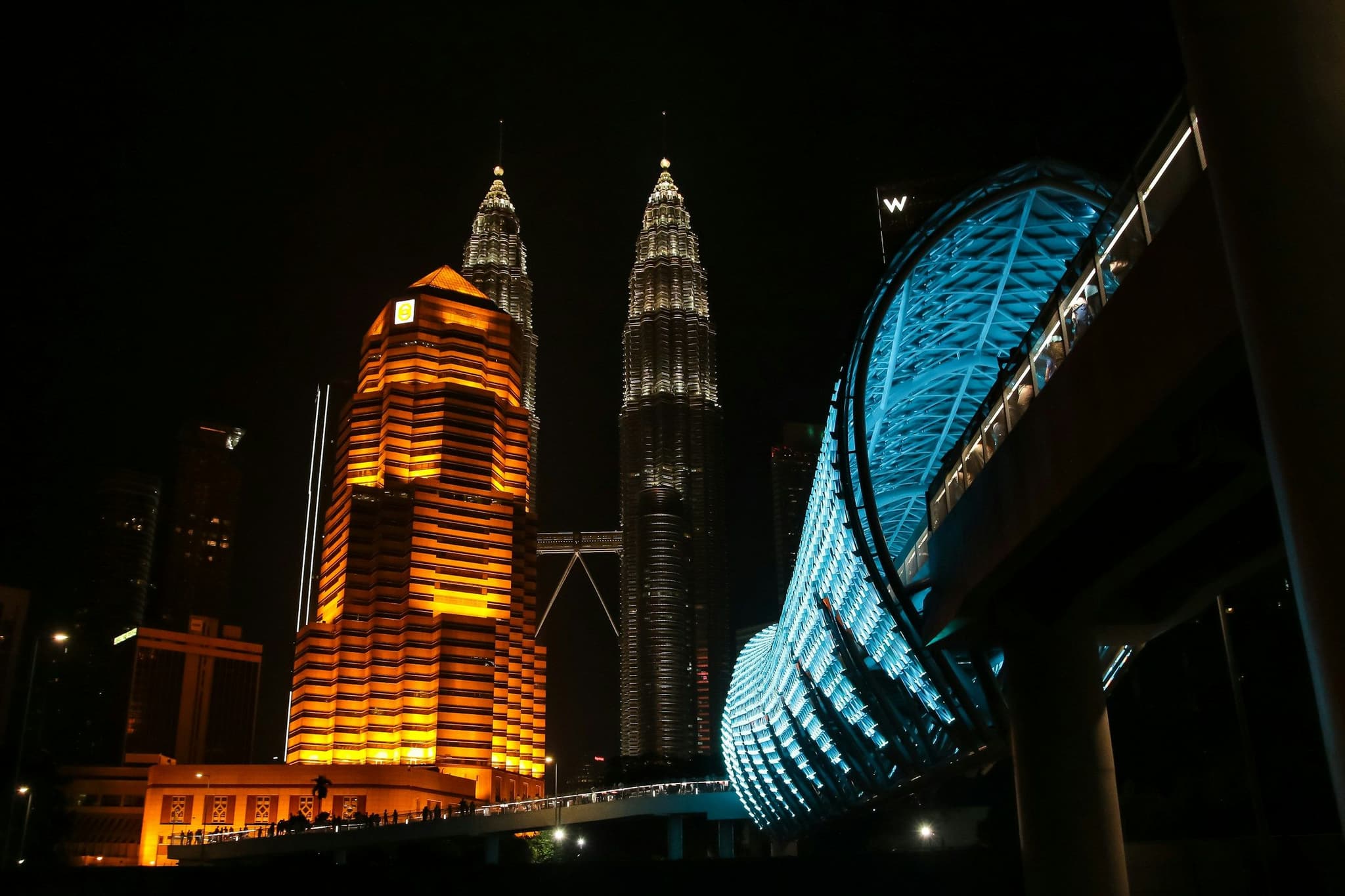
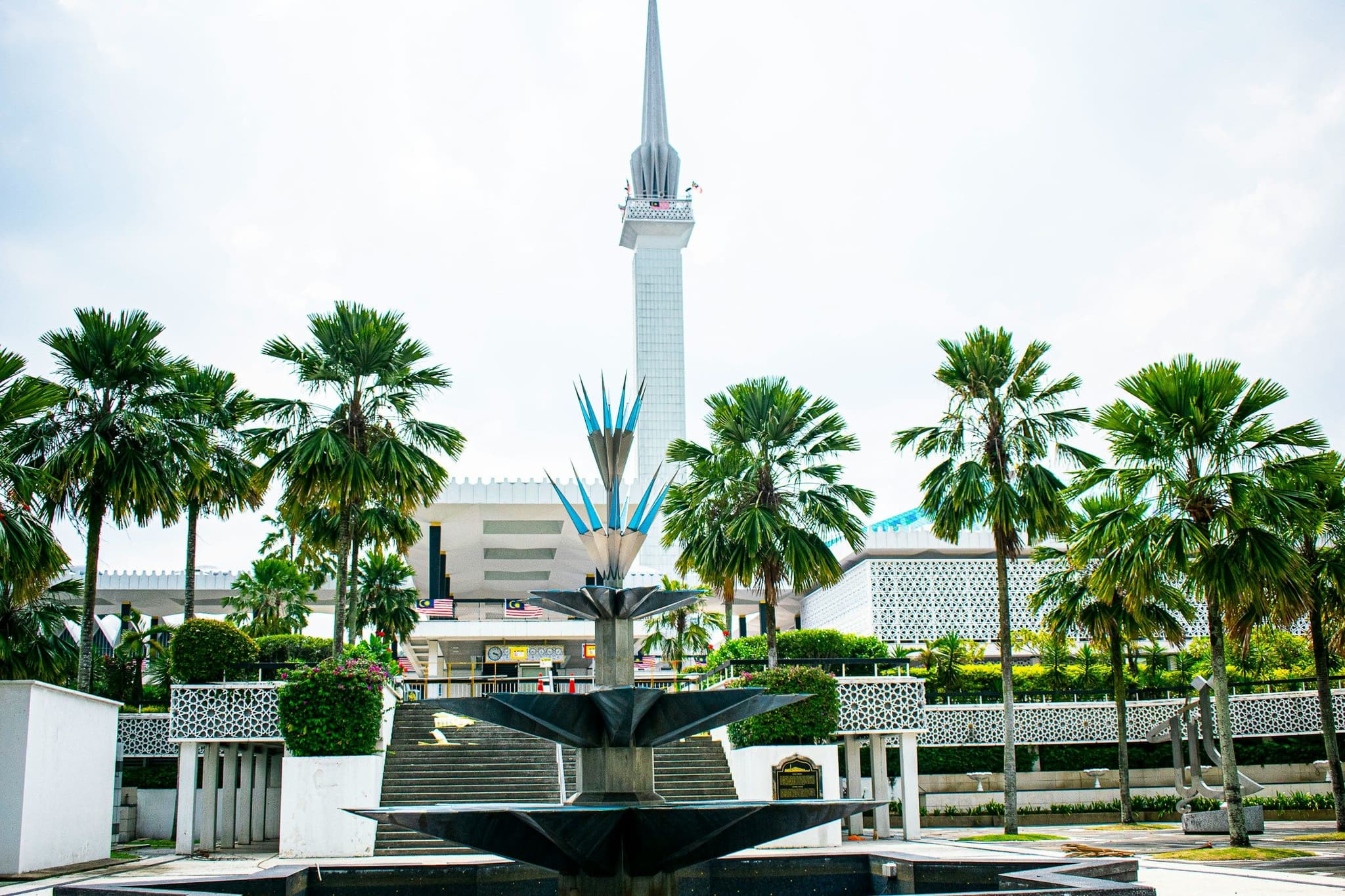
The Petronas Towers are 451.9 m tall, with 88 floors, and were the world's tallest buildings from 1998 to 2004. César Pelli designed them, and a single ticket covers the Skybridge on floors 41 and 42 and the observation deck on level 86, about 370 m up. Foreign adults pay RM127 on weekdays and RM137 at weekends (October 2026), slots are timed, and the towers close on Mondays. Go up on a clear morning if you go at all, though the free night view from KLCC Park below is the better deal. Masjid Negara, the National Mosque, is free outside prayer times and lends robes to visitors.
Batu Caves
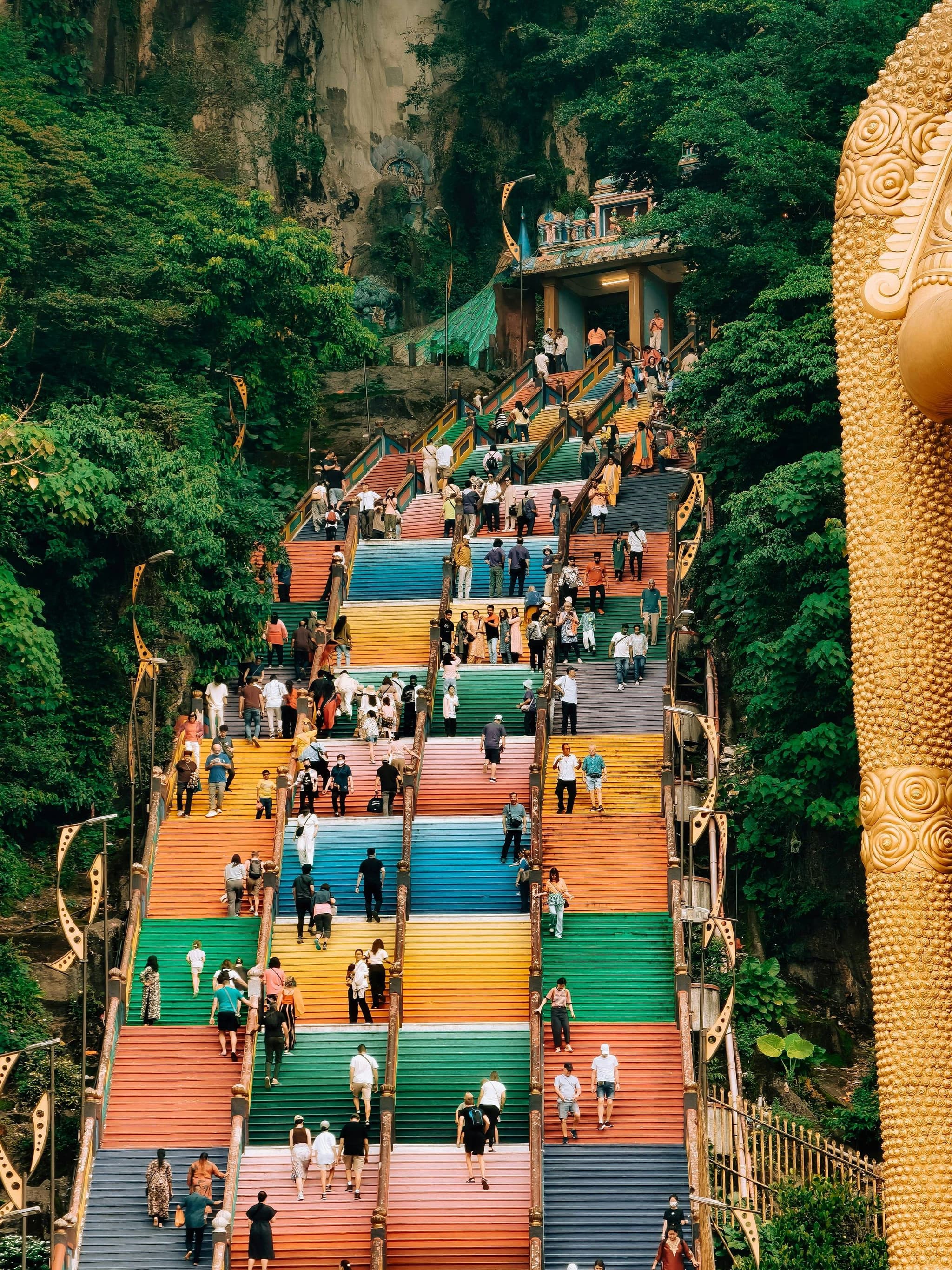
Batu Caves is about 13 km north of Kuala Lumpur, and the KTM Komuter line stops at its own station. A statue of Lord Murugan, about 42.7 m high and unveiled in 2006, stands at the bottom of 272 steps that were painted in rainbow colours in 2018. The main Temple Cave at the top is free. Cover your shoulders and knees (sarongs are for rent at the bottom), and keep snacks and phones out of sight, because the macaques grab both. Get there before 9am, ahead of the heat.
George Town, Penang
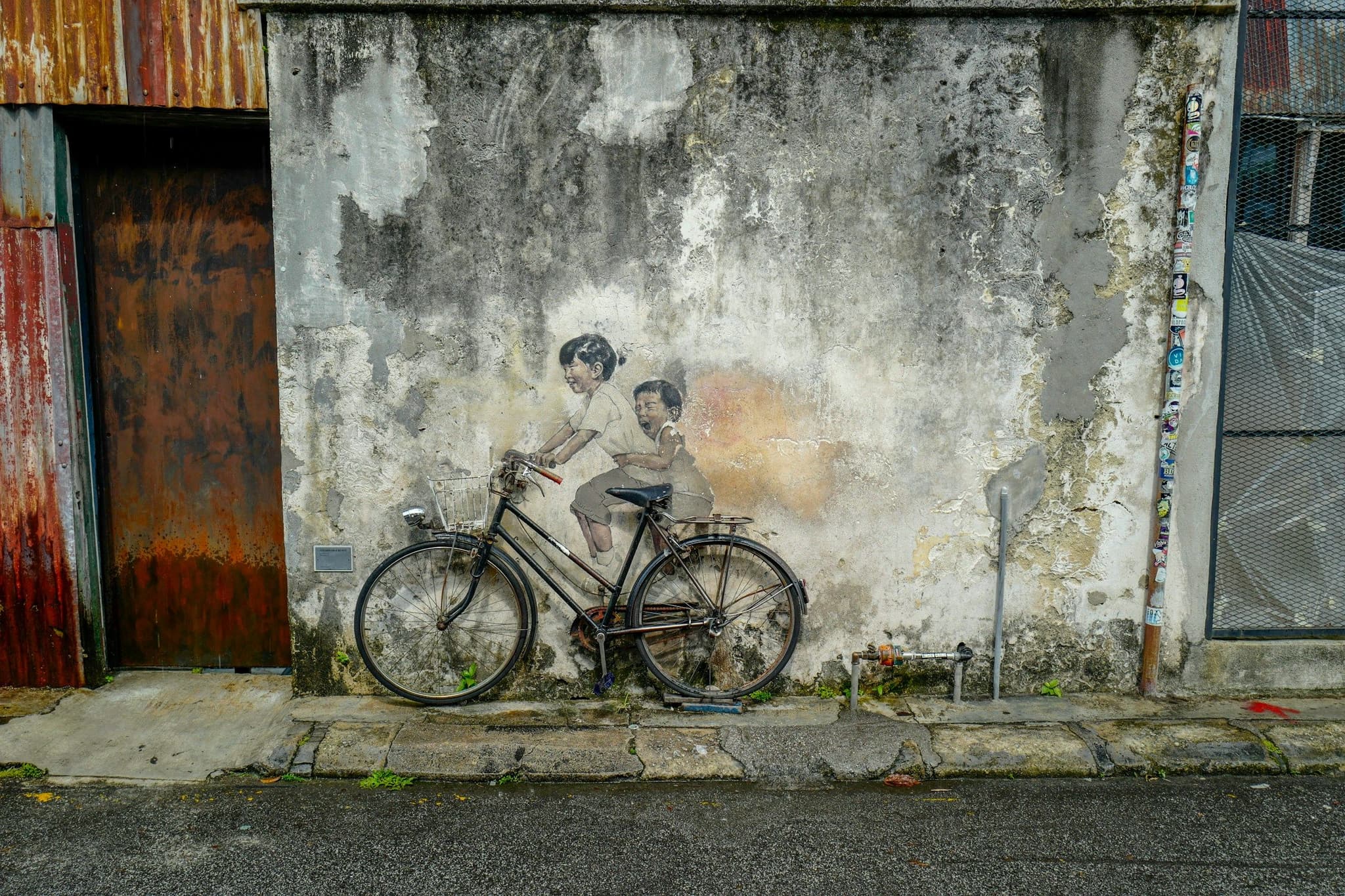
Francis Light founded George Town in 1786, and today about 3,600 heritage buildings stand in its UNESCO core, inscribed in 2008 together with Melaka. Take the ETS train from KL Sentral to Butterworth (from 3 hours 35 minutes), then the cashless RM2 ferry across the strait, which takes 10 to 15 minutes. Wander the shophouse lanes to find Ernest Zacharevic's murals, painted for the 2012 George Town Festival, then cool off on Penang Hill (833 m), where the funicular has run since 1923. George Town is Malaysia's food capital, and we'd give it at least two nights.
Melaka
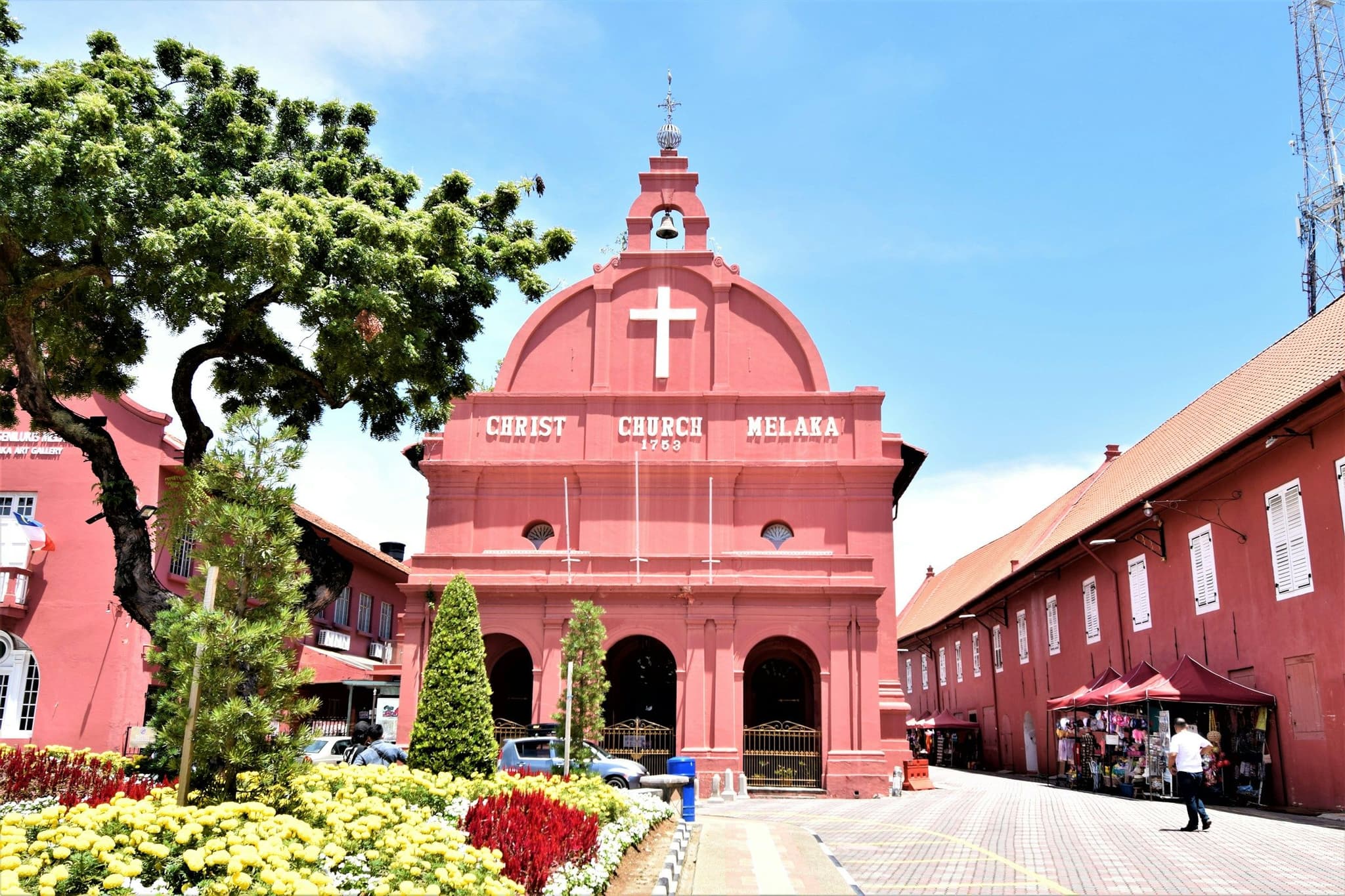
Three colonial powers ran Melaka in turn. The Portuguese built A Famosa in 1511, the Dutch held the city from 1641 to 1795, and the British took over from 1825. Those layers still show in the compact old centre around Dutch Square. Melaka is about 150 km from Kuala Lumpur, and buses from TBS (Terminal Bersepadu Selatan) to Melaka Sentral take 2 to 3 hours. Plenty of people come on a day trip, which is a mistake. Stay the night, ideally from Friday to Sunday, when the river and Jonker Walk are at their best after the day-trippers go.
Langkawi
Langkawi is an archipelago of 99 islands, with five more appearing at low tide. It has been a UNESCO Global Geopark since 2007 and is duty-free. The SkyCab cable car climbs to a top station at 708 m, where the Sky Bridge (125 m long) hangs over the forest. It stops in bad weather, so keep a spare day. Flights from Kuala Lumpur take about 1 hour 10 minutes, and ferries run from Kuala Perlis in about 1 hour 15 minutes. There is no longer a ferry from Penang. Avoid April to May and October to November if you can, when storms are more frequent.
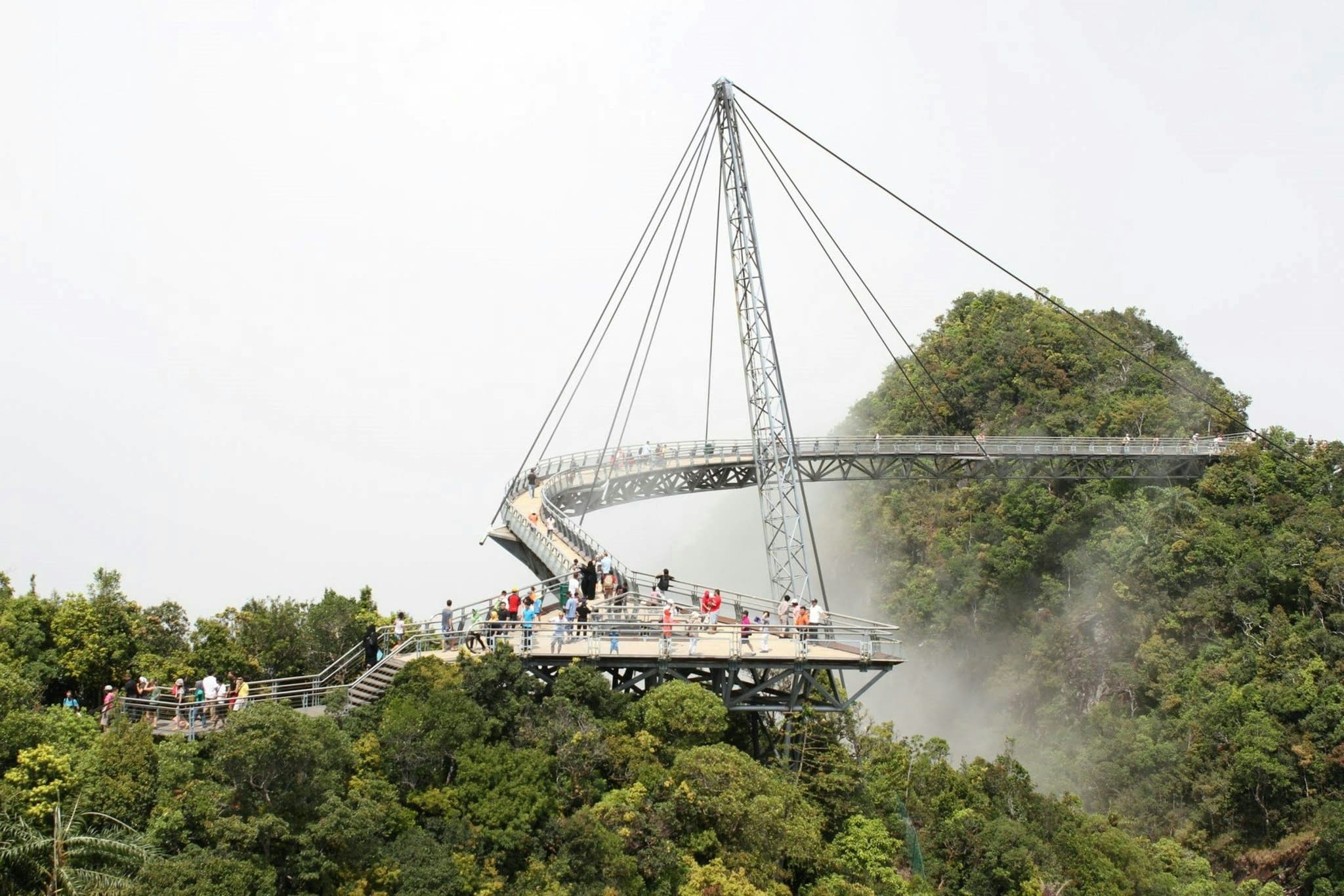
Cameron Highlands
Need a break from the heat? The Cameron Highlands sit about 200 km north of Kuala Lumpur, with towns between 800 and 1,603 m above sea level and an average temperature of about 18 °C. Daytime highs seldom go above 25 °C. Tea estates cover the slopes, and the Mossy Forest trail near Gunung Brinchang (2,031 m) starts by the BOH Sungei Palas tea estate. Buses from TBS in Kuala Lumpur reach Tanah Rata in 4 to 5 hours. Go midweek if you can, because weekend traffic on the road up is miserable.
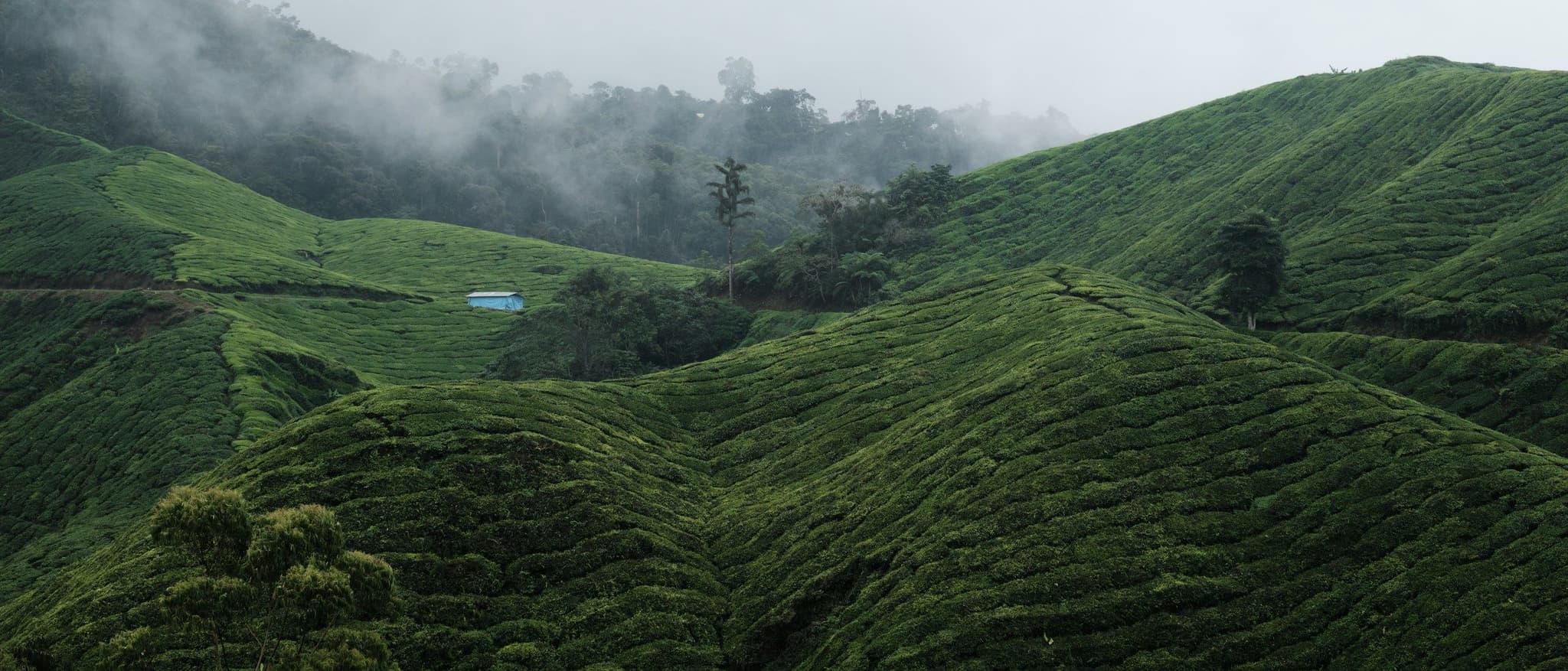
Ipoh
Ipoh grew rich on tin from the 1880s, and its Old Town still has the shophouses of that boom, along with Concubine Lane and the famous white coffee. The cave temples on the edge of town, Kek Lok Tong and Sam Poh Tong, are the better reason to stay. It's about 2 hours from Kuala Lumpur by ETS train, and in our view the best-value food stop on the line to Penang. One night is enough.
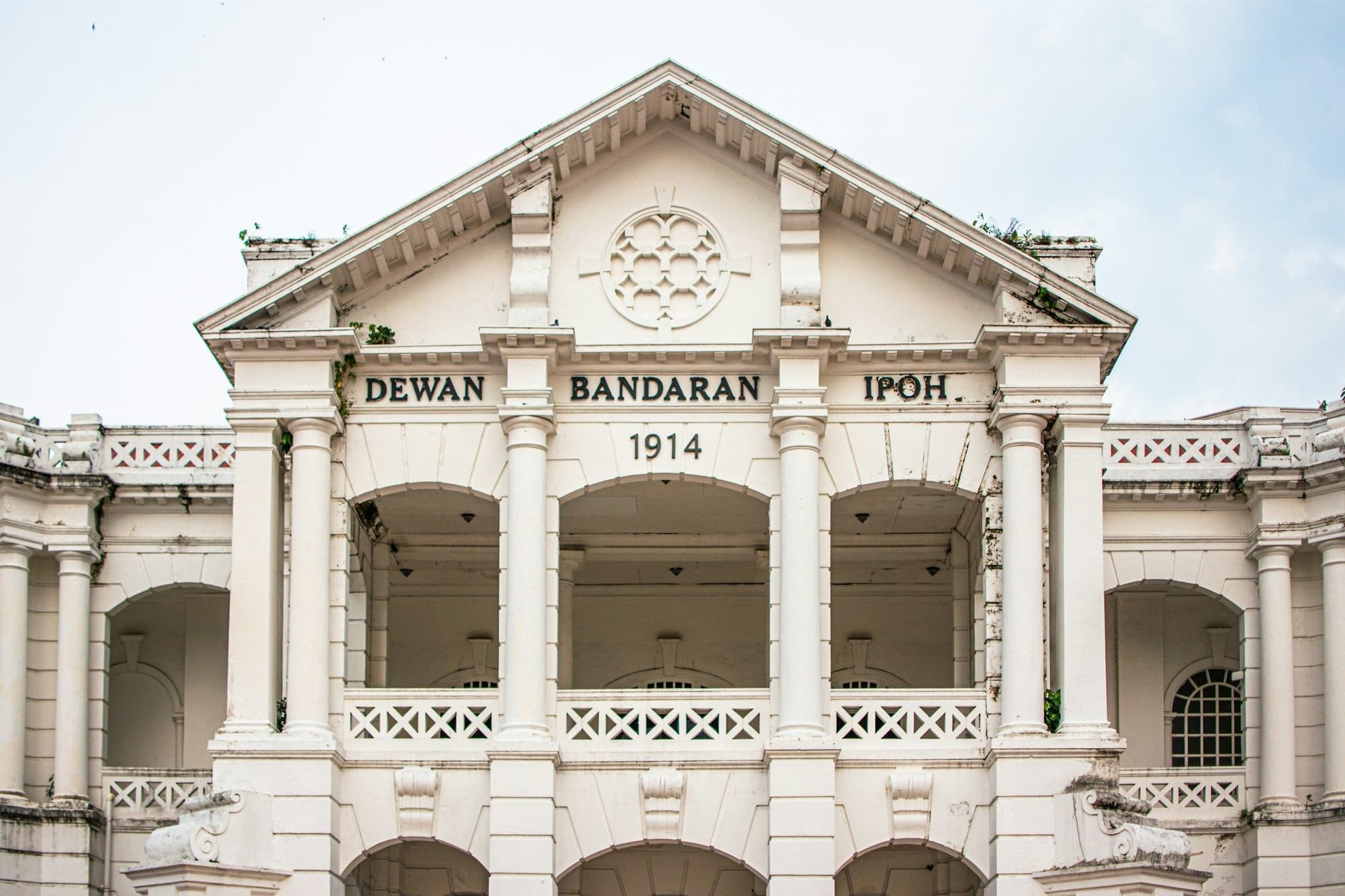
Taman Negara
First protected in 1938-39, Taman Negara covers 4,343 km² across Pahang, Kelantan and Terengganu. Its rainforest is often described as 130 million years old. From Kuala Tahan you can walk the canopy walkway, about 550 m long and up to 45 m above the ground, for RM5. It closes on Fridays. Minivans from Kuala Lumpur reach Kuala Tahan in about 5 hours. Going by minivan to Kuala Tembeling and then river boat takes about 7.5 hours, and it's worth doing at least one way. February to September is the best window.
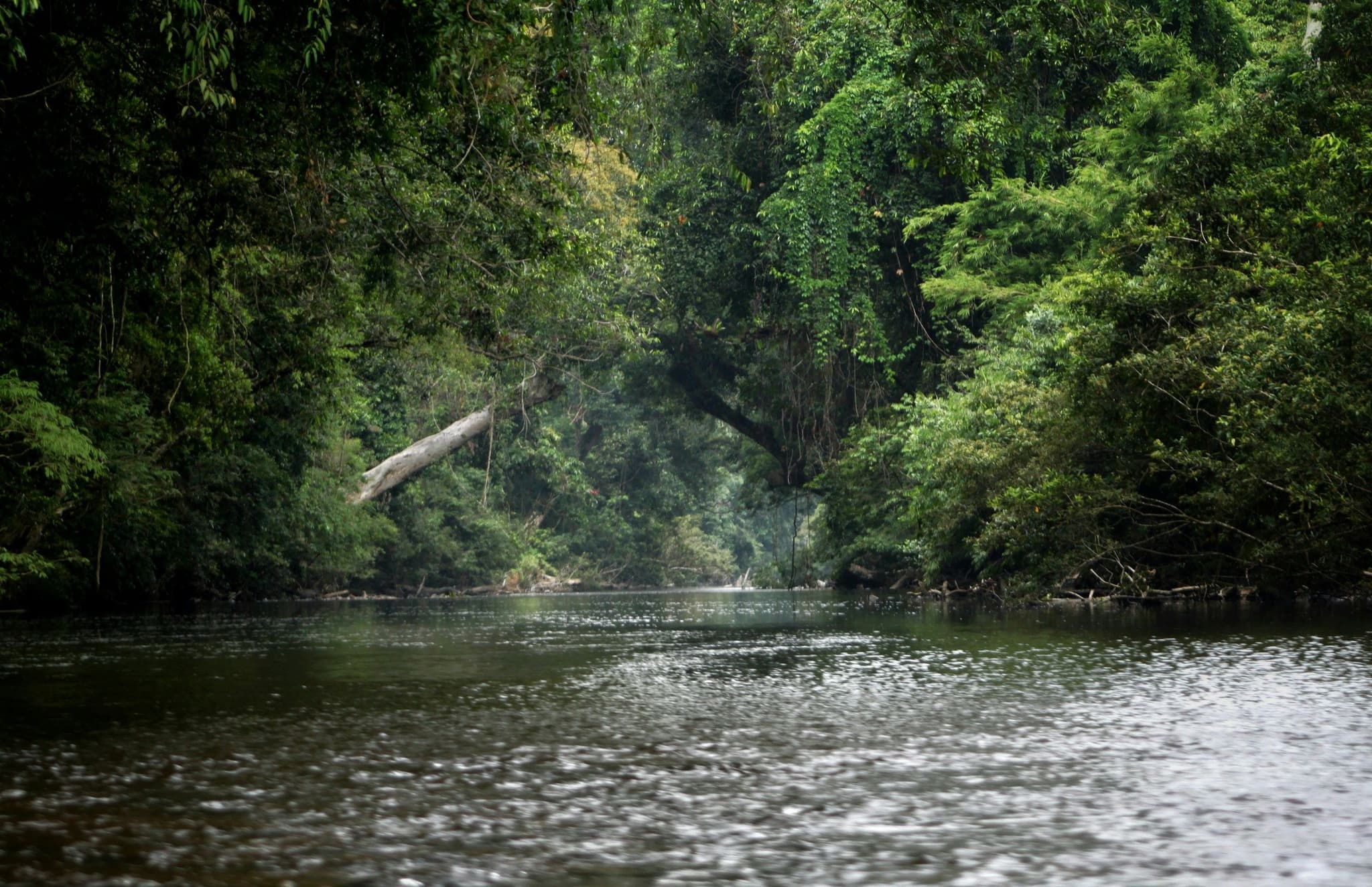
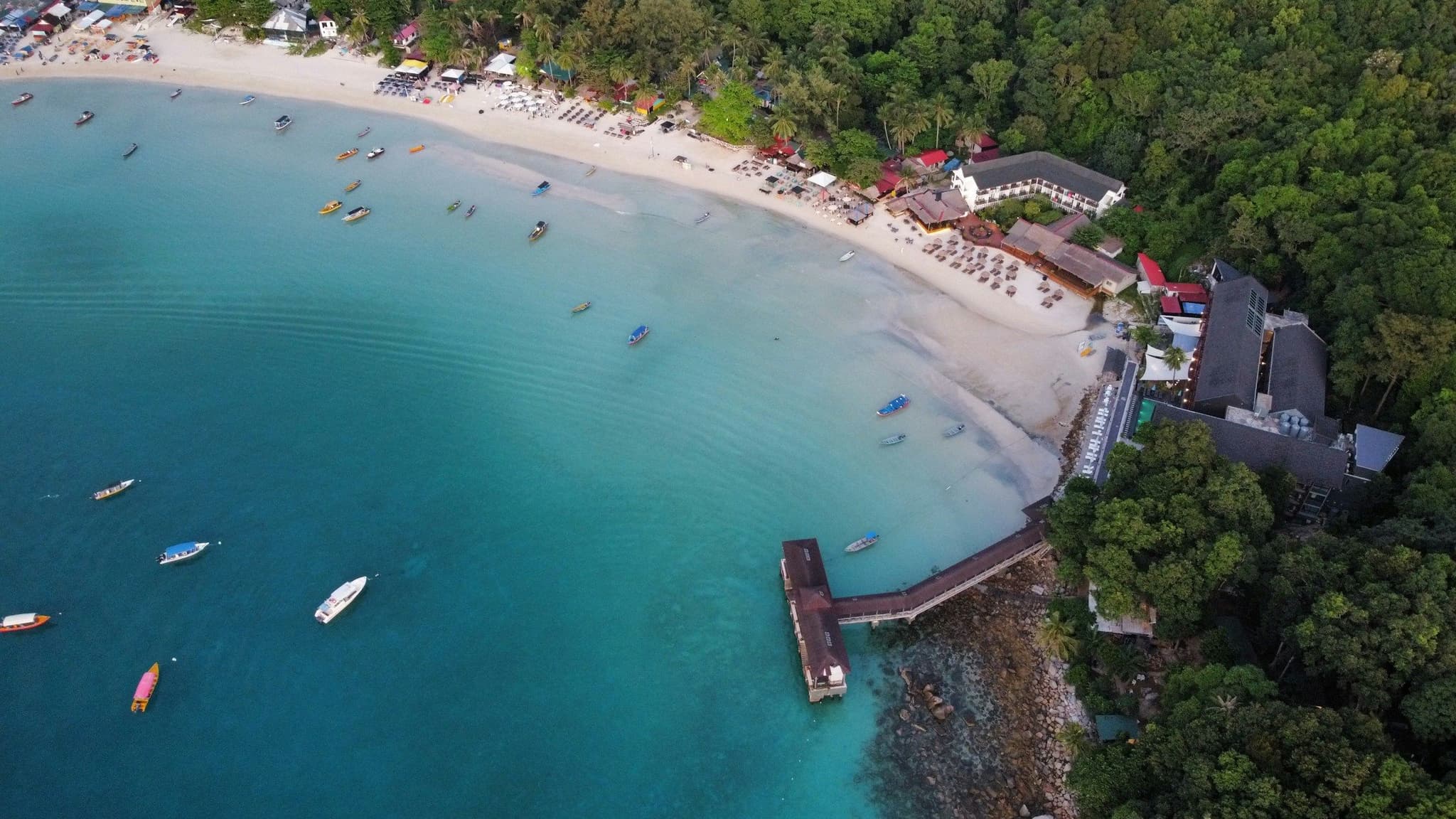
Perhentian Islands
Perhentian Besar and Perhentian Kecil have no roads at all, which is a big part of their appeal. Boats from Kuala Besut take 30 to 45 minutes, and the nearest airport, Kota Bharu, is about an hour's drive from the jetty. Resorts and boats largely close from November to February, when the northeast monsoon hits the east coast, so the season runs from about March to October. If your dates fit, these are the islands we'd choose for a few days of snorkelling and doing nothing much. If they don't, Langkawi on the west coast is the better bet.
Kota Kinabalu and Mount Kinabalu
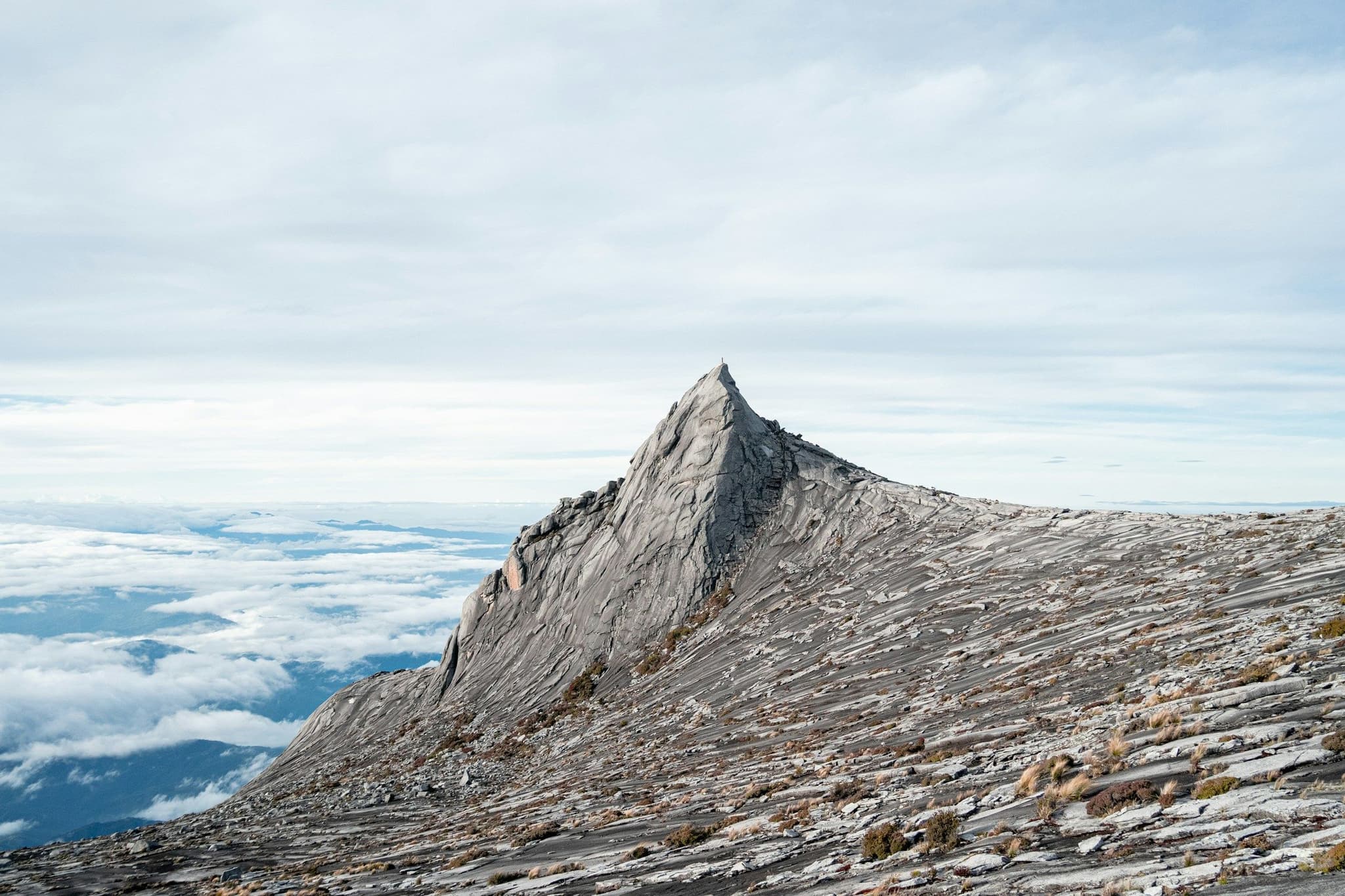
Kinabalu Park became Malaysia's first UNESCO World Heritage Site in December 2000. It lies about 88 km from Kota Kinabalu, and at its centre stands Mount Kinabalu (4,095 m), whose summit, Low's Peak, is named after Hugh Low. Flights from Kuala Lumpur take 2 hours 30 minutes to 2 hours 45 minutes. From Kota Kinabalu, boats reach the islands of Tunku Abdul Rahman Park in 10 to 15 minutes, good for a beach afternoon. If you aren't climbing, a day on the lower trails in Kinabalu Park still gets you onto the mountain.
Sepilok and the Kinabatangan River
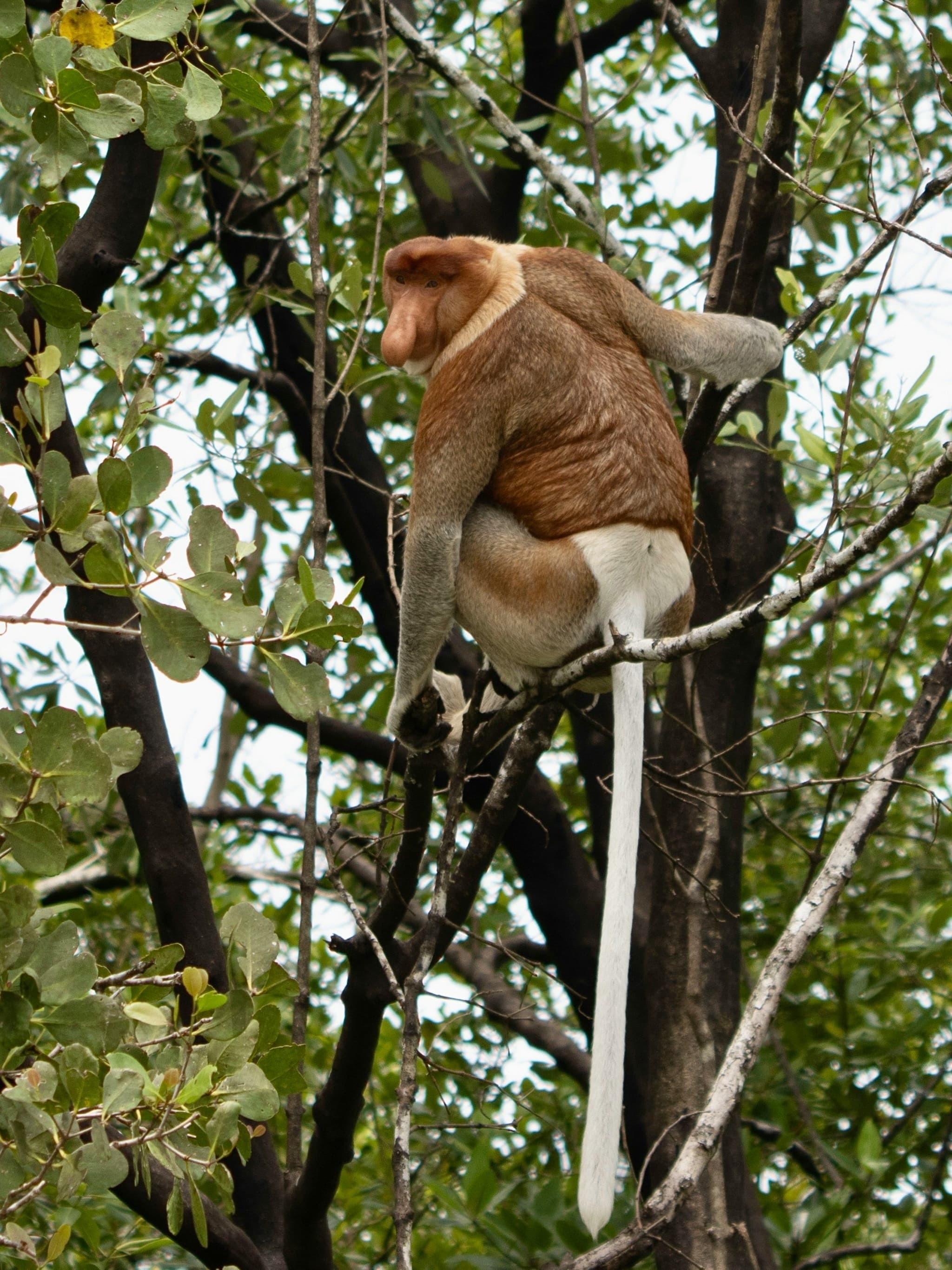
The Sepilok Orangutan Rehabilitation Centre, founded in 1964, lies about 25 km from Sandakan, and 60 to 80 orangutans roam the surrounding reserve. Feedings take place at 10am and 3pm. Foreigners pay RM30, in cash, and the ticket is valid all day, so you can see both. The Sun Bear Centre nearby charges separately. Sandakan is about 45 minutes by air from Kota Kinabalu, and the Kinabatangan River is about 2.5 hours by road from there. River cruises look for proboscis monkeys and pygmy elephants, and wild orangutans too. A night on the Kinabatangan is the part of Sabah we'd least want to miss.
Kuching, Bako and Semenggoh
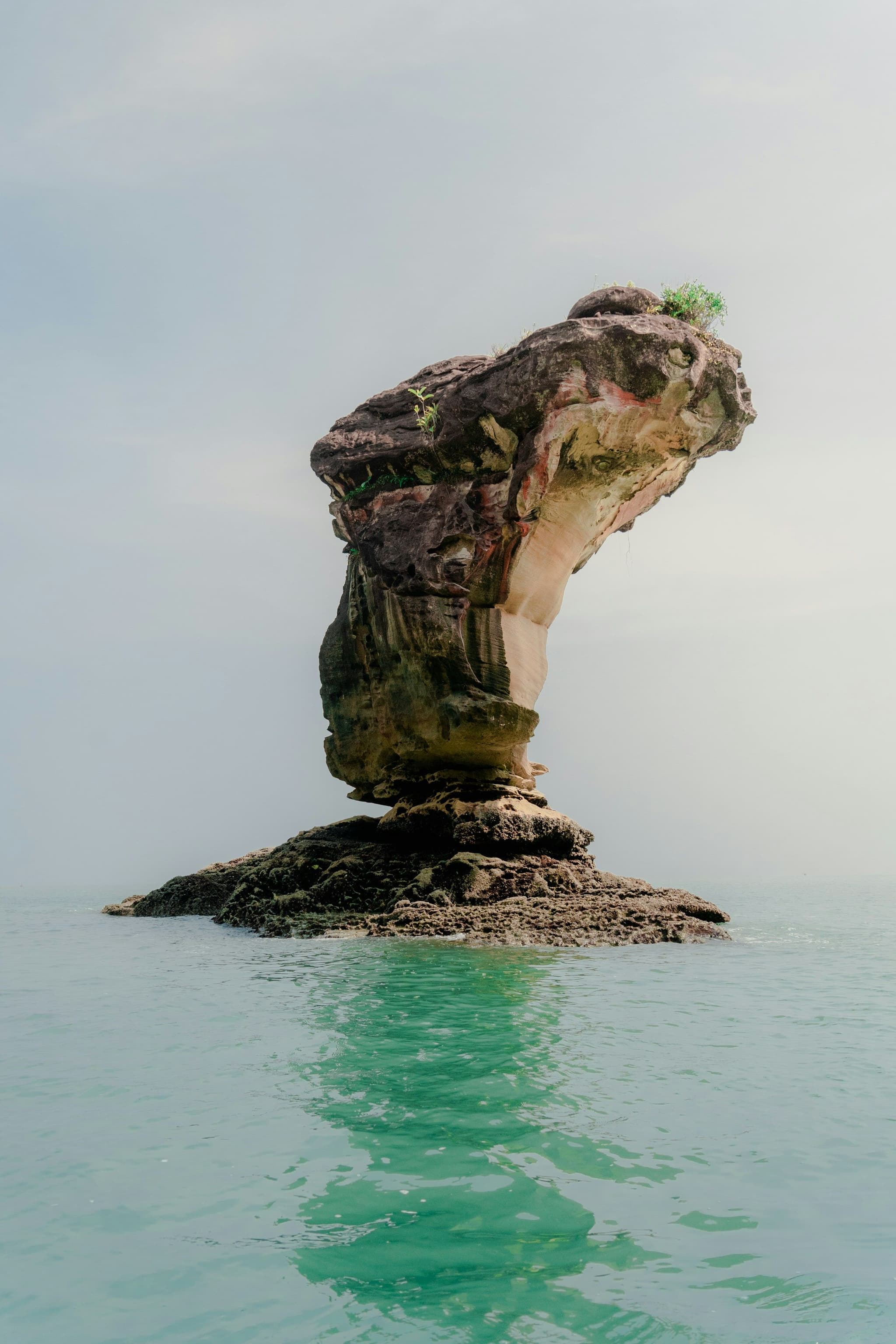
Kuching is about 1 hour 40 minutes to 2 hours by air from Kuala Lumpur. Bako, Sarawak's oldest national park (1957), is about 37 km away. Take bus No. 1 to Kampung Bako (about 45 minutes), pay RM20 park entry, and share a boat of up to five people for about RM200 return. Book your return boat by 3pm, and don't swim, because crocodiles and jellyfish both live here. Semenggoh Wildlife Centre, about 20 km from Kuching, holds orangutan feedings around 9am and 3pm for RM10, though sightings aren't guaranteed in fruiting season. For a short trip, Kuching is the easier pick than Sabah.
Malaysia itinerary ideas for your trip
The ETS train links Kuala Lumpur to Ipoh in 2 hours and to Butterworth, for Penang, in 3 hours 35 minutes, so the west coast works well by rail. Borneo needs flights. Both routes below start in Kuala Lumpur.
5 to 7 day Malaysia itinerary
Day 1-2: Kuala Lumpur. See the Petronas Towers (not on a Monday) and take the Komuter early to Batu Caves.
Day 3: ETS train to Ipoh (2 hours) for the Old Town and the cave temples.
Day 4-6: ETS to Butterworth, then the ferry to George Town for street art and hawker food.
Day 7: Fly out of Penang, or take the ETS back to Kuala Lumpur (3 hours 35 minutes).
If you're there over a weekend, swap Ipoh for a Friday to Sunday night in Melaka for Jonker Walk.
10 to 14 day Malaysia itinerary
Day 1-2: Kuala Lumpur and Batu Caves.
Day 3: Bus to Melaka and stay overnight, ideally on a Friday or Saturday.
Day 4: Back to Kuala Lumpur, then the ETS to Ipoh.
Day 5-7: George Town, with time for Penang Hill and the hawker centres.
Day 8-9: Fly to Kota Kinabalu via Kuala Lumpur and island-hop in Tunku Abdul Rahman Park.
Day 10-11: Climb Mount Kinabalu (2 days, 1 night, booked months ahead) or spend a day in Kinabalu Park.
Day 12-13: Fly to Sandakan for the Sepilok feedings and a night on the Kinabatangan River.
Day 14: Fly home via Kuala Lumpur.
Prefer Sarawak? Swap days 8-13 for Kuching, Bako, Semenggoh and Mulu. From March to October you could trade Borneo for the Perhentian Islands instead. You can build this route or adjust it to your own pace in the Guided app.
Fun things to do in Malaysia
The best things to do in Malaysia mostly involve getting up early or staying out late. Here are five worth planning a day around.
Climb Mount Kinabalu
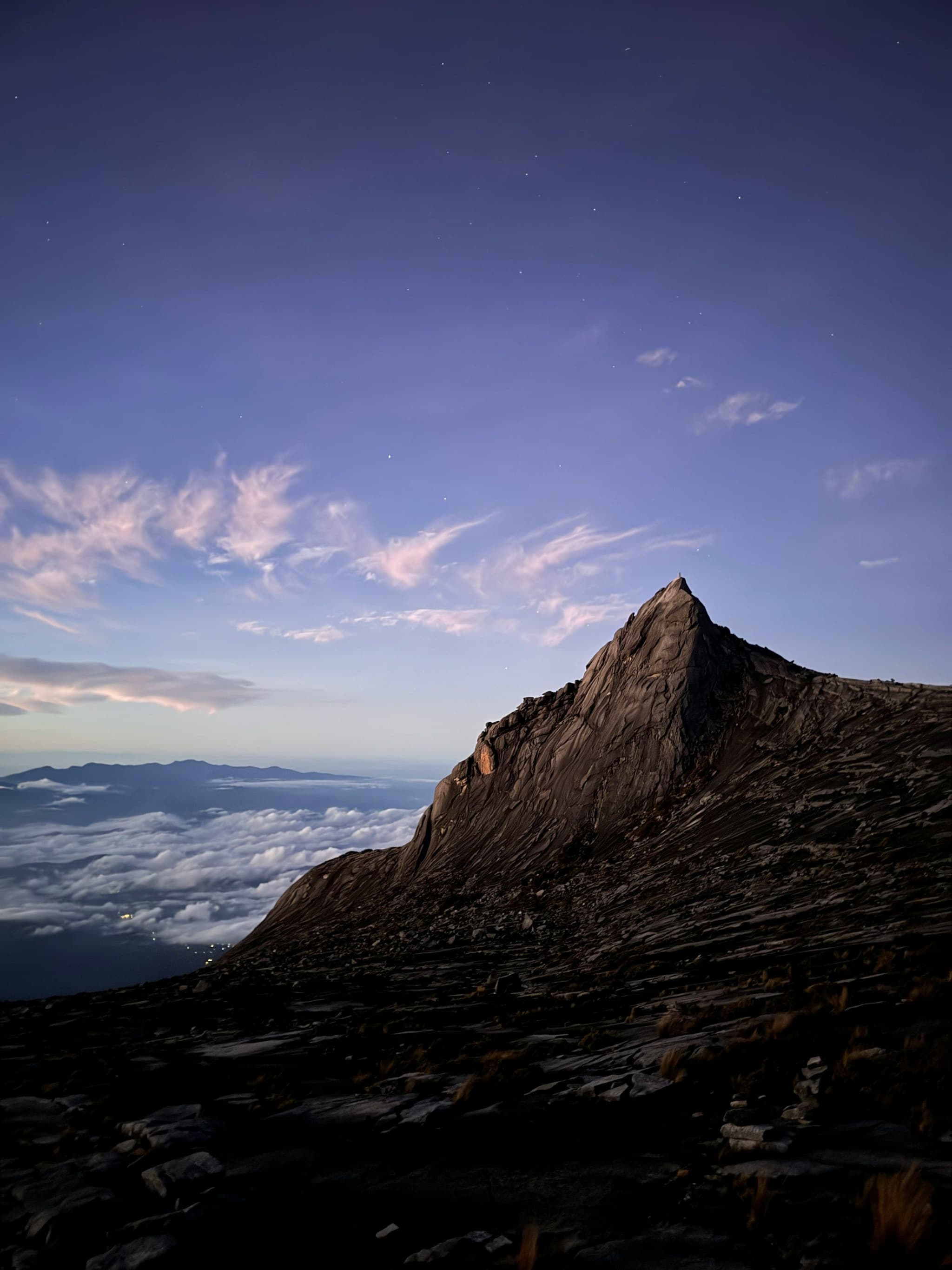
The summit push on Mount Kinabalu starts between 2am and 3.30am, so you reach Low's Peak for sunrise over Borneo. It's a two-day climb with a night at Panalaban, and Sabah Parks only sells the foreign climbing permit (RM400, or RM200 for climbers aged 17 and under) together with an accommodation package there. A guide is compulsory, at RM350 for a group of up to five. These are 2026 season prices, and Sabah Parks had not opened 2027 bookings in September 2026, so check reservation.sabahparks.org.my and book about six months ahead once they open. We'd rank this as the single most rewarding thing you can do in the country.
Eat your way along Gurney Drive
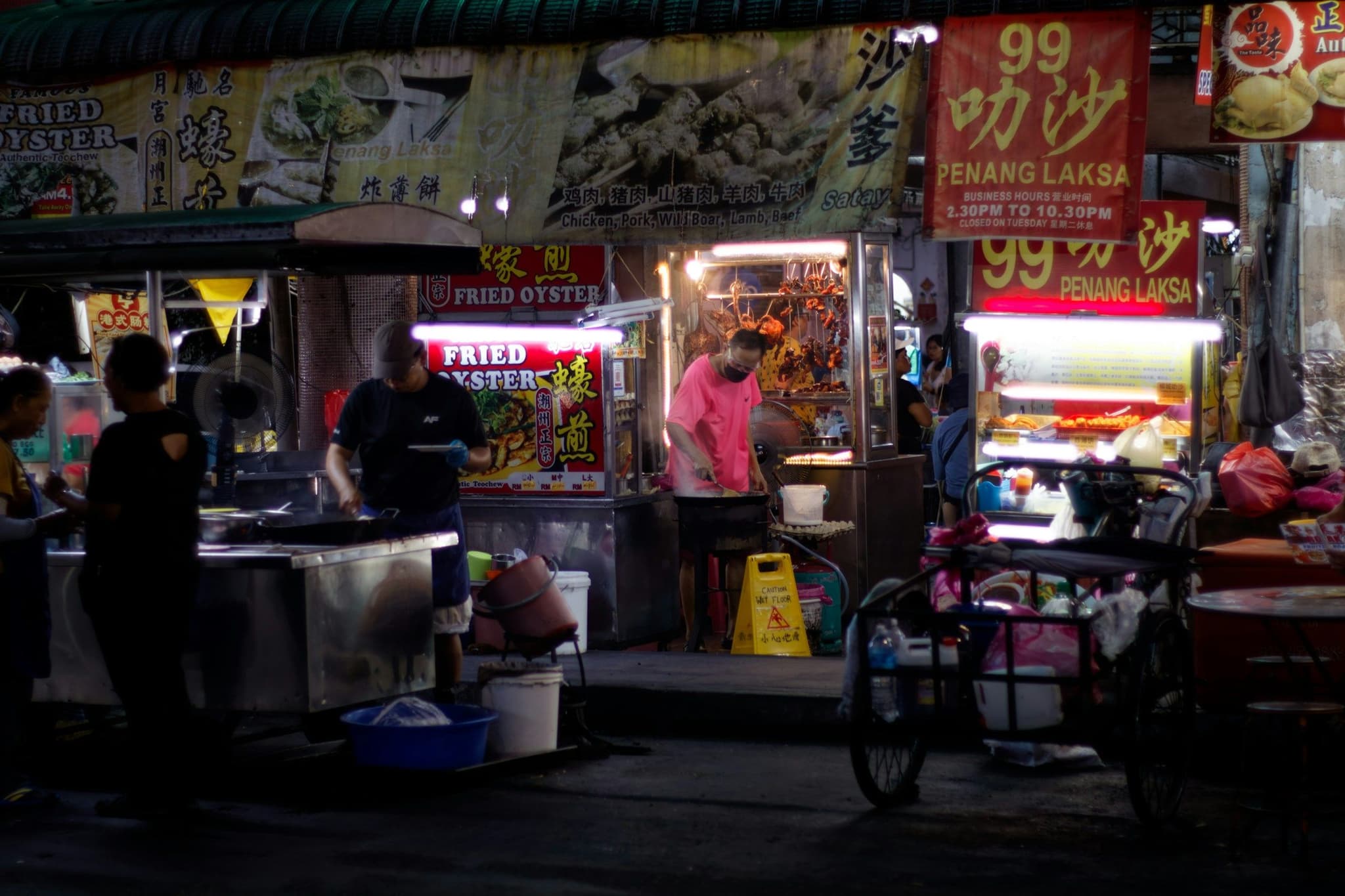
On Gurney Drive in George Town, the hawker stalls start firing up around 5pm, and the best ones sell out by 8pm. Order a bowl of asam laksa for about RM6, then char kway teow, and bring cash, since most stalls don't take cards. Go early.
Browse the night markets
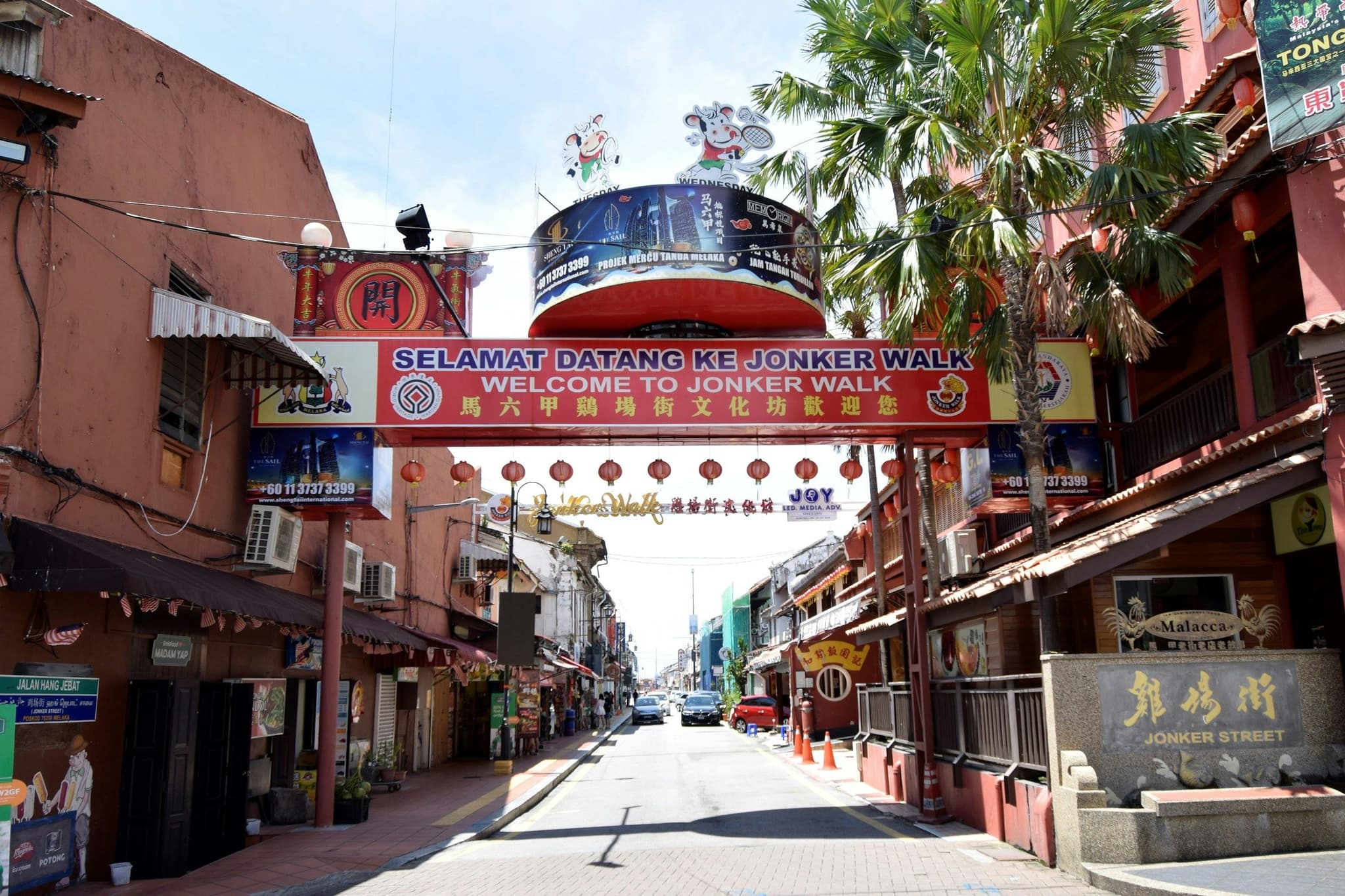
Jonker Walk in Melaka runs from Friday to Sunday, starting around 6pm, with food stalls and souvenir sellers along the old town's main street. On Penang, the Batu Ferringhi night market opens nightly from about 7pm. If you can only do one, pick Jonker Walk, because the old shophouses make the better backdrop.
Watch the bat exodus at Mulu
Gunung Mulu National Park in Sarawak has no road access, so you fly in via Miri. At dusk, usually from about 5pm, about 3 million bats pour out of Deer Cave. Clearwater Cave, with 227 km of passages, is here too. A park pass costs RM30 and lasts five days, long enough to see both.
See Thaipusam at Batu Caves
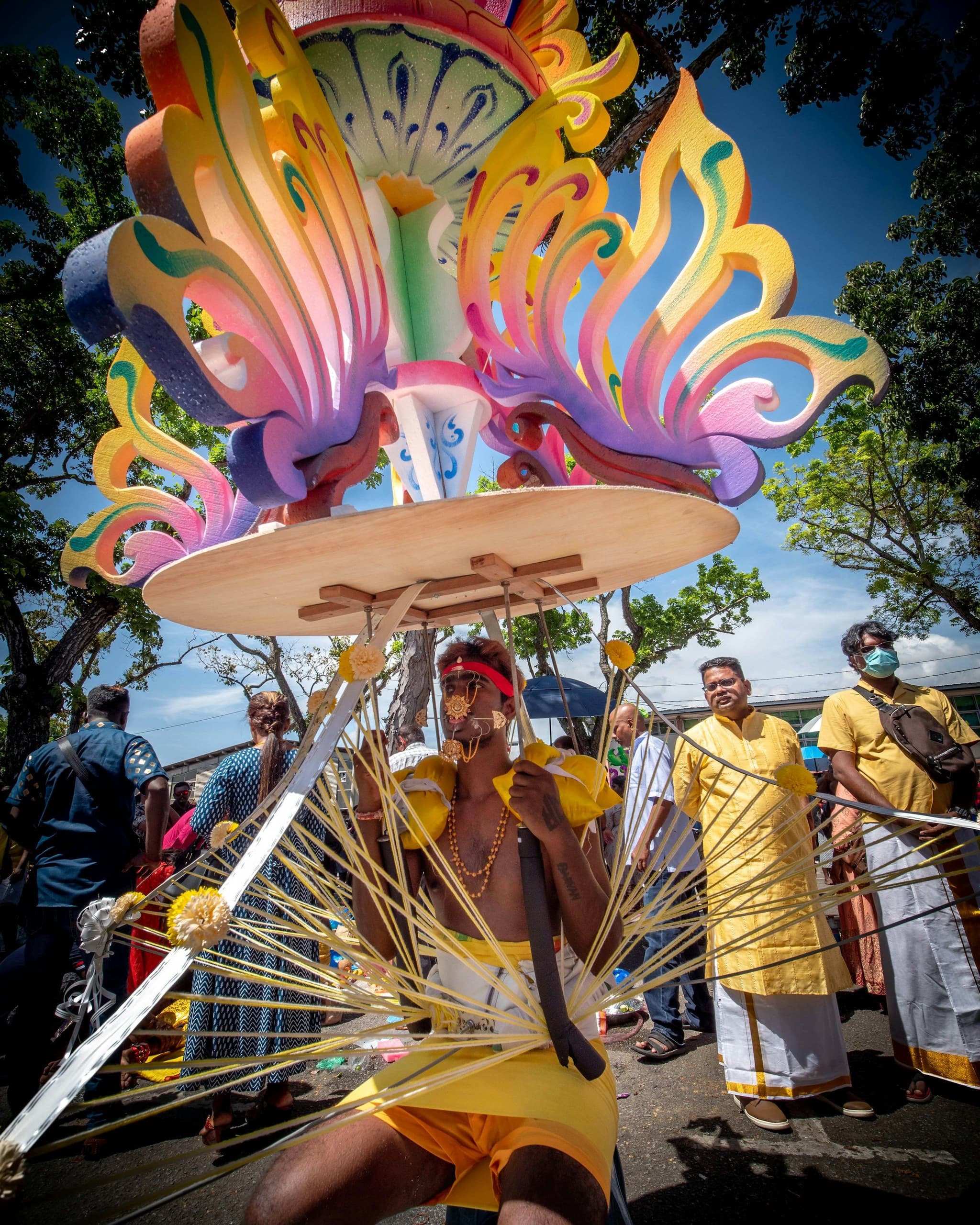
Thaipusam falls on Friday 22 January in 2027, and Batu Caves becomes the centre of the Hindu festival. Devotees carrying kavadi climb the 272 steps to the Temple Cave. About 1.8 million people came over the 2025 festival period, so expect huge crowds on the day.
When to go to Malaysia?
Is there a bad time to visit Malaysia? Not really, because it's hot all year, with Kuala Lumpur averaging highs of 32.9 °C and lows of 24.4 °C. What changes is which coast gets the rain. Haze from Indonesian forest and peat fires can drift across between about June and October, and it's worse in El Niño years, so check the APIMS air-quality readings (on the MyJAS EQMS app) before you go. For a trip that combines the west coast, the east-coast islands and Borneo, we'd aim for March to September and accept some haze risk in the later months.
- Dry season, west coast (December to March): sunny days on Penang and Langkawi, with George Town at its driest in January, but the east-coast islands shut.
- Inter-monsoon (April to May, October to November): afternoon storms on the west coast, and Langkawi at its stormiest.
- Southwest monsoon (June to September): drier on the west coast and open season on the Perhentians, with a risk of haze.
- Northeast monsoon (November to March): the east coast and Borneo at their wettest, and Perhentian resorts mostly closed.

Did you know you can create your own itinerary?
Now that you know what to see in Malaysia and where to stay, you can start creating your own trip. Do you want more time eating your way through George Town, or are you thinking more about orangutans and rainforest in Borneo? It's all up to you. You can easily create your own trip in the Guided app for free, or use trips shared by others.
Where to stay in Malaysia?
Every foreign guest pays a tourism tax of RM10 per room per night, collected at check-out, and hotel bills usually add a 10% service charge plus service tax on top of the room rate. Budget for both.
Bukit Bintang, Kuala Lumpur
Bukit Bintang is the liveliest base in the city, with the Pavilion mall and the Jalan Alor food street a short walk apart. It's noisy, but it's one MRT stop from KLCC, which is more upscale and pricier with fewer local places to eat. We'd stay in Bukit Bintang and visit KLCC.
Chinatown, Kuala Lumpur
The streets around Petaling Street are the cheapest place to stay in Kuala Lumpur. You're close to Central Market and Merdeka Square. It's gritty and loud, which some people love and others don't.
George Town heritage core, Penang
Staying inside the UNESCO zone puts the shophouses and hawker stalls within walking distance, which is the whole point of George Town. It gets hot on foot by midday, and the beaches at Batu Ferringhi are a drive away. From 1 November 2026, Penang enforces licensing for short-term rentals, and strata homes on Penang Island are banned from letting them, so a heritage boutique hotel or a licensed guesthouse is the safer choice.
Jonker Street area, Melaka
This is the old core of Melaka, close to Dutch Square and the river. It's packed with day-trippers at weekends, but once they leave in the evening it's the best place in town to be.
Guided tip: In Kuala Lumpur, stay near a rail line, ideally in Bukit Bintang or around KL Sentral. Traffic can eat hours of your day, and the trains don't sit in it.
Getting around when visiting Malaysia
On the peninsula, Malaysia is one of the easiest countries in Southeast Asia to get around without a car. Borneo is the exception, and that means flying.
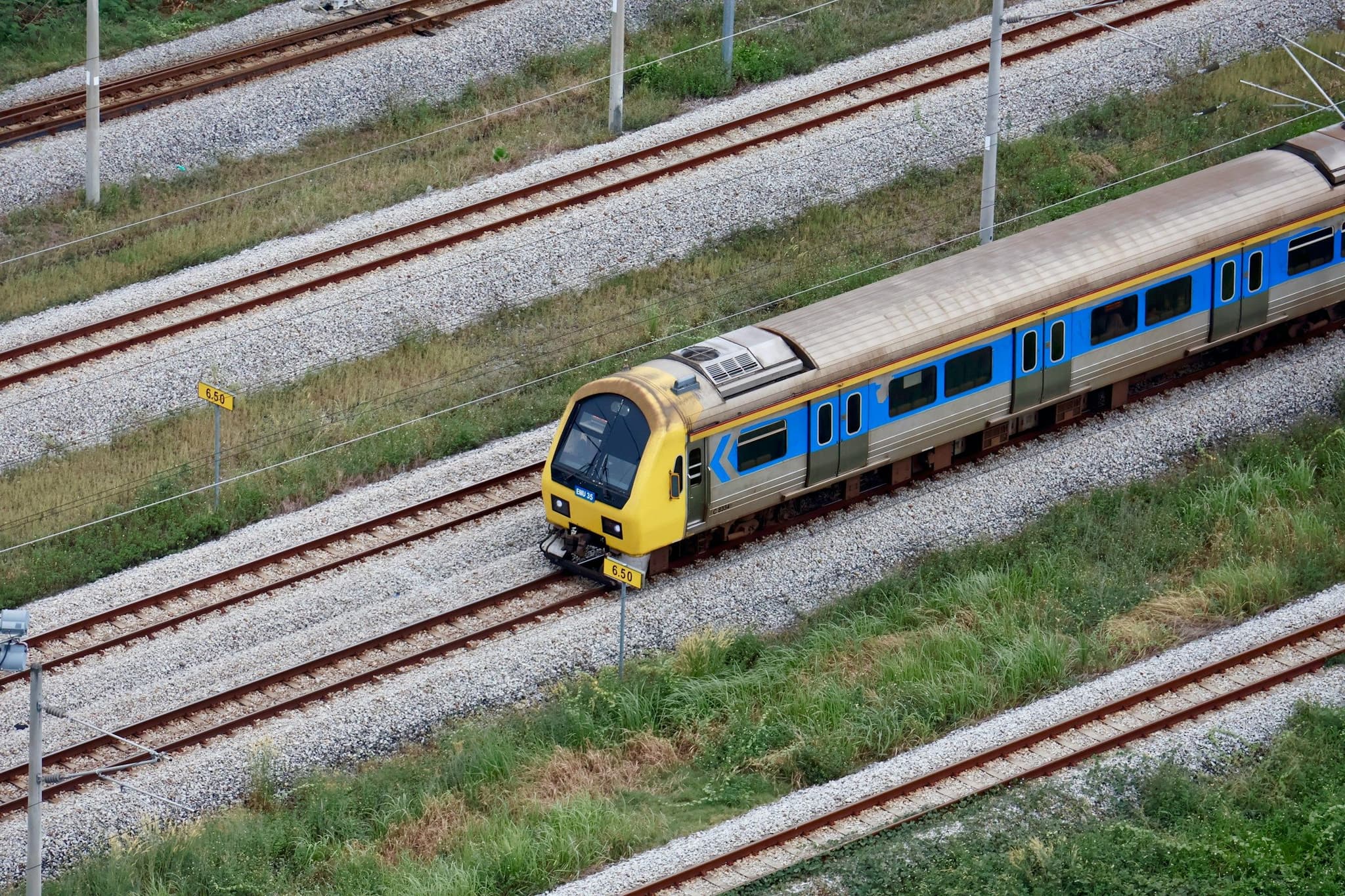
ETS trains (KTMB)
KTMB's ETS electric trains run the length of the west coast, from Padang Besar on the Thai border down to JB Sentral in Johor Bahru. KL Sentral to Butterworth takes 3 hours 35 minutes on the Express service (the Platinum service takes 4 hours 5 minutes), and fares run about RM59 in Gold class and RM79 in Platinum. Seats are reserved, so book in the KTMB app and show the QR e-ticket. From the airport, the KLIA Ekspres runs to KL Sentral, at RM65 one-way from January 2027.
Grab and Rapid KL
Grab is the main ride-hailing app in Malaysian cities, and it saves any argument over taxi meters. In Kuala Lumpur, Rapid KL runs the LRT, MRT, monorail and BRT lines. Visitors can buy the Rapid Kembara pass (RM25 for one day, RM55 for three) on a Touch 'n Go card.
Domestic flights
You need to fly to reach Borneo, since Sabah and Sarawak lie across the South China Sea. AirAsia, Malaysia Airlines, Batik Air and Firefly cover the main routes, and MASwings flies smaller routes within Borneo, including the hop from Miri to Mulu.
Buses, ferries and hire cars
Long-distance buses leave Kuala Lumpur from TBS, and you can book on Easybook or redBus. Ferries reach Penang (from Butterworth), Langkawi (from Kuala Perlis), the Perhentians (from Kuala Besut) and Tioman (from Mersing or Tanjung Gemok, with Bluewater Express). A hire car makes most sense on Langkawi and in the Cameron Highlands. Malaysia drives on the left, small cars cost about RM50 to RM150 a day, and visitors from outside ASEAN need an International Driving Permit.
Guided tip: Pick up a Touch 'n Go card at the airport or a 7-Eleven. It pays for KL trains and buses, and for highway tolls if you rent a car.
Food and drinks you should try when visiting Malaysia
Much of the best food in Malaysia comes from hawker stalls, where a plate costs RM8 to RM15. Order the national dish first, then whatever the stall with the longest queue is selling.
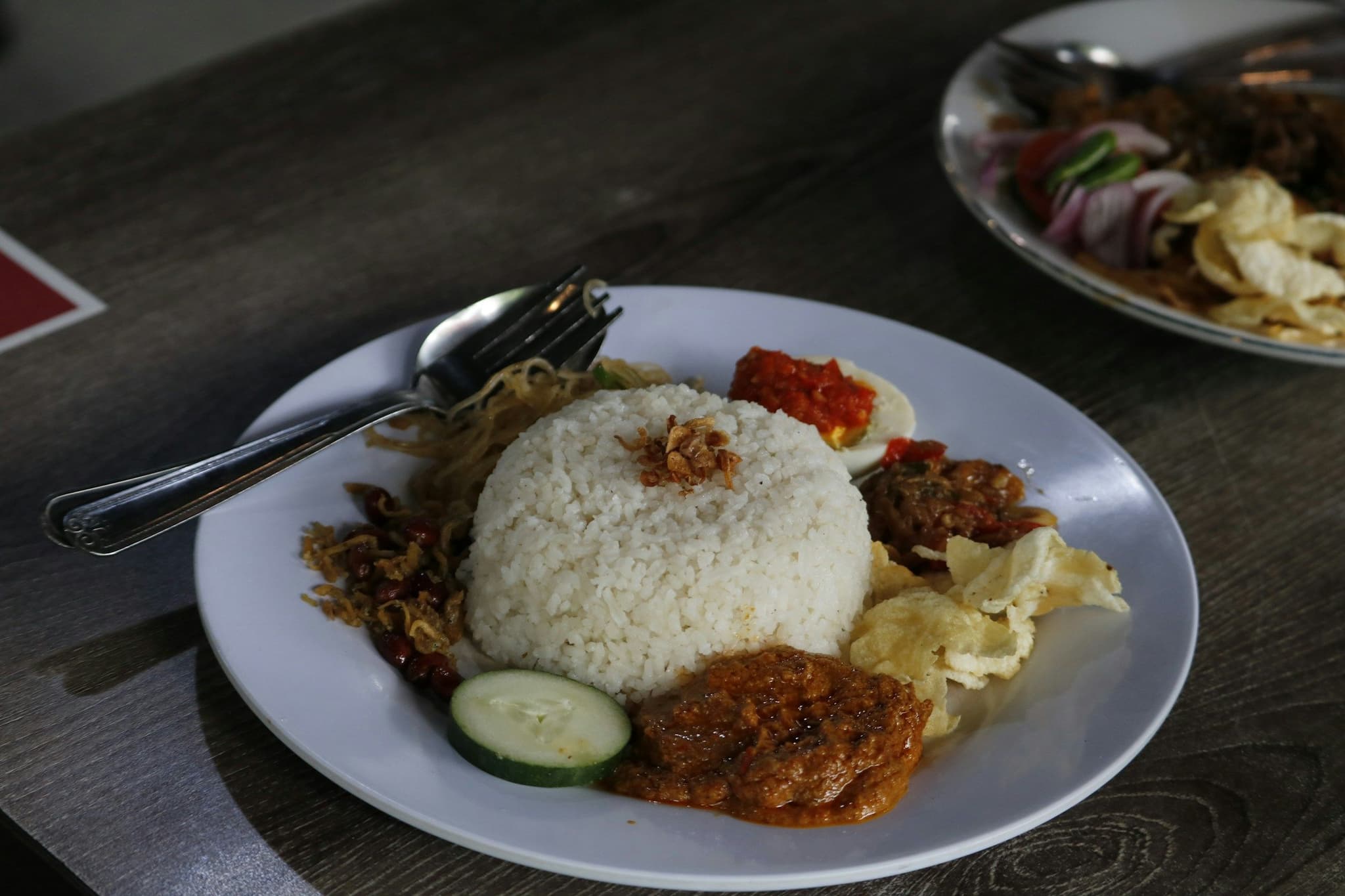
Nasi lemak
Nasi lemak is rice cooked in coconut milk and pandan, served with sambal, crispy ikan bilis (anchovies), peanuts, cucumber and egg. It's considered the national dish and was first recorded in an 1875 dictionary. It's a breakfast plate first and foremost.
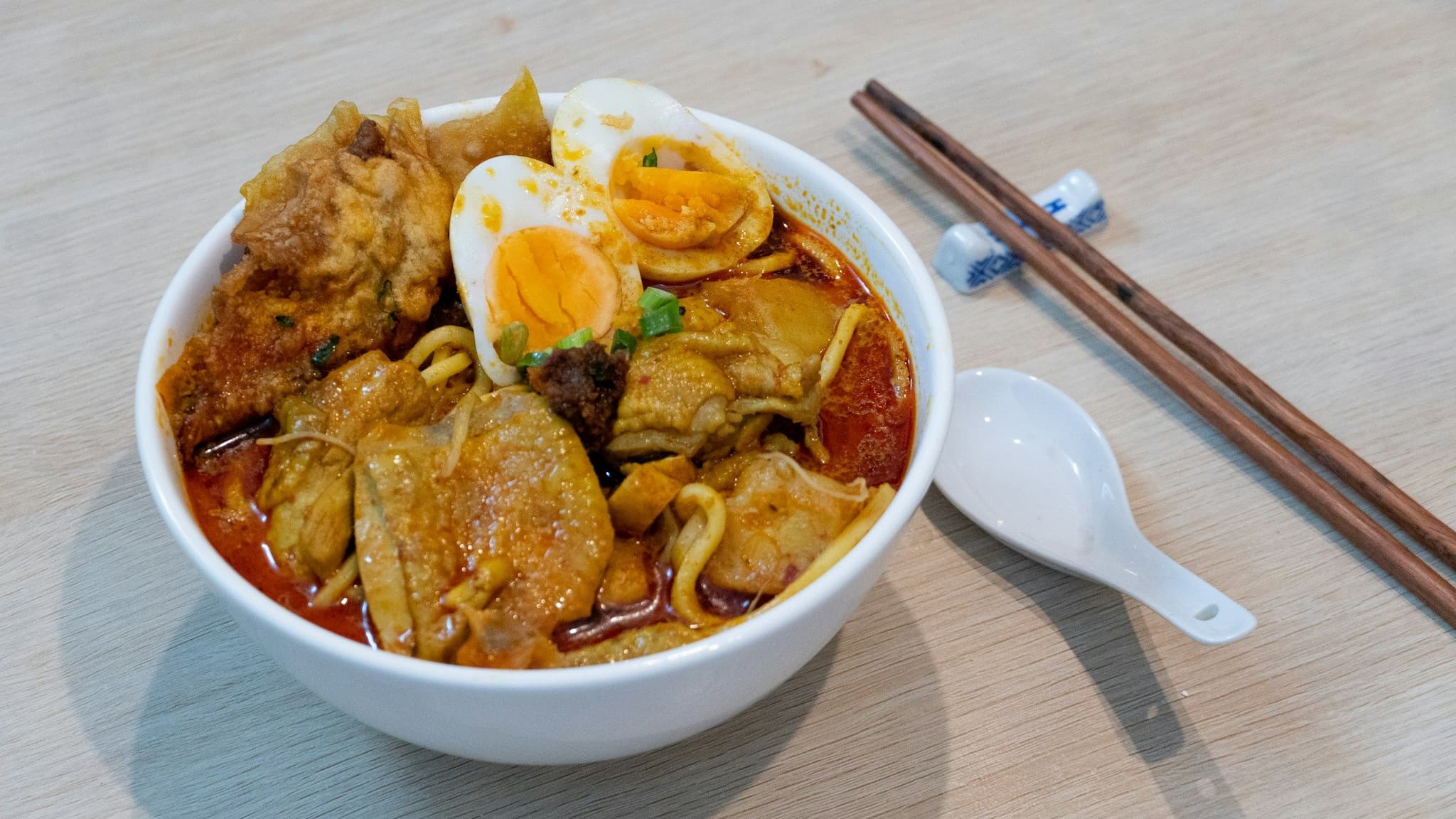
Laksa
Laksa is a Peranakan noodle soup, and it changes from region to region. Penang asam laksa has a sour tamarind and mackerel broth and came seventh on CNN's 2011 list of the world's 50 most delicious foods. Sarawak laksa, which Anthony Bourdain called the "Breakfast of the Gods", is a different bowl again, and around the Klang Valley you'll mostly meet curry laksa. Our pick is the Penang one.
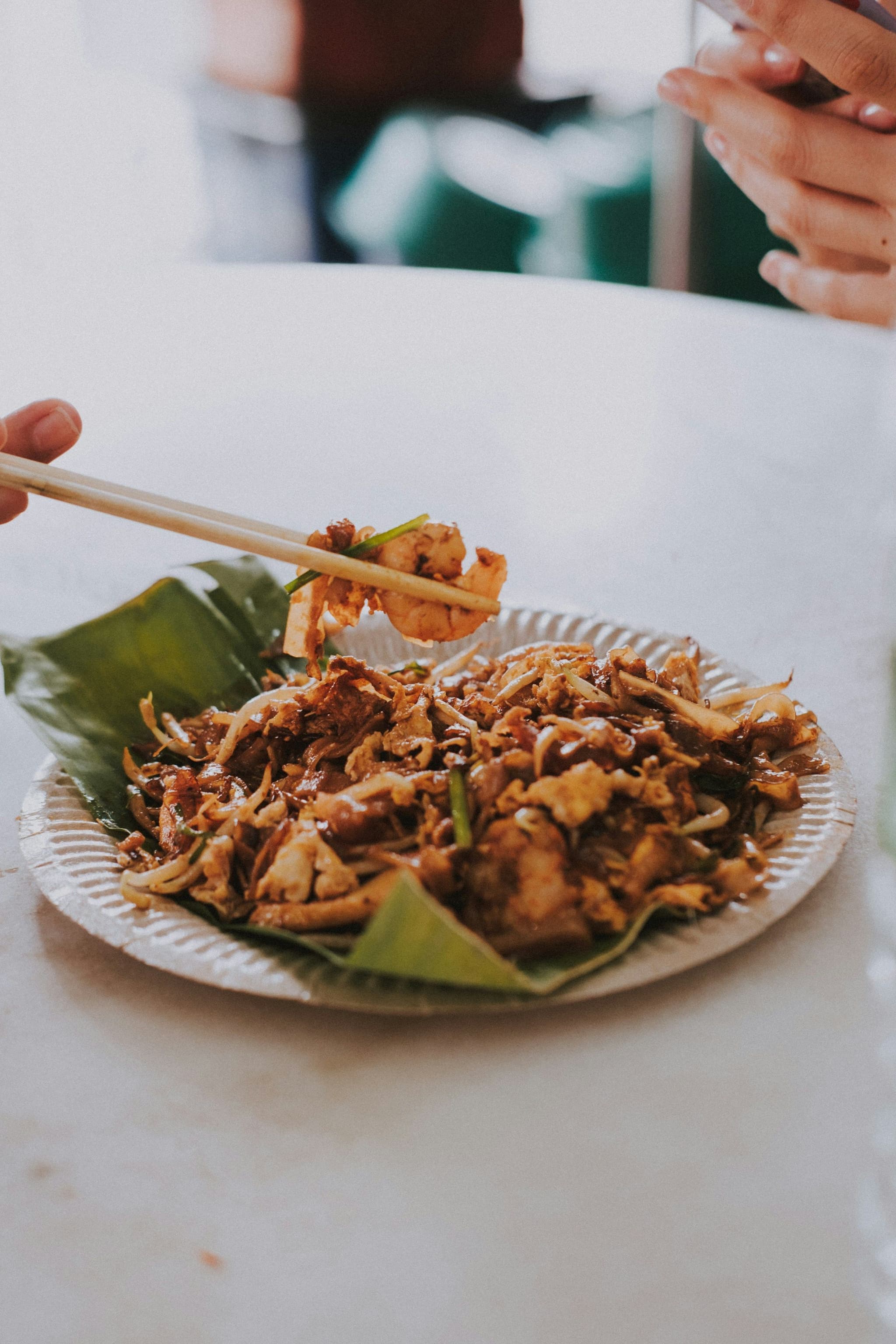
Char kway teow
Flat rice noodles fried with prawns, cockles, Chinese sausage and chives, traditionally in lard. The dish has Teochew roots, and because of the lard and pork sausage it's usually not halal. Penang does it best.
Roti canai and teh tarik at a mamak
Mamak stalls are run by Tamil Muslims (the name comes from the Tamil for "uncle"), serve halal food and often show football on big screens. They're where Malaysians of every background meet. Order roti canai, a flaky South Indian flatbread, with dhal or curry, and a teh tarik, the "pulled tea" poured between two jugs to cool it and build the froth.
Durian
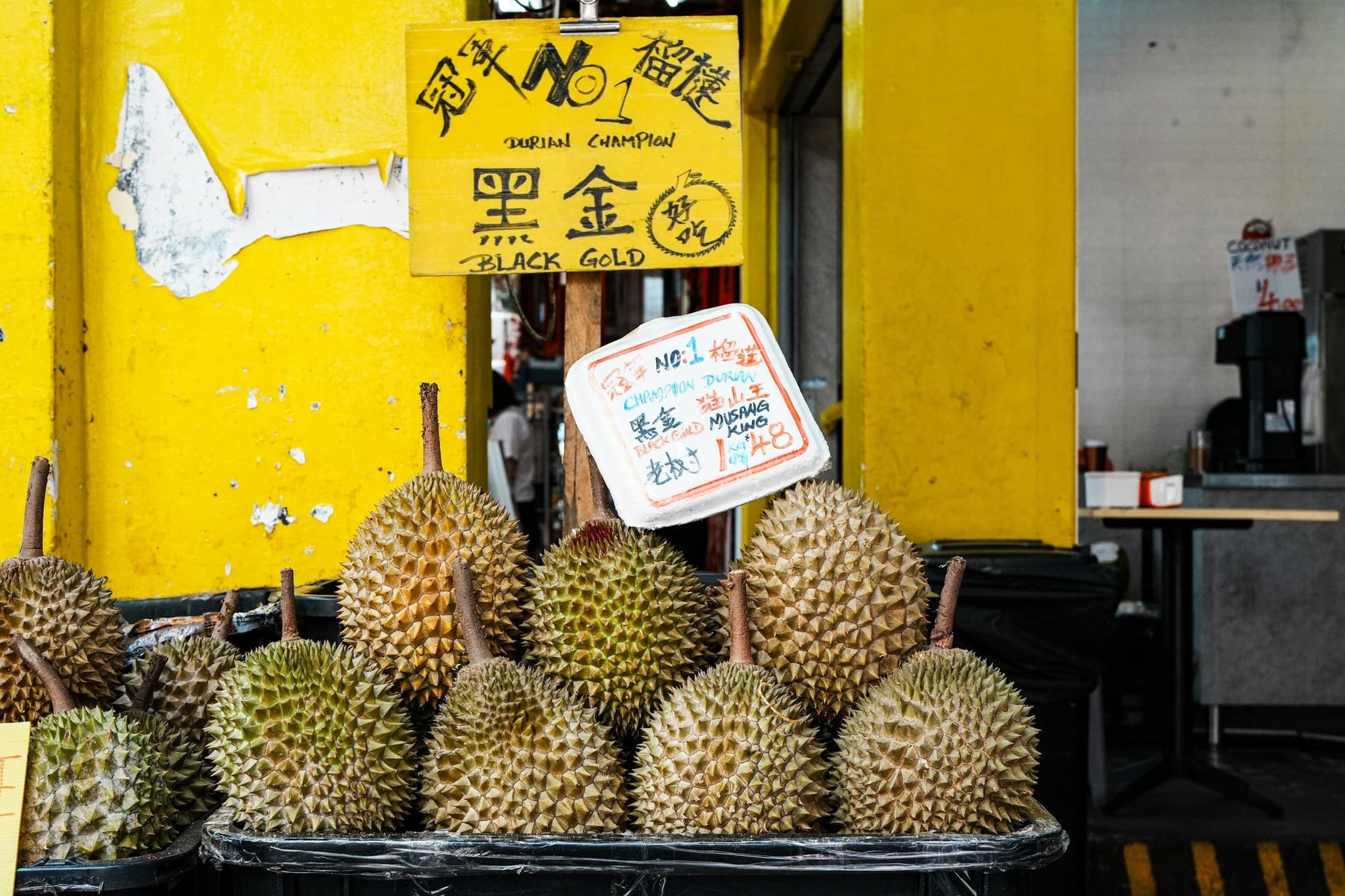
Durian is the "king of fruits", and the Musang King variety from Gua Musang in Kelantan is the famous one. The smell is strong enough that durian is banned in many hotels and on public transport, so eat it at a roadside stall.
Culture and local habits you'll notice when visiting Malaysia
Who actually lives here? Malaysia has about 34.2 million people. Among citizens, about three-fifths are Malay and a fifth are Chinese, about 12% are other Bumiputera (mostly the indigenous peoples of Borneo, plus the Orang Asli) and 6.5% are Indian. Islam is the official religion, with freedom of religion for others. You'll hear the mix in Manglish, the local English, where sentences end in "lah", "loh" or "meh". At Hari Raya, Chinese New Year and Deepavali, many families hold open houses and welcome visitors.
A few habits are worth knowing. Take your shoes off in homes and mosques, use your right hand to give and receive things and to eat, and avoid pointing with your index finger. Keep public affection low-key. At mosques, cover your arms and legs, and women should cover their hair, though the major mosques lend robes. During Ramadan (from about 9-10 February to 9 March in 2027, subject to moon sighting), don't eat or drink conspicuously near people who are fasting, and expect opening hours to change. In the evenings, Ramadan bazaars set up with food stalls. Tipping isn't expected, and many bills already include a 10% service charge.
Looking for more unique places, trips and activities?
Subscribe to our Guided Newsletter for more travel inspiration.
Costs of a holiday to Malaysia
On Numbeo's mid-2026 Cost of Living Index, Malaysia scores 34.0, a little cheaper than Thailand (36.8) and dearer than Indonesia (24.7) and Vietnam (26.9). Singapore scores 90.8, so Malaysia costs about a third as much day to day. Hawker meals at RM8 to RM15 and cheap trains keep everyday spending low, and Hostelz puts a backpacker budget at about US$40 a day. Alcohol costs more, and so does anything in Borneo involving flights or wildlife lodges. For what you get, we think it's one of the best-value countries in the region. All prices are from October 2026, when US$1 bought about RM4.08, €1 about RM4.60 and £1 about RM5.45.
Food & Drink

Coffee
RM3 – RM15
Lunch
RM8 – RM40
Beer
RM8 – RM25
Accommodation

Hotels
RM150 – RM400
Airbnb
RM100 – RM250
Hostel dorm
RM25 – RM60
Transport

Trains
RM59 – RM79
Public Transport
RM1 – RM6
Car Rental
RM50 – RM150
Attractions

Museums
RM5 – RM20
Big Attractions
RM80 – RM140
Theatre
RM20 – RM300
Practical tips for visiting Malaysia
Most of what catches visitors out in Malaysia is paperwork, like the online arrival card and the separate immigration checks in Borneo. These six tips cover it.
✔ Check the entry rules and fill in the MDAC
Many nationalities, including the UK, US and most EU countries, can visit Malaysia visa-free, usually for up to 90 days. Check your own nationality on the official immigration site before you book. Your passport should be valid for six months beyond arrival, undamaged and with at least one blank page. Everyone except Singapore citizens must submit the free Malaysia Digital Arrival Card within three days before arrival on the official MDAC portal. Fake sites charge up to US$80 for the same form, so use only the official one. Many visitors can use the autogates, which don't stamp passports, so keep track of your own days.
✔ Carry your passport to Sabah and Sarawak
Sabah and Sarawak run their own immigration control. That means you show your passport again when you fly in from the peninsula, even on a domestic flight from Kuala Lumpur, so don't pack it in your checked bag.
✔ Carry some cash
The currency is the ringgit (RM, or MYR). Visa and Mastercard work in malls and hotels, and DuitNow QR payments are widespread, but hawker stalls and markets want cash, as do most rural areas. Use ATMs inside bank branches, because card skimming happens at standalone machines.
✔ Book trains ahead and use Grab
ETS seats are reserved, so book in the KTMB app as soon as your dates are fixed. In cities, use Grab rather than street taxis.
✔ Know the safety picture
The US rates Malaysia at Level 1, its lowest advisory level. The UK FCDO advises against all but essential travel to the islands and dive sites off eastern Sabah, from Sandakan to Tawau, including Lankayan Island, because of a kidnapping threat. Mainland Sabah, including Sepilok and Kinabalu, is outside that zone. Travelling against FCDO advice can invalidate your insurance. In cities, motorbike bag-snatching is the everyday risk, so carry bags on the side away from the road. Drug laws are severe, with caning and long jail terms for possession, and same-sex acts are illegal. The emergency number is 999, or 112 from a mobile.
✔ Dress and behave for mosques and temples
Cover shoulders and knees at temples, and arms, legs and (for women) hair at mosques. Take shoes off where you see others doing it, use your right hand, and leave the durian outside your hotel.
Fun facts about Malaysia
Malaysia holds a few records most visitors never hear about, including one for a very smelly flower. Here are six facts we like.
- Malaya became independent on 31 August 1957, and Malaysia was formed on 16 September 1963.
- Malaysia's king is elected. The nine Malay rulers choose one of themselves for a five-year term, and Sultan Ibrahim of Johor became the 17th king on 31 January 2024.
- The Sarawak Chamber in Mulu, found by British cavers in 1981, is the largest known cave chamber by area.
- Rafflesia arnoldii, found in the rainforests of Borneo and Sumatra, has the world's largest single flower, about 1 m across, and it smells of rotting meat.
- The South China Sea splits the country in two, with Peninsular Malaysia on one side and the Borneo states of Sabah and Sarawak on the other.
- Mount Kinabalu is still rising, by about 5 mm a year.
Start with the west coast and time the islands to the monsoon. Book Kinabalu permits first, then the ETS seats in the KTMB app.
Ready to map out your trip to Malaysia?
We hope this Malaysia travel guide has given you a clear starting point for your trip. Stay tuned for more inspiration, itineraries and practical tips to help you shape your perfect holiday to Malaysia. And don't forget to check out our Guided travel planning app, where you can create your own trip or use trips shared by other travellers for free.
FAQS about visiting Malaysia
How many days do you need in Malaysia?
A week is enough for Kuala Lumpur, Ipoh or Melaka, and George Town at a comfortable pace. Give it 10 to 14 days if you want to add Borneo for Mount Kinabalu, the orangutans or the Kinabatangan River. Inside the Guided trip planner, you can create your own trip route and find out how many places you can fit into your trip.
What is the best part of Malaysia to visit?
For food and heritage, it's George Town on Penang, which we'd put first on any itinerary. Sabah is the best region for wildlife and for climbing Mount Kinabalu. For beaches, pick Langkawi or, from March to October, the Perhentian Islands.
What is Malaysia known for?
Malaysia is best known for the Petronas Towers, its hawker food and its multicultural cities. Borneo adds rainforest and orangutans, and the islands add beaches.
Can you travel Malaysia without a car?
Yes. ETS trains run the west coast, Grab works in the cities, and flights connect the peninsula to Borneo. A car helps on Langkawi and in the Cameron Highlands, but you don't need one for a first trip.
Is Malaysia expensive?
Not by Southeast Asian standards. Numbeo puts Malaysia's cost of living a little below Thailand's and above Indonesia's and Vietnam's, at about a third of Singapore's. Hawker food and transport are cheap, while alcohol and Borneo lodges cost more.
Is Malaysia safe to visit?
Yes, for most visitors. The US rates Malaysia at Level 1, its lowest level, and the UK FCDO only advises against all but essential travel to the islands and dive sites off eastern Sabah. Bag-snatching and card fraud are the everyday risks.
When is the best time to visit Malaysia?
It depends on the coast. The west coast is driest from December to March, while the east-coast islands are open from about March to October. Haze can affect air quality between June and October, so check the readings if you travel then.
Do you need a passport to fly to Sabah or Sarawak?
Yes. Sabah and Sarawak run their own immigration control, so you show your passport even on a domestic flight from Kuala Lumpur. Keep it in your hand luggage.
Plan your trip to Malaysia in Guided.
Save the places you find, then let Guided lay out the days, the map and the details.
More in Asia
All destinations ChinaChina packs imperial Beijing, the Terracotta Army, misty karst rivers and some of the world's best regional food into one vast country linked by fast trains.
 IndiaIndia is a vast and diverse country celebrated for its rich history, spiritual traditions, unique food and stunning landscapes ranging from the Himalayas to tropical coastlines.
 IndonesiaIndonesia is a tropical paradise of islands with stunning beaches, breathtaking natural beauty, and rich cultural history.
 JapanJapan offers a blend of ancient traditions and cutting-edge technology, stunning natural landscapes, and globally influential culture.