
Kyrgyzstan

Kyrgyzstan travel guide: Everything you need to know before visiting Kyrgyzstan
You sleep in a felt yurt on a jailoo, the high summer pasture, or swim in Issyk-Kul with snow peaks on the far shore. More than 80% of Kyrgyzstan is covered by the Tian Shan, and less than 8% of the land is cultivated, so every trip here is a mountain trip. You cross from valley to valley over high passes, and the lakes and pastures are the stops along the way.
Next to its neighbours, this is the mountains-and-yurts country. Kazakhstan has the bigger cities and Uzbekistan the domed Silk Road cities, while Kyrgyzstan has quieter Silk Road traces like Burana Tower and Tash Rabat. It suits trekkers and horse riders, and anyone happy with a shared toilet and a long dirt road, far more than people after luxury. For a mountain trip, we think it's among the best-value countries in Central Asia. In this Kyrgyzstan travel guide we'll walk you through the best places to visit, itinerary ideas, costs and practical tips for planning your trip.
5 reasons to visit Kyrgyzstan
We'd pick Kyrgyzstan over anywhere else in Central Asia for time outdoors, and these five reasons explain why.
- Sleep in a yurt on the shore of Song-Kul, a lake at 3,016 metres surrounded by summer pastures.
- Trek from Karakol over the 3,860-metre Ala-Kul pass, then soak in the hot springs at Altyn-Arashan.
- Swim in Issyk-Kul, a mountain lake so large and slightly salty that it rarely freezes.
- Watch kok boru, the horseback game Kyrgyz riders play with a goat carcass.
- Walk through the walnut forest at Arslanbob, described as the largest walnut grove on Earth.
Where to visit in Kyrgyzstan?
Where do you start in a country that is mostly mountain? Most routes loop east from Bishkek around Issyk-Kul, then climb to the central pastures, with Osh as a separate leg. These are the 12 places we'd build a first trip around.
Start in Bishkek, a capital of wide Soviet boulevards
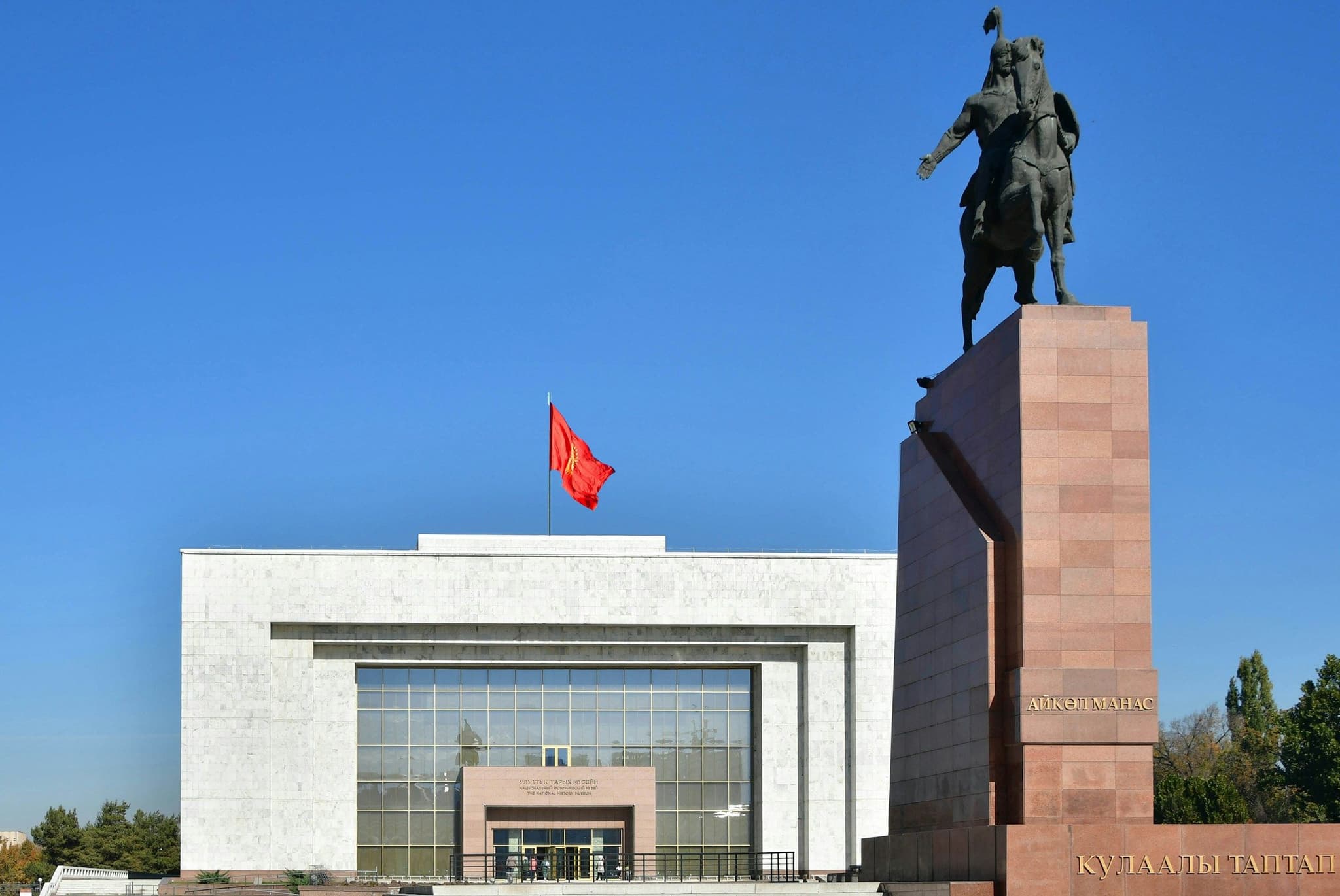
Bishkek began as Pishpek, a Kokand fortress built in 1825, and was named Frunze from 1926 to 1991. The Soviet decades still set the look of the city, with wide boulevards and marble public buildings. At its centre is Ala-Too Square, where the State Historical Museum stands beside the independence monument and its changing of the guard. Osh Bazaar, the big produce market west of the centre, is worth an hour with your bag zipped. The Kyrgyz Ala-Too range forms the backdrop. One or two nights is plenty. Treat Bishkek as a base for Ala Archa and Burana rather than a destination in its own right.
Hike to glaciers in Ala Archa National Park
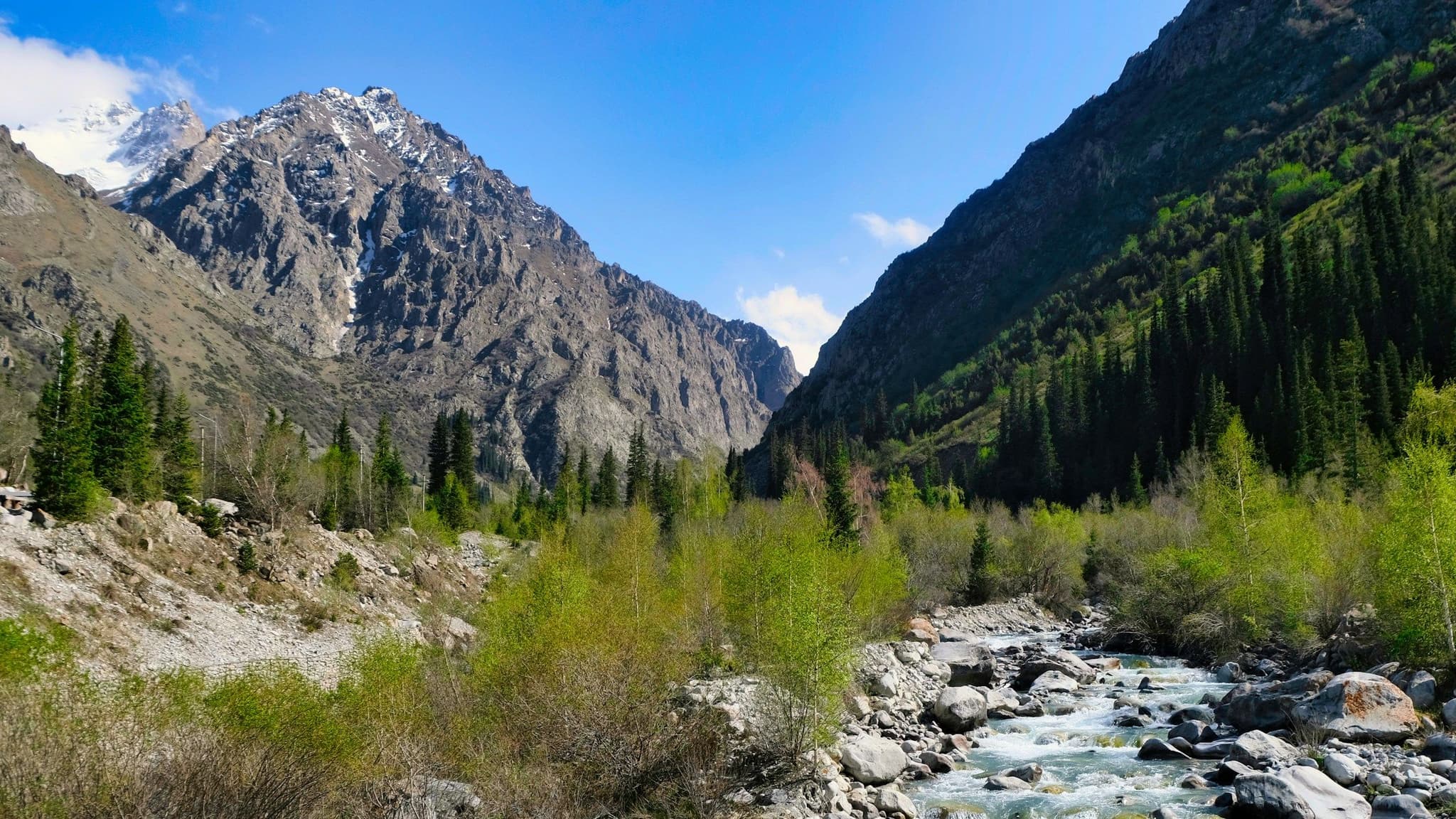
We think Ala Archa is the easiest big-mountain day trip from any capital in Central Asia. The park lies about 35 km south of Bishkek and climbs to 4,895 metres at Semenov-Tian-Shansky Peak, with more than 20 glaciers. The classic walk heads up to the Ak-Sai glacier via the Ratsek hut, a former Soviet climbing base, while the Adygene gorge has waterfalls. Since May 2025 private cars can't enter. Adults pay 200 som, leave the car at the car park by the gate and ride one of the free electric shuttles. Go on a weekday if you can.
Climb the Burana Tower in the Chüy Valley
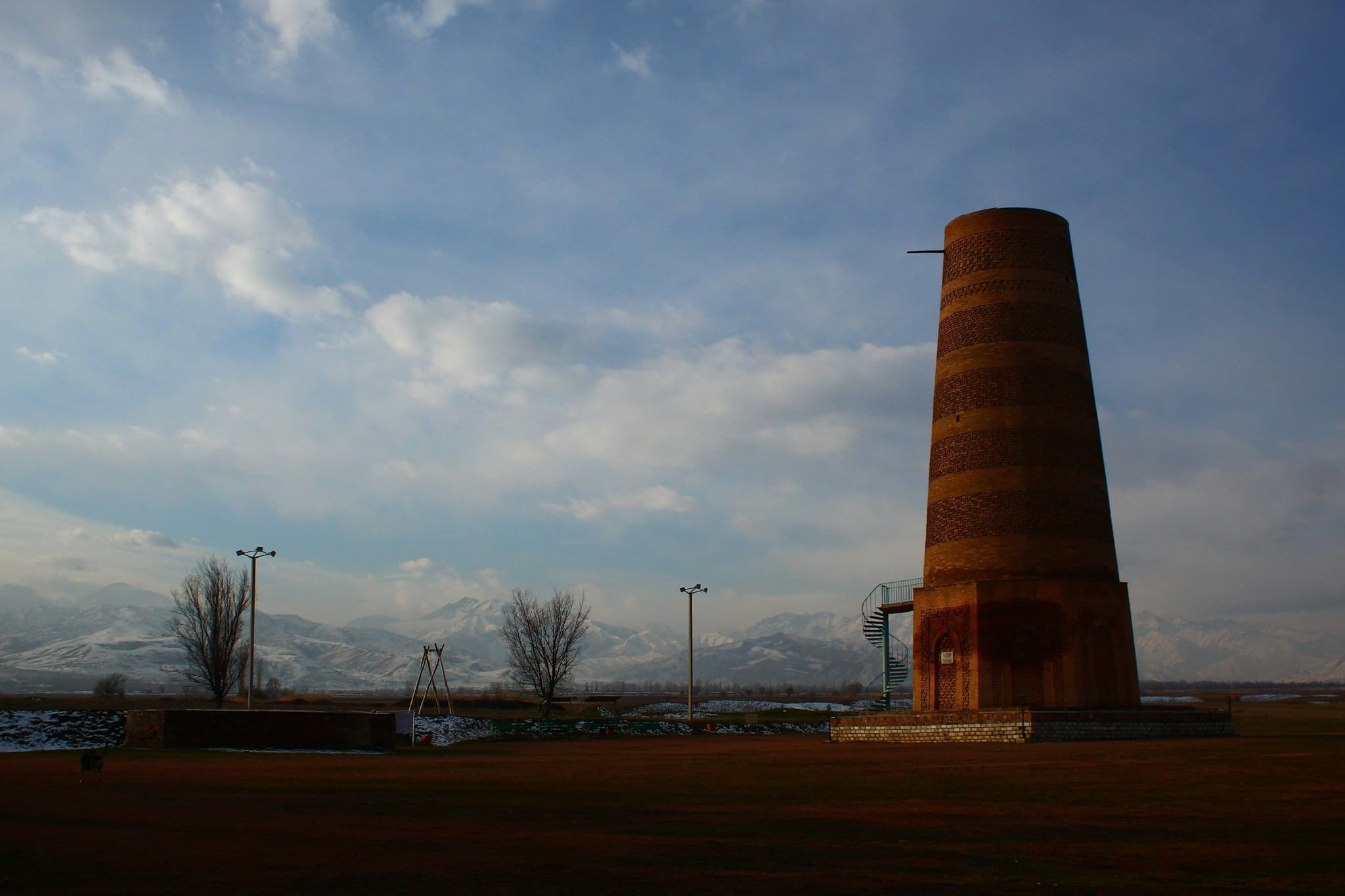
Burana Tower is what remains of Balasagun, a Karakhanid city founded in the late 9th century, about 70 to 80 km east of Bishkek by the town of Tokmok. The 11th-century tower once stood about 45 metres tall. A 15th-century earthquake took the top off, and today it stands at 25 metres, with a steep spiral staircase inside that you can climb. At its foot is an open-air collection of balbals, the carved Turkic grave stones, and a small museum. It's part of a UNESCO Silk Roads listing and an easy half-day on the drive from Bishkek to Issyk-Kul.
Spend beach days in Cholpon-Ata on Issyk-Kul's north shore
Issyk-Kul is about 180 km long and 668 metres deep at its deepest point. It's the second-largest mountain lake in the world after Titicaca, and its water is about 0.6% salt, so it rarely freezes. Cholpon-Ata, the main town on the north shore, is a Soviet-era resort of sanatoria and hotels. It also has an open-air field of about 2,000 petroglyphs, dated from about 800 BC to 1200 AD, and it hosted the first three World Nomad Games. Come to the north shore for beaches and resort life in July and August. If you want quiet, the south shore is prettier.
Base yourself in Karakol for the eastern mountains
Karakol is the best base in Kyrgyzstan, and we'd give it at least three nights. The town of about 84,000 people sits at 1,745 metres near the eastern end of Issyk-Kul, and was long called Przhevalsk, after the explorer Przhevalsky, who died here in 1888. Holy Trinity Cathedral is a wooden church finished in 1895, and the Dungan Mosque was built in the early 1900s by Chinese craftsmen without nails, with a pagoda-like roof where you'd expect a minaret. Get up early on Sunday for the animal market on the edge of town. Treks to Altyn-Arashan and Ala-Kul start from here, and Jyrgalan, about 60 km away, has newer trails.
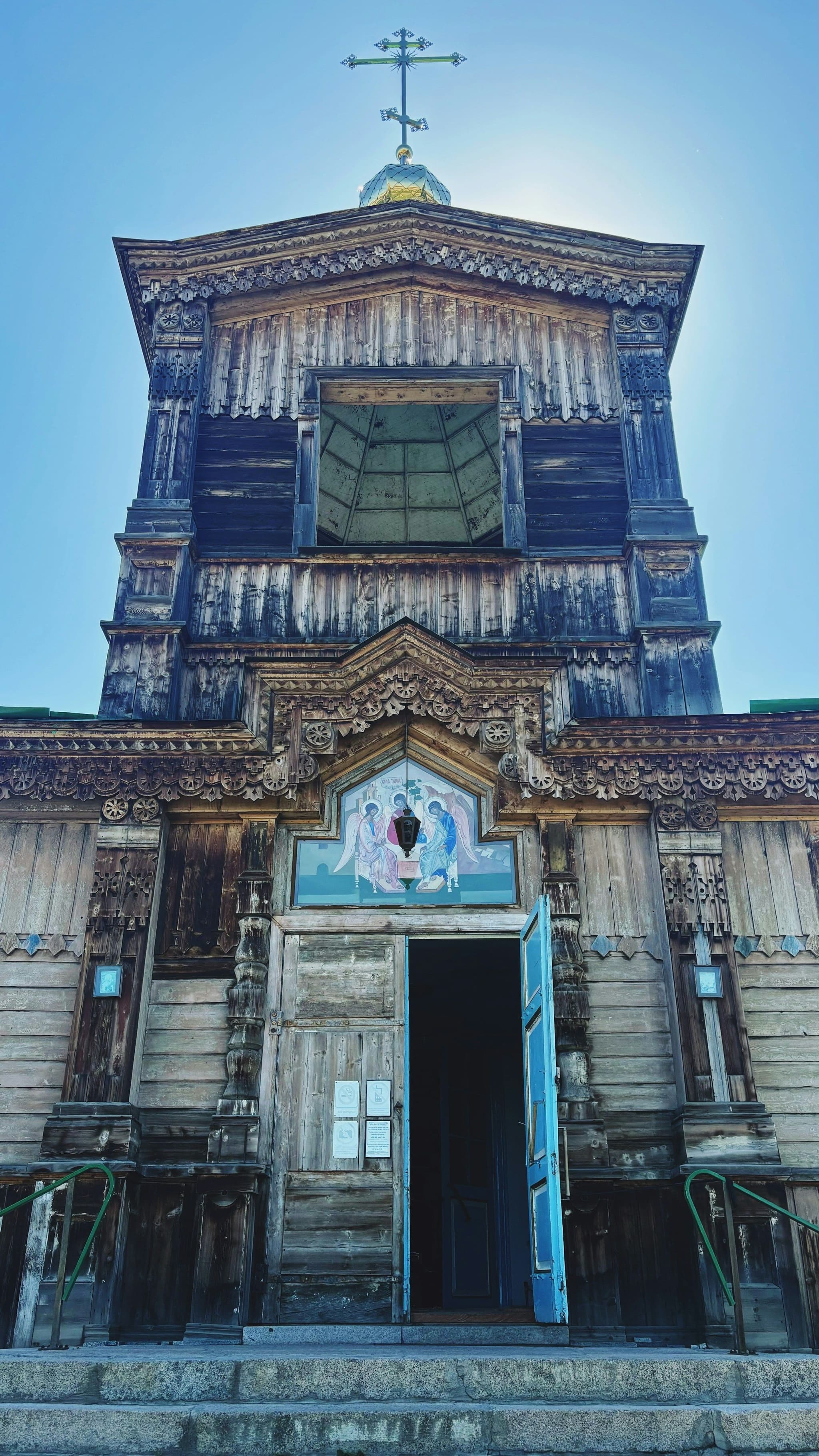
Trek to Ala-Kul and soak at Altyn-Arashan
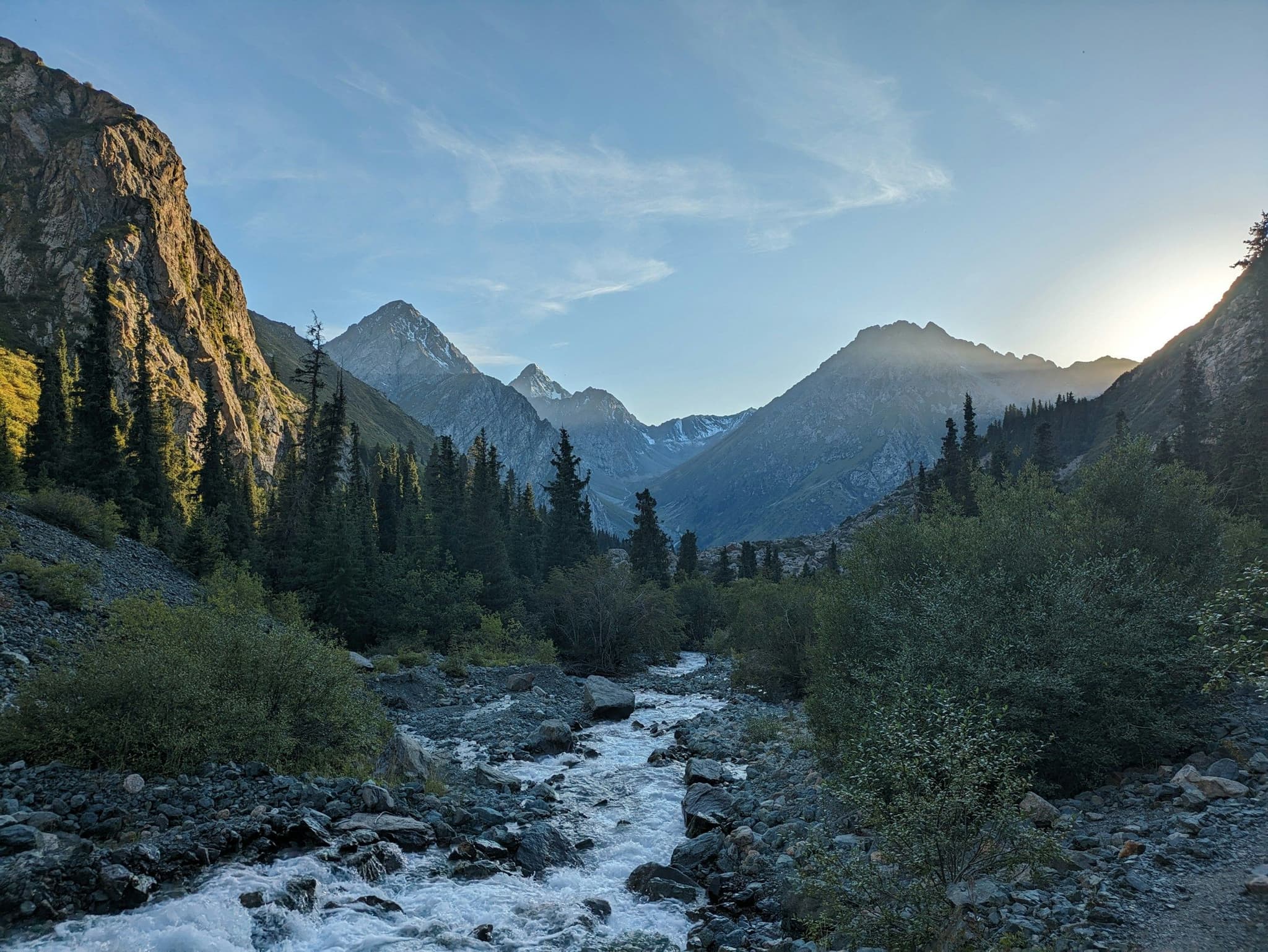
Is the Ala-Kul trek worth three or four days of your trip? We think it's the finest walk in the country. The classic loop runs about 55 km from the Karakol valley up to Ala-Kul lake at 3,560 metres, over the 3,860-metre pass and down to Altyn-Arashan, then out to Ak-Suu. Altyn-Arashan has hot sulphurous springs in wooden bathhouses, with the 5,020-metre Pik Palatka above the valley. The season runs from about 1 July to 20 September. Walk it in that direction so the hot springs come after the pass. If you only want the springs, the walk in from Ak-Suu is 18 km.
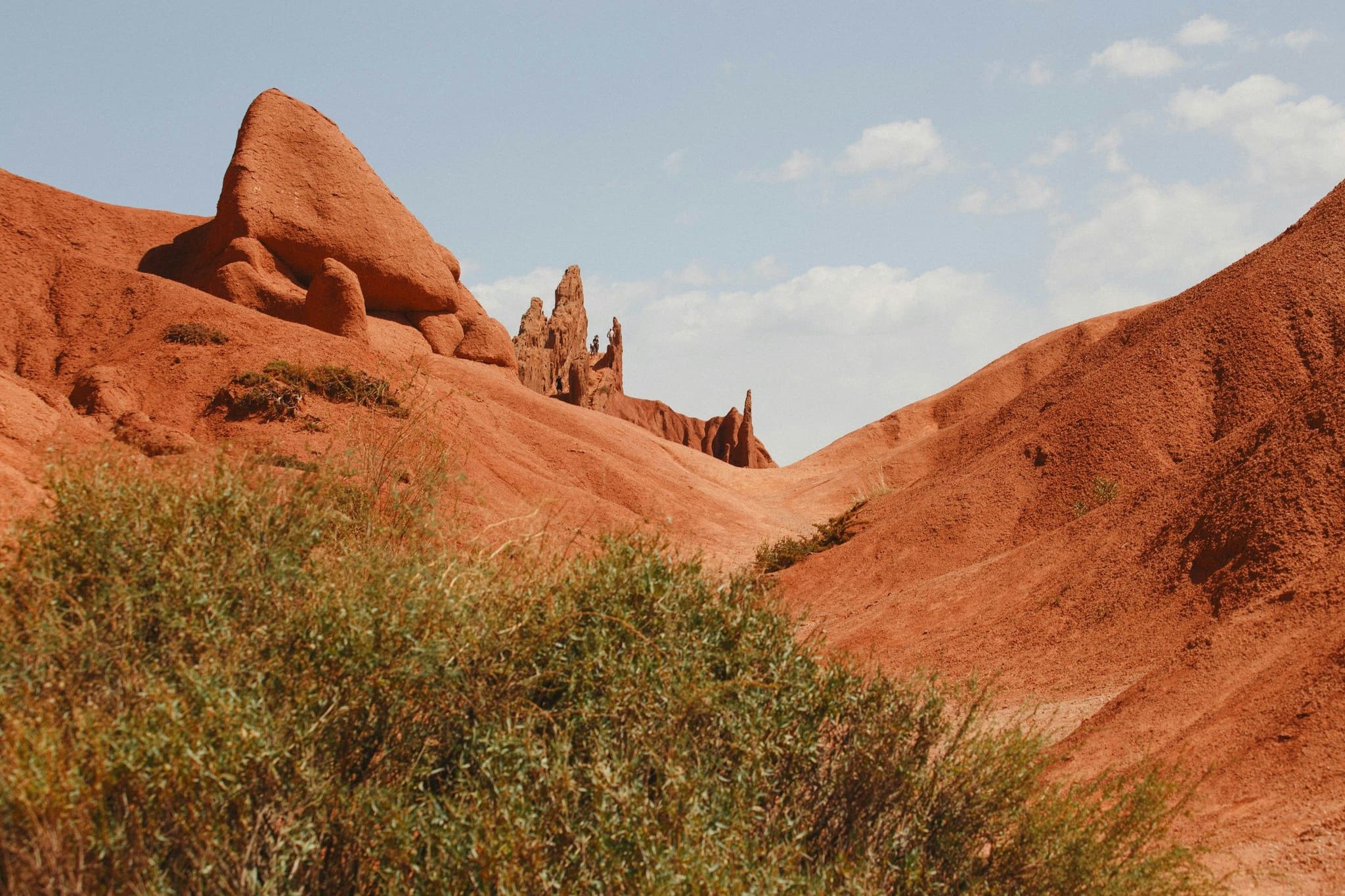
See the red rocks of Jeti-Oguz and Skazka canyon
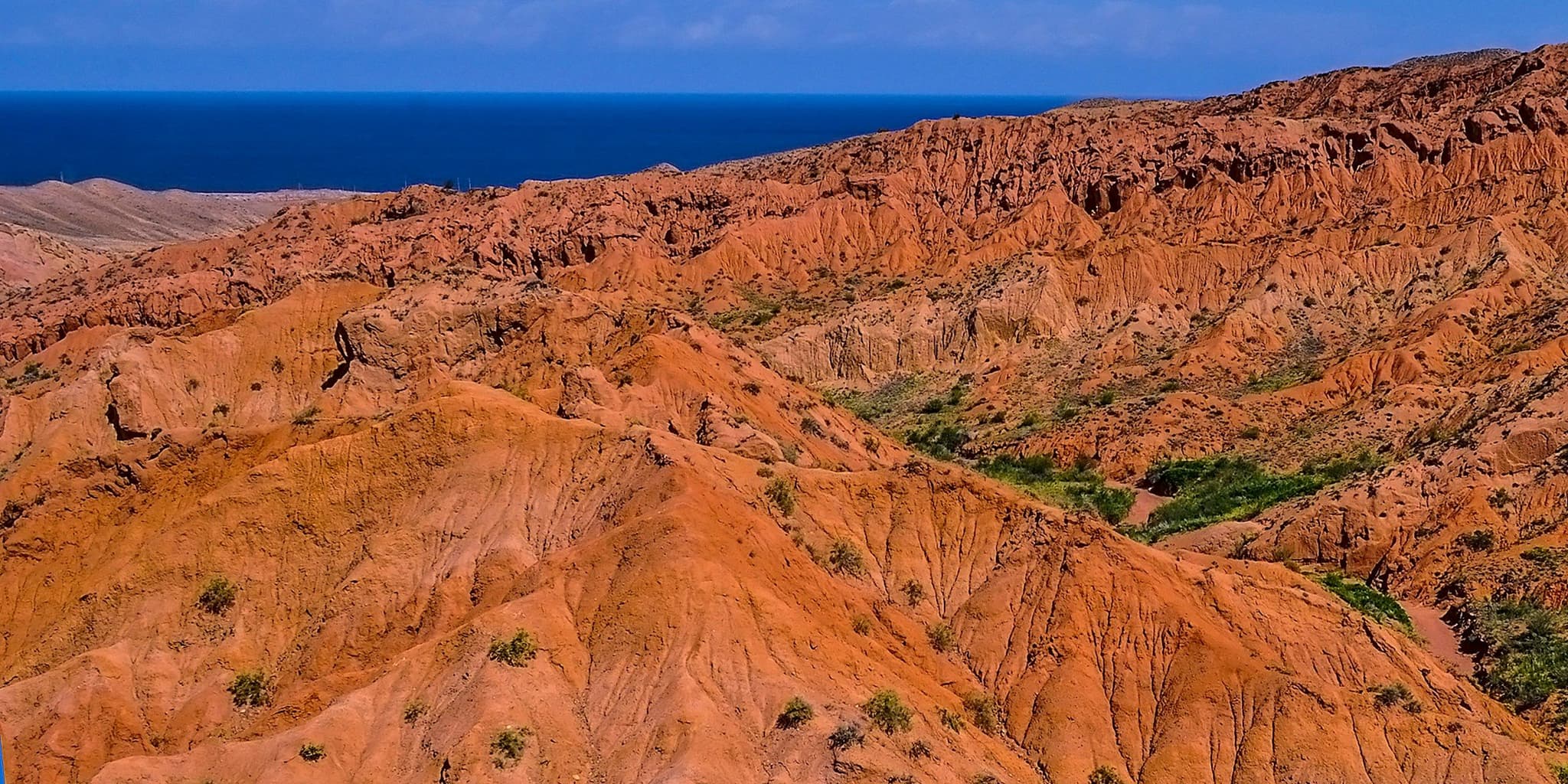
Jeti-Oguz means "Seven Bulls", and the name belongs to a line of red sandstone cliffs that has been a protected nature monument since 1975. Local legend ties the rocks to a khan's unfaithful wife, and a nearby rock goes by the name Broken Heart. Skazka, or Fairy Tale, canyon is a maze of eroded red and orange rock by the village of Tosor, also on the south shore of Issyk-Kul, with a formation called the "Chinese Wall". Drive the south shore at least one way between Bishkek and Karakol. The north shore is the resort side, and this is the wilder one.
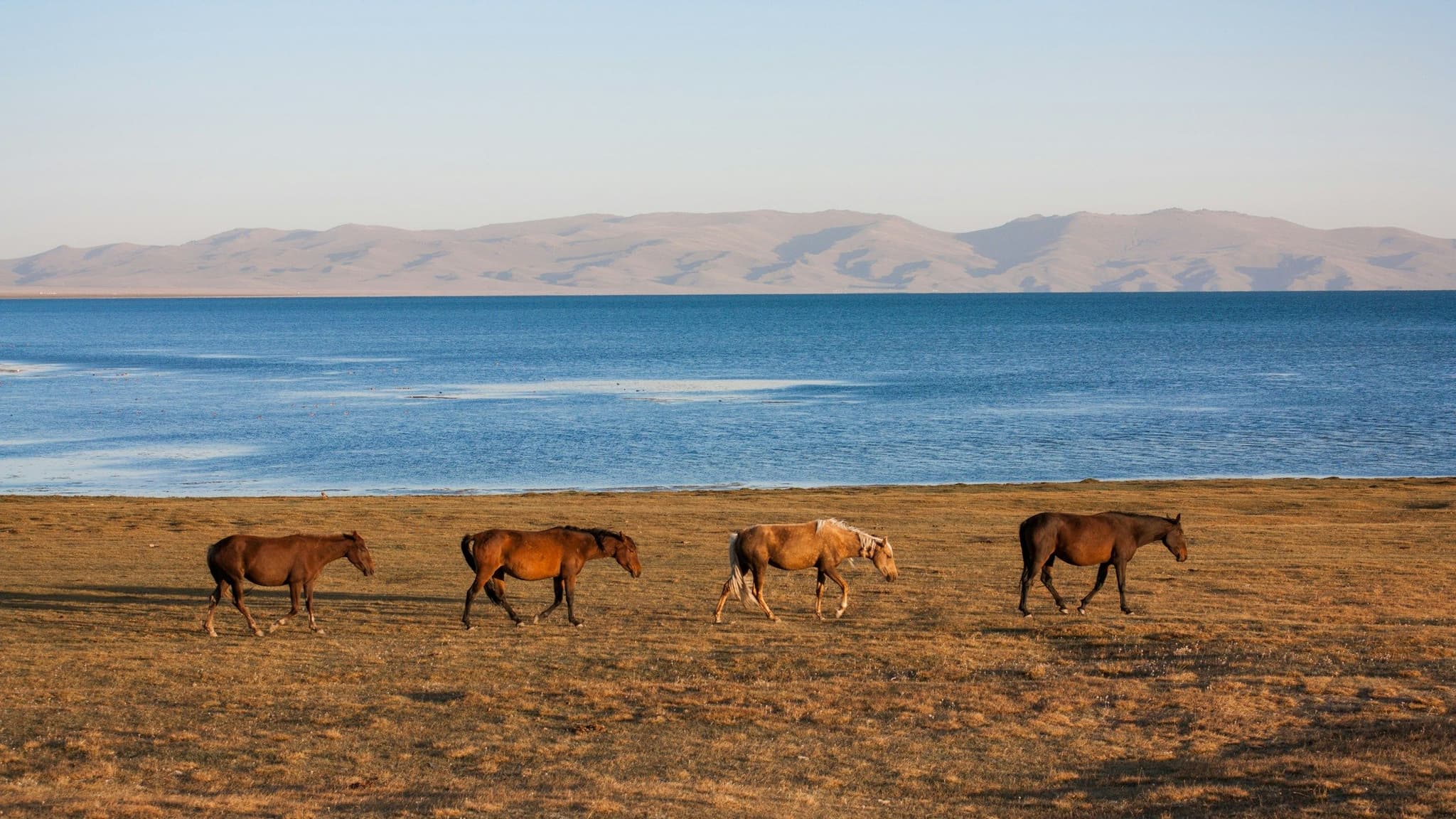
Sleep in a yurt beside Song-Kul
If you only sleep in one yurt in Kyrgyzstan, make it at Song-Kul, and stay two nights if you can. The lake lies at 3,016 metres, covers about 270 km² and is frozen from about November to May. Yurt camps are fully running in July and August, and the lake is an Important Bird Area for bar-headed geese and demoiselle cranes. The road from Kochkor, about 80 km, crosses the 3,447-metre Kalmak-Ashuu pass and needs a high-clearance vehicle. Pack warm layers. July nights drop to between 5 and 10 °C.
Buy felt in Kochkor, the gateway to Song-Kul
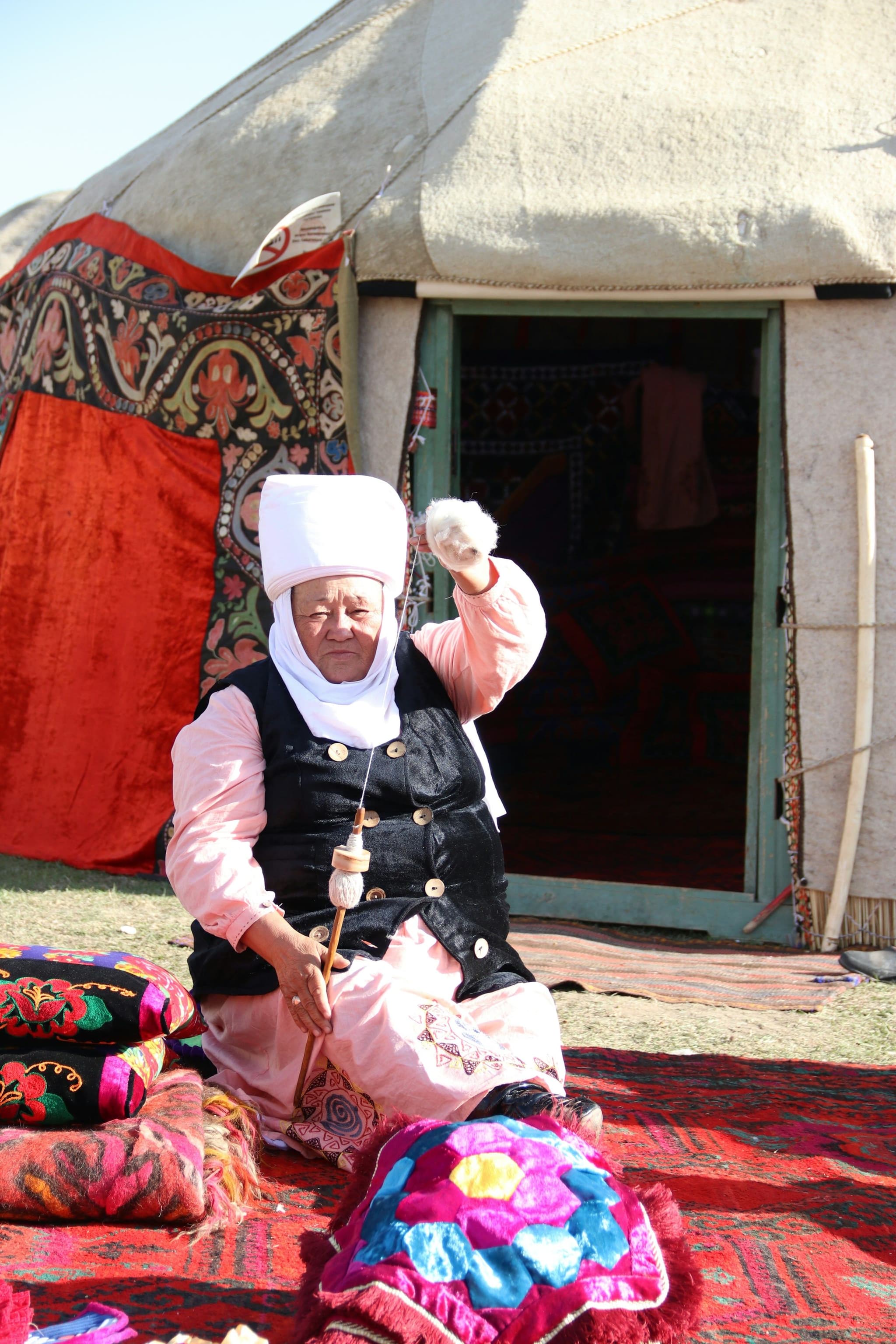
Kochkor is a small town at about 1,800 metres and the usual jumping-off point for Song-Kul, about 3.5 hours from Bishkek by marshrutka for 250 som. The reason to linger is felt. Women's cooperatives here make shyrdak and ala-kiyiz, the felt carpets that UNESCO listed for urgent safeguarding in 2012, and pieces sell from about $15 to more than $150. This is the place to buy, because you can watch the felt being made. The CBT office in town can help with yurt stays at the lake.
Stay overnight at Tash Rabat, a Silk Road caravanserai
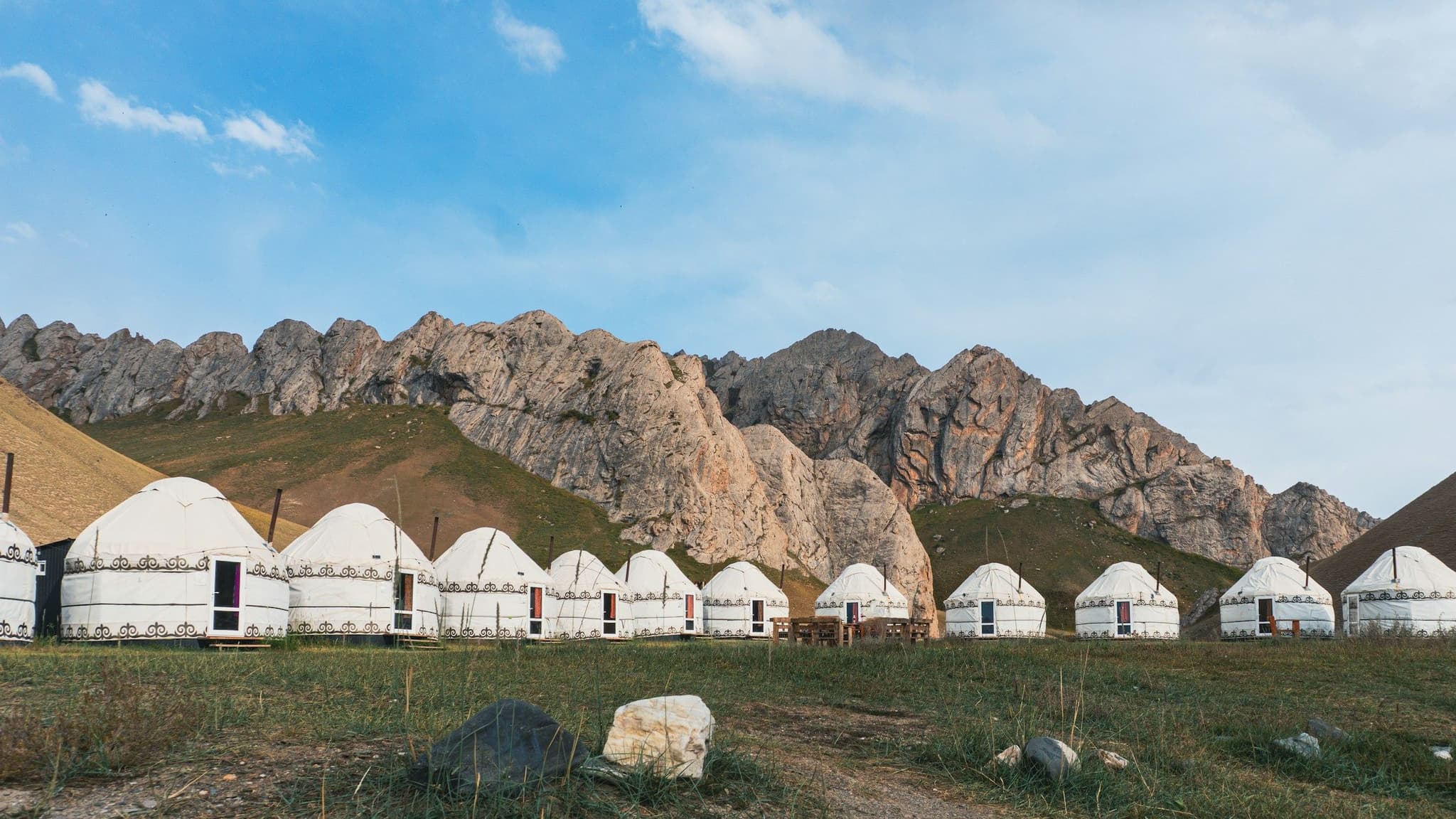
This is the most atmospheric Silk Road site in Kyrgyzstan, and it's worth the night. Tash Rabat is a stone building at 3,200 metres with 31 domed rooms, dated variously to the 10th or 15th century. It's usually called a caravanserai, though some scholars suggest a monastery. It's 2 to 3 hours by 4WD from Naryn, on the road towards the Torugart pass and China. Yurt camps beside it open from June to September, and the road can be impassable from October to May. Chatyr-Kul lake, to the south, sits in a border zone, so book the permit through a Naryn or Bishkek agency at least two weeks ahead.
Climb Sulaiman-Too above Osh
Osh is Kyrgyzstan's second city, and UNESCO estimates it is more than 3,000 years old. Its centrepiece is Sulaiman-Too, a mountain of five peaks that became the country's first World Heritage Site in 2009. It holds 101 petroglyph sites and 17 places of worship still in use, and Babur built a small mosque on the top peak in 1510. Women crawl through a hole in the rock in the hope of having children, and a Soviet-era museum is built into the rock itself. The flight from Bishkek takes about 45 minutes, against about 12 hours by road, so fly at least one way.
Walk through the walnut forest at Arslanbob
Go in September, when the walnut harvest runs for about a month. Arslanbob, a village at 1,600 metres in Jalal-Abad region, sits inside 11,000 hectares of walnut woodland, which is described as the largest walnut grove on Earth. Legends credit the forest to a companion of the Prophet, or to Alexander the Great. Two waterfalls make good walks from the village, one of 80 metres and one of 23 metres. A shared taxi from Osh takes about 3 hours and costs about 300 som. It's the greenest, gentlest corner of the country.
Kyrgyzstan itinerary ideas for your trip
Most routes in Kyrgyzstan are loops from Bishkek, and the only train line runs just as far as Balykchy, so you'll travel by road or air. You can also begin in Almaty, 4 to 6 hours away by bus. If you have to cut something from the longer route, we'd drop Osh before we'd drop Song-Kul.
5 to 7 day Kyrgyzstan itinerary
Day 1-2: Bishkek's Ala-Too Square and Osh Bazaar, plus a day hike in Ala Archa.
Day 3: Burana Tower, then on to Cholpon-Ata on the north shore of Issyk-Kul for the petroglyphs.
Day 4-5: Karakol, with a day at Jeti-Oguz or a walk up to Altyn-Arashan for a night by the hot springs.
Day 6-7: With a hired driver, the south shore via Skazka canyon to Kochkor, a night at Song-Kul, then back to Bishkek. It's a lot of road for two days, so skip Song-Kul and head straight back along the south shore if you'd rather go slowly.
10 to 14 day Kyrgyzstan itinerary
Day 1-2: Bishkek and Ala Archa.
Day 3: Burana Tower and the north shore of Issyk-Kul.
Day 4-7: Karakol and the Ala-Kul trek, finishing at the Altyn-Arashan hot springs.
Day 8: The south shore and Skazka canyon.
Day 9-10: Kochkor for felt, then Song-Kul by 4WD or on horseback.
Day 11-12: Naryn and a night in the yurts at Tash Rabat.
Day 13-14: Back to Bishkek and a flight to Osh for Sulaiman-Too, adding Arslanbob if you have extra days.
You can build either route yourself, or adjust it to your own dates, in the Guided trip planner.
Fun things to do in Kyrgyzstan
Kyrgyzstan is at its best outdoors, ideally on a horse, so most of what we'd recommend happens far from any town.
Ride a horse across the jailoo to Song-Kul
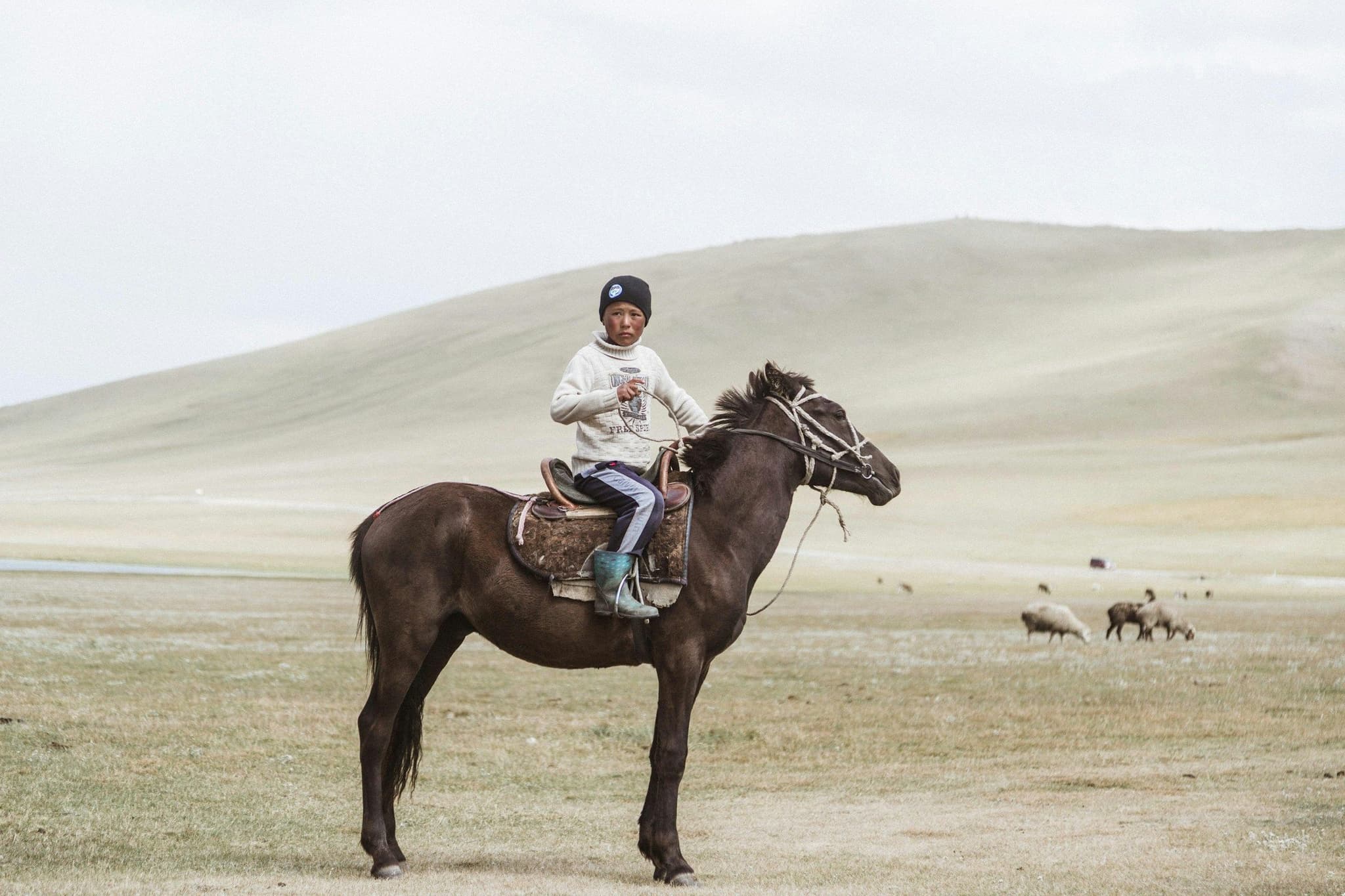
Ride at least one day here, even if you've never sat on a horse. The classic trip takes 2 to 3 days from Kochkor or Kyzart up to Song-Kul, sleeping in shepherds' yurts on the way, and a 3-day tour starts from about $290. If you organise it yourself, horse hire costs about $30 a day, plus about $30 for the horseman who rides with you.
Watch kok boru and the nomad games
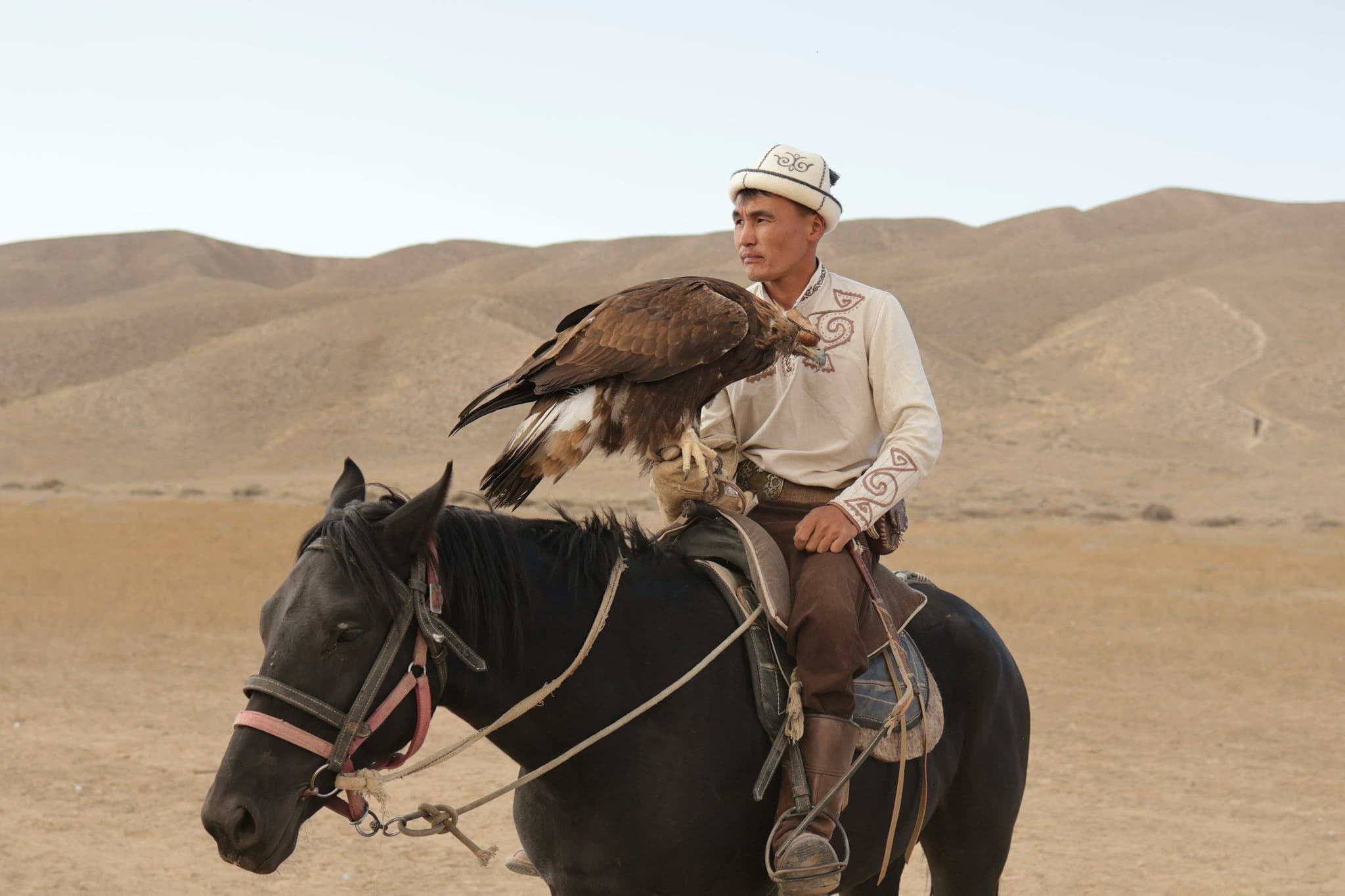
Kok boru is played by teams on horseback who carry a goat carcass, or sometimes a synthetic one, to the goal. UNESCO added it to its intangible heritage list in 2017. You're most likely to catch it at summer festivals and national holidays, often alongside at-chabysh horse racing. Kyrgyzstan hosted the World Nomad Games in 2014, 2016 and 2018, and again in 2026. The next edition hasn't been announced, so a summer festival is your best chance.
Eat a Dungan family dinner near Karakol
Destination Karakol, the visitor centre on 22 Gagarin Street, books evenings with Dungan families in the nearby village of Yrdyk, also spelt Deishan. They last about three hours and include eight or more dishes, a walk round the village and a lesson in making ashlan-fu. We'd book this over any restaurant meal in Karakol.
Ski at Karakol in winter
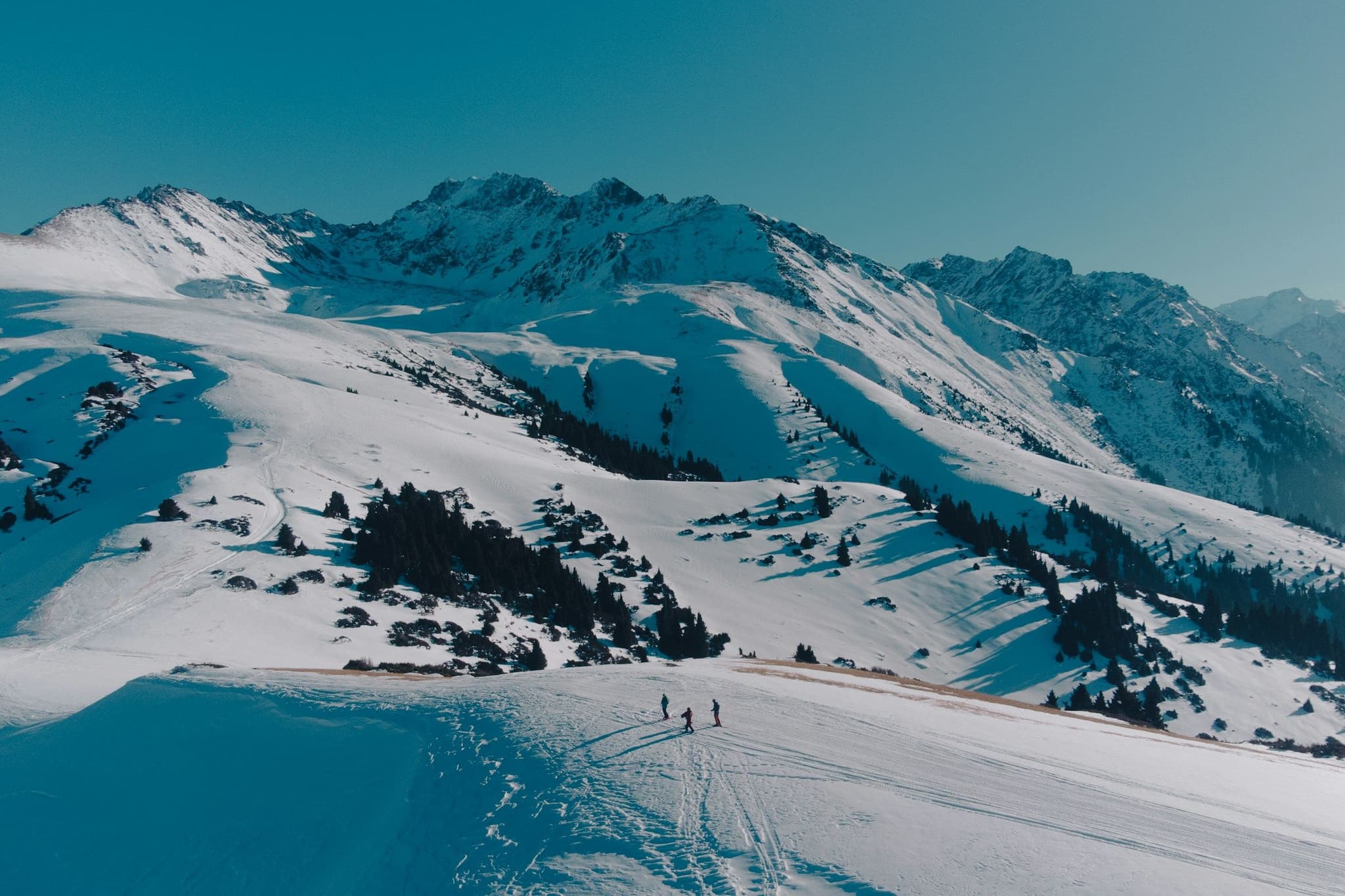
Karakol's ski base sits about 20 minutes from town and has 20 km of runs. We wouldn't fly in for the skiing alone, but it's the main reason to come between November and March, when the yurt camps are shut. Pack for the cold, as winter power cuts happen.
When to go to Kyrgyzstan?
When is the best time to visit Kyrgyzstan? Late June to mid-September, and September if you'd rather share the trails with fewer people. High trekking routes such as the Ala-Kul pass open from July, and July and August are the busiest months. Bishkek reaches about 32 °C in July, while Song-Kul averages 11 °C in July and -20 °C in January.
- Spring: green lowlands and the wettest weather of the year in Bishkek, with the high passes still under snow
- Summer: yurt camps, high treks from July, beach days on Issyk-Kul and fresh kymyz at the roadside
- Autumn: settled trekking weather and the walnut harvest at Arslanbob in September, before the camps close in October
- Winter: skiing at Karakol, while snow can close mountain roads and the high plateaus drop to -20 °C

Did you know you can create your own itinerary?
Now that you know what to see in Kyrgyzstan and where to stay, you can start creating your own trip. Do you want more nights in yurts beside mountain lakes, or are you thinking more about Silk Road caravanserais and long trekking days out of Karakol? It's all up to you. You can easily create your own trip in the Guided app for free, or use trips shared by others.
Where to stay in Kyrgyzstan?
Outside Bishkek and Osh, most beds in Kyrgyzstan are in guesthouses and yurt camps rather than hotels. We'd book one central hotel in Bishkek and keep it simple everywhere else.
Stay in central Bishkek near Ala-Too Square
A 3-star hotel in Bishkek costs about $58 to $61 a night and a 4-star about $103. Stay central, near Ala-Too Square, so the museum and the main boulevards are a short walk away.
Base yourself in Karakol guesthouses for the eastern treks
Karakol has guesthouses and small hotels, with 3-star rooms from about $34, and this is the town where we'd spend the most nights.
Book a resort hotel in Cholpon-Ata for lake days
The north shore is where you'll find the resort hotels and the old Soviet-era sanatoria. It's busiest and most expensive in July and August, so book ahead for the beach season.
Sleep in yurt camps and CBT homestays in the mountains
Up in the mountains, yurt camps at Song-Kul, Tash Rabat and Kok-Kiya (the camp for Kel-Suu lake) are the usual choice, and village homestays booked through the CBT network at cbtkyrgyzstan.kg cost about $22 to $44 a room. Kel-Suu sits in a border zone, so it needs the same agency permit as Chatyr-Kul.
Guided tip: In July and August, book Song-Kul yurt camps a few days ahead through a Kochkor agency or CBT, because tour groups fill them.
Getting around when visiting Kyrgyzstan
Hire a driver with a 4WD for the high country and use shared transport for the rest, because the roads to Song-Kul and Tash Rabat are rough and fuel stops are few.
Take marshrutkas and shared taxis between towns
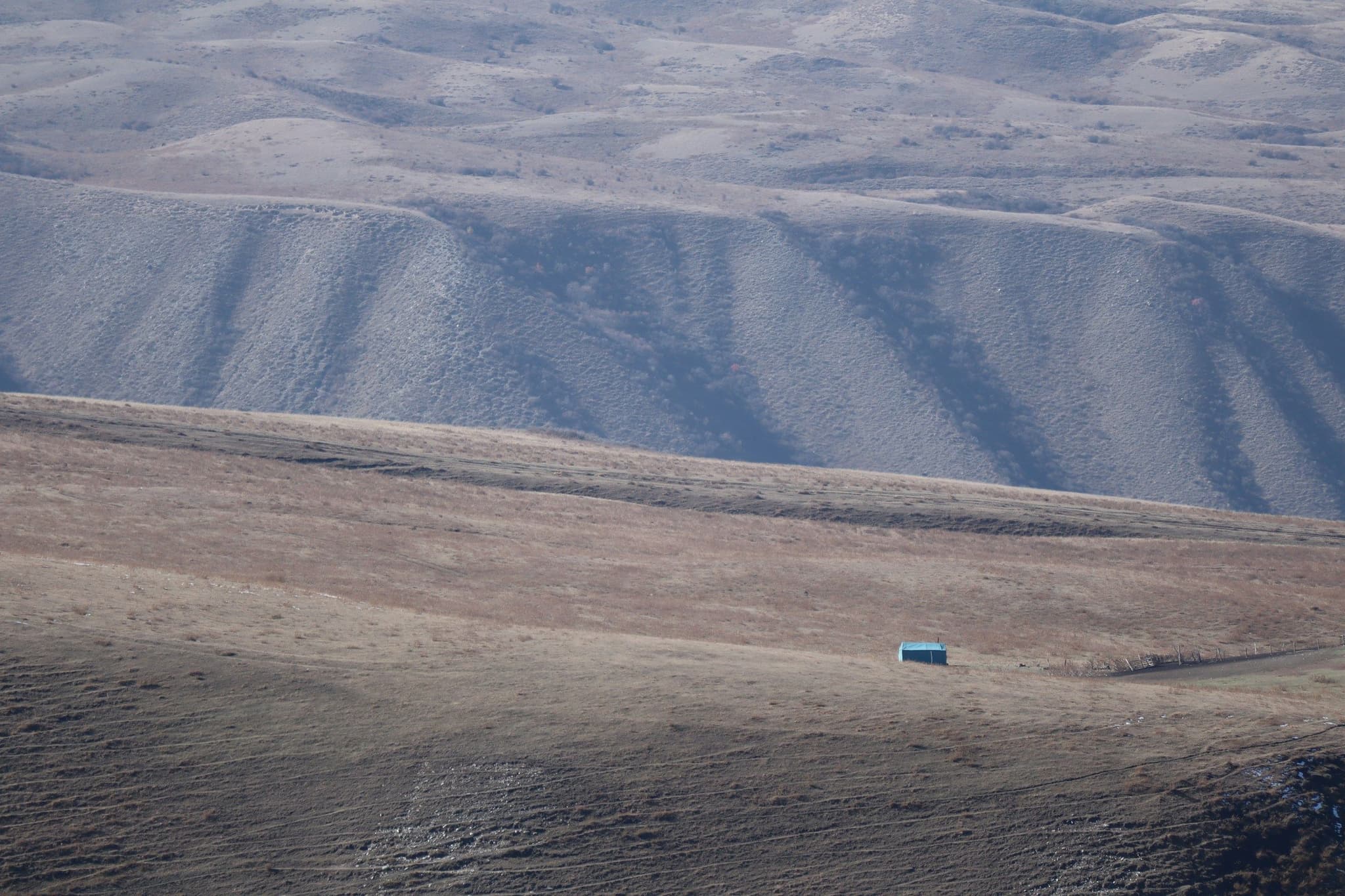
Marshrutkas are fixed-route minibuses that leave when they're full, mostly from Bishkek's Western and Eastern bus stations. Bishkek to Karakol takes about 6 hours by marshrutka for about 350 som, or about 4.5 hours by shared taxi for about 500 som a seat. The FCDO advises avoiding local minibuses because of pickpockets and poor maintenance, so if you use them, keep your valuables close. From Almaty, buses leave Sayran station several times a day and take 4 to 6 hours to Bishkek, crossing the border at Korday, which makes it easy to pair this trip with Kazakhstan.
Hire a driver or a 4WD for the mountains
A car with a driver costs about $40 to $100 a day, and a self-drive 4x4 such as a Land Cruiser or Prado about $80 to $120. We'd take the driver, because rural fuel is limited and diesel is often unavailable. If you do drive, a UK photocard licence is valid for 30 days, then you need a 1968 International Driving Permit.
Fly between Bishkek and Osh
The flight takes about 45 minutes. Since May 2026 fares on private carriers such as Tez Jet and Sky FRU are capped at 3,800 to 5,900 som, and the state-owned Asman Airlines charges 5,500 som at most. Weather can cancel flights, so leave a spare day before an international departure.
Use Yandex Go and cashless buses in Bishkek
Yandex Go works in Bishkek and Osh, and a cross-town ride costs about $1 to $3. Bishkek's city buses no longer take cash. Tap a Tulpar card or a bank card, or buy a QR ticket at a Pay24 kiosk. It isn't confirmed that foreign cards work at the validators, so the QR ticket is the safer bet. A daytime ride costs 17 som.
Guided tip: Agree whether a shared-taxi price is per seat or for the whole car before you get in.
Food and drinks you should try when visiting Kyrgyzstan
What does a country of herders eat? A lot of meat and noodles, with Dungan and Uyghur dishes adding chilli and vinegar.
Beshbarmak, the national dish
Beshbarmak means "five fingers", because it's traditionally eaten by hand. It's boiled, shredded meat (horse, mutton or beef) served over homemade noodles, and it's the dish for big family occasions, from births to funerals.
Ashlan-fu in Karakol's Small Bazaar
Ashlan-fu is Karakol's cold, spicy Dungan noodle soup with a vinegar and chilli sauce, eaten with fried potato piroshki. There's a whole alley for it in the Small Bazaar, and we think it's the best thing you'll eat in the country.
Lagman and plov
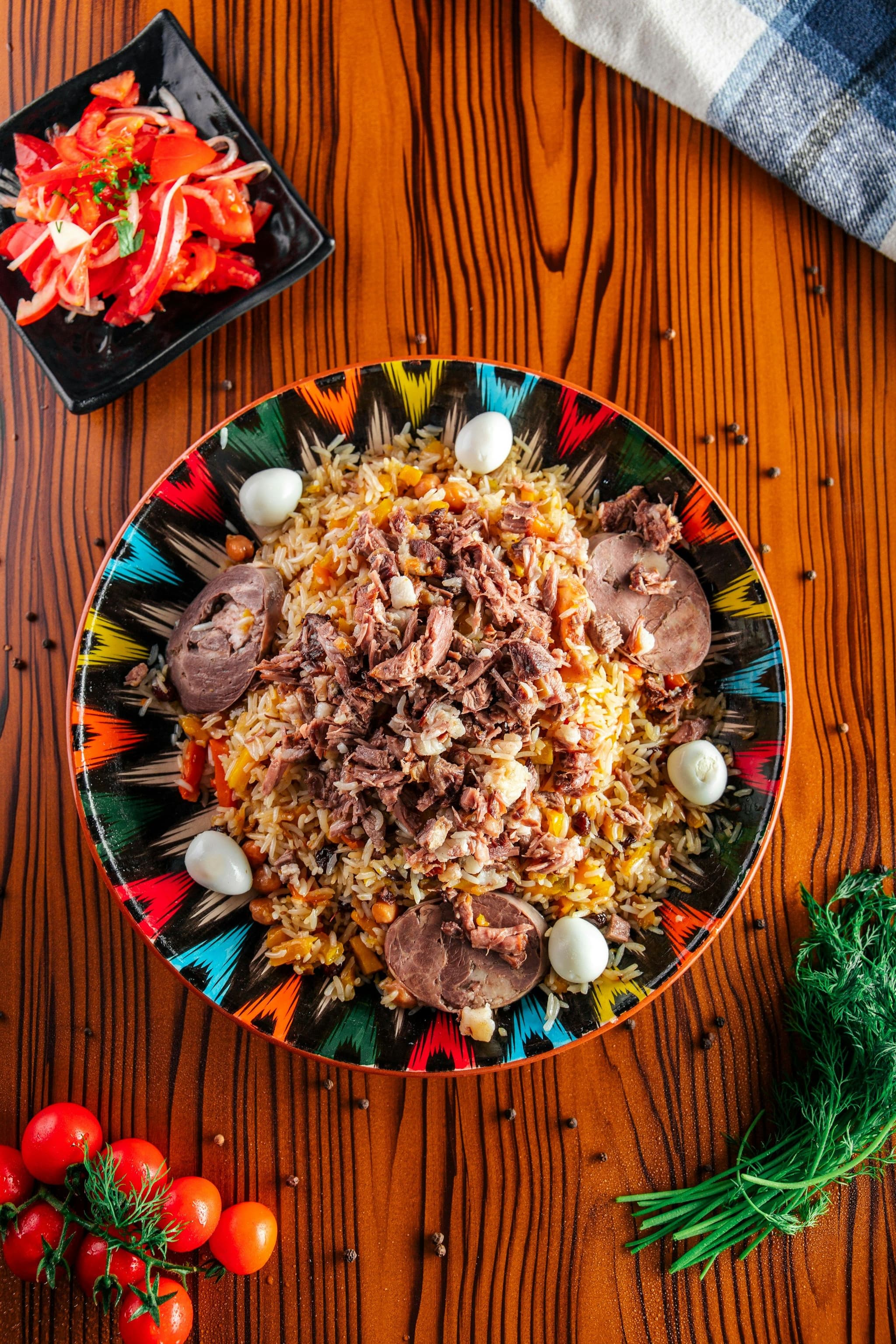
Lagman is hand-pulled noodles with peppers and vegetables in a spicy, vinegary sauce, a dish of Dungan and Uyghur origin. Plov, called paloo in Kyrgyz, is rice cooked in a qazan with mutton or beef and carrots. The Uzgen version uses Uzgen rice, and it's the one to order if you see it.
Kymyz and other fermented drinks
Kymyz is fermented mare's milk and slightly alcoholic. Fresh kymyz is sold at the roadside in the mountains from May to August, and it's worth trying one bowl even if you don't finish it. Maksym, a fermented-grain drink that UNESCO listed in 2025, is sold from Shoro's street kiosks, and chalap is a fizzy ayran.
Culture and local habits you'll notice when visiting Kyrgyzstan
About 90% of people in Kyrgyzstan are Muslim, but the habits you'll notice first come from the yurt and the tea bowl. Tea, or shai, is served in a piala bowl, and you should always accept it. If your host fills the bowl only halfway, that's a sign you're welcome to stay longer. Take your shoes off in homes and yurts, and never put bread upside down. The eldest is served first. Try to finish your food, and bring a small gift for your host if you're staying the night.
Greet people with "Salam". Men shake hands, but wait for a woman to offer her hand first. Kyrgyz is the state language, Russian is official and widely spoken, and Uzbek is common in the south. The white felt kalpak is a national symbol, and so is Manas, the hero of an epic that manaschi bards recite without instruments. Ask before photographing people, especially in the countryside, and cover shoulders and knees at mosques and mausoleums.
Looking for more unique places, trips and activities?
Subscribe to our Guided Newsletter for more travel inspiration.
Costs of a holiday to Kyrgyzstan
Kyrgyzstan is one of the cheapest trips you can take in this part of Asia, and day-to-day spending stays low. Numbeo's 2026 mid-year index puts its cost of living at 27.6 (New York = 100). Tajikistan and Uzbekistan sit less than a point higher, while Kazakhstan is at 32.7 and Georgia at 34.9. Eating out shows the gap most clearly, with Kyrgyzstan's restaurant index at 23.9 against 34.1 in Kazakhstan. The mountains are what push a budget up, since a driver or a guided trek costs far more than food or a bed.
Food & Drink

Coffee
KGS 150 – KGS 280
Lunch
KGS 300 – KGS 900
Beer
KGS 100 – KGS 200
Accommodation
Hotels
KGS 4,500 – KGS 9,000
Guesthouse
KGS 2,000 – KGS 4,000
Hostel dorm
KGS 600 – KGS 1,100
Transport

Shared taxi
KGS 500 – KGS 1,800
Public Transport
KGS 17 – KGS 30
Car Rental
KGS 7,000 – KGS 10,500
Attractions

Museums
KGS 60 – KGS 100
Big Attractions
KGS 200 – KGS 2,600
Theatre
KGS 100 – KGS 1,500
Practical tips for visiting Kyrgyzstan
What catches people out in Kyrgyzstan? Mostly the visa rule that changed at the end of 2025, and how little you can pay by card once you leave Bishkek.
✔ Check the 30-day visa-free rule before you book
Since 31 December 2025, many nationalities, including the UK, EU and US, can stay up to 30 days in any 60 without a visa. Ignore older guides that still say 60 days. Your passport should be valid for 6 months after arrival. To stay longer, arrange a visa or registration through the official e-visa portal. Overstays bring fines and possible deportation. Check the current rules for your passport on the FCDO entry requirements page or the US State Department site before you travel.
✔ Carry cash in som outside the cities
The currency is the som (KGS), at about 87 som to the US dollar. Cards work in the bigger hotels and supermarkets in Bishkek and Osh, but guesthouses and yurt camps want cash. ATMs are in the towns, with none in the mountains, and Mastercard works at more of them than Visa. Bring clean US dollar notes to exchange at banks or exchange offices, never street changers.
✔ Book taxis rather than flagging them down
Use Yandex Go or a pre-ordered licensed taxi in Bishkek and Osh rather than hailing one in the street, as the FCDO advises. For Song-Kul and Tash Rabat, arrange a 4WD and driver before you arrive rather than looking for one on the day.
✔ Avoid demonstrations and the Tajikistan border area
The US State Department rates Kyrgyzstan Level 1 (exercise normal precautions) overall but Level 3 (reconsider travel) within about 30 km of the Tajikistan border, and the FCDO also warns of possible unexploded ordnance and mines near that border. In Bishkek, watch for pickpockets at Osh Bazaar and drink spiking in bars. Demonstrations can turn violent, so avoid political gatherings, especially around the presidential election on 27 January 2027.
✔ Take the altitude and the mountains seriously
Song-Kul is at 3,016 metres, Tash Rabat at 3,200 metres and the Ala-Kul pass at 3,860 metres, so give yourself time to adjust. Trek with a reputable agency rather than alone, and buy insurance that covers altitude. Mountain rescue is volunteer-run and reachable around the clock on +996 312 651 404.
✔ Know the local laws and dress codes
Drinking alcohol in public is banned, and vapes are illegal to bring in, buy or sell, so leave yours at home. Don't take photos or fly drones near military sites or border checkpoints, and the same goes for police stations. Carry your passport or a notarised copy at all times, and dress modestly at mosques and mausoleums.
Fun facts about Kyrgyzstan
Our favourite of these is the Manas one, because the number sounds made up.
- The Tian Shan mountains cover more than 80% of Kyrgyzstan.
- One version of the Epic of Manas runs to about 500,000 lines, about 20 times the length of the Iliad and the Odyssey combined.
- The sun on the national flag has 40 rays for the 40 Kyrgyz tribes, with a tunduk, the crown of a yurt, at its centre.
- Divers have found medieval settlements on the bed of Issyk-Kul, drowned by earthquakes in the 15th century.
- The highest peak, Jengish Chokusu, reaches 7,439 metres.
- Kyrgyzstan celebrates National Kalpak Day every year on 5 March.
If you can only fit two stops from this guide, make them Karakol and Song-Kul.
Ready to map out your trip to Kyrgyzstan?
We hope this Kyrgyzstan travel guide has given you a clear starting point for your trip. Stay tuned for more inspiration, itineraries and practical tips to help you shape your perfect holiday to Kyrgyzstan. And don't forget to check out our Guided app, where you can create your own trip or use trips shared by other travellers for free.
FAQS about visiting Kyrgyzstan
How many days do you need in Kyrgyzstan?
Five to seven days covers Bishkek, Issyk-Kul, Karakol and one night in a yurt at Song-Kul. With 10 to 14 days you can add the Ala-Kul trek, Tash Rabat and a flight to Osh. In the Guided app, you can create your own route and see how many places fit into your days.
What is the best part of Kyrgyzstan to visit?
Karakol and the Issyk-Kul region, for the treks and the lake. We'd add Song-Kul for yurt life, and Osh if history matters more to you than hiking.
What is Kyrgyzstan known for?
Mountains first, and the high summer pastures where you can stay in a yurt. It's also known for Issyk-Kul and the Epic of Manas.
Can you travel around Kyrgyzstan without a car?
Yes, between towns. Marshrutkas and shared taxis link Bishkek with Karakol and Kochkor, and flights connect Bishkek and Osh in about 45 minutes. For Song-Kul and Tash Rabat you'll need a 4WD with a driver or a tour.
Is Kyrgyzstan expensive for a holiday?
No. Numbeo's 2026 figures put it among the cheapest countries in the region, below Kazakhstan and Georgia, and a night in a Song-Kul yurt camp with two meals costs about 2,250 som per person. Drivers and guided treks are where most of the money goes.
Is Kyrgyzstan safe to visit?
The US State Department rates it Level 1 overall, with Level 3 near the Tajikistan border. Pickpocketing in Bishkek's bazaars is the main city risk, while in the mountains altitude and weather matter more, so trek with a reputable agency.
Do I need a visa for Kyrgyzstan?
Many nationalities, including the UK, EU and US, can stay up to 30 days in any 60-day period without a visa, a rule in force since 31 December 2025. Others can apply at evisa.e-gov.kg, and it's worth checking the FCDO or US State Department pages for your passport.
When can you stay in a yurt at Song-Kul?
Camps run from about June to September and are fully open in July and August. The road over the Kalmak-Ashuu pass closes with the first snow in October, and the lake stays frozen until May.
Plan your trip to Kyrgyzstan in Guided.
Save the places you find, then let Guided lay out the days, the map and the details.
More in Asia
All destinations ChinaChina packs imperial Beijing, the Terracotta Army, misty karst rivers and some of the world's best regional food into one vast country linked by fast trains.
 IndiaIndia is a vast and diverse country celebrated for its rich history, spiritual traditions, unique food and stunning landscapes ranging from the Himalayas to tropical coastlines.
 IndonesiaIndonesia is a tropical paradise of islands with stunning beaches, breathtaking natural beauty, and rich cultural history.
 JapanJapan offers a blend of ancient traditions and cutting-edge technology, stunning natural landscapes, and globally influential culture.