

Australia
Australia travel guide: everything you need to plan your trip
Did you know Australia is roughly the same size as the mainland US, yet has fewer people than the state of New York? That's a huge part of why so much of the country still feels wide open, with stretches where you can drive for hours and barely see another car. One trip can take you from the world's largest coral reef to ancient rainforests, red deserts and snow-capped mountains, often without ever crossing an international border. It's one of the few countries where road trips, beaches, unique wildlife and modern cities all fit into the same adventure. We put this Australia travel guide together to help you make sense of all that space, from the cities down to the outback. So let's get into the best places to add to your route, what to eat, when to go, and a few tips straight from Guided members who've already done the miles.
5 reasons to visit Australia
The Great Barrier Reef gives you some of the best snorkelling and diving you'll find anywhere.
Bondi, Whitehaven and dozens of other beaches sit within easy reach of the major cities.
Road trips through the outback or along the coast turn into some of the best days of your trip.
Kangaroos, koalas and wombats show up in the wild here, not just behind a fence.
Melbourne is all about hidden laneways, coffee culture, street art and live music.
Best places to visit in Australia
Not sure where to start when you're planning a trip to Australia? Flights connect the major cities pretty well, so it's easier than you'd think to string a few regions together into one route. Pick a few places from the list below that you like and start planning your trip.
Sydney: harbour views and beach mornings
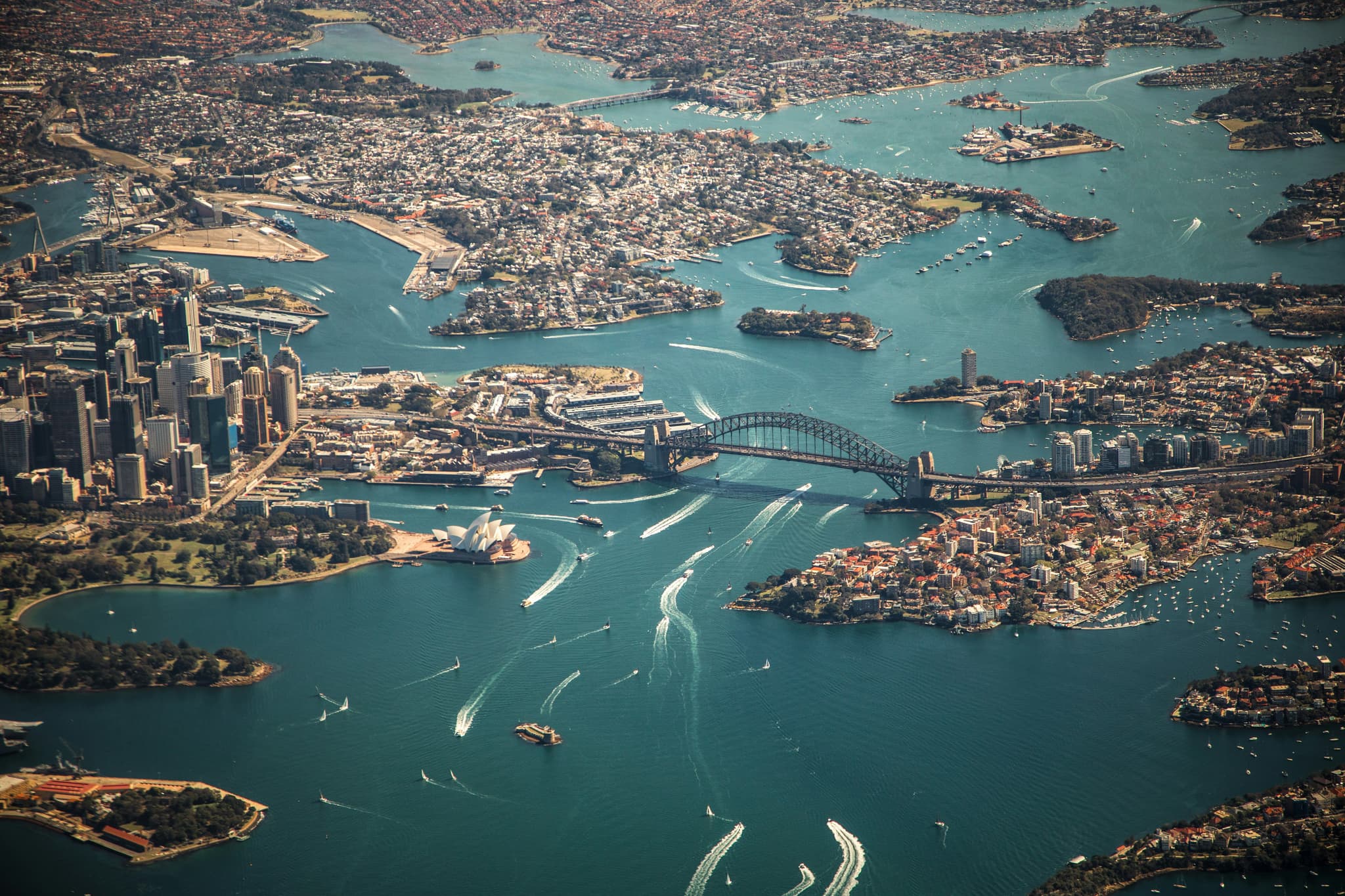
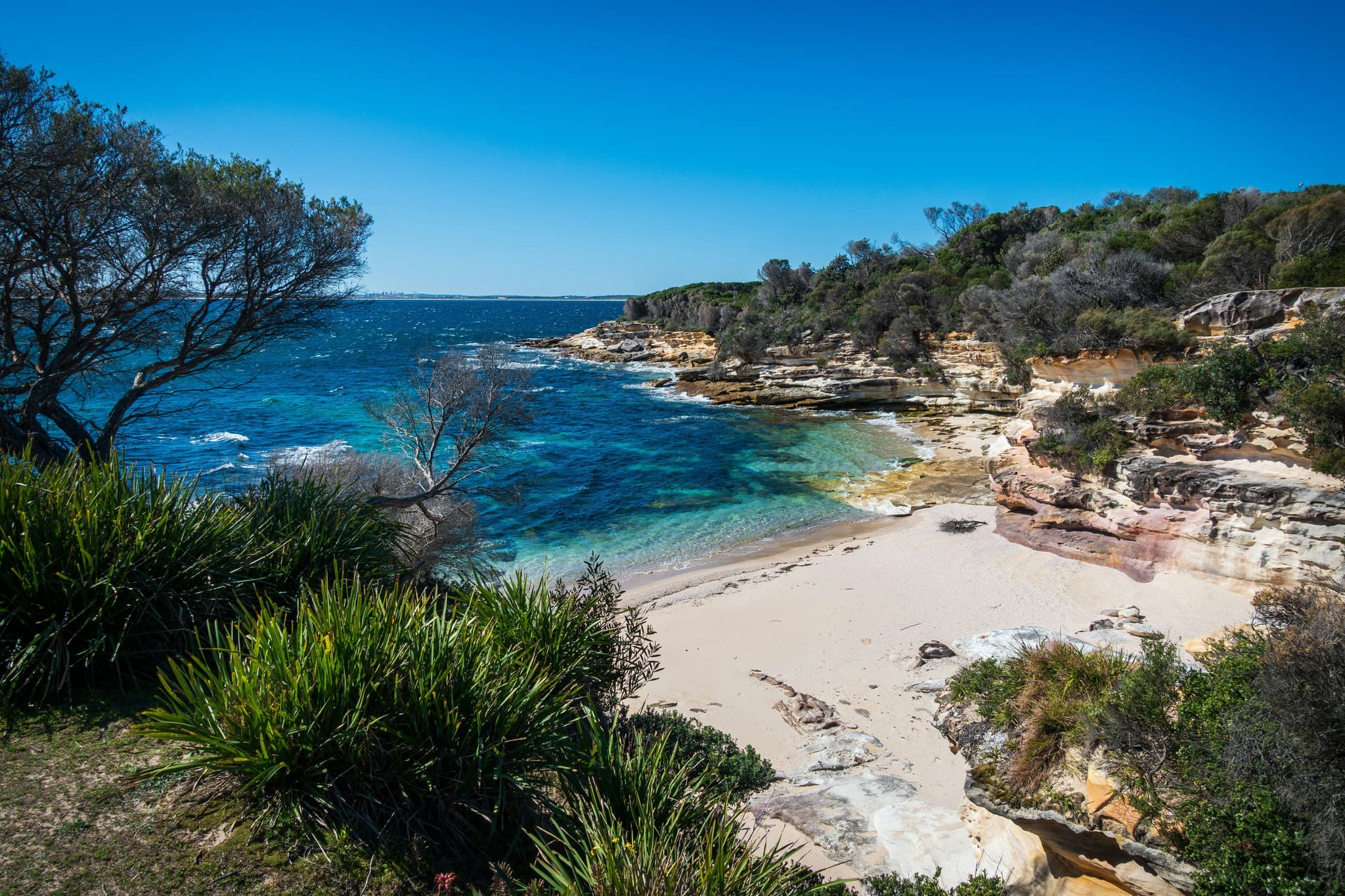
Sydney is one of the few cities where you can spend the morning walking along the harbour, the afternoon on the beach and still be back in the city for dinner. Catch the ferry from Circular Quay to Manly for some of the best views of the Opera House and Harbour Bridge for just the cost of a public transport ticket, then stroll the beachfront before returning. Another favourite is the Bondi to Coogee Coastal Walk, an easy 6 km trail past ocean pools, sandstone cliffs and beaches where you can stop for a swim or lunch along the way.
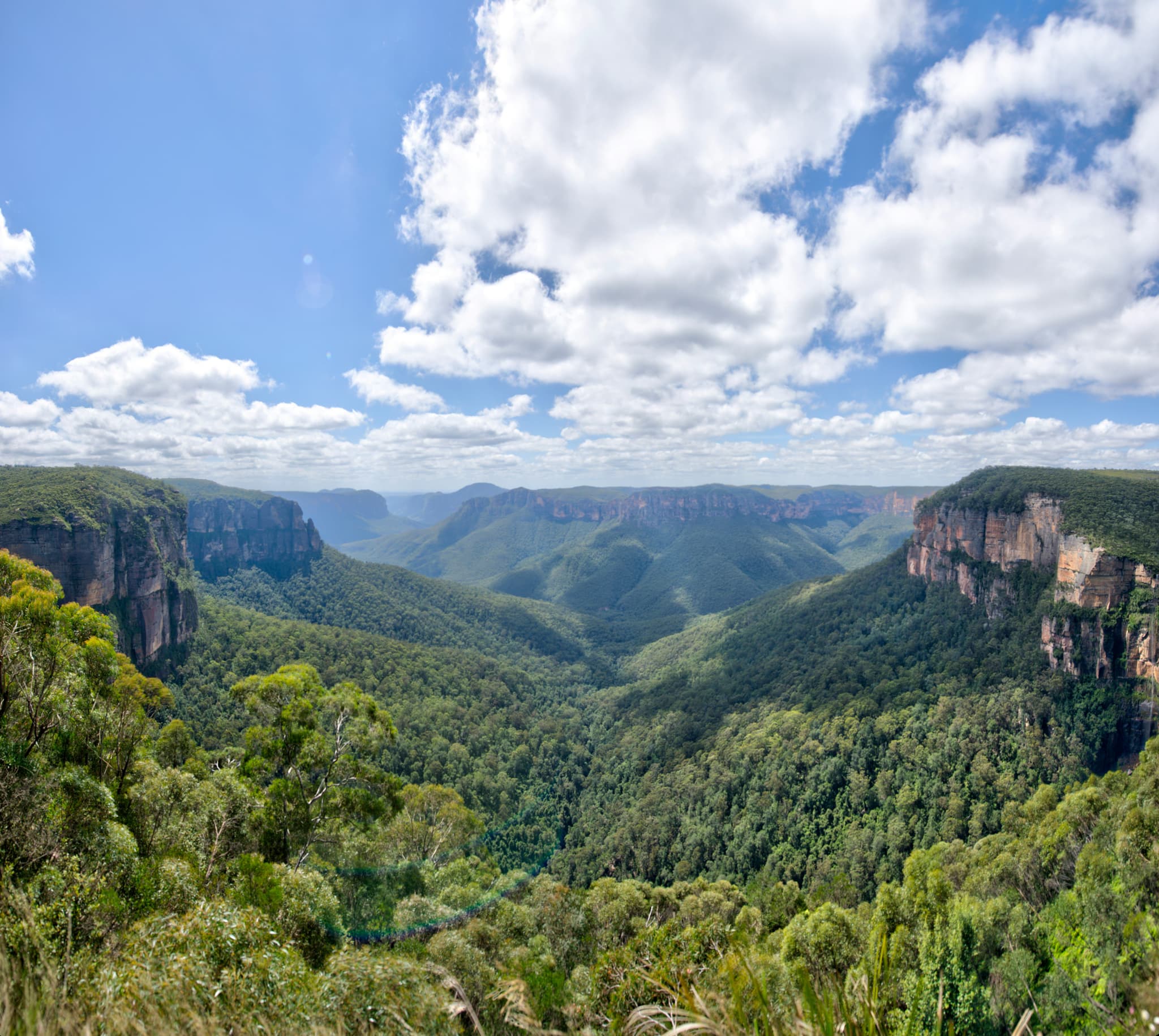
Blue Mountains National Park (near Sydney)
If you have an extra day, head to the Blue Mountains, around two hours west of Sydney. Most visitors come for the Three Sisters lookout, but the real highlight is hiking one of the forest trails or riding the Scenic Railway into the Jamison Valley, where you'll find waterfalls, eucalyptus forest and far fewer crowds than the main viewpoint. Few cities make it this easy to combine iconic landmarks with beaches and national parks in a single trip.
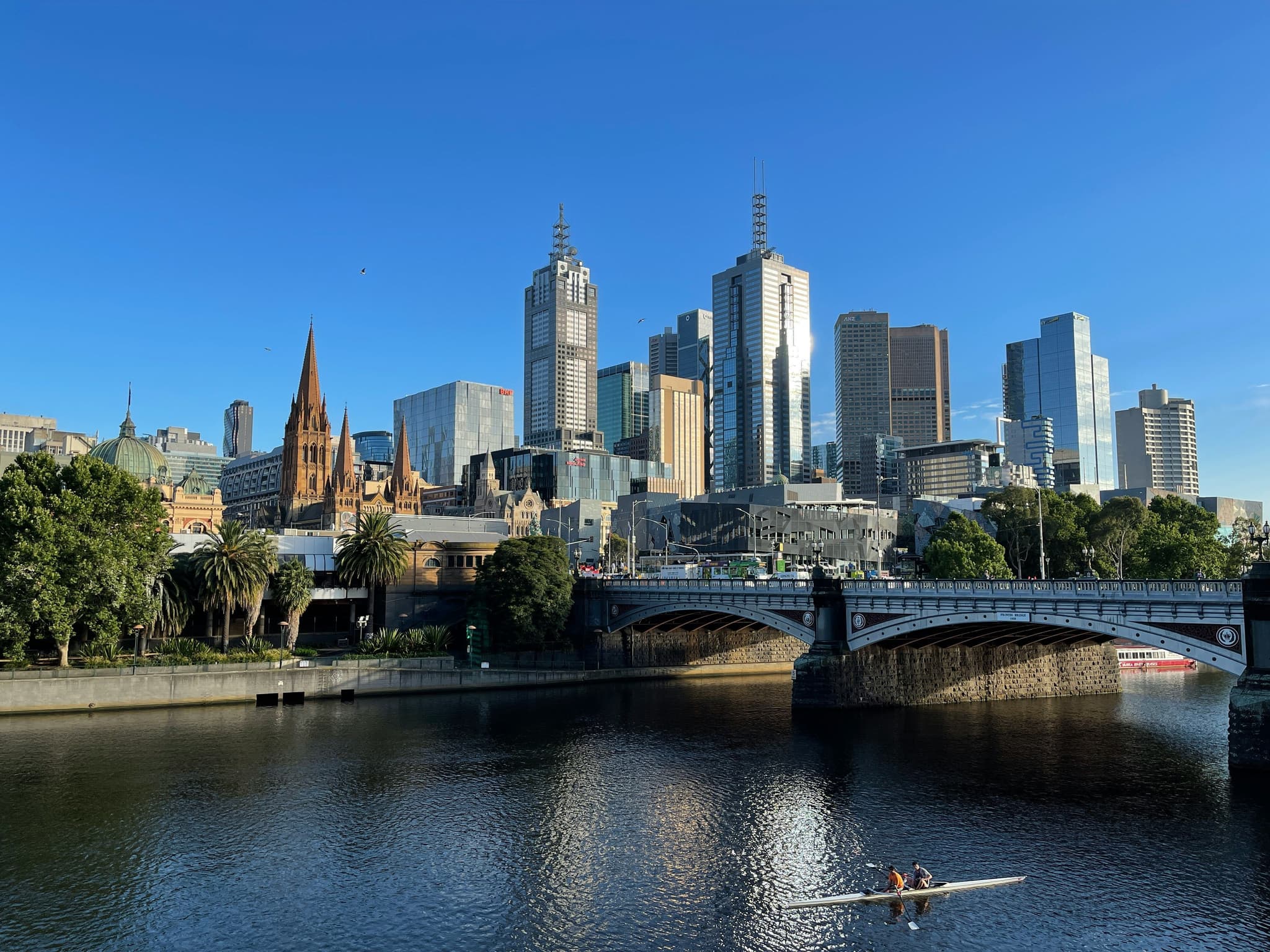
Melbourne: coffee and street art
Start in the city centre and explore laneways like Hosier Lane for colourful street art, then duck into one of the many independent cafés where the flat white was perfected and brunch is practically a local tradition. Spend some time browsing Queen Victoria Market too, where you'll find fresh produce, local snacks and souvenirs all in one place.
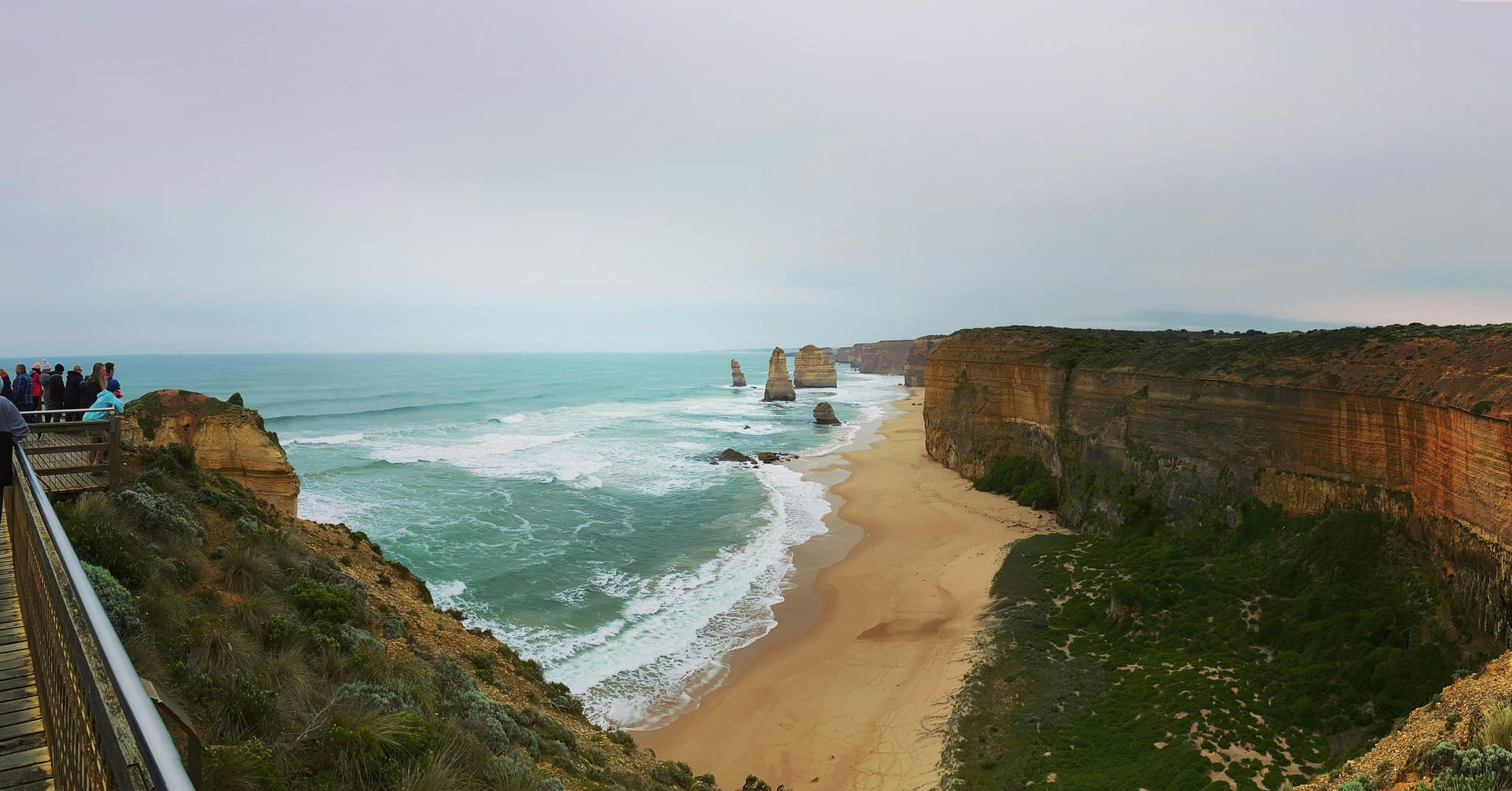
If you've got a full day to spare, drive the Great Ocean Road, one of Australia's most scenic coastal routes. The Twelve Apostles are the headline attraction, but don't rush straight there. Stop at Bells Beach, walk through Great Otway National Park and keep an eye out for wild koalas around Kennett River. Melbourne is the perfect base if you enjoy combining great food and city life with easy access to one of Australia's most famous road trips.
Uluru and the Red Centre: sunset colours and Aboriginals
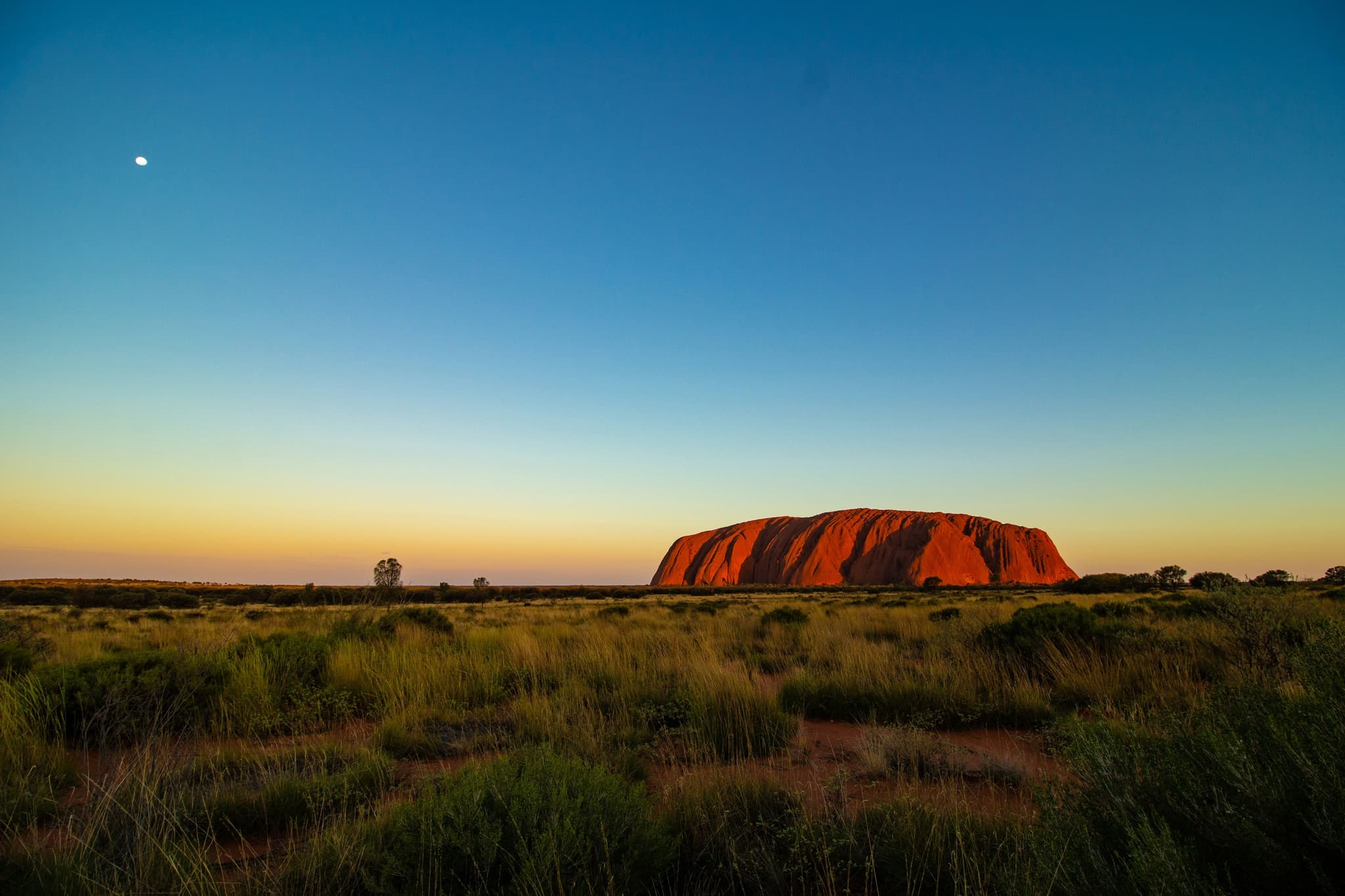
Uluru is Australia's most iconic natural landmark, but it's much more than a photo stop. Arrive before sunrise or stay for sunset to watch the sandstone shift from ochre to deep red as the light changes throughout the day. Walking the 10 km base trail is the best way to appreciate its scale, while Aboriginal-guided experiences explain the Dreaming stories, sacred sites and cultural traditions that make the area so significant.
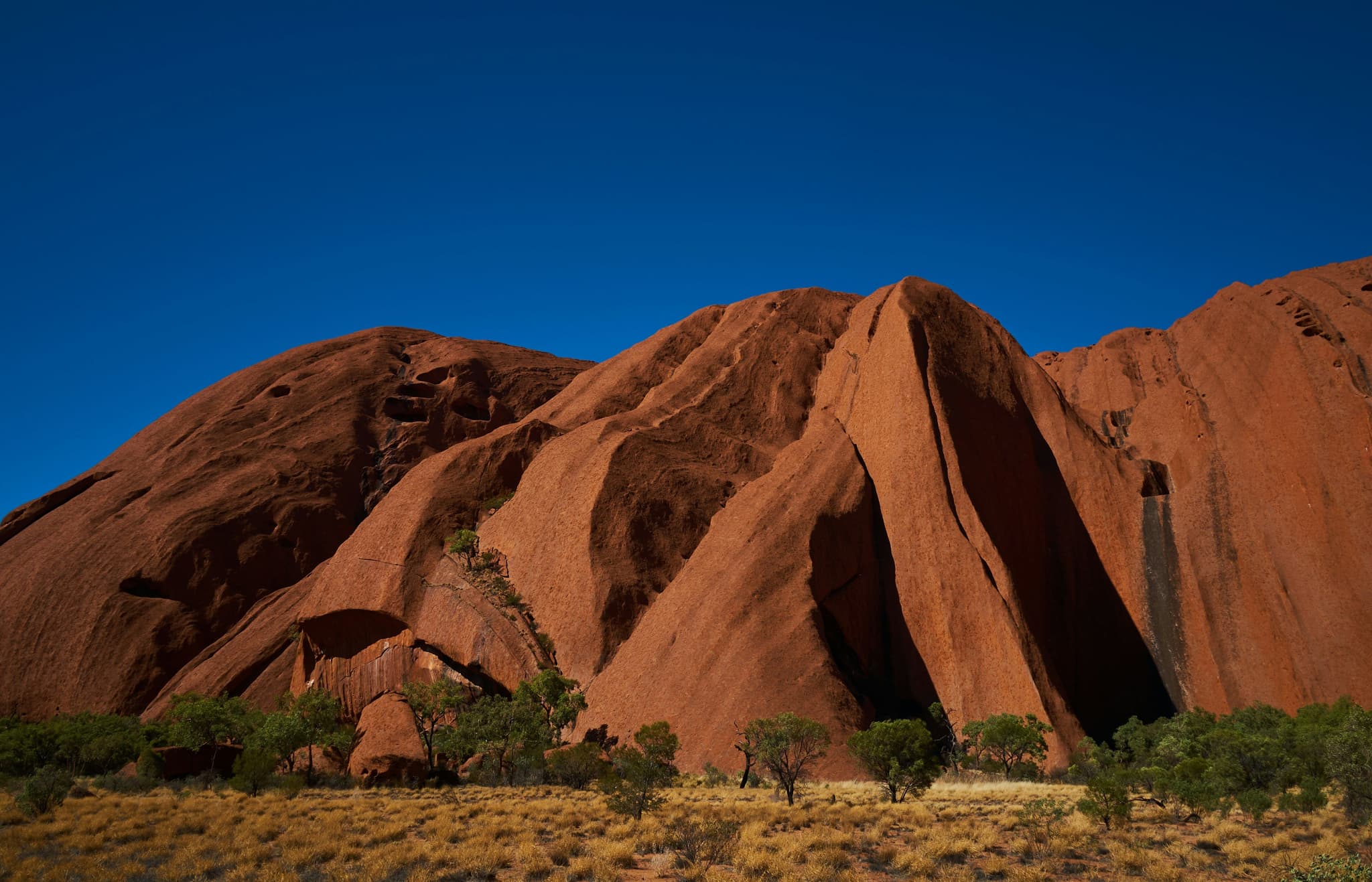
Just 40 km away, Kata Tjuta offers a completely different landscape. The Valley of the Winds walk takes you between giant domed rock formations and is one of the best hikes in central Australia. Most visitors fly into Yulara and stay at least two nights, giving you enough time to experience both landmarks without rushing and to enjoy the clear desert skies after dark.
Before you book anything, it's worth checking the official Parks Australia site for Uluru-Kata Tjuta National Park for permits, cultural guidance and any access changes.
The Great Barrier Reef and Cairns
Cairns is the main gateway to the Great Barrier Reef, with dozens of boats leaving the marina every morning for snorkelling and diving trips. Even if you've never dived before, most tours include guided snorkelling where you'll see colourful coral gardens, reef fish, sea turtles and, if you're lucky, reef sharks or giant clams. If you're already certified, choose a liveaboard trip instead of a day tour to reach quieter reefs and spend more time underwater.
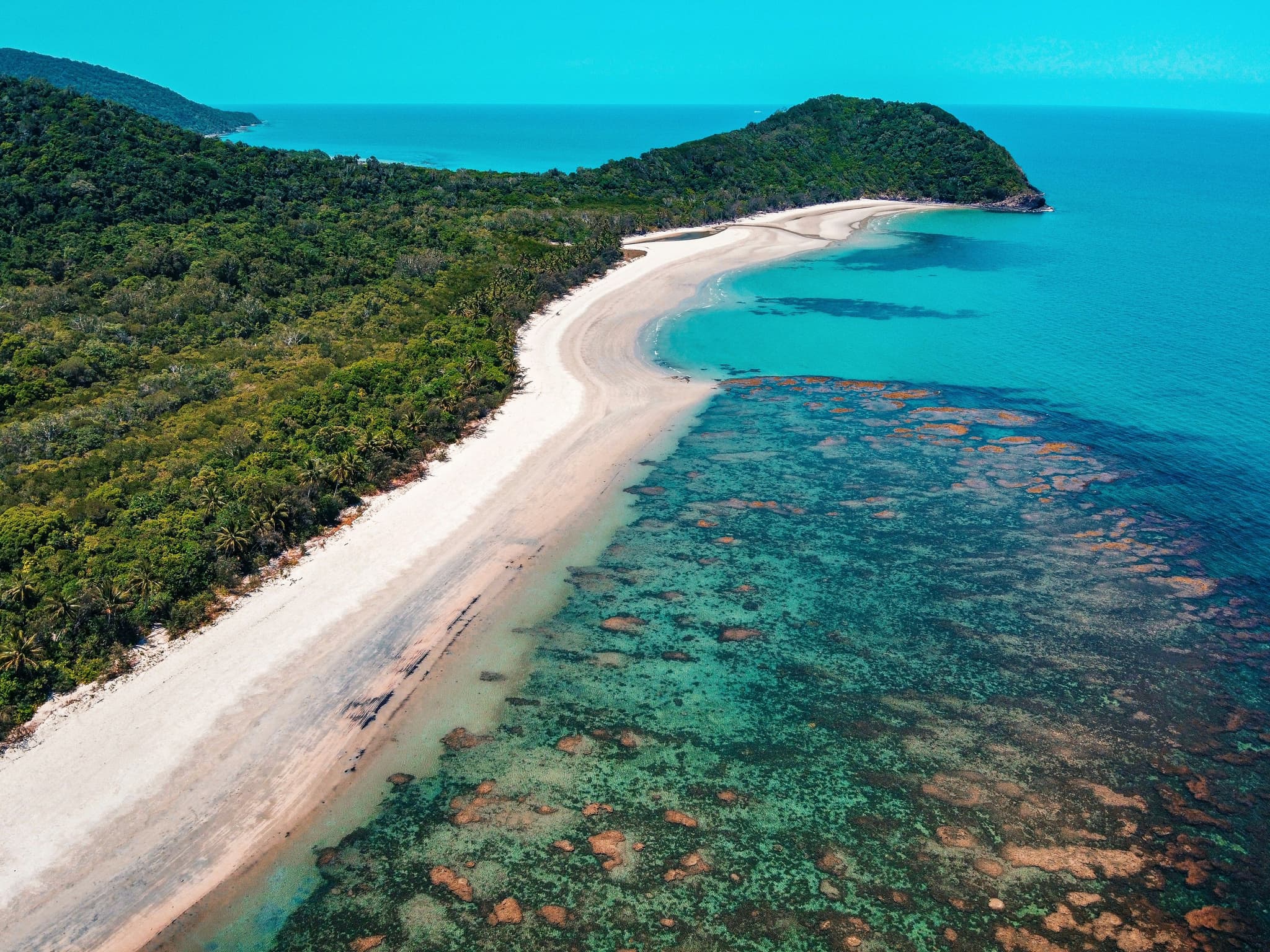
A few hours south, the Whitsundays are home to Whitehaven Beach, famous for its brilliant white silica sand and crystal-clear water. Most people combine it with a sailing or island-hopping tour that also stops at Hill Inlet Lookout for the postcard view of swirling white sandbanks and turquoise water. If you prefer a quieter base than Cairns, Port Douglas is another excellent option, with easy access to both the reef and the ancient Daintree Rainforest.
Before booking, it's worth a quick check of the Great Barrier Reef Marine Park Authority site for current reef health updates and any site closures.
Tasmania: mountains and slower days
Tasmania feels completely different from mainland Australia, with cooler temperatures, quieter roads and some of the country's best hiking. Cradle Mountain is the island's biggest draw, and the 6 km Dove Lake Circuit is one of Australia's most rewarding short walks, passing alpine lakes, mountain peaks and, if you're lucky, wombats grazing beside the trail. More experienced hikers can tackle longer routes through the national park.
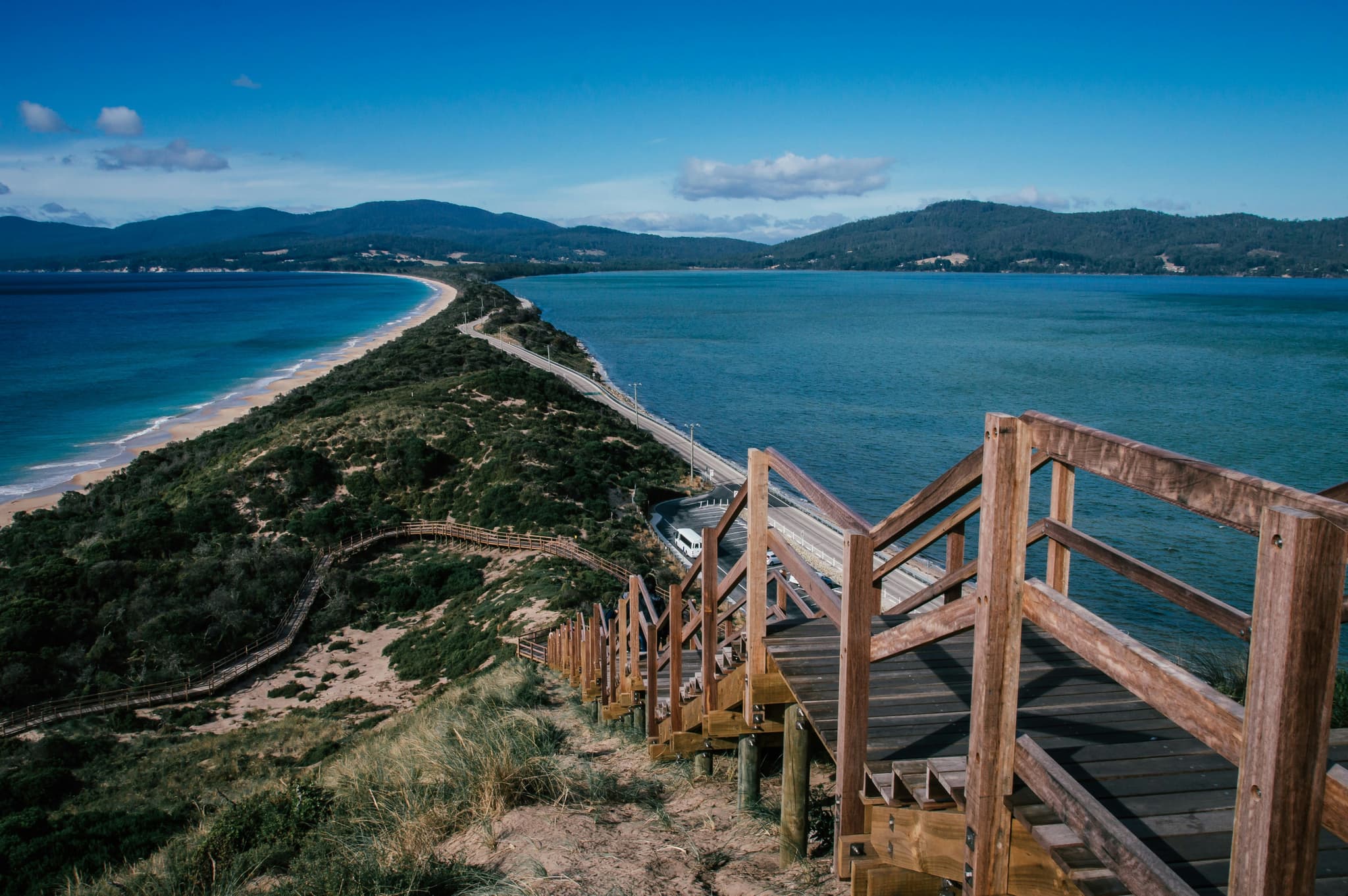
Down in Hobart, spend a Saturday morning browsing Salamanca Market, where more than 300 stalls sell local food, handmade crafts and Tasmanian produce. If you've got extra time, drive to Freycinet National Park for the famous Wineglass Bay lookout or explore the dramatic sea cliffs of the Tasman Peninsula. Tasmania is well worth adding to your itinerary if you enjoy wildlife, hiking and a slower pace away from Australia's busiest tourist hotspots.
Perth and Western Australia: wine and relaxation
Perth is Australia's most isolated major city, but that's exactly what gives it such a relaxed atmosphere. Spend a day on Rottnest Island, where you can cycle between quiet beaches, snorkel in sheltered bays and spot the island's famous quokkas, found nowhere else in the world. Back in the city, wander around Fremantle, a historic port filled with heritage buildings, independent cafés, breweries and the lively Fremantle Markets.
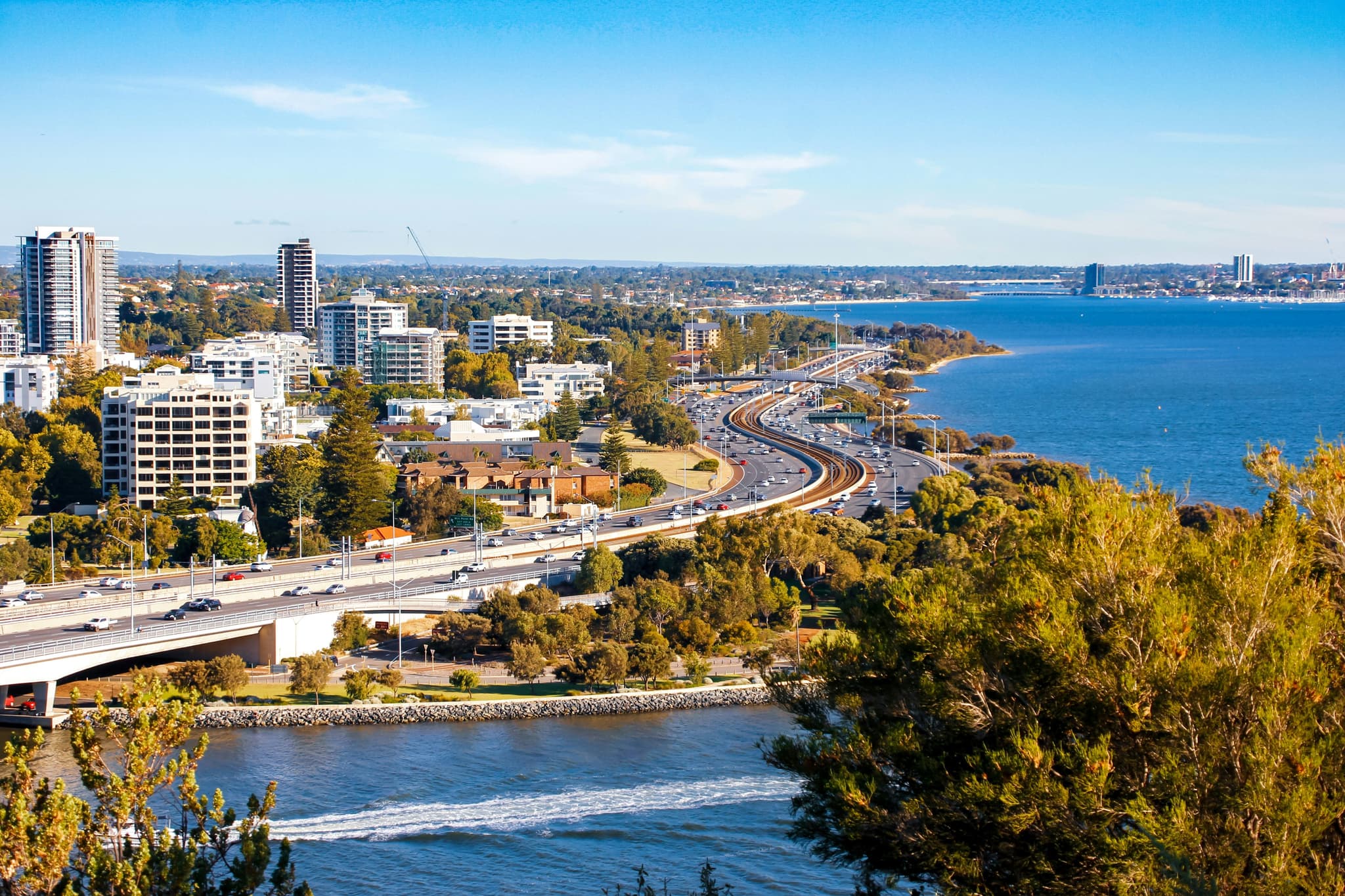
Around three hours south of Perth, Margaret River is one of Australia's best wine regions, but there's much more than vineyards. Drive between cellar doors, surf beaches and limestone caves, then finish the day watching the sunset over the Indian Ocean. If you're visiting between June and December, keep an eye out for migrating humpback whales along the coast. Western Australia is perfect if you're looking for beautiful beaches, fewer crowds and a slower pace than the country's east coast.
Australia itinerary: recommended trips
Australia is enormous, and getting from one side of the country to the other often means a long drive or a domestic flight. Rather than trying to see everything in one trip, it's much better to combine regions that naturally fit together based on how much time you have. We've put together a few Australia itineraries that connect the best places in a logical way, so you're not wasting days moving between stops for no reason. Here's what fits your time, and how it can all turn into one smooth Australia trip.
East Coast itinerary, 10 to 14 days
Day 1 to 4: Sydney, harbour ferries, the Bondi to Coogee walk and a Blue Mountains day trip
Day 5 to 7: Byron Bay, beaches and a slower few days up the coast
Day 8 to 11: Brisbane or the Gold Coast, city time and surf beaches
Day 12 to 14: Cairns, reef boats and a Daintree Rainforest day trip
2 week Australia itinerary with Uluru and the Reef
Day 1 to 3: Sydney, city highlights and harbour views
Day 4 to 6: Uluru and Kata Tjuta, sunset tours and Red Centre time
Day 7 to 8: Alice Springs, connecting flights and outback culture
Day 9 to 12: Cairns and the Great Barrier Reef
Day 13 to 14: Port Douglas or the Daintree, before flying home
3 week Australia trip through several states
Day 1 to 4: Sydney and the Blue Mountains
Day 5 to 8: Melbourne and the Great Ocean Road
Day 9 to 11: Adelaide and the Barossa Valley
Day 12 to 15: Uluru and the Red Centre
Day 16 to 21: Cairns, the Whitsundays and the Great Barrier Reef
Want more inspiration? Check out the following trips:

What to do in Australia: fun experiences
Planning what to do in Australia can be surprisingly difficult because there are so many different experiences to choose from. Australia is made for big adventures. You can learn to surf on golden beaches, sail through the Whitsundays, and hike mountain trails all in the same trip. These are the experiences we think deserve a place on your itinerary.
Snorkel or dive the Great Barrier Reef from Cairns
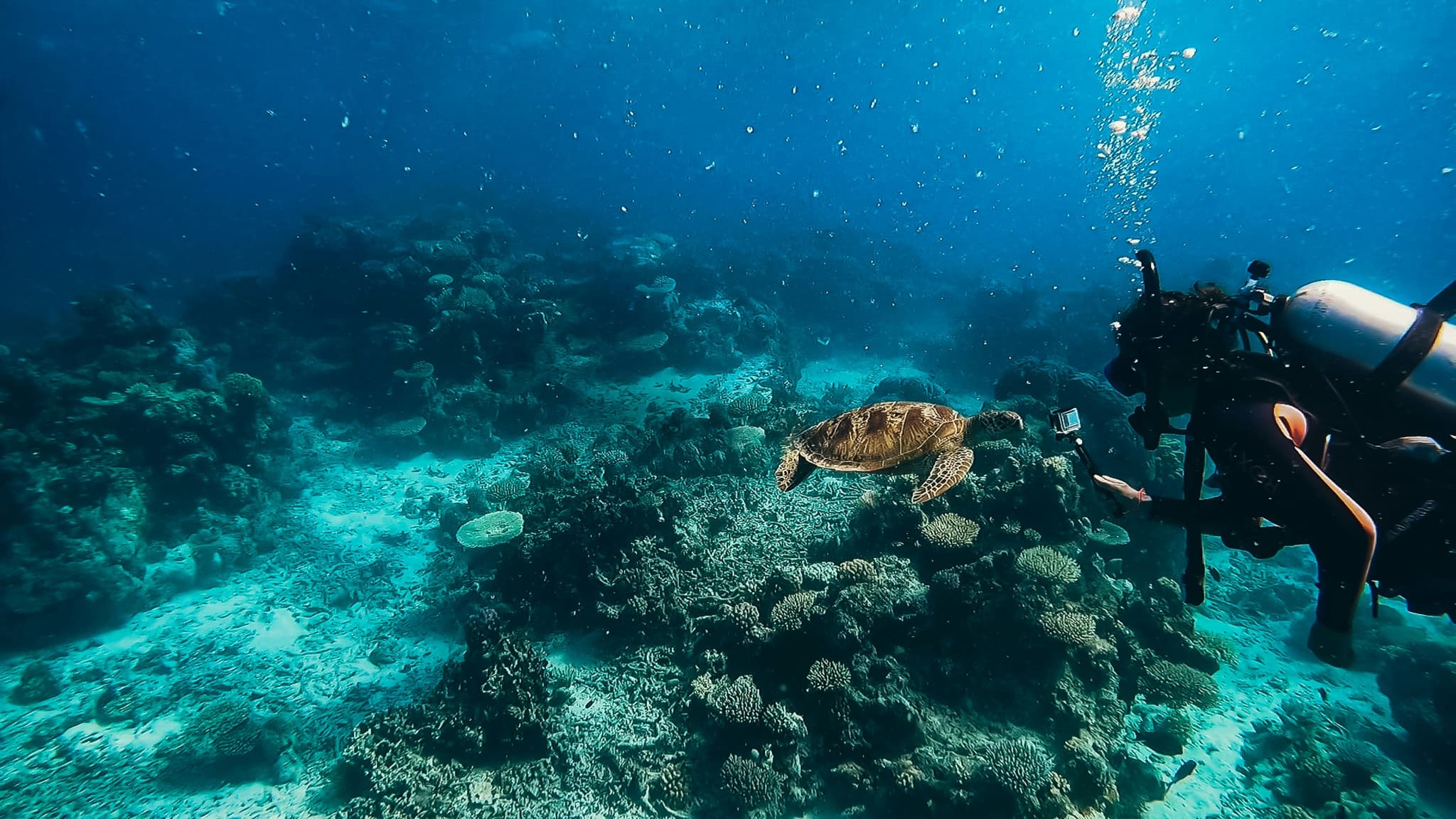
Cairns is one of the easiest places to book a Great Barrier Reef day trip, with boats leaving early in the morning for two or three outer reef sites. Most tours include snorkelling gear, lunch and basic instruction, while wetsuits, underwater photos and introductory dives may cost extra. Even without much snorkelling experience, you'll normally have plenty to see close to the boat, including coral gardens, colourful reef fish and, with a little luck, turtles or reef sharks.
Watch the sunset over Uluru on a guided tour
Tour buses usually gather about forty-five minutes before sunset at the designated viewing area, chairs and snacks ready, sometimes with a glass of sparkling wine. The rock itself takes around twenty minutes to shift from ochre to deep red, and it's genuinely worth putting your phone down for at least part of it. Short on time? Book a half-day tour that pairs the sunset with an earlier base walk around Uluru.
Walk the Bondi to Coogee coastal path in Sydney
Six kilometres of clifftop path take you from Bondi to Coogee, passing Bronte Beach, Tamarama and a handful of ocean pools worth stopping for a swim. Give yourself around two hours at an easy pace, with cafés at nearly every second beach for a coffee break. No car? No problem, this is one of the simplest free things to do on a Sydney visit.
Drive the Great Ocean Road past the Twelve Apostles
The Great Ocean Road runs west out of Melbourne for around 240 kilometres, starting at Torquay and finishing near Warrnambool. About three hours in, the Twelve Apostles limestone stacks rise out of the ocean, and they photograph best early in the morning before the tour buses roll in. Got two days spare? Break the drive with an overnight stop in Apollo Bay or Port Campbell rather than trying to squeeze it all into one go.
Spot koalas and kangaroos in the wild or at a wildlife park
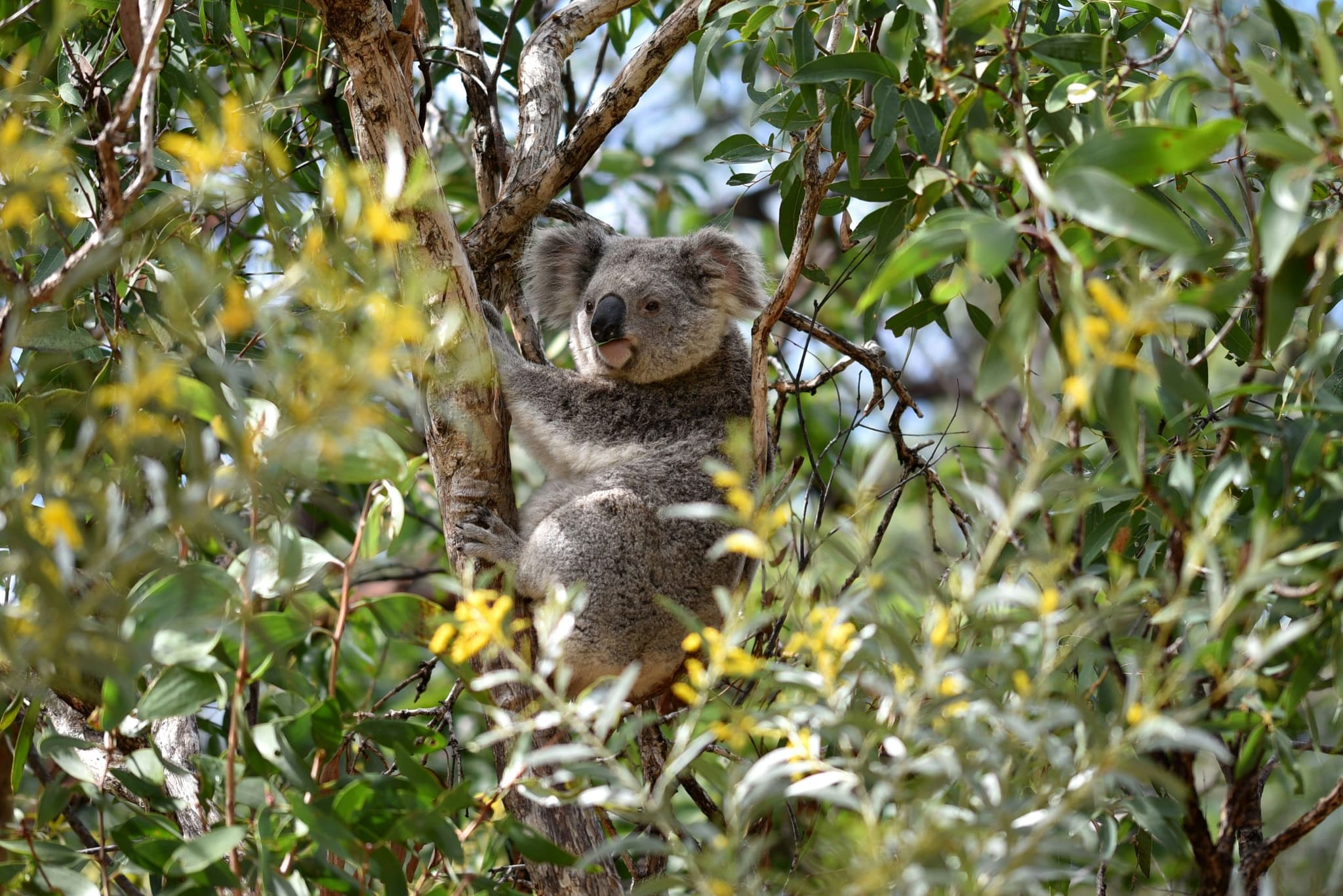
Seeing kangaroos and koalas is high on most travellers' Australia bucket list, and you don't always need to visit a zoo to make it happen. Around sunrise and sunset, kangaroos are commonly spotted grazing in national parks, coastal reserves and even on golf courses, while koalas are usually asleep high in eucalyptus trees during the day. Some of the best places to spot both animals in the wild include Kangaroo Island near Adelaide, Kennett River and Cape Otway along the Great Ocean Road, Raymond Island's Koala Trail in Victoria, and Coombabah Lakelands Conservation Area on the Gold Coast, where many visitors regularly see both koalas and kangaroos on the same walk.
If you'd rather guarantee a sighting, wildlife parks are an excellent option. Lone Pine Koala Sanctuary in Brisbane, Currumbin Wildlife Sanctuary on the Gold Coast and Cleland Wildlife Park near Adelaide all let you get remarkably close to native animals while learning about conservation from experienced keepers.
Sample street food and rooftop bars in Melbourne's laneways
Degraves Street and Centre Place hide coffee windows, small bars and food stalls that you'd never spot from the main road, which is half the fun. Above several buildings nearby, rooftop bars add city views to your evening without needing a reservation on a quiet night. Staying more than two nights? Leave yourself one evening with zero plan and just wander into whichever laneway catches your eye.
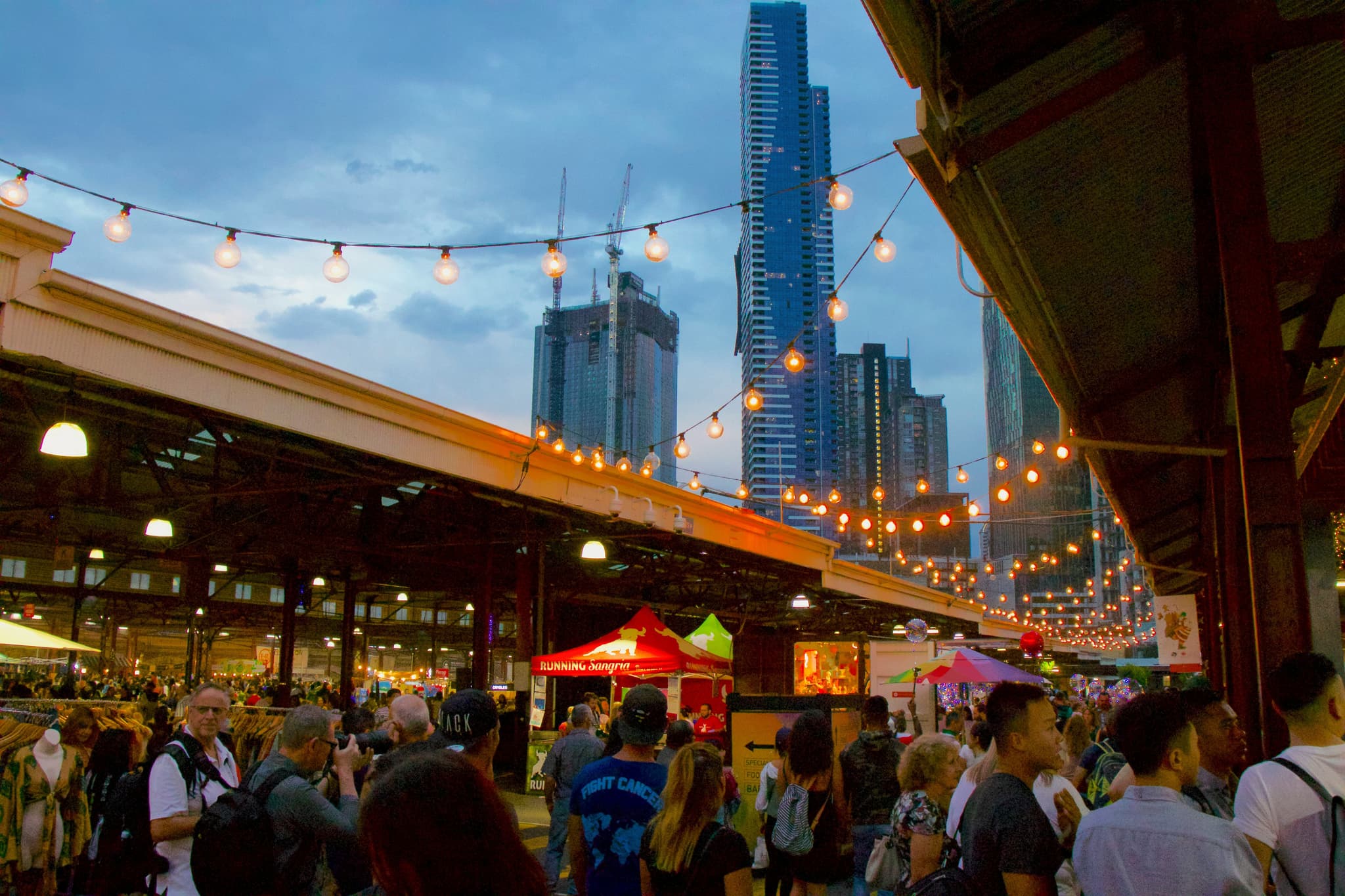
Spot wild penguins in Phillip Island
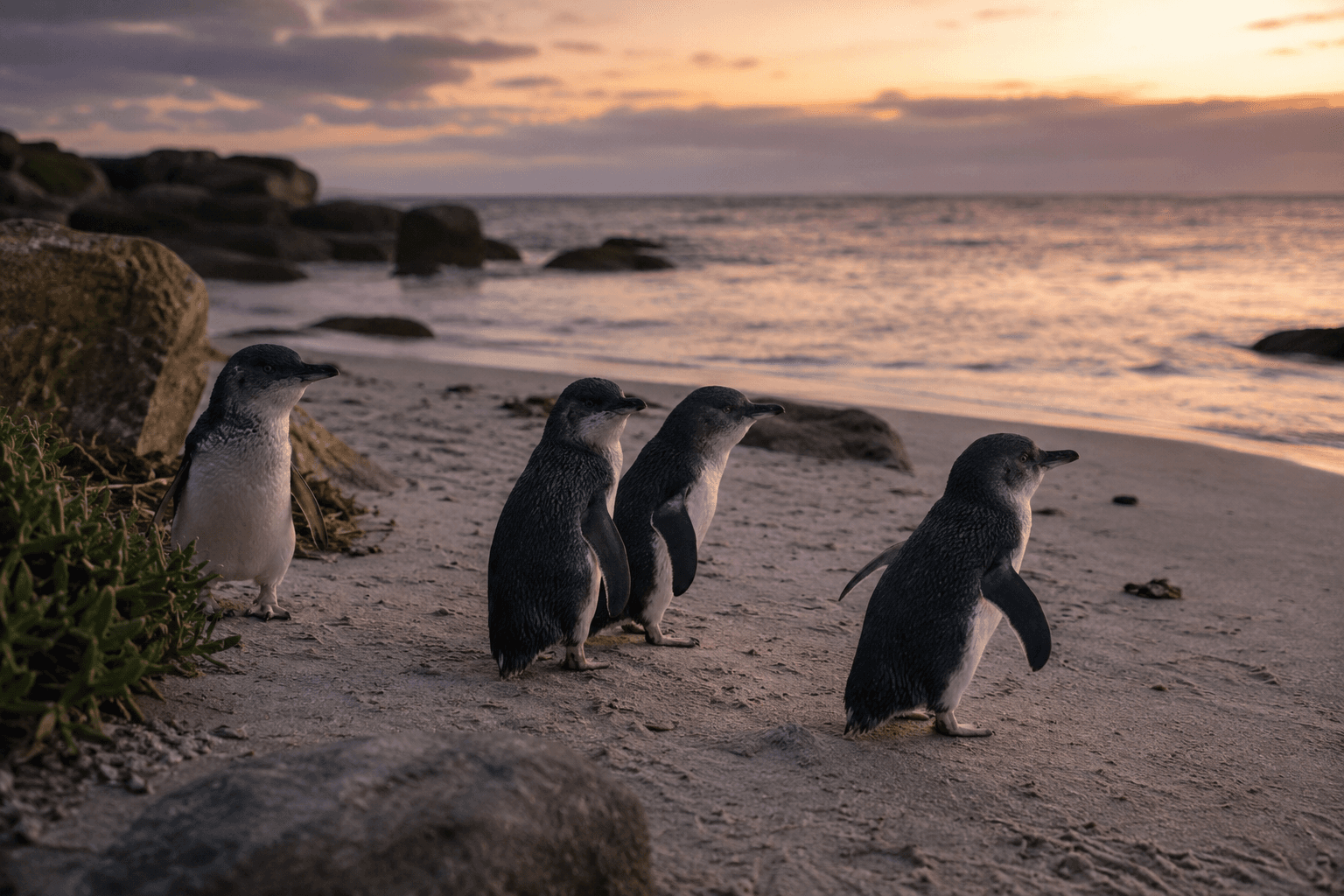
Another unforgettable wildlife experience is visiting Phillip Island, about two hours from Melbourne. Every evening at sunset, hundreds of little penguins, the world's smallest penguin species, waddle out of the ocean and cross the beach to their burrows in what's known as the Penguin Parade. Boardwalks and viewing platforms let you watch without disturbing the animals, and booking tickets in advance is highly recommended during weekends and school holidays. During the day, you can also spot koalas along the Koala Conservation Reserve boardwalks and often see wallabies, seals and seabirds around the island.
When to visit Australia
Did you know the seasons in Australia are the opposite of those in Europe and North America? While December means winter at home, it's the middle of summer in Australia. That doesn't automatically make summer the best time to visit, because every region has its own climate and ideal travel season.
December to February: summer across the south and east, busy beaches and packed accommodation around Christmas
March to May: milder days, good for hiking and city trips before winter kicks in
June to August: the best window for the Top End and reef diving, since the north stays dry while southern states turn cold
September to November: wildflower season in Western Australia and good conditions across most of the country
Where to stay in Australia
Since the distances are huge, it usually makes more sense to stay in several places rather than choose one base for your entire trip. We've rounded up the best areas to stay in Australia, depending on your route and the experiences you want nearby.
Base yourself in Sydney's CBD or Bondi for beaches and easy transit
Circular Quay and the CBD put ferries, trains and buses within reach of almost everywhere worth seeing, so you won't need a car. Bondi or Coogee are the better shout if beach mornings matter more to you, both a short bus ride from the city with the sand right out the front door. Prioritising harbour views and easy beach access over budget? Book Bondi first and work outward from there.
Stay in Melbourne's CBD or Fitzroy for cafés and laneways
The CBD gets you trams to almost every major sight for the price of a single fare, and most run late into the evening. A short tram ride out, Fitzroy brings a younger crowd, vintage shops and some of the best coffee in the city. If food and a walkable base matter more to you than harbour views, Melbourne should be your first stop over Sydney.
Choose Cairns or Port Douglas for reef access
Cairns' waterfront has most reef boats leaving within walking distance of the main hotel strip, so no early taxi ride needed. Port Douglas, further north, gives you a slower base with fewer boats and a shorter drive to the Daintree Rainforest. Planning more than two reef trips? Compare boat departure points before booking a hotel, since some operators only leave from one town.
Base yourself in Alice Springs or near Yulara for Uluru
Yulara puts hotels a short drive from Uluru itself, which cuts early sunrise tours down to about twenty minutes instead of hours in the car. Alice Springs works better as a base if you're also planning to explore the East or West MacDonnell Ranges. On a tighter budget? Compare both towns first, since Yulara's convenience comes with a noticeably higher price tag than Alice Springs.

Did you know you can create your own itinerary?
Now that you have a better idea of the places to see in Australia and things to do there, you can start creating your own trip. Do you want to travel along the east coast, or would you rather spend more time in one area and really get to know it? It’s all up to you. You can easily create your own trip in the Guided app for free, or use trips shared by others.
Getting around Australia: car rental, flights and trains
Australia is enormous, much bigger than many people expect. Driving from Sydney to Cairns covers around 2,400 km and takes roughly 30 hours without breaks. Sydney to Perth is even more extreme at almost 4,000 km, or around 40 hours of driving. Because of those huge distances, most travellers combine domestic flights with road trips in one or two regions instead of trying to drive across the entire country.
Fly between major regions
Domestic flights are the fastest and often the cheapest way to cover long distances. Airlines like Qantas, Virgin Australia and Jetstar connect all major cities, making it easy to combine places like Sydney, Melbourne, Cairns, Uluru and Perth in one trip. Booking a few months ahead usually gives you the best fares, especially during Australian school holidays.
If your itinerary includes both the east coast and Western Australia, flying is almost always the best choice. The same goes for visiting the Red Centre, where flights to Alice Springs or Uluru save days of driving.
Rent a car for road trips
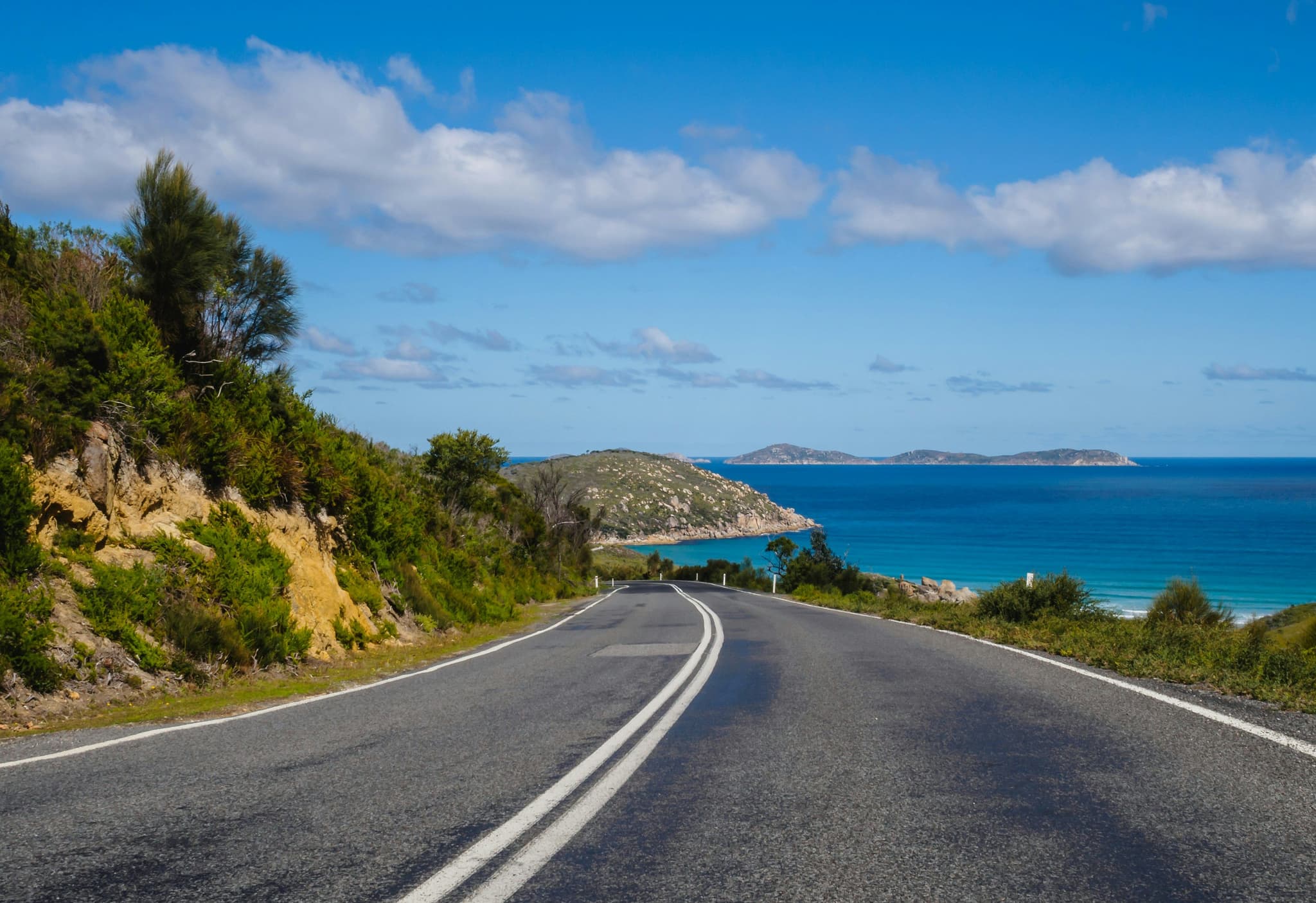
A rental car gives you far more freedom once you arrive in a region. Many of Australia's best experiences are outside the cities, where public transport is limited or doesn't exist.
A car is highly recommended for:
Great Ocean Road
Tasmania
Margaret River
Kangaroo Island
Blue Mountains
Red Centre, including Uluru and Kings Canyon
Daintree Rainforest and Cape Tribulation
Along these routes you can stop at beaches, viewpoints, waterfalls, wildlife lookouts and small towns whenever you like, something that's difficult to do on organised tours. If you're planning to drive in remote Outback areas, always check whether your rental company allows unsealed roads, as many standard vehicles are not covered.
Guided tip: Australia drives on the left. Outside towns, avoid driving around sunrise and sunset when kangaroos and other wildlife are most active on the roads.
Explore the east coast by bus
If you're travelling solo or don't want to rent a car, buses are an easy way to explore Australia's east coast. Greyhound operates an extensive network between Melbourne, Sydney, Byron Bay, Brisbane, Airlie Beach and Cairns, with flexible travel passes available if you're making multiple stops.
The biggest advantage is that you don't have to worry about parking or long drives, and overnight buses can save you the cost of a night's accommodation. The downside is that you'll miss many of the scenic detours and national parks between towns unless you join local day tours.
Take the train for the journey, not the transport
Australia's famous trains are attractions in their own right rather than practical transport. The Ghan travels between Adelaide and Darwin through the Red Centre, while the Indian Pacific crosses the continent between Sydney and Perth. Both journeys take several days and include off train experiences, making them ideal if slow travel is part of your holiday rather than simply getting from A to B.
Regional trains between cities such as Sydney, Melbourne and Brisbane do exist, but they're much slower than flying and usually only make sense if you have extra time or want to enjoy the scenery.
Consider a campervan for longer trips
A campervan is one of the most popular ways to experience Australia, especially along the east coast, the Great Ocean Road or around Tasmania. It combines your transport and accommodation, gives you maximum flexibility and lets you stay close to beaches and national parks.
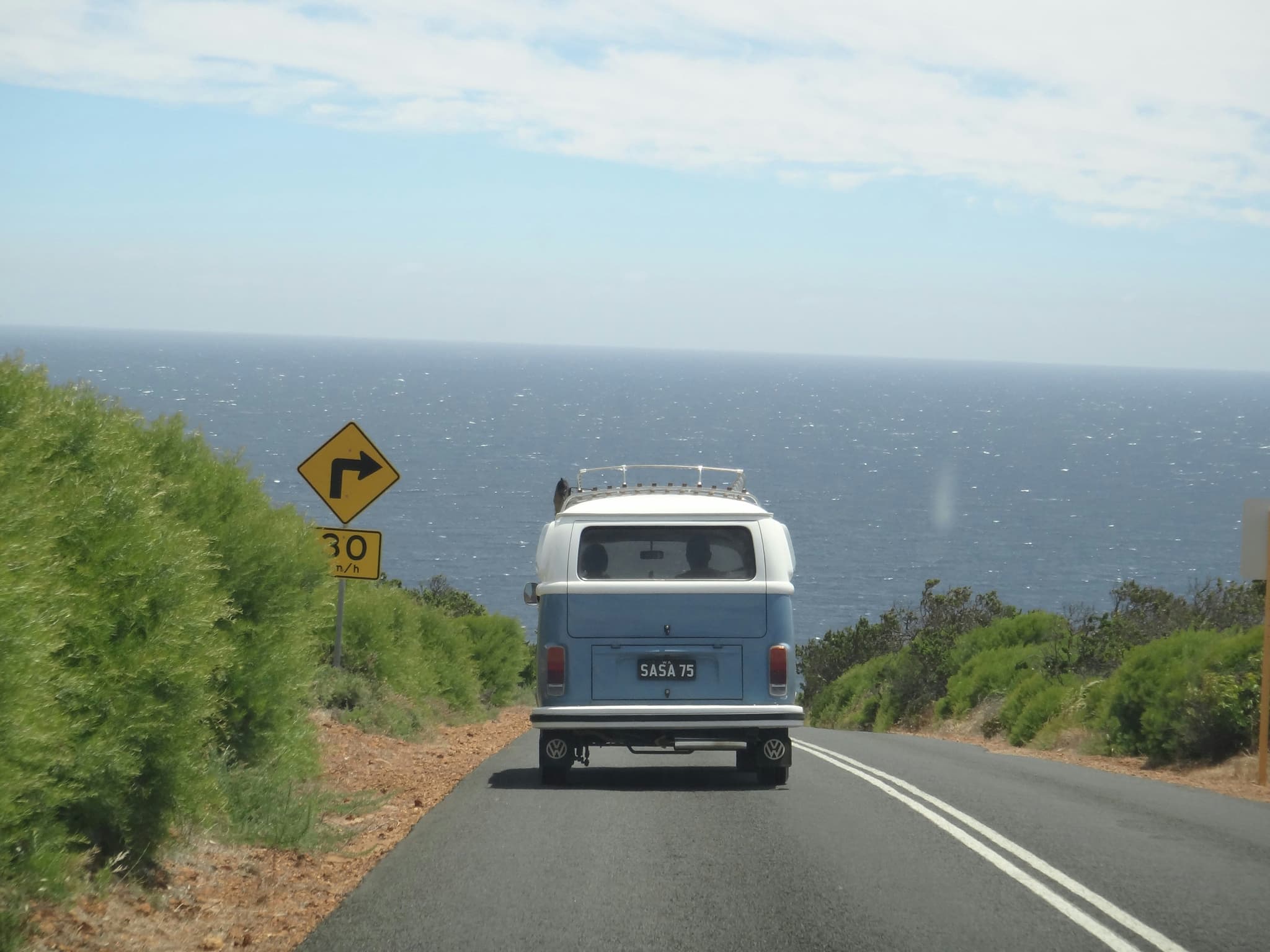
Just keep in mind that campervans are most worthwhile if you're spending several days in one region. For shorter city breaks, flights plus hotels are usually cheaper and more convenient.
Wondering where to road trip next? Take a look at our New Zealand travel guide, where you'll find some of the world's most scenic driving routes, from alpine mountain passes to dramatic coastal roads.
Food and drinks to try in Australia
Meat pies and flat whites probably come to mind first, and honestly, that reputation isn't wrong. But dig a little deeper and you'll find dishes shaped by native ingredients, British roots and decades of migration from across Asia and the Mediterranean. Here are a few worth hunting down on your trip:
Meat pies from a bakery or servo
Nearly every corner bakery sells its own take on the classic meat pie, minced beef and gravy tucked inside flaky pastry. Petrol station servos across the country keep a hot pie cabinet running for exactly this reason, so a road trip snack rarely needs a detour. Harry's Cafe de Wheels in Sydney has served pies since the 1930s and still pulls a queue near Woolloomooloo Wharf late into the night.

Fish and chips by the beach
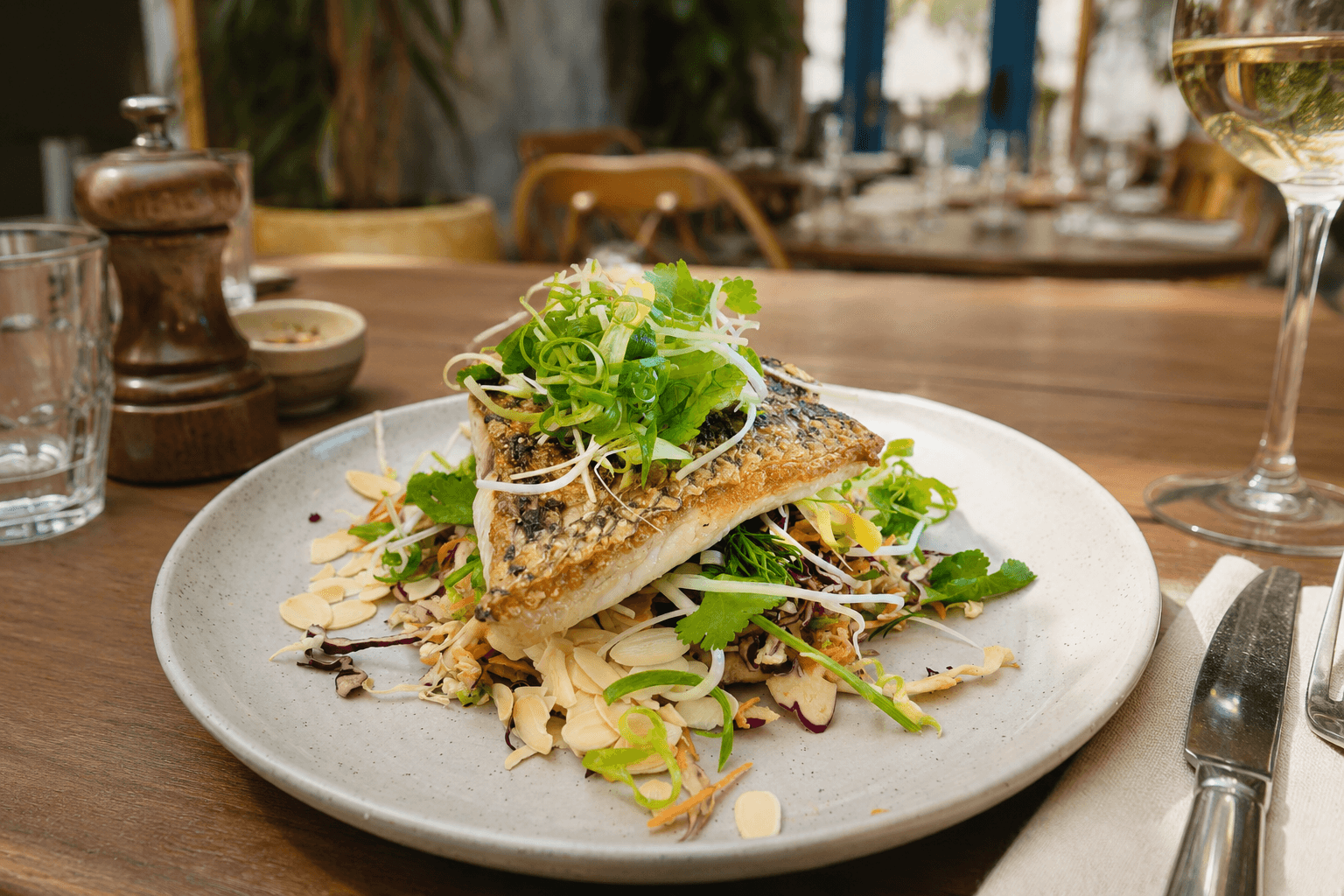
Grab a paper-wrapped serving of fish and chips at almost any coastal town and eat it straight on the sand or a nearby bench, no cutlery required. Flake, barramundi and snapper show up most often on local menus, battered and fried until properly crisp. Doyles on the Beach in Sydney's Watsons Bay has built its whole reputation around exactly this combination, harbour views included.

Flat white coffee in Melbourne
Australia and New Zealand both claim credit for inventing the flat white, and Melbourne certainly treats the drink like a local institution rather than just a coffee order. Small independent cafés outnumber chain coffee shops right across the CBD, run by baristas who take milk texture fairly seriously. Patricia Coffee Brewers, tucked down a laneway near Flinders Street Station, gets recommended by locals more than almost anywhere else in the city.

Barramundi and native bush ingredients
Restaurants across the Top End, and increasingly in the bigger cities too, now grill barramundi simply with lemon myrtle or wattleseed. Bush tucker ingredients like finger lime and Davidson plum add a sharp citrus note that's genuinely hard to find outside Australia. Karak Kitchen and similar Aboriginal-owned restaurants around the country give you a proper introduction to native ingredients, plus the story behind them.
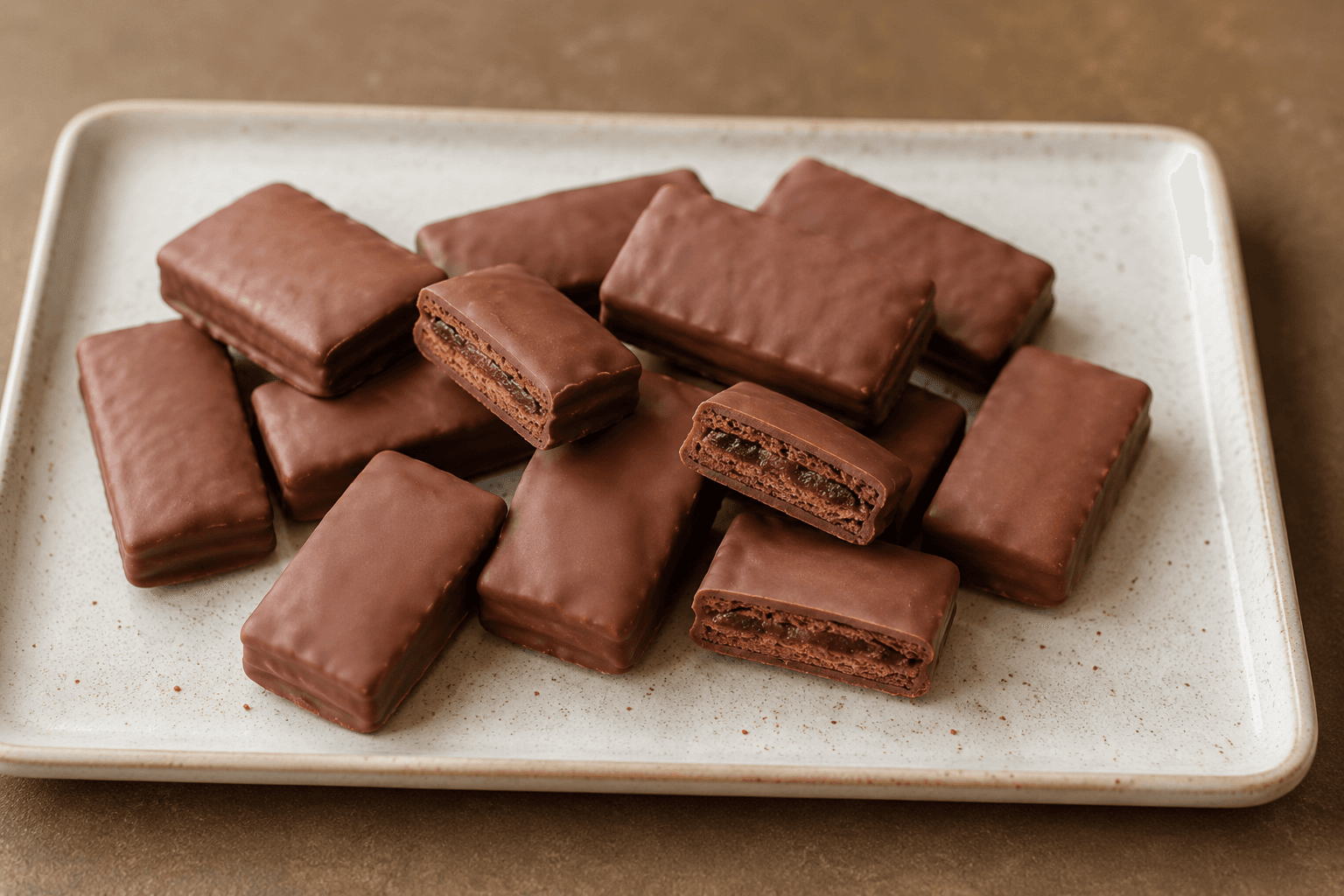
Tim Tams and other Aussie snacks
Supermarket shelves stock Tim Tams in more flavours than you'd expect, though the original chocolate version is still the one everything else gets measured against. Locals love talking about the Tim Tam Slam, biting off two opposite corners and using the biscuit as a straw for hot coffee or tea. Any Woolworths or Coles stocks them by the dozen, so grabbing a pack before your flight home costs next to nothing.
Aboriginal heritage and daily life in Australia
Australia's history didn't begin with European settlement. Long before the First Fleet arrived in 1788, Aboriginal and Torres Strait Islander peoples had lived on the continent for more than 60,000 years, making theirs the world's oldest continuous living culture. Hundreds of nations and language groups cared for the land, each with its own traditions, stories and deep connection to Country, a word that refers to far more than land alone. It also represents identity, ancestry, culture and spirituality.

That connection is still visible wherever you travel today. Many national parks and cultural sites offer guided Aboriginal experiences where local guides explain Dreaming stories, traditional bush foods and ancient rock art. Around Uluru and Kata Tjuta, First Nations guides share the cultural significance of the landscape, while Kakadu National Park and Arnhem Land are home to some of Australia's oldest rock art galleries. Even in cities like Sydney and Melbourne you'll notice Aboriginal place names appearing alongside English names, and major sporting events, festivals and official ceremonies often begin with a Welcome to Country or Acknowledgement of Country, showing respect for the Traditional Owners of the land. For a deeper look, the National Museum of Australia's website covers Aboriginal history and culture in far more depth.
As you travel around Australia, you'll quickly notice another side of the country's culture too. Australians are generally relaxed, friendly and informal. A quick "Hi" or "How's it going?" is a common greeting, people tend to dress casually, and weekends are often spent outdoors. Beach trips, surfing, hiking, barbecues with friends and watching sports like Australian Rules Football, rugby or cricket are all part of everyday life.
Looking for more unique places, trips and activities?
Subscribe to our Guided Newsletter for more travel inspiration.
Costs of a trip to Australia
A trip to Australia can run anywhere from budget backpacking to a proper splurge, depending on how many flights and reef tours you tack onto the route. Costs shift quite a bit between the cities and the outback too, so it's worth budgeting region by region rather than relying on one flat daily number. Here's a rough overview of what to budget for across accommodation, food and transport.
Food & Drink

Coffee
5–7 AUD
Lunch
20–35 AUD
Beer
10–15 AUD
Accommodation

Hotels
200–350 AUD
Airbnb
120–250
Hostel dorm
35–70
Transport

Train ticket
15–80 AUD
Bus ticket
2–5 AUD
Car Rental
50–90 AUD
Attractions

Museums
20–35 AUD
Big Attractions
35–80 AUD
Theatre
60–150 AUD
Travel tips for visiting Australia
First time planning to travel to Australia? Here are a few tips gathered from Guided members that should help your trip run smoother from the moment you land.
✔ Sort your ETA before flying, not at the airport
Most passport holders need an Electronic Travel Authority before departure, applied for online through the Australian ETA app rather than in person at any embassy. Approval usually comes through within minutes, but it's still worth applying a few days ahead in case extra checks get triggered.
The Australian Government's Department of Home Affairs website has the full, current eligibility list and application steps worth checking before you book flights.
✔ Watch out for swooping magpies in spring
Between August and October, magpies get protective over their nesting territory and will swoop at cyclists and walkers who get too close, especially around parks and quiet streets. Local councils usually put up bright warning signs in known swooping spots during these months. A pair of sunglasses and an eye kept upward while walking through parks cuts down the chance of an unexpected dive-bomb quite a bit.
✔ Carry reef-safe sunscreen
Regular sunscreen containing oxybenzone is banned in several reef areas, including parts of the Great Barrier Reef Marine Park, because of the damage those chemicals do to coral. Reef-safe alternatives are easy to find in most pharmacies and supermarkets, usually labelled clearly on the front of the bottle. Pack a tube before you leave home and skip the last-minute pharmacy run right before a boat trip.
✔ Book campervans and reef tours ahead during school holidays
Australian school holidays fall at different points than the UK, Europe and the USA, typically landing in January, April, July and September to October. Campervans, popular reef boats and Uluru accommodation get booked out weeks ahead during these windows, especially around Christmas and Easter. Check the Australian school holiday calendar before locking in dates, unless you fancy discovering a fully booked campervan company two weeks before you fly.
✔ Get an eSIM before long outback drives
Mobile coverage drops out fast once you're away from major towns, so downloading offline maps before a drive through the Red Centre or the Nullarbor matters more than it would back home. eSIM providers like Airalo or Holafly let you activate data before you even land, no physical SIM swap needed. Telstra generally carries the widest coverage across regional Australia, worth knowing if a local SIM ends up being the better option.
Fun facts about Australia
Australia is full of little details you don't expect before you land. Here are a few fun facts about Australia that make the country even more interesting before your trip.
Canberra was built as the capital after Sydney and Melbourne couldn't agree on who deserved the title.
The Great Barrier Reef is the only living structure visible from space.
Australia has over 10,000 beaches, enough to visit a new one every day for almost 30 years.
Wombats produce cube-shaped droppings, which stops them rolling away on sloped ground.
More than 80% of Australia's plants and animals exist nowhere else on earth.
Australia's outback covers 70% of the country, yet only a small fraction of the population lives there.
Aboriginal Australians hold the record for the oldest culture on earth, dating back over 60,000 years.
Kangaroos can't walk backwards, which is part of why one appears on the national coat of arms.
From world famous beaches and ancient Aboriginal culture to unique wildlife and unforgettable road trips, Australia is one of those destinations that keeps surprising you long after you arrive. Hopefully this guide has helped you decide where to go, when to visit and how to plan your route.
Ready to map out your trip to Australia?
We hope this Australia travel guide has given you a clear starting point for your trip. Stay tuned for more inspiration, itineraries and practical tips to help you shape your own Australia trip. And don’t forget to check out our Guided app, where you can create your own trip or use trips shared by other travellers for free.
FAQs about travelling to Australia
- How many days do you need in Australia?
Ten to fourteen days usually covers one region properly for a first visit, whether that's the east coast or the Red Centre plus Cairns. Three weeks or more lets you add a second region, like Western Australia or Tasmania, without the whole trip feeling like a rush. Guided travellers planning shorter trips tend to pick one city plus one nature stop rather than trying to cram in the entire country at once.
- Do you need a visa to travel to Australia?
- Is Australia expensive to visit?
- Can you travel around Australia on your own?
- How do you get from Sydney to Uluru?
- What's the difference between Australia's east coast and west coast?