

Scotland
Scotland travel guide: How to plan your trip
Late sunsets above the Highlands, tiny ferry ports where sheep casually walk past the road, and islands with beaches that honestly look more Caribbean than northern Europe. That’s Scotland, Europe’s land of castle ruins, green mountains, and remote islands. Across the country, more than 790 islands sit around the coastline, and old castles still stand on cliffs above the sea. This historic country has anything from huge mountain valleys and coastal hikes to lively pub evenings and little fishing villages. Around the far north, summer daylight can stay around until almost midnight, so you have plenty of time to explore the lochs, islands and mountain regions that Scotland has to offer. In this travel guide we’ll help you connect the most beautiful areas of Scotland into a trip filled with nature, adventure, history, culture and delicious food.
5 reasons to visit Scotland
Scotland is one of the best countries to visit if you like road trips, hiking and historic cities. It has history dating back thousands of years and more than 30,000 km of coastline to explore. So if you’re still unsure if Scotland is the right destination for you, keep reading!
Old castles, mountain roads and coastal villages create some of the most beautiful areas of Scotland.
You can go hiking through the Highlands with mountain views and waterfalls
Tiny islands, fishing villages and historic cities keep every part of your route completely different.
During summer, daylight can stay around until almost midnight in the far north.
Ferries, trains and road trips connect mountains, islands and cities really well.
The most beautiful places in Scotland
Wondering what to visit in Scotland? You can choose from castle ruins above the sea, remote islands, mountain hikes and historic cities filled with pubs, cafés and old streets. Fortunately, all these places connect really well here, so seeing different parts of the country in one route is quite easy. So let’s take a look at some of the best places in Scotland.
Explore Edinburgh for castles, hidden closes and historic streets
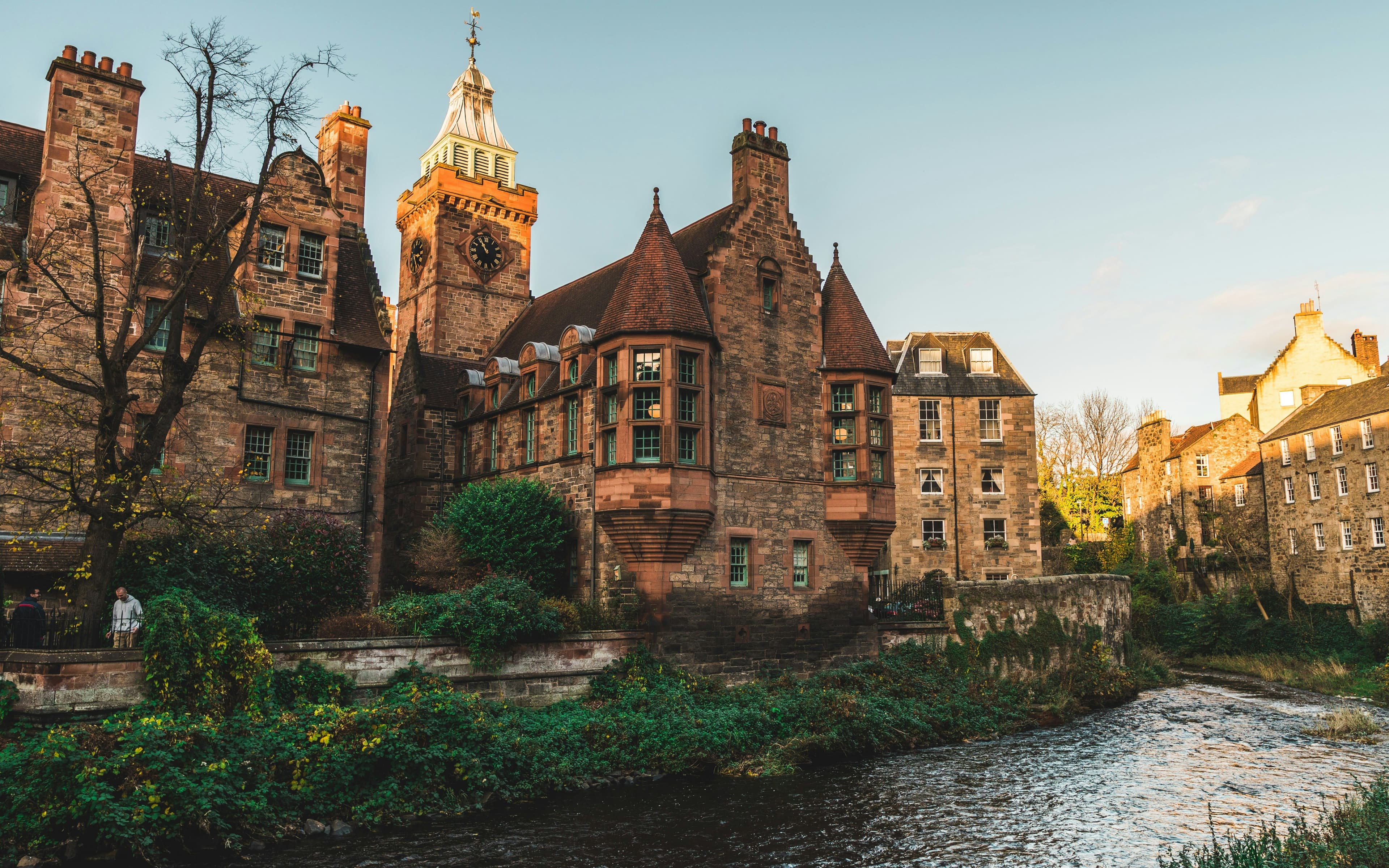
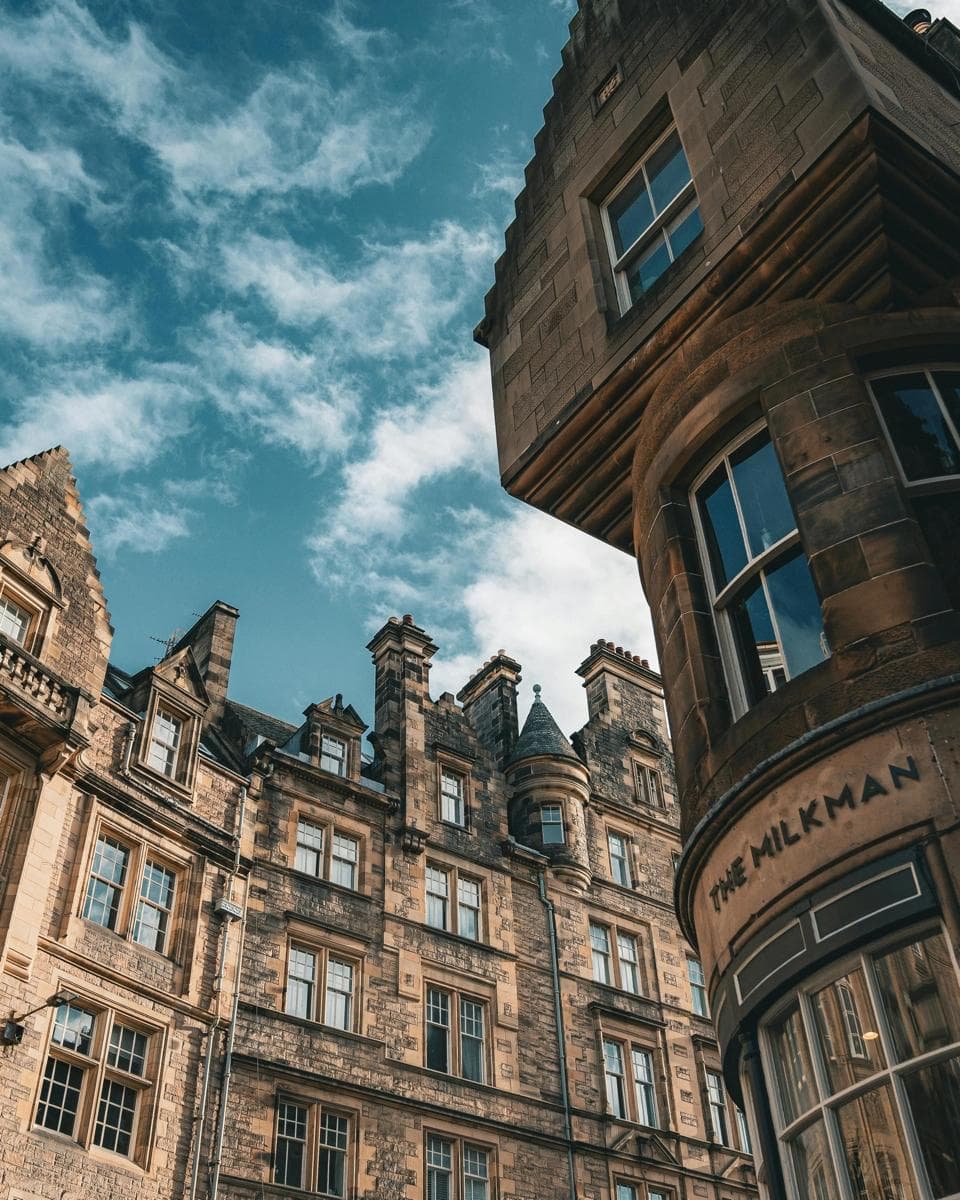
Around Edinburgh, you’ll probably keep disappearing into little alleyways and old stone streets. Near the Royal Mile, pubs, whisky bars, museums and old churches are all so close together that you can spend hours just slowly walking uphill towards Edinburgh Castle without properly planning anything. In August, the Fringe Festival completely takes over huge parts of the city, and suddenly your evenings become street musicians, comedy shows and packed little bars hidden underground. Up on Arthur’s Seat and Calton Hill, you can see incredible views from rooftops, church towers and the coastline further away. This city works really well if you like history, nightlife and long evenings outside in summer.
Drive through Glencoe and the Scottish Highlands
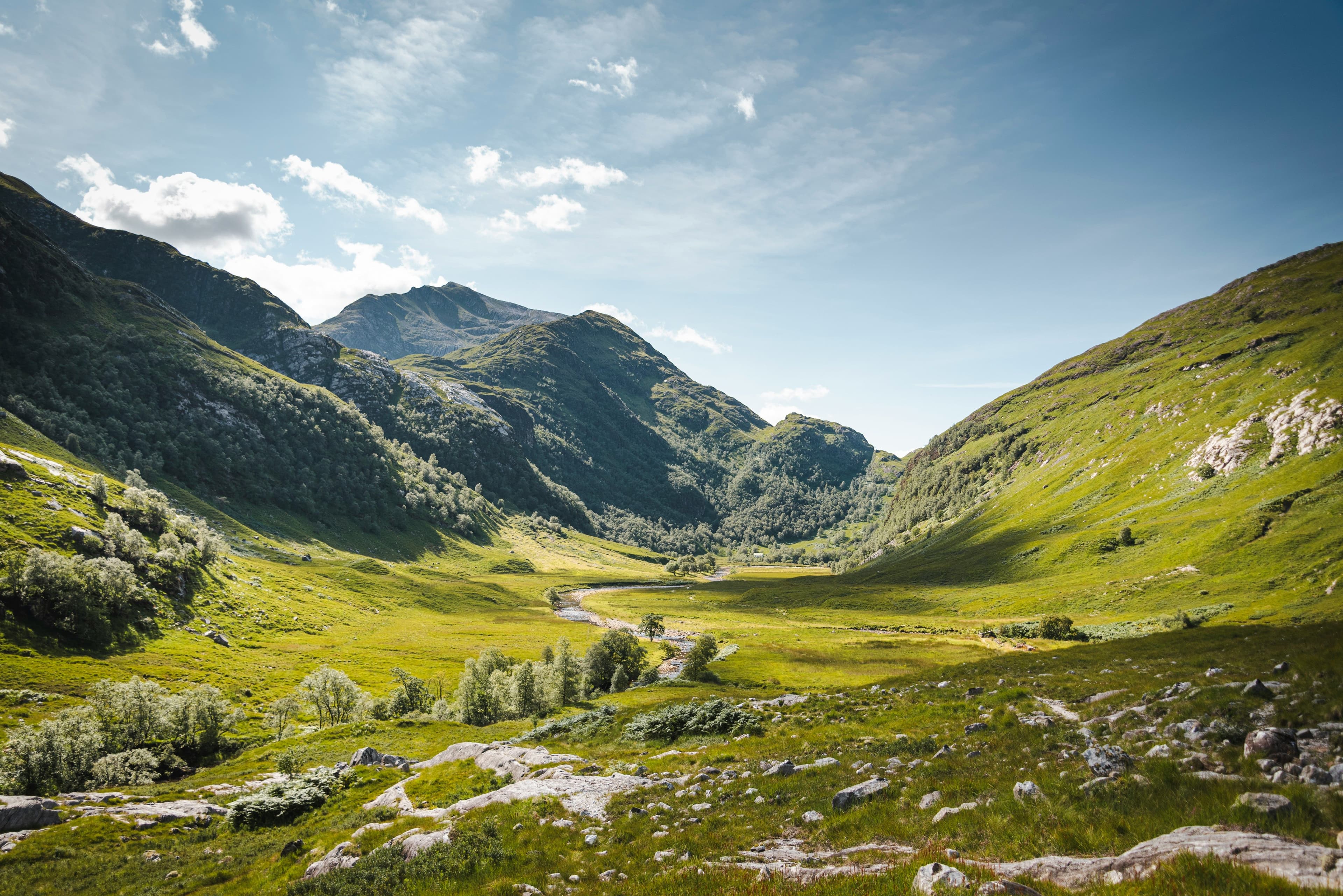
Through Glencoe, mountain roads, waterfalls and huge valleys keep appearing around almost every corner once you head north from Glasgow. Near Fort William, you can jump on the Jacobite Steam Train, stop beside lochs for lunch or spend your afternoon hiking shorter trails without needing hiking experience. Near Glenfinnan Viaduct, you can watch the famous steam train crossing the arches above the valley, which is exactly where scenes from the Harry Potter films were filmed. Further north towards Inverness and the northern highlands, roads become quieter and villages smaller, with coastal cliffs and empty beaches slowly replacing busier tourist stops further south.
Visit the Isle of Skye for waterfalls, hikes and coastal views
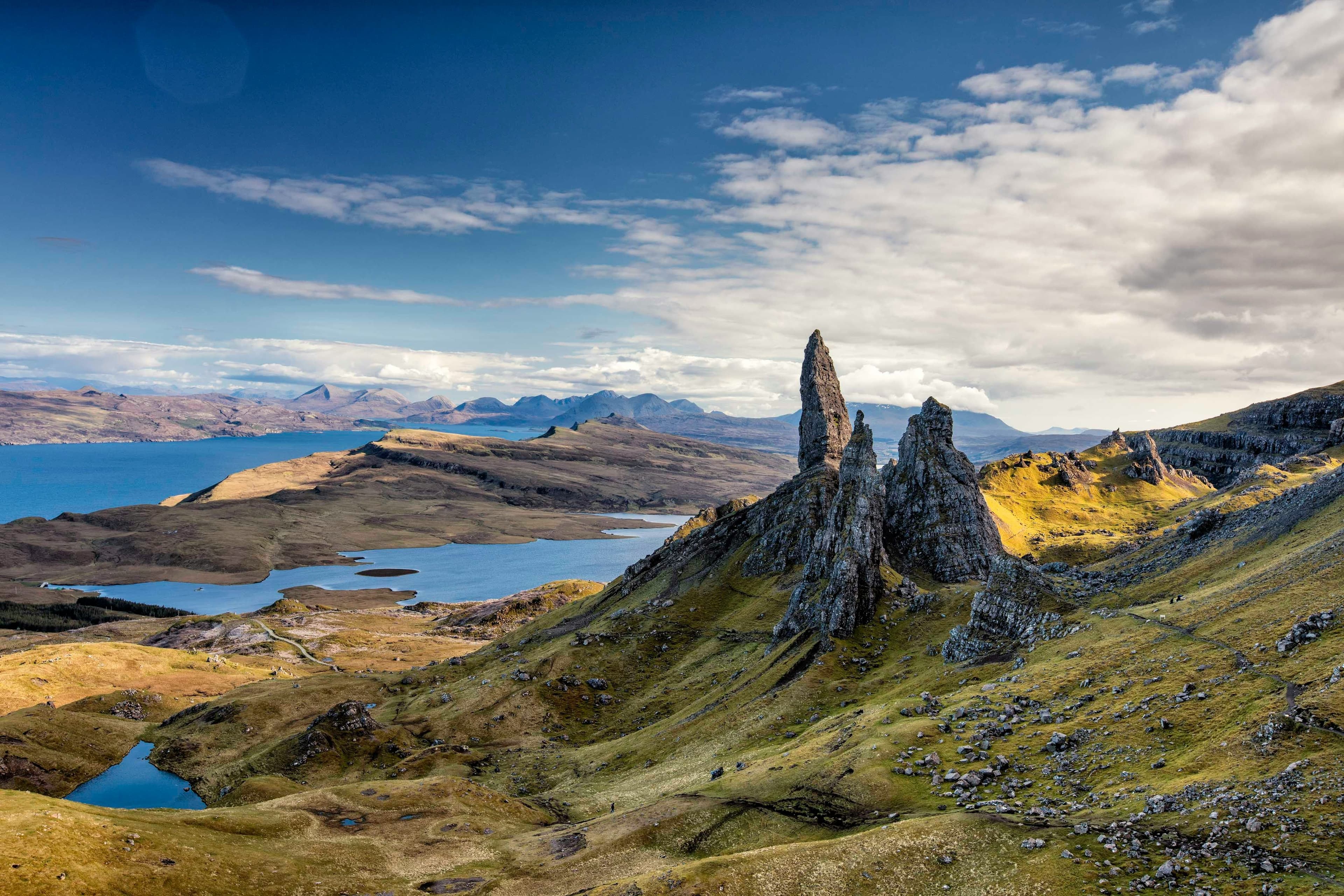
Out on Skye, sheep regularly block the roads, waterfalls appear beside hiking trails and little villages somehow stay surrounded by cliffs in almost every direction. Around Portree, colourful harbour houses and seafood restaurants make a really good base before heading out towards places like Quiraing, Fairy Pools and the Old Man of Storr during the day. Near the northern coastline, little roads lead towards hidden beaches and viewpoints where you can stand outside for ages without hearing much besides waves and wind coming off the sea. During summer, daylight stays around incredibly late here, so you can continue your hikes and drives much longer into the evening. Skye is one of the most beautiful places to visit in Scotland, so plan enough time here.
Spend a few days around Loch Lomond and the Trossachs
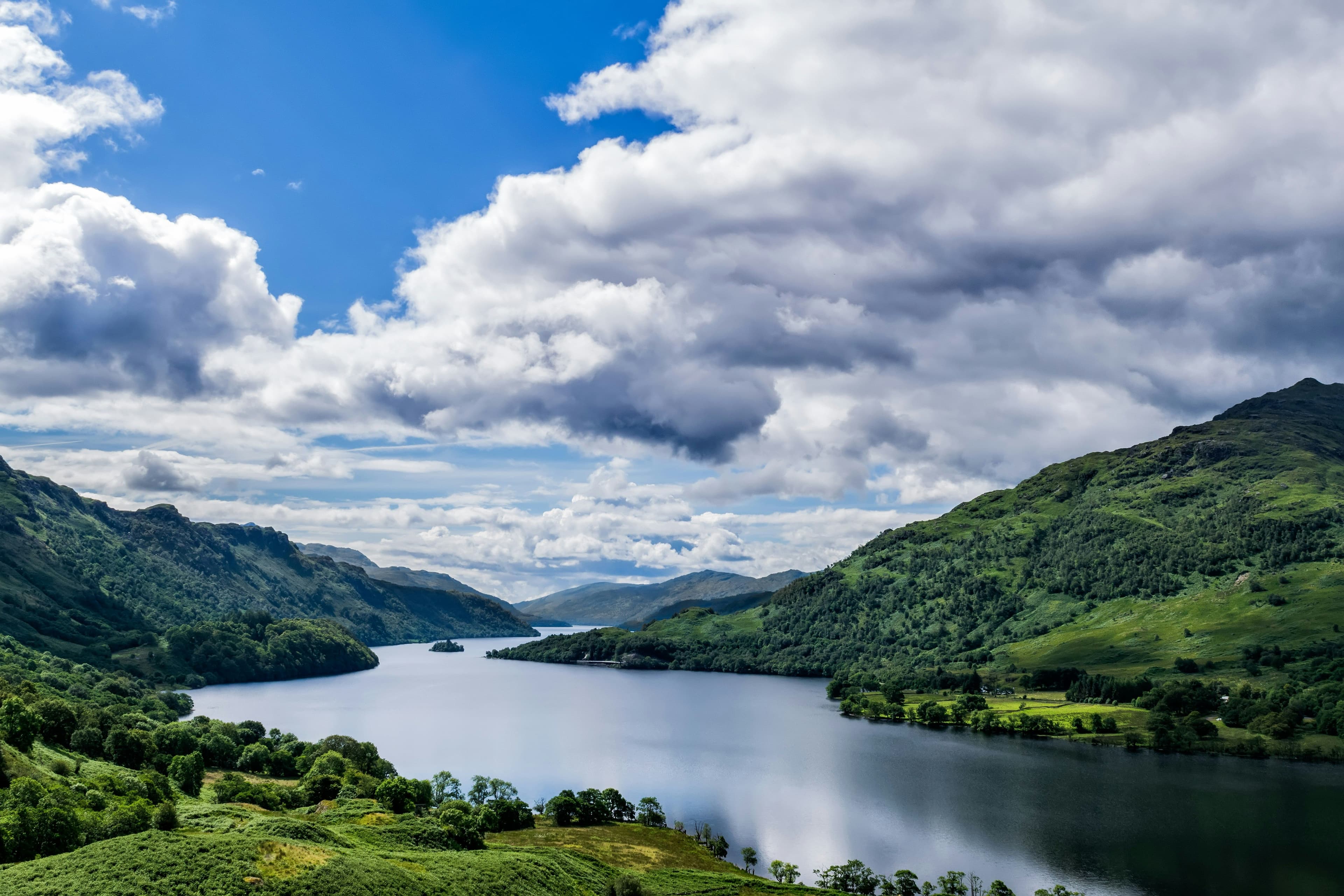
Closer to Glasgow, forests, little villages and huge lake views completely take over once you arrive around Loch Lomond. Near Balloch and Luss, you can spend your afternoons kayaking, sitting beside the water or walking shorter trails through the surrounding hills. Along the shoreline, little pubs and cafés stay spread beside the loch where people stop after boat trips or swimming during warmer months. Up in the Trossachs, roads continue through forests and smaller lakes that look very different every few kilometres. This region works really well when you want nature and lake views without driving all the way towards Skye or the far north.
Discover St Andrews and the east coast of Scotland
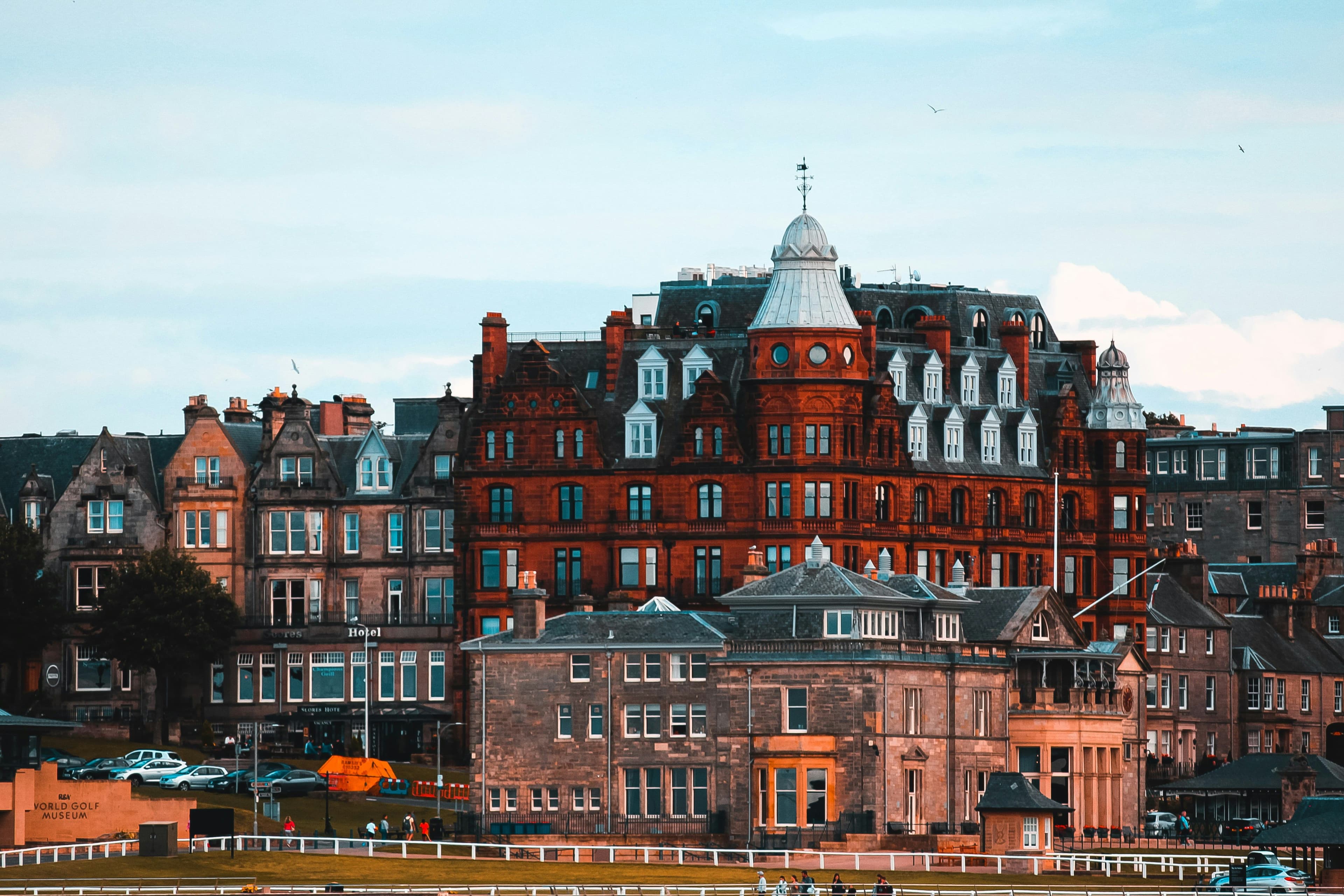
St Andrews is is known for its old university buildings, beaches and golf courses. Near the coastline, you can walk along huge beaches, stop at seafood restaurants and continue past old cathedral ruins that still stand above the sea after hundreds of years. Around the Old Course, golf history stays connected to almost everything here because the modern version of the sport started in this town centuries ago. Further along the coast towards fishing villages and castle ruins, roads beside the sea continue all the way up towards north east Scotland.
Explore the Cairngorms and north of Scotland
Inside Cairngorms National Park, forests, mountain roads and whisky distilleries slowly start replacing bigger towns and busier roads. Around Aviemore and Braemar, hiking routes lead towards rivers, lochs and mountain viewpoints where you can stay outside for hours without passing many people at all. Near Speyside, distilleries like Glenfiddich and Macallan run tours where you can taste local whisky. Further north along the Moray coast, you can even spot bottlenose dolphins during boat tours leaving from smaller harbours like Cromarty and Chanonry Point. This region works really well if you like mountain hikes, wildlife and road trips.
Visit Orkney and the Shetland Islands for remote island life
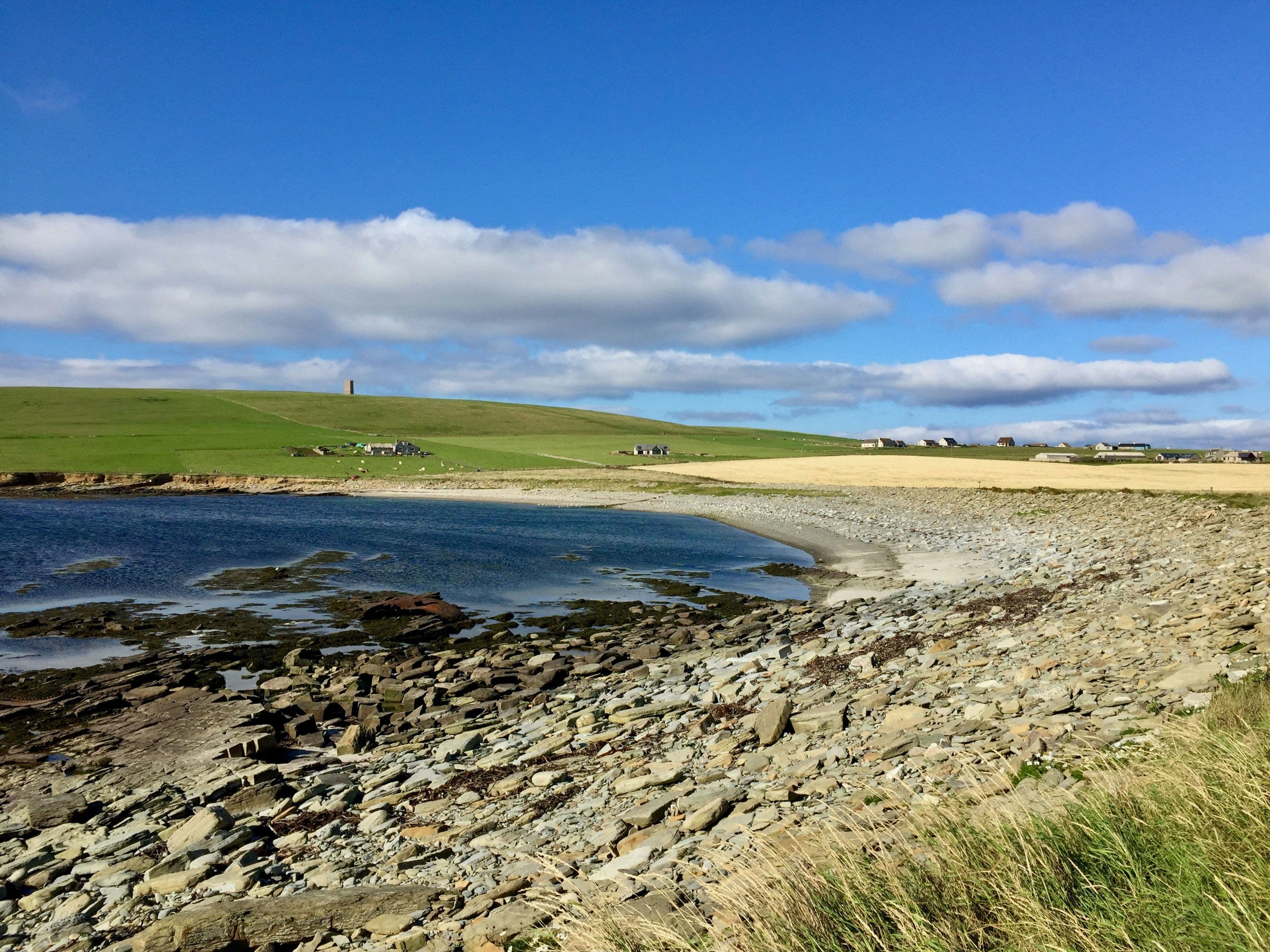
Orkney and Shetland are nice Scottish islands to visit in summer.And they actually look more Scandinavian once you arrive, with their colourful harbour houses, Viking history and windy coastal landscapes. Around Orkney, ancient stone circles, cliffs and Viking history create one of the oldest historic regions anywhere in the UK, and places like Skara Brae actually date back older than the pyramids in Egypt. Overnight ferries leave from Aberdeen towards Shetland, where you’ll find little fishing villages, puffin colonies and huge coastal cliffs all across the islands. Around Lerwick, colourful houses, small harbours and local cafés sit close enough together that you can easily explore most of the town on foot.
Head to the Outer Hebrides for beaches and remote landscapes
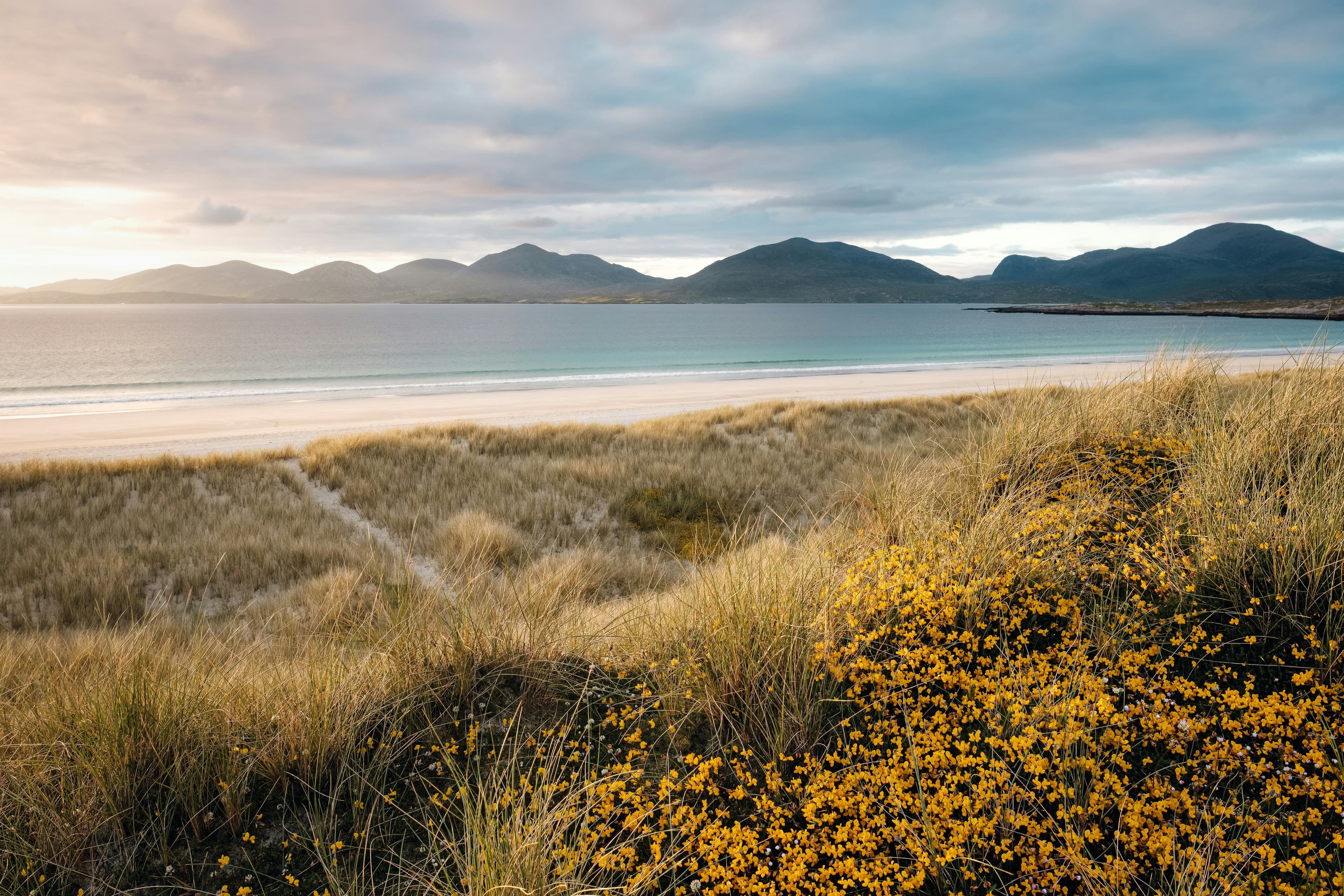
Around Lewis and Harris, little villages, empty beaches and single track roads create days where you mostly move between viewpoints, hikes and cafés beside the sea. Out near Luskentyre Beach, you’ll see bright blue water and huge white beaches. Ferries leave from Ullapool towards Stornoway in around 2.5 hours, and bringing your car across helps a lot once you start exploring the islands further. This region works really well when you want beaches, island drives and much slower days surrounded by sea and mountains.
Scotland itinerary ideas for your trip
Even though Scotland looks fairly compact on the map, ferry crossings, mountain roads and coastal routes can take much longer once you actually start driving around. Through these Scotland itineraries, you’ll connect the must visit places in Scotland in a way that keeps your route exciting and manageable.
7 day Scotland itinerary for first time visitors
Day 1 to 2: Edinburgh, castles, museums, pubs and old streets
Day 3: Glencoe and Fort William, mountain roads and viewpoints
Day 4 to 5: Isle of Skye, waterfalls, hikes and coastal villages
Day 6: Loch Ness and Inverness
Day 7: Cairngorms National Park and return towards Edinburgh
10 day Scotland touring route through the Highlands and islands
Day 1 to 2: Glasgow and Loch Lomond
Day 3 to 4: Glencoe and Fort William
Day 5 to 6: Isle of Skye
Day 7 to 8: North Coast 500 route and coastal villages
Day 9: Cairngorms and Speyside whisky region
Day 10: Edinburgh
Around the Highlands, roads can stay pretty slow because of sheep crossings, viewpoints and narrow routes, so leaving extra time in your schedule helps a lot here.
Scotland without a car
Day 1 to 3: Edinburgh, museums, castles and day trips
Day 4: Train from Edinburgh Waverley to Inverness
Day 5 to 6: Highlands tours and Loch Ness
Day 7: Glasgow and return south
Train routes through Scotland work surprisingly well, and organised tours help you reach mountain regions without needing to drive yourself.
Looking for more inspiration? Explore these trips:
Scotland things to do and explore
Now that you know where to go during your trip, the next step is figuring out what you actually want to do once you’re there. Across Scotland, your days can quickly become mountain hikes, castle visits, train rides and boat trips, so we’ve gathered a few ideas that are really worth adding into your route. These are some Scotland’s top attractions.
Ride the Jacobite Steam Train through the Highlands
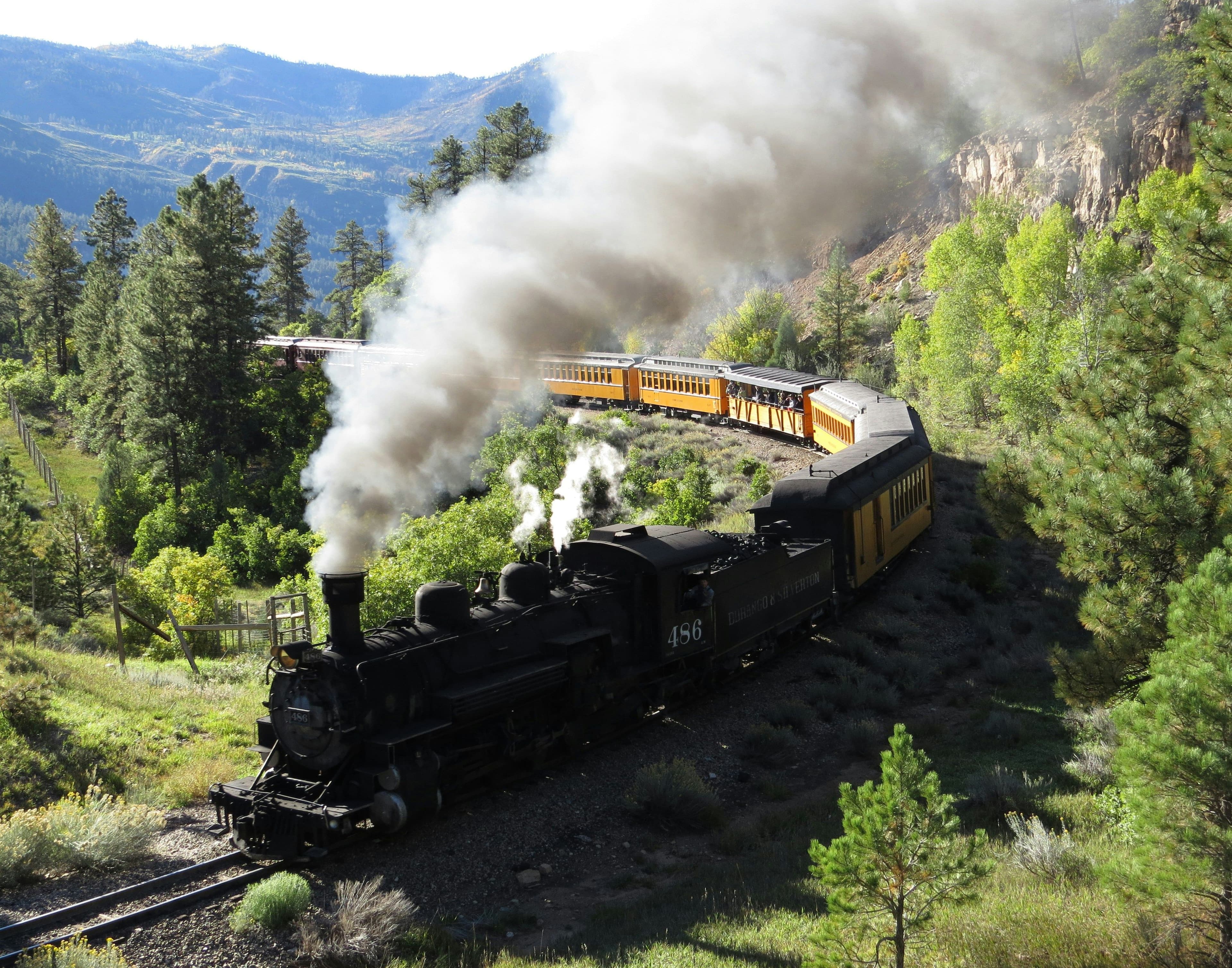
Out near Fort William, you can take the Jacobite Steam Train towards Mallaig, the same route used in the Harry Potter films. During the journey, huge mountain valleys, lochs and little villages slowly pass by before the train crosses Glenfinnan Viaduct around halfway through the route. Full return journeys usually take around 6 hours including the stop in Mallaig, where you can grab seafood near the harbour before heading back again. Around summer, tickets sell out really quickly, so booking several weeks ahead through the West Coast Railways website helps a lot.
Go hiking in Glencoe and the Isle of Skye
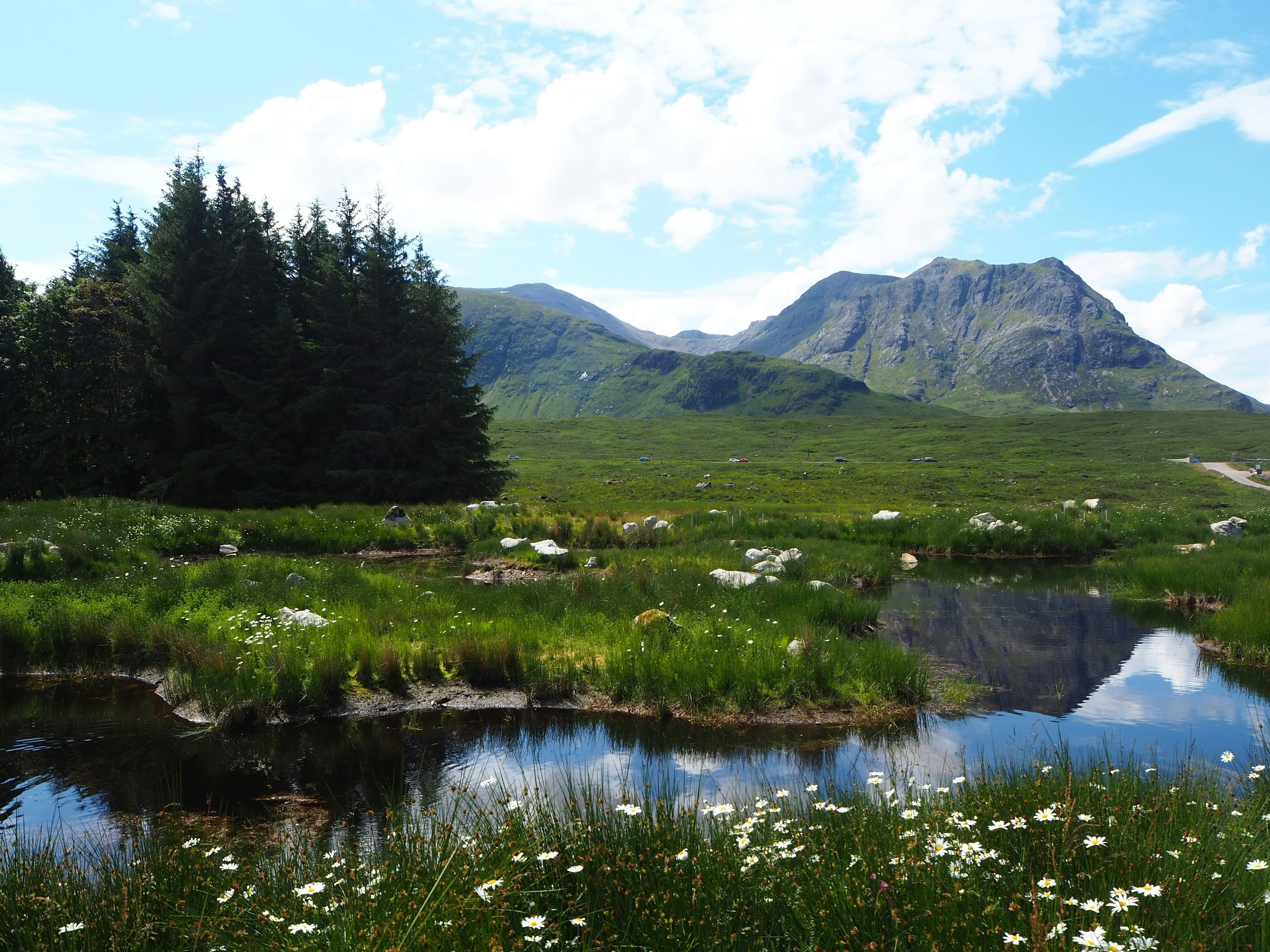
Across Glencoe and Skye, hiking routes work for completely different levels, so you really don’t need to be an experienced hiker to enjoy this area. Near Glencoe, shorter walks like the Lost Valley route take around 2 to 3 hours and bring you into huge mountain valleys surrounded by waterfalls and rocky peaks. Up on Skye, hikes around Quiraing and Old Man of Storr usually take half a day once you include stops and viewpoints along the route.
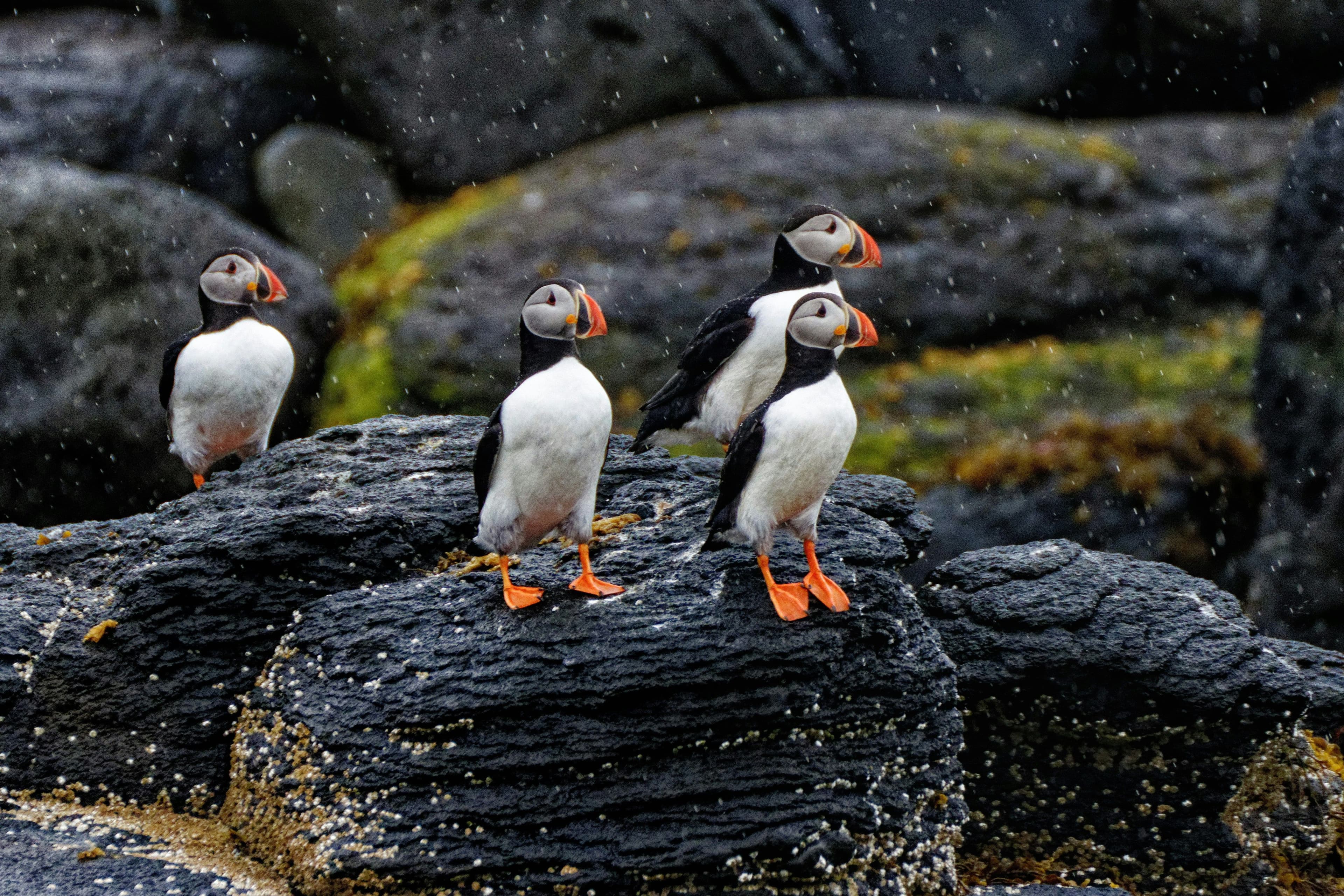
Spot puffins, seals and Highland cows around Scotland
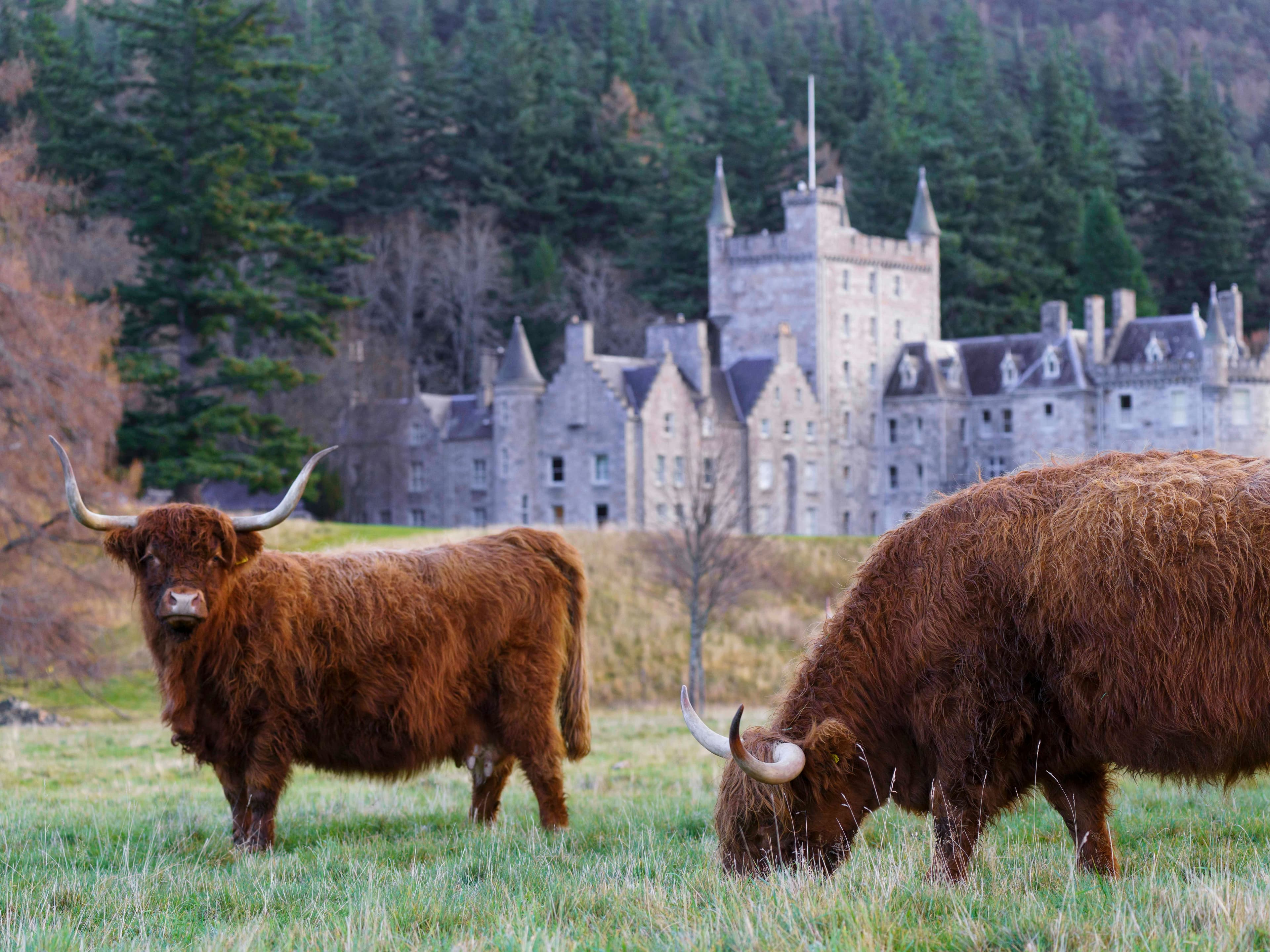
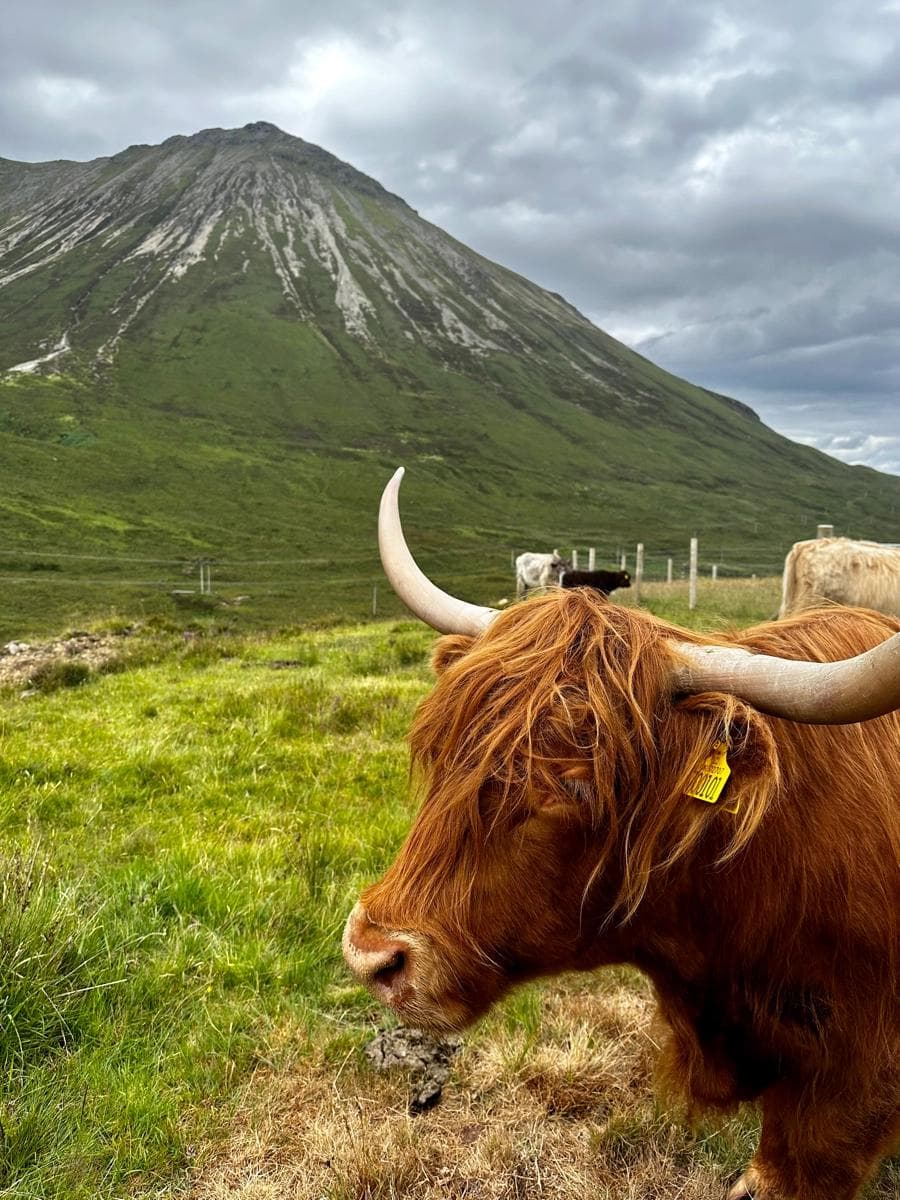
Far up along the coast and islands, wildlife trips become one of the best parts of travelling through Scotland. Around the Isle of Mull and Staffa, boat tours leave during spring and summer where you can spot puffins sitting on cliffs above the sea. Out near Chanonry Point along the Moray coast, bottlenose dolphins regularly swim surprisingly close to shore during warmer months. Along roads through the Highlands and Cairngorms, Highland cows usually appear near fields and roadside fences almost every day once you start driving further north.
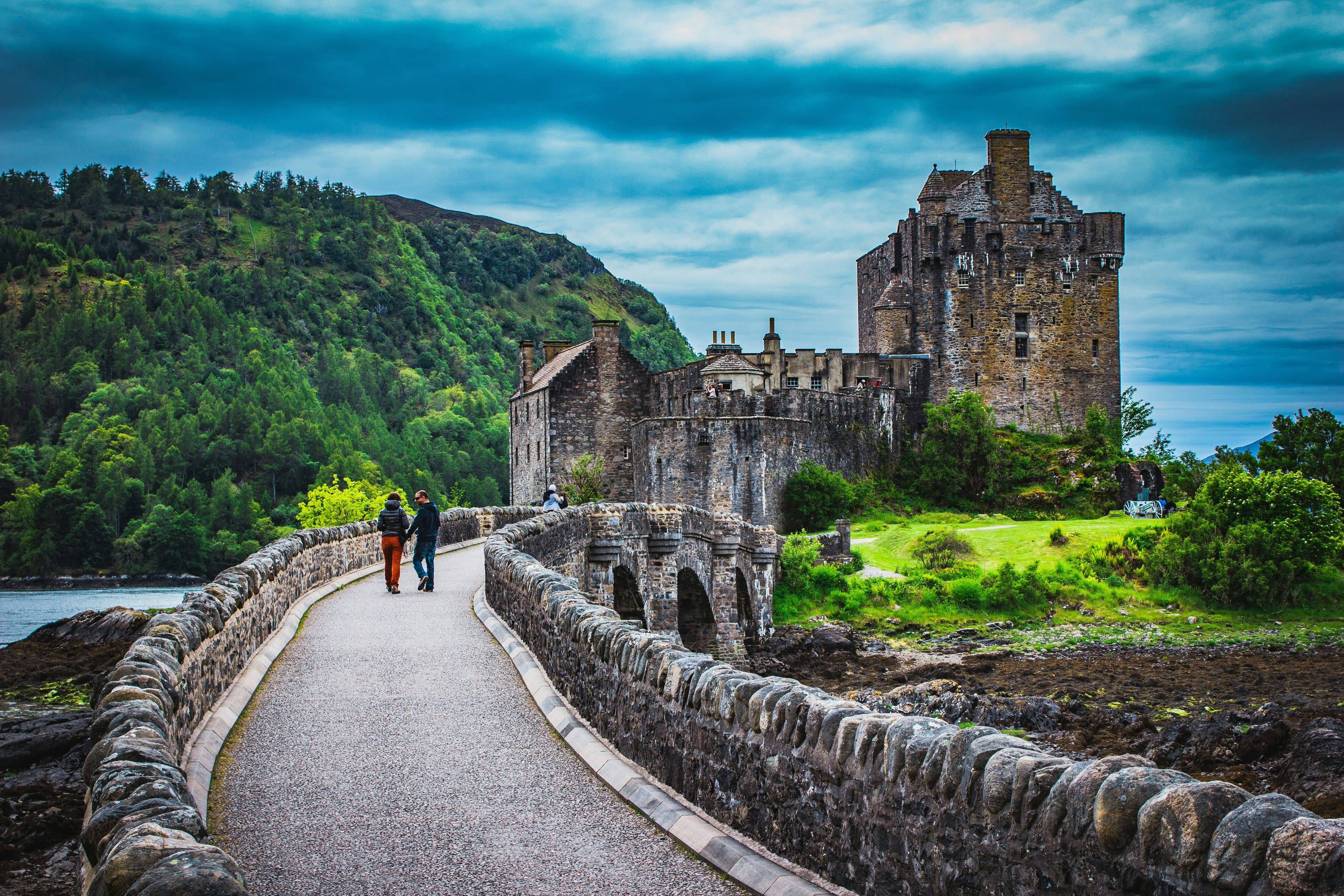
Visit famous castles across Scotland
All across the country, you can find castle ruins and fortresses in the middle of mountains, beside lochs or directly above the sea. Near Kyle of Lochalsh, Eilean Donan Castle stays one of the most photographed castles in Scotland because of its position beside the water and surrounding mountains. Up in Stirling, you can walk through one of the country’s most historic castles where Scottish kings and queens once lived hundreds of years ago.
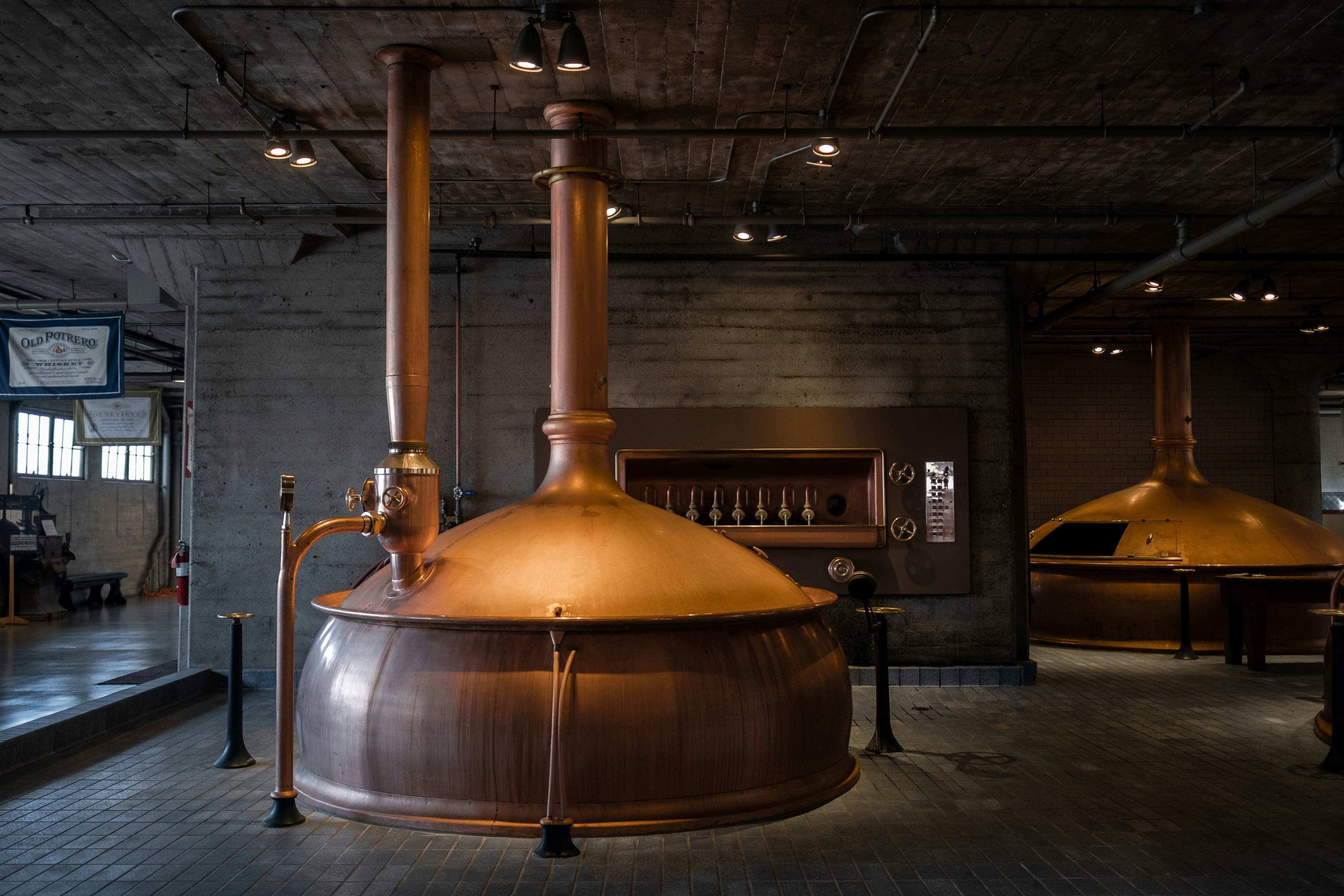
Try whisky tasting in Speyside and the Highlands
Around Speyside, whisky distilleries appear almost everywhere once you start driving through the region. Near Dufftown, tours inside Glenfiddich, Macallan and Balvenie usually last around 1.5 to 2 hours and include tastings plus a walkthrough of the production process. Inside smaller distilleries, you can sometimes book more personal tastings where local guides talk about the history behind each whisky region. During autumn and winter, distillery visits work really well after colder hiking or road trip days through the Highlands.
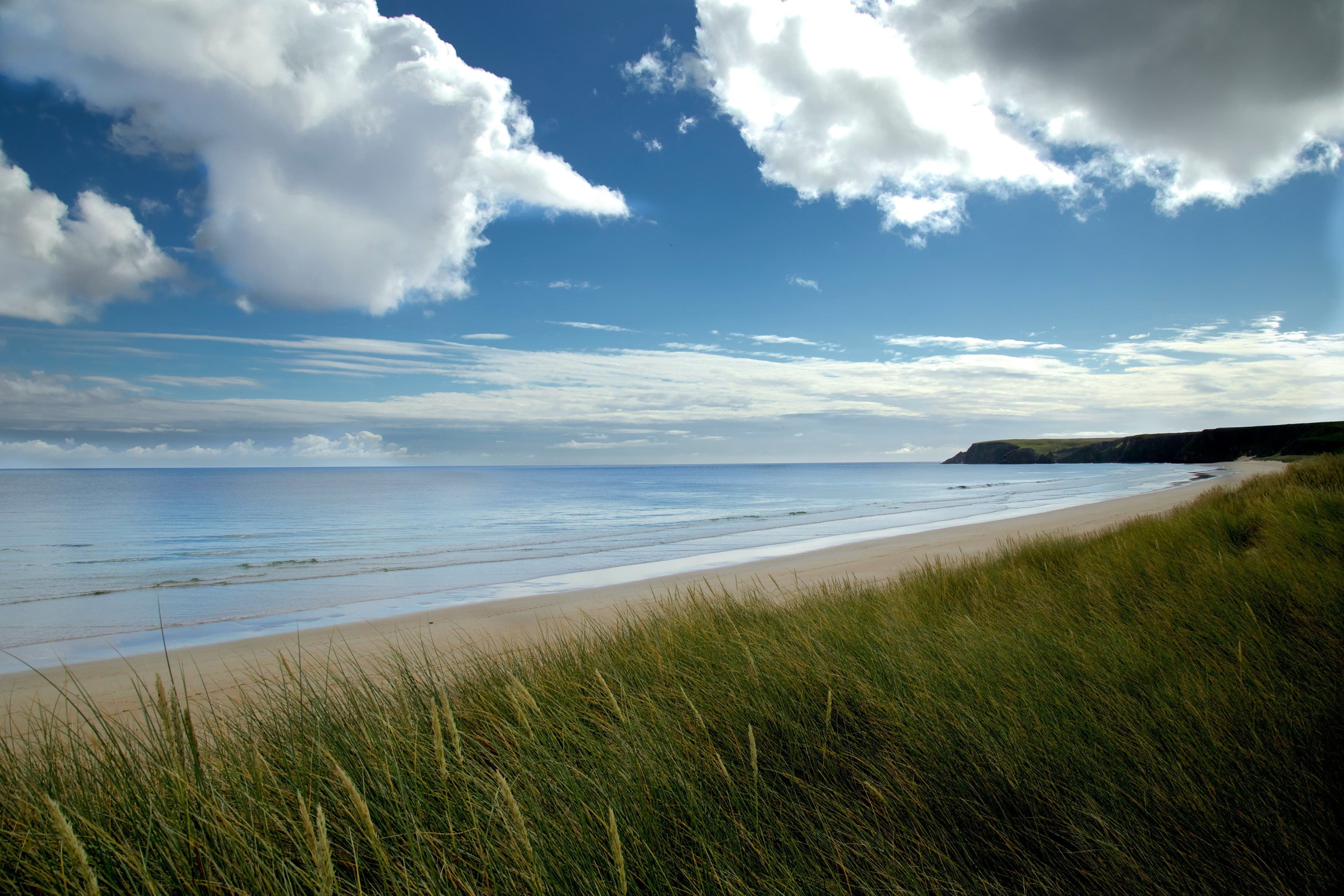
Explore Scotland’s islands by ferry
Out near the west coast, ferries connect different islands. From Oban, you can reach Mull in around 45 minutes, and ferries towards the Outer Hebrides leave from places like Ullapool and take around 2.5 hours depending on weather conditions. Along the crossings, you can see dolphins, seabirds and huge coastal cliffs. Bringing your car onto the ferry helps loads because buses around smaller islands can stay pretty limited.
When to go to Scotland?
You probably already know Scotland’s weather can change pretty quickly, so picking the right moment for your trip really changes what your route ends up looking like.
Spring: Great for road trips, hiking and fewer people around the Highlands and islands.
Summer: Best for ferries, island hopping and longer daylight that can stay until almost midnight in the north.
Autumn: Forests around Cairngorms and Glencoe turn orange, and whisky regions become really nice.
Winter: Snow appears around mountain regions, Christmas markets arrive and ski areas open.
Near the west coast and islands, rain can appear during any month, so waterproof jackets help during every season.
Not sure when to go? Read our blog about the best time to visit Scotland, where we break down exactly when to visit for road trips, hiking, islands and city trips.

Did you know you can create your own itinerary?
Now that you know a few nice places to go in Scotland, and fun activities you can do there, you can start creating your own trip. Do you want more time hiking through the Highlands, or are you thinking more about castle towns and whisky distilleries beside the coast? It’s all up to you. You can easily create your own trip in the Guided app for free, or use trips shared by others.
Where to stay in Scotland?
Most people stay around Edinburgh during their first Scotland trip, though several other regions can work much better depending on how you want your days to look. So let’s take a look at several different areas so you can decide what fits you best.
Stay in Edinburgh for history, pubs and city atmosphere
In Edinburgh, museums, castles, restaurants and train stations all sit close enough together that you can explore most of the city on foot. Near the Royal Mile and Old Town, little hotels and apartments place you close to pubs, whisky bars and major sights like Edinburgh Castle and Arthur’s Seat. From Edinburgh Waverley Station, trains connect directly towards Glasgow, Inverness and even London, which makes this city really easy for shorter trips without a car.
Base yourself in Fort William for Highlands adventures
Up near Glencoe and Ben Nevis, Fort William works really well if you’re into mountain hikes. Around the town centre, little pubs, outdoor shops and restaurants stay close together before roads continue deeper into the Highlands afterwards. From here, you can take the Jacobite Steam Train, drive towards Skye in around 2.5 hours or spend your day hiking around Glen Coe and nearby valleys.
Stay in Portree for exploring the Isle of Skye
Out on Skye, Portree gives you one of the easiest bases for seeing the island properly. Around the harbour, colourful houses, seafood restaurants and little cafés are located close together. From Portree, you can reach places like Old Man of Storr in about 15 minutes, Quiraing in around 40 minutes and Fairy Pools in roughly 1 hour by car, so the town works really well as a base for day trips around Skye.
Choose Inverness for road trips through northern Scotland
Far up in the Highlands, Inverness works really well if you want road trips, castles and wildlife without constantly changing hotels. Around the city, roads connect easily towards Loch Ness, Cairngorms and the NC500 coastal route, which makes this a really practical stop for longer routes through the north. Near the centre, restaurants, whisky bars and walks along the river keep evenings lively. Across the nearby Moray coast, dolphin tours and beach towns also stay reachable within less than an hour from Inverness.
Guided tip: Around the Highlands and islands, splitting your route into fewer overnight stays usually works much better.
Getting around Scotland
Long mountain roads, ferry crossings and little coastal villages can slow your route down quite a bit once you start travelling through Scotland. Though, the good news is that trains, ferries and road connections work really well here, so reaching many of the nice places in Scotland is pretty straightforward.
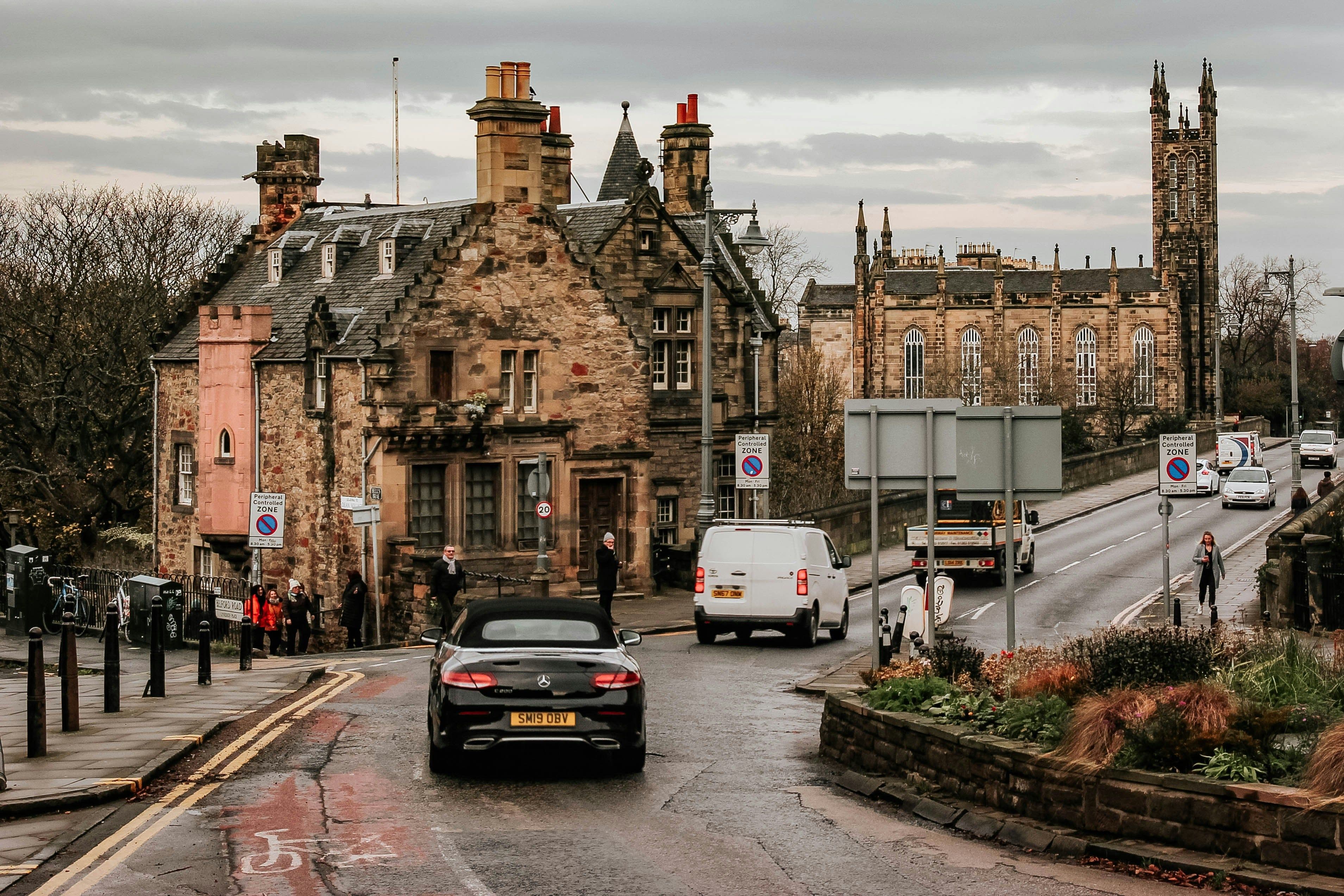
Drive around Scotland for the most freedom
Across the Highlands and islands, having your own car gives you way more freedom because little villages, viewpoints and hiking areas are located far outside train routes. Around Skye, Glencoe and the Cairngorms, you’ll probably stop constantly for photos, waterfalls and short walks beside the road, so driving works really well there. Through airport rental desks in Edinburgh or Glasgow, you can usually pick up a car straight after landing.
Thinking about driving through Scotland? Read our Scotland road trip guide, where we map out the best routes, stops and driving tips across the country.
Use trains for cities and longer routes
Across Edinburgh, Glasgow and Inverness, train routes stay really reliable and save you from parking inside city centres. Through ScotRail, you can book tickets, check delays and keep mobile tickets directly on your phone. From Edinburgh to Glasgow, trains usually take around 50 minutes, and Edinburgh to Inverness takes roughly 3.5 to 4 hours through the Highlands. Up near Fort William, the West Highland Line passes lochs, mountains and little villages that many Guided travellers say they love it just as much as the final destination itself.
Take ferries to Scotland’s islands
Out near the west coast, ferries connect islands that would otherwise be almost impossible to reach. Through CalMac, you can book ferries towards Skye, Mull, Harris and Lewis, and what’s nice is that you can also bring your car onboard for longer island routes. From Ullapool to Stornoway, crossings usually take around 2.5 hours, and overnight ferries from Aberdeen to Lerwick in Shetland take roughly 12 to 13 hours. In summer, ferry spaces for cars disappear pretty quickly, so booking several weeks ahead saves loads of hassle later on.
Guided tip: Around the Highlands and islands, Google Maps timings usually stay too optimistic, so adding extra time into your route helps a lot.
Scottish food and drinks you should try
Scotland probably isn’t the first country you think about for food, though pub dinners, seafood and whisky tastings can easily become one of the best parts of your trip once you arrive. You can try some of these dishes during your trip:
Try haggis in a traditional Scottish pub
Haggis is a traditional Scottish dish made from minced meat, oats, onions and spices. Inside Scotland’s older pubs, haggis appears on menus almost everywhere. Around Edinburgh and Inverness, most places serve it with mashed potatoes, turnips and whisky sauce.
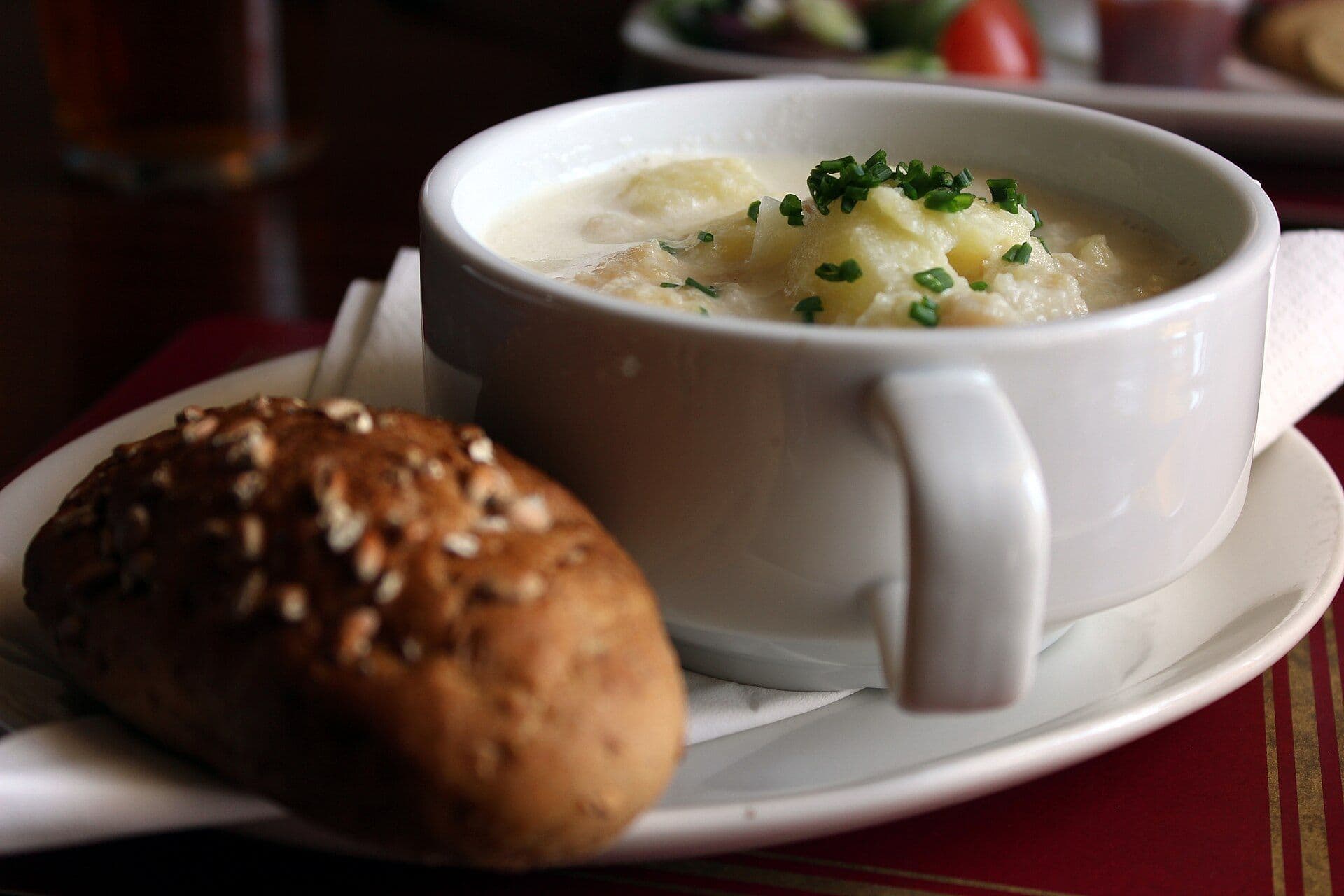
Warm up with Cullen skink after colder hiking days
Cullen skink is a soup from northern Scotland. Inside the soup, smoked haddock, potatoes, cream and onions create a really heavy meal that works perfectly after rainy hiking days or colder ferry crossings. Around Inverness and Moray coast towns, pubs and cafés regularly serve homemade versions with bread on the side.
Visit whisky distilleries across Speyside and Islay
Through Speyside and Islay, whisky distilleries appear almost everywhere. Around Glenfiddich, Macallan and Laphroaig, tours usually take around 1.5 to 2 hours and include tastings plus a walkthrough of the production process. Near Islay, peaty whiskies taste much smokier compared to smoother Speyside versions.

Eat seafood around the west coast and islands
Out near Oban, Skye and the Outer Hebrides, seafood suddenly becomes much better once you get closer to the coast. Around little harbour restaurants, you’ll see langoustines, mussels, scallops and fresh fish brought in directly from nearby waters earlier that same day. Near Portree Harbour on Skye, seafood restaurants stay busy almost every evening during summer.
Scottish culture, history and daily life
Did you know large parts of Scotland once had their own clans, languages and traditions completely separate from England for centuries? Across old battlefields, castle ruins and tiny villages in the Highlands, you still notice pieces of that history almost everywhere once you start travelling around the country. Around Edinburgh and Stirling, medieval streets and huge stone buildings still connect directly back to wars, royal families and Jacobite uprisings that shaped Scotland hundreds of years ago. Through islands like Shetland and Orkney, Viking history still stays visible too, from local festivals to old Norse place names scattered across the coastline.
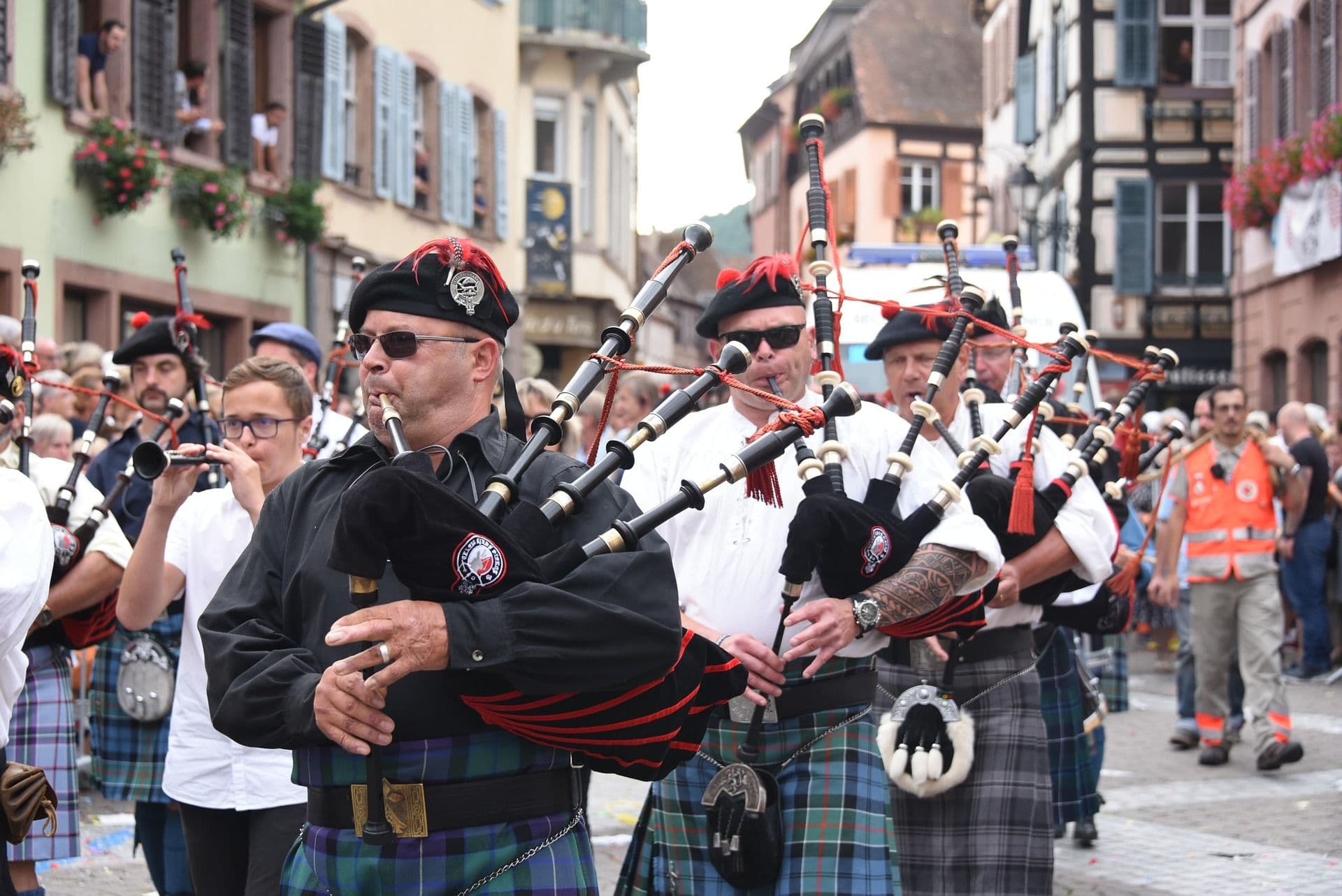
Inside modern Scotland, history still shows up in daily life much more than you might expect. Around pubs and village halls, ceilidh dancing and live folk music still happen regularly, particularly during weddings, festivals and local celebrations. Near the Highlands and islands, Gaelic road signs continue appearing beside English ones, and kilts still get worn during formal events, graduations and family gatherings. Local life still also revolves around football, pubs, whisky and long evenings spent catching up with friends after work. Along the west coast and islands, life slows down quite a bit compared to bigger cities, and that difference becomes really noticeable once you spend time moving through different regions of the country.
Looking for more unique places, trips and activities?
Subscribe to our Guided Newsletter for more travel inspiration.
Costs of a trip to Scotland
Road trips through the Highlands, ferry crossings towards islands and old pub dinners beside the fire can make Scotland slightly more expensive compared to some other parts of Europe, particularly during summer. Around Edinburgh and Skye, prices usually rise quite a bit during festival season and school holidays, though smaller villages and slower travel routes can still keep your budget under control pretty easily.
Food & Drink

Coffee
£3 – £5
Lunch
£12 – £22
Beer
£4.50 – £8
Accommodation

Hotels
£110 – £240
Airbnb
£90 – £220
Hostel dorm
£20 – £50
Transport

Trains
£10 – £60
Public Transport
£2 – £5
Car Rental
£45 – £90
Attractions

Museums
£0 – £20
Big Attractions
£18 – £45
Theatre
£25 – £90
Practical tips for visiting Scotland
First time visiting Scotland, and wondering what you should know before arriving? We’ve gathered a few tips that will make your route smoother once you arrive, particularly once you start driving yourself.
✔ Book island accommodation earlier than you think
Around Skye, Harris and smaller coastal villages, hotels and cabins sell out really quickly once summer starts. During July and August, staying flexible becomes much harder if you wait too long because many islands only have a small number of places to stay.
✔ Keep extra time for Highlands driving days
Up in the Highlands, you’ll probably stop the car constantly because waterfalls, lochs and mountain views keep appearing around almost every corner. Around Glencoe and the west coast, you’ll also notice journeys taking longer once sheep start walking onto the road and narrow single track sections slow traffic down quite a bit compared to the timing Google Maps first gives you.
✔ Pack waterproof clothes even during summer
Up in the Highlands and islands, sunshine and rain can appear within the same afternoon once you head further north. Around Skye and Glencoe, waterproof shoes and a lighter rain jacket usually help much more than carrying huge winter coats.
✔ Reserve popular restaurants on Skye and in Edinburgh
Inside Portree and Edinburgh Old Town, dinner spots fill up surprisingly fast during summer evenings. Around smaller harbour towns, later reservations can become difficult because many kitchens close earlier compared to larger cities.
✔ Bring snacks and water during island road trips
Across places like Harris, Lewis and northern Skye, petrol stations and supermarkets can stay pretty far apart once you leave larger villages behind. During longer hikes or ferry days, having extra snacks in the car can be lifesaving ;).
✔ Watch out for midges during summer hikes
Around western Scotland and forest areas, tiny insects called midges appear during warmer months, particularly during windless evenings. Near Glencoe and Loch Lomond, insect spray helps a lot when you go hiking near water or forests.
✔ Use public transport inside Edinburgh and Glasgow
In both cities, parking prices rise quickly and older streets stay much easier without a car. Through buses, trams and trains, reaching most tourist attractions in Scotland stays really simple once you arrive.
Fun facts about Scotland
Castles, kilts and whisky are usually the first things people picture when thinking about Scotland, though plenty of other things make the country surprisingly unique. So let’s take a look at a few things that make Scotland very different from the rest of Europe:
More than 790 islands belong to Scotland, and around 90 are actually inhabited.
Edinburgh became the first UNESCO City of Literature back in 2004.
Scotland’s national animal is officially the unicorn, yes really!
Inside the Highlands, some roads pass more sheep than cars during the day.
Golf started in Scotland during the 15th century already.
In Shetland, Viking fire festivals still happen during winter each year.
In the Highlands and Shetland you can watch the sunset around 11pm in summer.
The Jacobite Steam Train became famous because of the Harry Potter films.
Some of these fun facts are things you’ll probably start noticing yourself once you travel around Scotland. One day you’re hiking through mountain valleys in the Highlands, and later that same evening you’re eating seafood beside the coast or sitting inside a tiny pub near a harbour village. Across the country, landscapes, history and local culture keep changing really quickly once you move around, which keeps every stop completely different from the previous one. And if castles are your thing, you could honestly spend your entire trip driving from one fortress and castle ruin to the next. So scotland works really well if you like history, islands, road trips, and long evenings inside cosy pubs after full days outside.
Ready to map out your trip to Scotland?
We hope this Scotland travel guide has given you a clear starting point for your trip. Stay tuned for more inspiration, itineraries and practical tips to help you shape your perfect Scotland trip. And don’t forget to check out our Guided app, where you can create your own trip or use trips shared by other travellers for free.
FAQS about Scotland
- How many days do you need in Scotland?
Around 7 to 10 days usually works really well for a first Scotland trip because you can include Edinburgh, the Highlands and at least one island without spending your whole holiday driving. Across shorter 4 or 5 day routes, sticking mostly to Edinburgh, Glencoe and Loch Lomond keeps things much easier. Inside the Guided app, you can create your own trip route and find out how many places you can fit into your trip.
- Which Scottish islands should you visit?
- How can I use the Scotland trip planner app?
- What are the Highlands of Scotland?
- Is Isle of Skye worth visiting?
- Where are the Orkney Islands?
- Where is Glasgow in Europe?
- Where is Portree?