
Travel Trends Shaping 2026
By Sandra Romano
Jan 16, 2026
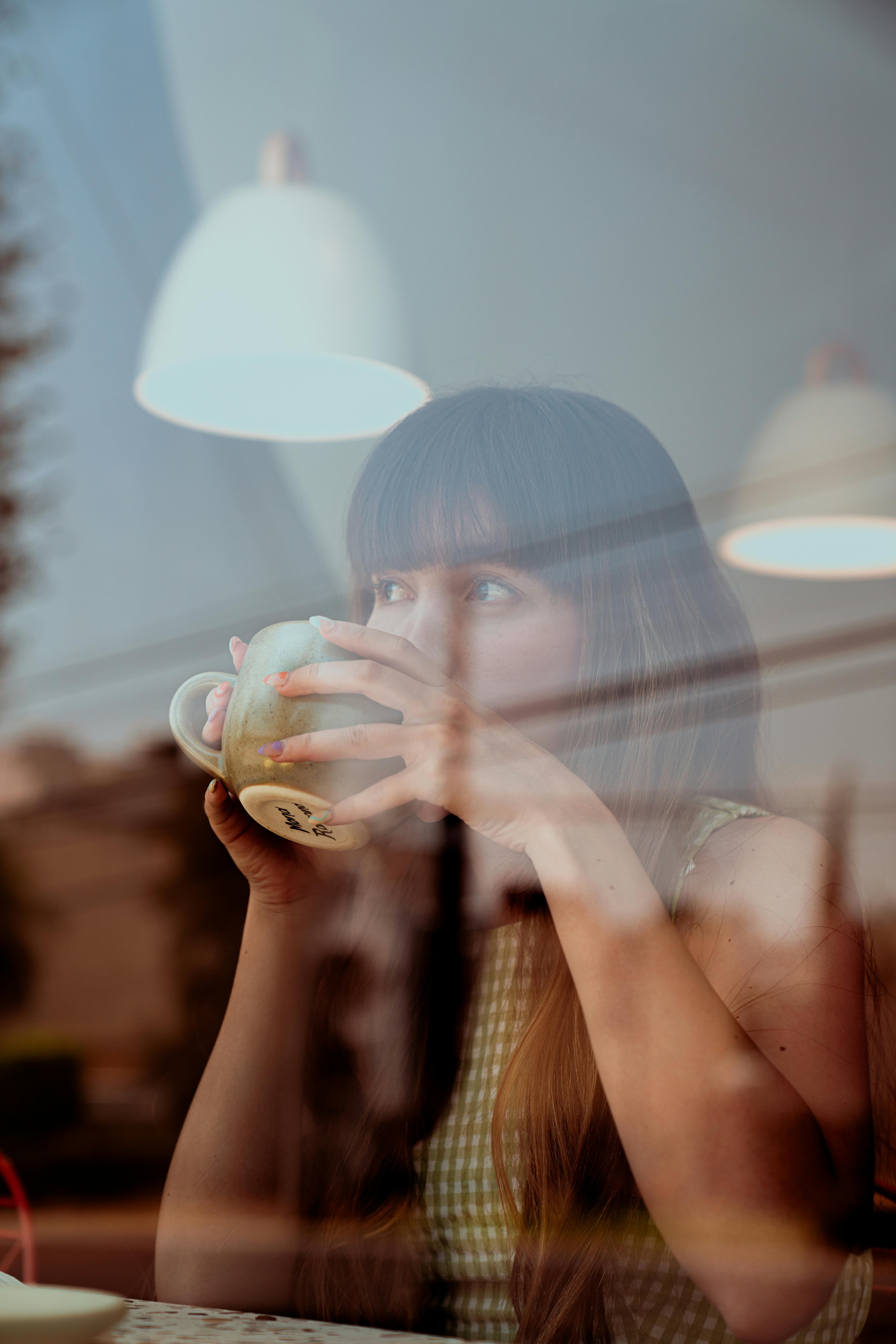
From supermarket aisles to sauna socials
If 2025 was about getting away, 2026 is about going deeper. Travellers are still chasing beauty and novelty, but the bigger shift is intentionality: trips that feel personal, grounded, and connected to everyday life in the places we visit. Sometimes described as the “whycation”, where motivation matters as much as the destination.
Below are eight trends that capture that mood, plus ways to try them without turning your holiday into a checklist.
Living like a local
“Living like a local” has moved from a nice idea to a full travel style. Partly it is a reaction to overtourism and the feeling of rushing through a city with the same crowd, doing the same photo stops. Partly it is also practical: travellers want trips that fit real life rhythms, including cooking, walking, working a little, and spending time in neighbourhoods rather than only the headline sights.
Trips are becoming increasingly purposeful and rooted in comfort, control and connection. When you translate that into behaviour, it looks like choosing an area with a strong everyday culture (markets, parks, schools, cafes), staying longer, and doing fewer “must do” attractions.
What it looks like in practice
Neighbourhood first itineraries: pick one area and explore it properly. Find a bakery you return to. Engage with the locals. Familiarise yourself with local transport rather than uber'ing everywhere.
Slow mornings, ordinary evenings: a museum at midday, then a simple dinner cooked at home. The point is not to copy locals perfectly, it is to let the place shape your experience.
Local etiquette as an activity: learn the small rules that make you feel less like a visitor, whether that is how queues work, when people eat, or what to wear.
Try this: wake early and join the morning rush; grab coffee where locals do, take the bus to a museum, get your dinner at the local store, watch regional tv (maybe try subtitles depending on your language skills). Embrace and listen to this new world around you.
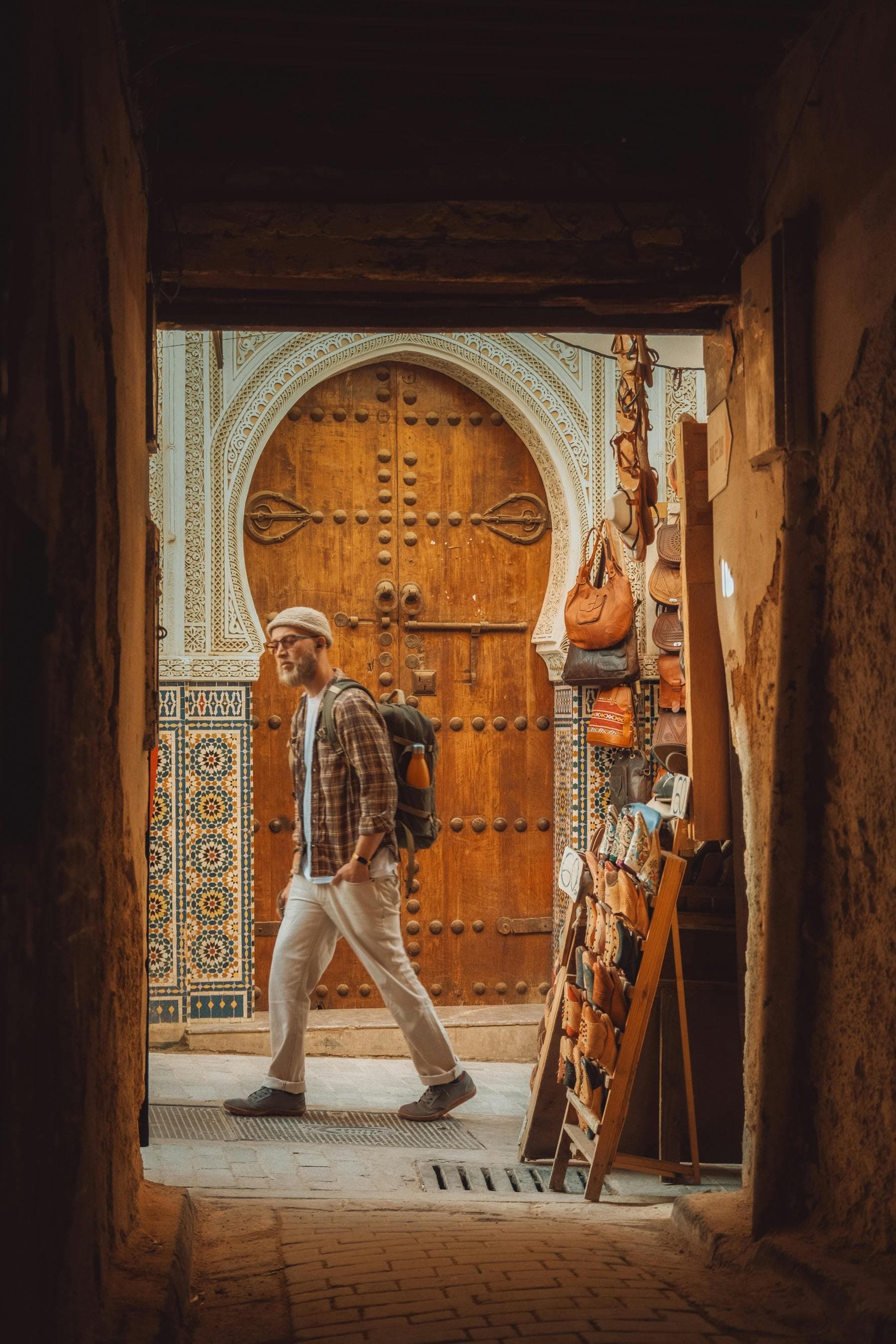
Grocery tourism
This trend sounds quirky until you try it. Grocery tourism is exactly what it says. Visiting supermarkets, convenience stores, food halls, and local grocers as a deliberate part of travel, not just to buy water and snacks but try things never tried before or even slight variations on familiar products.
Why it resonates is simple: supermarkets show you how people actually live. You see weekday lunches, seasonal produce, regional brands, household staples, and what “treat food” looks like to locals. It is cultural anthropology with a shopping basket.
How to do it well
Go beyond the snack aisle: look at dairy, bread, ready meals, spices, and cleaning products. Each tells a story about climate, work patterns, and taste.
Choose one theme: picnic lunch, breakfast week, confectionary binge, or ingredients for one local dish.
Bring it home responsibly: check customs rules, and favour shelf stable items that travel well.
Try this: do a “supermarket supper”. Pick a protein, a vegetable, a local sauce, and one dessert. Cook at your accommodation if you can, or make it a picnic. You will remember it more than a generic meal in a tourist corridor.
Undiscovered
“Undiscovered” is a loaded word, and it is worth using carefully. Most places are not undiscovered to the people who live there. What travellers often mean is “less saturated”, with fewer crowds, more availability, and a greater chance of surprise.
This trend is being fuelled by two forces at once. First, social media spreads destinations quickly, so people hunt for the next quiet alternative. Second, new routes and new styles of itineraries, especially by rail, are pushing travellers into smaller cities and overlooked regions.
A better way to think about it
Aim for “under visited” rather than “unknown”: places with existing infrastructure but lower visitor pressure.
Choose shoulder seasons: the same destination can feel completely different a month earlier or later.
Let transport shape discovery: a scenic rail line, a ferry hop, or a long distance bus route often reveals towns you would never fly into.
Try this: pick one “anchor” city, then add two smaller places within two hours by train. The anchor gives you ease, the smaller places give you texture.
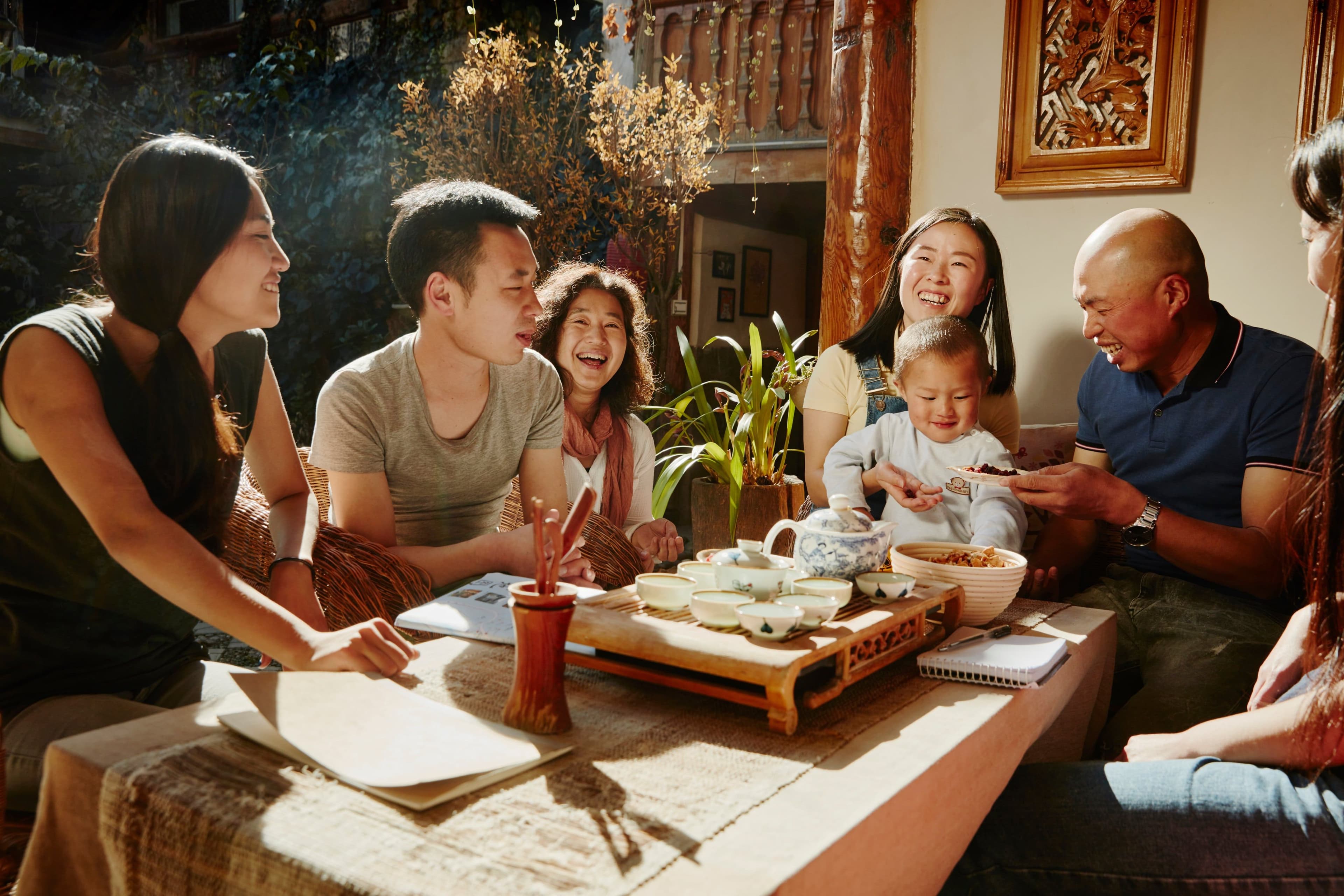
Intergenerational trips
Intergenerational travel keeps growing because it solves a modern problem: families are more spread out, time is scarce, and big life events can feel rushed. A trip becomes shared time that actually sticks.
The big change in 2026 is that these holidays are getting more thoughtfully designed. Instead of forcing everyone into the same schedule, people are planning in layers: together time, parallel time, and genuine rest.
What makes it work
Accommodation that supports different energy levels: separate sleeping spaces, quiet corners, and easy access. A beautiful rental is only great if everyone can actually relax in it.
Two pace days: one slow day followed by one active day, then repeat.
A flexible “core plan”: one shared meal daily, one shared activity every other day, and free time around it.
Try this: build in “micro independence”. Many people add solo days before or after family trips. Even one extra night for yourself, or for grandparents to arrive early, can reduce friction and boost joy.
Solo travel
Solo travel has shifted from “brave” to normal, and 2026 is pushing it further with better tools, more solo friendly accommodation, and a stronger emphasis on meeting people in low pressure ways.
Many travellers go abroad to make new friends or meet people, particularly with shared interests such as surfing. What is interesting is the tone: solo does not necessarily mean solitary. It often means self directed, with optional community.
What solo travel looks like now
Soft social travel: small group day trips, communal dining nights, walking tours, and classes that make conversation easy.
Confidence design: accommodation that feels safe and friendly, with good lighting, clear check in processes, and common spaces that are not awkward.
Purposeful itineraries: trips built around learning, wellness, or nature, rather than just “seeing the sights”.
Try this: plan one social “anchor” per day. It could be a morning class, a food market tour, or a bookshop event. The rest of the day can stay open.
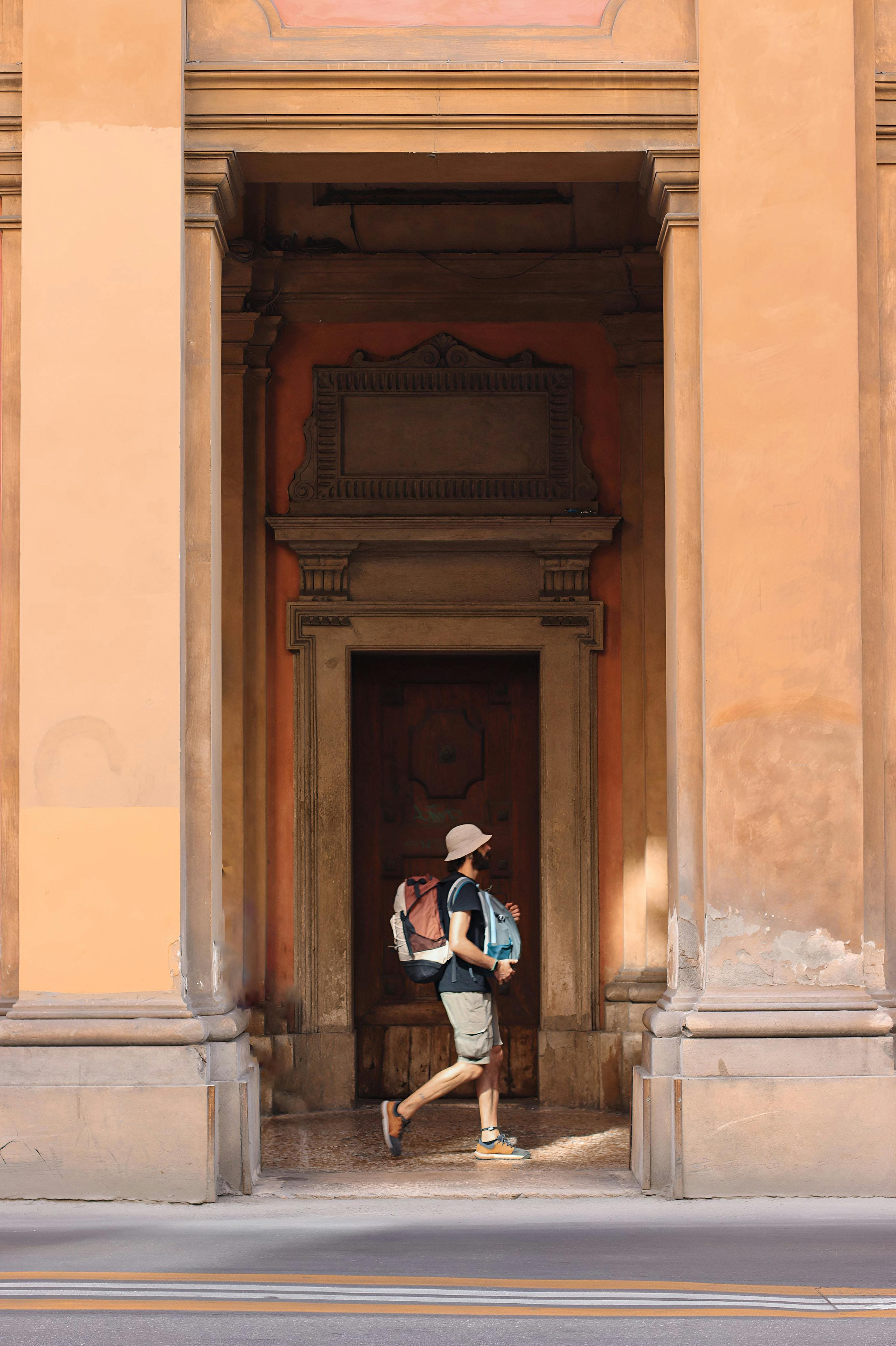
Ritual based travel
Ritual based travel is the counterweight to chaos. It is travel that uses repeated practices to reset your nervous system and your attention: breathwork, bathing, sunrise walks, tea ceremonies, sound, silence, or simple routines that mark time.
Travellers can often feel additional stress or pressure on trips and are understandably seeking more elemental experiences, which highlights the growth of wellness themed travel. People want a more human and less forced or clinical experience.
How to approach it without the cringe factor
Pick rituals with local roots: onsen bathing, hammams, coastal walking, or local food traditions.
Keep it simple: one grounding practice is enough. More is not always better.
Let the place lead: rituals work best when they fit environment. A stormy coast invites walks and hot drinks. A quiet mountain valley invites early nights.
Try this: design a three part daily rhythm: morning light (walk), midday nourishment (long lunch), evening reset (bath, stretch, journaling). Your destination can be busy, but your day still feels held.
Sauna culture
Sauna culture is booming well beyond Finland, and 2026 is leaning into the social side of it: sauna as connection, conversation, and community, not only personal wellness.
Sauna culture is growing fast in places like UK, Canada and Australia, with saunas becoming a place to connect and talk. Industry voices from Finland also highlight how sauna tourism is evolving, with attention to safety, authenticity, and well designed experiences.
What makes sauna culture fit the 2026 mood is that it is both ancient and modern. It has rules, rhythms, and respect. It is also surprisingly democratic: you do not need to be “good” at it, you just need to show up and listen.
Sauna basics that help you feel confident
Hydrate and take it gently: short rounds are fine, especially if you are new.
Respect local etiquette: when to be quiet, what to wear, when to shower, whether cold plunges are expected.
Treat it as social space: if it is a chatty sauna, chat. If it is quiet, let it be quiet.
Try this: pair sauna with nature. A sauna followed by a lake dip, sea swim, or snowy walk can become the signature memory of a trip.
Trains over planes
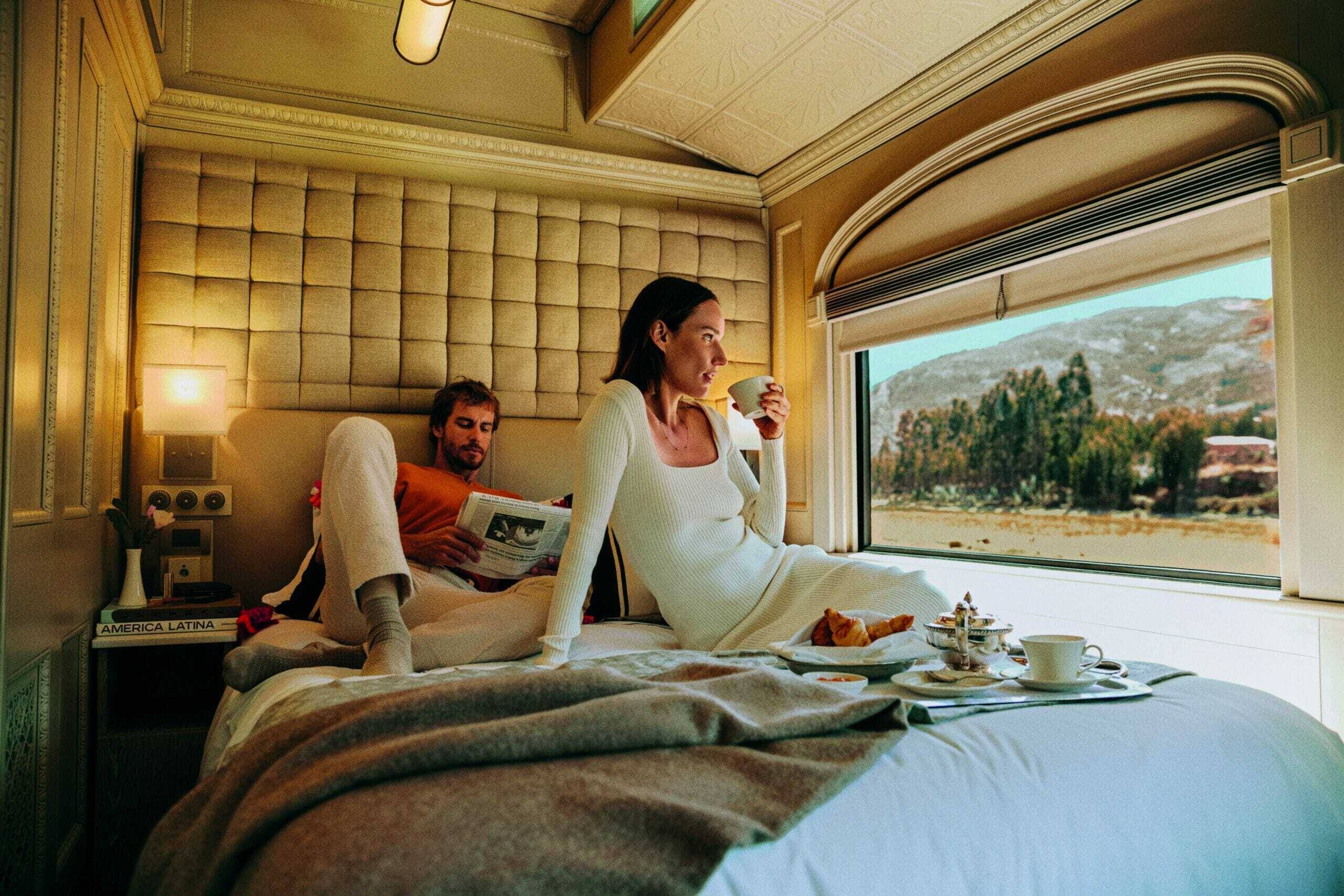
A preference to trains is both a values choice and a lifestyle choice. People want fewer airport hassles, more scenic travel, and a sense that the journey is part of the holiday. There is also the climate conversation. Even as debate continues about whether “flight shame” is rising or fading, interest in rail remains strong.
Rail itineraries are expanding with agencies packaging multi-rail journeys, including luxury train hopping.
Why rail is winning hearts
Less friction: city centre to city centre, fewer liquid rules, more legroom.
More story: you see the landscape change, you notice the in between places.
Easier “living like a local”: arriving by train often drops you straight into everyday neighbourhood life.
Make it work
Use trains for the middle distances: where rail is comfortable and time efficient.
Consider an overnight train: if available on your route, it can replace a hotel night and feel like an experience.
Plan for spontaneity: leave space for a stop in a smaller town you spot en route.
Try this: choose one “no fly” trip per year. Even if you still fly sometimes, making one journey by rail can change how you think about distance.
The 2026 travel mindset
These trends might look separate, but they share the same underlying shift. In 2026, travel is less about collecting places and more about collecting moments that alter how you live. Grocery tourism and living like a local are about everyday culture. Ritual based travel and sauna culture are about embodied reset. Trains and under visited places are about pace, texture, and a little humility.
If you want to build a 2026 style trip without overthinking it, try this simple framework:
Choose a place that supports daily life, not just sightseeing.
Pick one anchor ritual that repeats each day.
Add one discovery thread, like supermarkets, local trains, or small towns.
Design for connection, whether that means family layers or solo friendly social moments.
The result is not just a holiday you enjoyed, but one that leaves a trace: a new habit, a calmer pace, a stronger bond, or a clearer sense of what you actually want from time away.