Things about Chile you need to know before planning a trip
By Eva Alkemade
May 26, 2026
What many people expect from Chile is Patagonia, mountains and wine valleys. But did you know that Chile actually has one of the driest deserts on Earth and entire villages located below volcanoes? Additionally, Chile’s culture is very unique, partly because the country stayed geographically isolated for such a long time between the Andes and the Pacific Ocean. And the fun part is that you notice it in the small things about Chile, like tea time replacing dinner in many households and entire families sitting together for hours. That’s why Chile can be such an interesting and unique place to visit in South America. Curious about the most fun, practical and surprising things about Chile before planning your trip? Read on to find out.
Chile is much bigger and longer than it seems
Did you know a bus ride from Santiago down to Puerto Natales near Patagonia can easily take more than 35 hours. This could change your whole trip planning.
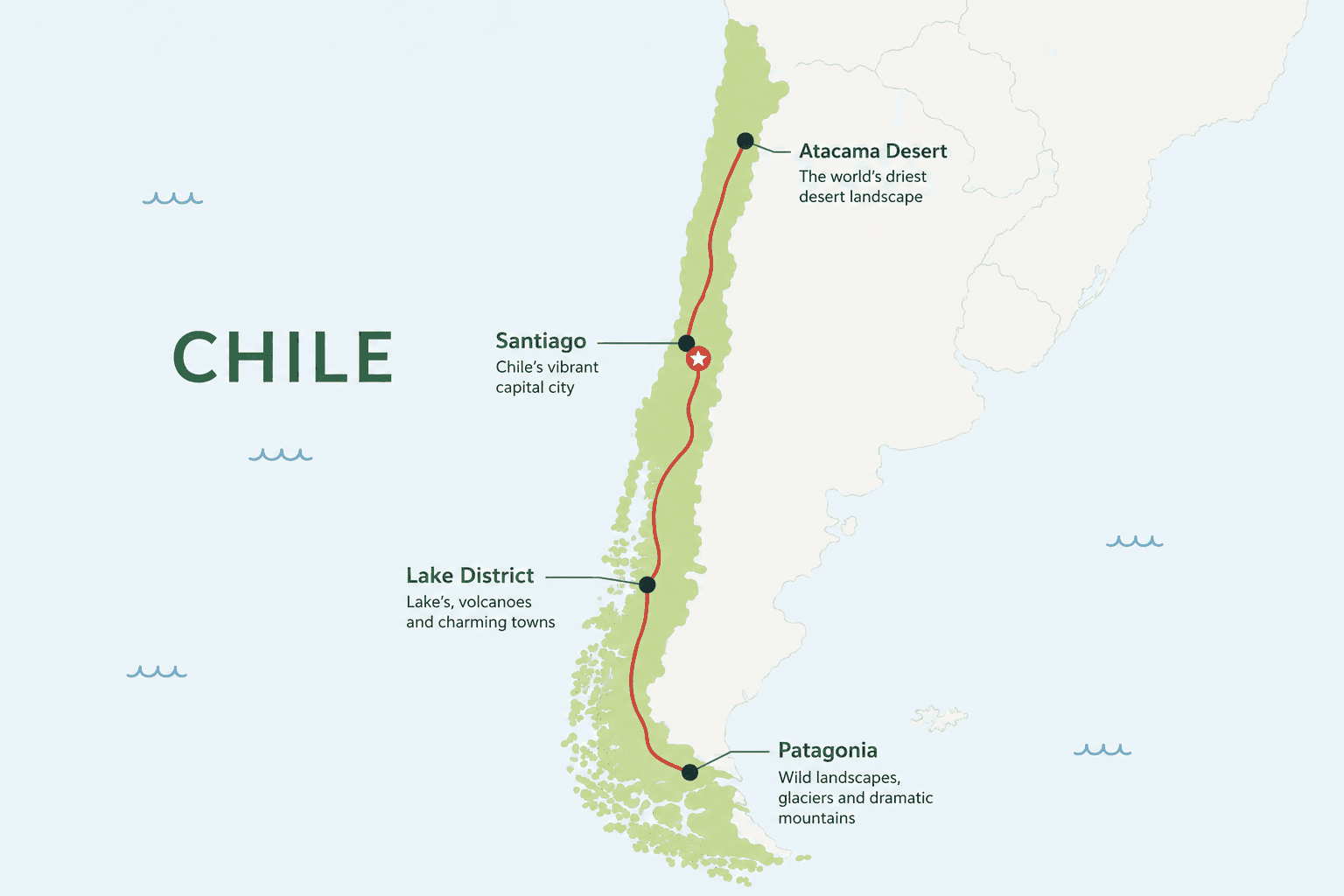
Chile stretches across almost every climate imaginable
Up near the Atacama Desert, almost no rain falls during the year and some villages are surrounded by red rocks, salt flats and volcanoes instead of greenery. Then only days later, you could end up somewhere near Patagonia wearing a thick jacket next to icy lakes and snow covered mountains.
Around central Chile, things completely change again. You can see vineyards, beaches and greener hills near Santiago and the Lake District, which makes the country way more diverse than you’d think.
Domestic flights are more common than long road trips
People inside Chile fly between regions all the time. And honestly, after seeing the distances yourself, it makes complete sense because some overland routes become ridiculously long. Up near Patagonia, flights can save you hours.
The landscapes in Chile can feel like completely different countries
Near San Pedro de Atacama, roads pass flamingos, geysers and valleys covered in deep red rocks. Then farther south near Patagonia, glaciers, forests and huge mountain peaks suddenly take over everything around you.
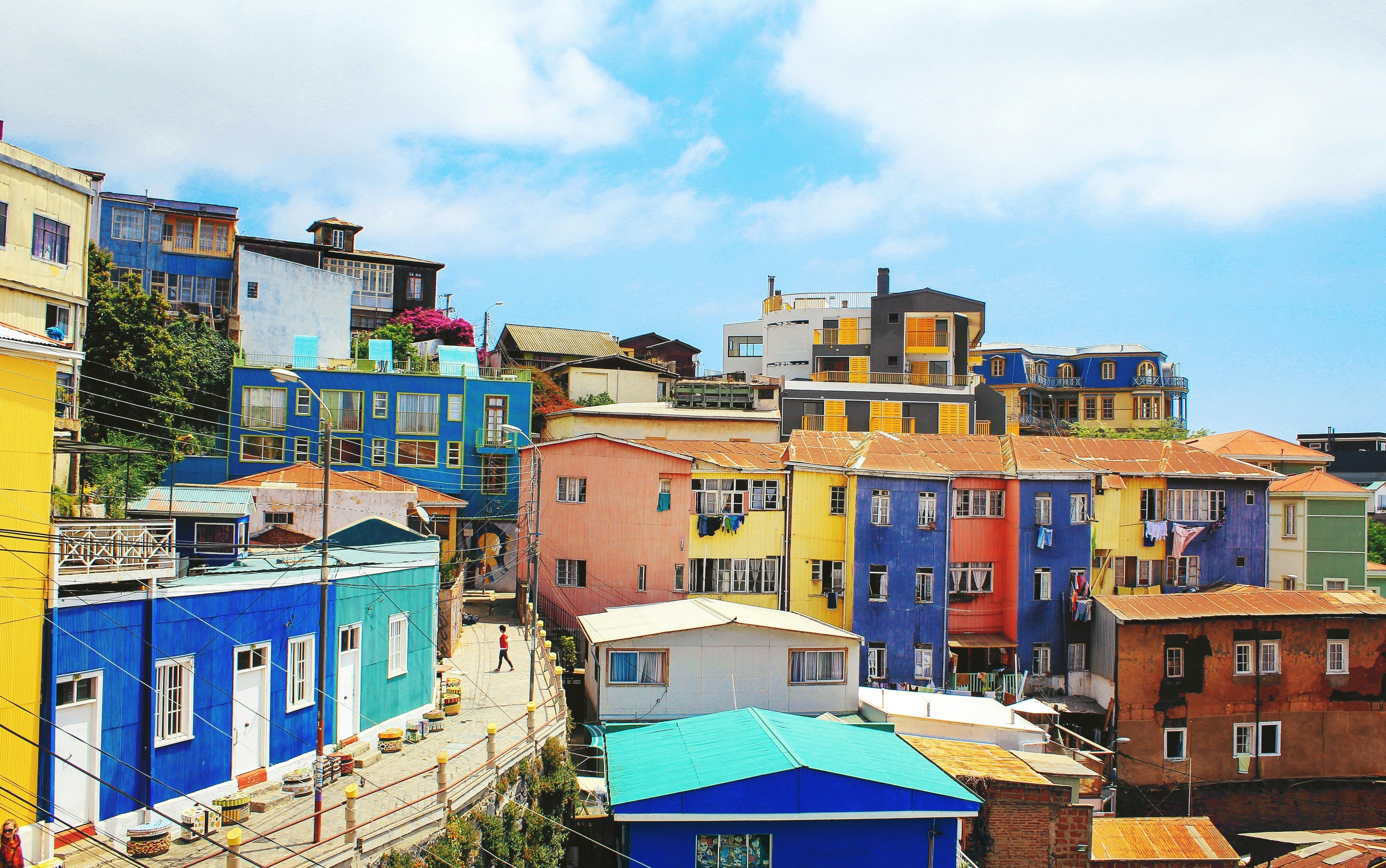
Closer to the coast, colourful fishing towns and beaches start appearing again. You honestly keep getting surprised by how quickly Chile changes when you start moving between regions.
Guided tip: Around 2 or 3 regions already give you a really good trip, because trying to see the entire country in one holiday usually becomes way too much.
Santiago is completely different from what you'd expect
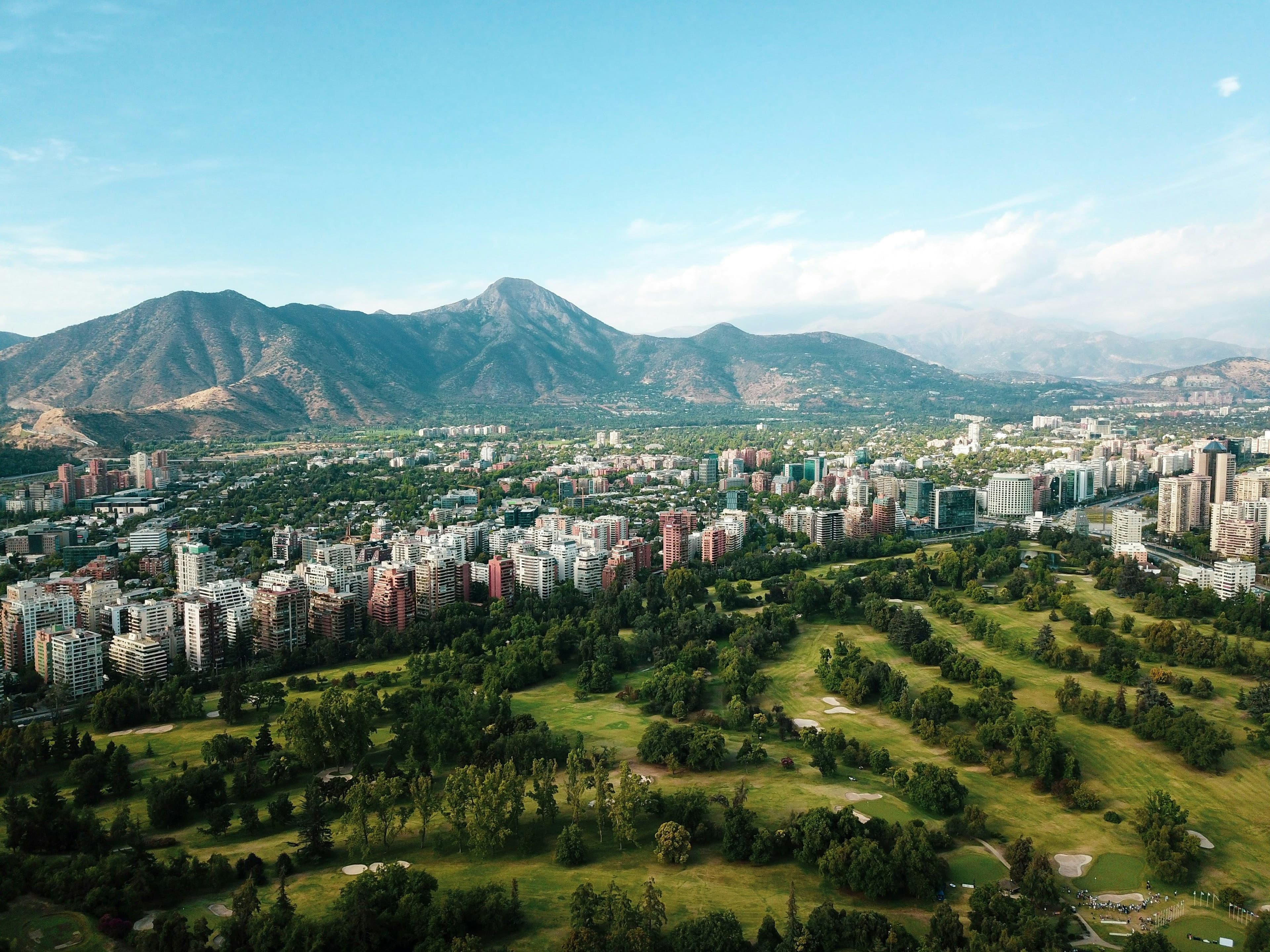
Before going to Santiago, you might picture busy streets, older buildings and a more chaotic capital city. Then suddenly you arrive and there are glass skyscrapers, rooftop wine bars and snowy mountains appearing right behind the skyline almost everywhere you look.
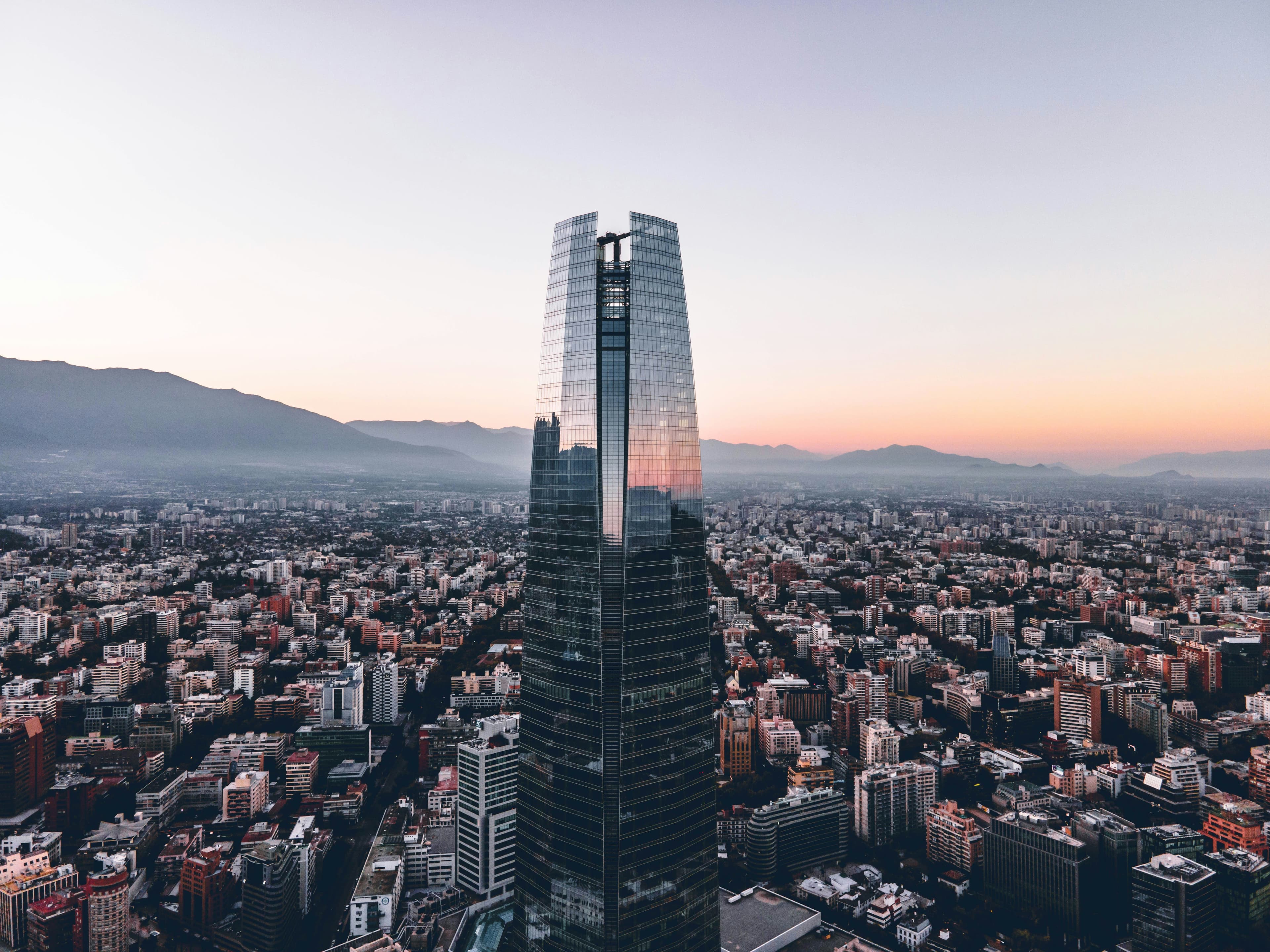
Why Santiago is so different from other South American capitals
Compared to cities like Lima or La Paz, Santiago usually comes across much more modern and organised. You notice it in the metro system, cleaner streets, newer office buildings and neighbourhoods filled with cafés, wine bars and rooftop terraces.
Around Providencia and Las Condes, parts of the city almost look more European than South American. Then suddenly the Andes appear in the background again and remind you you’re still completely surrounded by mountains.
The Andes completely dominate the city skyline
After rainy days or colder mornings, snowy mountains suddenly become visible from huge parts of Santiago. You’ll probably catch yourself staring at the Andes constantly because they keep appearing behind skyscrapers, parks and even metro stations.
Up near Sky Costanera or Cerro San Cristóbal, mountain views completely take over the background. And in winter, you can visit ski resorts only a couple of hours outside the city.
Is Santiago Chile worth visiting?
Around Lastarria, Bellavista and Providencia, wine bars, rooftop restaurants, food markets and little cafés stay busy late into the evening. And the city also works really well for shorter day trips towards mountains or vineyards.
Closer to the edges of the city, you can even spot snow covered peaks from normal neighbourhood streets, which makes Santiago look pretty unreal during winter months. You’ll probably like Santiago a lot once you’re into food spots, wine culture, city life and mountain views all at the same time.
Guided tip: Around Providencia, you’ll usually get the nicest mix of restaurants, metro connections and easier transport around Santiago.
Chile is one of the safest countries in South America, but you still need to stay alert
Compared to several nearby countries, Chile generally works very comfortably for getting around, using public transport and exploring cities. Though, you might still wonder if Chile is a safe country to visit after hearing stories online about theft in larger cities.

Is Chile safe for solo travellers?
During most trips around Chile, you’ll probably feel completely comfortable walking around during the day, taking buses or using the metro in Santiago. Around busier areas though, pickpocketing and phone theft can still happen, mainly near metro stations, tourist areas and packed streets inside the capital.
Late at night, staying inside busier neighbourhoods like Providencia or Las Condes usually works much better than wandering into emptier streets you don’t know. In restaurants and cafés, the locals also tend to keep phones and bags fairly close instead of leaving them on tables.
So Chile is generally considered one of the safer countries to visit in South America, particularly compared to several nearby countries. Still, bigger cities like Santiago come with the same kind of street theft you’ll find in lots of large capitals around the planet, so paying a bit of attention to your belongings is a good idea.
Can you drink tap water in Chile?
Inside Santiago and most southern regions, tap water is drinkable and regularly used by locals without problems. Up north near desert regions though, bottled water usually tastes much nicer because mineral levels are much stronger there.
Down near Patagonia, tap water can taste clean and cold because it partly comes from mountain sources nearby. Restaurants around southern Chile regularly serve tap water automatically too, so you usually won’t need bottled water there all the time.
The safest neighbourhoods in Santiago
In Providencia, Las Condes and Vitacura, cleaner streets, hotels and restaurants make those areas really popular for staying in Santiago. Metro connections work really well there too, which makes getting around much easier during your trip.
Closer to Bellavista and Lastarria, nightlife and restaurants can be really fun during evenings, though paying a bit more attention to your belongings is still a good idea after dark.
The people in Chile are very friendly and calm
Compared to countries like Brazil or Colombia, Chile usually comes across much calmer socially. During your first days there, you might even think people are being distant a little bit, though after spending more time there you start noticing people are actually very friendly.
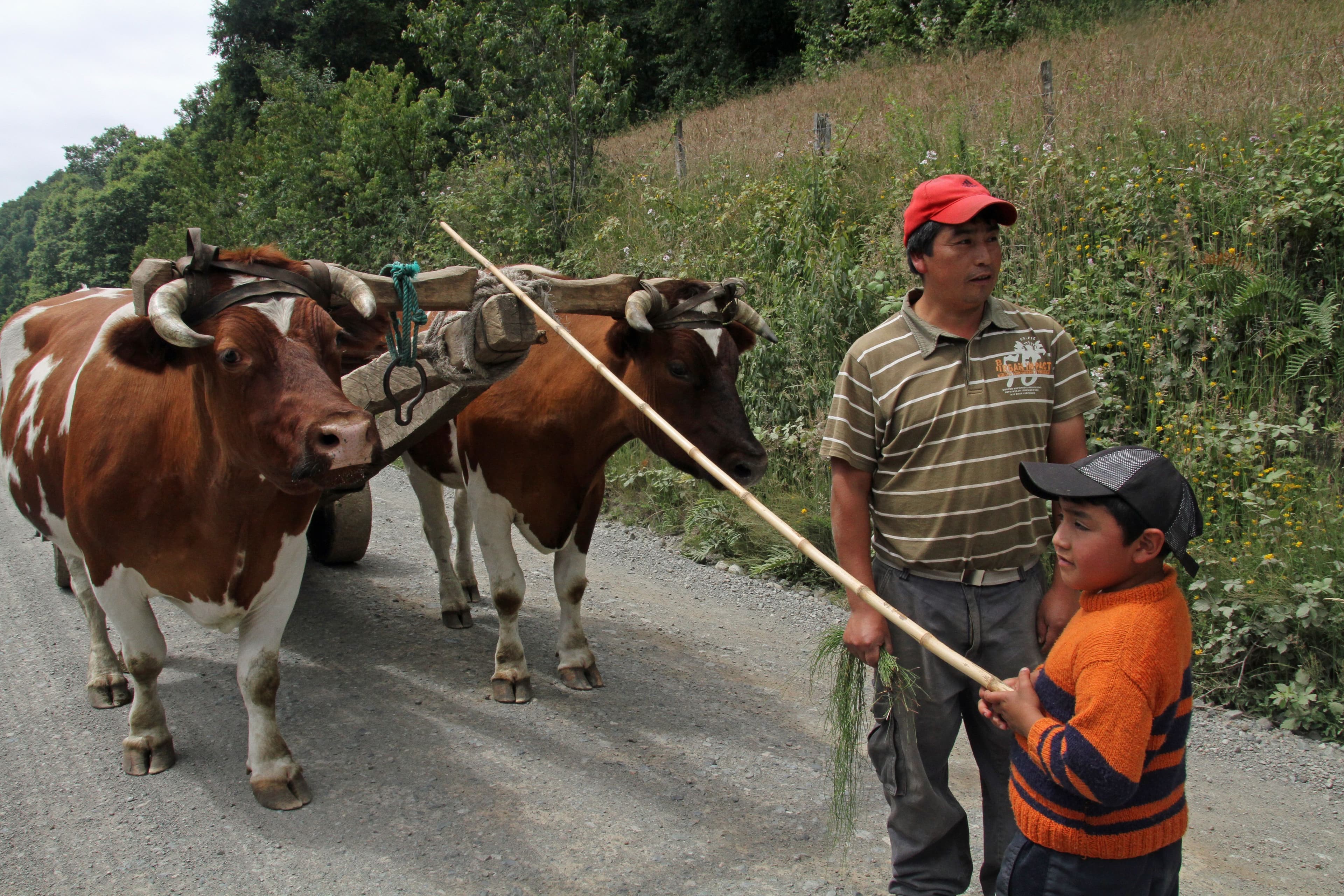
Chileans can seem quiet at first
Inside cafés, metro stations and restaurants, conversations usually stay fairly soft compared to several other countries in South America. Big public reactions and super expressive conversations happen less too, which can make Chile come across more reserved during your first days there. After chatting a little longer though, people usually open up much more.
Learning some Spanish can help
Outside bigger hotels or tourism companies, English is less common than you might think. So learning a few basic Spanish words can help a lot. You’ll also notice Chilean Spanish sounds very fast compared to Spain or Mexico, and locals love shortening words too. “Bacán” means cool, “po” gets added to sentences constantly for emphasis, and “al tiro” means right away.
You can also learn words and phrases like:
“Hola, ¿cómo estás?”: Hello, how are you?
“Gracias”: Thank you
“Por favor”: Please
“¿Cuánto cuesta?”: How much does it cost?
“La cuenta, por favor”: The bill, please
“¿Dónde está el baño?”: Where is the bathroom?
“Permiso”: Excuse me
Chileans like to greet each other with cheek kisses
An interesting and fun fact about Chile is that people like to greet almost everyone individually during social gatherings instead of just waving at the whole group together. Women usually greet each other with one kiss on the cheek, and men usually greet women the same way too
Interesting facts about Chile’s landscape you don’t know yet
Huge glaciers, volcanoes, salt flats and one of the driest deserts on Earth somehow all exist inside one single country. Massive parts of Chile look nothing alike, which is probably one of the strangest things about travelling there. The landscape of Chile can change so much that after only a few days, it almost looks like you travelled to a completely different continent.
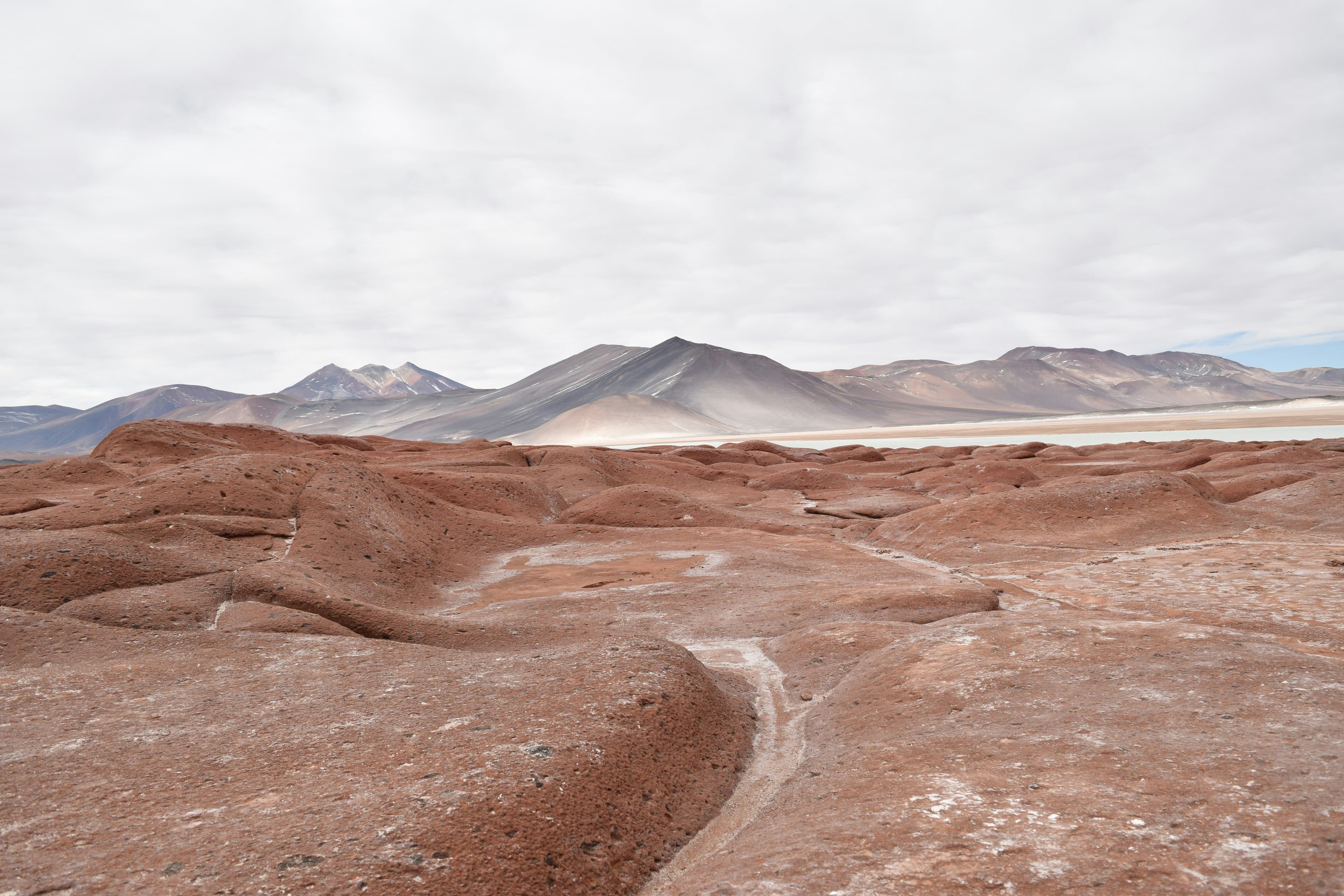
Chile has the driest desert on Earth
Up north, the Atacama Desert gets so little rainfall that parts of it have gone years without proper rain at all. Mars rovers even get tested there because parts of the desert look similar to the surface of Mars.
Night skies there are unbelievable too. Massive observatories were built in northern Chile partly because skies stay so clear there.
Evenings can suddenly get really cold
Hot afternoons can suddenly become surprisingly cold later during the evening, even after really sunny days. In Santiago, temperatures can drop from around 28°C during the afternoon to 12°C later at night, and Patagonia regularly gets close to 5°C or lower after sunset, even outside winter months. Desert regions cool down really fast too because of the dry air there. Extra clothes therefore become useful during almost every trip around Chile.
Want to know exactly what weather you can expect per region and month? Read our blog about the best time to visit Chile, where you can find out which month fits your type of trip best.
Earthquakes are part of normal life in Chile
Inside Chile, earthquakes happen pretty regularly and locals barely react to smaller ones anymore. After your first small tremor there, you’ll probably notice Chileans calmly continuing conversations or finishing dinner like nothing happened.
Back in 1960, Chile experienced the strongest earthquake ever recorded, reaching a magnitude of 9.5 near Valdivia. Because of that history, building regulations became much stricter across the country afterwards. That makes Chile much better prepared for earthquakes compared to most other countries where major earthquakes barely happen at all.
Patagonia and the Atacama can feel like different planets
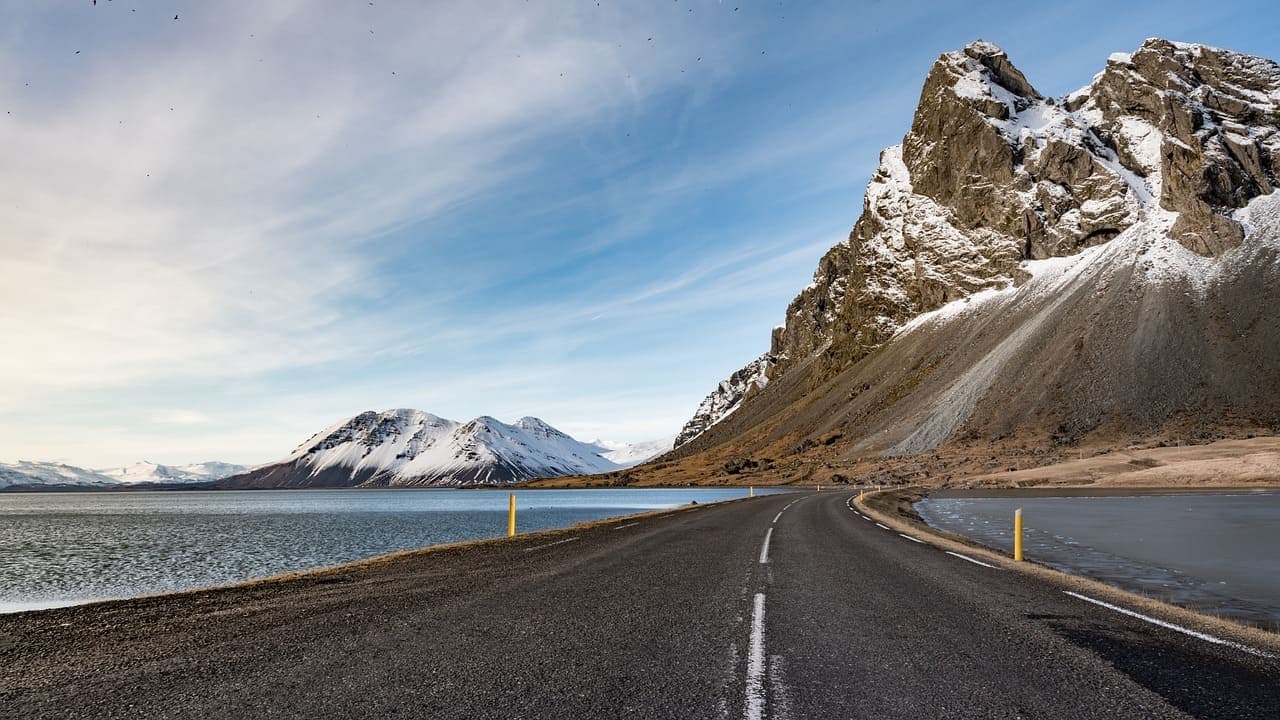
In Patagonia, you can be surrounded by glaciers, forests and icy lakes. Then farther north, you can visit salt flats, volcanoes and red desert valleys. After travelling through several regions, Chile can feel more like several countries combined into one very long strip of land.
Easter Island belongs to Chile
Thousands of kilometres away from mainland Chile, Easter Island still belongs to the country. Giant Moai statues, volcanic craters and Polynesian culture make the island completely different from the rest of Chile itself. Flights towards Easter Island usually leave from Santiago, and getting there already takes around five to six hours.
Curious about Easter Island? Take a look at this 3-day Easter Island trip to get inspired about where to go, what you can see and how to plan your trip around the island.
Travelling in and around Chile is fairly easy
Before going to Chile, getting around such a long country probably sounds complicated. After spending a few days there though, you’ll probably notice transport inside Chile works much smoother than expected.
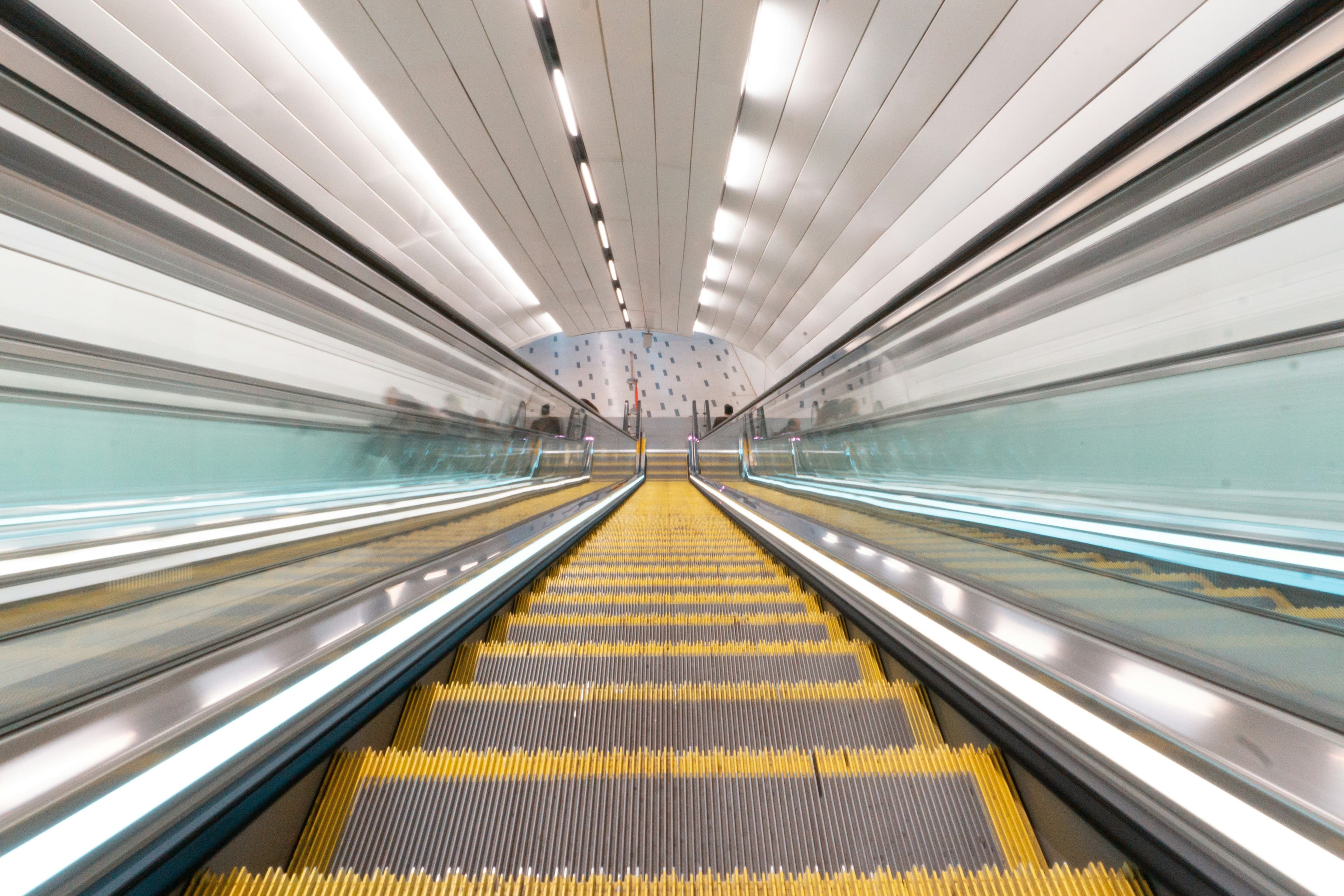
The Santiago Metro is one of the best in South America
Inside Santiago, the metro stays clean, modern and very easy to use. Several stations even have mountain views appearing outside once trains come above ground again.
During rush hours, trains still get very busy of course, though getting around the city stays much easier there compared to using taxis all the time. Stations also connect really well with buses and bigger neighbourhoods.
Buses, Uber and domestic flights are used a lot in Chile
Inside Santiago, buses and Uber usually get used constantly next to the metro, partly because the city is huge and neighbourhoods spread out quite far from each other.
For longer distances though, domestic flights become extremely common. Routes between Santiago, Puerto Montt, Punta Arenas and Calama stay busy almost the entire year because flying saves huge amounts of travel time compared to buses.
Should you carry cash for transport and restaurants?
Inside Santiago, metro tickets and buses usually get paid with a rechargeable Bip! card instead of cash, so grabbing one during your first days there helps a lot. Uber, taxis, restaurants and supermarkets mostly accept cards too, though smaller cafés, local markets or remote villages still sometimes prefer cash or smaller bills.
Guided tip: Downloading Uber, Cabify and WhatsApp before your trip already makes getting around Chile much smoother during your first days there.
Food in Chile is a big part of the culture
After spending a bit of time in Chile, you’ll probably notice food is treated as something social instead of something quick. And local ingredients still stay a huge part of Chilean food too, from fresh seafood near the coast to avocados, corn, beans and meat appearing in dishes all across the country.
Dinner starts late in Chile
Compared to northern Europe or the US, dinner in Chile starts much later. Restaurants can still stay fairly empty at 7pm, then suddenly fill up properly closer to 9pm or even later.
Lunch also matters a lot there. Huge lunches during the afternoon sometimes make dinner smaller later in the evening, partly because people still take time sitting together at the table for longer conversations.
The culture of sobremesa and long meals
After finishing food in Chile, nobody immediately asks for the bill or gets up quickly to leave. Long conversations at the table after eating are completely normal there, and dinners regularly continue far longer than you first expect.
Chilean wine is surprisingly affordable
Chile produces huge amounts of wine, so good bottles there usually cost much less compared to Europe or North America. Carménère became one of the country’s most famous wines too, partly because the grape almost disappeared everywhere else. Near Santiago, wine valleys like Casablanca and Colchagua already stay close enough for shorter day trips.
Avocado appears in almost everything
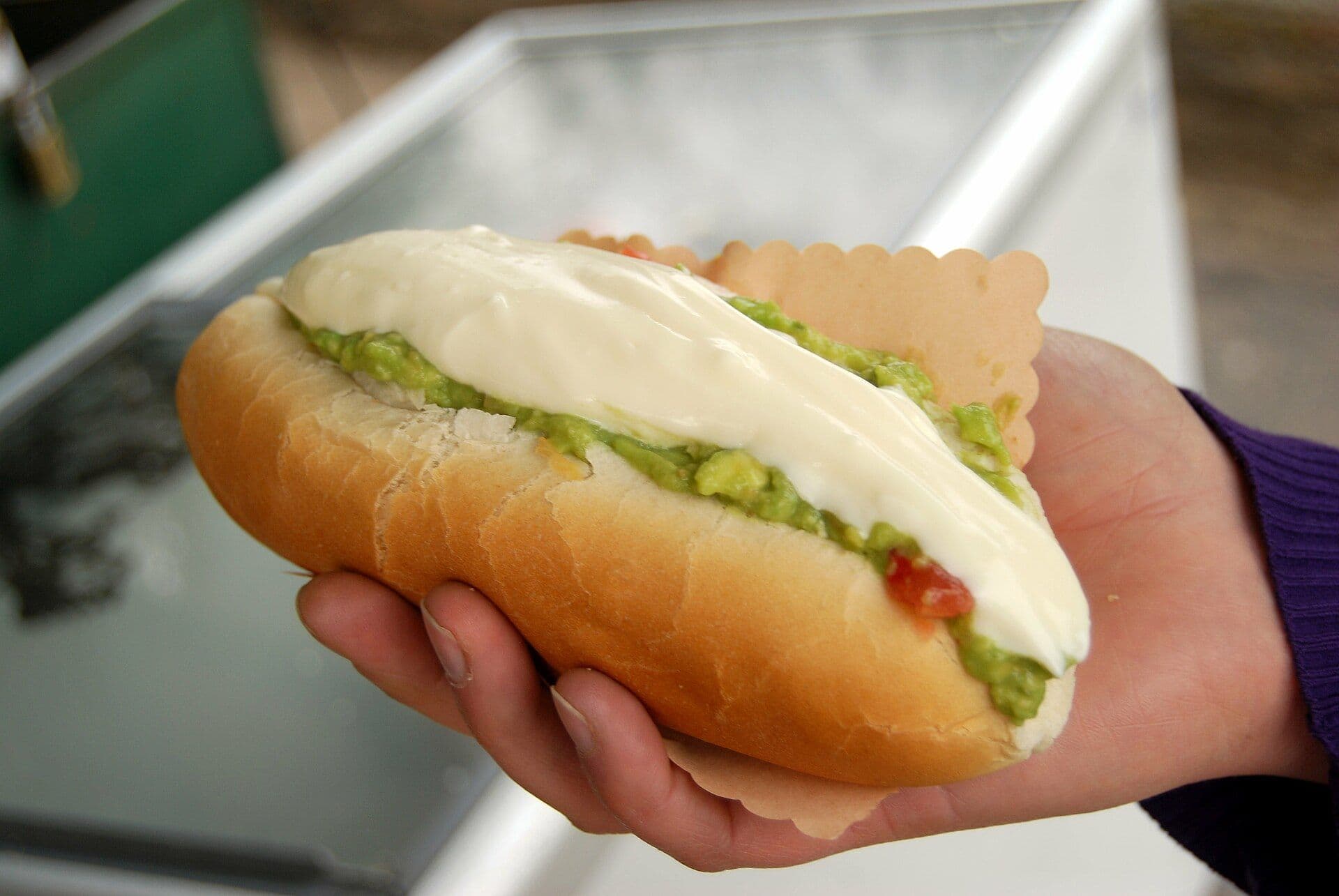
If you like avocado, Chile might become your favourite country very quickly. Bread with avocado, completos covered in avocado, sandwiches with avocado: after a few days in Chile, you’ll probably notice palta appears absolutely everywhere.
Completos become one of the nicest things to try there too. These giant Chilean hot dogs regularly come loaded with avocado, tomatoes, and mayonnaise.
Want to know more about the culture in Chile, delicious foods to try and the most beautiful places to visit? Read our Chile travel guide packed with route ideas, local tips, famous highlights and fun things to do across the country.
So, is Chile right for you?
Volcanoes, glaciers, wine valleys and late night dinners all make Chile a very different type of South America trip compared to places like Peru or Colombia. Some days there become all about road trips, mountain views and outdoor adventures, though city life, wine culture and food spots stay just as fun too.
You’ll probably enjoy Chile most once you like nature, longer adventures and seeing completely different regions during one trip. Patagonia, the Atacama Desert, colourful coastal towns and snowy mountains near Santiago all create completely different sides of the country, which will keep your trip interesting the entire time.
Enjoyed This Blog? Continue Reading!
More travel inspiration is waiting for you on our blog. You can look below and start planning your next trip through South America.