
Bucket List Diving Spots
By Sandra Romano
Nov 4, 2025
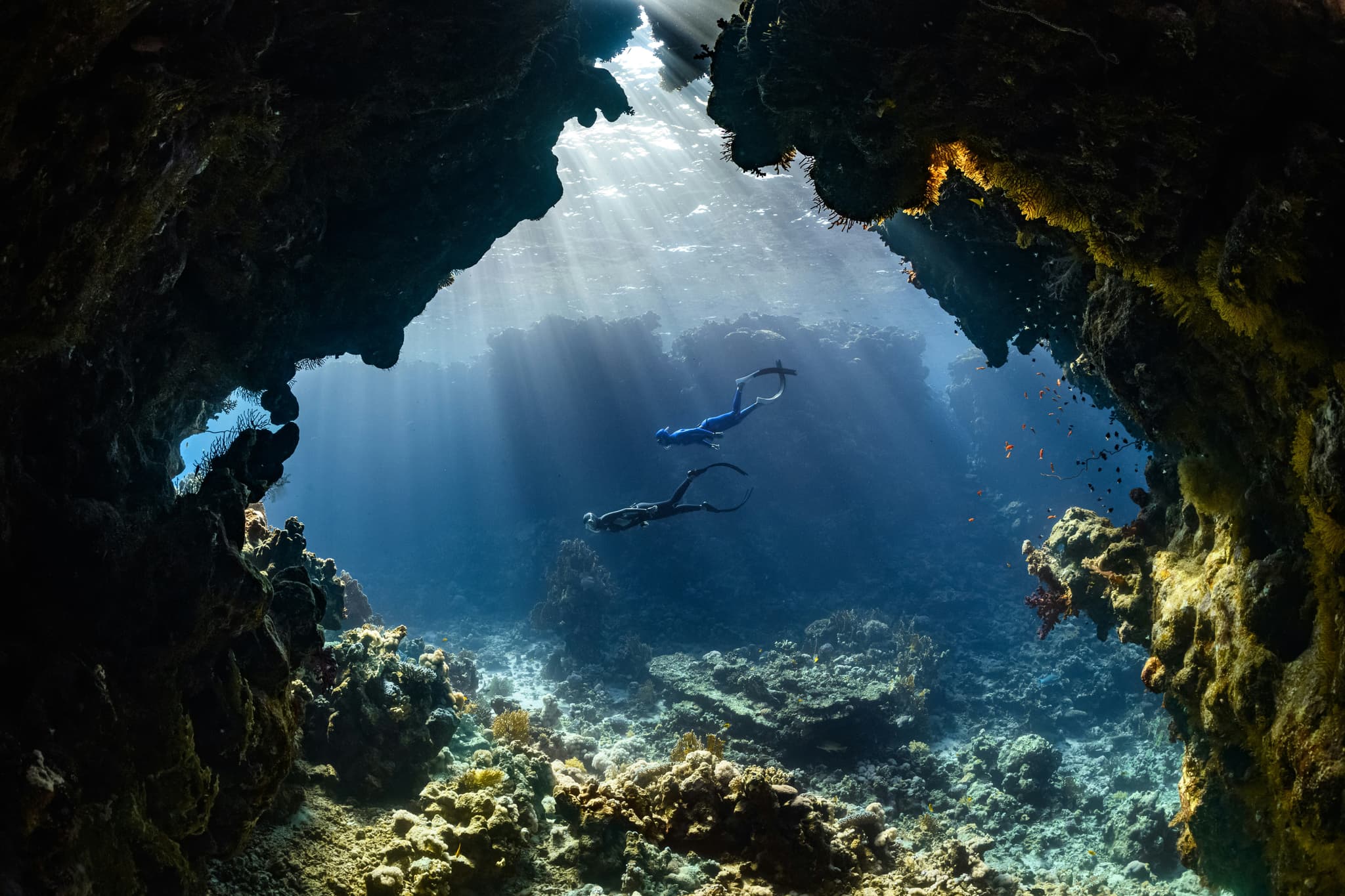
Exploring Incredible Underwater Worlds
If you love the quiet hiss of bubbles and that first glimpse of blue as you drop beneath the surface, the world is absolutely packed with dives that will stay with you for life. From coral gardens in the tropics to glacier water in Iceland, here are some of the best places on the planet to go diving.
1. Raja Ampat, Indonesia
Often called the crown jewel of the Coral Triangle, Raja Ampat is a remote archipelago off West Papua. It sits right at the epicentre of marine biodiversity, with roughly three quarters of all known coral species and over 1,300 species of reef fish recorded in the region.
What it’s like underwater:
Explosion of soft and hard corals in every direction
Huge schools of fusiliers, jacks and barracuda
Regular sightings of reef sharks, manta rays and turtles
Most people explore Raja Ampat by liveaboard, which lets you reach iconic sites like Cape Kri, Blue Magic and Manta Sandy. Currents can be strong, so it suits confident divers, but there are also more sheltered bays for newer divers.
Best for: Big marine life, pristine reefs, underwater photography, advanced divers.
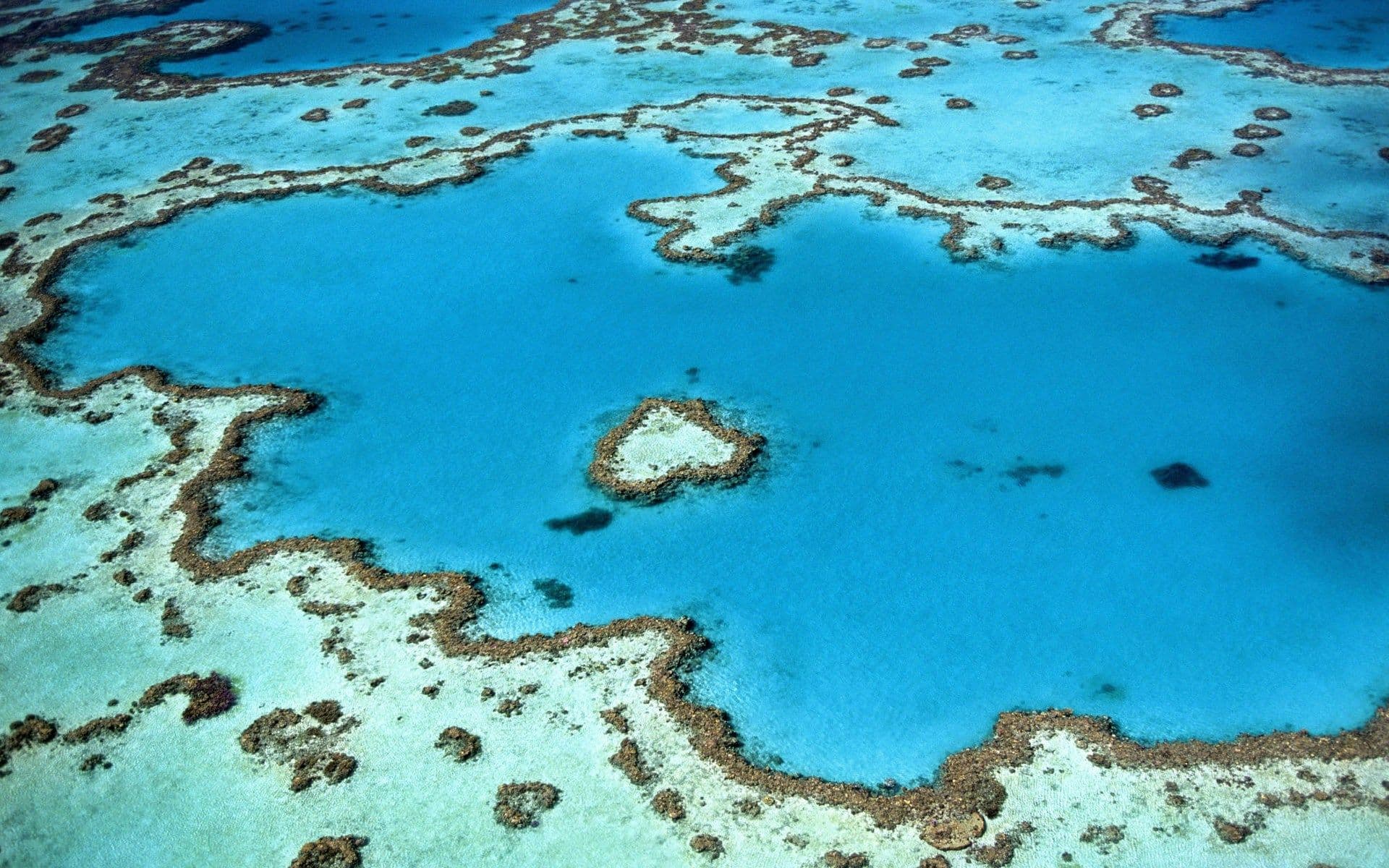
2. The Great Barrier Reef, Australia
Stretching for more than 2,300 kilometres along the Queensland coast, the Great Barrier Reef is the largest coral reef system on Earth, made up of thousands of individual reefs and hundreds of islands.
What it’s like underwater:
Colourful bommies festooned with corals and anemones
Green and hawksbill turtles cruising over the top
Clownfish, angelfish and parrotfish everywhere you look
Outer reef trips from Cairns and Port Douglas offer excellent day diving, while liveaboards out of Townsville, Cairns and Airlie Beach take you to more remote sections and famous sites like the SS Yongala wreck.
Best for: First big dive trip, warm clear water, combining diving with an Australian holiday.
3. The Red Sea, Egypt
The Egyptian Red Sea is remarkably easy to reach from Europe and offers some of the most reliable conditions anywhere: clear water, dramatic walls and bucketloads of marine life.
Highlights include:
Ras Mohammed National Park, with sheer drop-offs covered in soft corals
Brothers, Daedalus and Elphinstone, known for oceanic whitetip and hammerhead sightings
House reefs in Marsa Alam and Safaga, perfect for relaxed shore diving
The water stays relatively warm year-round, visibility is excellent, and there are options for every budget, from simple dive camps to luxury liveaboards.
Best for: Wrecks and walls, shark encounters, great value trips from Europe.
4. SS Thistlegorm, Egypt
Still in the Red Sea but deserving its own entry, the SS Thistlegorm is frequently ranked among the best wreck dives in the world. The Second World War cargo ship sank in 1941 and now lies at about 30 metres, perfectly positioned as a recreational dive.
Why it’s special:
You can swim past lorry trucks, motorbikes and railway carriages frozen in time
The hull is draped in soft corals and sponges
Glassfish, batfish and schooling snappers swirl through the holds
Day boats and liveaboards operate from Sharm el-Sheikh and Hurghada. Because of depth and potential current, it’s best suited to experienced divers with strong buoyancy and wreck training.
Best for: History lovers, wreck fanatics, underwater photographers.
5. Galápagos Islands, Ecuador
If you dream of big animals and wild, blue water, the Galápagos is hard to beat. The islands sit at the junction of several ocean currents, which fuels a food-rich ecosystem famous for schooling hammerheads, sea lions and marine iguanas.
What you might see:
Clouds of scalloped hammerheads at sites like Darwin and Wolf
Galápagos sharks, silky sharks and the occasional whale shark
Curious sea lions buzzing past in groups
Most trips are liveaboard only and conditions are demanding: cold water, strong surge and unpredictable currents. In return, you get some of the rawest and most exciting diving on the planet.
Best for: Big pelagics, experienced divers, “trip of a lifetime” expeditions.
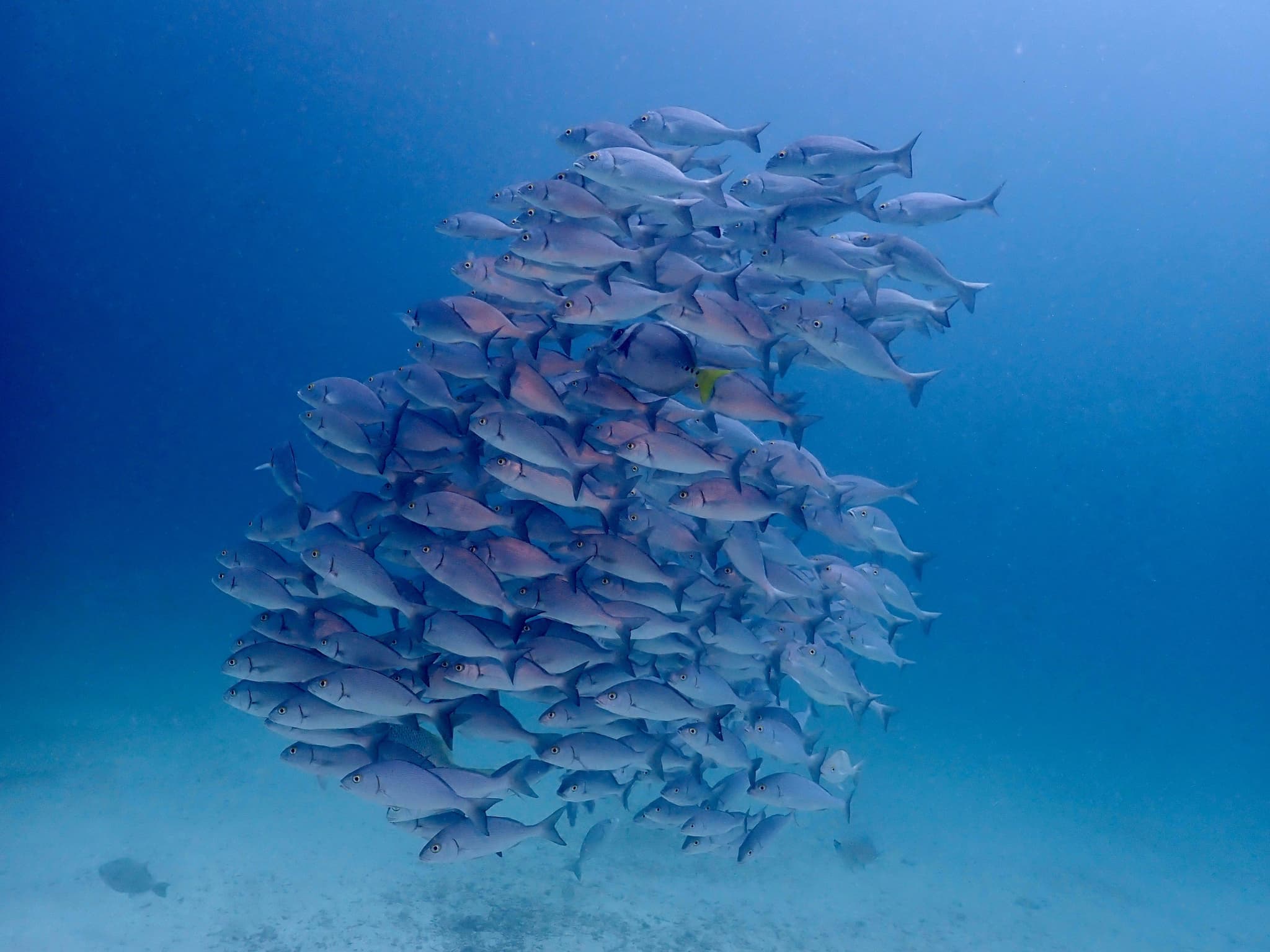
6. Maldives
With over a thousand islands scattered across the Indian Ocean, the Maldives is almost purpose-built for diving holidays. Coral pinnacles known as thilas rise from deep channels where nutrient-rich water funnels through, bringing in all sorts of marine life.
Why divers love it:
Regular manta ray and whale shark encounters in season
Easy, relaxing drifts along reef edges
Plenty of shallow sheltered lagoons for beginners
You can stay at a resort with its own dive centre or join a liveaboard that hops between atolls such as Ari, North Malé and Baa.
Best for: Couples’ trips, manta encounters, combining spa time with quality diving.
7. Belize Barrier Reef & the Great Blue Hole
Belize’s barrier reef is the second largest in the world and forms part of the Mesoamerican Reef system that stretches along Central America’s Caribbean coast.
Top experiences:
Gentle reef dives from Ambergris Caye and Caye Caulker
Shark and ray encounters at Hol Chan Marine Reserve
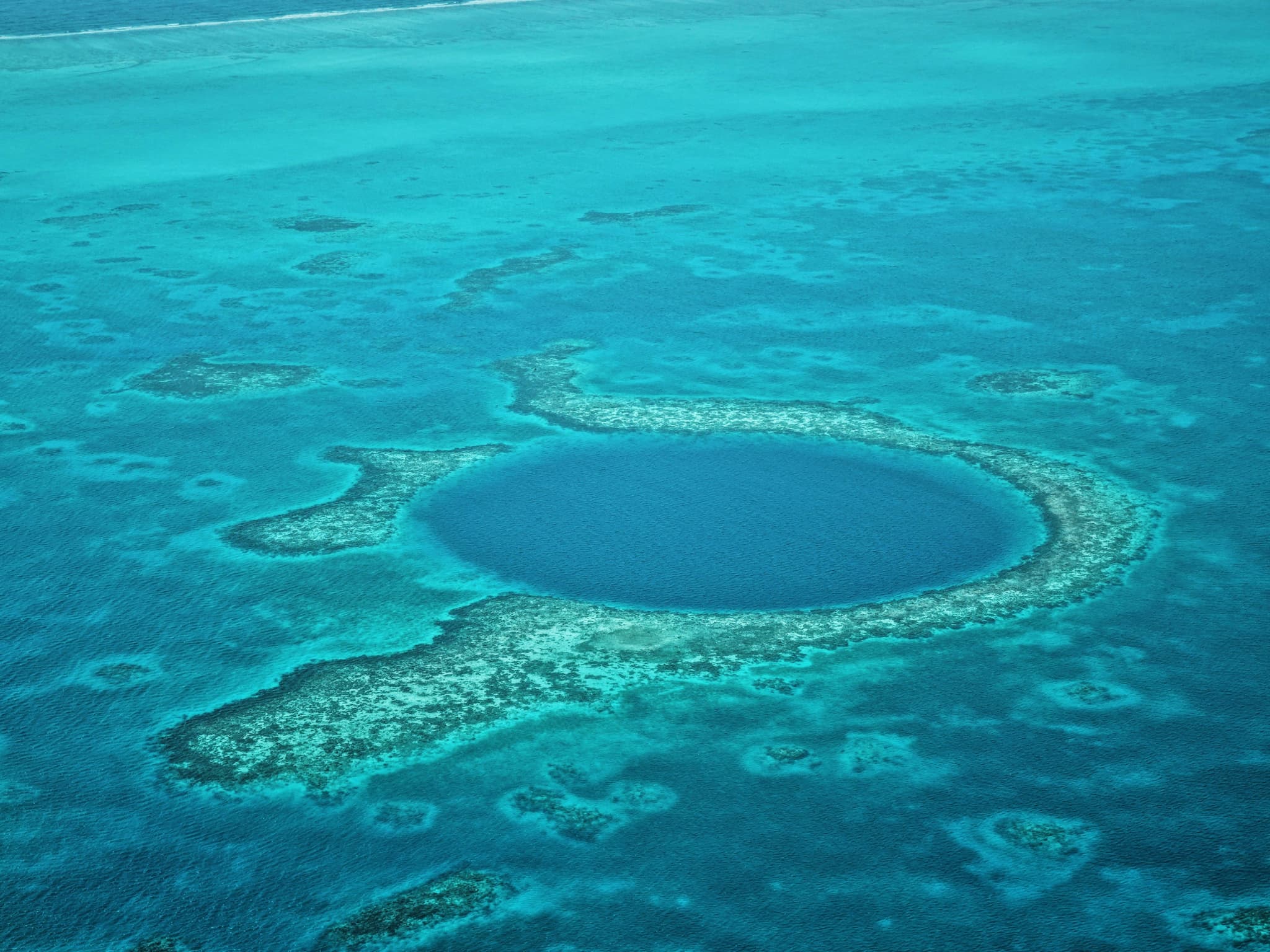
Day trips to the famous Great Blue Hole, a vast sinkhole that drops to over 120 metres
The Blue Hole itself is about the overhead environment and atmosphere rather than colourful reef life, and the best parts are still deep, so it suits more advanced divers. The surrounding atolls of Lighthouse Reef and Turneffe are stunning for walls, sponges and reef sharks.
Best for: Caribbean island vibes, easy warm-water diving, ticking the Blue Hole off your list.
8. Palau, Micronesia
Palau is a remote island nation in the western Pacific, loved for clear water, strong currents and an amazing variety of reef structures. It regularly appears in “top ten dive destination” lists.
Underwater highlights:
Blue Corner, a legendary site where you hook into the reef and watch sharks, tuna and barracuda patrol the edge
Ulong Channel, a classic drift past cabbage corals and reef sharks
Beautiful blue holes and caverns with shafts of sunlight
Palau combines dramatic scenery above the water with rich marine life below, including manta cleaning stations and healthy hard-coral gardens.
Best for: Current junkies, shark lovers, wide-angle photographers.
9. Silfra Fissure, Iceland
Silfra is unlike anywhere else on this list. It is a crack between the North American and Eurasian tectonic plates, filled with cold glacier water that has been filtered through lava fields for decades. Visibility frequently exceeds 100 metres.
What to expect:
Gin-clear water in shades of electric blue
Otherworldly rock formations and overhangs
Water so pure you can drink it while diving
The temperature hovers only a few degrees above freezing, so you dive in a drysuit and thick undersuit, but there is almost no current and the maximum depth is only about 18 metres. It is more about the surreal experience and visibility than marine life.
Best for: Something completely different, drysuit practice, combining with a trip to see Iceland’s waterfalls and geysers.
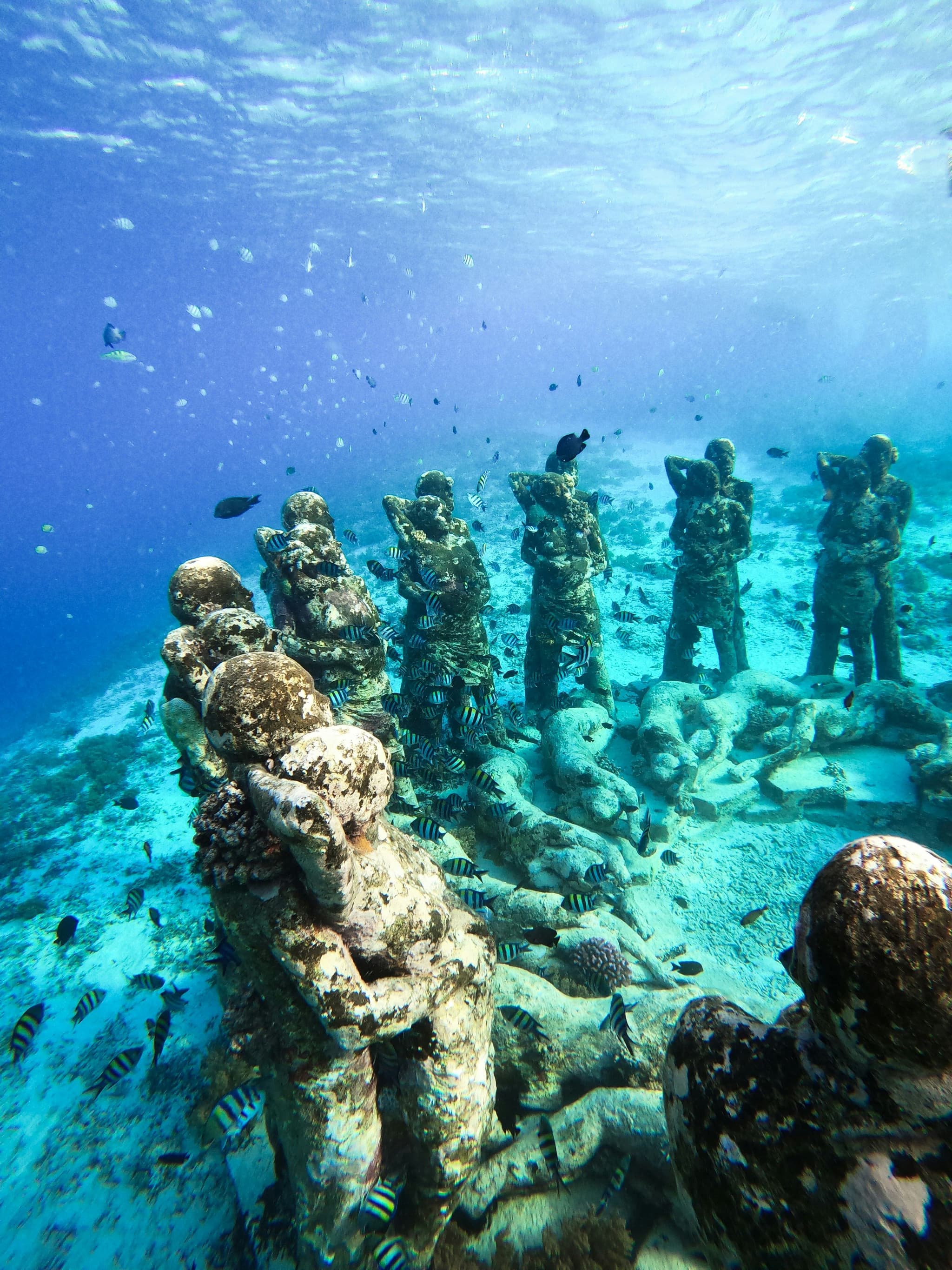
10. Indonesia beyond Raja Ampat
Indonesia crops up repeatedly in lists of the world’s best diving for good reason. Outside Raja Ampat, you have entire regions that could anchor a full trip on their own.
A few standouts:
Komodo: Fierce currents, manta cleaning stations and a mix of colourful reefs and nutrient-rich sites packed with life.
Lembeh Strait: Muck diving capital of the world, famous for frogfish, mimic octopus and a strange cast of critters.
Bunaken and North Sulawesi: Steep walls, turtles and lovely coral growth.
Indonesia rewards repeat visits, with itineraries that suit everyone from macro photographers to people who only care about seeing mantas and sharks.
Best for: Variety, value for money, filling several trips with completely different styles of diving.
Planning your dream dive trip
With so many legendary sites, choosing where to go next can be tricky. A few quick tips:
Match the destination to your experience level. Places like Silfra and many Maldivian reefs are accessible for newer divers, while Galápagos and some Indonesian currents favour those comfortable in challenging conditions.
Think about what you most want to see. Big sharks and mantas, tiny nudibranchs, historic wrecks, crystal-clear freshwater or kaleidoscopic coral gardens will all point you in different directions.
Check the seasons. Many destinations have specific windows for the best visibility or for encounters with animals such as whale sharks or manta rays. Resources such as PADI’s annual dive calendar are handy when planning.
Wherever you choose, diving is one of the richest ways to experience the planet. The moment you drop beneath the waves in any of these places, you’ll understand why divers keep chasing that next descent, year after year.