
How to Travel to Denmark from the UK: Flights, Trains and Road Trips
By Eva Alkemade
Mar 21, 2026
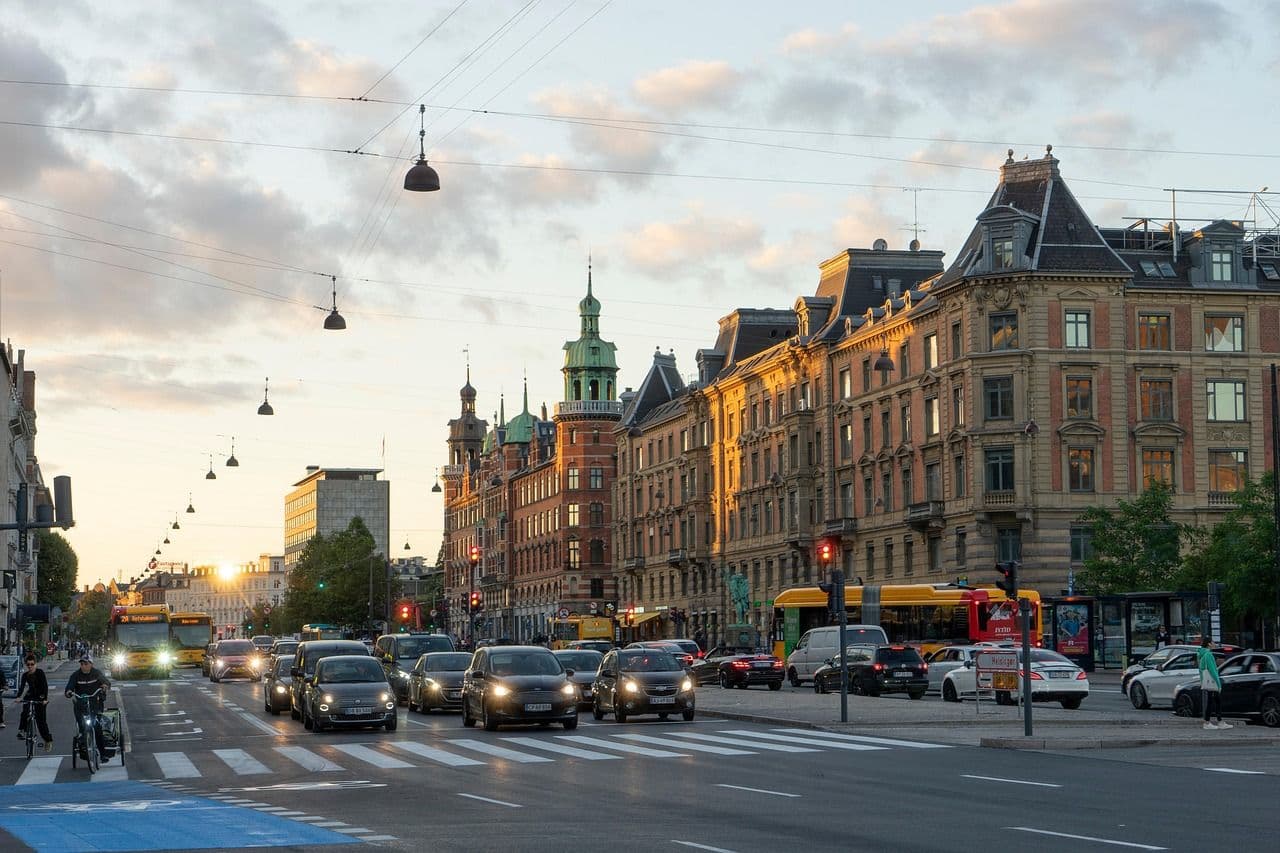
A trip across the North Sea sounds complicated at first. Distance between the United Kingdom and Denmark stays relatively small, which means several straightforward ways exist for travelling to Denmark from the UK, including flights, rail routes through mainland Europe and longer road trips through Germany. Let’s take a look at the different options so you can choose what suits your journey best.
Flying from the UK to Denmark: The Fastest Way to Arrive
For many people the quickest route north is simply a short flight across the North Sea. Direct air connections run daily between major airports in the United Kingdom and Denmark, which makes this option common for short holidays or city breaks.
Flight time and common routes
Typical travel time between London and Denmark sits between 1 hour 50 minutes and roughly 2 hours 10 minutes depending on the airline and airport. Several departures leave each day from Heathrow, Gatwick and Stansted, with arrival at Denmark’s main international airport just outside the capital.
Manchester and Edinburgh also maintain regular connections during most of the year. Airport trains and the metro connect the terminal with the city centre in about fifteen minutes.
Go-Guided tip: checking flight arrivals earlier in the day often helps you catch the direct airport metro into the centre without waiting.
When flying makes the most sense
A quick trip north fits nicely into a long weekend because flight time stays under two hours from London. Limited holiday time often makes air travel the easiest way to travel to Denmark from the UK.
UK to Denmark by Train: A Journey Through Europe
For many people rail travel turns the journey into part of the holiday rather than just transport. A route across Belgium and Germany links Britain with Denmark, and the route works well for those curious about the views from trains in Europe.
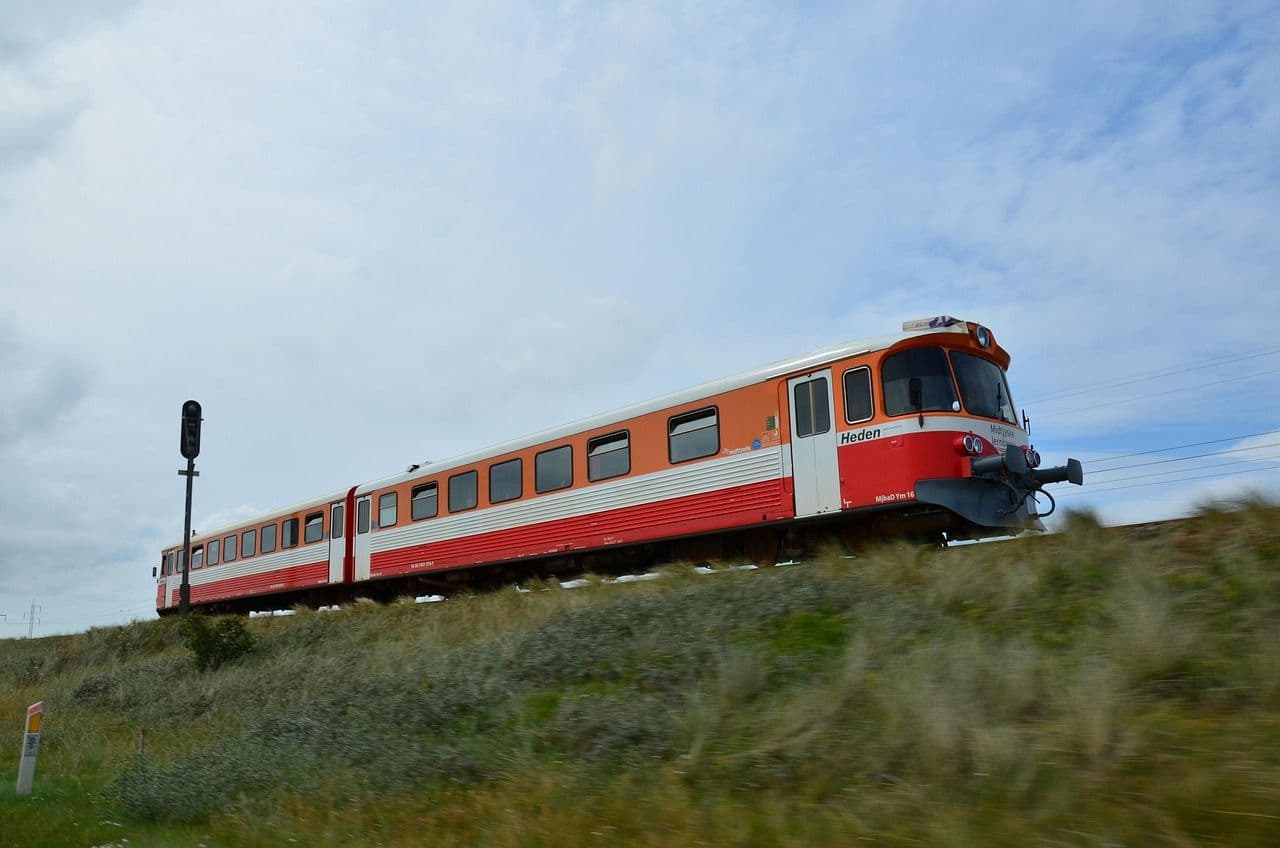
Train route from London to Copenhagen
A full rail journey between Britain and Denmark crosses three countries and usually involves two or three changes. Total distance between London to Copenhagen by rail sits close to 1,000 kilometres, and the trip passes through Belgium and Germany before entering Denmark.
First comes the Eurostar connection between London St Pancras International and Brussels Midi. Travel time sits around 1 hour 53 minutes, and departures run several times per day from early morning until evening.
From Brussels the route continues through Germany using long distance trains heading toward Hamburg. Popular connections run via Cologne or Frankfurt depending on the schedule, and total travel time between Brussels and Hamburg normally ranges from 6 to 7 hours.
Go-Guided tip: evening arrival in Hamburg followed by a hotel near the main station makes the next morning departure north far easier.
Hamburg usually becomes the final transfer point before Denmark. Direct cross border trains continue north to the Danish capital and take roughly 4 hours 45 minutes. Full travel time normally lands between 14 and 16 hours when connections line up well.
Want to know what a trip to Denmark will cost? Read our full Denmark destination guide to learn more about prices and customs in Denmark.
Which trains can you take?
The first part of the route uses Eurostar services between London and Brussels. Standard Class and Standard Premier seating come with reserved seats, power outlets, and an onboard café carriage.
German rail services handle the longest section of the journey. ICE trains (InterCity Express) operate between Brussels, Cologne and Hamburg and reach speeds of up to 300 km per hour on some routes.
Many ICE services include quiet carriages, restaurant or dining cars, and free wifi across most trains. Seat reservations normally appear automatically with international bookings, which helps during busy travel periods.
The final section between Hamburg and Denmark runs on international trains operated by Deutsche Bahn together with the Danish rail company DSB. These trains cross the German Danish border near Flensburg before continuing north.
Where to buy train tickets
Several reliable booking platforms handle international rail travel between Britain and Denmark. Eurostar sells the first leg directly between London St Pancras and Brussels.
The website of Deutsche Bahn lists most connections across Germany and into Denmark. Their platform also displays platform numbers, transfer times, and live departure updates.
Booking platforms such as Rail Europe and Omio combine multiple European train operators in one search. Many people prefer these sites when comparing different routes and schedules.
The Danish railway company DSB also sells tickets for international trains entering Denmark and provides connections across the country. Their planner works well for checking arrival times and onward trains inside Denmark.
Go-guided tip: checking fares first on the Deutsche Bahn website usually reveals the cheapest route combinations across the full journey.
Driving to Denmark from the UK
For many people a road trip across northern Europe sounds like a big journey, yet the distance between Britain and Denmark is actually very reasonable. With one Channel crossing and a long drive through mainland Europe you can comfortably reach Denmark by car when organising travel to Denmark from the UK.
The easiest driving route to Denmark
At the start of the journey you first cross the English Channel. Most people choose either the Eurotunnel shuttle between Folkestone and Calais, which takes about 35 minutes, or a ferry such as Dover to Calais or Dover to Dunkirk, which usually takes about 90 minutes including boarding.
Once you reach mainland Europe the drive becomes quite straightforward. The motorway network across Belgium and the Netherlands leads into northern Germany, and highways such as the E40, E34 and A7 guide you north toward the Danish border near Flensburg, where both countries belong to the Schengen area, so land border checks normally do not take place.
Useful Websites and Apps for a Road Trip
Long drives are easier with navigation tools on your phone. Most people use Google Maps, Waze or HERE WeGo. These apps show traffic, closures and petrol stations on the route.
Fuel prices in Germany and other countries change often. Apps like Fuel Flash or PetrolPrices help you compare prices and find stations. This is useful before your tank runs low.
What You Should Know Before Driving in Denmark
Driving in Denmark is usually easy. The roads are good and well signposted. The speed limit is usually 130 km/h on motorways, 80 km/h on roads and 50 km/h in towns.
You will find fuel stations along the motorways in Denmark. Many of these are self service stations where you pay at the pump with a card. In cities you usually pay for parking with a meter or a parking app. You do not often see the parking machines. Denmark has the Eurotunnel shuttle and ferry options like the Eurotunnel shuttle between Folkestone and Calais, for Channel crossings.
Who this option suits best
For longer holidays across Scandinavia a car often becomes very practical. Extra luggage space makes the journey easier for families, and equipment such as bikes or camping gear can travel with you without airline limits.
Across Germany another advantage appears because most motorways do not charge tolls. That helps keep travel costs lower compared with driving in several other European countries.
Travelling by Ferry to Denmark
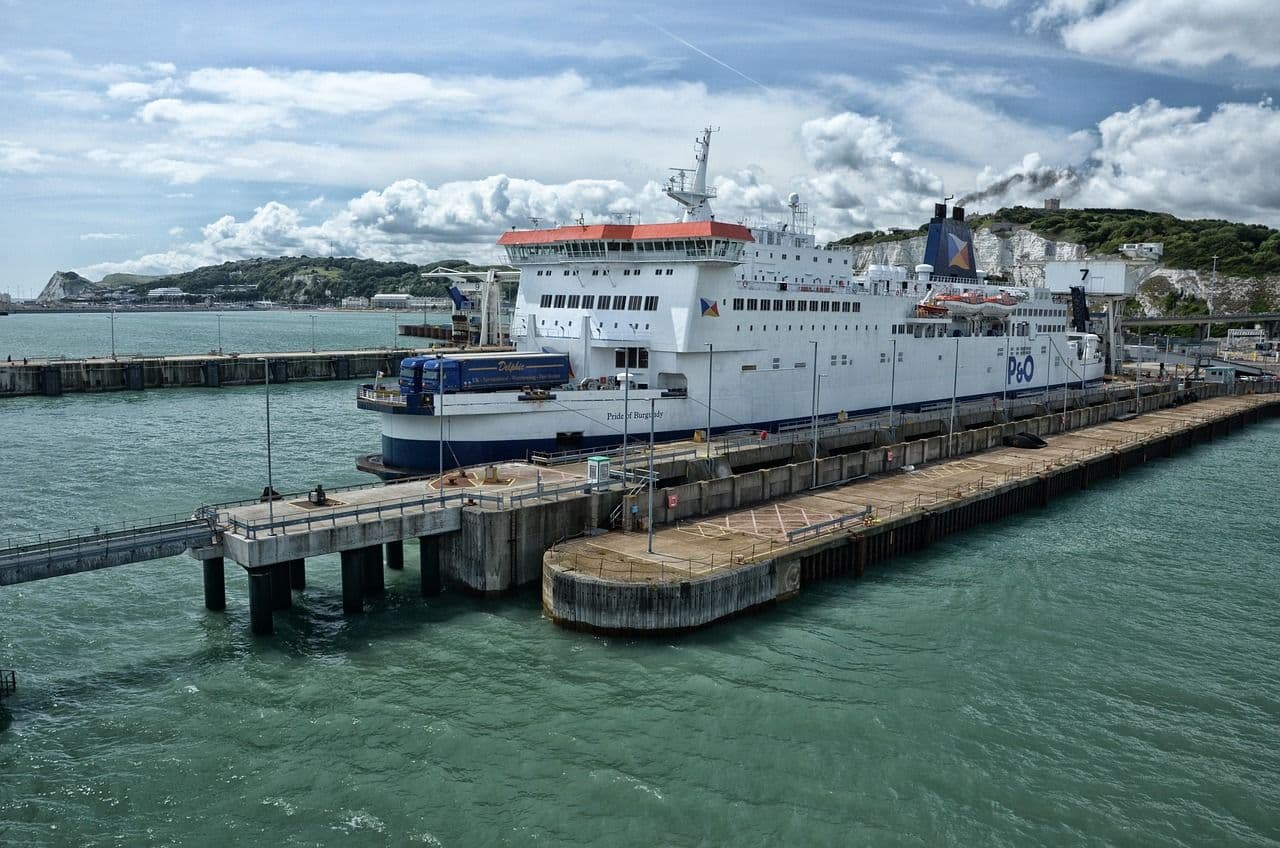
Sea travel still forms part of the journey for many people travelling north from Britain. Direct ferries between Denmark and the United Kingdom no longer operate, yet overnight sailings toward mainland Europe still create a relaxed way of travelling to Denmark from the UK.
Popular ferry routes
From eastern England several overnight ferries cross the North Sea each day. Routes such as Harwich to Hook of Holland, Hull to Rotterdam and Newcastle to Amsterdam allow you to sleep during the crossing and arrive in mainland Europe the following morning.
From those Dutch ports the rest of the journey continues easily through Germany. Motorways and rail lines connect Rotterdam or Amsterdam with Hamburg and northern Germany, and some people even continue the journey using train connections after the ferry crossing.
Where to get ferry tickets
Most ferry operators sell tickets directly on their own websites. Companies such as DFDS, Stena Line and P&O Ferries show sailing schedules, cabin availability and vehicle prices online.
Across comparison platforms you can also check multiple routes at the same time. Websites like Direct Ferries allow you to compare sailing times and prices before deciding which crossing fits your route best.
During the booking process the system asks for vehicle length and height when travelling with a car. We recommend measuring the vehicle beforehand so the booking system calculates the correct price immediately.
Travel Time Comparison: Which Option Is Best?
Different routes between Britain and Denmark suit different kinds of trips. Short city breaks, longer rail journeys or extended road trips all work well when arranging travelling to Denmark from the UK.
Flying is the fastest option
For a quick trip north a flight normally remains the fastest option. Travel time in the air usually stays just under two hours between London and Denmark, and the total journey from airport to city centre often stays around four hours.
Driving and train travel take longer
Rail travel takes much longer but creates a very different type of journey across Europe. Routes using trains from London travel through Brussels and Germany before reaching Denmark, and the full journey usually takes about 14 to 16 hours depending on the connections.
Across northern Europe a road trip normally requires between 10 to 12 hours of driving plus the Channel crossing. Traffic conditions across Germany and departure times at ferry ports influence the total duration.
Before booking any transport it helps to compare all options side by side. Our advice is to check flight schedules, rail connections and ferry crossings first so you can choose the route that best matches your travel plans.
Need more inspiration for what to do and where to go in Denmark? Read our blog about the best things to do in Denmark.
Planning Your Journey from the UK to Denmark
It is a good idea to get everything ready before you leave. There are some things you need to think about like what documents you need, when to book your tickets and how to plan your route. This will make your trip to Denmark from the UK much easier.
Entry rules and travel documents
Denmark is part of the Schengen area so it has the rules as many other European countries. If you are a citizen you can usually visit Denmark without a visa for up to 90 days. This is as long as you do not visit any Schengen countries for more than 90 days in the past 180 days.
You need to make sure your passport is valid for at least three months after you plan to leave the Schengen area. You will need to show your passport when you get on a plane or a ferry. You usually do not need to show it when you are driving or taking the train within the Schengen area.
Best time to book transport
The price of transport can change depending on when you book. If you wait long to book a last minute flight it might cost more. You can usually book trains about three to six months before you travel.
It is a good idea to book early especially if you want to take a ferry or a train. Our tip is to check the prices on different days because you might be able to save money by leaving a day earlier or later.
Enjoyed This Blog? Continue Reading!
There is more travel inspiration waiting for you on our blog. You can take a look below and start mapping out your next travel adventure!
