
Best time to visit Vietnam: picking the right time for your trip
By Eva Alkemade
May 3, 2026
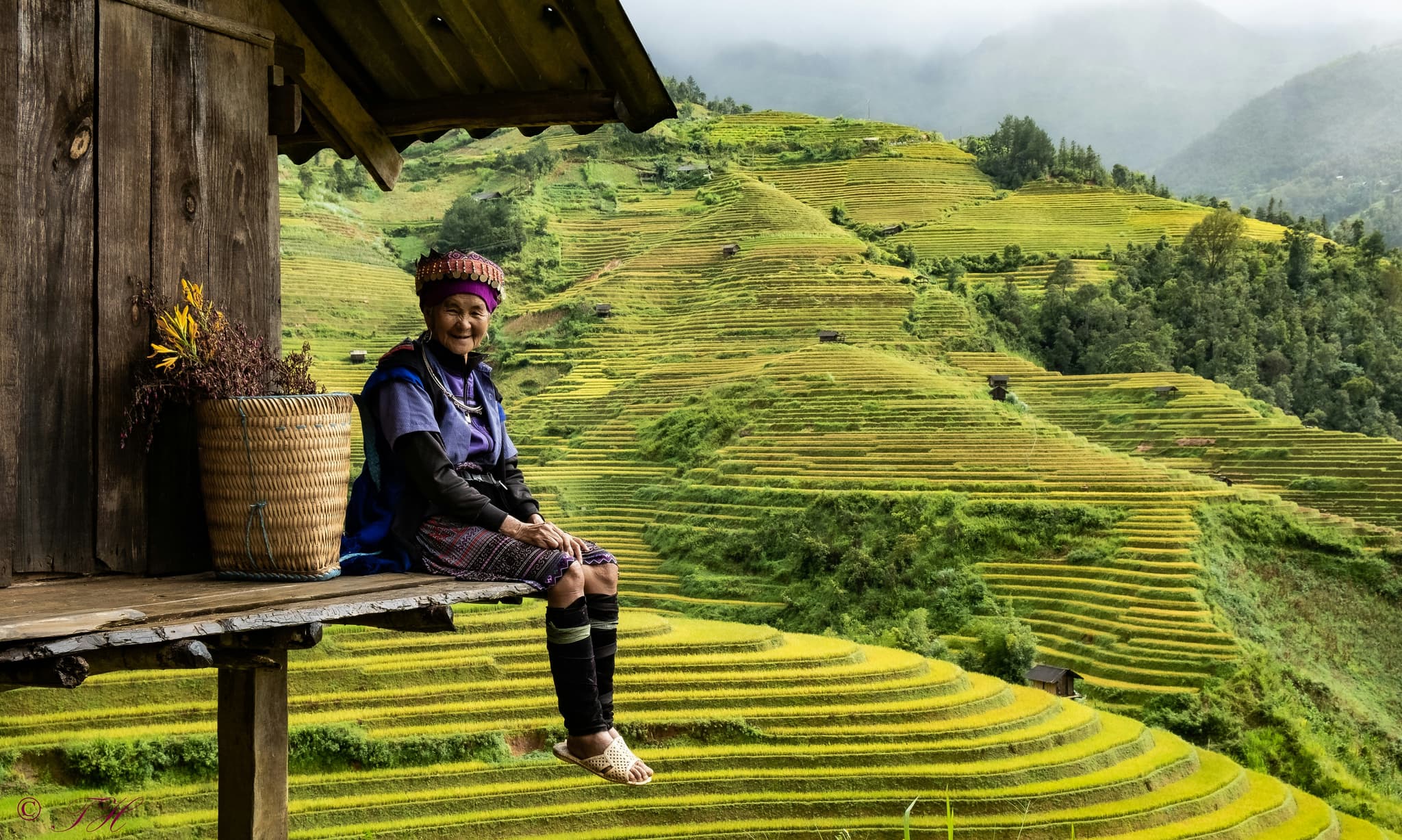
Most people don’t expect cold weather in Vietnam, but head up to Sapa and temperatures can drop close to 10°C, even in summer. Because of the mountains and big altitude differences, and with the country running over 1,600 km from north to south, you can easily be sitting in 30°C sun in the south while needing a thick jumper in the north. That contrast changes everything once you start planning. So, the best time to visit Vietnam depends on where you go and what kind of days you want, hiking, for example, works much better with milder temperatures, whereas beach time usually needs more sun. Let’s take a look at what the best time to visit Vietnam is for you.
When is the best time to visit Vietnam?
Across the year, conditions change a lot depending on where you are, so there isn’t one single answer that fits every trip. A better way to look at it: start with what kind of days you want, then match that to the right period.
Best overall period: March to April, good mix of temperatures across north and south, easier to move
Still a really good option: October to November, fewer people around, pleasant weather in many regions
More intense months: July to September, higher humidity and heavier showers in parts of the country
Because of the climate differences, the best time to visit Vietnam depends on your route and plans, so keep that in mind before locking in dates.
Why timing your trip to Vietnam is not as simple as it seems
Across Vietnam, weather patterns don’t follow one simple line, which is why timing can feel confusing at first. A lot of that comes down to different monsoon systems affecting each region at different times of the year.
In the south, the dry season runs roughly from November to April, bringing clearer skies and steady heat. In contrast, the rainy season and wet season bring short but heavy showers, mainly later in the day, which still leaves room to explore if you plan around it.
Up north, seasons are more defined, with cooler winters and warmer summers. In central areas, weather can be less predictable, with certain months bringing stronger storms near the coast.
Because of this, there is always a good time to visit Vietnam, it just depends on where you go. So let’s take a closer look at the weather in Vietnam month by month and per region, so you can find the best time to visit Vietnam based on your plans and availability.
Vietnam weather month by month: what to expect?
Each part of the year comes with its own advantages, depending on where you travel. For example, if you go to the south, March is warm and dry, great for city days and time by the coast, and if you head up to the north around that same period, temperatures stay milder, which works really well for trekking and being outside for longer.
January to March: cooler north, dry conditions in the south
At the start of the year, temperatures in the north sit on the cooler side, with misty mornings in mountain areas, usually between 10 and 20°C, and lower up in the mountains. In the south of Vietnam, the weather in January stays warm and dry, around 25 to 32°C, making it a great time for city trips and beach days.
The weather in Vietnam in February stays similar, with temperatures around 26 to 33°C in the south, slightly warmer in central areas at 24 to 30°C, and still cool up north at 12 to 22°C. And the weather in Vietnam in March starts to balance out more across the country, with the north warming up to 18 to 28°C, central regions around 24 to 32°C, and the south staying steady between 27 and 34°C. This period works well for longer trips.
April to June: rising heat, start of rain in some regions
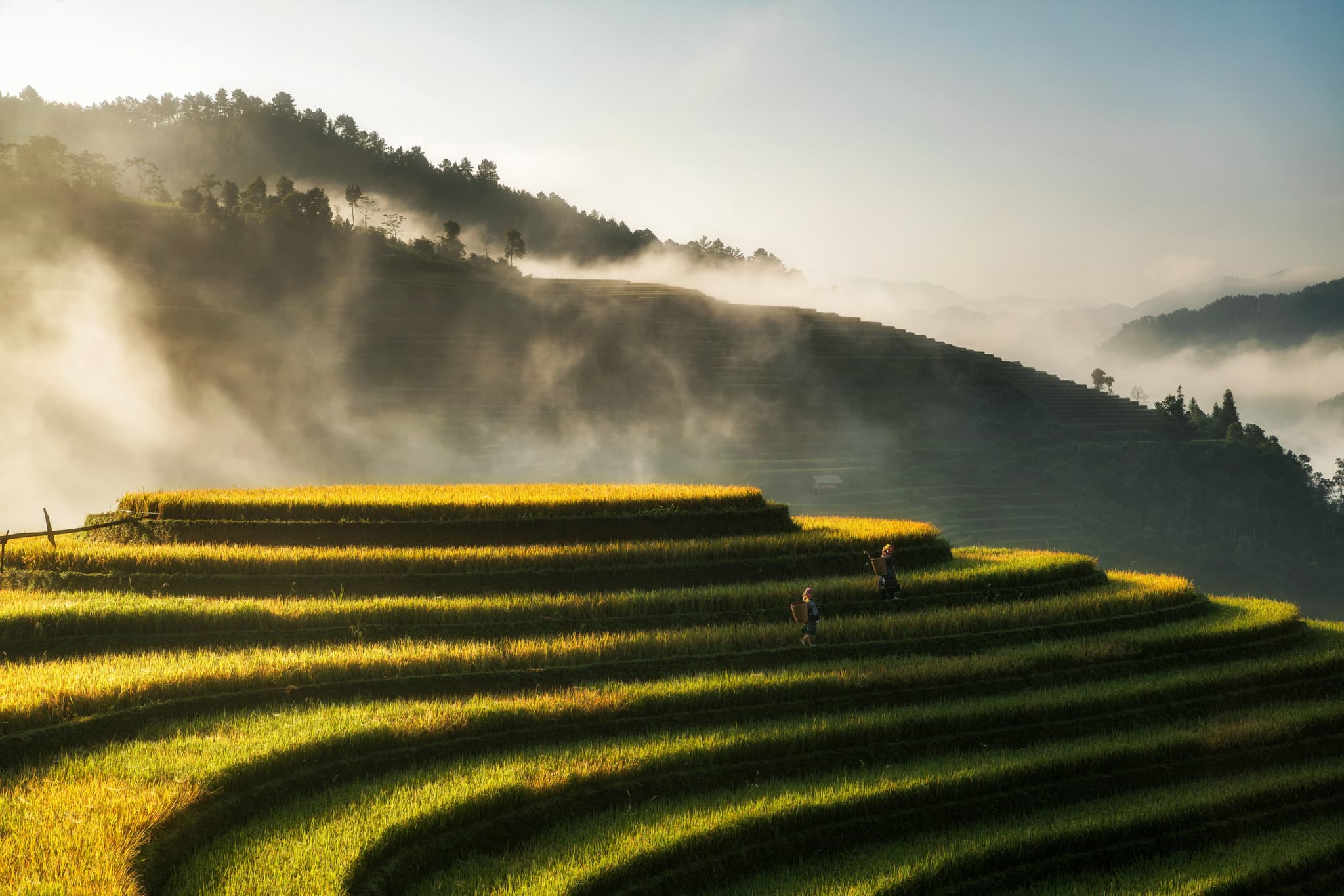
During April, temperatures begin to rise across most regions. In Vietnam, the weather in April already feels noticeably warmer, with the north around 25 to 32°C, central areas between 28 and 35°C, and the south around 27 to 35°C. However, if you decide to travel to Vietnam later, the weather in May usually brings more humidity, with temperatures sitting between 28 and 36°C in many places, and the first rains appearing in the south.
In Vietnam, the weather in June shows clearer signs of seasonal change, with hotter days and occasional showers, mainly in southern areas. Across the country, temperatures are usually around 30 to 38°C, with central regions often on the higher end. Even with that, this period still works well if you plan around the warmer parts of the day.
July to September: peak rainy season and fewer people around
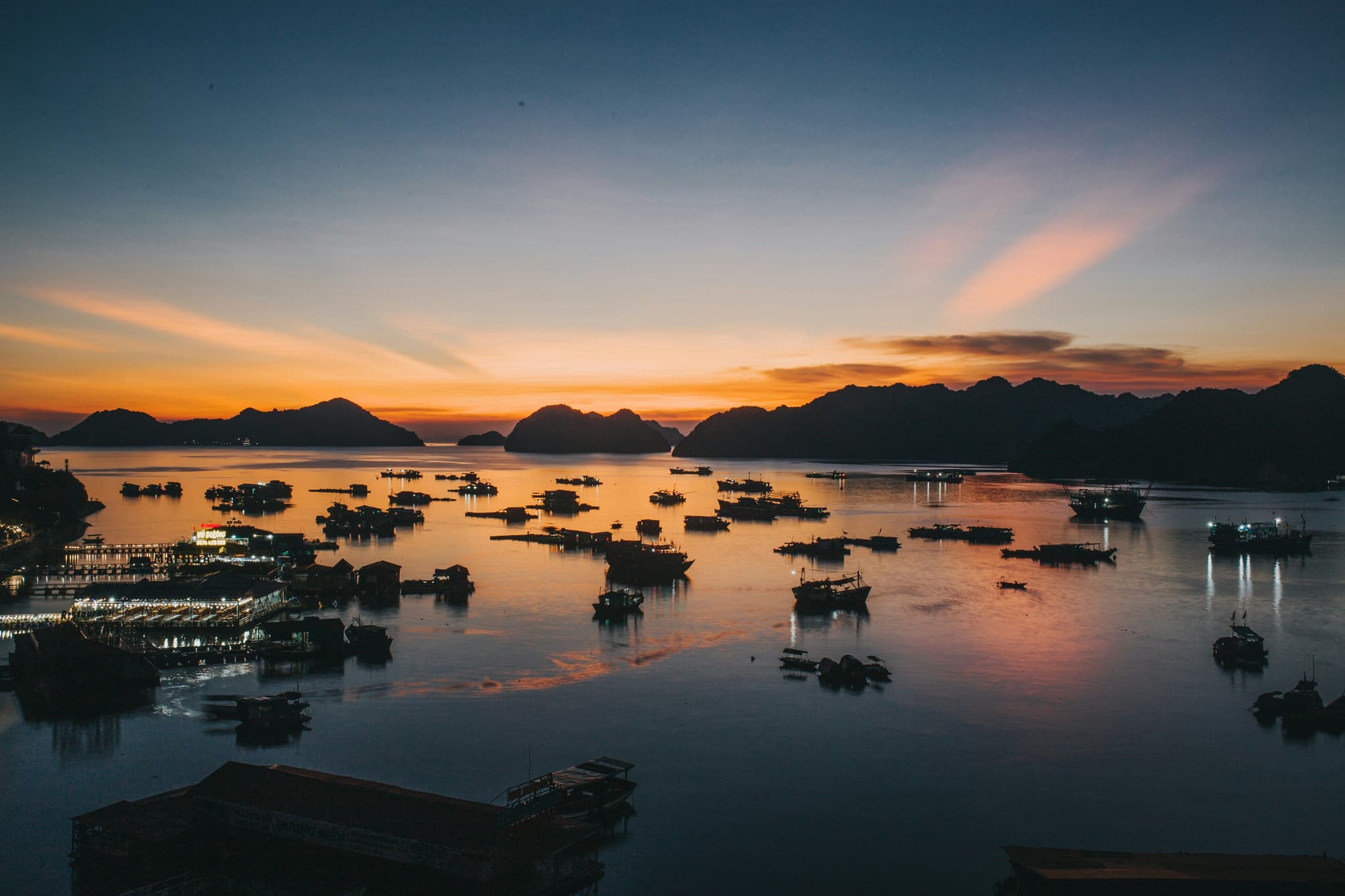
In Vietnam, the weather in July brings more consistent rainfall, with short but intense showers, and temperatures usually sitting between 30 and 35°C across most regions. August follows a similar pattern, Vietnam’s weather in August keeps landscapes green and full, with temperatures around 29 to 34°C and high humidity.
The weather in Vietnam in September starts to improve in certain regions, especially in the north, where temperatures drop slightly to around 27 to 32°C. Across this period, the south stays warm at around 28 to 33°C. Travel is still very doable, just with a bit more flexibility in your plans.

October to December: mixed weather but strong travel window
October brings a transition, with the weather in Vietnam in October improving in the north at around 24 to 30°C, while some central areas still see rain and slightly lower temperatures between 23 and 28°C. The weather in Vietnam in November becomes much more stable across larger parts of the country, with the north sitting around 20 to 28°C and the south around 27 to 32°C.
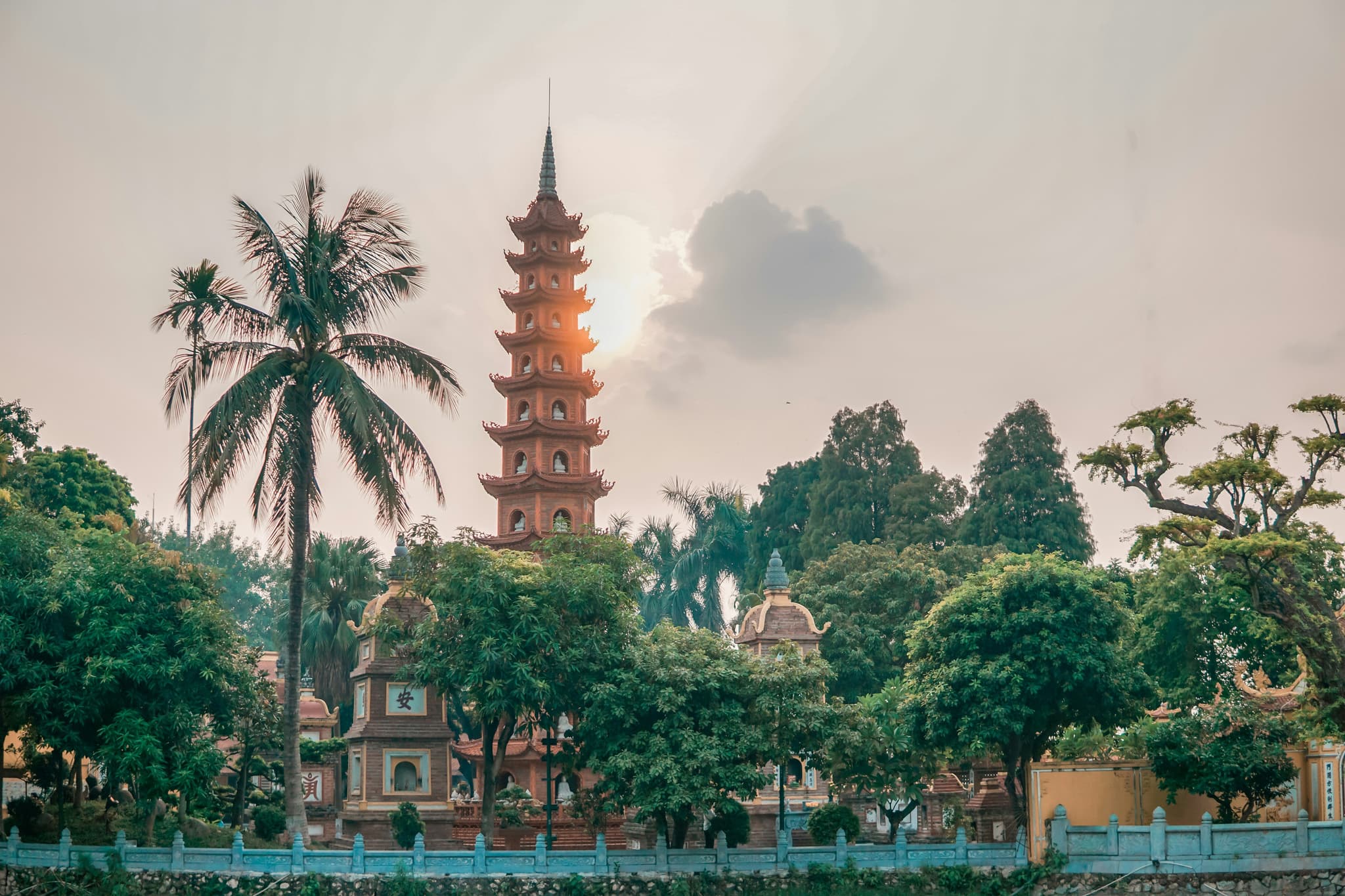
Vietnam’s weather in December however brings cooler air in the north, around 15 to 24°C, and dry conditions in the south with temperatures between 26 and 31°C, which makes it a solid option for a mix of destinations.
Guided tip: For a trip covering multiple regions, March, April, October and November are the easiest months overall.
Vietnam weather by region: north vs south
Looking at Vietnam by region gives you a much clearer picture of what your days will actually look like when you’re there. Across the country, conditions can be completely different at the same time, so planning around regions helps a lot.
Not sure yet which areas you want to visit in Vietnam? Read our blog about the best places and areas in Vietnam to find out what suits you.
North Vietnam: March to April & September to November
Up in the north, temperatures change more throughout the year, which already gives your trip a very different vibe compared to the south. Around mountain areas, cooler air makes being outside much easier for longer days.
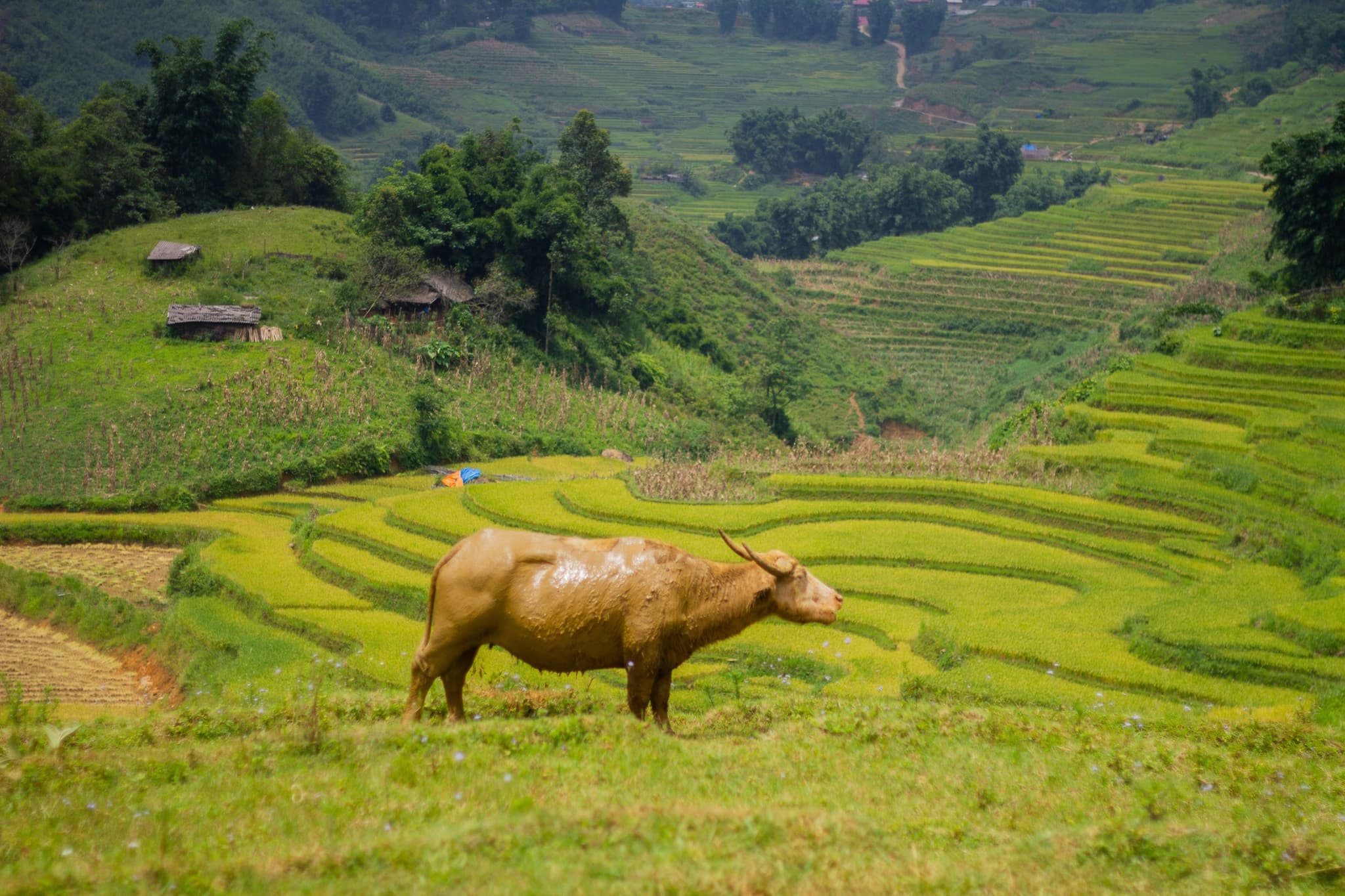
Across north vietnam, spring and autumn are the best time to visit Vietnam if you plan to explore this region. This is between March and April and again from September to November. Around places like Ha Giang, those months just make everything easier. The Ha Giang Loop, which is that well-known motorbike route through the mountains, is way more enjoyable when skies are clearer and roads are dry. Up in Sapa, trekking also works really well during this time, with better views over the rice terraces and temperatures that actually let you walk for hours.
Central Vietnam: February to August
Moving towards the centre, you’ll want to plan your trip around the weather a bit more, since this part of Vietnam is all about beaches and time by the water. Some months work much better than others, as certain periods bring heavier rain and stronger storms along the coast.
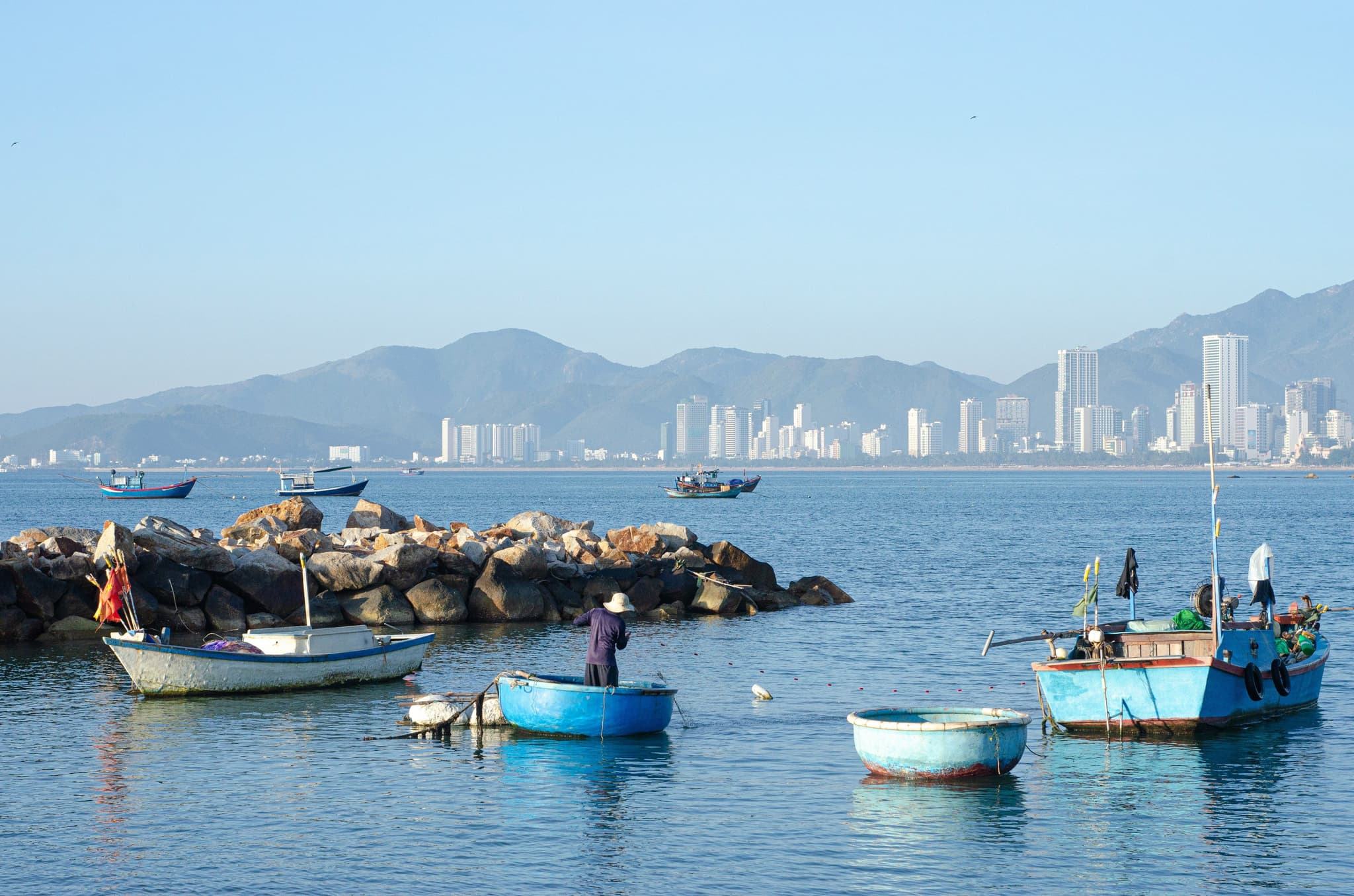
The best time to visit Vietnam for this region sits between February and August. Around places like Da Nang and Nha Trang, you’ll get long sunny days and stable conditions, which makes it easier to plan beach time and explore nearby towns without needing to adjust your plans too much.
South Vietnam: November to April
Further south, temperatures stay high throughout the year, so you won’t notice big seasonal changes like in the north.
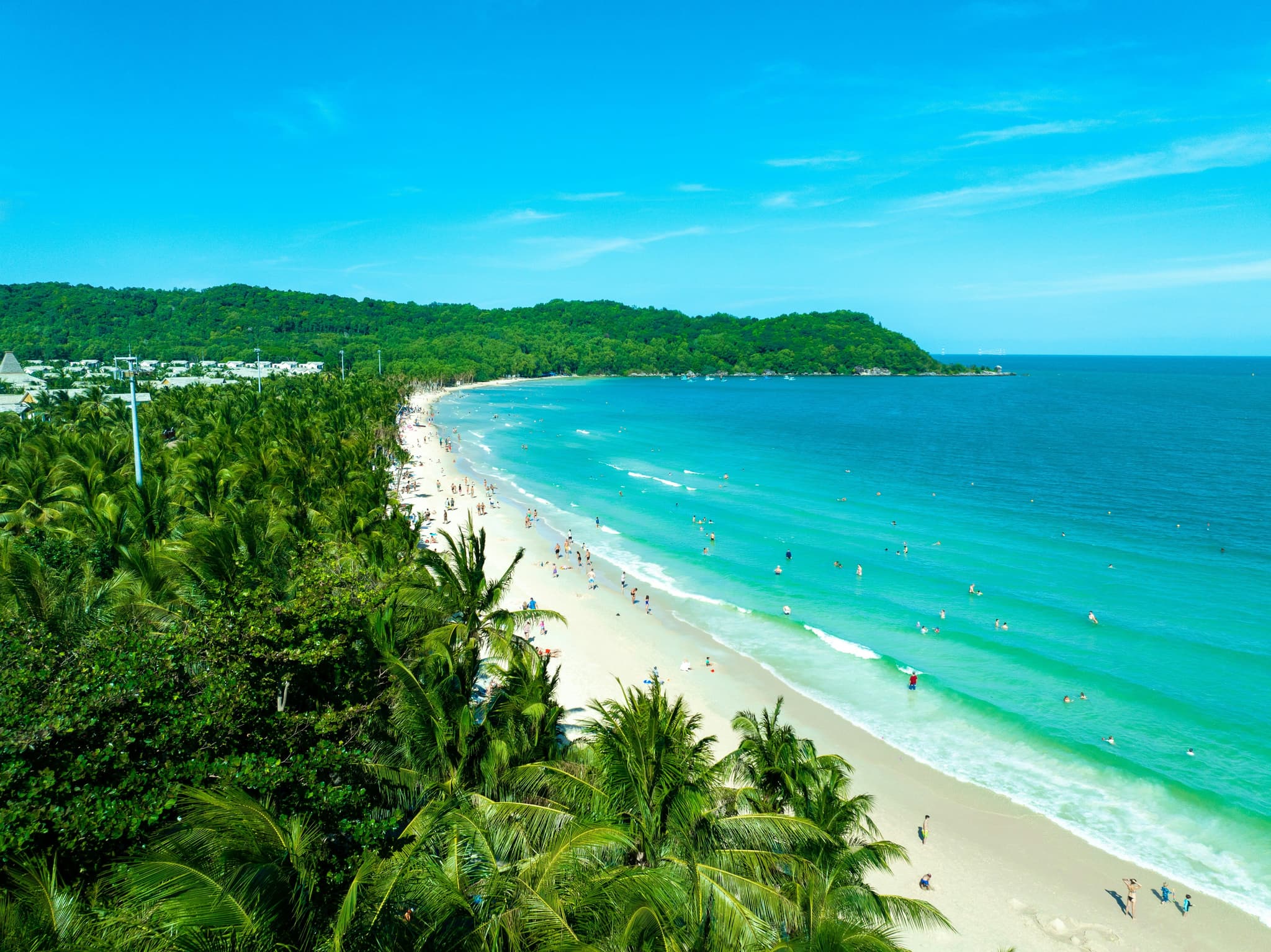
The best time to visit southern Vietnam is during the dry season, from November to April. Around Ho Chi Minh City, the Mekong Delta and islands like Phu Quoc, this period brings clearer skies and less rain, which makes getting around a lot easier. Boat trips through the Mekong Delta, visiting floating markets, or spending full days on the island beaches all work much better when showers are limited and roads stay dry.
Guided tip: When your route includes multiple regions, aim for March and April or October and November
Best time to visit Vietnam based on your interests
Not everyone looks for the same kind of trip. Some people like long days outside hiking and exploring, others prefer slow mornings by the beach with plenty of sun. When planning your own trip, it helps to think about what you actually want your days to look like before picking a date. Beach time works best with clear skies, and you probably don’t want a cloud blocking your sun!
Best time to visit Vietnam for beaches: February to June
The best time to visit Vietnam for beach-focused trips sits between February and June. Around places like Da Nang and Nha Trang, this period brings stable weather and long sunny days, which works really well if beach time is high on your list. Other great spots for this include Hoi An, Hue, Quy Nhon and further south Phu Quoc, where conditions stay warm and dry during these months, making it easy to plan full days by the water.
Best time to visit Vietnam for trekking and nature: October to March
Up in the mountains, cooler air makes a big difference once you start walking longer distances. Heat and humidity can slow things down quite quickly.
Across the central highlands and northern regions, the best time to visit Vietnam for trekking is between October and March. Around areas like Ha Giang, those months just make things a lot easier for trekking. Longer hikes and viewpoints along the Ha Giang Loop are much more enjoyable when it’s not too hot, and up in Sapa, walking through the rice terraces feels way more doable with clearer views and cooler air.
Best time to visit Vietnam for cities and culture: December to March
Exploring cities means spending a lot of time outside, walking, visiting markets and moving between places. Slightly cooler temperatures simply make those days more enjoyable.
The best time of year to visit Vietnam for this type of trip is between December and March. With less humidity and milder temperatures, you can stay outside longer and explore markets, walk through old town streets, visit temples and museums, or just sit down at a street food stall and try different local dishes without needing constant breaks from the heat.
Best time to visit Vietnam for festivals: January and September to October
Throughout the year, different events can completely change what your trip looks like. Planning around one of them can really add something extra.
Around late January or early February, Tet celebrations take place across the country, which is the Vietnamese Lunar New Year and the biggest holiday of the year. Streets fill with flowers, homes are decorated, families come together and cities slow down for a few days, which gives you a very different view of daily life.

In April, the Hung Kings Festival takes place in the north, where people gather at temples to honour Vietnam’s early rulers, giving you a look into local traditions and history.
Later in the year, the Mid Autumn Festival lights up places like Hoi An during September or October, with lanterns everywhere, evening markets and small performances in the streets. Around early September, National Day also brings celebrations in major cities, with flags, events and a more lively atmosphere across public spaces, which makes it a fun time to be around.
Not sure yet what you want to do and experience in Vietnam? Read our Vietnam travel guide and discover cities, landscapes and local experiences.
Best time to visit Vietnam and Cambodia in one trip
Planning a trip to both Vietnam and Cambodia? The best time to visit Vietnam and Cambodia is between November and March. Across that period, both countries have drier conditions, which makes it easier to move between places, visit temples and spend full days outside without interruptions.
Guided tip: Start by checking which country you want to spend the most time in, then use that as your base and adjust the rest of your trip around it.
When not to visit Vietnam
Some months just ask for a bit more planning, though that doesn’t mean you should avoid them completely. Knowing what to expect during those periods helps you decide if they still fit your trip.
Peak rainy season: what to expect
During the rain season in Vietnam, mainly between July and September, you’ll see more frequent showers across large parts of the country. These usually come in short bursts, though they can be intense, especially later in the day.
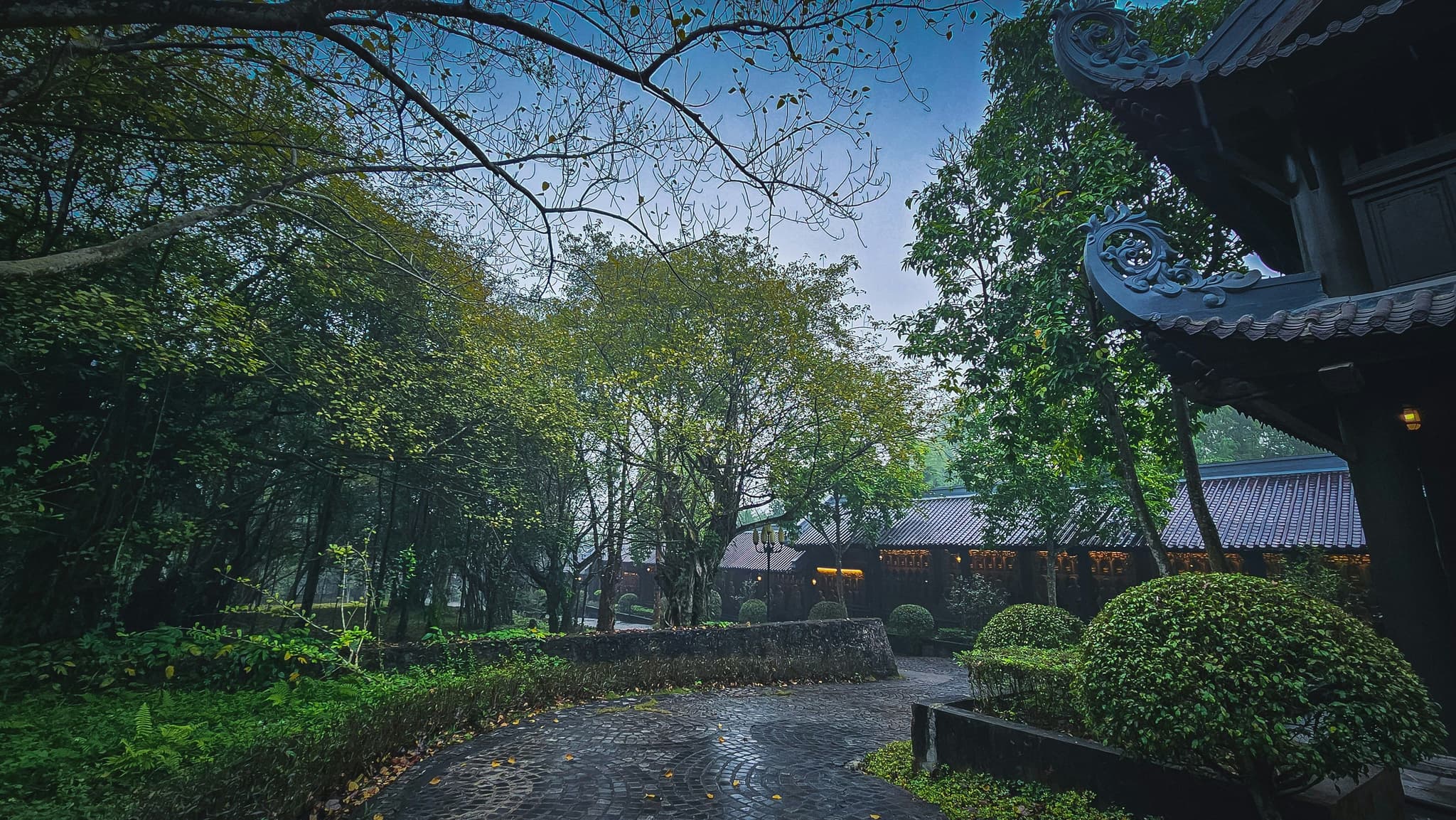
Travel is still very possible, though you’ll want to stay flexible with your plans. Roads can get wetter and some outdoor activities may need to be adjusted, though mornings are still a good time to head out.
Typhoon season: what to expect
From around September to November, certain parts of the country, mainly in the centre, can experience stronger storms. These periods can bring heavier rain and occasional disruptions to transport.
Across those months, keeping an eye on local updates helps you stay prepared. Adjusting your route slightly or spending more time in other regions can already make a big difference.
So… what is the best time of year to visit Vietnam for you?
At this point, you’ve seen how different each period can be, so it really comes down to what kind of trip you want. A simple way to decide is to match your plans to the months that fit them best:
Want one full-country trip: March to April or October to November
Looking for beach time: February to June
Prefer fewer people around: May or September
Planning outdoor activities like trekking: October to March
Want to explore cities comfortably: December to March
When to visit vietnam really comes down to your own plans. Once you know what you want to do, picking the right timing becomes much easier. Just make sure to leave a bit of space in your plan, so you can swap days around if needed.
Enjoyed This Blog? Continue Reading!
There is more travel inspiration waiting for you on our blog. You can take a look below and start mapping out your next travel adventure!

