

Vietnam
Vietnam travel guide: everything you need to know before your trip
Vietnam moves fast in the best way, one moment you’re eating pho on a plastic stool on the street, and just a few hours later you’re on the water surrounded by limestone cliffs. Around you, streets turn into kitchens, cafés and meeting places, with daily life happening right in front of you instead of behind doors. At the same time, the country stretches far more than you’d expect, with cool mountain air near Sapa and tropical heat around the Mekong Delta during the exact same period. During your trip to Vietnam, those contrasts start to connect, distances, culture and food. In this Vietnam travel guide, you’ll learn how to plan your trip from north to south and choose the places that truly match what you want to experience.
5 reasons to visit Vietnam
Across one journey, you’ll notice how every region brings something new, and that’s exactly what makes it so addictive to explore.
Across a journey from north to south, you’ll notice how the climate, food and daily life completely change along the way
You’ll move between mountains, coastline and rivers, which keeps every few days feeling different
Around you, food becomes part of daily life, from street stalls to small coffee shops
In cities and towns, you’ll recognise history through temples and French colonial buildings
Compared to many other destinations, you’ll notice how affordable it is to stay longer and explore more
Guided tip: stay a bit longer in fewer places, since that’s where you really start to experience the country instead of just passing through.
Best places to visit in Vietnam
As you go through the best places to visit in Vietnam, you’ll quickly notice how different each stop feels, almost like you’re visiting multiple countries in one trip.
Hanoi and the capital of Vietnam
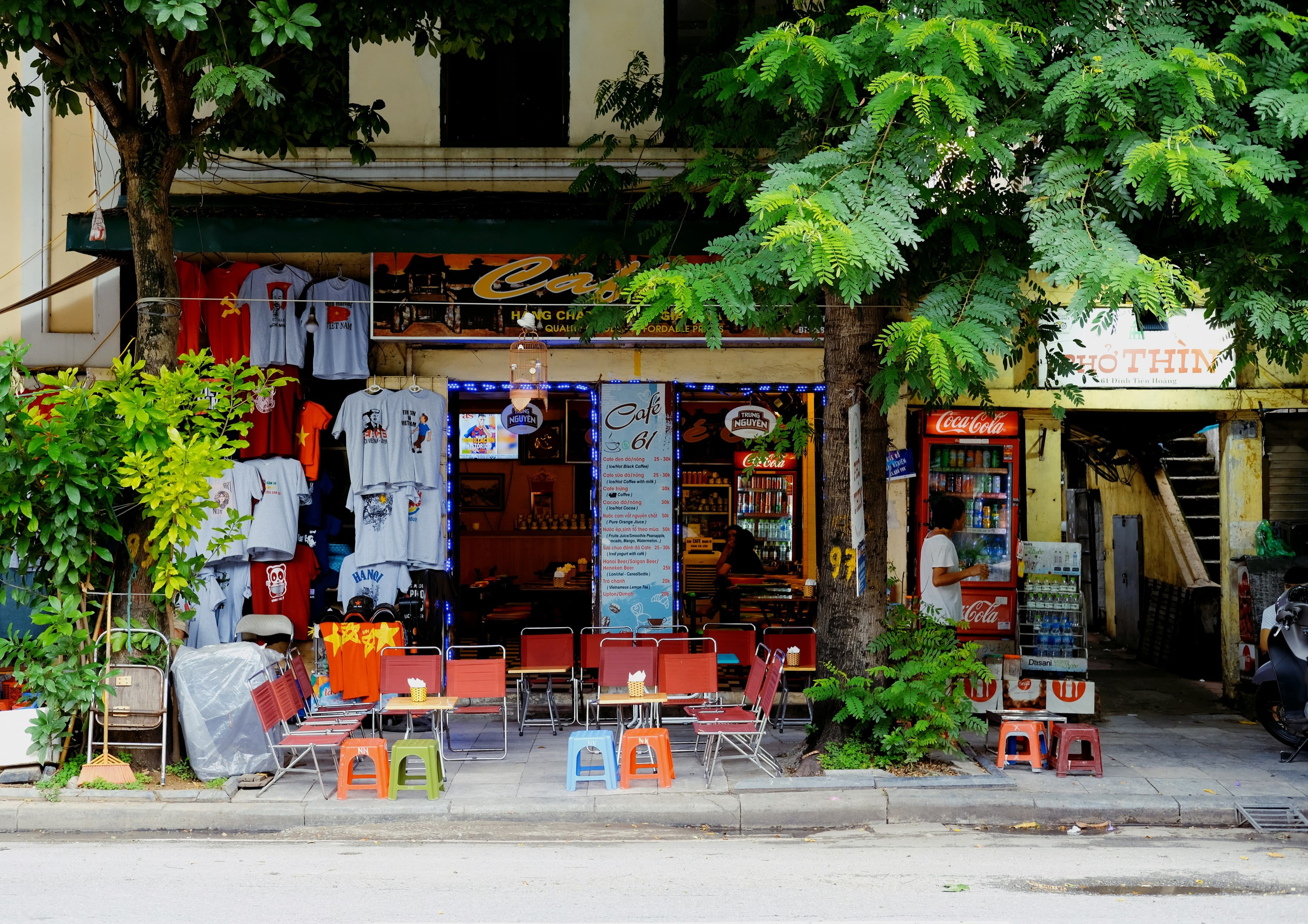
At first, you might think everything feels a bit overwhelming, scooters everywhere and people gathering on every corner. After a little while, you’ll start to see how it all works together around Hoan Kiem Lake and the Old Quarter in the capital of Vietnam. Between street food stalls and small cafés, you’ll find yourself stopping more often than planned. From here, we’d always recommend starting your northern trip.
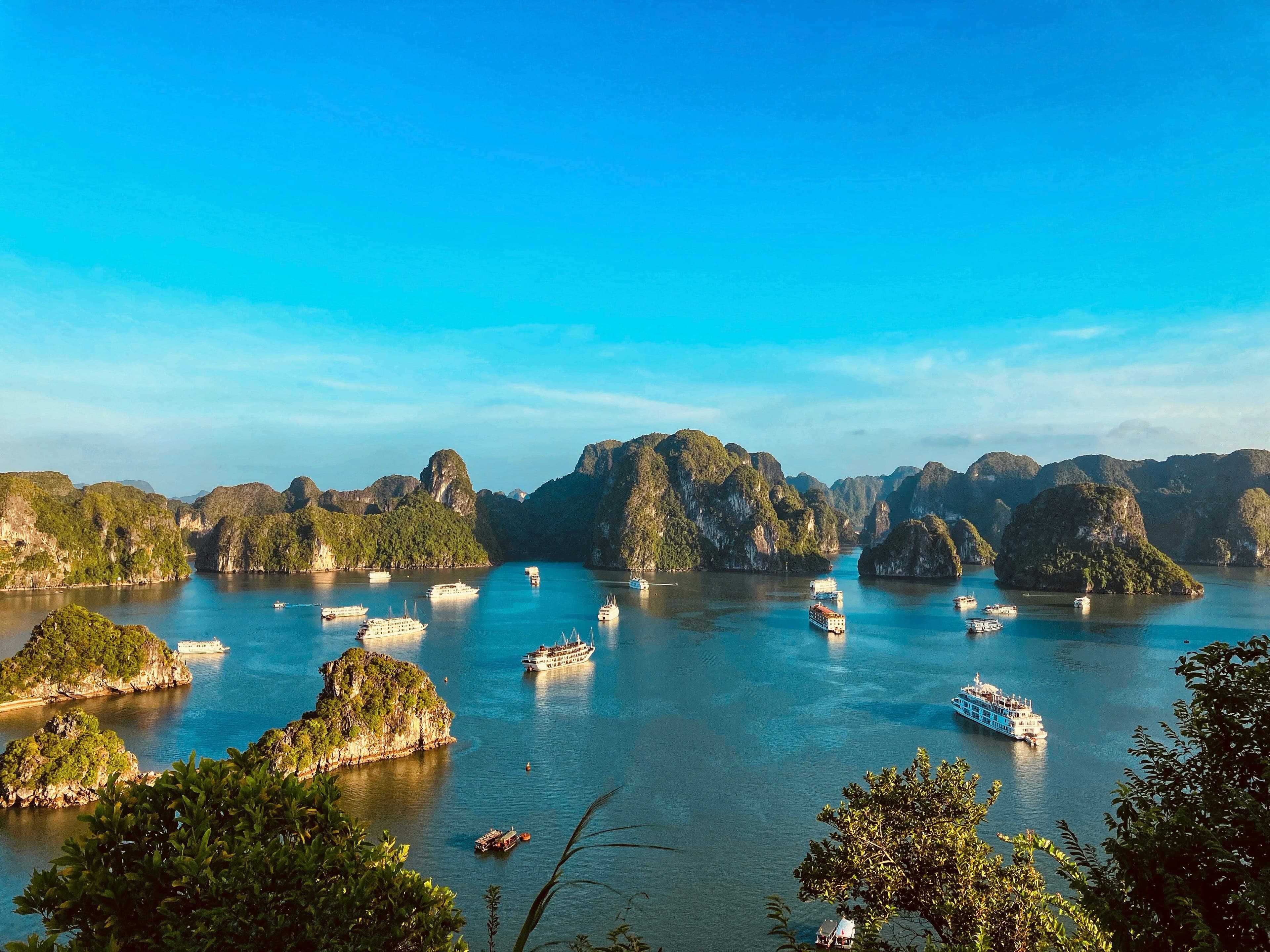
Halong Bay and Lan Ha Bay
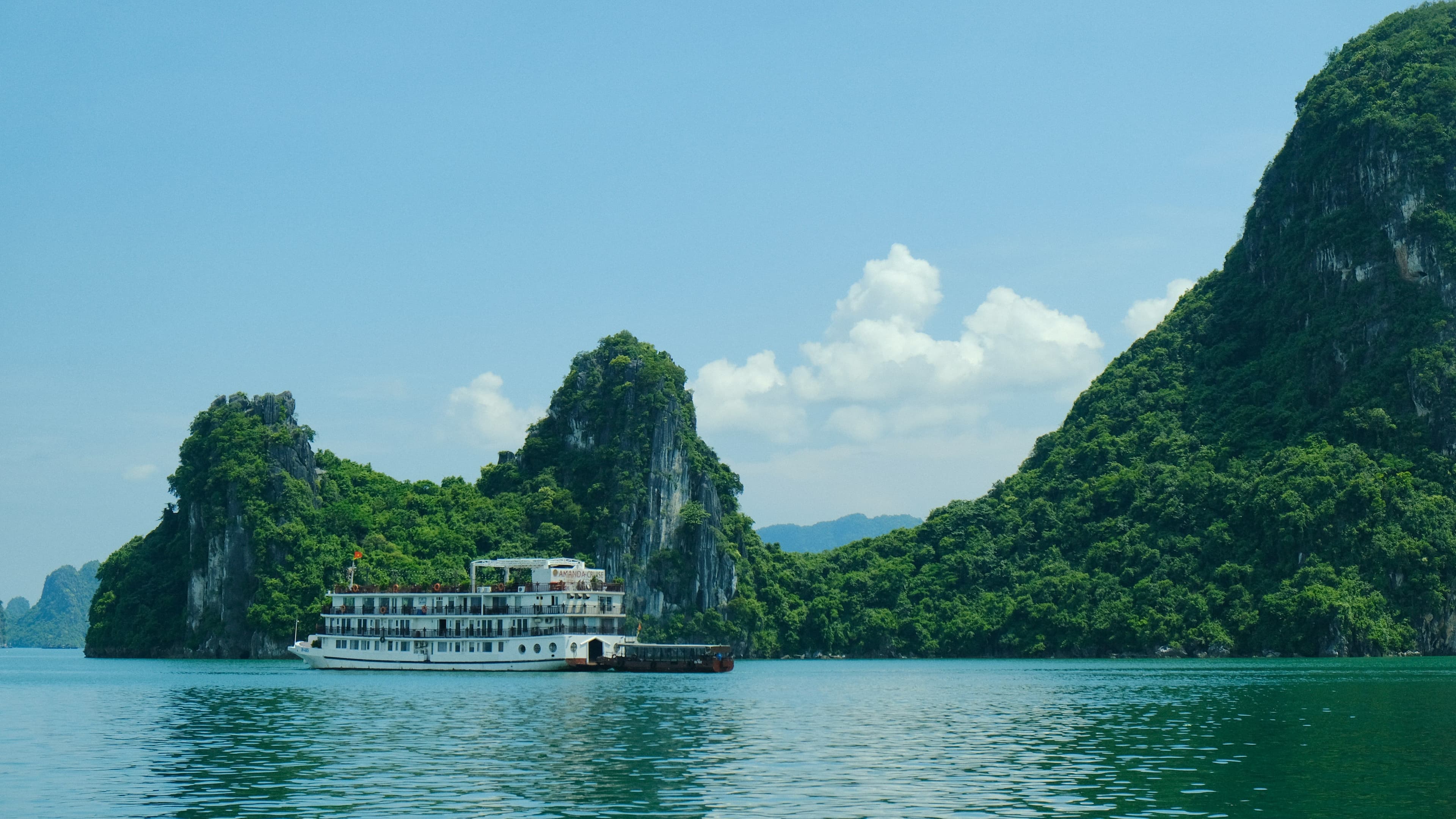
Out on the water, you’ll be surrounded by limestone islands in every direction, and that view stays with you the entire time. During a boat ride, you’ll move between these formations, sometimes kayaking or visiting caves in this UNESCO World Heritage Site. With overnight cruises, you get more time away from the busier areas, which makes a big difference in how you experience it. This is one of those places you just want to see with your own eyes.
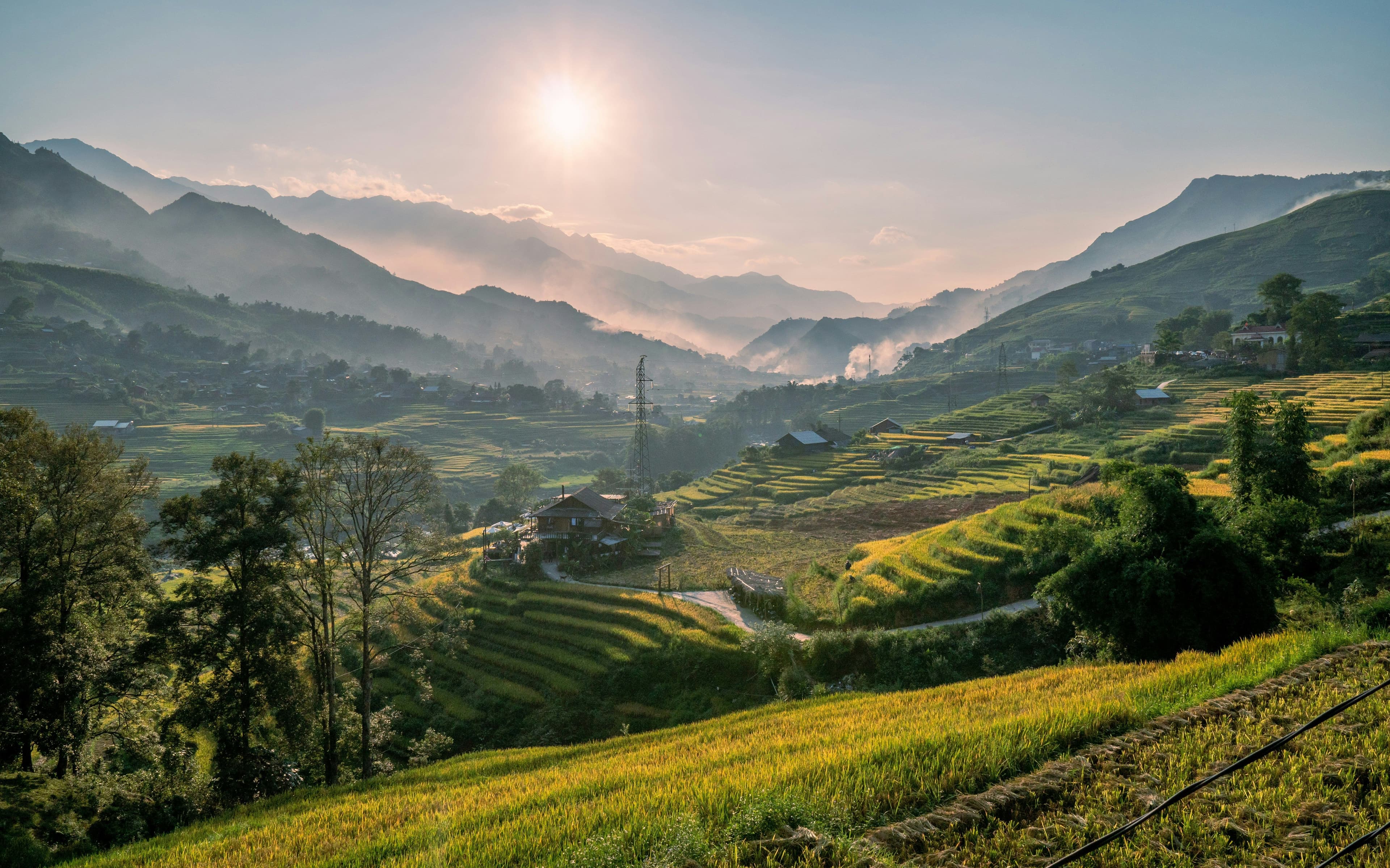
Sapa and northern rice fields
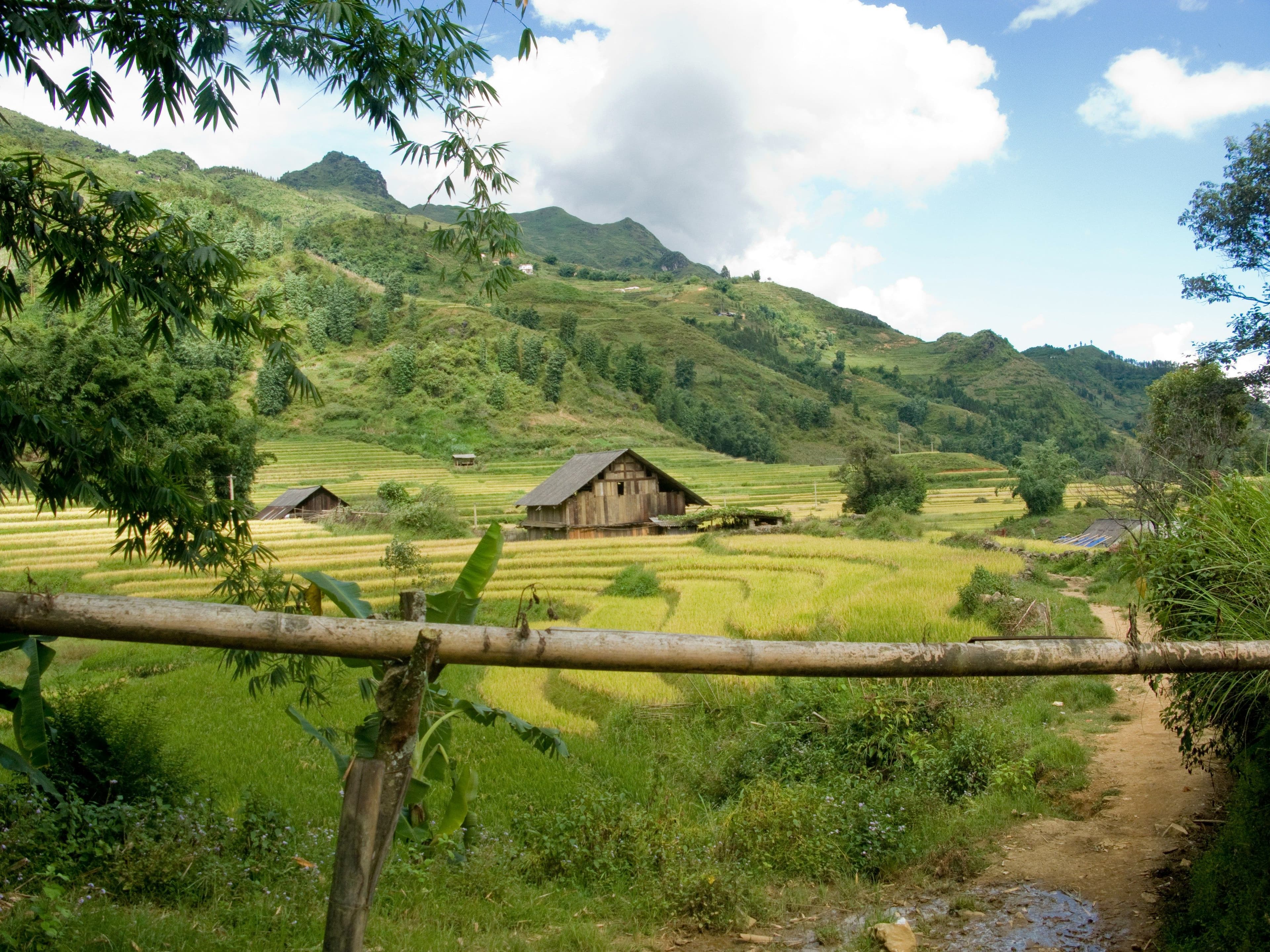
Up in the mountains, you’ll walk through terraces that stretch across the hills, known for their rice fields. Along the way, you’ll pass small villages where people still live in a very local way. It can be a bit cooler here, which makes it feel completely different compared to the rest of the country.
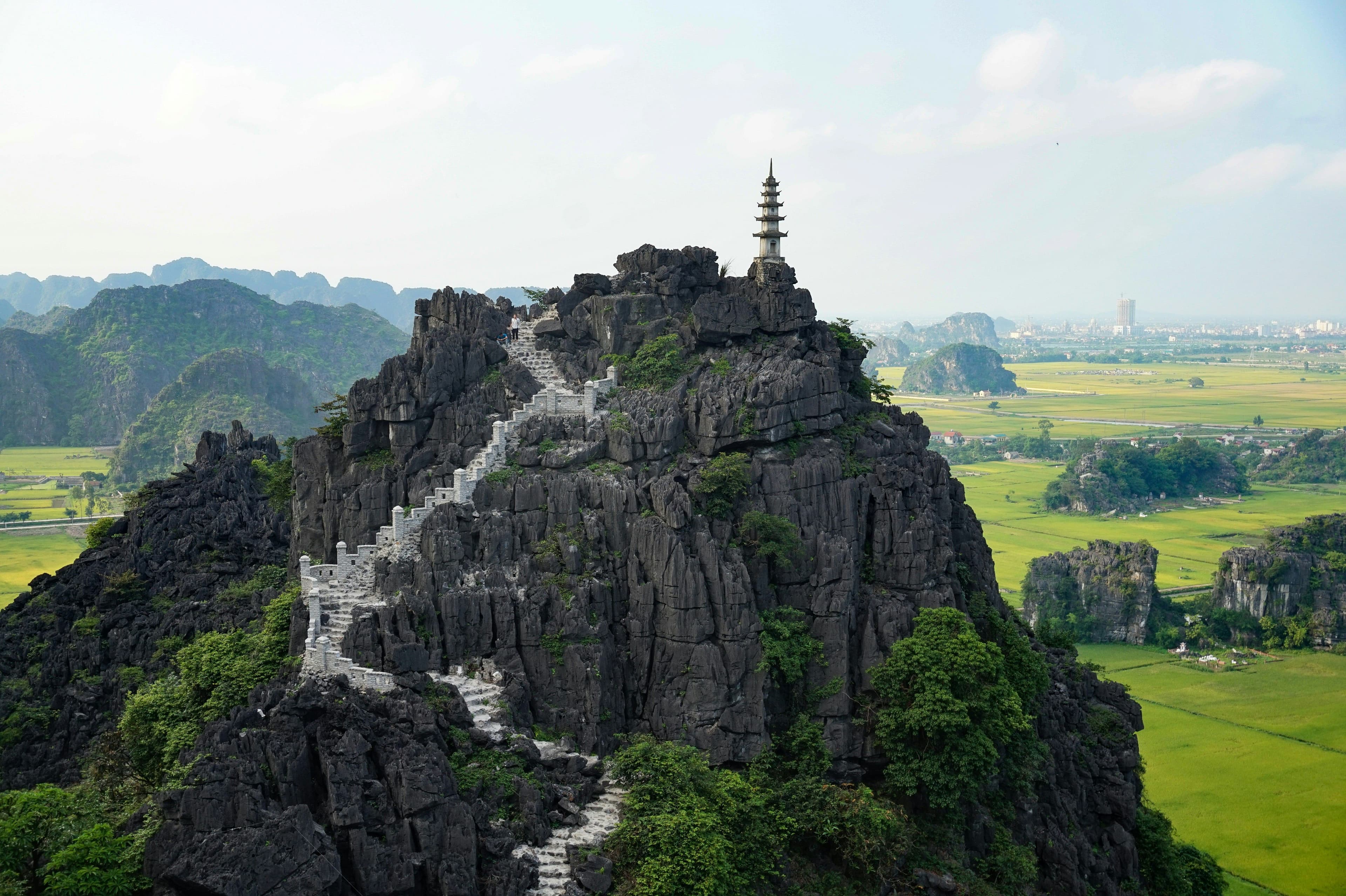
Ninh Binh and Tam Coc
Between limestone cliffs and rivers, you’ll find one of the most unique areas in Vietnam. During a day trip, you’ll sit in a small boat and move through caves and narrow waterways in Tam Coc. Compared to Halong Bay, everything happens on land, but the scenery is just as impressive!
Central Vietnam: Hoi An, Da Nang and Hue
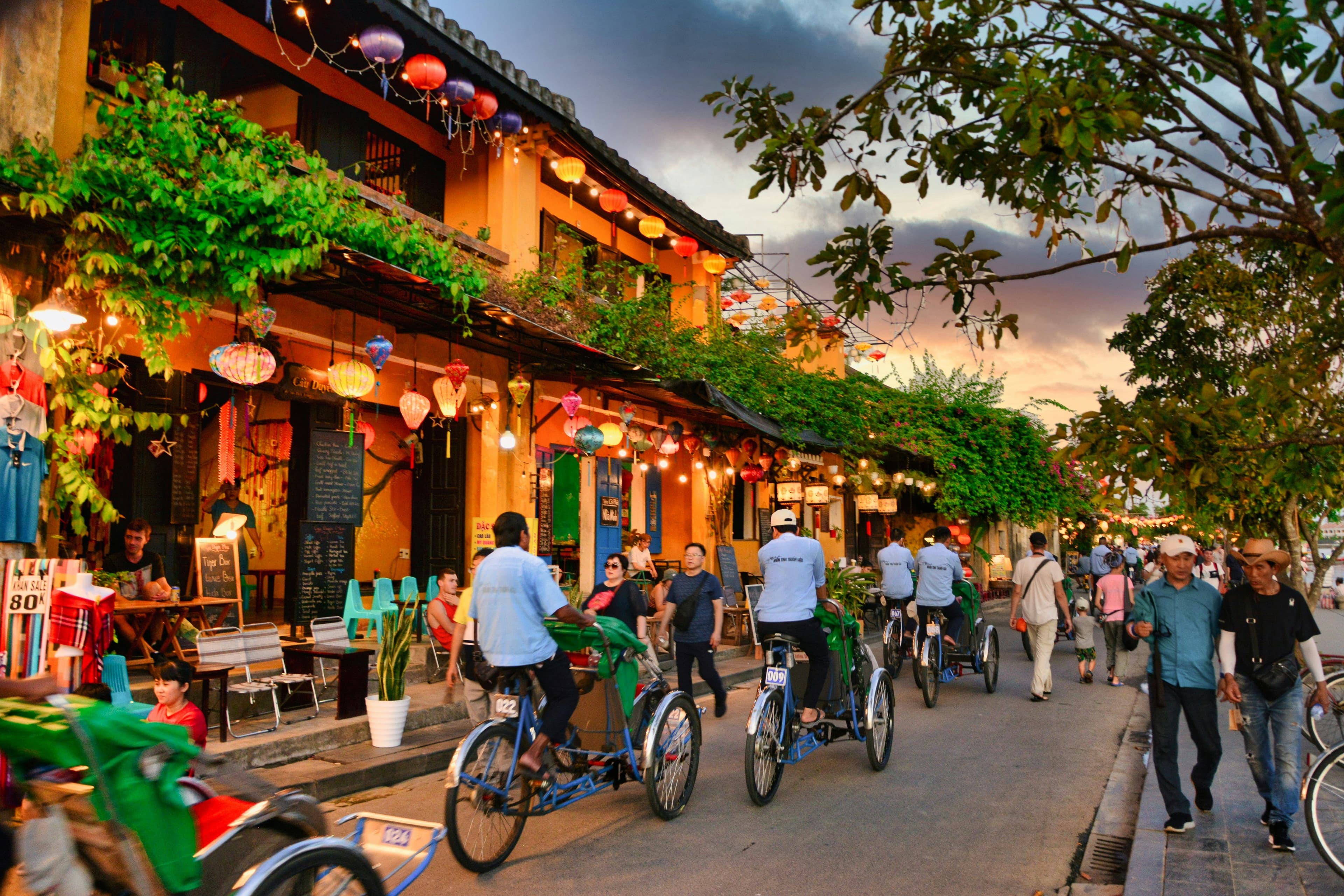
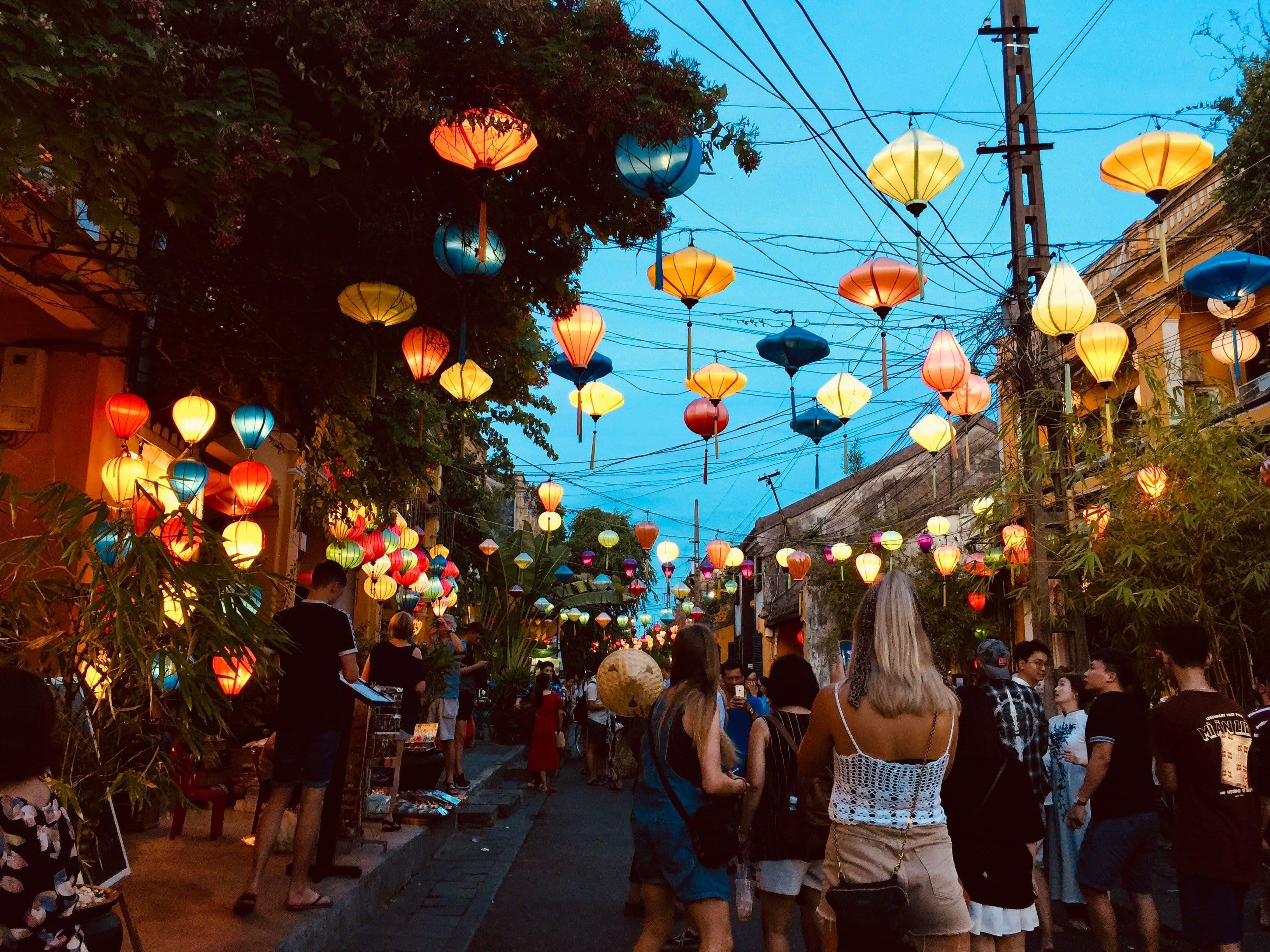
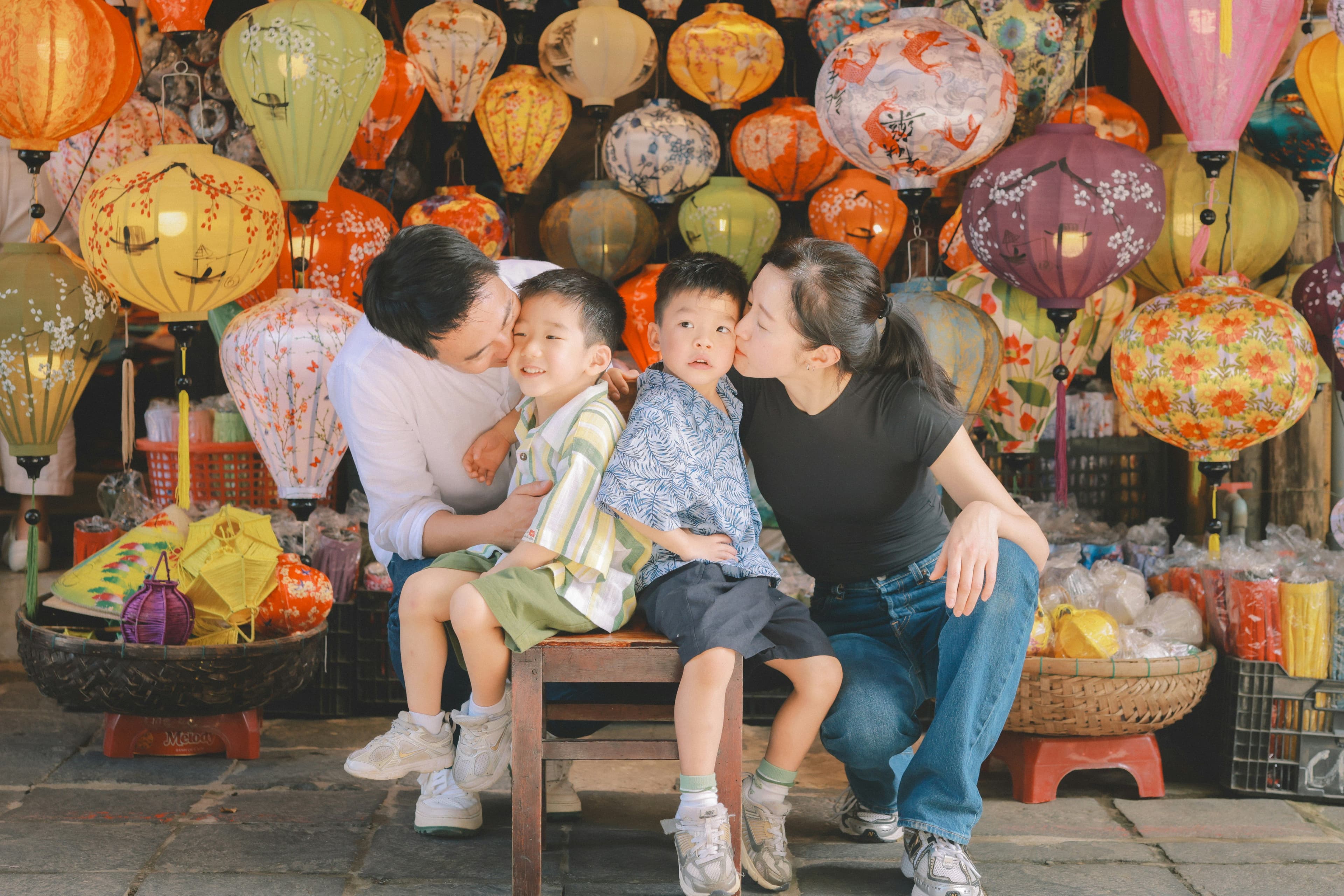
As you move into Central Vietnam, you’ll notice how the atmosphere shifts again. In Hoi An, evenings bring lantern-lit streets and food stalls that keep going late into the night. Around Hue, you’ll step into imperial history through old citadels and tombs. Between these places, you’ll drive along the coast with views over the sea.
Da Lat and the central highlands
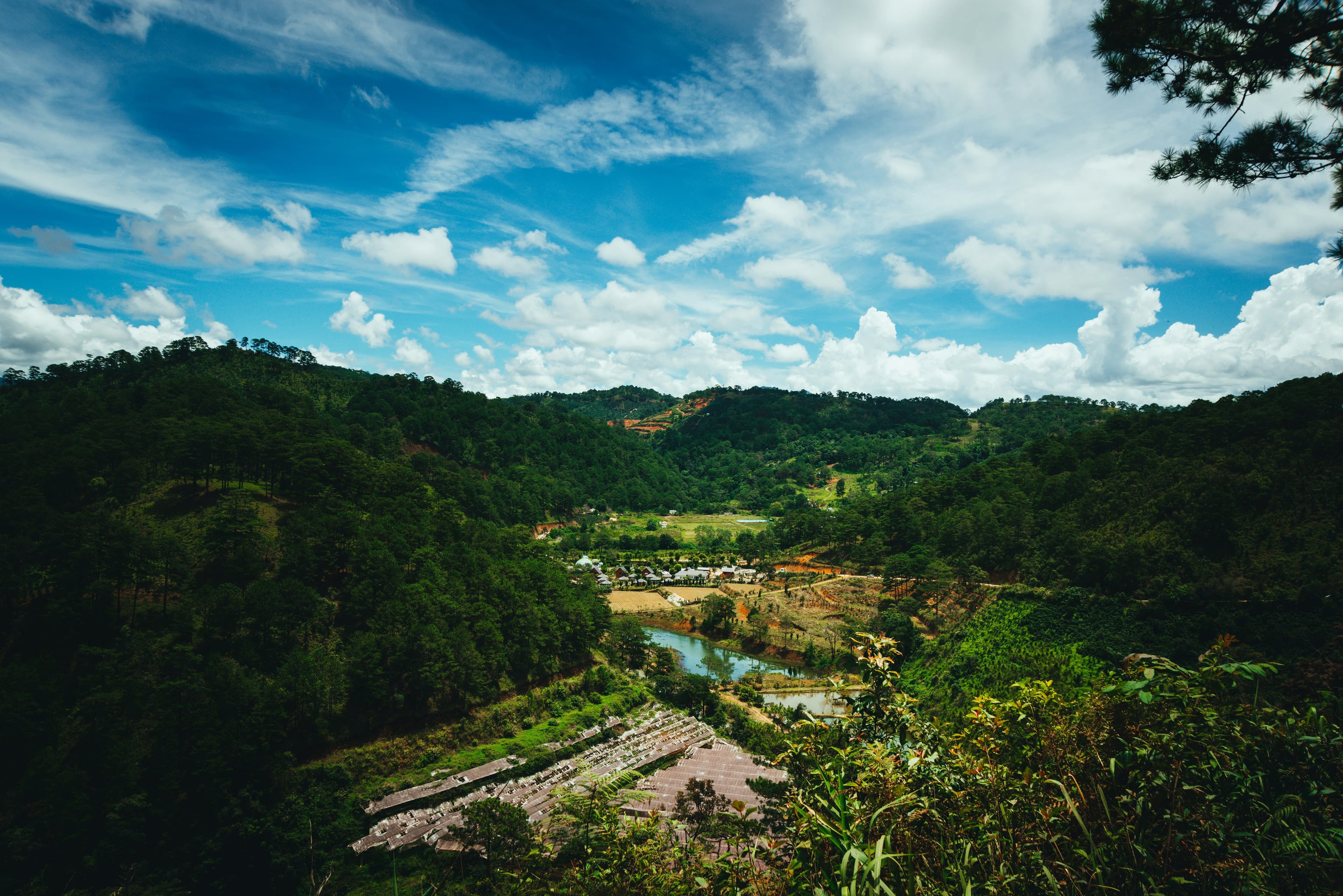
Higher up, you’ll notice the air getting cooler and the surroundings changing into forests and farmland. Around Da Lat, you’ll see how coffee is produced, with hints of French colonial architecture still visible in the town. All the waterfalls and nature spots give you a different kind of day compared to the cities. We’d always suggest adding this stop if you want more variation in your trip.
Ho Chi Minh City and the south
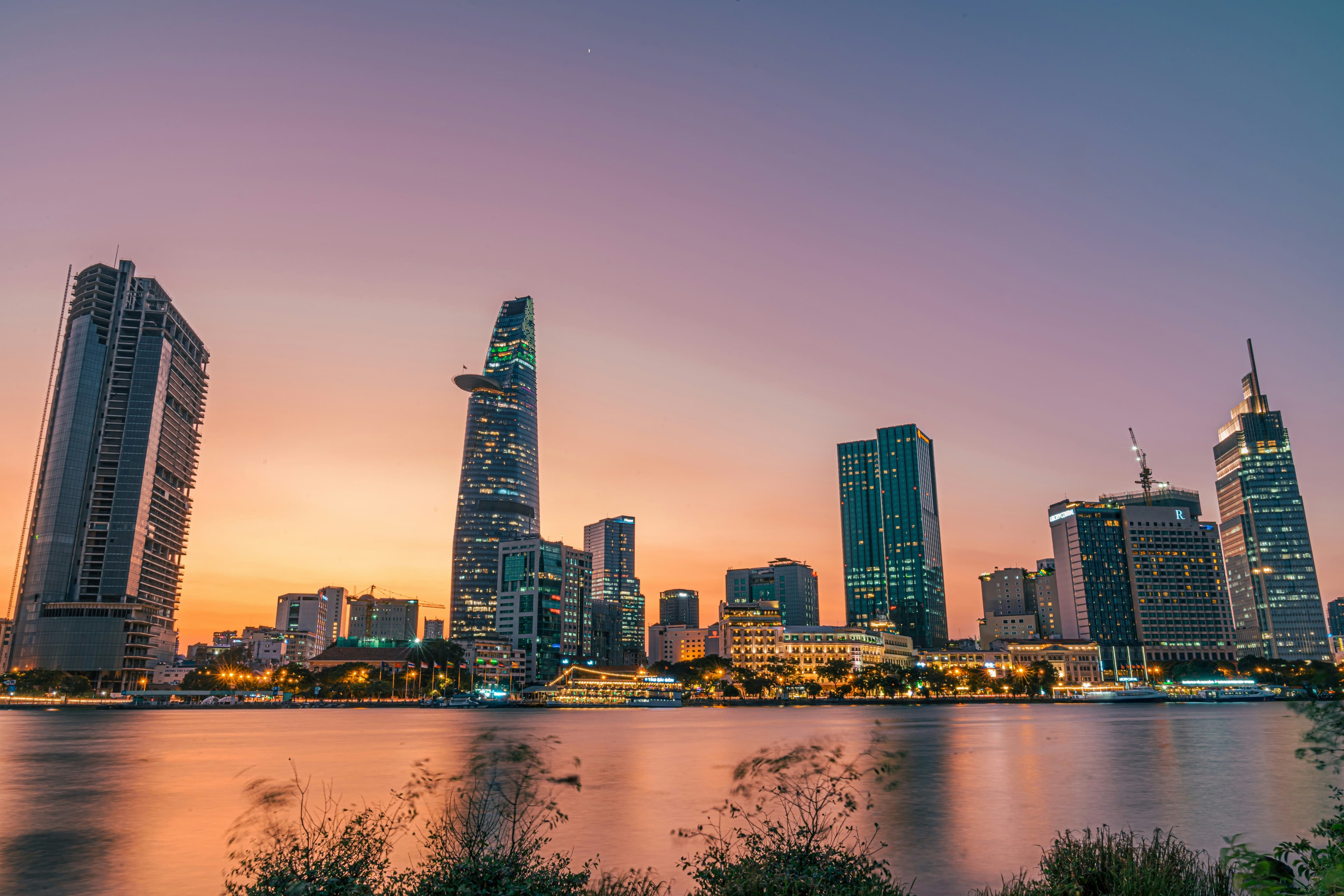
Once you arrive in the south, you’ll notice straight away how everything speeds up, scooters passing you from every direction and barely slowing down. After a bit, you’ll start to recognise places that tell you more about what the country has been through, and at the same time you’ll keep ending up at random food spots or rooftop views without even planning it.
Mekong Delta
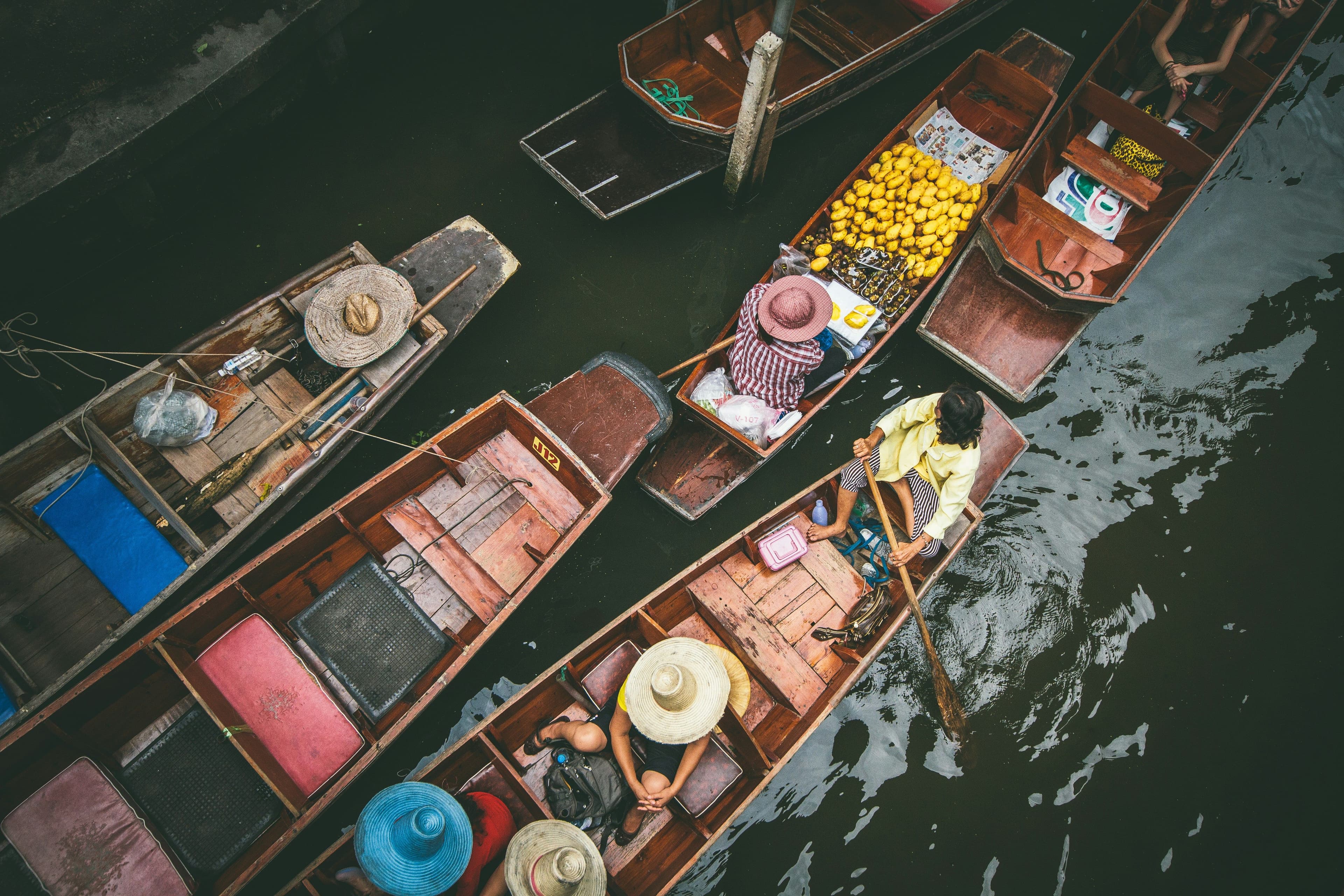
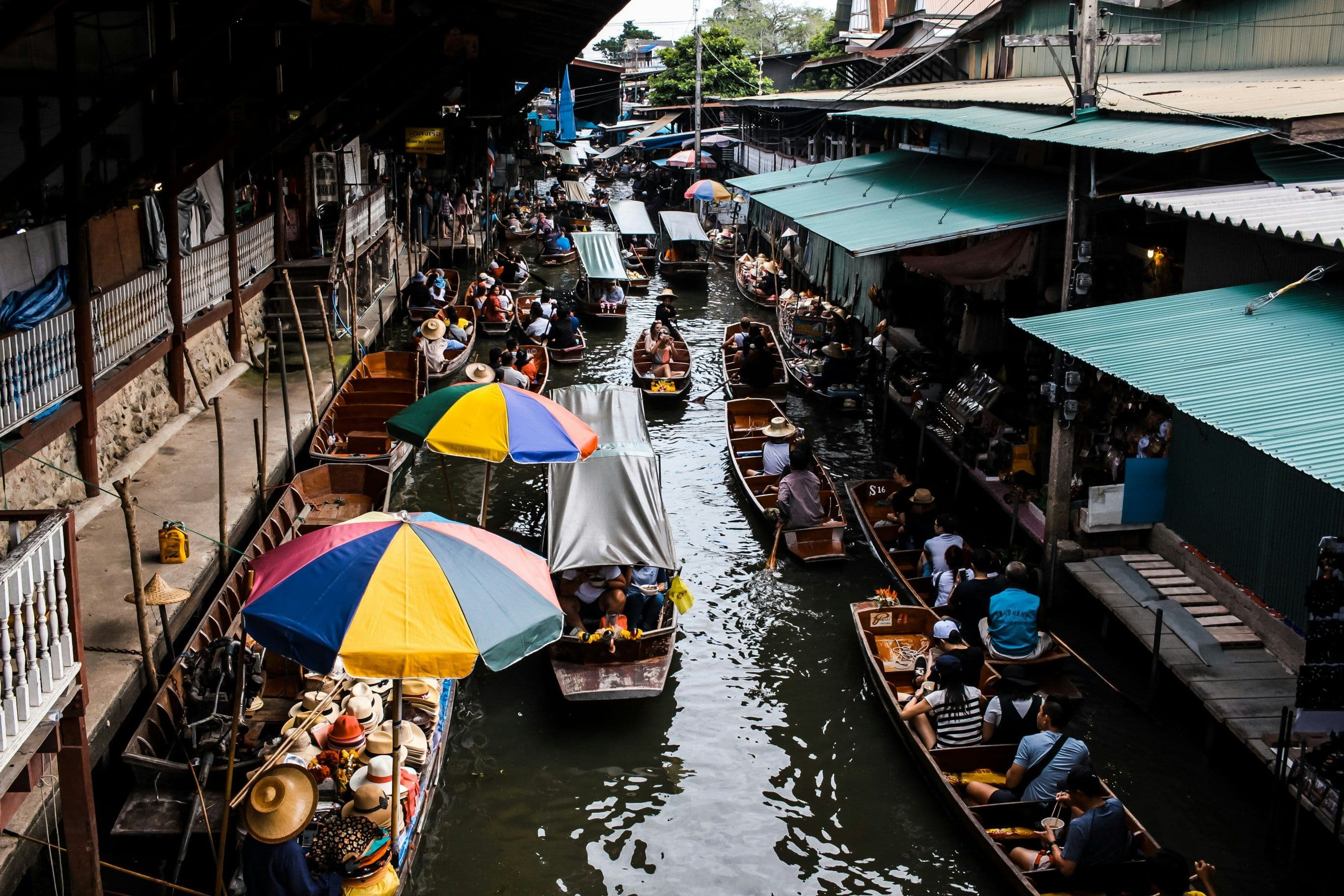
Closer to the border, you’ll move into the Mekong Delta, where life happens on the water connected by the Mekong River. During a boat trip, you’ll pass floating markets and small workshops along the canals. Around you, everything feels more local and less focused on visitors. When you stay overnight, you start to notice how daily life actually plays out here, not just what you see during a quick visit.
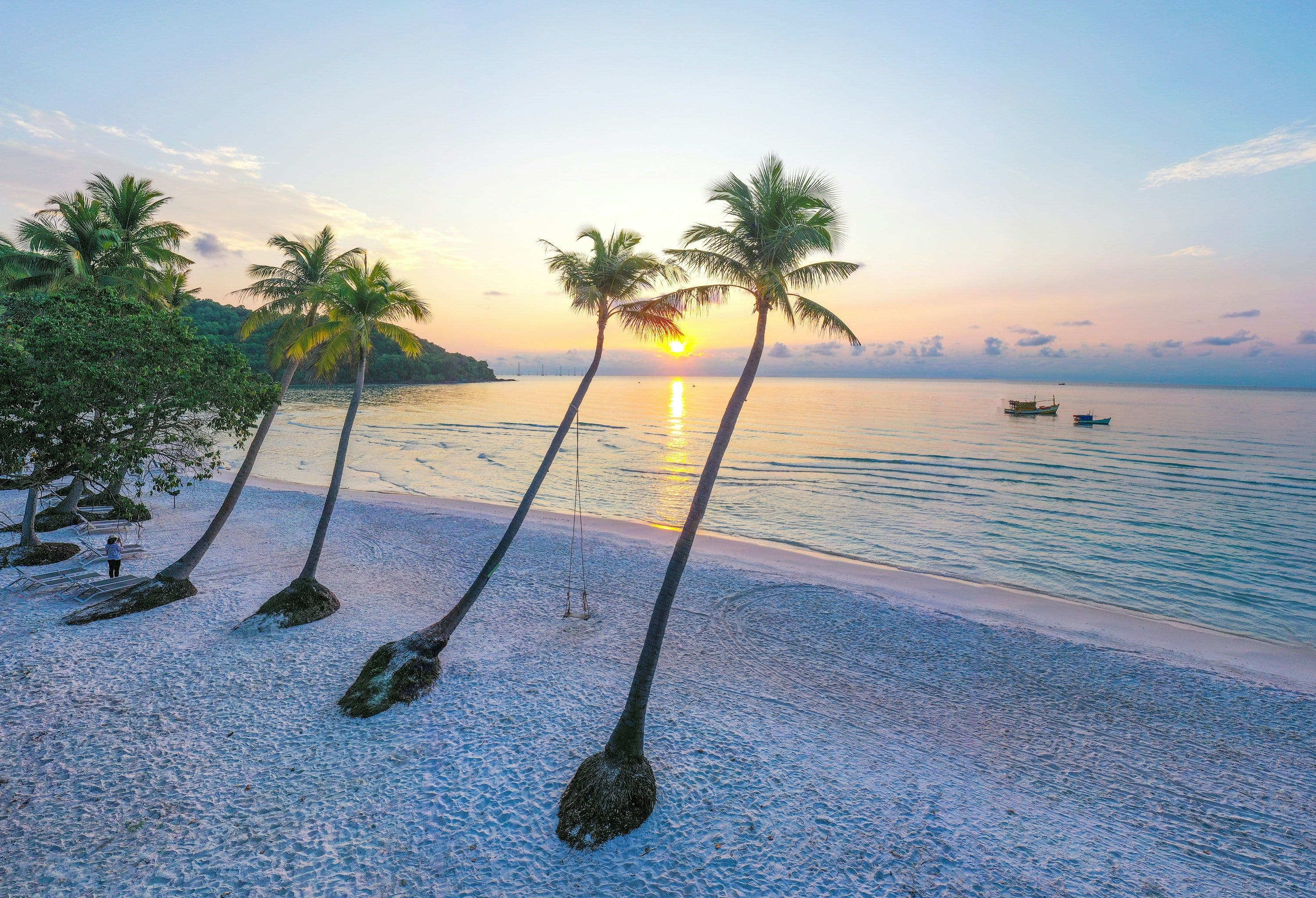
Phu Quoc Island
At the end of your trip, Phu Quoc Island gives you that moment to slow down. Along the coast, you’ll find beaches where you can just spend a few easy days before heading home. Away from the main areas, quieter spots still exist if you look for them.
After going through these places, you’ll probably already have a sense of what fits your trip and what doesn’t. So let’s see how you can combine all the good places to visit in Vietnam into an exciting itinerary.
Our Recommended Vietnam Travel Itinerary
After planning a lot of trips like this, we’ve put together a few Vietnam itineraries that combine the best places naturally, without spending half your time in transport. Let’s take a look at what fits your time and what you can realistically combine.
Vietnam travel itinerary 2 weeks: south to north
Day 1–3: Ho Chi Minh City, exploring markets, street food and local life
Day 4–5: Mekong Delta, with a boat trip through rivers and floating markets
Day 6–8: Hoi An and Da Nang, lantern streets, beaches and local markets
Day 9–11: Ninh Binh and Tam Coc, with a boat ride through rivers and caves
Day 12–14: Halong Bay with one of the overnight cruises and limestone islands
Day 15–17: Hanoi, exploring the Old Quarter and local food
Vietnam travel itinerary 3 weeks: north to south
Day 1–2: Hanoi, exploring the Old Quarter, street food and local coffee spots
Day 3–4: Halong Bay with one of the overnight cruises and kayaking between limestone islands
Day 5–7: Sapa or Ha Giang, trekking through rice fields and staying in local villages
Day 8–10: Ninh Binh and Tam Coc, with a boat ride through rivers and caves
Day 11–13: Hoi An and Da Nang, lantern streets, markets and beach time in central Vietnam
Day 14–16: Da Lat, cooler mountain climate, waterfalls and coffee farms
Day 17–19: Phu Quoc Island, ending your trip with beaches and time to relax
Day 20-21: Ho Chi Minh City and return flight
Both trips work really well also for a solo trip to Vietnam. For shorter trips, you’ll enjoy it more when you don’t try to cover too much distance.
Want more inspiration? Check out the following trips:
What to do in Vietnam?
After mapping out your route, the next step is deciding what to do in Vietnam, since the experiences here are just as varied as the places themselves. This is where Vietnam really gets fun, because every few days you end up in a completely different setting.
Take a boat trip through Halong Bay or Lan Ha Bay
At some point, you’ll find yourself standing on a deck, surrounded by these huge limestone islands. A junk boat slowly moves through the bay, and before you know it you’re kayaking into small caves or just sitting there watching the water change colour. What really changes the experience is staying overnight, since you’ll notice how much calmer it gets in the early morning and evening, and that’s when it’s at its best.
Do a trek through rice fields in Sapa or Ha Giang
Up north, everything suddenly feels completely different, with cooler air and endless rice fields layered across the hills. Walking through this area feels much more personal than just visiting a viewpoint, since you’re actually passing through villages and seeing how people live. When you spend the night in a homestay it becomes even more authentic, since evenings are usually shared over simple meals with local families.
Make your own lantern in Hoi An
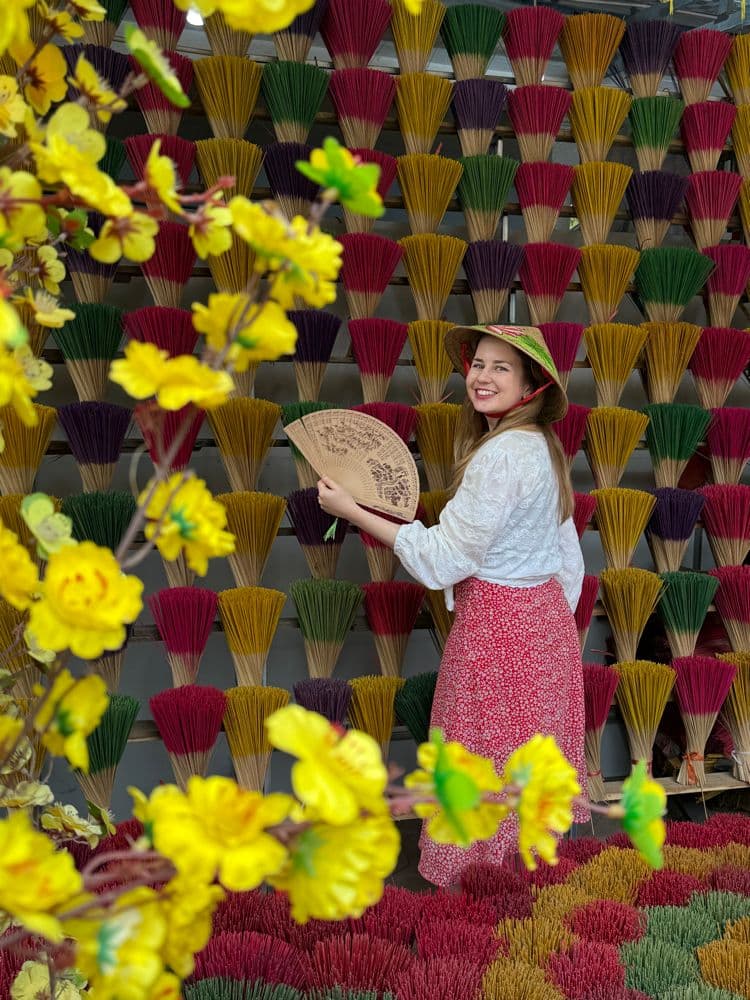
Once it gets dark, Hoi An turns into one of those places where you just keep walking without really having a plan. Around you, lanterns hang everywhere, the river lights up, and instead of cars you’ll mostly see bicycles slowly passing by through the streets. Along the way, small lantern workshops are open where you can make one yourself. Sitting down for food here is part of the experience, since you’re usually right next to the street watching everything pass by.
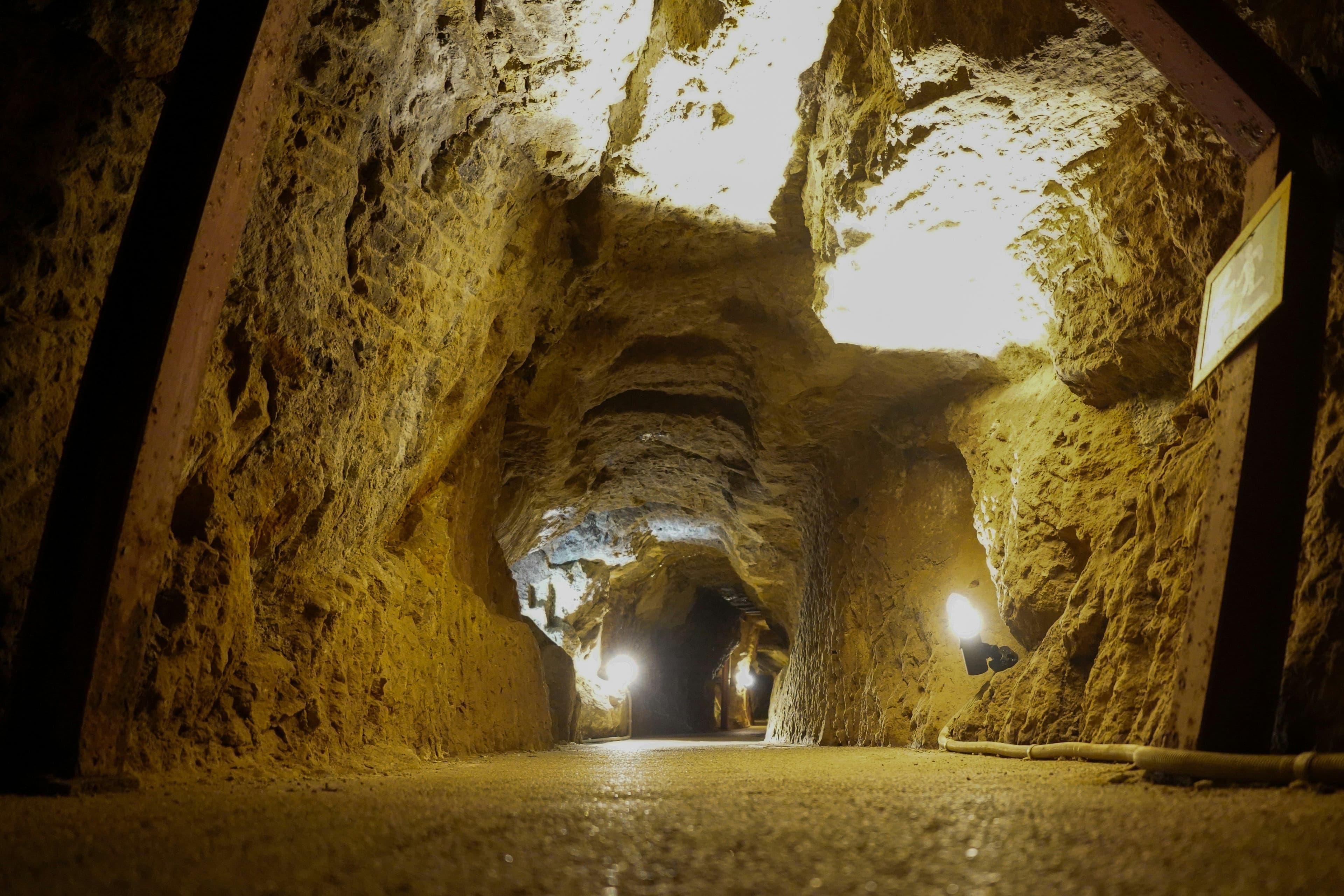
Visit the Cu Chi tunnels near Ho Chi Minh City
Just outside the city, things take a completely different turn, and you get a look into how people actually lived during the war. Crawling through sections of the tunnels gives you a much better understanding than just reading about it. You can listening to the stories while you’re there, which makes everything feel a lot more real.
Take a Mekong Delta boat trip
Down south, life happens on the water, and you’ll notice that straight away. A boat ride through the mekong river takes you past floating markets, small houses and local workshops, all connected by narrow canals.
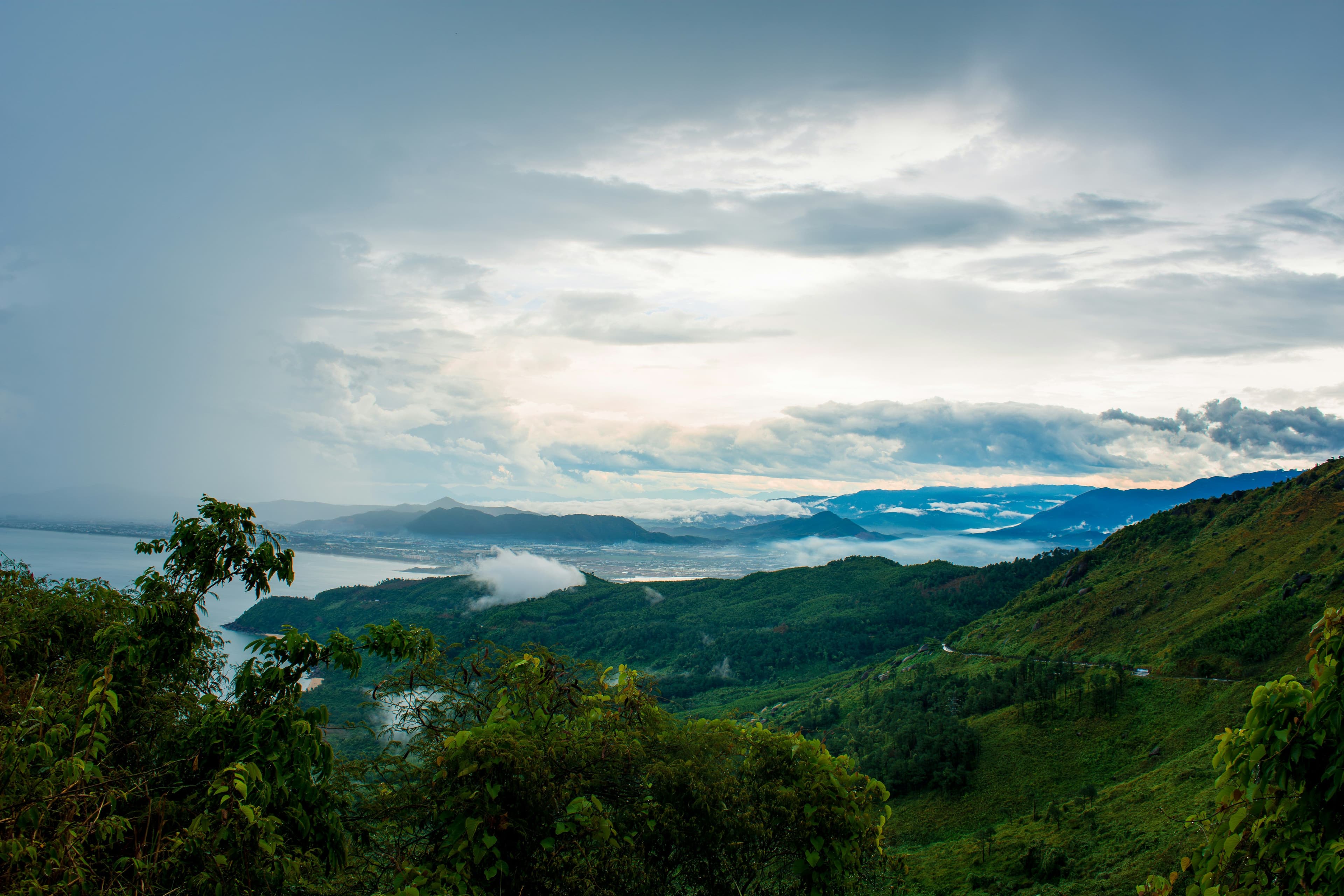
Ride the Hai Van Pass between Hue and Da Nang
At some point along this road, you’ll notice yourself stopping again and again, just because the view keeps changing around every corner. On one side you’ve got the mountains, on the other the sea, and it’s one of those stretches you’ll still think about later. Giving yourself extra time here makes a big difference, since it’s not a place you’ll want to just pass through.
Things to know before visiting Vietnam
Before you even arrive, a few things might catch you off guard, and that’s honestly part of what makes travel in Vietnam so interesting. Though, it is nice to know a few basic things about Vietnam before you go.
Vietnam is bigger than you expect
At first glance, distances don’t look too bad on the map, and it’s easy to think you can cover a lot in a short time. In reality, getting from one place to another can take much longer. The busses here stop frequently, so you can easily sit in a bus for 5-10 hours. A route that looks simple can easily turn into a full travel day. You can also take a domestic flight, which can save a lot of time!
In Vietnam, traffic moves differently than you expect
At a busy crossing, standing still won’t really help, and waiting for a gap might take forever. Once you start walking slowly and consistently, motorbikes simply flow around you, which feels strange at first but quickly becomes normal. Just be careful!
Across the country, the weather changes quickly
Between the north, central areas and the south, temperatures and rainfall can be completely different at the same time. One part of your trip might be cooler or cloudy, and just a short flight away it can be hot and humid. So make sure to pack the right clothes.
Wanna know when to go? Read our blog about the best time to visit Vietnam to see which regions work best each month, what to expect from the rainy season, and how to time your trip right.
On the streets, daily life happens outside
All around you, people are cooking, eating and spending time together right on the sidewalks. The space is used differently here, so walking often means stepping around stools, parked scooters or small food stalls. After a while, you’ll start moving through it without thinking about it.
Outside major areas, English isn’t always common
In bigger cities, you’ll notice things go pretty smoothly when it comes to getting around and asking for help. Once you move into smaller towns, it can take a bit more effort, though a translation app or a few basic words usually get you where you need to be.

Did you know you can create your own itinerary?
Now that you’ve got a better idea of where to visit in Vietnam and what to see in Vietnam, you can start thinking about how your own trip. Do you want to travel from north to south, or would you rather focus on one region and take it slower? It's all up to you. You can easily create your own trip itinerary in the Guided app for free, or use trips shared by others!
Vietnamese etiquette and cultural tips
During your time here, small interactions start to stand out, and you’ll notice that respect shows up in a lot of subtle ways.
In Vietnam, staying calm matters more than you might expect
In situations where things don’t go as planned, raising your voice usually doesn’t help much. Keeping things relaxed and friendly often leads to better outcomes, even when something needs to be sorted.
When you visit temples or someone’s home, showing respect really matters
In these places, covering your shoulders and knees is expected, and shoes are often left at the entrance. Looking around at what others are doing gives you a quick sense of what’s appropriate. Respect for these spaces is taken seriously.
In certain situations, taking photos isn’t always appropriate
In busy areas, you’ll usually be fine taking photos without thinking too much about it. Once you’re in smaller communities, it’s better to pause for a second and check, and a quick gesture or eye contact is often all it takes.
Guided tip: watch how locals interact, since that gives you the best indication of what works in each situation.
Local Food & Drinks in Vietnam
Now we get to the fun part, because food here isn’t just something you plan around, it ends up shaping your whole day without you even realising it. Before you know it, you’re sitting on a small stool by the street, trying something new again, and that’s exactly how most people end up discovering their favourite dishes here.
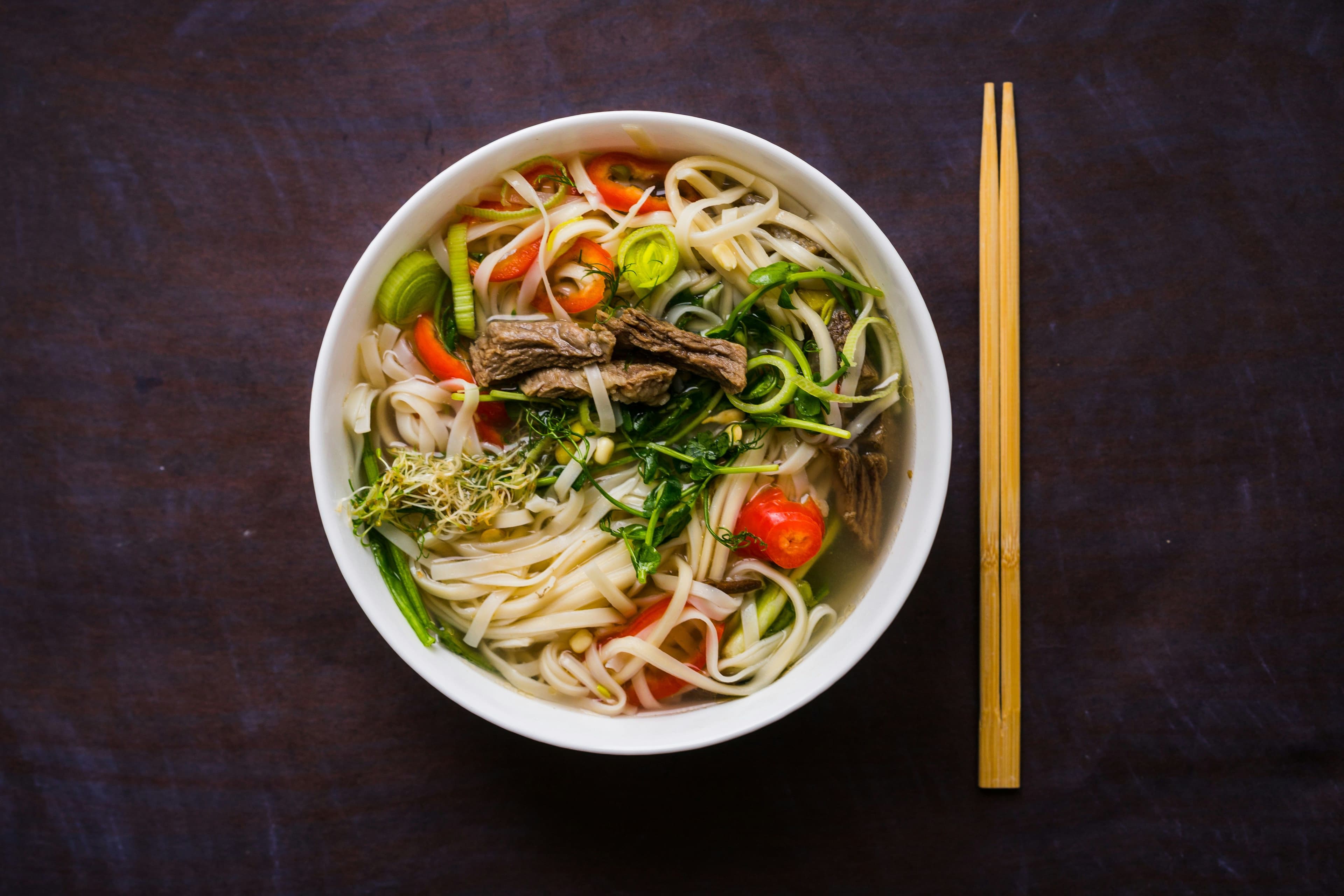
In the mornings, pho is everywhere
Early in the day, you’ll see people sitting down for a bowl of pho on street corners or in small local spots, and it quickly becomes part of your routine too. As you move through different regions, you’ll notice how the broth and toppings change, and those small places that focus on just one dish usually end up being the ones you remember most.
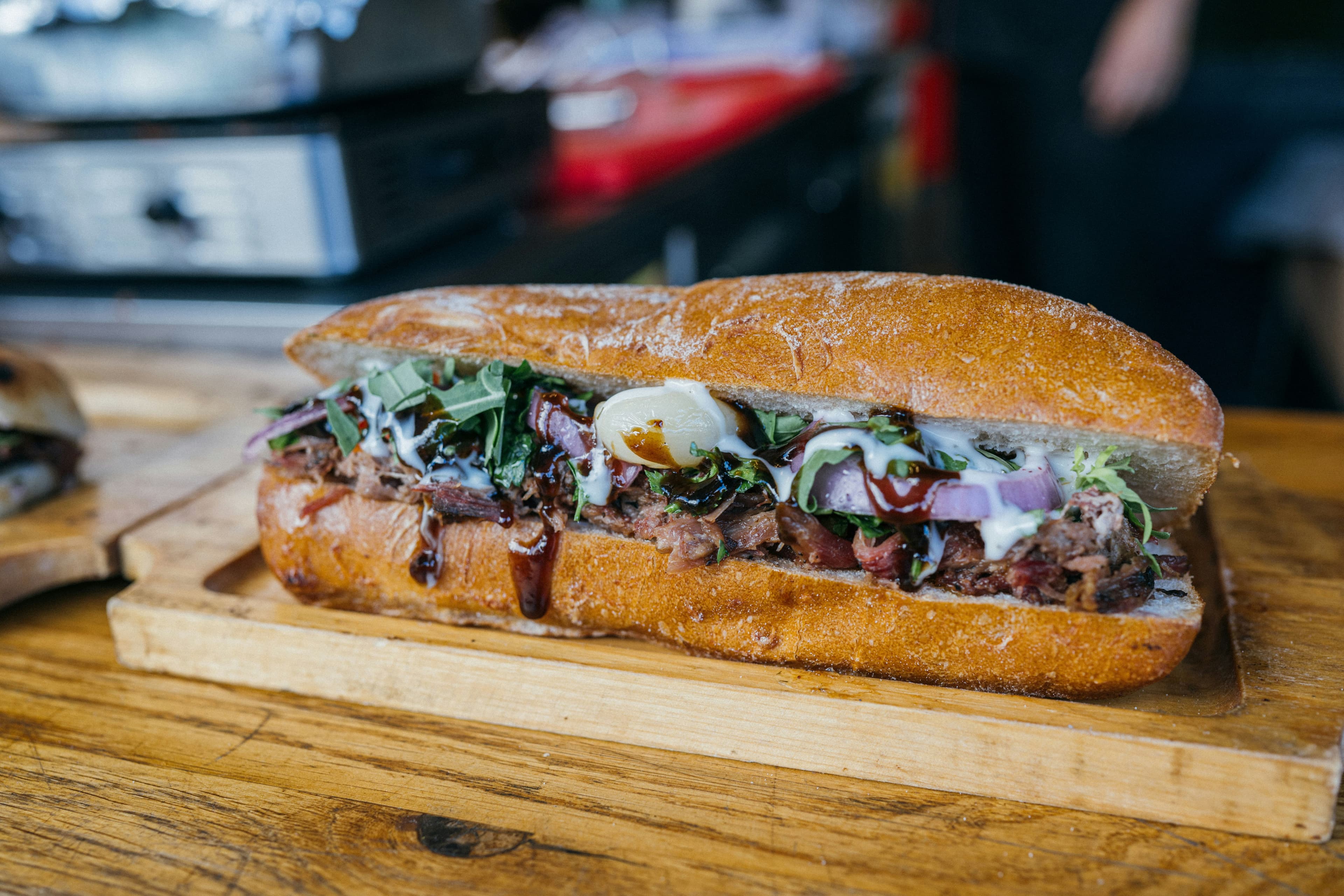
Banh mi stalls
All over the country, you’ll come across small stands where your sandwich is made right in front of you, filled with meat, vegetables and sauces. As you stand there, everything moves quickly and before you know it you’re sitting on one of those tiny stools by the street, eating like everyone else around you.
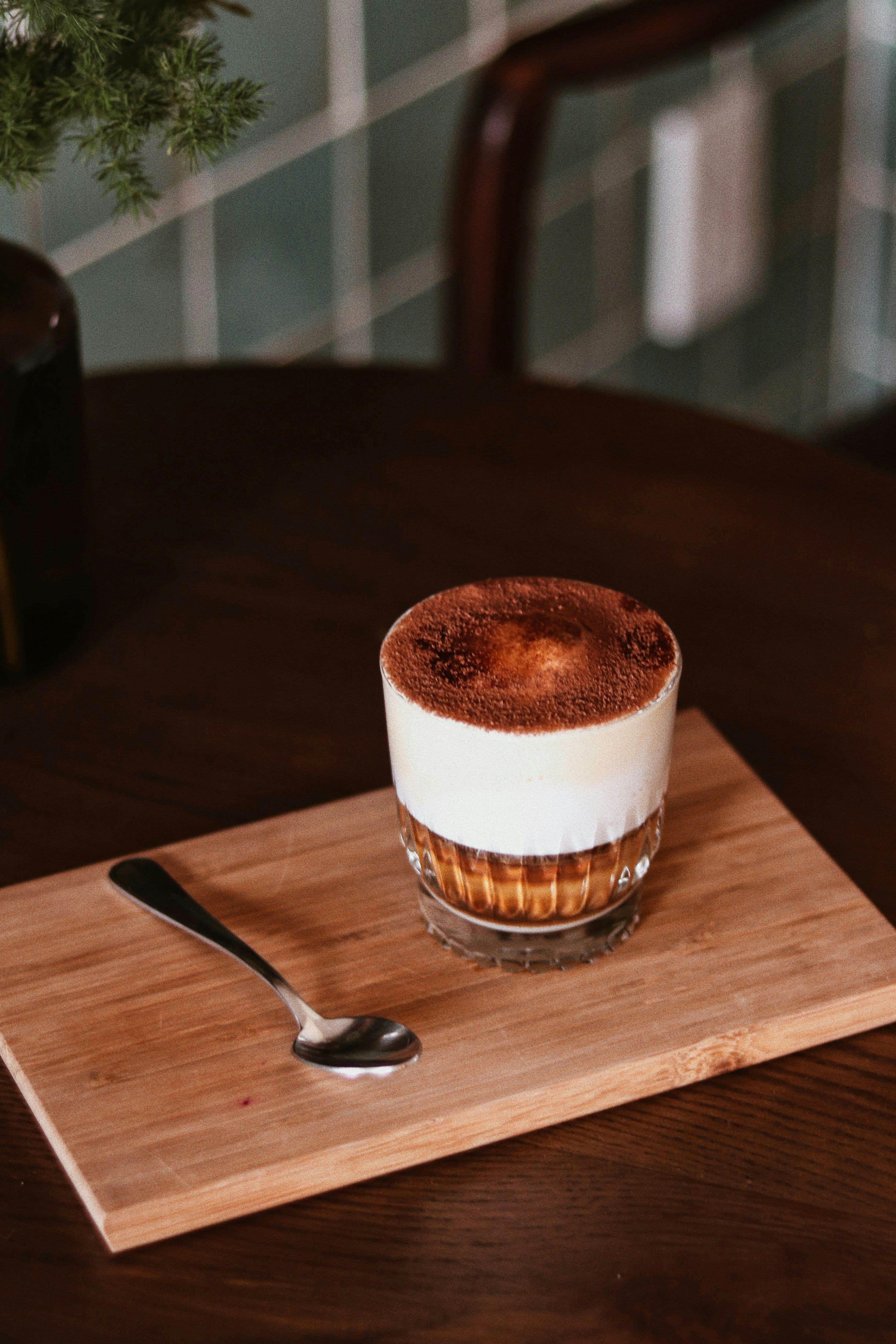
Egg Coffee
Across many places, coffee is more than just a quick drink, with people spending time in cafés throughout the day. All over the country, you’ll notice iced coffee with condensed milk or egg coffee popping up everywhere you go. In some places you’ll sit in a simple local spot, in others something a bit more modern, though both are just part of daily life here.
In warmer areas, fresh drinks are easy to find
At roadside stands, fruit juices are prepared on the spot using ingredients like mango or pineapple. Sugarcane juice is another common option, pressed right in front of you.
Guided tip: look for spots where locals are eating, since those are often the places worth sitting down for a meal.
Culture in Vietnam: what you’ll notice once you’re there
Vietnam is actually one of those places where you start noticing the culture in small everyday moments, not just in temples or museums. Vietnam is actually a country with a history going back thousands of years, and you can still see that in everyday life around you.
Family and respect come first
In conversations and daily interactions, respect for older people shows up all the time, even in simple things like how people speak or gesture. Rather than direct confrontation, you’ll notice how situations are handled calmly, with a preference for keeping things smooth.
History is still part of daily life
Vietnam is actually a country shaped by thousands of years of history, and you’ll notice that in very real ways as you move through it. In Hanoi, for example, you might walk past the Temple of Literature, built in 1070, and just a few streets away see French-style buildings with balconies from the colonial period from around 1887 to 1954.
Around you, red flags with the yellow star hang from houses, cafés and government buildings, a daily reminder of the communist system that has been in place since reunification in 1975 after the Vietnam War. In places like War Remnants Museum, stories from that war are shown in detail. At the same time, you’ll see people practicing rituals at small street altars, burning incense or leaving offerings, traditions that go back centuries.
Traditions and modern life exist side by side
At one moment, you’re passing a temple with incense burning, and just a few steps later you’re surrounded by modern cafés or shops. Both exist next to each other without replacing one another. That contrast you’ll notice in different places across the country.
Looking for more unique places, trips and activities?
Subscribe to our Guided Newsletter for more travel inspiration.
Costs of a trip to Vietnam
Compared to many other destinations, daily expenses stay relatively low, though choices still affect how much you spend. Just make sure you get cash right after you land at the airport, since you’ll end up using it in many places throughout your trip to Vietnam.
Food & Drink

Coffee
20k – 50k VND
Lunch
50k – 120k VND
Beer
20k – 50k VND
Accommodation

Hotels
400k – 1,200k VND
Airbnb
300k – 1,000k VND
Hostel dorm
100k – 250k VND
Transport
Trains
200k – 800k VND
Public Transport
7k – 20k VND
Car Rental
700k – 1,500k VND
Attractions

Museums
30k – 100k VND
Big Attractions
100k – 500k VND
Theatre
200k – 700k VND
Vietnam Travel Tips: Some Practical Advice
As you move through different regions, systems might work a bit differently than what you’re used to, though you’ll get used to it quickly. Let’s take a look at what you’ll come across along the way.
✔ Getting around Vietnam
As you move between places, you’ll notice pretty quickly that transport here works a bit differently from what you might be used to. Instead of cars, most people rely on buses, flights and scooters.
For longer distances, domestic flights are often the fastest option, especially when travelling from north to south. Overnight sleeper buses are also widely used, which means you can travel while sleeping and save time during the day. For shorter distances, regular buses run between most towns, and you can also rent a scooter, which gives you the freedom to explore places that are harder to reach otherwise.
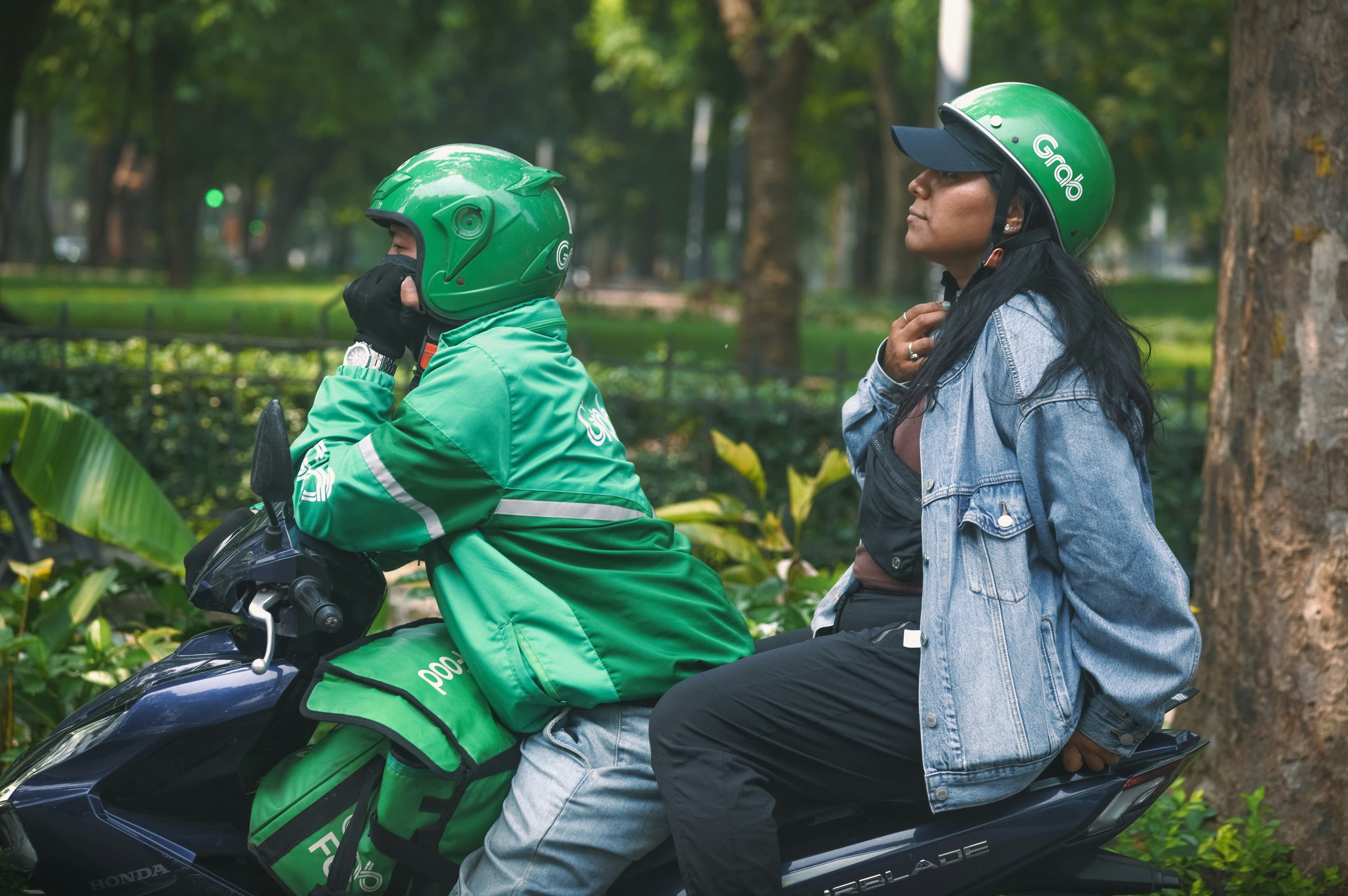
Within cities, Grab is usually the easiest option, since you can book a taxi or motorbike taxi directly through the app without negotiating prices. Even on a motorbike, someone will come pick you up and take you exactly where you need to go, which makes getting around surprisingly simple.
✔ Money and payments
You’ll notice pretty quickly that Vietnam mainly runs on cash, and the currency used is the Vietnamese dong, written as VND or shown with the symbol ₫. For something simple like a coffee, you’re usually paying around 20,000 to 40,000 VND. Smaller purchases like street food or drinks are almost always cash only, and even in bigger cities that still applies in many places. ATMs are easy to find in cities like Hanoi or Ho Chi Minh City, though in smaller towns you might not come across one straight away.
✔ What to pack for Vietnam
Across regions, temperatures and weather conditions can change quite a bit, so packing for different situations helps. Lightweight clothing works for most places, though a jacket is useful in northern or mountainous areas. A rain coat can also come in handy depending on the season.
✔ Tips for solo travelers
For a lot of people, a solo trip to Vietnam ends up being much easier than expected, partly because so many others are doing the same thing. After a couple of days, you’ll notice how simple it is to meet people, arrange plans on the spot and move around.
In most hostels, common areas and group tours make it easy to meet other people within a few hours
Using apps like Grab helps you move around cities without needing to figure things out on your own
Booking buses or tours through your hostel is often the easiest option and usually well organised
Keeping your plans flexible makes it easier to say yes to things that come up along the way
Carrying a local SIM card or eSIM helps with navigation, bookings and staying in touch
Choosing smaller group tours often leads to more interaction compared to larger organised trips
Download offline city maps so you always know where to go
After a few days, travelling alone won’t really feel like travelling alone anymore, since you’ll keep crossing paths with people heading in the same direction.
Fun facts about travelling in Vietnam
Vietnam is full of small details you don’t always expect before arriving, and a lot of them you’ll actually notice during your trip.
More than 50 ethnic groups live across Vietnam, each with their own traditions
The country stretches over 3,000 kilometres from north to south
It’s common to see entire families on one motorbike, sometimes carrying groceries or large items
Egg coffee was invented in Hanoi during a milk shortage in the 1940s
The Vietnamese language uses the Latin alphabet, though tones completely change meanings
Tet, the Vietnamese New Year, is the biggest holiday and can shut down entire cities
Some of these moments will probably become part of your own experience along the way. Vietnam is special in many ways, it’s one of those places where every few days something feels completely different, from the food to the landscapes to the way daily life happens around you. Something about it just makes you want to book your trip to Vietnam and see it yourself.
Ready to map out your trip to Vietnam?
We hope this Vietnam travel guide has given you a clear starting point for your trip. Stay tuned for more inspiration, itineraries and practical tips to help you shape your perfect Vietnam adventure. And don’t forget to check out our Guided app, where you can create your own trip or use trips shared by others for free!
FAQs about travelling to Vietnam
- Is Vietnam worth visiting
Definitely. Across one country, you get a mix of history, food and very different regions, which makes it stand out compared to many destinations. Time spent here often feels varied, since each place adds something new to your trip.
- Is Vietnam safe for travellers
- Do I need a visa to visit Vietnam
- How many days do you need in Vietnam
- What is the best way of travelling Vietnam