

The United Arab Emirates
United Arab Emirates guide: UAE travel tips for Dubai and beyond
Late evening dinners above Dubai Marina and desert skies filled with stars only an hour away: the UAE has so much more to offer besides Dubai. Close to Abu Dhabi, one of the largest mosques on earth covers huge areas with white marble courtyards and beautiful reflective pools, and a few hours later you can already swim or snorkel in the Indian Ocean. Across the United Arab Emirates, more than 80 percent of people originally come from somewhere else, with influences from India, Lebanon, Iran and dozens of other cultures at the same time. This means you can eat Lebanese breakfasts in the morning, Indian street food in the afternoon and fresh seafood dinners beside the coast, all within one trip. And did you know December still stays warm enough for swimming, long after much of Europe and the USA turns cold and grey. So if you’re curious about rooftop dinners, old souks, desert nights, beaches and huge contrasts between futuristic cities and traditional customs, the UAE is right for you. We’ll share our UAE travel tips and guide you through the best places to visit, itineraries, weekend trips and more!
5 reasons to visit the UAE
The UAE is a very unique country to visit because you can go from rooftop dinners and futuristic skyscrapers to mountain roads and desert nights all within the same trip. The warm winter temperatures, cultural contrasts and food from all over the world make every day completely different. But that’s not all: the UAE has so much to offer:
Old souks, mosques and local cafés bring an authentic atmosphere
You can still swim and go to the beach in December and January.
It only takes a few hours to go from skyscrapers to mountains and deserts.
Road trips give you mountain views, kayaking spots and coastline.
Solo trips work well since cafés, beaches and rooftop bars are filled with internationals.
Best places to visit in the UAE
Wondering where you should actually go during a UAE trip? You’re probably thinking of giant skyscrapers and luxury hotels, though when you start driving around a bit more, you can explore mountain roads, beaches, old souks and cultural areas that look completely different from Dubai. Luckily, road connections work really well here, so visiting multiple UAE cities in the same route is super easy. So let’s take a look at some places you’ll probably want to add straight into your plans.
Explore futuristic skyscrapers and beaches in Dubai
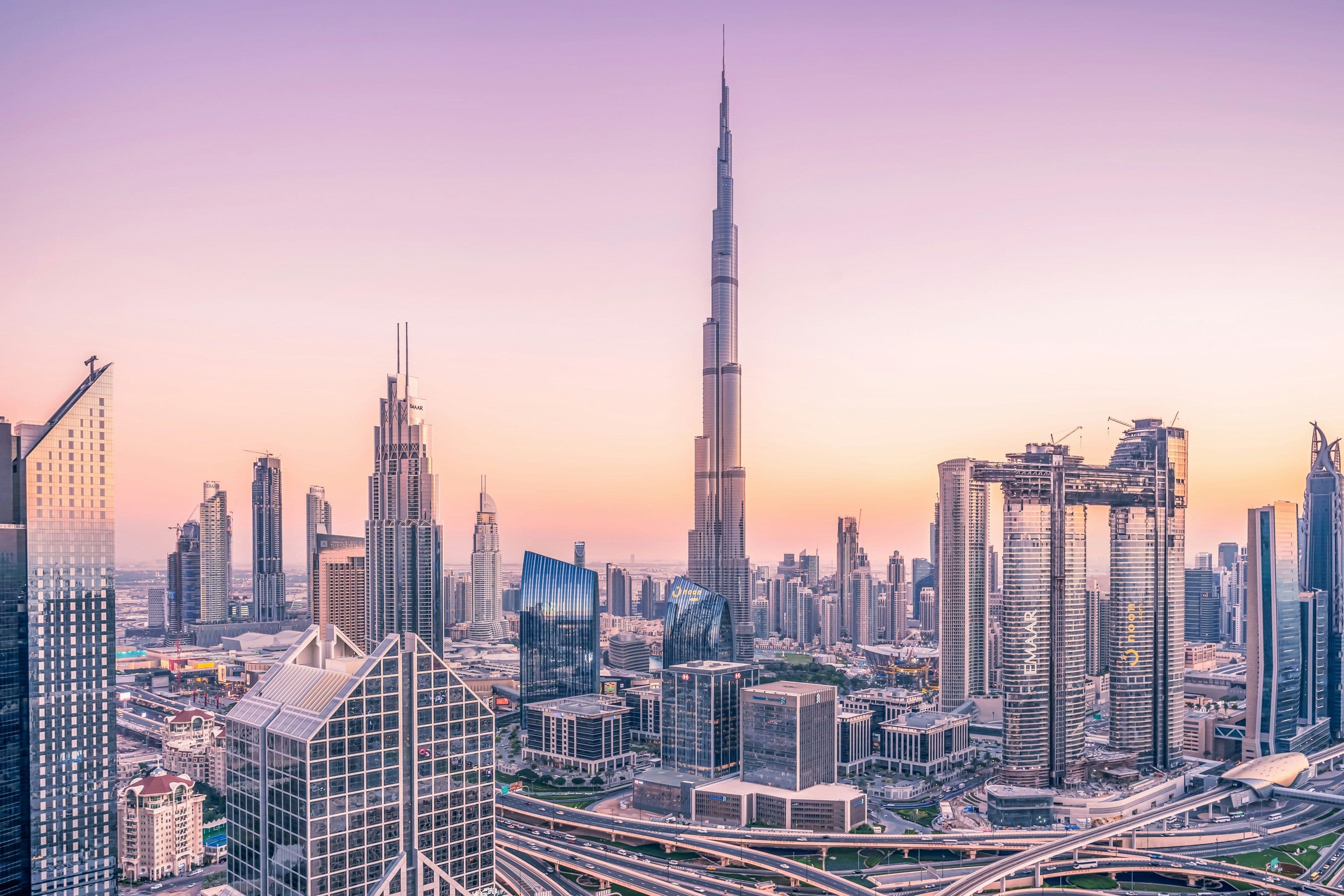
When you travel to Dubai, skyscrapers, rooftop pools and beach clubs completely take over your first few hours. You can start your afternoon near Downtown Dubai with fountain shows, giant shopping areas and views from the Burj Khalifa, then end the same evening beside the marina with rooftop dinners and yachts passing through the water below you. Closer towards JBR Beach and Dubai Marina, you can go for beach walks and late dinners because so much stays open here until really late. Older areas near Al Fahidi and Deira bring a completely different side of the city with spice souks, tiny cafés and wooden abra boats crossing the creek every few minutes. You can also leave the city during the afternoon and already watch sunset above the desert only a little later that same evening.
Visit Sheikh Zayed Grand Mosque in Abu Dhabi
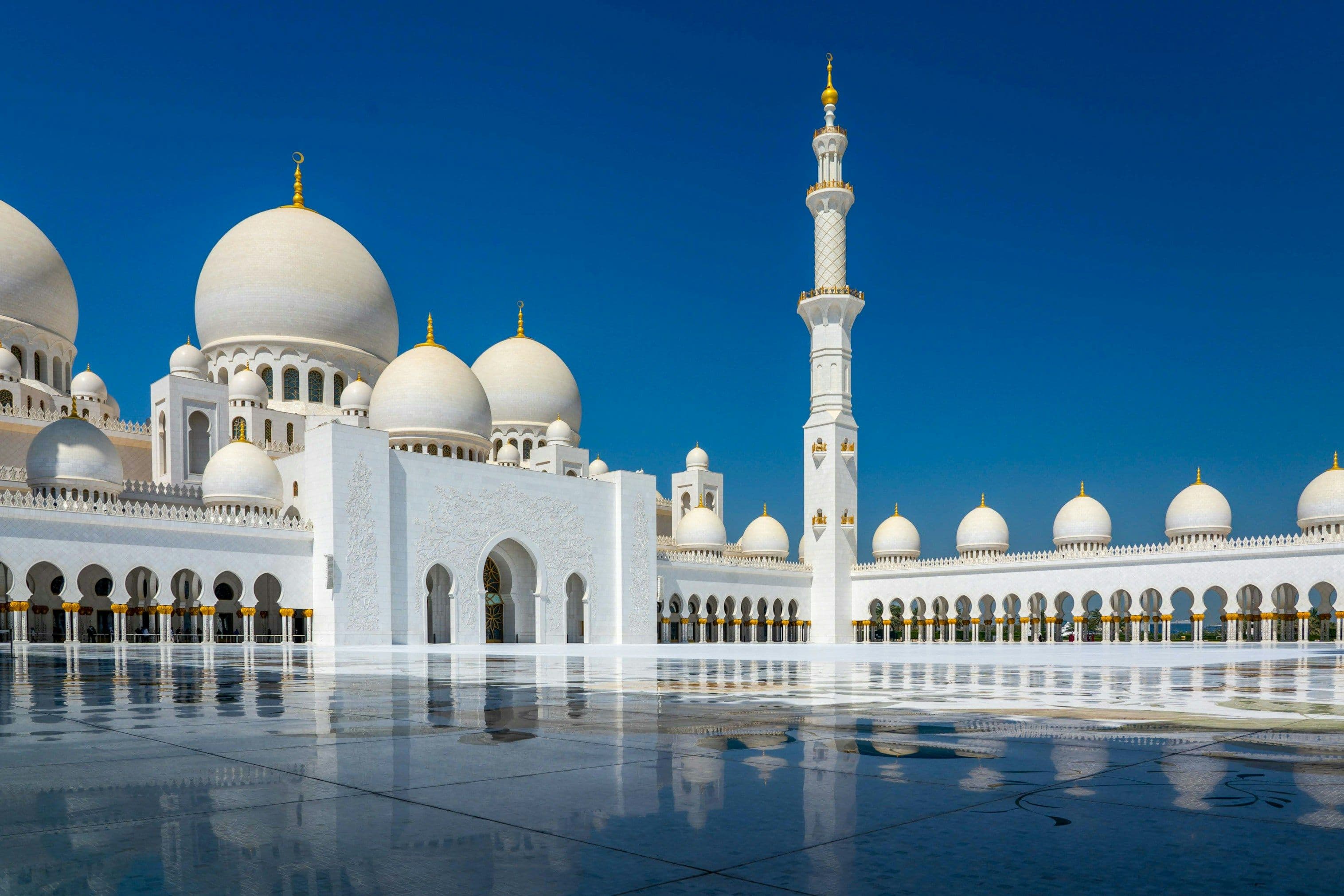
White marble courtyards, giant chandeliers and reflective pools make the Sheikh Zayed Grand Mosque one of the special places in the UAE. You can spend your afternoon cycling beside the Corniche, visiting the Louvre Abu Dhabi or relaxing near Saadiyat Island beaches. Far beyond the mosque itself, Abu Dhabi gives you much more space, wider roads and a calmer atmosphere compared to Dubai. Yas Island also works really well if you like Formula 1, waterparks or shorter city trips packed with activities. And mountain roads near Al Ain and desert viewpoints stay close enough too, so adding nature stops into your route from Abu Dhabi is very easy.
Escape towards the mountains around Hatta
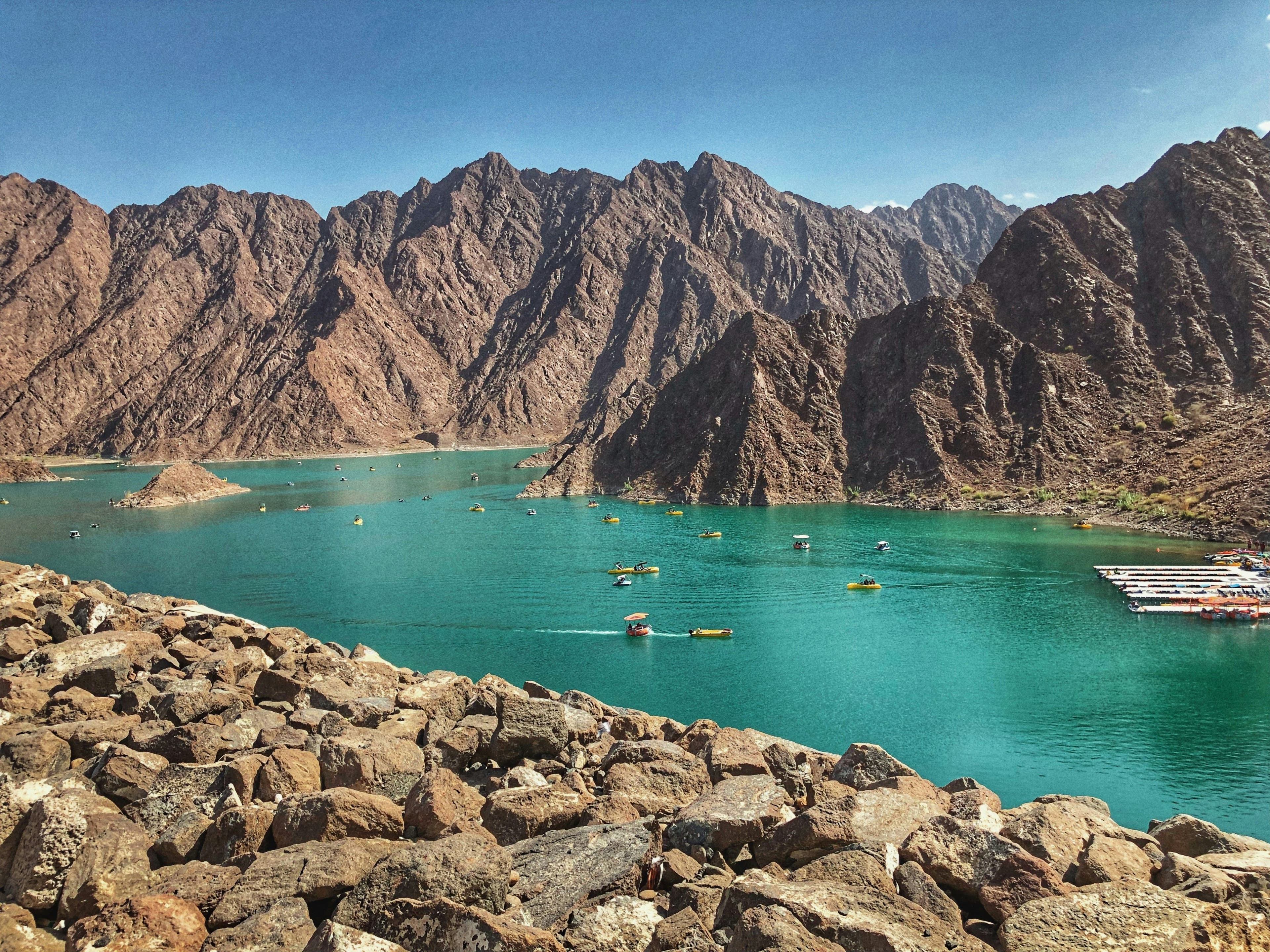
Rocky roads and cooler air completely replace skyscrapers when you drive inland towards Hatta. You can kayak across the reservoir beneath the mountains, stay overnight inside glamping domes or spend hours hiking through dry valleys near the Oman border without seeing giant city buildings anywhere around you anymore. Smaller cafés and mountain lodges spread across the area too, which makes this region really good if you like road trips and slower overnight stops away from the larger cities. Old watchtowers and restored stone houses near Hatta Heritage Village also show you a much older side of the UAE.
Relax on beaches and snorkelling spots in Fujairah
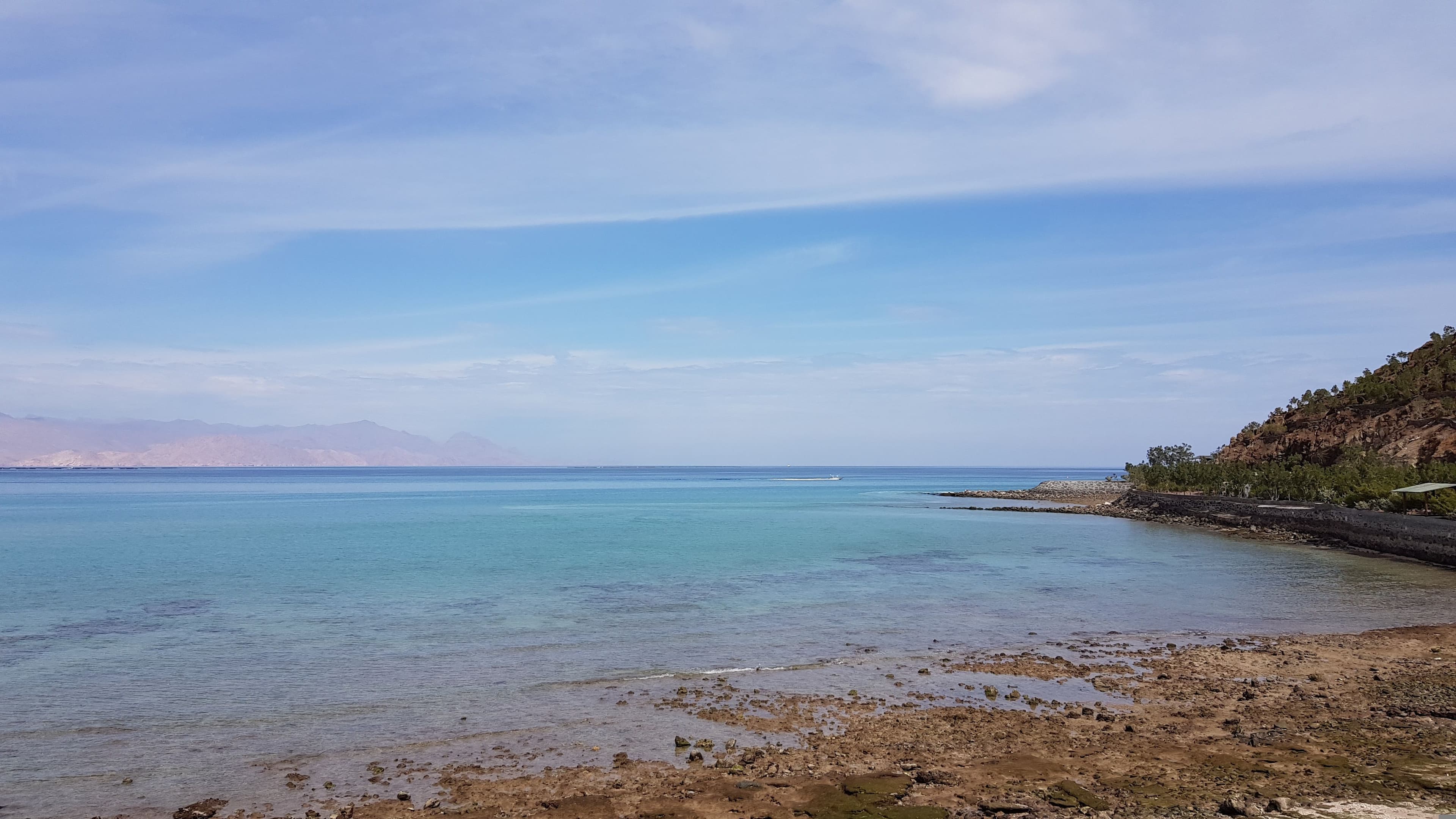
When you reach Fujairah along the east coast, you’ll notice much greener mountain views, warmer sea water and beaches that look completely different from Dubai. You can snorkel near Snoopy Island with colourful fish and turtles during the afternoon, then end your evening beside seafood restaurants directly along the beach. And several hotels even organise diving trips and boat tours directly from the beach. The coastal roads near Dibba and Al Aqah continue directly beside the mountains too, which makes this one of the nicest drives anywhere across the UAE. The cooler sea air here also helps a lot when temperatures rise during warmer months.
Discover museums and heritage districts in Sharjah
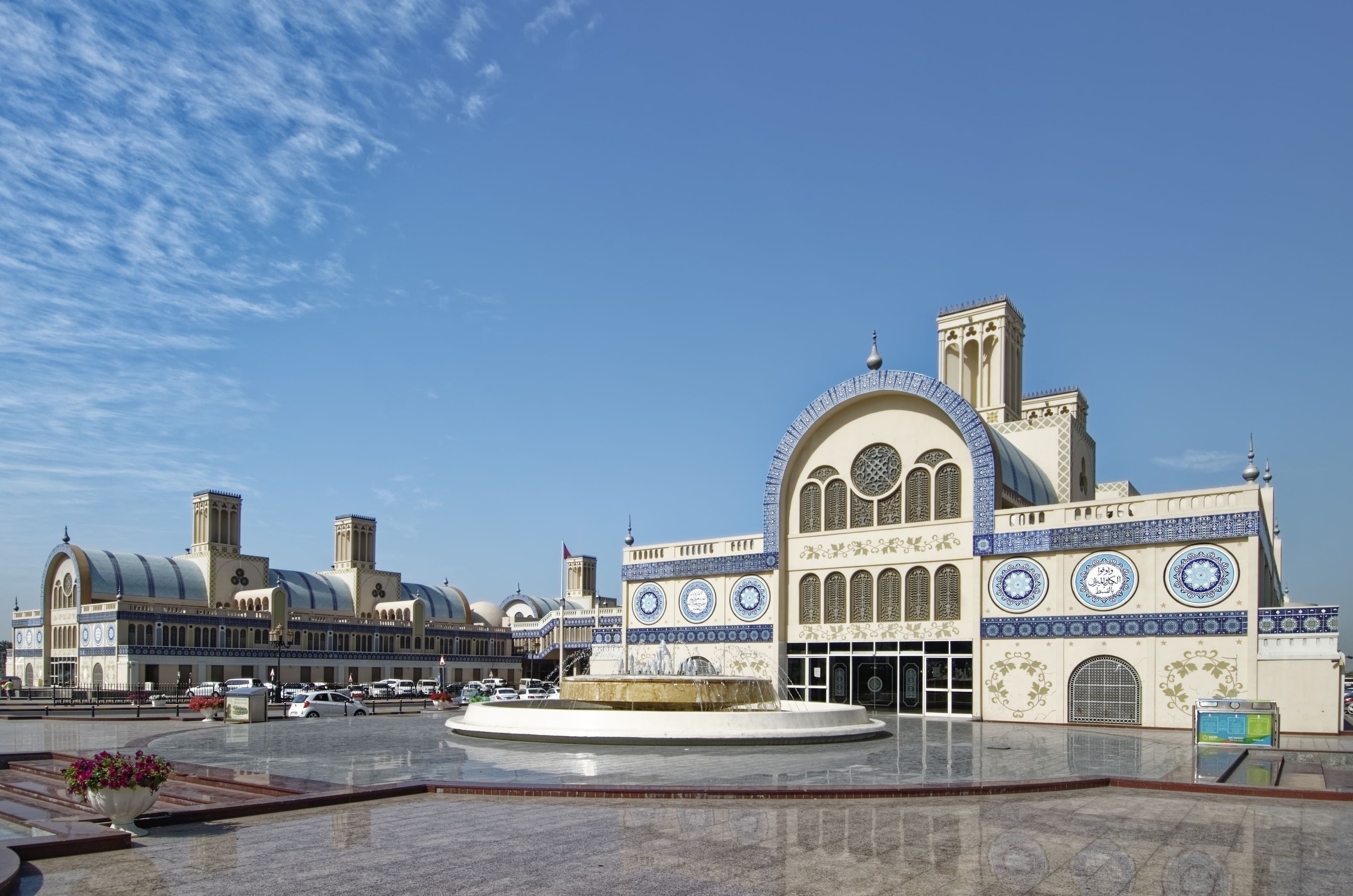
In Sharjah, you can walk through restored heritage districts, visit art galleries and explore older streets. Islamic history and Emirati traditions appear much more visibly here through museums, mosques and public spaces spread throughout the city. The desert areas outside Sharjah also have archaeological sites and ancient fossils dating back thousands of years, which makes this area a really good option if you enjoy history and cultural stops. And later in the evening, the waterfront promenades and cafés near Al Noor Mosque become really nice when the temperatures finally drop a little.
UAE itinerary ideas for your trip
Even though road distances across the UAE stay fairly short, having a rough route planned out still helps a lot once you arrive. We’ve put together a few UAE itineraries that connect beaches, deserts, mountains and cities.
4 days in Dubai and Abu Dhabi
Day 1: Downtown Dubai, rooftop dinner, Dubai Marina and fountain shows near the Burj Khalifa
Day 2: Old Dubai, souks, beach clubs and sunset views near Palm Jumeirah
Day 3: Abu Dhabi, Louvre Abu Dhabi, Corniche and Sheikh Zayed Grand Mosque
Day 4: Yas Island, Saadiyat Beach, Emirates Palace and sunset dinner beside the Abu Dhabi Corniche
One week in the United Arab Emirates
Day 1 to 3: Dubai, beach clubs, rooftop restaurants, old neighbourhoods and shopping areas
Day 4 to 5: Abu Dhabi with museums, mosques and waterfront areas
Day 6: Hatta mountains, kayaking and mountain roads near the border
Day 7: Fujairah coastline, snorkelling spots and seafood restaurants beside the sea
A relaxed weekend in the United Arab Emirates
Day 1: Beach afternoon and rooftop dinner near Dubai Marina
Day 2: Spa afternoon, old Dubai, traditional souks and evening yacht cruise
Day 3: Brunch beside the beach, short desert stop outside the city
Looking for more inspiration? Explore these trips:

What to do in the UAE
Now that you know where your route might take you, the next step is figuring out what you actually want to spend your time doing there. We’ve gathered a few ideas on things to in Dubai and beyond.
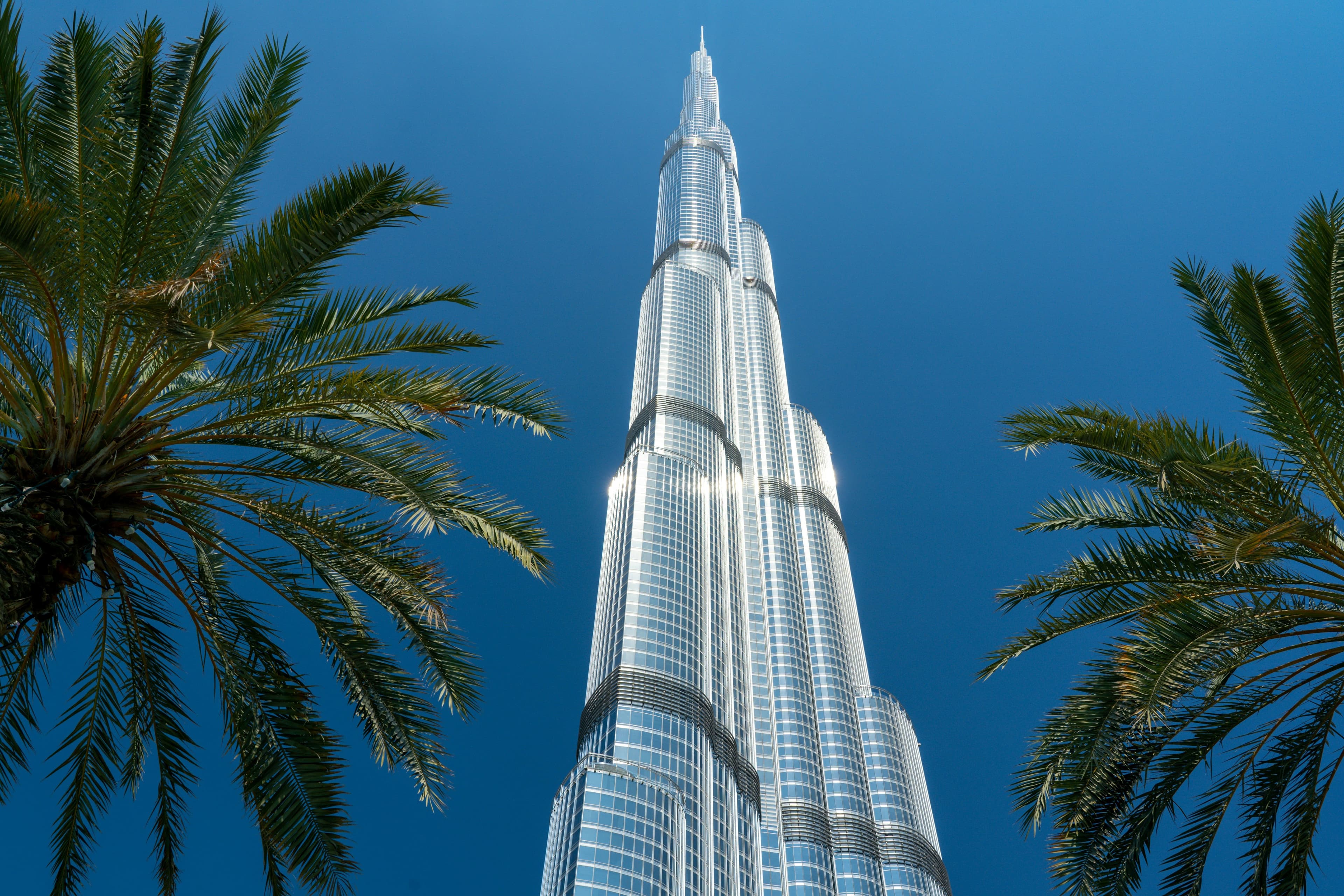
Watch sunset from the top of the Burj Khalifa
Later during the afternoon, Downtown Dubai completely changes once the sun slowly starts dropping behind the skyline. You can book tickets for the Burj Khalifa around one or two hours before sunset, which gives you views during the day first and sunset afterwards. From up there, you’ll see Dubai Marina, the desert outside the city and endless rows of skyscrapers stretching across the coastline. A little later during the evening, fountain shows outside Dubai Mall start every 30 minutes, so staying nearby afterwards is really worth it. Rooftop restaurants near Souk Al Bahar also work really well if you want dinner with skyline views afterwards.
Take a yacht cruise or traditional dhow boat ride
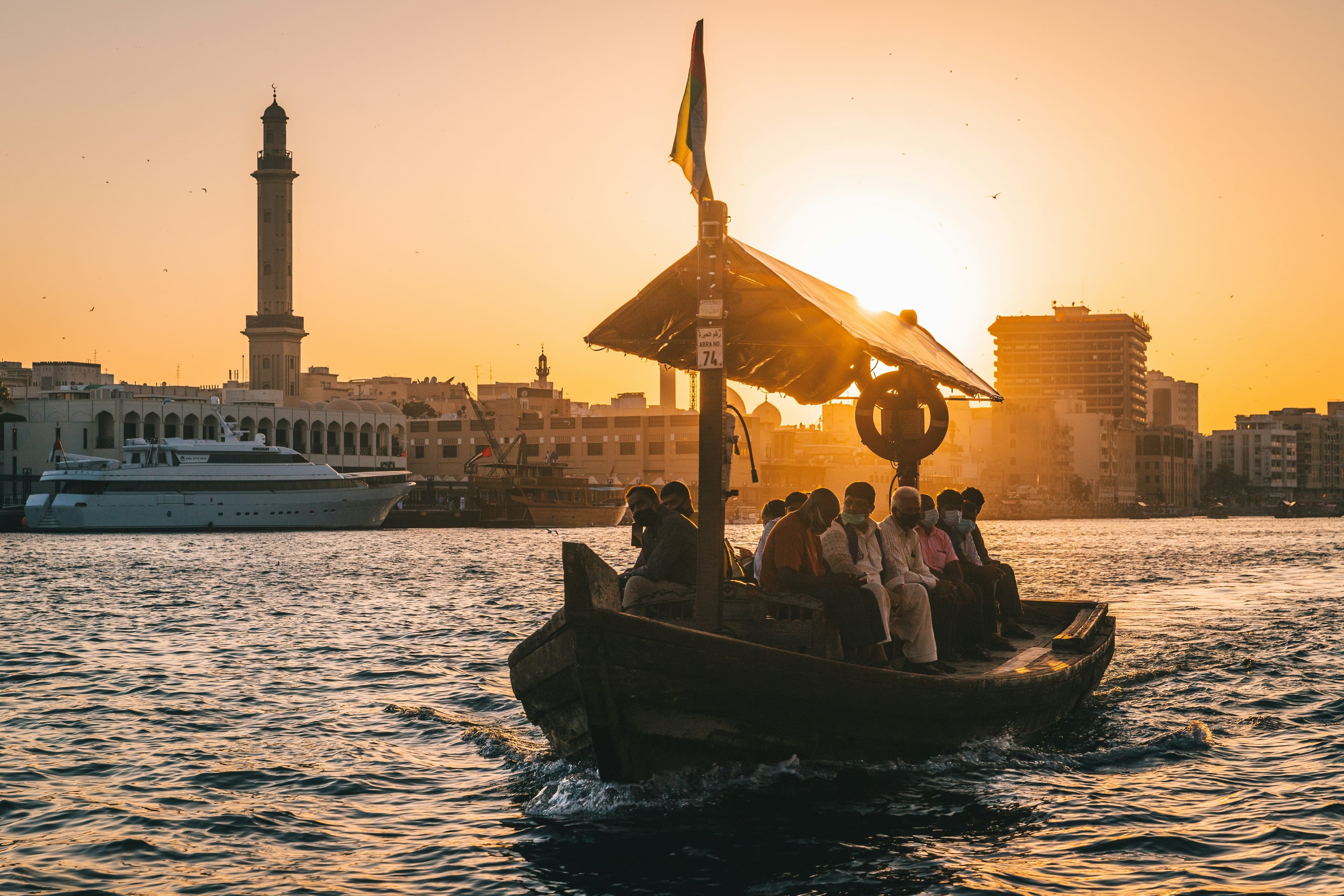
From the water, Dubai looks completely different compared to street level. You can book shorter yacht cruises around Dubai Marina for sunset or choose older wooden dhow boats near Dubai Creek if you want something much more traditional. During evening cruises, routes usually pass Ain Dubai, Atlantis The Palm and huge marina skylines all lit up after dark. Smaller yacht trips also work really well for birthdays or friend groups because food and drinks usually already get included. A little breeze from the water also makes evenings much more comfortable during warmer months.
Spend an evening around old Dubai and the souks
Closer towards Al Fahidi and Deira, the whole atmosphere suddenly changes compared to Downtown Dubai. You can cross Dubai Creek by wooden abra boats for only a few dirhams, walk through the Spice Souk and stop for karak tea beside the water while boats continue passing by every few minutes. Around this part of the city, restaurants usually cost much less compared to Marina and Downtown Dubai too. After sunset, it cools down enough to comfortably spend hours outside just walking through the smaller streets and markets. A lot of Guided travellers like this side of Dubai much more because it actually gives you something more local and traditional.
Visit a traditional Emirati coffee house
Far away from the giant malls and rooftop bars, traditional Emirati cafés give you a completely different side of the country. You can drink Arabic coffee with dates, sit on floor cushions and try local dishes like luqaimat or machboos inside places around Al Fahidi, Al Seef and Sharjah heritage districts. Around these cafés, conversations usually last much longer because people come here more for socialising than quick meals.
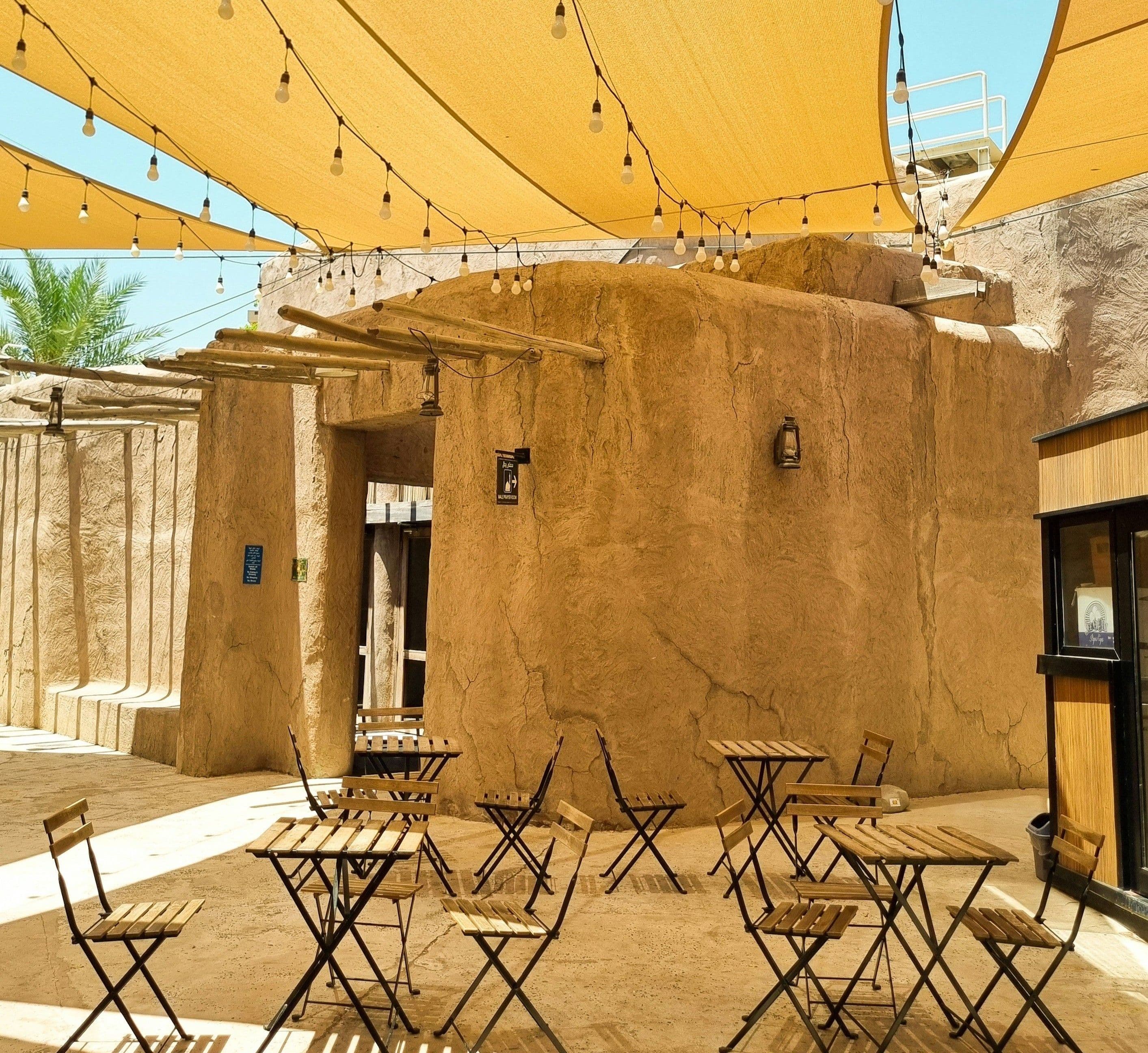
Visit the Louvre Abu Dhabi during the hottest hours of the day
During hotter afternoons, the Louvre Abu Dhabi becomes one of the nicest places to escape the heat for a few hours. You can walk beneath the giant floating roof, visit art collections from Europe, Asia and the Arab region, then stay around the waterfront cafés afterwards before heading back outside later during the day. From inside the museum, sea views appear through the architecture almost everywhere you look. Saadiyat Beach also stays really close by, so beach time and museum visits fit together really easily here. Compared to Dubai, Abu Dhabi usually gives you much calmer city days too.
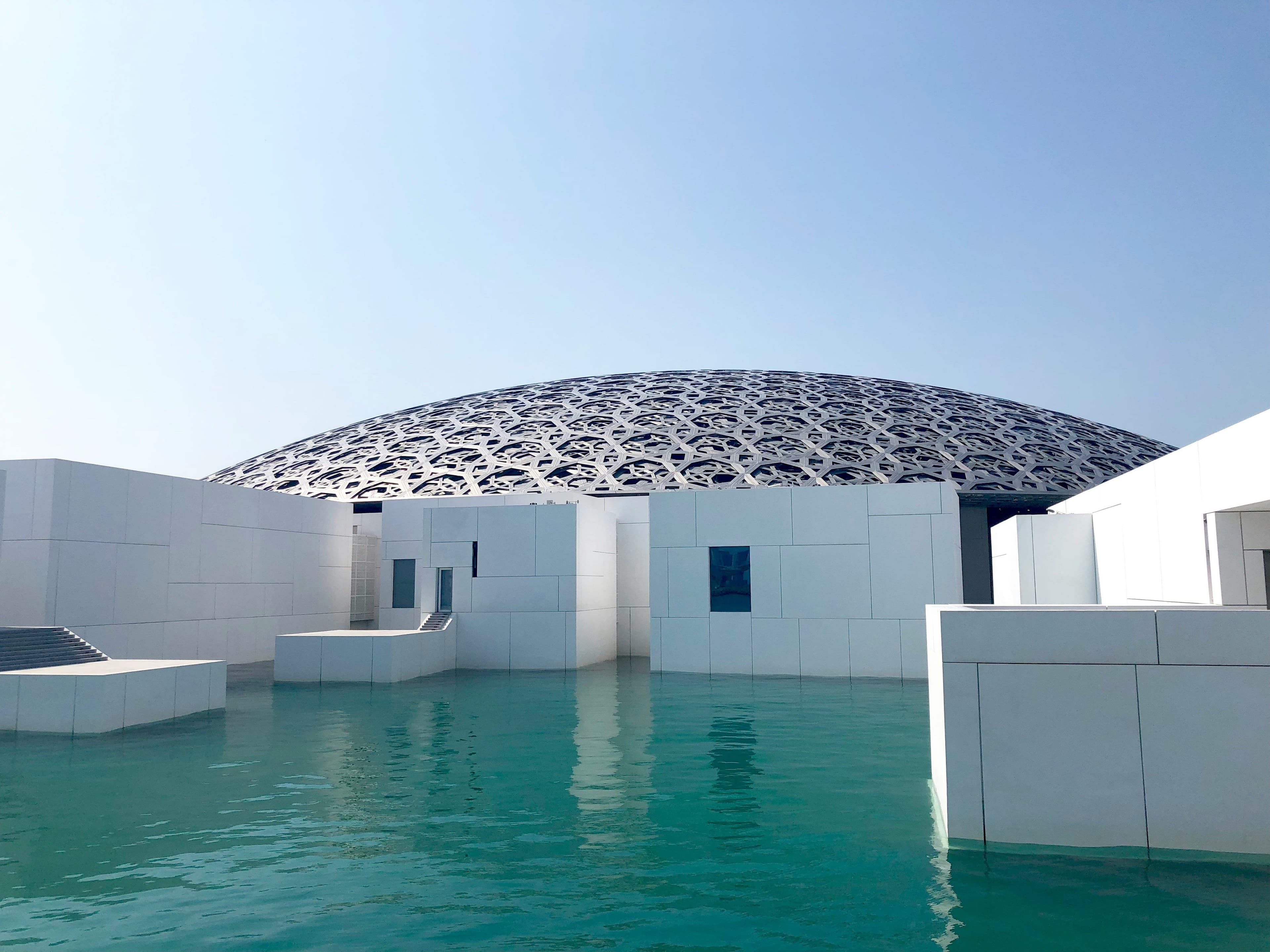
Drive through the mountains near Hatta
After a few busy days in Dubai, you can visit Hatta within only a short drive. You can rent kayaks at Hatta Dam, stop at mountain viewpoints along the road and stay overnight inside glamping domes beside the water. Along the drive, rocky mountain roads slowly replace skyscrapers and giant highways. Near Hatta Heritage Village, restored stone houses and old watchtowers show you a much older side of the UAE too.
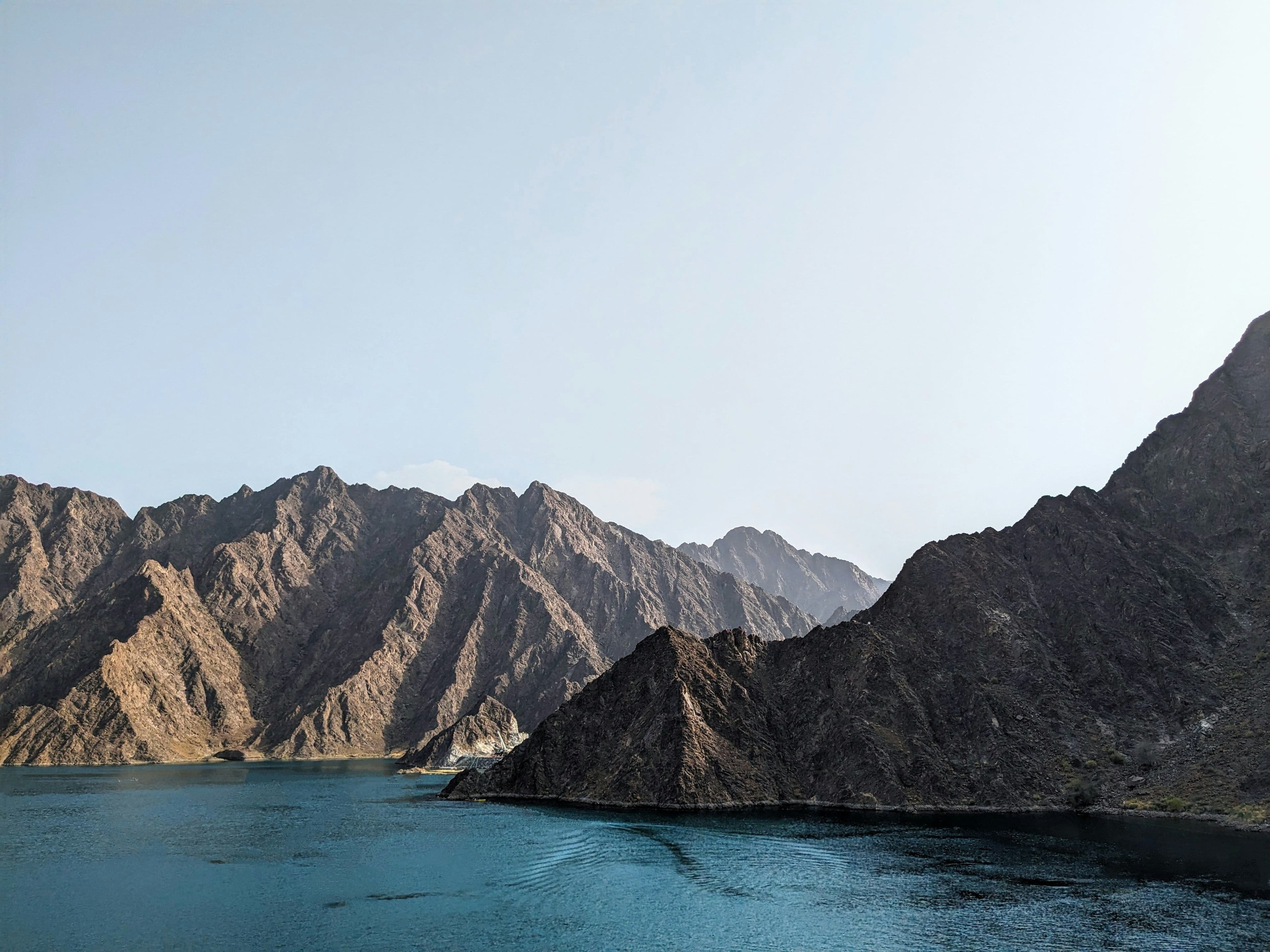
Watch the stars outside Dubai in the desert
Far outside Dubai, bright city lights disappear when you head deeper into the desert. You can book overnight camps with dinner, stargazing and sunrise viewpoints. Smaller desert camps usually create a much nicer atmosphere compared to giant tourist camps with dinner shows. Around some tourist camps, camels stay tied up for photos or short rides for hours in very high temperatures with barely any space to move around properly. We really recommend skipping these kinds of attractions and choosing smaller desert stays focused more on local food, stargazing, nature and desert landscapes instead.
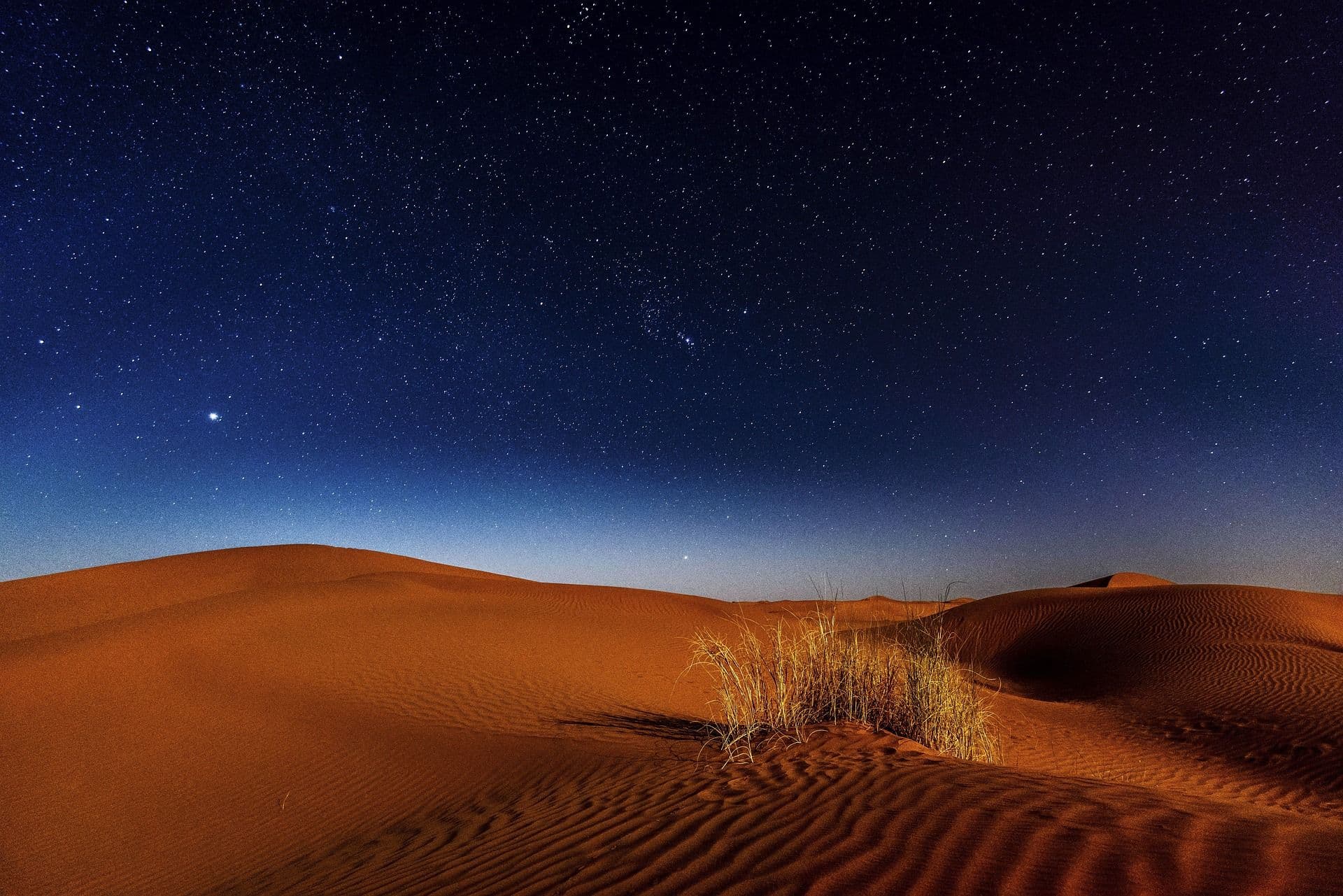
Best months to visit the UAE
Did you know temperatures in Dubai can rise above 40°C during summer, and out in the desert it can get even hotter? Therefore, picking the right month for your UAE trip matters a lot.
Winter: best period for beaches, rooftop dinners, desert trips and outdoor activities
Spring: hotter temperatures, though beach days and city evenings still work well
Summer: extremely hot afternoons, though malls, hotels and beach resorts still stay active because of air conditioning
Autumn: temperatures slowly cool down again, beach afternoons and rooftop dinners are much nicer
During December and January, sea temperatures still stay warm enough for swimming around Dubai and Fujairah.
Not sure when to go? Read our guide about the best time to visit the UAE, where you’ll find exactly when to go for beaches, desert stays, road trips and city breaks.

Did you know you can create your own itinerary?
Now that you know the things to do in Abu Dhabi, the United Arab Emirates, and Dubai you can start creating your own trip. Do you want more time around rooftop bars, beaches and luxury hotels, or are you thinking more about desert nights, mountain roads and traditional souks? It’s all up to you. You can easily create your own trip in the Guided app for free, or use trips shared by others.
Where to stay in the UAE
Most people stay in Dubai during their UAE trip, though other regions across the country can suit your route much better depending on what kind of days you want. Let’s take a look at your options so you can decide what fits best with your plans.
Stay in Downtown Dubai for skyscrapers and city views
Right in the middle of the city, Downtown Dubai places you close to fountain shows, rooftop restaurants and giant shopping areas. You can walk towards Dubai Mall and the Burj Khalifa without constantly needing taxis during the evening. In this area, metro stations also make moving through the city really easy during shorter trips.
Base yourself in Dubai Marina for beaches and nightlife
Late dinners, rooftop bars and beach walks quickly become your evenings around Dubai Marina. You can walk towards JBR Beach, Bluewaters Island and marina restaurants within minutes, which makes this area really good if you like staying outside late at night. Around the marina, cafés and rooftop lounges stay active almost every evening, so solo trips also work really well here. You’ll also have much easier beach access compared to Downtown Dubai.
Spend a few nights in Abu Dhabi for museums and beach days
Compared to Dubai, Abu Dhabi usually gives you a much calmer type of city trip. You can stay near Saadiyat Island for beach resorts and museum visits, or closer towards Yas Island if you want Formula 1, shopping areas and nightlife nearby. Along the Corniche, waterfront walks and restaurants continue beside the sea for kilometres. There is much less traffic compared to Dubai so getting around is easier.
Stay near Hatta for mountains and outdoor trips
In Hatta, you can stay inside glamping domes, mountain lodges or resorts beside the reservoir where kayaking and hiking routes are really close by. During winter months, cooler temperatures here make outdoor cafés and mountain viewpoints much nicer too.
Choose Fujairah for beaches and snorkelling
Along the Fujairah coastline, you can enjoy snorkelling trips, seafood dinners and beach afternoons beside the Indian Ocean. You can book diving trips directly from resorts near Al Aqah or Dibba, then spend evenings beside restaurants directly along the water afterwards.
Guided tip: Splitting your overnight stays across two different regions can be really nice.
Getting around the UAE
The roads across the UAE connect really well, so moving between cities and beach areas is much easier than you’d think. So reaching many of the places near Dubai is pretty straightforward.
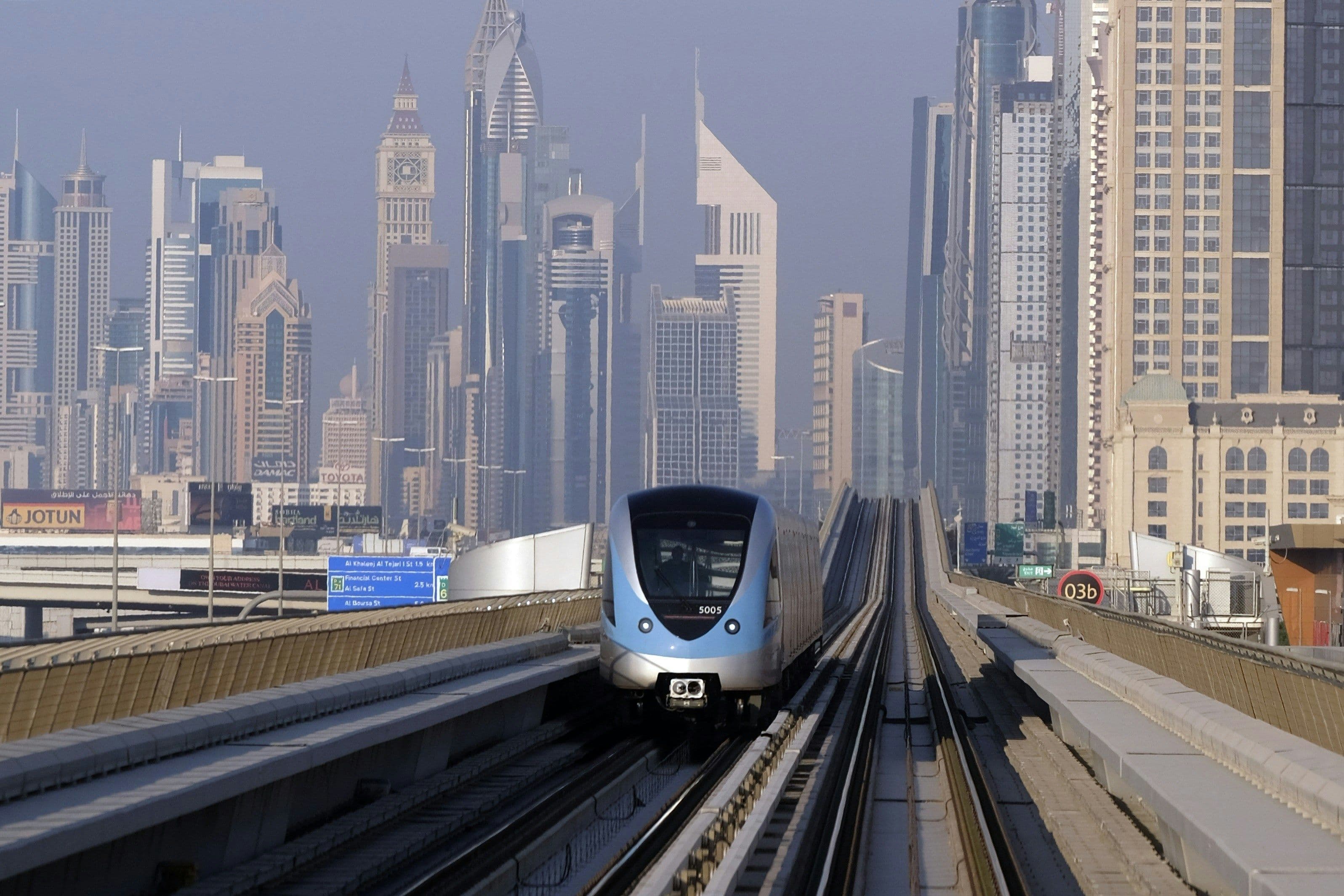
Use the Dubai Metro for shorter city trips
Traffic in Dubai can become pretty heavy later during the afternoon and evening. You can use the Dubai Metro for places like Downtown Dubai, Dubai Marina and the airport, which saves a lot of time during busy hours. If you download the RTA Dubai app beforehand, you can check metro routes, taxi prices and travel times directly from your phone.
Book taxis through Careem or Uber
You can use Careem almost everywhere in the country, and what’s nice is that prices usually stay lower compared to many European cities. Around beach clubs, rooftop bars and marina areas, taxis continue driving all night long too.
Rent a car for mountains and beach road trips
Far outside Dubai, road trips become one of the nicest parts of travelling through the UAE. You can rent cars directly at the airport or through companies like Hertz, Budget and Sixt, then drive towards Hatta, Fujairah or Ras Al Khaimah within only a few hours. Around mountain regions and smaller coastal areas, public transport becomes much more limited too, so having your own car helps a lot there.
Travel between Dubai and Abu Dhabi by bus
Daily buses between Dubai and Abu Dhabi work really well if you don’t want to rent a car. You can use the E100 or E101 bus routes, which usually take around 1.5 to 2 hours depending on traffic. From Ibn Battuta Bus Station in Dubai, buses leave really regularly throughout the day.
Plan flights and airport transfers beforehand
International airports across Dubai and Abu Dhabi stay extremely busy throughout the year because of the huge amount of commercial flights arriving every day. From Dubai International Airport, you can take the metro to Downtown Dubai and Dubai Marina.
Guided tip: Downloading Careem, RTA Dubai and Google Maps before arriving makes moving around the UAE much easier from the first day onwards.
Food and drinks to try in the UAE
Fancy restaurants and luxury hotels get a lot of attention in the UAE, though the smaller cafés and street food places are usually where you can get the best food. Food from Lebanon, Iran, India and the Gulf region all blend together, so you can eat something unique every day.
Try shawarma from small local restaurants
You’ll get thin slices of chicken or beef wrapped inside flatbread with garlic sauce, fries, pickles and vegetables, usually from tiny restaurants around Deira, Al Karama and Jumeirah.

Eat machboos, the UAE’s traditional rice dish
Across traditional Emirati restaurants, machboos appears on almost every menu because it’s one of the best known local dishes in the country. You’ll usually get spiced rice with chicken, lamb or seafood cooked together with cinnamon, cardamom and dried lemon. Around Al Fahidi and Al Seef, several restaurants still cook it in the traditional way.

Drink karak tea like locals do
Tiny paper cups of karak tea appear absolutely everywhere across the UAE. You’ll get strong black tea cooked with milk, sugar and spices like cardamom, usually for only a few dirhams from roadside cafés and smaller cafeterias.

Eat luqaimat in traditional Emirati restaurants in old Dubai
Far away from rooftop bars and giant hotel restaurants, older Emirati restaurants near Al Fahidi give you a much more local side of the country. You can sit on floor cushions, and try desserts like luqaimat covered in date syrup. They are crispy and golden on the outside, and soft and fluffy on the inside.

United Arab Emirates culture and daily life
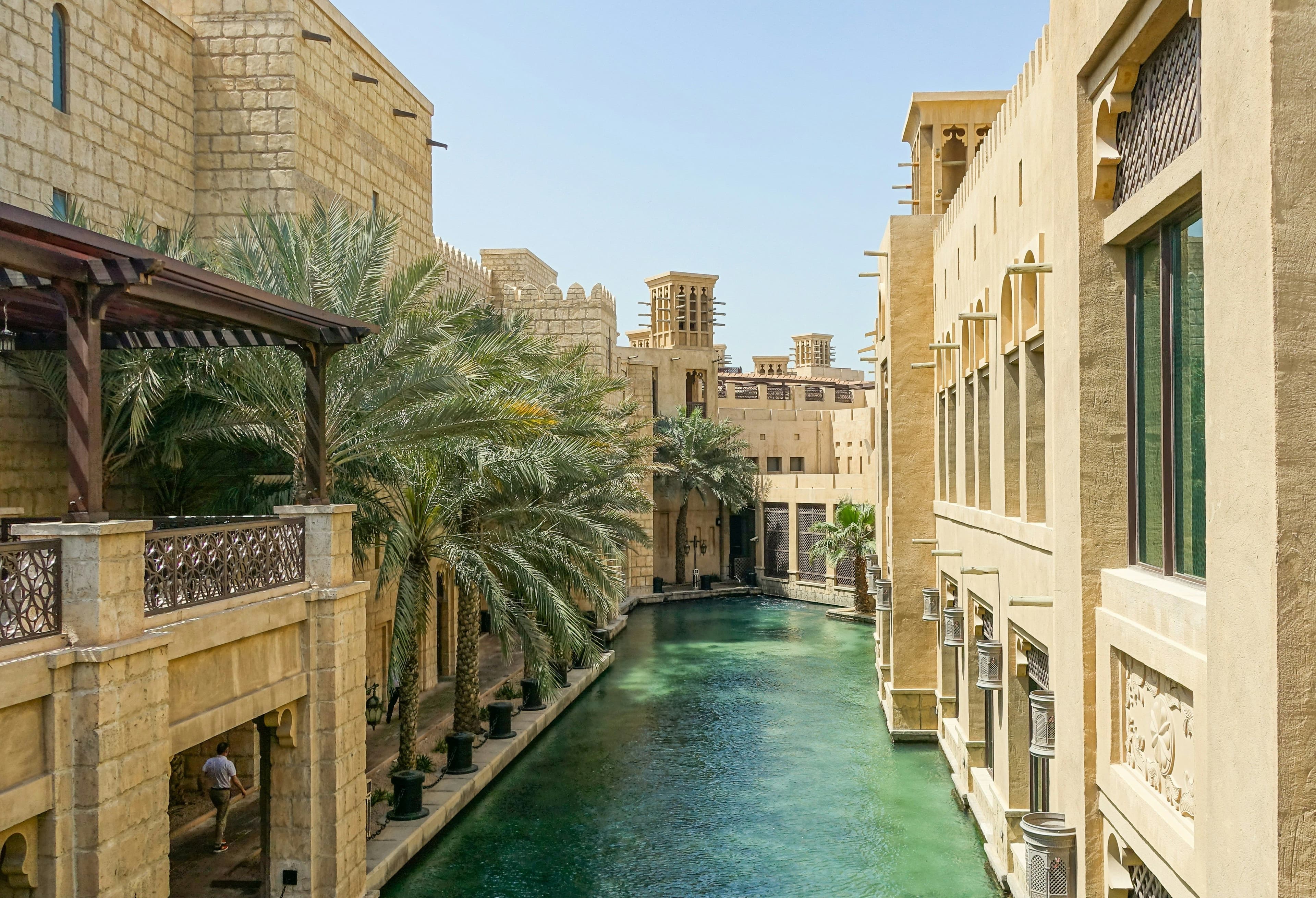
Did you know the UAE only became an independent country in 1971 after the different emirates ended British protectorate agreements along the Gulf coast? Far before giant skyscrapers and luxury hotels appeared, local life here mostly revolved around fishing villages, pearl diving and Bedouin communities travelling through the desert with camels. Around the early 1900s, pearl diving actually became one of the country’s biggest sources of income before oil was discovered a few decades later. Across older neighbourhoods near Dubai Creek and Sharjah, you can still see pieces of that history through wind towers, courtyards and traditional markets that stayed standing long before the modern skyline arrived.
Throughout daily life today, Emirati traditions still stay visible everywhere even with millions of international residents now living across the country. You’ll notice Arabic coffee and dates appearing during greetings, prayer calls echoing across the cities several times a day and local families gathering together really late during the evening. During Ramadan, restaurant schedules and public life also change quite a bit because fasting stays a very respected part of everyday life here.
Looking for more unique places, trips and activities?
Subscribe to our Guided Newsletter for more travel inspiration.
Costs of a trip to the UAE
Planning to go to the UAE and wondering what things will cost? The luxury hotels and rooftop restaurants can get very expensive here, though local food, taxis and public transport sometimes cost much less. Let’s take a look at the average prices for United Arab Emirates travel expenses.
Food & Drink

Coffee
15 – 30 AED
Lunch
25 – 60 AED
Beer
45 – 70 AED
Accommodation

Hotels
350 – 1.2k AED
Airbnb
250 – 900 AED
Hostel dorm
35 – 180 AED
Transport

Trains
3 – 15 AED
Public Transport
3 – 10 AED
Car Rental
120 – 350 AED
Attractions

Museums
50 – 70 AED
Big Attractions
170 – 500 AED
Theatre
150 – 600 AED
Practical UAE travel tips for your trip
First time visiting the UAE, and wondering what you should sort before your trip starts? We’ve gathered a few practical UAE travel tips that will make things much easier from the moment you arrive.
✔ Download Careem before arriving
Around Dubai and Abu Dhabi, most people use Careem or Uber instead of trying to find taxis on the street. You can book rides directly through the app, pay by card and avoid discussing prices with drivers.
✔ Bring light clothes, but also something more modest
Many people wonder if female visitors need to wear a hijab in the UAE. This is not mandatory in daily life, though around mosques and more traditional areas, dressing a bit more modestly is still appreciated. And when visiting places like the Sheikh Zayed Grand Mosque, more covered clothing is actually required before entering. You’ll also notice malls, restaurants and metro stations blasting air conditioning everywhere, so carrying a thin shirt or scarf helps a lot indoors too.
✔ Plan outdoor activities later during the day
Strong afternoon heat can completely drain your energy surprisingly fast during warmer months. You can still visit rooftop bars, beaches and desert camps during summer, though later afternoons and evenings work much better for outdoor plans.
✔ Book popular attractions before your trip
Long waiting lines happen really quickly around places like the Burj Khalifa, desert camps and beach clubs. You can save a lot of time by booking tickets online a few days earlier, especially during winter months and holidays. Around sunset hours, Burj Khalifa tickets usually sell out first because everybody wants skyline views during golden hour.
✔ Keep an eye on local customs during Ramadan
Restaurant schedules and public life can change a bit during Ramadan across the United Arab Emirates. You’ll still find restaurants, cafés and hotels open in tourist areas, though daytime eating in public outside these areas sometimes stays more limited.
✔ Save offline maps before road trips
Mountain roads near Hatta, Fujairah and Ras Al Khaimah can sometimes lose signal during longer drives. You can download offline Google Maps beforehand, which helps a lot once you head further outside the larger cities.
Fun facts about the UAE
Giant skyscrapers and luxury hotels are usually the first things people picture when thinking about the UAE, though there are loads of random facts that make the country much more interesting. So let’s take a look at a few things that make the UAE so unique:
Near Dubai Marina, artificial islands shaped like palm trees were completely built into the sea.
Dubai Metro runs completely without drivers
In older souks, they still trade gold, which is why Dubai is called the “City of Gold”.
Inside Dubai Mall, you’ll find an indoor ski slope even though outside it can be over 40°C.
Inside traditional Emirati homes, serving Arabic coffee and dates is a sign of hospitality.
Inside Dubai Mall, you’ll also find one of the largest aquariums on earth with sharks and rays.
The call to prayer echoes through the cities five times a day.
After a few days in the UAE, you’ll probably start noticing how bizarre the contrasts here actually are. One evening you’re drinking tea beside old wooden boats near Dubai Creek, and the next day you’re driving through mountains near the Oman border or watching the sunset out in the desert with almost nobody around you. Warm winter weather, late dinners outside and the mix of Emirati traditions with people and food from all across the globe make the UAE much more interesting once you move beyond the skyscrapers and luxury hotels everyone already knows from social media. So the UAE is the right pick for you if you’re into rooftop dinners, beach days, mountain road trips, desert nights and huge contrasts between futuristic cities and traditional culture.
Ready to map out your trip to the UAE?
We hope this UAE travel guide has given you a clear starting point for your trip. Stay tuned for more inspiration, itineraries and practical tips to help you shape your perfect trip to the UAE. And don’t forget to check out our Guided app, where you can create your own trip or use trips shared by other travellers for free.
FAQS about travelling to the United Arab Emirates
- How many days do you need in the UAE?
Around 5 to 7 days gives you enough time for Dubai, Abu Dhabi and one extra stop like Hatta or Fujairah. Shorter trips still work really well too because driving distances across the country stay fairly short.
- Do female tourists need to wear a hijab in the UAE?
- Is Dubai good for solo travel?
- Does Dubai have nature?
- Can you visit Abu Dhabi as a day trip from Dubai?
- Can you drink alcohol in the UAE?
- What is there to do in Dubai?
- Where is Sharjah city?
- Which continent is the United Arab Emirates in?
- Which countries are near Dubai?