

The Netherlands
Netherlands guide: everything you need to know for your trip to the Netherlands
Tulips, windmills and canals are what most people picture first, but did you know the Netherlands also has national parks, long sandy beaches and historic cities that were built over 800 years ago. Within just a couple of hours, you can move from Amsterdam’s canals to forest areas like the Veluwe, or the dunes along the North Sea. More than a quarter of the land actually sits below sea level, which explains why windmills and water management systems are still part of daily life today. With so many rivers, canals, lakes and sea all around, water becomes part of your trip in ways you don’t expect at first. So the Netherlands works really well if you like seeing a lot in a short time, visiting nature and beaches, and exploring modern and historic cities. In this travel guide, we’ll walk you through everything you need to know to plan your Holland trip.
5 reasons to visit the Netherlands
Planning a trip to Netherlands is exciting and a few days here already show how much variety fits into one trip. These are some things you will see along the way:
Long-established canals and historic cities bring you straight into Dutch culture
Short train rides connect places like Amsterdam, Utrecht and Rotterdam, making it easy to explore multiple cities the Netherlands in one trip
Windmills at places like Zaanse schans give you that classic Dutch view you probably already had in mind
Wide sandy stretches along the Netherlands coast give you space to slow things down after time in the cities
Open nature areas like Hoge Veluwe national park let you swap busy streets for forests, wildlife and cycling routes
Best places to visit in the Netherlands
Not sure where to start when you plan to visit the Netherlands? Good news, most places sit close enough together that you can see a lot without overcomplicating your route. So if you’re wondering where to visit in Netherlands, start here:
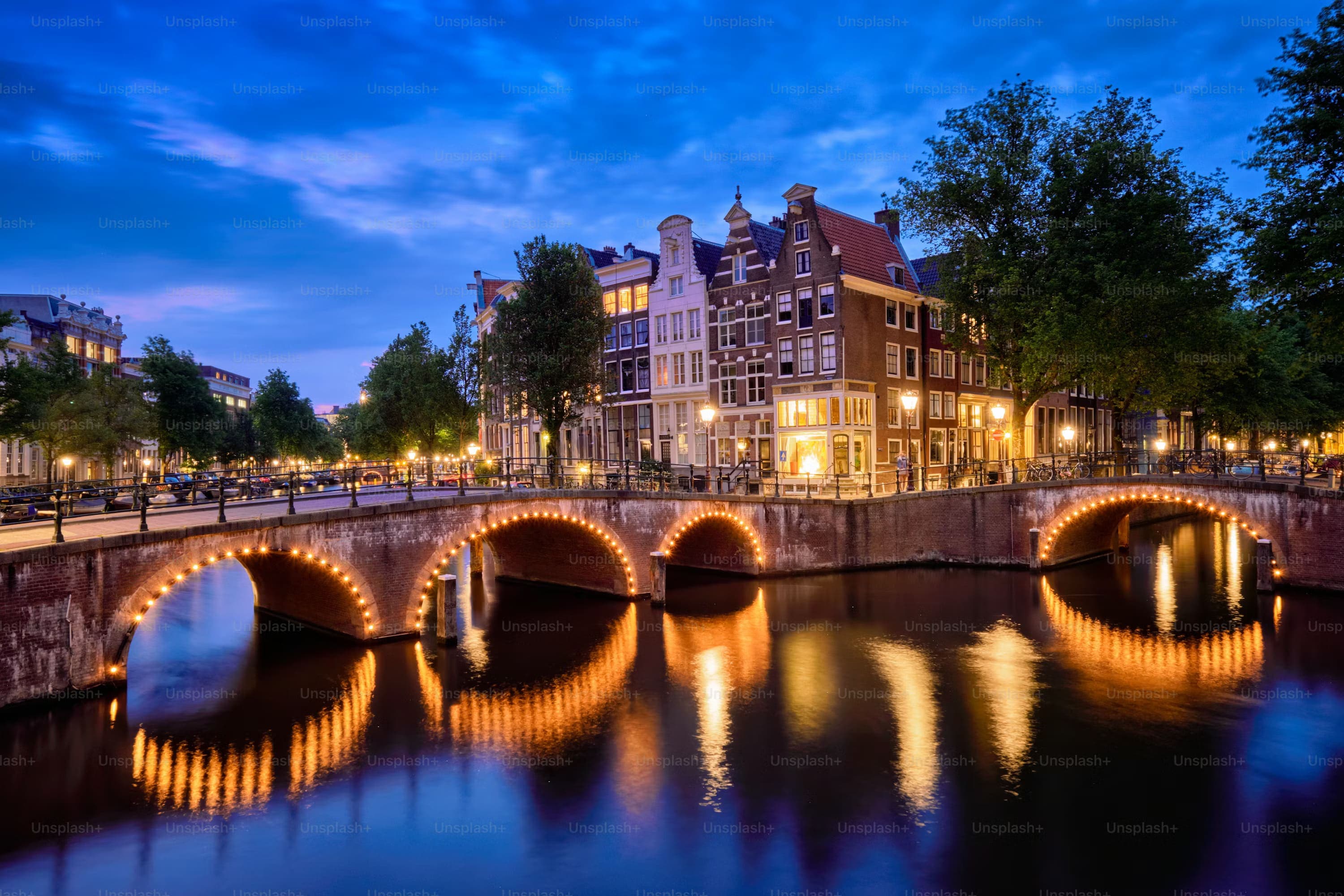
Amsterdam’s canals, museums and city centre
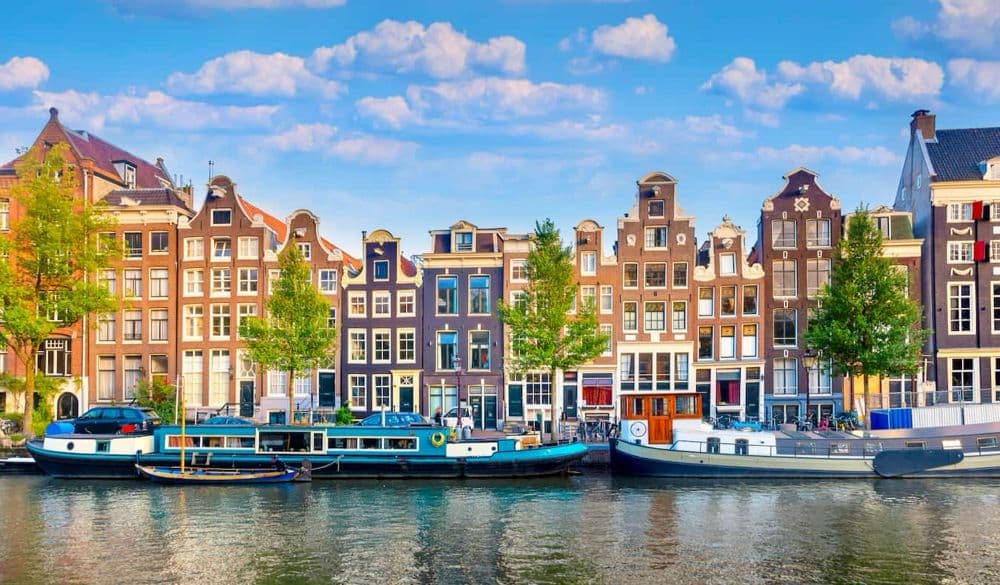
Amsterdam is one of the most popular cities in the Netherlands. Walking through Amsterdam quickly shows why so many people start their trip here. Canals, cozy narrow houses and busy cobblestone streets all sit close together. Museums like the van Gogh museum and Rijksmuseum give you a deeper look into Dutch art and history without needing to travel far. And around the city center, cafés, markets and small shops make it easy to spend hours just exploring. Zaanse Schans sits close by, so adding windmills to your day is easy without changing your base.
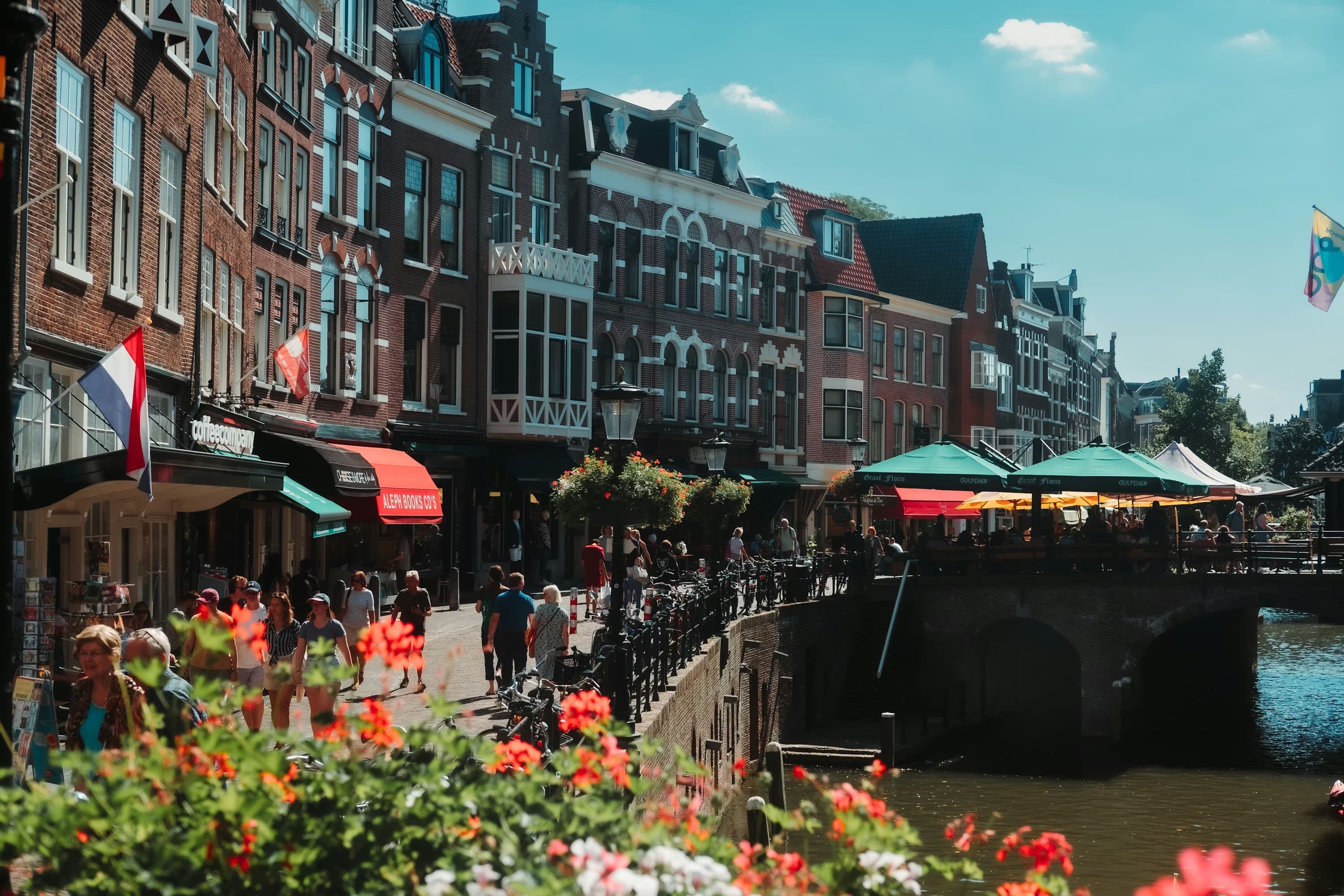
Utrecht and the Dom Tower
A slower and more local atmosphere makes Utrecht easy to enjoy without planning too much ahead. Climbing the Dom tower gives you wide views over the city. Unique canals with lower-level terraces sit right next to the water, something you don’t see in other Dutch cities. Staying here works well if you want a central base with good public transport connections and nature in the area. From Utrecht, getting into nature feels really easy, with nearby forests and parks like Hoge Veluwe National Park just a short train or bike ride away.
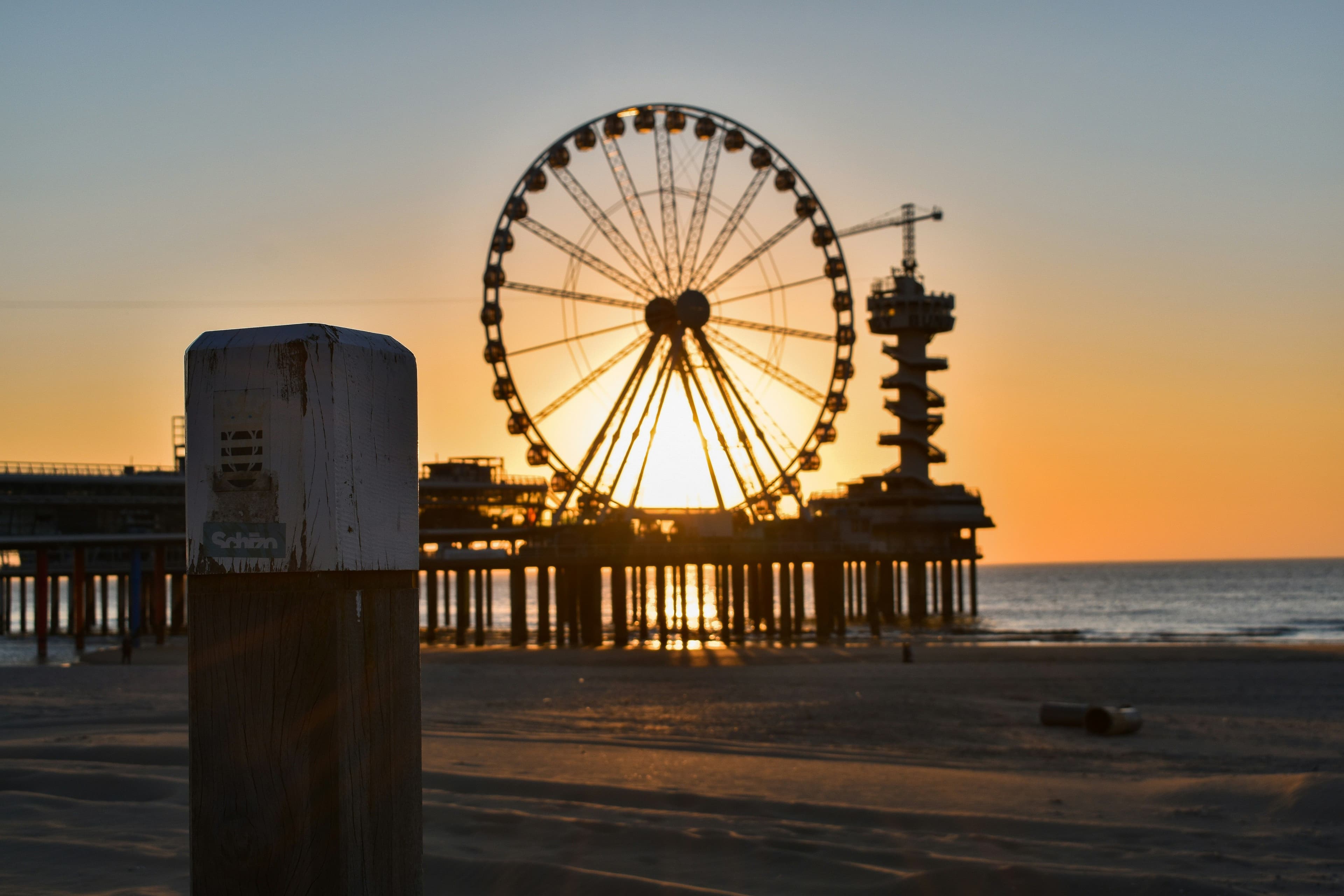
Den Haag for culture, politics and the coast
A mix of culture and government buildings gives Den Haag a different identity compared to other cities. Museums like the Mauritshuis bring together famous artworks in a compact space. Just outside the city, the beautiful beaches of Scheveningen give you a nice escape towards the sea. This area works well if you want both city and coast in one place.
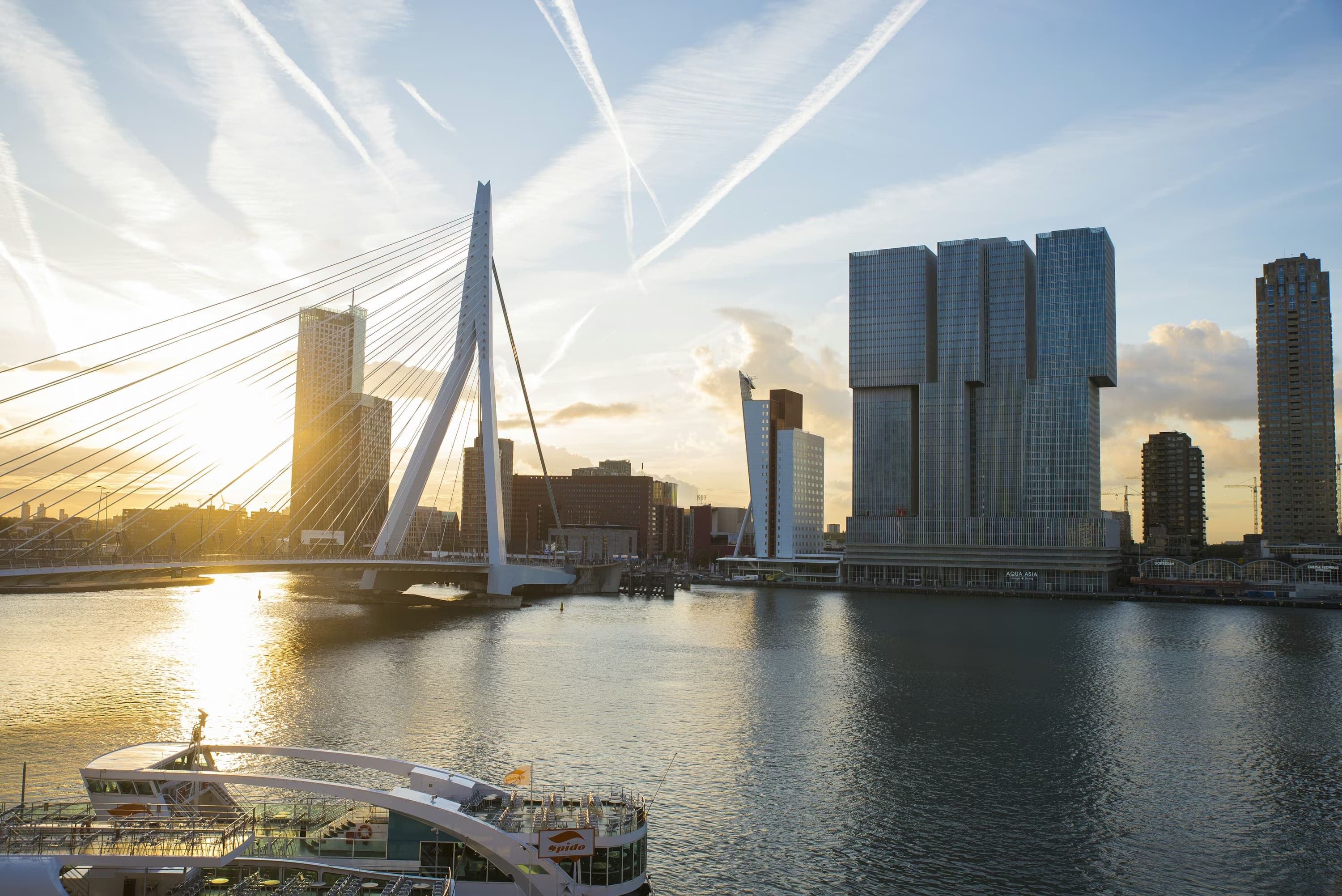
Rotterdam for modern architecture and skyline views
Stepping into Rotterdam feels completely different from Amsterdam, the city was rebuilt after WWII which shows in its modern look. Cube houses and the Erasmus Bridge give the city a unique character. Large open spaces and wide streets make the city feel more spacious compared to older towns. Europe’s biggest ports sit here, and it is nice to walk around in The Old Port area.
Dutch countryside and national parks
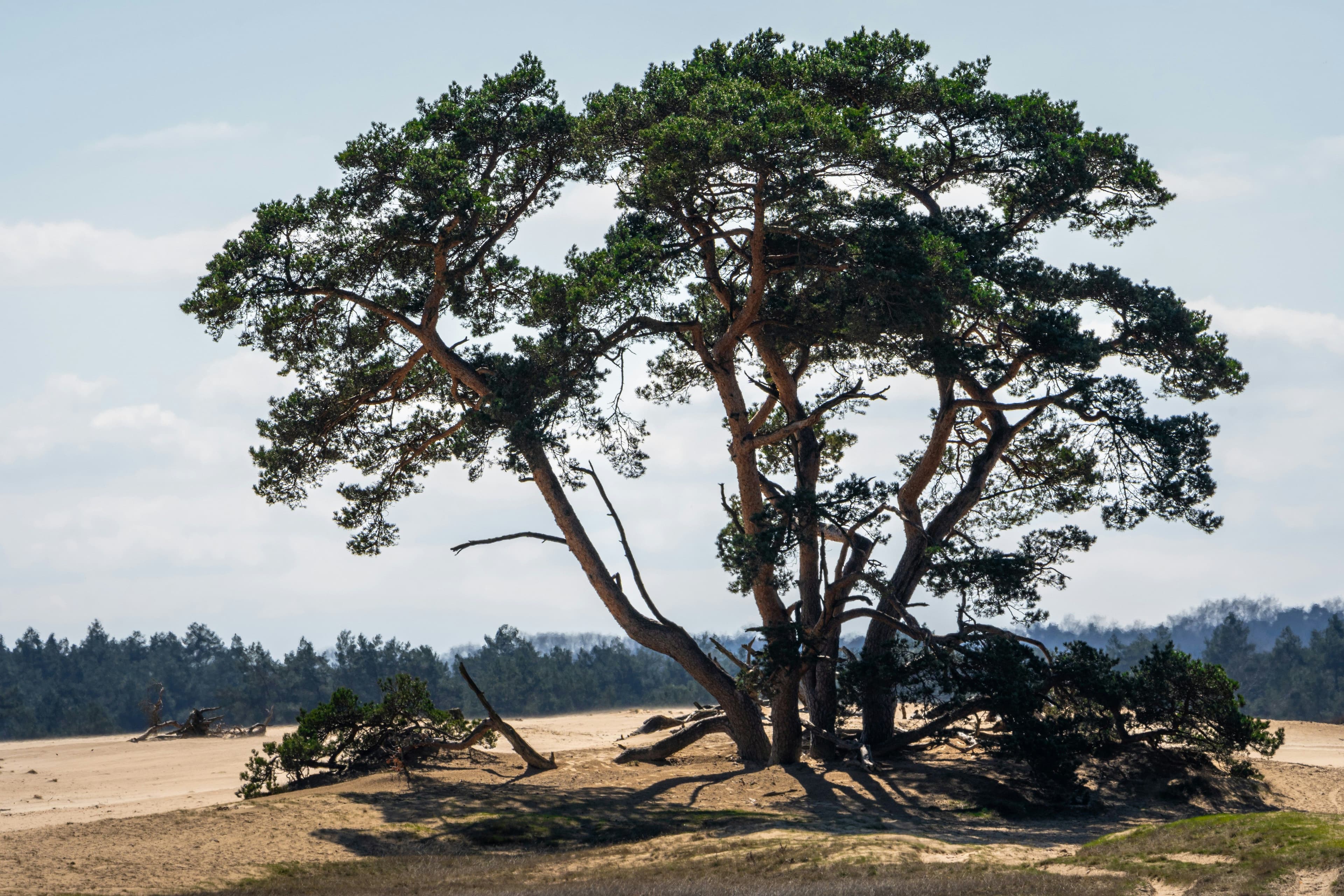
Netherlands’ countryside starts to show a completely different side of the country. In places like Hoge Veluwe national park, you can cycle through forests, spot wildlife and stop whenever you want. Close to Dordrecht, the Biesbosch gives you rivers and small islands where you can go out by boat or kayak, and nearby De Loonse en Drunense Duinen feels almost like a mini desert with wide sandy areas and walking trails. Around Utrecht, forests and parks sit right outside the city, so getting into nature takes almost no planning. Adding one of these stops makes your Netherlands trip a lot more varied without needing to travel far.
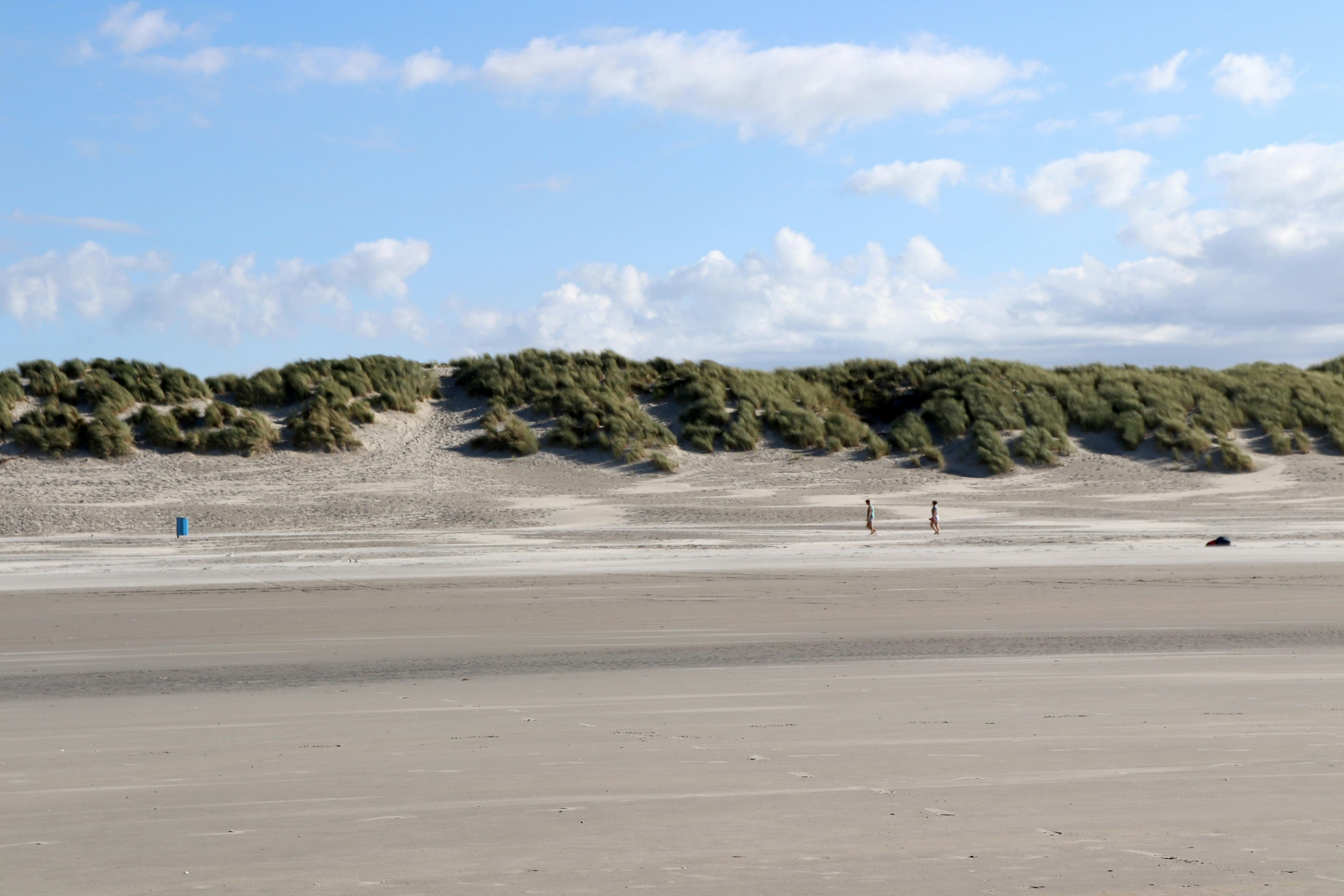
Waddeneilanden (Wadden Islands) in the north
Up north, the Wadden Islands give you a side of the country that feels completely different from the mainland, with dunes, long beaches and wide open views all around you. On islands like Texel and Terschelling, you can spend the day cycling, walking or just being outside. And did you know you can actually walk on the seabed here? It’s called wadlopen, and it’s possible during low tide when the water pulls back and exposes the mudflats. Spring into early autumn works best for this, with guided walks running between roughly April and October depending on the tides.
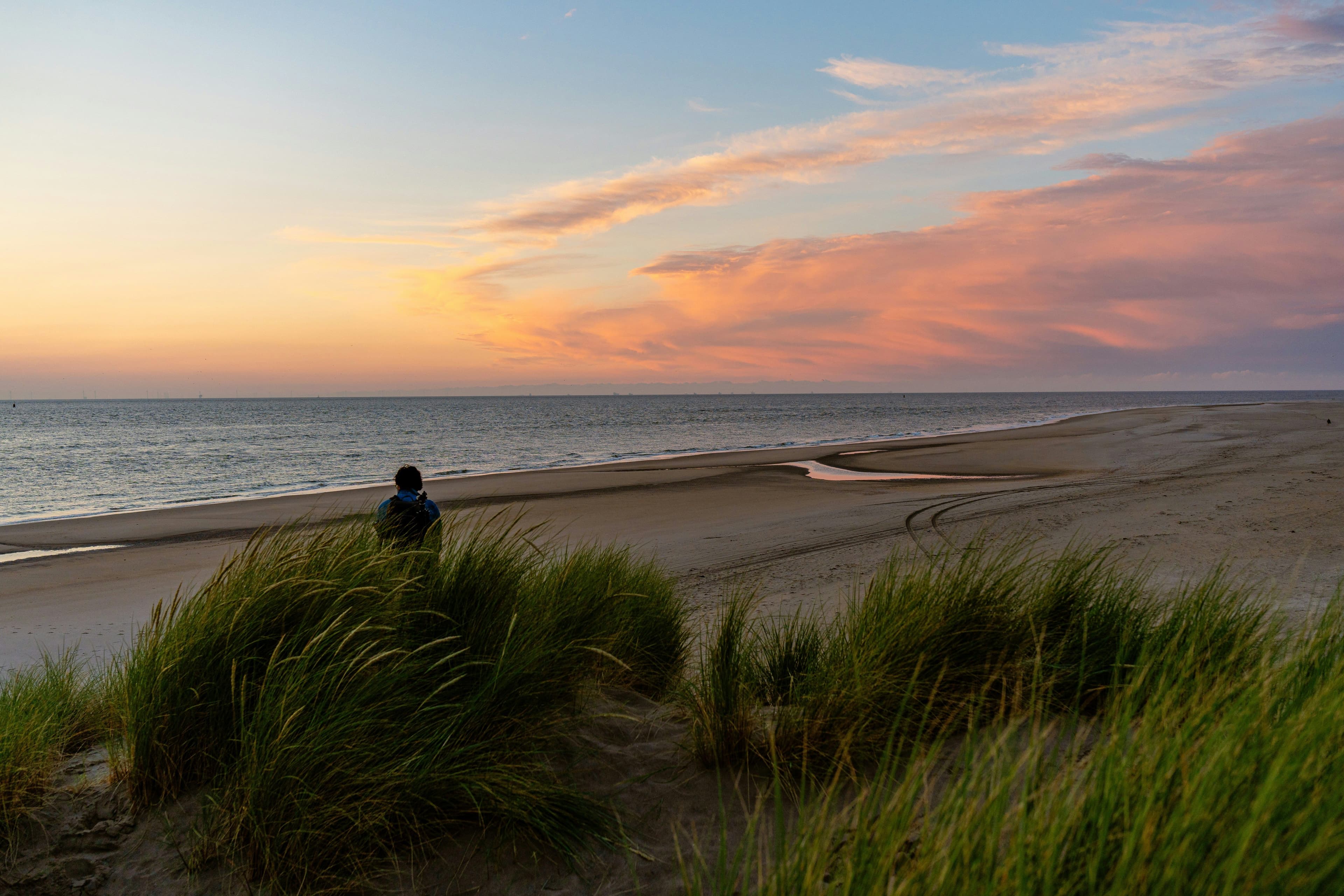
Netherlands coast: beaches and dunes
Reaching the coast of the Netherlands takes less time than you might expect, especially from cities in the west. Long sandy beaches stretch along the coast, giving you space to relax or walk along the shoreline. Dunes create a natural barrier between land and sea, adding a different kind of landscape to your trip. Places near Den Haag make access simple without needing a car.
Netherlands itinerary: The best train and car routes
Even though distances are short and getting around feels easy, having a rough plan makes a big difference once you’re there. We’ve put together a few Netherlands itineraries that connect the best places in a logical way, so you’re not spending your days figuring out routes.
4 day trip to the Netherlands: cities and highlights
Day 1-2: Amsterdam, canals, museums and the city center
Day 3: Day trip to Zaanse Schans for windmills and Haarlem for a smaller city
Day 4: Day trip to Utrecht
Short travel times help you move between places without losing half your day. You can stay in Amsterdam and reach other cities quickly by train for day trips.
5–7 day Netherlands trip: cities, countryside and coast
Day 1–2: Amsterdam
Day 3: Den Haag and the coast
Day 4: Dordrecht and kinderdijk
Day 5: Utrecht
Day 6: Hoge Veluwe national park
Day 7: Giethoorn or return to Amsterdam
You can easily take a train from Amsterdam, which keeps everything connected without needing a car.
10–14 day Holland trip
Day 1–2: Amsterdam
Day 3: Zaanse Schans and Haarlem
Day 4: Utrecht
Day 5: Hoge Veluwe national park
Day 6: Rotterdam
Day 7: Dordrecht and Kinderdijk
Day 8-9: Den Haag and coast (Scheveningen)
Day 10–14: Wadden Island: Texel or Terschelling
Looking for more inspiration? Explore these trips:
Fun things to do in the Netherlands
Now that you know where to go during your Netherlands trip, the next step is figuring out what you actually want to do once you’re there. We’ve gathered some ideas from fellow Guided travellers to help you make the most of your time.
Cycle through the Netherlands countryside like a local
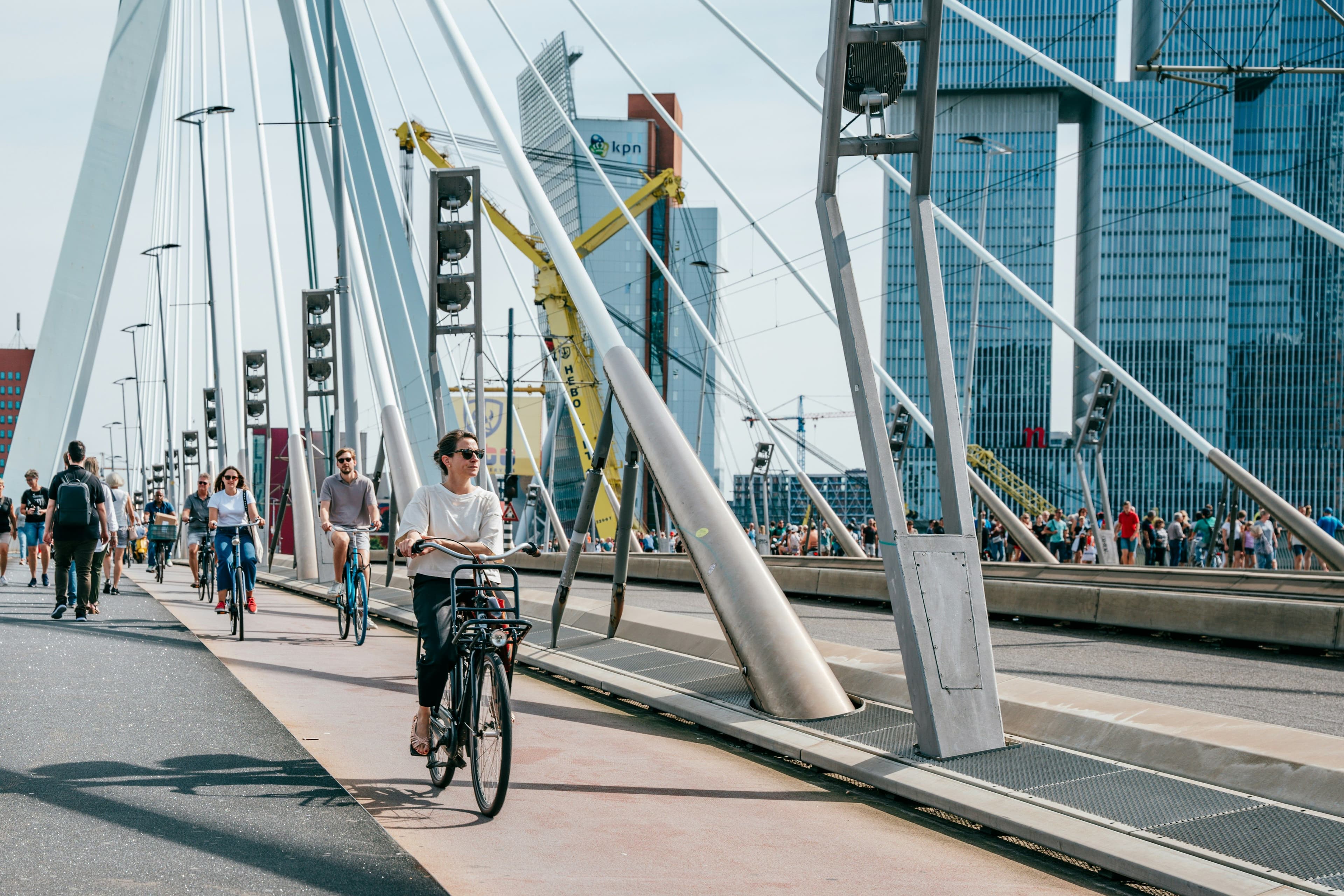
Once you leave the city, everything opens up into wide fields, canals and small villages that are easiest to explore by bike. Dedicated paths run everywhere, so getting around is really simple even if you don’t plan a route in advance. In places like the Hoge Veluwe national park you can ride longer routes, with free bikes available inside the park itself. Just make sure your bike lights are on once it gets dark, because rules around this are quite strict and fines are common.
Take a canal cruise in Amsterdam or Utrecht
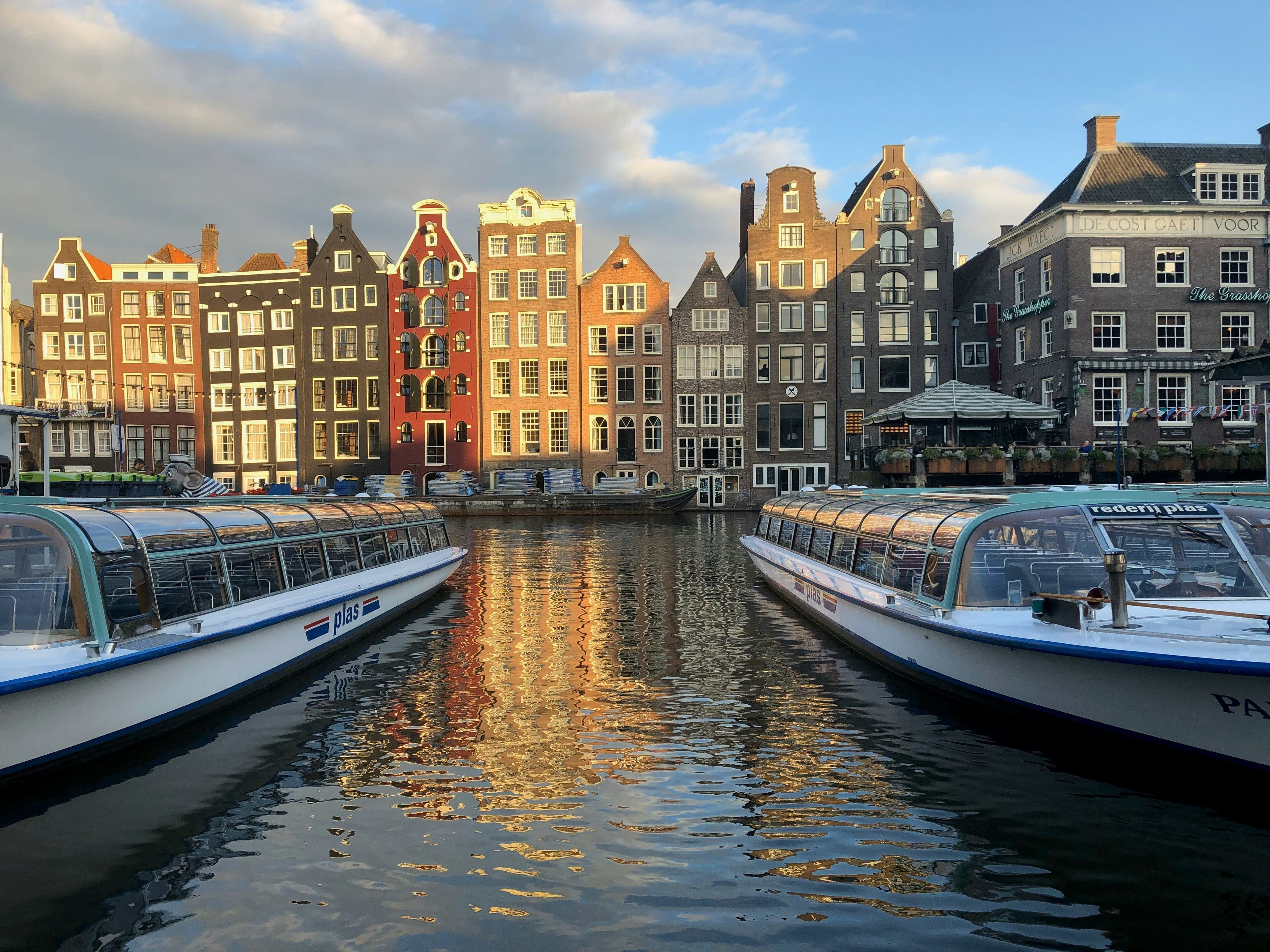
From the water, cities like Amsterdam and Utrecht look completely different compared to walking alongside the canals. Boats take you under bridges and past historic houses, giving you a better view of how everything connects. In Amsterdam, most cruises leave directly from the city center, so fitting it into your day is easy. Utrecht has lower canals where terraces sit right by the water, which makes it a great spot to grab a drink and stay a bit longer. Renting a kayak here is also a fun way to explore the canals on your own and see the city from a different angle.
Visit world-famous museums and art collections
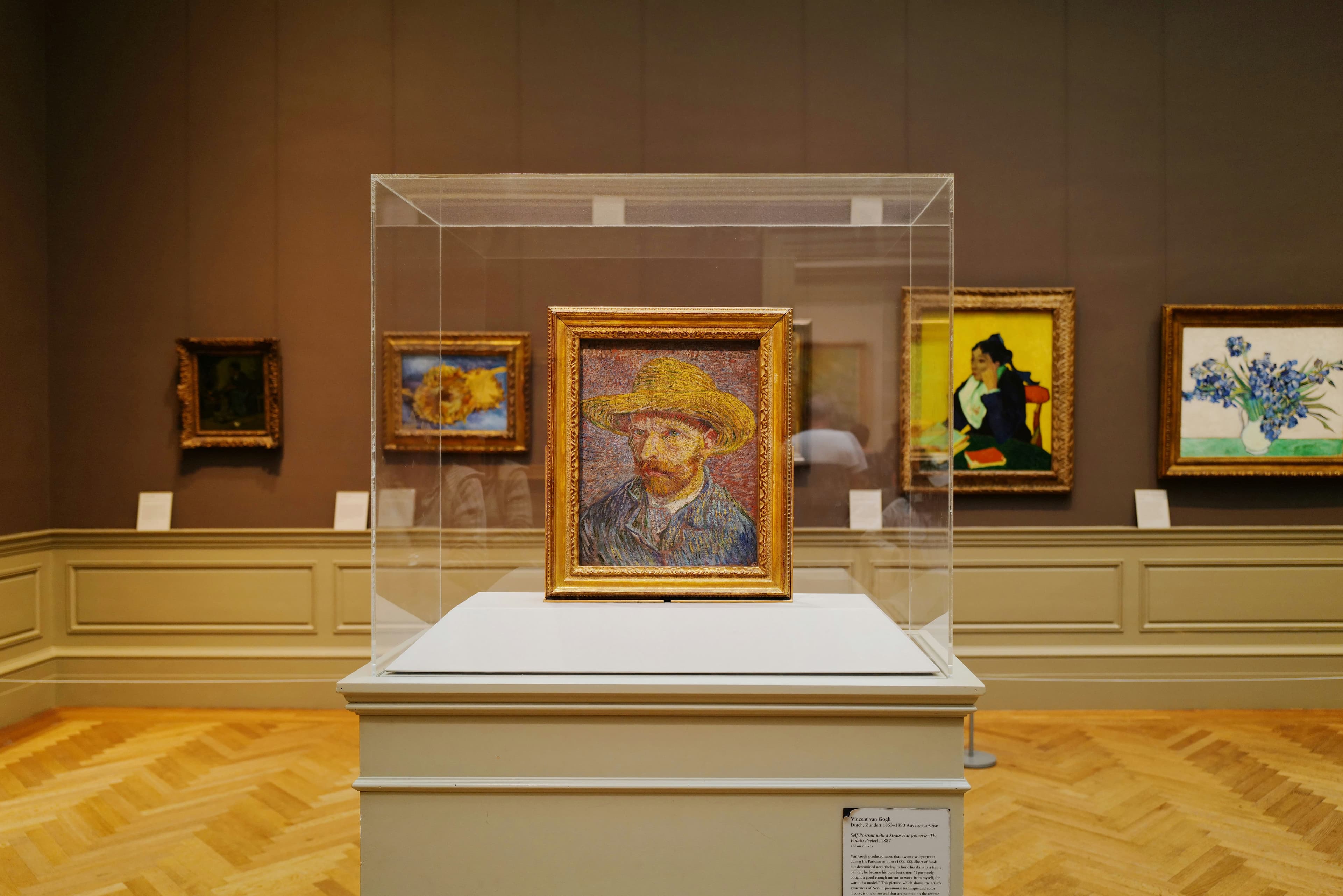
In Amsterdam, works by van Gogh and other Dutch artists are all within walking distance of each other. Outside the cities, the Kröller müller museum sits inside a national park, which makes it easy to combine art with time outdoors. Getting there is easy with trains connecting most major places.
See tulip fields at Keukenhof Gardens in spring
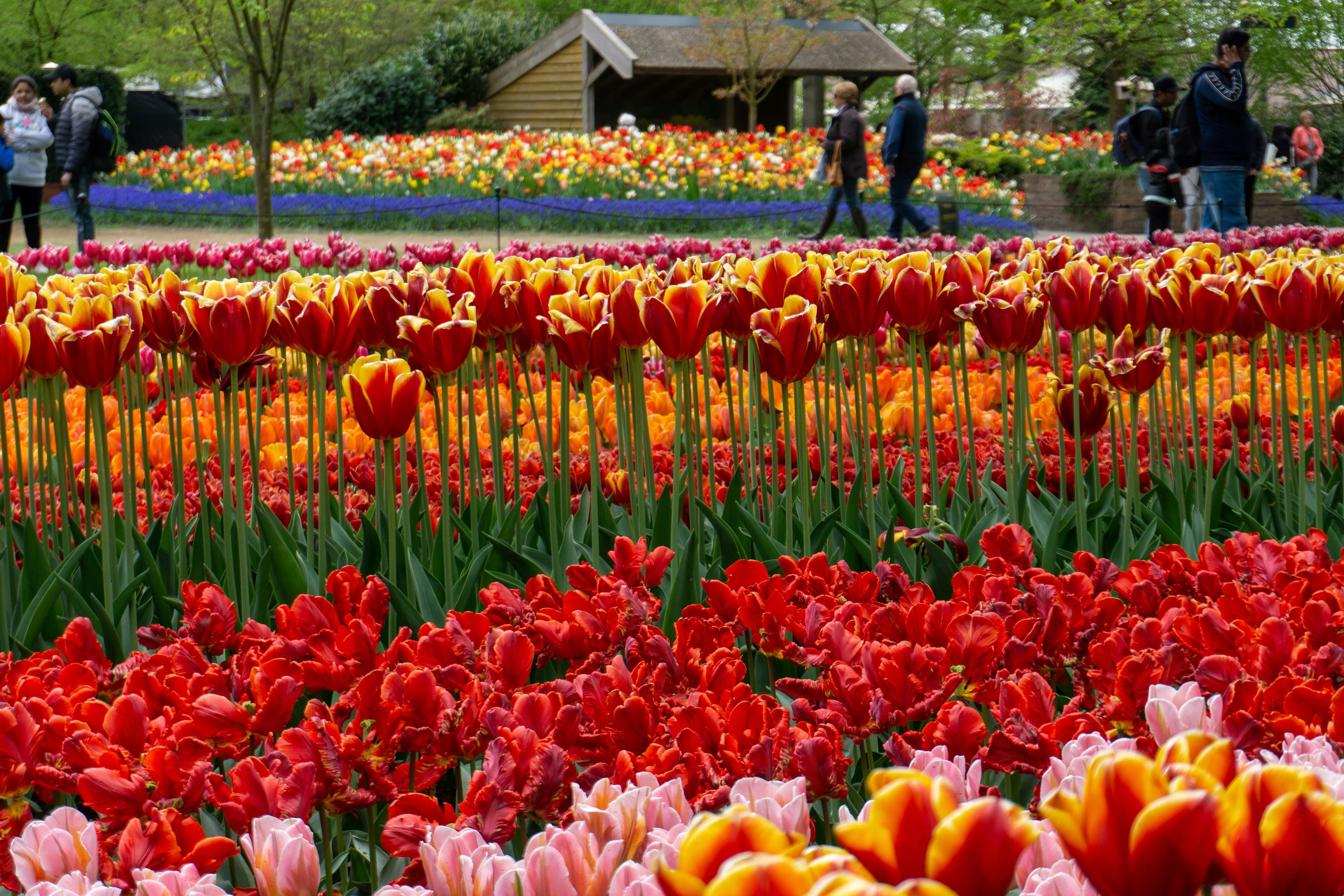
During spring, rows of colour appear just outside the cities, completely changing how the country looks. Keukenhof gardens is one of the easiest places to visit, with direct buses running from Amsterdam and nearby train stations. Walking paths take you through different sections of the park, with viewpoints along the way. The blooming period only lasts a few weeks, usually from mid-March to mid-May.
Explore market squares and local cheese markets
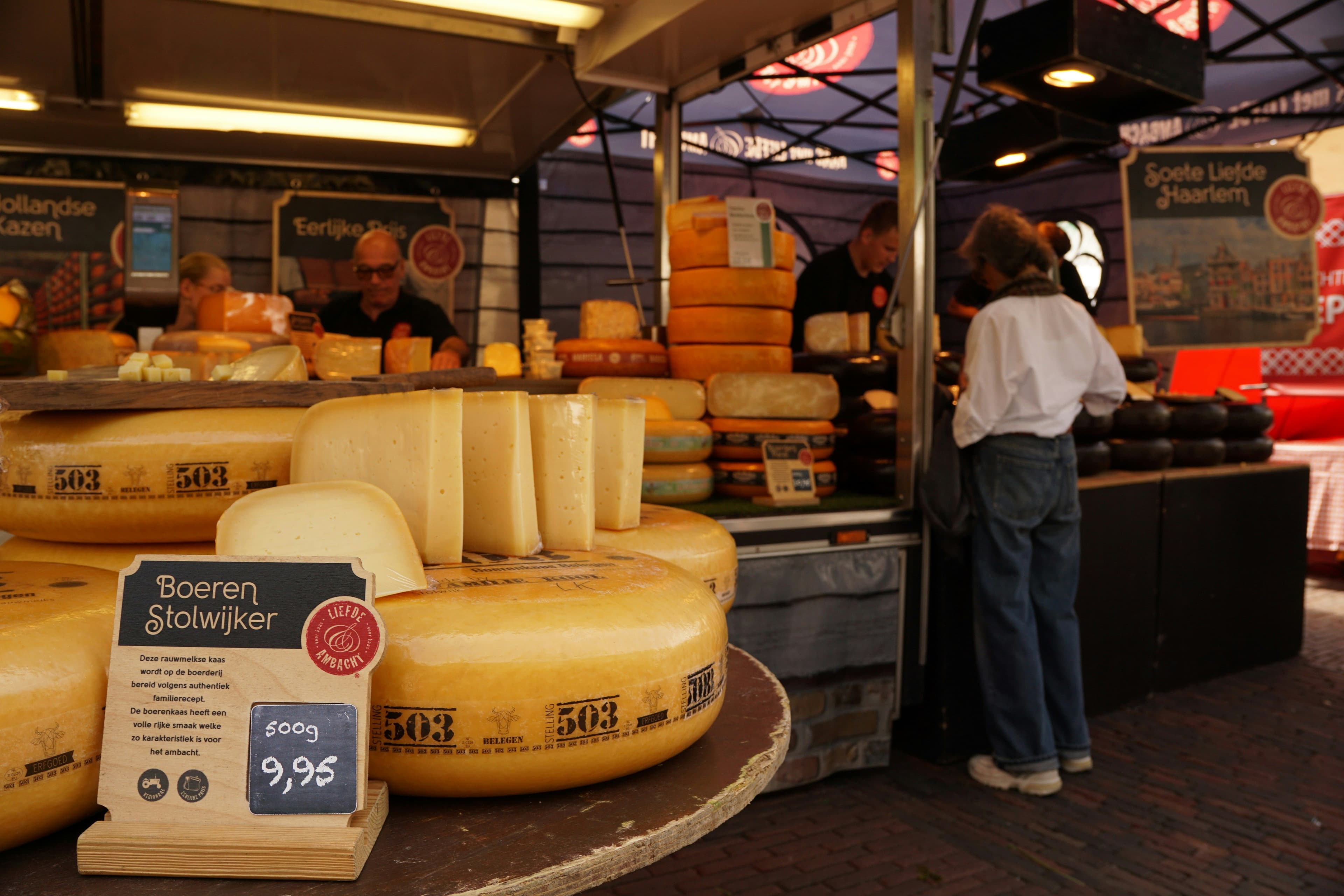
In smaller towns, the centre usually opens up into historic squares where markets still take place. Traditional cheese market events in places like Gouda and Alkmaar bring back old trading traditions that are still part of the day, with Alkmaar hosting its market on Friday mornings in spring and summer, and Gouda on Thursday mornings. Reaching these towns from Amsterdam takes less than an hour by train, which makes them easy to add to your plan.
Visit Kinderdijk and Dordrecht for windmills and culture
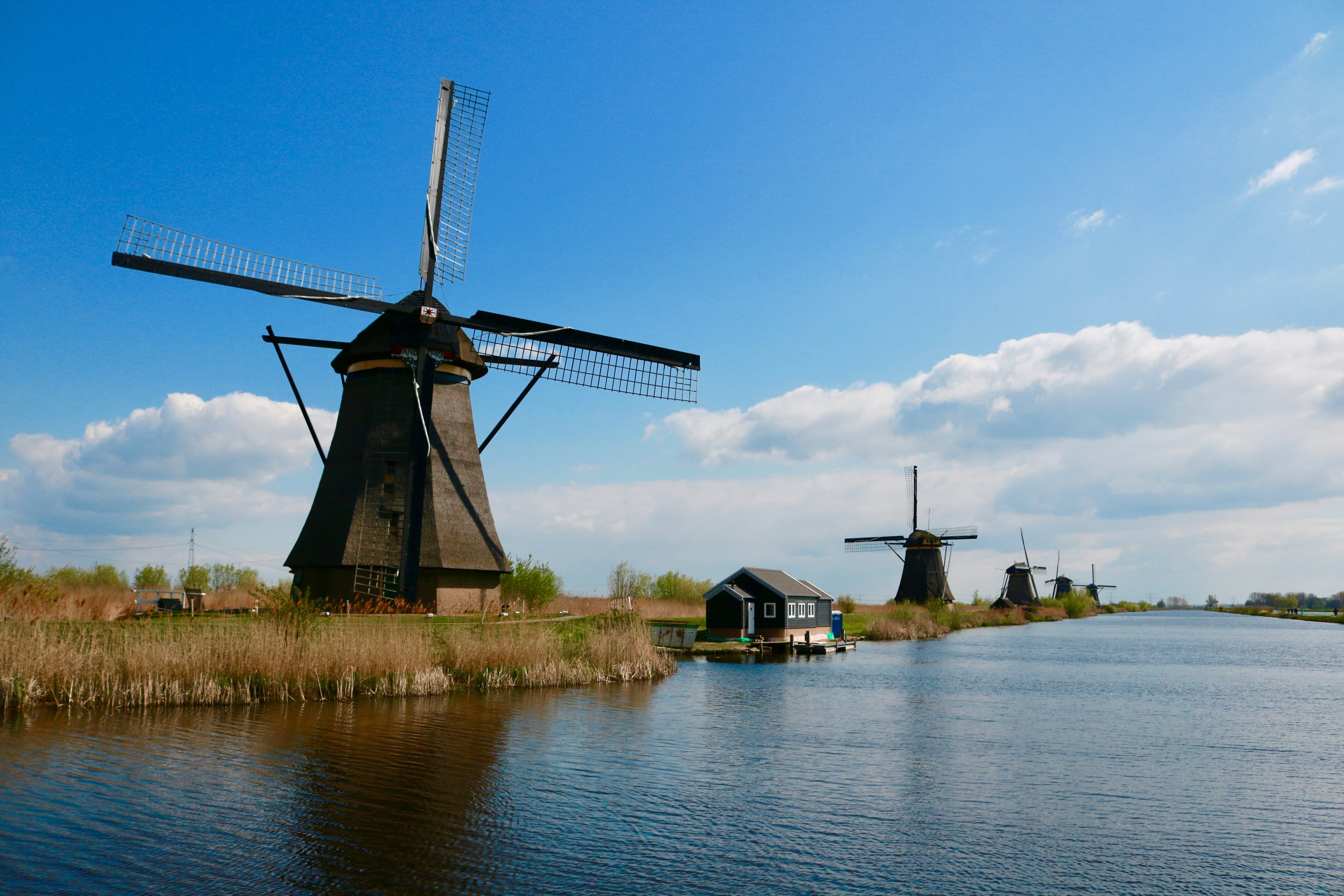
Near Rotterdam, rows of windmills at Kinderdijk show how water has been managed here for centuries. Paths follow the canals, letting you walk right past the mills and see them up close. Close by, Dordrecht is known as the oldest city in the Netherlands. Walking through the centre, you’ll pass old harbours and buildings from the 17th century that still reflect its history as an important trading city. Both places are easy to reach by train and waterbus from Rotterdam within 20 minutes.
Visit castles near Utrecht and step into Dutch history
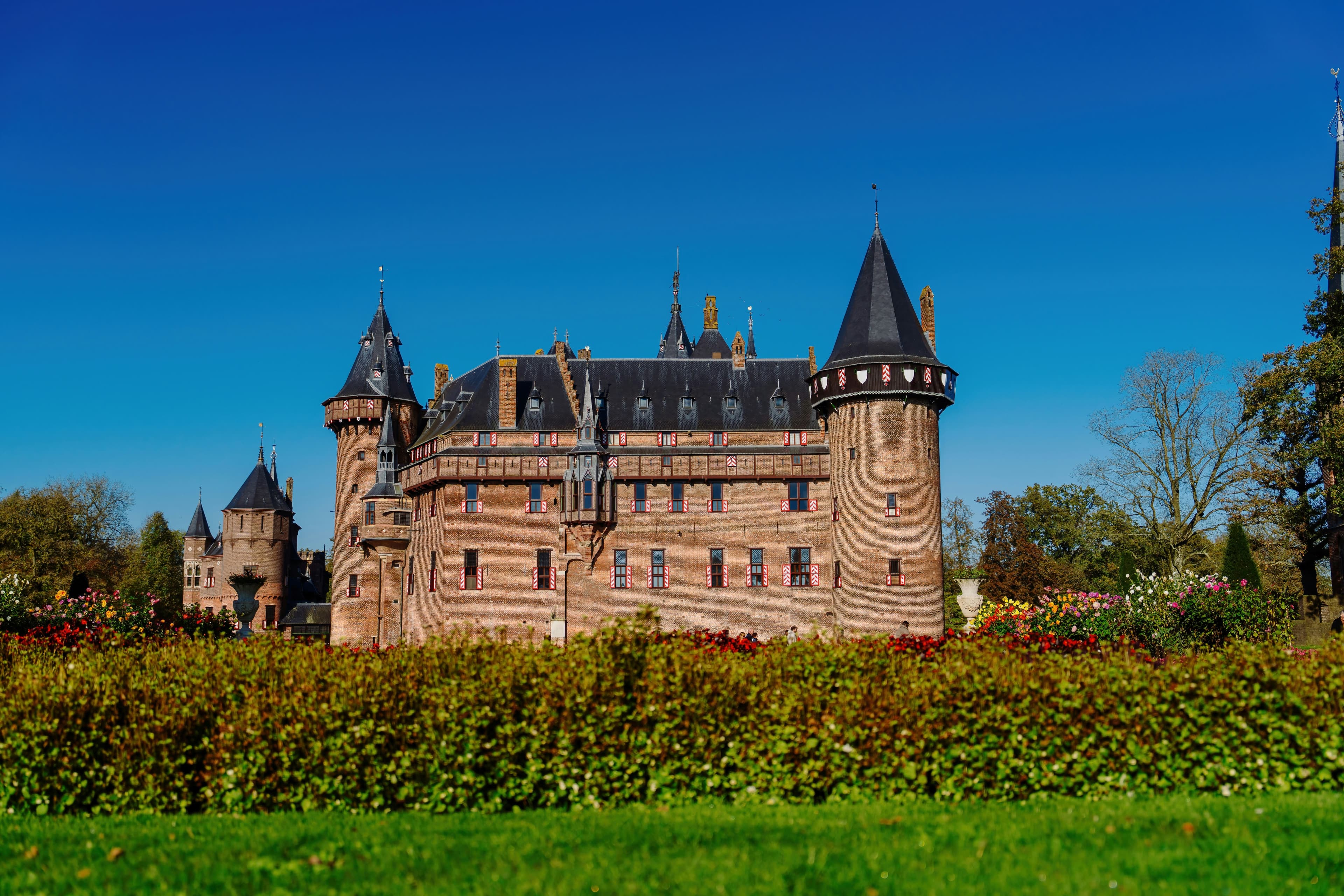
Just outside Utrecht, castles like De Haar give you a completely different view of the country’s past. Surrounded by gardens, towers and bridges, it almost looks like something you wouldn’t expect to find here. The current building dates back to the late 19th century, but it was built on much older foundations, tied to noble families and old estates. From Utrecht, you can reach it by train and a short bus ride, which makes it easy to visit in half a day.
Explore traditional villages like Giethoorn and Volendam
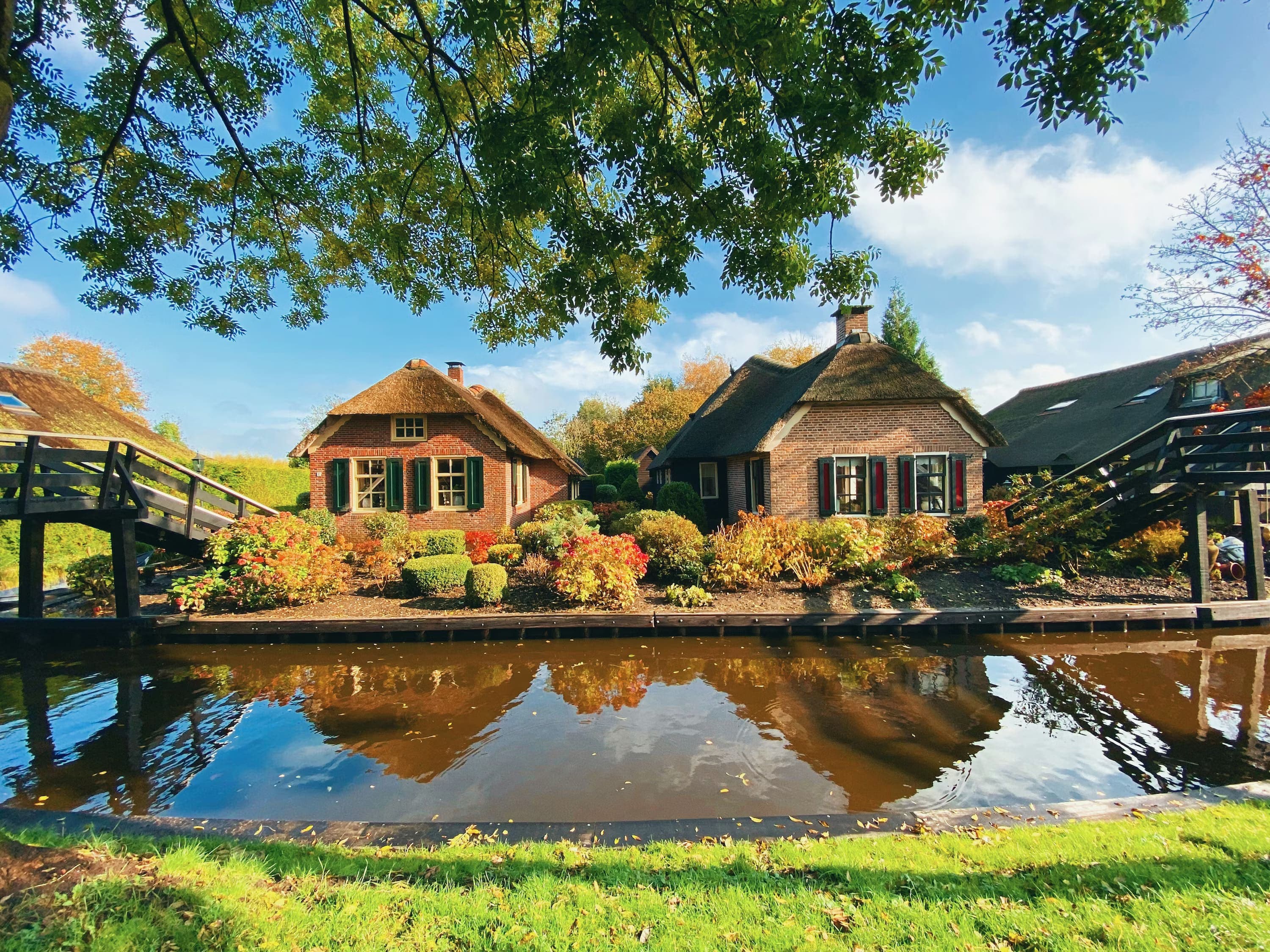
Small villages like Giethoorn and Volendam show a more traditional side of Dutch life. In Giethoorn, canals replace roads, so boats take over as the main way to move around, and in the Netherlands this is one of the tourist places where you get a completely different view of how villages can be built around water. Volendam on the other hand, brings a fishing village atmosphere with small harbours and local shops. You can easily take a day trip from Amsterdam to visit these places.
When to visit the Netherlands
You might already know the weather here can be… well… unpredictable, so picking the right moment for your Netherlands trip makes a big difference.
Spring: tulip fields and keukenhof gardens, best if flowers are high on your list
Summer: longer days, good for cities and the coast
Autumn: cooler weather, fewer people around cities and parks
Winter: cosy atmosphere, more time indoors with museums and cafés
Not sure when to go? Read our guide about the best time to visit the Netherlands, where you’ll find exactly when to go for tulips, cities, coast days and more.

Did you know you can create your own itinerary?
Now that you know the best things to see and do in the Netherlands, you can start creating your own trip. Do you want more time in museums and historic streets, or are you thinking about cycling, nature and being outside? It’s all up to you. You can easily create your own trip in the Guided app for free, or use trips shared by others.
Where to stay when you visit the Netherlands?
Most people stay in Amsterdam, but there are other great areas that can suit your trip just as well. Let’s take a look at your options so you can decide what fits best with how you want to spend your time.
Stay in Amsterdam if you want culture and nightlife
In Amsterdam, everything sits close together, so walking between museums, cafés and canals is part of your day. Around the city center, you’ll find most attractions within easy reach, including places linked to van Gogh and other Dutch artists. Late evenings still feel lively, with restaurants and bars open well into the night. The train connections from here make it simple to explore other cities in the Netherlands without needing to move hotels.
Base yourself in Utrecht for a central location
Right in the middle of the country, Utrecht makes it easy to travel in any direction within an hour or so. Along the canals, terraces sit at water level, giving the city a slightly different look compared to Amsterdam. Utrecht sits close to nature, with forests and parks just outside the city, and you can also visit De Haar Castle nearby. From here, you can reach most places in the Netherlands without long travel days.
Stay near Den Haag for beaches and museums
Close to the coast, this area works well if you want a mix of city and sea in one trip. In Den Haag, you can visit museums during the day and head towards the coast in the afternoon. Wide sandy beaches stretch along Scheveningen, making it easy to add some time by the water.
Stay in the countryside if you want space and nature
Outside the main cities, the countryside gives you more room and a slower setting. Around Hoge Veluwe national park, forests and open land create a completely different environment from the west of the country. Friesland brings lakes and wide open views, while Limburg adds hills that you won’t find elsewhere in the Netherlands. Staying in these regions works well if you want to focus more on nature than on city life.
Guided tip: Staying in one central base like Utrecht or Amsterdam works well, since you can easily explore different regions from here.
Getting around during your trip to the Netherlands
Moving between places is surprisingly simple, and the short distances and strong connections mean you can adjust your plans as you go.
Travel by train between cities in the Netherlands
Getting around by train is one of the easiest parts of your Netherlands trip, with frequent connections between all major cities. From Amsterdam, you can reach places like Den Haag in about 50 minutes, or Utrecht and Rotterdam in around 45 minutes, so travel days never take up much time.
Paying is simple too, you don’t need a separate ticket if you don’t want one. You can just tap your debit or credit card at the gate to check in. Always check out as well, since missing a tap can lead to extra charges.
Renting a bike for short distances
Once you arrive somewhere, bikes are usually the fastest way to get around locally. Dedicated cycling paths run through cities, villages and even into national parks, so you’re rarely sharing the road with cars. Renting a bike for a day lets you cover more ground without relying on public transport.
Driving if you want to explore rural areas
For countryside trips, driving gives you more freedom to reach smaller towns and less connected areas. Across the country, distances stay short, so getting from north to south or east to west takes around 2 to 3 hours. Roads are well maintained and clearly marked, which makes navigation straightforward. Parking in cities can be limited, so a car works best outside urban areas.
Dutch food and drinks to try when you visit the Netherlands
The Netherlands isn’t really known for high-end cuisine, but they definitely know how to do snacks right, and that’s where things get fun. Small market stalls and local cafés or snackbars are usually where you end up finding the best bites. Here are a few you really don’t want to miss:
Try stroopwafels fresh from a market
Warm stroopwafels straight from a stall taste completely different from packaged ones. Around market squares, you’ll usually find them made fresh, with syrup still soft inside. Cities like Rotterdam, Gouda and Utrecht are good places to try them.

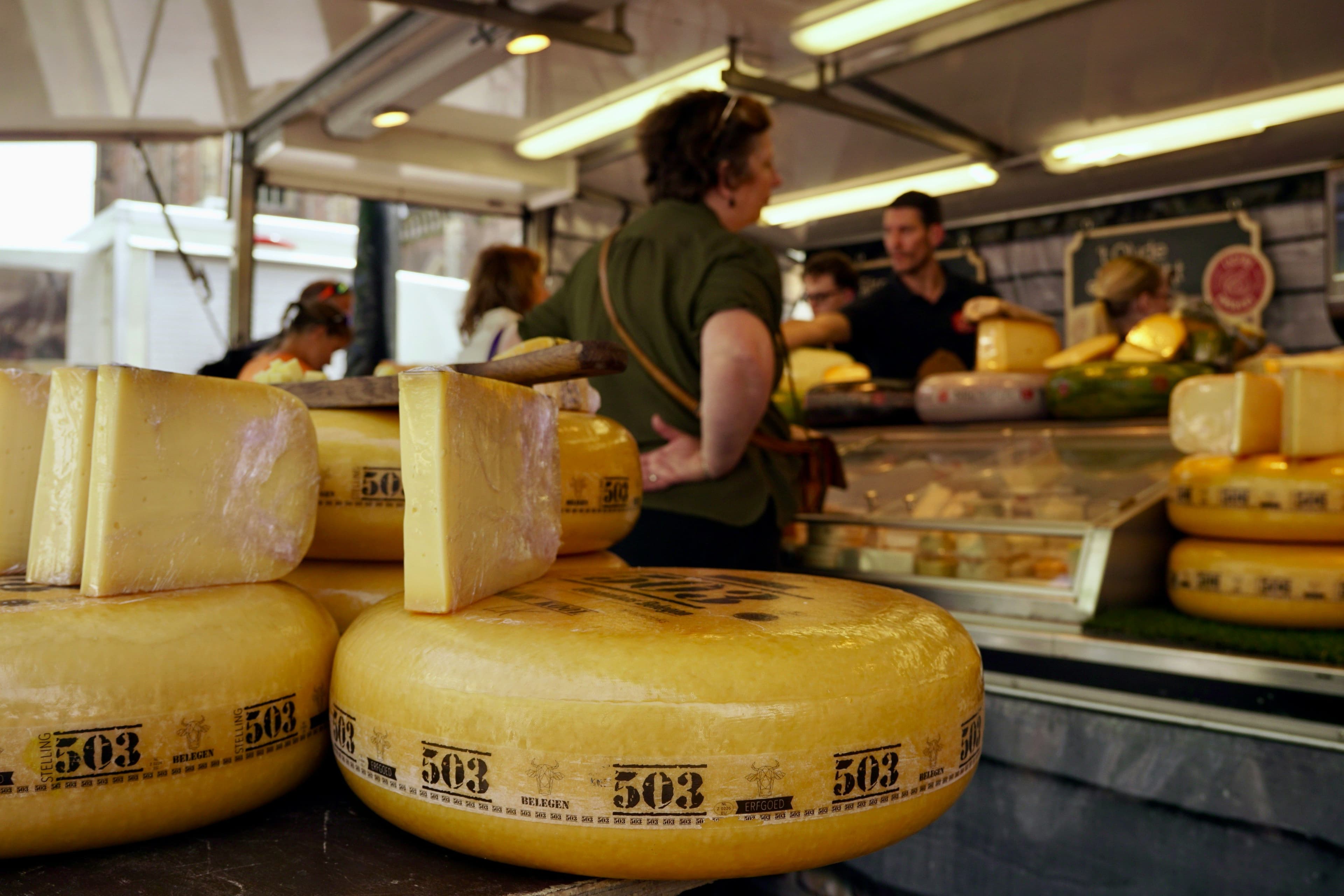
Visit a cheese market in Gouda or Alkmaar
Cheese markets are still held in traditional style, with traders and demonstrations showing how things used to work. At a cheese market, you’ll see large wheels being weighed, carried and sold in the open. Gouda and Alkmaar are the most well-known places for this.
Eat bitterballen in a local snackbar
Bitterballen are small fried snacks filled with a soft meat mixture, usually served with mustard. In a local snackbar, they’re one of the most common things to order alongside drinks. Crispy on the outside and soft inside, they’re easy to share. You’ll see them on almost every menu across the country.

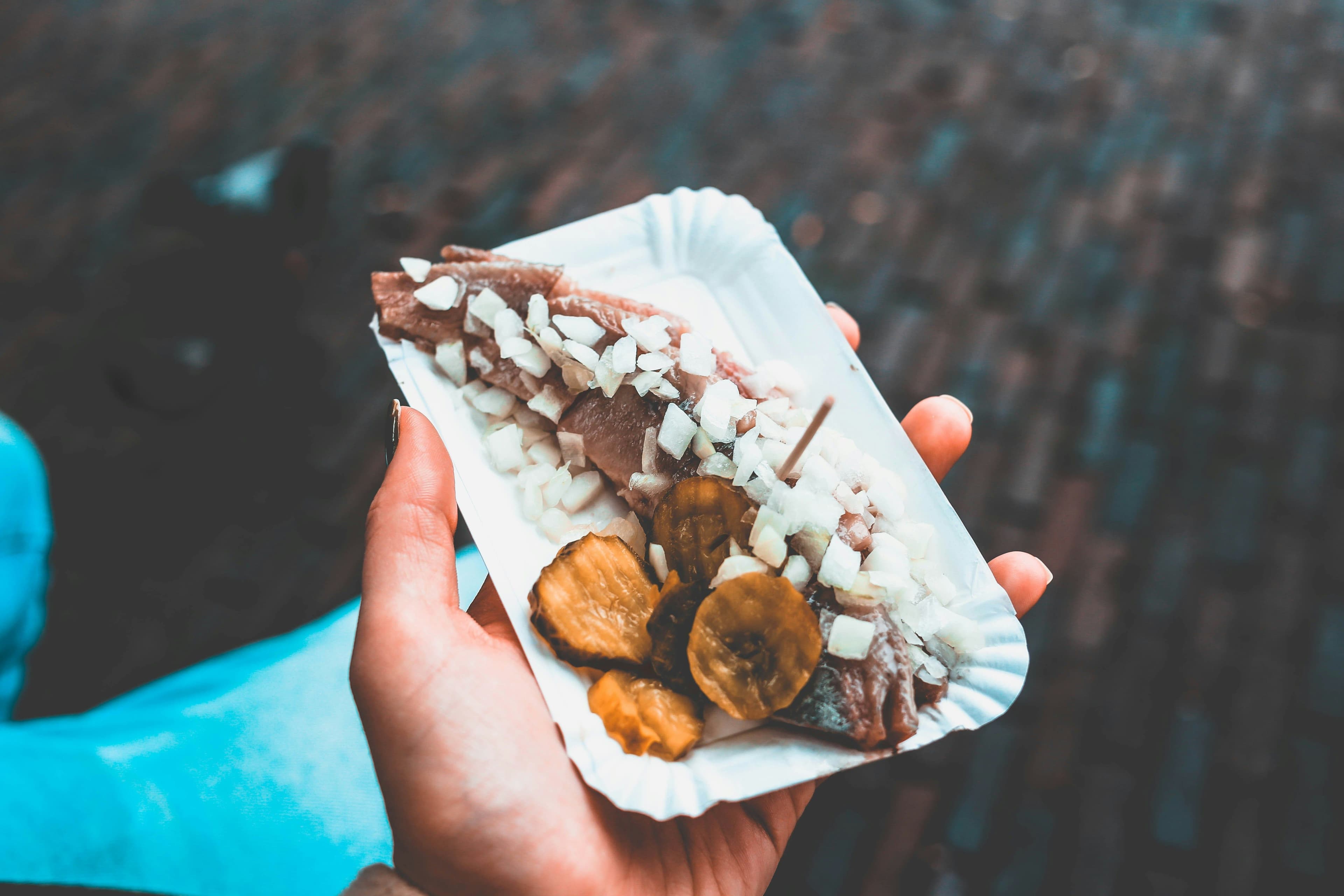
Try herring the traditional way
Raw herring is eaten by holding the fish up and taking a bite, usually with onions and pickles on top. This one is definitely for the fish lovers, since you’ll either love it or hate it. Fish stalls in cities and near the coast are the best places to give it a try.
Culture you’ll notice during your trip to the Netherlands
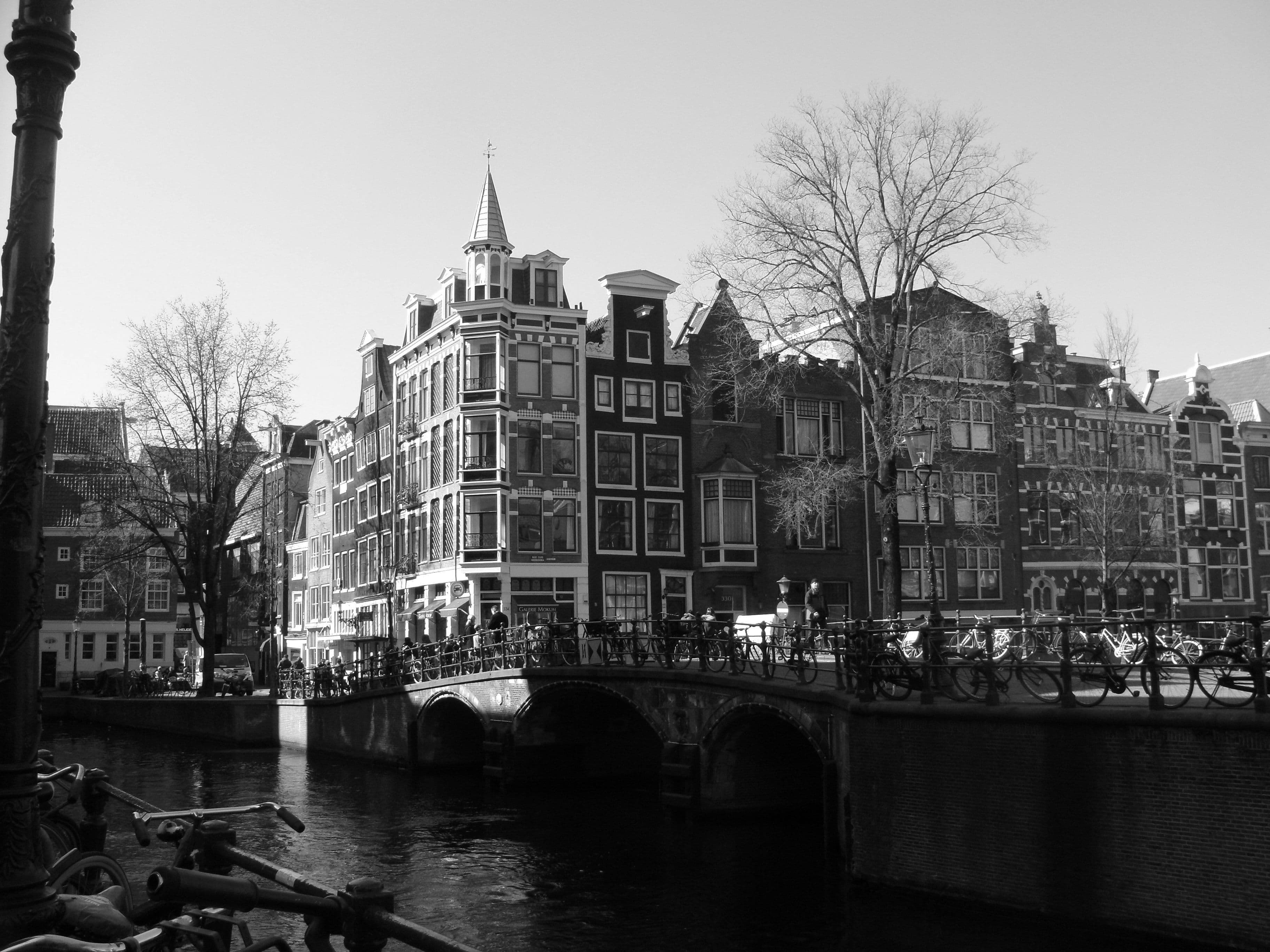
Looking around Dutch cities, a lot of what you see today actually goes back centuries. During the 17th century, known as the Dutch Golden Age, the country grew into a major trading power, with ships travelling across Europe, Asia and beyond. The canals in Amsterdam were actually built during this time, lined with houses owned by wealthy merchants. And in towns like Gouda or Alkmaar, cheese markets still take place on the same squares that were used for trading hundreds of years ago.
Over in Rotterdam, a completely different story appears: after the city centre was heavily bombed in 1940, large parts were rebuilt from scratch, which is why the architecture looks so modern today. What’s interesting about that contrast is how clearly you can see the difference between old and new within a single trip, from preserved centres to rebuilt skylines. Within just an hour of travel, you can go from medieval streets to one of the most modern city layouts in Europe.
Looking for more unique places, trips and activities?
Subscribe to our Guided Newsletter for more travel inspiration.
Costs of a trip to the Netherlands
When planning your trip to the Netherlands, you might wonder what things actually cost once you’re there. Let’s take a look at the average prices for a trip to the Netherlands.
Food & Drink

Coffee
€3.00 – €4.50
Lunch
€12 – €20
Beer
€4 – €8
Accommodation
Hotels
€100 – €200
Airbnb
€80 – €150
Hostel dorm
€30 – €50
Transport
Trains
€10 – €25
Public Transport
€2 – €4
Car Rental
€40 – €80
Attractions

Museums
€15 – €20
Big Attractions
€20 – €45
Theatre
€14 – €40
Practical tips for visiting the Netherlands
First time travelling to the Netherlands, and wondering what you should sort before you go? We’ve gathered a few tips that will make your trip smoother from the moment you arrive.
✔ Use contactless payment almost everywhere
In most places, paying with your card or phone is just the standard. From supermarkets to cafés and even public transport, you’ll get by without needing cash.
✔ Expect to cycle or walk a lot
Around cities and towns, getting around usually means walking or hopping on a bike. Distances are shorter than you might expect, so places that look far on the map are actually quite close. Renting a bike is easy, and within minutes you’re moving through the city like everyone else.
✔ Book popular attractions in advance
For places like major museums, booking ahead saves you from standing in line or missing out. Time slots are common, which means you’ll know exactly when you can go in.
✔ Check the weather before heading out
During the day, weather can change without much warning. A clear morning can turn into rain later on, so bringing a rain coat or umbrella is always a good idea.
✔ English is widely spoken
In conversations, switching to English happens without much effort. Asking for directions or help is usually straightforward, even outside the main cities.
✔ Use these apps for public transport and weather
When it comes to getting around, a few apps make everything easier to follow. The NS app helps with train schedules, the 9292 app gives full journey planning, and Google Maps works well for directions. For weather updates, you can use Buienradar.
Fun facts about the Netherlands
Windmills, cheese and tulips are what most people think of when they picture the Netherlands, but there are plenty of other fun things to discover. So let’s take a look at what makes it so unique:
Around a quarter of the country actually sits below sea level
There are more bikes than people registered across the country
The Dutch are among the tallest people globally
Tulips are actually not Dutch, they were imported from Central Asia and became a national symbol
It is one of the most densely populated in Europe, with over 17 million people
King’s Day turns the entire country into one big street party every year
Lunch is usually simple, often just bread with toppings instead of a big meal
After a few days, you’ll start noticing how everything connects, from the bike lanes next to the canals to the way water is managed in the countryside. Hopping on a train and being somewhere completely different within an hour, or cycling past windmills will definitely stay with you. The Netherlands works really well if you like short travel distances, a mix of historic cities and nature, and days where you can see a lot without needing to go far.
Ready to map out your trip to the Netherlands?
We hope this Netherlands travel guide has given you a clear starting point for your trip. Stay tuned for more inspiration, itineraries and practical tips to help you shape your perfect trip to the Netherlands. And don’t forget to check out our Guided app, where you can create your own trip or use trips shared by other travellers for free.
FAQS about trips to the Netherlands
- What is the capital of Holland / Netherlands?
Amsterdam is the official capital of the Netherlands and is known for its canals, historic buildings and museums. Around the city centre, you’ll find many of the country’s most well-known attractions, including major art collections and landmarks. From here, you can easily travel to other parts of the country by train, which makes it a common starting point for a Netherlands trip. Even though Amsterdam holds the title of capital, the government and parliament are based in Den Haag.
- How many days do you need for a Netherlands trip?
- Is it easy to travel around the Netherlands?
- What are the best Netherlands tourist attractions?
- Where is Amsterdam located in the Netherlands?
- Where is Rotterdam in the Netherlands?
- Where is Den Haag in the Netherlands?