

Morocco
Morocco travel guide: how to plan your ideal trip
Somewhere between the call to prayer echoing over rooftops and the scent of spices drifting through narrow streets, your first moments in Morocco already give you a sense that this is not a typical destination. You can move between imperial cities, coastal towns and desert regions within one trip. Morocco has both a Mediterranean and Atlantic coastline, which makes it possible to combine very different regions without long flights in between. In this Morocco travel guide, we’ll show you exactly how to connect those places into a route, so you don’t miss out on the best things to do in Morocco.
5 reasons to visit Morocco
You can go from Marrakech to the sahara desert in just a few days, with mountain stops in between.
Daily life is shaped by history and culture, visible in souks, mosques and handmade crafts.
One day can start in a riad and end with a long drive through valleys or desert landscapes.
Routes are built around the journey itself, not just the destinations.
Even shorter trips to morocco can include cities, nature and something completely different.
Best places to visit in Morocco
Looking at a map, everything seems within reach. Once you start planning, you’ll see that picking the right combination of places matters much more than adding more stops.
Marrakech, the red city
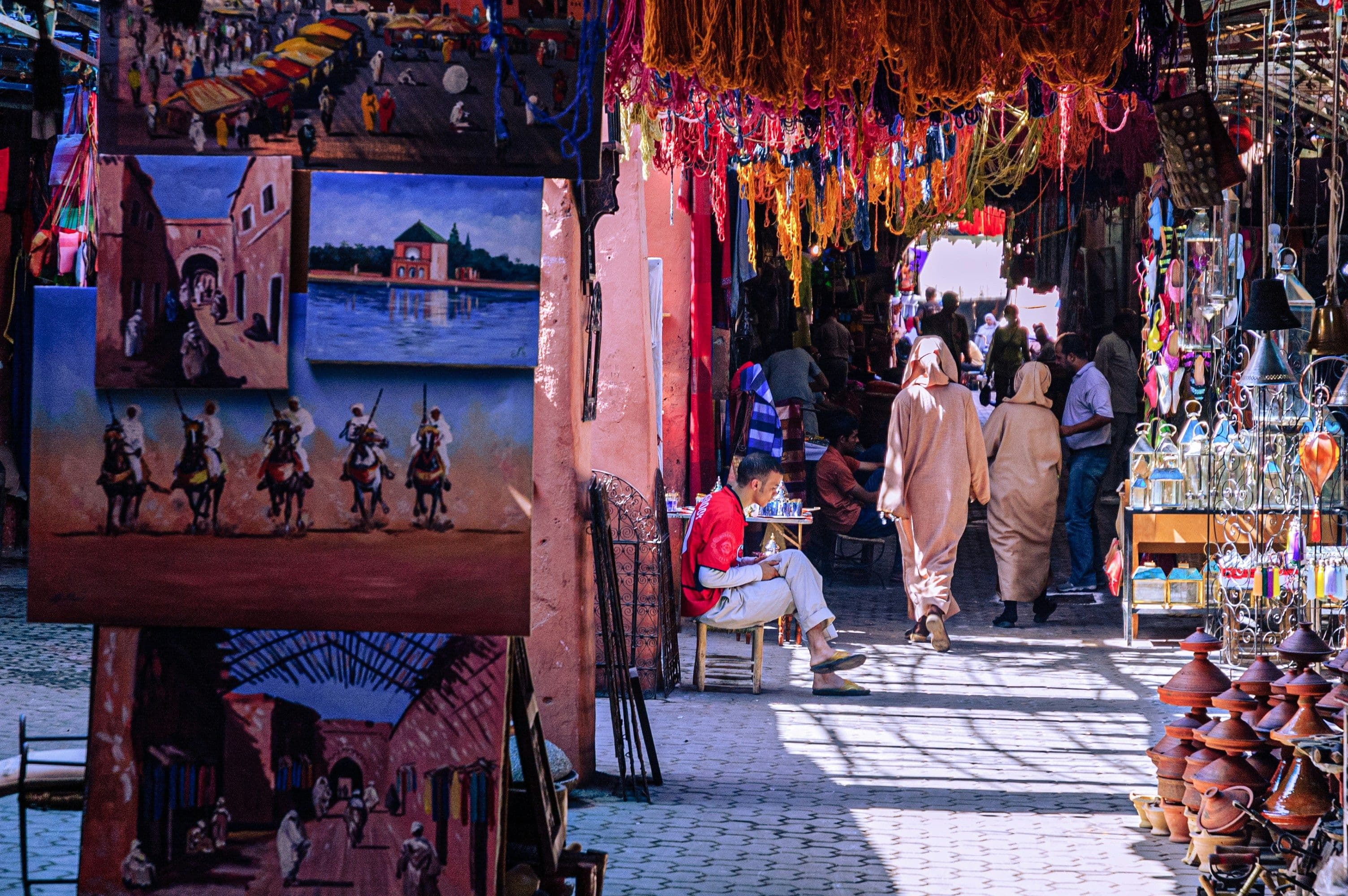
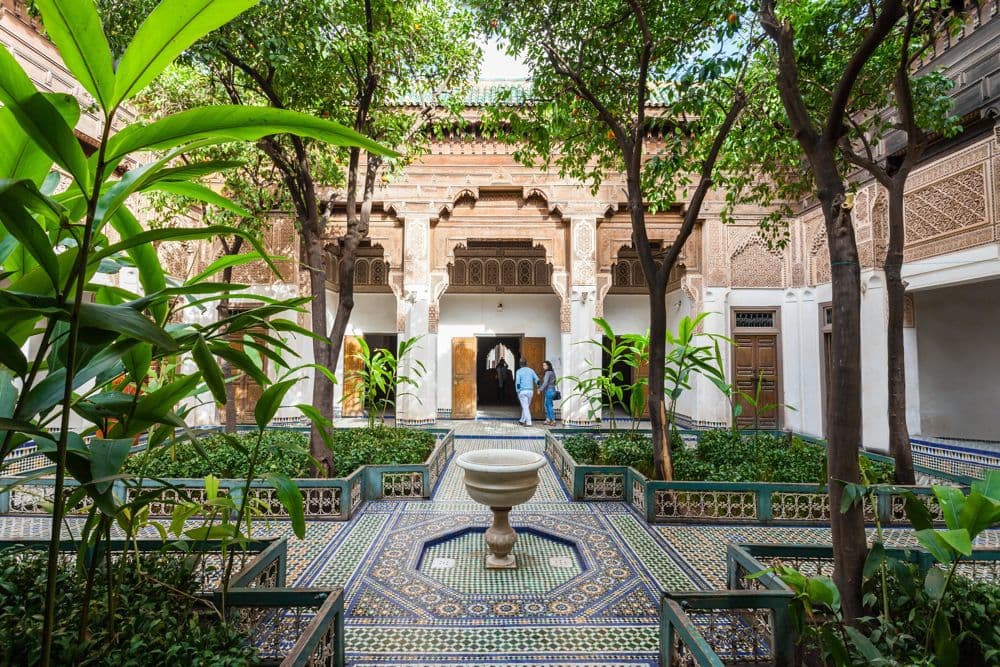
You walk into the medina and suddenly everything is happening at once. Mopeds passing through narrow streets, stalls packed with spices and fabrics, and small alleys that keep leading you somewhere new. Around Jemaa el-Fnaa, evenings turn into food markets where you can try grilled meat, soups and juices. That deep colour across the buildings explains why it’s called the red city, and rooftop terraces give you a place to sit above it all for a bit.
Fes, for old-world atmosphere and traditional craft
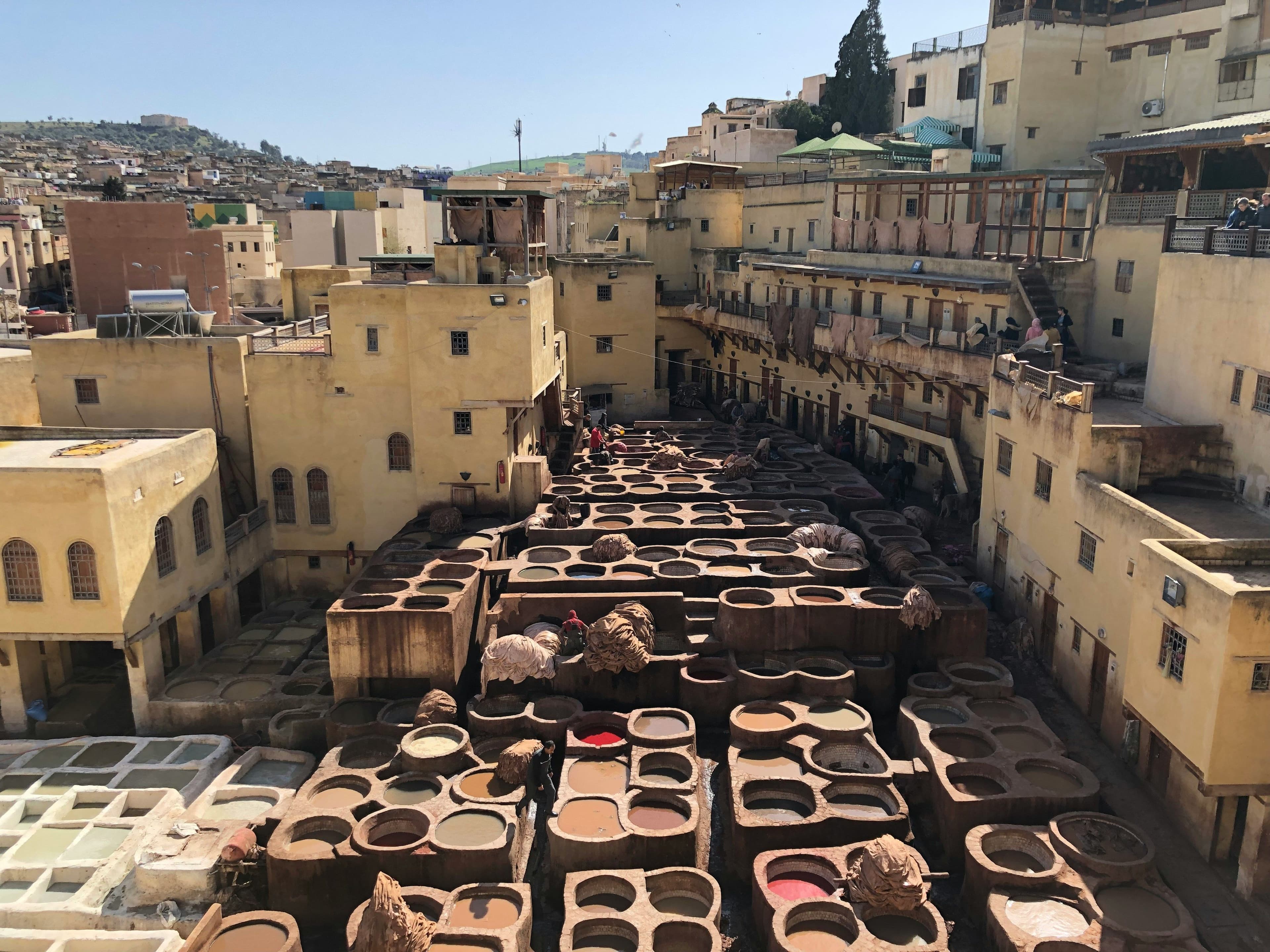
Getting around here takes a bit more patience, and that’s exactly what makes it interesting. Inside the medina, you’ll pass the Chouara tanneries where leather is still dyed by hand, and madrasas with detailed tilework you can walk into. Streets are not mapped in a simple way, so you’ll rely more on signs, directions or a local tour guide. Compared to Marrakech, everything feels older and less polished, which gives it more character.
Chefchaouen and the Rif Mountains
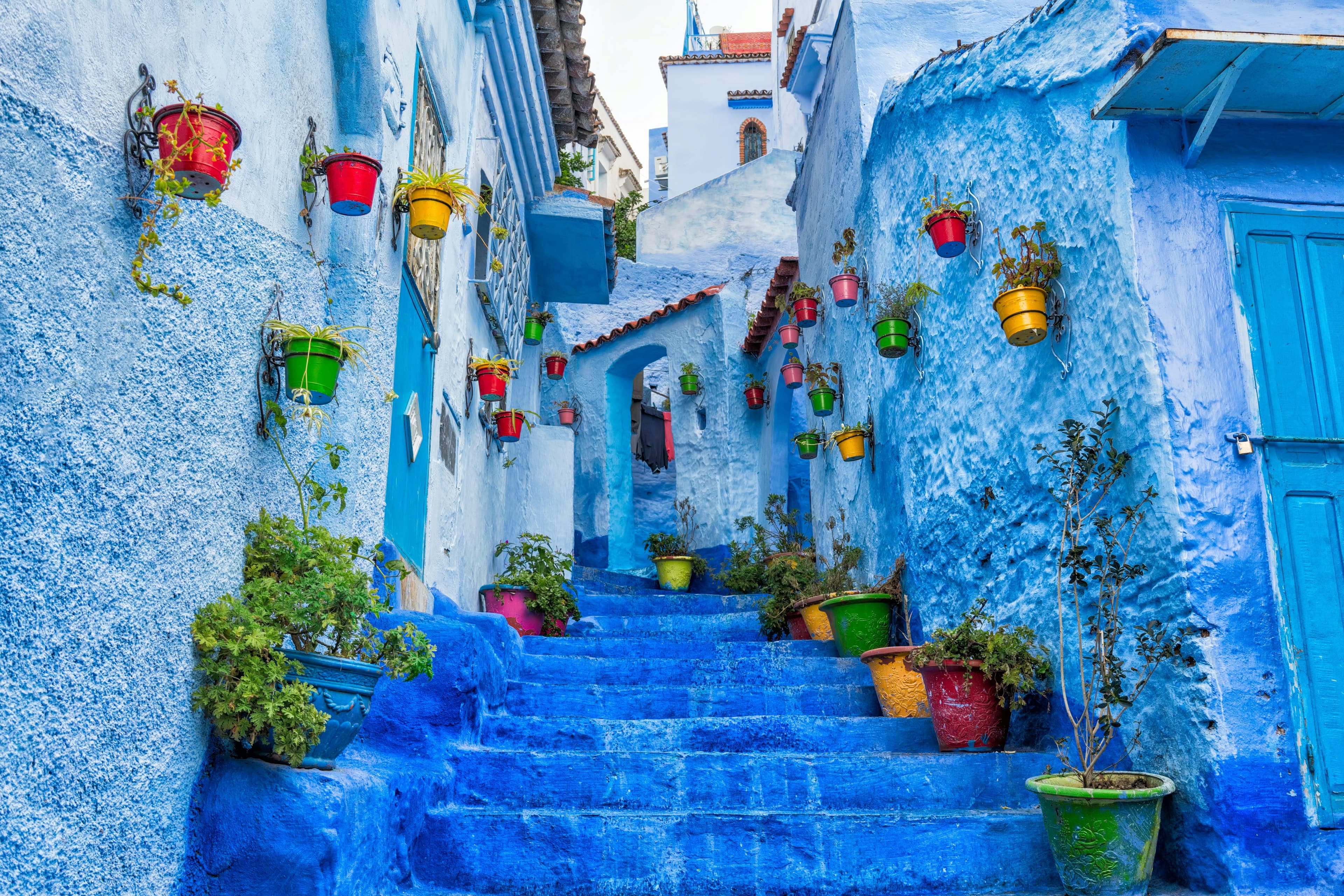
Blue walls, blue stairs, blue streets, it’s everywhere you look. In the rif mountains in Morocco, this town sits between hills that you can walk up for a simple viewpoint over the rooftops. Small cafés and quiet corners make it easy to slow down for a day or two. Mornings are usually the best time to walk around before the day picks up.
Casablanca and the Hassan II Mosque
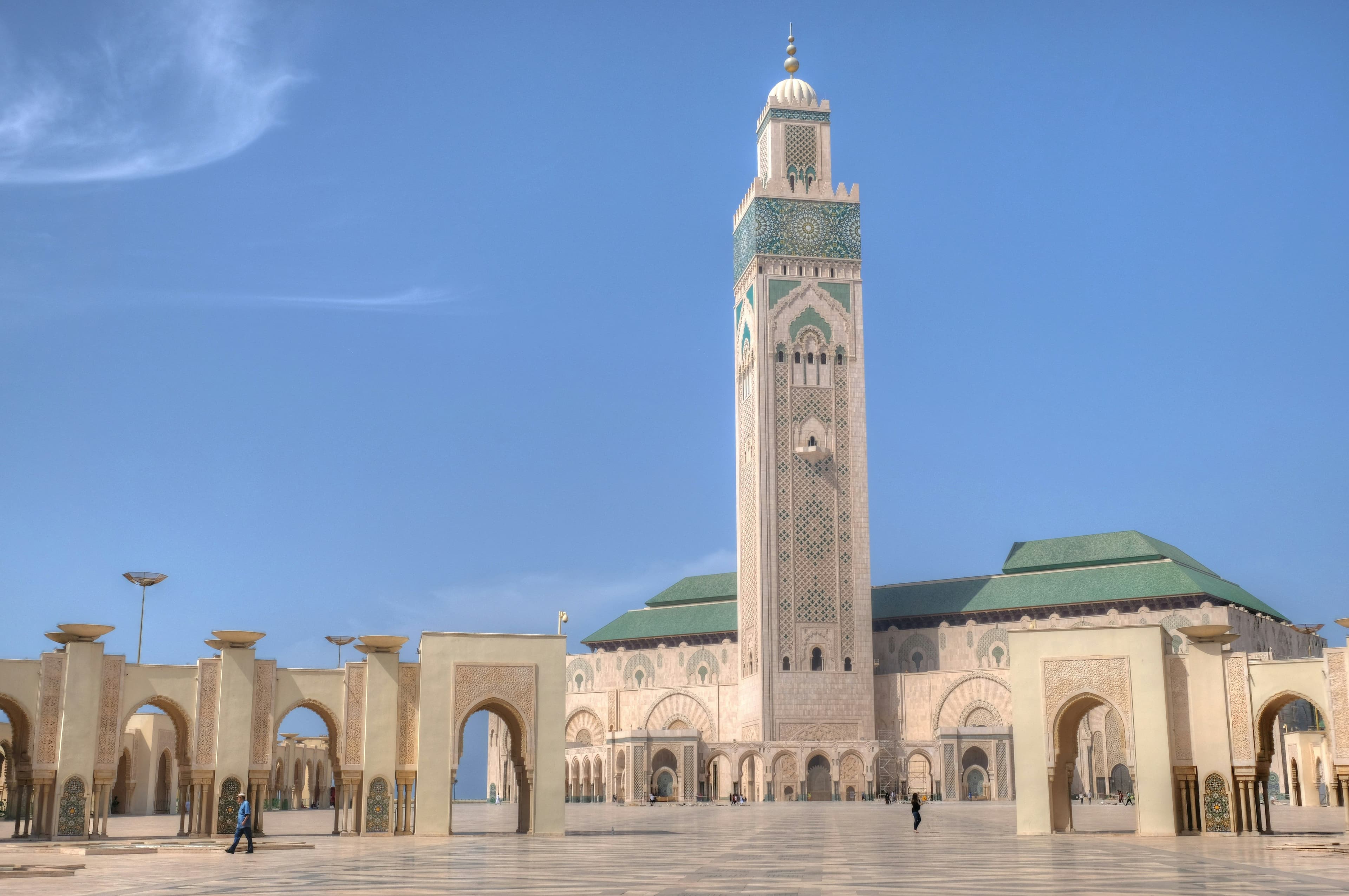
Standing next to the ocean, the hassan ii mosque is one of the largest mosques in the world, with a minaret that rises over 200 metres high. Inside, guided visits take you through marble floors, carved ceilings and a prayer hall that can hold thousands of people. Compared to other cities, streets here are wider and easier to navigate. A short visit is usually enough before continuing your route.
Essaouira and the Atlantic coast
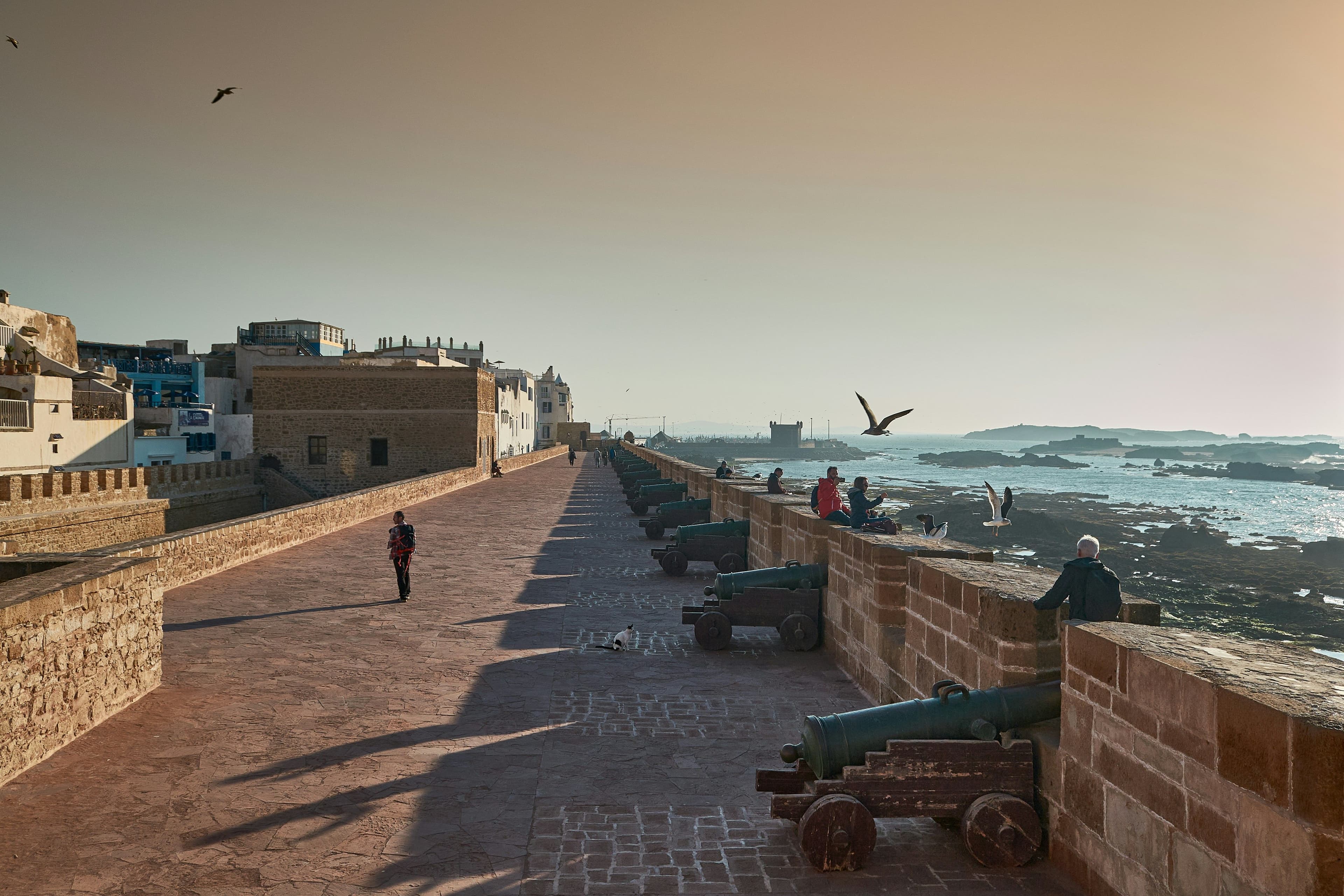
Walking along the harbour, you’ll see blue fishing boats lined up and fresh seafood being prepared nearby. Inside the old walls, streets are easier to navigate than in larger medinas. Wind is part of daily life here, which keeps temperatures lower than inland cities. Grilled fish straight from the harbour is one of the easiest meals to find here.
Aït Benhaddou, the Draa Valley and the Dades Valley
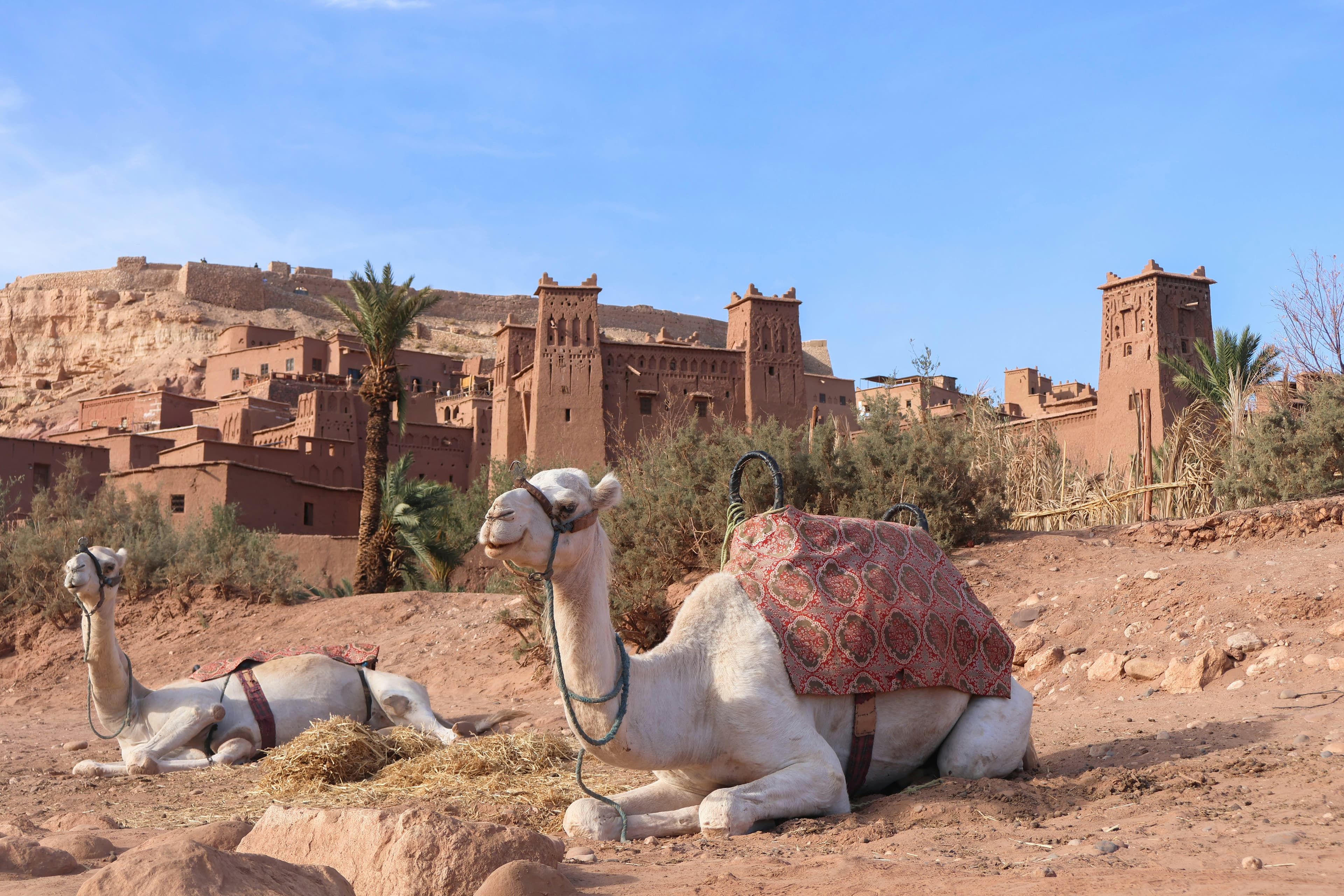
Driving towards the south, you pass dry landscapes, palm groves and small villages along the way. At Ait Benhaddou, you walk through an old ksar built from clay, which has been used in films and still stands largely intact. Further along, the Draa Valley in Morocco follows a long river with date palms, and the Dades Valley in Morocco brings winding roads and rock formations. Each stretch of road looks different, which keeps the drive interesting.
The Atlas Mountains and Imlil
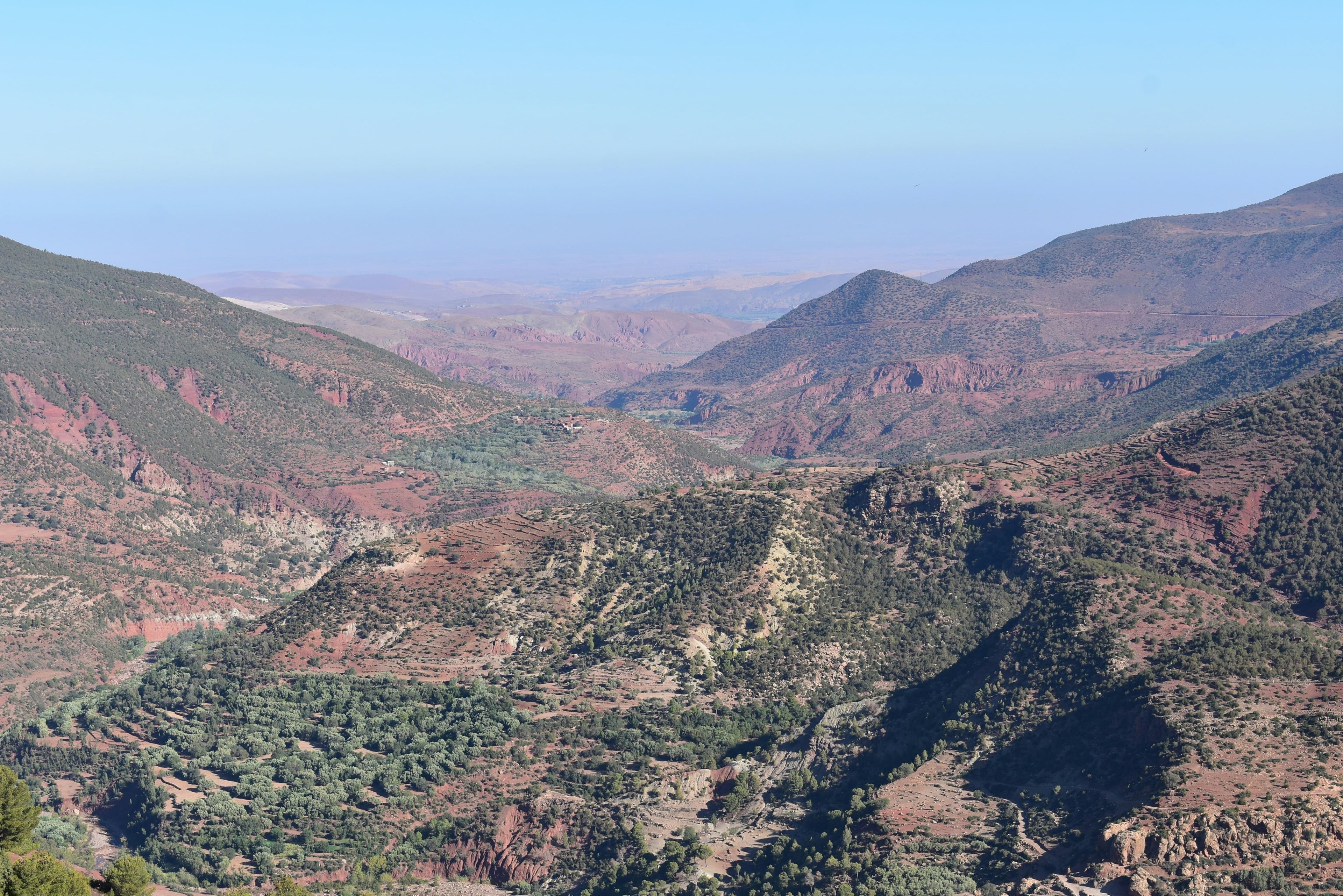
Just a short distance from Marrakech, you reach the Moroccan Atlas Mountains, where temperatures drop and the air feels lighter. In Imlil, walking routes lead through small villages and up towards higher peaks. Mount Toubkal, the highest mountain in North Africa, is also reached from this area. Even a simple walk here gives you a different perspective on the country.
Extra places for if you have more time
Coastal towns like Asilah in Morocco bring painted walls and smaller streets without the intensity of bigger cities. In the anti atlas mountains, landscapes become more rugged and less visited. Areas like tazekka national park in Morocco work well if you want hiking and nature instead of cities. These stops are easier to add when you have more time.
Guided tip: Plan your overnight stops first, then connect them with realistic travel times instead of straight lines on a map.
Morocco Itinerary: How many days do you need?
Distances might look short on a map, yet travel time adds up quickly once you’re on the road. Let’s take a look at a few nice routes!
Morocco itinerary 5 days
With limited time, sticking to one region is the best idea.
Day 1: Arrival in Marrakech, explore Jemaa el-Fnaa and nearby streets
Day 2: Visit Bahia Palace, Majorelle Garden or take a short Atlas day trip
Day 3: Travel to Aït Benhaddou via the Tizi n’Tichka mountain pass
Day 4-5: Return to Marrakech with stops along the route
North Morocco route:
Day 1: Arrival in Fes
Day 2: Explore medina, tanneries and madrasas
Day 3: Travel to Chefchaouen
Day 4-5: Explore Chefchaouen and viewpoints
7 to 10 day Morocco travel itinerary
With more days, you can connect cities with the desert.
Day 1: Arrival in Marrakech
Day 2: Explore Marrakech
Day 3: Drive to Aït Benhaddou
Day 4: Continue to Dades Valley
Day 5: Travel to Merzouga dunes
Day 6: Desert trip
Day 7: Drive towards Fes
Day 8-10: Explore Fes
Morocco road trip
Driving through Morocco gives you more control over your route. A morocco road trip connects places that are harder to reach otherwise, and honestly, this is where the trip gets really good.
This is a Morocco road trip route that works really well:
Day 1: Marrakech, arrive and explore the medina
Day 2: Drive to Aït Benhaddou, stop in the Atlas Mountains along the way
Day 3: Continue to Dades Valley, pass through Ouarzazate
Day 4: Drive to Merzouga, arrive near the Sahara desert
Day 5: Desert experience and overnight camp
Day 6: Drive towards Draa Valley, long but beautiful route
Day 7: Return to Marrakech or continue towards Essaouira
This route gives you cities, mountains and desert in one loop, which is why it’s so popular.
Need more inspiration? Check out the following trips:
Best things to do in Morocco
So this is where your trip really starts to come together. Because yes, the places matter, but what you actually do there is what you’ll remember most. So let’s explore fun activies in Morocco, things to see in the country and life-changing adventures!
Get ‘‘lost’’ in the medinas
This is one of those things you don’t really plan. When you walk around you’'ll see small streets, shops, rooftops, everything kind of blends together. It can feel overwhelming at first, so taking a break at a café or rooftop really helps.
Sleep under the stars in the desert
This is something you just want to do at least once. You ride out towards the dunes, have dinner at camp, and wake up early the next day. Nights can get cold, so bring something warm even when the days are hot. One night is enough for most people.
Drive through valleys and old kasbah towns
The drive here is part of the experience. You’ll pass places like Aït Benhaddou and continue through valleys where the landscapes keeps changing. It’s not just about getting from A to B, you’ll want to stop along the way. This works best when you’re not in a rush.
Try a hammam or cooking class
These are easy to add to your trip. A hammam is something very local, which is basically a traditional steam bath where you get scrubbed and washed in a way that’s been part of daily life here for centuries. And a cooking class gives you a better idea of the food you’ve been eating. Both are a nice break from walking around all day.
Spend time in the mountains or by the coast
After a few days in the cities, you’ll probably want something slower. A couple of days in the mountains or near the sea helps a lot. You can go for short walks, or have a long lunch.
Guided tip: Pick one or two highlights you really want to do, then plan the rest of your days around those.
Ready to map out your Morocco route?
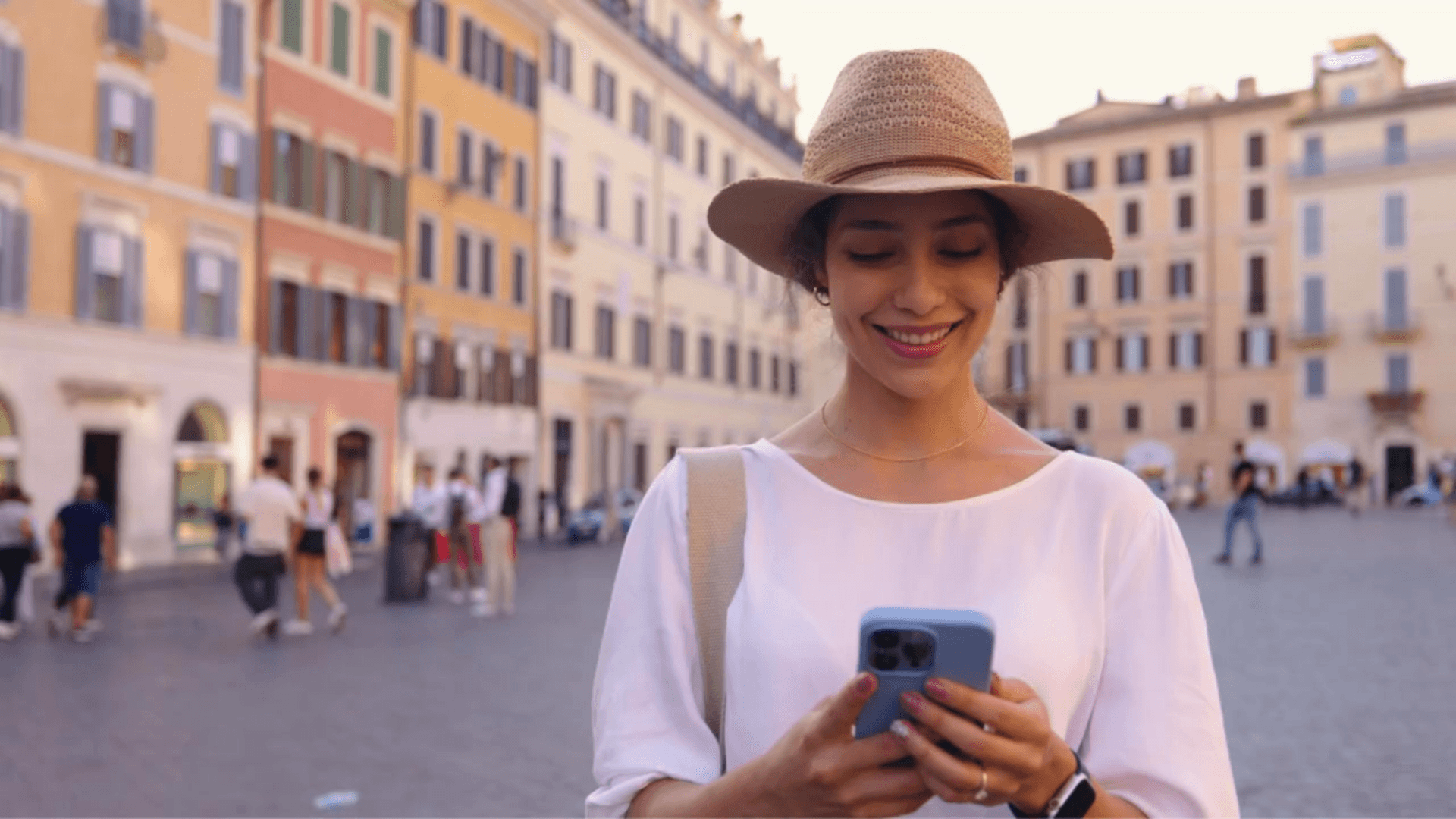
Now that you know the best places to visit in Morocco, which areas to stay, and fun things to do in Morocco, you can start thinking about your own route. Creating an itinerary is very easy in the Go-Guided app, where you can create your own route or use routes shared by other travellers for free!
Food & drinks you’ll want to try in Morocco
Food is just always there. You don’t really have to look for it, you’ll come across it all day. Around markets and small streets, you’ll see stalls with fresh bread, olives, grilled meats and sweet pastries being made on the spot.
Tagine, couscous and local dishes
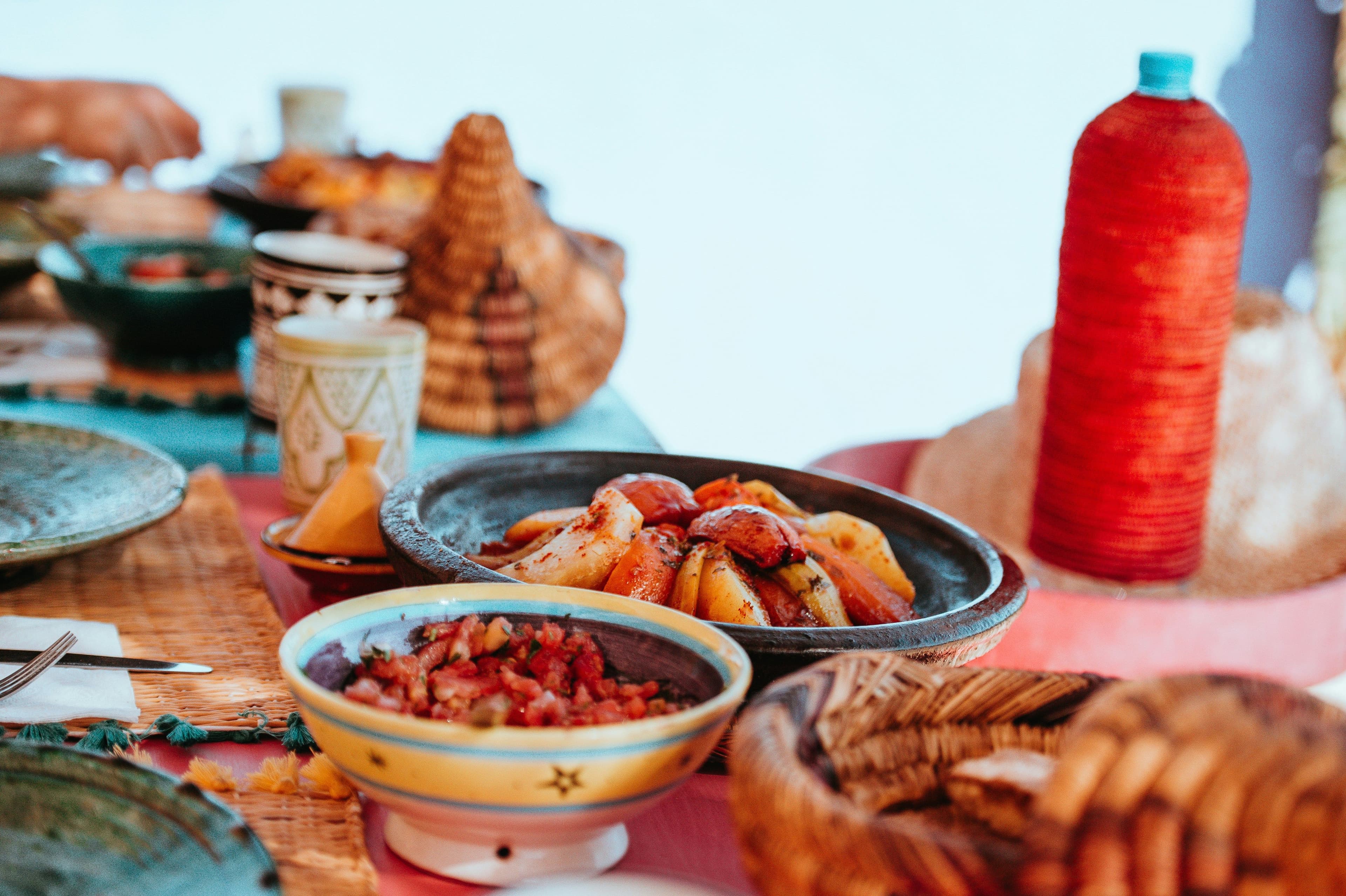
A tagine is probably the first thing you’ll try. It’s slow-cooked, full of spices, and every place does it a bit differently. Couscous is another classic, often served on Fridays.
Street food and market snacks
Markets are great for quick bites. Fresh bread, olives, small dishes, things you can just grab and try. Busy stalls are usually a good sign, because that means food is made constantly. Eating where locals eat is usually your best bet.
Mint tea and cafés
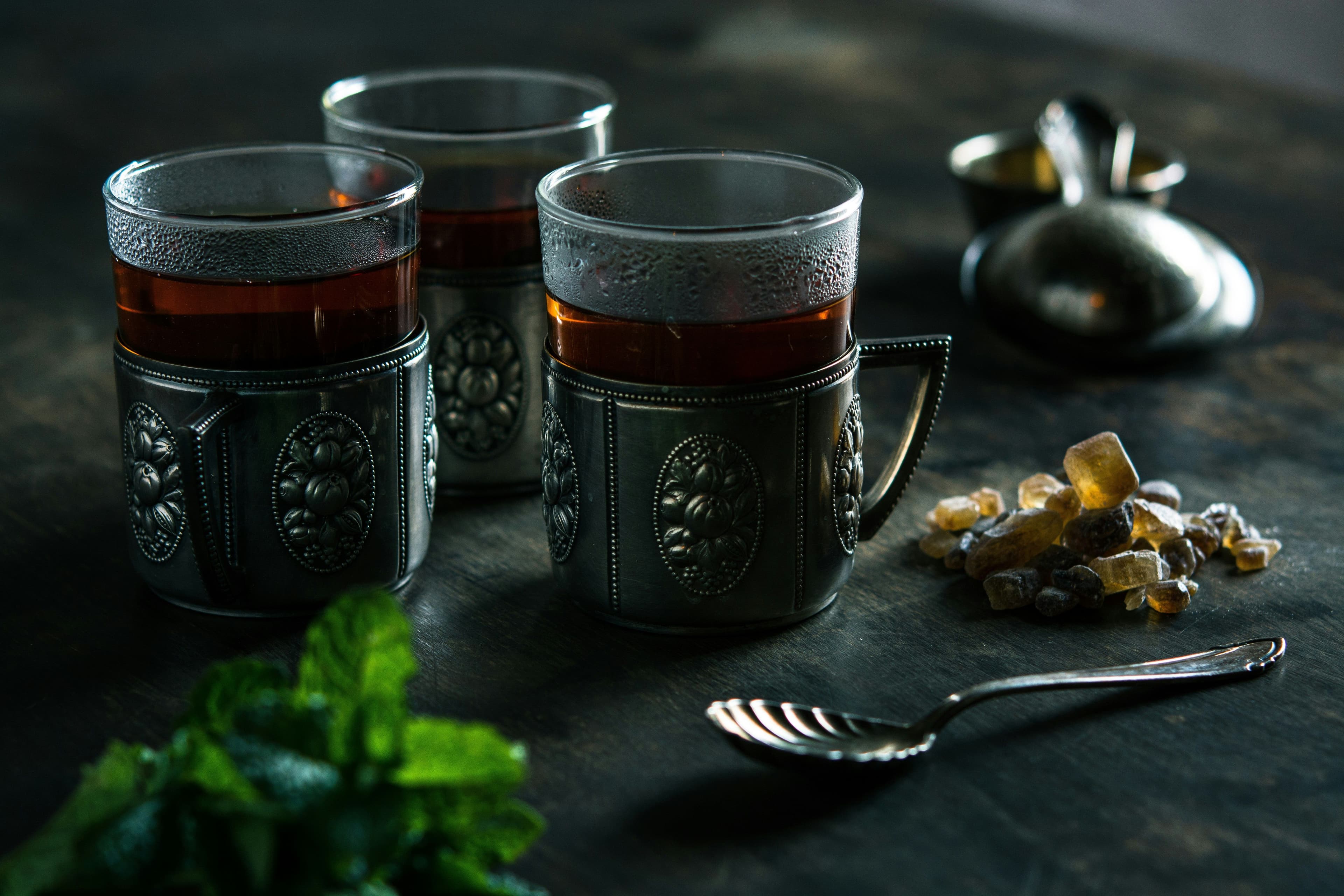
You’ll drink a lot of mint tea here. It’s part of daily life and you’ll get it everywhere. Sitting down for tea or coffee becomes a natural break during your day. Those small moments are actually really nice in between everything else.
Culture in Morocco: what you notice as you travel
This is one of those things you’ll notice without even trying. Just walking around already shows you how daily life works here, it’s all around you.
Religion, daily rhythms and respect
You’ll hear the call to prayer during the day, and that already tells you a lot about how things are structured. Shops sometimes pause for a bit and evenings become more social. Covering shoulders and knees just makes things easier in most places. It’s not strict, it just helps you blend in a bit more.
Language and communication
A mix of Arabic, Berber and French comes up everywhere. English works in many places, but not always outside the main areas. A few simple words already help more than you’d expect. And honestly, people really appreciate it when you try.
Dress, behaviour and public etiquette
Clothing here is generally more covered than you might be used to. Light fabrics that cover your shoulders and knees are usually the easiest option. Public displays of affection are kept quite low key. You’ll pick up on what works pretty quickly once you’re there.
Guided tip: Not sure what’s appropriate? Just look around you for a moment, that usually tells you everything you need to know.
Looking for more unique places, trips and activities?
Subscribe to our Guided Newsletter for more travel inspiration.
Is Morocco Expensive?
This is usually the question that comes up first. What does a trip like this actually cost? And is Morocco cheap or expensive?
Food & Drink

Coffee
10 – 20 MAD
Lunch
40 – 80 MAD
Beer
30 – 60 MAD
Accommodation
Hotels
300 – 900 MAD
Airbnb
250 – 700 MAD
Hostel dorm
80 – 150 MAD
Transport
Trains
50 – 150 MAD
Public Transport
5 – 15 MAD
Car Rental
300 – 600 MAD
Attractions
Museums
20 – 70 MAD
Big Attractions
70 – 200 MAD
Theatre
100 – 300 MAD
Practical tips for trips to Morocco
Never been to Morocco before? We’ve gathered some tips from fellow Guided travellers.
✔ Carry cash and expect cards to be hit and miss
You’ll notice this pretty quickly once you’re there. Cards just don’t work everywhere, especially in markets or smaller places. Cash ends up being what you use most of the time. Smaller notes help a lot, because getting change isn’t always easy.
✔ Build in more travel time than you expect
At first, the distances don’t look that bad. But once you’re on the road, everything takes longer than you think. Stops, traffic, winding roads… it all adds up. Giving yourself extra time just makes the whole day more relaxed.
✔ Think about whether you want a car, driver or tour
This is one of those decisions that really changes your trip. Driving yourself gives you freedom, but it can be tiring on longer days. A driver or tour means you can just sit back and not think about directions. Both are good, it just depends on what you prefer.
✔ Dress for respect and temperature changes
You’ll figure this out pretty quickly by looking around. Covering shoulders and knees just makes things easier in most places. And temperatures can drop more than you expect, especially in the evening. Layers really help here.
✔ Don’t try to do too much
It’s very tempting to keep adding places. But honestly, that just turns your trip into constant moving around. Slowing it down a bit makes everything more enjoyable.
Once you get these things right, everything just flows better. You spend less time figuring things out and more time actually enjoying where you are.
Who should visit Morocco?
This is one of those places that isn’t the same for everyone. The way you travel really changes how your trip looks here.
First-time travellers who want something different
You know those trips where everything feels new from the moment you arrive. That’s exactly what you get here. Sounds, smells, daily life, it’s all quite different from what you might be used to.
If you enjoy routes more than staying in one place
This is not really a stay-in-one-hotel type of destination. Moving between places is part of the experience. You’ll see completely different sides of the country just by changing locations. That’s what makes it so good for a multi-stop trip.
Couples, friends and family trips
You can easily do this as a couple or with friends. Family trips work too, as long as you keep the route a bit more relaxed. Heat and travel time are the two things you want to think about here.
When you want cities and nature in one trip
It’s quite rare to get this much variety in one trip. One day you’re in a busy city, the next you’re in the mountains or near the desert. That contrast keeps things fun without needing long flights in between.
Fun facts about Morocco
This is just a fun way to get a bit more context before you go. Some of these things you’ll actually recognise once you’re there.
Morocco has both an Atlantic and Mediterranean coastline
Rabat is the capital, not Marrakech
The country includes part of the Sahara and several mountain ranges
The imperial cities are Marrakech, Fes, Meknes and Rabat
Mount Toubkal is the highest peak in North Africa
Getting excited? We hope this Morocco holiday guide was useful. Stay tuned for more inspiration, routes and tips!
Create your own trip for free!
We hope this Morocco travel guide has given you a clear starting point for your trip. Stay tuned for more inspiration, itineraries and practical tips to help you shape your perfect adventure. And don’t forget to check out our Guided app, where you can create your own itinerary or use trips shared by other travellers for free!
FAQs About Morocco
- Where is Morocco?
Morocco is in the northwest of North Africa, just across from Spain. It sits between the Atlantic Ocean and the Mediterranean Sea. That’s why you can combine coast, cities and desert in one trip.
- What to wear in Marrakech?
- Can you drink alcohol in Morocco?
- What is the capital of Morocco?
- Do you need a visa for Morocco?
- Do you need vaccinations for Morocco?
- Is Morocco a Muslim country?
- Can you take a flight when travelling to Morocco from UK?