

England
A lot of people think the UK is all about London, yet within a few hours you can stand on fossil cliffs that record 185 million years of history or walk through villages built from the same stone for centuries. That contrast is what makes travel inside the UK so interesting, short distances connect royal landmarks, national parks and coastal towns without needing long transfers. The coastline here tells a story that started long before dinosaurs disappeared, and you can still spot fossils along the beach on a normal walk! There are also places where time seems to stand still, with cottages and streets that haven’t changed much in hundreds of years. These smaller stops, seaside towns, and historic routes add something extra to Britain trips. So let's dive in to see what you shouldn't miss out on when you travel inside the UK!
5 reasons to travel inside the UK
The UK surprised us in ways we didn’t expect. It’s not just about ticking off landmarks, it’s about how different everything feels within just a few hours.
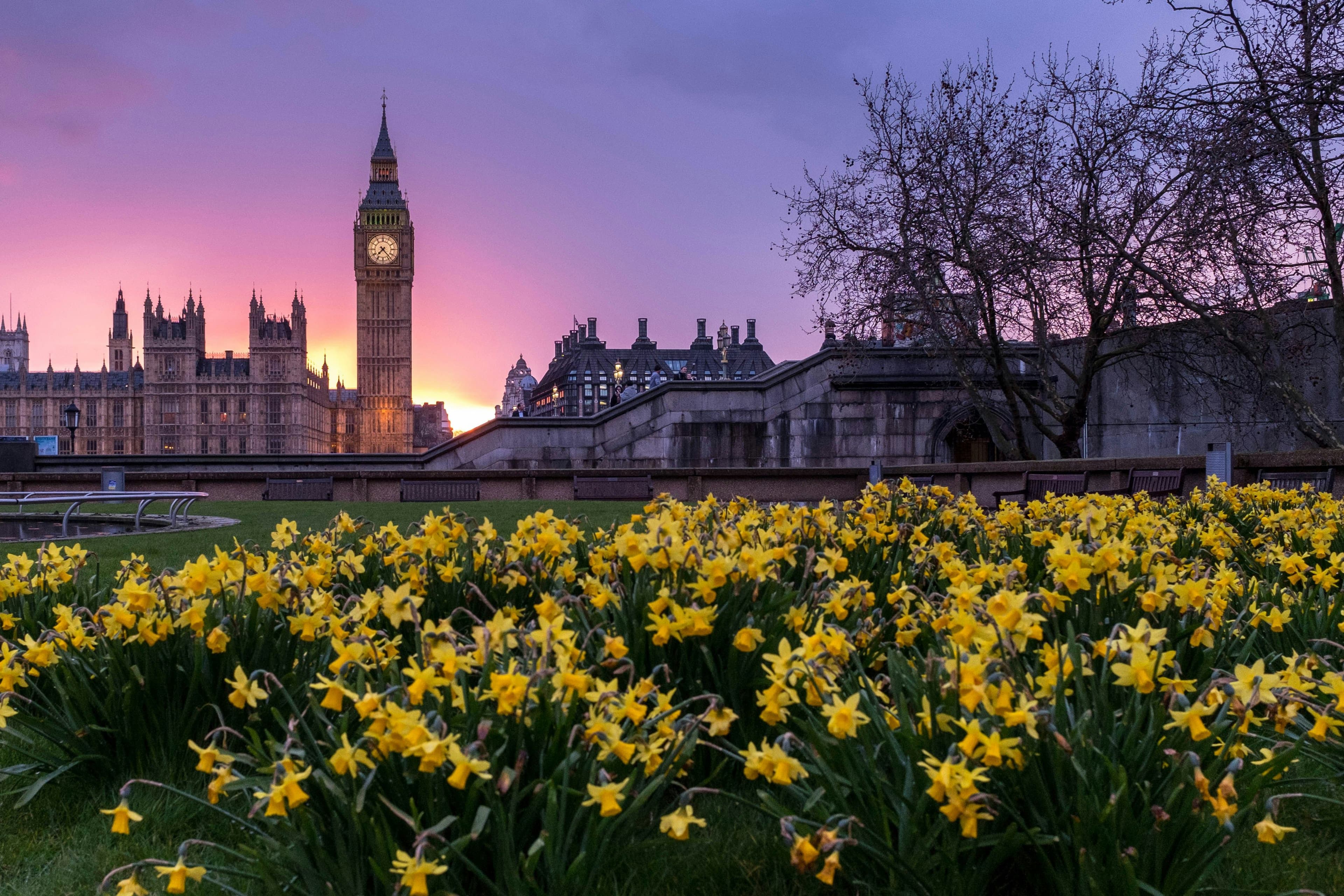
You can see famous landmarks without travelling far: Big Ben, Tower Bridge and Windsor Castle are all close enough to visit in one short trip.
England is much more diverse than it looks on the map: one day you’re in a busy capital, the next you’re in the English countryside near London.
You will come across villages that barely changed over time: the nicest towns in England, especially in the Cotswolds, look like they belong to a different century.
Green hills and coastline appear quickly once you leave the cities: the Lake District and the Jurassic Coast show two completely different sides of natural beauty in England.
Routes are surprisingly easy to build: many Britain trips follow a clear line through the country, which makes planning your own route in our Go-Guided app much simpler.
Best places to visit in England
Looking back on different routes through the UK, some places always make the list again. These are the best places to visit in England according to our Go-Guided travellers:
London: Big Ben, the London Eye and Tower Bridge
London is usually the starting point, and once you walk along the Thames, it becomes clear why. Big Ben, the London Eye and Tower Bridge are all surprisingly close to each other, so you don’t spend your whole day travelling between sights.
The Tower of London adds a completely different layer, originally built by William the Conqueror around 1078 as a fortress to secure his power, later used as a royal residence, prison and even a place of execution!
Streets around Westminster are busy at almost any time, which can feel intense, but it also means there’s always something happening. A short walk away, quieter streets suddenly appear, think of places like Neal’s Yard in Covent Garden with its colourful courtyard cafés, or the small lanes around Seven Dials where you find independent coffee spots. London works best when you mix the obvious landmarks with these smaller discoveries.
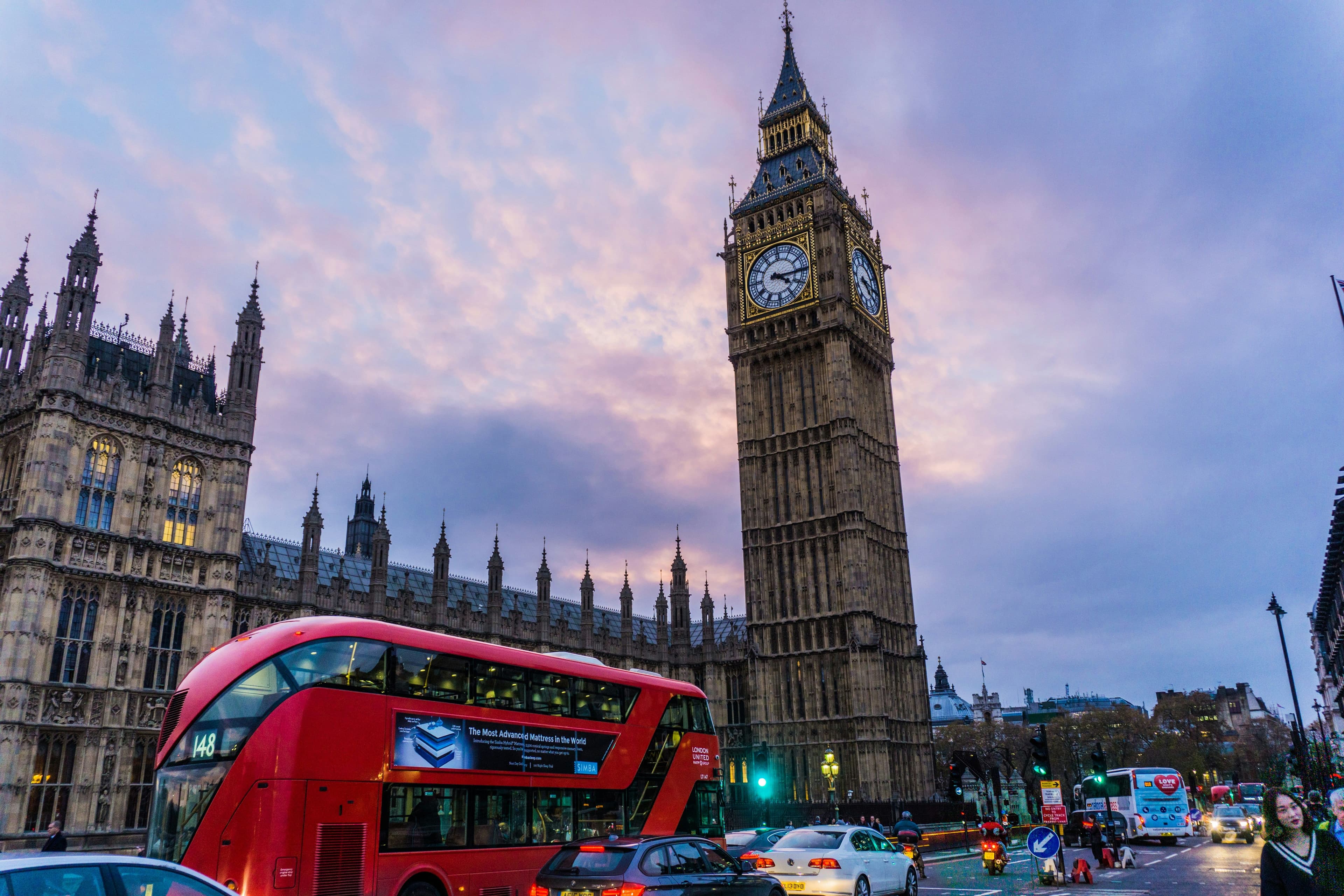
Windsor: Windsor Castle and riverside walks
Windsor feels very different from London, even though it’s so close. The castle dominates everything, and knowing that it is still used by the royal family makes it even more interesting.
Walking along the Thames past Alexandra Gardens and towards Windsor Bridge opens up wide views over the river and Windsor Castle. We would also recommend taking some time to walk through Peascod Street and the smaller lanes around Guildhall Island, where you find cafés, small shops and quieter corners just a few minutes away from the main sights.
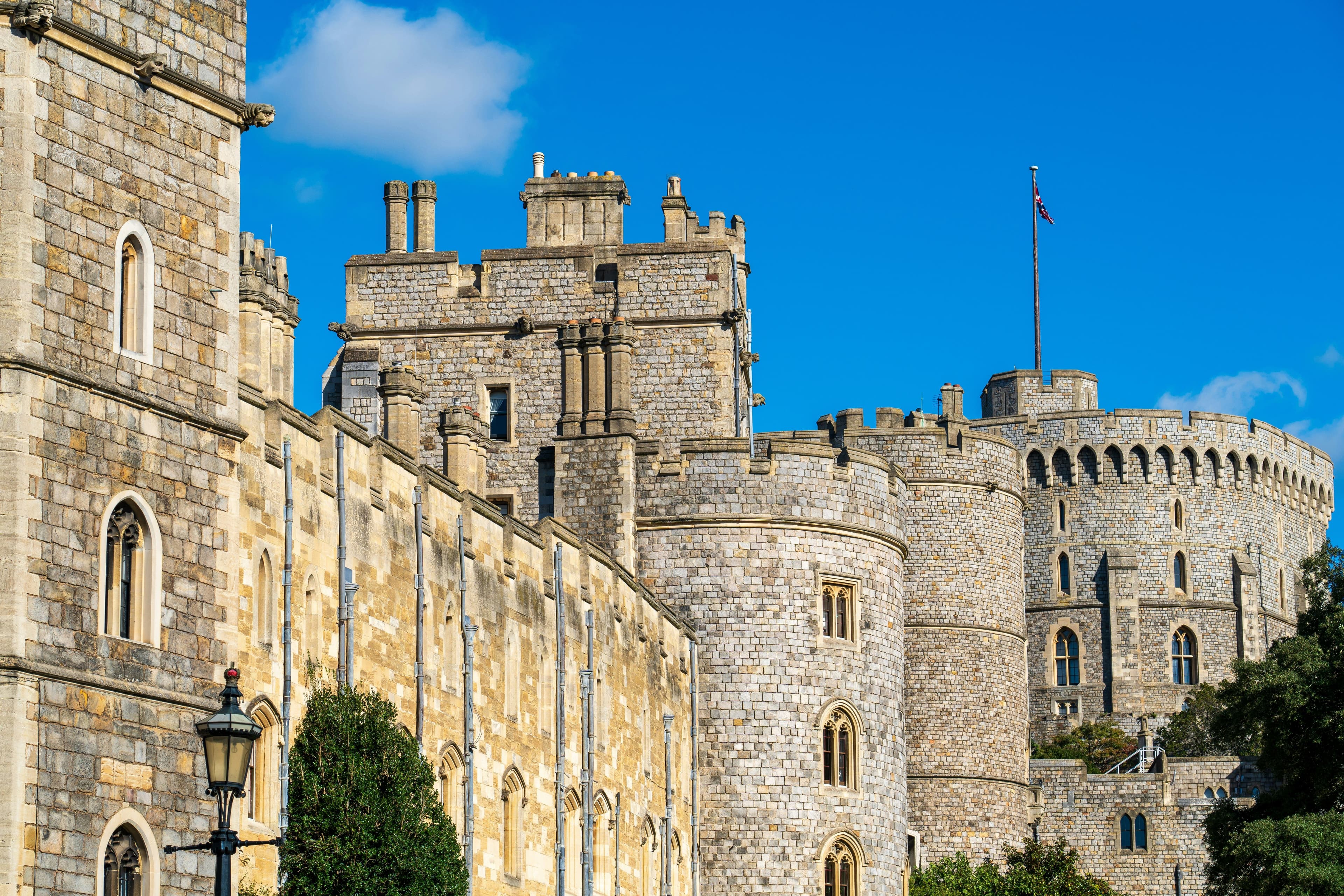
Oxford: historic streets
Oxford is one of those places we always recommend as a day trip, because it feels completely different from London as soon as you arrive. You can start by walking past the Radcliffe Camera and through the Bodleian Library area, then just continue into the smaller streets with colleges and courtyards. Some parts get busy, but a short turn into side streets like those around Jericho or along the canals quickly changes the atmosphere.
Museums like the Ashmolean are also easy to step into without planning ahead, so you can easily plan multiple sights in one day. Oxford works really well when you want something with history and character, without the intensity of the capital.
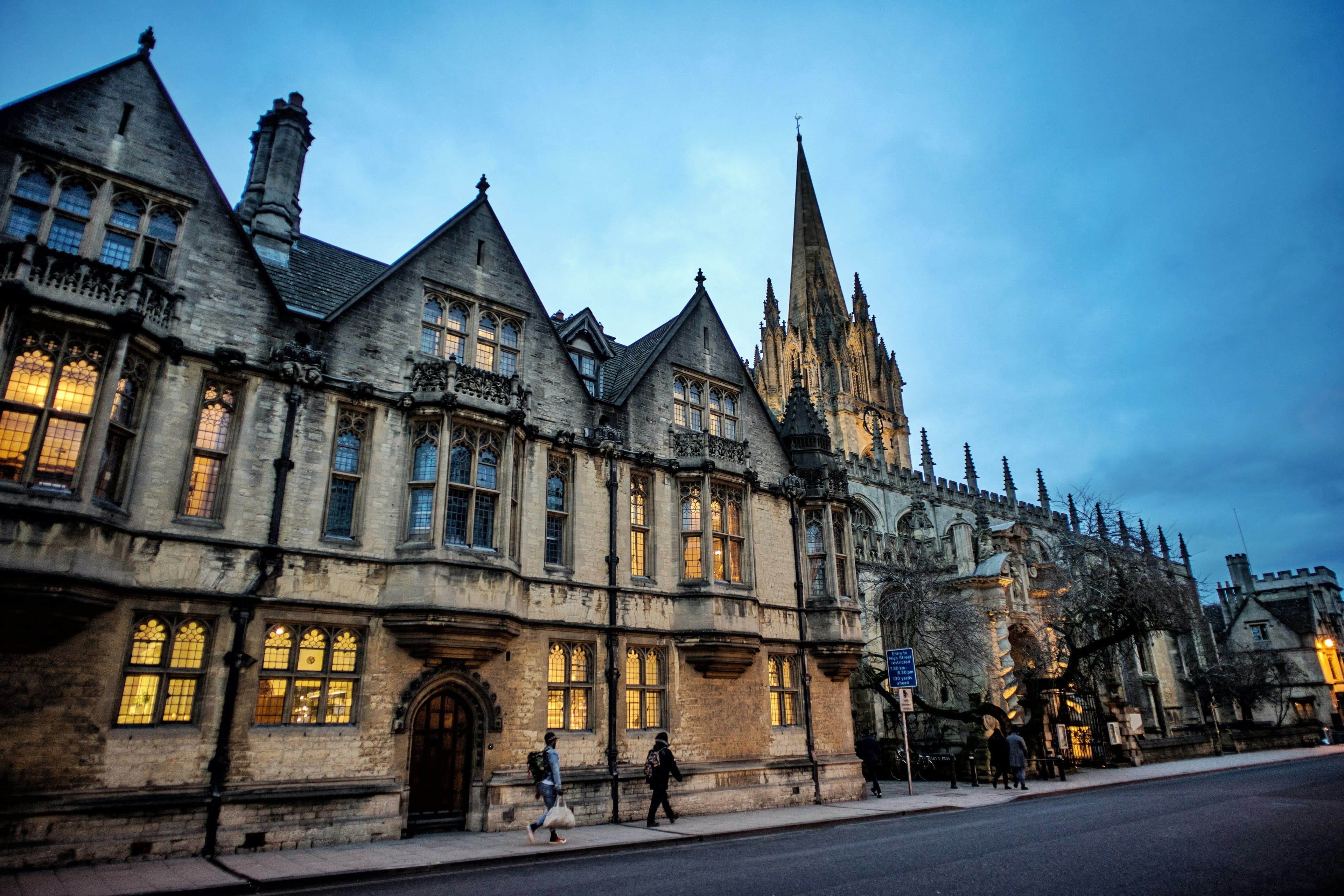
The Cotswolds: classic villages and rolling hills
The Cotswolds are exactly what many people imagine when thinking about the English countryside. Villages built from the same stone create a very consistent look, which is why many Go-Guided travellers rate these as one of the nicest towns in England. Places like Bourton-on-the-Water can get busy, so we would recommend driving a bit further to smaller villages like Lower Slaughter, Upper Slaughter and Snowshill, which feel much calmer and more authentic. You can take your time between stops, since the roads through the countryside are just as nice as the villages themselves.
The Lake District: mountains and natural beauty
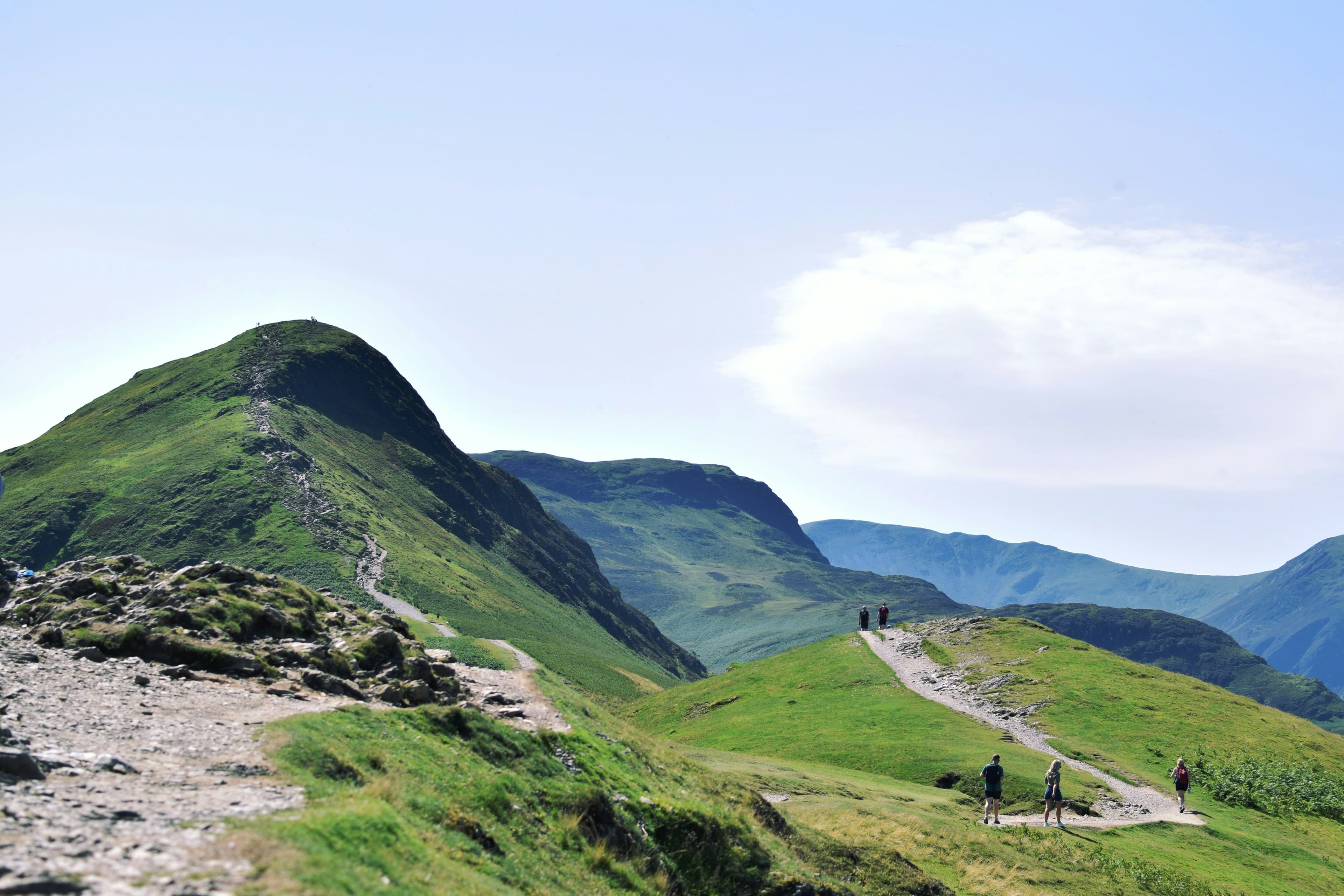
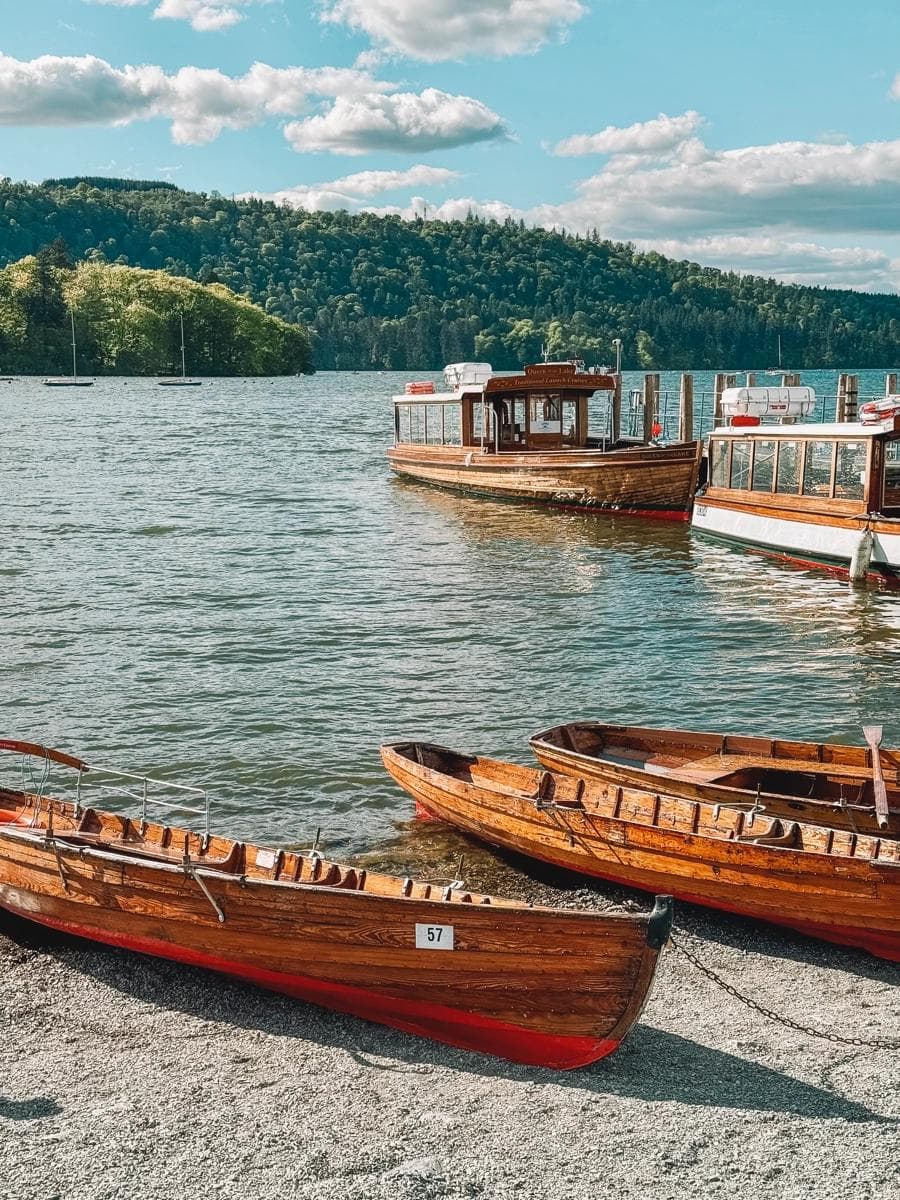
The Lake District is one of those places we would always include when heading further north, because it feels completely different from the rest of England. We would recommend visiting Windermere for the well-known views, but places like Ullswater often leave a stronger impression since they feel less busy and more open. The Lake District is recognised by UNESCO as a cultural landscape, because of how farmers have shaped the land over centuries through dry stone walls, sheep farming and the layout of fields that you still see today. The weather can change quickly here, so bring a raincoat!
Going to the Lake district? Read our 3-day route through the Lake district, including waterfalls and the Grasmere Gingerbread Shop.
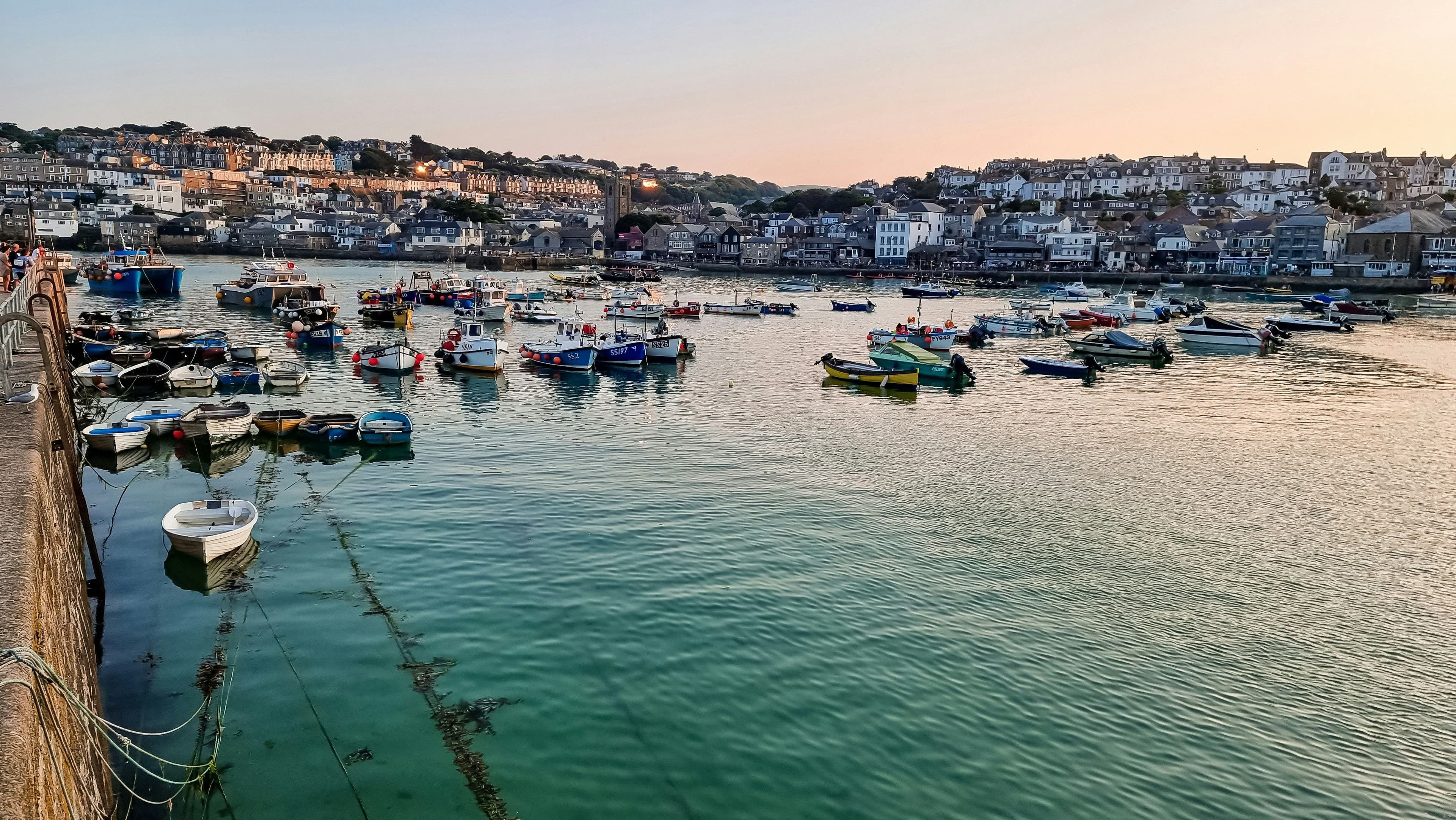
St Ives and the south west coast
St Ives surprised us more than expected. The harbour, small streets and sandy beaches create a completely different setting compared to the rest of England. The town has a long connection to art, which you still notice in galleries across the centre. Plus walking along the coast gives wide views over the sea!
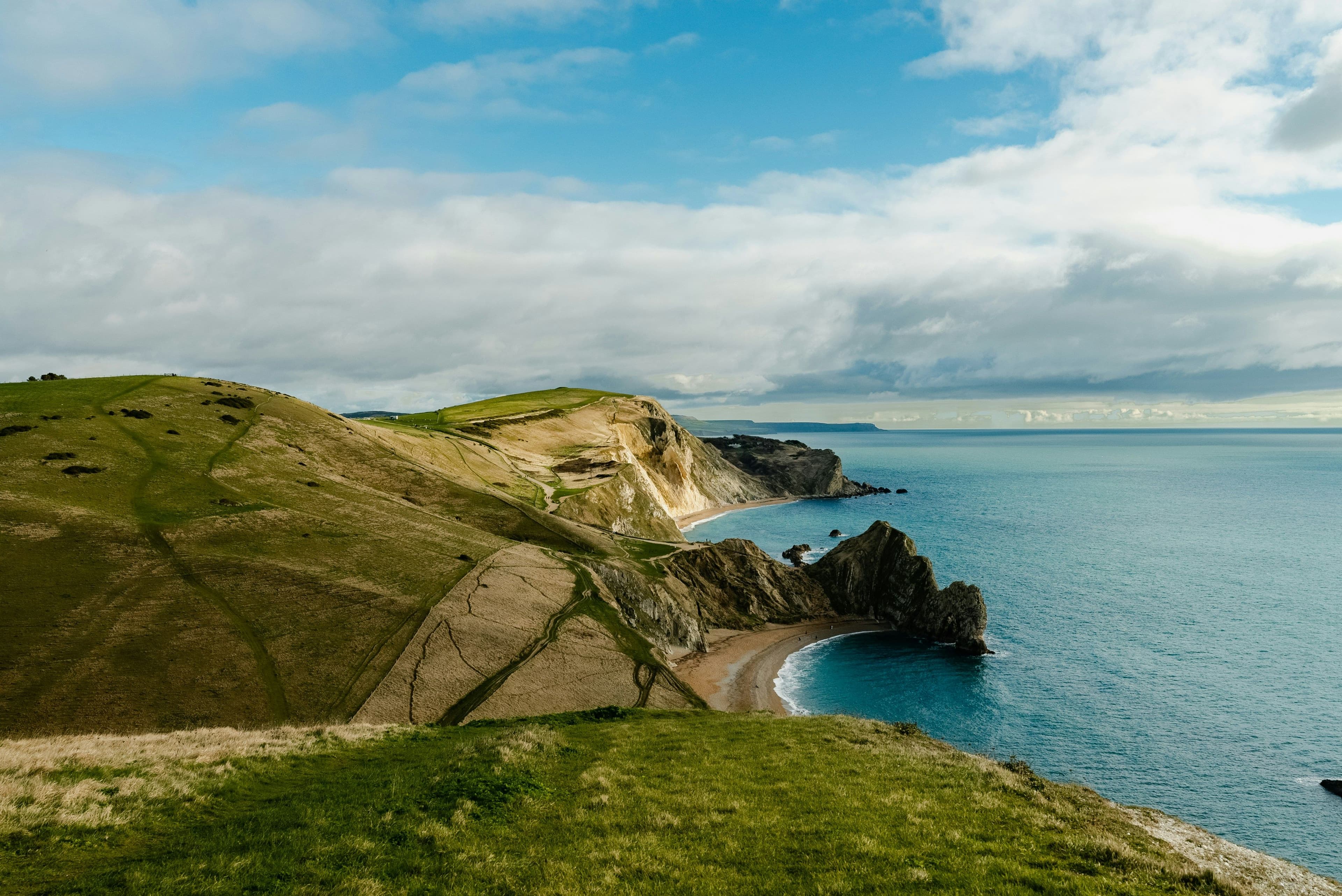
Jurassic Coast and the Lizard Peninsula
The Jurassic Coast is not just another coastline. Layers of rock show millions of years of history, and in some places you can actually find fossils on the beach! Further west, the Lizard Peninsula feels more remote. Fewer towns and more open coastline mean you spend more time walking along cliffs, spotting seals or seabirds, and even having long stretches of the path almost to yourself!
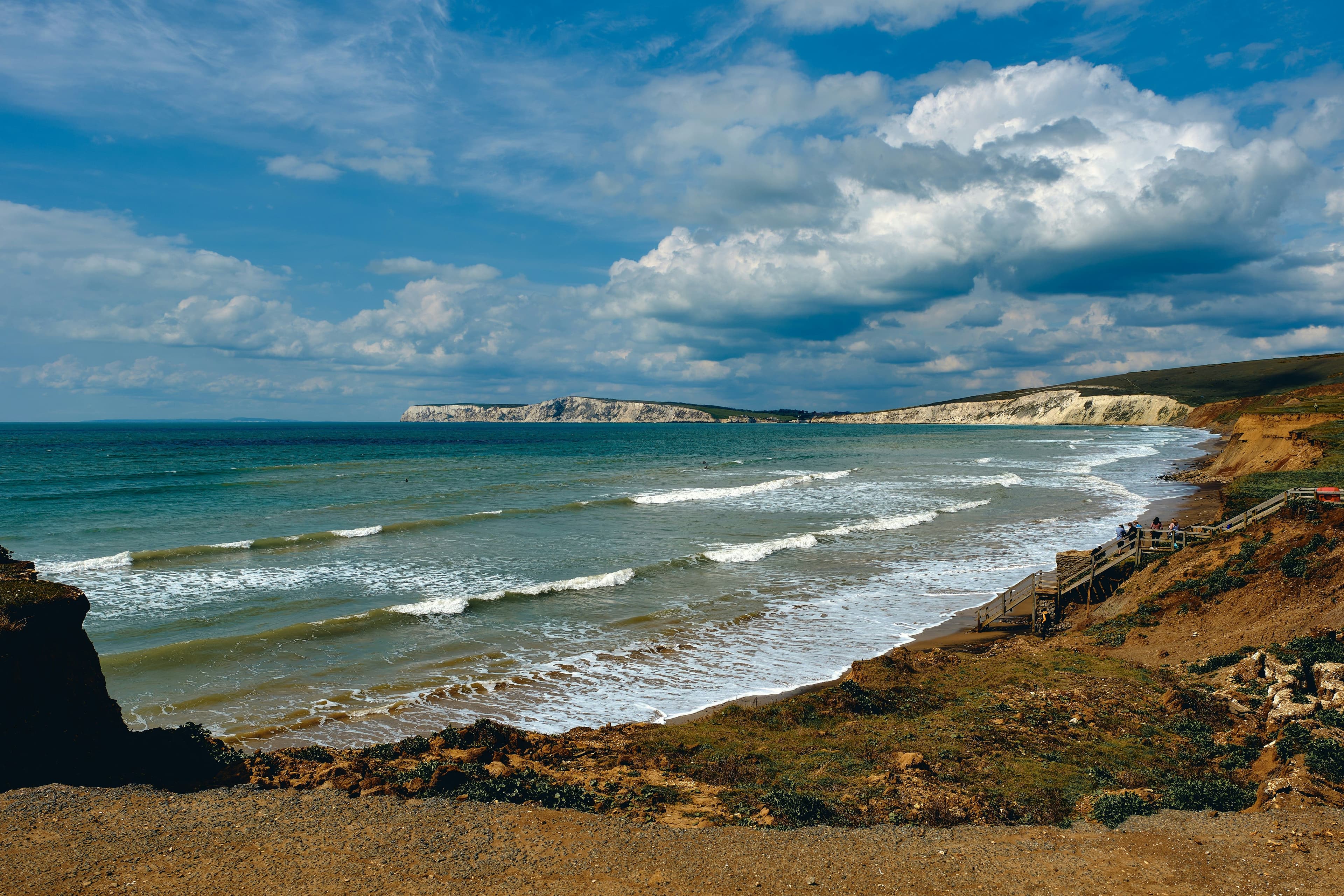
Isle of Wight: island escape near the south coast
To get to the Isle of Wight, you take a ferry from Portsmouth or Southampton, which takes around 30 to 60 minutes depending on the route. Once you arrive, you will quickly come across places like The Needles, Compton Bay and small coastal villages, all connected by short drives. What is nice about this area is that you can stop almost anywhere along the south coast for a walk or a viewpoint without needing a strict plan. And did you know the island has UNESCO Biosphere status, because of how nature and local life are closely connected here?
Edinburgh: culture and Edinburgh Castle
Edinburgh is often added as the final stop of a route, and that works well because the city is more compact than London but still full of history. You will see Edinburgh Castle almost everywhere as you walk through the Old Town, which sits on top of volcanic rock and has been used as a royal residence and fortress for centuries. What is nice about ending your trip here is that everything is close together, so you can explore a lot without travelling far.

UK travel itinerary ideas for 3 to 14 days
A good route makes everything easier once you’re there. We’ll share some ideas so it will be easier for you to create your route.
3 to 5 days London and nearby
London as your base for 2 to 3 days
Windsor as a day trip
Oxford as a second day trip
This route works well because everything is close together, so you don’t spend much time travelling. It’s a simple way to see several highlights without needing a car.
7 days UK route
Day 1–2: London
Day 3: Oxford or Windsor
Day 4–5: Cotswolds
Day 6-7: Edinburgh
This route connects the most well-known regions and gives a good overview without trying to cover too much in one week.
10 to 14 days UK trip
Day 1–3: London, Oxford and Windsor
Day 4–5: Cotswolds
Day 6–8: South West England, including St Ives
Day 9–11: Lake District
Day 12–14: Edinburgh
Use the Go-Guided app to build your route, or use routes shared by other travellers to save time planning!
Want more inspiration? Check out the following route(s):
When to visit the UK?
You can have days where everything works perfectly with long daylight and easy walks between places, and other times where it gets dark early and plans have to change quickly, so it really helps to think about the weather before you go.
Spring: good for cities and countryside
Summer: best for coastal routes and longer days
Autumn: ideal for quieter trips and changing colours
Winter: better for short city trips
Can’t decide? Have a look at our full guide on the best time to visit the UK for a more detailed breakdown.
The best areas to stay in different regions of England
A good base makes everything easier, so it helps to think about what kind of experience you want before booking anything.
Central London: for first-time visits and easy sightseeing
When you want to stay close to famous UK landmarks like Big Ben and the Tower of London, central London is the easiest option. Areas like Covent Garden, Westminster and South Bank make it simple to walk between sights and use public transport.
Oxford and the Cotswolds: for countryside and slower days
When you like smaller towns, walking and a more relaxed atmosphere, staying near Oxford or in the Cotswolds works really well. You can visit villages like Lower Slaughter and Snowshill and explore the English countryside near London without long travel days.
South East England: for short stays near London with variety
When you want to stay outside London but still keep things easy, South East England is a good option. Towns like Brighton or Canterbury give you access to the coast, history and interesting places to visit in south east England within a short distance.
South West England: for coast, beaches and longer stays
When you enjoy coastal routes and smaller seaside towns, the south west is a strong choice. Areas around St Ives, Devon and the Jurassic Coast are better suited to longer stays, since distances between places are bigger.
North England: for nature and historic cities
When you want more nature in your trip, northern regions work really well. The Lake District and cities like York give a mix of landscapes and culture, and this part of places in north England feels very different from the south.
North West and North East England: for something less obvious
When you prefer places that are less included in standard routes, the north west and north east are worth considering. Areas around Newcastle, Durham and coastal regions add a different side to the UK, including several hidden gems, like Bamburgh Castle along the Northumberland coast or the small harbour village of Robin Hood’s Bay.
Go-Guided tip: stay at least one to two nights in each region so you don’t spend most of your time moving between places.
Local food and drinks you must try in the UK
Foodies, pay attention, because this part gets interesting. London is known for its mix of international kitchens, and England in general has a surprisingly varied cuisine once you look beyond the basics. Here are some dishes you will want to try when you travel inside the UK.
Full English breakfast
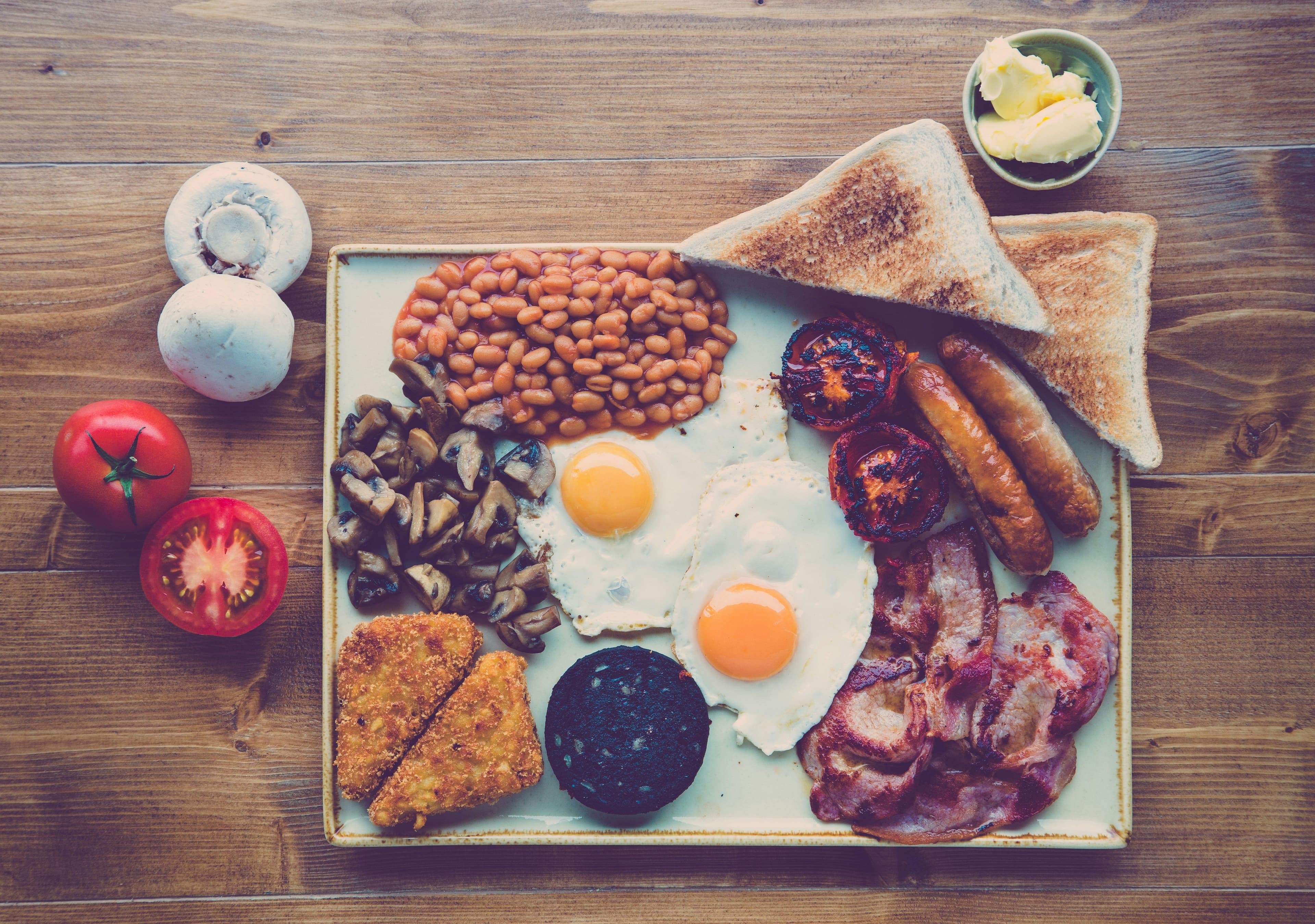
A full English breakfast is something you will come across in hotels, cafés and pubs across the country. Eggs, bacon, beans, sausage and toast make it a filling start before a day of exploring.
Fish and chips by the coast
If you like fish, you should try fish and chips near the coast, it really does taste different compared to inland. Places like Whitby, St Ives or Brighton are known for it, with spots like The Magpie Café in Whitby or Porthminster Beach Café in St Ives.

Sunday roast and pubs
When travelling in the UK, you should definitely visit a historic pub, because many of them have been around for centuries and still keep their original interiors. Places like Ye Olde Cheshire Cheese near Fleet Street or The Churchill Arms in Kensington give you a good idea of what these pubs look like, often just a short walk from famous UK landmarks. Sunday roast is still a tradition in many parts of England, with roast meat, potatoes and gravy served in local pubs.

Afternoon tea
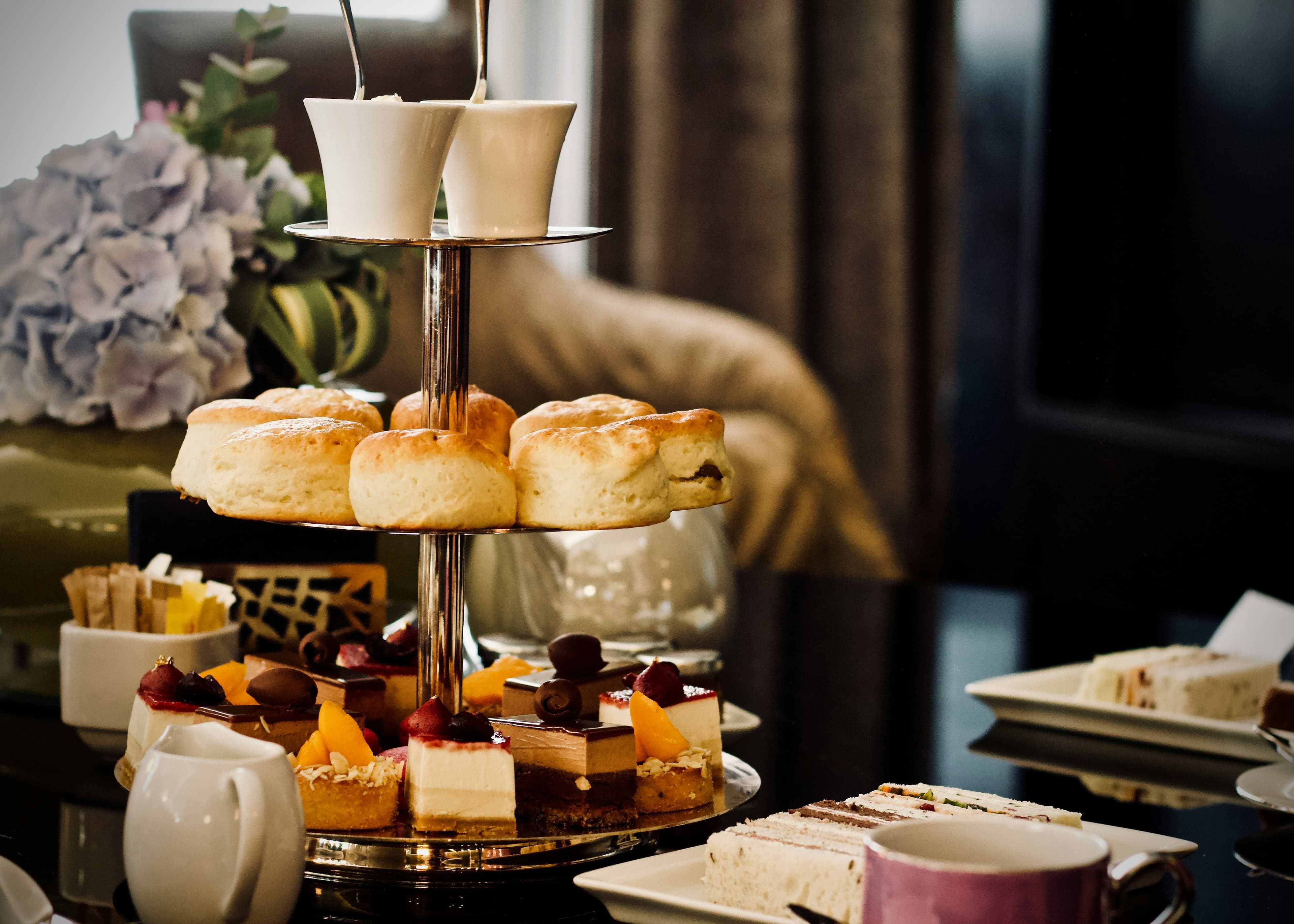
Afternoon tea is more than just tea, with sandwiches, scones and pastries served together. It is often booked in advance, especially in cities like London or Oxford. n London you can go to places like The Ivy Chelsea Garden or The Lanes of London.
What does it cost to travel inside the UK?
Costs in the UK can vary quite a lot depending on where you go and how you travel. Cities like London are more expensive, but smaller towns and countryside areas can balance your budget.
Go-guided tip: book accommodation and major transport early, then keep your daily spending flexible.
How to get around in England?
Transport is one of the easier parts of travelling in the UK because you will have a lot of options.
Train travel between cities
Trains are the easiest way to travel between major cities like London, Oxford and Edinburgh. You can book tickets through National Rail, and buying in advance usually gives better prices.
Driving through the countryside
A car is much more useful when visiting the Cotswolds, the Lake District or the south west, where villages are spread out. Driving is on the left side of the road, and narrow country roads are common, so you need to take your time and stay alert.
Getting around in London
Public transport in London works with contactless payment or an Oyster card, which you tap when entering and leaving stations. The Underground, buses and trains connect most parts of the city, which makes it easy to move around without a car.
Coaches and budget travel
Coach services like National Express connect cities and airports across the country. Tickets are usually cheaper than trains, but travel time is longer, which makes them better for longer distances when you’re not in a hurry.
Ferries and island connections
Ferries connect mainland England to places like the Isle of Wight, with routes from Portsmouth and Southampton. Crossings are short and run frequently, so adding an island stop to your route is quite easy.
Go-Guided tip: use trains for city-based routes and switch to a car when you start exploring smaller towns and countryside areas.
Fun facts about the UK you probably didn't know
Did you know some everyday habits and traditions in the UK have been around for centuries?
Afternoon tea started as a way to fill the gap between lunch and dinner in the 19th century
Many pubs date back hundreds of years and were once coaching inns for travellers
Edinburgh Castle stands on an extinct volcano, which explains its position above the city
The Tower of London still has ravens that are cared for because of a long-standing belief about the monarchy

Ready to Map Out Your UK Route?
At this point, you probably have a good idea of how different regions connect and what kind of route suits your trip. Everything comes together once you start placing these stops on a map and thinking about distances between them.
Stay tuned for more inspiration and don’t forget to check out our Go-Guided app where you can create your own route or use routes shared by others for free!
FAQs about travel in the UK
What is the UK known for?
The UK is known for its history, royal landmarks, countryside and cultural traditions. Famous places like Big Ben, Windsor Castle and historic cities are part of that image.
Is the UK safe?
The UK is considered a safe destination, with good infrastructure and clear information for visitors. And is London safe as well? London is generally safe, especially in central areas and during the day. Keeping an eye on your belongings in busy places and using common sense is usually enough.
Where is South East England?
South East England is the region just outside London, including areas like Kent and Sussex. It is one of the easiest regions to reach and includes coastlines, towns and countryside.
Do you need a car to travel inside the UK?
You don’t always need a car, since trains connect most major cities and many popular routes. A car becomes useful when you want to explore countryside areas like the Cotswolds or places that are harder to reach by public transport.